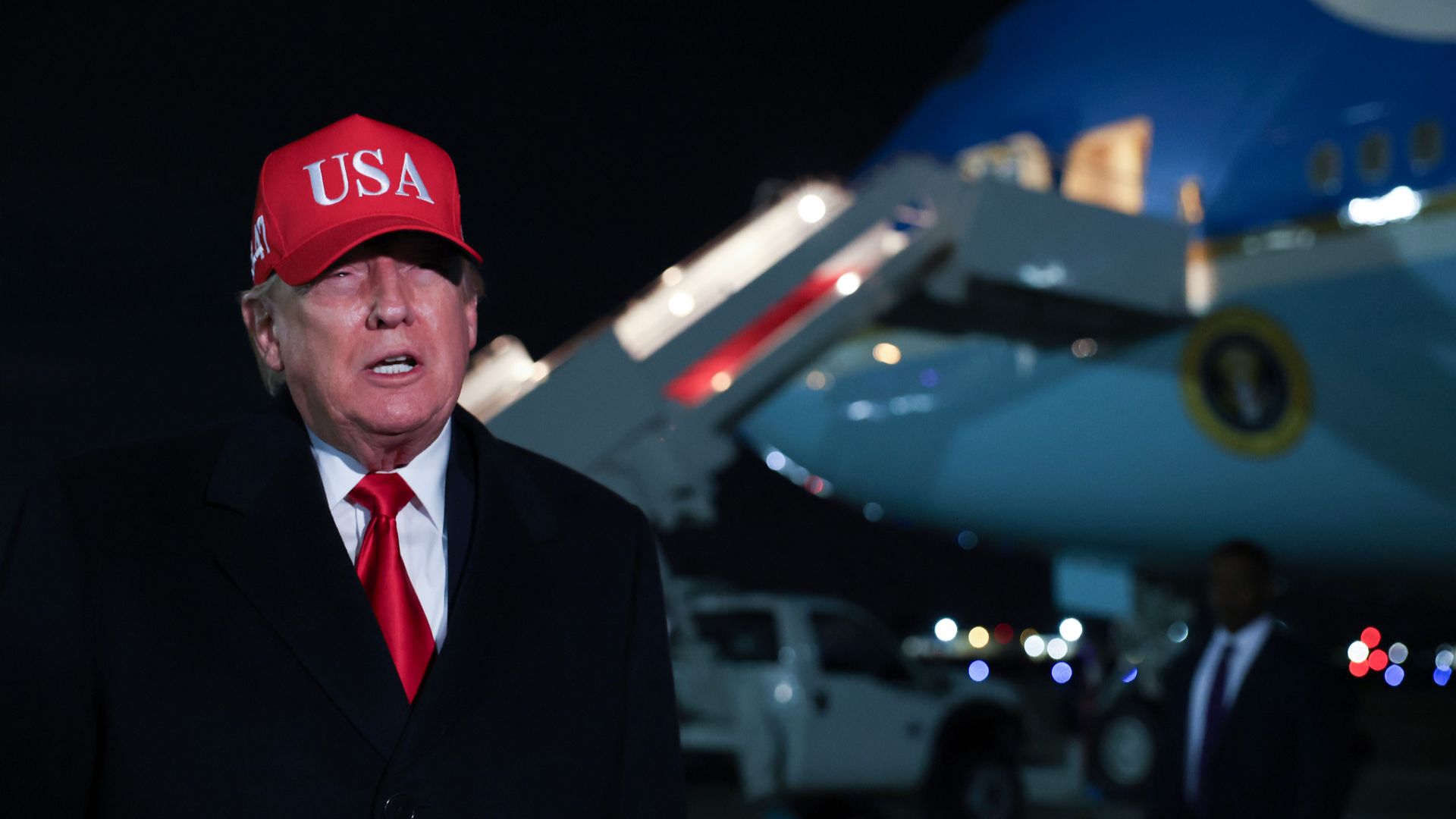
Trump Orders Blockade of Strait of Hormuz After Iran Peace Talks Collapse
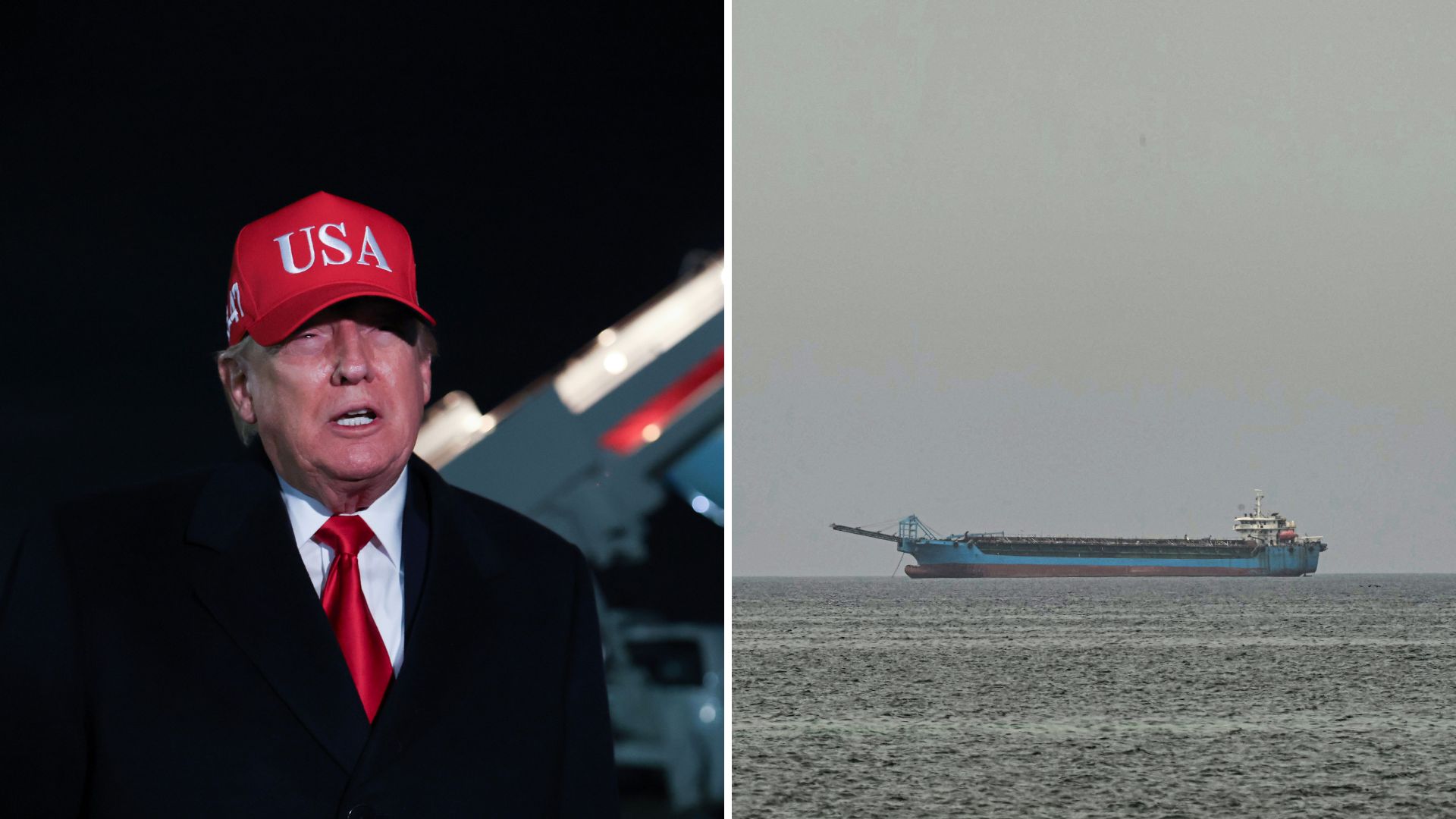
The United States has begun a blockade of the Strait of Hormuz following the collapse of peace talks between Washington and Tehran, marking a significant escalation in tensions in one of the world’s most strategically important waterways. The move was confirmed directly by Donald Trump in a Truth Social post, in which he outlined the timing and scope of the operation. He wrote: «The United States to Blockade Ships Entering or Exiting Iranian Ports on April 13 at 10:00 A.M. ET. Thank you for your attention to this matter! President DJT». The announcement immediately raised concerns among global markets and security analysts, given the Strait’s role as a critical chokepoint for global oil shipments.
The Strait of Hormuz, located between Iran and Oman, handles roughly a fifth of the world’s oil supply, making any disruption a matter of global economic consequence. The U.S. decision to move forward with a blockade follows weeks of deteriorating diplomatic efforts aimed at de-escalating tensions with Iran. Officials had previously indicated that negotiations were ongoing, but no agreement was reached. The failure of those talks appears to have triggered a shift toward direct military and economic pressure, with Washington now seeking to control maritime access to Iranian ports as part of a broader strategy.
«We’re not supporting the blockade.»
-British Prime Minister, Keir Starmer
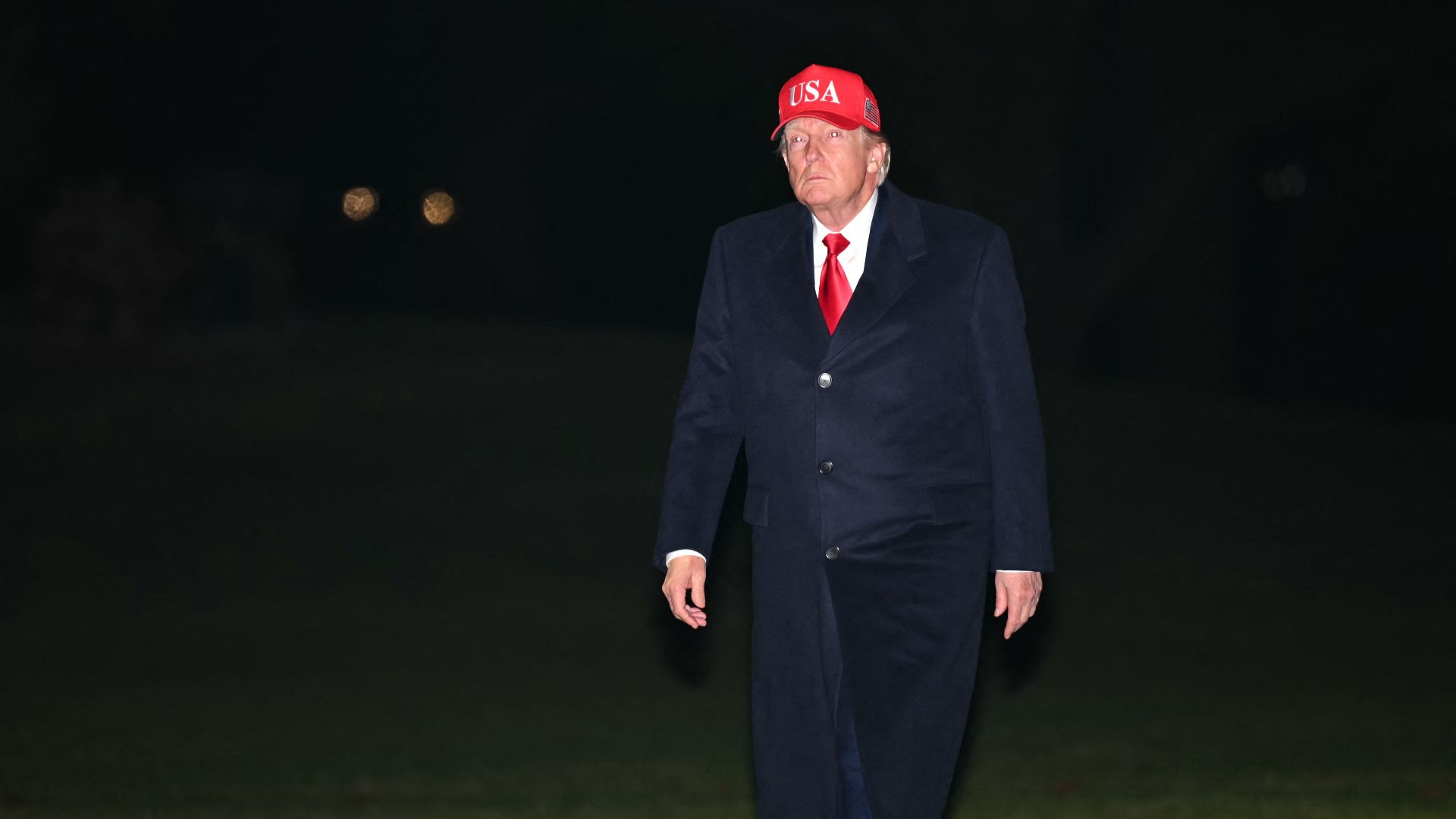
In a second Truth Social post, Trump escalated his rhetoric, issuing a direct warning to Iran regarding any potential response to the blockade. He wrote: «Iran’s Navy is laying at the bottom of the sea, completely obliterated – 158 ships. What we have not hit are their small number of, what they call, “fast attack ships,” because we did not consider them much of a threat. Warning: If any of these ships come anywhere close to our BLOCKADE, they will be immediately ELIMINATED, using the same system of kill that we use against the drug dealers on boats at Sea. It is quick and brutal. P.S. 98.2% of Drugs coming into the U.S. by Ocean or Sea have STOPPED!»
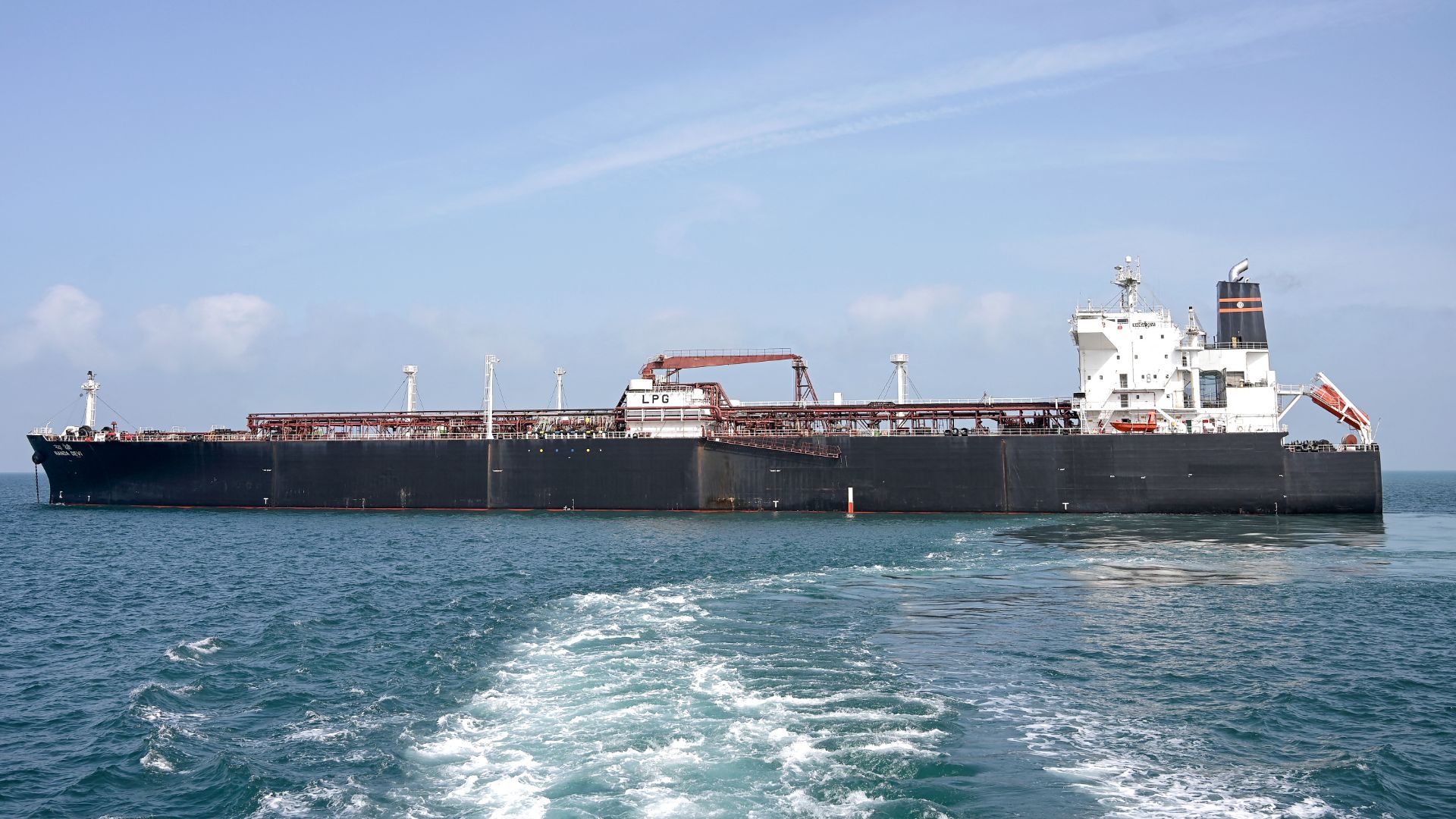
Iranian officials responded swiftly, condemning the U.S. action as an illegal act of aggression and warning of serious consequences if the blockade is implemented. A spokesperson for Iran’s foreign ministry stated: «Any attempt to block Iranian ports or interfere with freedom of navigation in the region will be met with a firm and decisive response.» Iranian military officials also signaled that their naval forces remain operational and capable of defending national waters, rejecting Trump’s claim that the country’s navy had been largely destroyed. Tehran has historically viewed the Strait of Hormuz as a vital national interest and has repeatedly warned that it could take retaliatory action if its access is threatened.
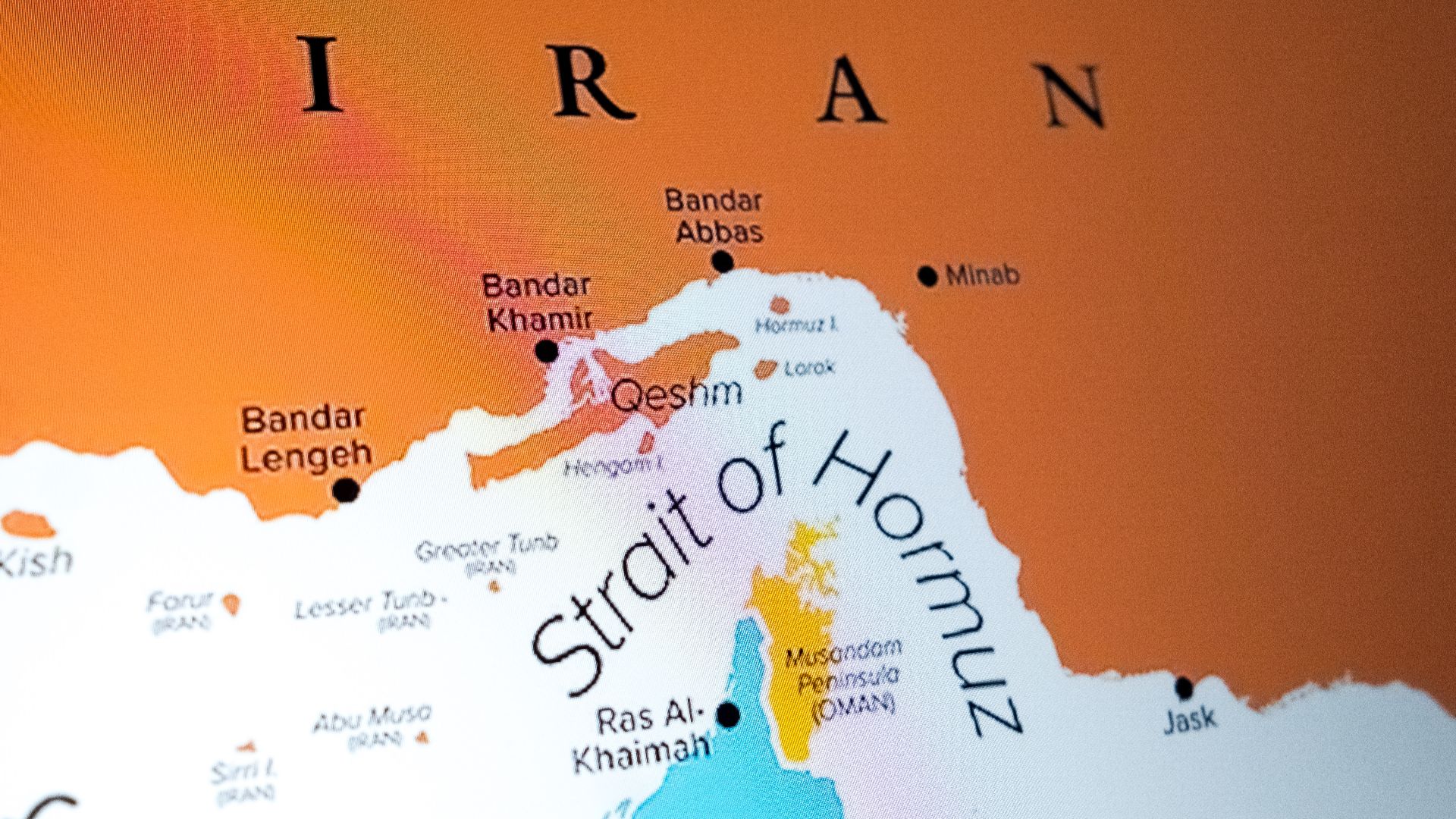
The U.S. blockade has also exposed growing divisions among Western allies, with several countries publicly refusing to take part in the operation. British Prime Minister Keir Starmer made clear that the United Kingdom would not support the initiative, stating: «We’re not supporting the blockade». He emphasized that London’s priority remains keeping the Strait of Hormuz open rather than restricting access, adding that efforts are «focused, from our point of view, on getting the strait fully open.» His position reflects broader concerns within Europe that participation in the blockade could escalate the conflict rather than contain it. British officials have instead stressed the importance of maintaining freedom of navigation and pursuing diplomatic solutions.
«Warning: If any of these ships come anywhere close to our BLOCKADE, they will be immediately ELIMINATED, using the same system of kill that we use against the drug dealers on boats at Sea.»
-U.S. President, Donald Trump on Truth Social
Other U.S. allies have taken similar positions, distancing themselves from Trump’s strategy and signaling reluctance to be drawn into a wider confrontation with Iran. France has also declined to join the blockade, while several NATO and partner countries have resisted earlier calls from Washington to deploy naval assets in the region. Some governments have argued that the lack of a clear legal framework and strategic objective makes participation risky, while others have emphasized economic concerns tied to global energy markets. The growing list of refusals highlights an emerging split within the Western alliance, as countries weigh their support for the United States against the risks of further escalation in the Gulf.