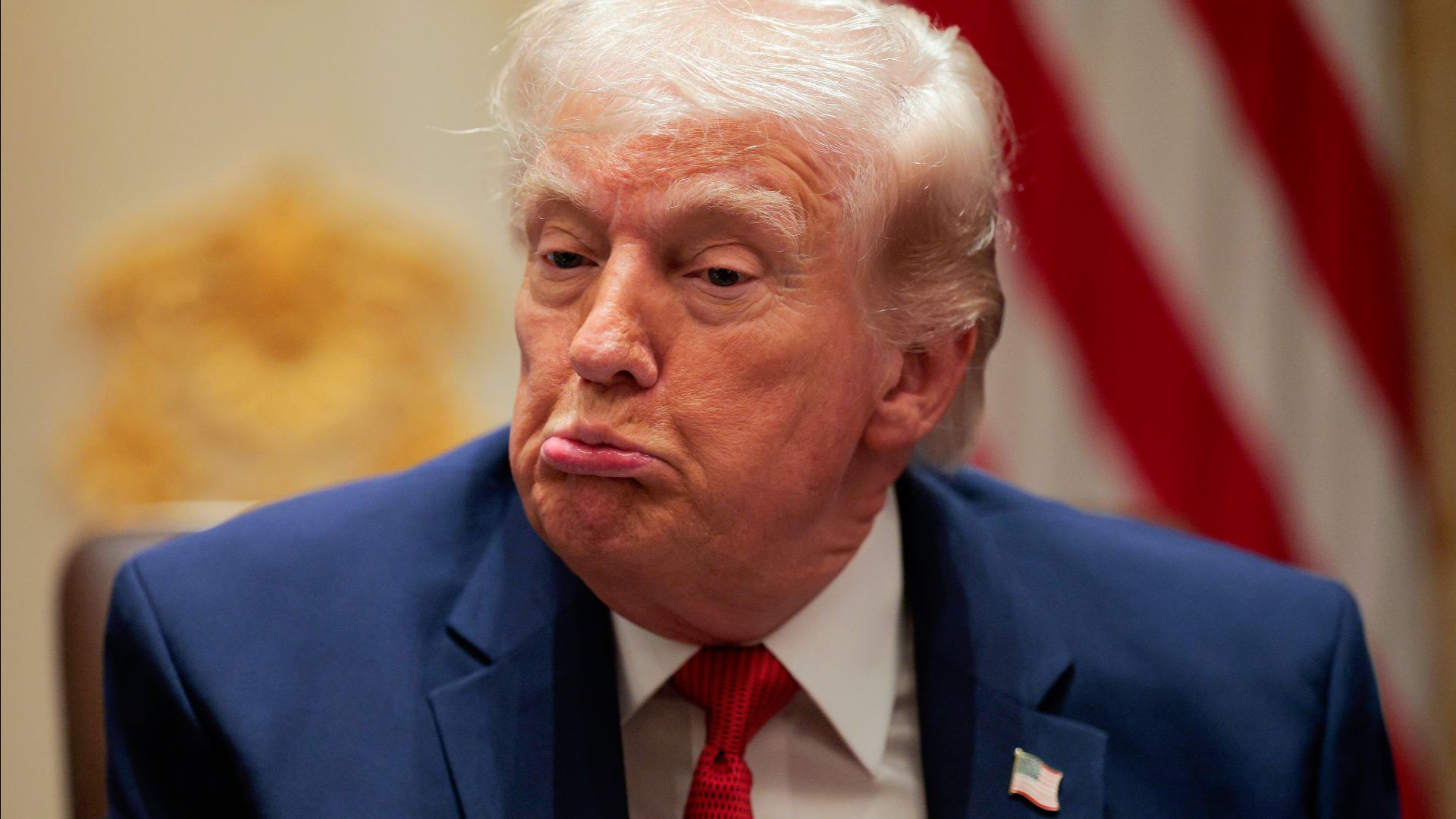
Trump Posts Photo Depicting Himself as Jesus, Then Deletes It After Backlash
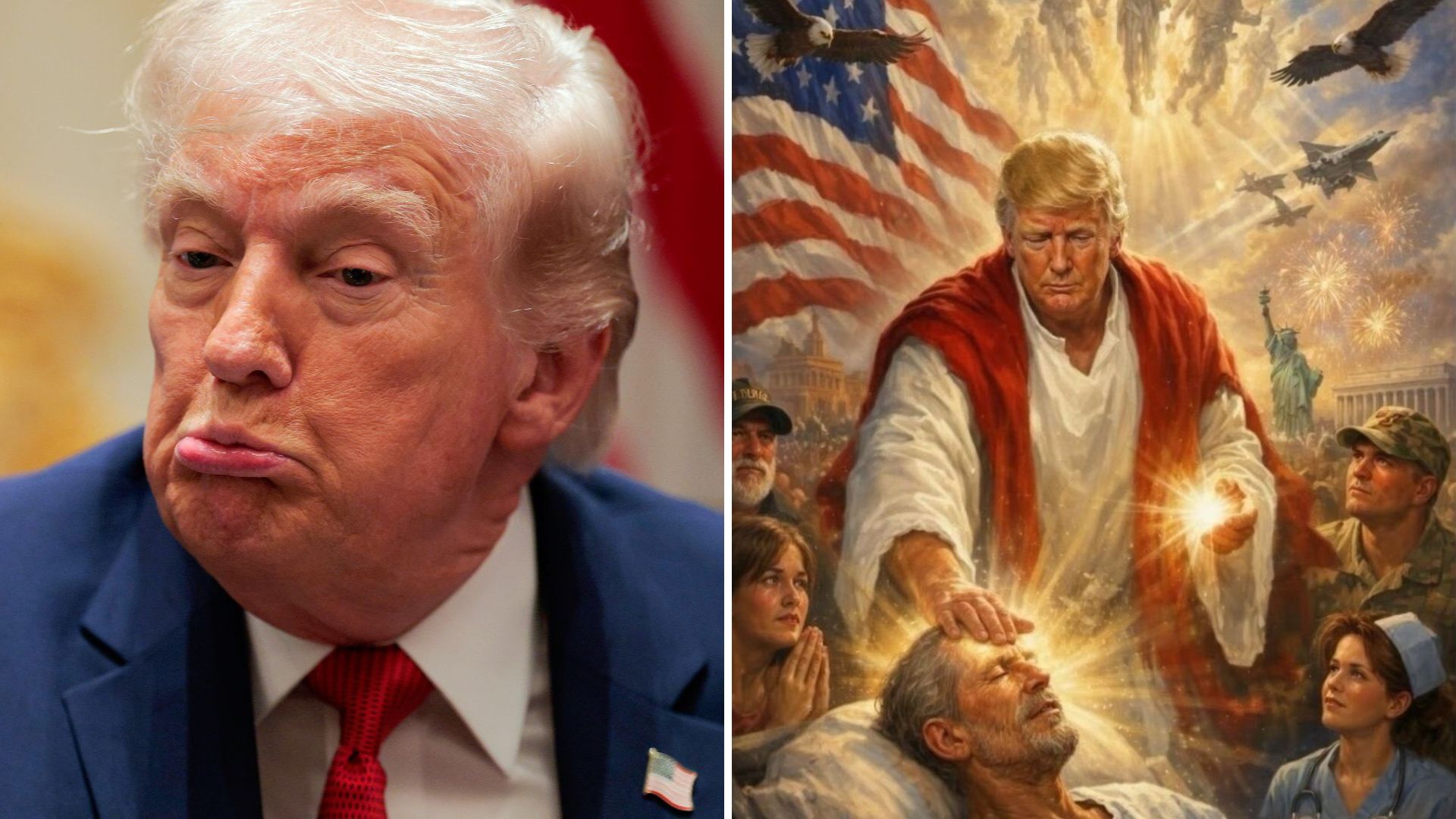
Donald Trump deleted one of his many Truth Social posts published over the weekend after it triggered widespread backlash, drawing criticism not only from political opponents but also from parts of his own base. The now-removed post was part of a series of messages shared by the president, ranging from commentary on the escalating conflict with Iran and the blockade of the Strait of Hormuz to personal attacks on public figures, including musician Bruce Springsteen and Pope Leo. Among them, one post showing a fictional Trump Tower on the moon also circulated. However, it was an AI-generated image depicting Trump in a religious context that quickly became the focal point of controversy.
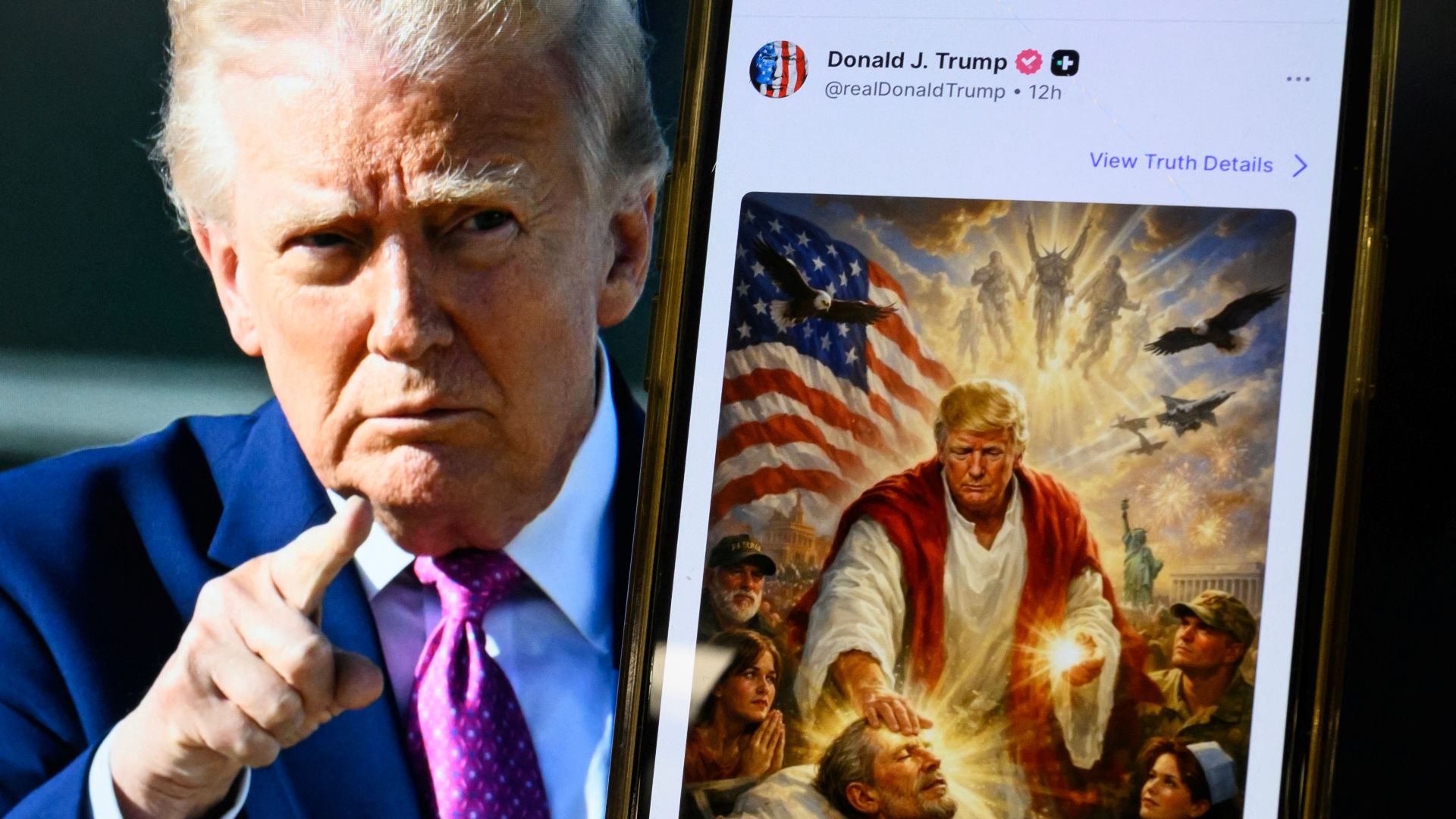
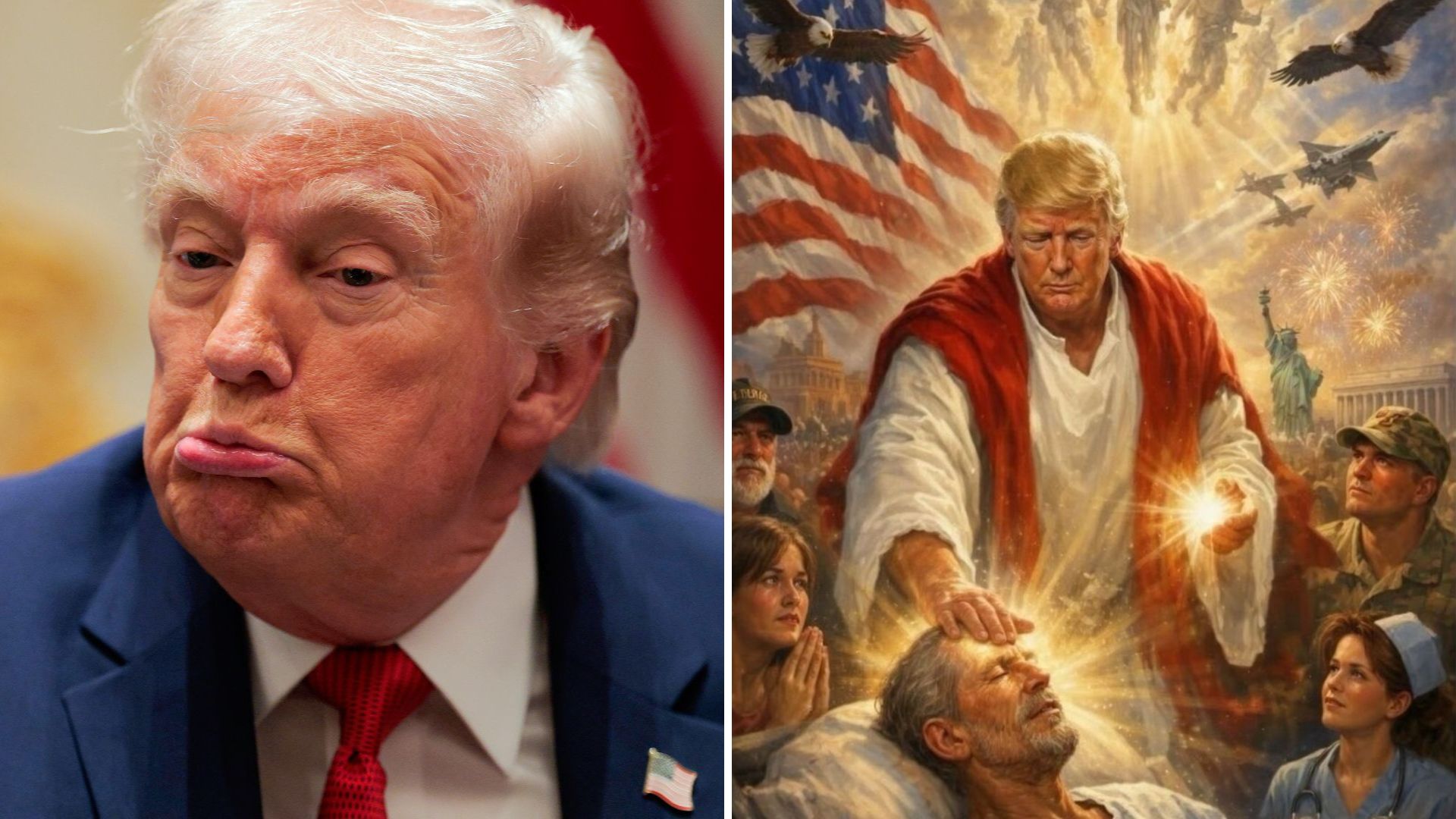
The image showed Trump portrayed as a Jesus Christ-like figure, with divine light emanating from his hands as he appeared to heal a man lying in a hospital bed, while a demonic figure hovered in the background. The visual sparked immediate reactions across social media, where users questioned both the symbolism and the intent behind the post. Some commenters mocked the image, with a number of users suggesting that the man being “healed” resembled Jeffrey Epstein, Trump’s former friend. The comparison added another layer of controversy, linking the imagery to an already sensitive and widely scrutinized topic.
«It’s supposed to be me as a doctor making people better. And I do make people better. I make people a lot better.»
-U.S. President, Donald Trump
Criticism also emerged from individuals who typically align with Trump politically, reflecting a rare moment of internal backlash. Several conservative voices described the image as inappropriate, with some calling it «disgusting and unacceptable» given its religious undertones. The reaction was particularly notable because it extended beyond Trump’s usual critics, highlighting discomfort among supporters over the use of religious imagery in a political context. The incident underscores the risks associated with provocative messaging, especially when it intersects with deeply held beliefs among his base.
Among those who publicly condemned the post was former Representative Marjorie Taylor Greene, a prominent figure within the MAGA movement who has recently expressed disagreements with Trump on foreign policy. Responding on X, she wrote:
«On Orthodox Easter, President Trump attacked the Pope because the Pope is rightly against Trump’s war in Iran and then he posted this picture of himself as if he is replacing Jesus. This comes after last week’s post of his evil tirade on Easter and then threatening to kill an entire civilization. I completely denounce this and I’m praying against it!!!»
Her statement marked a sharp and unusual break from her previous alignment with Trump.
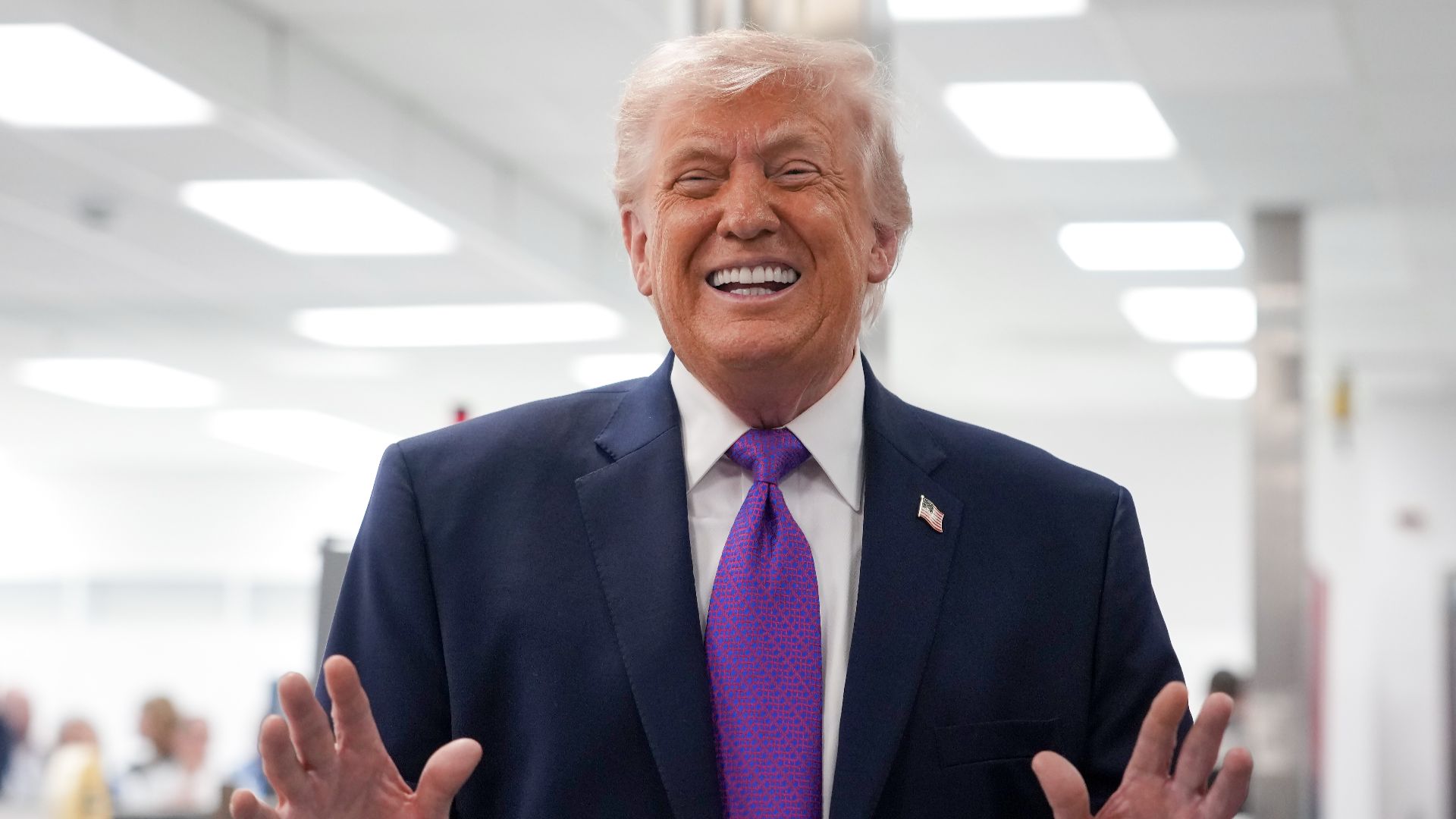
The backlash extended beyond political figures to religious commentators and conservative media voices, many of whom criticized the perceived irreverence of the image. The timing of the post, coinciding with religious observances, amplified the reaction and contributed to its rapid spread online. Critics argued that the portrayal crossed a line, while others framed it as part of a broader pattern of provocative communication. The volume and intensity of the response appear to have played a role in Trump’s decision to remove the post, though no formal explanation was initially provided.
«On Orthodox Easter, President Trump attacked the Pope because the Pope is rightly against Trump’s war in Iran and then he posted this picture of himself as if he is replacing Jesus. This comes after last week’s post of his evil tirade on Easter and then threatening to kill an entire civilization. I completely denounce this and I’m praying against it!!!»
-Former Representative, Marjorie Taylor Greene
When later questioned about the controversy, Trump dismissed the criticism and rejected the interpretation that the image depicted him as a religious figure. He said: «Well, it wasn’t depiction. It was me. I did post it and I thought… a doctor and had to do with Red Cross as a Red Cross worker there, which we support and only the fake news could come up with that one. So, I had, I just heard about it and I said, how do they come up with that? It’s supposed to be me as a doctor making people better. And I do make people better. I make people a lot better.» His response highlighted a clear disconnect between the intended message he described and the interpretation that fueled the backlash.