US strikes in the Pacific: assessment, context, and challenges for the region
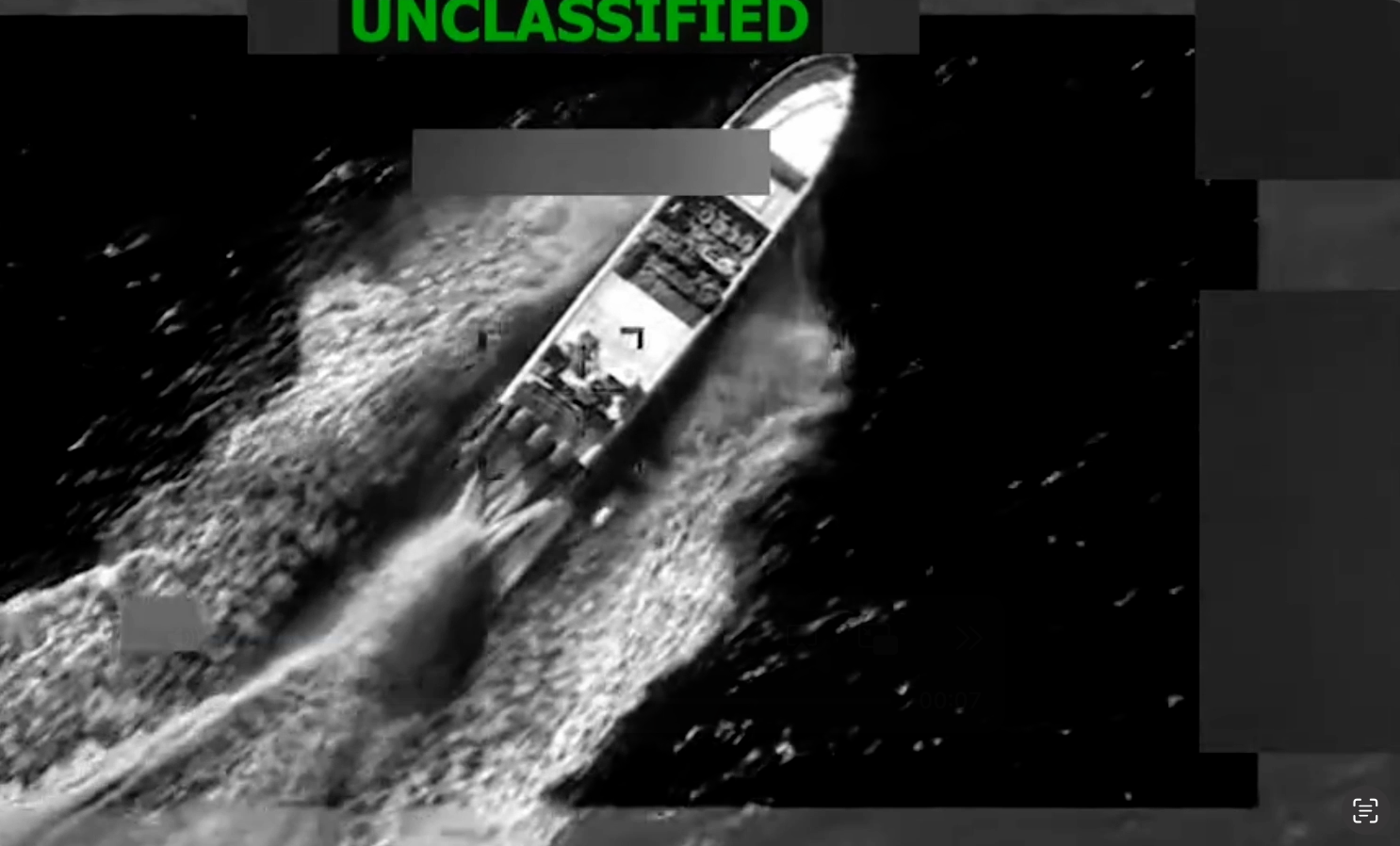
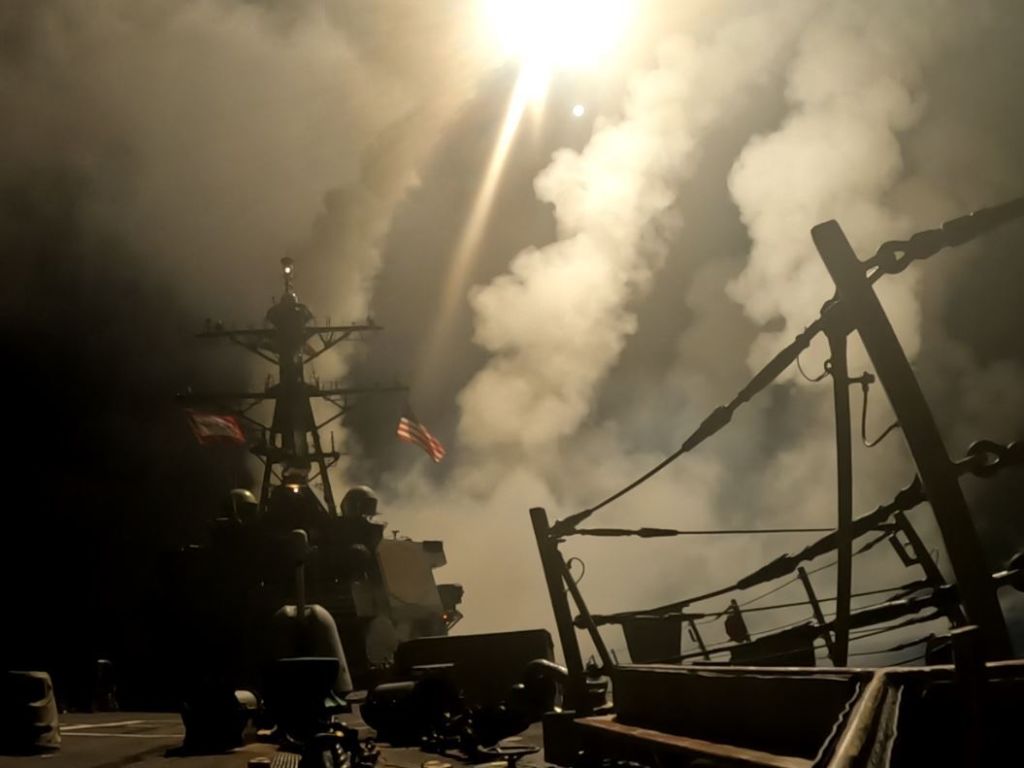
Summary: On February 9, 2026, a new US strike targeted a ship in the Pacific Ocean, raising questions about its human toll, legality, and geopolitical consequences. This article provides a concise and accessible overview of the known facts, their context, and the short- and medium-term implications for Latin America and US diplomacy. The US Southern Command issued a statement describing the operation as a « kinetic strike » targeting a vessel believed to be operated by an organization linked to drug trafficking. According to these statements, two people were killed and one survivor was rescued by the US Coast Guard. Images released by the US forces show the destruction of a small open-air vessel in black and white.
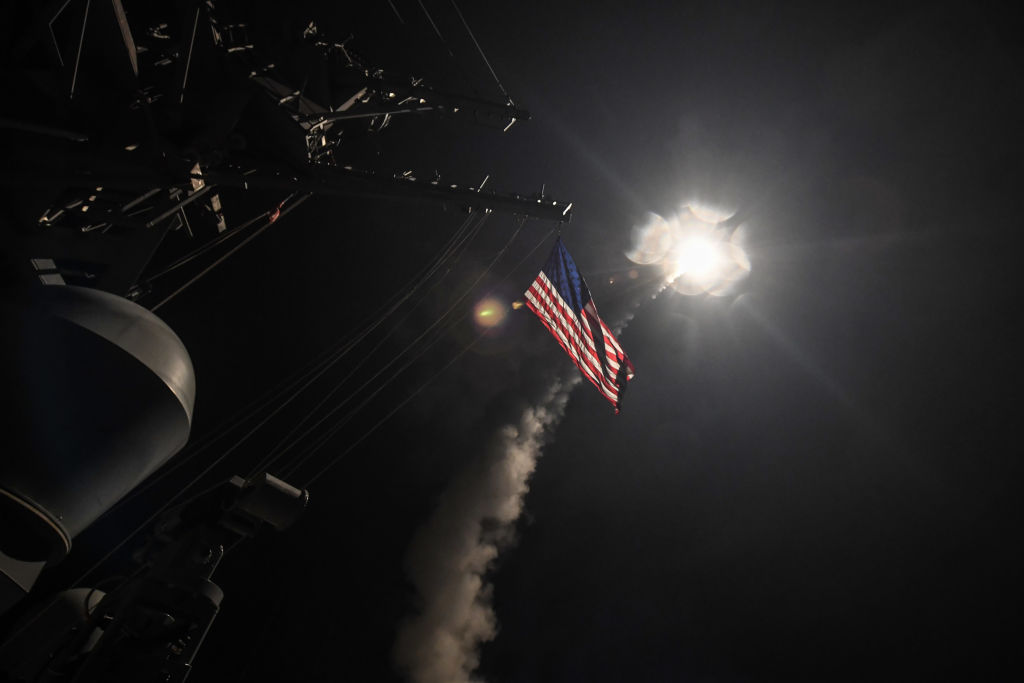
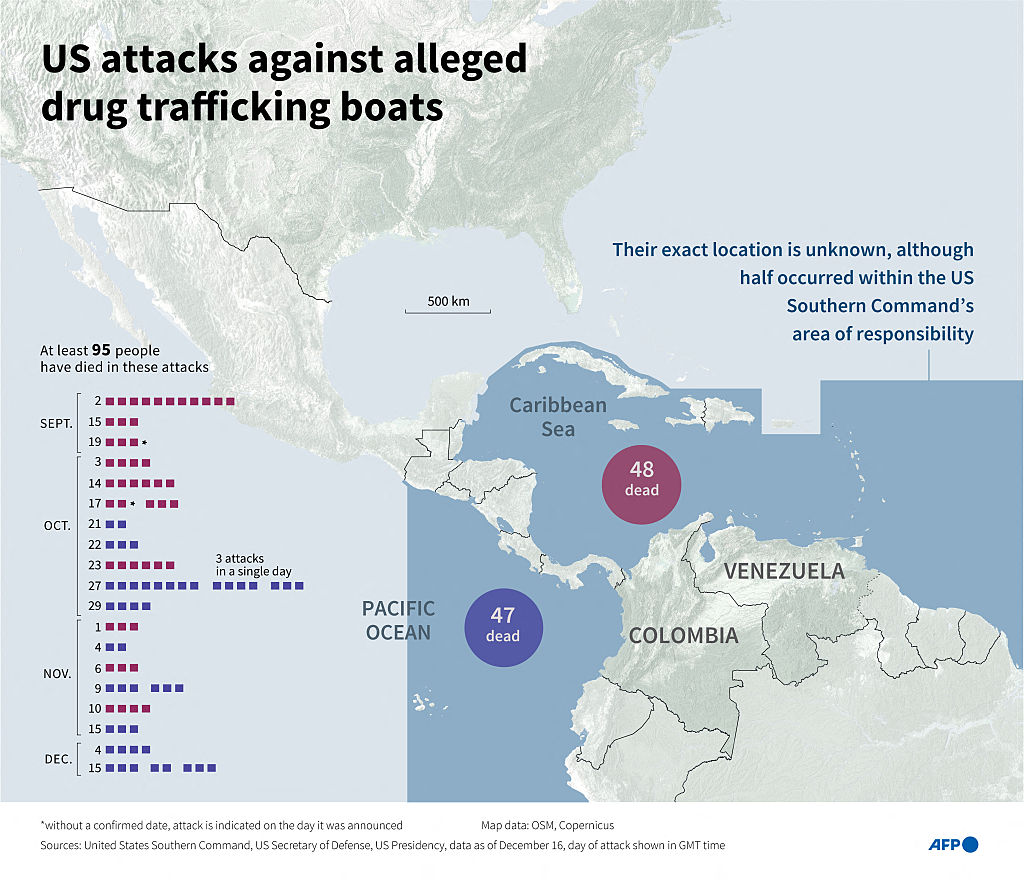
Recent context: these strikes come after a series of maritime operations launched in September 2025, targeting vessels that Washington considers to be involved in « maritime drug trafficking. » They are also part of a broader political context—displayed nationalism, operations against Venezuela, and measures to control its resources—which makes every military action particularly sensitive from a diplomatic standpoint.
Since the launch of the operations, several incidents have been reported: strikes hitting vessels, some of which were presented by Caracas as fishing boats, uneven drug seizures, and civilian or foreign casualties among those killed. These factors fuel the concerns of neighboring countries and the international community regarding compliance with maritime law and the ability to verify targets.
What the US authorities are saying: Southern Command described the operation as a success and referred to the individuals targeted as « narco-terrorists. » The argument put forward is the fight against transnational networks that use the sea to transport drugs. The authorities emphasize the principle of preserving regional security and the need to prevent the transport of large illicit shipments.
Criticism and questions: several points remain controversial:
- The characterization of targets: how can it be independently established that a ship actually belongs to a cartel and poses an imminent threat?
- The human toll: reports mention victims identified as citizens of neighboring countries with no proven links to criminal groups.
- The legal framework: these interventions raise questions about their legality under international law, the law of the sea, and the principles governing the use of force outside a recognized theater of war.
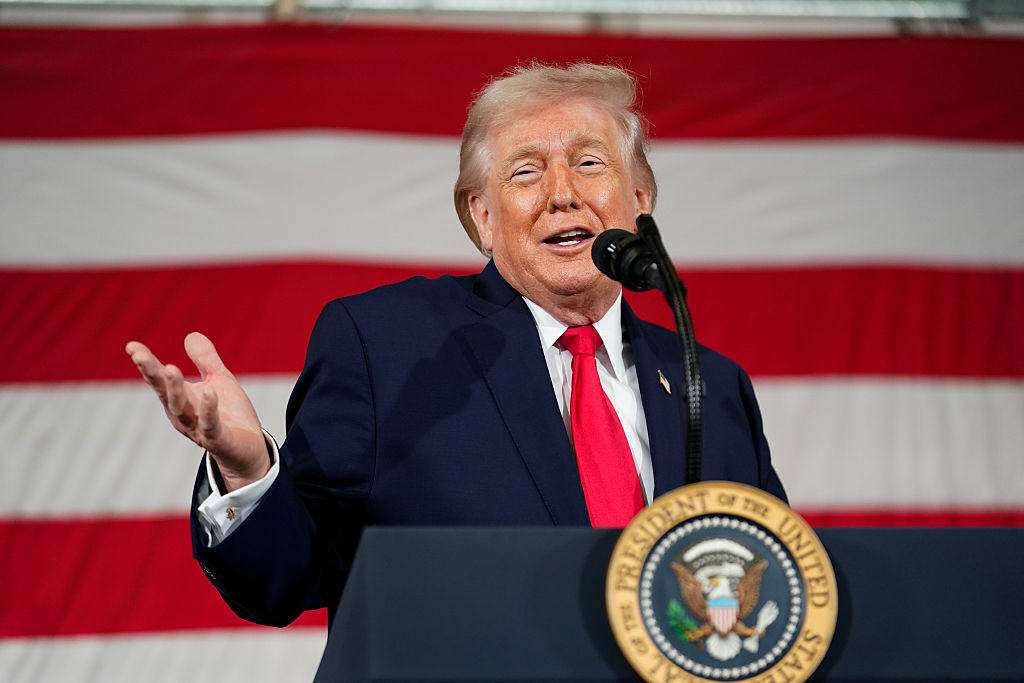
On the domestic political front in the US, these operations are also a divisive issue. An AP-NORC poll published in January indicated that more than half of American adults believed that the executive branch had gone « too far » in these interventions, reflecting a decline in its image and public debate over the foreign policy strategy adopted.
What are the consequences for the region? The proliferation of unilateral actions may:
- exacerbate diplomatic tensions between Washington and certain Latin American governments;
- fuel a sense of instability among coastal populations and local sailors;
- compromise regional cooperation essential to the fight against trafficking, if the countries concerned feel that their rights are being violated.
Outlook and recommendations: To reduce the risk of escalation and increase effectiveness, several avenues appear promising:
- Promote transparency: disseminate investigation findings to regional partners and independent observers.
- Multilateralize the response: create or strengthen regional maritime surveillance mechanisms with a clear mandate and the participation of coastal states;
- Combine security measures and socio-economic actions: tackle the root causes of trafficking by supporting coastal development and the resilience of vulnerable communities.
In conclusion, the February 9 strike illustrates the complexity of a strategy combining military action, diplomatic pressure, and domestic issues. The challenge for the future will be to balance operational effectiveness with respect for the legal framework and regional partners, so that the fight against trafficking does not become an additional source of instability.
Sources and transparency: This article summarizes official statements from Southern Command, field reports, and publicly available investigative findings. It is important to remain vigilant as the situation evolves: this information may be supplemented by independent investigations as they become public.