What does the Habs need to do in Game 2 to beat the Sabres?
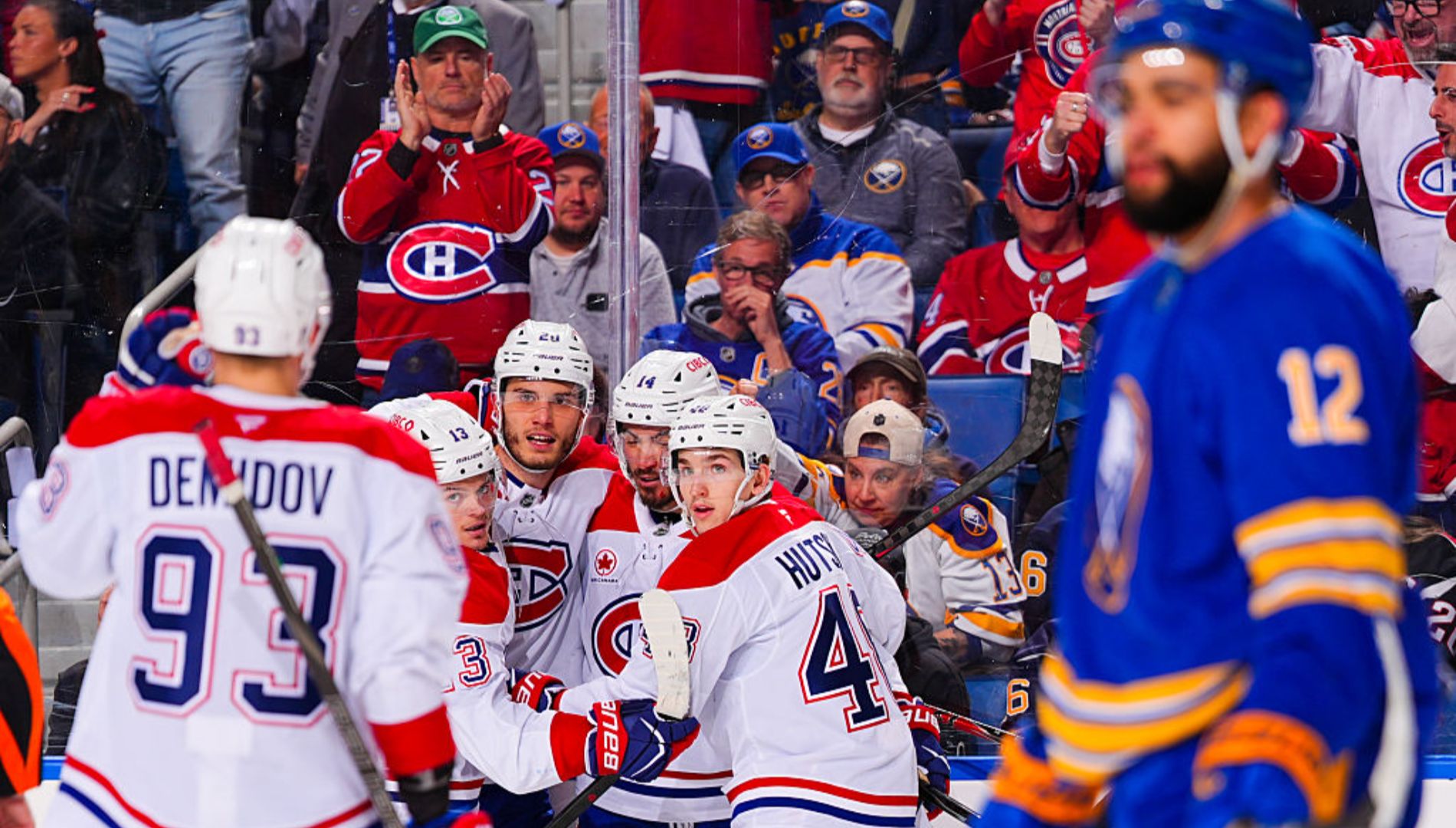
- The CH lost their first game 4–2.
- The Sabres’ style of play.
- The resurgence of Slafkovsky, Caufield, and Demidov.
- Penalties are hurting the Habs.
The Montreal Canadiens learned a hard lesson right from the first game of their second-round series against the Buffalo Sabres, losing 4-2 in a match that was far more intense and chaotic than what the team had faced in the first round against the Tampa Bay Lightning.
From the opening minutes of the game, it was clear that the Sabres were going to impose a completely different style. Whereas Tampa favored a tight defensive structure and a more methodical game, Buffalo relied on aggression, sustained forechecking, and a quick transition to offense. Martin St-Louis’s men seemed taken aback by the pace set, particularly in the first period, where several costly turnovers allowed the Sabres to create dangerous scoring chances.
Despite everything, the Canadiens never seemed completely overwhelmed. After a tougher start to the game, Montreal gradually found its rhythm and began to control the puck more effectively. The team had some very strong offensive stretches in the second half of the game, firing numerous shots on the opposing net and forcing the Sabres’ goaltender to make several key saves.
The Habs’ main problem, however, was their inability to capitalize on their scoring chances. There was no shortage of opportunities: breakaways, shots from the slot, and even a few dangerous rebounds in front of the net. However, a lack of execution at key moments proved costly for Montreal, which could easily have gotten back into the game with a bit more opportunism.
The resurgence of the offense
Over the past few games, a problem has begun to seriously worry Montreal Canadiens fans: the team’s offense is increasingly relying on too few players, while several key members of the offensive core are going through a much quieter stretch. In a series as intense and demanding as the one pitting the Habs against the Buffalo Sabres, this reality risks quickly becoming a decisive factor.
All eyes are particularly on Juraj Slafkovský, Cole Caufield, and Ivan Demidov, three players expected to play a major role in the present—and especially in the future—of the Montreal organization. However, over the past few games, their offensive production has all but dried up, which has sapped a great deal of momentum from the Canadiens’ offense.

Against Buffalo in the first game of the series, Montreal managed to generate a good volume of shots and several promising offensive sequences, but it lacked that spark capable of turning a strong presence into a crucial goal. That’s exactly the kind of contribution we normally expect from players like Caufield, Slafkovský, and Demidov.
We love seeing Texier, Bolduc, and Dach step up at the right moments, but the other MSL soldiers will have to take over at some point.
Dobes needs to step up
After being one of the key architects of the Montreal Canadiens’ success in the first round against the Tampa Bay Lightning, Jakub Dobes had a much tougher night in Game 1 of the series against the Buffalo Sabres. The young goaltender, who had impressed with his composure, confidence, and ability to make key saves at the right moment, seemed much less in control this time against an aggressive, constantly moving offense.
Against Tampa Bay, Dobes had provided exactly what the Canadiens needed: stability. Game after game, he had frustrated the Lightning’s top scorers thanks to his effective positioning, fluid movement, and ability to stay focused even under pressure. Many observers had also noted his impressive maturity for such a young goaltender immersed in the intensity of the playoffs.
But the Sabres present a completely different challenge.
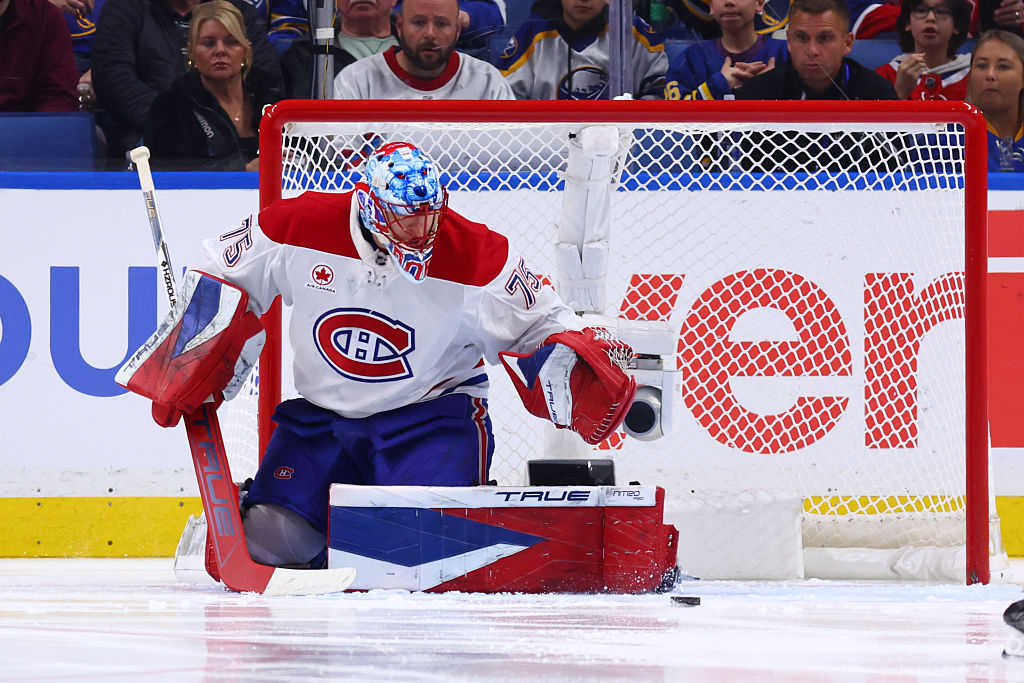
From the start of the game, Buffalo attacked with speed and aggression, making numerous quick zone entries and sustaining prolonged presence in Montreal territory. Even though not all the goals allowed can be directly attributed to him, Dobes likely knows himself that he’ll need to step up to help the Canadiens compete in this series.
This kind of night, however, is part of the learning process for a young goaltender. The playoffs are often ruthless, especially when a player starts drawing so much attention and opposing teams take the time to study his tendencies.
After his excellent performance against Tampa Bay, the Sabres clearly came prepared with a specific plan to unsettle him: heavy traffic in front of the net, quick shots on the transition, and constant puck movement to force him off his line.
Avoiding the Penalty Box
Once again, the Montreal Canadiens’ lack of discipline proved extremely costly. In a game where every detail could make a difference, Martin St-Louis’s men gave the Buffalo Sabres far too many opportunities to establish a man-advantage, and the Sabres didn’t hesitate to capitalize on them.
The result: two power-play goals for Buffalo.

Since the start of the playoffs, discipline has remained one of the most concerning aspects of Montreal’s play. Against the Tampa Bay Lightning, certain penalties had already complicated the Canadiens’ task, but the Florida team hadn’t always managed to capitalize. The Sabres, on the other hand, demonstrated from the very first game that they possess a much faster, more unpredictable, and more aggressive power play.
Even though the Canadiens have shown promise at five-on-five—notably with a high volume of shots and several strong offensive stretches—that hard work is practically negated when they give the opponent so many opportunities with an extra man. At this stage of the season, special teams often become the deciding factor in a series.
If Montreal wants to turn this series around, discipline must become an absolute priority.