When a joke at the Grammys triggers a legal threat: deciphering Trump’s reaction to Trevor Noah
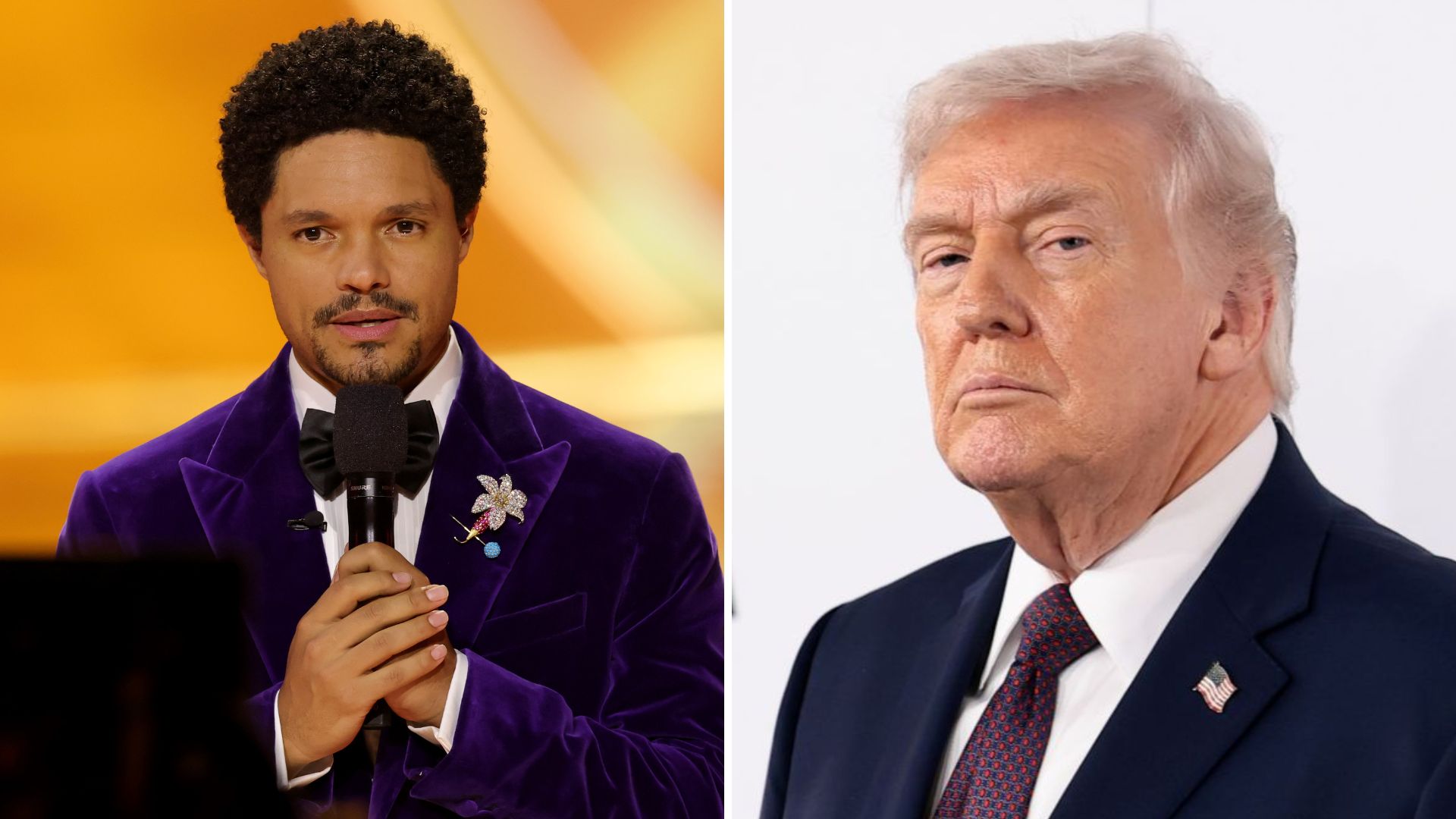
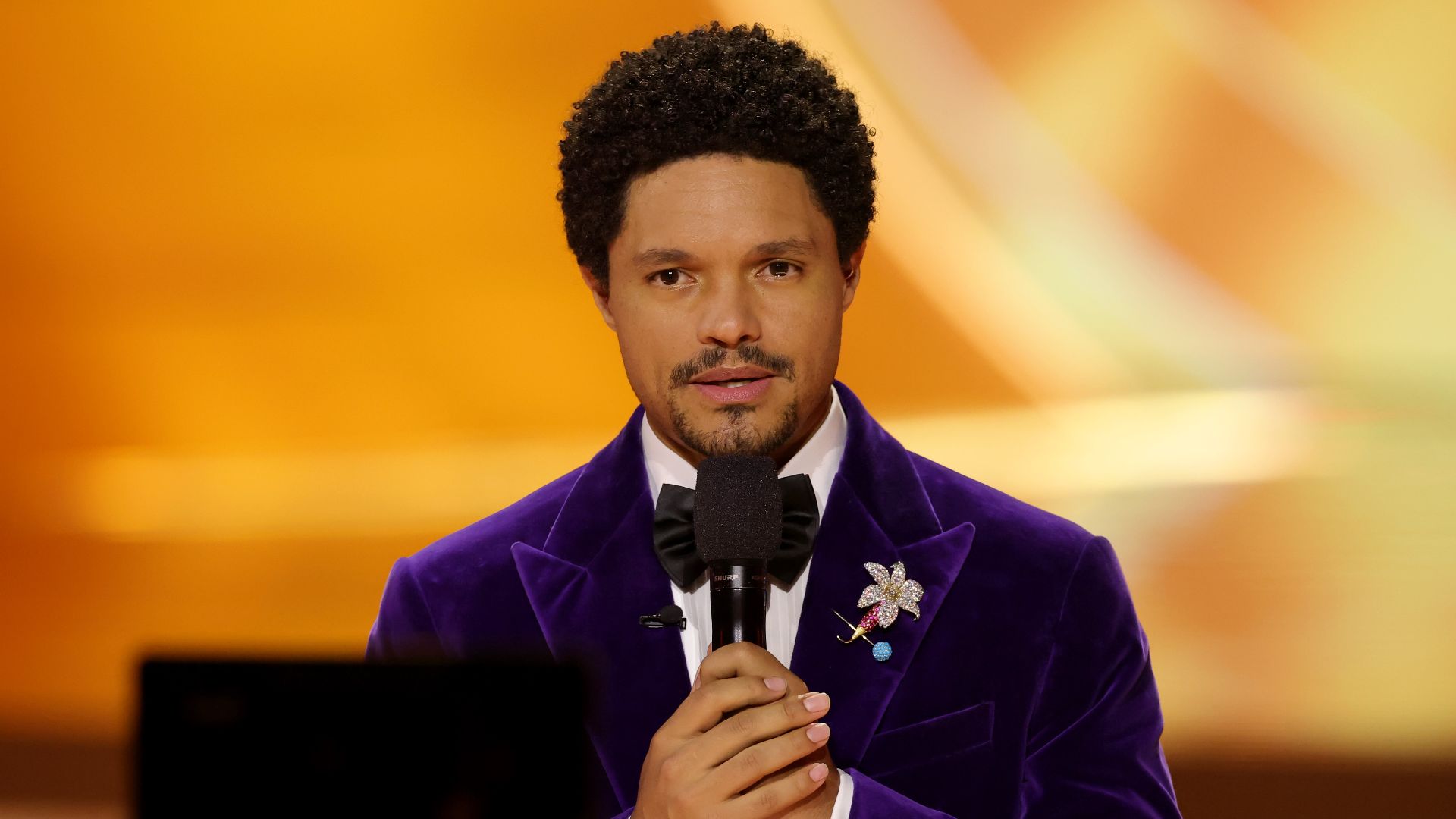
Trevor Noah’s joke during his opening monologue at the Grammy Awards provoked a disproportionate and very public reaction from President Donald Trump, who threatened to sue the comedian and the network broadcasting the ceremony. Beyond the anecdote, this trade illustrates the tensions between satire, media responsibility, and political strategy.
During the broadcast, Noah mixed political satire and dark humor by referring to Jeffrey Epstein and the alleged visitors to the island linked to his crimes. The line, intended as a comedic jab, was immediately picked up by Trump, who called it « false and defamatory » in a post on his platform, Truth Social. He categorically denied ever being on Epstein’s island and announced that he planned to send his lawyers after Noah.
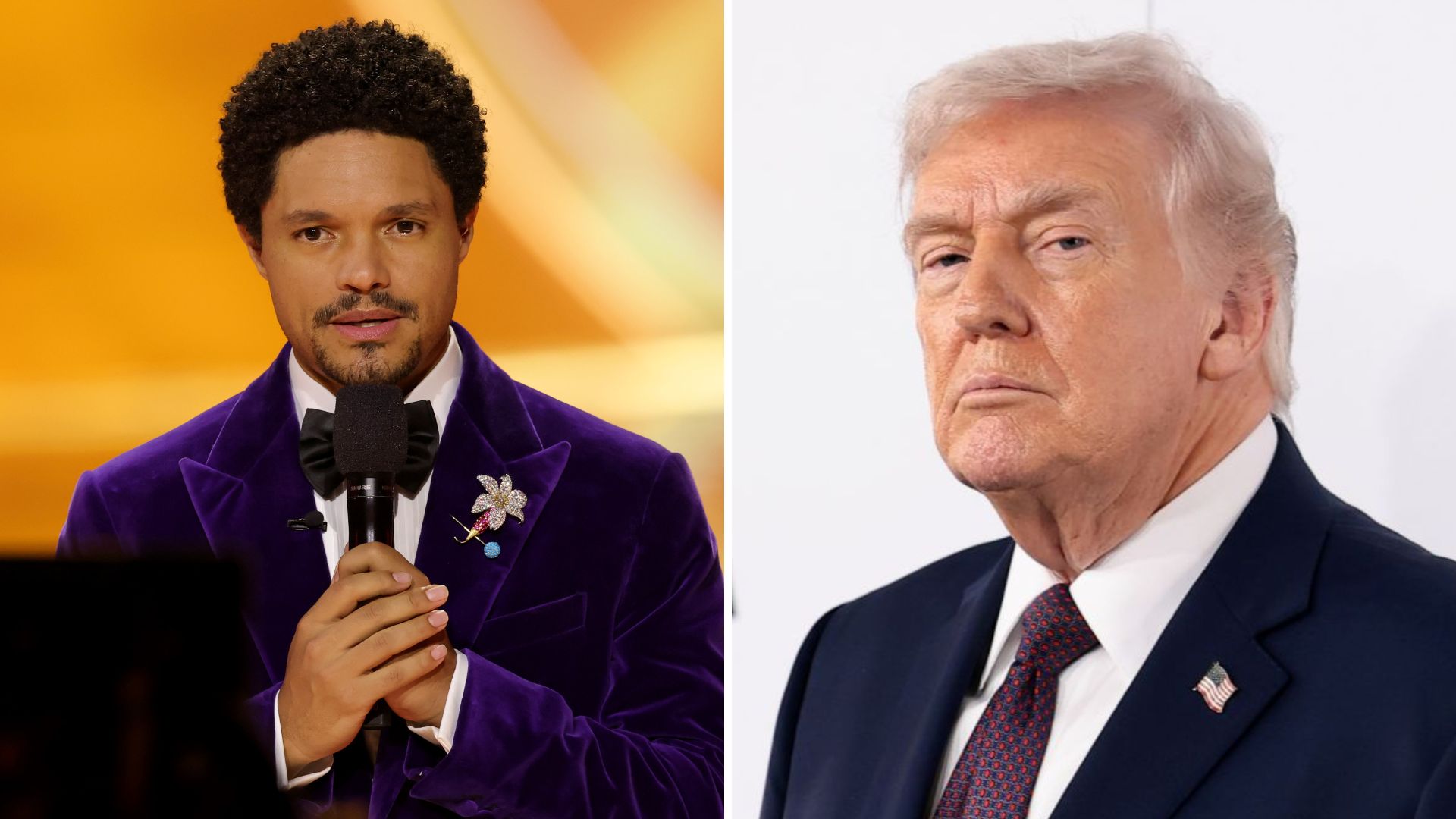 The scene raises a simple question: when does a joke become a legal target?
Political satire has a long tradition of provocation. Late-night comedians, cartoonists, and columnists use hyperbole to point out inconsistencies, scandals, or public behavior. However, there is a line between joking and factual allegation: satire is protected in many jurisdictions, but defamation remains actionable if a statement presented as fact causes harm and is false.
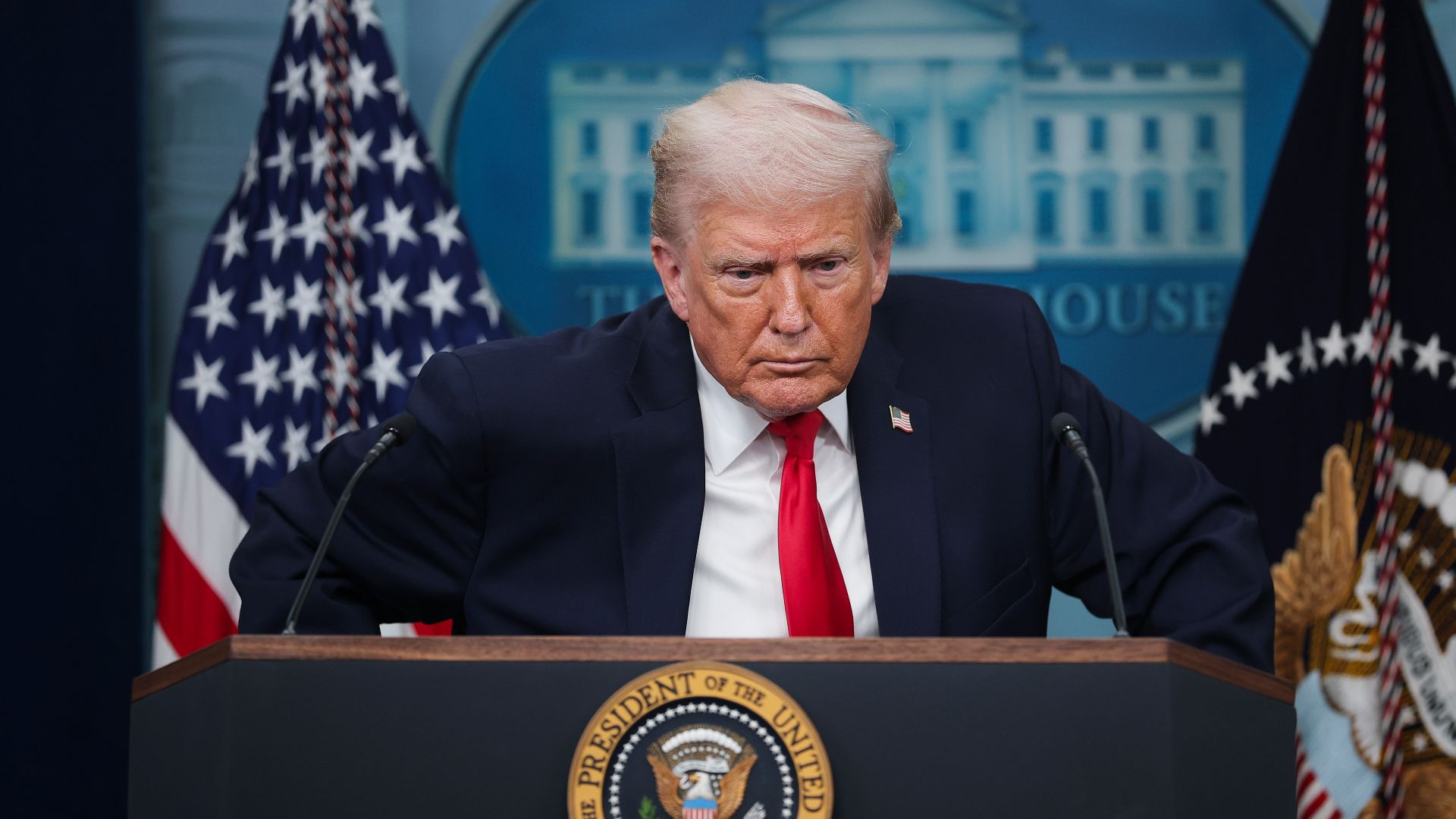 In this particular case, Noah’s joke functions as a comedic juxtaposition—it does not claim to provide documentary evidence but relies on the public association between Epstein and well-known figures. Yet Trump’s reaction shows that public figures can choose to take such jokes very seriously and turn them into a political tool.
Several dynamics are worth highlighting:
- The role of the platform: Broadcasting a joke during a major ceremony such as the Grammys multiplies its audience and impact. CBS, as the broadcaster, finds itself at the center of a controversy without having intentionally provoked it.
- The legal-political strategy: Threatening legal action can discourage comedians and the media, and sometimes acts as a tool of intimidation even if the legal outcome is uncertain.
- The protection of satire: In many legal systems, satire enjoys strong protection when it is clearly humorous and not a verifiable factual assertion.
- Media polarization: The incident shows how a joke can be reframed as a political weapon in a climate of intense polarization.
 The public response has been mixed: some have viewed Trump’s reaction as an attempt to stifle satire and draw attention to himself, while others have felt that a line must be drawn if a remark is perceived as an unfounded accusation.
It is also important to place the incident in a broader cultural context. The Grammys provided an opportunity for several artists to express political views on immigration and human rights—statements that were applauded by some and criticized by others. For example, artists such as Bad Bunny and Billie Eilish used their platform to criticize immigration policies perceived as harsh, thereby emphasizing the political nature of the ceremony.
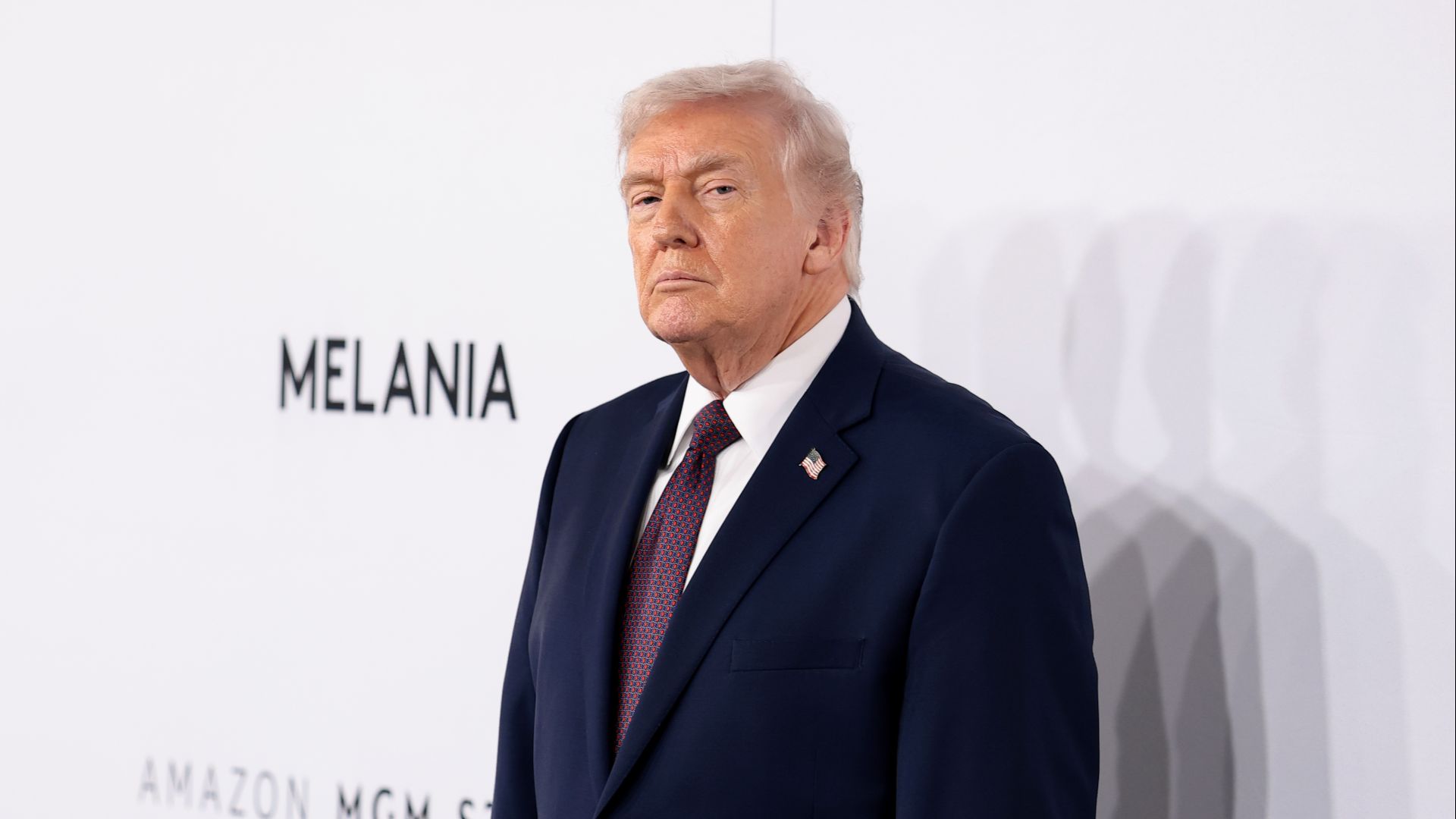 Ultimately, what can we expect? If Trump takes legal action, the courts will have to assess whether Noah’s remark was a factual assertion or protected satire. Precedents involving defamation of public figures show that the bar is often high for proving harm and bad faith.
For the public and creators, this episode serves as a reminder of a few lessons: satire retains its democratic value as a form of criticism, but it exists in an environment where media representations can have legal and political repercussions. It remains to be seen whether this threat will come to fruition or whether it will remain just another episode in the era of viral controversies.
In summary: a joke at the Grammys highlighted the tension between humor and public responsibility, showing that in today’s media ecosystem, a funny line can quickly become an institutional confrontation.