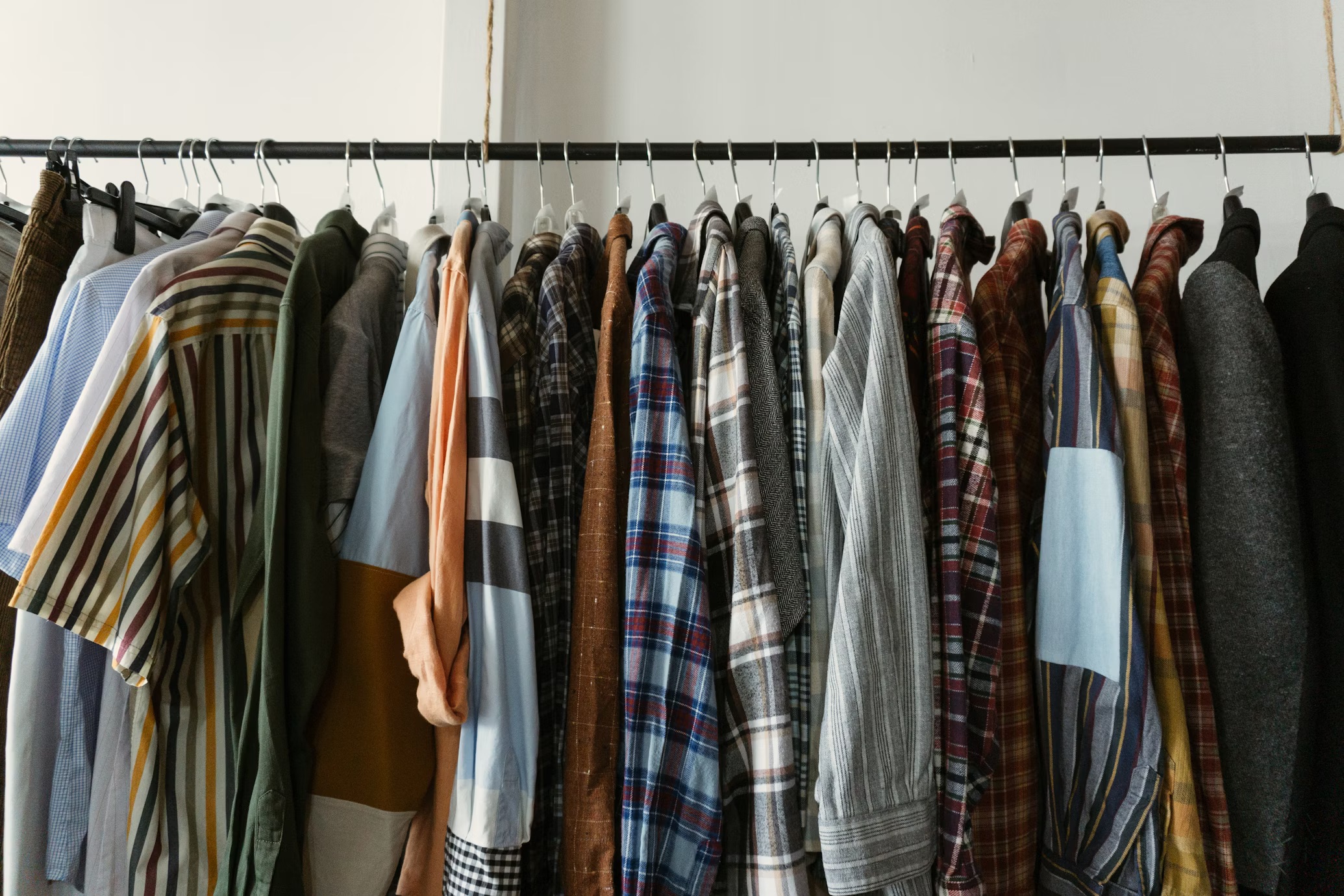
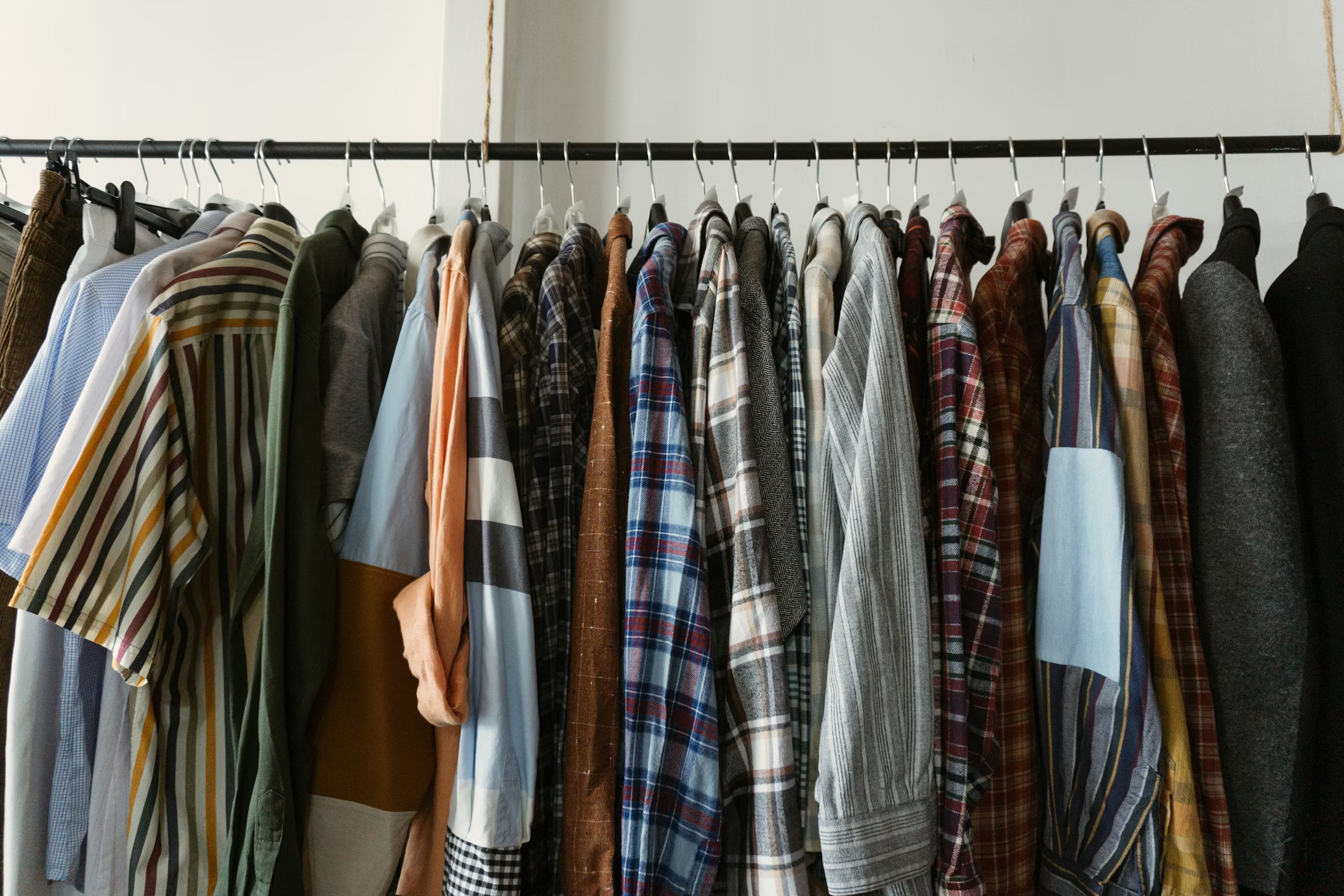
Our closets tell stories: old versions of ourselves, gifts, successes, and sometimes regrets. But when a garment remains hanging « just in case » for years, it becomes less of a useful object and more of an emotional burden. Understanding the reasons that drive us to keep these items is the first step toward gently decluttering our closets.
Why we keep clothes
- Emotional attachment: a travel T-shirt or a formal dress reminds us of a special moment. Throwing the item away can feel like erasing the memory.
- Financial guilt: After a costly purchase, it’s hard to admit that the item wasn’t ideal.
- Hope for change: The famous « I’ll fit into it one day » keeps jeans that are too tight and underrated clothes in the closet.
- Social obligation: we sometimes keep gifts we have been given so as not to hurt the person who gave them to us.
These reasons are perfectly human. The goal is not to eliminate them, but to learn to recognize them and act consciously.
A step-by-step guide to sorting without drama
Start by creating a relaxed environment: set a time limit (an hour or an afternoon), put on a good playlist, and prepare labeled bags (keep, repair, donate, recycle, sell). Consider the condition of the item, its actual usefulness, and its emotional value.
Simple questions to ask yourself
- When was the last time I wore it?
- Does this item bring me joy or weigh me down?
- Can I easily repair or alter it?
- What impact will it have if I donate it: will it really benefit someone?
Practical solutions depending on the type of garment
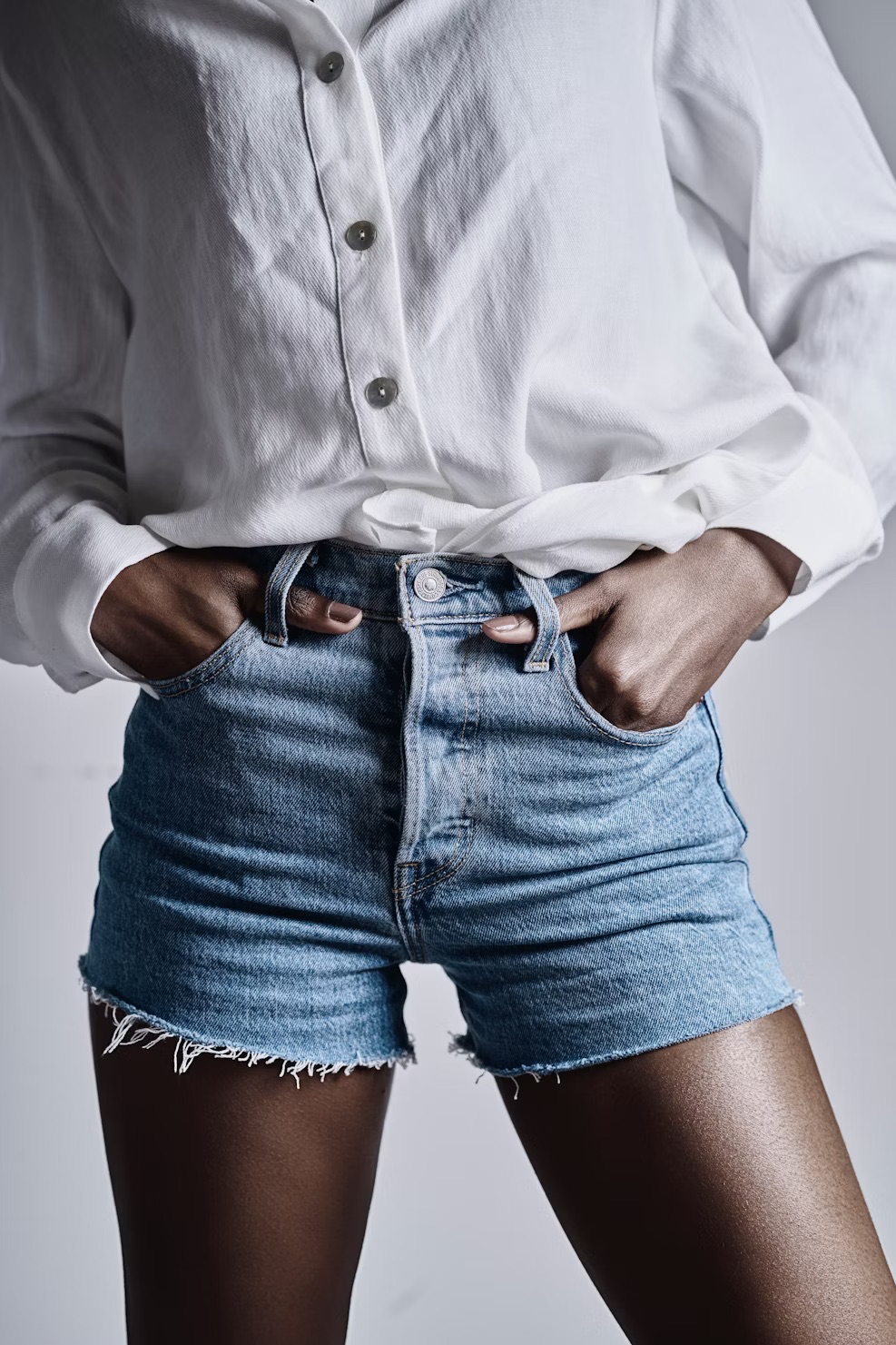
For jeans that are too tight: take a photo of yourself wearing them to preserve the memory, then choose to transform them (into shorts, a sewing project) or give them away. For a formal dress: try altering it, renting it out, or selling it to a second-hand store. Gifted sweaters can be kept in a memory box or reused as useful items (blanket, cushion).

Repair or let go?
If the repair costs less than future use, it may be worthwhile. But don’t forget the pleasure factor: you probably won’t wear a repaired garment that you don’t like. For items with sentimental value, take a photo and keep it: memories often stick better to an image than to a pile of unused fabric.
Alternatives for giving items a second life
- Sell on second-hand platforms to finance a more suitable purchase.
- Donate to local charities, thrift stores, or resource centers.
- Recycle or transform into decorative or useful objects.
A few tips for keeping your closet healthy
- Implement a « one-year test »: if you haven’t worn the item in 12 months, it’s probably a no.
- A memory box: for items with high sentimental value but which you rarely wear, store them neatly and in limited quantities.
- A sorting schedule: a little sorting each season prevents accumulation.
Lightening your wardrobe doesn’t mean denying your past: it means choosing what accompanies you today and accompanying your story with objects that still have meaning. With a few simple rules and a little kindness, you can free up space, save time in front of the mirror, and feel a new lightness without sacrificing your memories.
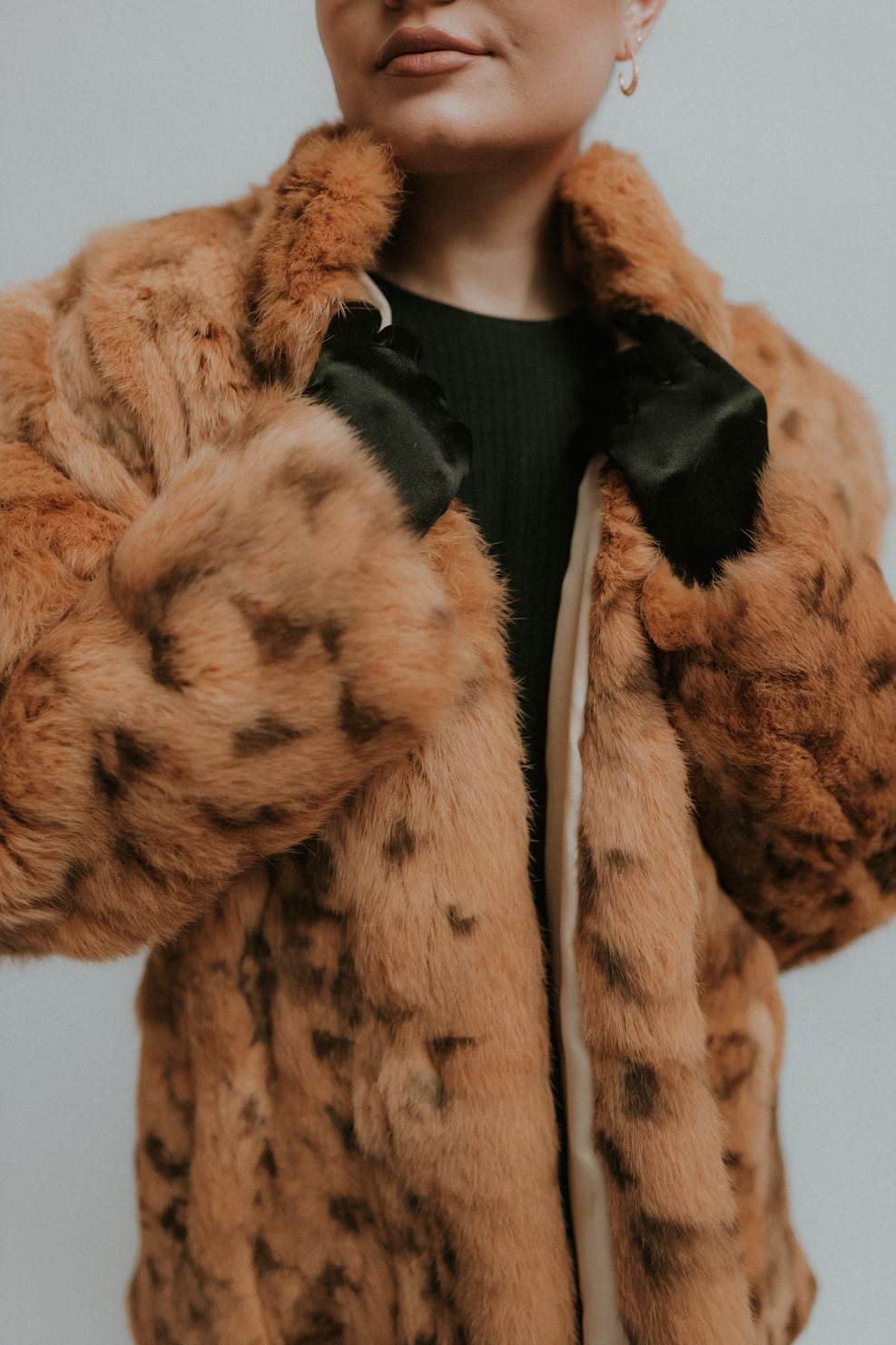
Finally: start small, be kind to yourself, and celebrate each step. Giving away or transforming an item doesn’t mean losing a part of yourself; it often means giving it a better second life—and giving yourself more space for what really matters.
Photos: Pexels