Catégories
Uncategorized

Trump-Iran Tensions Escalate as Trump Warns of U.S. Response and Iran Says It Is «Prepared for War»

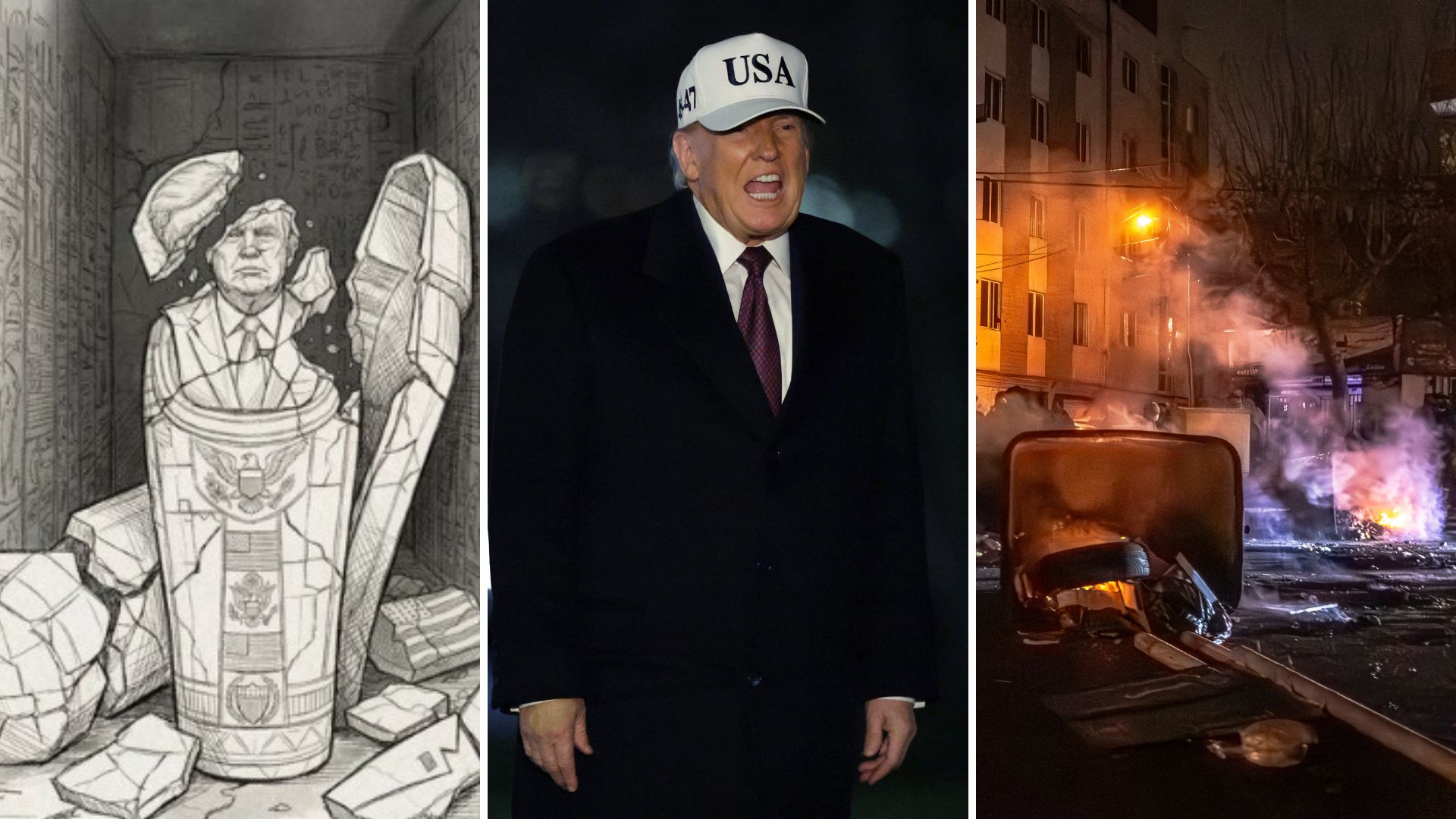
Tensions between Iran and the United States have sharply escalated following a wave of civil unrest that has spread across Iran in recent weeks, transforming domestic instability into an international flashpoint. What began as protests driven by economic hardship, inflation and public anger toward the ruling establishment quickly expanded into broader anti-government demonstrations, drawing a forceful response from Iranian authorities. As clashes intensified, security forces carried out mass arrests, deployed heavy force against demonstrators and imposed sweeping internet shutdowns aimed at limiting communication and suppressing mobilization. Reports of protesters being killed during the crackdown amplified global concern and drew renewed attention from Washington. Against this backdrop, the Trump administration adopted an increasingly confrontational tone, warning Tehran that continued violence against civilians could trigger serious consequences.
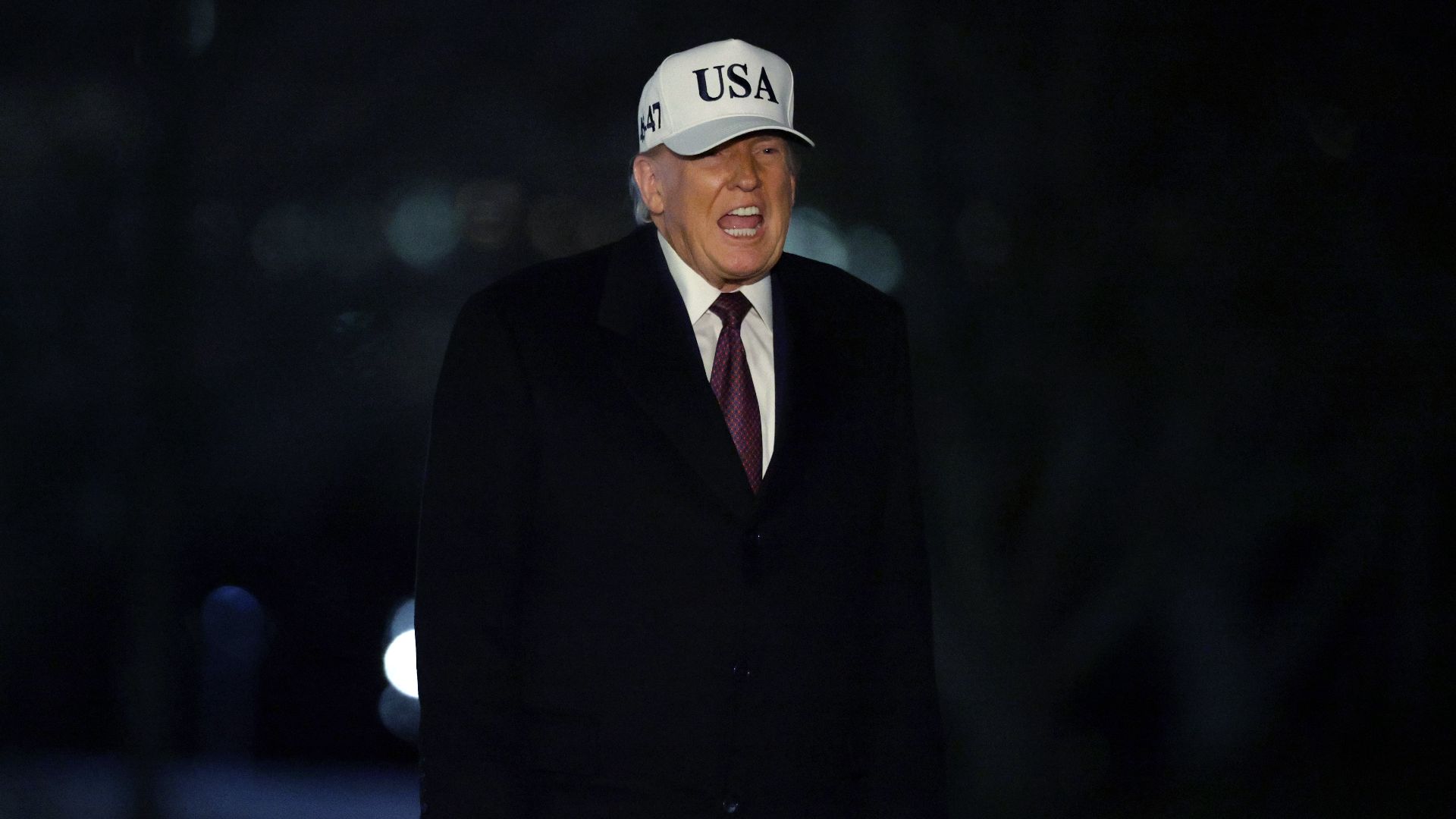
Getty Images

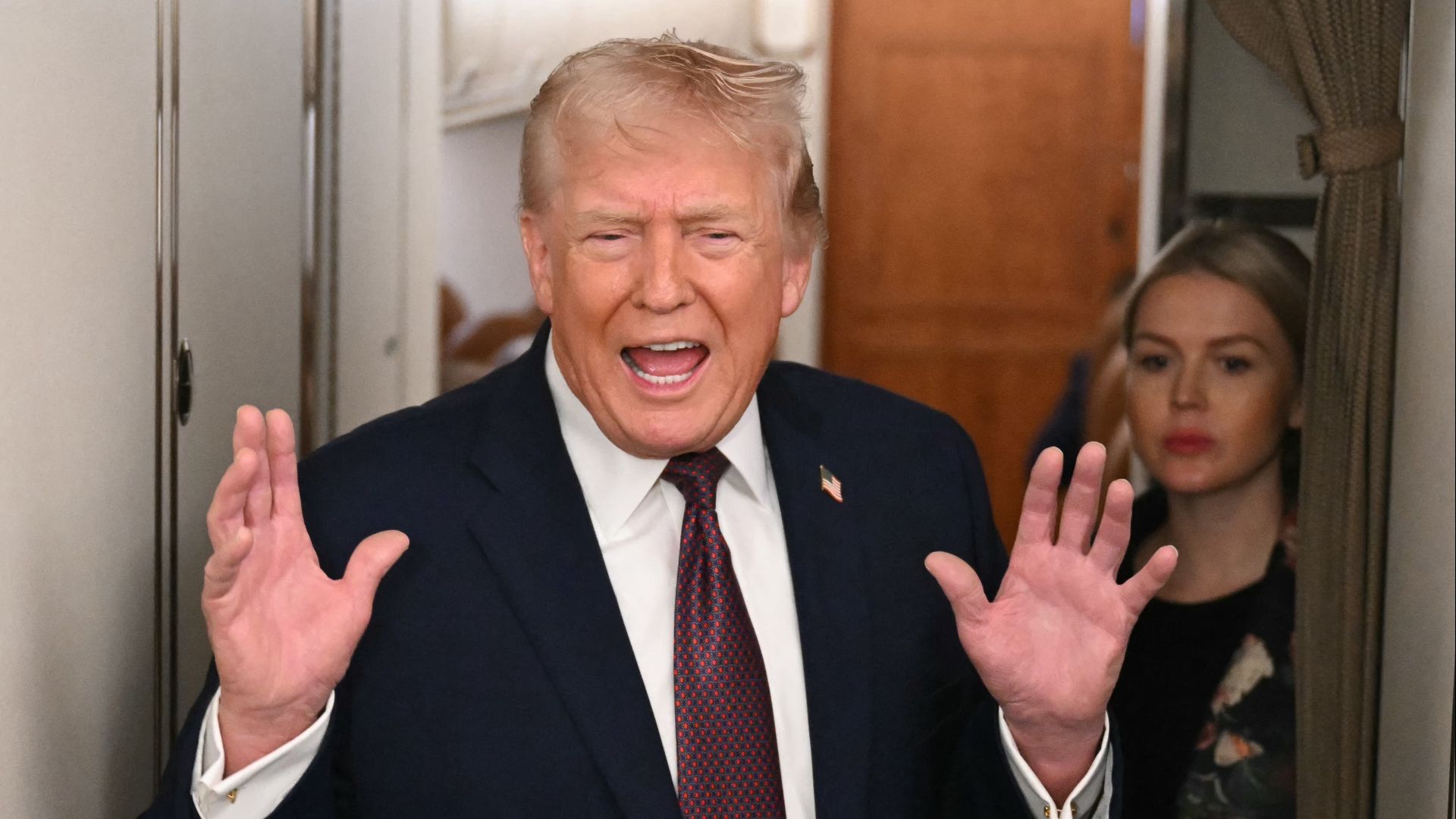
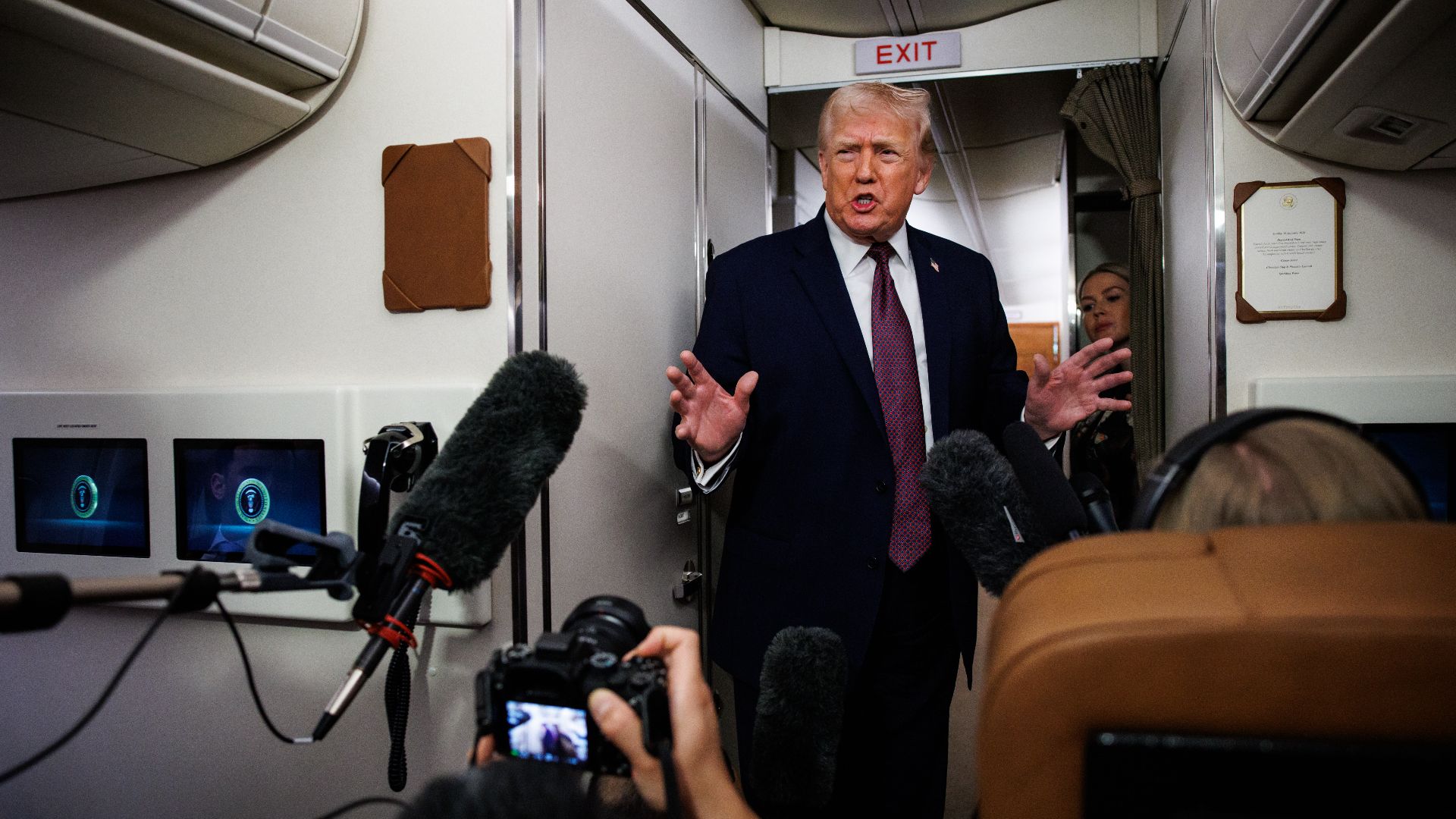
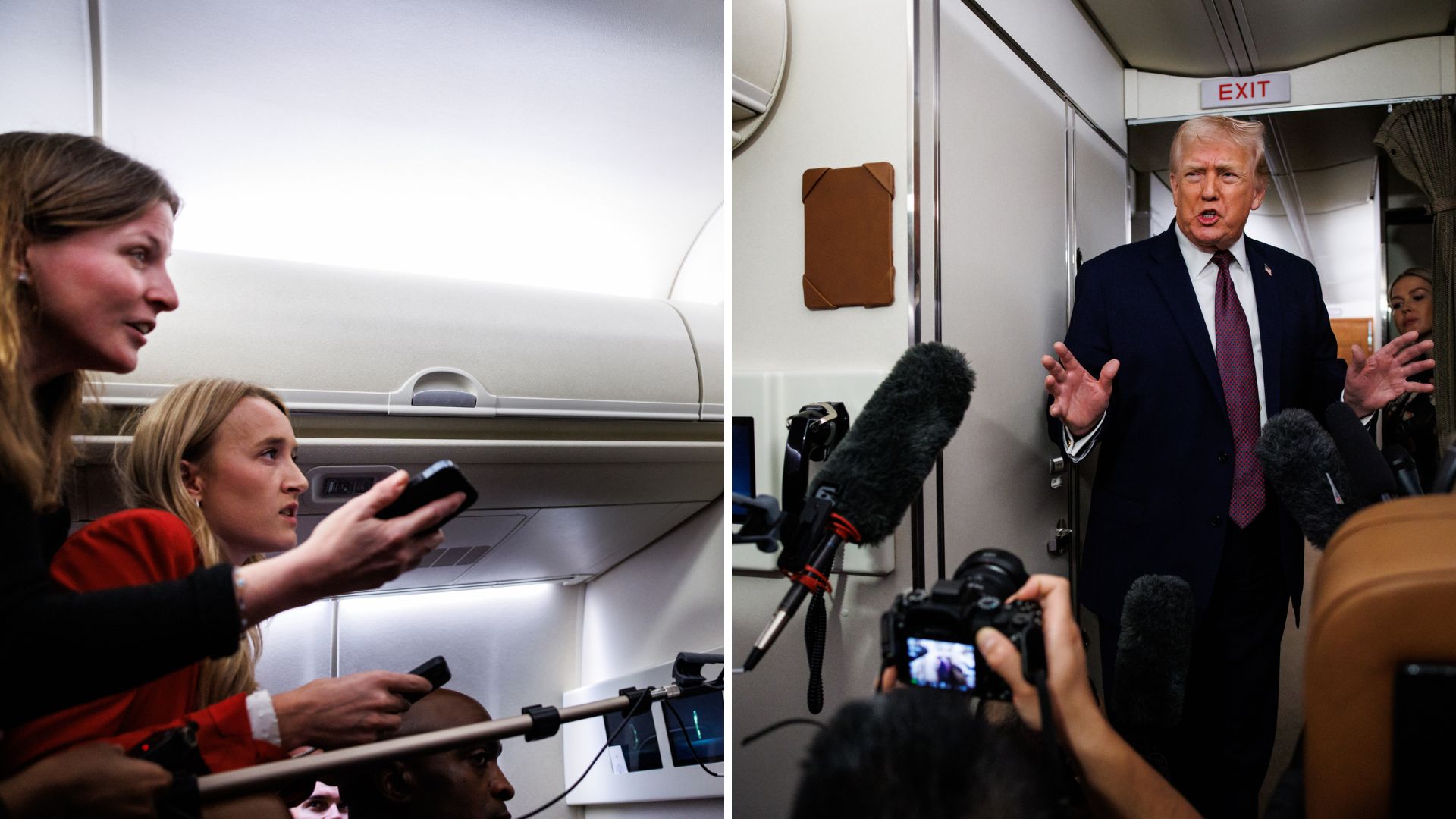
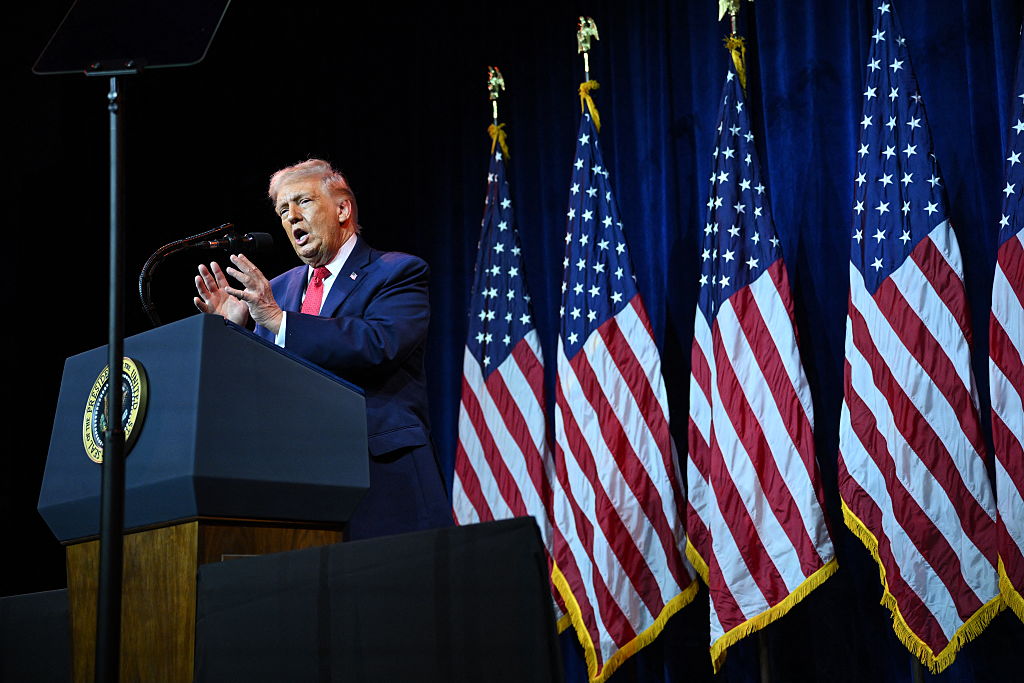
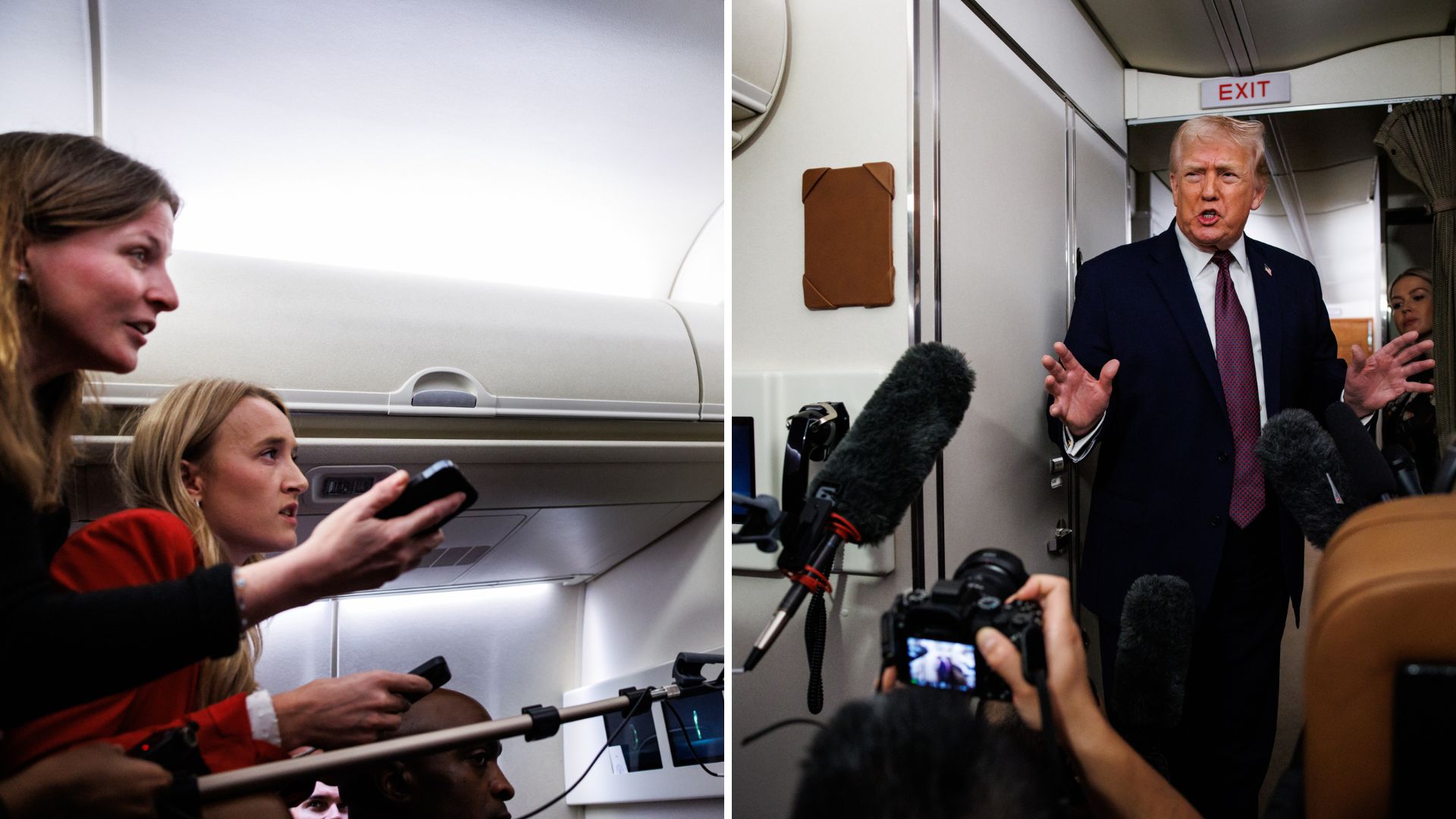
As protests spread across Iran and authorities responded with a sweeping crackdown, Donald Trump repeatedly escalated his threats toward Tehran, warning that the United States could intervene if Iranian forces continued to kill demonstrators. Speaking aboard Air Force One, Trump said the U.S. was considering «very strong options» and that the situation was being watched «very carefully». In another warning directed at Iranian leaders, he said, «You better not start shooting because we’ll start shooting too», framing his remarks as a direct response to violence against civilians. Trump also warned that if protesters were killed, «they’re going to get hit very hard by the United States», reinforcing the possibility of military action. At various points, he suggested the U.S. was «locked and loaded and ready to go» if conditions worsened, while also stating that America stood ready to support Iranians seeking change. Taken together, the remarks marked a sustained and increasingly confrontational posture toward Iran, blending explicit military threats with political pressure as unrest inside the country intensified.
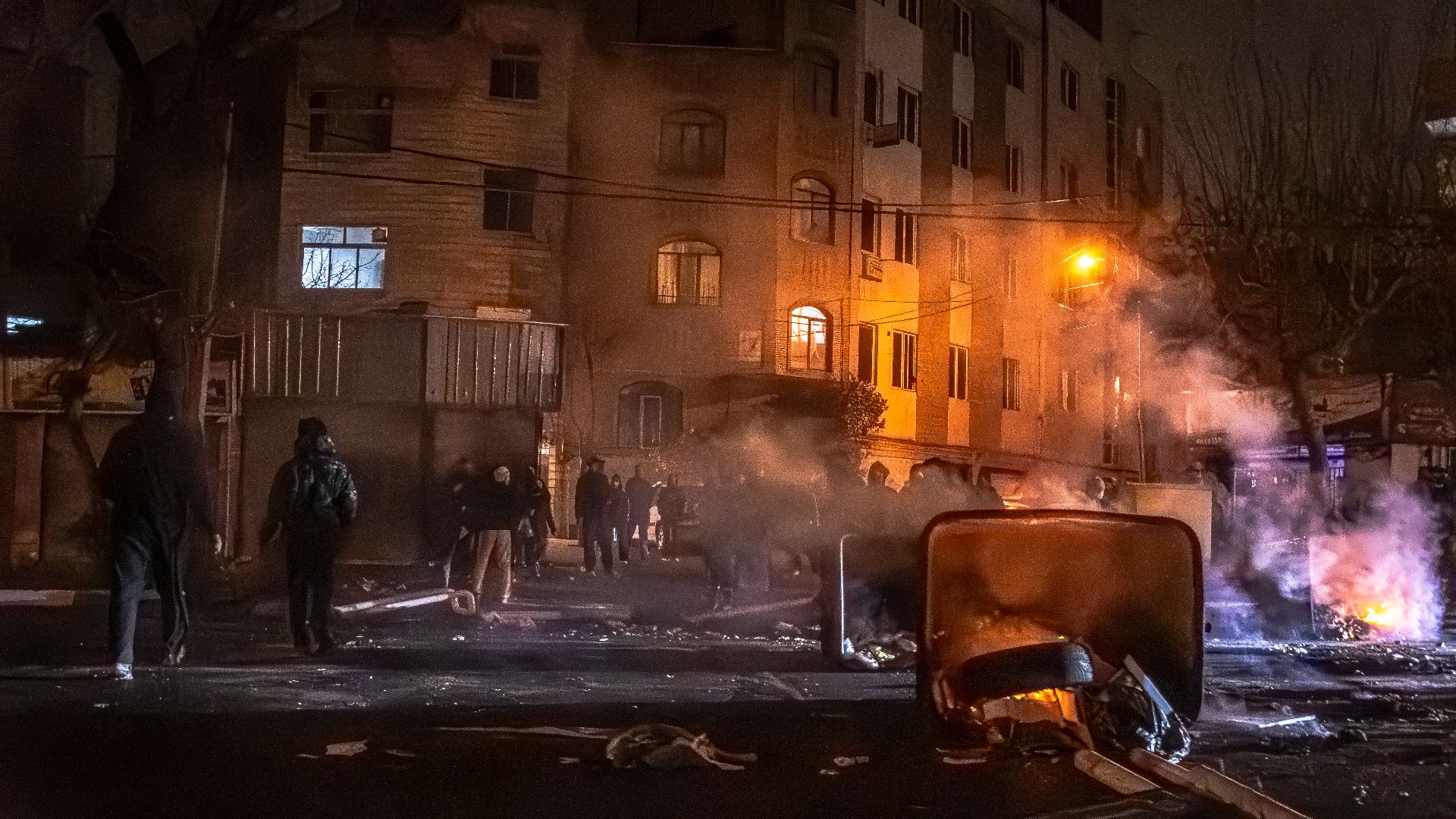
Getty Images

According to the New York Post, Iranian officials have emphasized that while Tehran does not seek open conflict, it is prepared to confront any foreign interference, warning that the country’s military is fully ready and cautioning against dangerous «miscalculations» by outside powers as tensions with Washington continue to rise. The rhetoric escalated further when Iran’s supreme leader mocked Trump on X with a publication featuring an image of a broken pharaoh-style sculpture bearing Trump’s likeness, accompanied by a sharply worded message drawing historical parallels with fallen rulers. In the post, he wrote: «That father figure who sits there with arrogance and pride, passing judgment on the entire world, he too should know that usually the tyrants and oppressors of the world, such as Pharaoh and Nimrod and Reza Khan and Mohammad Reza and the likes of them, when they were at the peak of their pride, were overthrown, This one too will be overthrown.»
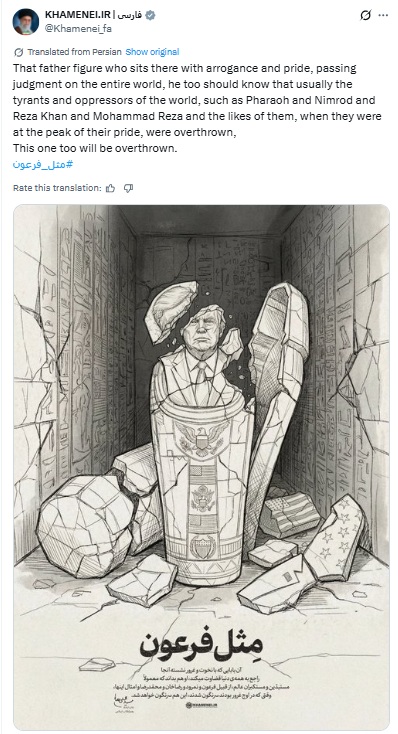
CaptureXKhamenei_fa
Catégories
Uncategorized

Trump s’en prend à une autre journaliste

Donald Trump s’en est pris une nouvelle fois de manière agressive à une journaliste, s’emportant contre une journaliste de CNN pour ce qu’il a qualifié de « question stupide » sur l’Iran, alors qu’il répondait à des questions à bord d’Air Force One, au retour de son séjour de fin de semaine à Mar-a-Lago. La confrontation s’est déroulée dans un contexte de tensions croissantes en Iran, où des manifestants se sont rebellés contre leur gouvernement, attirant l’attention et l’inquiétude de la communauté internationale. Au cours de l’échange, Trump a rejeté la question du journaliste en termes vifs, renforçant ainsi son hostilité publique à l’égard des membres de la presse lors d’interactions non scénarisées. Le président a réitéré son avertissement selon lequel les États-Unis frapperaient l’Iran si des manifestants étaient tués, une menace qui a encore accru l’anxiété suscitée par l’escalade de la situation et souligné le contexte instable dans lequel l’attaque verbale s’est produite.

Getty Images

Ces dernières semaines, l’Iran a été en proie à une agitation nationale croissante, des manifestations ayant éclaté en raison des difficultés économiques, de l’inflation galopante et de la colère grandissante à l’égard des dirigeants politiques du pays. Ces derniers jours, les manifestations ont pris de l’ampleur et ont fait l’objet d’une répression sévère de la part des autorités iraniennes, avec notamment des arrestations massives, des restrictions d’accès à Internet et des informations faisant état de la mort de manifestants, ce qui a suscité l’inquiétude de la communauté internationale. Alors que les tensions s’intensifiaient, Donald Trump a averti que les États-Unis pourraient réagir avec force si les forces de sécurité iraniennes continuaient à tuer des manifestants, en déclarant : « S’ils commencent à tuer des gens comme ils le font, ils ne peuvent pas le faire : « S’ils commencent à tuer des gens comme ils l’ont fait par le passé, je pense que les États-Unis les frapperont très durement. » Les dirigeants iraniens ont rejeté cet avertissement, le guide suprême, l’ayatollah Ali Khamenei, répondant que Trump devrait plutôt « s’occuper de l’état de son propre pays », laissant entendre que les États-Unis devraient s’occuper de leurs propres affaires et accusant Washington de s’ingérer dans les affaires intérieures de l’Iran.

Getty Images

Donald Trump a une fois de plus adressé une réponse cinglante et dédaigneuse à une journaliste, s’emportant lors d’un échange tendu qui a mis en évidence son ton combatif envers la presse. Alors qu’une journaliste de CNN lui demandait si l’Iran prenait ses menaces au sérieux, en particulier son avertissement de « les frapper à des niveaux où ils n’ont jamais été frappés auparavant », Trump a immédiatement pris le ton de la confrontation.

À la question « Pensez-vous que l’Iran prend vos menaces au sérieux ? », il a rétorqué : « Je le pense. Vous ne le pensez pas, CNN ? », avant de répéter la question sur un ton moqueur : « Elle dit, CNN, pensez-vous qu’ils prennent vos menaces au sérieux ? Il a ensuite défendu sa position en ajoutant : « Vous ne pensez pas qu’ils le font après tout ce que nous avons fait ? », aggravant l’échange en rejetant carrément la journaliste et en concluant par « Quelle question stupide », une remarque qui a renforcé à la fois le ton dérisoire de la rencontre et une tendance à l’hostilité envers les femmes journalistes dans les moments importants.

Getty Images

La récente diatribe de Donald Trump contre les femmes journalistes a une nouvelle fois attiré l’attention sur son utilisation répétée d’insultes personnelles et d’un langage dégradant à l’égard des femmes de la presse. Au cours d’une série d’apparitions et d’échanges publics, Trump a fait des remarques désobligeantes à l’encontre de plusieurs femmes journalistes, se concentrant parfois sur leur apparence, leur comportement ou leur intelligence plutôt que sur les questions qu’elles posaient. Il a qualifié certaines d’entre elles d’« affreuses », a dit à une journaliste de « faire taire Piggy » et a accusé une autre d’être « insubordonnée » au cours d’une interaction tendue. À d’autres moments, il a qualifié deux femmes journalistes de « stupides et méchantes » et de « personne stupide », des commentaires qu’il a prononcés publiquement et sans hésitation.

Getty Images
Catégories
Uncategorized

Trump lashes out at another female reporter

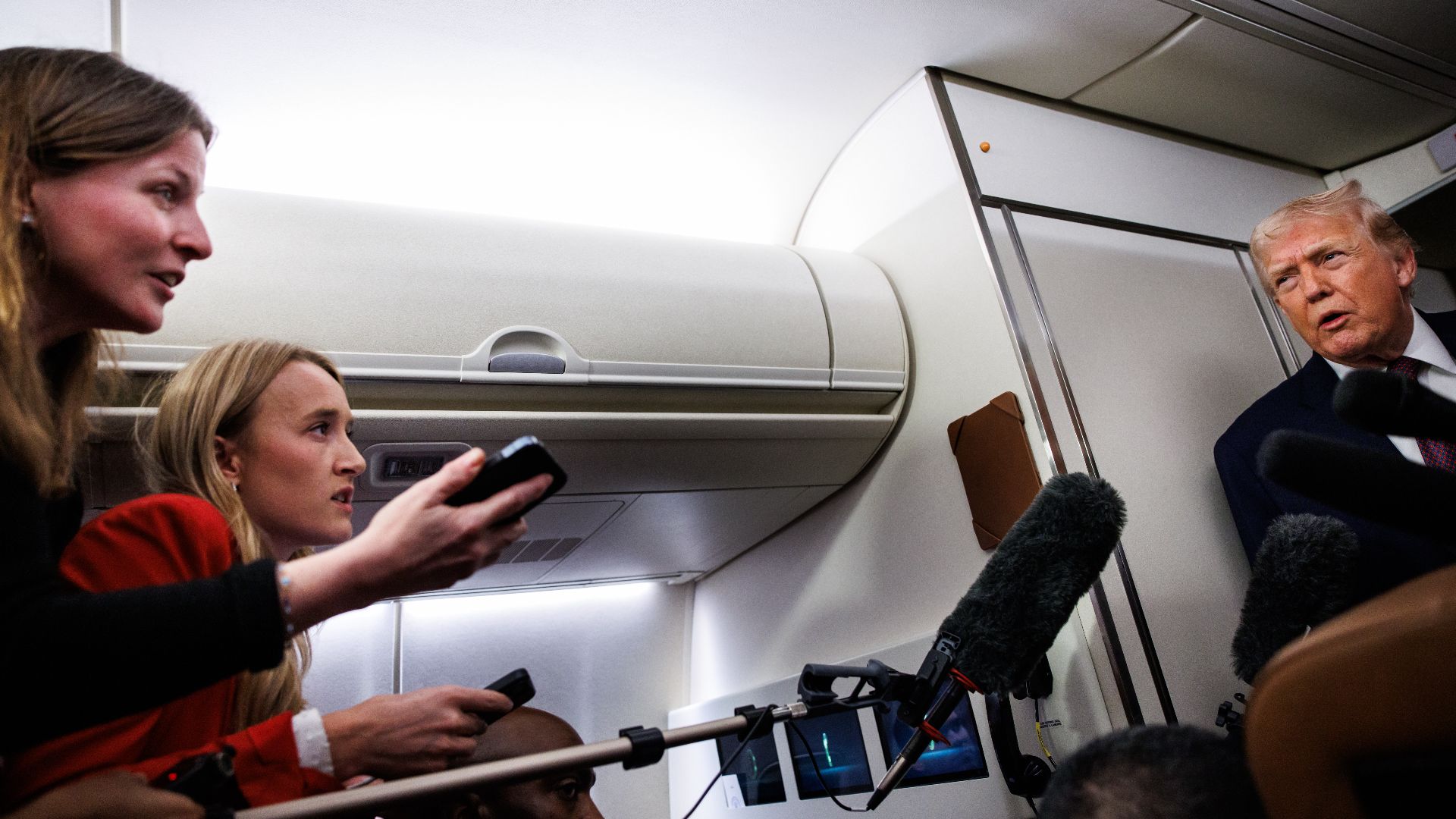
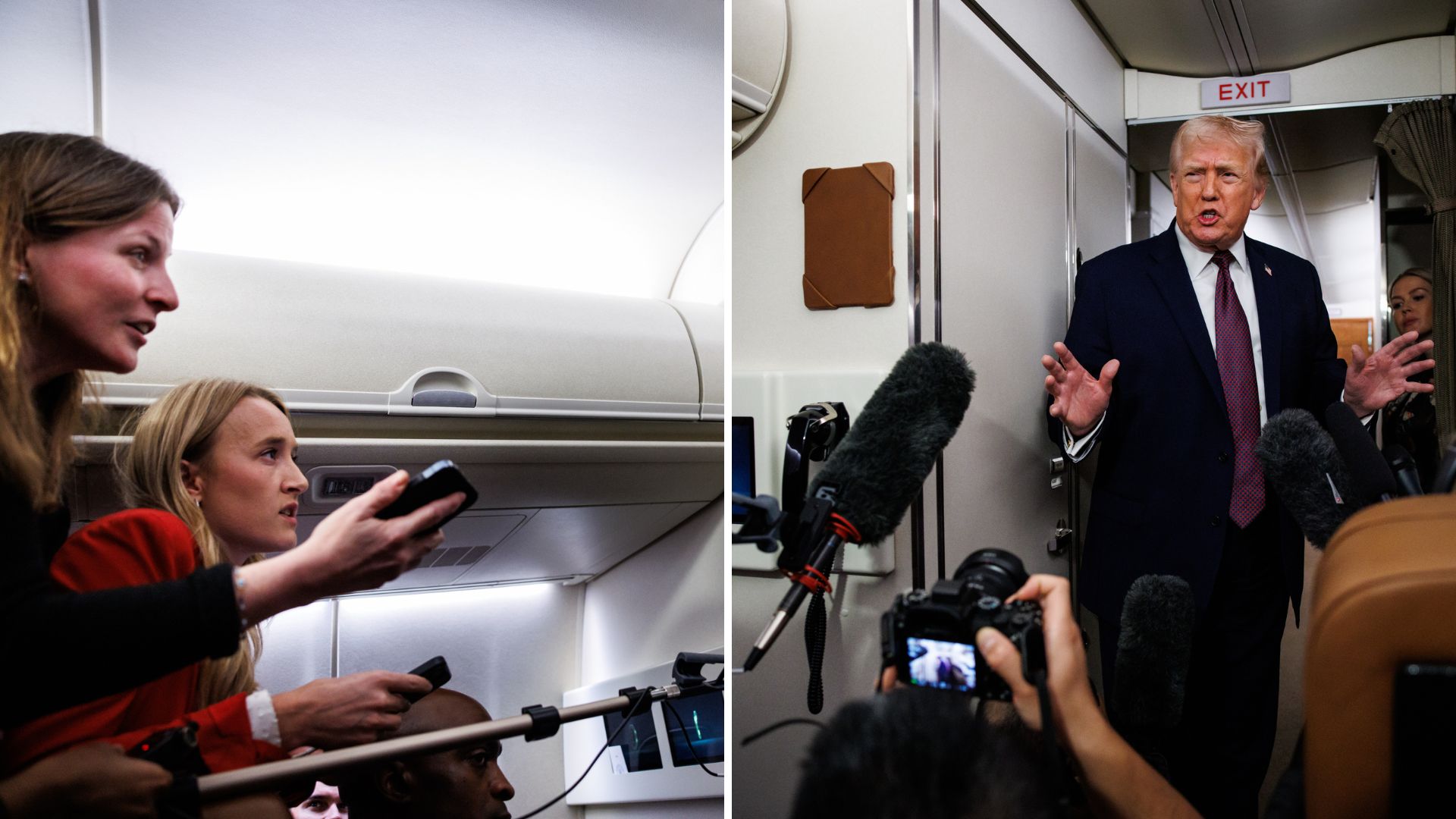
Donald Trump once again lashed out aggressively at a journalist, erupting at a CNN female reporter over what he described as a «stupid question» about Iran while taking questions aboard Air Force One as he returned from his weekend stay at Mar-a-Lago. The confrontation unfolded against a backdrop of rising tensions in Iran, where protesters were rebelling against their government, drawing international attention and concern. During the exchange, Trump dismissed the reporter’s question in sharp terms, reinforcing a pattern of public hostility toward members of the press during unscripted interactions. The moment came as the president reiterated his warning that the United States would strike Iran if protesters were killed, a threat that further heightened anxiety surrounding the escalating situation and underscored the volatile context in which the verbal attack occurred.

Getty Images

In recent weeks, Iran has been gripped by growing nationwide unrest, with protests erupting over economic hardship, soaring inflation and mounting anger toward the country’s political leadership. In the past days, demonstrations expanded and were met with a heavy crackdown by Iranian authorities, including mass arrests, internet restrictions and reports of protesters being killed, fueling international concern. As tensions escalated, Donald Trump warned that the United States could respond forcefully if Iranian security forces continued to kill demonstrators, stating: «If they start killing people like they have in the past, I think they’re going to get hit very hard by the United States.» Iran’s leadership rejected the warning, with Supreme Leader Ayatollah Ali Khamenei responding that Trump should «pay attention to the state of his own country instead», implying that the United States should mind its own business and accusing Washington of interfering in Iran’s internal affairs.
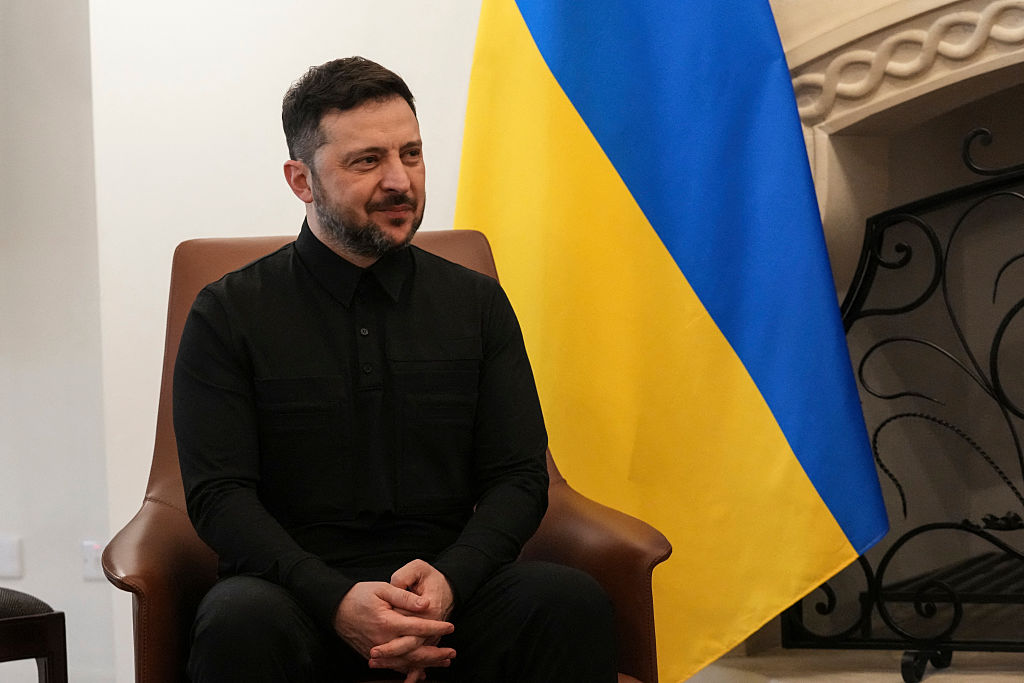
Getty Images

Donald Trump once again directed a sharp and dismissive response at a female reporter, lashing out during a tense exchange that underscored his combative tone toward the press. As he was questioned by a journalist he identified as being from CNN about whether Iran took his threats seriously, specifically his warning to «hit them at levels that they’ve never been hit before», Trump immediately turned confrontational.

When asked, «Do you think Iran takes your threats seriously?», he snapped back, «I think so. Don’t you think so, CNN?», before repeating the question in a mocking tone, saying, «She says, CNN, Do you think they take your threat seriously?». He then defended his stance by adding, «Wouldn’t you say they do after all of the things we’ve done?», escalating the exchange as he dismissed the reporter outright and concluded with, «What a stupid question.», a remark that reinforced both the derisive tone of the encounter and a pattern of hostility toward female journalists during high-profile moments.

Getty Images

Donald Trump’s recent rampage against female reporters has drawn renewed attention to his repeated use of personal insults and demeaning language toward women in the press. Over a series of public appearances and exchanges, Trump has targeted several female journalists with disparaging remarks, at times focusing on their appearance, behavior or intelligence rather than their questions. He has referred to some as «Ugly», told one reporter to «Quiet Piggy», and accused another of being «insubordinate» during a tense interaction. In other moments, he labeled two different female reporters as «Stupid and Nasty» and «a stupid person», comments that were delivered publicly and without hesitation.
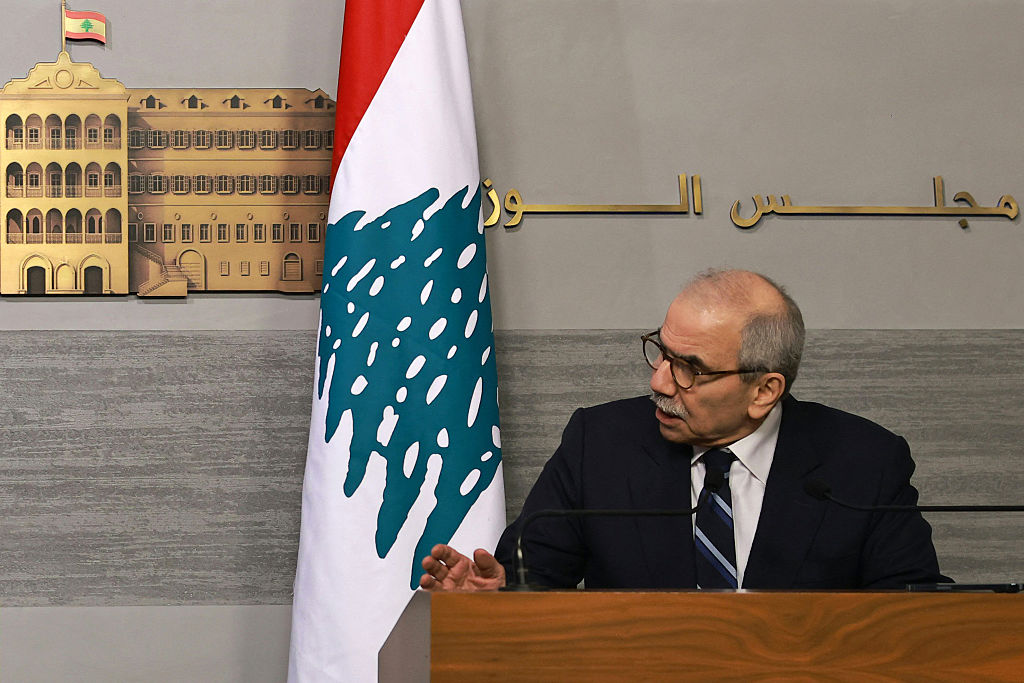
Getty Images

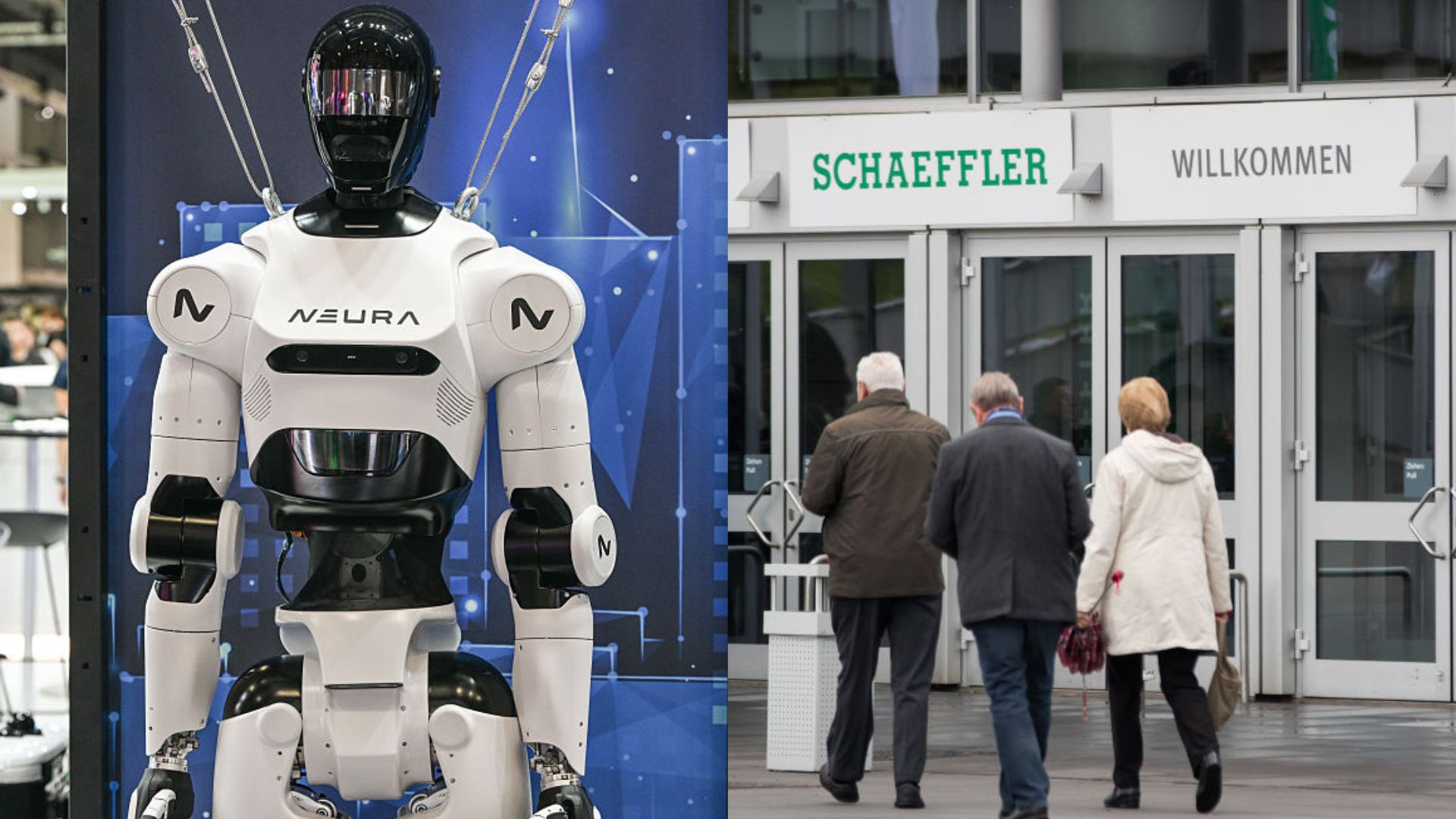
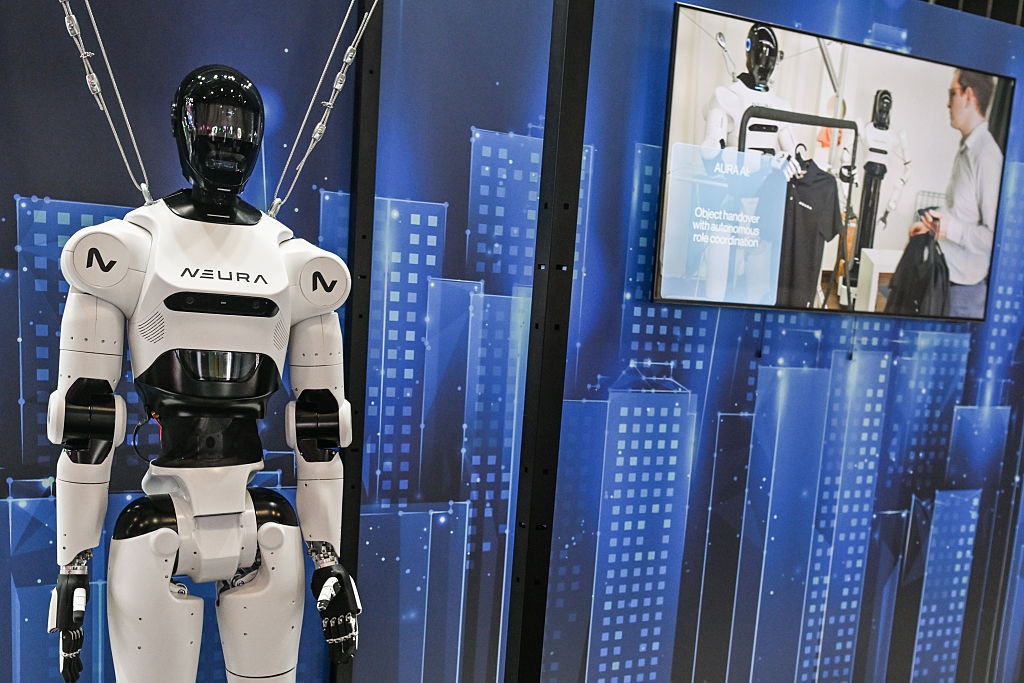
Des humanoïdes dangereusement réalistes

Le groupe Schaeffler, fabricant allemand de pièces automobiles, s’associe avec Neura Robotics afin de développer et fournir des composants de robots humanoïdes.

Les États-Unis saisissent un 5e pétrolier parti du Venezuela

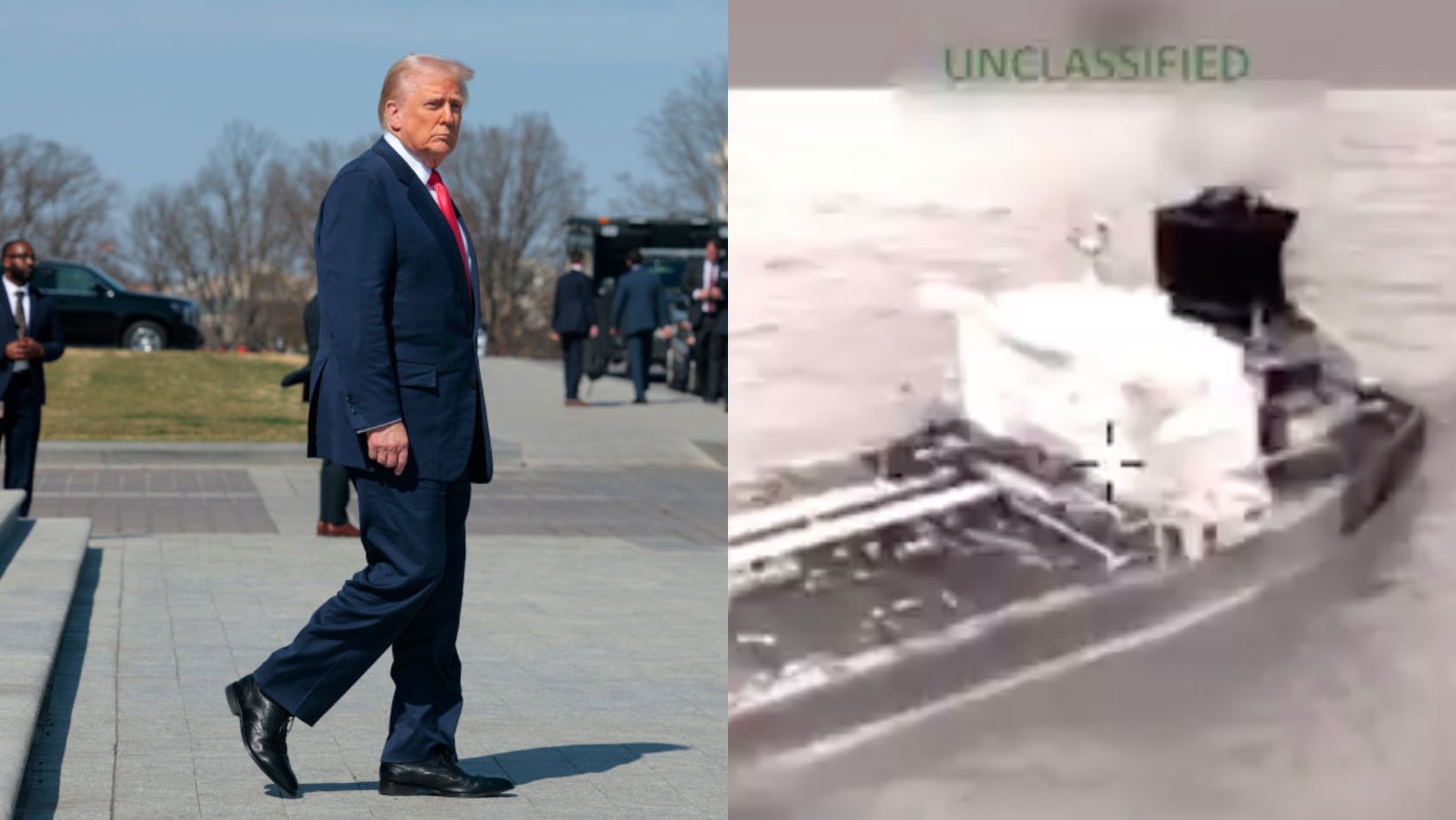
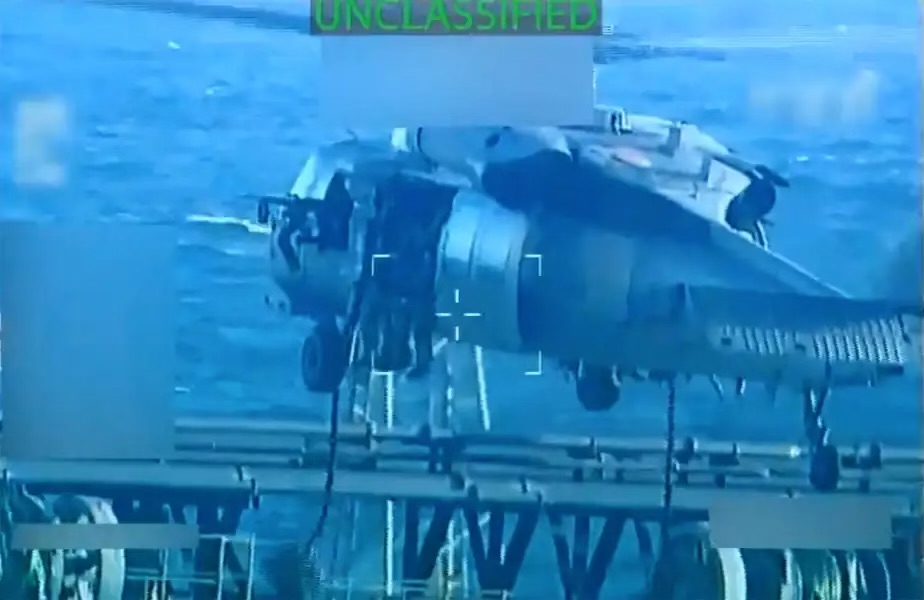
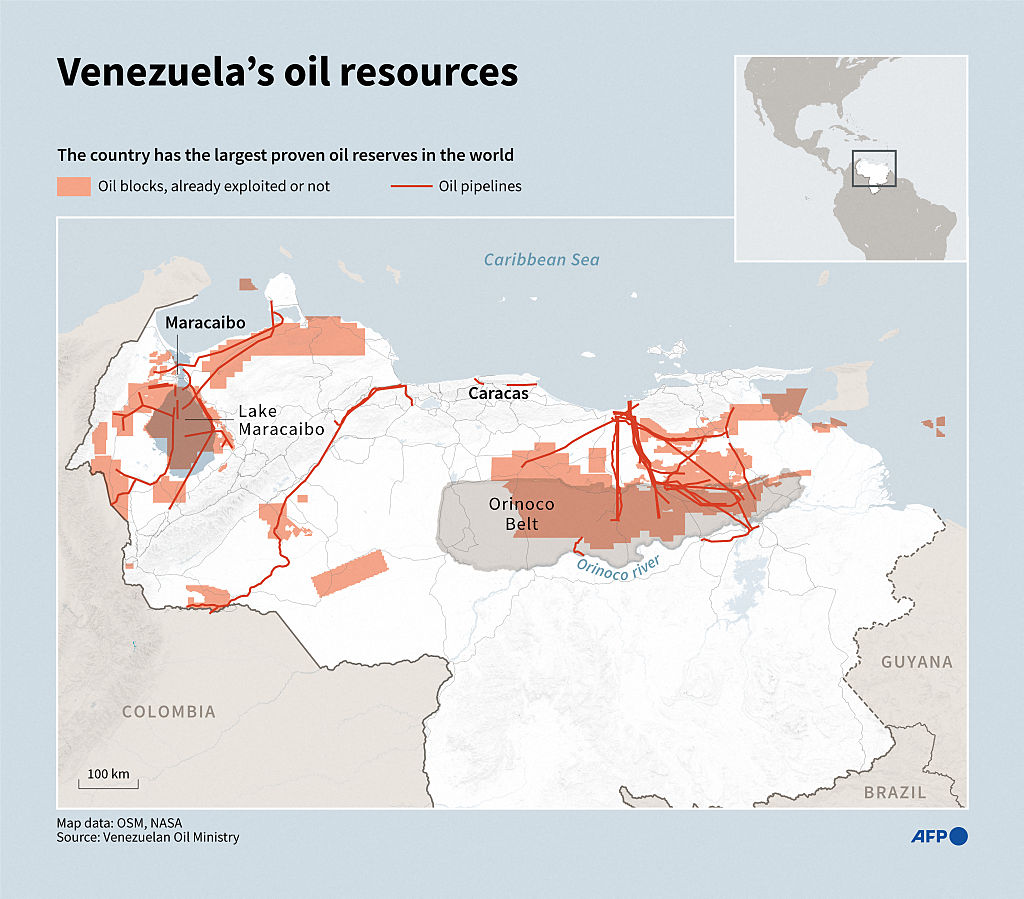
Les États-Unis ont annoncé avoir saisi vendredi un nouveau pétrolier en provenance du Venezuela, pays aux immenses réserves de pétrole dont Washington veut prendre contrôle après avoir capturé son président, Nicolas Maduro. Il s’agit de la cinquième opération de ce type depuis le blocus sur le pétrole vénézuélien décidé par le président américain Donald Trump, le 16 décembre dernier.

Catégories
Uncategorized

IA: La carrera frenética por el rendimiento

Desde hace varios meses, los gigantes tecnológicos desarrollan y mejoran sus asistentes de inteligencia artificial. Esta carrera por el rendimiento es cada vez más frenética y crea una competencia tácita dentro de las empresas. Un mes después de lanzar GPT-5.1, OpenAI presentó a principios de diciembre una nueva versión de ChatGPT, GPT-5.2, en respuesta a la nueva versión del asistente de IA de Google, Gemini 3, revelada a finales de noviembre de este año.

Un smartphone muestra la interfaz de Google Gemini 3 con opciones en pantalla como «Crear imagen», «Escribir cualquier cosa» y «Ayúdame a aprender», mientras el logotipo de Gemini 3 aparece en una pantalla más grande al fondo en San Ferdinando di Puglia, Italia, el 4 de diciembre de 2025. La imagen muestra la interfaz de usuario y la marca de la plataforma de inteligencia artificial de Google (Foto de Matteo Della Torre/NurPhoto vía Getty Images)

Estos dos gigantes llevan varios meses disputándose el título de campeón de los asistentes de IA. Esta rivalidad entre Google y OpenAI se ha intensificado desde la presentación respectiva de sus nuevas versiones de asistentes de IA: Gemini 3 para Google y ChatGPT-5.2 para OpenAI.

Los datos de Sensor Tower, que analiza el comportamiento de 5 millones de consumidores de todo el mundo, muestran un rápido crecimiento de Gemini desde el lanzamiento de Gemini 3 a finales de noviembre. El número de visitas mundiales al sitio de Gemini se duplicó entre agosto y noviembre, mientras que las de ChatGPT solo aumentaron en torno al 1 %. Durante el mismo periodo, Gemini habría alcanzado los 346 millones de usuarios activos mensuales, lo que supone un aumento de casi el 30 %, mientras que ChatGPT alcanzó los 810 millones, con un incremento de algo menos del 5 %.

Esta diferencia de impulso puede explicar la decisión de Sam Altman de lanzar una operación interna de «Código Rojo» para volver a centrar a sus equipos en ChatGPT. Este clima interno permitió a los equipos de OpenAI disponer de los recursos necesarios para ultimar la nueva versión del asistente de IA. La presentación de la nueva iteración de ChatGPT el pasado mes de diciembre supuso el nacimiento de una versión de GPT que, según la empresa, funciona mejor que nunca, reduciendo en un 38 % los errores relacionados con la versión «pensante» del asistente.

ANKARA, TURQUÍA – 30 DE DICIEMBRE: Logotipos de ChatGPT y OpenAI aparecen en pantallas de teléfonos móviles en Ankara, Turquía, el 30 de diciembre de 2025. (Foto de Omer Taha Cetin/Anadolu vía Getty Images)

A pesar de los avances de GPT y de sus 800 millones de operadores cada semana, OpenAI ha declarado que pierde dinero cada mes y solo espera ser rentable en 2029. Un escenario totalmente distinto se está dando en Google, donde la compañía genera miles de millones de dólares cada trimestre gracias a sus otras actividades.

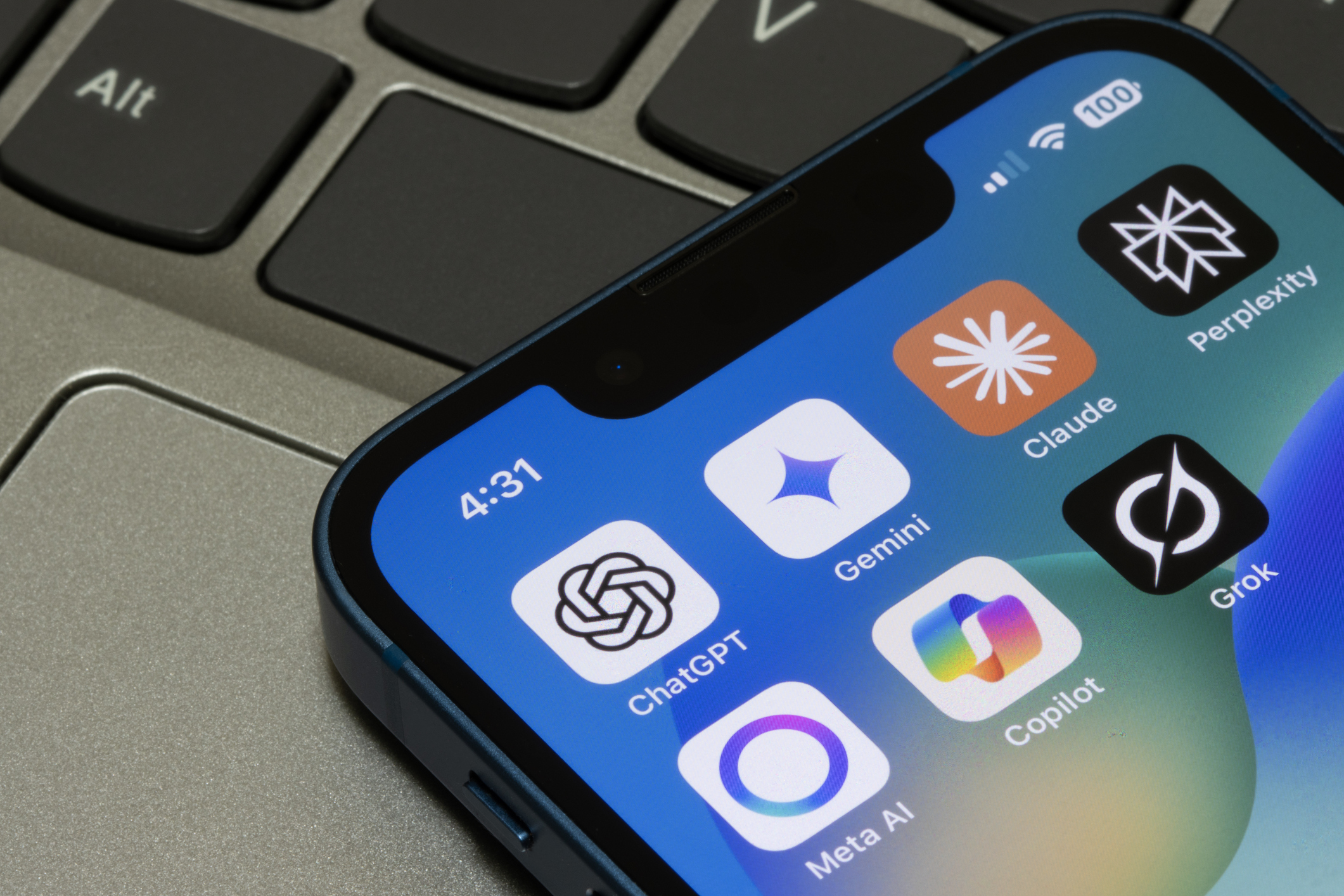
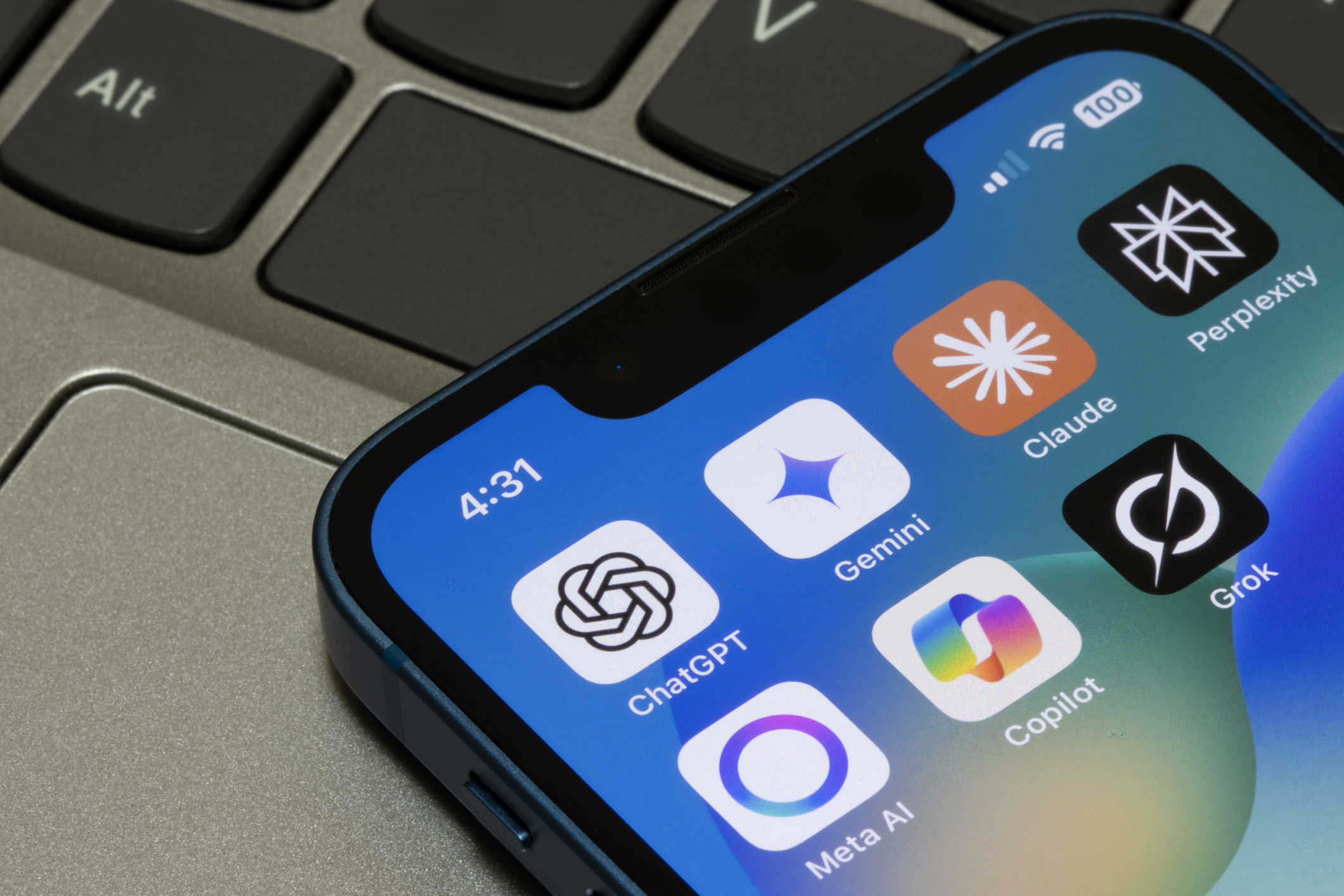
En este momento, la competencia en el sector de los robots conversacionales se basa esencialmente en dos actores, aunque hay otros competidores que ya forman parte del juego. Claude, Copilot, Deepseek, etc. son actores clave en esta frenética carrera por mejorar las herramientas de inteligencia artificial. La pregunta fundamental sigue siendo: ¿hasta dónde puede evolucionar la inteligencia artificial sin redefinir el papel del ser humano y, sobre todo, llegará algún día a su fin esta frenética carrera por el rendimiento?

Catégories
Uncategorized

¿Propiedades terapéuticas contra la demencia de la vacuna contra el herpes zóster?

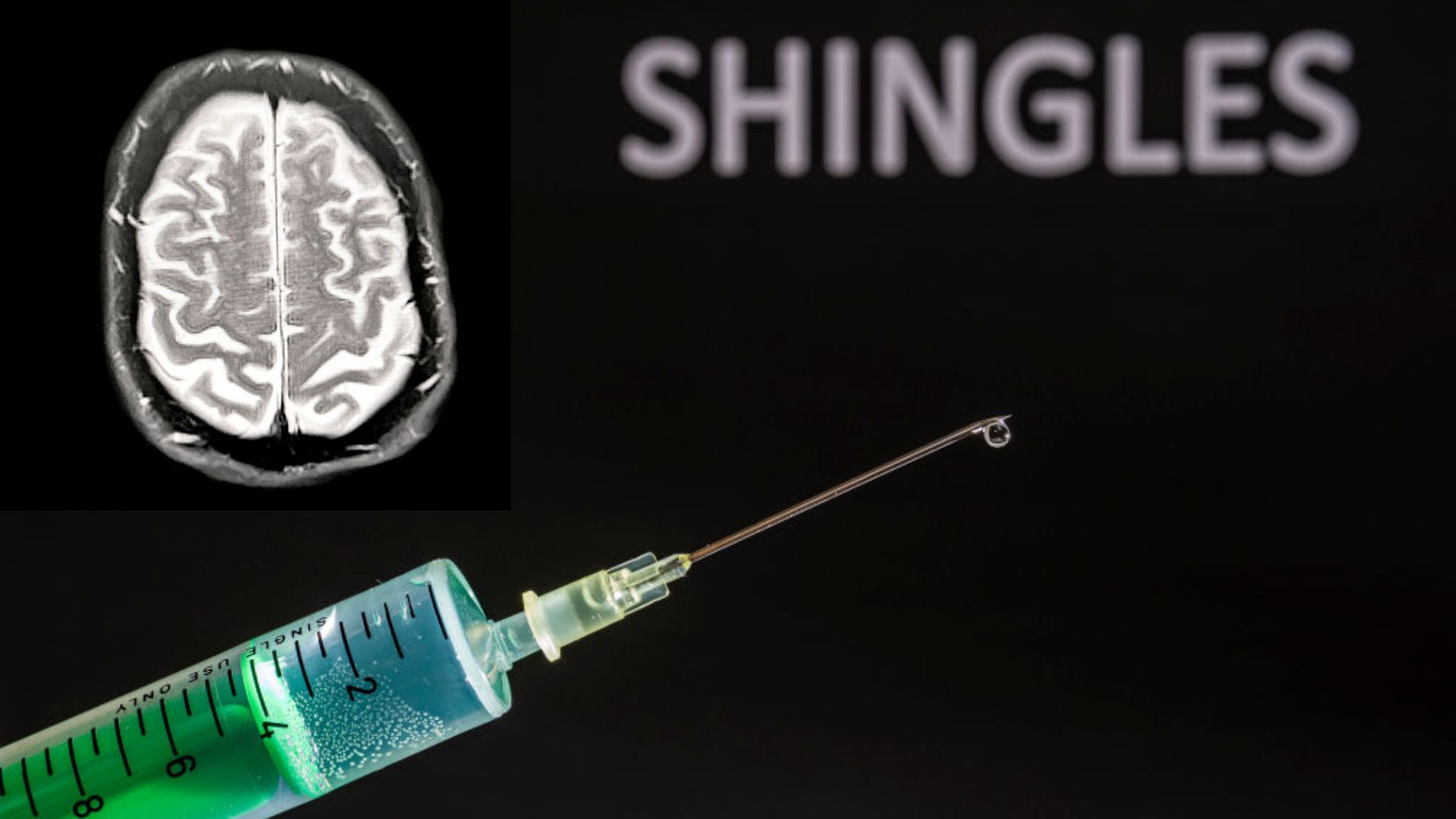
Un nuevo estudio publicado en la revista científica Cell por el grupo de investigación del Dr. Pascal Geldsetzer, profesor de la Universidad de Stanford, demuestra que la vacuna contra el herpes zóster podría tener propiedades terapéuticas contra la demencia. Este descubrimiento sugiere que dos dosis de la vacuna contra el herpes zóster podrían no solo frenar la progresión de la demencia, sino también reducir el riesgo de muerte relacionado con estos trastornos cognitivos. Según el Dr. Geldsetzer, estas observaciones sugieren que la vacuna contra el herpes zóster no solo previene la demencia, sino que también tiene potencial terapéutico: «¡Fue realmente emocionante e inesperado!

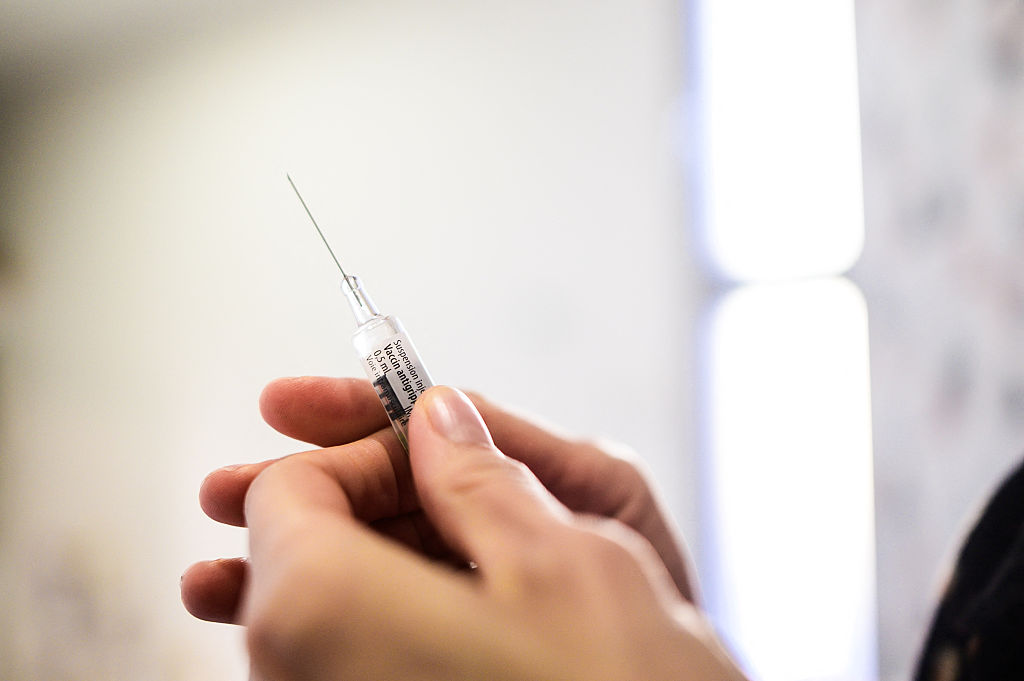
Primer plano de la mano de un farmacéutico sosteniendo una jeringa precargada de vacuna antigripal antes de la inyección en una farmacia de Pau, Francia, el 8 de diciembre de 2025. La imagen destaca las manos y la aguja, con la mención de la vacuna antigripal. Ilustra el problema de la virulenta epidemia de gripe estacional y la posible escasez del medicamento o la campaña de vacunación contra el virus invernal. Primer plano de la mano de una farmacéutica sosteniendo una jeringa precargada de vacuna contra la gripe antes de la inyección en una farmacia de Pau, Francia, el 8 de diciembre de 2025. La imagen muestra las manos y la aguja con una referencia a la vacuna contra la gripe. Ilustra el problema de la virulenta epidemia de gripe estacional y la posible escasez del medicamento o de la campaña de vacunación contra el virus invernal. (Foto de Quentin Top / Hans Lucas / AFP vía Getty Images)

El herpes zóster es una enfermedad causada por la infección de un virus llamado Varicela-Zóster, que provoca una erupción dolorosa. El riesgo de padecer herpes zóster y las complicaciones graves asociadas aumenta considerablemente con la edad debido al debilitamiento del sistema inmunitario. Por este motivo, la vacunación contra el herpes zóster se recomienda a partir de los 50 años, y tiene una eficacia superior al 90 % en la prevención del herpes zóster en las personas mayores. Pero, ¿cómo podría influir también esta vacuna en la demencia? El estudio publicado en Cell no determina con precisión por qué, pero se sugieren varias vías para responder a esta pregunta. Según Geldsetzer, el virus que causa el herpes zóster sigue presente en el sistema nervioso, incluso cuando está inactivo. Esto podría provocar inflamación, que es un factor clave en muchas enfermedades crónicas, incluida la demencia. Otra posibilidad es la estimulación del sistema nervioso directamente relacionada con la vacunación: un sistema inmunitario más fuerte combate mejor las infecciones, lo que puede estar relacionado con un mayor riesgo de demencia.

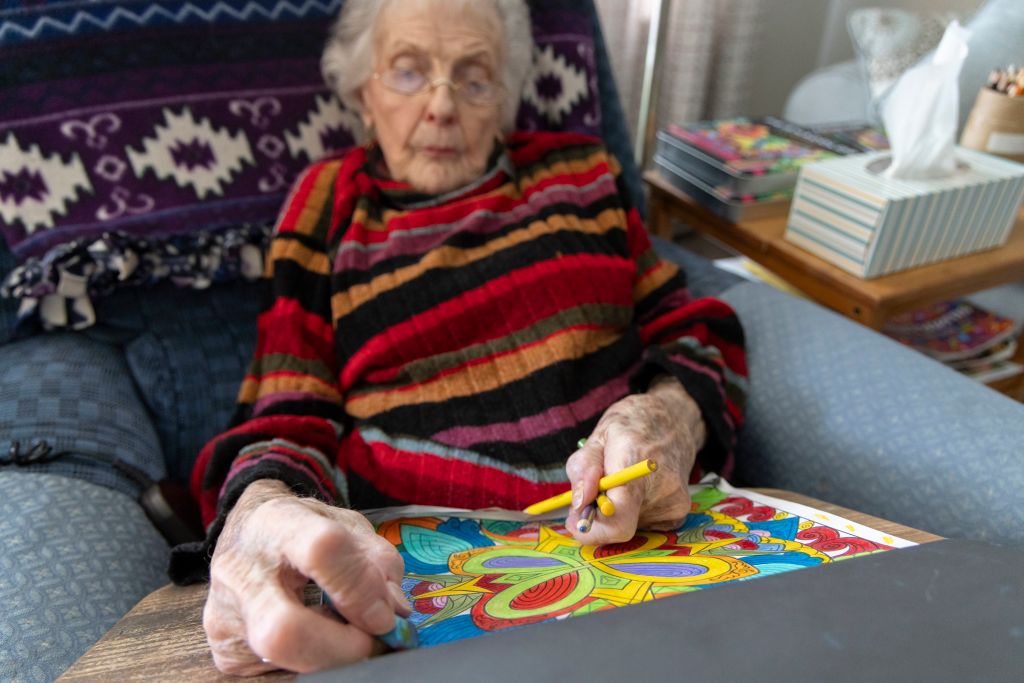
Anciana de 89 años con un libro para colorear para adultos para reducir la ansiedad y mejorar la función cerebral, Dover, Delaware. (Foto de: Matthew Lovette/Jumping Rocks/Universal Images Group vía Getty Images)

Este estudio condujo a un trabajo inicial del mismo equipo de investigación que demostró que la vacuna podría prevenir o retrasar la demencia. Estos avances iniciales se descubrieron analizando los historiales médicos de adultos mayores de Gales, donde en septiembre de 2013 se puso en marcha un programa de vacunación contra el herpes zóster para personas de 70 años. En este programa se impuso un límite de edad por debajo de los 80 años: fue esta norma la que permitió a los investigadores comparar dos grupos de ancianos muy similares, pero con posibilidades muy distintas de ser vacunados. Su primer descubrimiento mostró que recibir la vacuna reducía en un 3,5 % la probabilidad de ser diagnosticado de una nueva demencia en un periodo de siete años. En el hallazgo más reciente, los investigadores volvieron a utilizar datos galeses de más de 282 500 adultos, comparados con datos de Australia, para analizar las diferencias en el diagnóstico de deterioro cognitivo leve y la tasa de mortalidad relacionada con el deterioro cognitivo de las personas diagnosticadas con demencia. Los resultados de este artículo muestran que la vacuna reduce el riesgo de ser diagnosticado de deterioro cognitivo leve en un 3,1 % a lo largo de 9 años, con un mayor efecto protector en las mujeres. Para las personas ya diagnosticadas de demencia, la vacuna redujo el riesgo de muerte por demencia en un 29,5 % en los 9 años siguientes, lo que sugiere una ralentización de la progresión de los trastornos cognitivos.

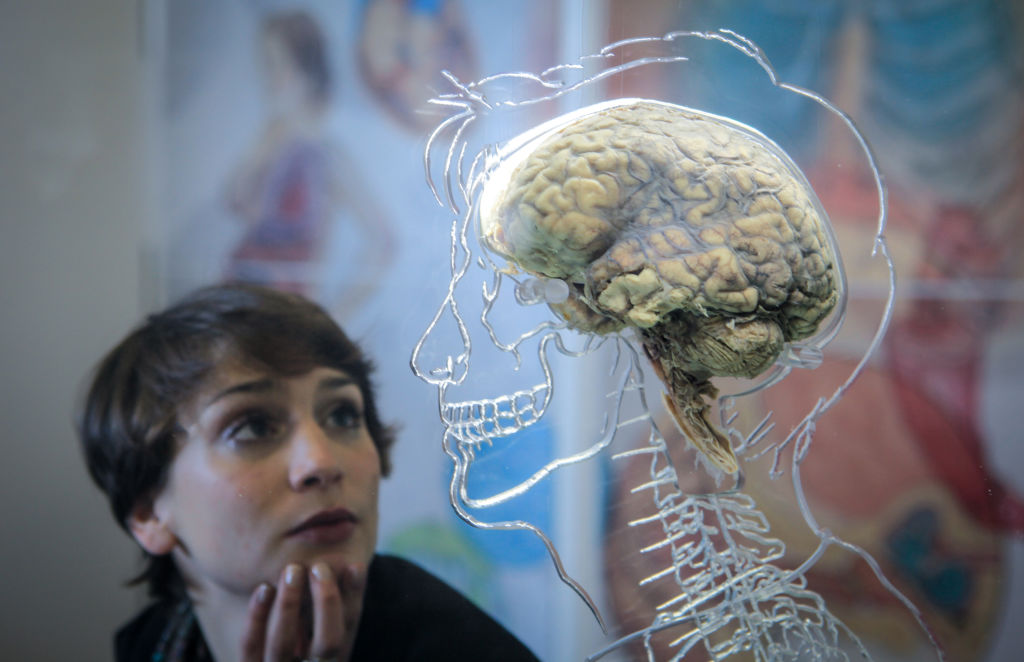
BRISTOL, REINO UNIDO – 10 DE MARZO: (NOTA DEL EDITOR: Esta imagen contiene contenido gráfico) Un cerebro humano real se muestra como parte de una exposición en la atracción @Bristol el 10 de marzo de 2011 en Bristol, Inglaterra. La exposición Real Brain, que cuenta con el pleno consentimiento de un donante anónimo y necesitaba el pleno consentimiento de la Autoridad de Tejidos Humanos, está suspendida en un gran tanque grabado con un esqueleto a escala real en un lado y un diagrama del sistema nervioso central en el otro, y es una característica clave de la exposición All About Us. (Foto de Matt Cardy/Getty Images)

Nuevas investigaciones podrían conducir a un ensayo clínico aleatorio para mejorar la comprensión de la relación entre la vacuna contra el herpes zóster y la demencia. Sin embargo, la comunidad científica advierte al público: este estudio muestra efectivamente una protección de las capacidades cognitivas de los pacientes, pero aún se desconoce la razón exacta. Varios profesores afirman que estos estudios no pretenden establecer una recomendación de vacunación para reducir el riesgo de demencia. Es esencial seguir investigando, sobre todo teniendo en cuenta que el estudio actual analiza versiones más antiguas de la vacuna contra el herpes zóster.

Catégories
Uncategorized

KI: Der rasante Wettlauf um Leistung

Seit nunmehr einigen Monaten entwickeln und verbessern die Tech-Giganten ihre Assistenten mit künstlicher Intelligenz. Dieser Leistungswettlauf wird immer hektischer, indem er einen stillschweigenden Wettbewerb innerhalb der Unternehmen schafft. OpenAI stellte einen Monat nach der Einführung von GPT-5.1 Anfang Dezember eine neue Version von ChatGPT, GPT-5.2, vor, als Reaktion auf die neue Version des Google KI-Assistenten, Gemini 3, die Ende November dieses Jahres enthüllt wurde.

Ein Smartphone zeigt die Benutzeroberfläche von Google Gemini 3 mit On-Screen-Optionen wie „Bild erstellen”, „Alles schreiben” und „Hilf mir zu lernen”, während das Gemini 3-Logo auf einem großen Bildschirm im Hintergrund in San Ferdinando di Puglia, Italien, am 4. Dezember 2025 erscheint. Das Bild hebt die Benutzeroberfläche und das Branding von Googles KI-Plattform hervor (Foto von Matteo Della Torre/NurPhoto via Getty Images)

Diese beiden Giganten streiten sich nun schon seit einigen Monaten um den Titel des KI-Assistenten-Champions. Diese Rivalität zwischen Google und OpenAI hat sich seit der jeweiligen Enthüllung ihrer neuen Versionen von KI-Assistenten verschärft: Gemini 3 für Google und ChatGPT-5.2 für OpenAI.

Daten von Sensor Tower, die das Verhalten von 5 Millionen Verbrauchern weltweit analysieren, zeigen ein rasantes Wachstum von Gemini seit der Einführung von Gemini 3 Ende November. Die Zahl der weltweiten Besuche auf der Gemini-Website hätte sich zwischen August und November verdoppelt, während die Zahl der Besuche von ChatGPT nur um etwa 1 % gestiegen wäre. Im gleichen Zeitraum hätte Gemini 346 Millionen monatlich aktive Nutzer erreicht, was einem Wachstum von fast 30 % entspräche, während ChatGPT mit 810 Millionen einen Höchststand erreichte, wobei das Wachstum auf fast 5 % begrenzt war.

Diese unterschiedliche Dynamik würde die Entscheidung von Sam Altman erklären, intern eine Operation „Code Red” zu starten, um die Teams wieder auf ChatGPT zu konzentrieren. Dieses interne Klima sorgte also dafür, dass die OpenAI-Teams über die nötigen Ressourcen verfügten, um die neue Version des KI-Assistenten fertigzustellen. Mit der Enthüllung der neuen Iteration von ChatGPT im Dezember letzten Jahres entstand eine Version von GPT, die nach Angaben des Unternehmens besser als je zuvor ist und die Fehler im Zusammenhang mit der „Thinking”-Version des Assistenten um 38 % reduziert hat.

ANKARA, TURKIYE – 30. DEZEMBER: Die Logos von ChatGPT und OpenAI werden am 30. Dezember 2025 auf Handybildschirmen in Ankara, Turkiye, angezeigt. (Foto von Omer Taha Cetin/Anadolu via Getty Images)

Trotz der Entwicklungen von GPT und ihren 800 Millionen Nutzern pro Woche verliert OpenAI nach eigenen Angaben jeden Monat Geld und rechnet erst für 2029 mit einer Rentabilität. Ein ganz anderes Szenario erlebt man auf der Seite von Google, wo das Unternehmen jedes Quartal Milliarden von Dollar aus seinen anderen Geschäftsbereichen erwirtschaftet.

Zu diesem Zeitpunkt besteht der Wettbewerb bei den Chatbots im Wesentlichen aus zwei Akteuren, auch wenn es durchaus andere Konkurrenten gibt. Claude, Copilot, Deepseek, … sind allesamt Schlüsselfiguren in diesem rasanten Wettlauf um die Verbesserung der Werkzeuge für künstliche Intelligenz. Es bleibt also eine grundlegende Frage: Wie weit kann sich die künstliche Intelligenz entwickeln, ohne den Platz des Menschen neu zu definieren?

Catégories
Uncategorized

Therapeutic benefits of the shingles vaccine against dementia?

A new study published in the scientific journal Cell by the research group of Stanford University professor Dr. Pascal Geldsetzer shows that the shingles vaccine may have therapeutic properties against dementia. The finding suggests that two doses of the shingles vaccine could not only slow the progression of dementia, but also reduce the risk of death from these cognitive disorders. According to Dr. Geldsetzer, these observations suggest that the shingles vaccine is not only preventive against dementia, but also has therapeutic potential: « It was really exciting and unexpected! »

Close-up view of a pharmacist’s hand holding a pre-filled syringe of flu vaccine before injection in a pharmacy in Pau, France, on December 8, 2025. The image highlights the hands and the needle, with a reference to the flu vaccine. It illustrates the problem of the virulent seasonal flu epidemic and the potential shortage of the medication or the vaccination campaign against the winter virus. Close-up view of a pharmacist’s hand holding a pre-filled syringe of flu vaccine before injection in a pharmacy in Pau, France, on December 8, 2025. The image features the hands and needle, with a reference to the flu vaccine. It illustrates the problem of the virulent seasonal flu epidemic and the potential shortage of the drug or the vaccination campaign against the winter virus. (Photo by Quentin Top / Hans Lucas / AFP via Getty Images)

Shingles is a disease resulting from infection with a virus called Varicella-Zoster, which causes a painful rash. The risk of shingles and related serious complications increases significantly with age, due to the weakening of the immune system. For this reason, shingles vaccination is recommended from the age of 50 onwards, and is said to be over 90% effective in preventing shingles in the elderly. But how could this vaccine also influence dementia? The study published in Cell did not precisely determine why, but several avenues are suggested to answer this question. According to Geldsetzer, the virus that causes shingles remains present in the nervous system, even when dormant. This could lead to inflammation, which is a key factor in many chronic diseases, including dementia. Another possibility is the stimulation of the nervous system directly linked to vaccination: a stronger immune system fights infections better, which may be linked to an increased risk of dementia.

Elderly woman, 89 years old with adult coloring book to reduce anxiety and improve brain function, Dover, Delaware. (Photo by: Matthew Lovette/Jumping Rocks/Universal Images Group via Getty Images)

This study led to early work by the same research team, showing that the vaccine could prevent or delay dementia. These initial developments were found by analyzing medical records of older adults in Wales, where a shingles vaccination program had been launched for septuagenarians in September 2013. In this program, an age limit below 80 was imposed: it was this rule that enabled the researchers to compare two very similar groups of elderly people, but with very different chances of being vaccinated. Their first finding showed that receiving the vaccine reduced the probability of being diagnosed with a new dementia by 3.5% over a seven-year period. In the more recent finding, the researchers re-used Welsh data from over 282,500 adults, compared with data from Australia, to analyze differences in the diagnosis of mild cognitive impairment, and the rate of cognitive impairment-related death for those diagnosed with dementia. The results show that the vaccine reduces the risk of being diagnosed with mild cognitive impairment by 3.1% over 9 years, with a greater protective effect in females. For those already diagnosed with dementia, the vaccine reduced the risk of death from dementia by 29.5% over the following 9 years, suggesting a slowing in the progression of cognitive impairment.

BRISTOL, UNITED KINGDOM – MARCH 10: (EDITORS NOTE; This image contains graphic content) A real human brain is displayed as part of an exhibition at the @Bristol attraction on March 10, 2011 in Bristol, England. The Real Brain exhibit – which comes with full consent from an anonymous donor and needed full consent from the Human Tissue Authority – is suspended in a large tank engraved with a full scale skeleton on one side and a diagram of the central nervous system on the other and is a key feature of the All About Us exhibition. (Photo by Matt Cardy/Getty Images)

Further research would lead to a randomized clinical trial to improve understanding of the link between shingles vaccine and dementia. The scientific community, however, cautions the public that, while this study does indeed demonstrate protection of the patient’s cognitive abilities, the exact reason for this remains unknown. Several professors state that these studies are not intended to establish a recommendation for vaccination to reduce the risk of dementia. Further research is essential, not least because the current study involves older versions of the shingles vaccine.

10 élections à surveiller en 2026

2026 s’annonce chargée en termes d’élections à l’international. Voici celles à surveiller cette année, de l’Asie à l’Amérique en passant par l’Europe.