Catégories
Uncategorized

Une danseuse de Las Vegas a eu une soirée «calme» ce mercredi soir. Elle est repartie avec 3 000 dollars de pourboires en espèces.

Ce n’est un secret pour personne que les temps sont durs. Du coup, les gens se ruent en masse vers de nouvelles activités complémentaires ou se lancent carrément dans de nouvelles carrières. De plus en plus de personnes deviennent créateurs de contenu et/ou cumulent plusieurs emplois.

Certaines personnes s’essaient également à des métiers liés à la vie nocturne : barman, promoteur de boîte de nuit, artiste de scène, etc. Et elles semblent en tirer des revenus considérables.

« Ce soir, c’était une bonne soirée »

Dans une vidéo récemment publiée qui a depuis été visionnée près de 50 000 fois, Daisy Delacroix (@daisydelacroix sur TikTok) a partagé son premier vlog en tant que danseuse à Las Vegas. Au moment de l’enregistrement, Delacroix exerçait son nouveau métier depuis trois semaines.

Delacroix a invité ses spectateurs à découvrir avec elle combien d’argent elle avait gagné en une nuit dans son club ouvert 24 heures sur 24.

« Bon, alors ce soir, c’était une bonne soirée », a déclaré Delacroix après son service, tout en grignotant des filets de poulet. « Il est environ 3 h 24 du matin… C’est ma première soirée de vlogging à Vegas en tant que "ballerine de minuit". »

Quand Delacroix a dit « ballerine de minuit », elle a utilisé un terme d’argot. Ce jargon a été popularisé sur des plateformes comme TikTok pour contourner les mécanismes de censure qui ont tendance à supprimer les contenus « inappropriés ».

Delacroix a commencé à calculer ses gains et à compter ses billets devant la caméra.

Après avoir minutieusement feuilleté les billets, Delacroix est arrivée à un chiffre final.

« J’ai gagné environ 3 050 dollars », a conclu Delacroix. « Une soirée plutôt calme, mais ce n’est pas mal. J’étais là de 22 h à 3 h 30 [du matin], mais je n’ai plus dansé du tout après environ trois heures. Et puis j’ai eu de la chance avec un VIP, donc on peut dire que c’était une bonne soirée. » 

3 050 dollars pour un seul service de cinq heures et demie, cela signifie que Delacroix a été payée plus de 550 dollars de l’heure. Au vu de ce chiffre, on peut raisonnablement dire que Delacroix a passé une bonne soirée.

Combien gagnent les danseuses ?

Si Delacroix a réussi à engranger des milliers de dollars lors d’un service « calme », on peut se demander ce qu’un service plus chargé pourrait rapporter. Alors, combien les « ballerines de minuit » peuvent-elles généralement espérer gagner ?

Malheureusement, la réponse varie. Comme dans de nombreux métiers basés sur les pourboires, les travailleuses ne peuvent pas nécessairement s’attendre à un revenu fixe ni compter dessus. De plus, le montant des pourboires peut dépendre d’une multitude de facteurs hors de leur contrôle, tels que le revenu moyen dans une région donnée, ou même la situation économique.

Cependant, de nombreuses danseuses exotiques se sont exprimées en ligne pour partager leurs expériences personnelles en matière de rémunération, et certaines données existent également. Un utilisateur de Reddit a publié un message sur r/AskReddit, demandant à ces danseuses combien elles gagnaient. Le message a reçu des réponses éclairantes.

« Ça varie beaucoup, mais dans l’ensemble, c’est de loin le meilleur salaire que j’ai jamais gagné », a commenté une danseuse qui s’est présentée comme telle et qui travaillait depuis six mois. « Je n’ai pas d’horaires fixes, et parfois je travaille deux heures et je gagne 400 $. Mais… une fois, j’ai même pleuré parce que j’avais passé une soirée horrible, je n’avais gagné qu’environ 20 $, puis j’ai fait le bilan de ce que j’avais gagné cette semaine-là. J’avais travaillé 3 jours et gagné 600 dollars au total. Et j’ai ri de moi-même parce que c’est deux fois ce que je gagnais en une semaine dans tous les emplois que j’avais eus auparavant. C’est un salaire plutôt correct. »

« Ancienne strip-teaseuse à l’appui », a écrit une autre commentatrice. « J’ai gagné assez d’argent pour lancer ma propre entreprise florissante… À 19 ans, mon compte épargne affichait déjà confortablement un solde à cinq chiffres. En service de jour, je gagnais en moyenne 200 $ pour un service rapide de 4 ou 5 heures. En semaine, les soirées variaient beaucoup, avec une moyenne de 150 à 300 dollars ? Le week-end, la moyenne était de 200 à 450 dollars. Le plus que j’ai jamais gagné en une nuit, c’était 1 200 dollars après le partage des pourboires et les frais de la maison. (Environ 1 800 dollars avant le partage des pourboires et les frais de la maison). »

Un danseur a également pris la parole, affirmant qu’il gagnait entre 500 et 1 000 dollars lors d’un week-end très chargé. Selon Thrillist, une danseuse de Las Vegas empochait environ 300 000 dollars par an. Parallèlement, des sites comme Payscale estiment que le salaire horaire se situe entre 28 et 30 dollars.

Buzz News a contacté Delacroix via un commentaire sur TikTok. L’article sera mis à jour si elle répond.

@daisydelacroix Première nuit sur six à Vegas en tant que ballerine de minuit à Vegas #midnightballerina ♬ son original – daisydelacroix1

L’article « Une future mariée critiquée et qualifiée d’« irrespectueuse » pour ce qu’elle a fait en plein milieu de la demande en mariage : « Ce coup de fil aurait sûrement pu attendre » » a été publié en premier sur Realtimenn.
Catégories
Uncategorized

Trump exige maintenant un nouvel héliport

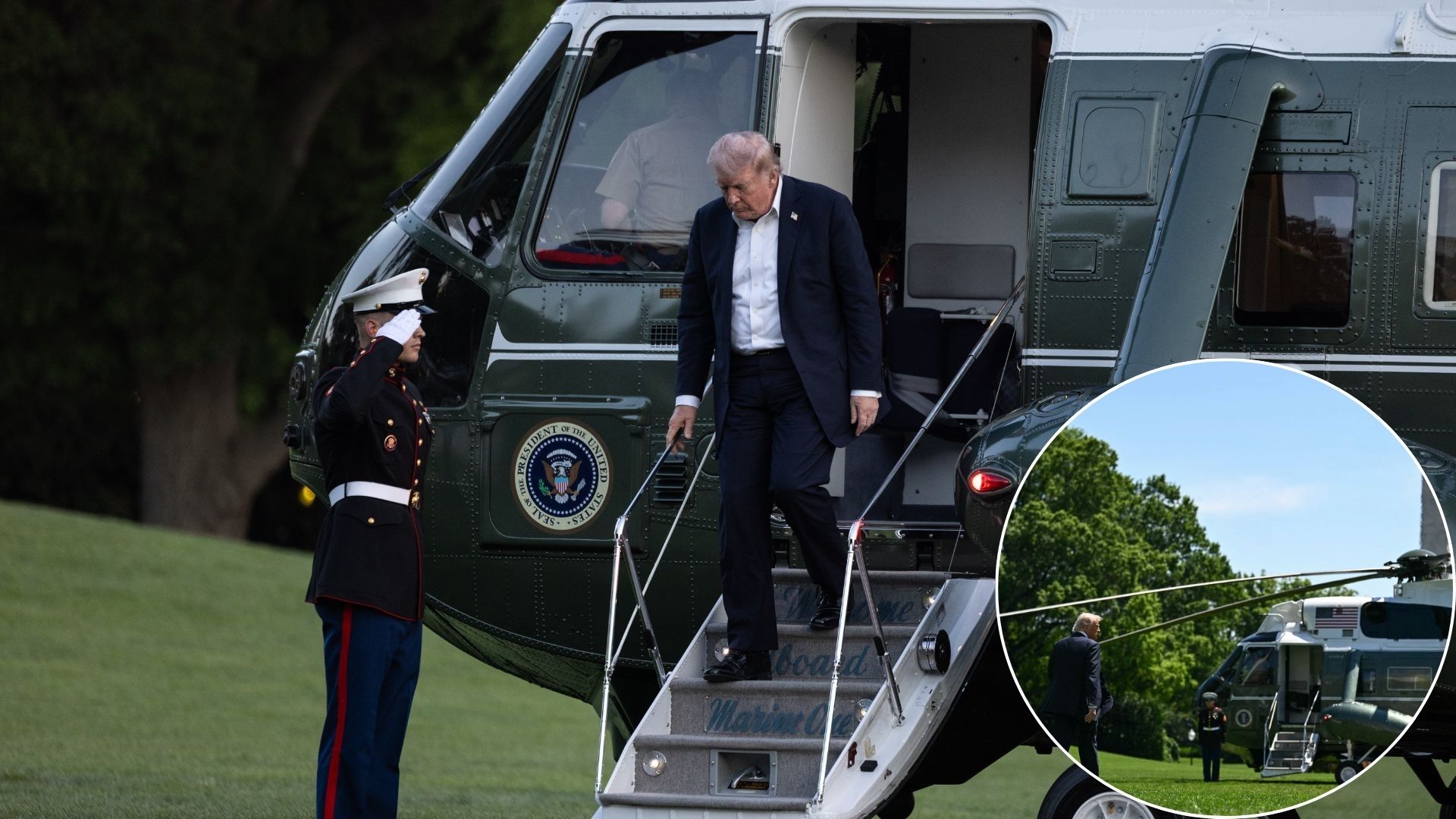
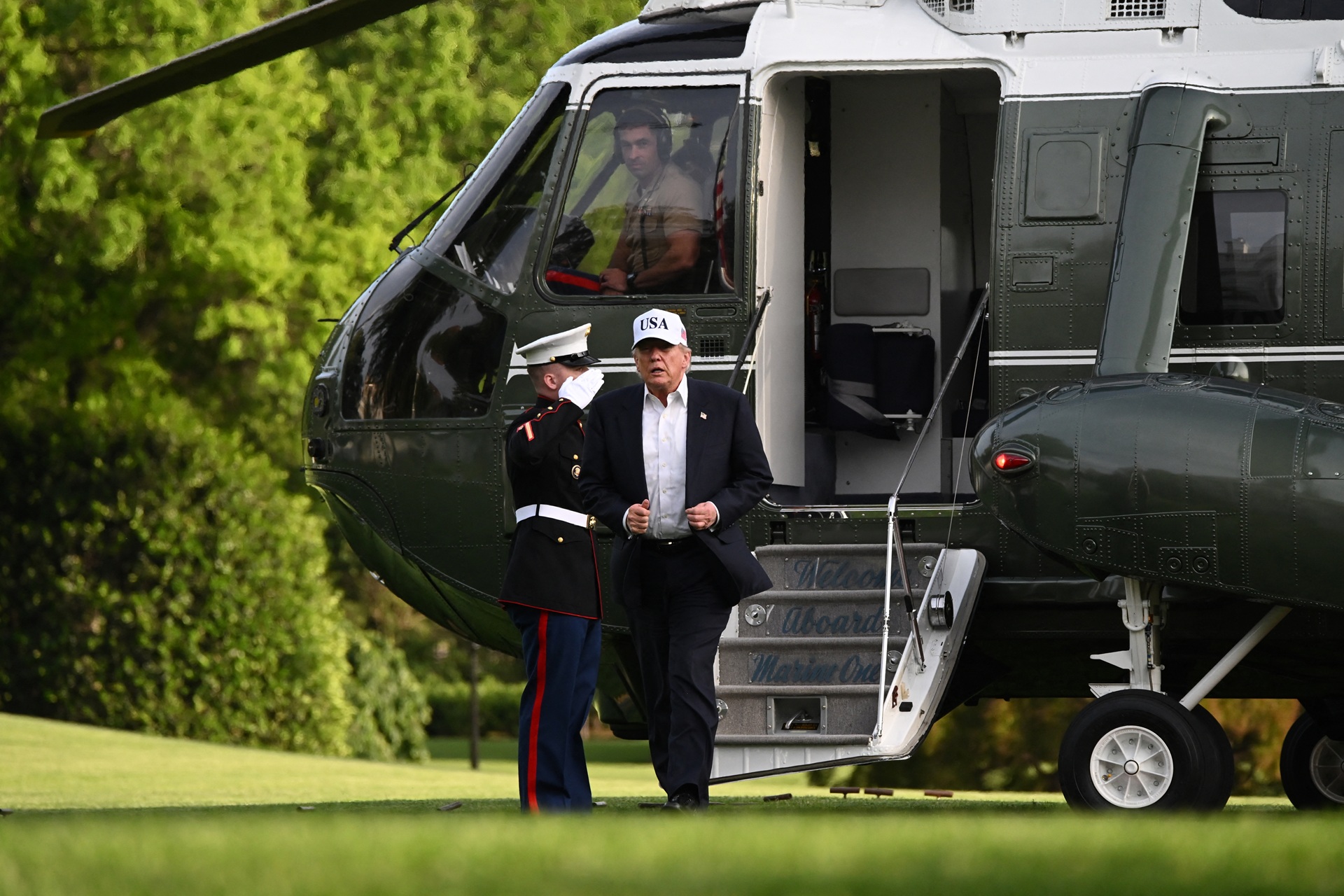
L’obsession de Donald Trump pour la rénovation de la Maison-Blanche et ses coûteuses ambitions de réaménagement atteignent de nouveaux sommets avec un énième projet de transformation controversé lié à la résidence présidentielle. Après avoir essuyé des critiques pour avoir recouvert de dalles certaines parties de la Roseraie historique, réaménagé les intérieurs avec de lourdes ornements dorés, rénové les salles de bains et lancé un vaste projet de salle de bal près de l’aile Est, Trump envisagerait désormais l’installation d’un héliport permanent sur la pelouse sud.

Selon des articles publiés par le New York Times et d’autres médias américains, les discussions au sein de l’administration se sont concentrées sur la création d’une aire d’atterrissage renforcée pour Marine One directement sur le terrain de la Maison-Blanche. Bien qu’aucune proposition officielle, aucun calendrier de construction ni aucun budget public n’ait été publié par la Maison-Blanche ou par Trump sur Truth Social, les discussions rapportées ont déjà relancé le débat autour des efforts coûteux du président pour remodeler la résidence la plus emblématique de Washington.

Ce projet d’héliport représenterait une nouvelle modification majeure de l’une des zones les plus protégées sur le plan historique du complexe de la Maison-Blanche. Depuis des décennies, Marine One atterrit sur la pelouse sud en utilisant des protections d’atterrissage temporaires conçues pour préserver le gazon et maintenir l’aspect emblématique des jardins présidentiels. Trump, dont l’expérience dans l’immobilier de luxe et le développement de complexes de golf a fortement influencé ses préférences en matière de design, a maintes fois privilégié des modifications architecturales plus permanentes et très soignées.

La Roseraie elle-même est devenue un sujet brûlant pendant sa présidence après que des modifications apportées à son aménagement paysager ont déclenché une levée de boucliers de la part d’historiens, de défenseurs du patrimoine et de critiques, qui ont fait valoir que ce réaménagement effaçait le caractère historique lié aux administrations précédentes. La pelouse sud semble désormais être la nouvelle cible de ces ambitions, alors que les préoccupations opérationnelles liées aux nouveaux hélicoptères présidentiels se croisent de plus en plus avec la préférence de Trump pour de grands réaménagements visuels.

Getty Images

Les discussions autour de la pelouse sud sont également liées à des préoccupations techniques concernant la prochaine génération d’hélicoptères présidentiels, mais la proposition rapportée est devenue de plus en plus controversée car les critiques y voient une manifestation du comportement général de Trump consistant à remodeler de manière agressive les espaces historiques de la Maison-Blanche.

Les nouveaux hélicoptères VH-92A Patriot développés par Sikorsky sont plus grands et plus puissants que de nombreux appareils précédemment utilisés pour le transport présidentiel, ce qui a incité les responsables de l’aviation et de l’armée à avertir depuis des années que des atterrissages répétés pourraient endommager la pelouse en raison de systèmes d’échappement plus puissants et d’un poids accru. Bien que des ajustements opérationnels aient déjà été mis en œuvre pour limiter l’impact potentiel sur ce site historique, l’intérêt que Trump aurait manifesté pour le remplacement d’une partie de la pelouse sud par une structure d’atterrissage permanente a intensifié la levée de boucliers des défenseurs du patrimoine et des historiens. Trump lui-même a longtemps mis en avant la symbolique entourant Marine One et les déplacements en hélicoptère présidentiel.

Lors d’une allocution en 2017, il a déclaré :

« Il y a peu de spectacles plus impressionnants que celui de Marine One remontant le Potomac… passant devant le Washington Monument et atterrissant sur la pelouse sud de la Maison-Blanche. C’est un privilège incroyable de prendre ce vol. »

Alors que les partisans affirment que la proposition reflète la modernisation et le sens pratique, les opposants y voient un autre exemple controversé de la priorité accordée par Trump au spectacle et à ses ambitions esthétiques personnelles au détriment de la préservation de monuments nationaux protégés par la loi.

« Le président Trump a continué d’apporter des améliorations à la Maison-Blanche et dans tout Washington au profit des futurs présidents et des Américains. »

– Davis Ingle, porte-parole de la Maison Blanche

Les critiques concernant l’héliport proposé se sont intensifiées car de nombreux experts en préservation estiment que la pelouse sud revêt une importance historique et symbolique qui devrait rester largement intacte. Ray L’Heureux, ancien superviseur de mission de Marine One à la retraite, a publiquement critiqué cette idée dans des commentaires rapportés par le Washington Post, expliquant que des discussions sur une structure d’atterrissage permanente avaient refait surface à plusieurs reprises au fil des ans.

L’Heureux a déclaré : « Je comprends que le sujet revienne sur le tapis. Il revient toujours. » Il a ajouté par la suite que la construction d’une structure permanente sur la pelouse serait « stupide d’un point de vue esthétique », car cette zone reste « historique » et sert de « jardin de la Maison Blanche ».

Les détracteurs affirment que le programme de rénovation plus large de Trump ressemble de plus en plus au style architectural associé à ses complexes privés et clubs de luxe plutôt qu’aux normes de préservation sobres traditionnellement appliquées au complexe de la Maison Blanche. Les organisations de préservation ont également averti que des modifications structurelles répétées risquaient de modifier de façon permanente l’identité historique de la résidence présidentielle.

Getty Images

La controverse a également ravivé l’examen minutieux entourant le vaste programme de rénovation de Trump au cours de son second mandat. L’administration a déjà mené plusieurs initiatives ambitieuses de construction et de réaménagement sur le domaine de la Maison Blanche et les propriétés fédérales environnantes.

Parmi les propositions les plus controversées figure la volonté de Trump d’ajouter une grande salle de bal près de l’aile Est, un projet qu’il soutient publiquement depuis des années.

Trump a défendu ce concept lors de ses apparitions de campagne et d’entretiens publics en faisant valoir que la Maison-Blanche manque d’espace cérémoniel suffisant pour les grandes réceptions et les réceptions d’État.

Cependant, des questions relatives au financement, à la préservation historique et au pouvoir exécutif ont à plusieurs reprises compliqué l’avenir du projet. À Washington, les critiques se sont multipliées quant à la question de savoir si les priorités de rénovation du président s’alignent sur les préoccupations gouvernementales plus larges, d’autant plus que les discussions se poursuivent sur les dépenses fédérales, les déficits budgétaires et les besoins en infrastructures ailleurs dans le pays.

Conséquences à long terme

Alors que la Maison-Blanche a présenté bon nombre de ces travaux de rénovation comme des améliorations pratiques visant à moderniser des infrastructures vieillissantes et à renforcer l’efficacité opérationnelle, l’opposition à ces projets ne cesse de croître. Le porte-parole de la Maison-Blanche, Davis Ingle, a défendu le travail de l’administration en déclarant :

« Le président Trump a continué à apporter des améliorations à la Maison-Blanche et dans tout Washington au profit des futurs présidents et des Américains. »

Néanmoins, les historiens et les experts en architecture restent préoccupés par les conséquences à long terme d’une transformation radicale de l’apparence de l’un des bâtiments gouvernementaux les plus reconnaissables au monde.

La pelouse sud a historiquement servi non seulement d’espace d’accueil cérémoniel pour les présidents, mais aussi de symbole visuel soigneusement préservé, lié à la tradition politique américaine.

Même en l’absence de plans définitifs ou d’autorisation de construction confirmée, les discussions rapportées concernant l’héliport sont devenues emblématiques du désir plus large de Trump de laisser une empreinte personnelle durable sur la Maison-Blanche et l’image de Washington elle-même.

Getty Images

10 tenues à éviter absolument pour aller à un concert et 10 autres à privilégier

Vous allez à un concert ? Même si vous avez peut-être déjà choisi votre tenue plusieurs mois à l’avance, il y a certaines choses que vous ne devriez probablement pas porter si vous voulez que votre soirée reste agréable. Si vous faites un mauvais choix, par exemple en portant des chaussures toutes neuves que vous n’avez pas encore rodées ou des vêtements trop serrés, votre expérience risque de ne pas être des plus réussies. Bien sûr, cela ne signifie pas que vous devez vous habiller de manière ennuyeuse ou comme tout le monde, mais cela signifie que vous devrez réfléchir à ce que vous choisissez. Voici 10 tenues que vous devriez généralement éviter de porter à un concert, ainsi que 10 alternatives plus judicieuses qui vous permettront de vous démarquer tout en restant fun, personnel et prêt pour l’événement.

20 choses que les hommes jugent secrètement dans la tenue d’une femme

La mode est un formidable moyen d’expression personnelle, et franchement, vous devriez avant tout vous habiller pour vous-même. Cela dit, ce n’est un secret pour personne que l’on remarque naturellement les petits détails de la tenue des autres, et les hommes ne font certainement pas exception à cette règle. Même si la plupart d’entre eux ne savent pas faire la différence entre la soie et le polyester, ils perçoivent très bien l’ambiance générale et la fonctionnalité d’une tenue.

Catégories
Uncategorized

Carney says not to «overplay the importance» of U.S. defence board withdrawal

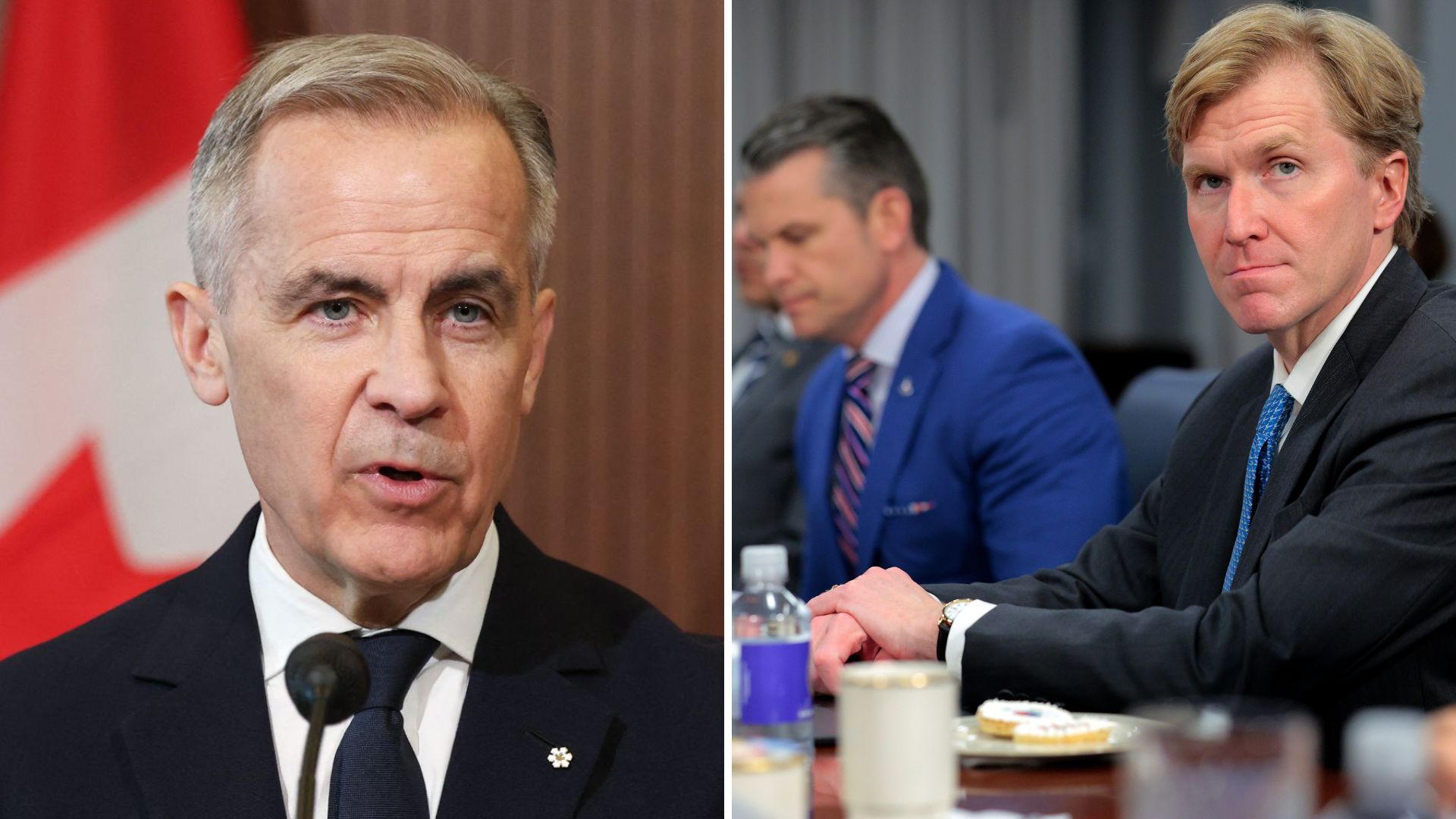
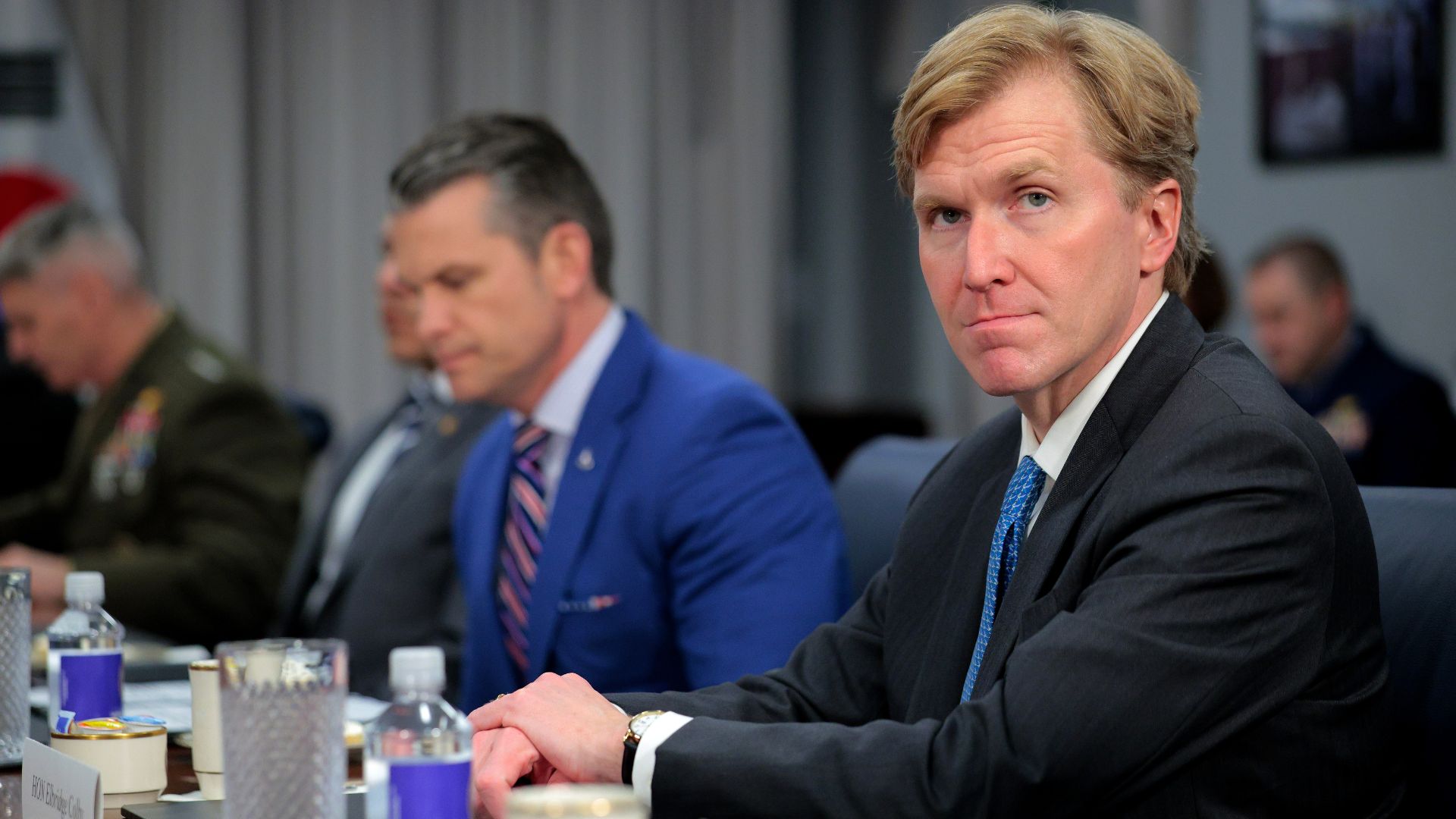
The Trump administration has intensified pressure on Canada’s defense policies after the Pentagon announced it was suspending participation in the Permanent Joint Board on Defense, a bilateral advisory body that has coordinated continental military cooperation between Ottawa and Washington since 1940. The move comes as senior U.S. officials accuse Canada of failing to make «credible progress» on defense commitments despite repeated warnings from the White House over military spending and North American security modernization. In a lengthy statement posted on X, U.S. Under Secretary of Defense Elbridge Colby wrote: «A strong Canada that prioritizes hard power over rhetoric benefits us all.» He continued: «Unfortunately, Canada has failed to make credible progress on its defense commitments.» Colby added that the Department of Defense was «pausing the Permanent Joint Board on Defense to reassess how this forum benefits shared North American defense» while warning that «we can no longer avoid the gaps between rhetoric and reality.»

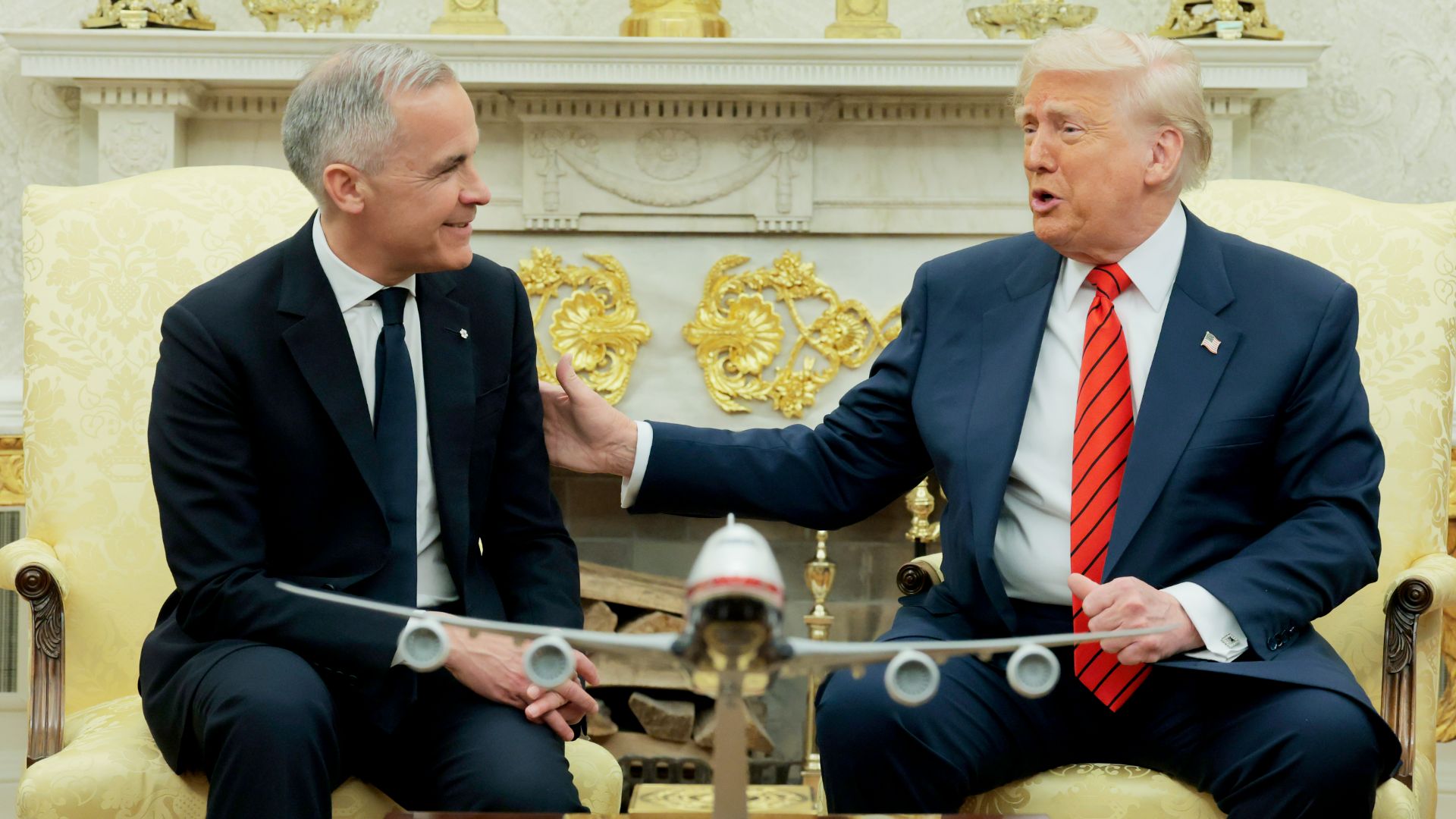
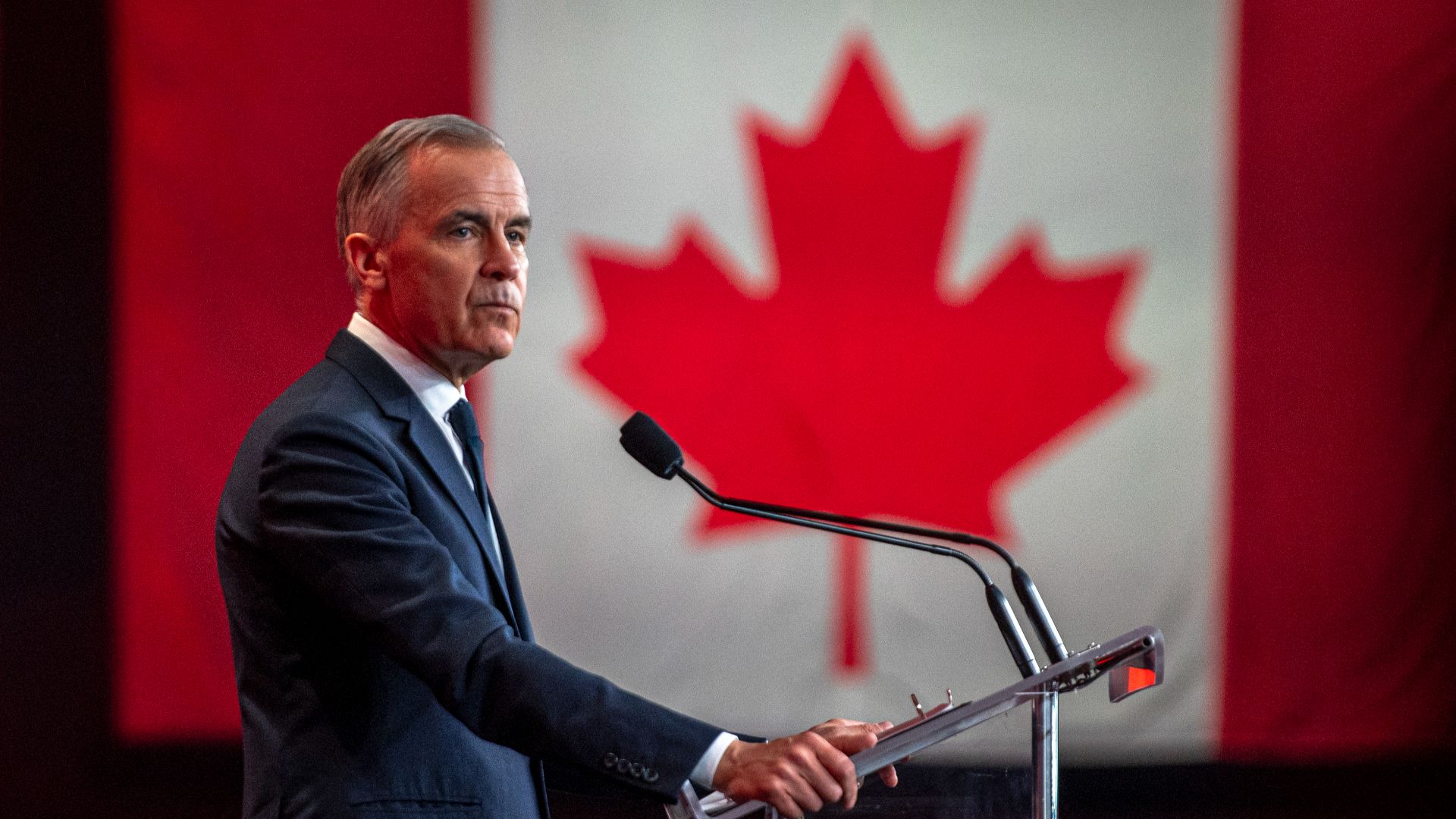
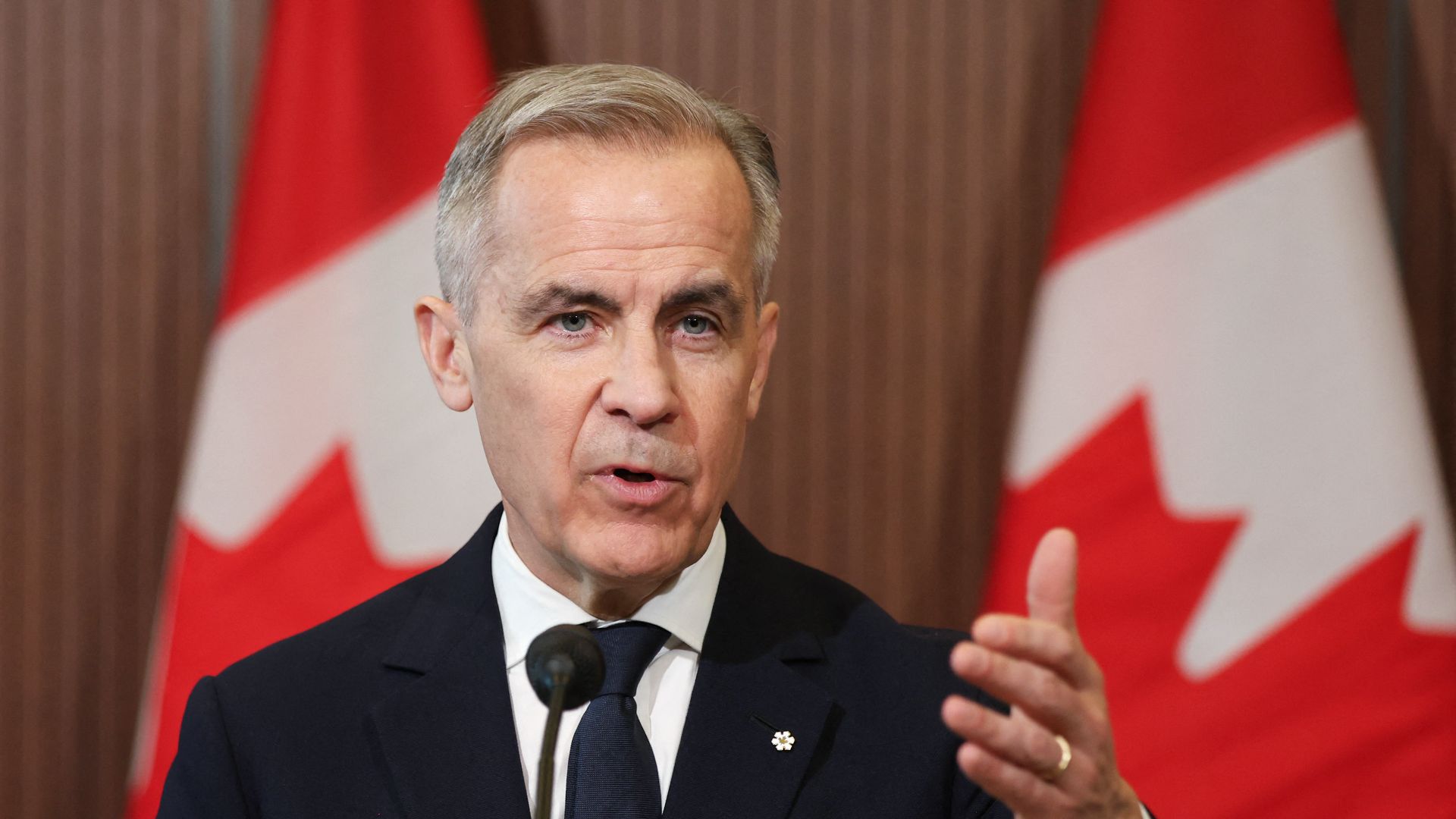
Prime Minister Mark Carney attempted to downplay the significance of the Pentagon’s decision while acknowledging the increasingly tense state of defense relations between the two countries. Responding to reporters following the announcement, Carney stated: «It has a long heritage but I wouldn’t overplay the importance of this.» He added: «We have many aspects of very close defence co-operation with the United States» and emphasized that «There’s lots of co-operation we will continue to do so.» Behind the public calm, however, relations between Ottawa and Washington have entered one of their most strained periods in decades as the Trump administration aggressively pushes allies to dramatically increase military spending while linking continental security cooperation to broader economic and geopolitical negotiations. The suspension of the board is widely viewed by analysts as a symbolic warning from Washington that traditional defense partnerships can no longer be separated from Trump’s broader «America First» strategy.

Getty Images

At the center of the dispute is President Donald Trump’s proposed «Golden Dome» missile defense initiative, an ambitious multi-layered continental defense shield expected to include space-based interceptors and expanded North American surveillance systems. Trump has repeatedly pressured Canada to contribute financially to the project, publicly suggesting Ottawa could face consequences if it refuses to pay what he calls its «fair share.» According to multiple U.S. officials and Canadian government sources, discussions surrounding the program have included potential Canadian contributions estimated between US$61 billion and US$71 billion over the coming decades. Trump has also reignited controversy by joking publicly that Canada could become the «51st state» if it wanted guaranteed American protection under the system. Carney has confirmed that «high-level» discussions remain ongoing between both governments but has resisted attaching any formal financial commitment to participation while Canada simultaneously explores independent modernization projects tied to NORAD and Arctic security.

Getty Images

The defense tensions are unfolding despite Canada recently achieving one of Washington’s longstanding demands regarding NATO spending. In March, Ottawa officially reached the alliance benchmark of spending 2% of GDP on defense for the first time in decades, with annual military expenditures now surpassing $63 billion. However, the Trump administration and several NATO allies have already shifted focus toward a far more aggressive target agreed upon during the 2025 NATO summit in The Hague, where members endorsed a long-term objective of reaching 5% of GDP on defense by 2035. Canada has attempted to accelerate progress by broadening what counts under defense spending, including integrating Coast Guard operations and increasing military salaries within official calculations. Nevertheless, U.S. officials continue arguing that Canada remains overly dependent on American military protection while moving too slowly on procurement, Arctic defense and continental modernization initiatives.

«I wouldn’t overplay the importance of this.»

-Prime Minister of Canada, Mark Carney

Beyond the symbolic suspension of the defense board, the broader relationship between Ottawa and Washington has become increasingly confrontational across multiple fronts. The Trump administration recently imposed new tariffs reaching 35% on several categories of Canadian goods, intensifying an already expanding trade dispute between the two countries. Analysts note that defense pressure and trade policy are now becoming increasingly interconnected under Trump’s negotiating strategy. Canadian officials privately fear that military cooperation mechanisms once considered untouchable are increasingly being leveraged as political tools to extract economic and strategic concessions from allies. Elbridge Colby reinforced that message in his public statement, writing: «Delivering on shared continental defense begins by recognizing our shared geography. Only by investing in our own defense capabilities will Americans and Canadians be safe, secure, and prosperous.» The language reflects a growing shift inside Washington toward transactional defense partnerships where traditional diplomatic assumptions are being replaced by demands for measurable military and financial contributions.

Getty Images

Despite the escalating tensions, Canada continues moving forward with several major modernization projects intended to strengthen continental defense and reduce pressure from Washington. Ottawa recently announced a $6 billion investment in Over-the-Horizon Radar systems developed in partnership with Australia as part of a broader effort to modernize NORAD surveillance capabilities in the Arctic. The government has also launched a procurement process aimed at acquiring up to 12 new submarines to reinforce coastal and northern security while creating a new defense investment agency with a $103 million budget designed to accelerate military purchasing for large-scale projects. Still, political observers warn that the suspension of the Permanent Joint Board on Defense marks a historic low point in institutional cooperation between the United States and Canada. While Carney publicly insists the decision should not be exaggerated, the Pentagon’s move underscores how rapidly North American defense relations are being reshaped under Trump’s increasingly confrontational approach toward allies traditionally considered among Washington’s closest strategic partners.

Getty Images
Catégories
Uncategorized

‘After millennia of people debating this’: Stanford neuroscientist conducts sleep study. Then he figures out why people dream

Dreaming has always been a subject of speculation, curiosity, and mysticism, which is only natural. After all, how kooky is it that every night, people essentially hallucinate sporadically while floating away from consciousness.

The question of why people dream, however, is up to fairly frequent debate in the scientific community. And one neuroscientist is going viral for offering up a piping-hot new theory.

‘The purpose of dreaming is to defend the visual territory’

Stanford neuroscientist David Eagleman appeared as a guest on popular podcast The Diary Of A CEO. The podcast, which is hosted by entrepreneur Steven Bartlett, posted the interview recently.

The scientist explained that we dream to defend the visual cortex from a “hostile takeover” by other senses. The 90-minute episode, which has more than 2.1 million views, centered on Eagleman’s fresh take on why people dream. A viral TikTok clip of the episode honed in on the meat and potatoes.

“If you go blind, the visual cortex of the back of the brain gets taken over by hearing and by touch and by other things, and it’s no longer visual cortex,” Eagleman told Bartlett. “Well, what we realized is that because we live on a planet that rotates into darkness for half the time, the visual cortex, the visual part of your brain, is at a disadvantage.”

The effect on other senses

It’s well-established that other senses heighten when sight is taken away. In 2017, Harvard reported that the “​​brain ‘rewires’ itself to enhance other senses in blind people.”

“So what I realized is that the purpose of dreaming is to defend the visual territory from takeover from the other senses,” Eagleman said. “So every 90 minutes … you’ve got this very ancient thing in your midbrain that shoots random activity into the visual system and only the visual system—only this very tiny part of the visual system. Every 90 minutes, you just blast random activity in here. And the reason is you are just defending that territory against takeover.”

In the full podcast episode, Eagleman explained that his colleagues at Harvard conducted an experiment with a group of people who had full capability of sight. Then they blindfolded the participants for an hour.

“And it turns out that 60 minutes was sufficient for the visual cortex to start responding to sound and to touch,” Eagleman said. “You could start seeing that takeover happening after 60 minutes. And that’s when we realized, ‘Wow, this part of the brain really needs a way of defending itself.’”

Eagleman’s theory on dreaming, expanded

While other popular theories of dreaming posit that dreams file new memories into long-term storage or allow us to process complex emotions, Eagleman is offering a different idea. Perhaps dreams are more like “screensavers of the mind.” These “screensavers” prevent an individual’s sense of sight from shutting off during long, sleepy stretches.

That leads to the question: Why do dreams take the form they do? If their only purpose is to keep the visual part of our brain engaged, why do dreams often possess a narrative quality?

In the podcast episode, Eagleman offered a simple explanation to Bartlett. The human brain is a “natural storyteller.” That means creating narratives is one of its primary functions. It therefore does the same with in-dream stimuli.

“If you blast random activity in there, it’ll put that together in some sort of visual story about what’s happening,” Eagleman told Bartlett. “Mostly based on what connections are hot from the day.”

In Eagleman’s full write-up of his study, he explained that there’s also a reason the visual cortex battles so fiercely for its spot in the skull. There is “ceaseless competition for brain territory” when it comes to the five senses. And while a brain takeover of hearing or touch might be advantageous for someone who becomes blind, “the rapid conquest of territory may be disadvantageous when input to a sense is diminished only temporarily, as in the blindfold experiment.”

Buzz News has reached out to Bartlett and Eagleman via email.

@theoneperscentmindset Neuroscientist Reveals Why We Dream | The Diary Of A CEO #trending #viral #diaryofaceo #fyp #creatorsearchinsights ♬ original sound – The 1% Mindset
Catégories
Uncategorized

«Après des millénaires de débats sur le sujet»: Un neuroscientifique de Stanford mène une étude sur le sommeil. Il découvre alors pourquoi les gens rêvent

Les rêves ont toujours fait l’objet de spéculations, de curiosité et de mysticisme, ce qui est tout à fait naturel. Après tout, n’est-ce pas un peu farfelu que, chaque nuit, les gens aient en quelque sorte des hallucinations sporadiques alors qu’ils s’éloignent de l’état de conscience ?

La question de savoir pourquoi les gens rêvent fait toutefois l’objet de débats assez fréquents au sein de la communauté scientifique. Et un neuroscientifique fait le buzz en proposant une toute nouvelle théorie.

« Le but du rêve est de défendre le territoire visuel »

David Eagleman, neuroscientifique à Stanford, était l’invité du podcast populaire The Diary Of A CEO. Le podcast, animé par l’entrepreneur Steven Bartlett, a récemment publié l’interview.

Le scientifique a expliqué que nous rêvons pour défendre le cortex visuel contre une « prise de contrôle hostile » par les autres sens. L’épisode de 90 minutes, qui compte plus de 2,1 millions de vues, était centré sur la nouvelle approche d’Eagleman quant à la raison pour laquelle les gens rêvent. Un extrait viral de l’épisode sur TikTok en a résumé l’essentiel.

« Si vous devenez aveugle, le cortex visuel situé à l’arrière du cerveau est pris en charge par l’ouïe, le toucher et d’autres sens, et il ne s’agit plus d’un cortex visuel », a déclaré Eagleman à Bartlett. « Eh bien, ce que nous avons compris, c’est que comme nous vivons sur une planète qui passe la moitié de son temps dans l’obscurité, le cortex visuel, la partie visuelle de votre cerveau, est désavantagé. »

L’effet sur les autres sens

Il est bien établi que les autres sens s’intensifient lorsque la vue est perdue. En 2017, Harvard a rapporté que « le cerveau se “reconfigure” pour améliorer les autres sens chez les personnes aveugles ».

« Ce que j’ai donc compris, c’est que le but du rêve est de défendre le territoire visuel contre la mainmise des autres sens », a déclaré Eagleman. « Ainsi, toutes les 90 minutes… vous avez cette fonction très ancienne dans votre mésencéphale qui envoie une activité aléatoire vers le système visuel et uniquement vers le système visuel — uniquement vers cette toute petite partie du système visuel. Toutes les 90 minutes, vous envoyez simplement une activité aléatoire ici. Et la raison, c’est que vous défendez simplement ce territoire contre toute prise de contrôle. »

Dans l’épisode complet du podcast, Eagleman a expliqué que ses collègues de Harvard avaient mené une expérience avec un groupe de personnes ayant une vision parfaite. Ils ont ensuite bandé les yeux des participants pendant une heure.

« Et il s’avère que 60 minutes ont suffi pour que le cortex visuel commence à réagir au son et au toucher », a déclaré Eagleman. « On pouvait commencer à observer cette prise de contrôle après 60 minutes. C’est là que nous avons réalisé : “Waouh, cette partie du cerveau a vraiment besoin d’un moyen de se défendre.” »

La théorie d’Eagleman sur les rêves, approfondie

Alors que d’autres théories populaires sur les rêves postulent que ceux-ci classent les nouveaux souvenirs dans la mémoire à long terme ou nous permettent de traiter des émotions complexes, Eagleman propose une idée différente. Peut-être les rêves s’apparentent-ils davantage à des « écrans de veille de l’esprit ». Ces « écrans de veille » empêchent le sens de la vue de s’éteindre pendant les longues périodes de sommeil.

Cela soulève la question suivante : pourquoi les rêves prennent-ils cette forme particulière ? Si leur seul but est de maintenir la partie visuelle de notre cerveau active, pourquoi les rêves possèdent-ils souvent une dimension narrative ?

Dans cet épisode de podcast, Eagleman a proposé une explication simple à Bartlett. Le cerveau humain est un « conteur naturel ». Cela signifie que la création de récits est l’une de ses fonctions principales. Il fait donc de même avec les stimuli présents dans les rêves.

« Si vous y injectez une activité aléatoire, il va assembler cela en une sorte d’histoire visuelle sur ce qui se passe », a déclaré Eagleman à Bartlett. « Principalement en fonction des connexions qui sont actives depuis la journée. »

Dans le compte-rendu complet de son étude, Eagleman explique qu’il y a également une raison pour laquelle le cortex visuel se bat si farouchement pour sa place dans le crâne. Il existe une « compétition incessante pour le territoire cérébral » en ce qui concerne les cinq sens. Et si une prise de contrôle cérébrale de l’ouïe ou du toucher peut être avantageuse pour une personne qui devient aveugle, « la conquête rapide de ce territoire peut s’avérer désavantageuse lorsque les informations transmises à un sens ne sont que temporairement réduites, comme dans l’expérience du bandeau ».

Buzz News a contacté Bartlett et Eagleman par e-mail.

@theoneperscentmindset Un neuroscientifique révèle pourquoi nous rêvons | Le journal d’un PDG #trending #viral #diaryofaceo #fyp #creatorsearchinsights ♬ son original – The 1% Mindset

L’article « Je pense que cela relève d’une urgence » : une Californienne demande une coupe au carré chic. Son coiffeur fait autre chose a été publié en premier sur Realtimenn.

15 Ways to Take a Viral Travel Photo

For many people, becoming a travel photographer seems like a dream job. You get to take hiking trips, visit different countries and learn about various cultures, all while taking pictures that earn thousands of likes on Instagram. Once you’ve earned a large following, companies will start reaching out for sponsorship opportunities.However, tens of thousands of people are also trying to make it as travel photographers–and with an oversaturated market, it’s difficult to stand out and find your audience. Generic pictures of trees and mountains won’t cut it anymore. You need to tell a story, discover fresh angles and develop a unique style that makes your photos go viral.

Catégories
Uncategorized

New poll finds younger Republicans massively turning away from Trump while seniors slowly pull back

«Trump Fatigue» is now sharply dividing the Republican Party by age as younger conservatives disengage from Donald Trump in growing numbers while older voters slowly begin pulling back from their once unwavering loyalty. A new New York Times/Siena College poll conducted from May 11 to 15 among 1,507 registered voters nationwide reveals a Republican coalition increasingly fractured between generations ahead of the 2026 midterm elections. Among Republican voters aged 18 to 44, only 33% now want the next Republican presidential candidate to «follow Trump’s lead», while an overwhelming 60% say the party should «move in a new direction.» By contrast, Republicans aged 45 and older still largely remain behind Trump by a margin of 65% to 28%, underscoring how the former president’s political survival increasingly depends on an aging base. The numbers mark a dramatic reversal from the post-2024 political landscape, when Trump entered his second term fueled by unprecedented support from younger voters.

Donald Trump’s grip on the Republican Party has shifted from a historic high to a period of deep generational fracturing over the course of his second presidency. Following the 2024 election, Trump entered office with a mandate strengthened by major gains among younger voters, particularly younger men frustrated by inflation, housing costs and distrust toward political institutions. Many Republican strategists at the time viewed the shift as evidence that Trump had successfully expanded the party beyond its traditional older conservative base. Throughout early 2025, Trump’s support among Republicans appeared nearly untouchable as the party united around his aggressive immigration agenda, tariff policies and expansive executive actions. Political rallies regularly attracted large younger crowds, while conservative media figures celebrated what they described as the emergence of a new generation of nationalist Republican voters aligned with Trump’s political movement.

Years of controversy

The political climate began changing dramatically by late 2025 as economic instability and international tensions increasingly dominated public attention. Persistent inflation, rising consumer prices and fuel costs linked to escalating geopolitical conflicts — particularly the administration’s military confrontation involving Iran earlier this year — gradually weakened enthusiasm among younger conservatives who had initially embraced Trump as an economic disruptor. Unlike older Republicans, who historically remained loyal through years of controversy, younger voters appeared more willing to disengage once economic frustrations directly affected daily life. Analysts also note that younger conservatives increasingly expressed exhaustion with the administration’s constant political turmoil and confrontational governing style. The result has been a rapid collapse in enthusiasm among Republican voters under 45, creating one of the sharpest age divides the party has experienced since Trump first emerged as its dominant political figure nearly a decade ago.


Getty Images

While younger Republicans are turning away at accelerating speed, the New York Times/Siena polling suggests older conservatives still remain Trump’s strongest political firewall despite growing signs of erosion. Among Republicans aged 45 and older, 65% continue supporting candidates who would «follow Trump’s lead», compared to only 28% who prefer «a new direction.» Yet even inside that demographic, support appears weaker than during the opening months of Trump’s second term. Political observers increasingly point to fatigue among suburban conservatives and moderate older Republicans unsettled by ongoing economic uncertainty and repeated foreign policy crises. Columbia University political scientist Robert Y. Shapiro recently told Newsweek that Trump’s declining numbers reflect «economic disappointment» as well as «the disruption and even chaos in his and his administration’s words and deeds.» Those concerns are becoming increasingly visible among older Republican voters who once formed the most reliable pillar of the MAGA coalition.

Getty Images

The poll also reveals that Republican voters remain strongly aligned with Trump’s positions on several major policy issues even as personal enthusiasm surrounding his leadership weakens. On immigration, 77% of potential Republican supporters said they want the next Republican candidate to «follow Trump’s lead», making it by far the strongest issue sustaining his influence within the party. Support remains solid on tariffs at 62%, Iran policy at 59%, Russia at 58% and Israel at 56%, suggesting Trump’s ideological impact on the Republican Party remains deeply entrenched. However, strategists increasingly warn that agreement on policy no longer guarantees enthusiasm for Trump himself, particularly among younger conservatives seeking a less chaotic political figure capable of advancing similar priorities without the constant controversies that have defined Trump’s presidency. This disconnect between ideological loyalty and leadership fatigue is becoming one of the central tensions shaping Republican politics heading into the 2026 midterms.

The future of the Republican Party

The growing generational fracture now threatens to reshape the future identity of the Republican Party itself. Trump still commands enormous influence over the party’s platform, voter base and political messaging, but the latest polling suggests his leadership is no longer serving as a unifying force across generations. Instead, the Republican coalition increasingly appears divided between older loyalists determined to preserve the MAGA movement and younger conservatives searching for an alternative future beyond Trump. The New York Times/Siena poll found that Republican-leaning independents already favor «a new direction» over following Trump’s lead by a margin of 55% to 40%, highlighting additional vulnerabilities outside the party’s core base. As Republicans move closer toward the 2026 midterms, the data increasingly suggests that «Trump Fatigue» is no longer limited to political opponents or independents. It is becoming an internal Republican crisis that could define the party’s direction long after Trump leaves the political stage.

Getty Images
Catégories
Uncategorized

Trump’s costly White House renovation obsession now includes a helipad

Donald Trump’s White House renovation obsession and costly redesign ambitions are reaching new heights with yet another controversial transformation project tied to the presidential residence. After drawing criticism for paving over portions of the historic Rose Garden, redesigning interiors with heavy gold ornamentation, renovating bathrooms and pursuing an expansive ballroom project near the East Wing, Trump is now reportedly considering the installation of a permanent helipad on the South Lawn. According to reports published by The New York Times and other American outlets, discussions inside the administration have focused on creating a reinforced landing area for Marine One directly on White House grounds. While no official proposal, construction timeline or public budget has been released by the White House or Trump on Truth Social, the reported discussions have already reignited debate surrounding the president’s costly efforts to reshape Washington’s most symbolic residence.

The potential helipad project would represent another major alteration to one of the most historically protected areas of the White House complex. For decades, Marine One has landed on the South Lawn using temporary landing protections designed to preserve the grass and maintain the iconic appearance of the presidential grounds. Trump, whose background in luxury real estate and golf resort development has heavily influenced his design preferences, has repeatedly favored more permanent and highly polished architectural modifications. The Rose Garden itself became a flashpoint during his presidency after changes to its landscaping triggered backlash from historians, preservationists and critics who argued that the redesign erased historical character tied to earlier administrations. The South Lawn now appears to be the latest focus of those ambitions as operational concerns surrounding newer presidential helicopters increasingly intersect with Trump’s preference for grand visual redesigns.

Getty Images

The discussions surrounding the South Lawn are also linked to technical concerns involving the next generation of presidential helicopters, but the reported proposal has become increasingly controversial because critics see it as part of Trump’s broader pattern of aggressively reshaping historic White House spaces. The newer VH-92A Patriot helicopters developed by Sikorsky are larger and more powerful than many aircraft previously used for presidential transport, prompting aviation and military officials to warn for years that repeated landings could damage the lawn because of stronger exhaust systems and increased weight. Although operational adjustments have already been implemented to limit potential impact on the historic grounds, Trump’s reported interest in replacing part of the South Lawn with a permanent landing structure has intensified backlash from preservation advocates and historians. Trump himself has long emphasized the symbolism surrounding Marine One and presidential helicopter travel. During remarks in 2017, he stated: «There are few sights more awe-inspiring than Marine One flying up the Potomac … past the Washington Monument and landing on the South Lawn of the White House. It’s an incredible privilege to take that flight.» While supporters argue the proposal reflects modernization and practicality, opponents view it as another controversial example of Trump prioritizing spectacle and personal aesthetic ambitions over the preservation of historically protected national landmarks.

«President Trump has continued to make improvements at the White House and all around DC to benefit future presidents and Americans.»

-White House spokesperson, Davis Ingle

Criticism surrounding the proposed helipad has intensified because many preservation experts believe the South Lawn carries historical and symbolic significance that should remain largely untouched. Retired Marine One mission overseer Ray L’Heureux publicly criticized the idea in comments reported by The Washington Post, explaining that conversations about a permanent landing structure have surfaced repeatedly over the years. L’Heureux stated: «I understand the conversation coming up again. It always comes up.» He later added that building a permanent structure on the lawn would be «stupid from an aesthetic standpoint» because the area remains «historic» and serves as the «back yard of the White House.» Critics argue that Trump’s broader renovation agenda increasingly resembles the architectural style associated with his private resorts and luxury clubs rather than the restrained preservation standards traditionally applied to the White House complex. Preservation organizations have also warned that repeated structural alterations risk permanently changing the historical identity of the executive residence.

Getty Images

The controversy has also revived scrutiny surrounding Trump’s broader renovation agenda during his second presidency. The administration has already pursued several ambitious construction and redesign initiatives across the White House grounds and surrounding federal properties. Among the most debated proposals is Trump’s push for a large ballroom addition near the East Wing, a project he has publicly supported for years. Trump defended the concept during campaign appearances and public interviews by arguing that the White House lacks sufficient ceremonial space for large state functions and receptions. However, questions regarding funding, historical preservation and executive authority have repeatedly complicated the project’s future. Critics inside Washington have increasingly questioned whether the president’s renovation priorities align with broader governmental concerns, especially as discussions continue over federal spending, budget deficits and infrastructure demands elsewhere across the country.

Long-term consequences

While the White House has framed many of the renovation efforts as practical improvements intended to modernize aging infrastructure and enhance operational efficiency, opposition to the projects continues to grow. White House spokesperson Davis Ingle defended the administration’s work by stating: «President Trump has continued to make improvements at the White House and all around DC to benefit future presidents and Americans.» Nevertheless, historians and architectural experts remain concerned about the long-term consequences of dramatically reshaping the appearance of one of the most recognized government buildings in the world. The South Lawn has historically served not only as a ceremonial arrival space for presidents but also as a carefully preserved visual symbol tied to American political tradition. Even without finalized plans or confirmed construction approval, the reported helipad discussions have become emblematic of Trump’s broader desire to leave a lasting personal imprint on the White House and the image of Washington itself.

Getty Images