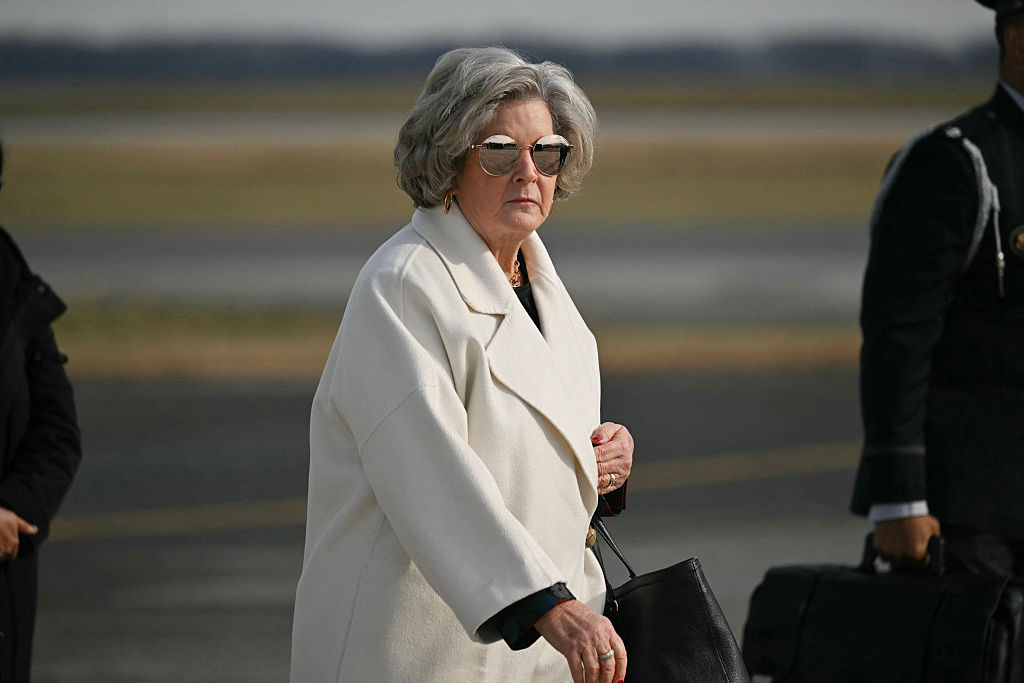
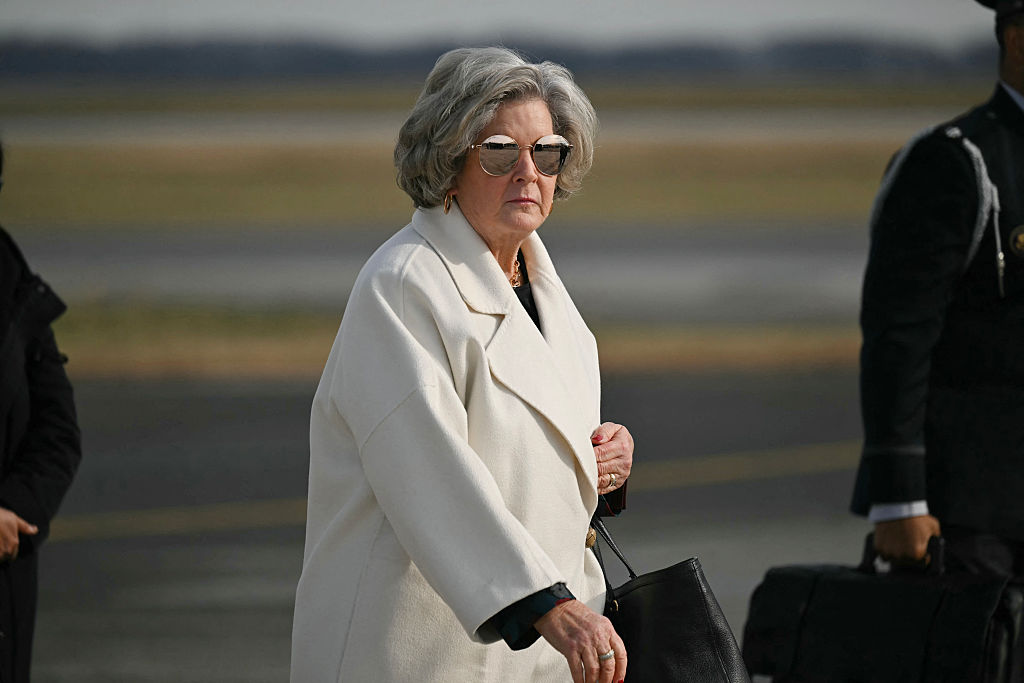
TOPSHOT - White House Chief of Staff Susie Wiles walks as she arrives at Dover Air Force Base in Delaware on December 17, 2025. US President Donald Trump is attending a ceremony for the return of two US servicemen killed in Syria at Dover Air Force Base in Delaware. (Photo by ANDREW CABALLERO-REYNOLDS / AFP via Getty Images)
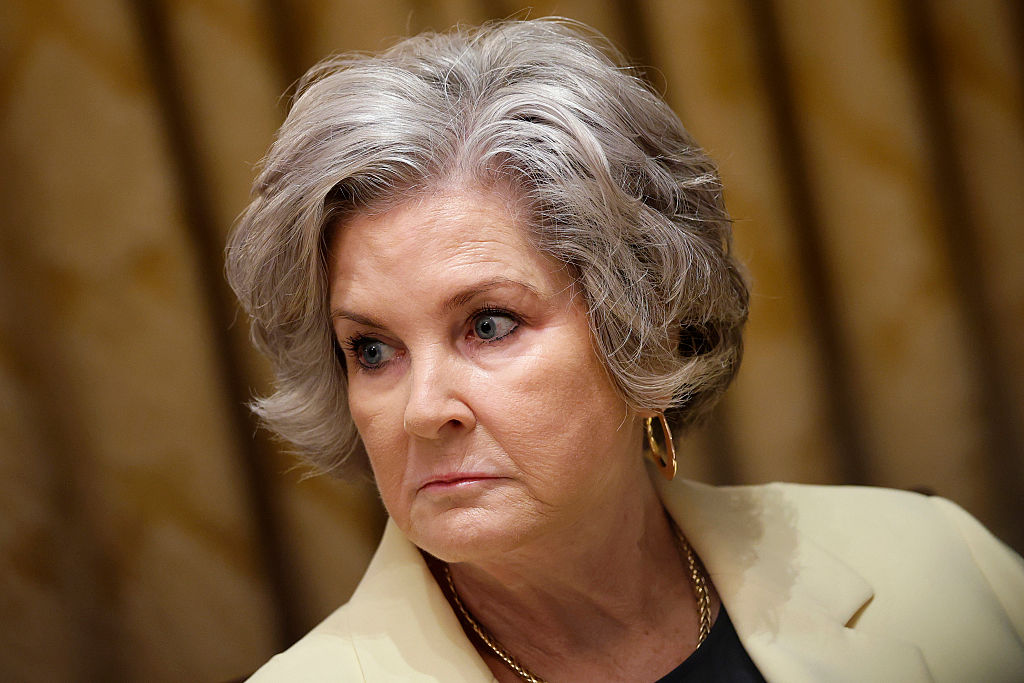
Vanity Fair published a two-piece exposé called: Susie Wiles, JD Vance, and the “Junkyard Dogs”: The White House Chief of Staff on Trump’s Second Term. The articles include dozens of quotes from Trump’s Chief of Staff Susie Wiles – the person who journalist Chris Whipple calls “the most powerful person in Trump’s White House other than the president himself”. Since the release of the article, Wiles has fought back against her own statements she is quoted as making in the article, claiming it is a “disingenuously framed hit piece”.
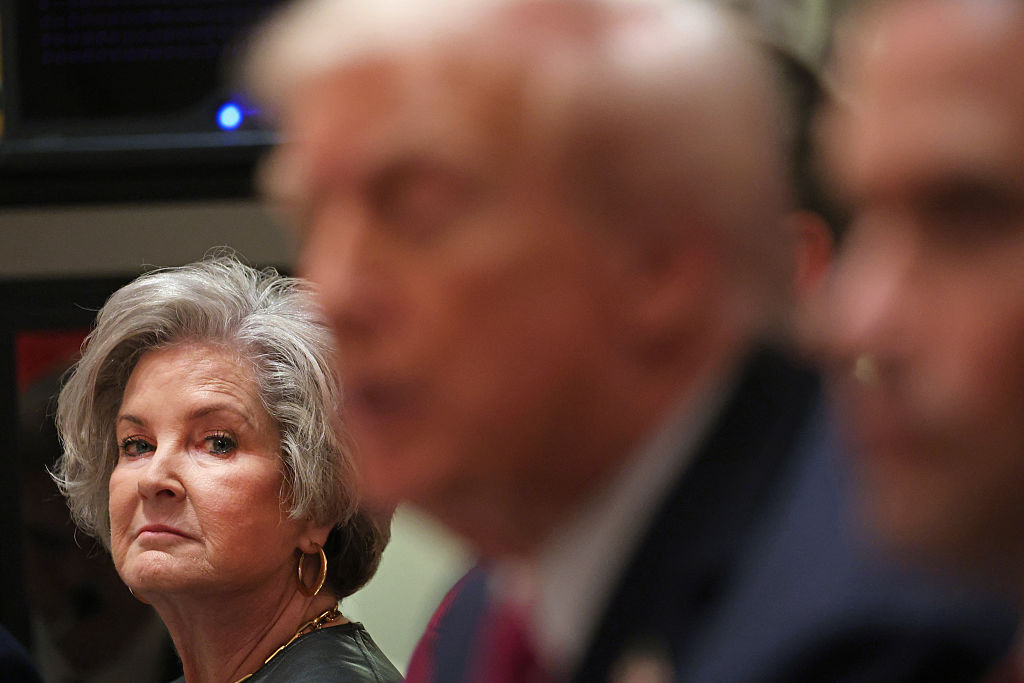
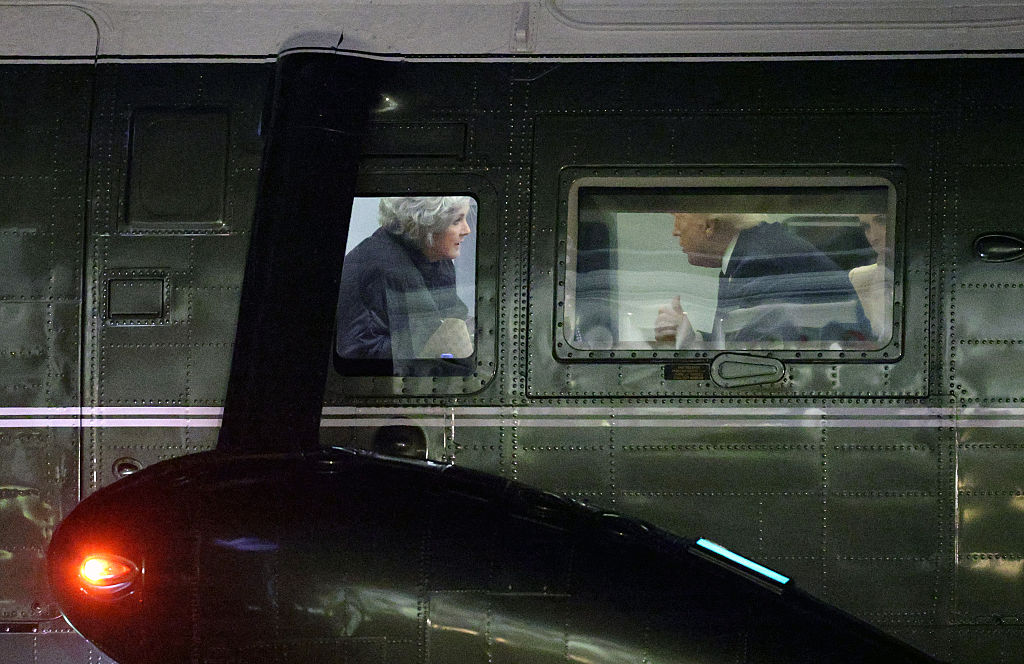
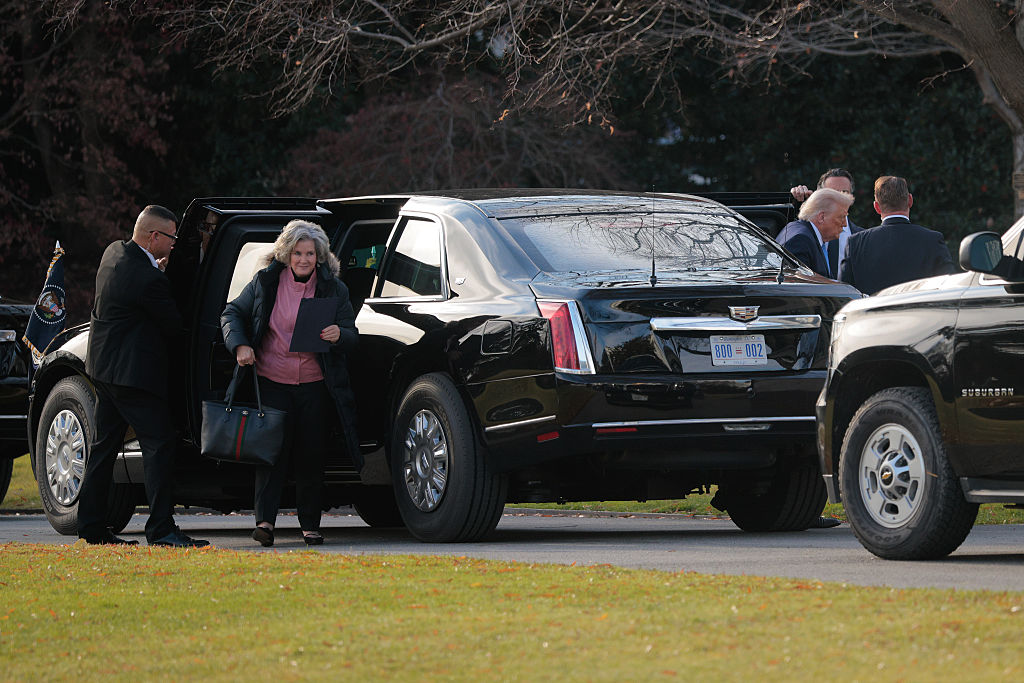
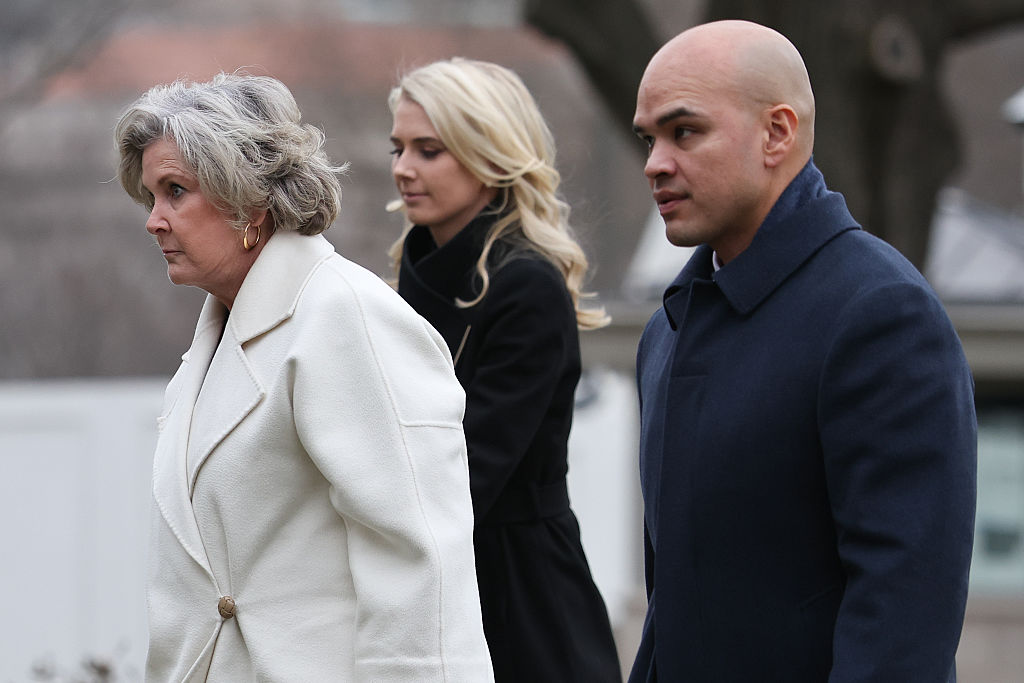
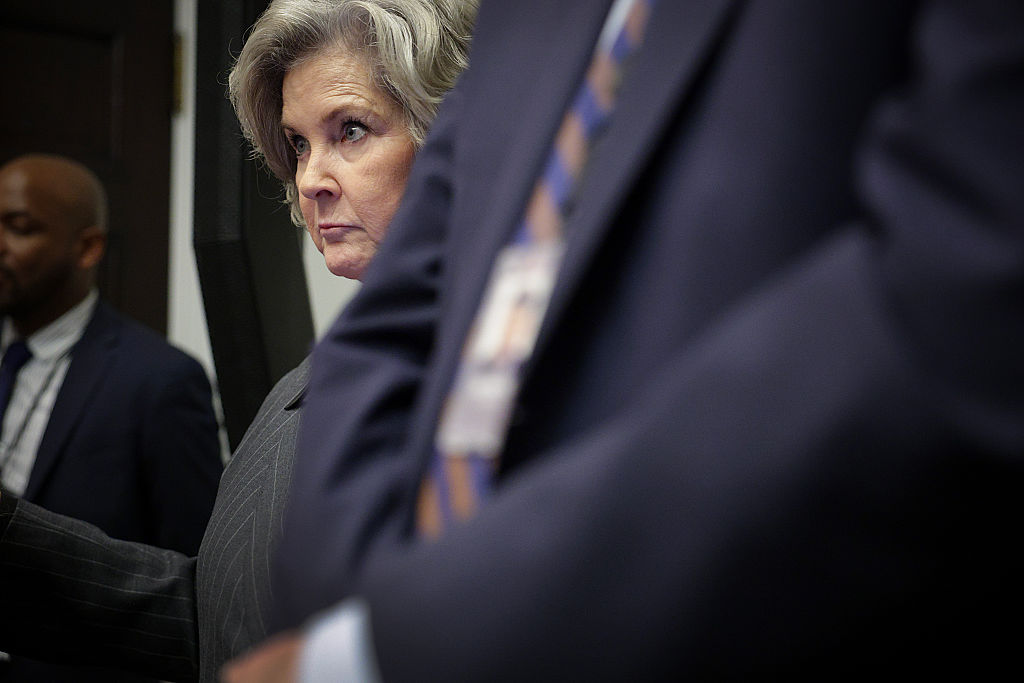
TOPSHOT – White House Chief of Staff Susie Wiles walks as she arrives at Dover Air Force Base in Delaware on December 17, 2025. US President Donald Trump is attending a ceremony for the return of two US servicemen killed in Syria at Dover Air Force Base in Delaware. (Photo by ANDREW CABALLERO-REYNOLDS / AFP via Getty Images)WASHINGTON, DC – OCTOBER 14: White House Chief of Staff Susie Wiles looks on during a meeting with U.S. President Donald Trump and President of Argentina Javier Milei in the Cabinet Room at the White House on October 14, 2025 in Washington, DC. Trump is hosting Milei for a working lunch days after the U.S. Treasury finalized a $20 billion currency swap framework with Argentina in an effort to help stabilize its economy. (Photo by Kevin Dietsch/Getty Images)White House Chief of Staff Susie Wiles (L) looks on as US President Donald Trump (C) meets with unseen Ukrainian President Volodymyr Zelensky in the Cabinet Room of the White House in Washington, DC, on October 17, 2025. (Photo by TOM BRENNER / AFP) (Photo by TOM BRENNER/AFP via Getty Images)WASHINGTON, DC – DECEMBER 19: U.S. President Donald Trump and White House Chief of Staff Susie Wiles talk in Marine One as Trump departs the White House on December 19, 2025 in Washington, DC. Trump is traveling to North Carolina, where he is scheduled to hold a rally to highlight his economic agenda. Later this evening Trump will travel to his Mar-a-Lago resort where he will stay for the holiday season. (Photo by Alex Wong/Getty Images)WASHINGTON, DC – DECEMBER 04: U.S. President Donald Trump and his Chief of Staff Susie Wiles step out of the presidential limousine after returning to the White House on December 04, 2025 in Washington, DC. As part of his campaign to portray himself as a peacemaker, Trump the presidents of Rwanda and the Democratic Republic of Congo to Washington to sign a peace and economic accord which aims to end decades of conflict between the governments, militias, rebel groups and other warring factions. The peace deal was initially signed in June of 2025 but Rwandan troops remain in the DRC and fighting continues. (Photo by Chip Somodevilla/Getty Images)WASHINGTON, DC – DECEMBER 17: White House Chief of Staff Susie Wiles (L) walks with Walt Nauta (R), Director of White House Oval Office Operations, as they return to the White House December 17, 2025 in Washington, DC. Earlier, U.S. President Donald Trump attended a dignified transfer ceremony at Dover Air Force Base for two members of the Iowa National Guard killed in Syria. (Photo by Win McNamee/Getty Images)WASHINGTON, DC – DECEMBER 19: White House Chief of Staff Susie Wiles attends an event with U.S. President Donald Trump in the Roosevelt Room of the White House December 19, 2025 in Washington, DC. Trump delivered remarks on lowering prescription drug prices during the event. (Photo by Alex Wong/Getty Images)
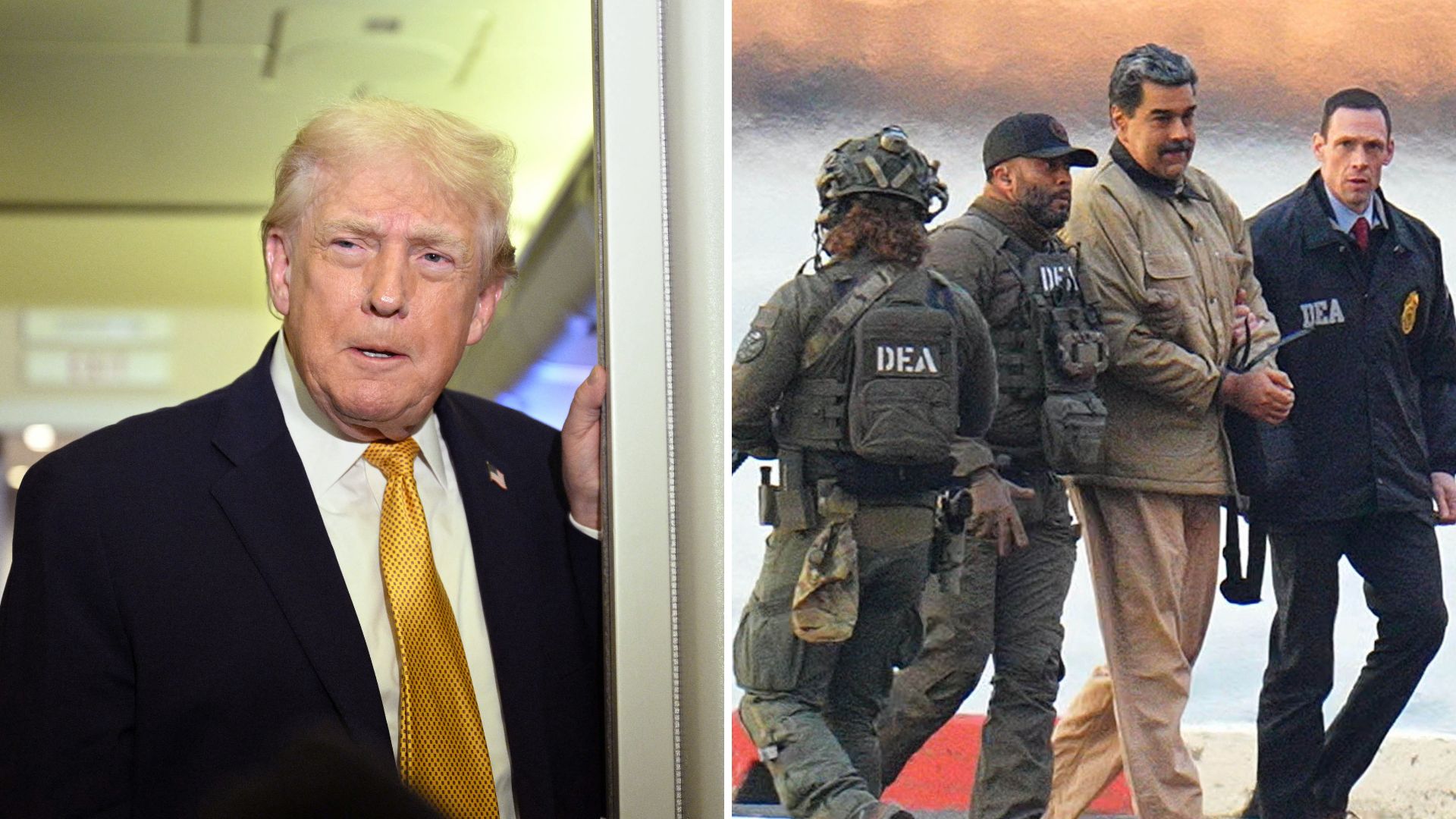
Donald Trump has sharply escalated his threats toward other countries in the Western Hemisphere and beyond, signaling an expansive foreign-policy posture that stretches from Mexico and Cuba to Greenland, and framing it as part of a broader effort to reassert U.S. influence. In remarks following the recent U.S. military operation that led to the capture of Venezuelan President Nicolás Maduro and his wife — an unprecedented development that has drawn widespread international attention — Trump and senior administration officials have pointed to strategic concerns and governance challenges as justification for stepped-up pressure on neighboring governments and territories. This includes renewed rhetoric about the strategic importance of Greenland, which has elicited strong rebukes from Greenlandic and Danish leaders, and pointed warnings toward Cuba and Colombia as potential subjects of continued U.S. focus. Analysts say these moves reflect a modern reinterpretation of long-standing U.S. hemispheric doctrines and illustrate Trump’s intent to project what he describes as American dominance across the region.
Getty Images
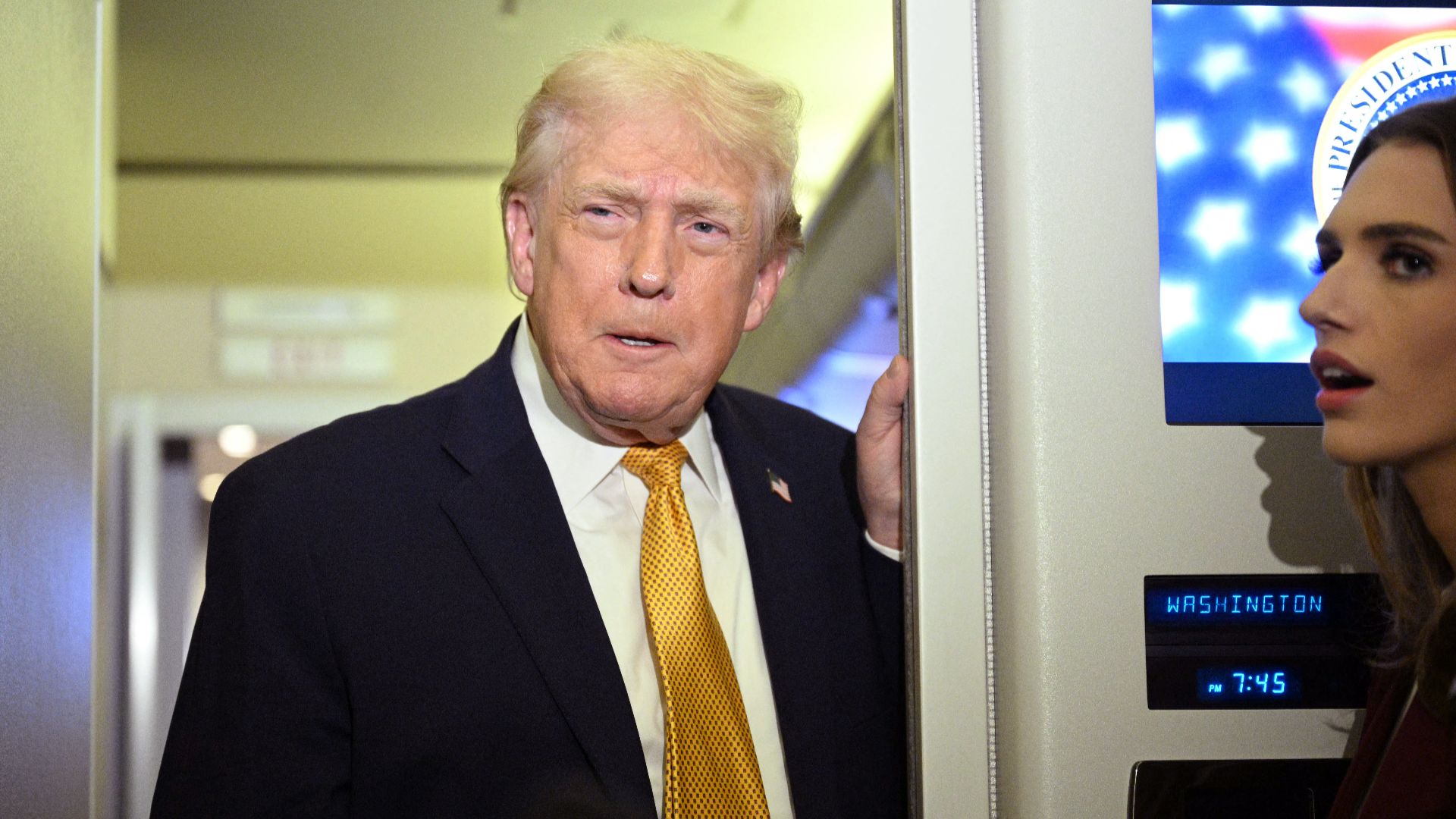
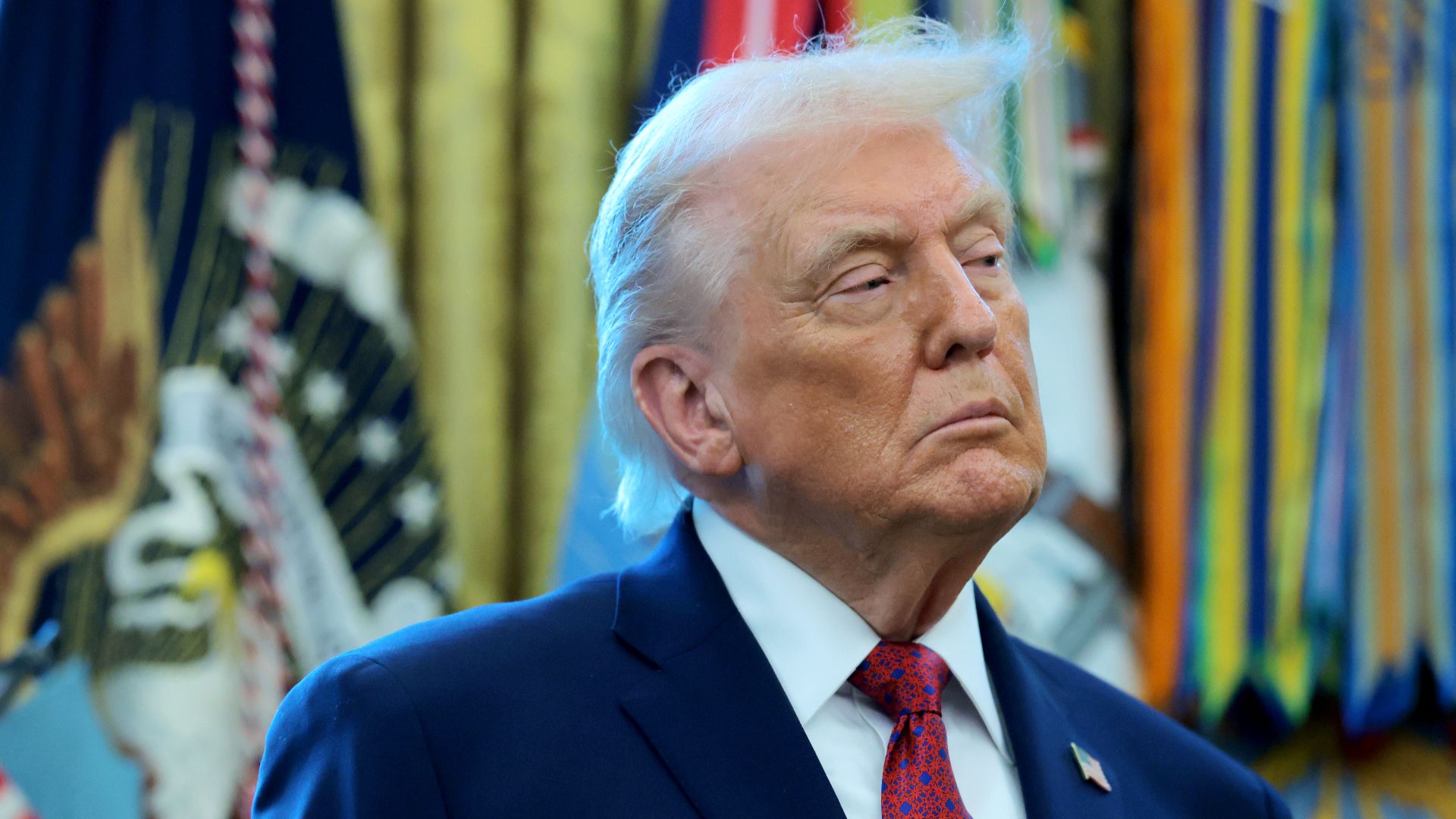
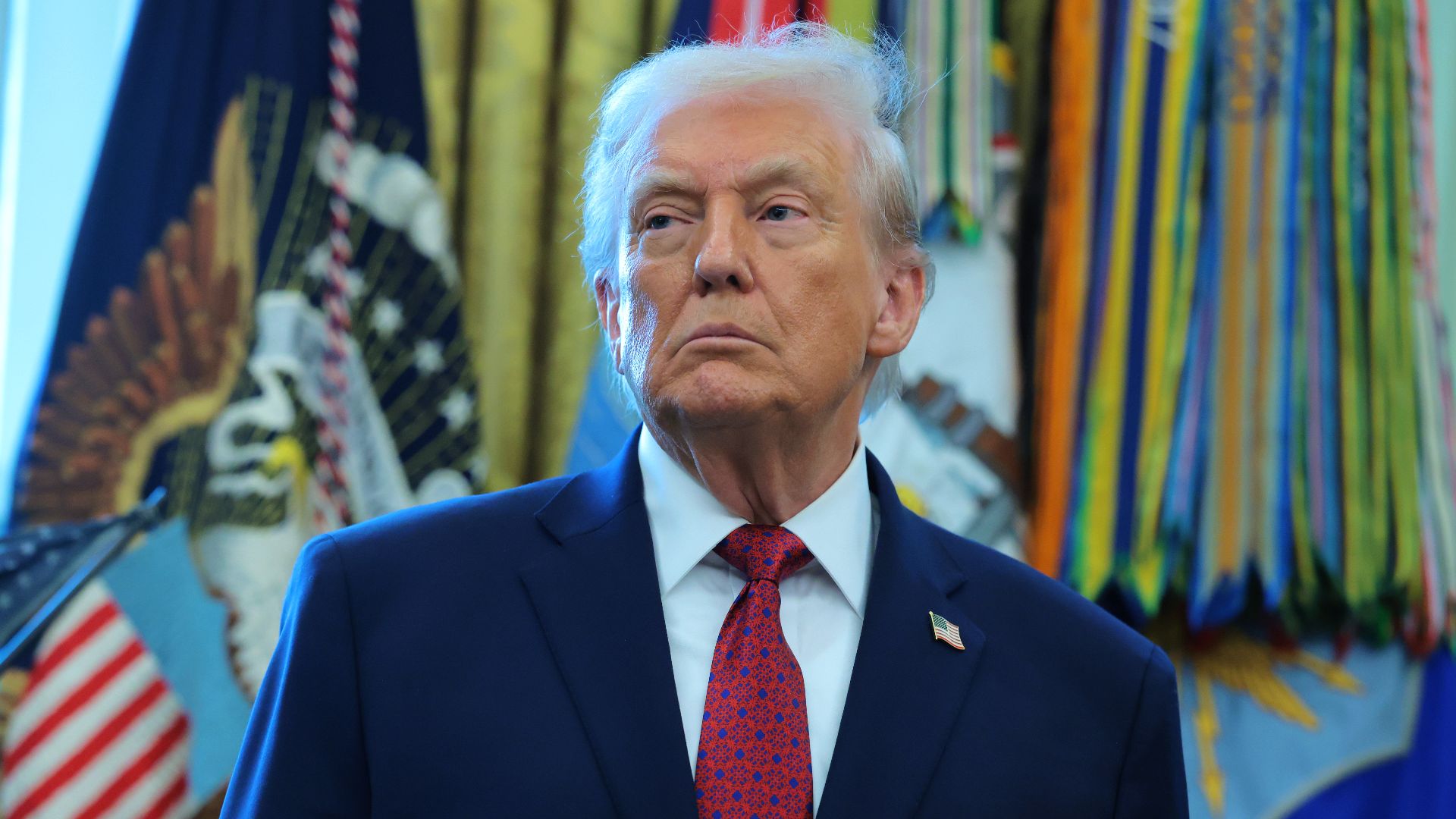
Speaking to reporters in the aftermath of the U.S. attack on Venezuela, Donald Trump framed the operation and his subsequent warnings to other governments as part of a broader regional strategy, according to CNN. Asked about Washington’s objectives, Trump said Sunday that «We are in the business of having countries around us that are viable and successful and where the oil is allowed to freely come out», signaling a direct link between political stability, energy access and U.S. intervention. He went further by explicitly asserting American power, declaring that «American dominance in the Western hemisphere will never be questioned again», a statement that crystallized the administration’s increasingly assertive posture following the capture of Nicolás Maduro. These remarks, delivered over the past two days, have set the tone for a wider escalation, as governments from Mexico to Greenland, as well as Cuba and Iran, have reacted with alarm, rejection or defiance to what they see as a renewed and unapologetic projection of U.S. influence across the region.
Getty Images
Greenland and Denmark have reacted with firm rejection and growing concern to Donald Trump’s renewed statements about acquiring or exerting greater control over the Arctic territory, remarks that gained fresh attention in the wake of the U.S. military operation in Venezuela. Danish Prime Minister Mette Frederiksen sharply rebuked Trump’s comments, saying that «it makes absolutely no sense to talk about the U.S. needing to take over Greenland» and insisting that the United States «has no right to annex any of the three countries in the Danish Kingdom», underscoring that Greenland is not for sale and that Washington should stop threatening a close ally. Greenland’s own prime minister, Jens-Frederik Nielsen, echoed this tone by calling Trump’s rhetoric «disrespectful» and urging respect for Greenland’s sovereignty and self-determination, while emphasizing that there is no immediate danger of any forced takeover. These statements reflect deep unease in both Nuuk and Copenhagen about the implications of Trump’s broader foreign-policy posture, particularly when framed alongside recent U.S. actions in Venezuela and comments linking strategic interests in distant territories.
Getty Images
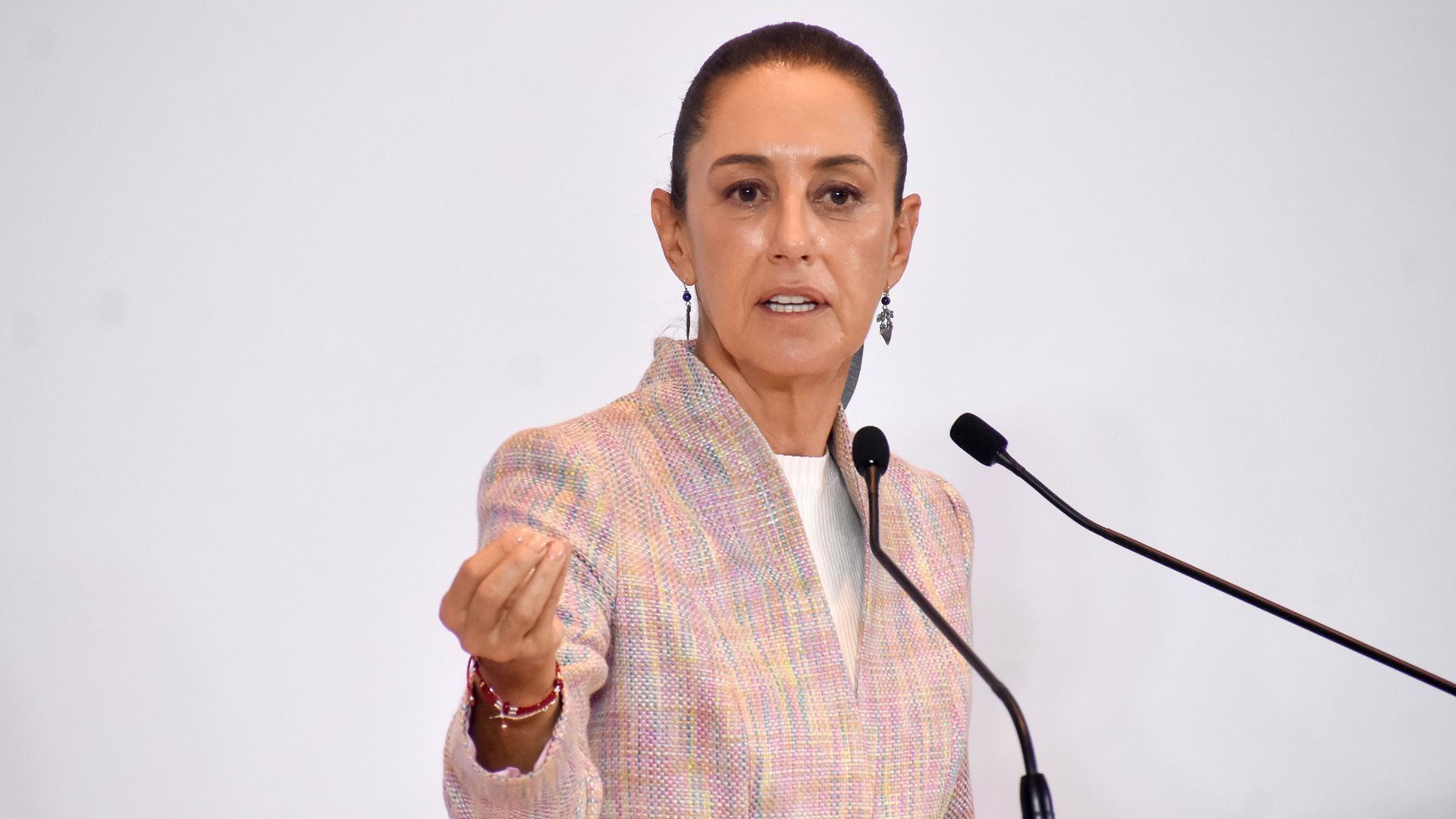
Mexico’s president, Claudia Sheinbaum, has strongly rejected the U.S. intervention in Venezuela and reaffirmed her country’s long-standing foreign policy of non-intervention and respect for sovereignty. Speaking at her daily press conference, she condemned the operation that led to the capture of Nicolás Maduro, stating that Mexico «categorically rejects intervention in the internal matters of other countries» and stressing that while cooperation on security issues is possible, military intervention is not. Sheinbaum also reiterated that Mexico is a sovereign nation where «the people rule», dismissing suggestions of U.S. military involvement on Mexican soil as unnecessary, even as Donald Trump has floated the idea of using force to confront drug cartels. Her remarks underline Mexico’s constitutional commitment to non-interference and place clear limits on Washington’s actions in the region.
Getty Images
Cuba has responded with fierce condemnation and profound alarm to the U.S. military operation in Venezuela that resulted in the capture of Nicolás Maduro and his wife, denouncing the intervention as «state terrorism» and a blatant violation of international law. According to the BBC, the Cuban government says 32 of its nationals were killed during the U.S. operation, describing the dead as members of its armed forces and intelligence agencies who were killed «in combat actions» and declaring two days of national mourning; the Cuban armed forces said these personnel «fell, after fierce resistance, in direct combat against the attackers or as a result of bombardments of installations». The Cuban leadership has underscored its long-standing alliance with Venezuela — noting that Cuba has for years supplied Maduro with his personal security detail and maintains personnel throughout the Venezuelan military — and the reported losses have deepened fears on the island about its own security and future. At the same time, U.S. officials have publicly criticized Havana’s support for Maduro and signaled continued pressure on the Cuban government, heightening anxieties that Cuba could now face increased strategic and diplomatic pressure from Washington in the wake of the Venezuelan episode.
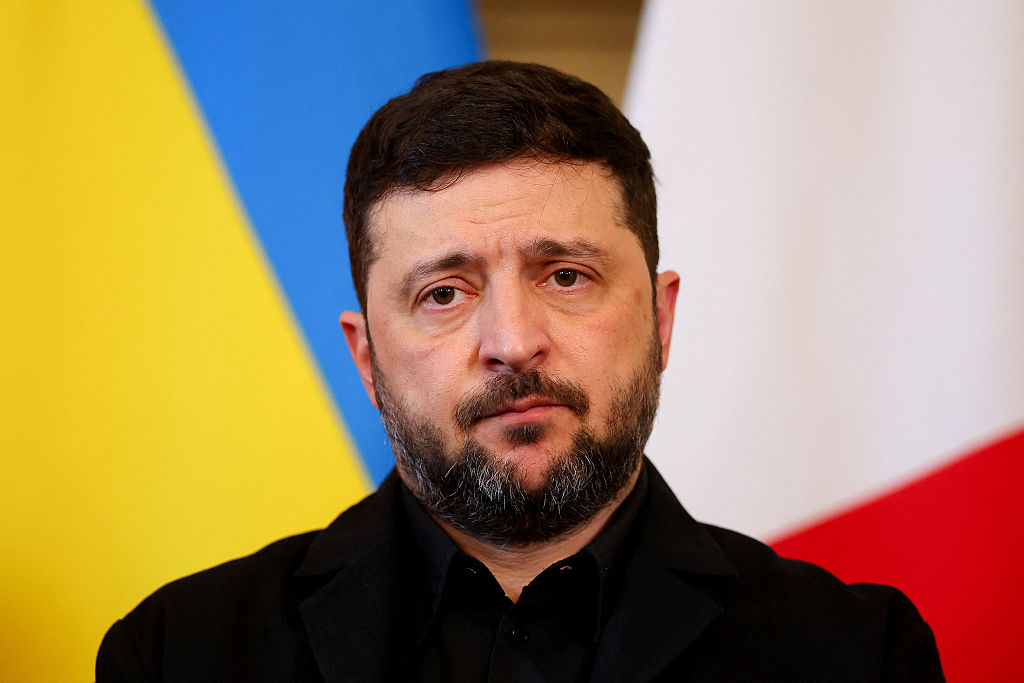
LONDON, ENGLAND - DECEMBER 8: Ukrainian President Volodymyr Zelenskyy looks on during a meeting with British Prime Minister Keir Starmer, German Chancellor Friedrich Merz and French President Emmanuel Macron at 10 Downing Street on December 8, 2025 in London, England. President Macron of France, Chancellor Merz of Germany join President Zelenskyy of Ukraine for a summit on the progress of peace talks hosted by UK Prime Minister Keir Starmer. (Photo by Toby Melville - WPA/Getty Images)
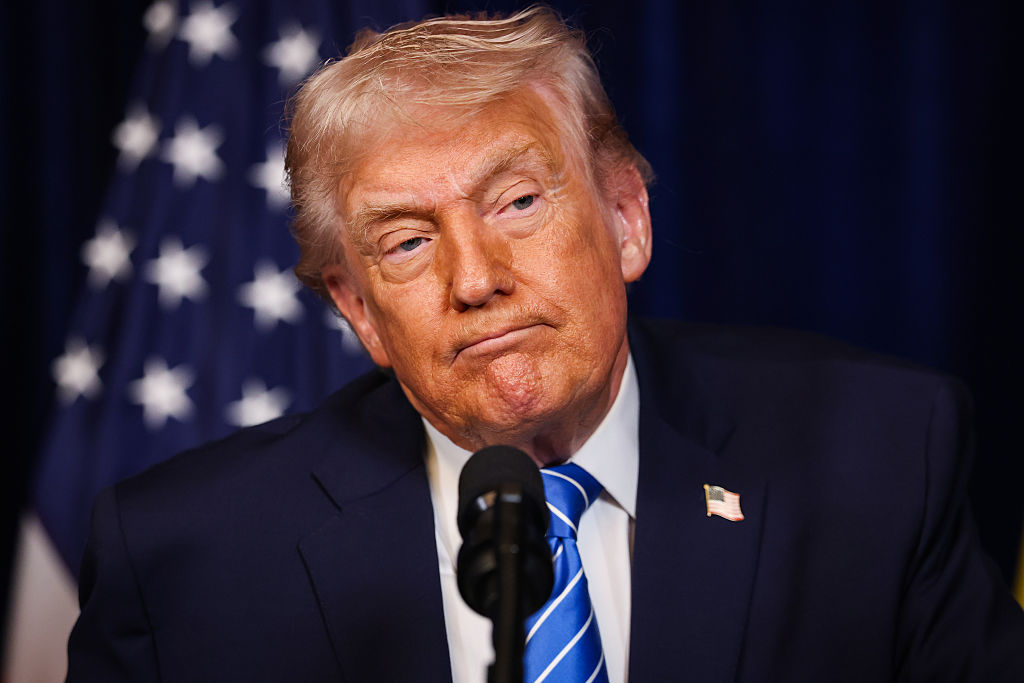
Ukrainian President Volodymyr Zelensky has reconfirmed that Ukraine is not willing to cede land to Russia after almost four years of war. In February 2022, Russia invaded Ukraine, starting the deadliest European war since World War II. Zelensky’s comments come as US President Donald Trump is pressuring Ukraine to concede territory to the invading Russia. On Tuesday, Donald Trump told the press that Russia has ‘the upper hand’ and that Ukraine needs to ‘play ball’ with the Kremlin, something that Ukraine is not willing to do.
LONDON, ENGLAND – DECEMBER 8: Ukrainian President Volodymyr Zelenskyy looks on during a meeting with British Prime Minister Keir Starmer, German Chancellor Friedrich Merz and French President Emmanuel Macron at 10 Downing Street on December 8, 2025 in London, England. President Macron of France, Chancellor Merz of Germany join President Zelenskyy of Ukraine for a summit on the progress of peace talks hosted by UK Prime Minister Keir Starmer. (Photo by Toby Melville – WPA/Getty Images)LONDON, ENGLAND – DECEMBER 8: British Prime Minister Keir Starmer (2nd L) hosts a meeting with German Chancellor Friedrich Merz (L), Ukrainian President Volodymyr Zelenskiy (2nd R) and French President Emmanuel Macron at 10 Downing Street on December 8, 2025 in London, England. President Macron of France, Chancellor Merz of Germany join President Zelenskyy of Ukraine for a summit on the progress of peace talks hosted by UK Prime Minister Keir Starmer. (Photo by Toby Melville – WPA/Getty Images)WASHINGTON, DC – SEPTEMBER 26: U.S. President Donald Trump speaks to members of the media as he departs the White House September 26, 2025 in Washington, DC. Under pressure from Trump, the DOJ indicted former FBI Director James Comey on counts of making false statements and obstruction of a congressional proceeding related to the September 2020 Russia investigation. (Photo by Kevin Dietsch/Getty Images)PALM BEACH, FLORIDA – DECEMBER 28: U.S. President Donald Trump listens during a press conference with Ukrainian President Volodymyr Zelensky following their meeting at Trump’s Mar-a-Lago club on December 28, 2025 in Palm Beach, Florida. Trump invited Zelensky to his private club to work on the U.S.-proposed peace plan to end the war in Ukraine, as the conflict approaches four years since the sudden full-scale invasion by Russia on February 24, 2022. (Photo by Joe Raedle/Getty Images)ZAPORIZHZHIA OBLAST, UKRAINE – OCTOBER 10: A soldier of the 423rd Separate Battalion of Unmanned Systems “Scythian Griffins” stands among other soldiers with a visible insignia patch of his battalion on October 10, 2025 in Zaporizhzhia Oblast, Ukraine. “Scythian Griffins” is the name of the 423rd Separate Unmanned Systems Battalion, a unit of the Land Forces of Ukraine that operates various types of drones. (Photo by Elena Tita/Global Images Ukraine via Getty Images)
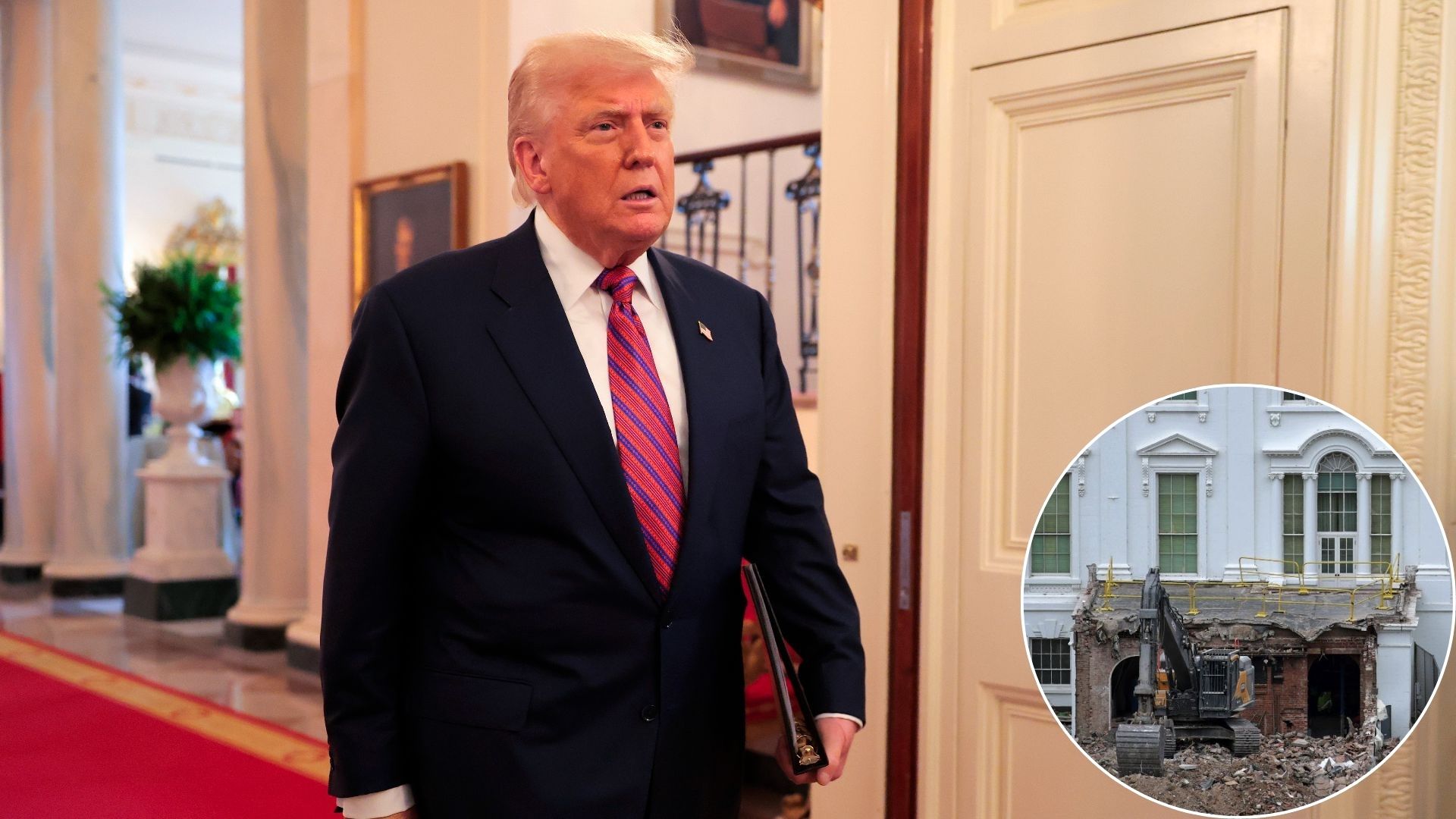
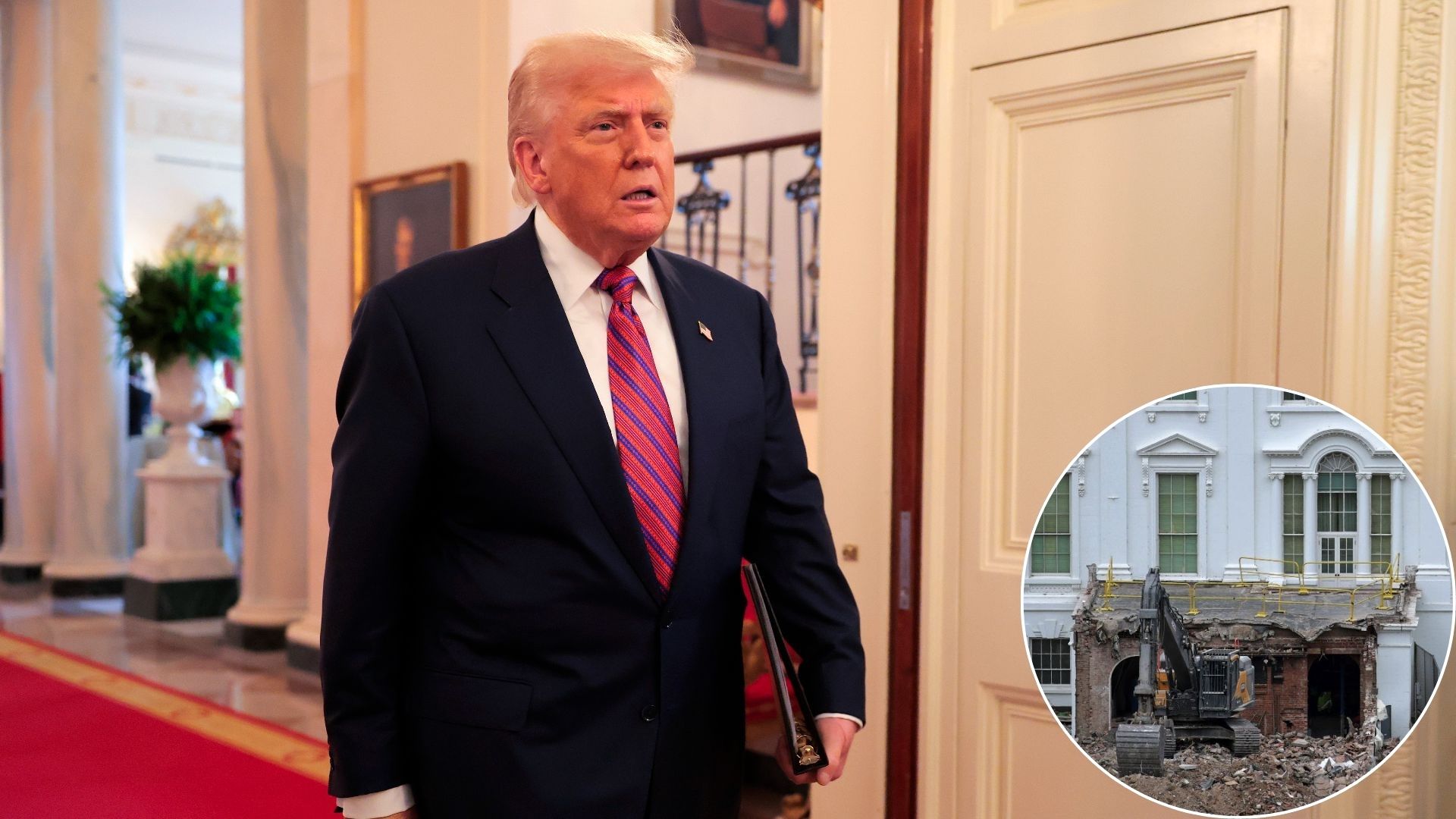
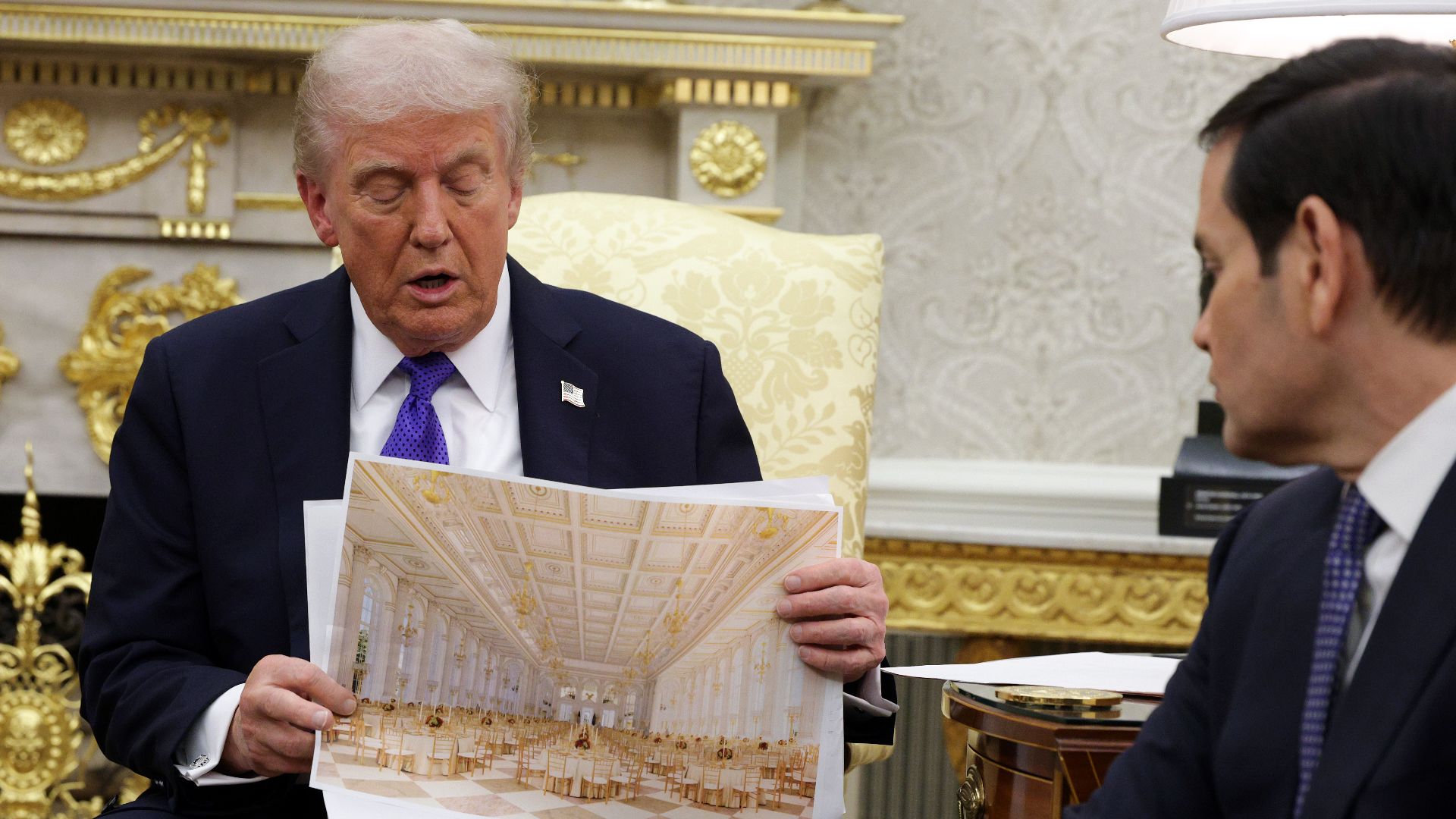
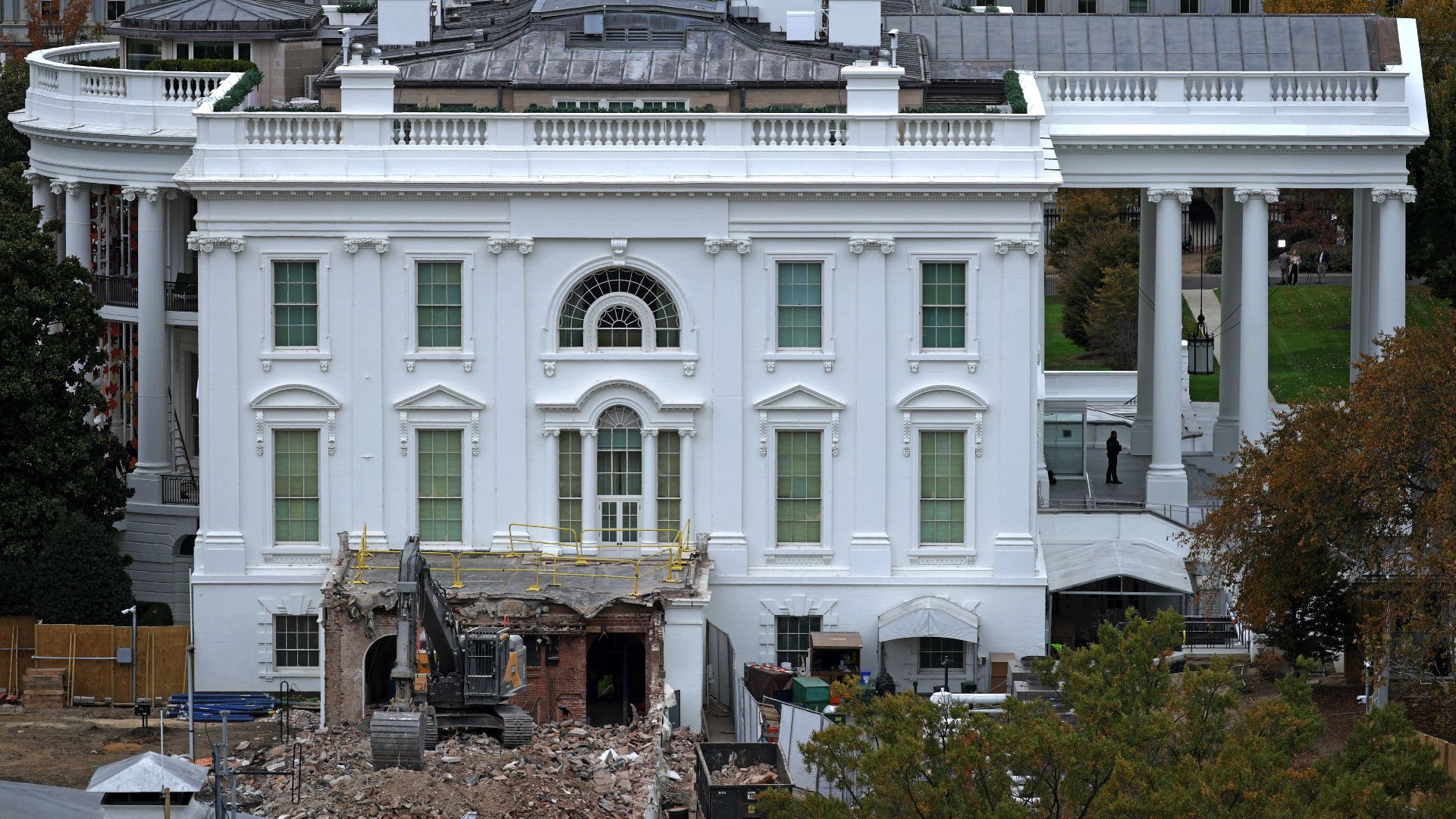
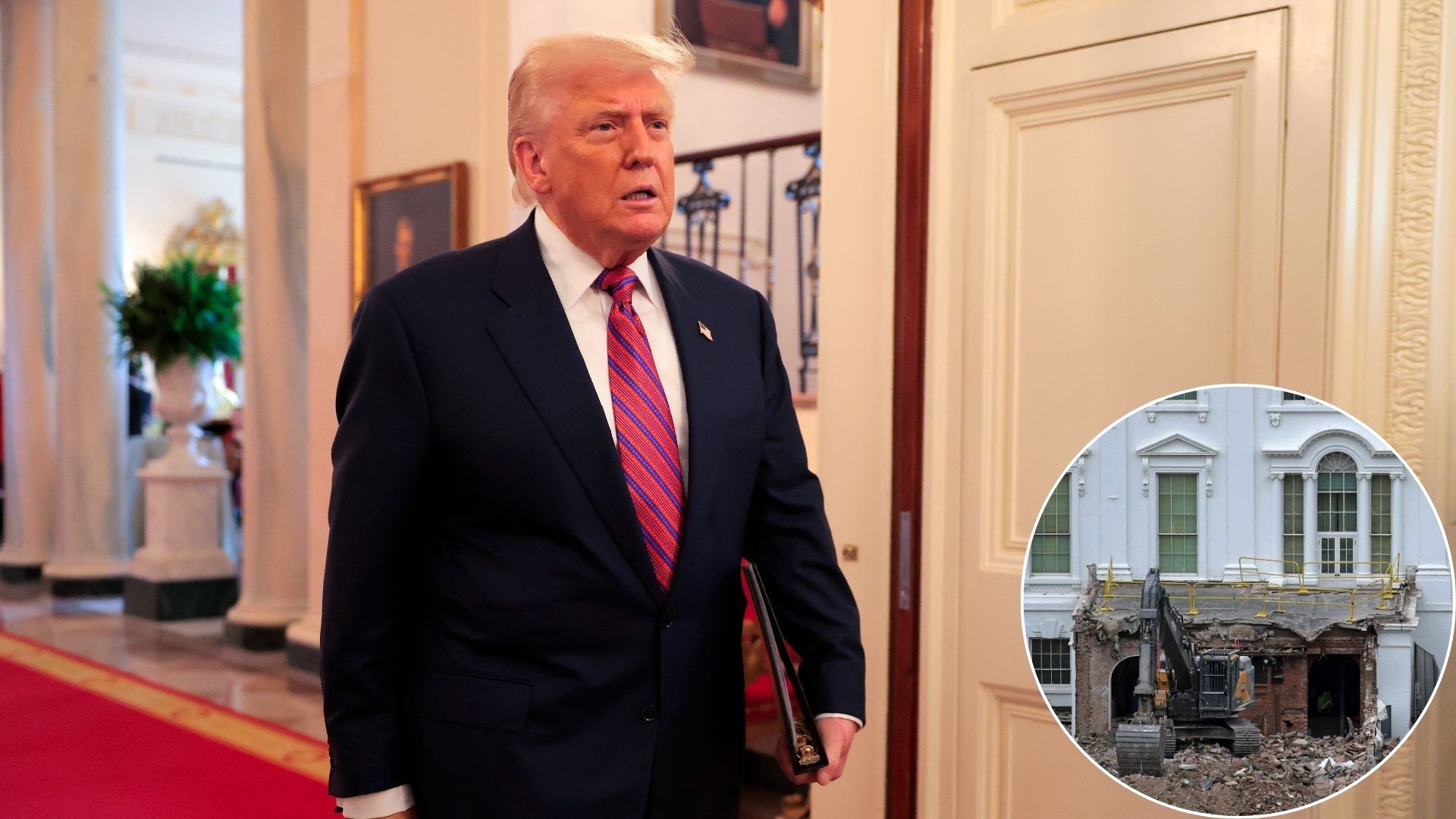
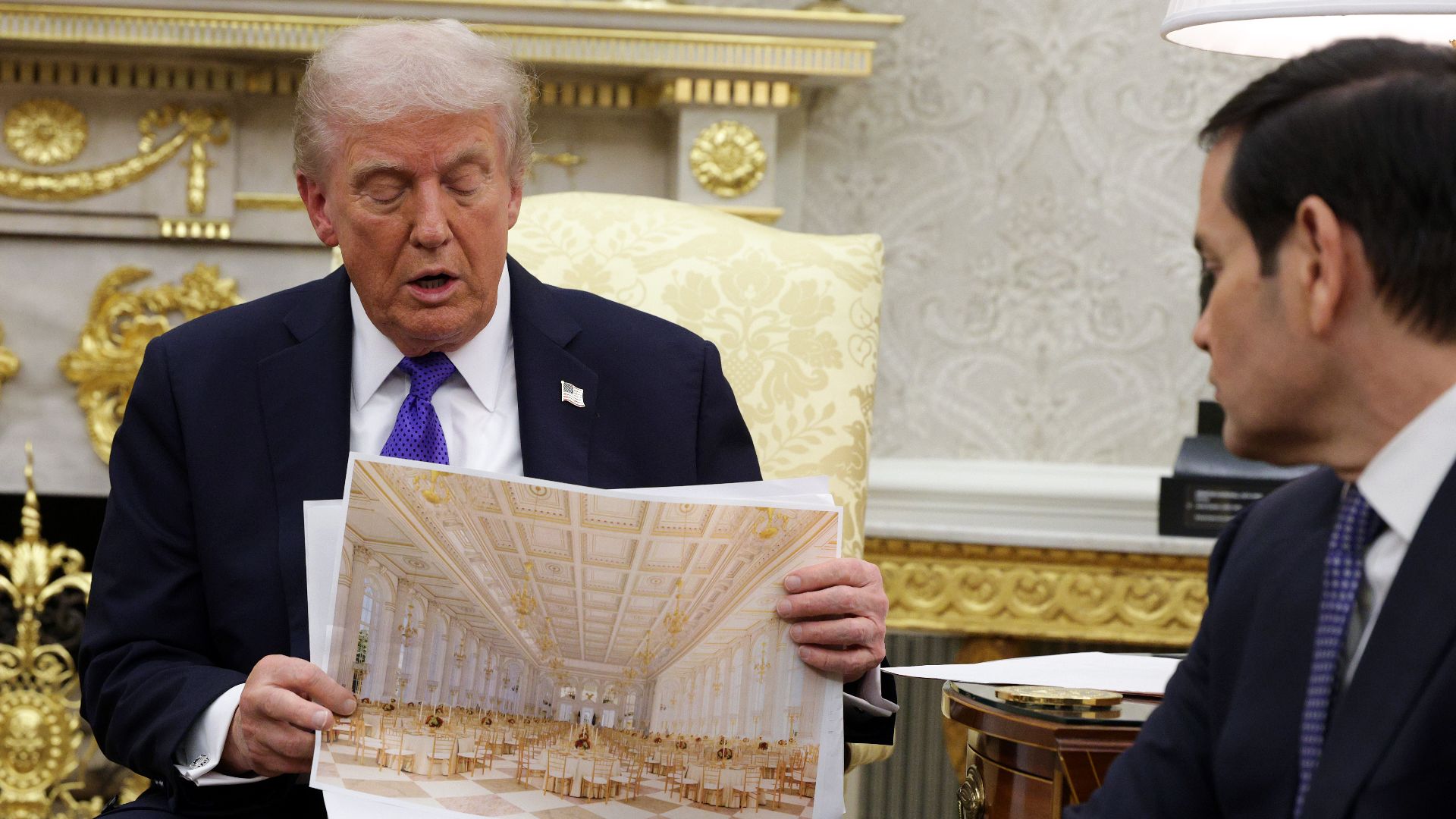
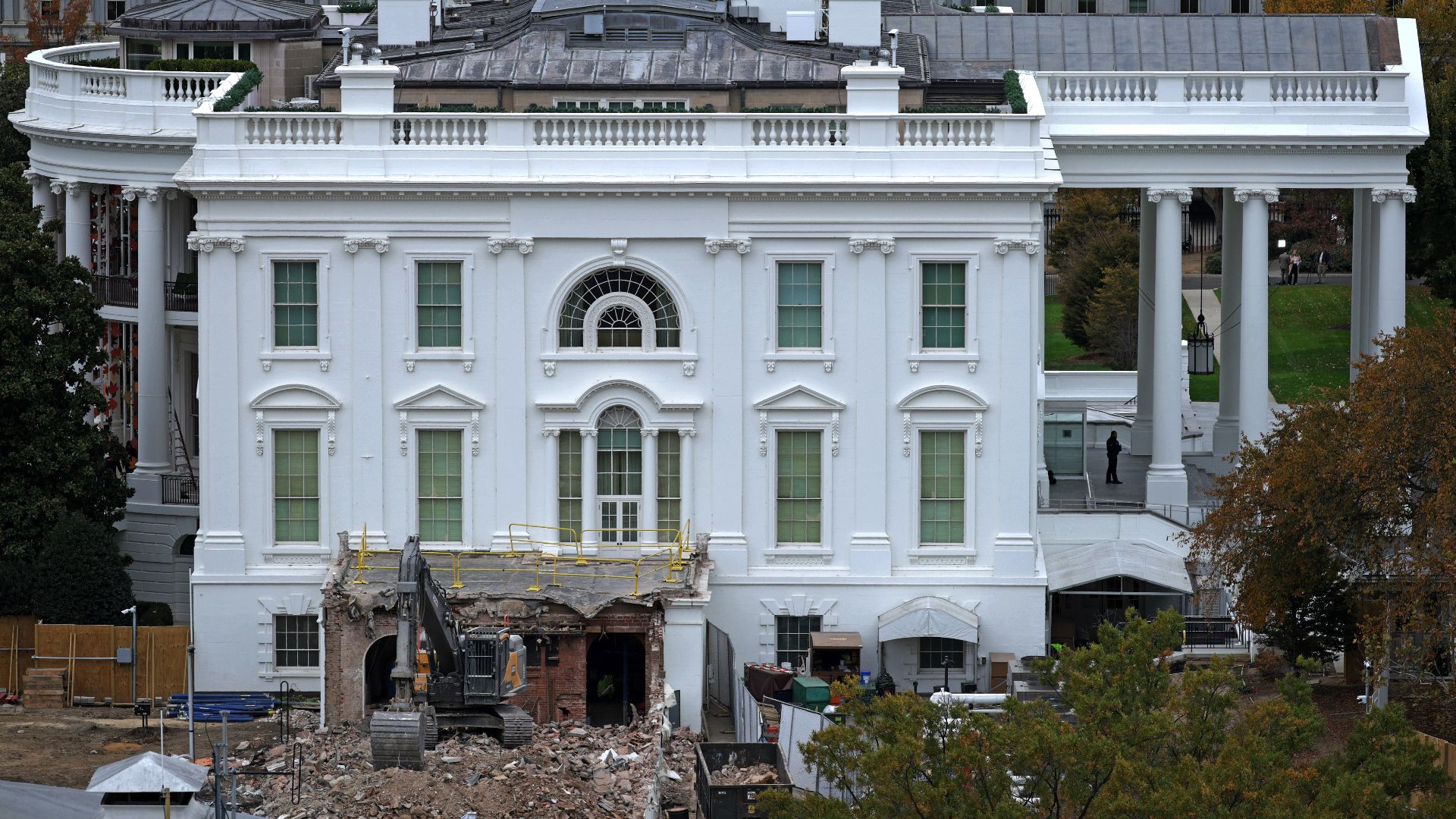
La salle de bal a été annoncée pour la première fois en avril avec le chiffre de 200 millions de dollars, que la Maison-Blanche a présenté à l’époque comme une estimation solide liée à un financement privé et à un calendrier de construction rapide, mais le chiffre a rapidement grimpé – d’abord à 250 millions de dollars, puis à 300 millions de dollars – avant d’atteindre à nouveau le dernier total.
En 2026, le Canadien entre dans une zone charnière: assez jeune pour rêver, assez ambitieux pour exiger des réponses. L’arrivée potentielle de Michael Hage, qui pourrait faire le saut chez les pros au printemps, pourrait venir en renfort au poste de centre dans l’organigramme du CH… ou du Rocket. Pendant ce temps, les rumeurs liant Sidney Crosby à Montréal entretiennent le buzz et posent une question simple: coup d’éclat réaliste ou mirage d’hiver? Et devant le filet, l’incertitude plane: les déboires de Samuel Montembeault étaient-ils un passage à vide, ou le signe d’un plafond? Voici dix dossiers clés pour jauger la prochaine étape de l’équipe montréalaise.
MONTREAL, CANADA- OCTOBER 14: Juraj Slafkovský #20 of the Montreal Canadiens waits for the face off during the third period of the NHL regular season game between the Montreal Canadiens and the Seattle Kraken at the Bell Centre on October 14, 2025 in Montreal, Quebec, Canada. (Photo by Vitor Munhoz/NHLI via Getty Images)MONTREAL, CANADA – NOVEMBER 20: Sam Montembeault #35 of the Montréal Canadiens reacts after allowing a goal during the second period against the Washington Capitals at the Bell Centre on November 20, 2025 in Montreal, Quebec, Canada. (Photo by Minas Panagiotakis/Getty Images)MONTREAL, CANADA- OCTOBER 14: Oliver Kapanen #91 of the Montreal Canadiens is presented to the crowd in the season opening ceremony before the NHL regular season game between the Montreal Canadiens and the Seattle Kraken at the Bell Centre on October 14, 2025 in Montreal, Quebec, Canada. (Photo by Vitor Munhoz/NHLI via Getty Images)LAS VEGAS, NEVADA – JUNE 28: Michael Hage poses for a portrait after being drafted by the Montreal Canadiens with the 21st overall pick during the 2024 Upper Deck NHL Draft at Sphere on June 28, 2024 in Las Vegas, Nevada. (Photo by Candice Ward/Getty Images)MONTREAL, CANADA – SEPTEMBER 23: David Reinbacher #64 of the Montreal Canadiens skates during the second period in a preseason game against the Philadelphia Flyers at the Bell Centre on September 23, 2025 in Montreal, Quebec, Canada. The Montreal Canadiens defeated the Philadelphia Flyers 4-2. (Photo by Minas Panagiotakis/Getty Images)MONTREAL, CANADA – DECEMBER 20: Sidney Crosby #87 of the Pittsburgh Penguins takes a third period faceoff against the Montréal Canadiens at the Bell Centre on December 20, 2025 in Montreal, Quebec, Canada. The Montréal Canadiens defeated the Pittsburgh Penguins 4-0. (Photo by Minas Panagiotakis/Getty Images)MONTREAL, CANADA – DECEMBER 2: Ivan Demidov #93 of the Montreal Canadiens the NHL regular season game between the Montreal Canadiens and the Ottawa Senators at the Bell Centre on December 2, 2025 in Montreal, Quebec, Canada. (Photo by Vitor Munhoz/NHLI via Getty Images)MONTREAL, CANADA- APRIL 27: Canadiens logo is projected on ice in the opening ceremony of the Game Four of the First Round of the 2025 NHL Stanley Cup Playoffs between the Montreal Canadiens and the Washington Capitals at the Bell Centre on April 27, 2025 in Montreal, Quebec, Canada. (Photo by Matt Garies/NHLI via Getty Images)TORONTO, ON – DECEMBER 06: Zack Bolduc #76 of the Montréal Canadiens looks on during a game at Scotiabank Arena on December 6, 2025 in Toronto, Ontario, Canada. (Photo by Vaughn Ridley/Getty Images)MONTREAL, CANADA – APRIL 01: Patrik Laine #92 of the Montreal Canadiens stretches during the warmup prior to the game against the Florida Panthers at the Bell Centre on April 1, 2025 in Montreal, Quebec, Canada. The Montreal Canadiens defeated the Florida Panthers 3-2 in overtime. (Photo by Minas Panagiotakis/Getty Images)
The ballroom was first announced in April at that $200 million figure, which the White House presented at the time as a solid estimate tied to private funding and a fast construction timeline, but the number climbed quickly — first to $250 million, then to $300 million — before jumping again to the latest total.
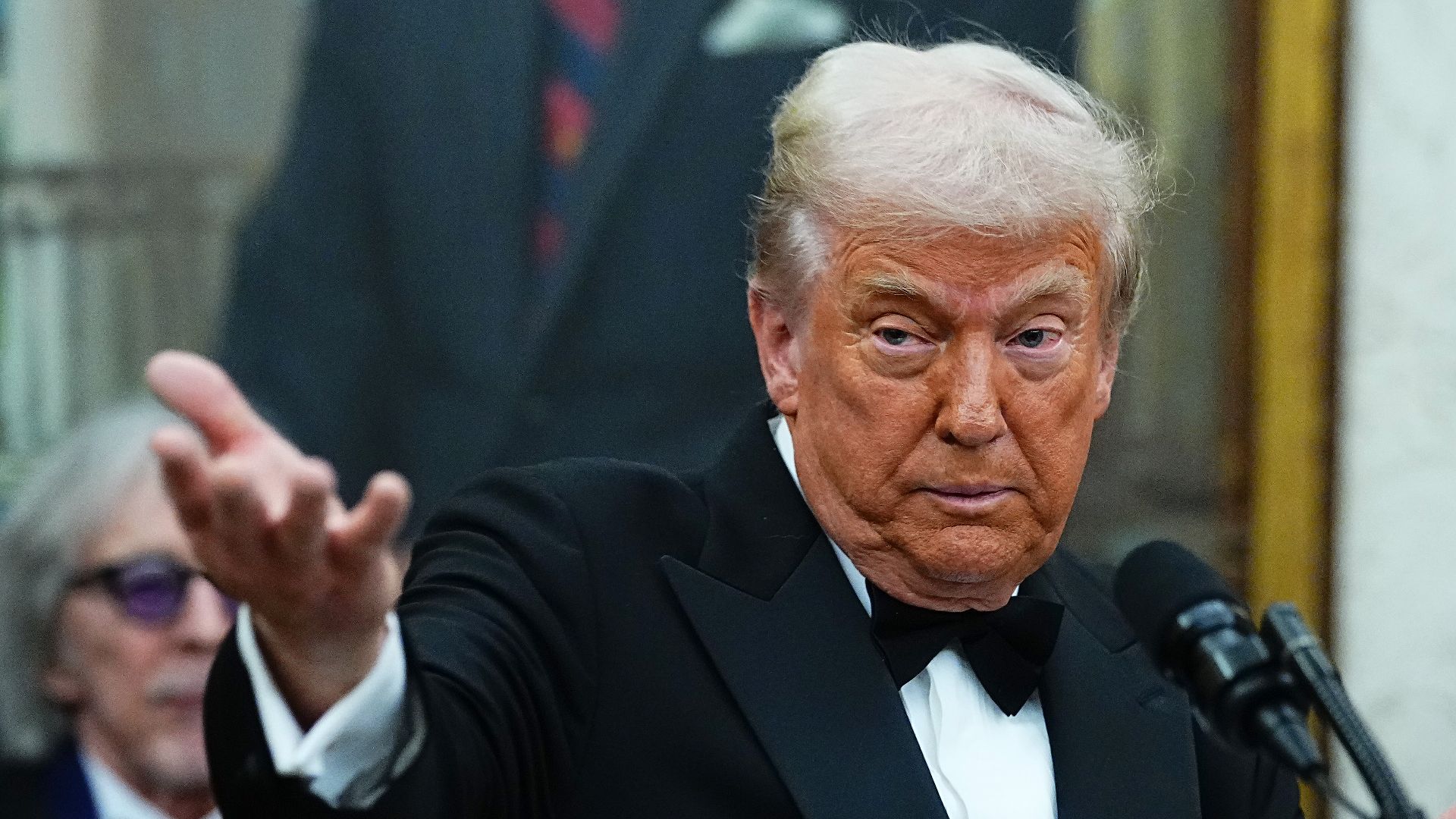
The proposed merger stands out as highly unusual, marking an abrupt and unconventional pivot for a company best known for operating a politically aligned social media platform into one of the most speculative and capital-intensive corners of the global energy sector. By seeking to merge with a nuclear fusion firm, Trump Media appears to be positioning itself to ride what many in Silicon Valley and Washington increasingly view as the next strategic bottleneck of the A.I. boom: electricity. If completed, the transaction would create one of the world’s first publicly traded nuclear fusion companies, with the combined group planning to develop what it describes as a “utility-scale fusion power plant” and aiming to bring first power online in the early 2030s, a timeline that reflects both the ambition and uncertainty surrounding commercial fusion. The move suggests a bet that soaring demand from A.I. data centers will make access to vast, stable and carbon-free energy sources a defining advantage, even as fusion remains an unproven technology at scale. Framing the deal as a transformational leap rather than a financial turnaround, Devin Nunes, the chief executive of Trump Media, said: « Fusion power will be the most dramatic energy breakthrough since the onset of commercial nuclear energy in the 1950s ».
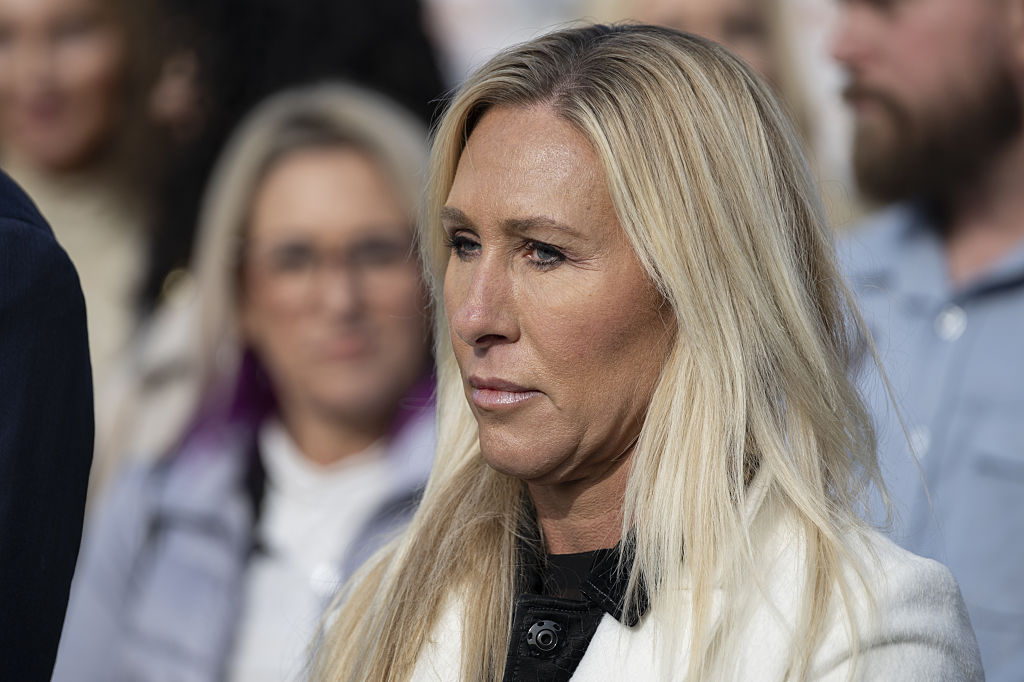
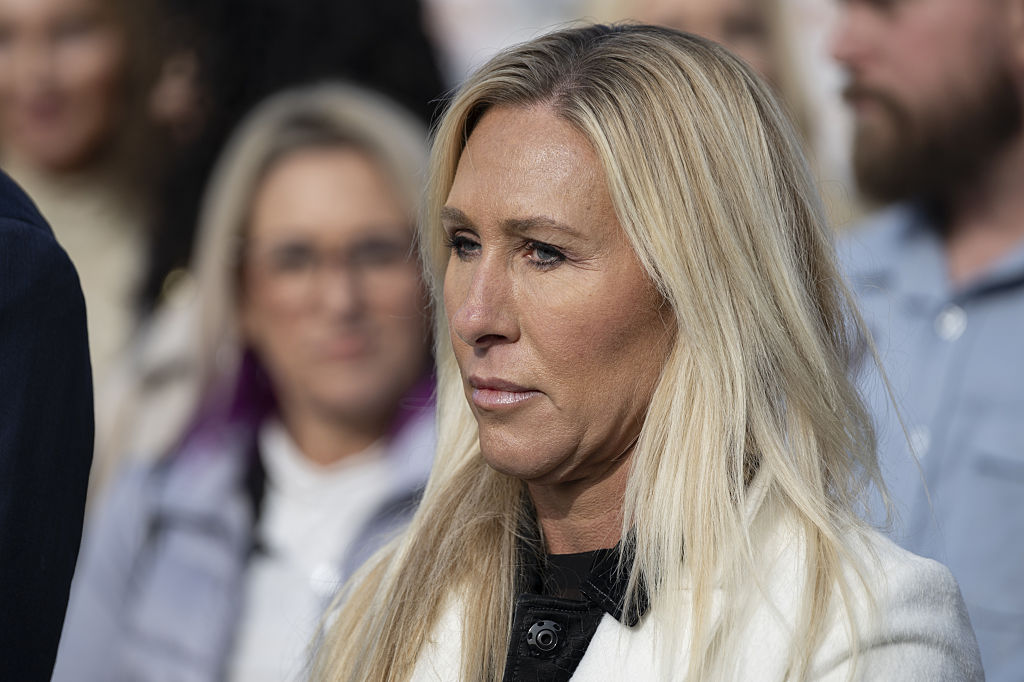
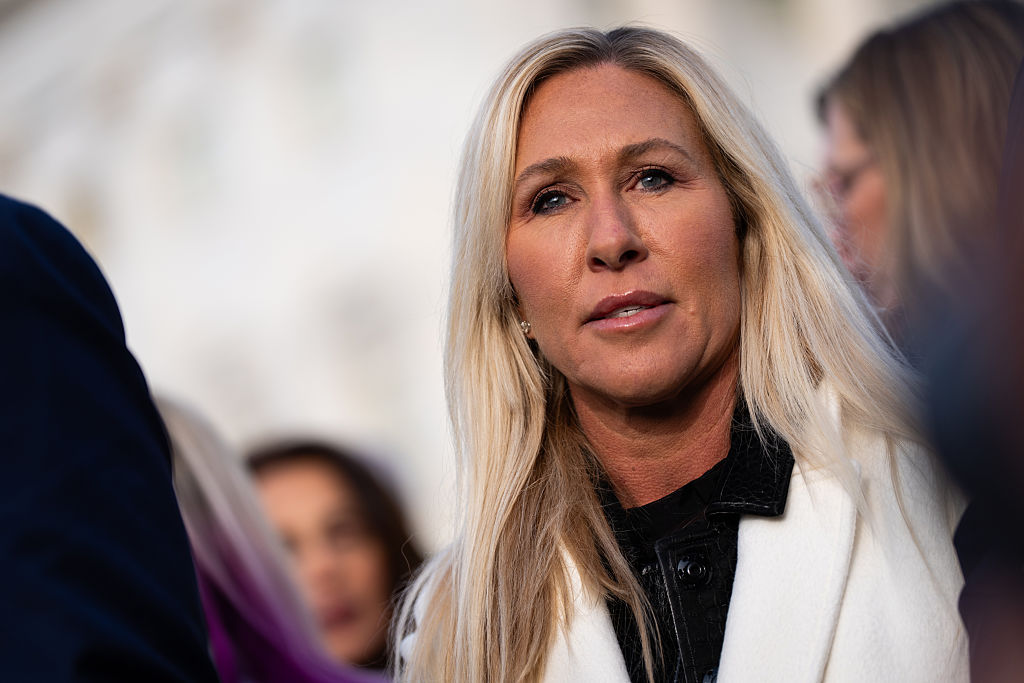
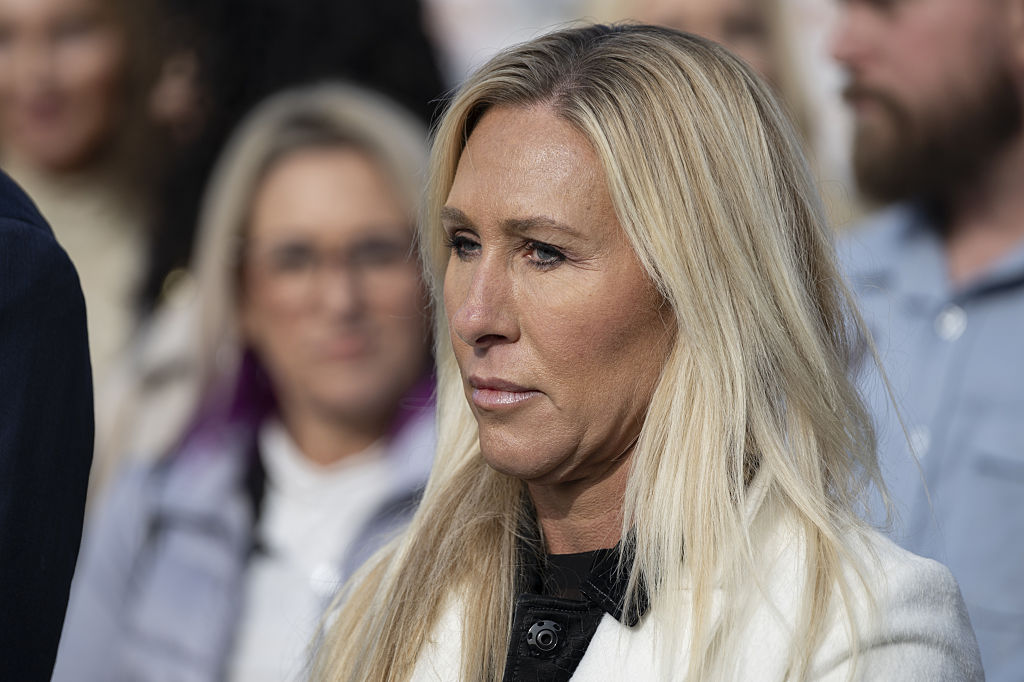
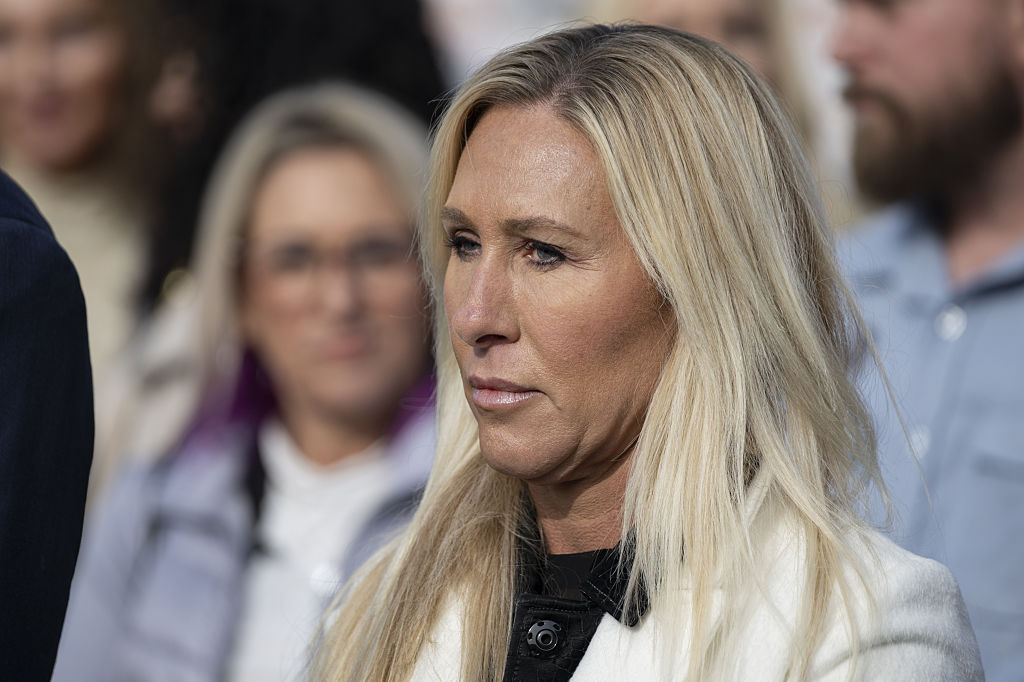
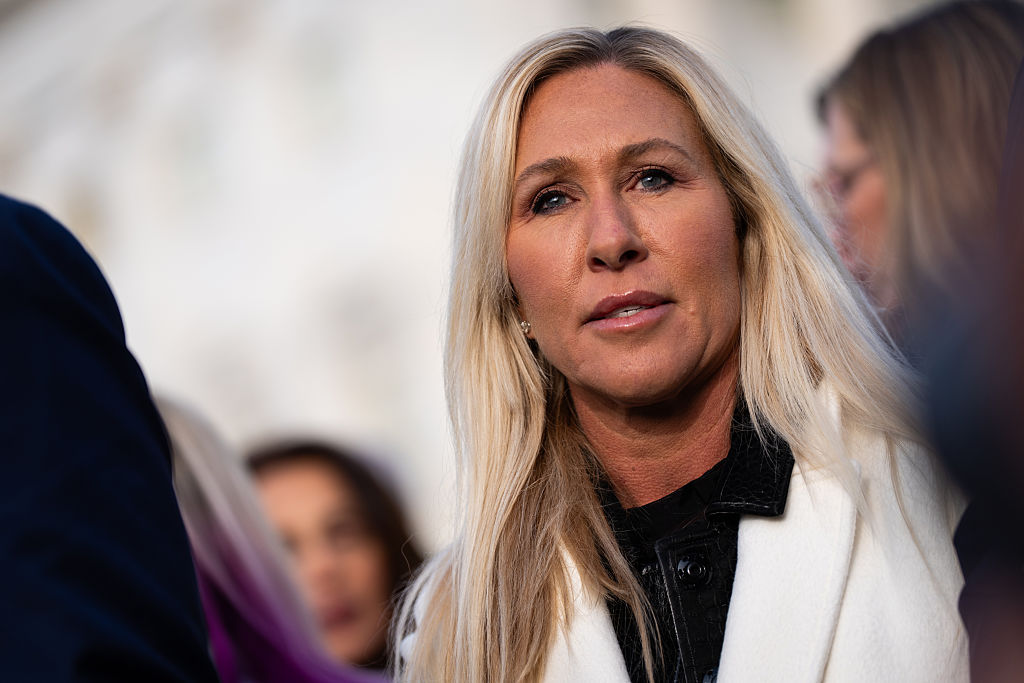
WASHINGTON DC, ÉTATS-UNIS - 18 NOVEMBRE : La représentante américaine Marjorie Taylor Greene s'exprime lors de la conférence de presse sur l'Epstein Files Transparency Act avec les survivants des abus d'Epstein au Capitole américain à Washington, DC, le 18 novembre 2025. (Photo par Celal Gunes/Anadolu via Getty Images)
Dans une interview accordée à CNN, Marjorie Taylor Greene a fait une série de commentaires critiques sur le président américain Donald Trump et le Parti républicain dans son ensemble. Cette interview intervient après que Trump a attaqué Greene lors d’une interview et par l’intermédiaire de Truth Social, ce qui a conduit Greene à recevoir des menaces de mort de la part du MAGA-verse. Greene a également annoncé qu’elle se retirait du Congrès à la fin du mois de novembre. Dans cet entretien très varié avec la journaliste de CNN Kaitlan Collins, Greene est interrogée sur sa relation avec Donald Trump, sur l’état du parti républicain et sur ce que Donald Trump doit faire à l’avenir.
WASHINGTON DC, UNITED STATES - NOVEMBER 18: US Representative Marjorie Taylor Greene speaks during the press conference on the Epstein Files Transparency Act with the Epstein abuse survivors at the US Capitol in Washington, DC, on November 18, 2025. (Photo by Celal Gunes/Anadolu via Getty Images)
In an interview with CNN, Marjorie Taylor Greene made a slew of critical comments about US President Donald Trump and the Republican Party as a whole. The interview comes after Trump has attacked Greene over interview and via Truth Social, leading to Greene receiving death threats from the MAGA-verse. Greene also announced her retirement from Congress in late November. In the wide-ranging interview with CNN reporter Kaitlan Collins, Greene is asked about her relationship with Donald Trump, the state of the Republican party, and what Donald Trump needs to do next.
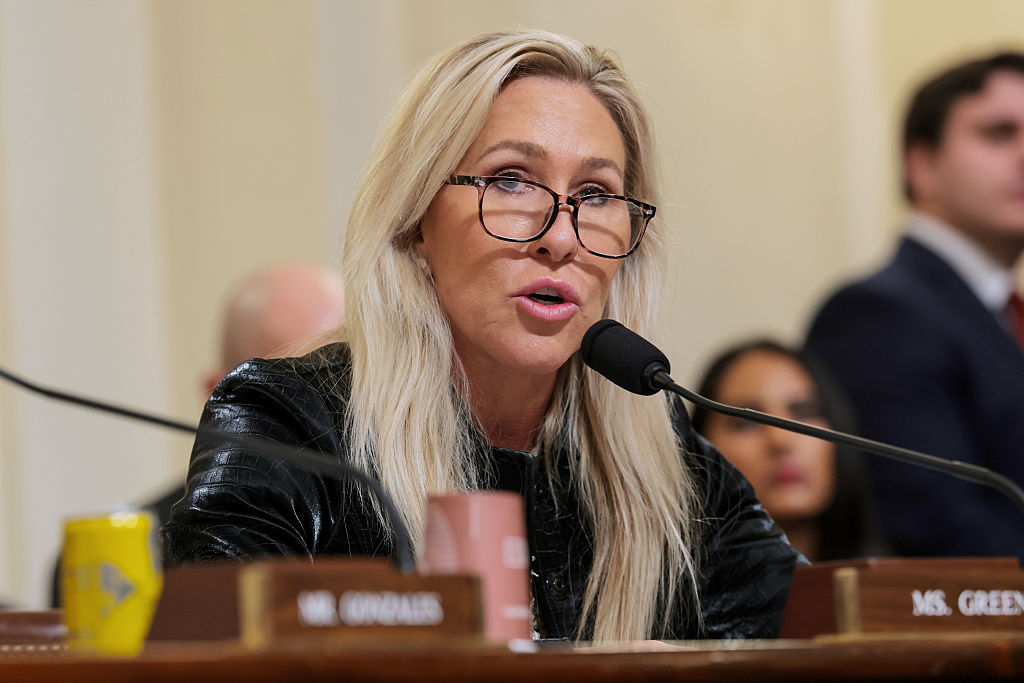
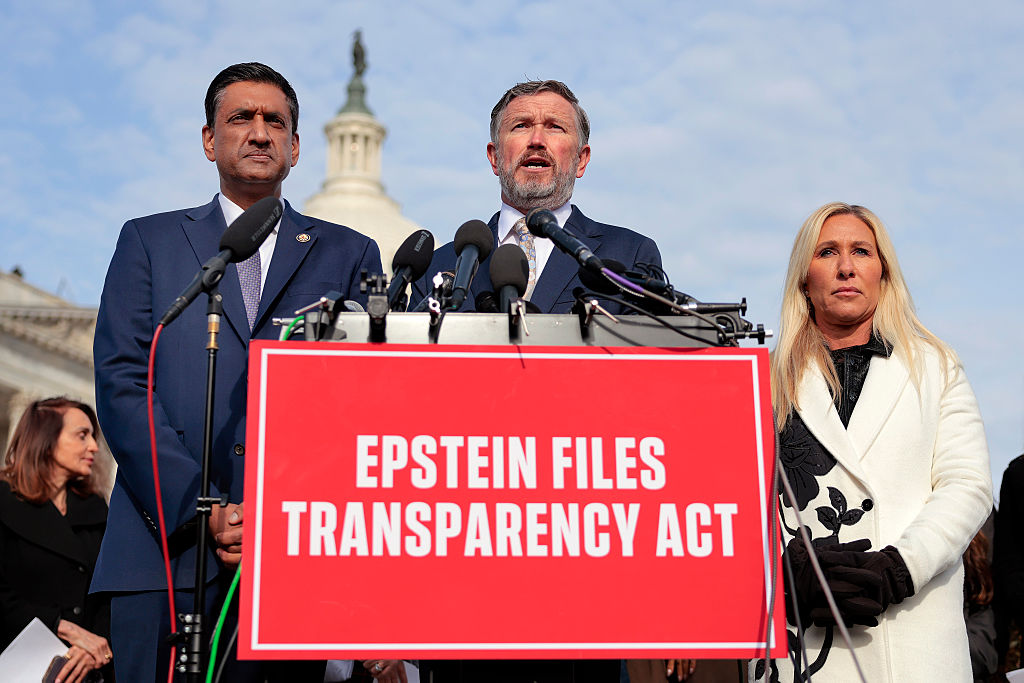
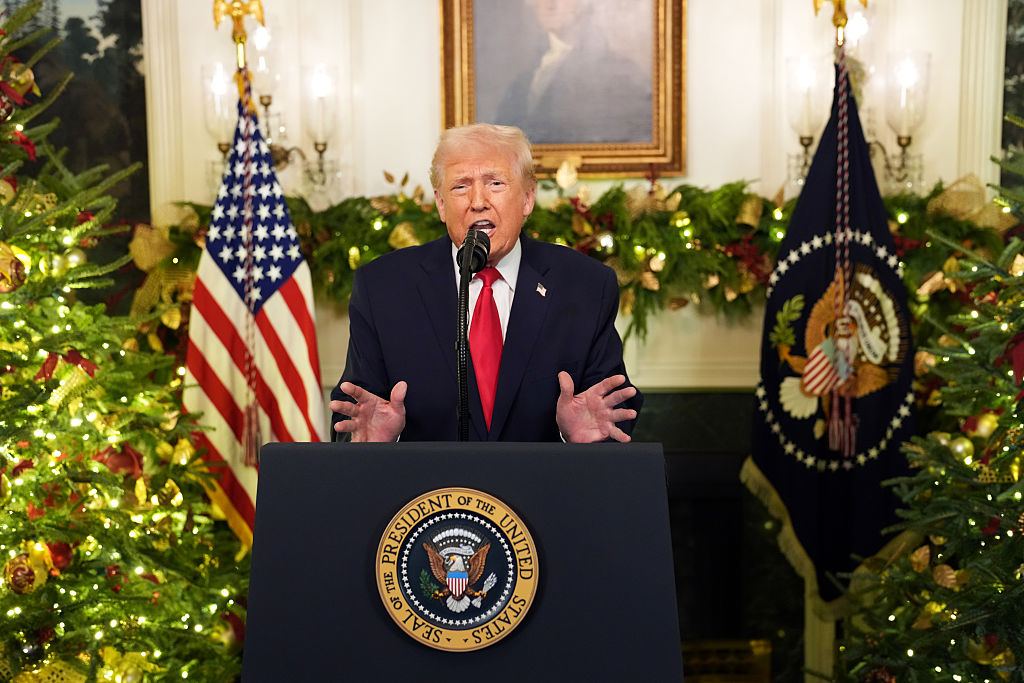
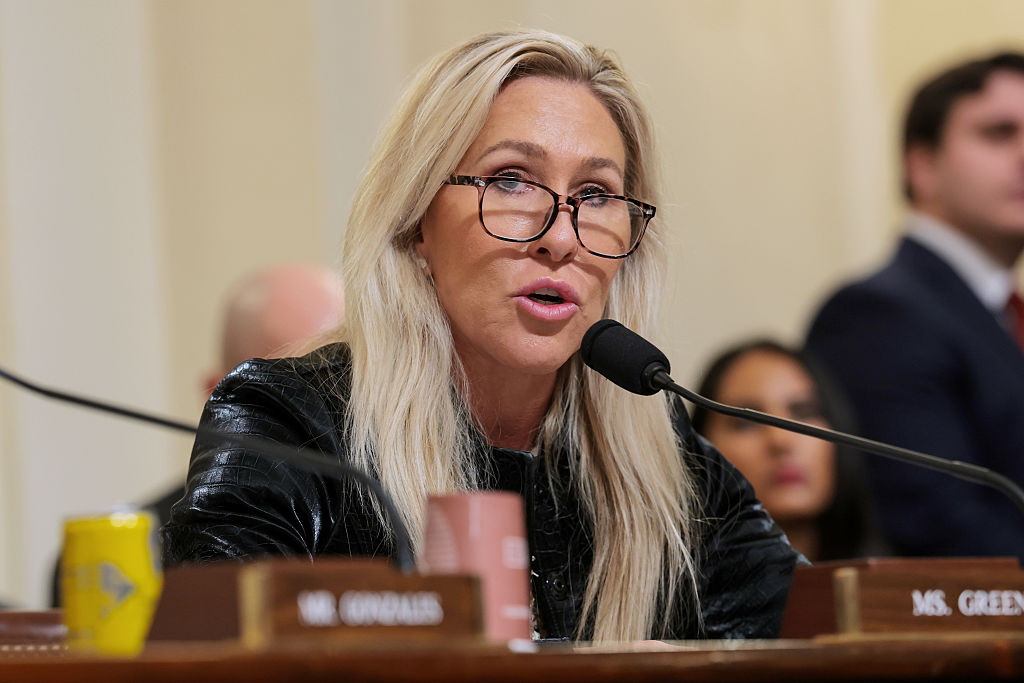
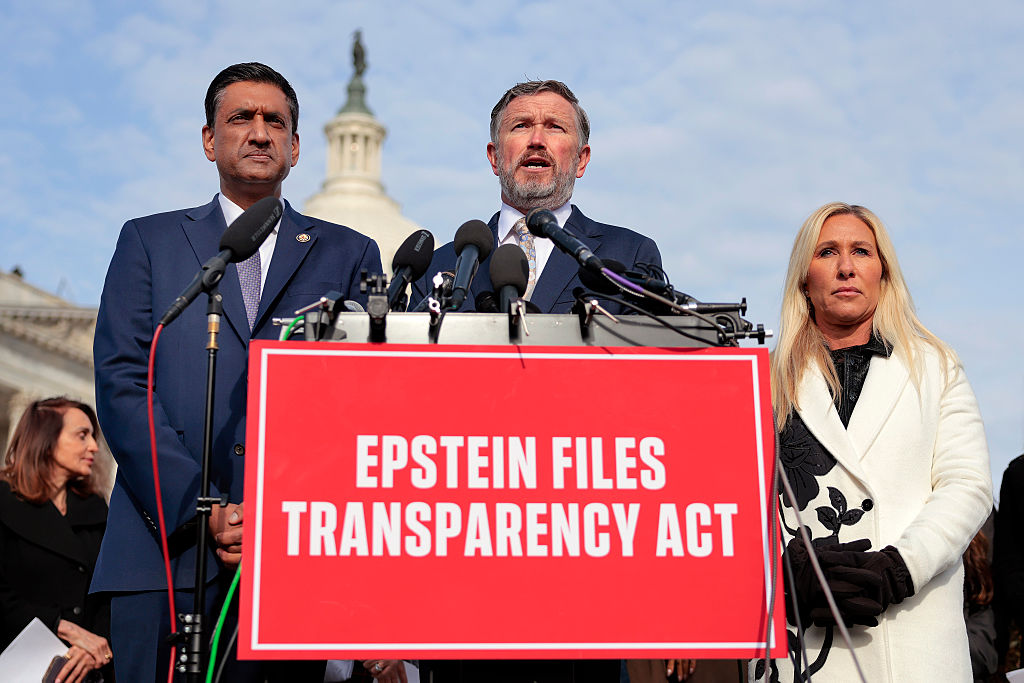
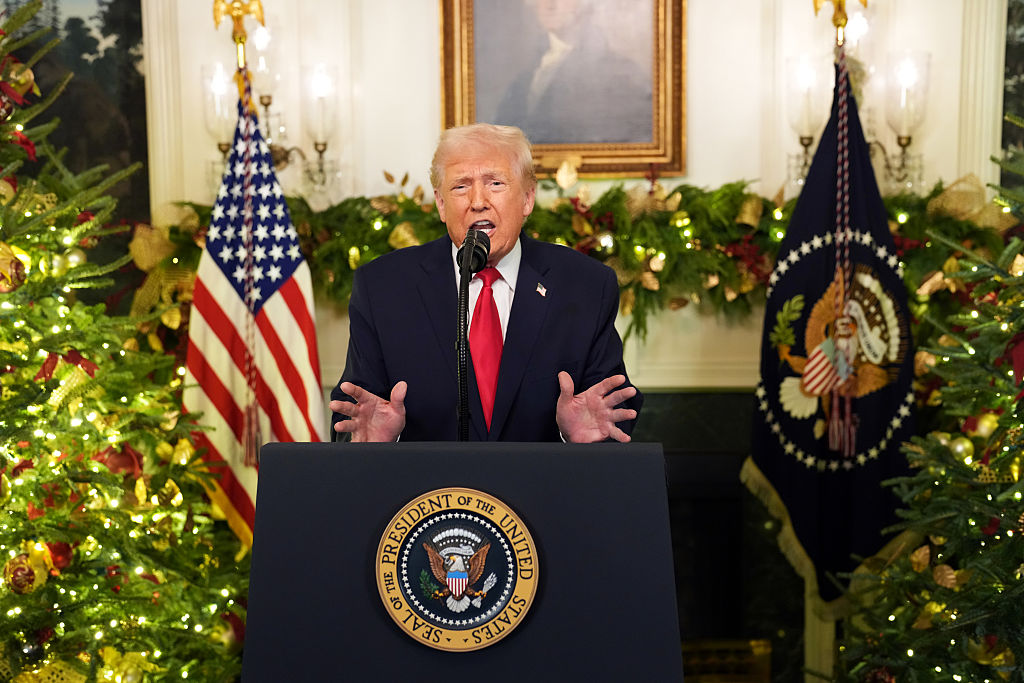
WASHINGTON DC, UNITED STATES – NOVEMBER 18: US Representative Marjorie Taylor Greene speaks during the press conference on the Epstein Files Transparency Act with the Epstein abuse survivors at the US Capitol in Washington, DC, on November 18, 2025. (Photo by Celal Gunes/Anadolu via Getty Images)WASHINGTON, DC – DECEMBER 11: Rep. Marjorie Taylor Greene (R-GA) speaks during a hearing with the House Committee on Homeland Security in the Cannon House Office Building on December 11, 2025 in Washington, DC. The committee convened to hear testimony from top national security officials on potential worldwide threats. (Photo by Anna Moneymaker/Getty Images)WASHINGTON, DC – NOVEMBER 18: Rep. Marjorie Taylor Greene, pictured, R-Ga, Rep. Ro Khanna, D-Calif., and Rep. Thomas Massie, R-Ky held a press conference outside the U.S. Capitol, on Tuesday, November 18, 2025, with victims of convicted sex offender Jeffrey Epstein as the House prepares to vote to release records related to him. Sarah L. Voisin/The Washington Post via Getty Images)WASHINGTON, DC – NOVEMBER 18: U.S. Rep. Thomas Massie (R-KY) (C) speaks alongside U.S. Rep. Ro Khanna (D-CA) (L) and Rep. Marjorie Taylor Greene (R-GA) during a news conference on the Epstein Files Transparency Act outside the U.S. Capitol on November 18, 2025 in Washington, DC. The House is expected to vote today on the legislation, which instructs the U.S. Department of Justice to release all files related to the late accused sex trafficker Jeffrey Epstein. (Photo by Heather Diehl/Getty Images)WASHINGTON, DC – DECEMBER 17: U.S. President Donald Trump addresses the nation from the Diplomatic Room of the White House on December 17, 2025 in Washington, DC. White House press secretary Karoline Leavitt said Trump would be « addressing the country about all of his historic accomplishments over the past year, and maybe teasing some policy that will be coming in the new year, as well. » (Photo by Doug Mills – Pool/Getty Images)
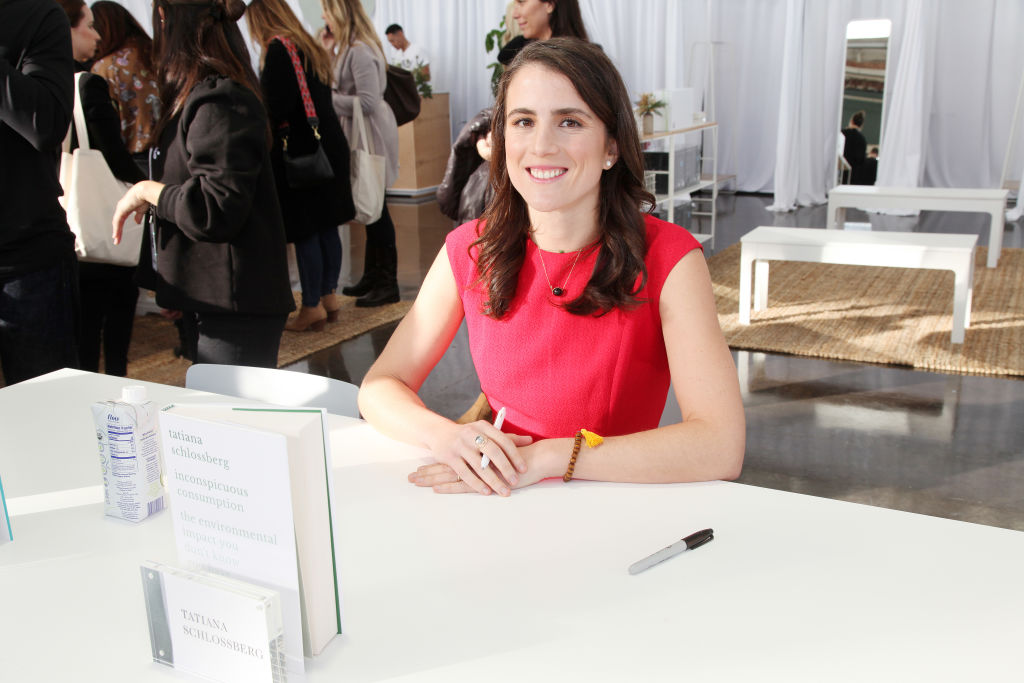
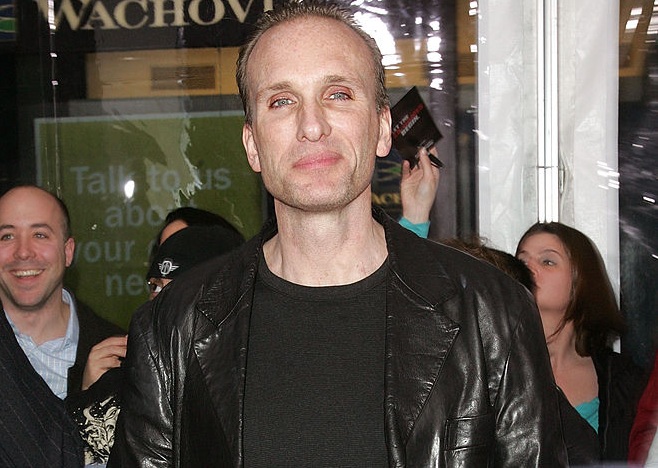
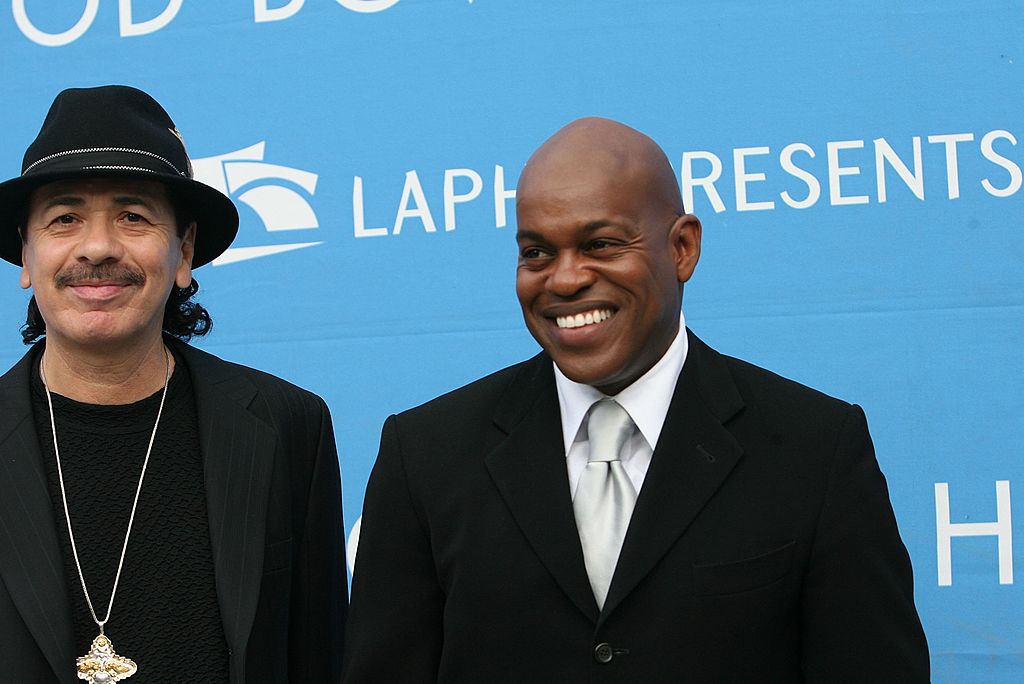
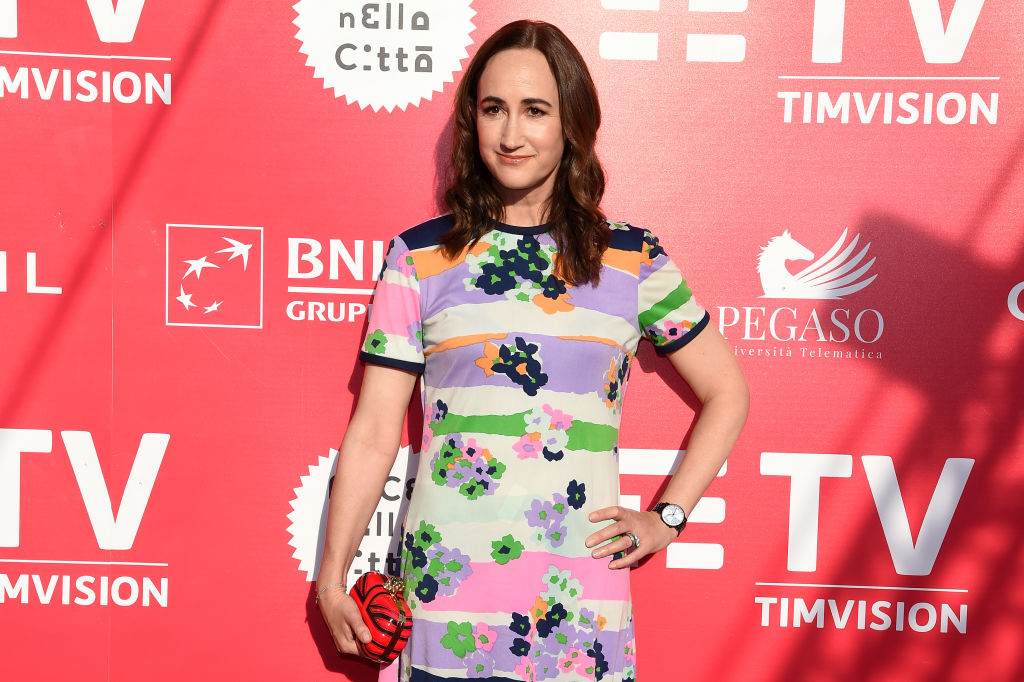
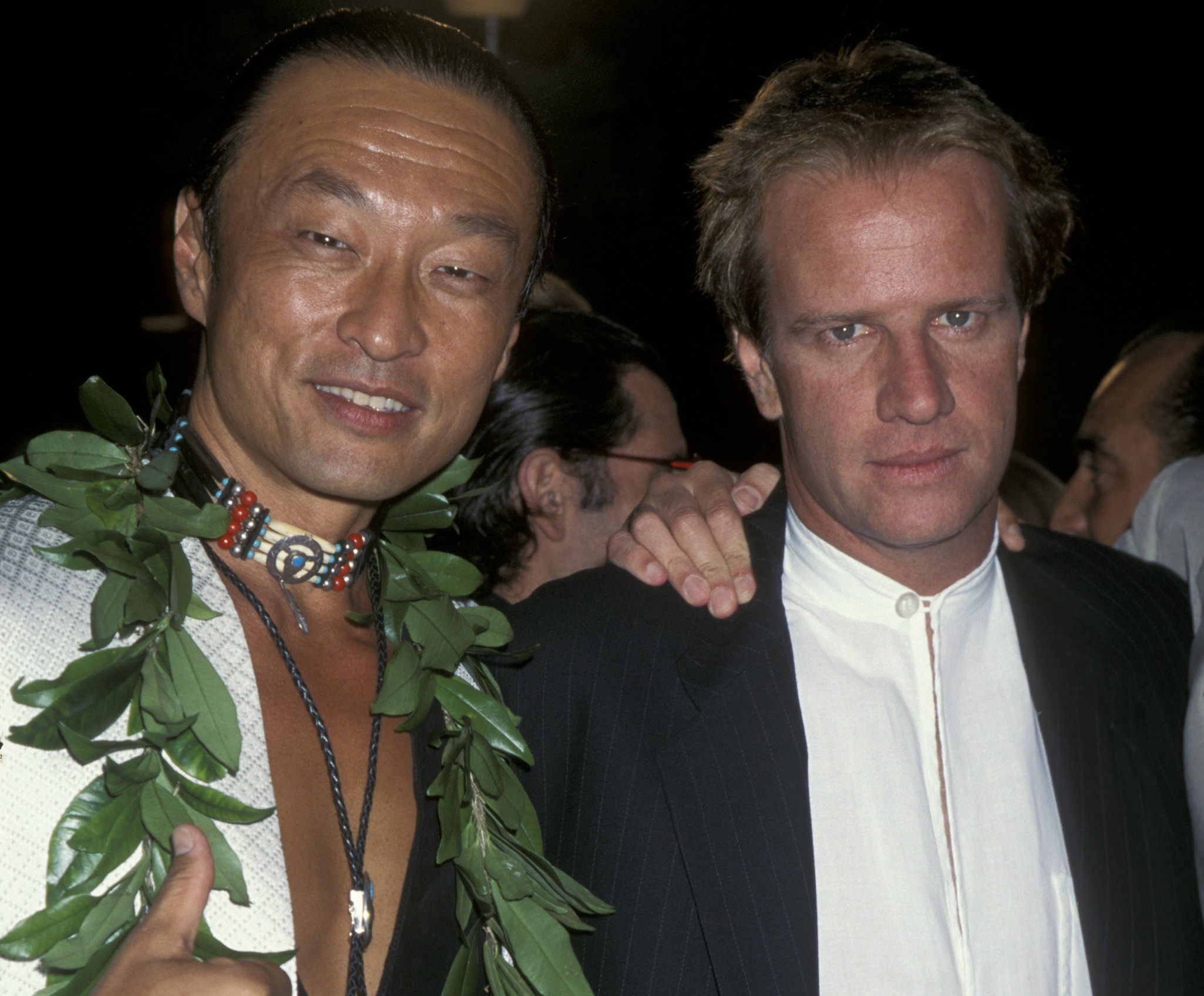
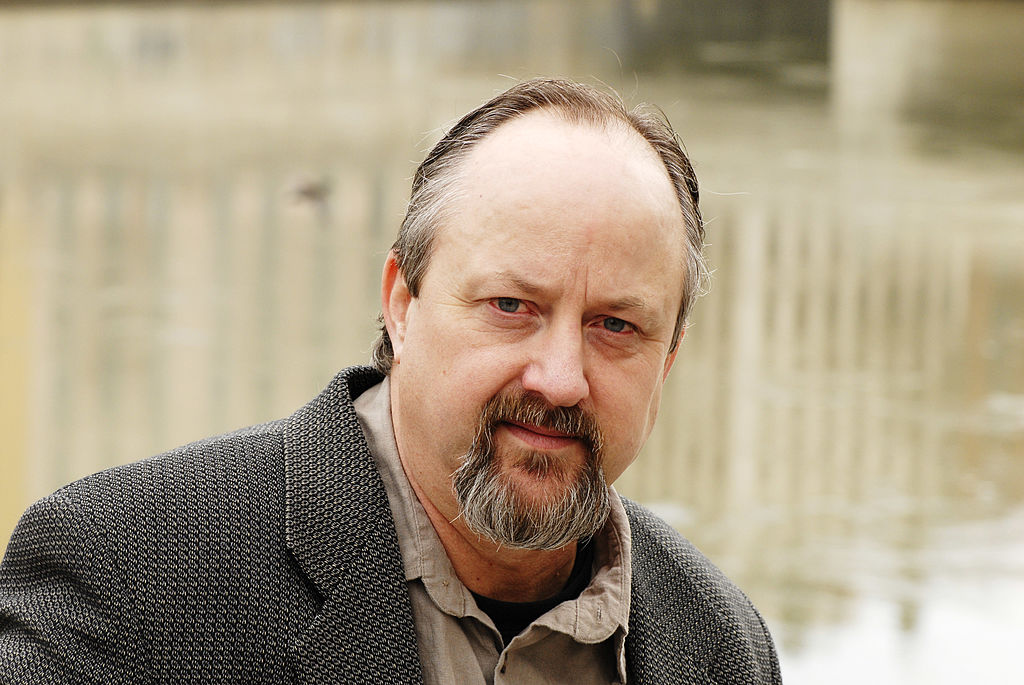
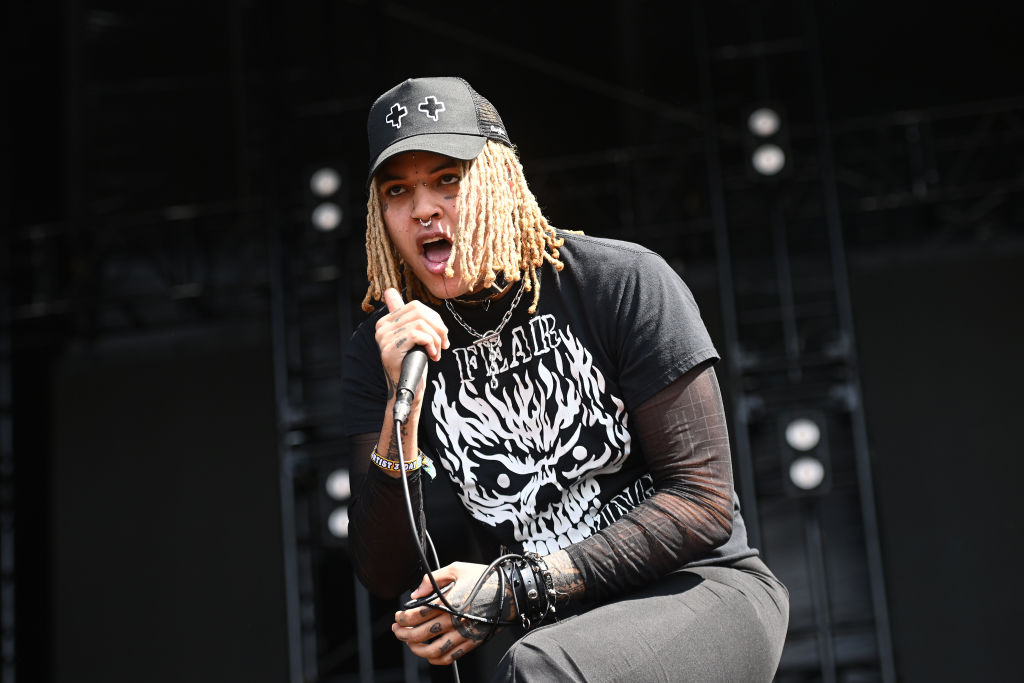
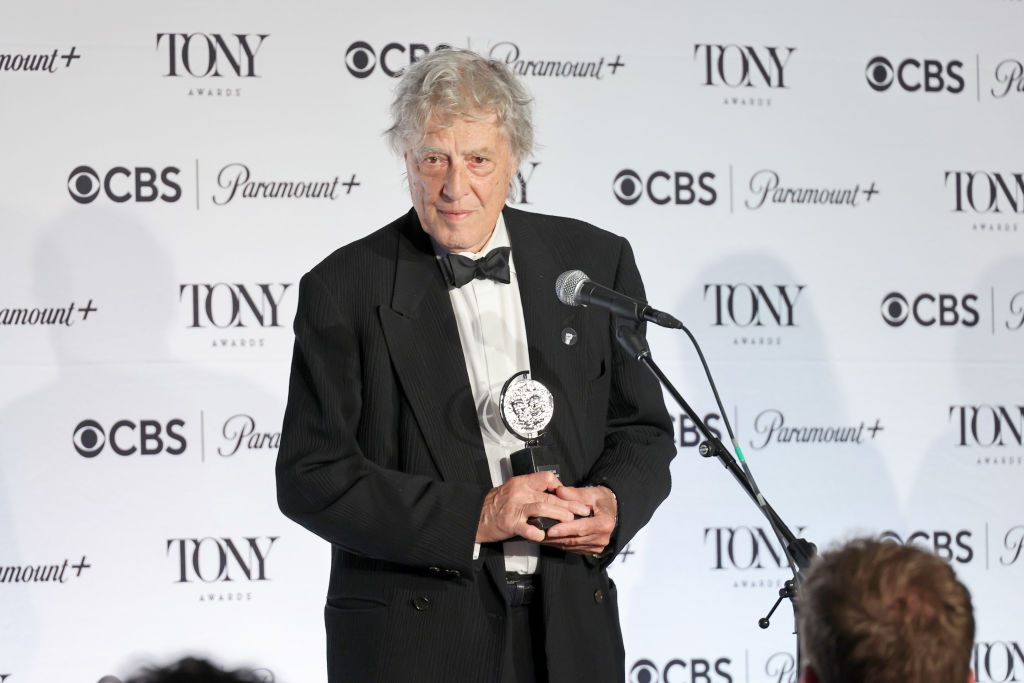
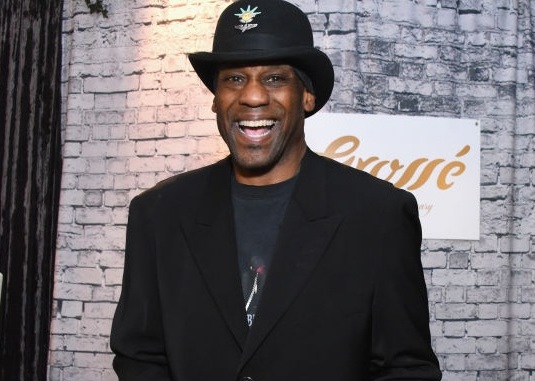
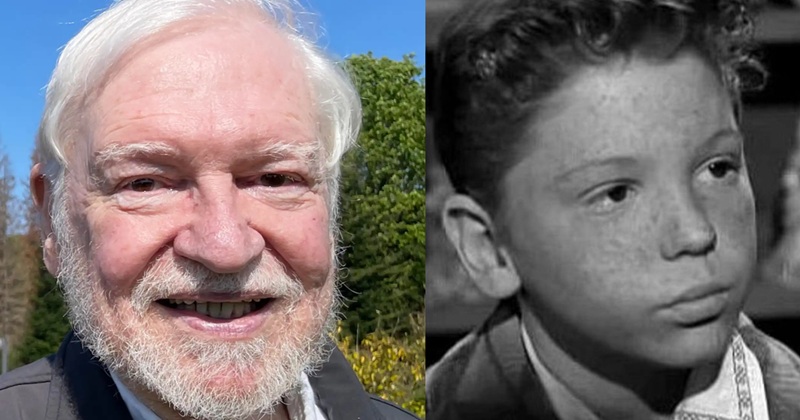
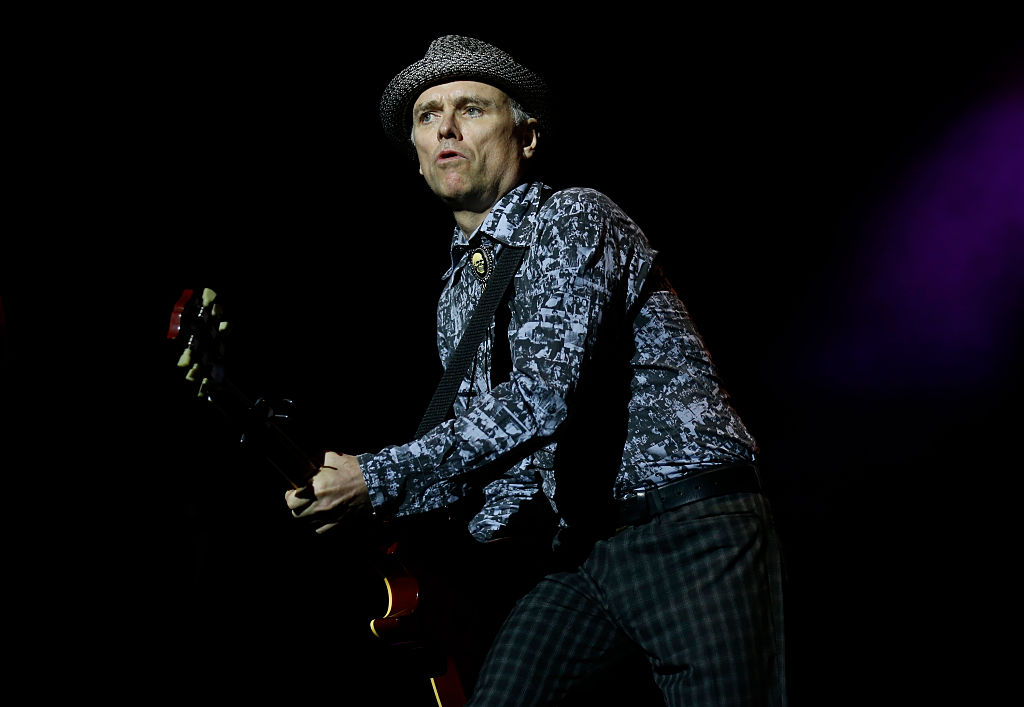
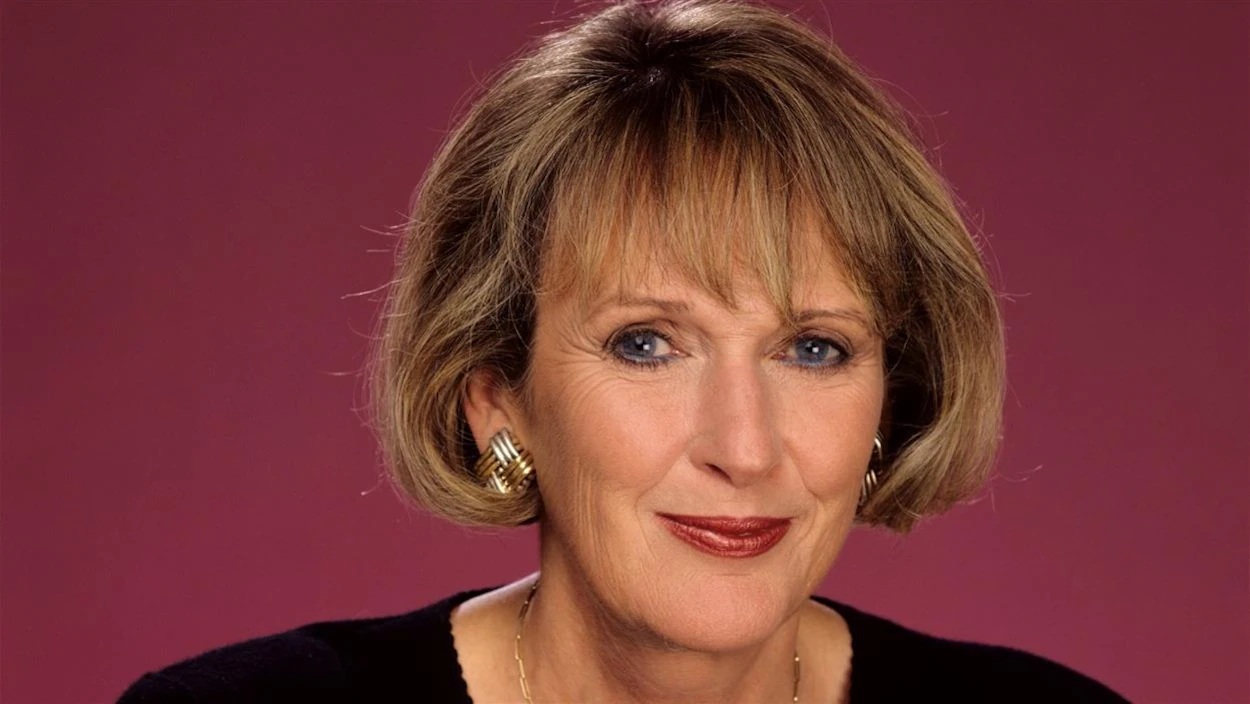
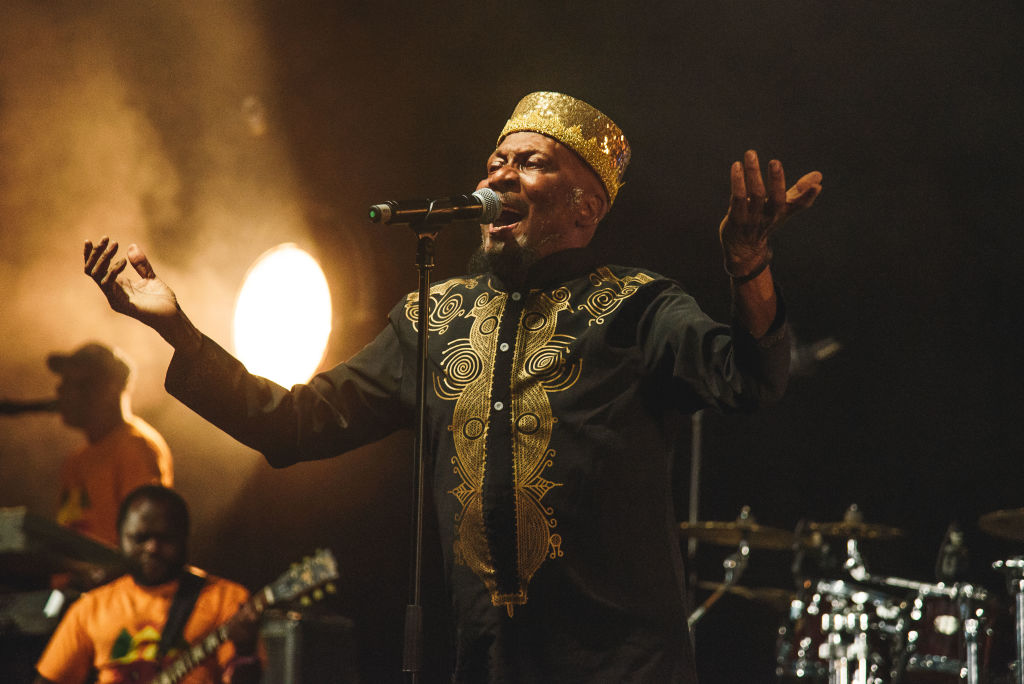
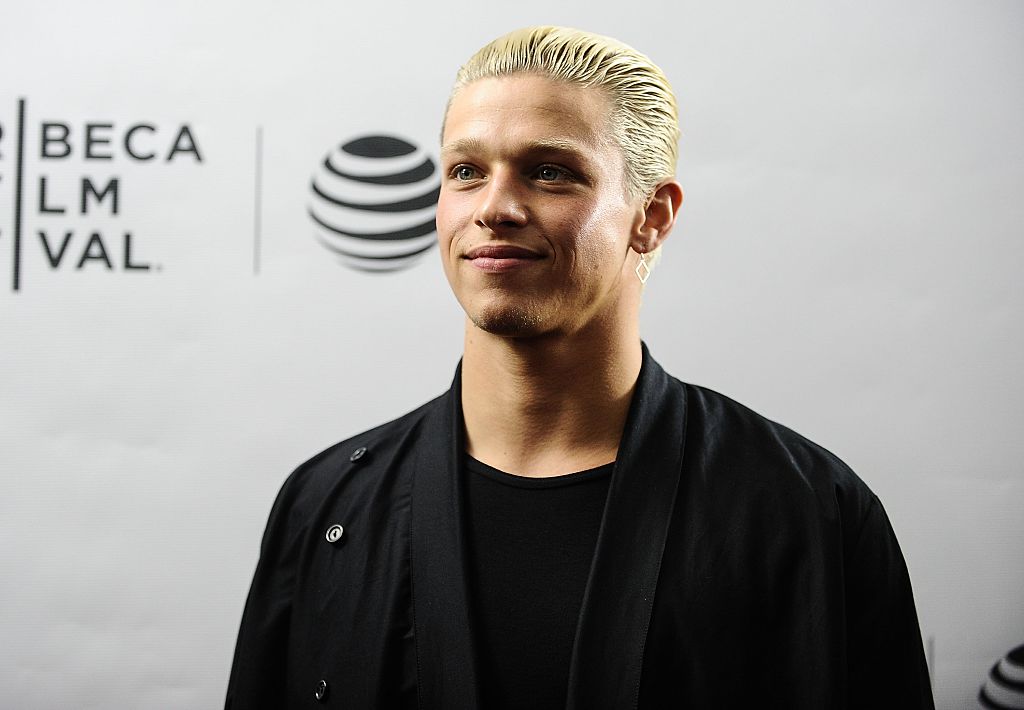
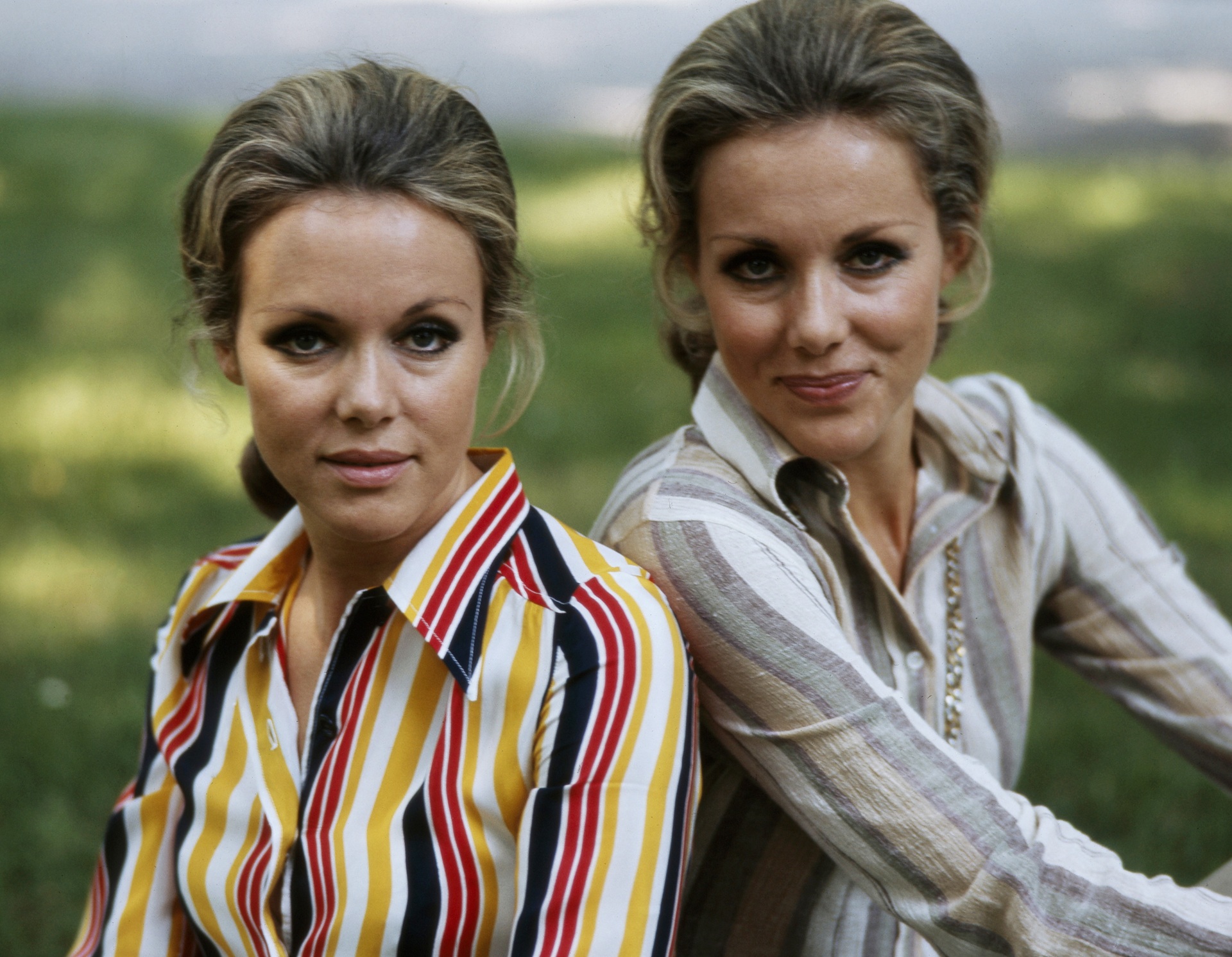
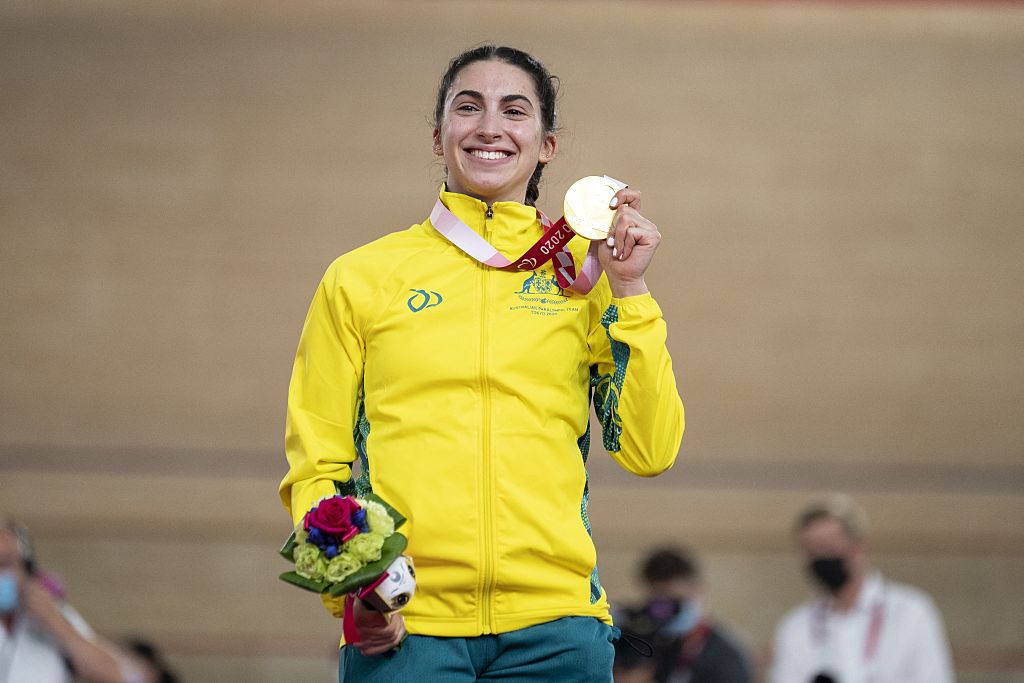
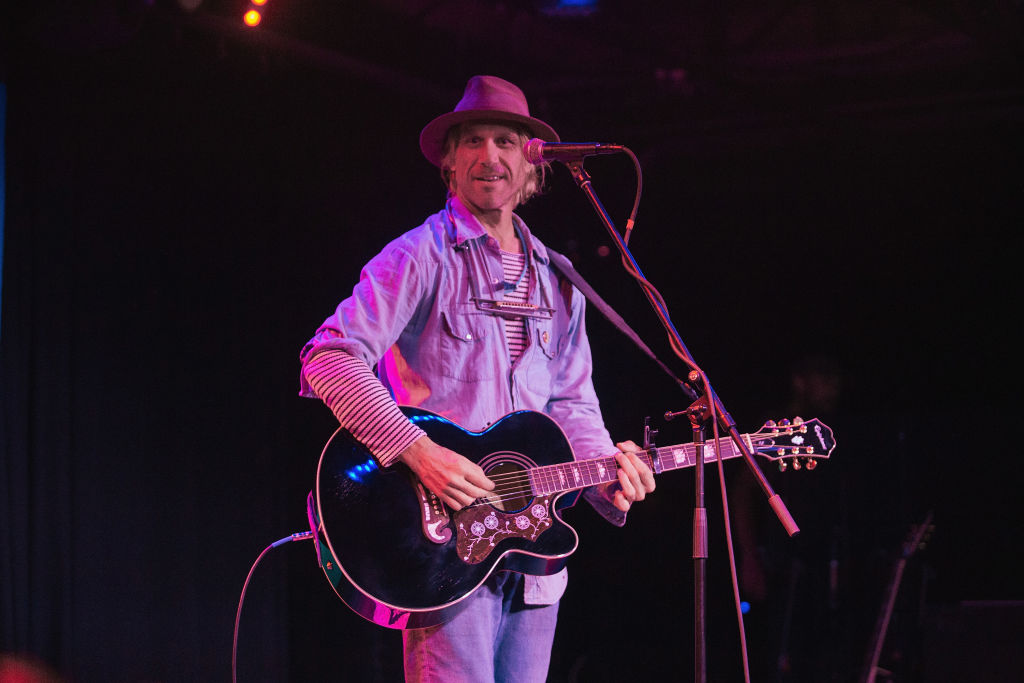
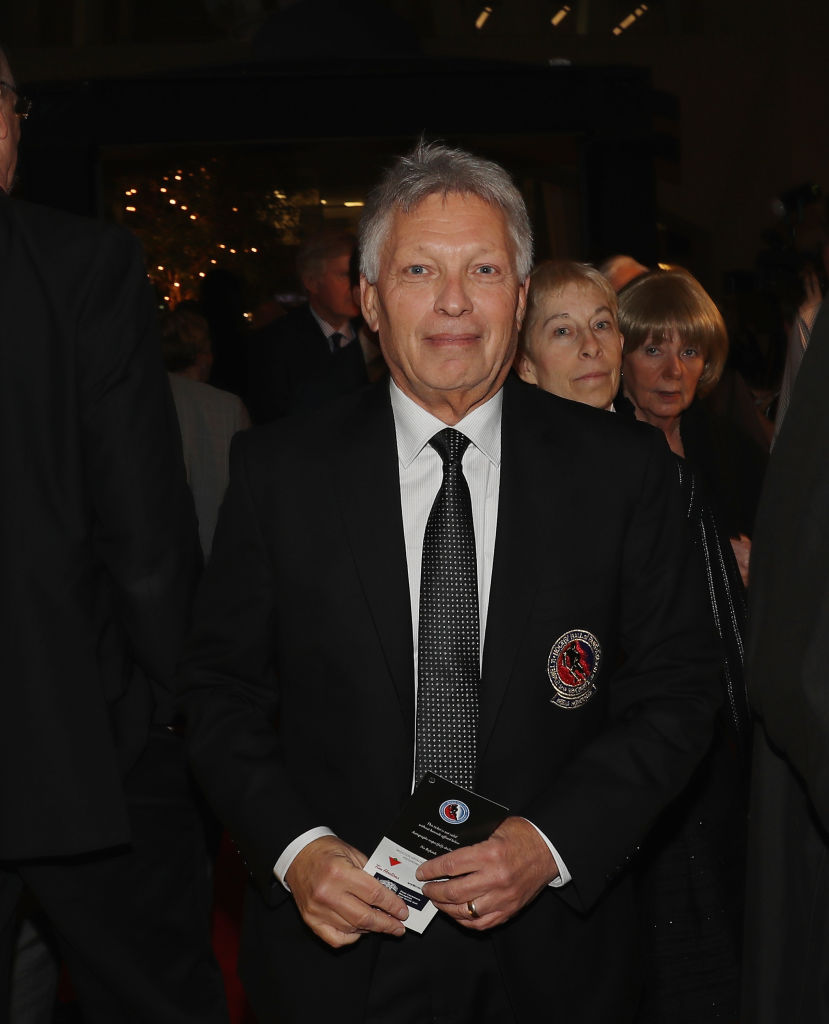
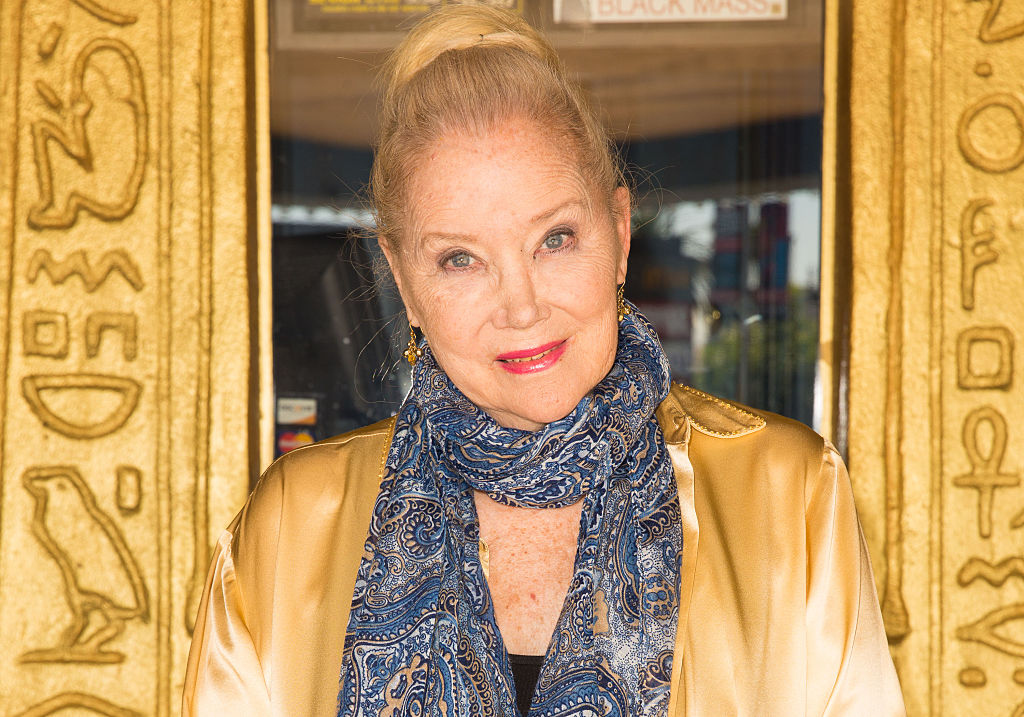
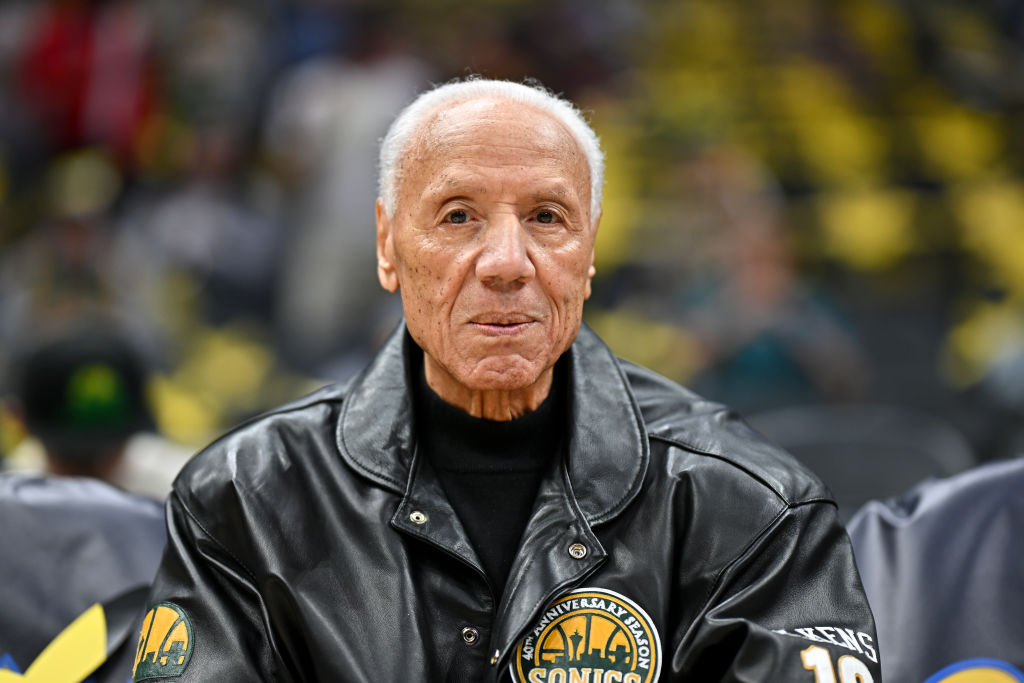
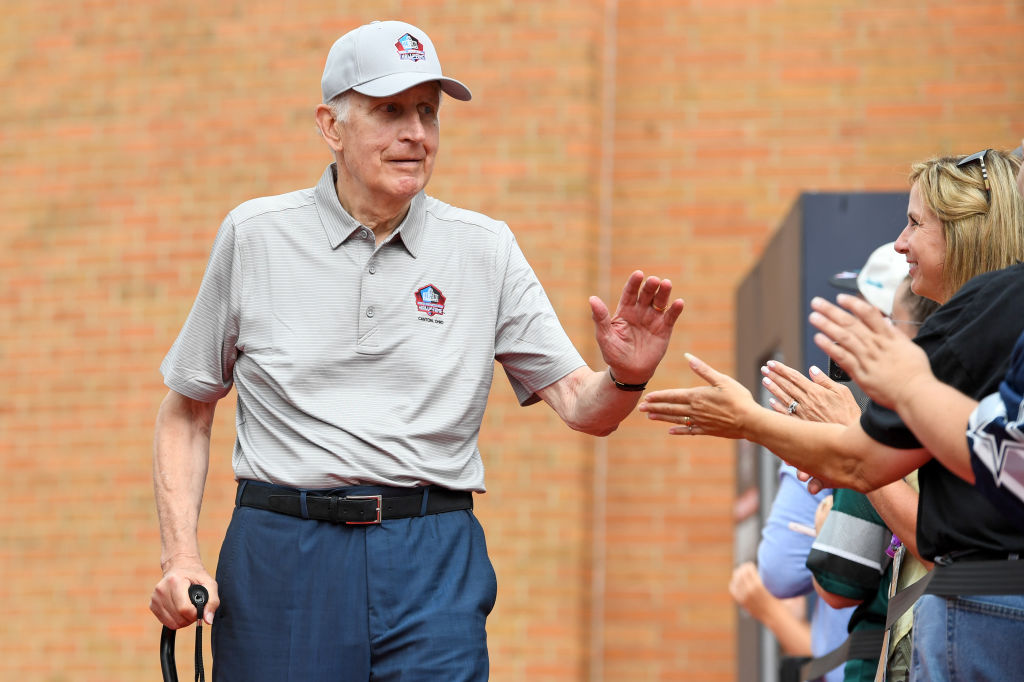
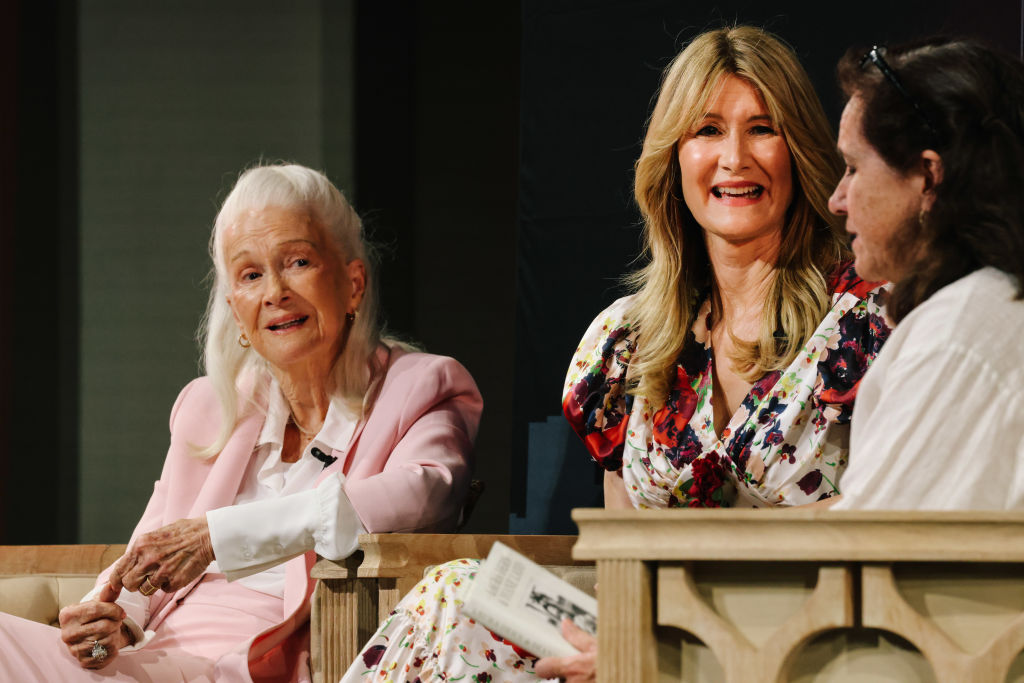
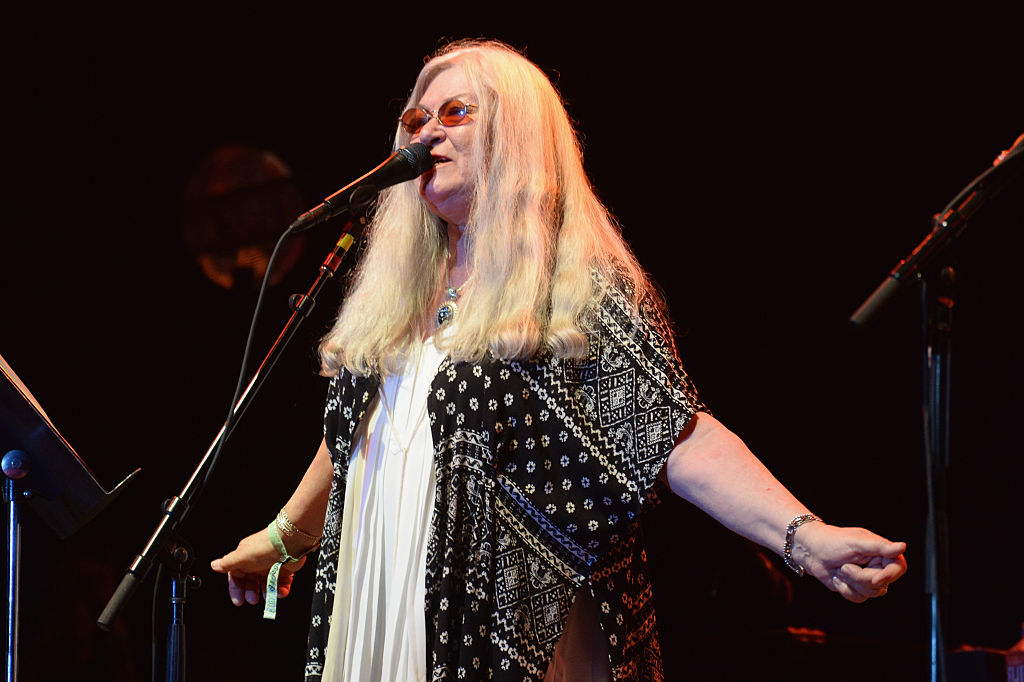
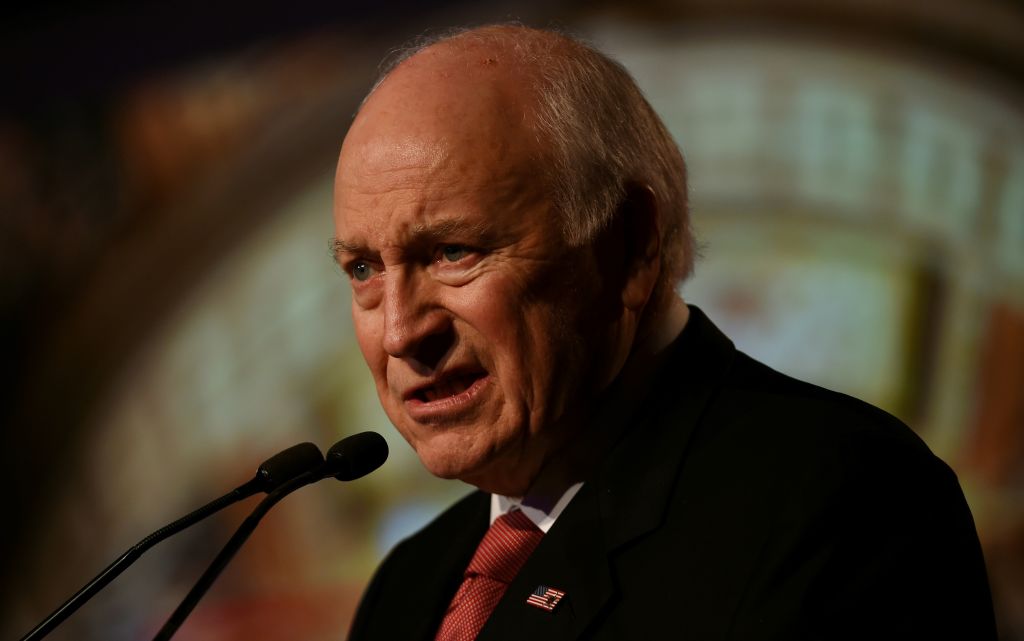
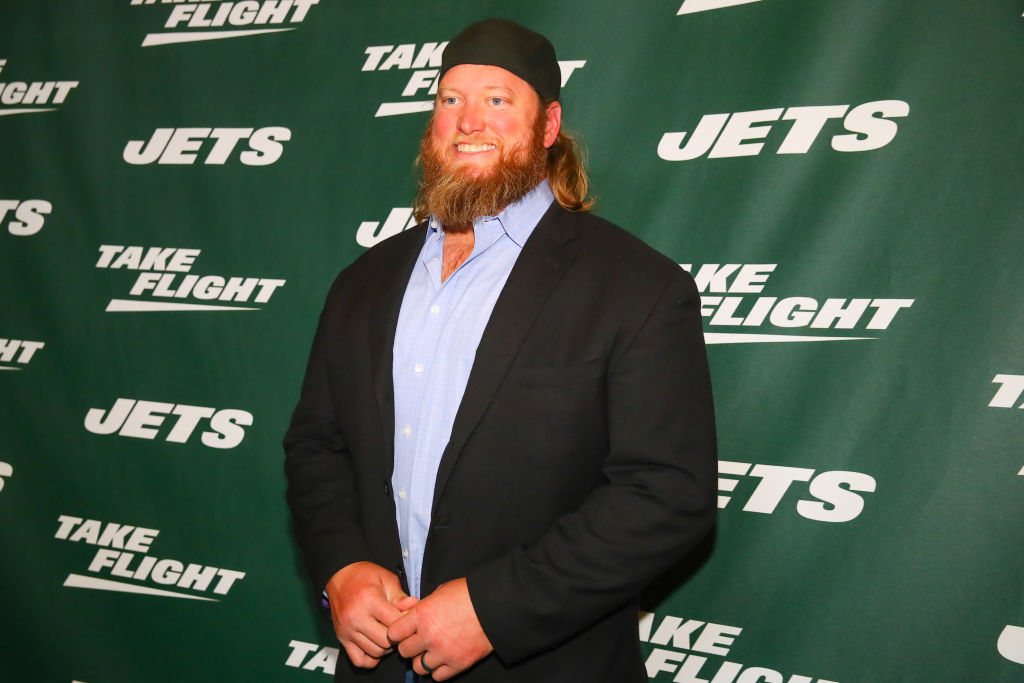
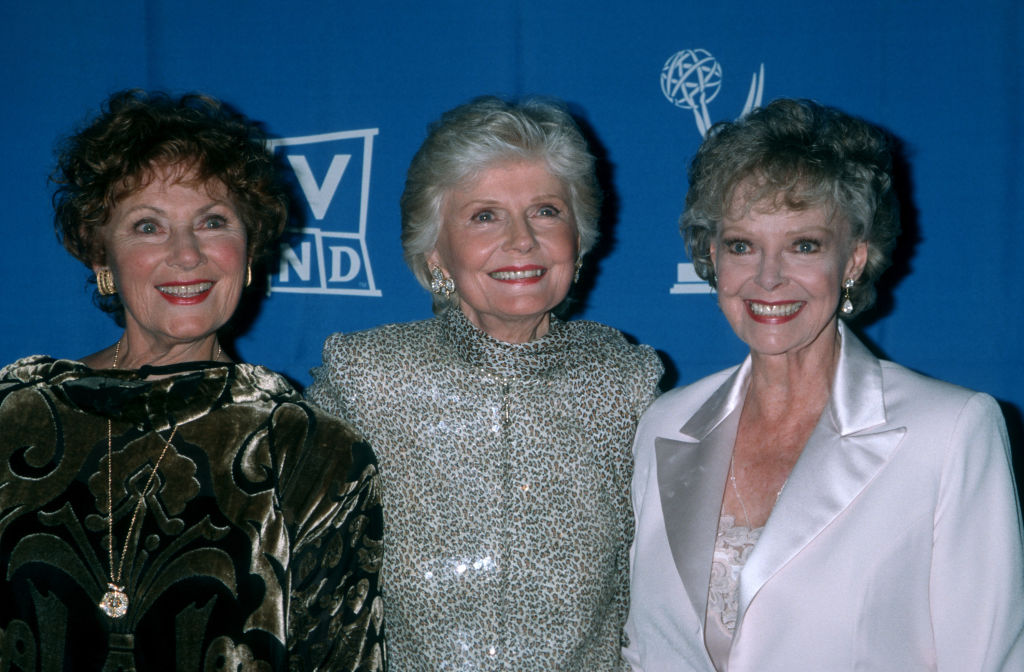
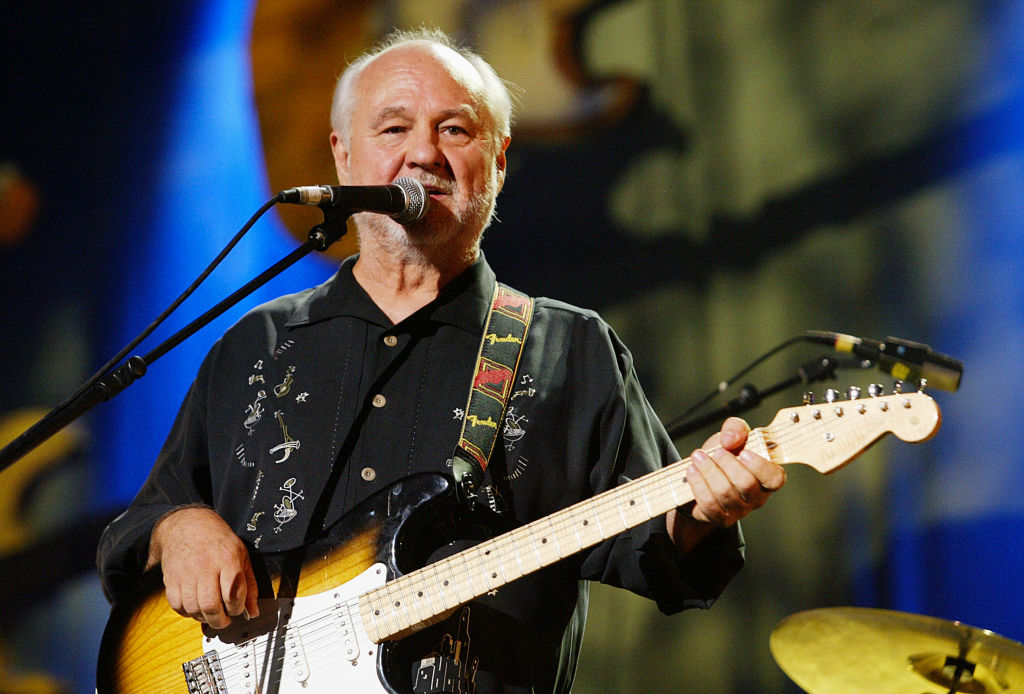
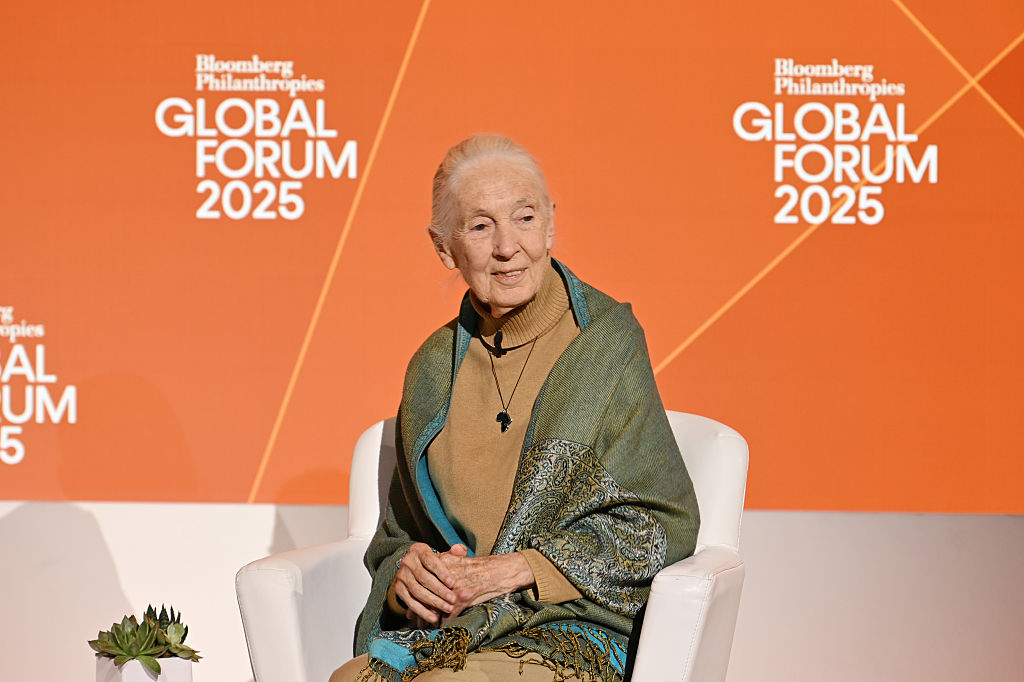
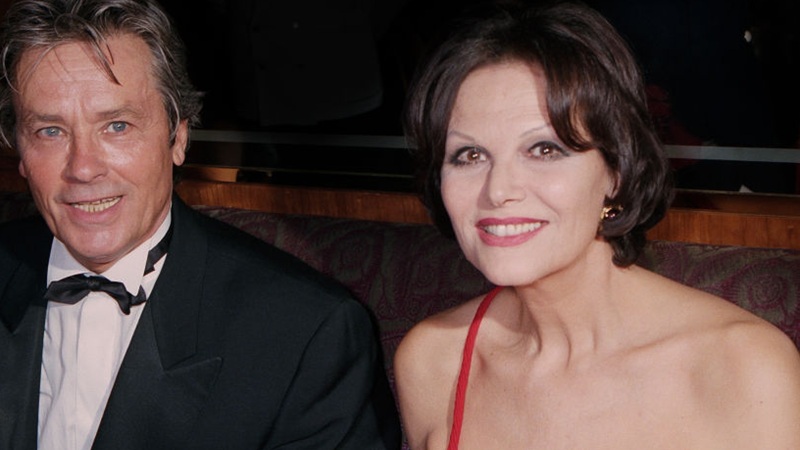
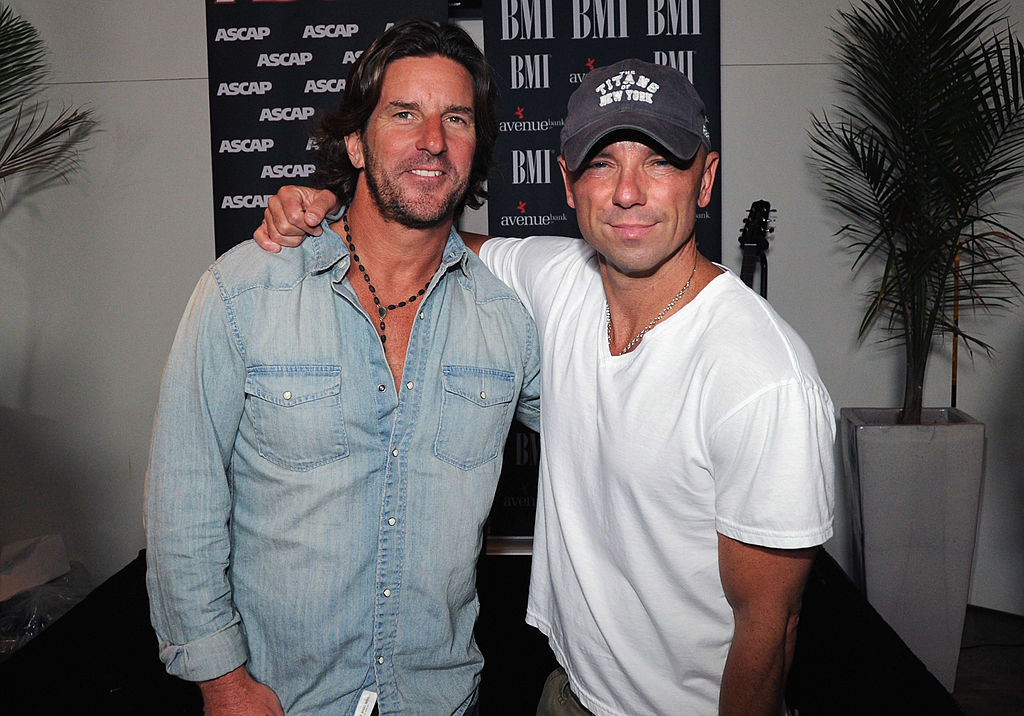
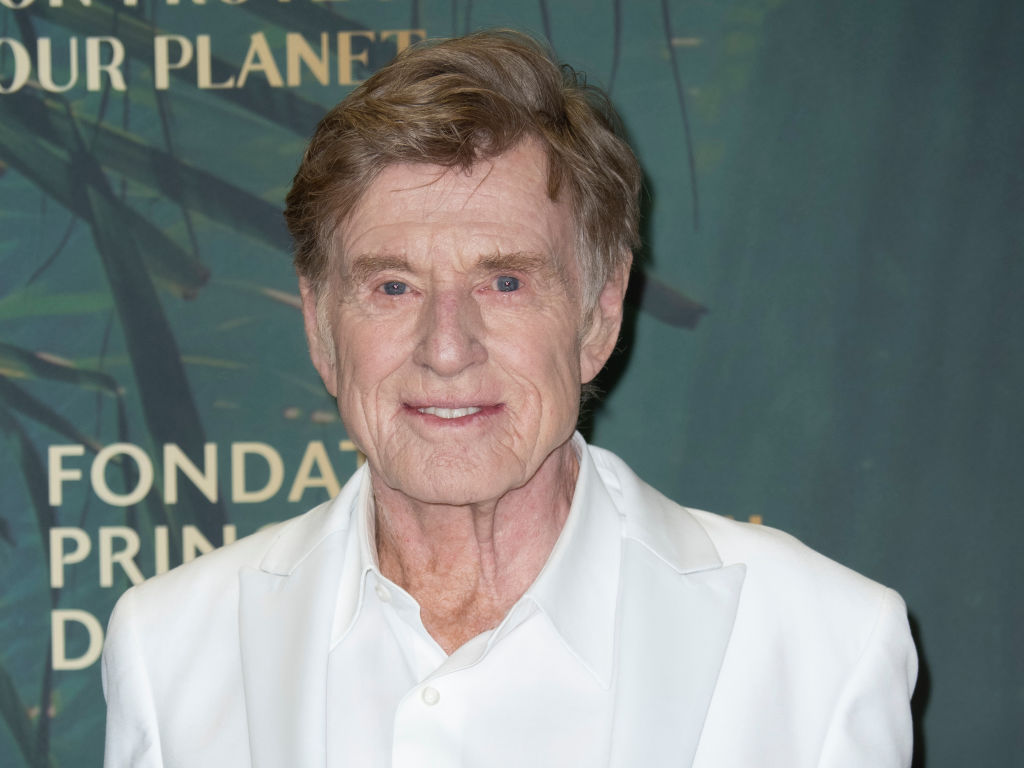
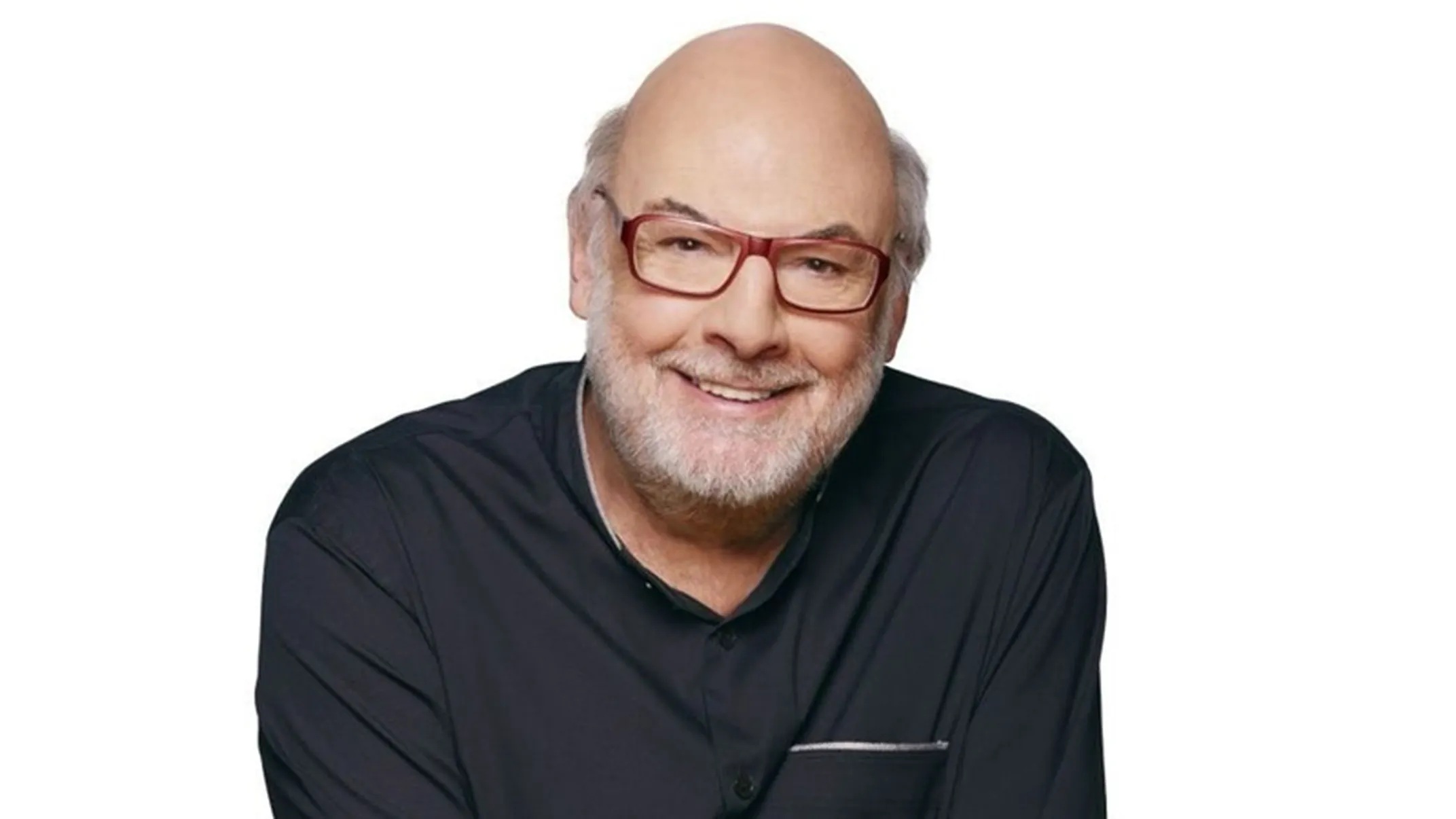
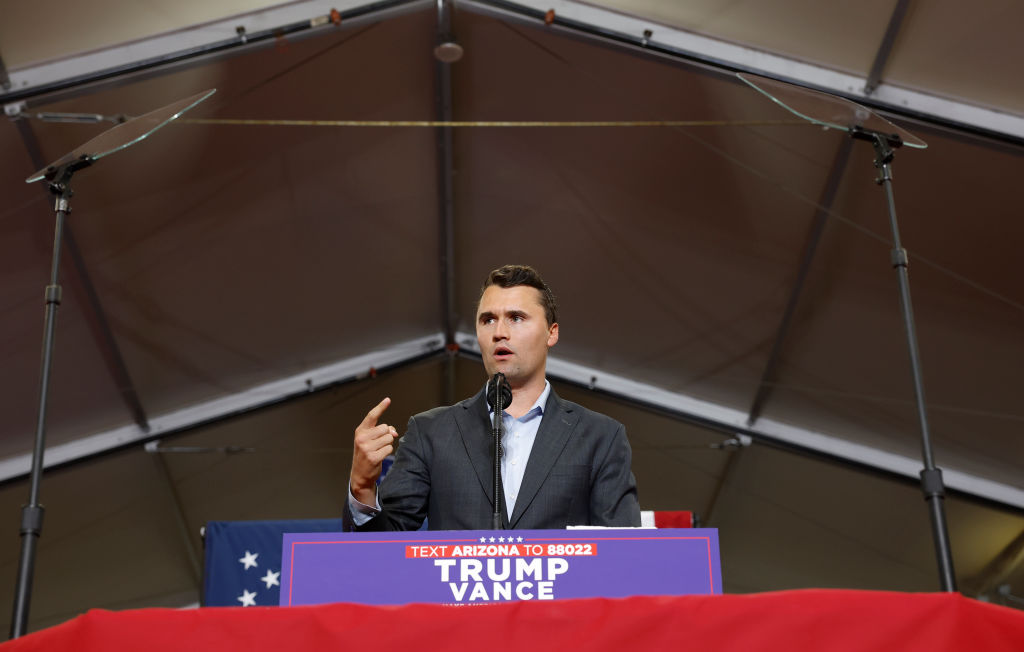
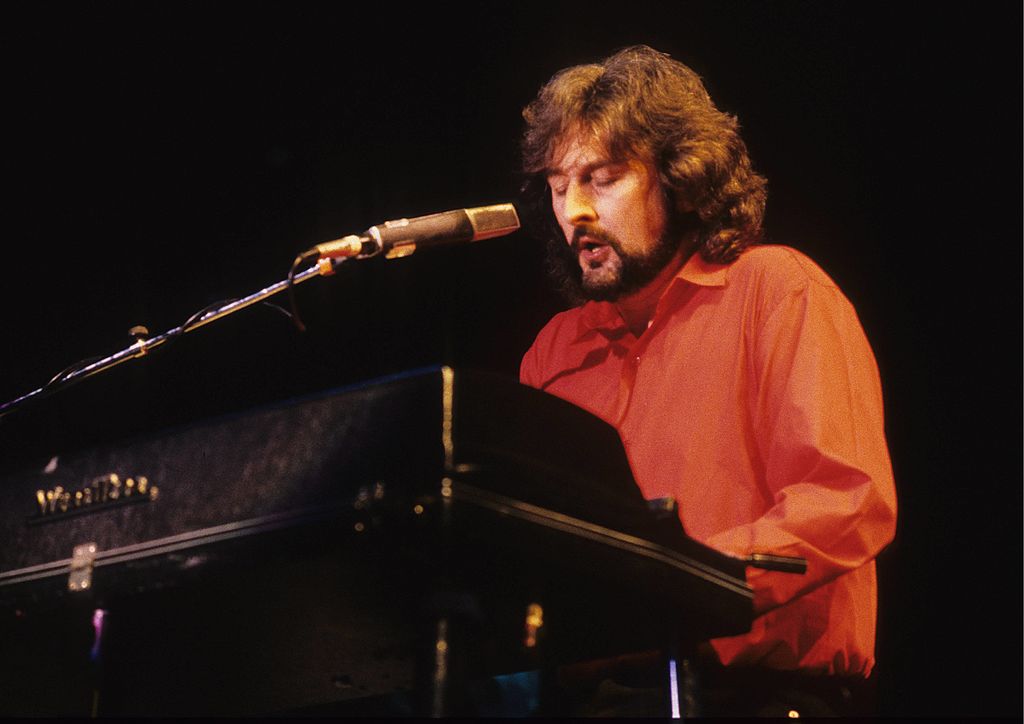
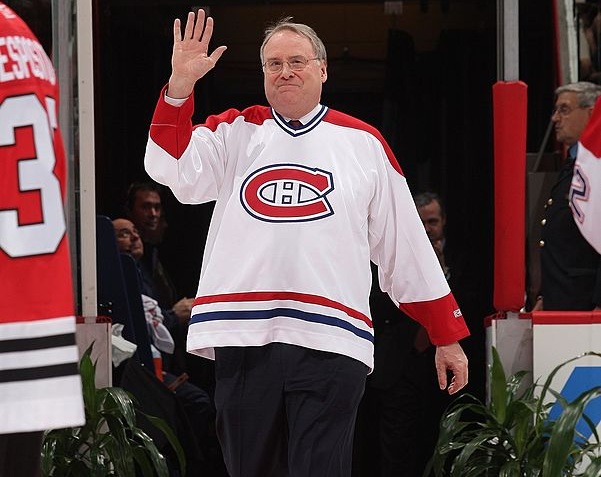
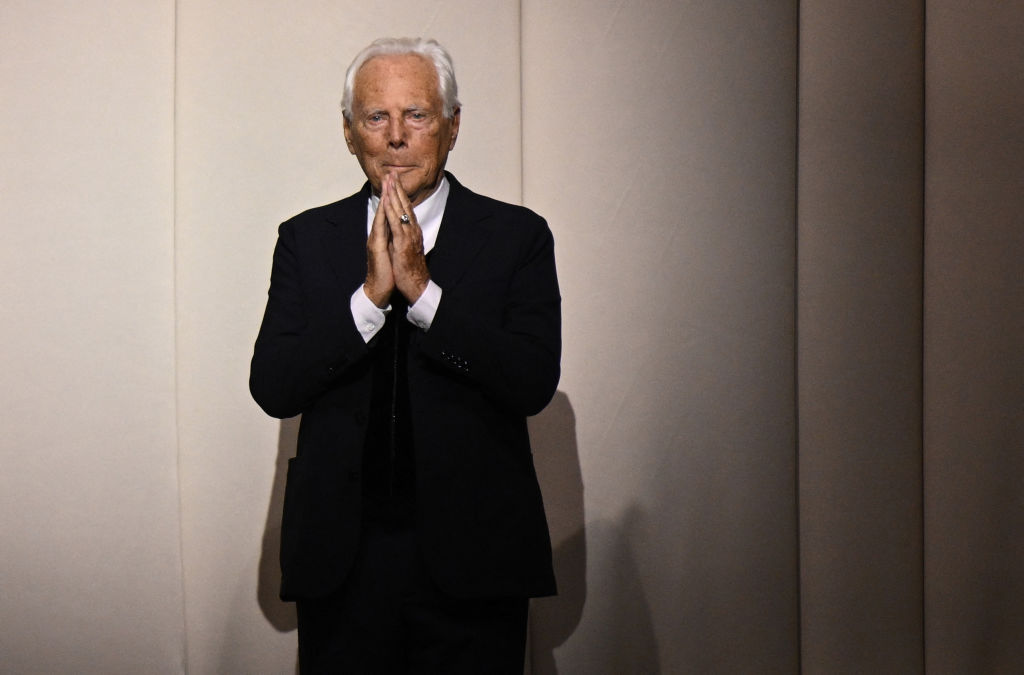
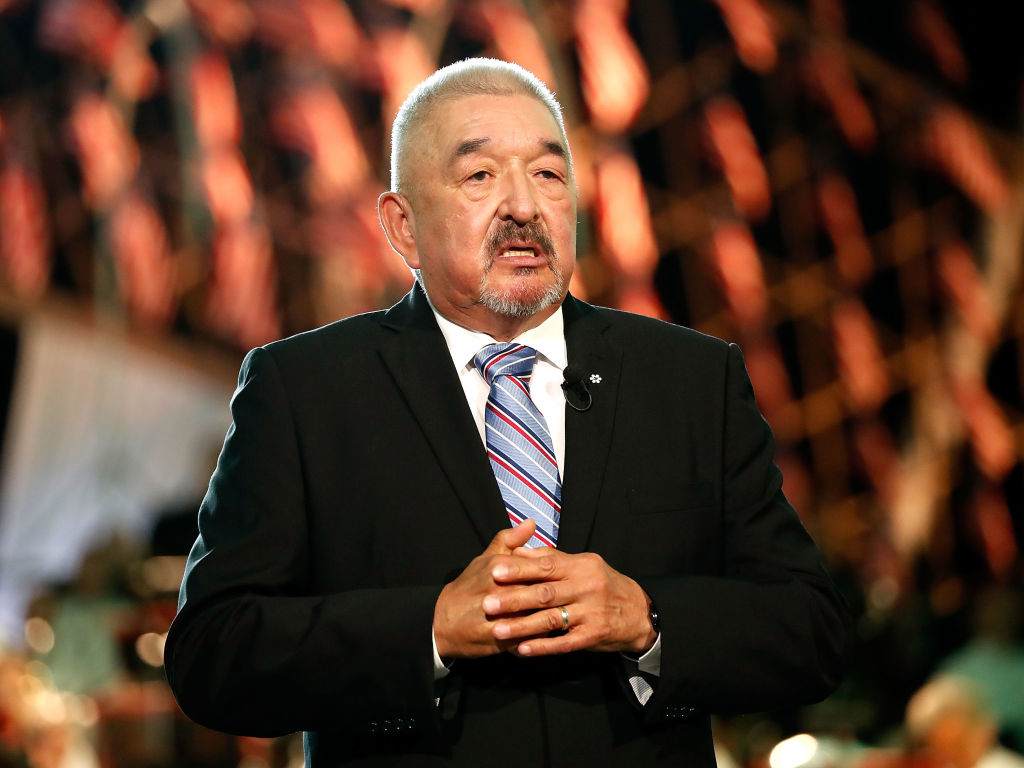
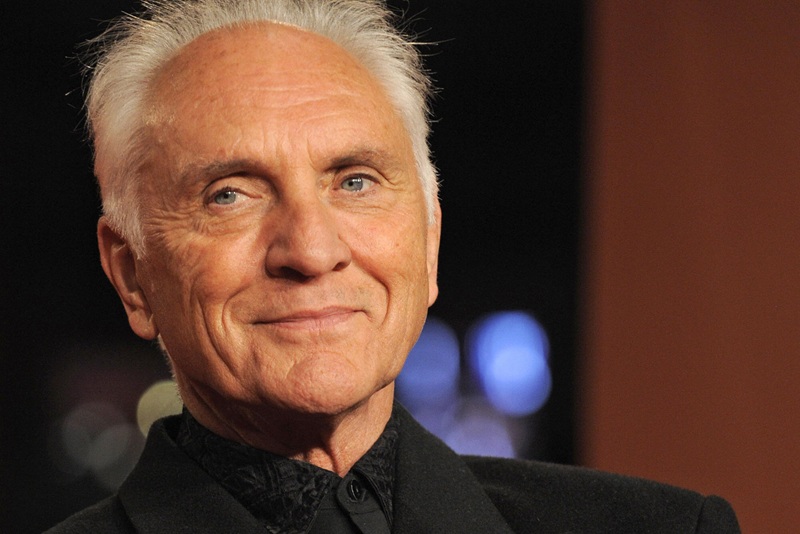
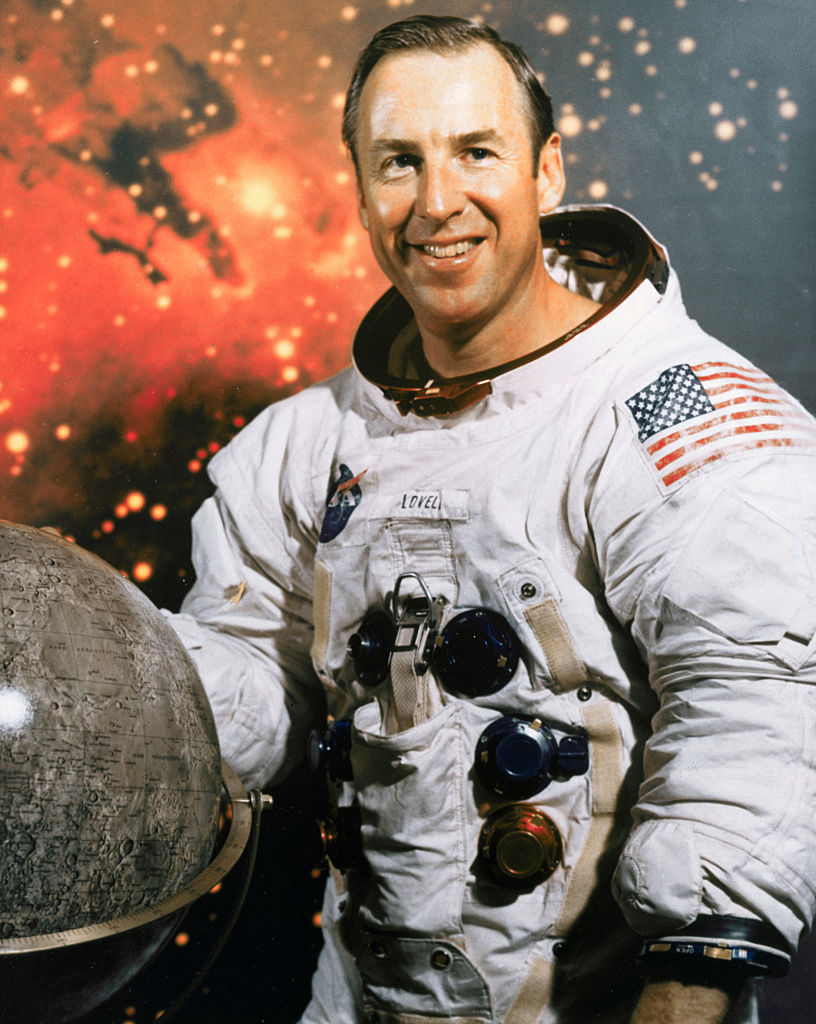
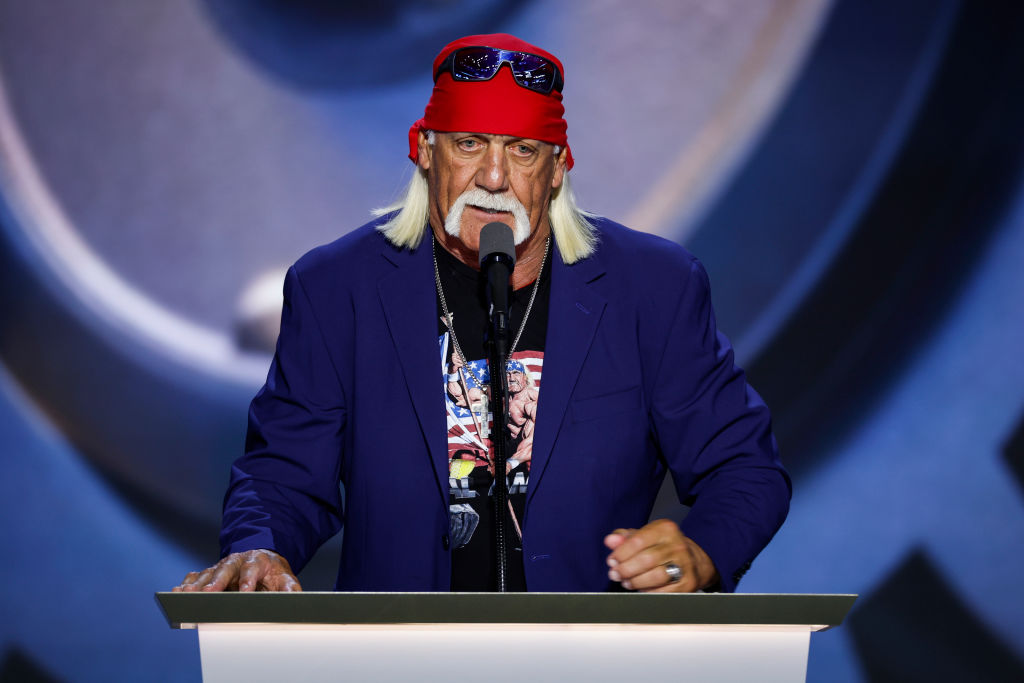
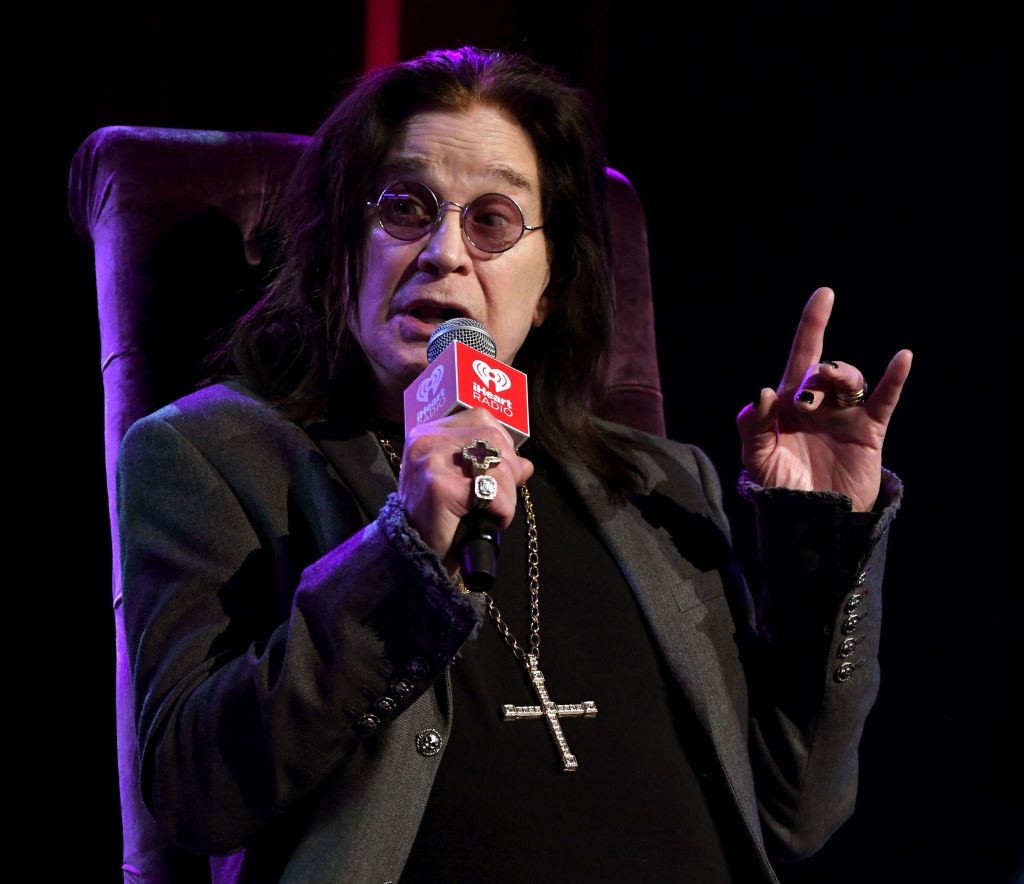
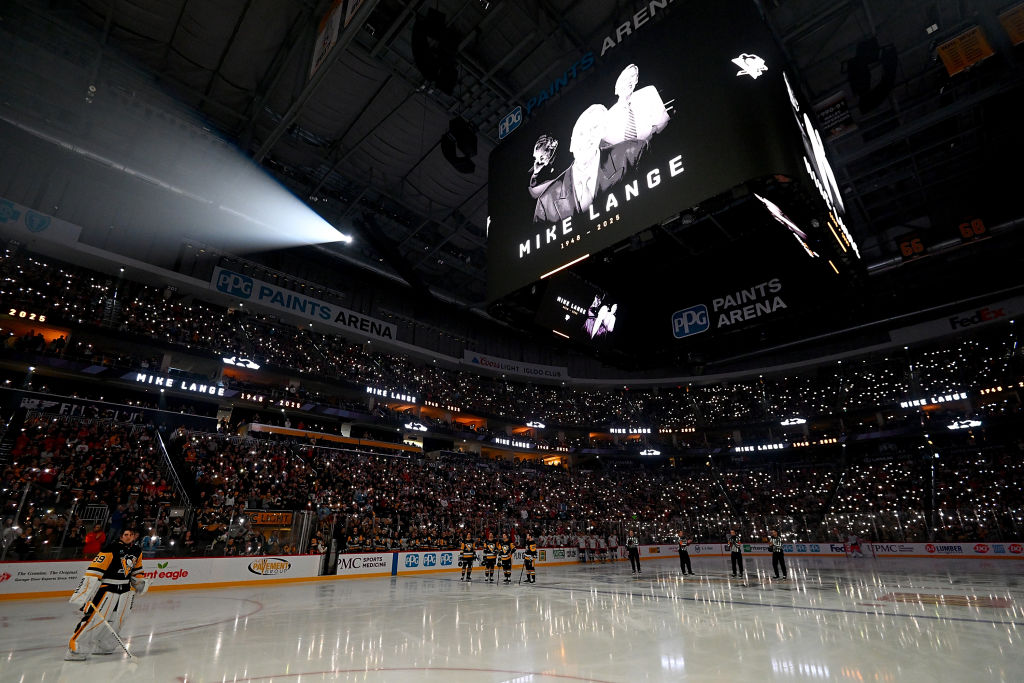
RICHMOND, CALIFORNIA – NOVEMBER 16: Tatiana Schlossberg attends her book signing at the In goop Health Summit San Francisco 2019 at Craneway Pavilion on November 16, 2019 in Richmond, California. (Photo by Amber De Vos/Getty Images for goop)Brigitte Bardot (Photo by Christian Alminana/FilmMagic)CHULA VISTA, CALIFORNIA – MAY 20: Perry Bamonte of The Cure performs at North Island Credit Union Amphitheatre on May 20, 2023 in Chula Vista, California. (Photo by Harmony Gerber/Getty Images)WESTWOOD, CALIFORNIA – AUGUST 26: James Ransone attends the premiere of Warner Bros. Pictures « It Chapter Two » at Regency Village Theatre on August 26, 2019 in Westwood, California. (Photo by Emma McIntyre/FilmMagic)HOLTSVILLE, NEW YORK – APRIL 02: Actor Gil Gerard attends the 2016 Long Island Sci-Fi/Fantasy Convention at Ramada Plaza on April 2, 2016 in Holtsville, New York. (Photo by Mark Sagliocco/Getty Images)PENSACOLA, FLORIDA – JUNE 18: Greg Biffle looks on during the Camping World Superstar Racing Experience event at Five Flags Speedway on June 18, 2022 in Pensacola, Florida. (Photo by Jonathan Bachman/SRX/Getty Images)SYDNEY, AUSTRALIA – DECEMBER 06: Rachael Carpani attends the 7th AACTA Awards Presented by Foxtel | Ceremony at The Star on December 6, 2017 in Sydney, Australia. (Photo by Lisa Maree Williams/Getty Images for AFI)BURBANK, CA – APRIL 26: Actor Anthony Geary accepts the Outstanding Lead Actor in a Drama Series award for « General Hospital » onstage during The 42nd Annual Daytime Emmy Awards at Warner Bros. Studios on April 26, 2015 in Burbank, California. (Photo by Jesse Grant/Getty Images for NATAS)LOS ANGELES, CALIFORNIA – SEPTEMBER 09: Rob Reiner and Michele Reiner arrive at the premiere of « Spinal Tap II: The End Continues » at The Egyptian Theatre Hollywood on September 09, 2025 in Los Angeles, California. (Photo by Kevin Winter/GA/The Hollywood Reporter via Getty Images)Actor Peter Greene attends the premiere of The Bounty Hunter at the Ziegfeld Theatre on March 16, 2010 in New York, New York City. (Photo by Jim Spellman/WireImage)LOS ANGELES, CA – JUNE 23: Musician Carlos Santana (L) and singer Jubilant Sykes (R) arrive at the 2006 Hollywood Bowl Hall of Fame Inductees Concert at the Hollywood Bowl on June 23, 2006 in Los Angeles, California. (Photo by Michael Buckner/Getty Images)LOS ANGELES, CA – JANUARY 30: Actor Jeffrey Garcia attends the 2009 Pollstar Awards at the Nokia Theatre on January 30, 2009 in Los Angeles, California. (Photo by David Livingston/Getty Images)ROME, ITALY – OCTOBER 19: Sophie Kinsella attends the photocall of the movie « Can You Keep A Secret? » during the Alice nella Città Festival on October 19, 2019 in Rome, Italy. (Photo by Stefania D’Alessandro/Getty Images)UNIVERSAL CITY, CA – OCTOBER 10: Criscilla Crossland Anderson attends Hallmark’s « Home & Family » at Universal Studios Hollywood on October 10, 2017 in Universal City, California. (Photo by David Livingston/Getty Images)FONTANA, CALIFORNIA – FEBRUARY 28: Michael Annett, driver of the #1 AHA/Pilot Flying J Chevrolet, walks through the garage area during practice for the NASCAR Xfinity Series Production Alliance Group 300 at Auto Club Speedway on February 28, 2020 in Fontana, California. (Photo by Stacy Revere/Getty Images)Cary-Hiroyuki Tagawa and Christopher Lambert during « Mortal Kombat » Los Angeles Premiere at Mann’s Chinese Theatre in Hollywood, California, United States. (Photo by Jim Smeal/Ron Galella Collection via Getty Images)LYON, FRANCE – MARCH 31: American writer Daniel Woodrell poses during portrait session held on March 31, 2007 in Lyon, France. (Photo by Ulf Andersen/Getty Images)CHICAGO, ILLINOIS – SEPTEMBER 17: Poorstacy performs during Riot Fest 2022 at Douglass Park on September 17, 2022 in Chicago, Illinois. (Photo by Daniel Boczarski/Getty Images)NEW YORK, NEW YORK – JUNE 11: Tom Stoppard, winner of the award for Best Play for « Leopoldstadt » speaks in the press room during The 76th Annual Tony Awards at Radio Hotel on June 11, 2023 in New York City. (Photo by Cindy Ord/Getty Images for Tony Awards Productions)LOS ANGELES, CA – FEBRUARY 11: Musician Jellybean Johnson of The Time attends GRAMMY Gift Lounge during the 59th GRAMMY Awards at STAPLES Center on February 11, 2017 in Los Angeles, California. (Photo by Araya Diaz/WireImage)VILLA MARTELLI, ARGENTINA – NOVEMBER 13: Gary Mounfield of Primal Scream performs during a show as part of Music Wins Festival at Tecnopolis on November 13, 2016 in Villa Martelli, Argentina. (Photo by Gabriel Rossi/LatinContent via Getty Images)GAVLE, SWEDEN: The Canadian womens curling team skipper Colleen Jones keeps her focus on the stone during the final against Norway at The World Curling Championships in Gavle, 24 April 2004. Canada won the gold by defeating Norway 8-4. AFP PHOTO / PRESSENS BILD / JACK MIKRUT (Photo credit should read JACK MIKRUT/AFP via Getty Images)LULWORTH CAMP, ENGLAND – AUGUST 04: Jimmy Cliff performs on stage at Bestival 2018 at Lulworth Estate on August 4, 2018 in Lulworth Castle, England. (Photo by Joseph Okpako/WireImage)NEW YORK, NY – APRIL 16: Spencer Lofranco attends the ‘King Cobra’ Premiere – 2016 Tribeca Film Festival at Regal Battery Park 11 on April 16, 2016 in New York City. (Photo by Daniel Zuchnik/Getty Images)The Kessler twins, the famous twins of the German show business, who were active as singers, dancers, actresses and entertainers, posing together for a photo with a lion cub, circa 1970s. (Photo by Helmut Reiss/United Archives via Getty Images)Gold medallist Australia’s Paige Greco poses with her medal on the podium after the women’s C1 3000m individual pursuit event during the Tokyo 2020 Paralympic Games at Izu Velodrome in Izu on August 25, 2021. (Photo by Charly TRIBALLEAU / AFP) (Photo by CHARLY TRIBALLEAU/AFP via Getty Images)BIRMINGHAM, AL – AUGUST 05: Todd Snider performs at Saturn Birmingham on August 5, 2018 in Birmingham, Alabama. (Photo by David A. Smith/Getty Images)NEW YORK – MARCH 03: Elizabeth Franz and Abigail Breslin pose at the after party for the Broadway opening of « The Miracle Worker » at Crimson on March 3, 2010 in New York City. (Photo by Bruce Glikas/FilmMagic)TORONTO, ONTARIO – NOVEMBER 12: New York Post writer Larry Brooks walks the red carpet after receiving the Elmer Ferguson Award prior to the 2018 induction ceremony at the Hockey Hall Of Fame on November 12, 2018 in Toronto, Ontario, Canada. (Photo by Bruce Bennett/Getty Images)LOS ANGELES, CA – SEPTEMBER 25: (EXCLUSIVE COVERAGE) Actress and Executive Producer Sally Kirkland poses at « Arctic Plunge » Pre-Screening Event at The Vista Theatre on September 25, 2015 in Los Angeles, California. (Photo by Brian To/WireImage)SEATTLE, WASHINGTON – OCTOBER 11: NBA legend Lenny Wilkens attends the Rain City Showcase game between the Portland Trail Blazers and the LA Clippers at Climate Pledge Arena on October 11, 2024 in Seattle, Washington. The LA Clippers won 101-99. NOTE TO USER: User expressly acknowledges and agrees that, by downloading and or using this photograph, User is consenting to the terms and conditions of the Getty Images License Agreement. (Photo by Alika Jenner/Getty Images)CANTON, OH – AUGUST 06: Hall of Fame commissioner Paul Tagliabue celebrates with fans as he is introduced prior to the Pro Football Hall of Fame Enshrinement on August 06, 2022 in Canton, Ohio. (Photo by Nick Cammett/Diamond Images via Getty Images)ARLINGTON, TX – DECEMBER 22: Marshawn Kneeland #94 of the Dallas Cowboys looks on from the sideline during the national anthem prior to an NFL football game against the Tampa Bay Buccaneers at AT&T Stadium on December 22, 2024 in Arlington, Texas. (Photo by Cooper Neill/Getty Images)Los Angeles, CA – April 22: Diane Ladd, left, and Laura Dern, center, speak with Mary McNamara, right, about their book during the 28th Annual Los Angeles Times Festival of Books at the University of Southern California on Saturday, April 22, 2023 in Los Angeles, CA. (Dania Maxwell / Los Angeles Times via Getty Images).MANCHESTER, TN – JUNE 12: Recording artist Donna Jean Godchaux performs onstage with Dead & Co at What Stage during Day 4 of the 2016 Bonnaroo Arts And Music Festival on June 9, 2016 in Manchester, Tennessee. (Photo by Jeff Kravitz/FilmMagic for Bonnaroo Arts and Music Festival)Former vice president of the United States Dick Cheney speaks at the Global Business Summit in the Indian capital New Delhi on March 27, 2017. (Photo by MONEY SHARMA / AFP) (Photo by MONEY SHARMA/AFP via Getty Images)CANNES, FRANCE – OCTOBER 13: Tcheky Karyo arrives at the MIPCOM opening Party at Hotel Martinez on October 13, 2014 in Cannes, France. (Photo by Toni Anne Barson/FilmMagic)NEW YORK, NY – APRIL 04: Former New York Jet Nick Mangold poses for photos on the green carpet at the New York Jets New Uniform Unveiling on April 4, 2019 at Gotham Hall in New York, NY. (Photo by Rich Graessle/Icon Sportswire via Getty Images)Actresses Marion Ross, Barbara Billingsley and June Lockhart attending 50th Annual Creative Arts Emmy Awards on August 29, 1998 at the Pasadena Civic Auditorium in Pasadena, California. (Photo by Ron Galella, Ltd./Ron Galella Collection via Getty Images)LONDON, ENGLAND – SEPTEMBER 30: Dave Ball of Soft Cell performs during a one-off and final show ‘Say Hello, Wave Goodbye’ to celebrate their 40th anniversary, at The O2 Arena on September 30, 2018 in London, England. (Photo by Jim Dyson/Getty Images)Fred Durst (left) and Sam Rivers of Limp Bizkit performing on stage at Pukkelpop Festival, Hasselt, Belgium, 20th August 2010. (Photo by Gie Knaeps/Getty Images)MANCHESTER, TN – JUNE 09: Musician/vocalist Michael « D’Angelo » Archer performs during Day 3 of the 2012 Bonnaroo Music and Arts Festival on June 9, 2012 in Manchester, Tennessee. (Photo by Gary Miller/WireImage)LOS ANGELES, CA – AUGUST 20: Diane Keaton is seen on August 20, 2024 in Los Angeles, California. (Photo by Bellocqimages/Bauer-Griffin/GC Images)Dancer Joshua Allen attends the premiere of « High Strung » at The TCL Chinese Theatre on March 29, 2016 in Hollywood, California.MADRID, SPAIN – SEPTEMBER 12: Veronica Echegui attends to presentation of new season of RTVE at Plaza España on September 12, 2024 in Madrid, Spain. (Photo by Borja B. Hojas/Getty Images)NEW YORK, NY – FEBRUARY 08: Jerry Adler attends the « The Good Fight » World Premiere at Jazz at Lincoln Center on February 8, 2017 in New York City. (Photo by Roy Rochlin/Getty Images)LONDON – SEPTEMBER 24: Sonny Curtis of The Crickets performs on stage during rehearsal as part of « The Miller Strat Pack » concert, at Wembley Arena on September 24, 2004 in London. The event pays homage to the Fender Stratocaster, is in aid of Nordoff-Robbins Music Therapy, and celebrates 50 years of the iconic guitar. (Photo by Jo Hale/Getty Images)NEW YORK, NEW YORK – SEPTEMBER 24: Jane Goodall speaks onstage at the Bloomberg Philanthropies Global Forum 2025 at The Plaza Hotel on September 24, 2025 in New York City. (Photo by Bryan Bedder/Getty Images for Bloomberg Philanthropies)Alain Delon and Claudia Cardinale attend the 20th Cesar Awards after party at the Fouquet’s on February 25, 1995 in Paris, France.(Photo by Stephane Cardinale/Sygma via Getty Images)OCEAN CITY, NJ – OCTOBER 22: Bernie Parent and Gini, Grand Marshals, ride in the 400 dog Howl-O-Ween Parade at Ocean City, NJ Boardwalk on October 22, 2022 in Ocean City, New Jersey. (Photo by Donald Kravitz/Getty Images)NASHVILLE, TN – APRIL 05: Songwriter Brett James and Singer/Songwriter Kenny Chesney attend BMI & ASCAP’s # 1 party Honoring Kenny Chesney and Co-Writer Brett James for there #1 single « Reality » at Sambuca on April 5, 2012 in Nashville, Tennessee. (Photo by Rick Diamond/Getty Images for BMI)SHEFFIELD, ENGLAND – MARCH 17: Ricky Hatton sits ringside prior to the WBA Inter-Continental Welterweight Title Fight between Kell Brook and Matthew Hatton at the Sheffield Motorpoint Arena on March 17, 2012 in Sheffield, England. (Photo by Scott Heavey/Getty Images)MONACO, MONACO – OCTOBER 29: Robert Redford attends ‘ The Prince Albert II of Monaco Foundation’s 2021 award ceremony ‘ at Grimaldi Forum on October 29, 2021 in Monaco, Monaco. (Photo by Arnold Jerocki/Getty Images)GLENDALE, ARIZONA – JULY 31: Charlie Kirk, who founded Turning Point USA, speaks before Republican vice presidential nominee U.S. Sen. JD Vance (R-OH) gives remarks at a campaign rally at Arizona Christian University on July 31, 2024 in Glendale, Arizona. Vance has traveled to cities across the Southwest to attend rallies this week. (Photo by Anna Moneymaker/Getty Images)NETHERLANDS – MARCH 08: AHOY Photo of Rick DAVIES and SUPERTRAMP, Rick Davies performing live on stage (Photo by Rob Verhorst/Redferns)MONTREAL – JANUARY 8: Ken Dryden waves to the crowd as he is introduced during the Montreal Canadiens’ celebration of 82 years of rivalry with the Chicago Blackhawks prior to a game between the two teams at the Bell Centre on January 8, 2008 in Montreal, Quebec. (Photo by Andre Ringuette/NHLI via Getty Images)TOPSHOT – Italian fashion designer Giorgio Armani acknowledges the audience at the end of the Giorgio Armani Prive show as part of the Women’s Haute-Couture Fall/Winter 2023/2024 Fashion Week in Paris on July 4, 2023. (Photo by Bertrand GUAY / AFP) (Photo by BERTRAND GUAY/AFP via Getty Images)WASHINGTON, DC – MAY 26: Academy Award-nominated actor Graham Greene onstage during the 2018 National Memorial Day Concert – Rehearsals at U.S. Capitol, West Lawn on May 26, 2018 in Washington, DC. (Photo by Paul Morigi/Getty Images for Capital Concerts)British actor Terence Stamp poses on the red carpet as he arrives for the premiere of the film « Valkyrie » by director Bryan Singer on January 20, 2009 in Berlin. The story tells about Claus Schenk Graf von Stauffenberg, a German officer who was at the centre of an assassination attempt on Adolf Hitler on July 20, 1944. The film is to be released in Germany on January 22, 2009. AFP PHOTO DDP/AXEL SCHMIDT GERMANY OUT (Photo credit should read AXEL SCHMIDT/DDP/AFP via Getty Images)Jim Lovell commanded Apollo 13, the only Apollo mission scheduled to land on the Moon which did not. Lovell and his fellow astronauts, and the ground crew, overcame incredible odds in bringing the damaged spacecraft of Apollo 13 home to Earth.CHICAGO, ILLINOIS – OCTOBER 14: Actress Kelley Mack on the red carper for « Broadcast Signal Intrusion » during the 57th Chicago International Film Festival at the AMC River East Theater on October 14, 2021 in Chicago, Illinois. (Photo by Barry Brecheisen/Getty Images)BEVERLY HILLS, CALIFORNIA – NOVEMBER 28: Loni Anderson, attends Stars From « It’s A Wonderful Lifetime » Honor Blue Star Families Military Spouses, Who Will Receive The Gift Of A Lifetime at The Maybourne Beverly Hills on November 28, 2023 in Beverly Hills, California. (Photo by Frazer Harrison/Getty Images)American pop singer Connie Francis, circa 1960. (Photo by Archive Photos/Getty Images)MILWAUKEE, WISCONSIN – JULY 18: Professional entertainer and wrestler Hulk Hogan speaks on stage on the fourth day of the Republican National Convention at the Fiserv Forum on July 18, 2024 in Milwaukee, Wisconsin. Delegates, politicians, and the Republican faithful are in Milwaukee for the annual convention, concluding with former President Donald Trump accepting his party’s presidential nomination. The RNC takes place from July 15-18. (Photo by Chip Somodevilla/Getty Images)BURBANK, CALIFORNIA – FEBRUARY 24: Ozzy Osbourne speaks onstage at iHeartRadio ICONS with Ozzy Osbourne: In Celebration of Ordinary Man at iHeartRadio Theater on February 24, 2020 in Burbank, California. (Photo by Kevin Winter/Getty Images for iHeartMedia )LOS ANGELES, CALIFORNIA – JUNE 07: Malcolm-Jamal Warner speaks onstage during Variety’s TV FYC Fest on June 07, 2023 in Los Angeles, California. (Photo by Randy Shropshire/Variety via Getty Images)PARIS, FRANCE – SEPTEMBER 25: TV presenter Thierry Ardisson attends the Medal Of « Chevalier des Arts Et des Lettres » Award Ceremony To Jean Pierre Marois on September 25, 2024 in Paris, France. (Photo by Foc Kan/WireImage)LOS ANGELES, CA – JANUARY 06: Actor Julian McMahon arrives at the 6th AACTA International Awards at Avalon Hollywood on January 6, 2017 in Los Angeles, California. (Photo by Gregg DeGuire/WireImage)Michael Madsen during 13th Annual Screen Actors Guild Awards – Arrivals at Shrine Auditorium in Los Angeles, California, United States. (Photo by Jeff Kravitz/FilmMagic)LIVERPOOL, ENGLAND – SEPTEMBER 25: (THE SUN OUT, THE SUN ON SUNDAY OUT) Diogo Jota of Liverpool celebrating after scoring the second goal during the Carabao Cup Third Round match between Liverpool and West Ham United at Anfield on September 25, 2024 in Liverpool, England. (Photo by Andrew Powell/Liverpool FC via Getty Images)LOS ANGELES – OCTOBER 19: Actor Rick Hurst, star in the CBS television movie « The Dukes of Hazzard: Hazzard in Hollywood, » is photographed on October 19, 1999, in Hollywood, California. (Photo by CBS via Getty Images)INGLEWOOD, CALIFORNIA – JUNE 09: Singer Brian Wilson founding member of the classic rock band The Beach Boys, perform onstage at The Forum on June 09, 2022 in Inglewood, California. (Photo by Scott Dudelson/Getty Images)CIRCA 1974: Musician Sly Stone of the psychedelic soul group « Sly Stone And The Family Stone » poses for a portrait holding an American Muic Award in circa 1974. (Photo by Michael Ochs Archives/Getty Images)AMMAN, JORDAN – JULY 1: Canadian Foreign Minister Marc Garneau and Jordanian Foreign Minister Ayman Safadi (not seen) hold a joint press conference at Foreign Ministry Building in Amman, Jordan on July 1, 2021. (Photo by Mohamad Salaheddin/Anadolu Agency via Getty Images)Nicole Croisille during FRANCE2 Television Show « Tenue de Soiree » Live from Cannes at Palm Beach in Cannes, France. (Photo by Toni Anne Barson/WireImage)SANTA MONICA, CALIFORNIA – MAY 02: Valerie Mahaffey arrives at Netflix’s « Dead To Me » Season 1 Premiere at The Broad Stage on May 02, 2019 in Santa Monica, California. (Photo by Amanda Edwards/WireImage)BEVERLY HILLS, CA – MARCH 28: Actress Loretta Swit arrives at the 23rd Genesis Awards at the International Ballroom at The Beverly Hilton Hotel on March 28, 2009 in Beverly Hills, California. (Photo by Mark Sullivan/WireImage)HOLLYWOOD, CA – MARCH 30: Actor Val Kilmer attends a signing at the opening night of his one man show « Citizen Twain » at Hollywood Forever on March 30, 2012 in Hollywood, California. (Photo by David Livingston/Getty Images)HOLLYWOOD, CALIFORNIA – OCTOBER 27: David Lynch arrives to the Academy of Motion Picture Arts and Sciences’ 11th Annual Governors Awards held at The Ray Dolby Ballroom at Hollywood & Highland Center on October 27, 2019 in Hollywood, California. (Photo by Michael Tran/FilmMagic)LOS ANGELES, CA – JANUARY 05: Michelle Trachtenberg attends Michael Muller’s HEAVEN, presented by The Art of Elysium, on January 5, 2019 in Los Angeles, California. (Photo by Randy Shropshire/Getty Images for The Art of Elysium)AUSTIN, TEXAS – JUNE 02: George Wendt attends the « Cheers Reunion » panel during the 12th Season of ATX TV Festival at ACL Live on June 02, 2023 in Austin, Texas. (Photo by Rick Kern/WireImage)PARIS, FRANCE – FEBRUARY 06: James Foley attends « Fifty Shades Freed – 50 Nuances Plus Claires » Premiere at Salle Pleyel on February 6, 2018 in Paris, France. (Photo by Pascal Le Segretain/Getty Images)ATLANTA, GA – DECEMBER 20: Young Scooter attends Gashouse Christmas Party at Lyfe Nightclub on December 20, 2020 in Atlanta, Georgia.(Photo by Prince Williams/Wireimage)Gene Hackman (Photo by Vera Anderson/WireImage)HOLLYWOOD, CA – APRIL 29: Director Robert Benton at the screening of ‘Places in the Heart’ during day 4 of the 2018 TCM Classic Film Festival on April 29, 2018 in Hollywood, California. 350569. (Photo by Charley Gallay/Getty Images for TCM)BEVERLY HILLS, CA – MARCH 3: Loretta Young and Richard Chamberlain attend Gala Benefiting The Children Leukemia Wing on March 3, 1984 at the Beverly Hilton Hotel in Beverly Hills, California. (Photo by Ron Galella, Ltd./Ron Galella Collection via Getty Images)LOS ANGELES, CALIFORNIA – APRIL 26: George Foreman attends the world premiere of Affirm Films’ « Big George Foreman » at Regal LA Live on April 26, 2023 in Los Angeles, California. (Photo by Paul Archuleta/Getty Images)Lake Bell & Nicky Katt during « Full Frontal » Premiere at Landmark Cecchi Gori Fine Arts Theatre in Beverly Hills, California, United States. (Photo by Gregg DeGuire/WireImage)LYON, FRANCE – OCTOBER 14: Ted Kotcheff and Thierry Fremaux attend the presentation of one of his movies « wake in terror » at the 6th Lyon Film Festival on October 14, 2014 in Lyon, France. (Photo by Bruno Vigneron/Getty Images)ANN ARBOR, MI – DECEMBER 30: Hockey analyst Greg Millen talks with panelists during NHL Live at the 2014 Bridgestone NHL Winter Classic on December 30, 2013 at Michigan Stadium in Ann Arbor, Michigan. (Photo by Noah Graham/NHLI via Getty Images)SARASOTA, FL – MARCH 18: Pitcher Scott Sauerbeck #47 of the Cincinnati Reds makes a pitch against the Pittsburgh Pirates during the Grapefruit League Spring Training game on March 18, 2008 at Ed Smith Stadium in Sarasota, Florida. (Photo by J. Meric/Getty Images)AIX EN PROVENCE, FRANCE – OCTOBER 10: Canadian writer Antonine Maillet poses during a portrait session held on October 10, 1996 in Aix en Provence, France. (Photo by Ulf Andersen/Getty Images)CULVER CITY, CA – APRIL 24: (L-R) Actresses Alice Hirson, Doris Roberts and Cloris Leachman attend the VDAY West LA 2006 cocktail reception at the Ivy Substation on April 24, 2006 in Culver City, California. (Photo by Michael Buckner/Getty Images)NEW YORK, NEW YORK – APRIL 03: Actor Tony Roberts attends the « Cagney » off-Broadway opening night at The Westside Theatre on April 3, 2016 in New York City. (Photo by J. Countess/Getty Images)LOS ANGELES – JULY 11: Actors Aya Sumika and Peter Navy Tuiasosopo of « Hawaii » speaks with the press during day two of the NBC Summer TCA Press Tour at the Century Plaza Hotel on June 11, 2004 in Los Angeles, California. (Photo by Frederick M. Brown/Getty Images)SEOUL, SOUTH KOREA – JUNE 12 : Kim Sae-Ron attends the « Love Playlist – Season 4 » Premiere on June 12, 2019 in Seoul, South Korea. (Photo by THE FACT/Imazins via Getty Images)Les écrivains canadiens Bruno Roy et Denise Boucher à Montréal en novembre 1998, Canada. (Photo by Louis MONIER/Gamma-Rapho via Getty Images)PITTSBURGH, PA – FEBRUARY 22: A general view from the ice during the ceremony honoring Mike Lange after his passing earlier this week before the game against the Washington Capitals at PPG PAINTS Arena on February 22, 2025 in Pittsburgh, Pennsylvania. (Photo by Joe Sargent/NHLI via Getty Images)EAST RUTHERFORD, NJ – OCTOBER 03: Garth Hudson performs on stage during « Love For Levon » Benefit To Save The Barn at Izod Center on October 3, 2012 in East Rutherford, New Jersey. (Photo by Kevin Mazur/WireImage)LONDON – MARCH 08: (EMBARGOED FOR PUBLICATION IN UK TABLOID NEWSPAPERS UNTIL 48 HOURS AFTER CREATE DATE AND TIME) Joan Plowright attends the cocktail reception ahead of The Laurence Olivier Awards, at The Grosvenor House Hotel on March 8, 2009 in London, England. (Photo by Dave M. Benett/Getty Images)CALGARY, ALBERTA – JANUARY 11: The Calgary Flames honour long-time Flames executive and former head coach Al MacNeil during the game against the Los Angeles Kings at the Scotiabank Saddledome on January 11, 2025 in Calgary, Alberta. (Photo by Gerry Thomas/NHLI via Getty Images)Anita Bryant (1940-), shown here on May 1977, was once a popular hit singer in the early 1960’s who is now best known as an outspoken opponent of gay rights.HOLLYWOOD, CALIFORNIA – DECEMBER 04: Linda Lavin attends the Premiere of Netflix’s « No Good Deed » at TUDUM Theater on December 04, 2024 in Hollywood, California. (Photo by Axelle/Bauer-Griffin/FilmMagic)US President Jimmy Carter speaks during a press conference in the East Room of the White House, on September 17, 1978 after the signing of the Camp David Accords. Egypt began peace initiatives with Israel in late 1977. A year later, with the help of Carter, terms of peace between Egypt and Israel were negotiated at Camp David. A formal treaty, signed 26 March 1979 in Washington, D.C., granted full recognition of Israel by Egypt, opened trade relations between the two counties, and limited Egyptian military buildup in the Sinai. Israel agreed to return to final portion of occupied Sinai to Egypt. (Photo by CONSOLIDATED NEWS / AFP) (Photo by -/CONSOLIDATED NEWS/AFP via Getty Images)READING, ENGLAND – JULY 25: Paul Danan attends The Flackstock Festival at Englefield House on July 25, 2022 in Reading, England. (Photo by Joseph Okpako/WireImage)CHICAGO, IL – JULY 31: Starting pitcher Brian Matusz #15 of the Chicago Cubs delivers the ball against the Seattle Mariners at Wrigley Field on July 31, 2016 in Chicago, Illinois. The Cubs defeated the Mariners 7-6 in 12 innings. (Photo by Jonathan Daniel/Getty Images)NEW YORK, NY – JUNE 29: (L-R) Director Jeff Baena and actress Aubrey Plaza discuss « The Little Hours » at Build Studio on June 29, 2017 in New York City. (Photo by Astrid Stawiarz/Getty Images)French Front National far-right party’s President Jean-Marie Le Pen (L) and his daughter Marine Le Pen, FN’s vice-President, (R) pose at the president’s home in Saint-Cloud, west of Paris, on November 22, 2010. Marine Le Pen and second vice-President Bruno Gollnisch are both candidates for the succession of Jean-Marie Le Pen at a party congress, on January 15 and 16, 2011 in Tours. AFP PHOTO MIGUEL MEDINA (Photo credit should read MIGUEL MEDINA/AFP via Getty Images)