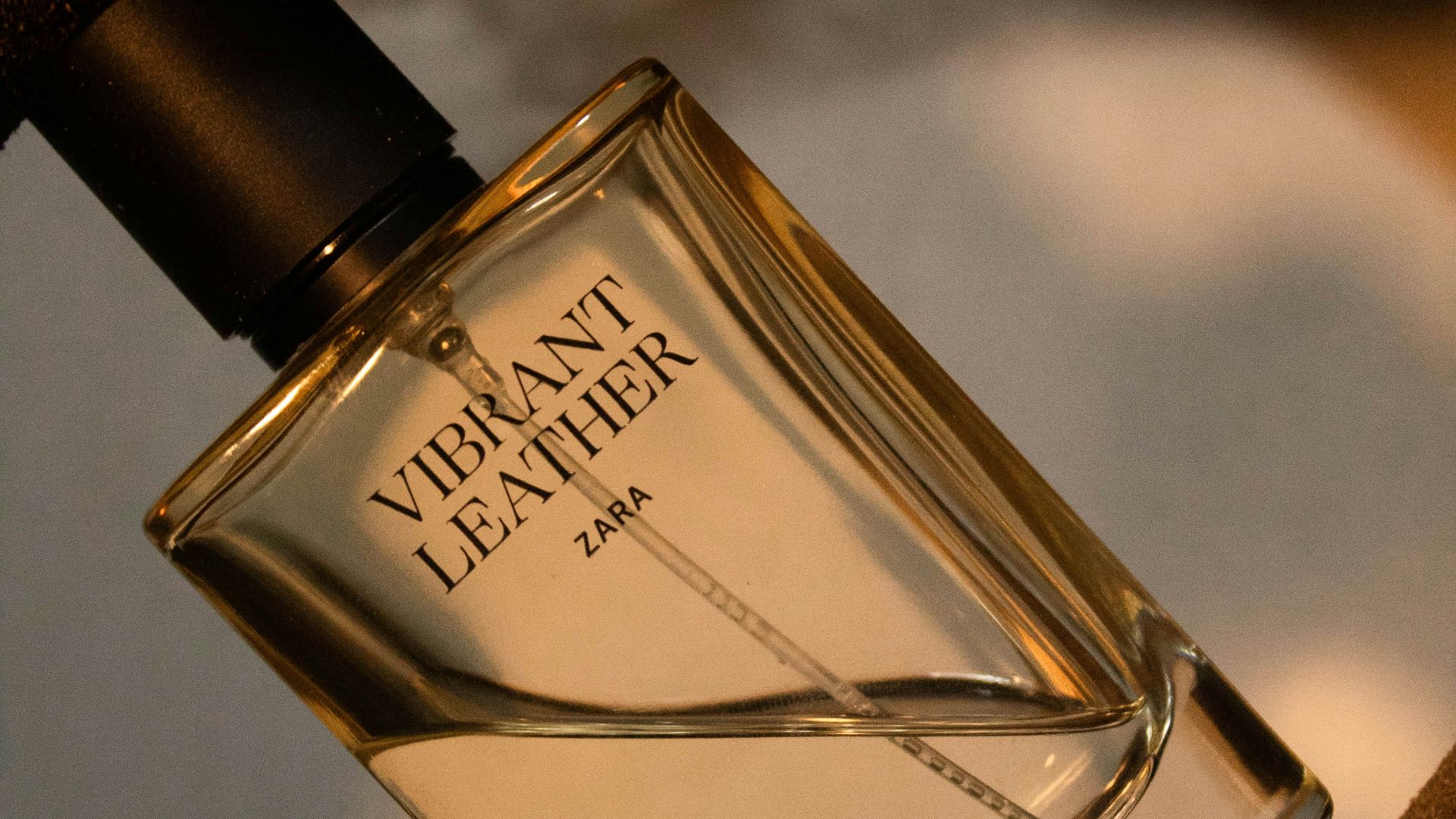
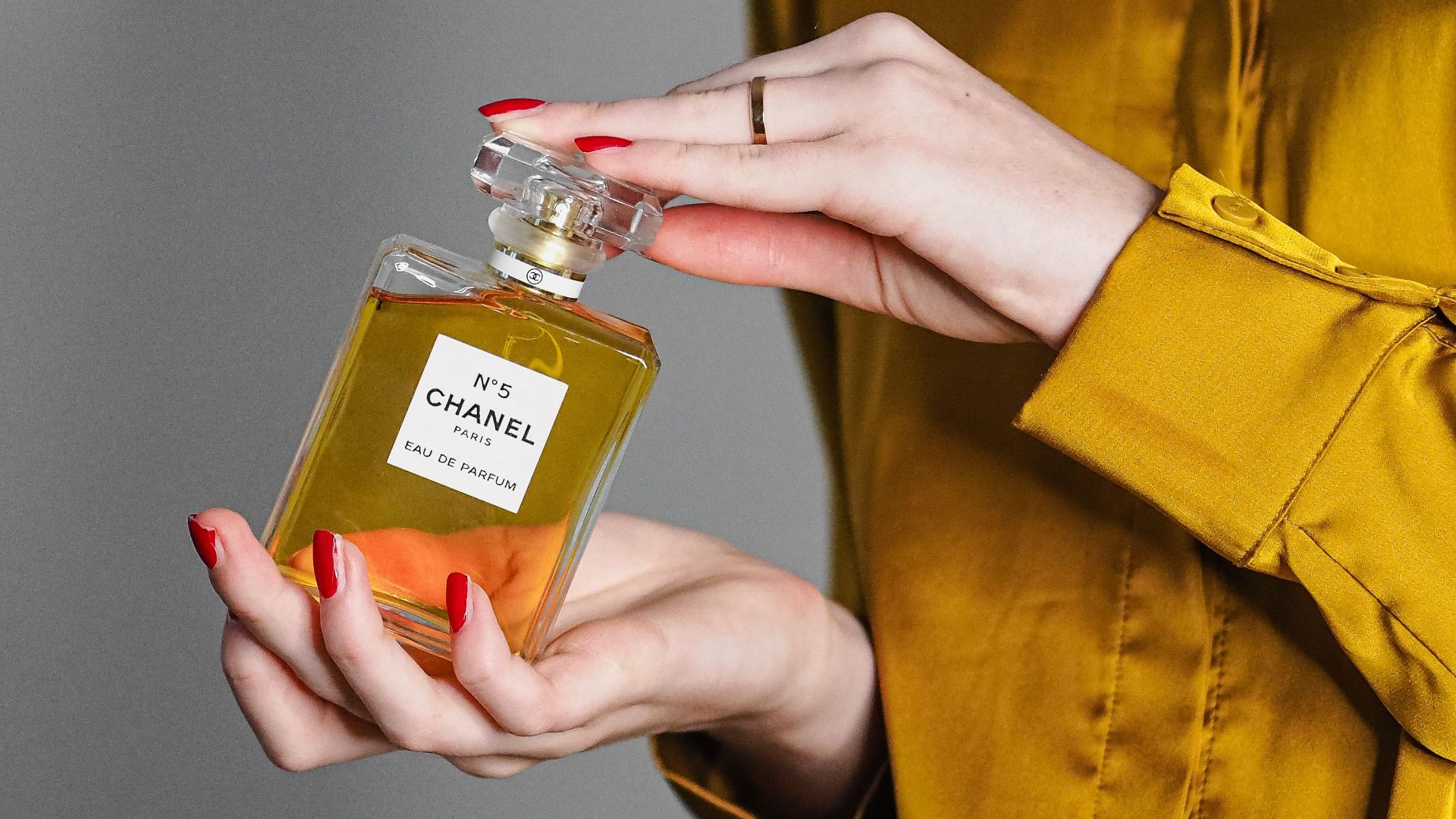
Les odeurs sont une affaire très personnelle, et aucun parfum ne suscitera la même réaction chez tous les hommes, mais cela ne signifie pas pour autant qu’il n’existe pas une hiérarchie tacite. Que nous en soyons conscients ou non, certaines odeurs ont tendance à devenir désagréables lorsqu’elles sont artificielles ou trop présentes — et voici les 20 parfums que les hommes préfèrent ne pas sentir de près.
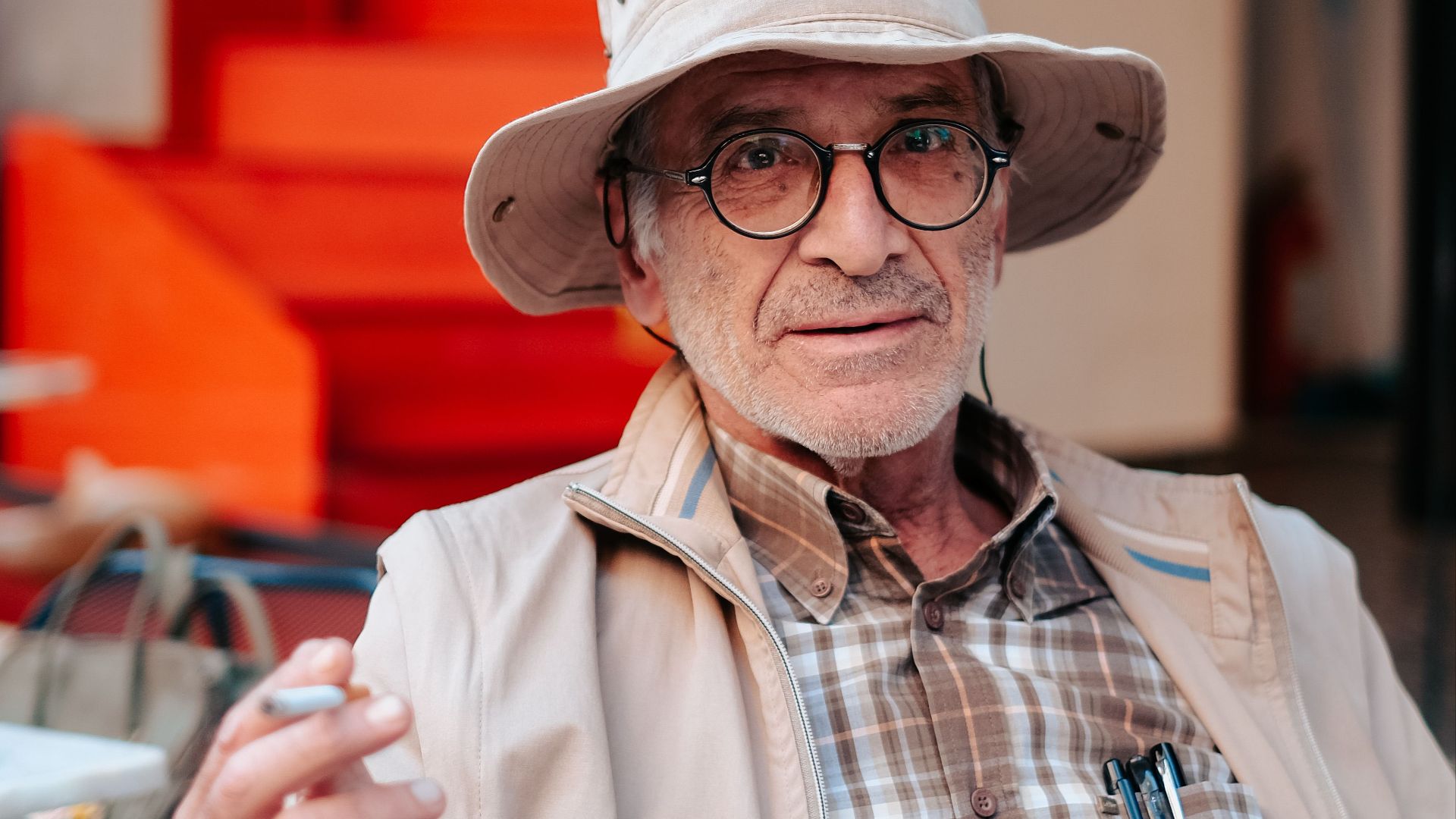
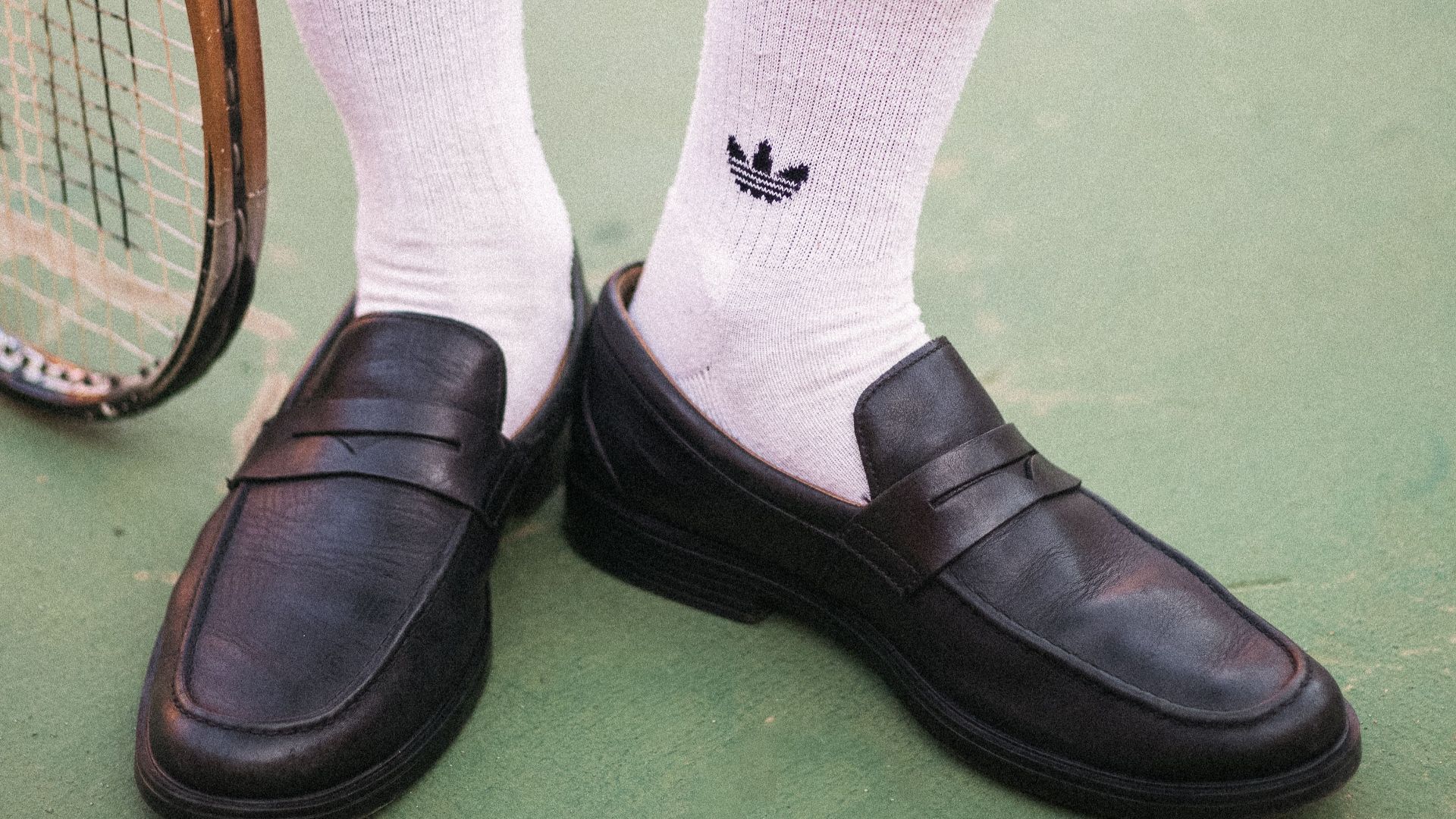
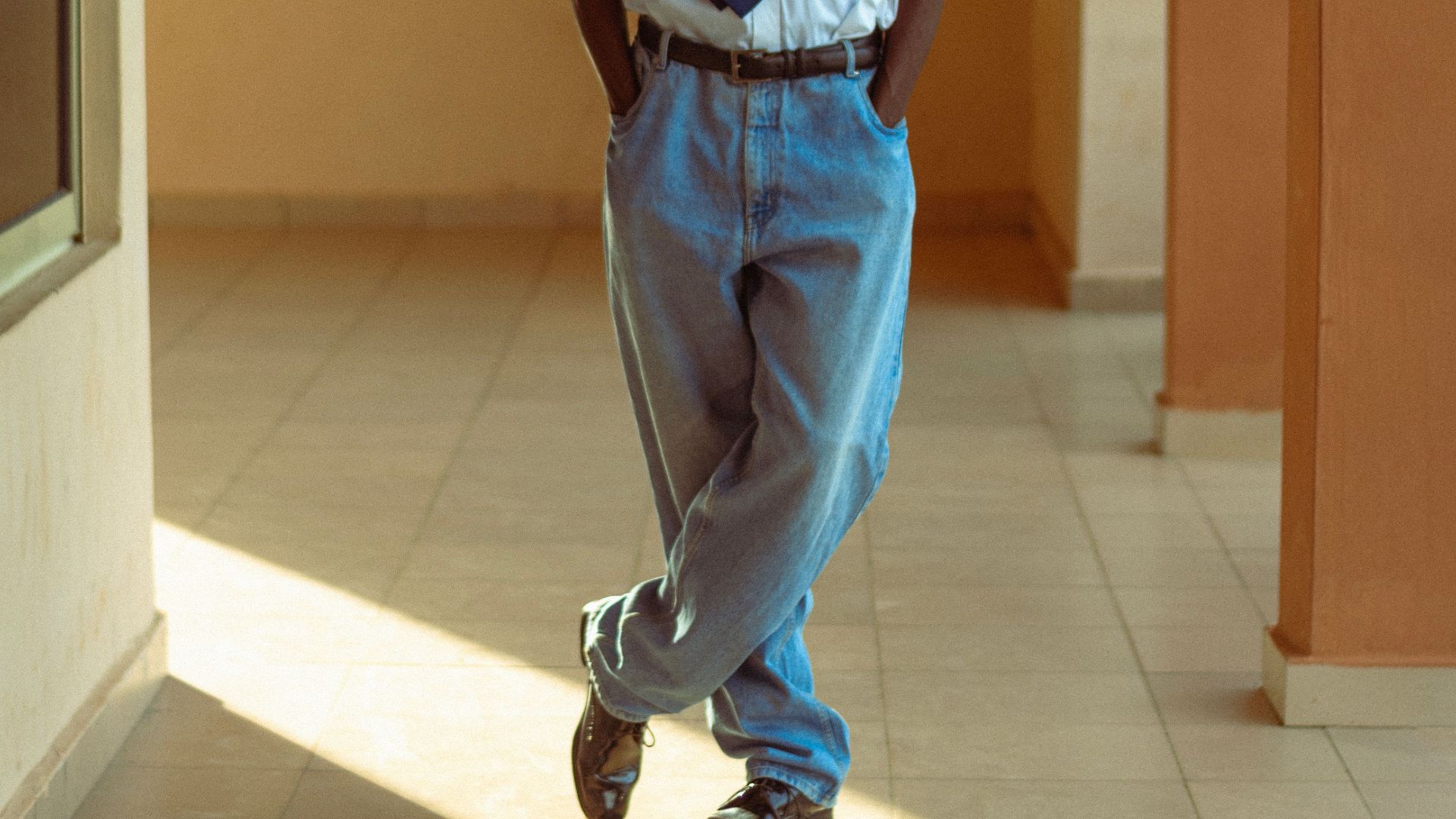
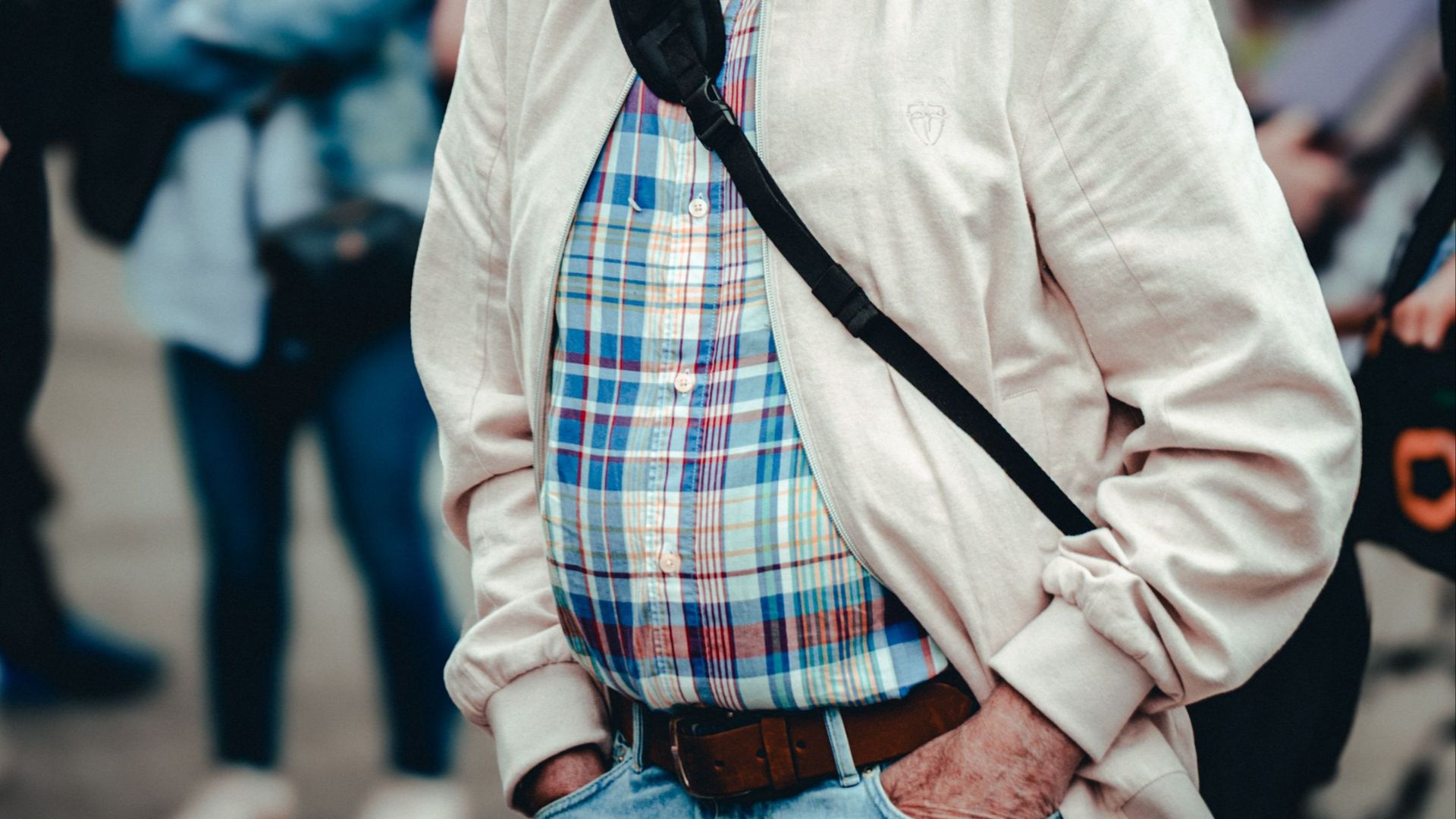
Prendre de l’âge ne signifie pas pour autant qu’il faille s’habiller comme une personne plus âgée. En réalité, de nombreux hommes se font paraître plus vieux sans le vouloir, soit en s’accrochant à des styles démodés, soit en privilégiant le côté pratique au détriment de la coupe et du raffinement. La bonne nouvelle, c’est que quelques changements simples dans votre garde-robe peuvent faire une différence notable sans pour autant vous obliger à suivre les tendances. Voici 20 vêtements que les hommes d’un certain âge portent souvent et qui peuvent les faire paraître plus vieux qu’ils ne le sont réellement.
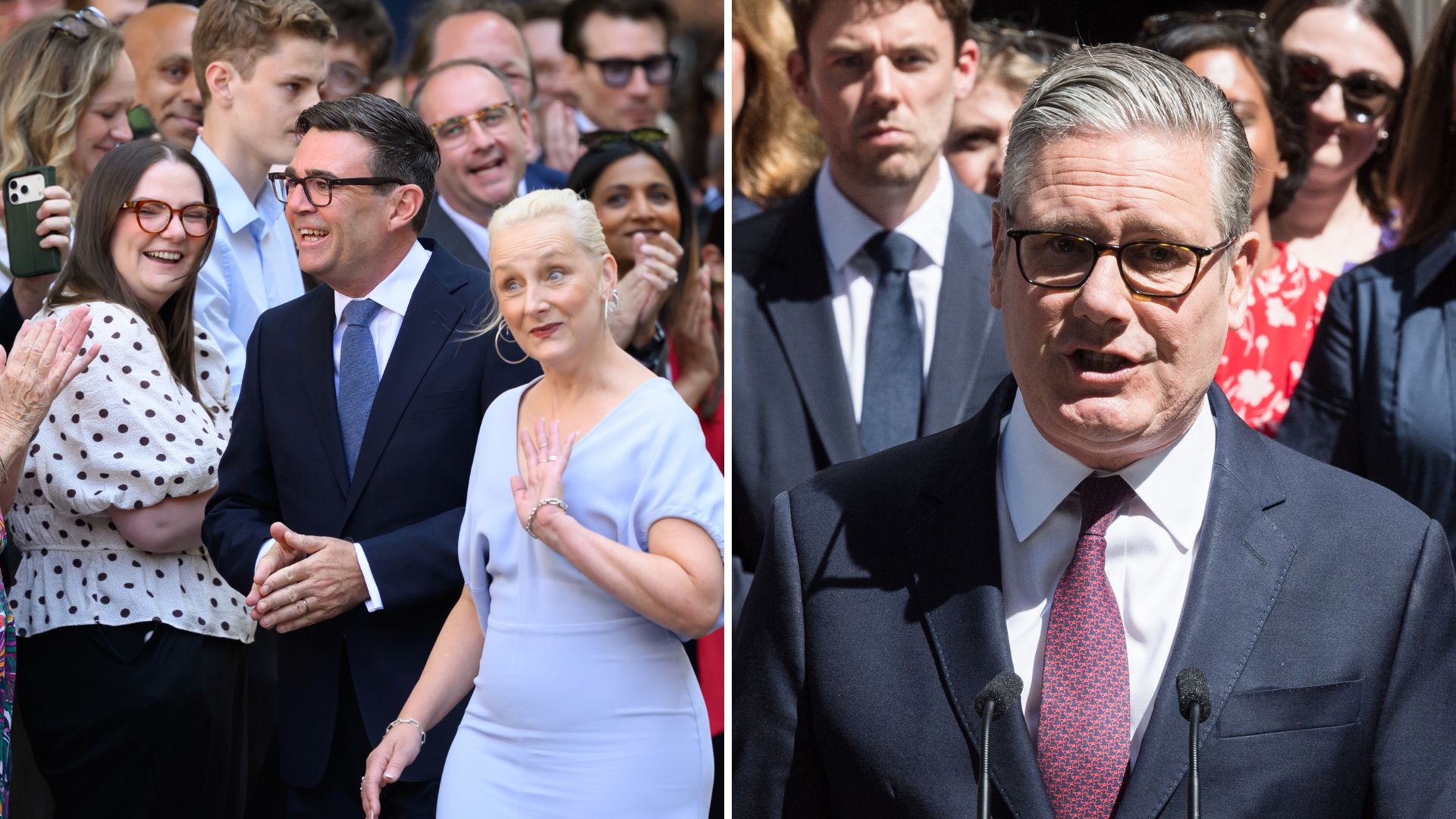
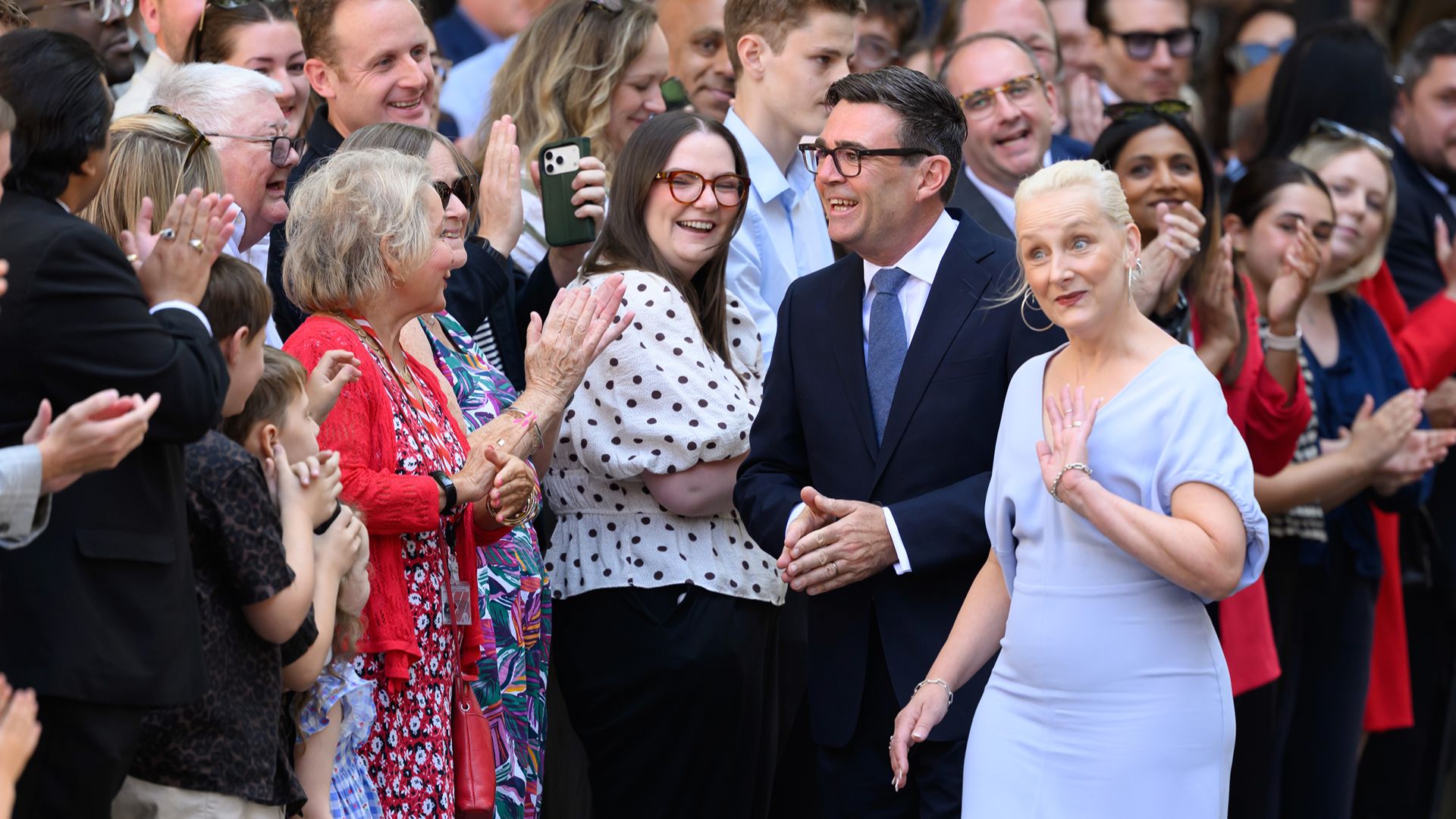
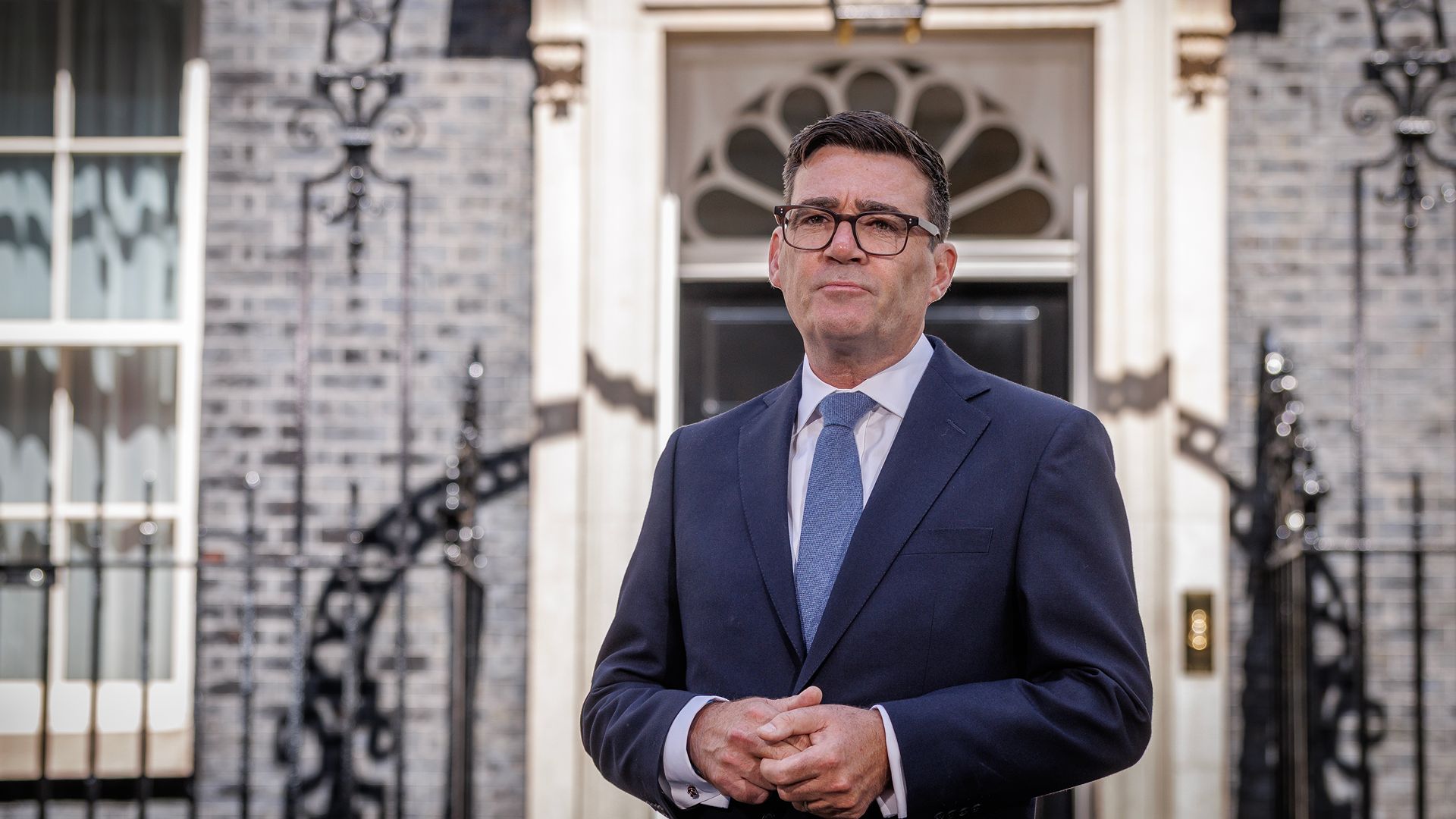
Andy Burnham est officiellement devenu le septième Premier ministre du Royaume-Uni en à peine dix ans après avoir accepté, au palais de Buckingham, l’invitation officielle du roi Charles III à former un gouvernement, marquant ainsi un nouveau tournant dramatique dans la longue période d’instabilité politique que traverse la Grande-Bretagne. Sa nomination fait suite à la démission surprise de Keir Starmer, dont le mandat de Premier ministre n’aura duré que deux ans, bien qu’il ait mené le Parti travailliste à une victoire écrasante aux élections législatives de 2024. Burnham hérite désormais d’un pays toujours aux prises avec les conséquences économiques, politiques et sociales d’années de turbulences qui ont débuté avec le référendum sur le Brexit et se sont poursuivies avec une succession sans précédent de dirigeants nationaux.
Depuis 2016, la Grande-Bretagne a vu se succéder Theresa May, Boris Johnson, Liz Truss, Rishi Sunak, Keir Starmer et désormais Burnham, ce qui met en évidence un niveau d’instabilité politique rarement observé dans l’histoire britannique moderne.
Bien qu’aucune élection législative n’ait été nécessaire pour installer le nouveau Premier ministre, ce changement à la tête du gouvernement représente néanmoins un nouveau tournant majeur pour un gouvernement qui cherche à restaurer la confiance du public après des années d’instabilité et de frustration croissante à travers le pays.
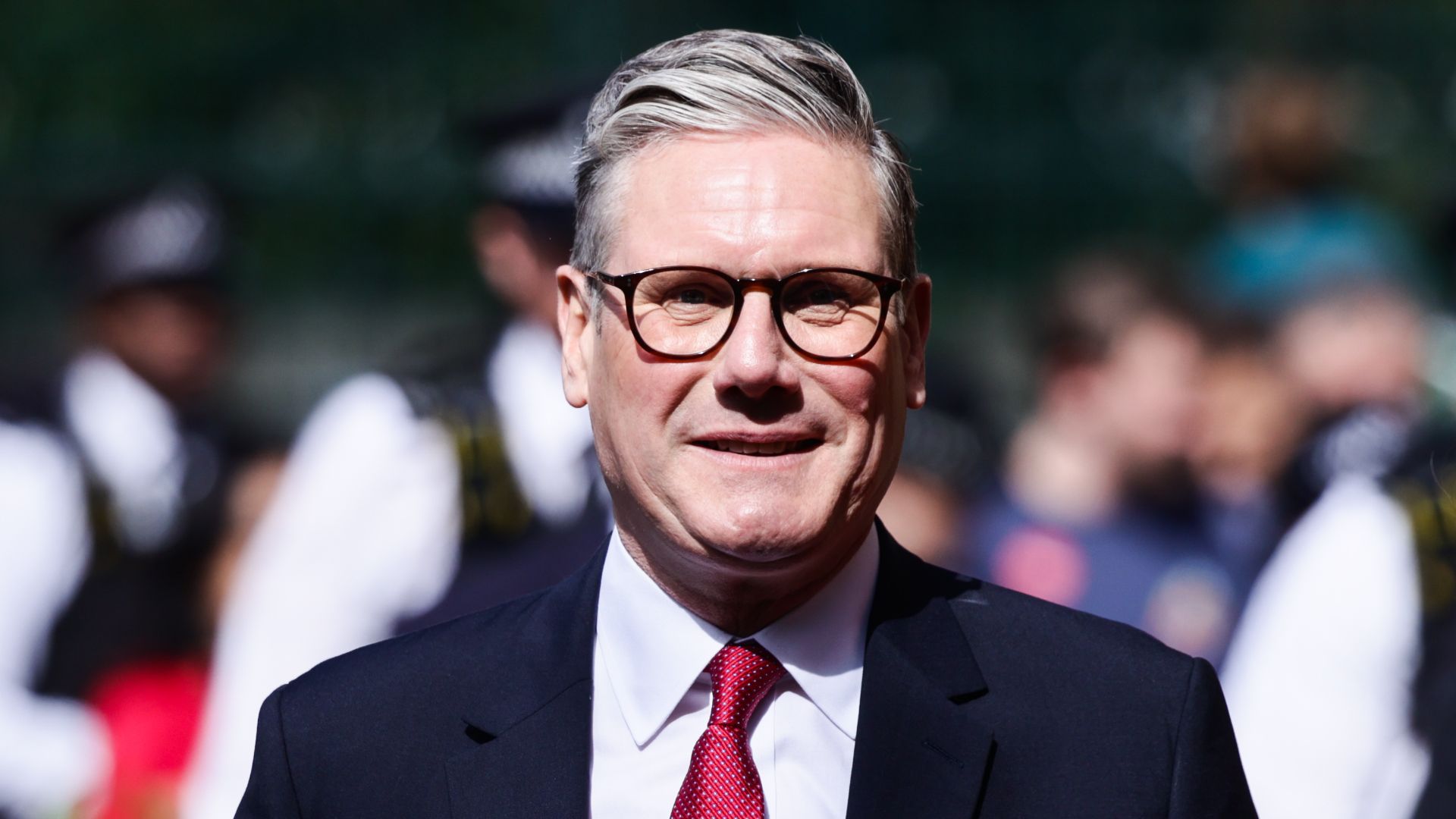
La démission de Starmer a marqué un effondrement remarquable pour un dirigeant qui, deux ans plus tôt seulement, avait été largement salué pour avoir remporté la plus grande victoire électorale du Parti travailliste depuis des décennies. Son gouvernement a toutefois peiné à maintenir son élan politique, l’optimisme du public cédant progressivement la place à la déception face au rythme des changements. L’une des controverses les plus préjudiciables à l’administration a porté sur la nomination de Lord Peter Mandelson au poste d’ambassadeur de Grande-Bretagne aux États-Unis.
Cette décision s’est rapidement transformée en fardeau politique après qu’un nouvel examen minutieux des relations passées de Mandelson avec Jeffrey Epstein, délinquant sexuel condamné, a contraint Starmer à le démettre de ses fonctions en 2025.
Cette controverse a intensifié les critiques tant de la part des adversaires politiques que des membres de son propre parti, venant s’ajouter à des inquiétudes plus générales selon lesquelles le gouvernement se laissait distraire par des scandales au lieu de se concentrer sur la reprise économique, les services publics et la crise persistante du coût de la vie qui continuait de dominer le quotidien de millions de foyers à travers le Royaume-Uni.
« Je sais que les citoyens en ont assez de la politique. Je vous entends, et je veux être honnête avec vous : nous n’avons pas été à la hauteur et nous devons faire mieux. … La Grande-Bretagne doit montrer au monde entier que nous sommes capables de retrouver notre stabilité. »
– Andy Burnham, Premier ministre britannique
La pression politique s’est encore accentuée après les résultats décevants du Parti travailliste aux élections locales, faisant craindre aux députés que le parti ne subisse des pertes importantes lors du prochain scrutin national si sa direction restait inchangée.
Le mécontentement croissant au sein du Parlement s’est finalement traduit par des appels à la démission de Starmer, ce qui l’a conduit à annoncer qu’il démissionnerait après avoir reconnu qu’il ne bénéficiait plus de la confiance d’un nombre suffisant de membres de son groupe parlementaire.
Expliquant sa décision, Starmer a déclaré au public :
« La question que se pose aujourd’hui mon parti est de savoir si je suis le mieux placé pour nous mener aux prochaines élections législatives. J’ai entendu la réponse de mon groupe parlementaire à cette question. Et j’accepte cette réponse de bon gré. »
Son départ reflétait également une frustration plus générale parmi les électeurs, qui estimaient que le Parti travailliste n’avait pas réussi à apporter d’améliorations significatives après avoir promis une nouvelle orientation pour la Grande-Bretagne, notamment en matière de coût de la vie, de croissance économique et de pressions financières quotidiennes, qui restaient parmi les principales préoccupations politiques du pays.
Getty Images
Burnham doit désormais relever le défi difficile de convaincre à la fois les marchés financiers et l’opinion publique britannique que son gouvernement est capable de mettre fin à près d’une décennie d’instabilité politique.
Ancien maire du Grand Manchester, réputé pour l’importance qu’il accorde aux questions locales et aux services publics, il est arrivé à Downing Street en promettant un style de leadership différent, axé sur la prise de décisions à long terme plutôt que sur la survie politique à court terme.
Le système parlementaire britannique permettant au parti au pouvoir de remplacer son chef sans déclencher automatiquement des élections législatives, Burnham a pris ses fonctions immédiatement après avoir été choisi par le Parti travailliste et officiellement invité par le roi Charles III à former un gouvernement.
Ce processus constitutionnel a assuré une passation de pouvoir en douceur, mais il a également mis en évidence la pression qui pèse désormais sur les épaules de Burnham : il doit prouver qu’un nouveau changement de Premier ministre produira des résultats tangibles, au lieu de prolonger le cycle d’instabilité qui caractérise la politique britannique depuis l’ère du Brexit.
Getty Images
Dès ses premières heures en tant que Premier ministre, Burnham a présenté un programme axé sur la résolution de certains des problèmes nationaux les plus urgents, tout en s’efforçant de restaurer la confiance dans le gouvernement.
Il s’est engagé à donner la priorité aux mesures visant à atténuer la crise du coût de la vie, l’un des enjeux politiques majeurs auxquels la Grande-Bretagne est confrontée ces dernières années, tout en recherchant des solutions à long terme au problème des sans-abri et du sommeil dans la rue. Au-delà des affaires intérieures, Burnham a immédiatement hérité d’un contexte international complexe nécessitant une diplomatie prudente. Son gouvernement doit gérer les relations avec Donald Trump à un moment où la coopération transatlantique reste essentielle en matière de commerce et de sécurité, tout en gérant simultanément un différend diplomatique naissant avec la Chine qui pourrait avoir des conséquences économiques importantes.
Ces défis immédiats laissent peu de place à une « lune de miel » politique, obligeant le nouveau Premier ministre à trouver dès le début de son mandat un équilibre entre des réformes nationales ambitieuses et des responsabilités de politique étrangère de plus en plus complexes.
« La question que se pose actuellement mon parti est de savoir si je suis le mieux placé pour nous mener jusqu’aux prochaines élections législatives. J’ai entendu la réponse de mon groupe parlementaire à cette question. Et j’accepte cette réponse de bon gré. »
– Keir Starmer, ancien Premier ministre britannique
Se tenant devant le 10 Downing Street, sans le pupitre traditionnel utilisé par bon nombre de ses prédécesseurs, Burnham a cherché à reconnaître la frustration ressentie par les électeurs après des années de bouleversements politiques. Plutôt que de se présenter simplement comme un nouveau dirigeant de plus, il a fait valoir que son gouvernement devrait marquer une rupture décisive avec l’instabilité qui a maintes fois perturbé Westminster depuis 2016.
S’adressant directement au public, il a déclaré :
« Je sais que les gens chez eux en ont assez de la politique. Je vous entends, et je veux être honnête avec vous : nous n’avons pas été à la hauteur et nous devons faire mieux. … La Grande-Bretagne doit montrer au monde entier que nous sommes capables de retrouver notre stabilité. »
La réussite de Burnham déterminera probablement non seulement l’avenir électoral du Parti travailliste, mais aussi la capacité du Royaume-Uni à mettre enfin un terme à l’une des périodes politiques les plus tumultueuses de son histoire démocratique moderne.
The restaurant focuses on organic, locally sourced ingredients and an eco-friendly approach
The menu offers a wide selection of savory and sweet crêpes, inspired by Breton tradition
When it comes to finding the best culinary spots in Montreal, reader recommendations are often an excellent source of inspiration. This time, one spot really stood out: the Crêperie du marché Jean-Talon.
Located in the heart of one of the city’s most iconic markets, this crêperie offers a fresh take on this traditional dish. Here, the crêpe becomes much more than a quick meal: it transforms into a true celebration of simple, local, and carefully selected ingredients.
Inspired by Breton tradition and French culinary techniques, the team behind the Crêperie du marché Jean-Talon aims to show that a comfort food dish can also be prepared with care, creativity, and respect for local producers.
Elevating the crêpe to the status of a “superfood”
The restaurant’s mission is clear: to offer a product that is healthy, nourishing, and delicious, while having a positive impact on the environment and the community.
The crêperie focuses in particular on organic ingredients, local products, and more responsible choices, such as the use of compostable materials. Each recipe is designed with the idea that eating is also an act of commitment.
“Because eating is an act,” explains the team, which aims to offer cuisine where pleasure and values come together on the same plate.
Each crêpe, therefore, tells a story: one of respect for the craft, a love of quality ingredients, and a commitment to doing things differently.
Generous savory crêpes inspired by Brittany
On the menu, savory crêpe lovers can discover several creations that blend tradition with originality.
The Saint-Brieuc features a comforting combination of fresh spinach, egg, Swiss cheese, and ham or vegetables, while the Josselin adds an even more indulgent touch with mushrooms and béchamel sauce.
For a sweet-and-savory version, the “Vitré” combines ham, Swiss cheese, cooked apples, and pure maple syrup, while the “Pontivy” features eggs, Swiss cheese, potatoes, and maple syrup.
Those who prefer more refined flavors can opt for the Ouessant, topped with fresh spinach, smoked salmon, lemon, vegetables, and a cream made from goat and sheep’s milk.
Since a visit to the crêperie wouldn’t be complete without a sweet treat, the restaurant also offers several dessert options.
Classic crêpes are given a modern twist with high-quality ingredients, such as the Quimper, made with salted butter and organic cane sugar or pure maple syrup, or the Crozon, a simple yet delicious version with dark chocolate.
Those with a real sweet tooth will love the Carnac with salted butter caramel, the Bannalec with organic banana and chocolate, or the Guérande, which combines baked apples, pears, salted butter caramel, and whipped cream.
You also can’t miss La Gourmande, a generous creation topped with wild berries, whipped cream, and syrup.
A Must-Try Culinary Break at the Jean-Talon Market
With its committed approach, inspired recipes, and desire to showcase quality ingredients, the Crêperie du marché Jean-Talon offers an experience that appeals to both lovers of traditional cuisine and those looking to make more responsible choices.
Whether it’s after a stroll through the market, for a meal with friends, or simply to satisfy a craving for a crêpe, this spot proves that a classic dish can still surprise.
According to our readers, Montreal’s best crêperie is at Jean-Talon Market… and it’s definitely worth a visit.
Andy Burnham officially became the United Kingdom’s seventh prime minister in just ten years after accepting King Charles III’s formal invitation to form a government at Buckingham Palace, bringing another dramatic chapter to Britain’s prolonged period of political instability. His appointment follows the surprise resignation of Keir Starmer, whose premiership lasted only two years despite leading Labour to a commanding general election victory in 2024. Burnham now inherits a country still grappling with the economic, political and social consequences of years of turbulence that began with the Brexit referendum and continued through an unprecedented turnover of national leaders. Since 2016, Britain has cycled through Theresa May, Boris Johnson, Liz Truss, Rishi Sunak, Keir Starmer and now Burnham, highlighting a level of political volatility rarely seen in modern British history. While no general election was required to install the new prime minister, the leadership change nevertheless represents another significant turning point for a government seeking to restore public confidence after years of instability and mounting frustration across the country.
Starmer’s resignation marked a remarkable collapse for a leader who only two years earlier had been widely praised for delivering Labour’s largest electoral victory in decades. His government, however, struggled to maintain political momentum as public optimism gradually gave way to disappointment over the pace of change. One of the administration’s most damaging controversies centered on the appointment of Lord Peter Mandelson as Britain’s ambassador to the United States. The decision quickly became a political liability after renewed scrutiny of Mandelson’s past relationship with convicted sex offender Jeffrey Epstein forced Starmer to remove him from the position in 2025. The controversy intensified criticism from both political opponents and members of his own party, adding to broader concerns that the government was becoming distracted by scandals instead of focusing on economic recovery, public services and the persistent cost-of-living crisis that continued to dominate everyday life for millions of households throughout the United Kingdom.
«I know people at home are fed up with politics. I hear you, and I want to be honest with you: we have not been good enough and we need to be better. … Britain needs to show the world that we can regain our stability once again.»
-UK Prime Minister, Andy Burnham
Political pressure accelerated further after Labour suffered disappointing performances in local elections, raising fears among lawmakers that the party could face significant losses at the next national vote if its leadership remained unchanged. Growing dissatisfaction inside Parliament eventually translated into calls for Starmer to step aside, prompting him to announce that he would resign after acknowledging he no longer had the confidence of enough members of his parliamentary party. Explaining his decision, Starmer told the public: «The question my party is asking now is whether I am best placed to lead us into the next general election. I have heard the answer of my parliamentary party to that question. And I accept that answer with good grace.» His departure also reflected a broader frustration among voters who believed Labour had failed to deliver meaningful improvements after promising a new direction for Britain, particularly on living costs, economic growth and everyday financial pressures that remained among the country’s biggest political concerns.
Getty Images
Burnham now faces the difficult challenge of convincing both financial markets and the British public that his government can end nearly a decade of political instability. A former mayor of Greater Manchester with a reputation for focusing on local issues and public services, he entered Downing Street promising a different style of leadership centered on long-term decision-making rather than short-term political survival. Because Britain’s parliamentary system allows the governing party to replace its leader without automatically triggering a general election, Burnham assumed office immediately after being chosen by Labour and formally invited by King Charles III to form a government. The constitutional process ensured a smooth transfer of power, but it also underscored the pressure now resting on Burnham’s shoulders to prove that another change of prime minister will produce tangible results instead of extending the cycle of instability that has defined British politics since the Brexit era.
Getty Images
In his first hours as prime minister, Burnham outlined an agenda focused on addressing some of the country’s most pressing domestic problems while attempting to restore confidence in government. He pledged to prioritize measures aimed at easing the cost-of-living crisis, one of the defining political issues facing Britain in recent years, while also seeking long-term solutions to homelessness and rough sleeping. Beyond domestic affairs, Burnham immediately inherited a complicated international landscape requiring careful diplomacy. His government must navigate relations with Donald Trump at a time when transatlantic cooperation remains essential on trade and security, while simultaneously managing an emerging diplomatic dispute with China that could carry significant economic consequences. Those immediate challenges leave little room for a political honeymoon, forcing the new prime minister to balance ambitious domestic reforms with increasingly complex foreign policy responsibilities from the outset of his premiership.
«The question my party is asking now is whether I am best placed to lead us into the next general election. I have heard the answer of my parliamentary party to that question. And I accept that answer with good grace.»
-UK’s former Prime Minister, Keir Starmer
Standing outside 10 Downing Street without the traditional lectern used by many of his predecessors, Burnham sought to acknowledge the frustration felt by voters after years of political upheaval. Rather than presenting himself as simply another new leader, he argued that his government should represent a decisive break from the instability that has repeatedly disrupted Westminster since 2016. Addressing the public directly, he said: «I know people at home are fed up with politics. I hear you, and I want to be honest with you: we have not been good enough and we need to be better. … Britain needs to show the world that we can regain our stability once again.» Whether Burnham succeeds will likely determine not only Labour’s electoral future but also whether the United Kingdom can finally bring an end to one of the most turbulent political periods in its modern democratic history.
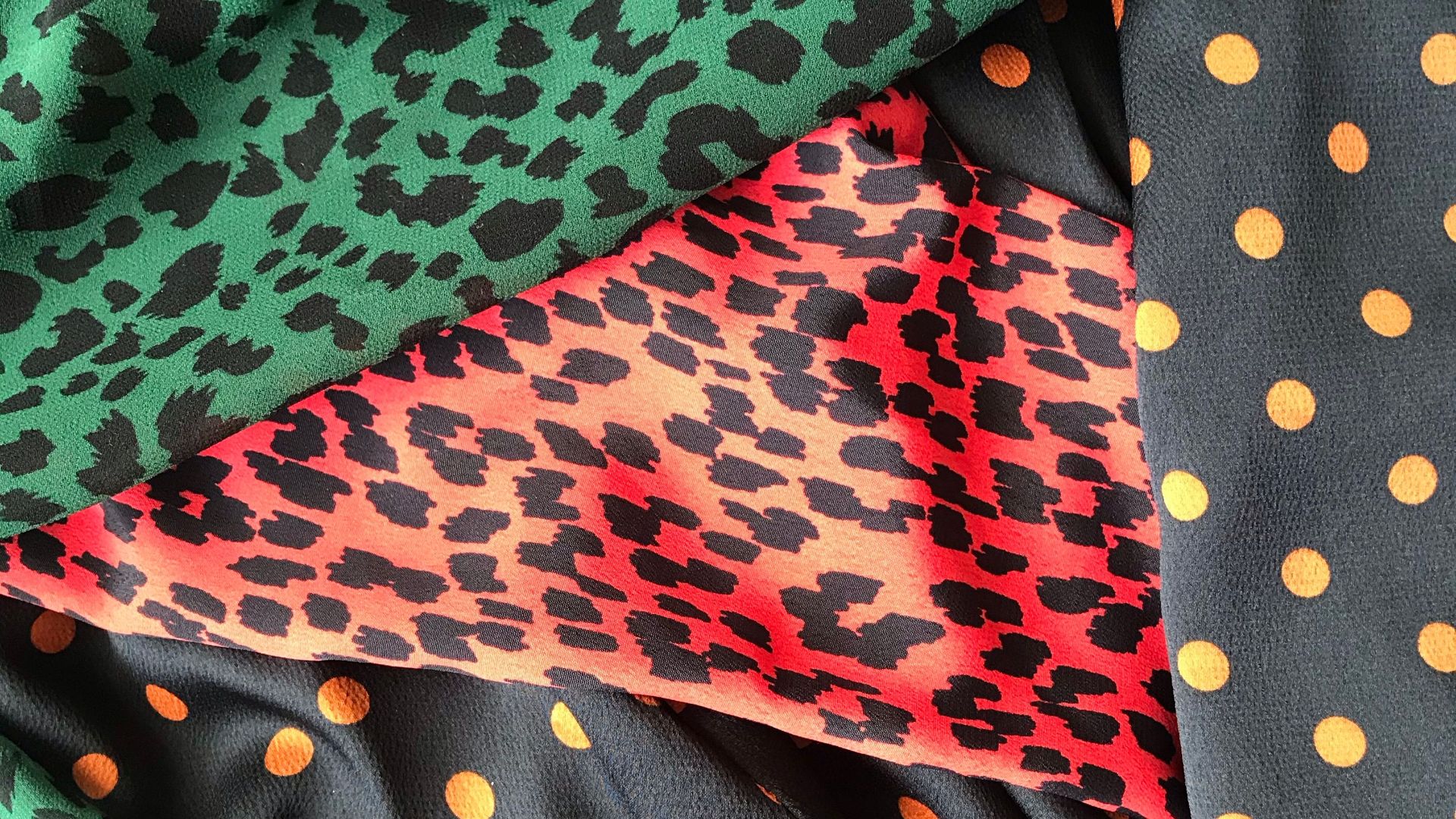
L’imprimé animalier oscille depuis des décennies entre deux perceptions : tantôt considéré comme vulgaire et trop appuyé, tantôt considéré comme la pièce la plus audacieuse de la pièce. Cette fluctuation tient moins à l’imprimé lui-même qu’à la personne qui le porte et à la quantité de tissu imprimé qu’elle arbore. Des taches de léopard sur une écharpe bon marché ne font pas le même effet que sur un manteau sur mesure, même si le motif n’a pas changé d’un iota. Les créateurs n’ont cessé de revenir à ces imprimés, affinant leur échelle et leur couleur jusqu’à ce que ce qui semblait autrefois bon marché soit désormais perçu comme un signe d’assurance. Voici 20 imprimés animaliers qui sont passés du statut de sujet de plaisanterie à celui d’incontournable de la garde-robe.
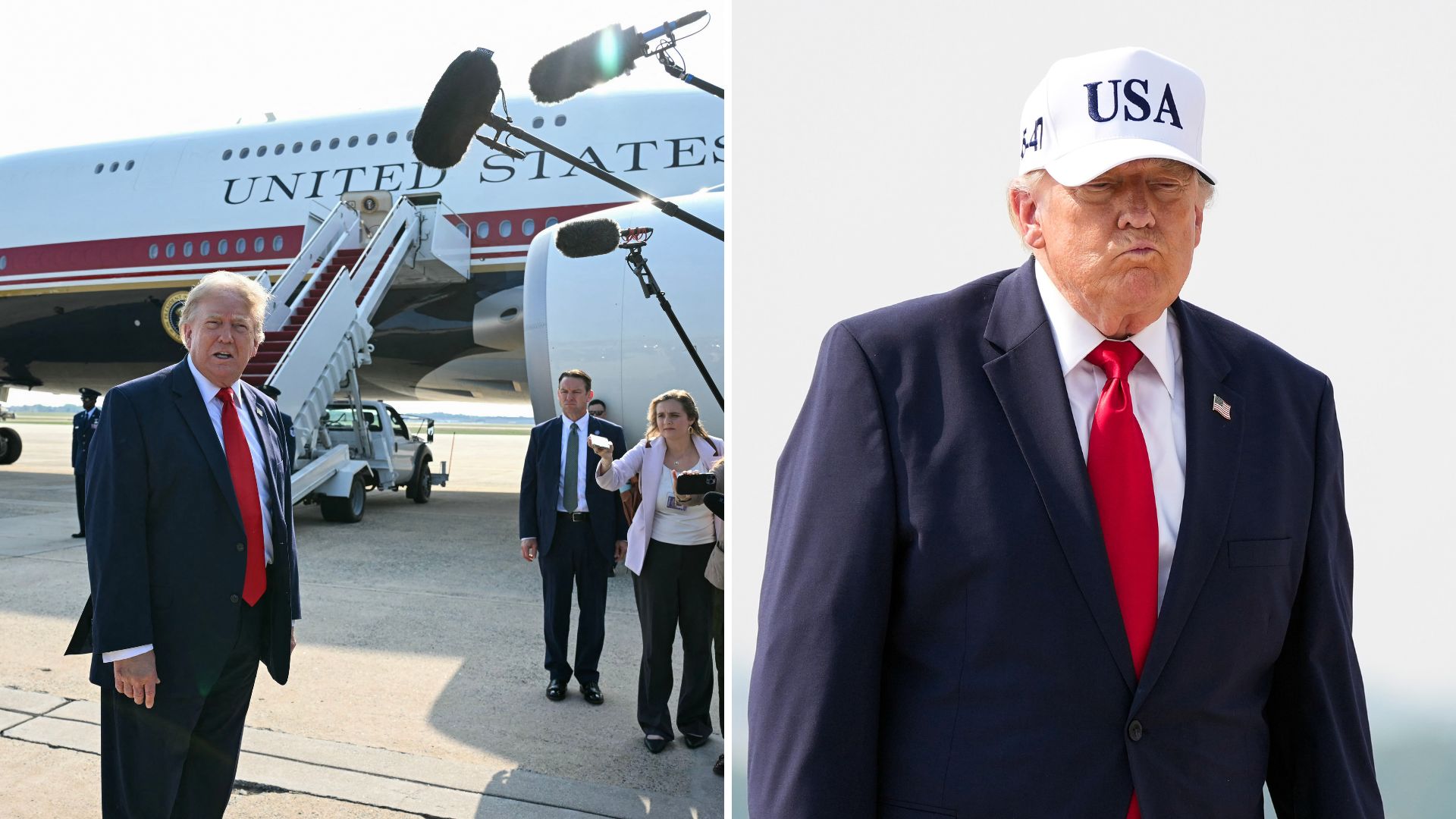
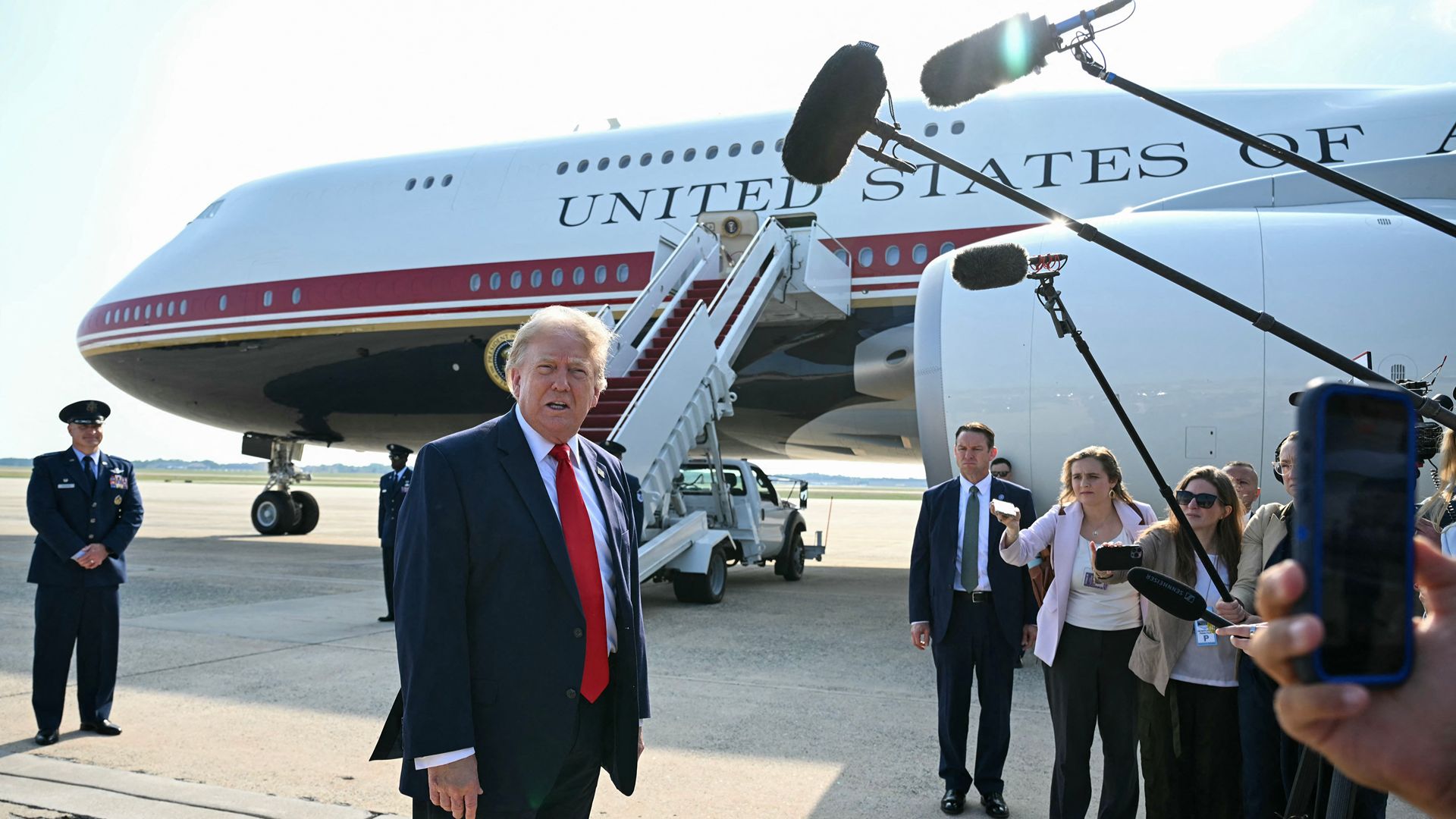
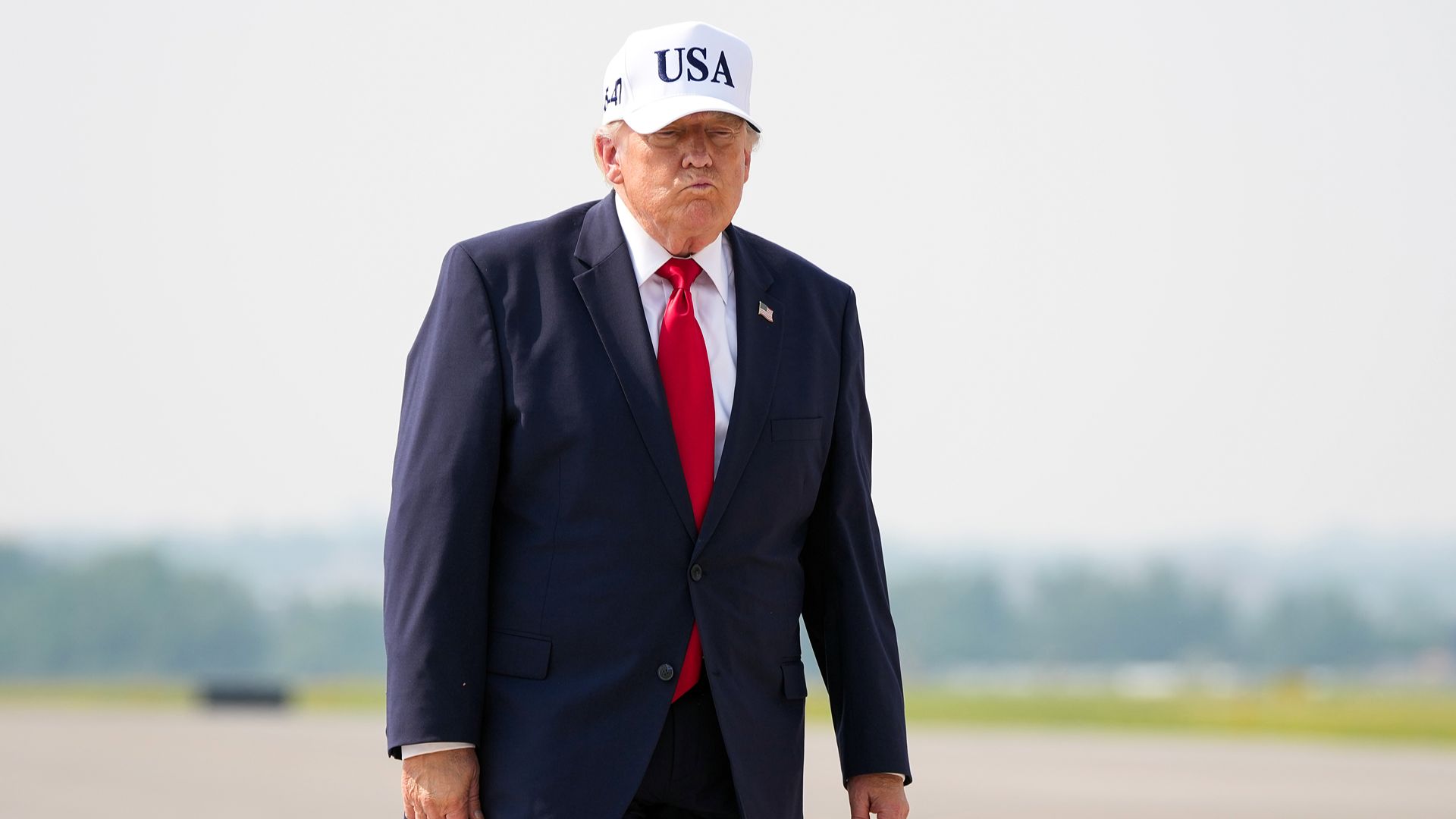
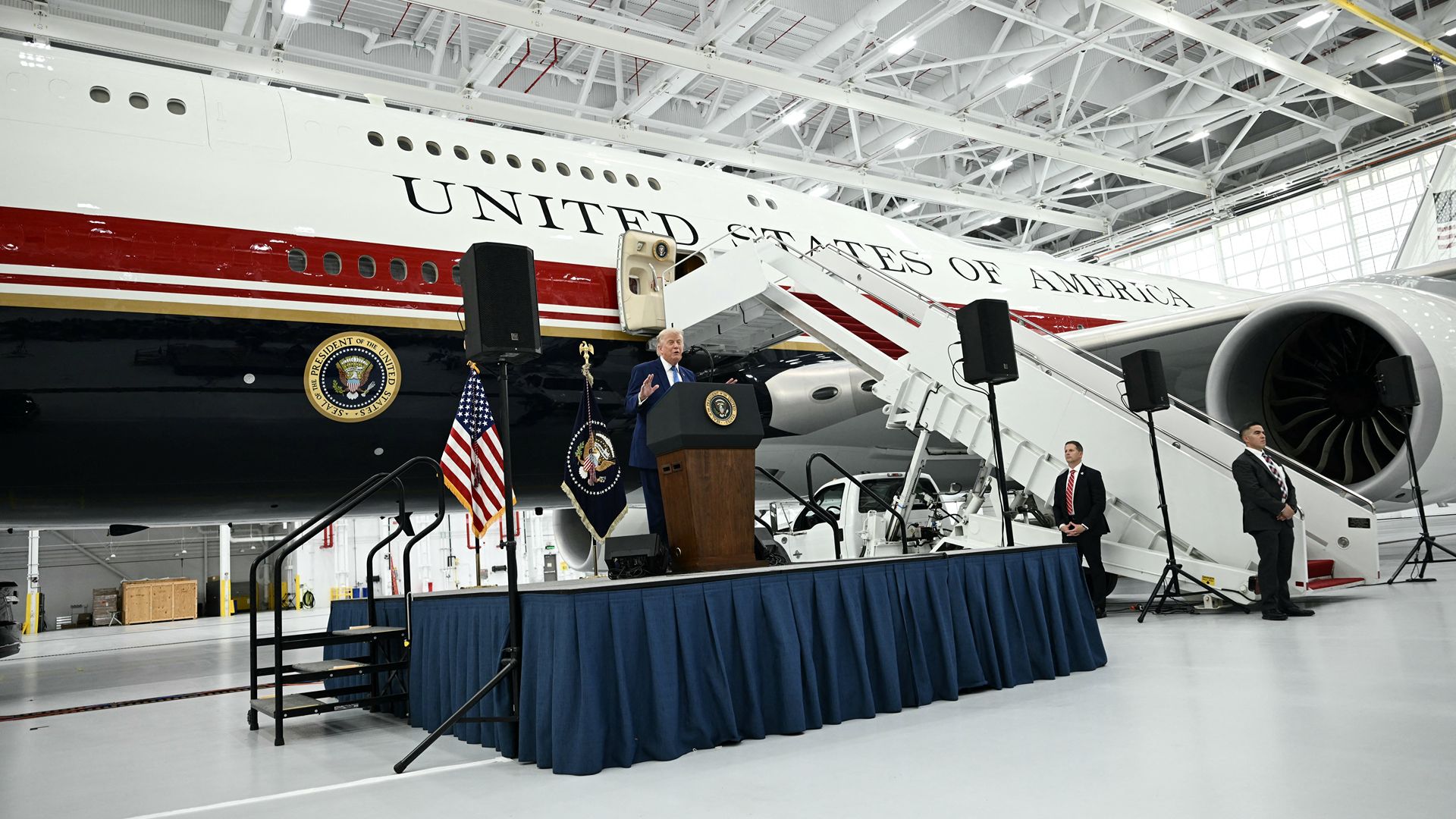
Donald Trump announced that the Qatari-gifted Boeing 747-8 currently serving as Air Force One will be removed from service for additional modifications after its first overseas presidential mission exposed important security limitations. The aircraft, which had recently carried Trump abroad for a NATO meeting, was judged unsuitable for the most sensitive portion of the return journey when tensions in the region raised concerns about potential threats. Less than two weeks later, after returning from the FIFA World Cup final, Trump confirmed at Joint Base Andrews that the jet would undergo another intensive round of work intended to bring its capabilities closer to those of the traditional presidential fleet. «It has a lot of capability… but we’re going to take it out for about a month and we’re going to max it out.» His statement suggested that the aircraft’s rapid introduction into presidential service had occurred before every desired defensive system could be fully installed and tested.
The security concerns became visible during Trump’s trip to the NATO summit in Ankara, Turkey, the Boeing 747-8’s first major international assignment as the official presidential aircraft. Although the jet transported him to the meeting, the White House changed plans for the return flight as military tensions involving the United States and Iran intensified. Rather than leaving Turkey aboard the newly converted plane, Trump was transferred to the older VC-25, the long-serving Air Force One aircraft equipped with the government’s most advanced and closely guarded protective systems. Officials considered the legacy plane better prepared for travel through an area where the possibility of missile attacks, electronic interference or other hostile action could not be dismissed. Trump later returned to the Qatari aircraft at RAF Mildenhall in England, after the presidential delegation had moved beyond the portion of the journey regarded as carrying the greatest security risk.
Getty Images
The unexpected aircraft switch highlighted the operational gap between a heavily modified luxury Boeing 747-8 and a purpose-built military presidential command platform. Despite extensive conversion work, the Qatari jet does not yet match every classified capability available aboard the older VC-25 fleet. Reported differences include less sophisticated missile-warning and defensive countermeasure systems, limitations in electronic warfare protection, incomplete shielding against electromagnetic pulse effects and gaps in secure communications equipment. The aircraft also lacks the aerial refueling capability that allows the traditional Air Force One to remain airborne for extended periods during emergencies. Those deficiencies do not necessarily make the plane unsafe during ordinary travel, but they become far more consequential when a president is flying through a region where military escalation is unfolding. The Ankara episode demonstrated that the new jet could perform routine presidential transport duties while still falling short of the standards required for the highest-threat missions.
«It has a lot of capability… but we’re going to take it out for about a month and we’re going to max it out.»
-U.S. President, Donald Trump
The aircraft itself has attracted attention almost from the moment it entered government service because of its unusual origins. The Boeing 747-8 was originally manufactured as a luxury VIP aircraft for Qatar’s royal family before being transferred by the Qatari government to the United States for presidential use. Estimated to be worth roughly $400 million, it ranks among the most valuable diplomatic gifts ever accepted by the U.S. government. Rather than serving as a permanent replacement for Air Force One, the aircraft was intended to function as an interim solution while Boeing continues work on the delayed VC-25B presidential fleet. Those next-generation aircraft, based on newer Boeing 747-8 airframes and equipped with purpose-built military systems, are now expected to enter service around 2028 after years of delays, cost overruns and technical challenges that forced the White House to rely on a temporary alternative.
Getty Images
Converting a luxury civilian aircraft into one capable of transporting the president has required a massive financial investment beyond the value of the jet itself. Current estimates place the cost of the ongoing retrofit at more than $300 million, while earlier Pentagon planning documents authorized spending of up to $400 million to complete the transformation. The work has included installing secure communications, classified mission equipment and structural modifications needed for presidential operations, although officials have acknowledged that the aircraft still lacks several defensive features carried by the legacy VC-25 fleet. Trump’s latest announcement indicates that another month of work will now be devoted almost entirely to strengthening the jet’s protective capabilities rather than adding comfort or cosmetic improvements. The president’s objective is to ensure the aircraft can safely undertake future international missions without requiring the type of mid-trip aircraft change that occurred after the NATO summit.
Trump Presidential Library
Even as additional taxpayer-funded upgrades continue, Trump has repeatedly stated that the Boeing 747-8 is not expected to remain part of the presidential fleet after his administration concludes. Instead, the current plan calls for the aircraft to be transferred to the Trump Presidential Library Foundation once he leaves office, while future presidents would transition to Boeing’s long-awaited VC-25B aircraft after they enter service. That proposal has generated significant political and legal debate because the plane originated as a gift from a foreign government before undergoing hundreds of millions of dollars in federally funded modifications. Critics argue the arrangement raises constitutional, ethical and financial concerns over the eventual disposition of the aircraft, while supporters contend it remains government property throughout Trump’s presidency and serves an important role as a temporary replacement until the next generation of Air Force One aircraft is finally ready for operational service.
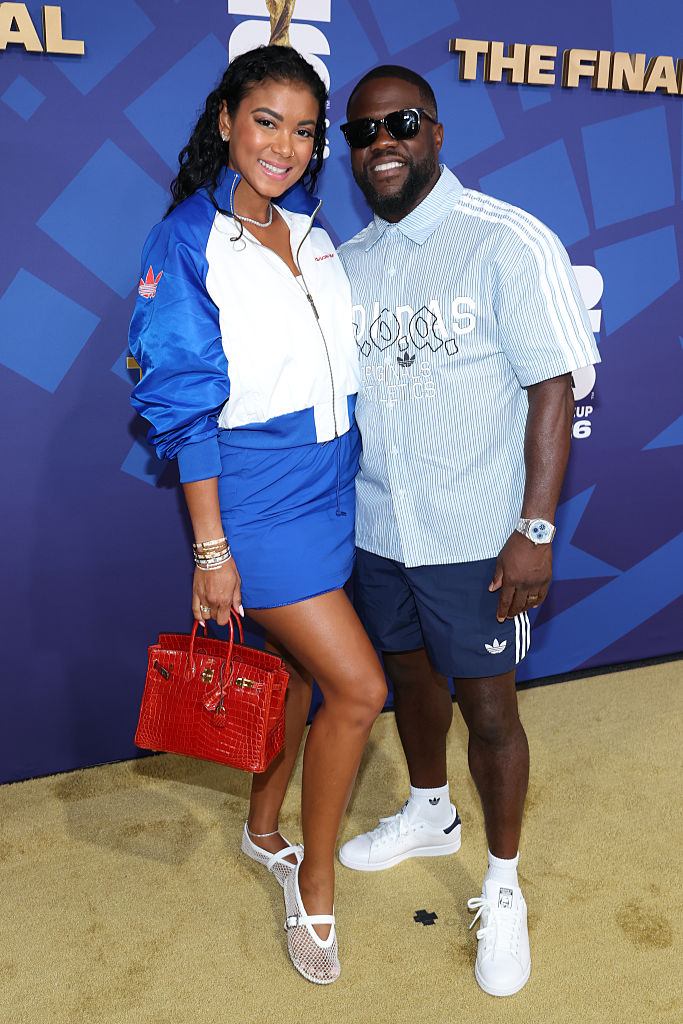
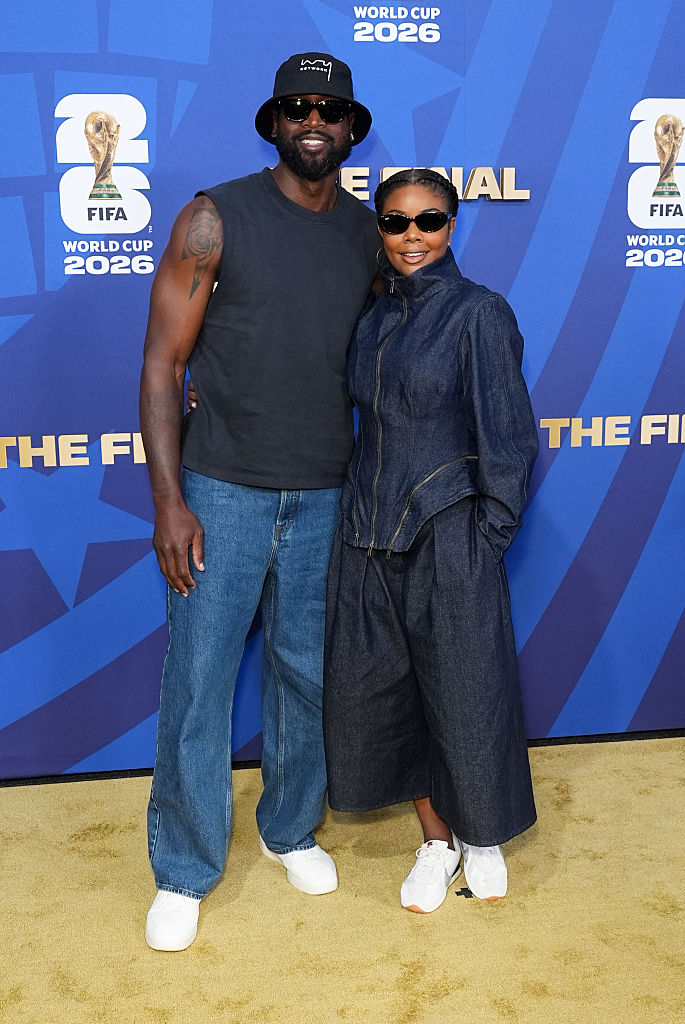
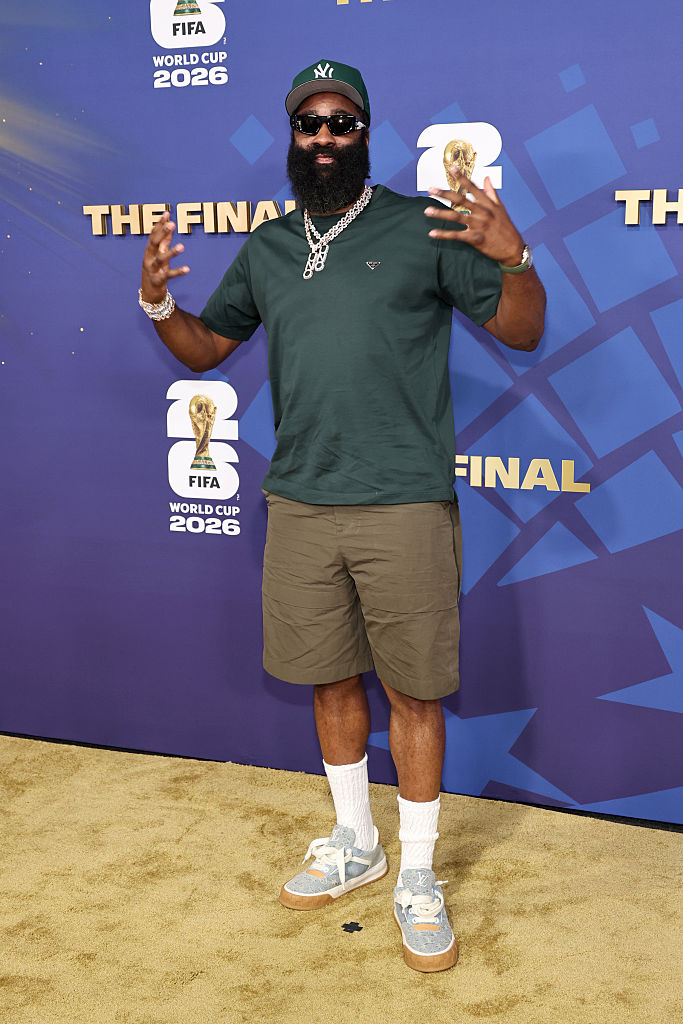
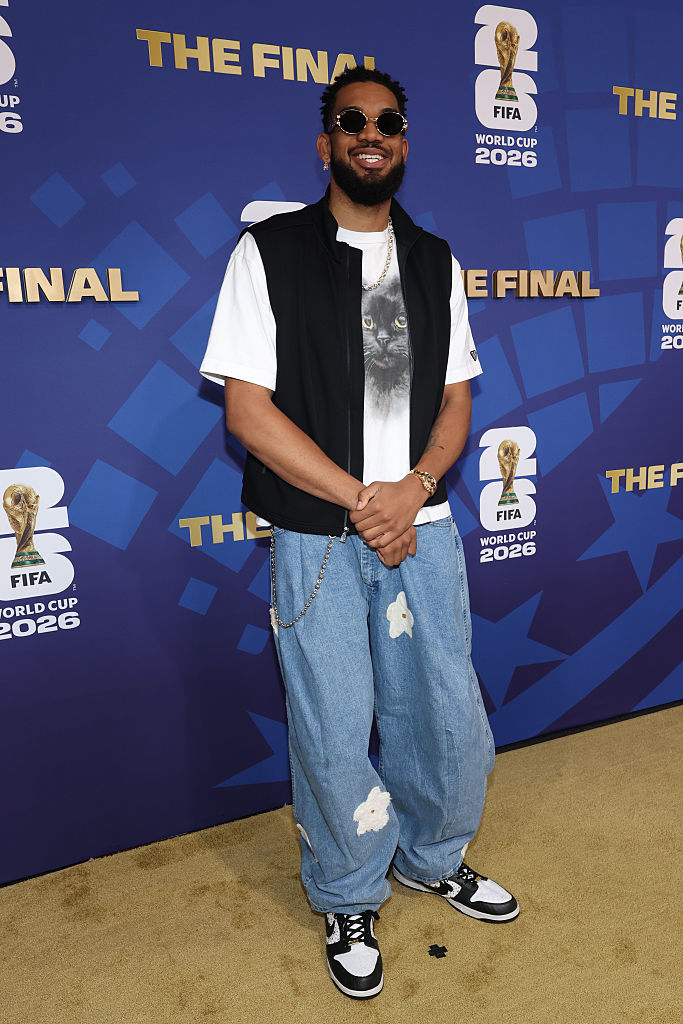
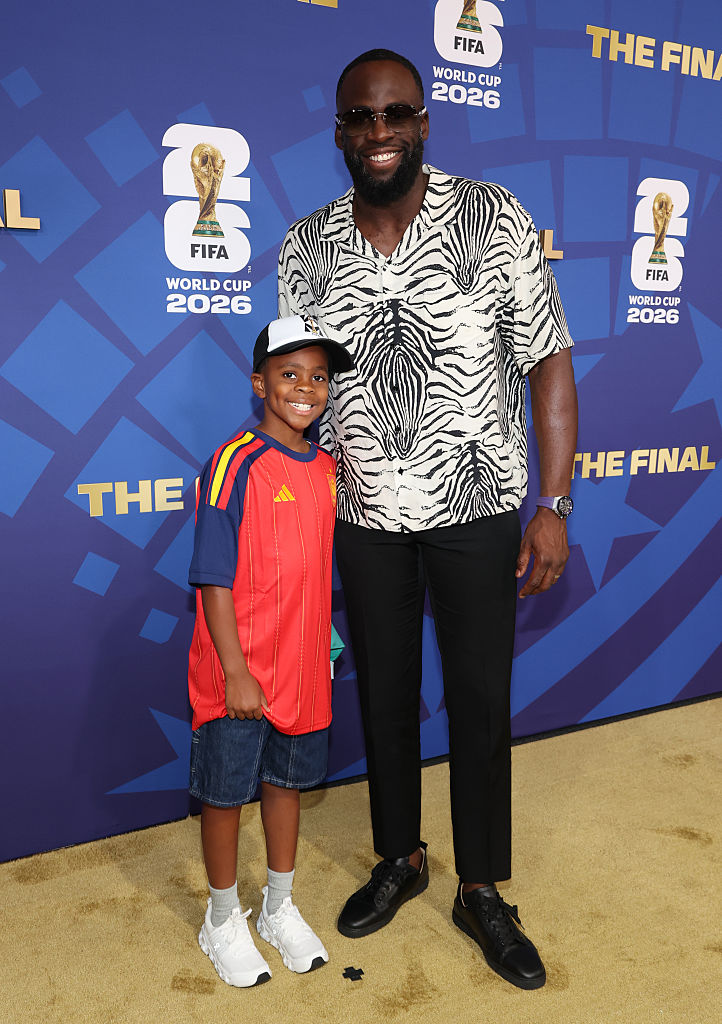
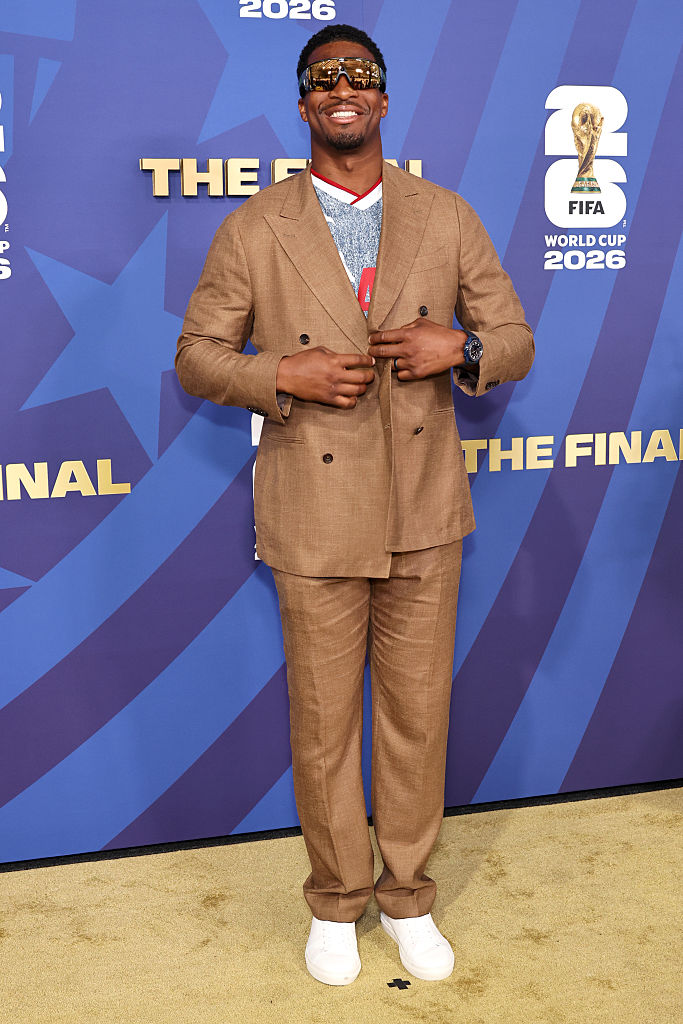
La finale de la Coupe du monde 2026 n’a pas seulement attiré les plus grands noms du football. Avant le coup d’envoi, le tapis rouge installé au New York New Jersey Stadium s’est transformé en véritable défilé de vedettes hollywoodiennes et de personnalités influentes. Matt Damon, Kevin Hart, Richard Gere et plusieurs autres célébrités ont fait sensation devant les caméras, affichant des looks élégants et une passion évidente pour le plus grand événement sportif de la planète. Entre costumes impeccables, sourires complices et rencontres inattendues, l’ambiance rappelait celle des plus prestigieuses premières de cinéma. Retour en photos sur les apparitions les plus remarquées d’une soirée où le glamour et le football se sont rencontrés sous les projecteurs du monde entier.
Luciana Barroso and Matt Damon at the FIFA World Cup 2026 Final Red Carpet held at the New York New Jersey Stadium on July 19, 2026 in East Rutherford, New Jersey. (Photo by Siegfried Anthony/Variety via Getty Images)EAST RUTHERFORD, NEW JERSEY – JULY 19: (L-R) Eniko Hart and Kevin Hart attend the FIFA Gold Carpet before the FIFA World Cup 2026 Final match between Spain and Argentina at New York New Jersey Stadium on July 19, 2026 in East Rutherford, New Jersey. (Photo by Kevin Mazur/Getty Images for Global Citizen)EAST RUTHERFORD, NEW JERSEY – JULY 19: (L-R) Alejandra Silva and Richard Gere attend the FIFA Gold Carpet before the FIFA World Cup 2026 Final match between Spain and Argentina at New York New Jersey Stadium on July 19, 2026 in East Rutherford, New Jersey. (Photo by Jamie McCarthy/Getty Images for Global Citizen)EAST RUTHERFORD, NEW JERSEY – JULY 19: Julia Garner attends the FIFA Gold Carpet before the FIFA World Cup 2026 Final match between Spain and Argentina at New York New Jersey Stadium on July 19, 2026 in East Rutherford, New Jersey. (Photo by Jamie McCarthy/Getty Images for Global Citizen)EAST RUTHERFORD, NEW JERSEY – JULY 19: Jon Hamm attends the FIFA Gold Carpet before the FIFA World Cup 2026 Final match between Spain and Argentina at New York New Jersey Stadium on July 19, 2026 in East Rutherford, New Jersey. (Photo by Kevin Mazur/Getty Images for Global Citizen)Dwyane Wade and Gabrielle Union at the FIFA World Cup 2026 Final Red Carpet held at the New York New Jersey Stadium on July 19, 2026 in East Rutherford, New Jersey. (Photo by Siegfried Anthony/Variety via Getty Images)EAST RUTHERFORD, NEW JERSEY – JULY 19: Victor Wembanyama attends the FIFA Gold Carpet before the FIFA World Cup 2026 Final match between Spain and Argentina at New York New Jersey Stadium on July 19, 2026 in East Rutherford, New Jersey. (Photo by Jamie McCarthy/Getty Images for Global Citizen)EAST RUTHERFORD, NEW JERSEY – JULY 19: Javier Bardem attends the FIFA Gold Carpet before the FIFA World Cup 2026 Final match between Spain and Argentina at New York New Jersey Stadium on July 19, 2026 in East Rutherford, New Jersey. (Photo by Jamie McCarthy/Getty Images for Global Citizen)EAST RUTHERFORD, NEW JERSEY – JULY 19: Jaxson Dart attends the FIFA Gold Carpet before the FIFA World Cup 2026 Final match between Spain and Argentina at New York New Jersey Stadium on July 19, 2026 in East Rutherford, New Jersey. (Photo by Jamie McCarthy/Getty Images for Global Citizen)EAST RUTHERFORD, NEW JERSEY – JULY 19: (L-R) Jalen Brunson and Ali Marks Brunson attend the FIFA Gold Carpet before the FIFA World Cup 2026 Final match between Spain and Argentina at New York New Jersey Stadium on July 19, 2026 in East Rutherford, New Jersey. (Photo by Jamie McCarthy/Getty Images for Global Citizen)EAST RUTHERFORD, NEW JERSEY – JULY 19: James Harden attends the FIFA Gold Carpet before the FIFA World Cup 2026 Final match between Spain and Argentina at New York New Jersey Stadium on July 19, 2026 in East Rutherford, New Jersey. (Photo by Jamie McCarthy/Getty Images for Global Citizen)EAST RUTHERFORD, NEW JERSEY – JULY 19: (L-R) Tyrese Haliburton and Jade Jones attend the FIFA Gold Carpet before the FIFA World Cup 2026 Final match between Spain and Argentina at New York New Jersey Stadium on July 19, 2026 in East Rutherford, New Jersey. (Photo by Kevin Mazur/Getty Images for Global Citizen)EAST RUTHERFORD, NEW JERSEY – JULY 19: Karl-Anthony Towns attends the FIFA Gold Carpet before the FIFA World Cup 2026 Final match between Spain and Argentina at New York New Jersey Stadium on July 19, 2026 in East Rutherford, New Jersey. (Photo by Kevin Mazur/Getty Images for Global Citizen)EAST RUTHERFORD, NEW JERSEY – JULY 19: Draymond Green attends the FIFA Gold Carpet before the FIFA World Cup 2026 Final match between Spain and Argentina at New York New Jersey Stadium on July 19, 2026 in East Rutherford, New Jersey. (Photo by Kevin Mazur/Getty Images for Global Citizen)EAST RUTHERFORD, NEW JERSEY – JULY 19: Rob Gronkowski attends the FIFA Gold Carpet before the FIFA World Cup 2026 Final match between Spain and Argentina at New York New Jersey Stadium on July 19, 2026 in East Rutherford, New Jersey. (Photo by Jamie McCarthy/Getty Images for Global Citizen)EAST RUTHERFORD, NEW JERSEY – JULY 19: Jameis Winston attends the FIFA Gold Carpet before the FIFA World Cup 2026 Final match between Spain and Argentina at New York New Jersey Stadium on July 19, 2026 in East Rutherford, New Jersey. (Photo by Jamie McCarthy/Getty Images for Global Citizen)EAST RUTHERFORD, NEW JERSEY – JULY 19: Odell Beckham Jr. (R) attends the FIFA Gold Carpet before the FIFA World Cup 2026 Final match between Spain and Argentina at New York New Jersey Stadium on July 19, 2026 in East Rutherford, New Jersey. (Photo by Jamie McCarthy/Getty Images for Global Citizen)EAST RUTHERFORD, NEW JERSEY – JULY 19: Lindsey Vonn attends the FIFA Gold Carpet before the FIFA World Cup 2026 Final match between Spain and Argentina at New York New Jersey Stadium on July 19, 2026 in East Rutherford, New Jersey. (Photo by Jamie McCarthy/Getty Images for Global Citizen)EAST RUTHERFORD, NEW JERSEY – JULY 19: Robert Lewandowski attends the FIFA Gold Carpet before the FIFA World Cup 2026 Final match between Spain and Argentina at New York New Jersey Stadium on July 19, 2026 in East Rutherford, New Jersey. (Photo by Kevin Mazur/Getty Images for Global Citizen)EAST RUTHERFORD, NEW JERSEY – JULY 19: (L-R) Thea Booysen and Mr. Beast attend the FIFA Gold Carpet before the FIFA World Cup 2026 Final match between Spain and Argentina at New York New Jersey Stadium on July 19, 2026 in East Rutherford, New Jersey. (Photo by Jamie McCarthy/Getty Images for Global Citizen)
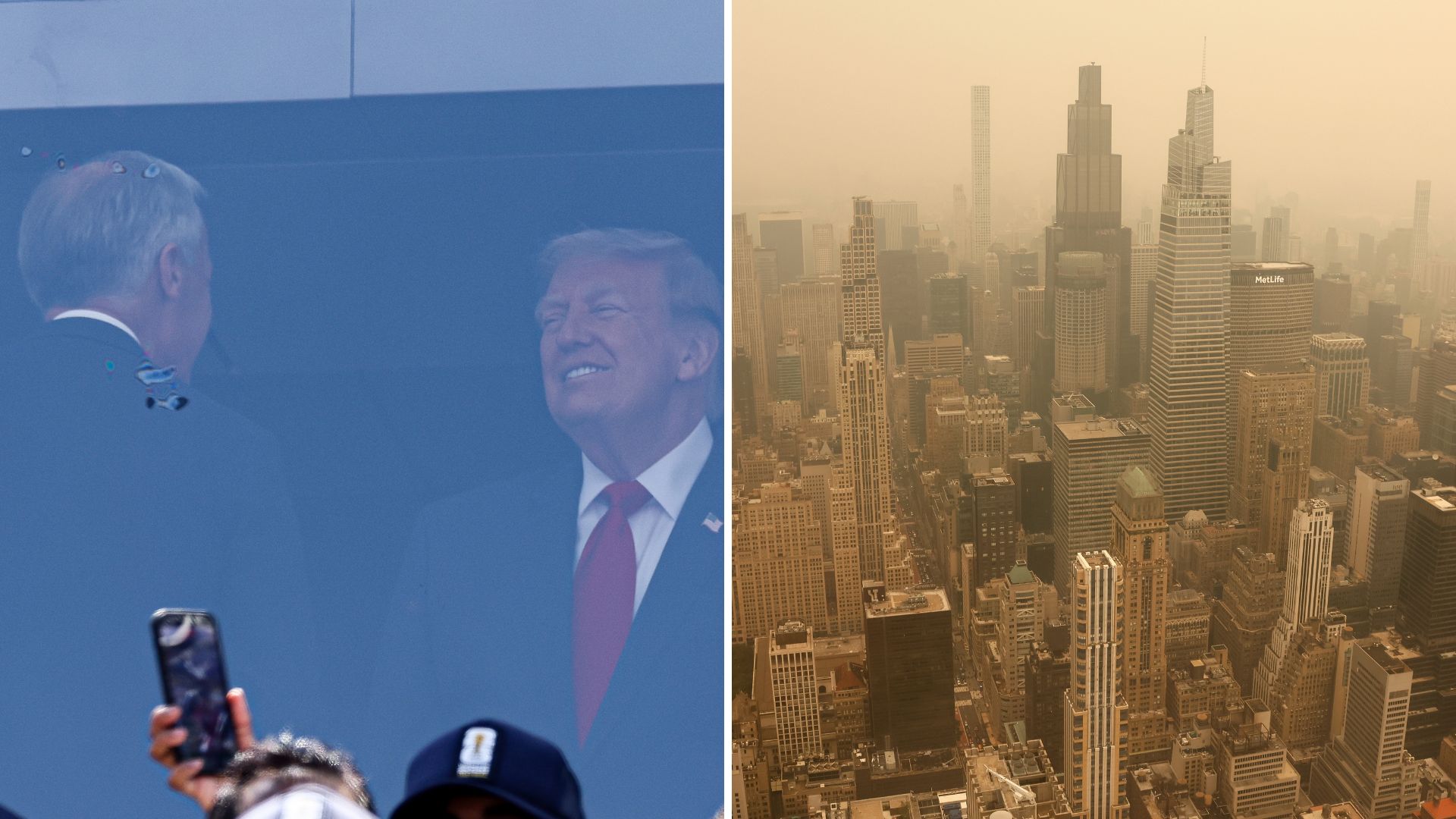
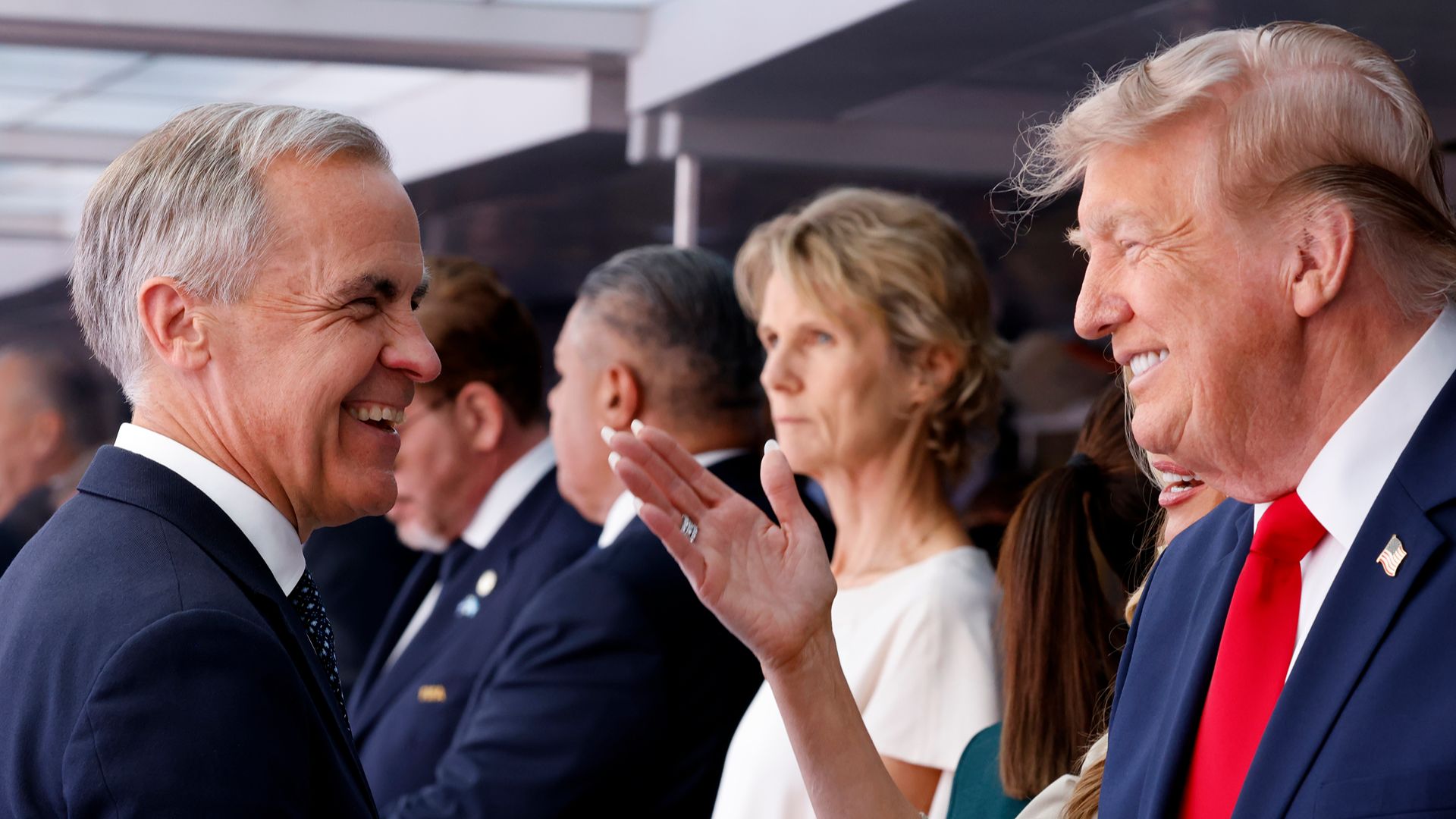
Donald Trump a interpellé le Premier ministre canadien Mark Carney lors de la finale de la Coupe du monde de la FIFA, exigeant que des mesures soient prises contre les gigantesques feux de forêt dont la fumée avait franchi la frontière à plusieurs reprises et recouvert de vastes régions des États-Unis. Cet échange diplomatique, d’une tension inhabituelle, s’est déroulé le 19 juillet alors que les deux dirigeants assistaient à la finale opposant l’Espagne à l’Argentine au MetLife Stadium d’East Rutherford, dans le New Jersey.
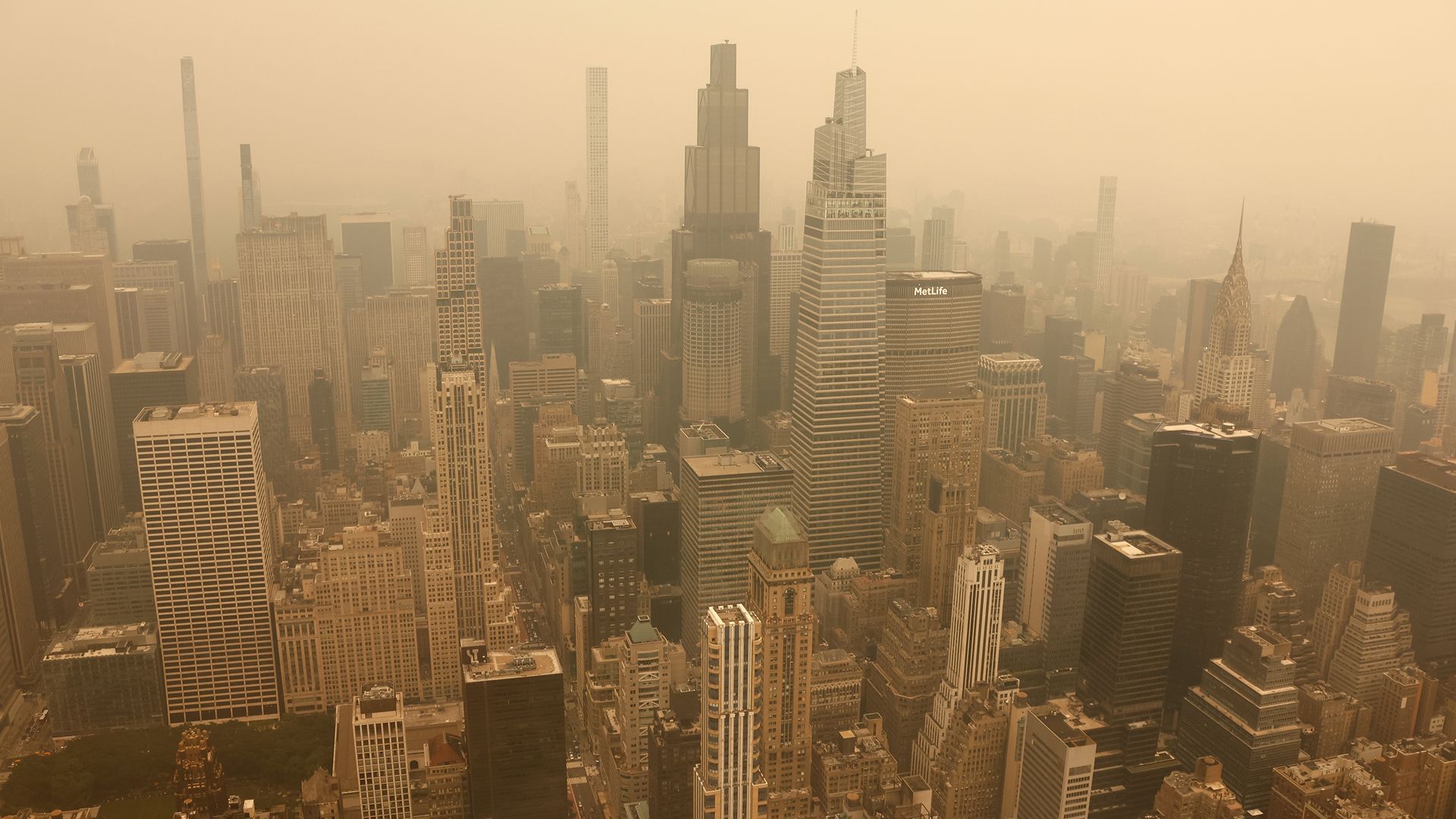
La fumée générée par les incendies qui ravageaient l’Ontario et d’autres provinces canadiennes avait créé des conditions insalubres dans plusieurs villes américaines, entraînant des alertes à la qualité de l’air et ravivant les inquiétudes quant aux conséquences économiques croissantes de ces saisons de feux particulièrement violentes. Dans le Michigan, la brume a envahi certains lieux de travail et perturbé l’activité industrielle, offrant à Trump l’occasion de faire le lien entre cette urgence environnementale et sa campagne commerciale plus large contre le Canada. Ce qui devait mettre en avant la coopération entre les trois pays hôtes de la Coupe du monde s’est au contraire transformé en théâtre d’une nouvelle confrontation entre Washington et Ottawa.
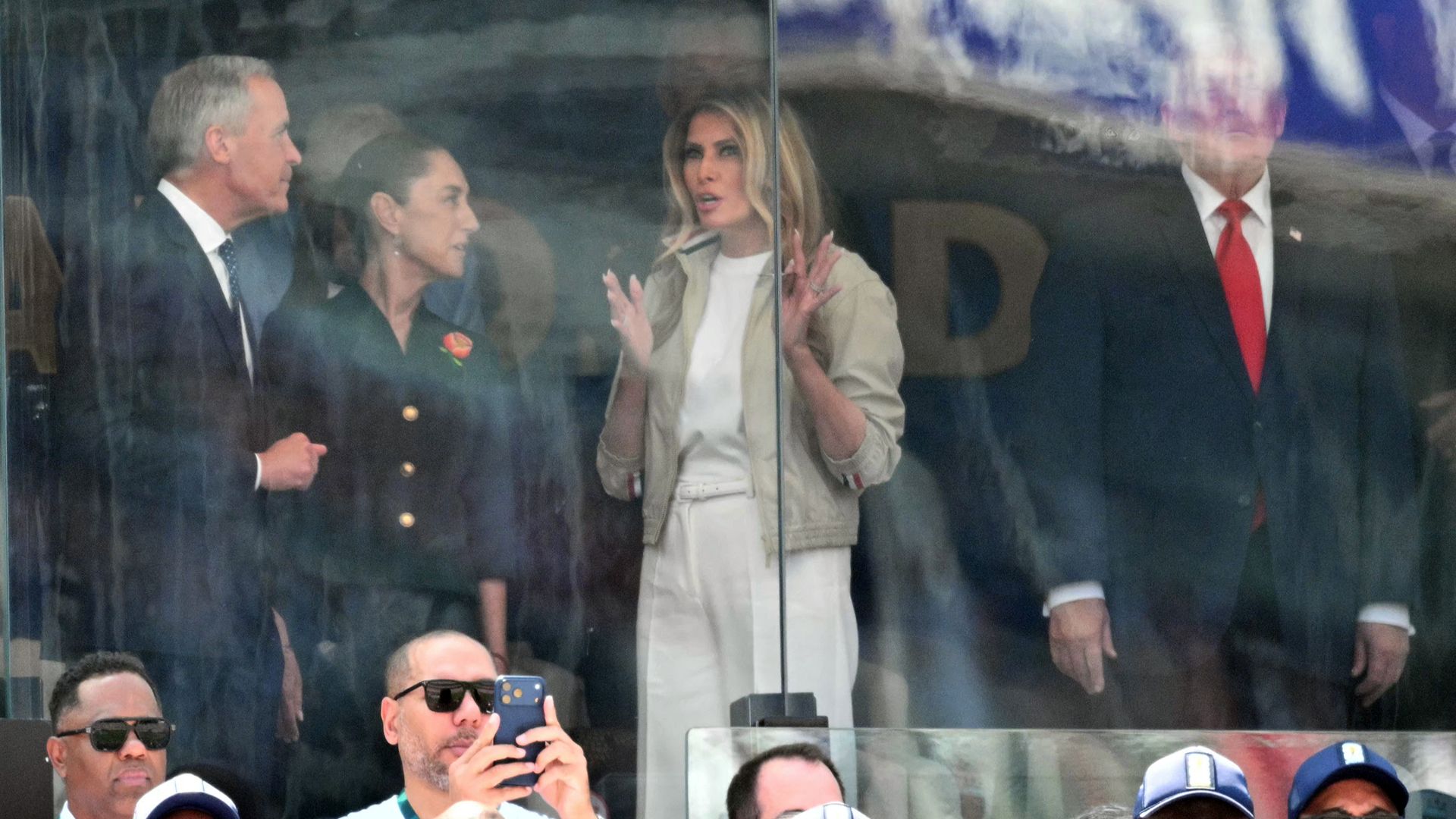
Trump et Carney ont assisté à la finale depuis une loge de luxe où se trouvaient également la présidente mexicaine Claudia Sheinbaum, le président de la FIFA Gianni Infantino et d’autres dignitaires internationaux.
Malgré l’atmosphère solennelle qui entourait l’un des plus grands événements sportifs au monde, Trump a déclaré avoir directement interpellé le dirigeant canadien au sujet de la fumée qui pénétrait aux États-Unis. De retour à la base militaire d’Andrews, il a décrit cette conversation aux journalistes :
« Je lui ai dit: Vous devez empêcher ces feux de se propager et, vous savez, d’empoisonner notre air. Notre air a été empoisonné. »
Trump a ensuite transformé ce différend environnemental en une éventuelle réclamation financière à l’encontre du Canada, arguant que les dommages subis par les communautés et les entreprises américaines pourraient justifier une indemnisation. Il a suggéré que le Canada « nous verse des dommages-intérêts ou quelque chose comme ça, ou bien nous devrions instaurer des droits de douane », étendant ainsi son recours aux droits d’importation comme moyen de pression dans une crise traditionnellement gérée par le biais de la coopération environnementale et d’accords d’intervention d’urgence.
« Nous tenons le Canada pour responsable du fait qu’il n’entretient pas correctement ses forêts et les broussailles qui s’y trouvent, et que les États-Unis sont inutilement envahis par un air sale, pollué et malsain, dont la qualité est dangereuse et totalement inacceptable ! »
– Donald Trump, président des États-Unis
Cette confrontation au stade a fait suite à plusieurs jours de déclarations de plus en plus agressives de la part de Trump, qui avait déjà accusé le gouvernement Carney de ne pas gérer correctement les forêts canadiennes et de ne pas éliminer la végétation dangereuse.
Le 17 juillet, il a écrit sur Truth Social : « Nous tenons le Canada pour responsable du fait qu’il n’entretient pas correctement ses forêts et les broussailles qui s’y trouvent, et que les États-Unis sont inutilement envahis par un air sale, pollué et malsain, dont la qualité est dangereuse et totalement inacceptable ! » Il a annoncé son intention de contacter directement Carney, ajoutant :
« Je vais appeler le Premier ministre dans la journée pour savoir ce qu’ils comptent faire à ce sujet. Le coût est incalculable ! » Trump a présenté cette fumée récurrente comme la conséquence prévisible de la politique canadienne plutôt que comme une catastrophe naturelle incontrôlable, déclarant :
« Le Canada a refusé de s’engager dans une gestion forestière de base et dans l’enlèvement des débris, sachant que ce refus mènerait exactement à ce résultat. »
Getty Images
Trump a poursuivi ses critiques en établissant un lien direct entre la fumée des feux de forêt et le conflit commercial plus large entre les États-Unis et le Canada. Dans la même déclaration publiée sur Truth Social, il a fait valoir que cette crise environnementale récurrente causait des milliards de dollars de dommages économiques au sud de la frontière, affectant des usines, des entreprises et des travailleurs dans plusieurs États. Il a conclu par un avertissement explicite selon lequel l’impact financier devrait être pris en compte dans les futures mesures commerciales, en écrivant :
« Il s’agit d’une négligence délibérée, qui devient un phénomène annuel et coûte des milliards de dollars aux États-Unis ; le coût de cette pollution doit nécessairement être ajouté aux DROITS DE DOUANE que le Canada paie actuellement.
Merci de l’attention que vous portez à cette question ! » Tout au long de son second mandat, Trump a de plus en plus utilisé les droits de douane comme outil de négociation, appliquant ou menaçant d’imposer de nouveaux droits sur des questions allant bien au-delà des différends commerciaux traditionnels.
Ses derniers commentaires laissent entendre que les événements environnementaux survenant en dehors des frontières américaines pourraient également servir de justification à des représailles économiques si Washington estime que les industries américaines en supportent le coût.
Getty Images
Les responsables canadiens ont rapidement rejeté les accusations de Trump, insistant sur le fait que cette saison dévastatrice de feux de forêt s’inscrit dans une tendance mondiale bien plus large plutôt que d’être la conséquence d’une gestion forestière négligente.
Mark Carney a rejeté l’idée selon laquelle le Canada devrait indemniser les États-Unis sous peine de se voir imposer des droits de douane supplémentaires, arguant que ces saisons de feux de plus en plus destructrices sont dues au changement climatique qui touche les pays du monde entier. Plutôt que d’accepter cette responsabilité, Mark Carney a mis en avant les investissements du Canada dans les énergies propres et la résilience face aux feux de forêt, tout en les opposant aux politiques menées par l’administration Trump, qui a réduit ou retiré son soutien à plusieurs initiatives internationales en matière de climat. Les responsables canadiens ont également souligné que la chaleur extrême, la sécheresse prolongée et l’évolution des conditions météorologiques ont considérablement accru l’ampleur et l’intensité des feux de forêt ces dernières années, rendant les efforts de lutte contre les incendies de plus en plus difficiles malgré les ressources fédérales et provinciales substantielles mobilisées pour les opérations de lutte contre les incendies dans tout le pays.
« Je lui ai dit : Vous devez empêcher ces feux de se propager et, vous savez, d’empoisonner notre air. Notre air a été empoisonné. »
– Donald Trump, président des États-Unis
Le premier ministre de l’Ontario, Doug Ford, a également réagi avec vigueur aux propos tenus à Washington, affirmant que les dirigeants américains faisaient abstraction de la longue histoire de coopération entre les deux pays lors de catastrophes naturelles. M. Ford a déclaré que les responsables politiques américains avaient « la mémoire très courte », rappelant le déploiement répété d’avions bombardiers d’eau, de pompiers et de personnel d’urgence canadiens pour venir en aide aux États américains confrontés à des feux de forêt catastrophiques, notamment lors de certaines des plus graves urgences incendiaires en Californie. Ses propos ont souligné la position du Canada selon laquelle la lutte contre les feux de forêt repose traditionnellement sur l’entraide plutôt que sur la confrontation politique, les deux pays partageant régulièrement des avions, des équipes spécialisées et des ressources d’urgence lorsque des catastrophes majeures dépassent les capacités locales. Cet échange a néanmoins mis en évidence la manière dont l’une des saisons de feux de forêt les plus destructrices d’Amérique du Nord s’est transformée en un différend diplomatique plus large, mêlant préoccupations environnementales, griefs économiques et politique commerciale, lors d’un événement destiné à célébrer la coopération internationale à l’occasion de la Coupe du monde de la FIFA.
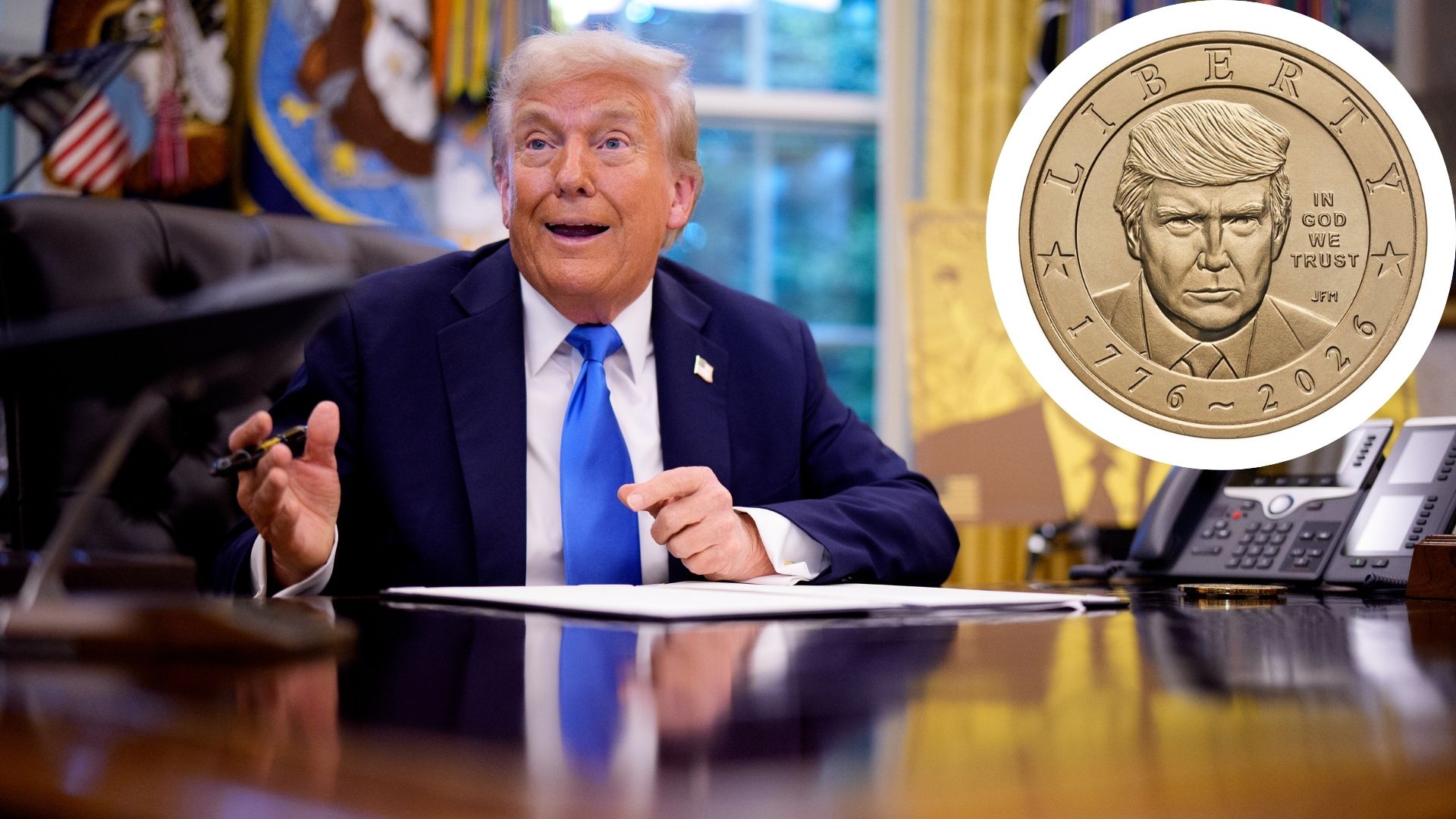
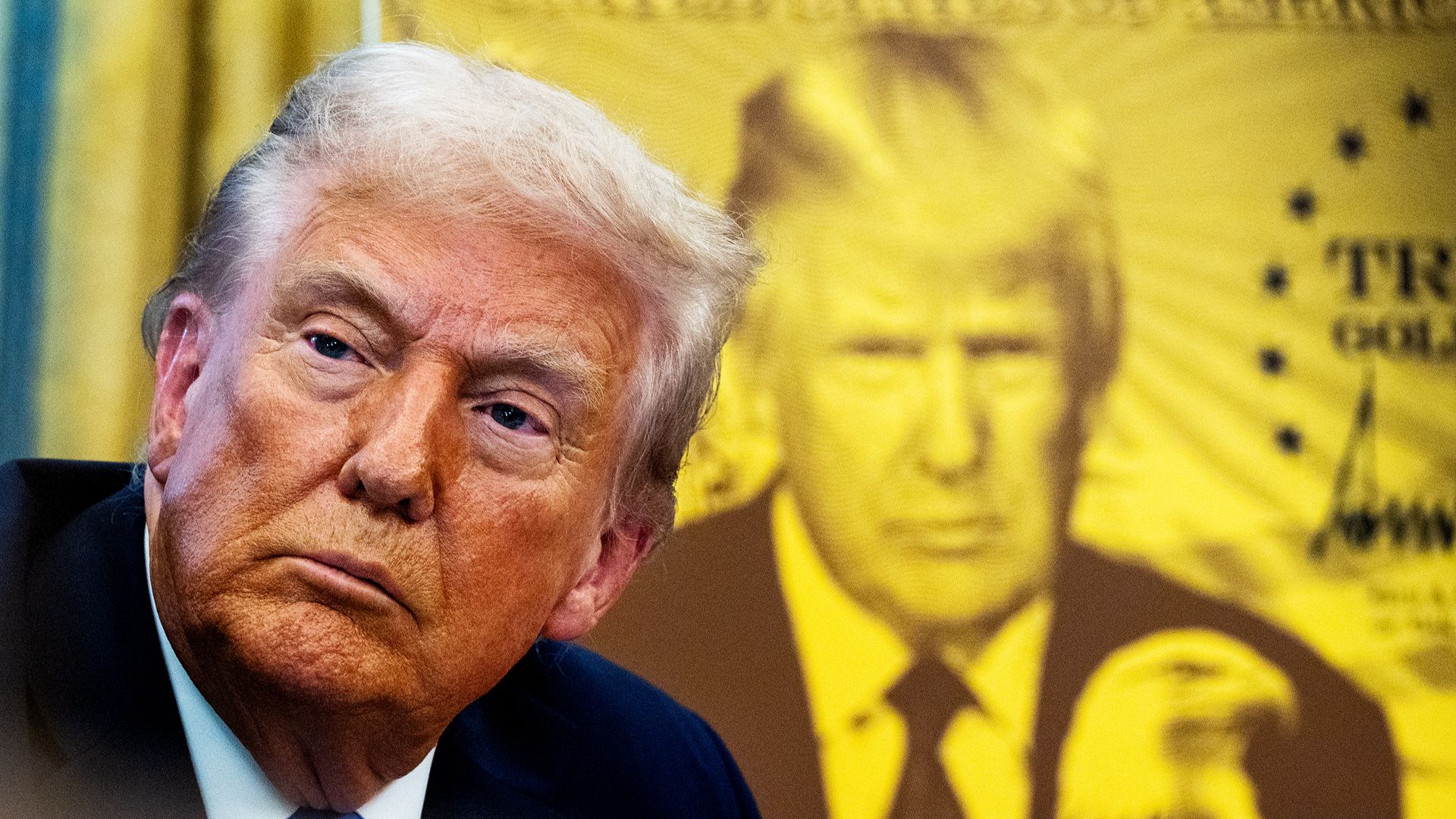
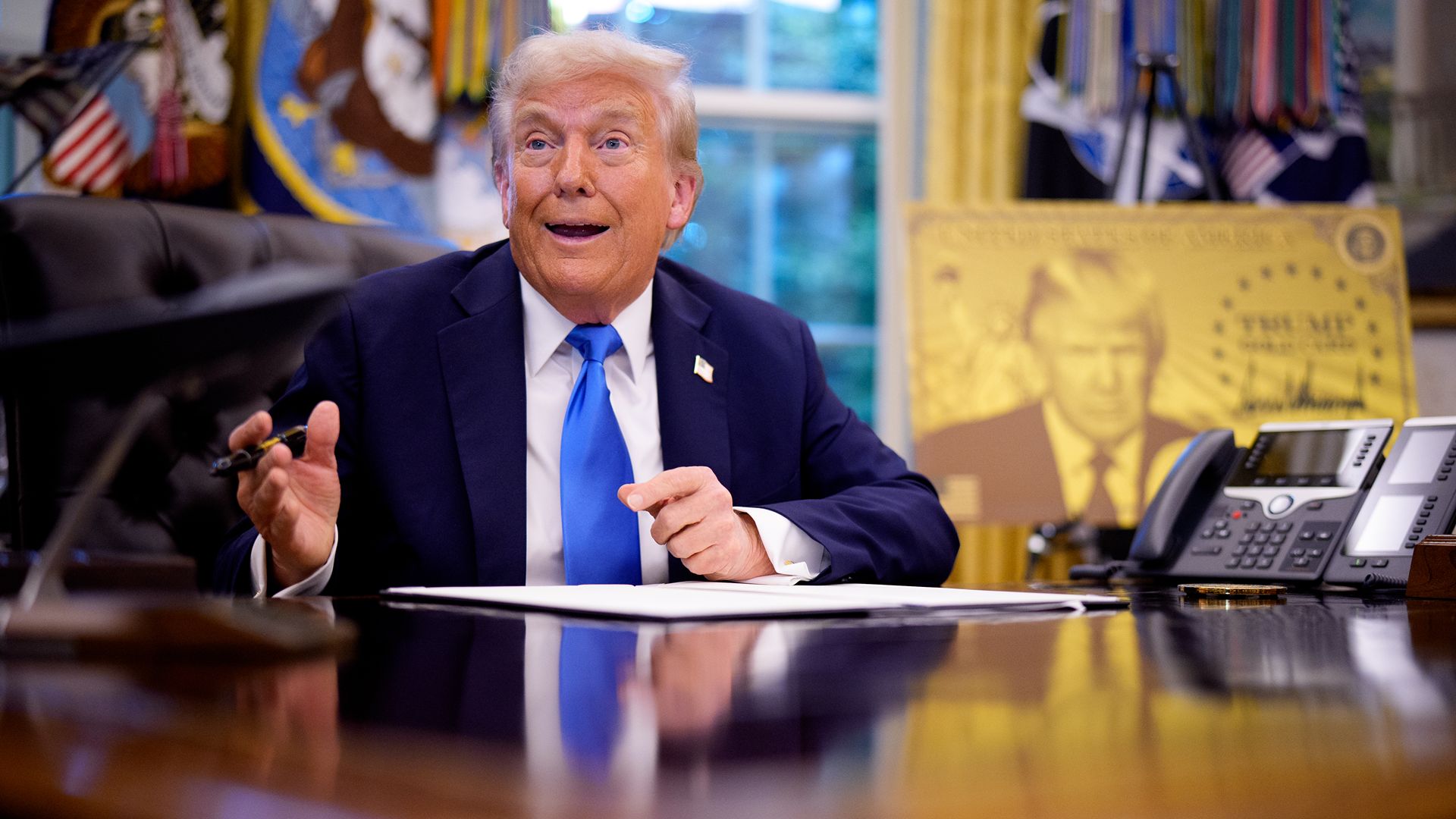
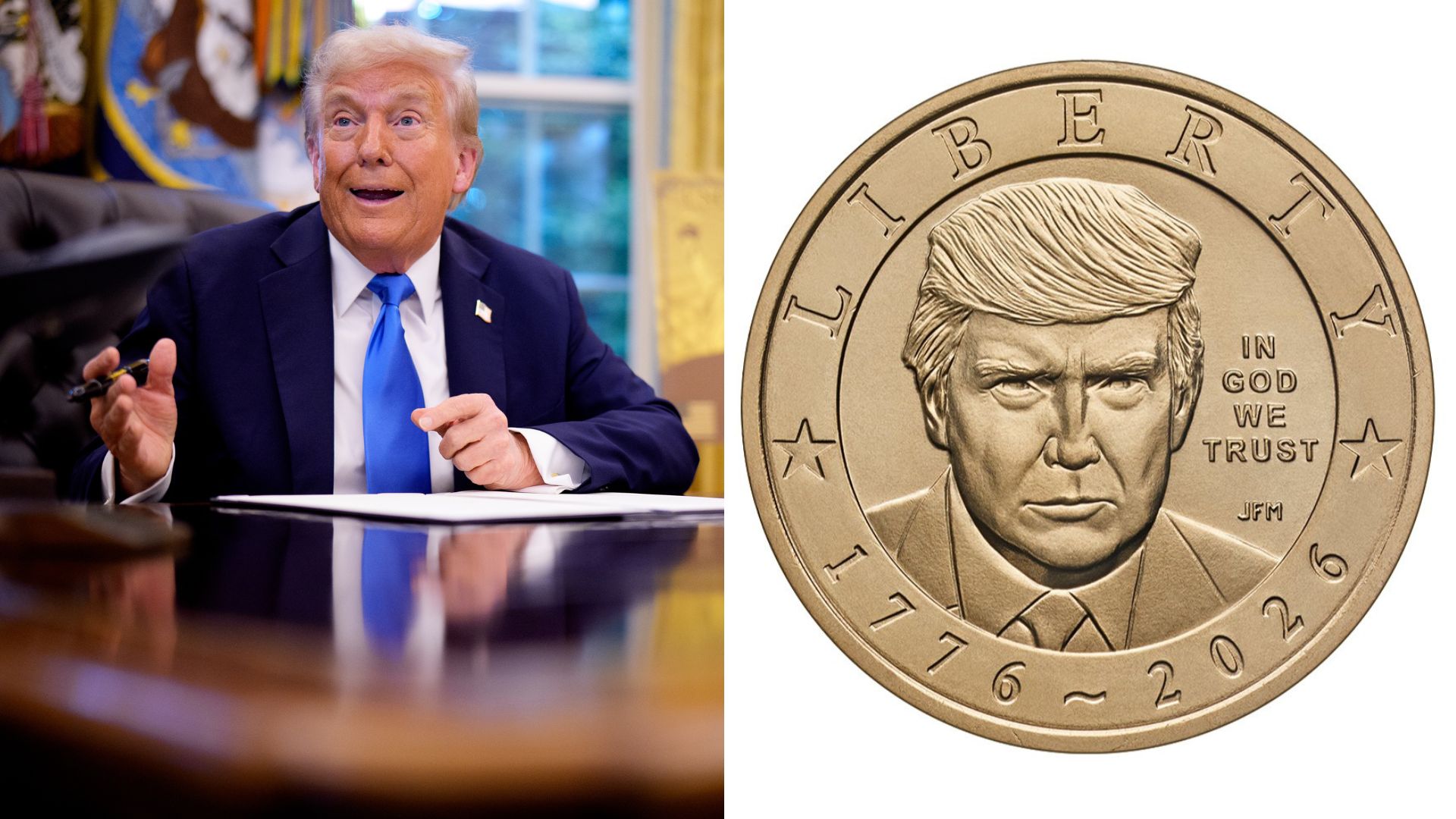
Un nouveau motif commémoratif dévoilé à l’approche du 250e anniversaire des États-Unis est en passe de devenir l’une des initiatives gouvernementales les plus commentées de l’année. Alors que les responsables le décrivent comme un hommage patriotique à un événement historique marquant, cette annonce a relancé un débat national sur la tradition présidentielle, le droit fédéral et la symbolique liée au fait de placer des personnalités politiques contemporaines au cœur des commémorations nationales.