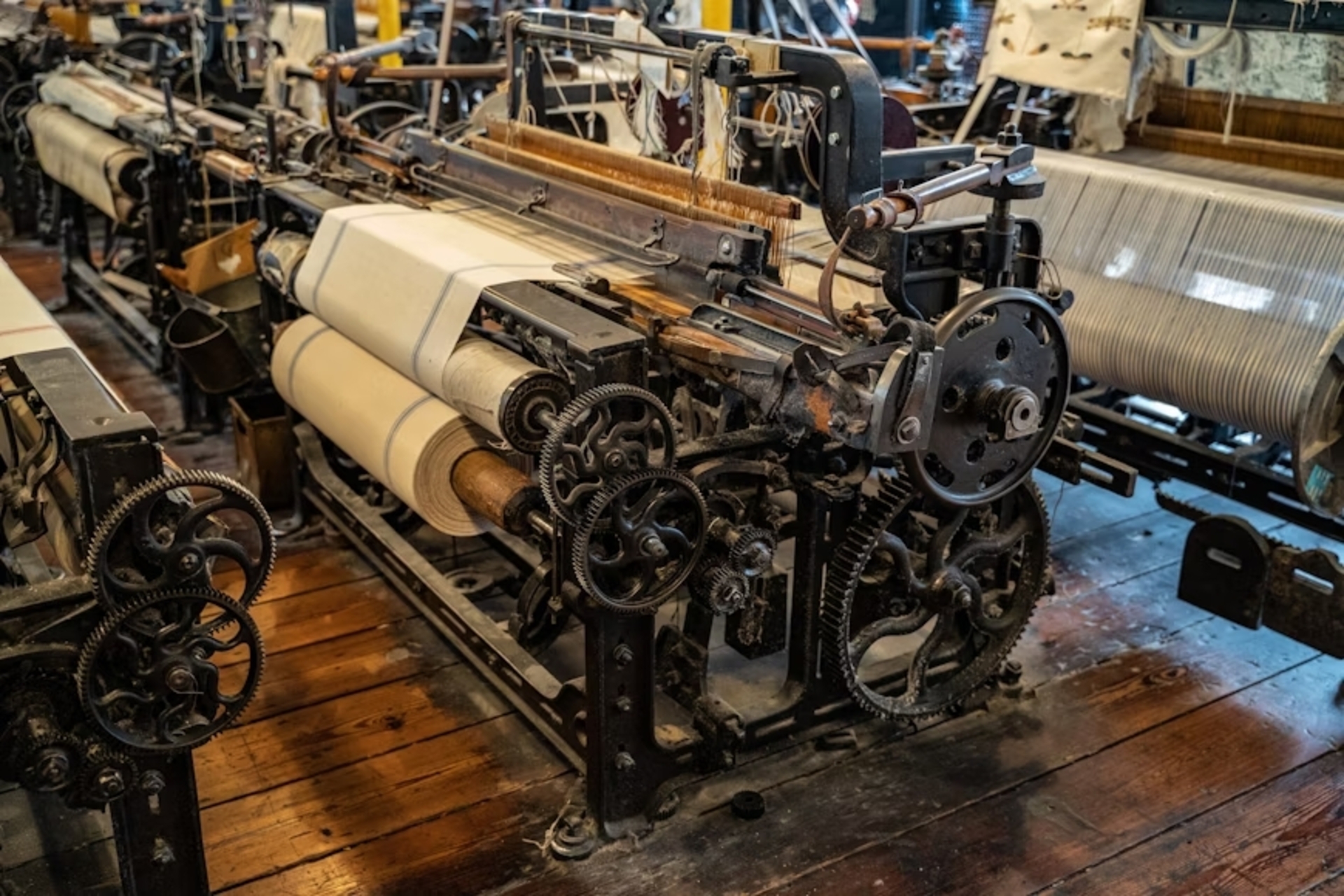
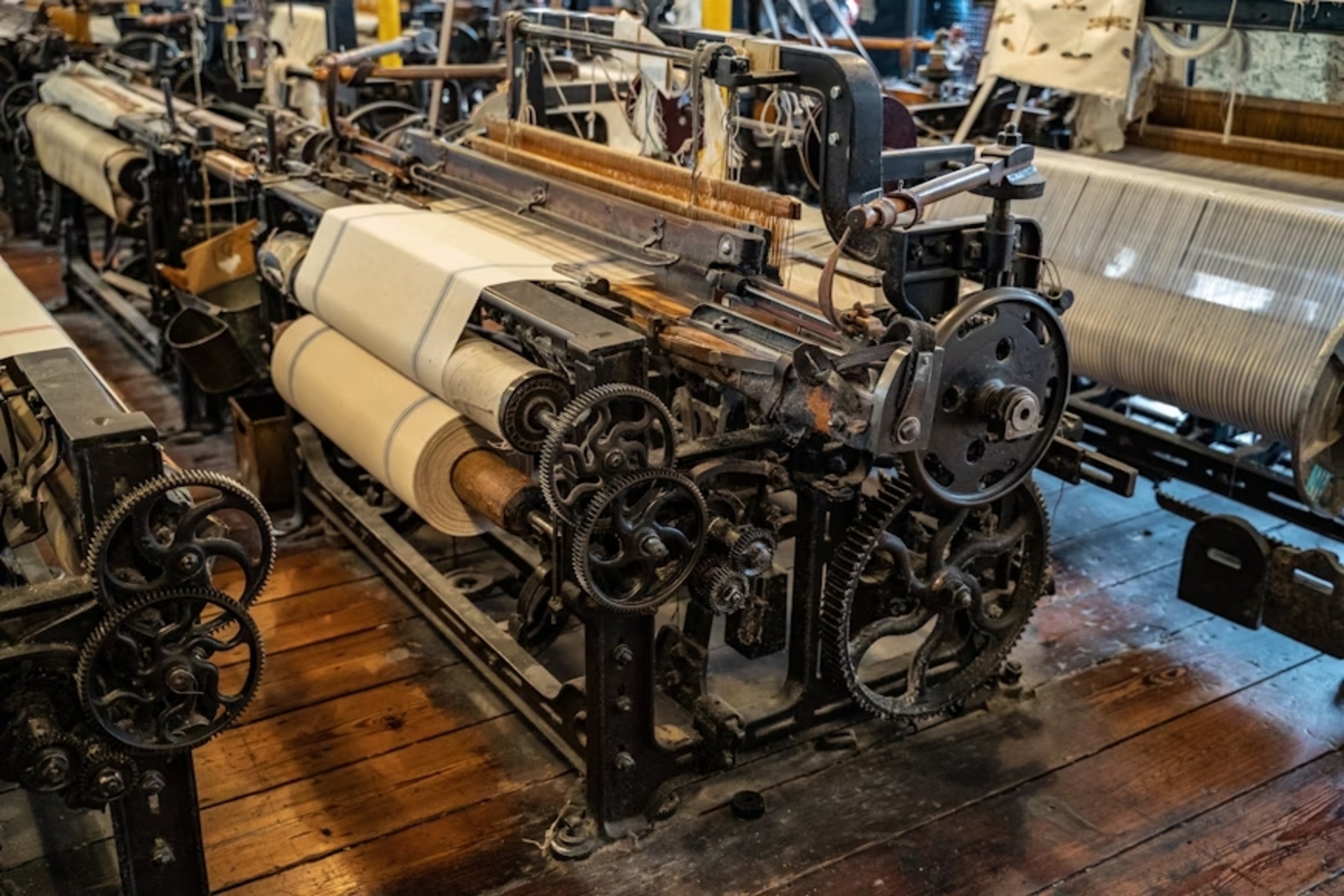
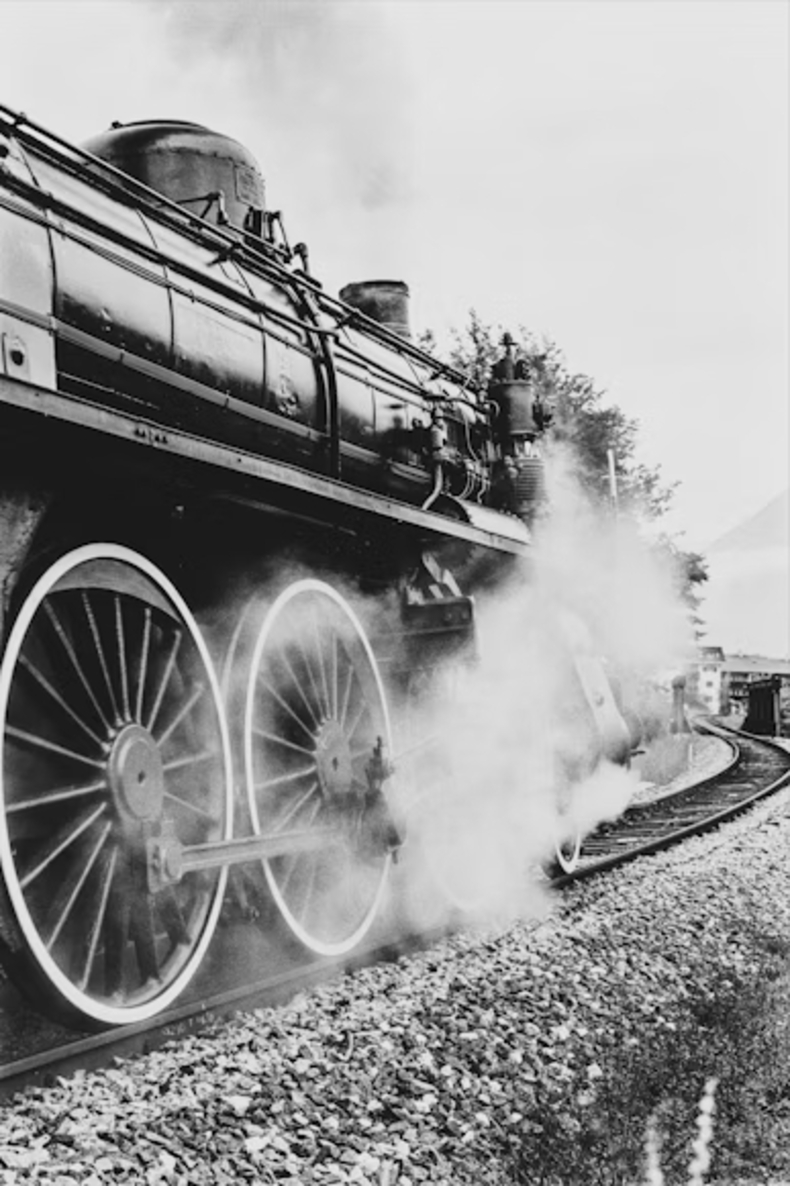
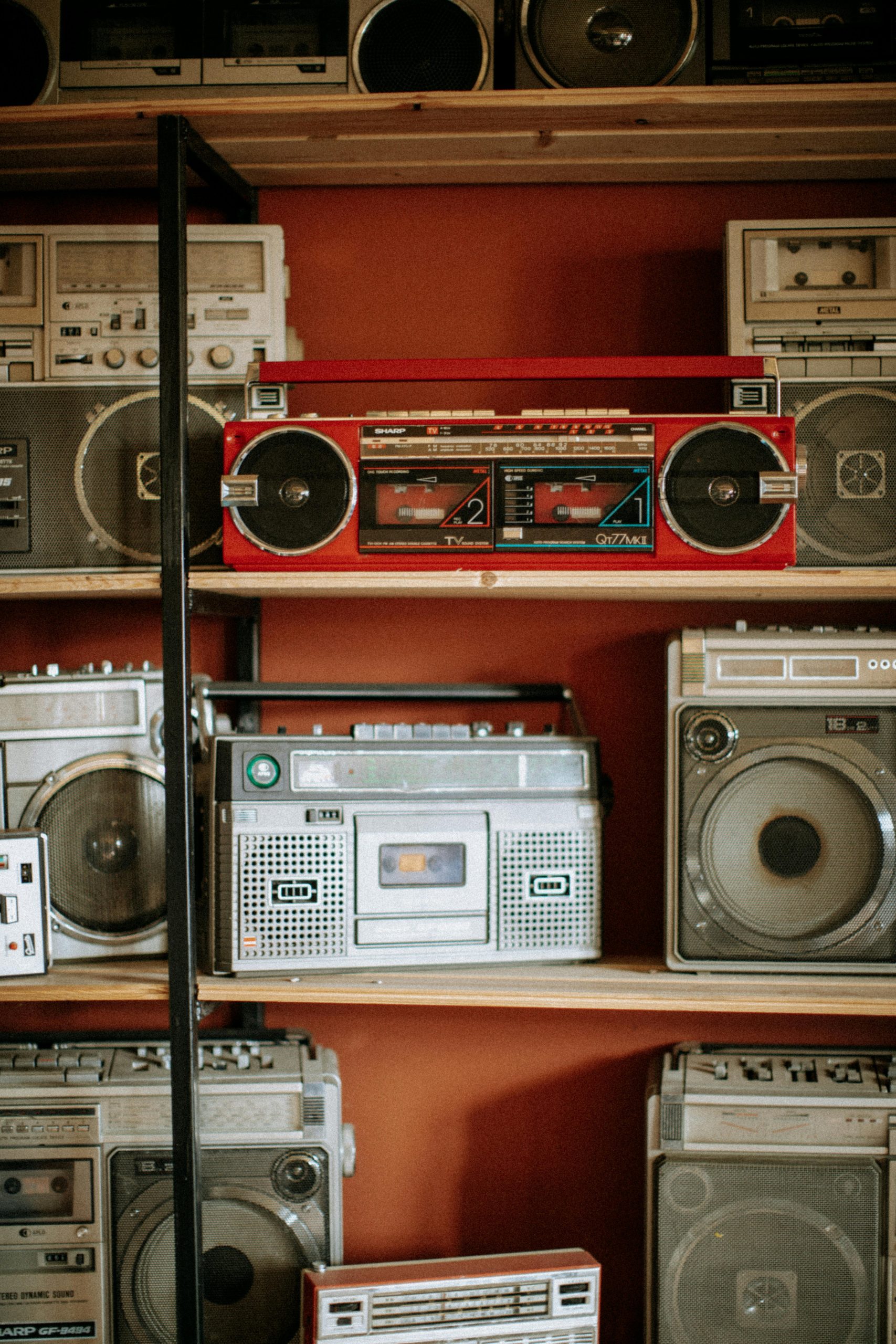
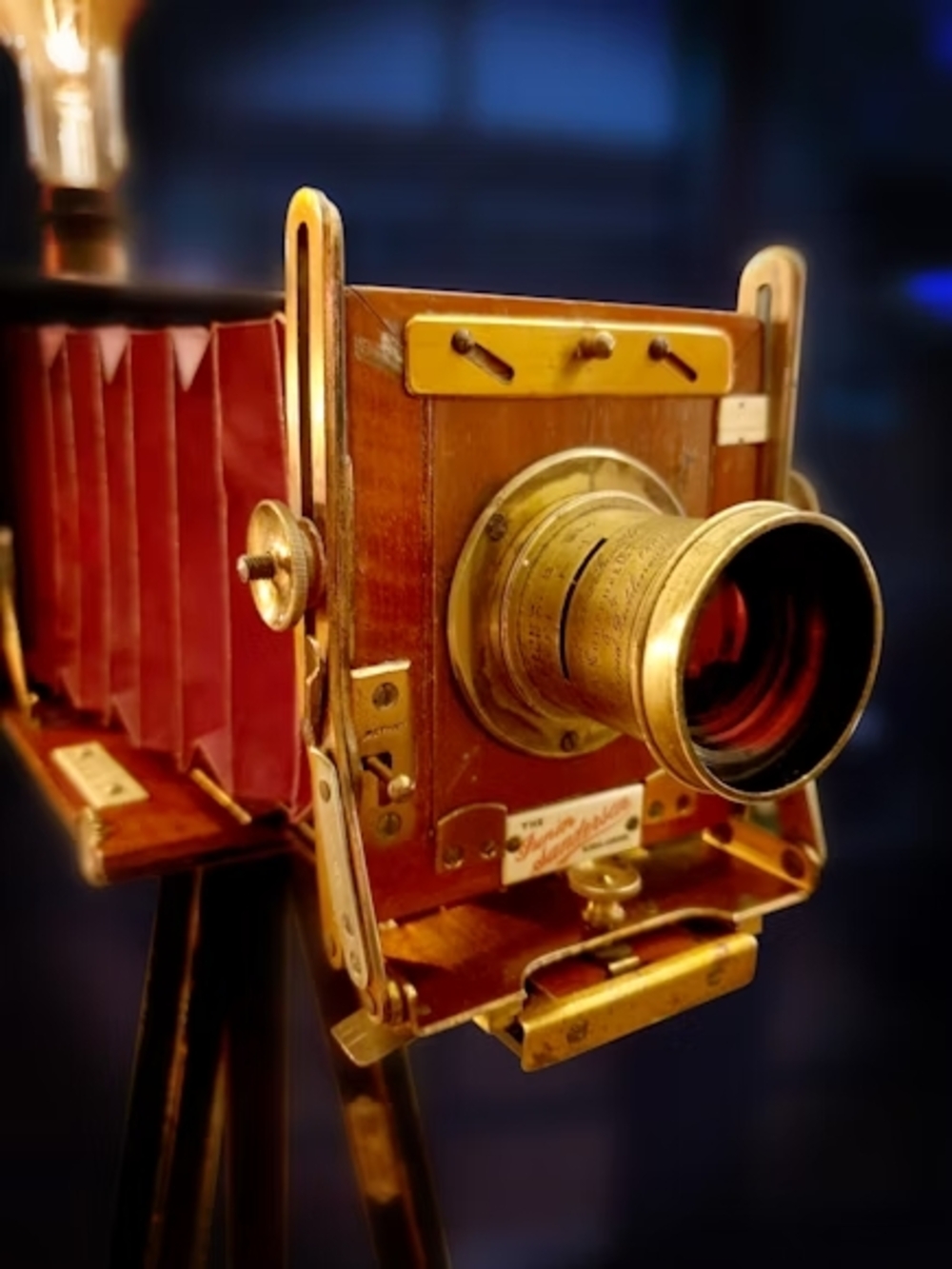
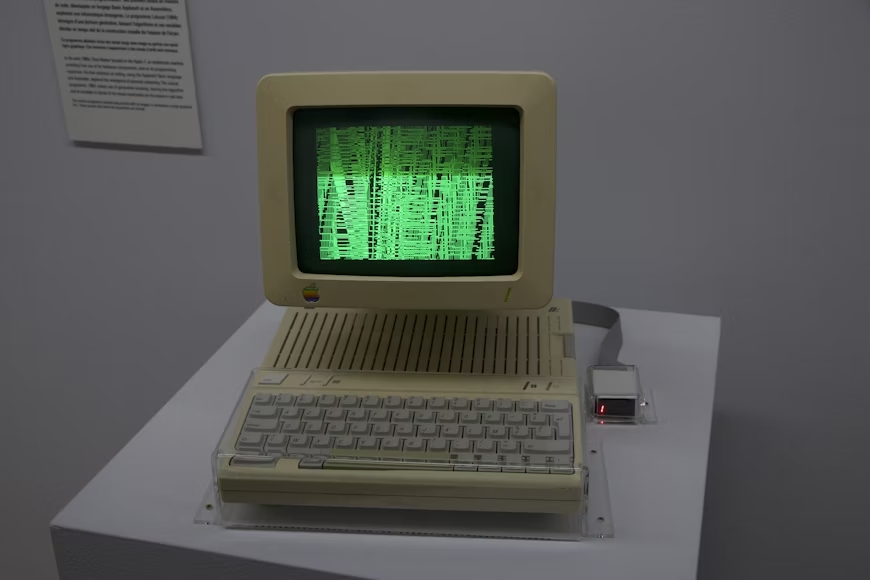
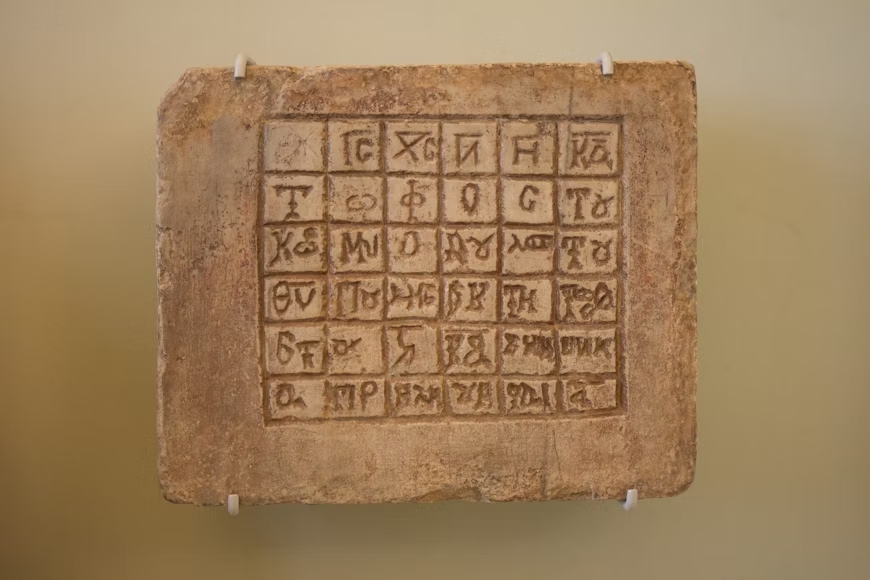
Numerous inventions have profoundly marked the history of mankind and played a decisive role in our daily lives. Sometimes relatively simple, sometimes more complex, these inventions first concerned the control of the environment, before opening up new perspectives for applications that were previously unimaginable, reflecting the infinite curiosity and imaginative power of human beings. Here is a selection of 15 inventions that have changed the face of the world:
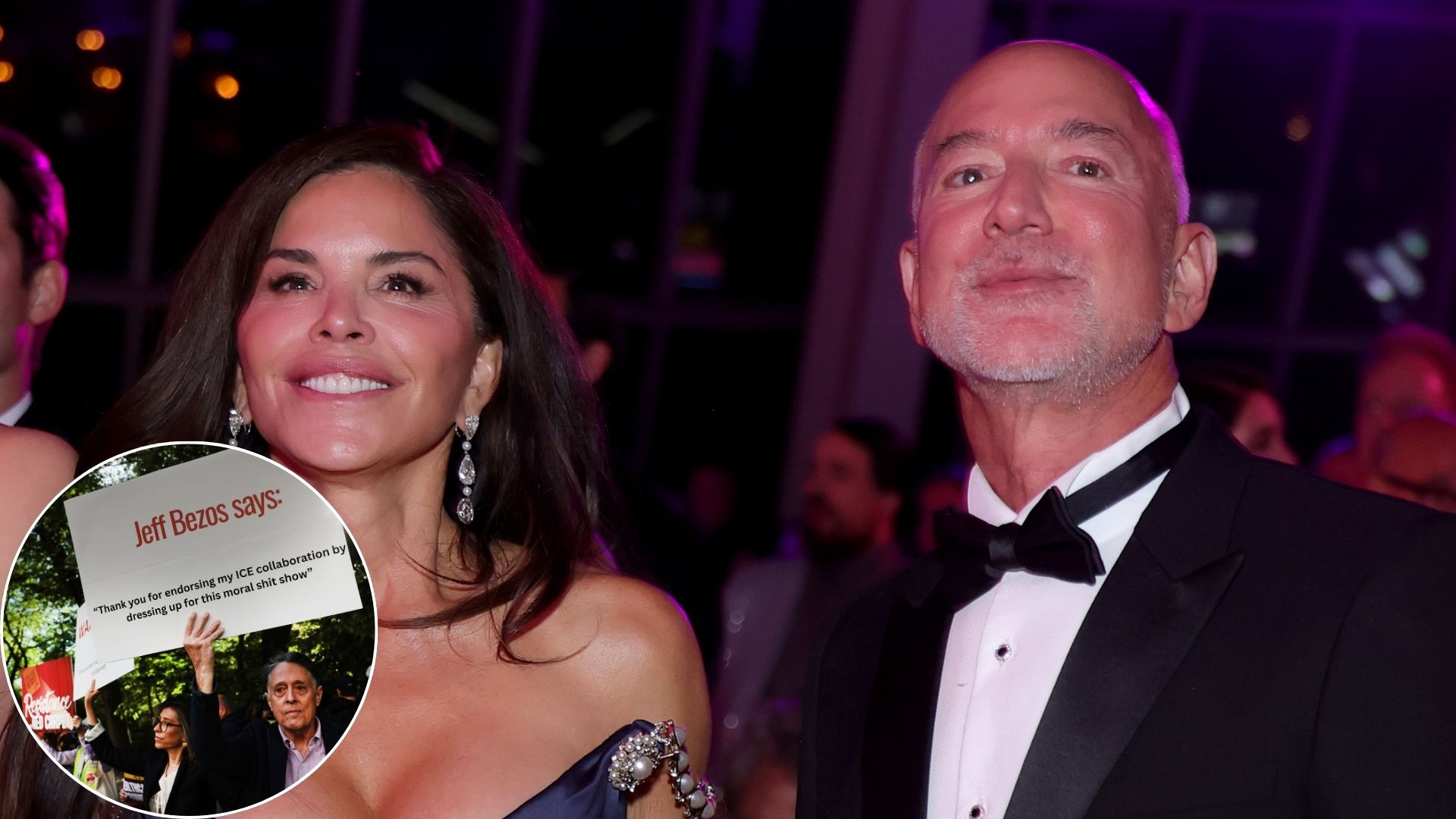
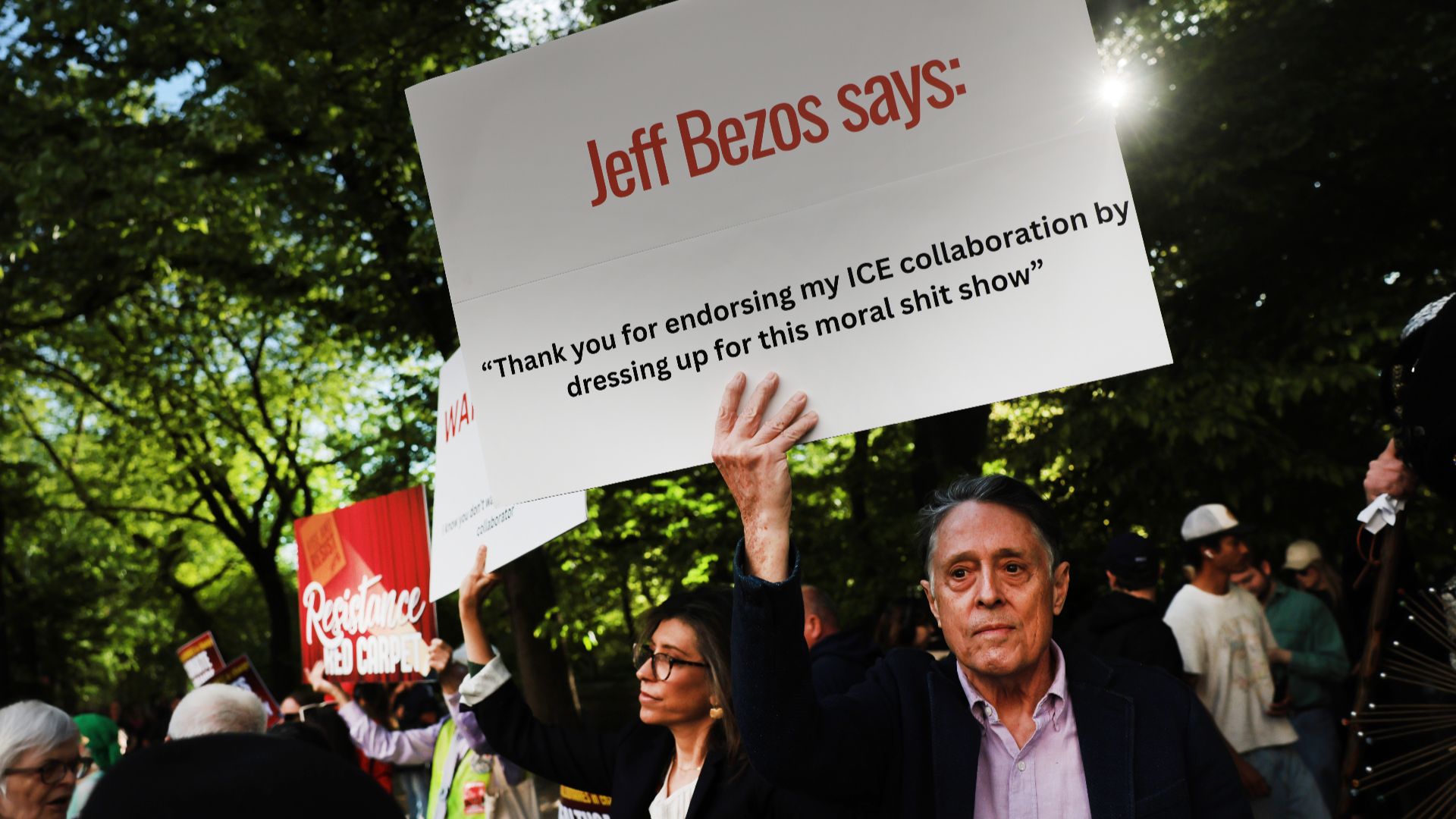
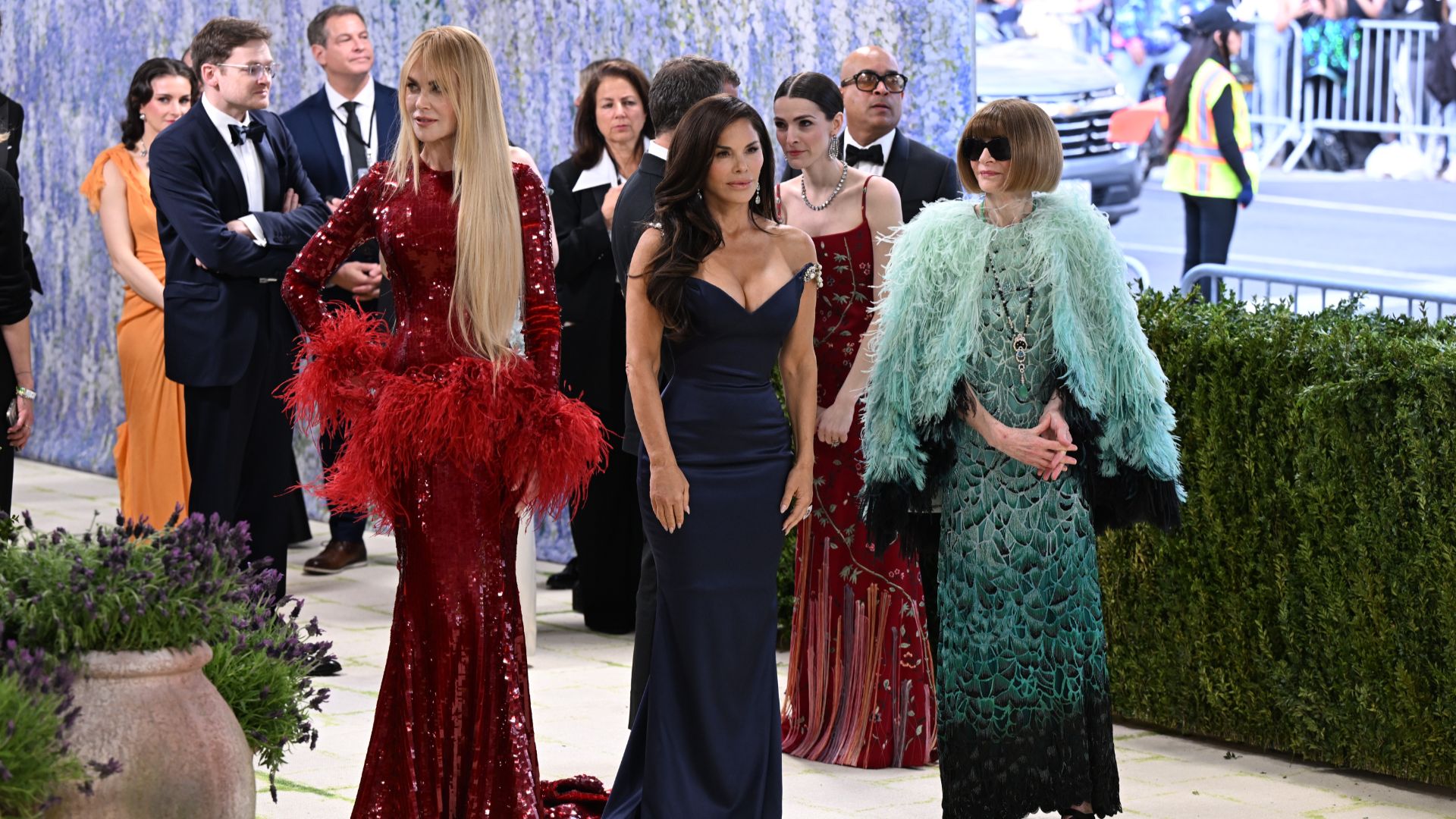
This year’s Met Gala celebration was disrupted for billionaire Jeff Bezos, the event’s lead sponsor, and his wife Lauren Sánchez Bezos, both serving as honorary chairs for the high-profile fundraiser. Bezos was forced to avoid the red carpet as large protests erupted outside the Metropolitan Museum of Art in Manhattan. Demonstrators gathered to denounce the Amazon founder, while activist campaigns targeted his business practices. The situation created an unusual backdrop for one of fashion’s most closely watched nights, shifting attention away from celebrity arrivals and toward the growing backlash surrounding one of the event’s most prominent figures.
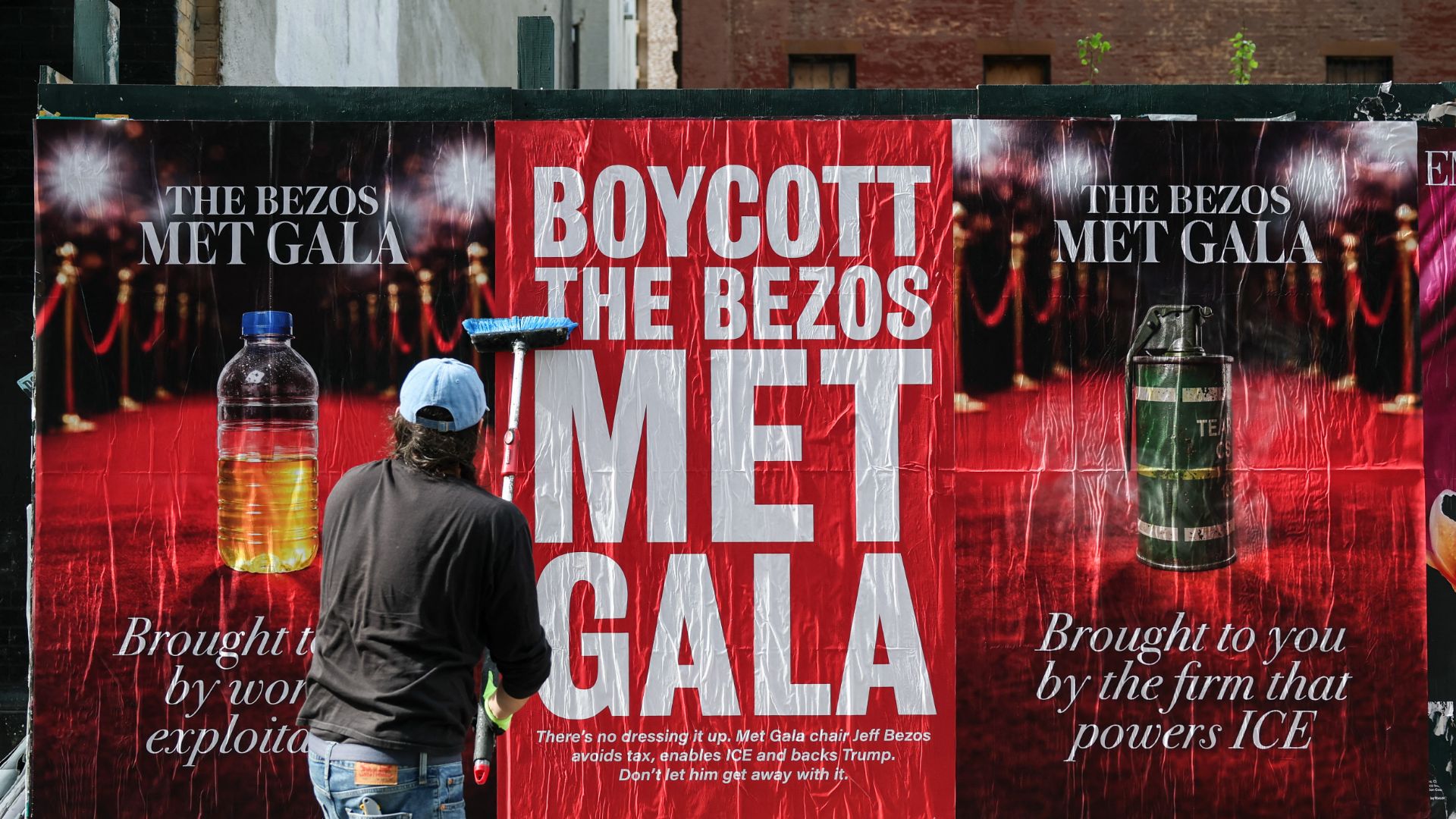
Critics and activists focused their protests on longstanding concerns over Amazon’s labor practices, particularly warehouse working conditions. A provocative art installation placed near the venue featured hundreds of miniature bottles of fake urine, symbolizing reports that workers had skipped bathroom breaks to meet productivity targets. The display drew significant attention from both attendees and passersby, amplifying criticism already circulating online. Protest organizers used the installation as a visual statement to highlight what they described as systemic issues within Amazon’s operations and to bring those concerns directly to one of the most visible cultural events of the year.
Getty Images
Beyond the museum grounds, the «Boycott the Bezos Met Gala» campaign expanded its presence across the city, projecting messages onto nearby buildings and drawing additional crowds to the protest sites. Demonstrators gathered close to the red carpet entrance, chanting and holding signs that criticized Bezos’ financial involvement in the event. Some protesters described the $10 million sponsorship as «charity grifting», arguing that high-profile philanthropy should not overshadow labor-related controversies. The scale of the demonstrations underscored how the Met Gala, typically centered on fashion and celebrity, had become a focal point for broader social and economic debates.
Getty Images
The backlash appeared to have ripple effects within the entertainment industry, with reports indicating that several high-profile celebrities chose not to attend the event. While organizers did not publicly link absences to the protests, the timing and context fueled speculation that some figures sought to distance themselves from the controversy. The Met Gala has increasingly become a platform where cultural visibility intersects with political and social messaging, and this year’s tensions highlighted the challenges faced by public figures navigating high-profile associations in a polarized environment.
Out of public view
Despite his role as honorary co-chair, Bezos did not appear on the iconic Met Gala red carpet, instead opting to enter the venue through a private access point. His absence stood in contrast to his wife’s public appearance, as Lauren Sánchez Bezos walked the steps alone in a navy-blue Schiaparelli couture gown inspired by the «Madame X» portrait. She paused for photographers and completed the traditional red carpet appearance solo, maintaining the event’s formal expectations while her husband remained out of public view amid the ongoing demonstrations outside.
Getty Images
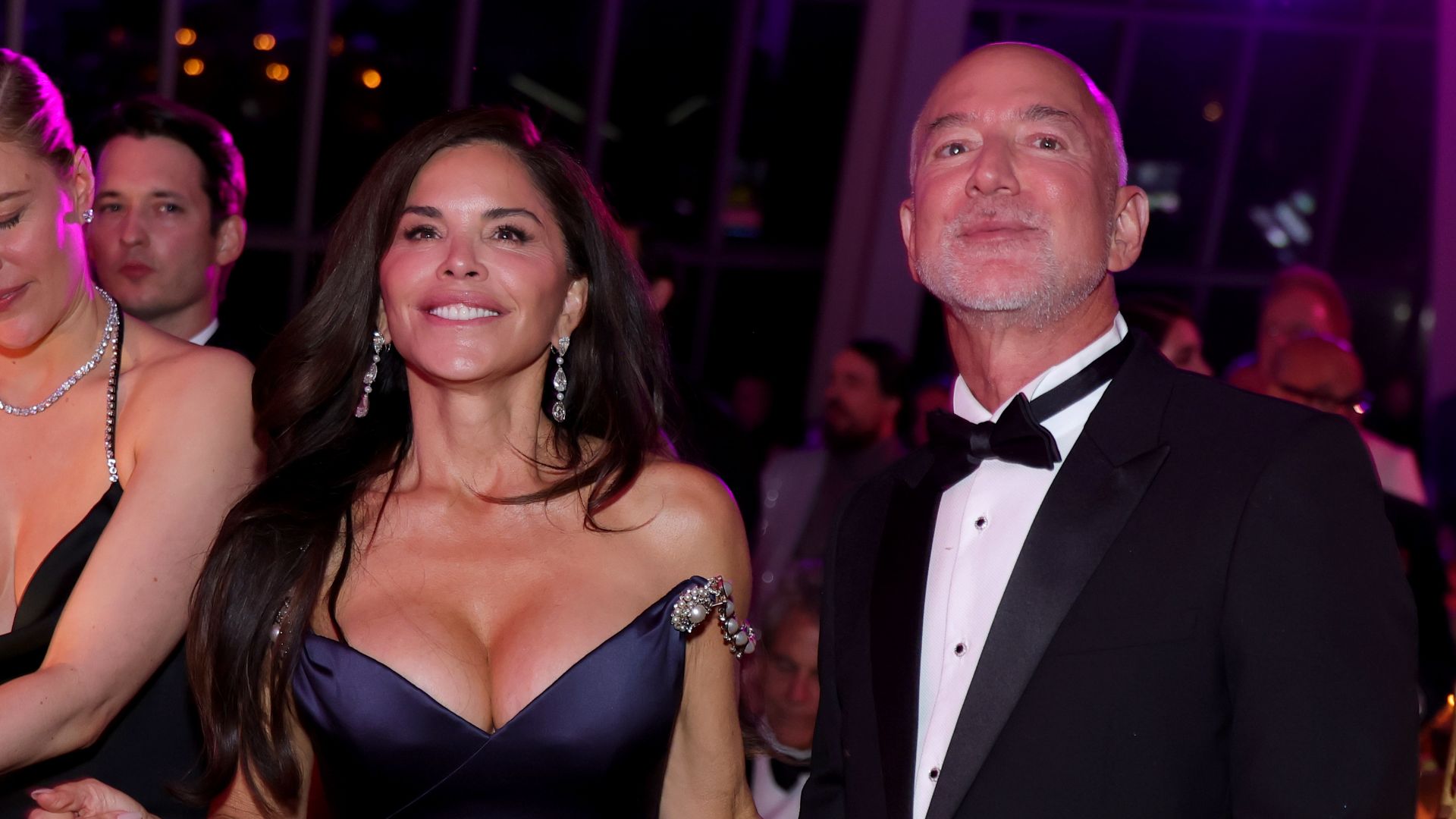
Inside the museum, however, the couple was later seen together during the gala dinner, where photographers captured them seated at their table and sharing a moment during the evening. The contrast between Bezos’ absence from the red carpet and his presence inside the event reflected the unusual circumstances surrounding this year’s gala. As protests continued to draw attention beyond the venue, the evening ultimately became defined not only by fashion and celebrity, but also by the broader public scrutiny facing one of the world’s most visible business figures.
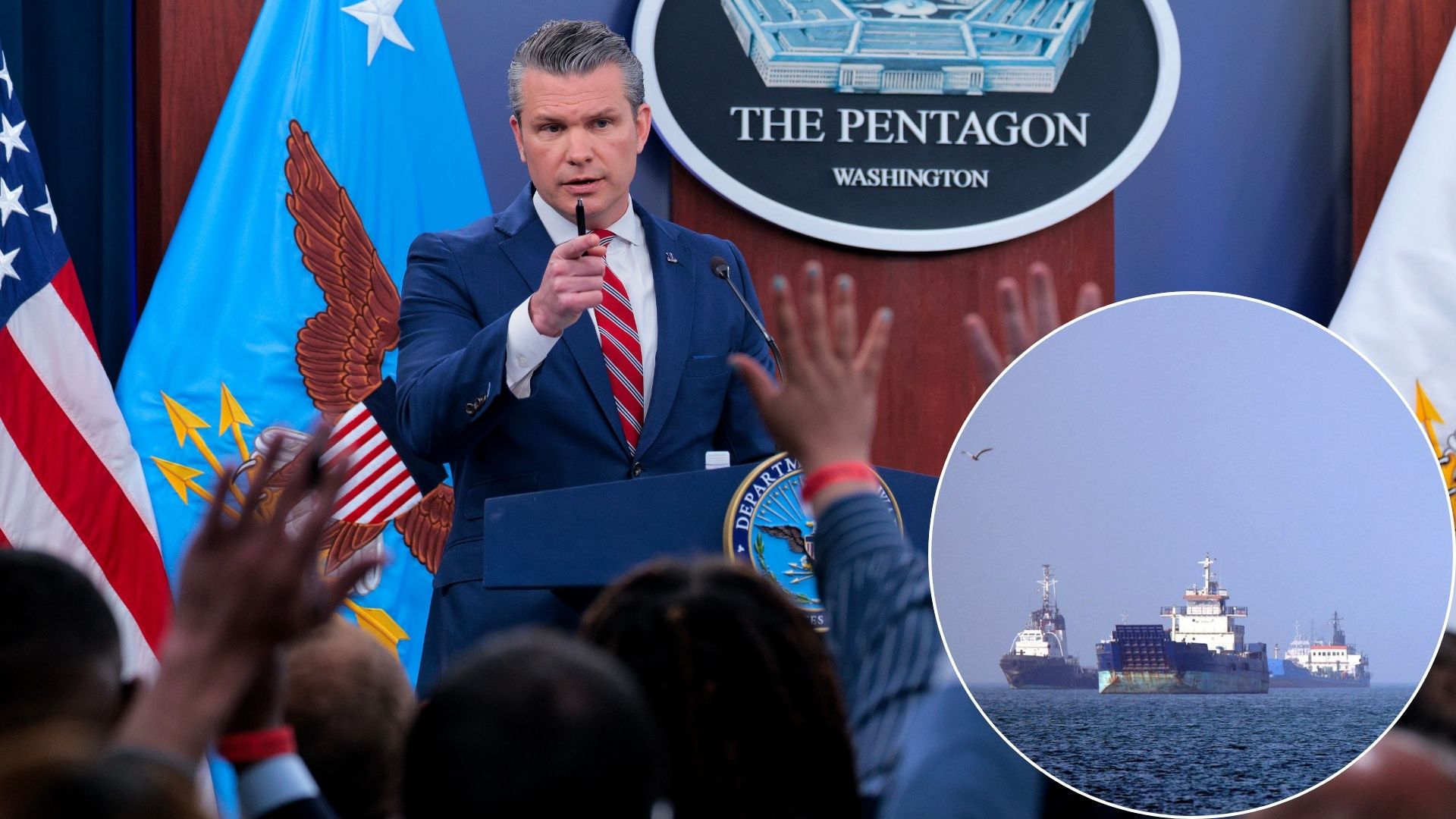
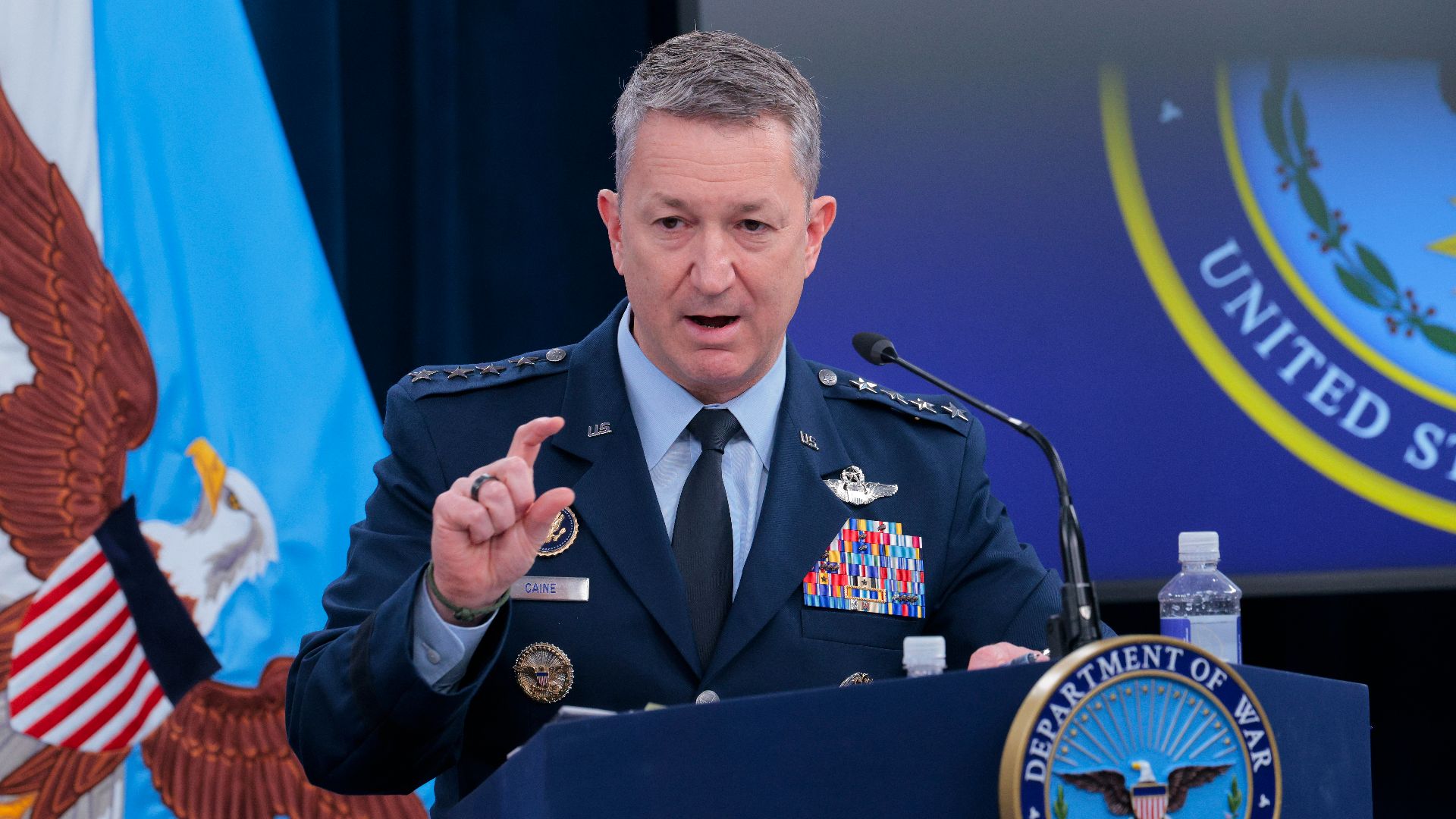
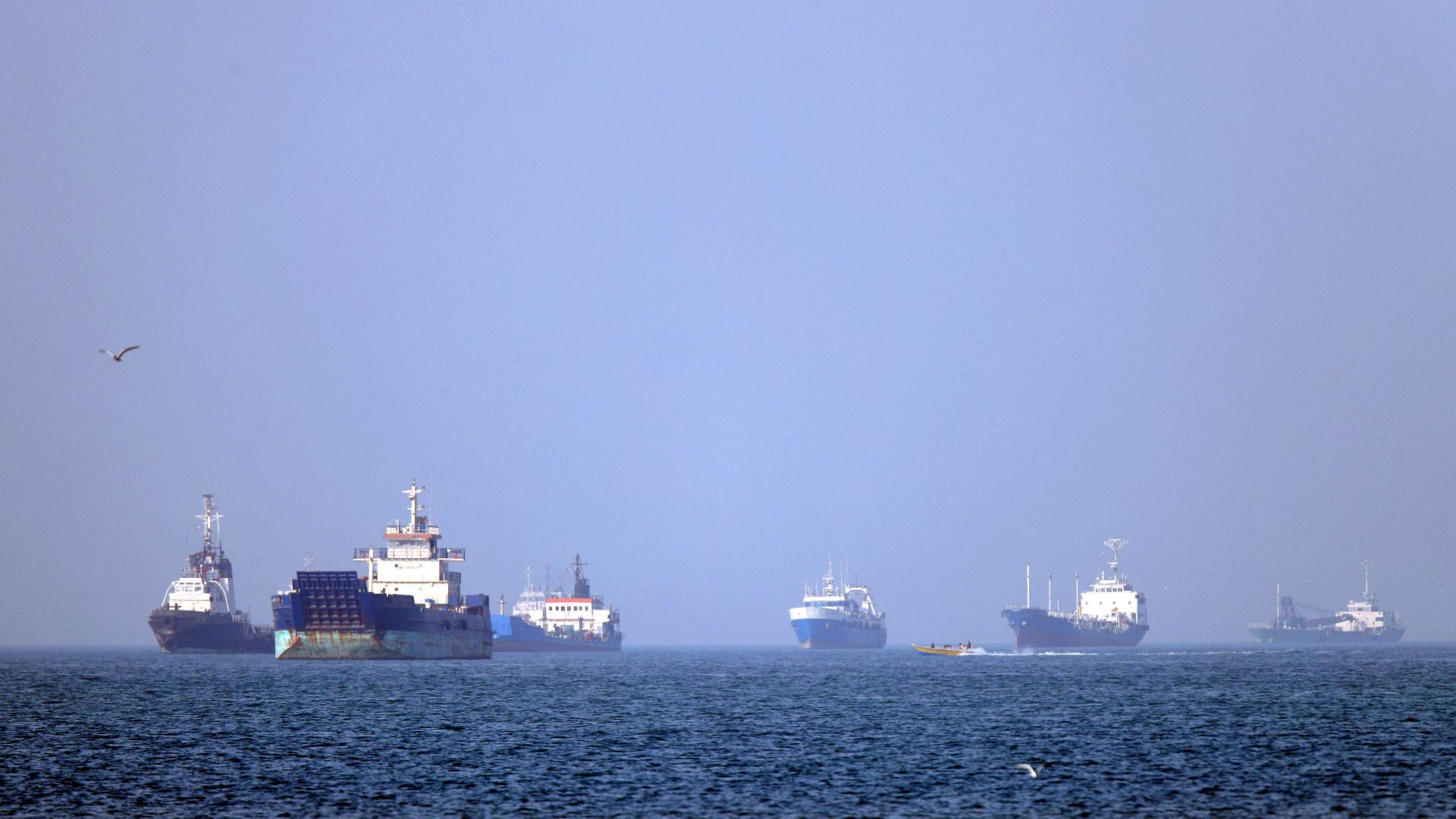
Surprising details were shared by Secretary of War Pete Hegseth and Chairman of the Joint Chiefs of Staff Dan Caine during a press conference following the launch of the military operation «PROJECT FREEDOM» in the Strait of Hormuz, aimed at escorting vessels stranded amid escalating tensions tied to the war in Iran. The operation had been announced earlier by Trump on Truth Social. Hours later, the president claimed that U.S. forces had already exchanged fire with Iran, stating «Iran has taken some shots at unrelated Nations with respect to the Ship Movement, PROJECT FREEDOM, including a South Korean Cargo Ship.»
The situation has raised immediate concerns among analysts and international observers, many of whom fear the operation could trigger a broader escalation between Washington and Tehran. The Strait of Hormuz remains one of the most strategically sensitive maritime corridors in the world, with a significant portion of global oil shipments passing through it daily. Any military confrontation in the area carries the risk of disrupting international trade and energy markets. Despite these risks, U.S. officials have maintained that the operation is defensive in nature, focused on ensuring safe passage for commercial vessels.
«We beat them very badly, now they’re reduced to little boats with machine guns on the front of them.»
-U.S. President, Donald Trump
Speaking at the press conference, Hegseth emphasized that U.S. forces have established what he described as a protective shield over the region, stating that a «red, white and blue dome» now covers the Strait of Hormuz. He also insisted that «the ceasefire is not over.» even as reports of continued Iranian activity mounted. The statement reflected the administration’s position that while incidents have occurred, they do not yet meet the threshold for a return to full-scale hostilities between the two countries.
Getty Images
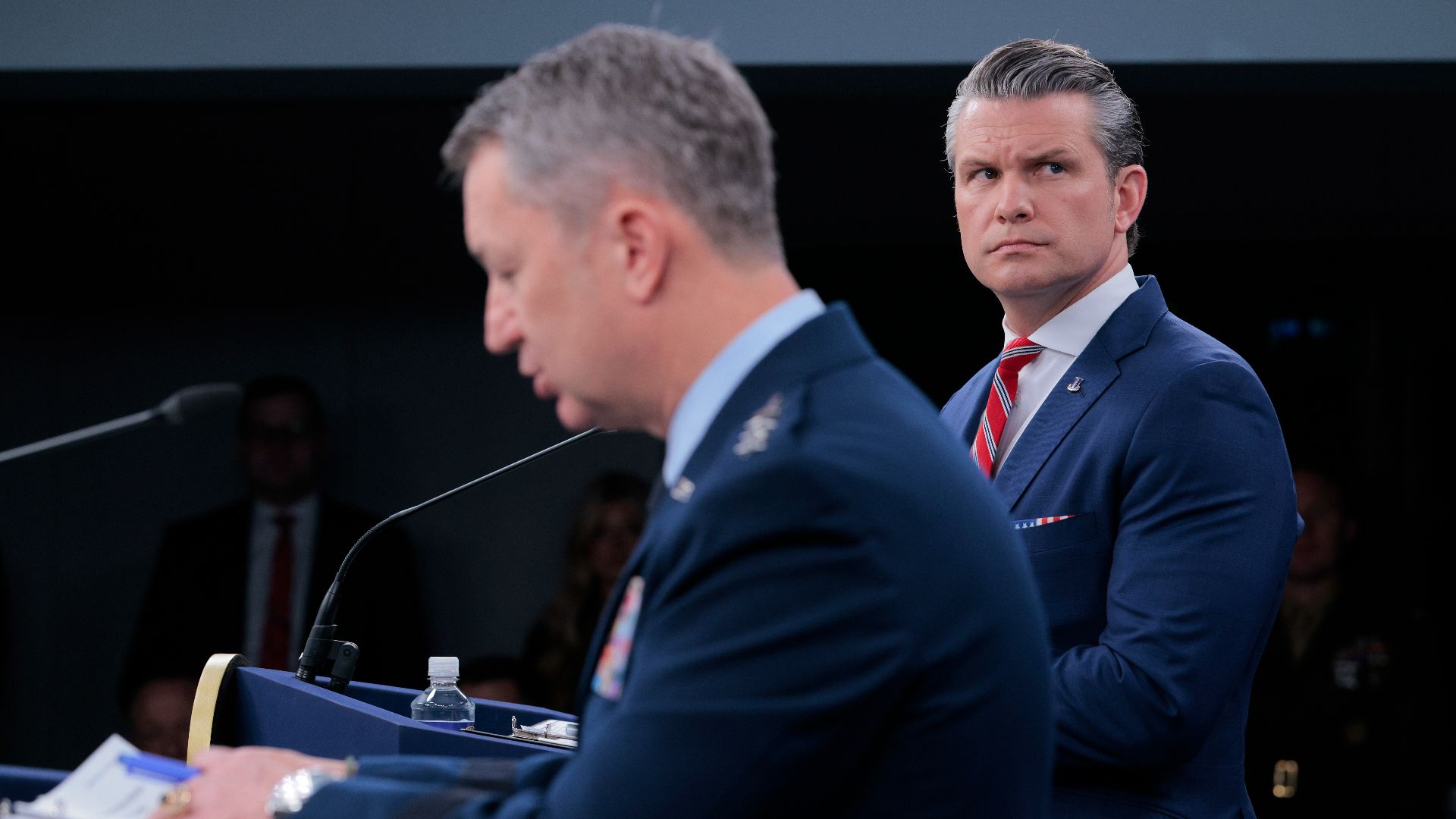
General Dan Caine provided further detail, confirming that Iran had conducted multiple actions since the ceasefire was put in place. «Since the ceasefire was announced, Iran has fired at commercial vessels nine times and seized two container ships, and they’ve attacked US forces more than 10 times, all below the threshold of restarting major combat operations at this point,» he said. He characterized the attacks as limited in scale, adding «What I’ll say is it’s low harassing fire right now.» while noting that «The threshold of restarting is a political decision above my pay grade.»
Getty Images
According to U.S. officials, Iran was warned in advance not to interfere with the planned escort mission, but tensions escalated rapidly as missile and drone activity intensified in the region. The United Arab Emirates temporarily closed its airspace following the attacks, underscoring the immediate regional impact. Reports of multiple strikes targeting both maritime and nearby infrastructure fueled fears that the ceasefire could collapse, even as officials continued to insist that the broader agreement technically remained in place.
«Since the ceasefire was announced, Iran has fired at commercial vessels nine times and seized two container ships, and they’ve attacked US forces more than 10 times, all below the threshold of restarting major combat operations at this point.»
-Chairman of the Joint Chiefs of Staff Dan Caine
Trump also addressed the situation from the Oval Office, offering a more aggressive assessment of Iran’s position. «They play games, but let me just tell you, they want to make a deal,» he said, before adding «And who wouldn’t, when your military is totally gone?» He further claimed that Iran «should wave the white flag of surrender.» and stated «We beat them very badly, now they’re reduced to little boats with machine guns on the front of them.» His remarks contrasted with the more measured tone of military officials, highlighting differing narratives within the administration as tensions continue to unfold.
Artificial intelligence (AI) is the latest social debate everywhere. It’s already here, transforming the way we live and, above all, the way we work. It’s no longer a matter of science fiction; reality is racing ahead at breakneck speed. What’s the urgency? In the next two years, AI will revolutionize the job market, and some familiar professions will have to change, or risk seeing their core tasks disappear. What’s the solution for threatened professions? Only adaptation and upskilling will be the key to bouncing back. Explore these professions to help you rethink your career path in this new digital era.
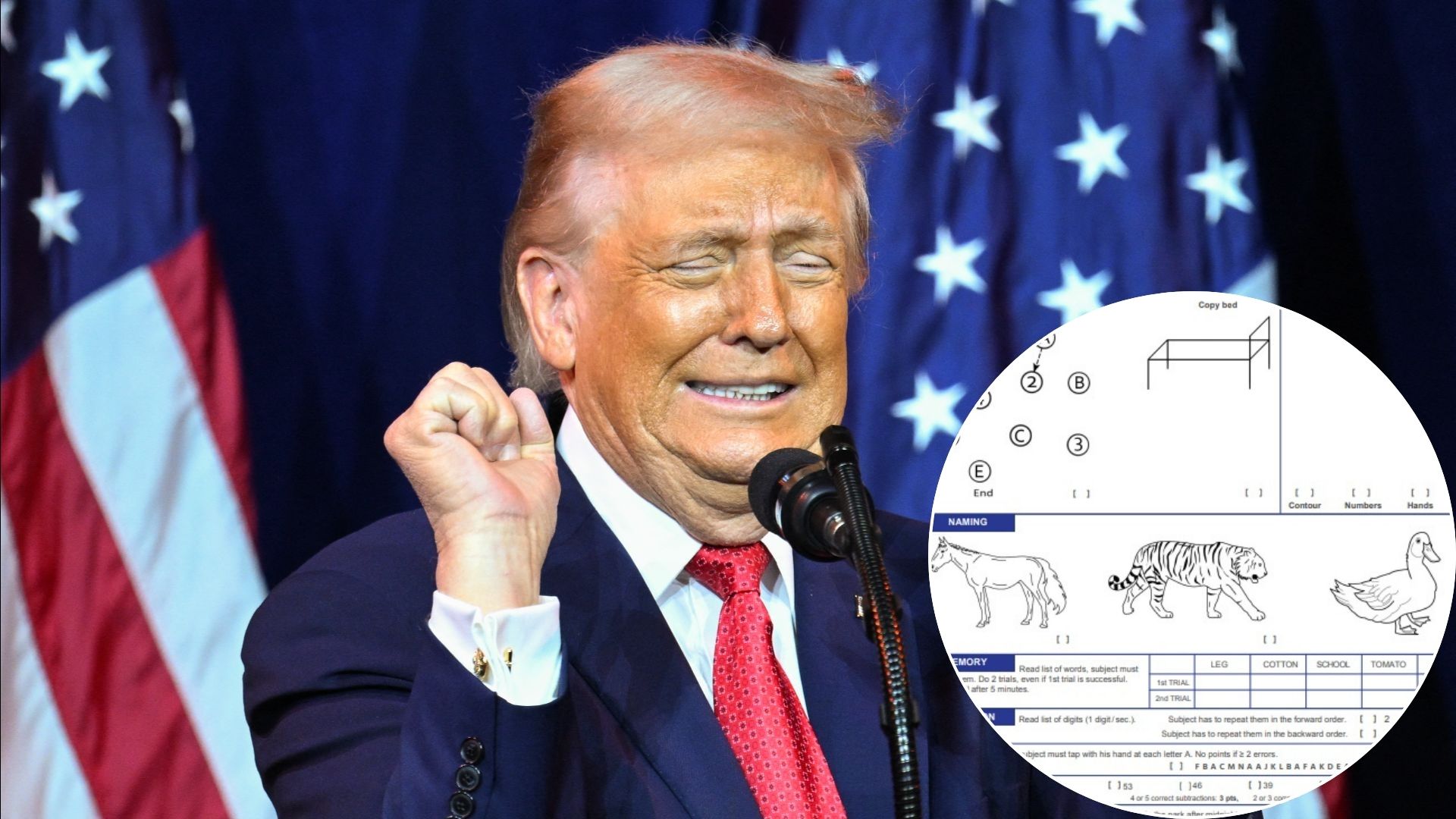
Trump recently renewed his unusual insistence on his cognitive abilities, repeating claims that he has taken multiple cognitive tests and «aced each one» of them. Speaking about ongoing questions surrounding his mental fitness, he said he often responds directly to critics by requesting new evaluations. «Whenever they get a little sassy, saying» he began, describing how people ask «Does he still have it? Does it still have what it takes,» before adding «I say ‘I’ll take another one’.» His remarks reflect a long-standing pattern of addressing scrutiny over his cognitive health through public references to standardized medical assessments.
During the same exchange, Trump offered a new example of the type of questions included in such tests, describing a scenario involving identifying animals. «You have a lion, a bear, an alligator, and a, what’s another good..? A squirrel.» he said, before adding «Which is the squirrel?» The comment drew attention for its simplicity, as it echoed previous descriptions he has given of similar exercises. Trump has repeatedly cited these examples as evidence of his mental sharpness, often presenting them as proof of cognitive strength in public speeches and interviews.
«I’m the only president that ever took a cognitive test.»
-U.S. President, Donald Trump
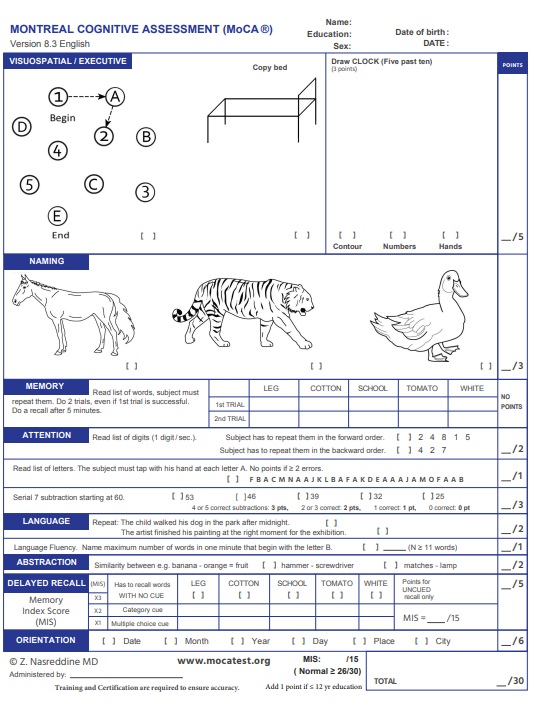
The test Trump frequently references is widely understood to be the Montreal Cognitive Assessment, or MoCA, a short screening tool designed to detect mild cognitive impairment and early signs of dementia. Developed in 2005 by Dr. Ziad Nasreddine in Montreal, the exam typically takes about ten minutes to complete and includes tasks such as memory recall, pattern recognition, and basic identification exercises. Medical professionals consistently emphasize that the test is not designed to measure intelligence or high-level reasoning, but rather to identify potential cognitive decline in clinical settings.
MONTREAL COGNITIVE ASSESSMENT (MoCA)
Trump’s public emphasis on the test dates back several years and has evolved into a recurring theme in his political messaging. In January 2018, he highlighted a perfect score of 30 out of 30, stating that doctors were «amazed» by the result. By 2020, he began referencing a memory sequence from the test, repeating «Person, Woman, Man, Camera, TV» as an example of its difficulty, while claiming «99% of the people… would not do well» on the task. Over time, these references have become a staple of his speeches, often framed as evidence of superior cognitive ability.
Getty Images
Since returning to the White House in 2025, Trump has continued to raise the topic, stating that he has completed additional evaluations and describing parts of the test as involving «very tough mathematical equations.» He has also claimed «I’m the only president that ever took a cognitive test,» presenting the screenings as a unique qualification. Medical experts, however, have repeatedly clarified that the MoCA is a basic diagnostic tool and not a measure of intellectual performance, reinforcing the gap between clinical interpretation and political messaging surrounding the test.
«You have a lion, a bear, an alligator, and a, what’s another good..? A squirrel. Which is the squirrel?»
-U.S. President, Donald Trump
Public and media concern regarding President Trump’s health since his return to the White House has centered on several recurring physical and cognitive signs. Observers have noted swollen ankles linked to chronic venous insufficiency, visible bruising attributed to daily aspirin use, and signs of fatigue during travel. Critics have also pointed to tangential speeches, reports of drowsiness during meetings, and late-night social media activity. While the White House maintains he is in excellent health and describes his energy as «superhuman», ongoing references to cognitive testing have continued to fuel debate about his overall fitness for office.
Trump ne semble pas disposé à apaiser les tensions avec le pape, renouvelant ses critiques dans une nouvelle série de déclarations qui ont encore exacerbé une querelle déjà publique. Dans ses derniers propos, le président s’en est de nouveau pris au chef de l’Église catholique, l’accusant de « mettre les catholiques en danger », alors que les désaccords concernant la guerre menée par les États-Unis en Iran ne cessent de s’aggraver. S’exprimant lors d’une interview avec un animateur de radio conservateur, Trump a réitéré ses critiques antérieures et présenté la position du pape comme étant en décalage avec les intérêts nationaux américains, intensifiant ainsi un différend qui est passé de plus en plus de divergences politiques à des attaques personnelles.
Au cours de l’interview, Trump a vivement critiqué la position du pape sur l’Iran, suggérant que le souverain pontife minimisait la menace que représentent les ambitions nucléaires de Téhéran.
Il a déclaré à l’animateur que le pape « préférait parler du fait qu’il est acceptable que l’Iran dispose d’une arme nucléaire », avant d’ajouter :
« Je ne pense pas que ce soit très bien. » Cette affirmation contredit les déclarations publiques du Vatican, qui s’est toujours opposé à la prolifération nucléaire. Trump a néanmoins utilisé cet argument pour justifier sa critique plus générale, affirmant que de telles positions pourraient avoir des conséquences dangereuses pour les catholiques et d’autres personnes à travers le monde.
« Dieu n’écoute pas les prières de ceux qui font la guerre. »
– Pape Léon XIV
Trump est allé plus loin, accusant directement le pape de mettre des vies en danger, en déclarant :
« Je pense qu’il met en danger beaucoup de catholiques et beaucoup de gens. » Ces commentaires ont marqué l’une de ses attaques les plus directes à ce jour contre le chef religieux, qui a appelé à plusieurs reprises à la retenue et à la désescalade dans le conflit au Moyen-Orient.
Le président a conclu ses remarques en réitérant son affirmation concernant la position du pape, déclarant :
« Mais j’imagine que si cela ne tenait qu’au pape. »
« Il pense qu’il n’y a aucun problème à ce que l’Iran dispose de l’arme nucléaire. »
Ces déclarations ont renforcé le fossé grandissant entre l’administration et le Vatican.
Getty Images
Les origines de ce différend remontent à la fin du mois de mars, lorsque le pape Léon XIV a publiquement critiqué la justification morale de la guerre en réponse à la frappe américaine contre l’Iran. Le 29 mars, le pape a déclaré que « Dieu n’écoute pas les prières de ceux qui font la guerre », une remarque largement interprétée comme une réprimande directe à l’égard de la rhétorique de l’administration. Cette critique est intervenue après que des responsables américains eurent en partie justifié l’action militaire par un discours religieux, notamment en invoquant le soutien divin, ce qui a suscité l’inquiétude du Vatican quant au cadre éthique du conflit.
Getty Images
Les tensions se sont encore intensifiées début avril, alors que le pape continuait de condamner les conséquences potentielles d’une escalade militaire. Le 7 avril, il a qualifié d’« inacceptables » les menaces de détruire toute une « civilisation », tandis que dans un sermon prononcé lors de la veillée pascale du 11 avril, il a mis en garde contre ce qu’il a appelé « l’idolâtrie de soi ».
Trump a répondu le 12 avril sur Truth Social, qualifiant le pape de « FAIBLE face à la criminalité » et de « désastreux en matière de politique étrangère ». Cet échange a mis en évidence la rapidité avec laquelle le désaccord s’était transformé en une confrontation directe entre les deux personnalités, tant sur le plan politique que sur celui de l’autorité morale.
« Je pense qu’il met en danger beaucoup de catholiques et beaucoup de gens. »
– Donald Trump, président des États-Unis
Le différend a semblé atteindre un nouveau paroxysme le 13 avril, lorsque le pape Léon XIV a déclaré qu’il n’avait « aucune crainte » de l’administration, soulignant la nécessité de prendre la parole au nom des civils touchés par le conflit. Ses propos ont mis en évidence l’attention constante portée par le Vatican aux préoccupations humanitaires et à la protection des vies innocentes.
Comme le montrent les derniers commentaires de Trump, cependant, le conflit reste entier, les deux parties conservant des points de vue diamétralement opposés sur la guerre en Iran et le rôle plus large du leadership moral en période de crise internationale.
Trump does not appear willing to ease tensions with the pope, renewing his criticism in a fresh series of remarks that further escalated an already public feud. In his latest comments, the president again targeted the head of the Catholic Church, accusing him of «Endangering Catholics» as disagreements over the U.S.-led war in Iran continue to deepen. Speaking during an interview with a conservative radio host, Trump revisited earlier criticisms and framed the pope’s position as out of step with U.S. national interests, intensifying a dispute that has increasingly moved from policy differences to personal attacks.
During the interview, Trump sharply criticized the pope’s stance on Iran, suggesting that the pontiff was minimizing the threat posed by Tehran’s nuclear ambitions. He told the host that the pope «would rather talk about the fact that it’s OK for Iran to have a nuclear weapon.» before adding «I don’t think that’s very good.» The assertion contradicts public statements made by the Vatican, which has consistently opposed nuclear proliferation. Trump nevertheless used the claim to justify his broader criticism, arguing that such positions could have dangerous consequences for Catholics and others worldwide.
«God does not listen to the prayers of those who wage war.»
-Pope Leo XIV
Trump went further, directly accusing the pope of putting lives at risk, stating «I think he’s endangering a lot of Catholics and a lot of people.» The comments marked one of his most direct attacks yet on the religious leader, who has repeatedly called for restraint and de-escalation in the Middle East conflict. The president concluded his remarks by repeating his claim about the pope’s position, saying «But I guess if it’s up to the pope» before adding «he thinks it’s just fine for Iran to have a nuclear weapon.» The statements reinforced the growing divide between the administration and the Vatican.
Getty Images
The origins of the dispute can be traced back to late March, when Pope Leo XIV publicly criticized the moral justification of war in response to the U.S. strike on Iran. On March 29, the pope declared that «God does not listen to the prayers of those who wage war.» a remark widely interpreted as a direct rebuke of the administration’s rhetoric. The criticism came after U.S. officials framed the military action in part through religious language, including calls for divine support, prompting concern from the Vatican about the ethical framing of the conflict.
Getty Images
Tensions escalated further in early April, as the pope continued to condemn the potential consequences of military escalation. On April 7, he described threats to destroy an entire «civilization» as «unacceptable,» while an April 11 Easter Vigil sermon warned against what he called the «idolatry of self.» Trump responded on April 12 through Truth Social, labeling the pope «WEAK on crime» and «terrible for foreign policy.» The exchange underscored how rapidly the disagreement had evolved into a direct confrontation between the two figures over both policy and moral authority.
«I think he’s endangering a lot of Catholics and a lot of people.»
-U.S. President, Donald Trump
The dispute appeared to reach a new peak on April 13, when Pope Leo XIV stated he had «no fear» of the administration, emphasizing the need to speak out on behalf of civilians affected by the conflict. His remarks highlighted the Vatican’s continued focus on humanitarian concerns and the protection of innocent lives. As Trump’s latest comments show, however, the conflict remains unresolved, with both sides maintaining sharply opposing views on the war in Iran and the broader role of moral leadership in times of international crisis.
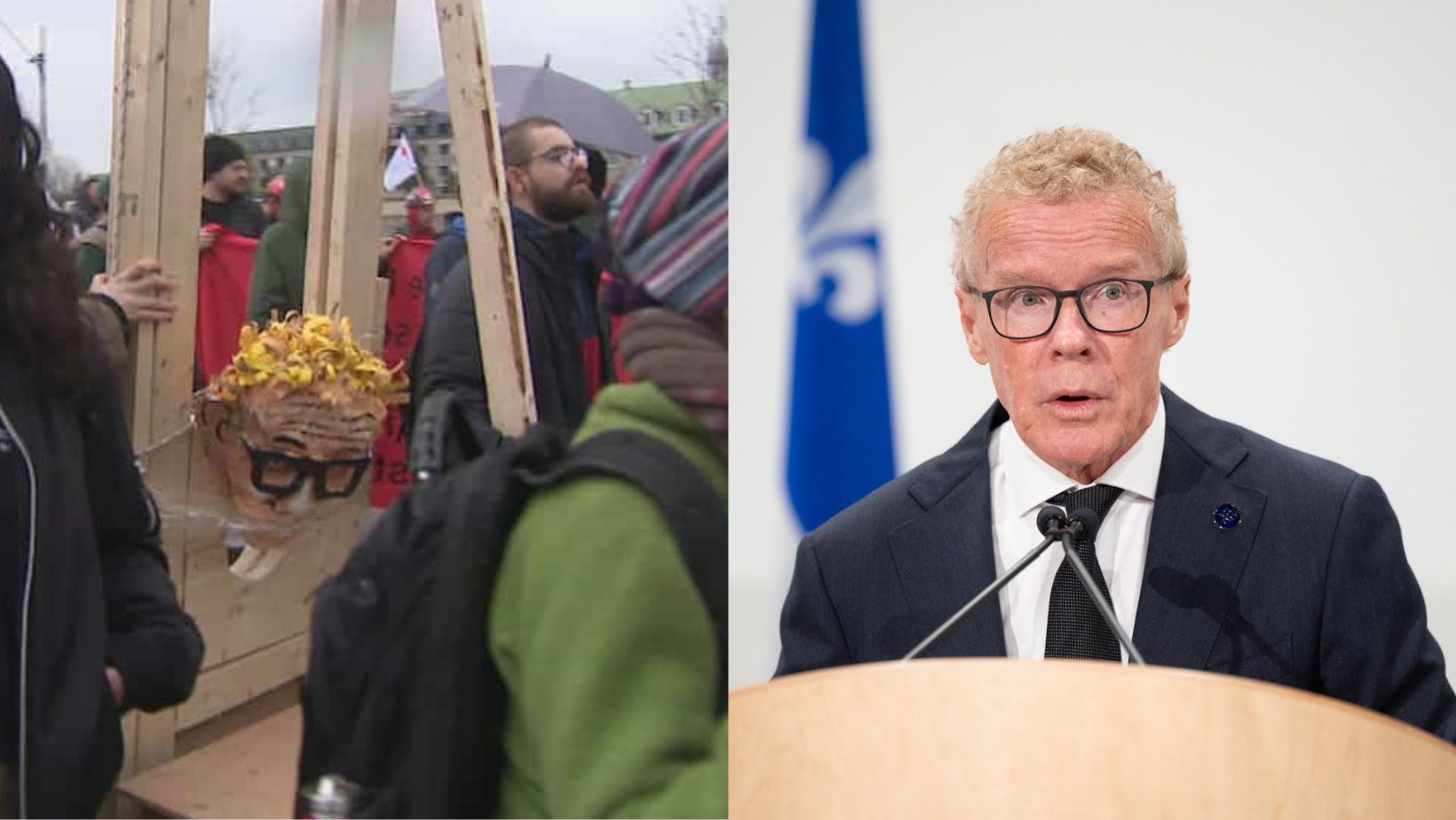
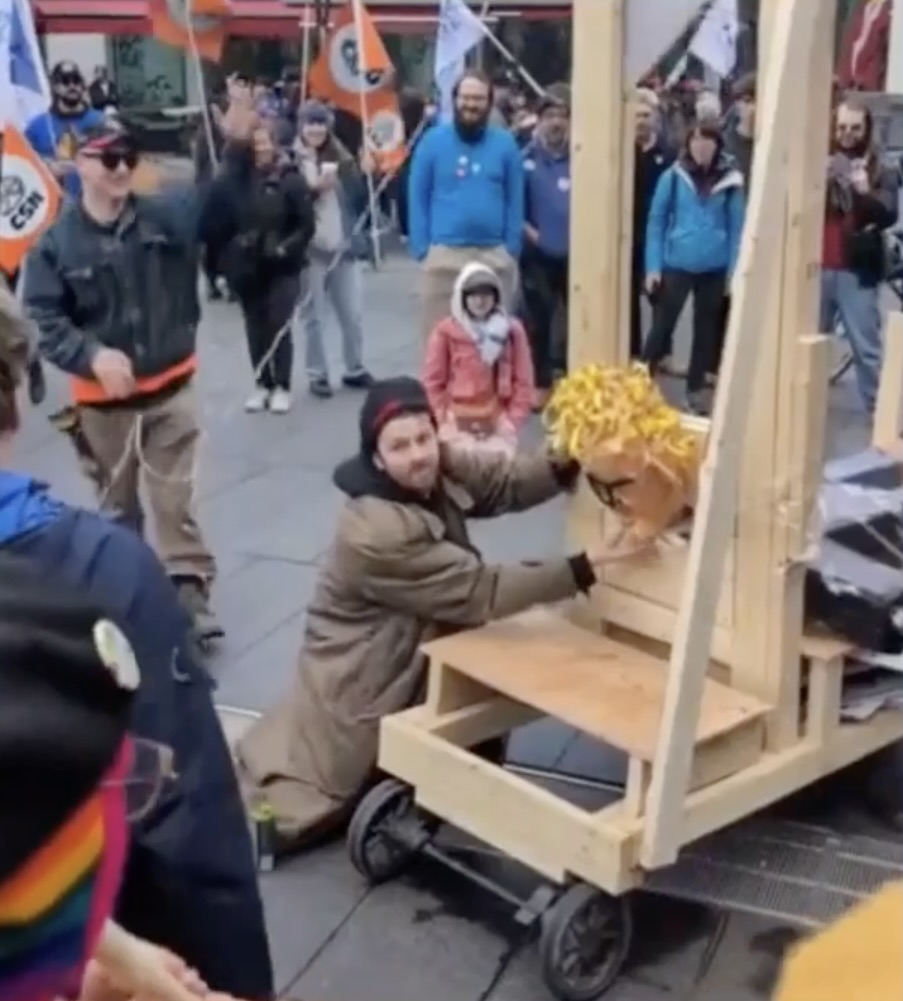
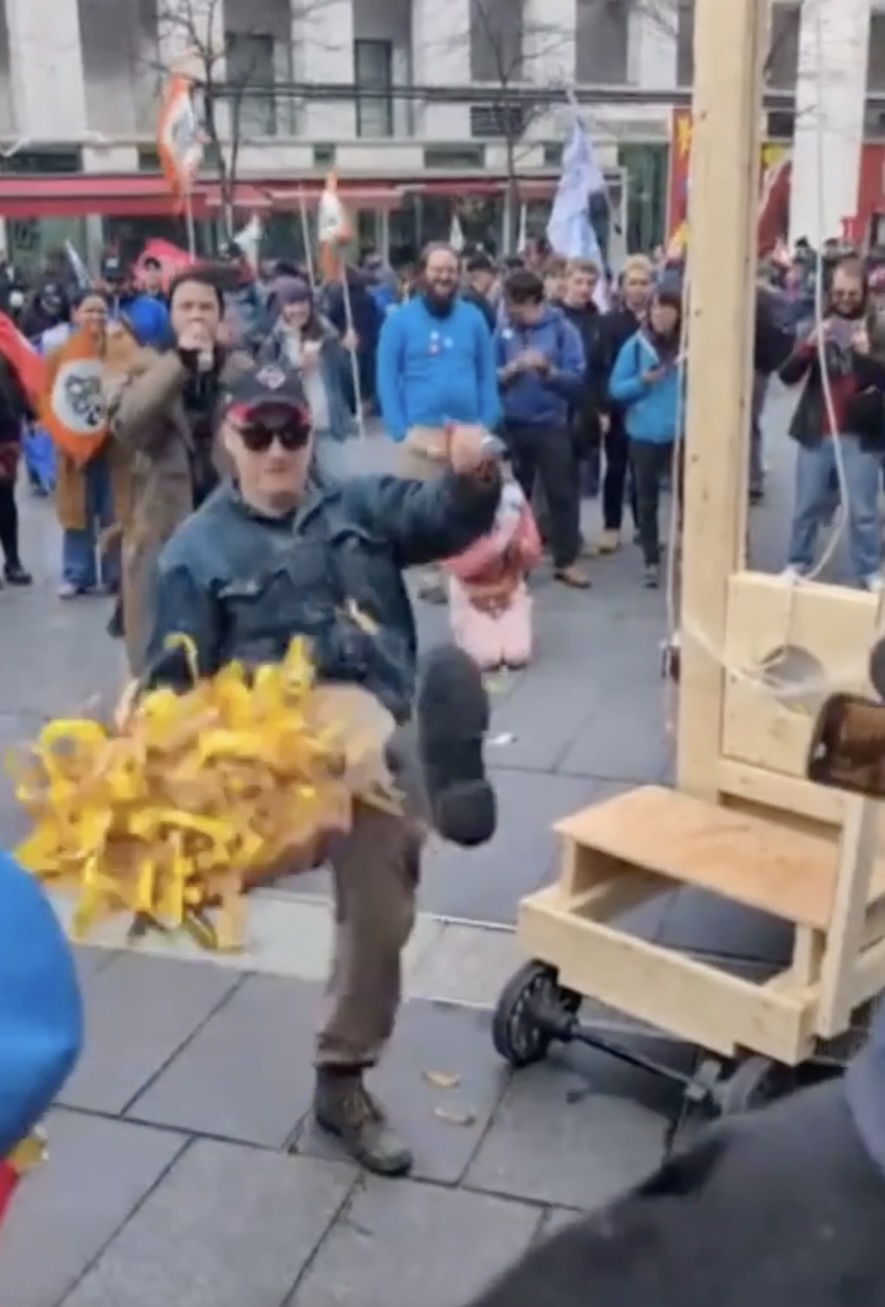
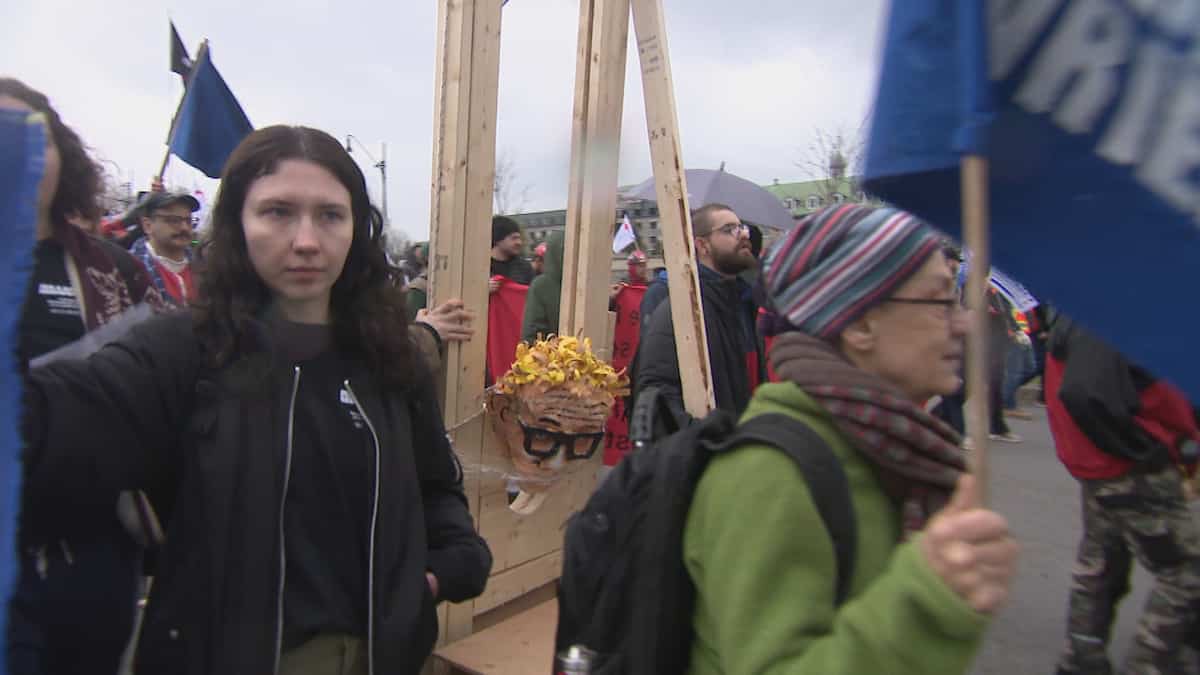
Le Service de police de la Ville de Montréal (SPVM) a confirmé lundi qu’il ouvrait une enquête sur une vidéo ayant fait le tour des réseaux sociaux cette fin de semaine, soit la simulation de l’exécution à la guillotine du ministre du Travail, Jean Boulet. Le corps policier refuse toutefois de préciser si cette enquête a été déclenchée à la suite d’une plainte, rapporte La Presse. Cet acte a été commis lors de la manifestation pour la Journée des travailleurs, qui a rassemblé des milliers de personnes samedi à Montréal.
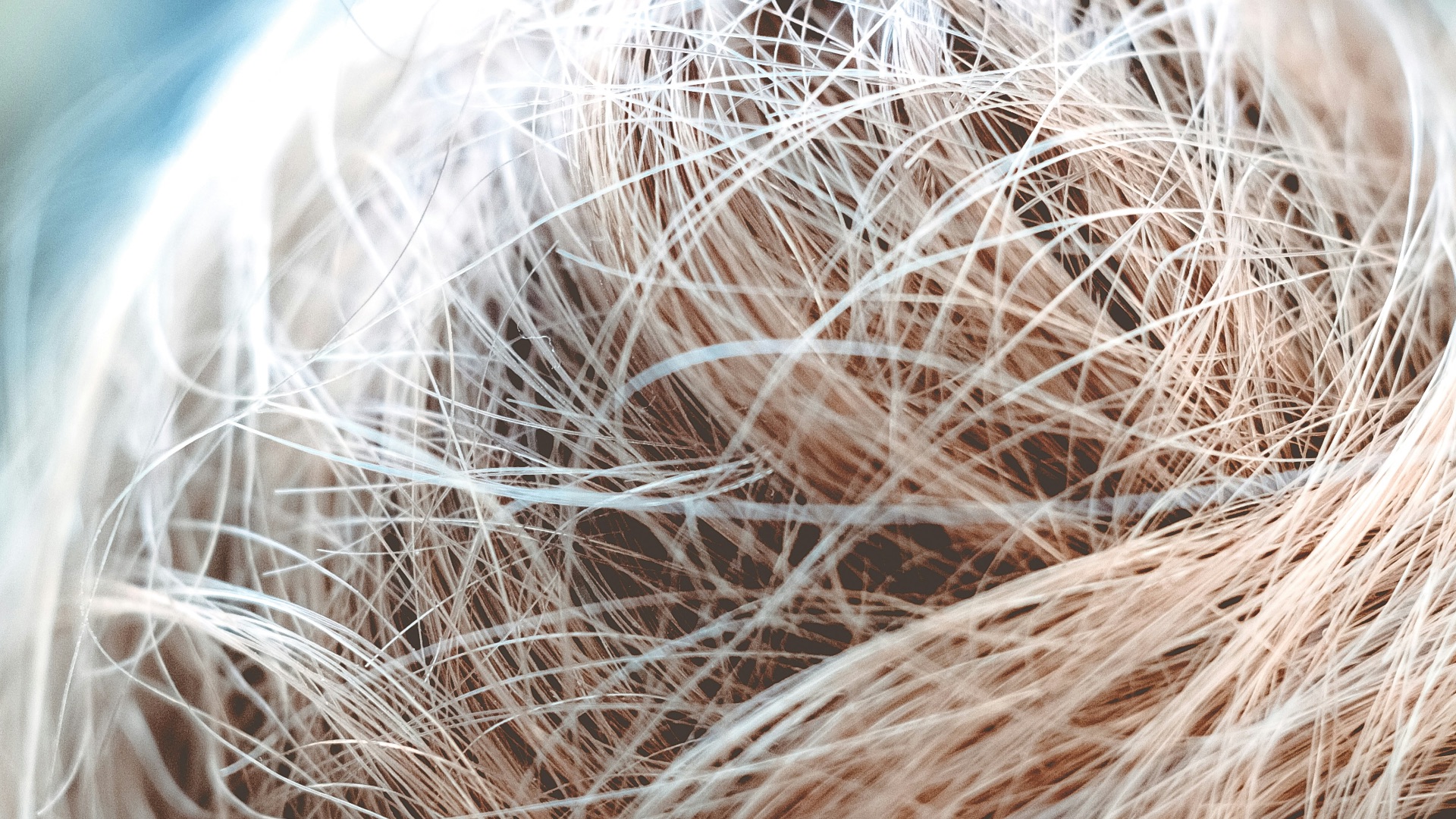
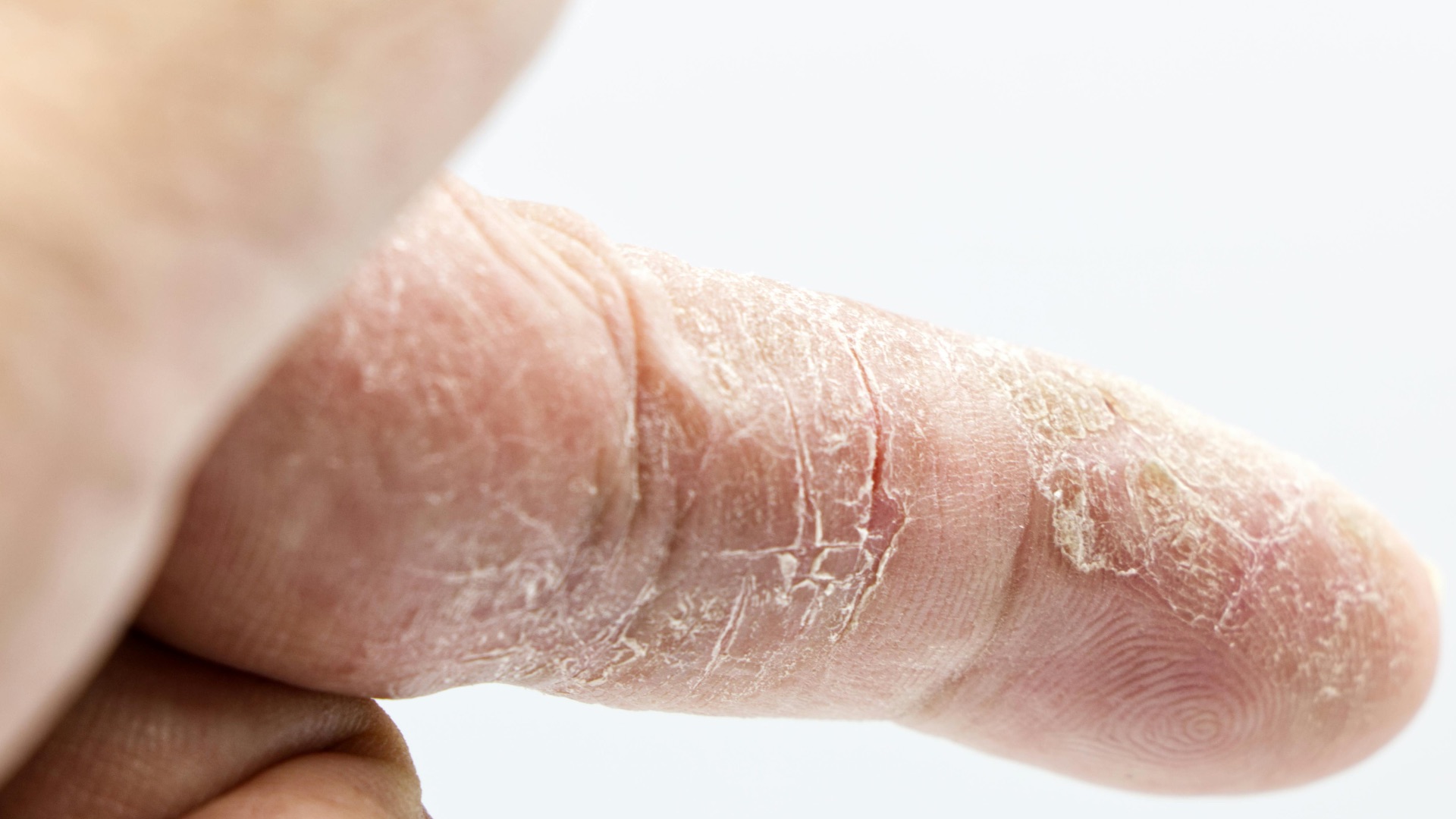
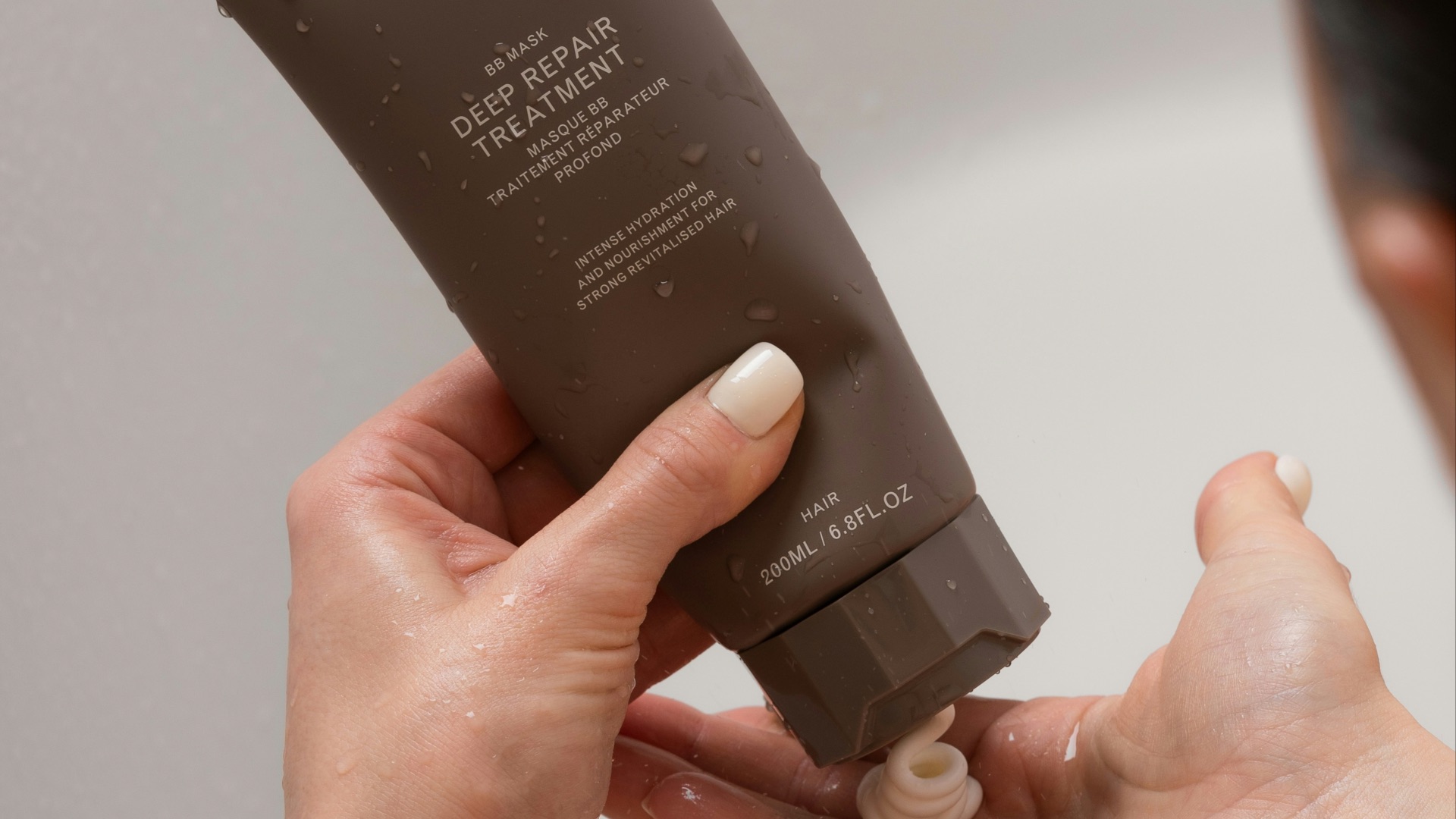
Un cuir chevelu sec peut être une source persistante d’inconfort, se traduisant par une sensation de tiraillement, des desquamations et des démangeaisons qu’aucun shampooing, aussi coûteux soit-il, ne semble pouvoir soulager durablement. Contrairement aux pellicules, souvent liées à un excès de sébum et à un type spécifique de levure, le cuir chevelu sec est avant tout un problème d’hydratation, et ces deux affections nécessitent des approches très différentes. Avant de pouvoir commencer à le traiter efficacement, il est utile de comprendre exactement ce qui est à l’origine de toute cette sécheresse.
Donald Trump et son équipe chargée des réseaux sociaux ont depuis longtemps démontré leur penchant pour des contenus générés par l’IA qui sont immatures, voire à la limite de l’offensant. Des vidéos de Trump déversant des excréments sur New York aux vidéos de mèmes délirantes à la MLG Gamer, l’équipe chargée des réseaux sociaux de Trump a à peu près autant de maturité qu’un groupe de garçons de 12 ans. Si les vidéos sont presque toujours déplacées et que bon nombre des photos de Trump générées par l’IA n’existent que pour flatter son ego, il arrive de temps à autre qu’un contenu tellement ridicule soit publié qu’il fasse la une des journaux.
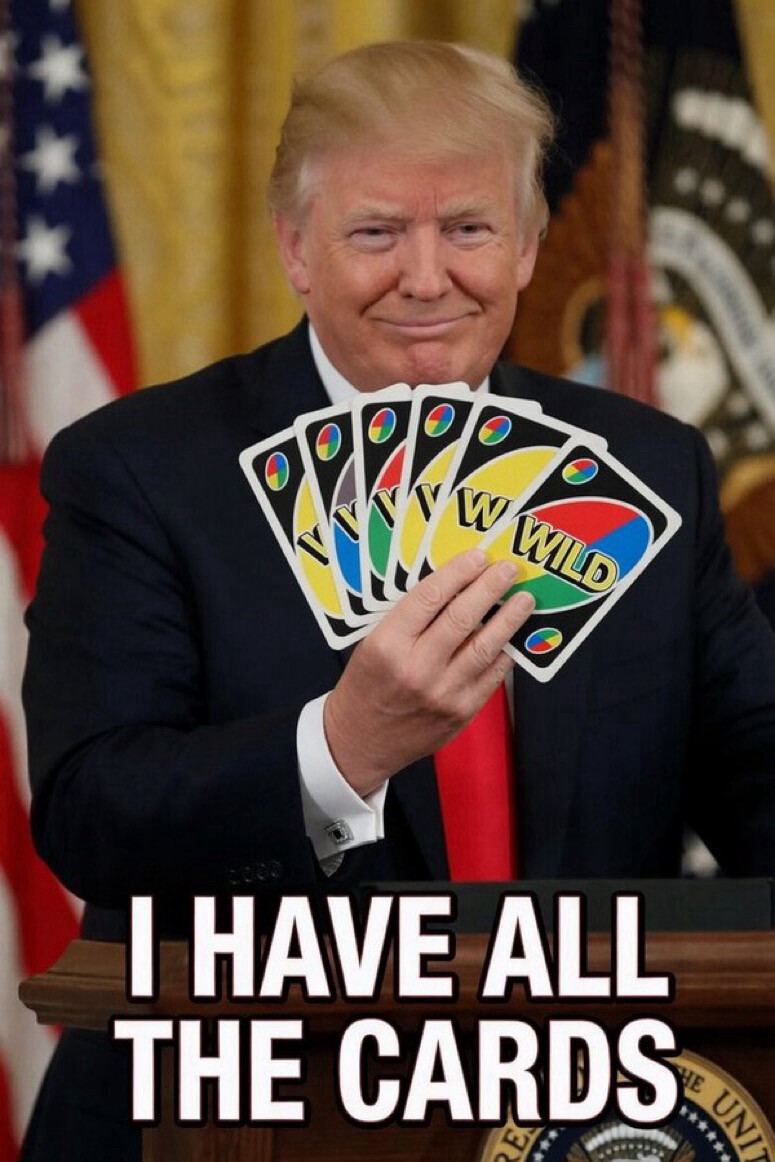
Le 2 mai, Donald Trump a publié une photo sur Truth Social. La photo générée par l’IA montre Trump étalant fièrement une poignée de cartes UNO, sur lesquelles est inscrit « WILD ».
Le problème ici n’est pas la photo générée par l’IA (même si ça devrait l’être) ; le problème, c’est la légende. Sous l’impressionnante poignée de cartes de Trump figuraient les mots « J’AI TOUTES LES CARTES ».
Bon, pas besoin d’être un génie pour comprendre ce qui cloche ici. Au cas où vous ne le sauriez pas, le but de l’UNO est de ne plus avoir de cartes. En se vantant d’avoir « toutes les cartes », Trump crie fièrement sur tous les toits qu’il est le plus grand perdant de l’UNO.
Plusieurs explications sont possibles pour cette gaffe. Selon Trump, il publie lui-même tous ses messages, mais cela a été contesté par plusieurs sources proches du président. Dans l’article désormais tristement célèbre sur les « chiens de garde » concernant la chef de cabinet de Trump, Suzie Wiles, et dans un podcast du Daily Beast, il a été révélé que son assistante de direction, Natalie Harp, fait office d’« imprimante humaine », reprenant le flot d’informations de Trump et le traduisant en publications sur Truth Social. Trump dicterait apparemment toutes ses publications à Harp, qui les publie ensuite pour le président après les lui avoir relues. Ce qui n’est pas clair, c’est qui crée et publie ses vidéos générées par IA de mauvaise qualité. À en juger par la piètre qualité, il est évident que la personne qui fournit les instructions à l’IA n’a jamais été formée à la rédaction de prompts et ne passe pas par un processus d’assurance qualité.
Une avalanche de publications
S’il n’est pas rare que le président des États-Unis publie une demi-douzaine de messages absurdes, insultants et violents (désolé, je devrais préciser que ce n’est pas rare pour ce président), Trump s’est lancé dans une tirade d’absurdités après le message insignifiant sur l’ONU.
Peu après, Trump a publié une photo de lui-même avec le roi Charles, qui était aux États-Unis moins d’une semaine auparavant. La publication était dépourvue de contexte et de légende ; peut-être que Trump aimait simplement être photographié aux côtés de quelqu’un qui semble encore plus vieux et décrépit que lui. Par la suite, il a publié une photo de la Federal National Mortgage Association (ou Fannie Mae), sur laquelle on peut voir une grande affiche en noir et blanc représentant Trump penché sur un bureau avec les mots « No Games ! ».
Bien sûr, aucune tirade de Donald Trump ne serait complète sans quelques commentaires peu présidentiels à l’égard de ses collègues. Trump a publié un message critiquant à la fois Gavin Newsom et Bill Maher.
Maher, un partisan de longue date de Trump qui peine à faire preuve d’esprit critique, a récemment interviewé Gavin Newsom. L’interview ne s’est pas déroulée comme Maher l’aurait souhaité, l’animateur ayant mal interprété les faits et semblé mal préparé face à Newsom, qui est l’une des voix les plus influentes du Parti démocrate. Trump a affirmé que Maher s’était fait « écraser » par Newsom, mais aucun des deux n’a échappé aux critiques. Trump a qualifié les affirmations de Newsom de mensonges et a déclaré que Maher s’était incliné et n’avait pas contesté les démocrates.
Hakeem Jeffries a également essuyé des critiques de la part de Trump sur les réseaux sociaux. Le chef de file de la minorité à la Chambre des représentants a récemment qualifié la Cour suprême d’« illégitime », soulignant que le caucus républicain se plierait aux souhaits de Trump. Trump a qualifié Jeffries d’« individu au QI faible » (ce n’est pas la première fois qu’il dit cela) et a affirmé qu’il devrait être destitué. Selon le président, si Trump lui-même pouvait être destitué après un « appel téléphonique parfait », alors Jeffries devrait l’être pour ces propos. Il a conclu sa déclaration en implorant ses fidèles partisans républicains de venir à son secours.
Pourquoi un comportement si peu présidentiel
Même si nous sommes pour la plupart habitués au comportement immature de Donald Trump sur les réseaux sociaux, cela ne le rend pas plus acceptable. Les taux de popularité reflètent également le comportement de Trump. Trump affiche actuellement un impressionnant taux de popularité de -19. Au cours du premier mandat de Trump, plus de 15 % des Américains qualifiaient Trump de « peu présidentiel ». Bien que le même sondage n’ait pas été réalisé au cours de son second mandat, on peut parier sans risque que ce chiffre n’a pas baissé.
Un sondage similaire réalisé en 2017 avait révélé que pas moins de 70 % des Américains considéraient Trump comme « indigne d’un président ».