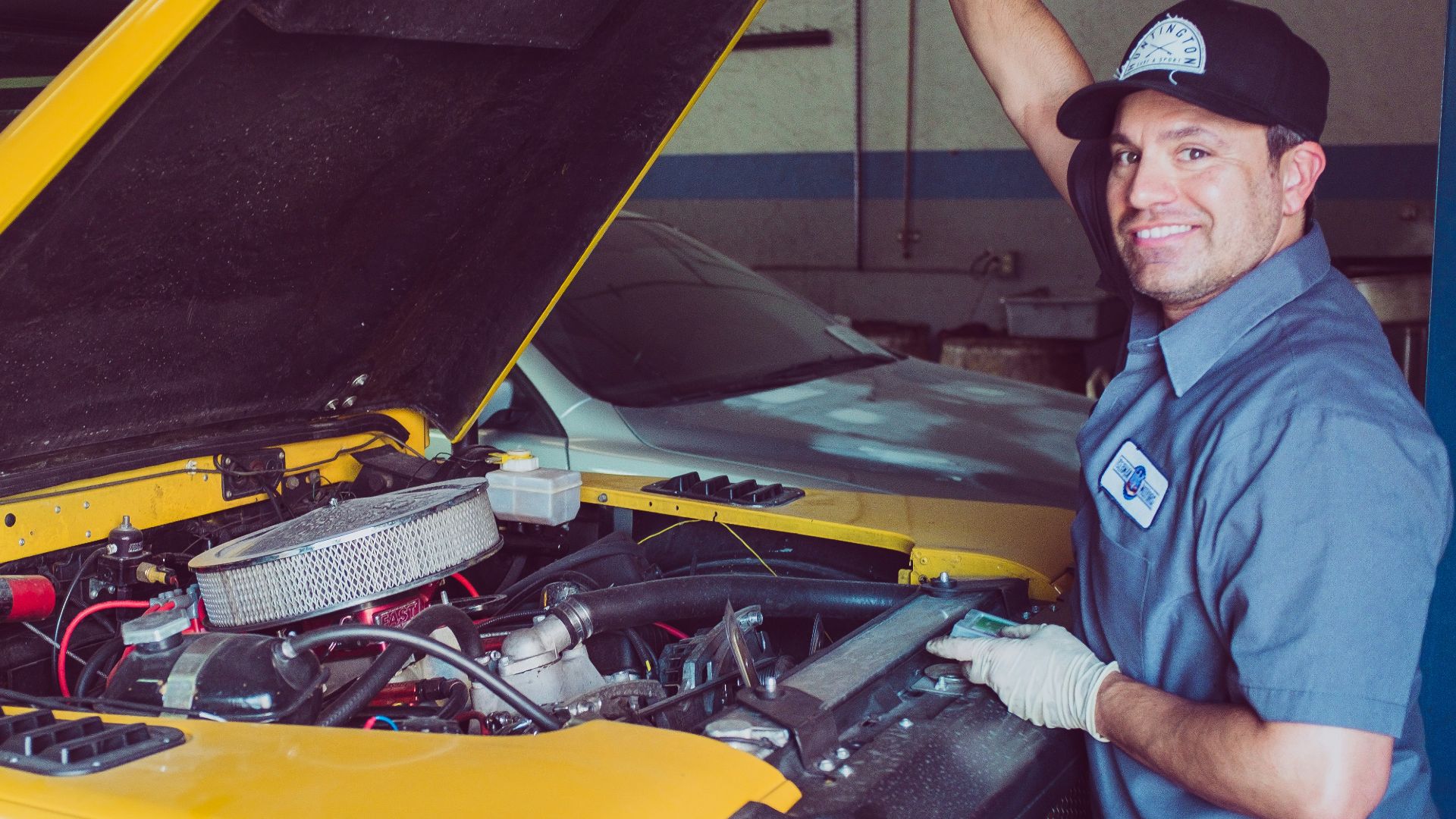
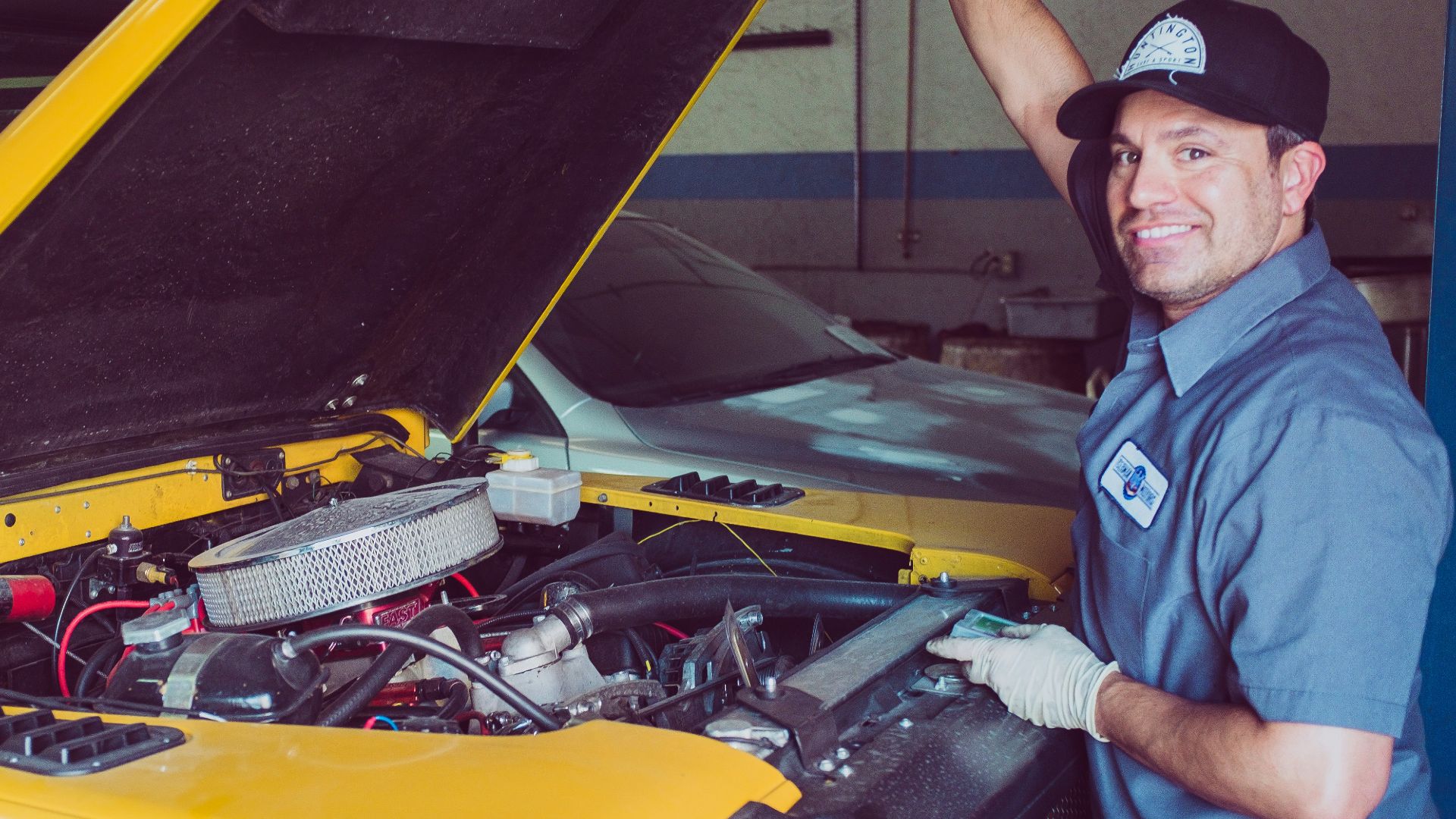
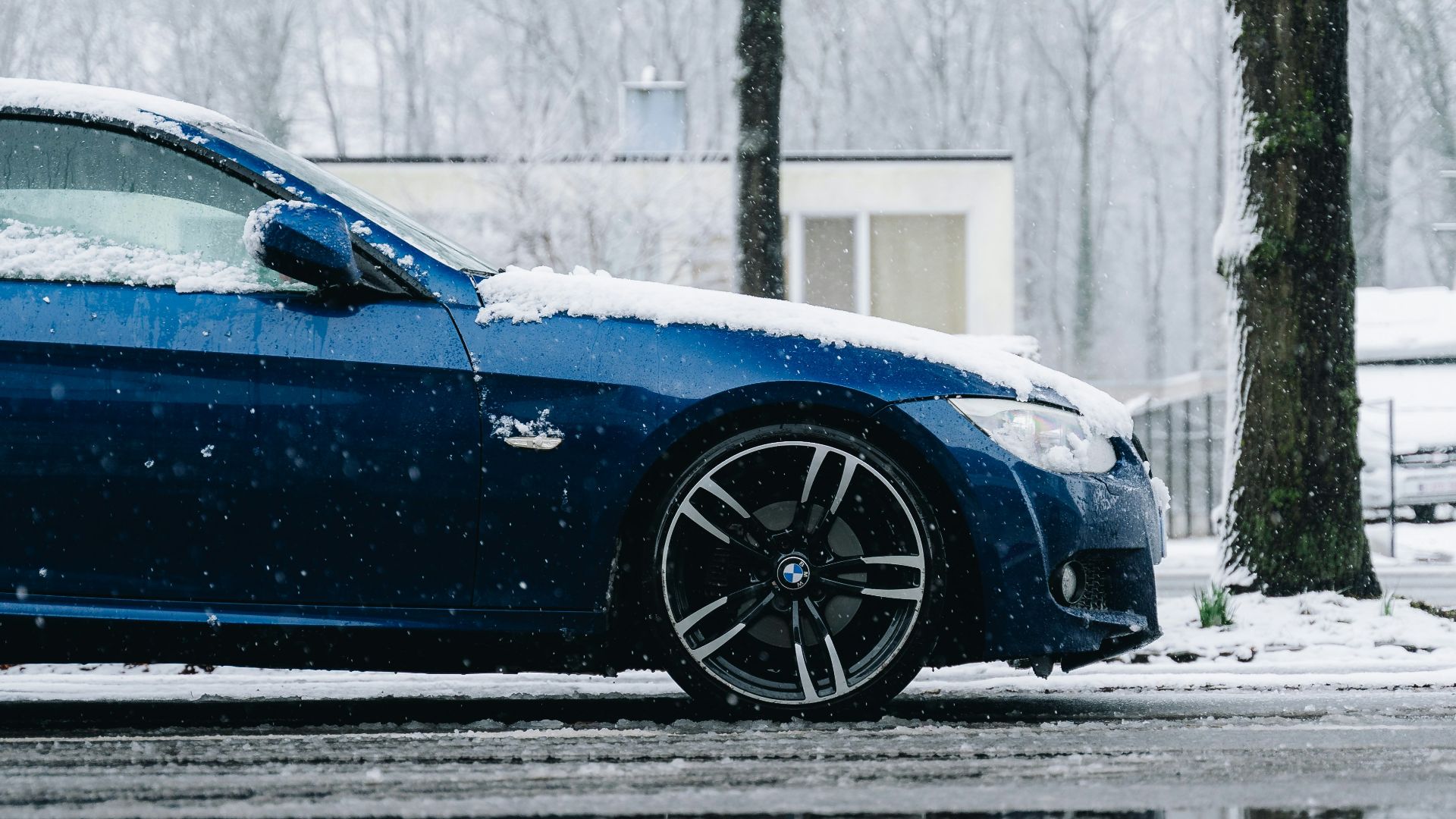
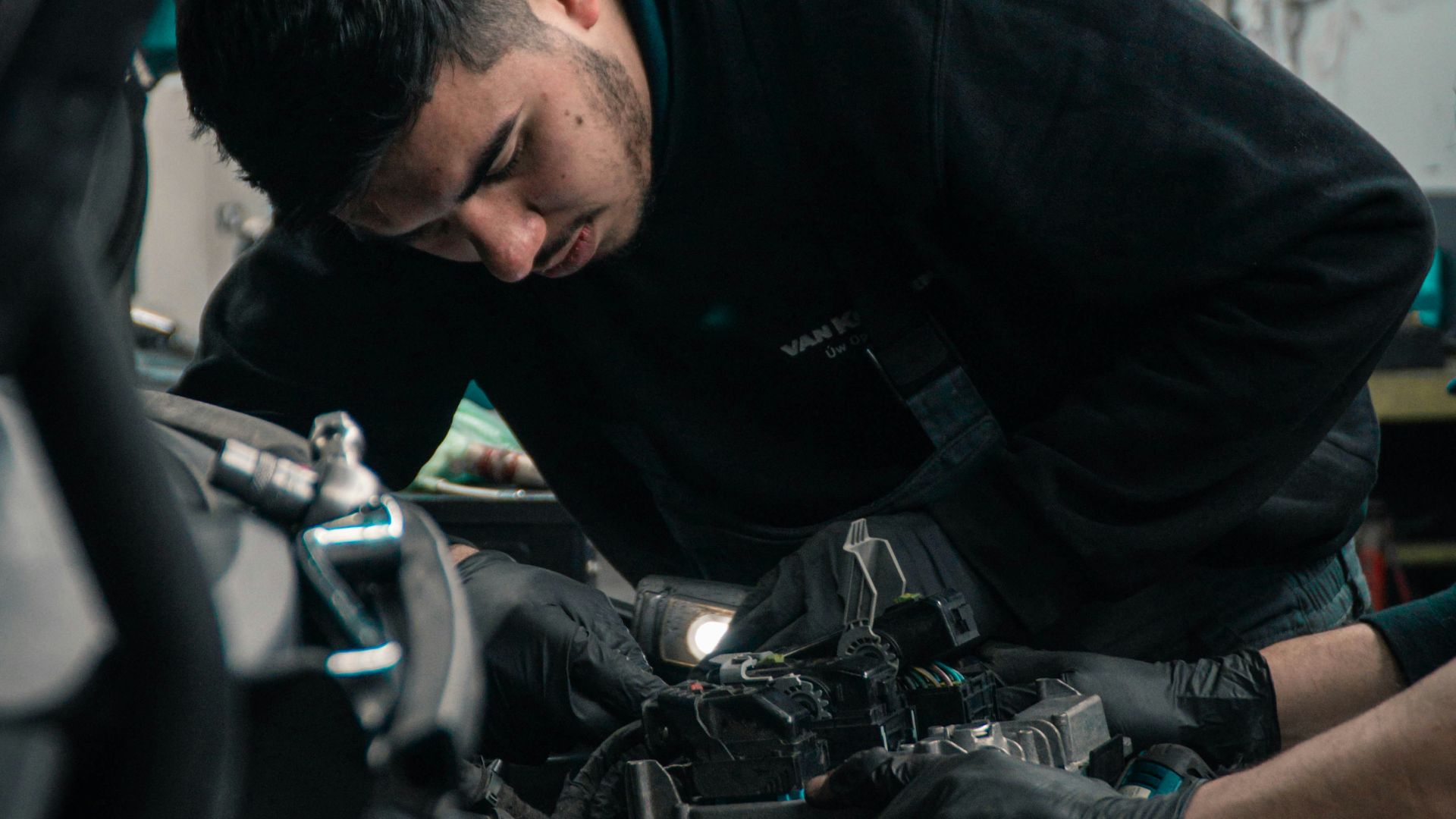
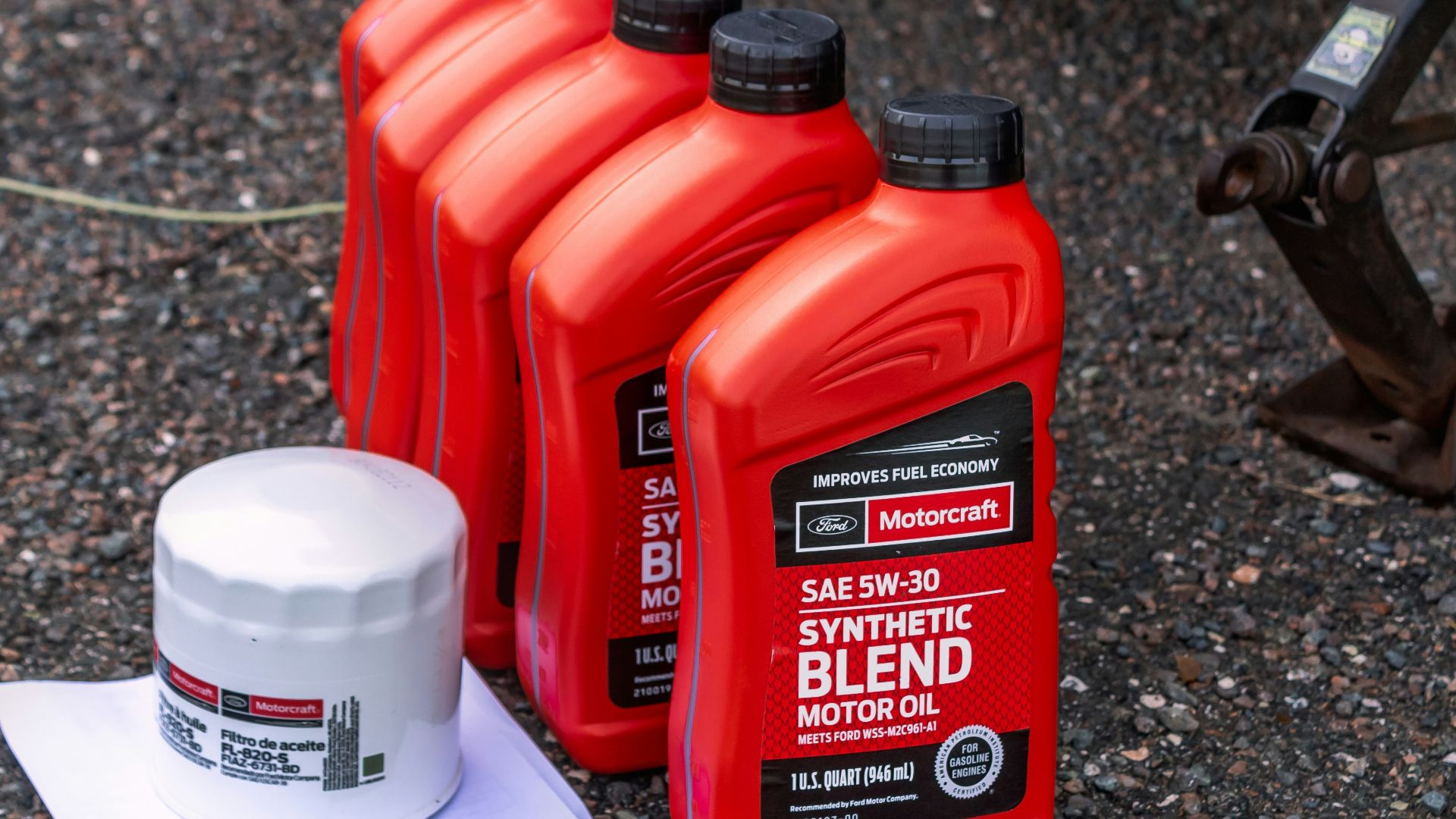
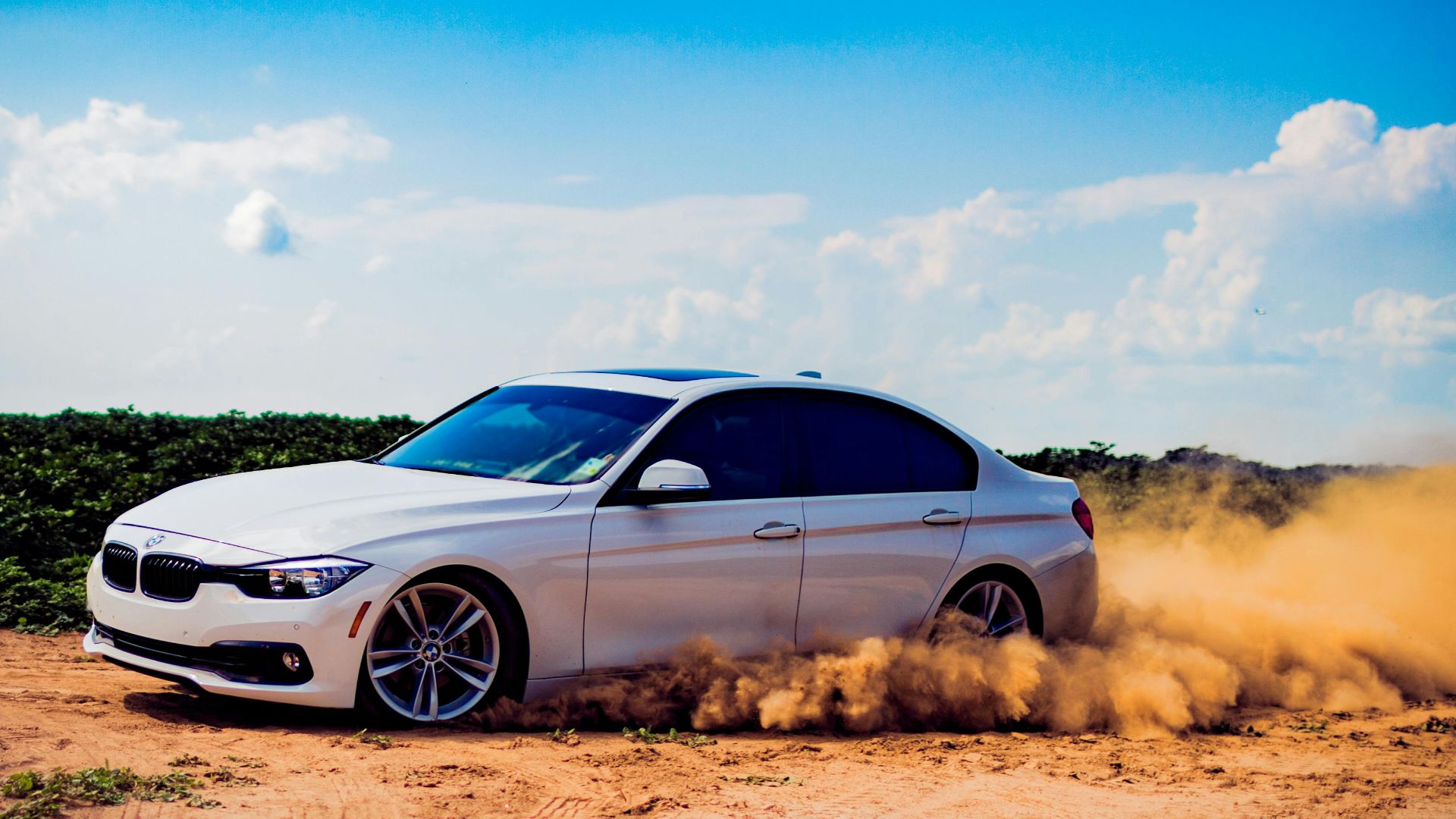
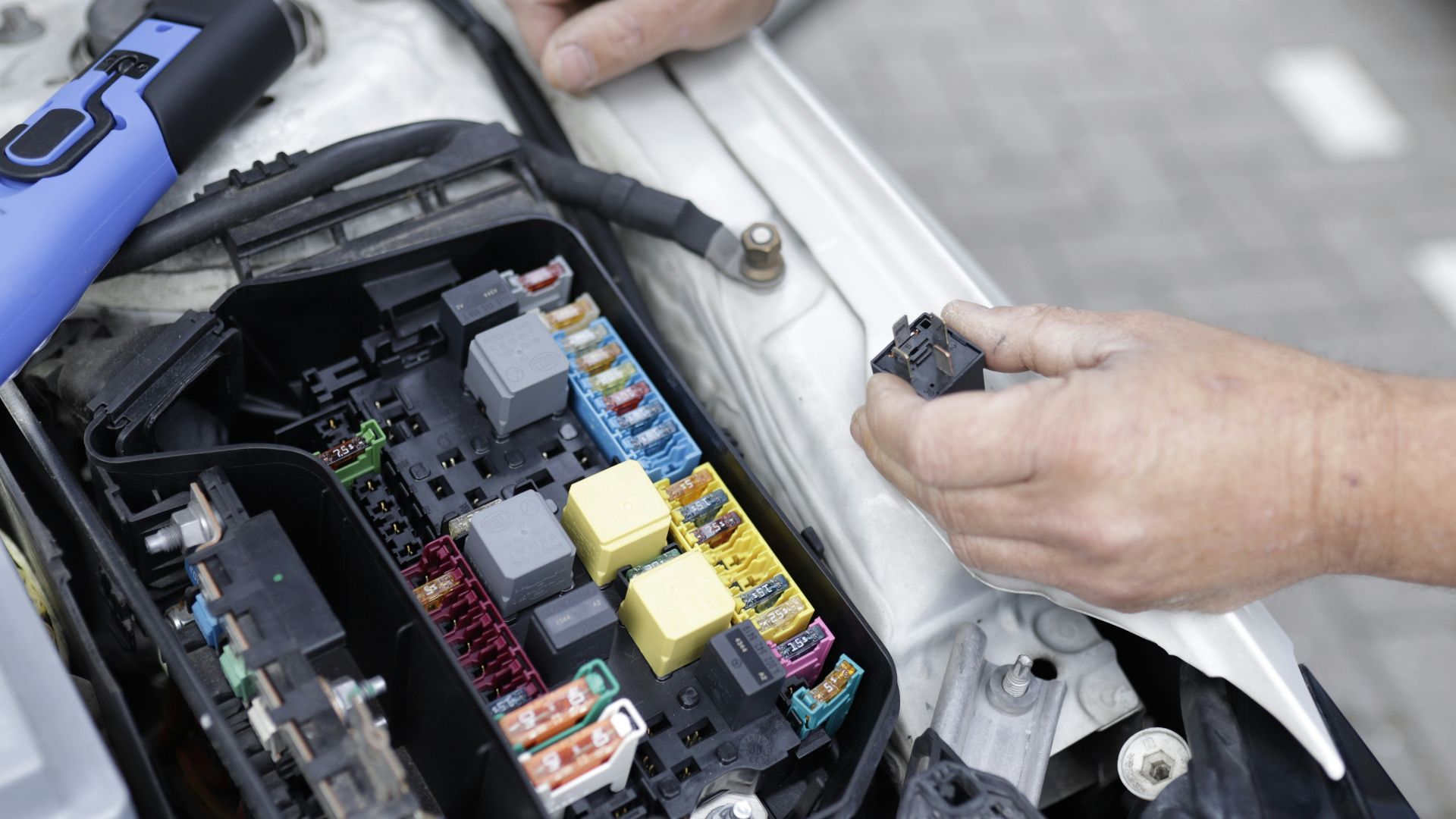
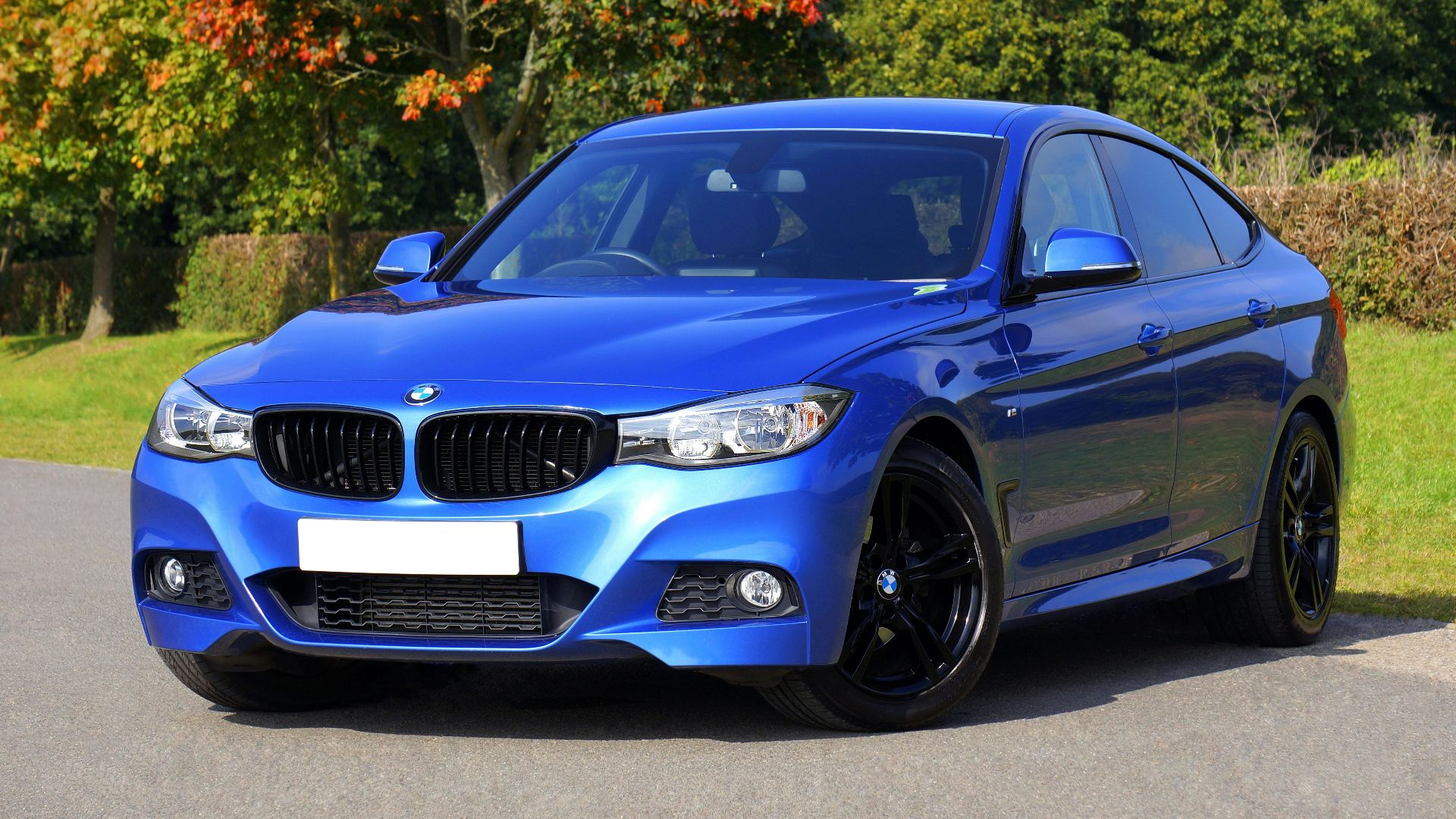
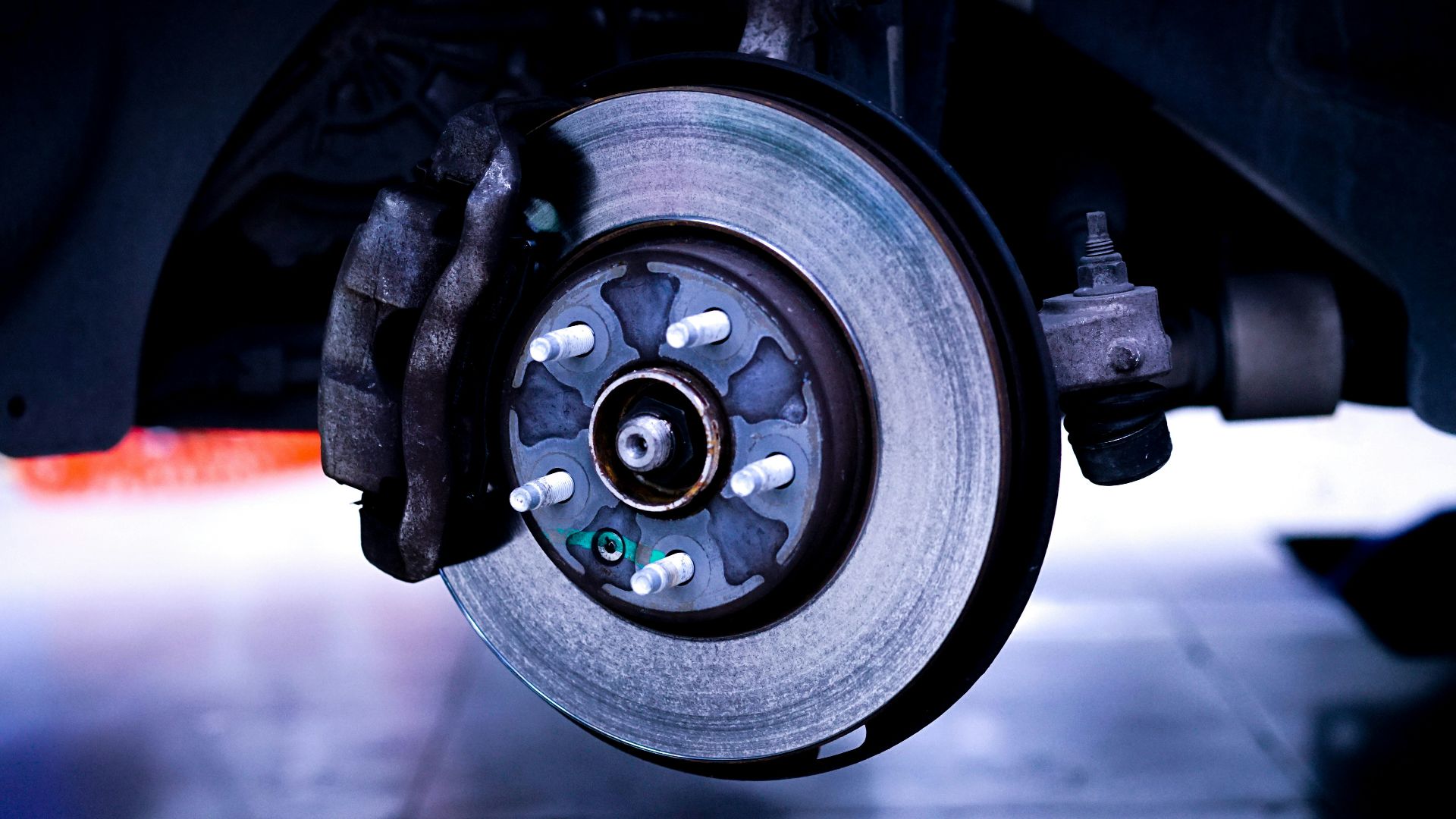
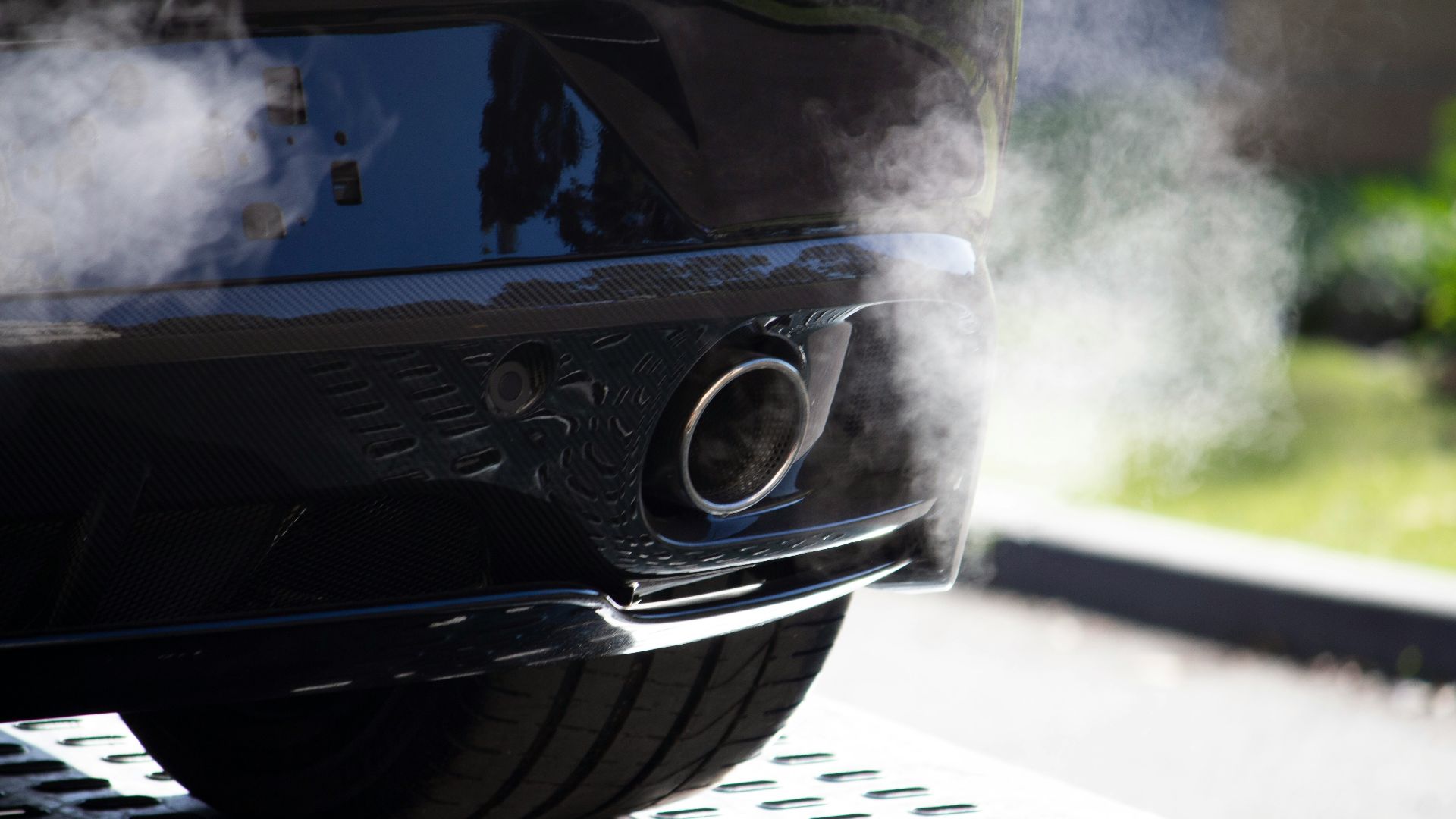
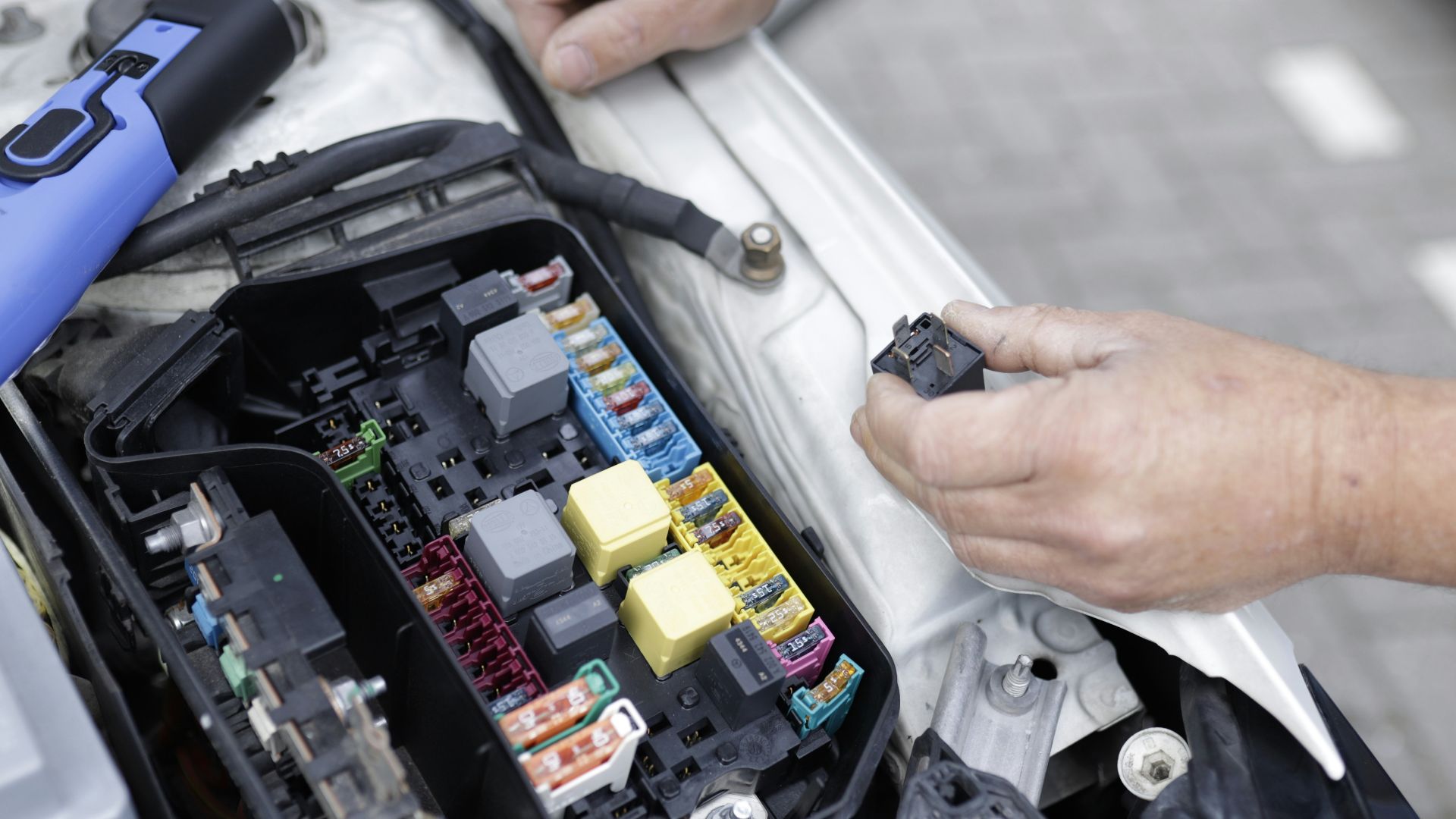
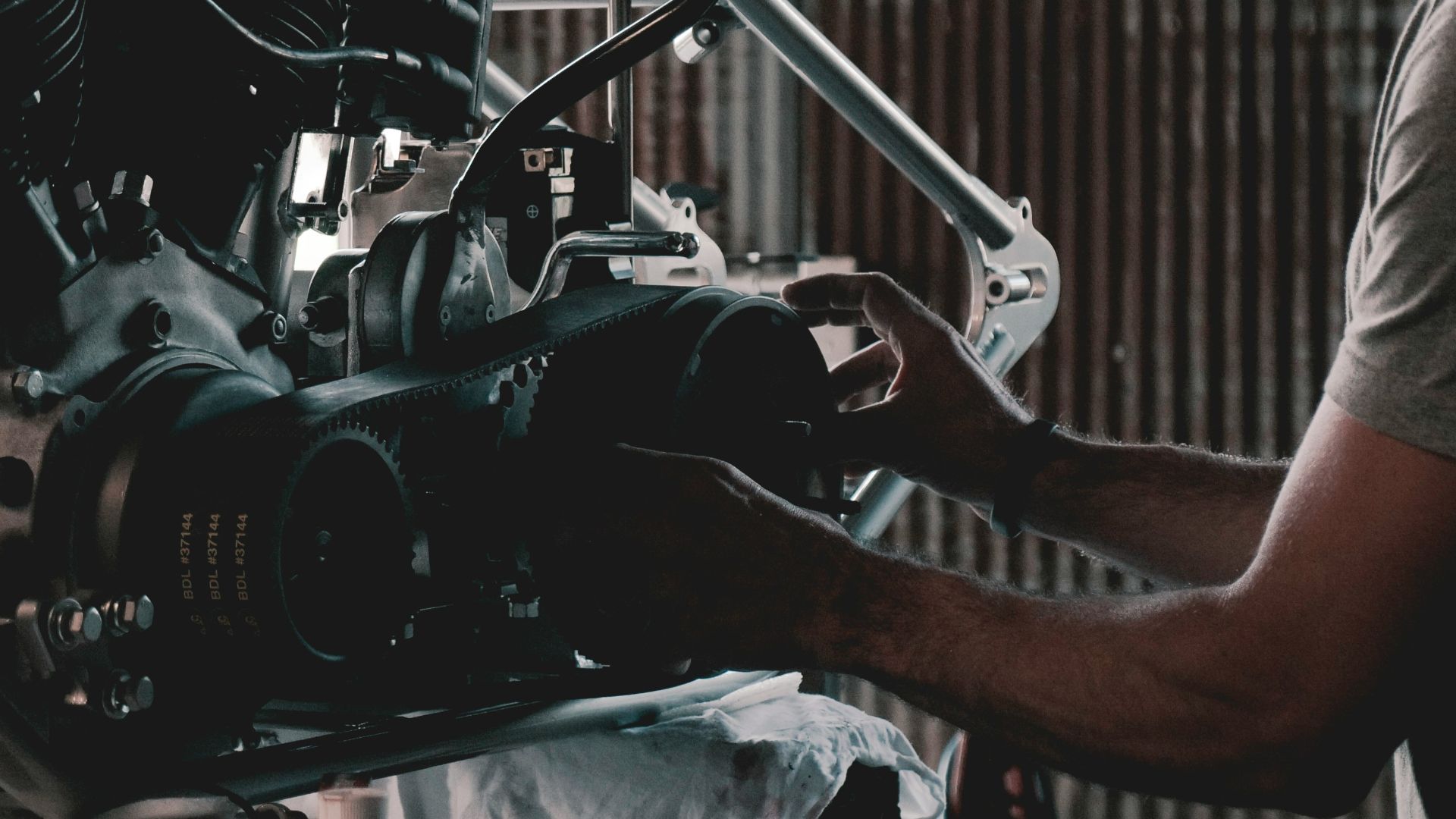
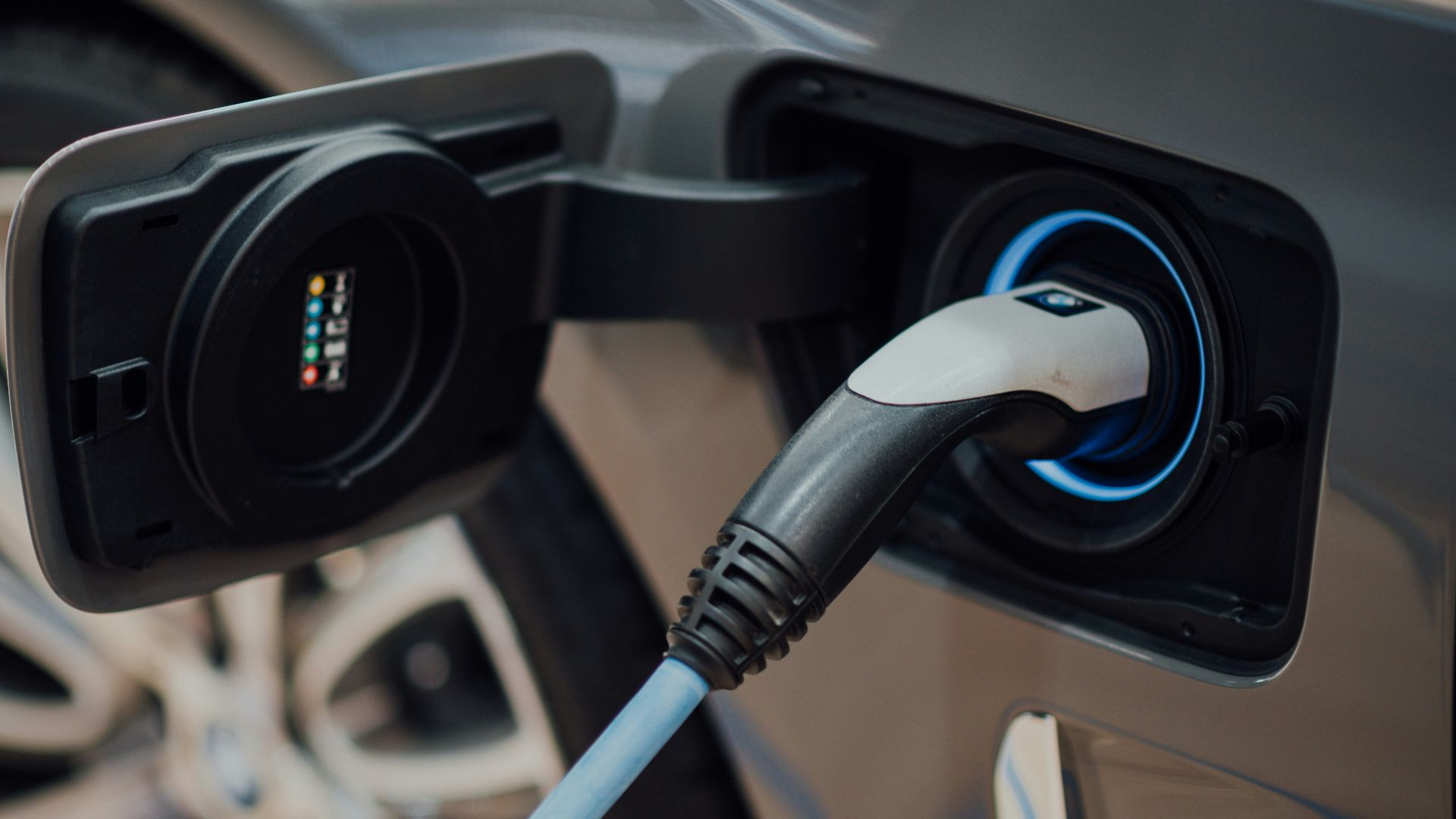
Ihr Auto ist eines der teuersten Dinge, die Sie im Leben kaufen, aber zu viele Fahrer machen überraschend dumme Fehler, die sich im Laufe der Zeit zu Tausenden von Euro summieren. Ob es nun darum geht, die grundlegende Wartung zu vernachlässigen oder Warnsignale zu ignorieren, diese Wartungsfehler sind leicht zu begehen, aber teuer zu beheben. Hier sind daher 20 Dinge, die Sie nicht vergessen sollten.
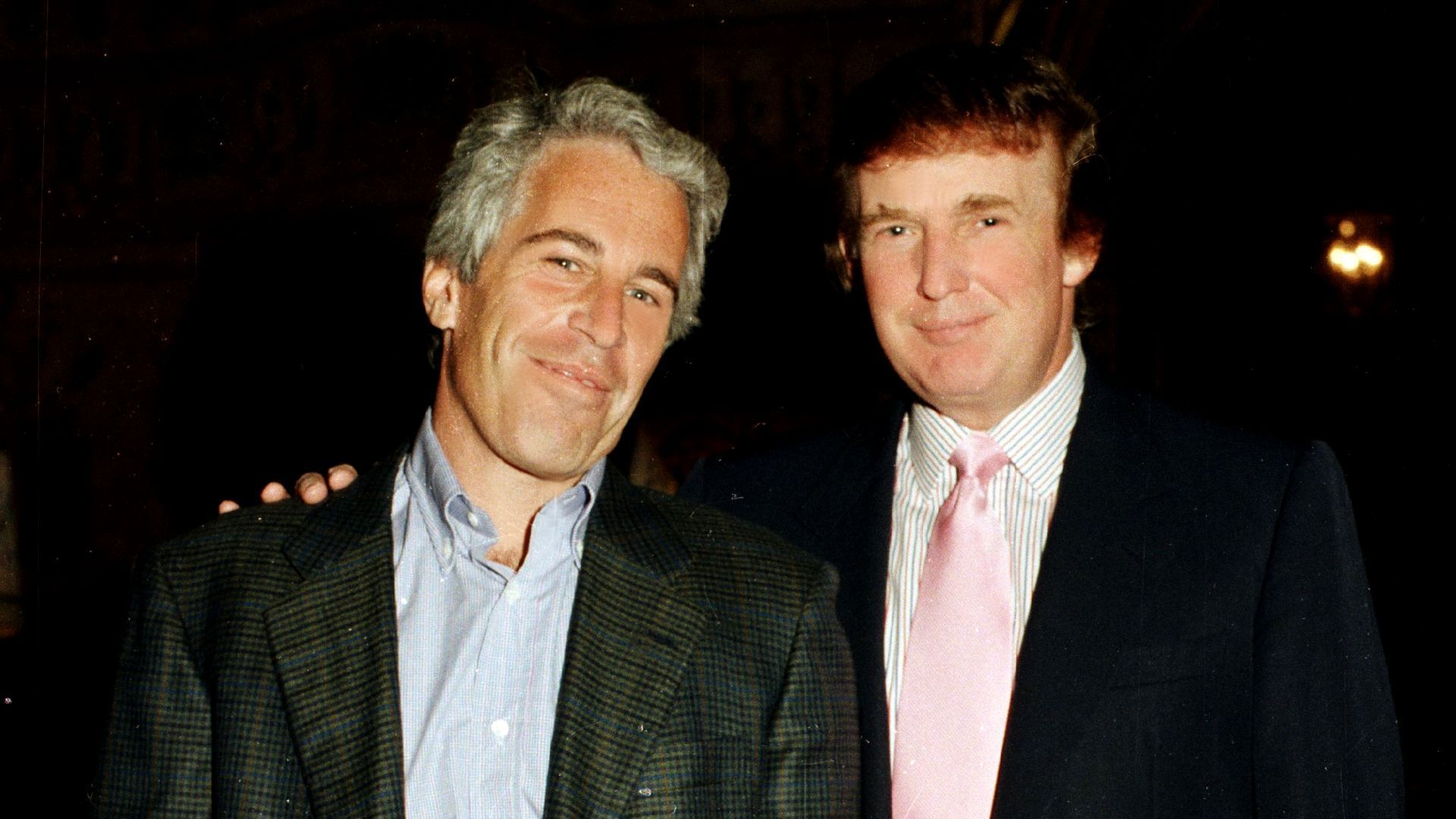
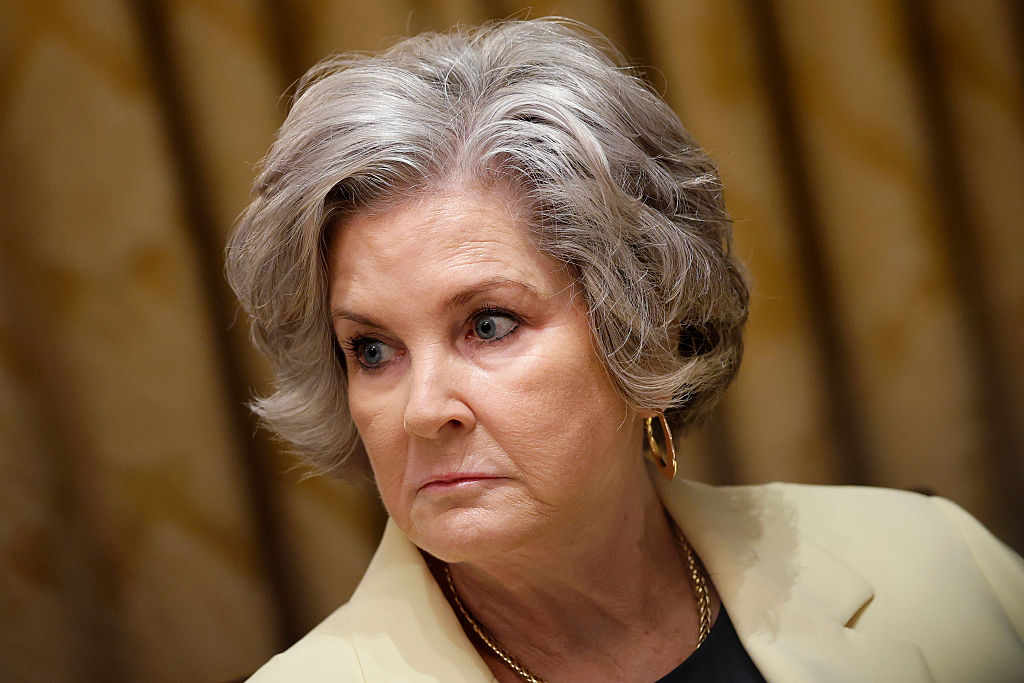
A recent Vanity Fair piece, drawn from a series of interviews with Trump chief of staff Susie Wiles, digs into what has become one of the Trump administration’s hottest and most potentially embarrassing dossiers: the Epstein files, as Trump works to distance himself from any perception that he was once a close friend of the disgraced financier. In the reporting, Wiles specifically acknowledges that Trump’s name appears in the flight logs tied to Epstein’s private jet, the plane long nicknamed the “Lolita Express,” a detail that has remained central to the controversy because it anchors the broader debate in a concrete document trail. Wiles frames that period as a time when the two men moved in the same social orbit, describing them as «young, single playboys together,» while the administration’s posture is presented as one of containment, aiming to reduce the political damage that can come from renewed focus on those records.
Getty Images
The revelations attributed to Susie Wiles in a Vanity Fair series of interviews landed amid lingering confusion from the opening stretch of Trump’s second term, when the administration sent mixed signals about the Epstein dossiers, alternately hinting at transparency and then tightening control, a whiplash that quickly turned into full-blown internal chaos as staff and allies tried to align on a single message. That disorder has only intensified as Trump has spent months fighting to prevent public disclosure of the records, turning the Epstein files into a rolling political crisis that repeatedly collides with legal, media, and communications pressure. In that context, Wiles’ remarks were described as a shock to many observers and, crucially, to many inside Trump’s own administration, because they appeared to cut through the usual hedging and speak directly to the central issue: Trump’s presence in the documentation. In the account, she confirms that Trump «is in the file», adding «we know he’s in the file», comments that sharpened the administration’s dilemma by reinforcing the very point Trump has been trying to neutralize while the broader handling of the Epstein material spiraled from early-term uncertainty into a dispute marked by infighting, contradictions, and escalating scrutiny.
A «hoax» perpetuated by Democrats
As Trump has described the Epstein files as a «hoax» perpetuated by Democrats, his claim has rattled parts of the Republican Party, which spent years campaigning on demands for disclosure and accountability, leaving lawmakers, activists, and conservative media figures scrambling to reconcile that messaging with a White House now resisting release. The dispute has also strained alliances on the right, with Marjorie Taylor Greene publicly denouncing the president and casting the administration’s stance as a betrayal of Epstein’s victims, a rupture that underscored how the issue has become both a loyalty test and a political trap for a party that elevated the story for so long. Against that backdrop, Vanity Fair’s reporting on Susie Wiles injected another jolt into the debate: while addressing Trump’s connection to the documents, she sought to draw a line between presence and culpability, saying he’s not in the files in a damaging sense and insisting «he’s not in the file doing anything awful», a formulation that attempts to contain the fallout even as the broader Republican argument over transparency, accountability, and who gets blamed continues to intensify.
Getty Images
In a post on X following Vanity Fair’s publication, Susie Wiles forcefully pushed back on the story’s framing, portraying it as an unfairly packaged attack aimed at her and the administration rather than a good-faith account of how the White House operates. She wrote that «The article published early this morning is a disingenuously framed hit piece on me and the finest President, White House staff, and Cabinet in history.» and argued that key context and favorable comments were omitted to create what she described as a deliberately distorted picture, saying «Significant context was disregarded and much of what I, and others, said about the team and the President was left out of the story.» Wiles then shifted to a performance defense of the administration, claiming «The truth is the Trump White House has already accomplished more in eleven months than any other President has accomplished in eight years» and crediting Trump’s leadership for those results, before ending with a defiant rallying message: «None of this will stop our relentless pursuit of Making America Great Again!»
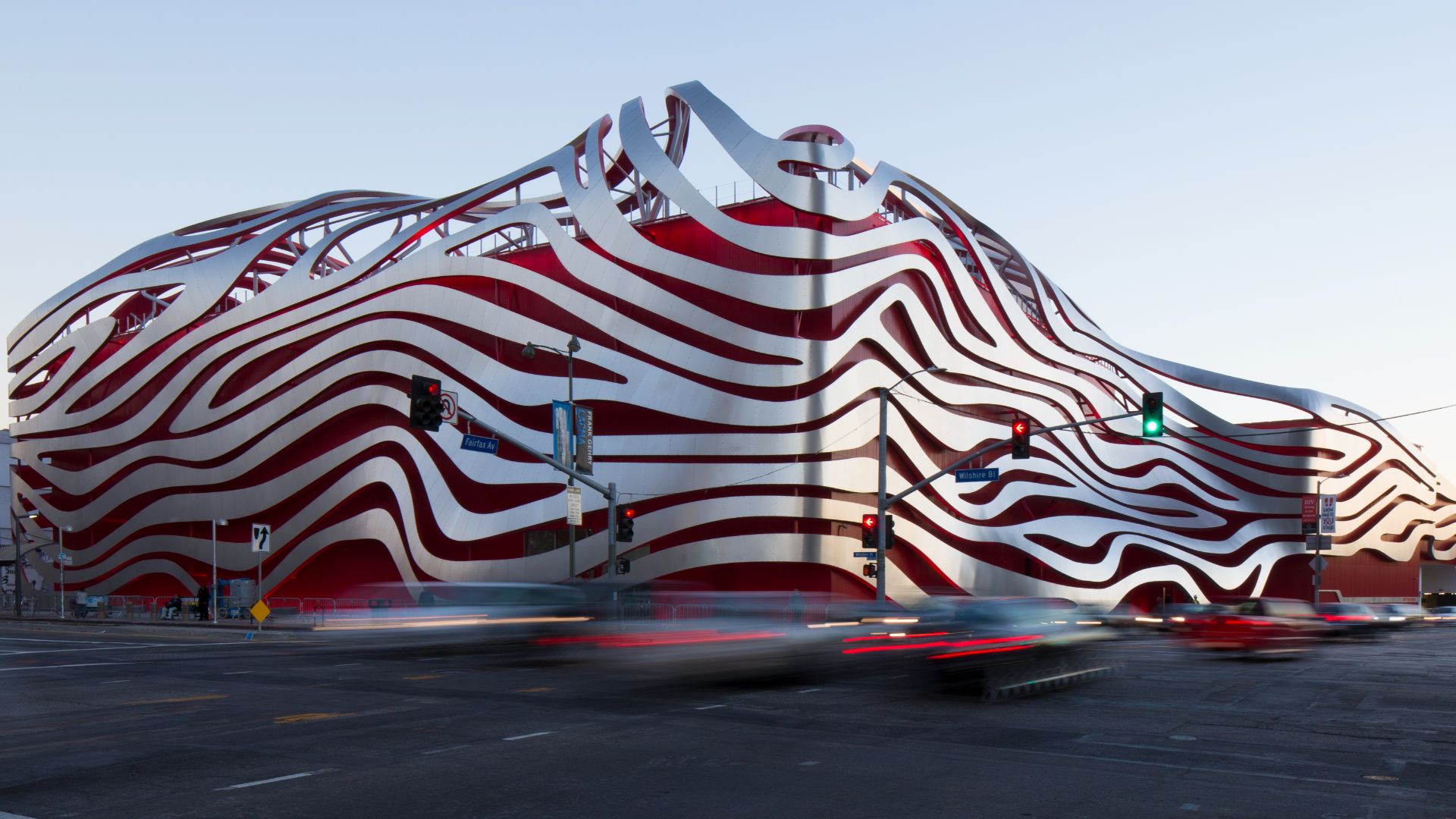
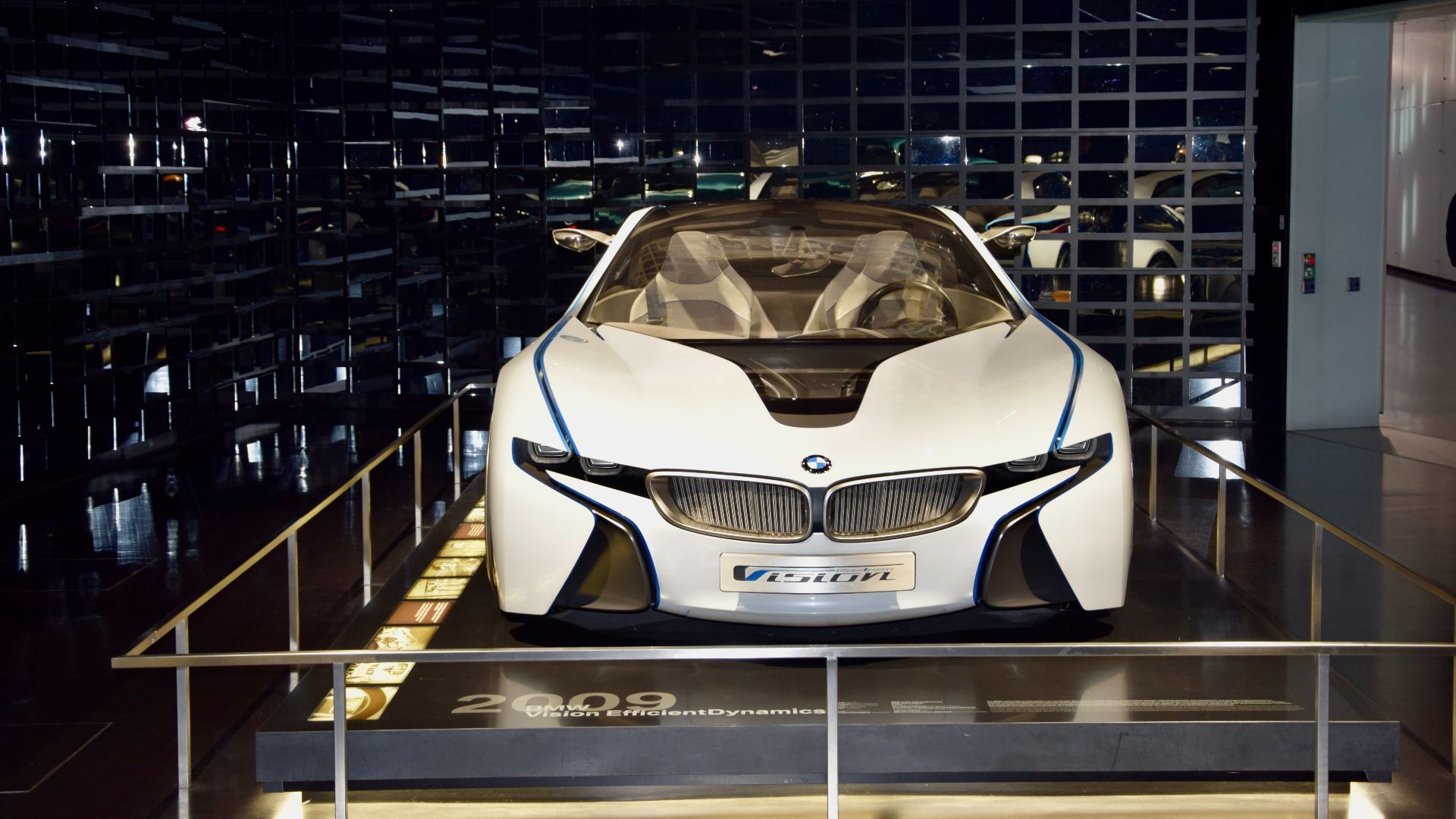
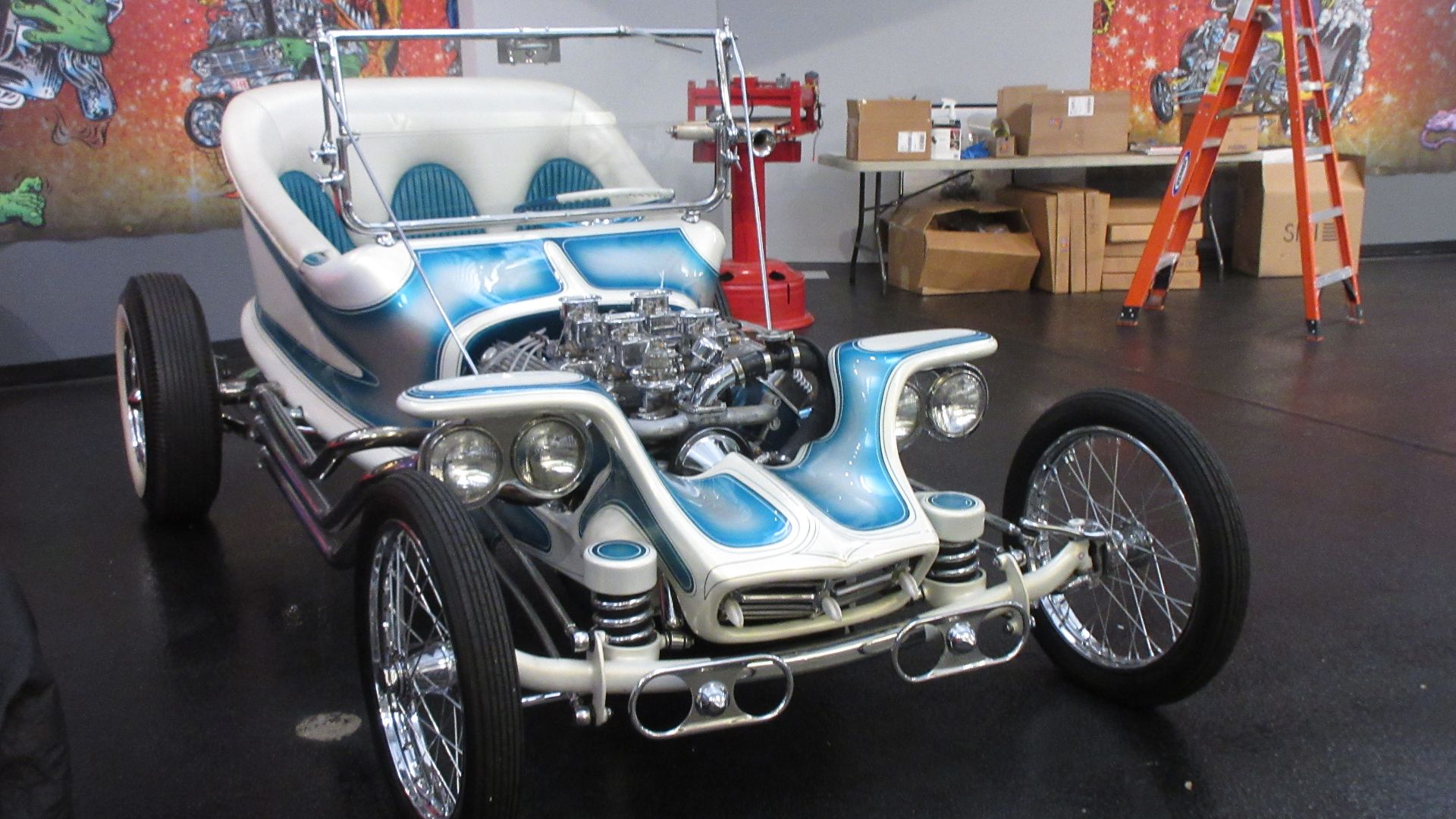
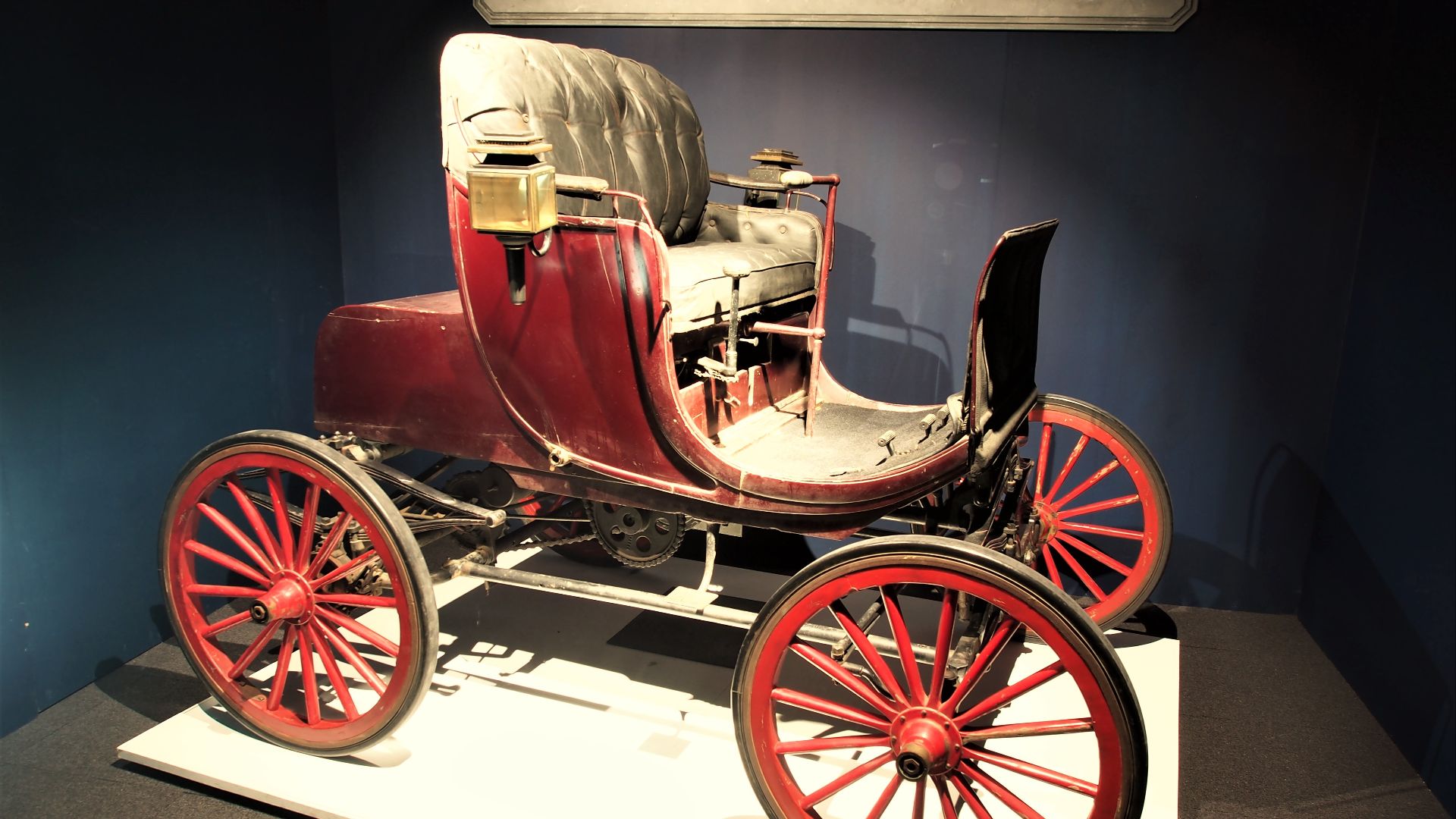
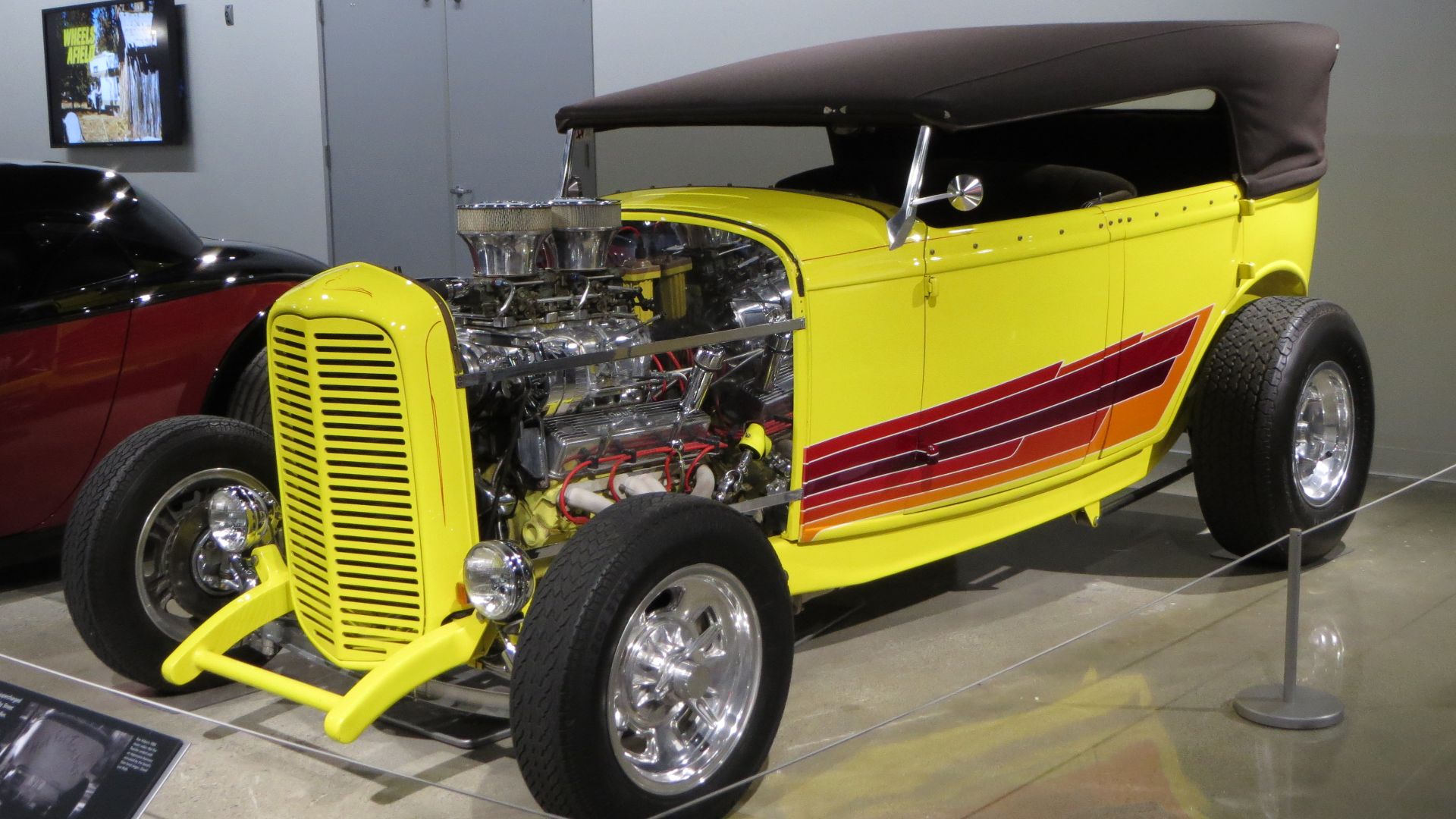
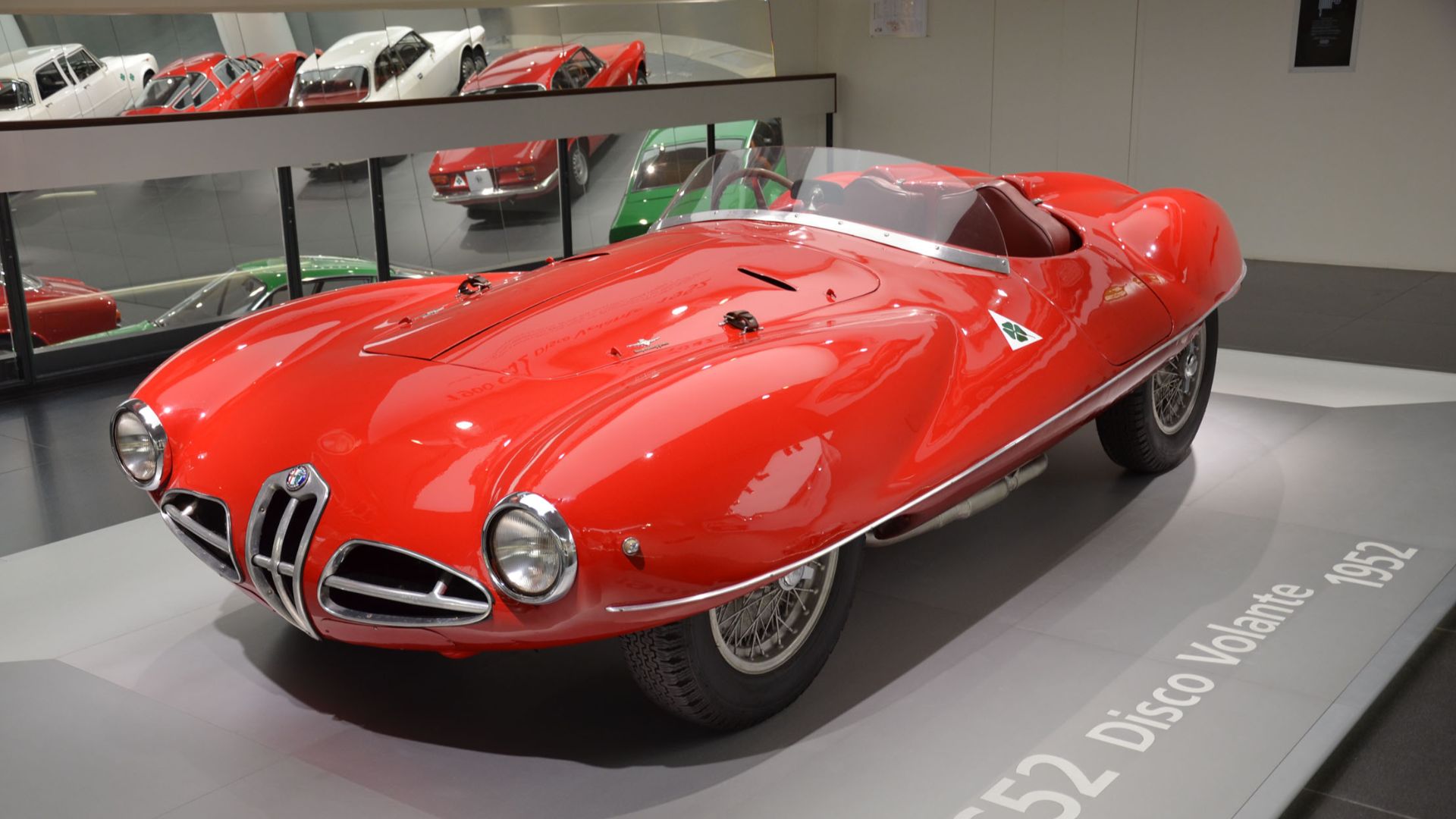
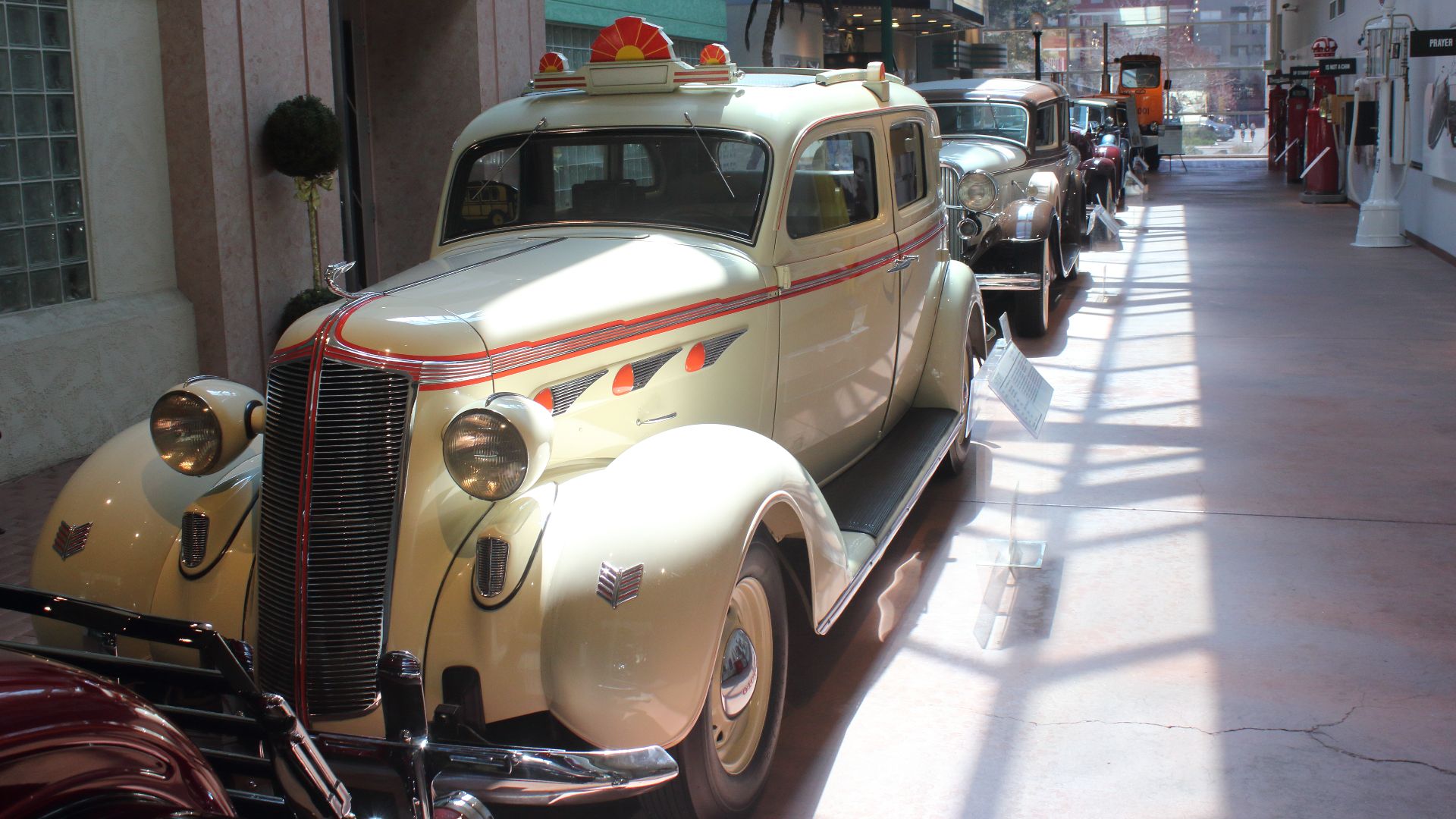
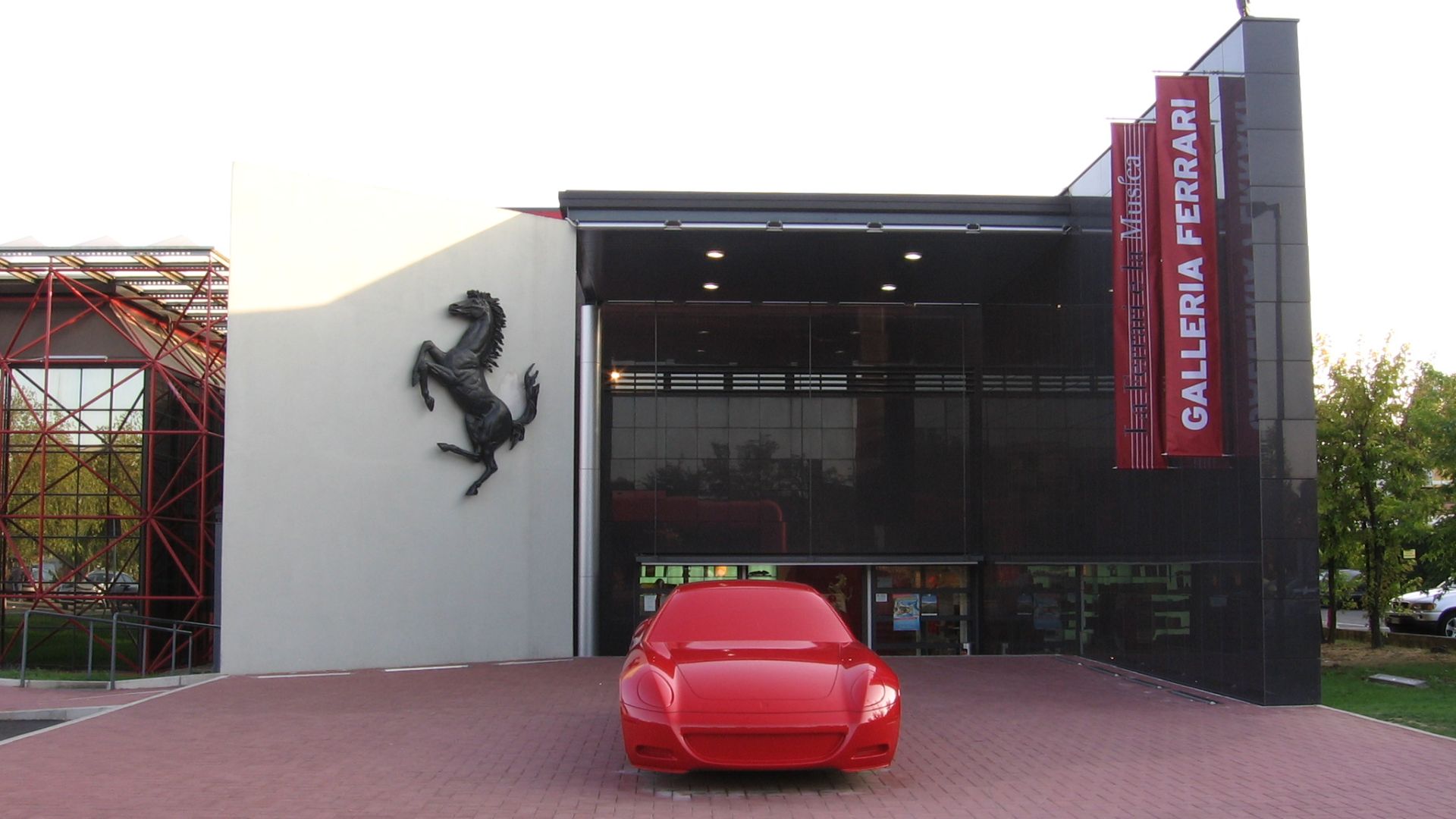
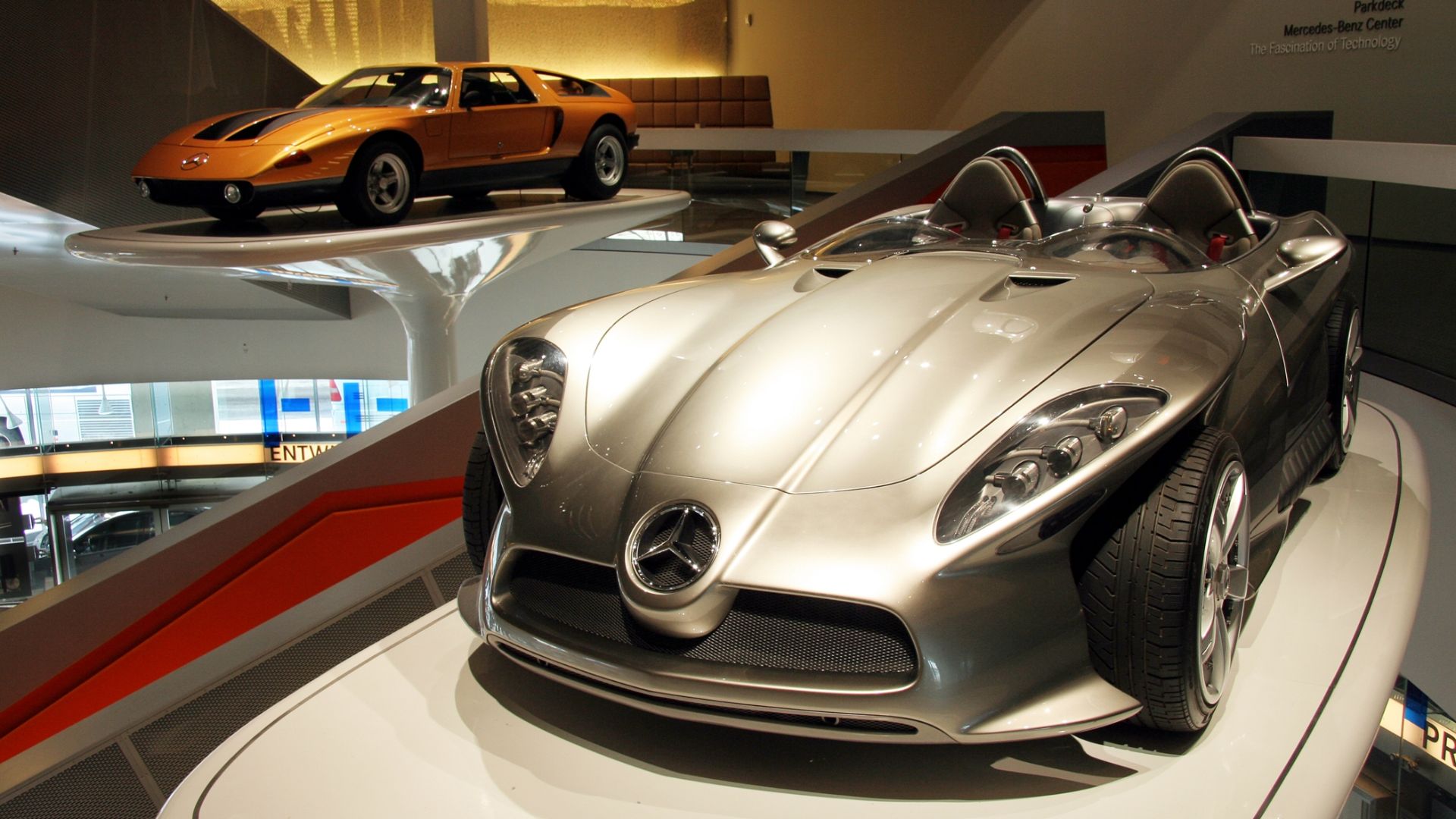
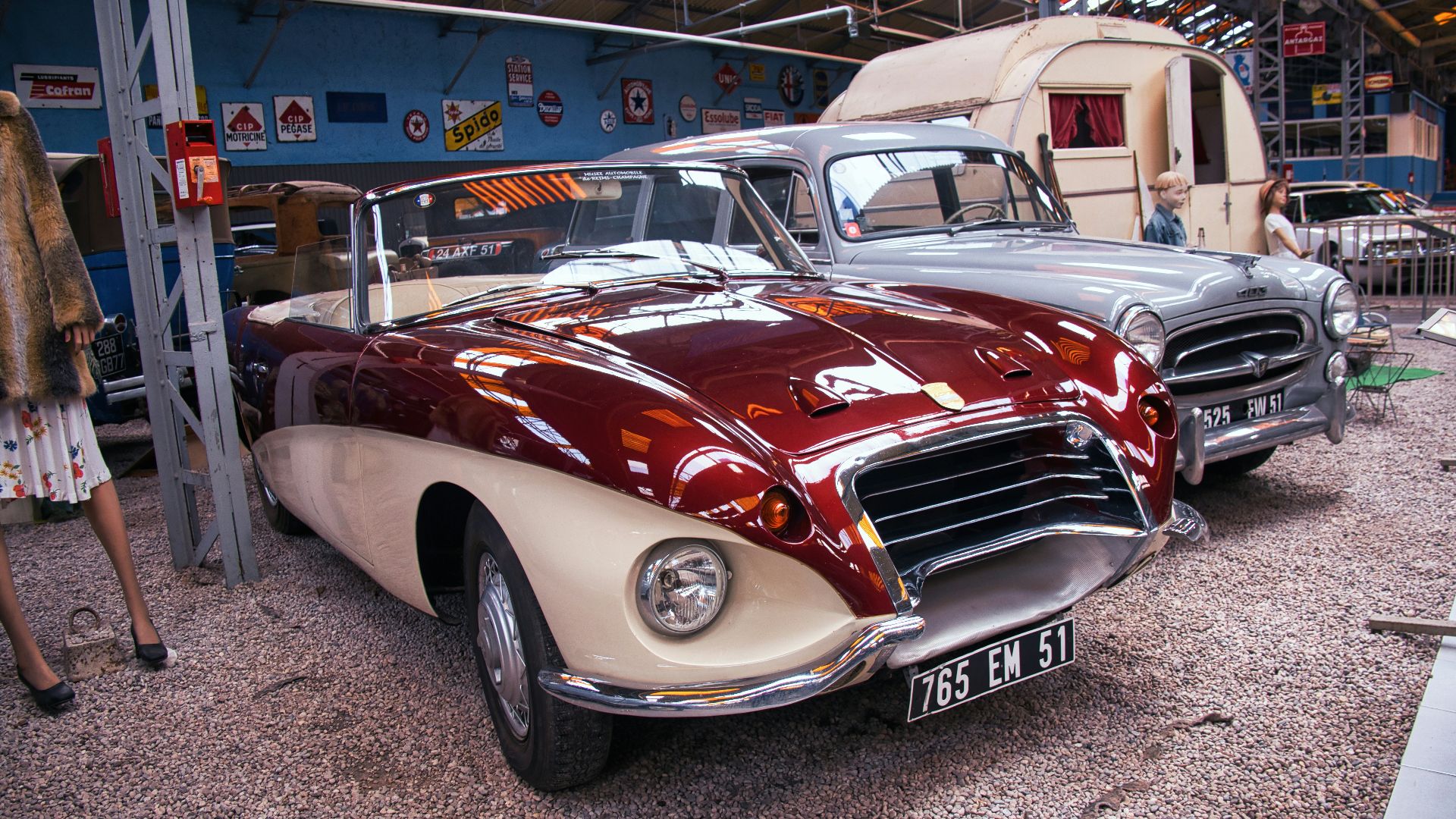
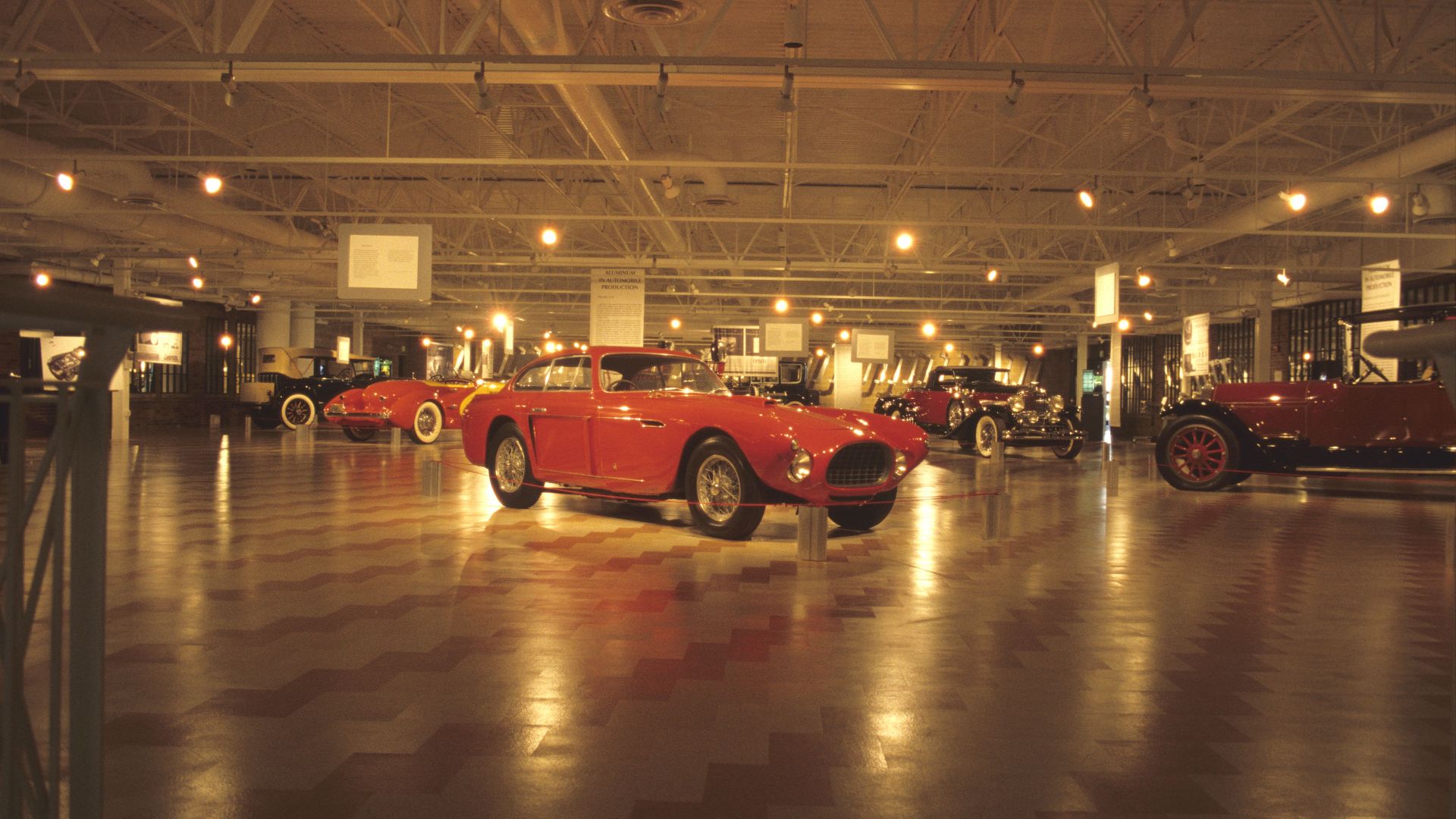
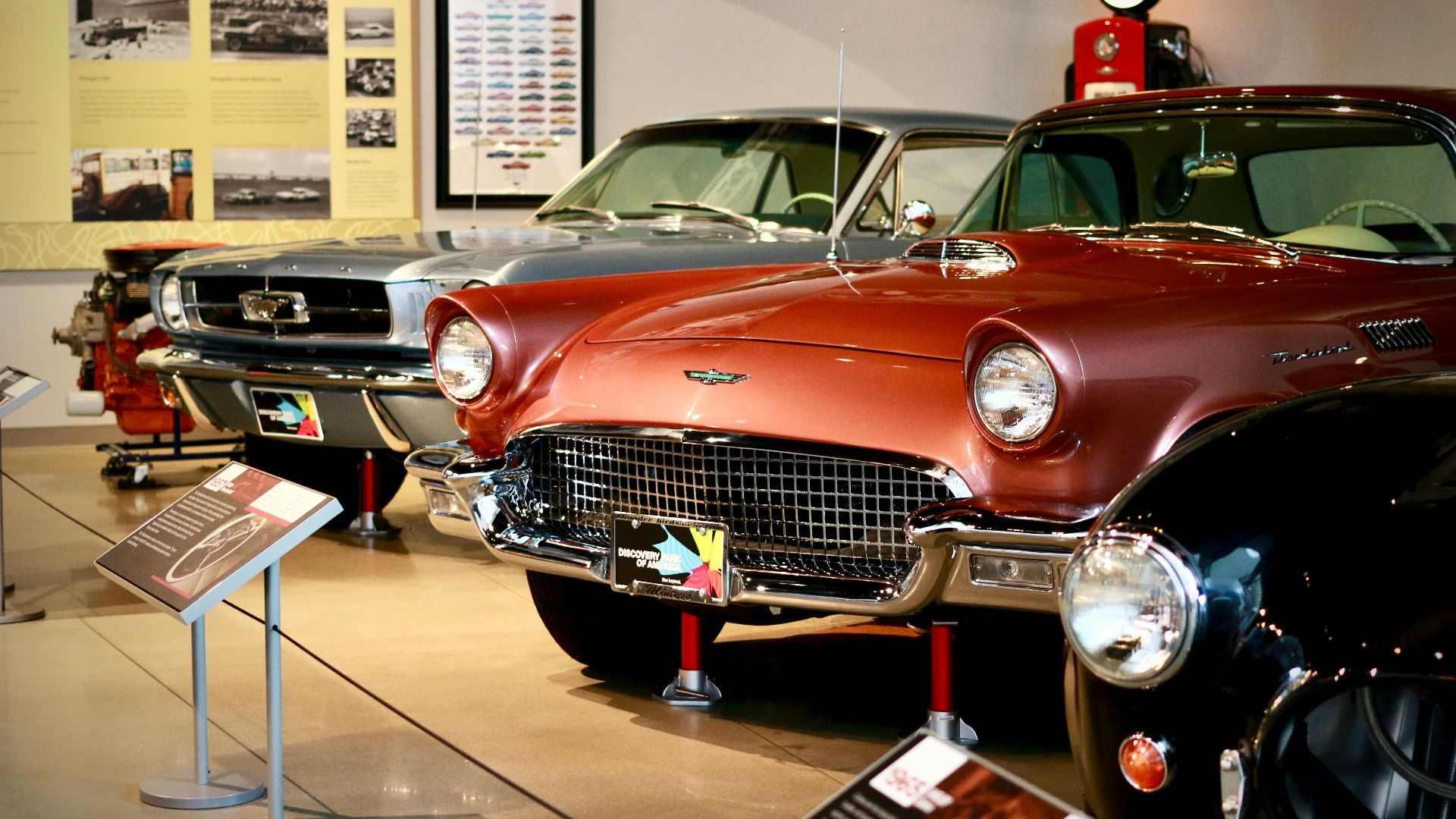
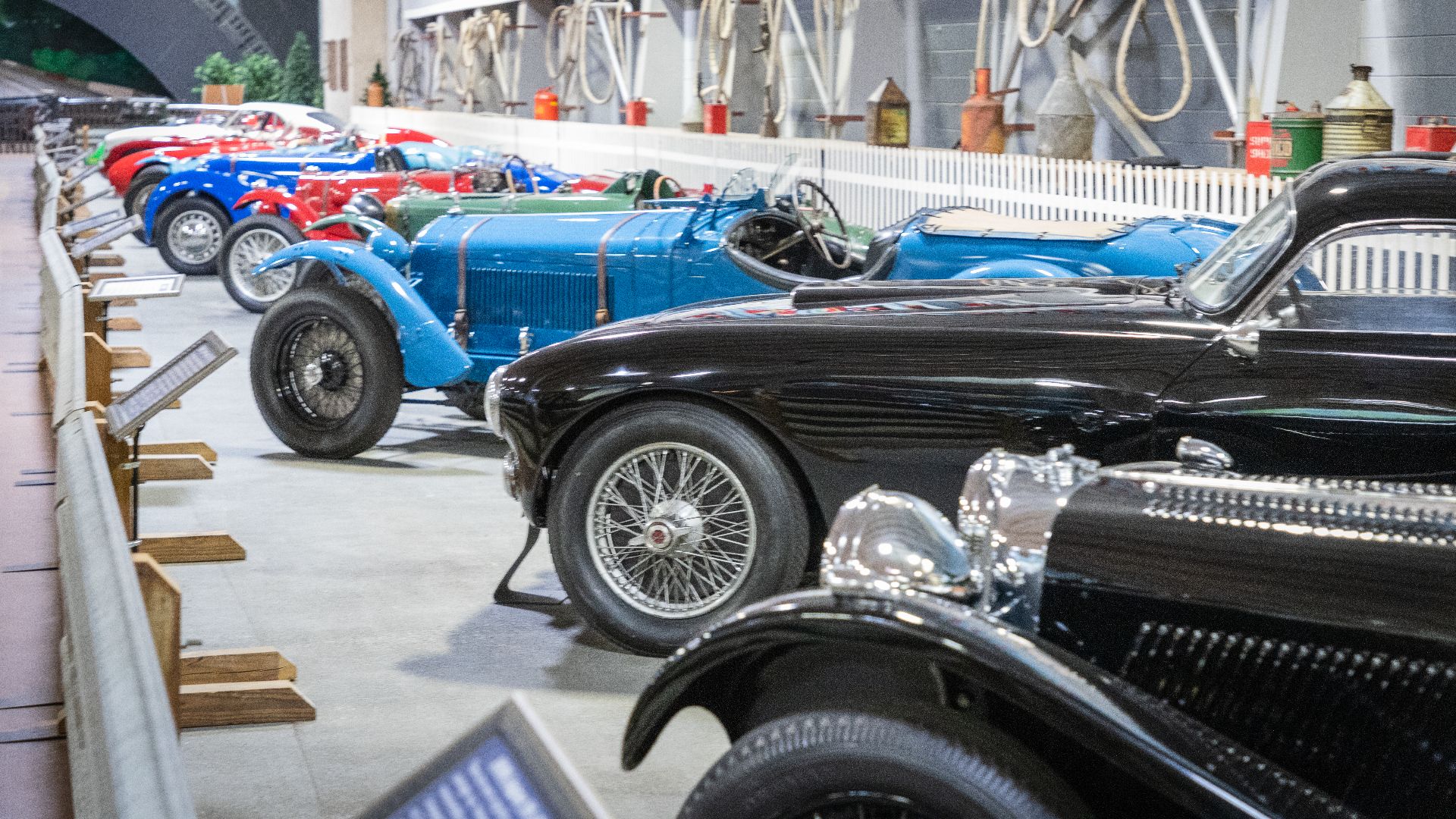
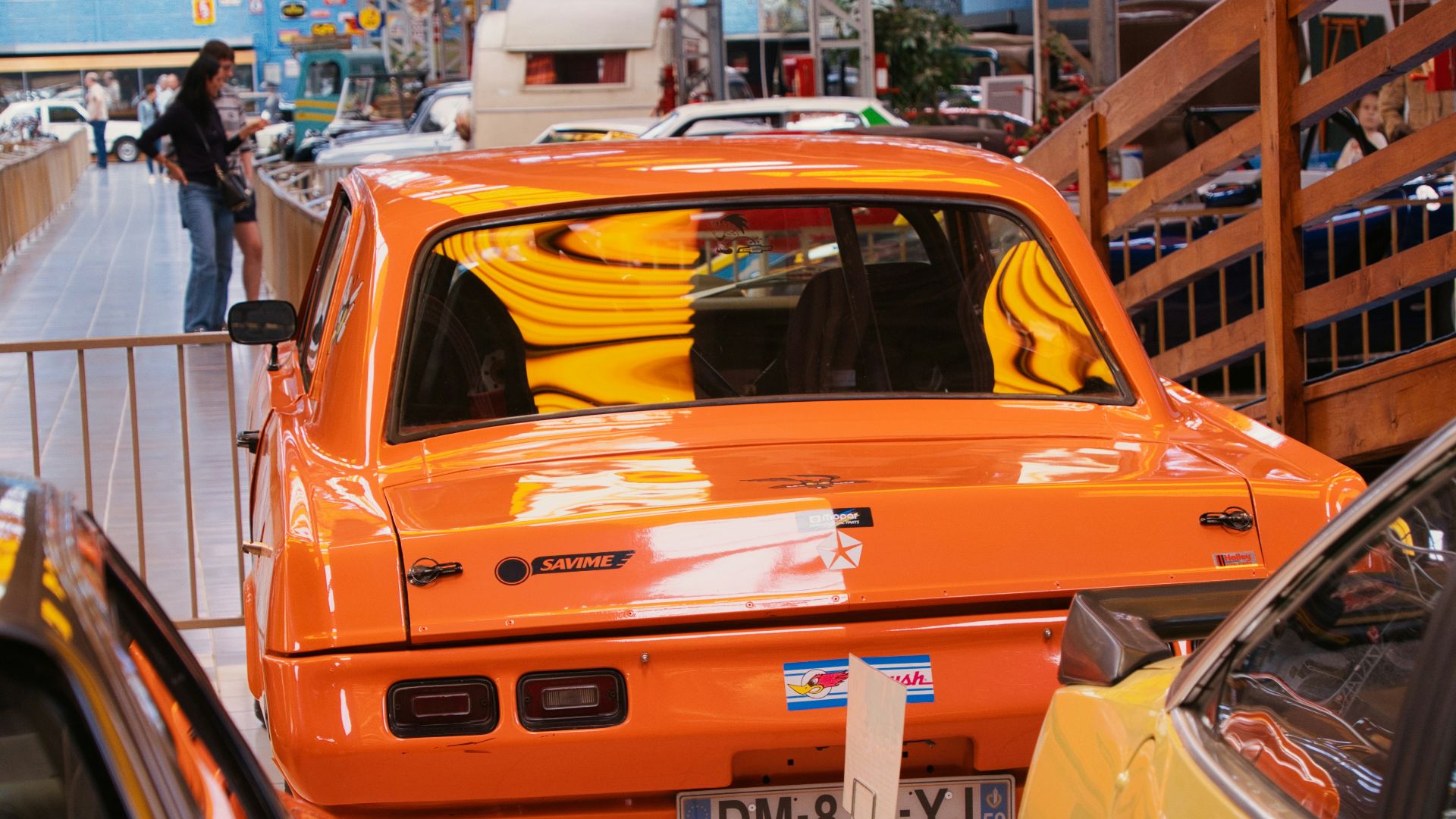
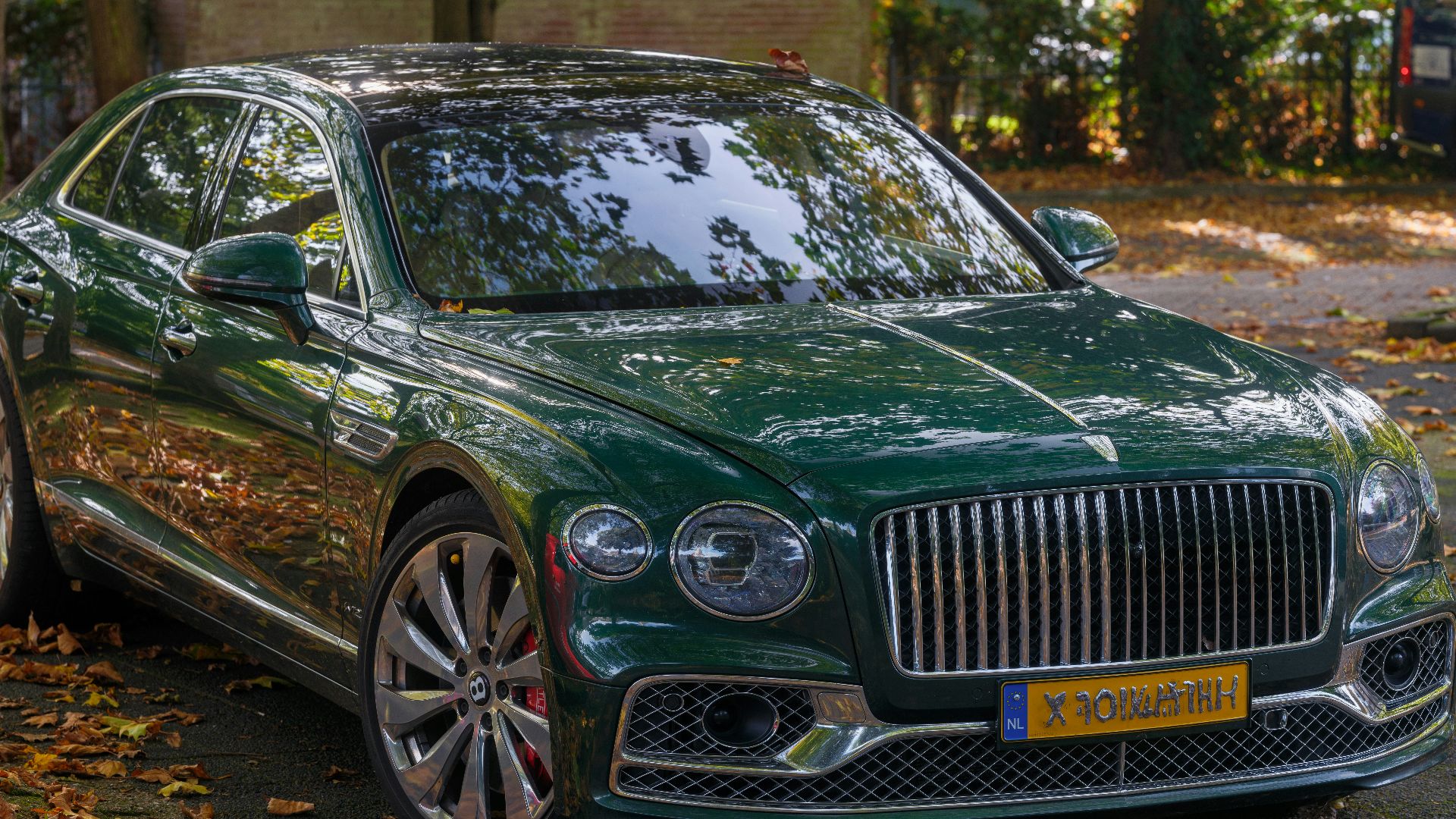
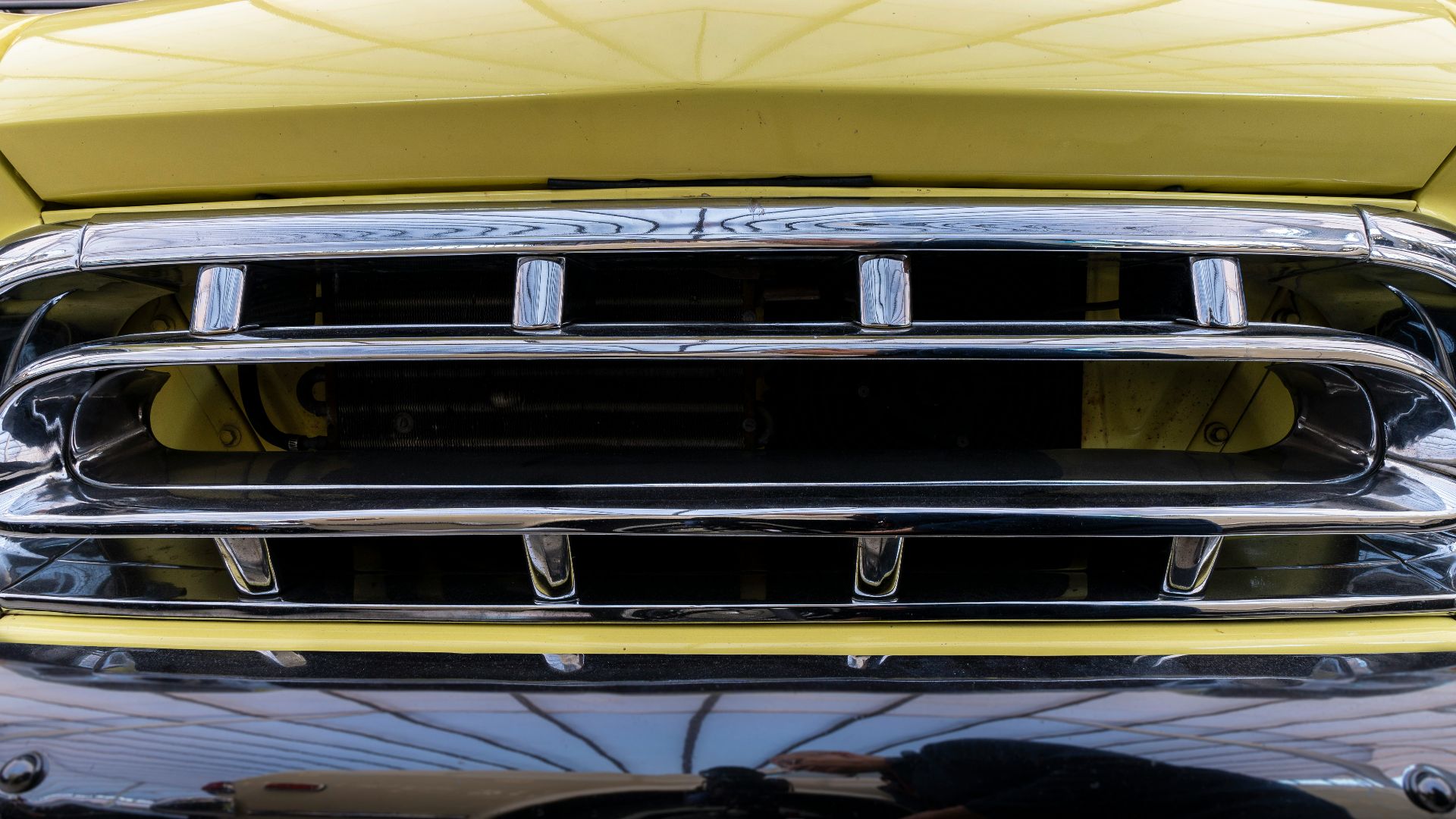
In Automobilmuseen geht es nicht nur um glänzenden Lack und Chrom, sondern auch um Geschichte, Innovation und Kultur, alles eingehüllt in Stahl und Gummi. Ob winzige Oldtimer oder glänzende Supercars, diese Museen zeigen die schönsten und verrücktesten Räder, die sich die Menschheit je ausgedacht hat. Es sind Orte, an denen man die Motoren fast aufheulen, die Menschenmassen applaudieren und die Zukunft unter glänzenden Motorhauben Gestalt annehmen hören kann. Einige sind Pilgerstätten für Liebhaber von Mechanik; andere sind surreale Orte, an denen die Vergangenheit auf die Zukunft trifft. Hier sind 20, die einen Besuch wert sind.
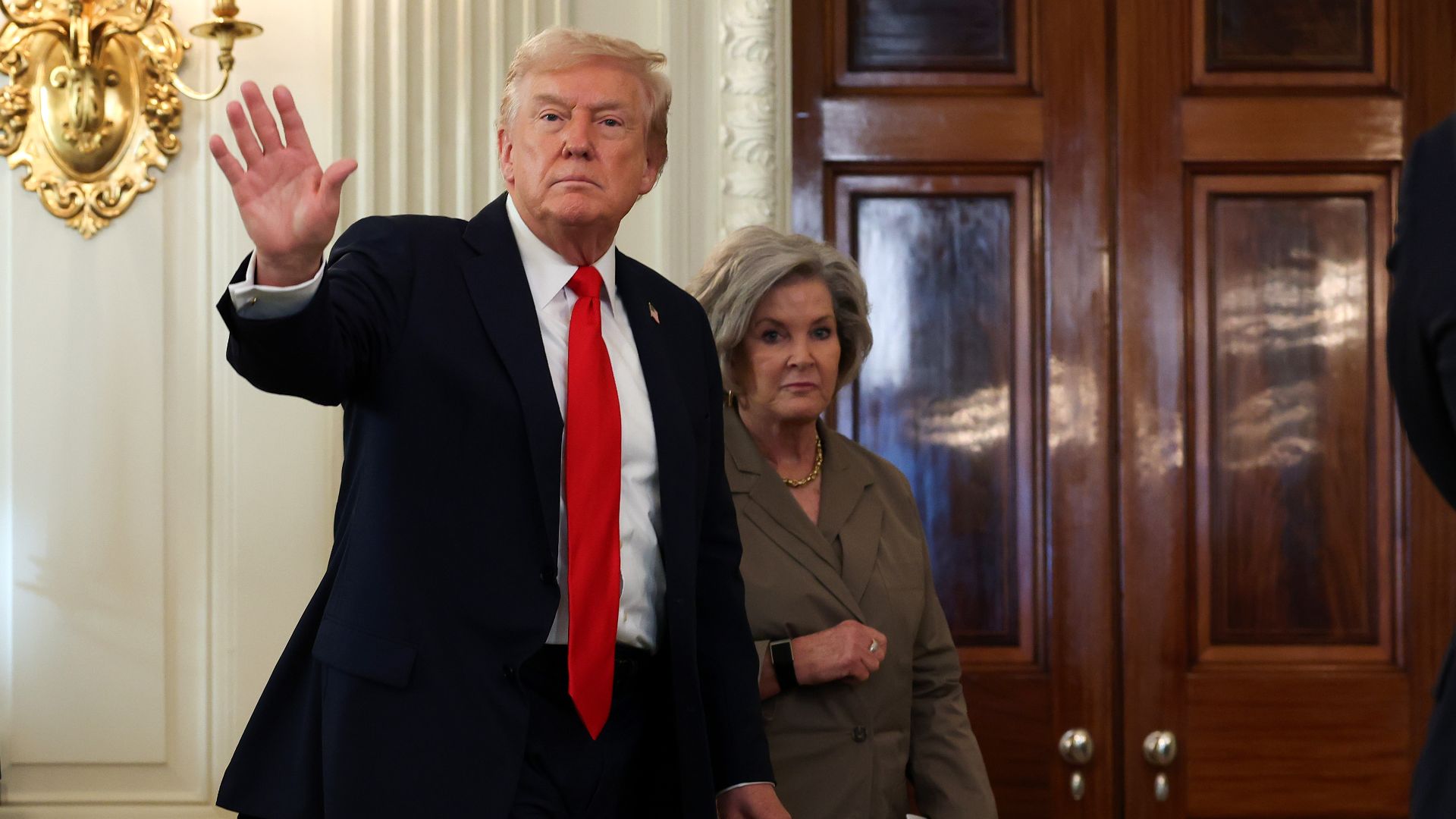
WASHINGTON, DC - 14 OCTOBRE : La chef de cabinet de la Maison Blanche, Susie Wiles, observe une réunion entre le président américain Donald Trump et le président argentin Javier Milei dans la salle du Cabinet de la Maison Blanche, le 14 octobre 2025 à Washington, DC. Trump accueille Milei pour un déjeuner de travail quelques jours après que le Trésor américain ait finalisé un accord de swap de devises de 20 milliards de dollars avec l'Argentine afin de contribuer à stabiliser son économie. (Photo par Kevin Dietsch/Getty Images)
Mardi, Vanity Fair a publié un exposé en deux parties intitulé : Susie Wiles, JD Vance et les « Junkyard Dogs » : La chef de cabinet de la Maison-Blanche sur le second mandat de Trump. Le livre contient des dizaines de citations de Susie Wiles, cheffe de cabinet de Trump, que le journaliste Chris Whipple qualifie de « personne la plus puissante de la Maison-Blanche de Trump, à l’exception du président lui-même ». Depuis la publication de l’article, Susie Wiles s’est défendue contre les déclarations qu’elle a elle-même faites dans l’article, affirmant qu’il s’agissait d’un « article à charge mal ficelé ».
Susie Wiles, fille du célèbre joueur de la NFL et commentateur sportif Pat Summerall, a été engagée comme directrice de campagne de Trump en 2016 et est la cheffe de cabinet de Trump depuis son élection en 2024. Elle est considérée comme la conseillère la plus proche de Trump. Elle travaille dans la politique depuis les années 1980, lorsqu’elle travaillait dans l’administration Reagan. C’est la première fois qu’elle sert directement le président des États-Unis.
Commentaires sur l’article de Vanity Fair
Dans l’article en deux parties, l’auteur Chris Whipple publie des dizaines de citations de Wiles critiquant Trump, notamment le fait qu’elle pense que Trump « a une personnalité d’alcoolique », alors que le président aurait été abstinent toute sa vie, déclarant même à Fox News en 2016 qu’il n’avait « jamais bu un verre ». Wiles aurait également qualifié le vice-président JD Vance de « théoricien du complot » et Russell Vought de « zélateur absolu de la droite ».
Dans la plupart des maisons blanches, le chef de cabinet est le premier d’une bande d’égaux. Il se peut que [Wiles] soit le premier à n’avoir aucun égal.
-Ancien chef républicain
Wiles aurait évoqué les crises de colère de Trump lors de sa première élection : « Je ne l’ai pas vu lancer quoi que ce soit, je ne l’ai pas vu crier. Je n’ai pas vu ce comportement vraiment horrible dont les gens parlent et que j’ai vécu il y a des années ». Cette citation fait référence au bon comportement apparent de Trump lors de sa deuxième élection réussie. Son commentaire sur la personnalité de Trump ne sous-entend pas qu’il est alcoolique, mais que sa personnalité présente certains des marqueurs des alcooliques de haut niveau (selon Wiles).
Mme Wiles a évoqué un moment de l’élection de 2016 où Trump l’aurait réprimandée devant un groupe de « copains », déclarant : « C’était une heure horrible à minuit. Il fulminait et s’emportait. Je ne savais pas si je devais répliquer ou rester stoïque. Ce que je voulais vraiment, c’était pleurer ». Selon Wiles, au lieu de pleurer, elle a choisi de tenir tête à Trump et de s’éloigner de l’attaque. Après cela, « il m’a appelée tous les jours ». Wiles a aidé Trump à remporter la victoire contre Hilary Clinton en 2016.
Wiles a également fait des commentaires sur les dossiers Epstein. Wiles affirme que Trump est dans les dossiers, mais « il n’est pas dans le dossier en train de faire quelque chose d’horrible ». Elle décrit Trump et Epstein comme un couple de « jeunes playboys célibataires », mais maintient que Trump n’a pas participé aux crimes d’Epstein. Bien que les commentaires de Wiles ne soient pas explicitement critiques à l’égard de Trump, ils ne sont certainement pas comparables à la liste des commentaires des politiciens du GOP critiquant Trump avant son entrée en politique.
Wiles réfute les déclarations
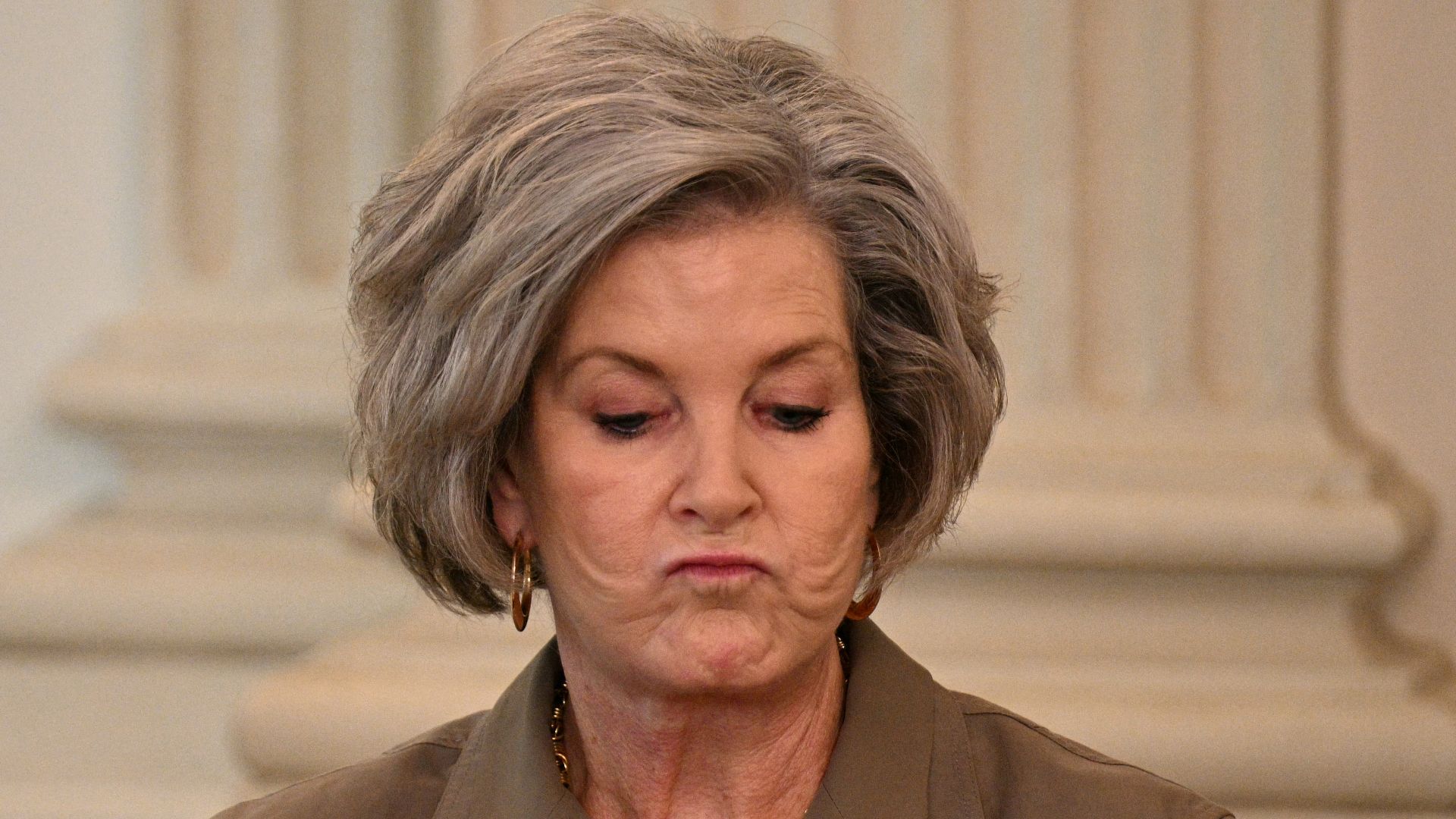
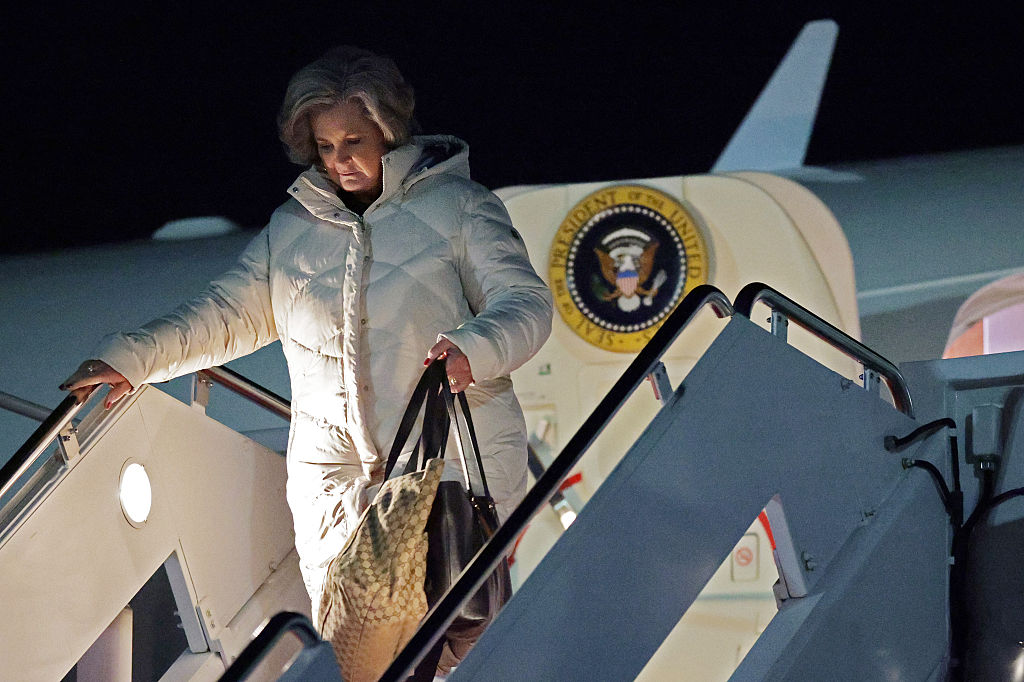
JOINT BASE ANDREWS, MARYLAND – 09 DÉCEMBRE : Susie Wiles, chef de cabinet de la Maison Blanche, descend les marches d’Air Force One le 9 décembre 2025 à la base conjointe Andrews, dans le Maryland. Le président Trump a fait des remarques sur le programme économique de son administration lors d’un événement au Mount Airy Casino Resort à Mount Pocono ce soir. (Photo par Alex Wong/Getty Images)
Selon Wiles, dans un communiqué publié sur X, « l’article publié tôt ce matin est un coup monté de manière malhonnête contre moi et le meilleur président, personnel de la Maison-Blanche et cabinet de l’histoire ». Et « la Maison-Blanche de Trump a déjà accompli plus en onze mois que n’importe quel autre président en huit ans ».
La seconde de ces affirmations est, bien entendu, objectivement fausse.
The article published early this morning is a disingenuously framed hit piece on me and the finest President, White House staff, and Cabinet in history.
Significant context was disregarded and much of what I, and others, said about the team and the President was left out of the…
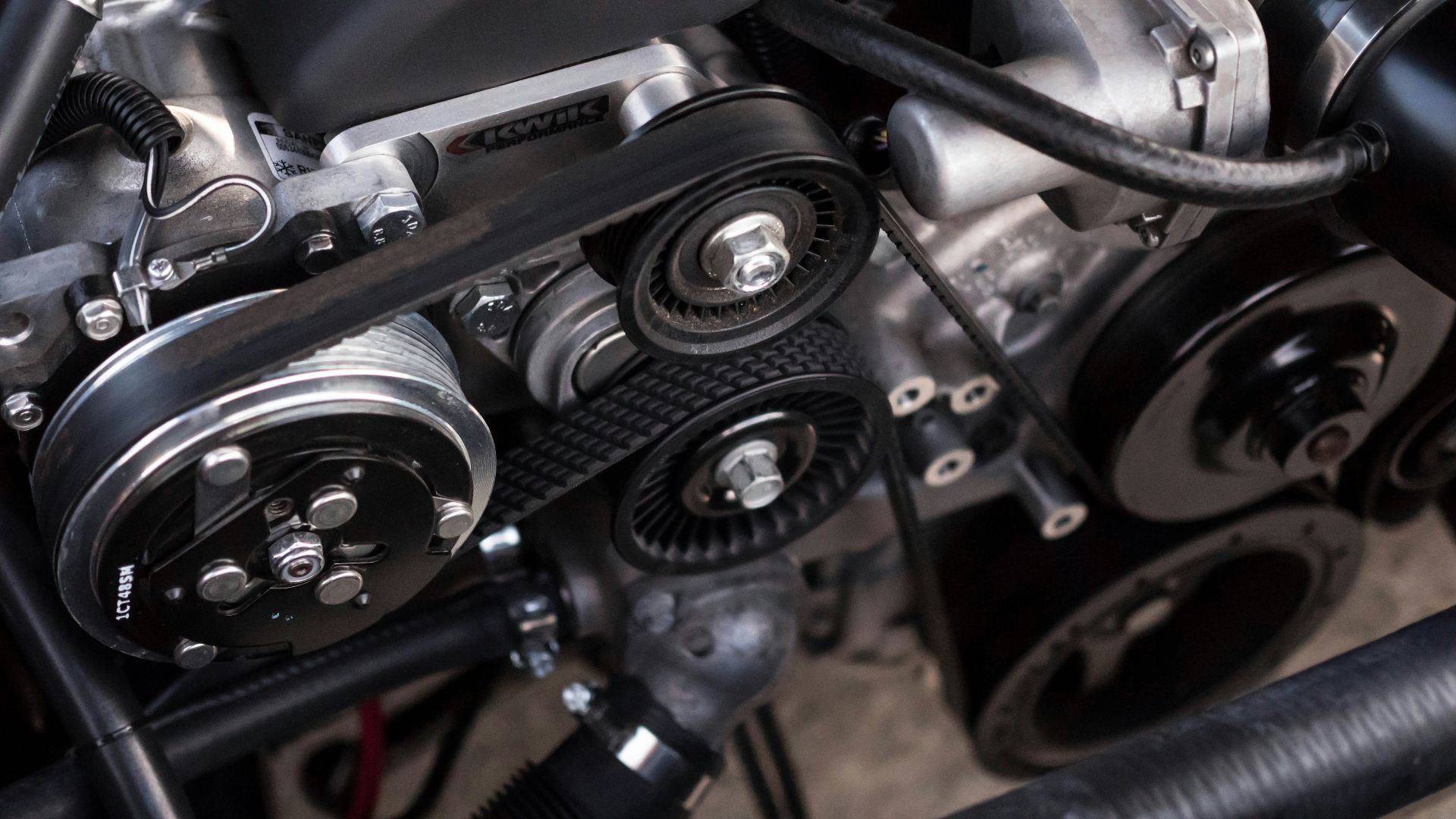
Manche Autoteile scheinen Sie frustrieren zu wollen, indem sie im unpassendsten Moment ausfallen, während andere ohne Probleme eine Ewigkeit halten. Hier sind also die Teile, die am wahrscheinlichsten zuerst ausfallen und die, die überraschend lange halten.
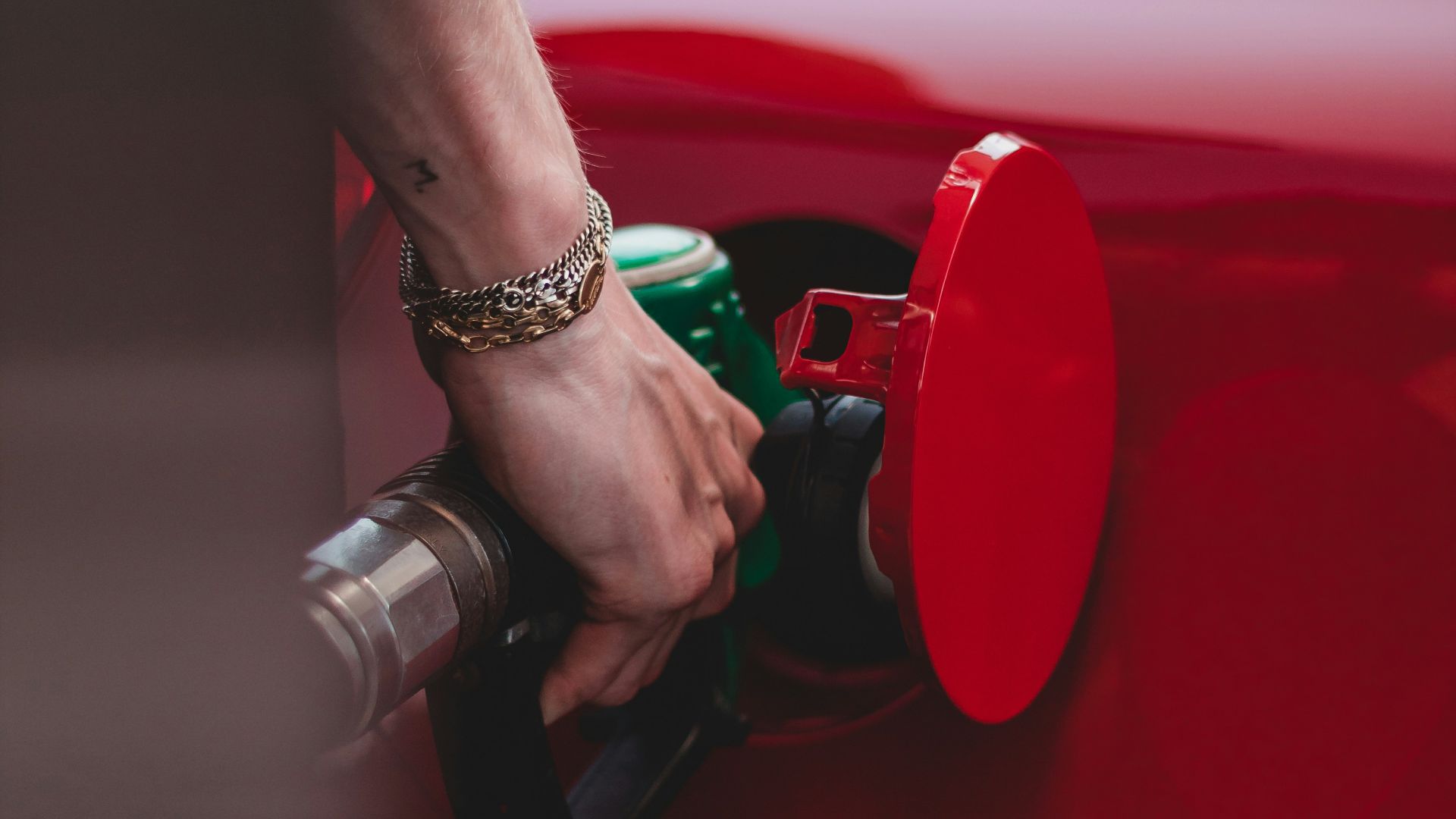
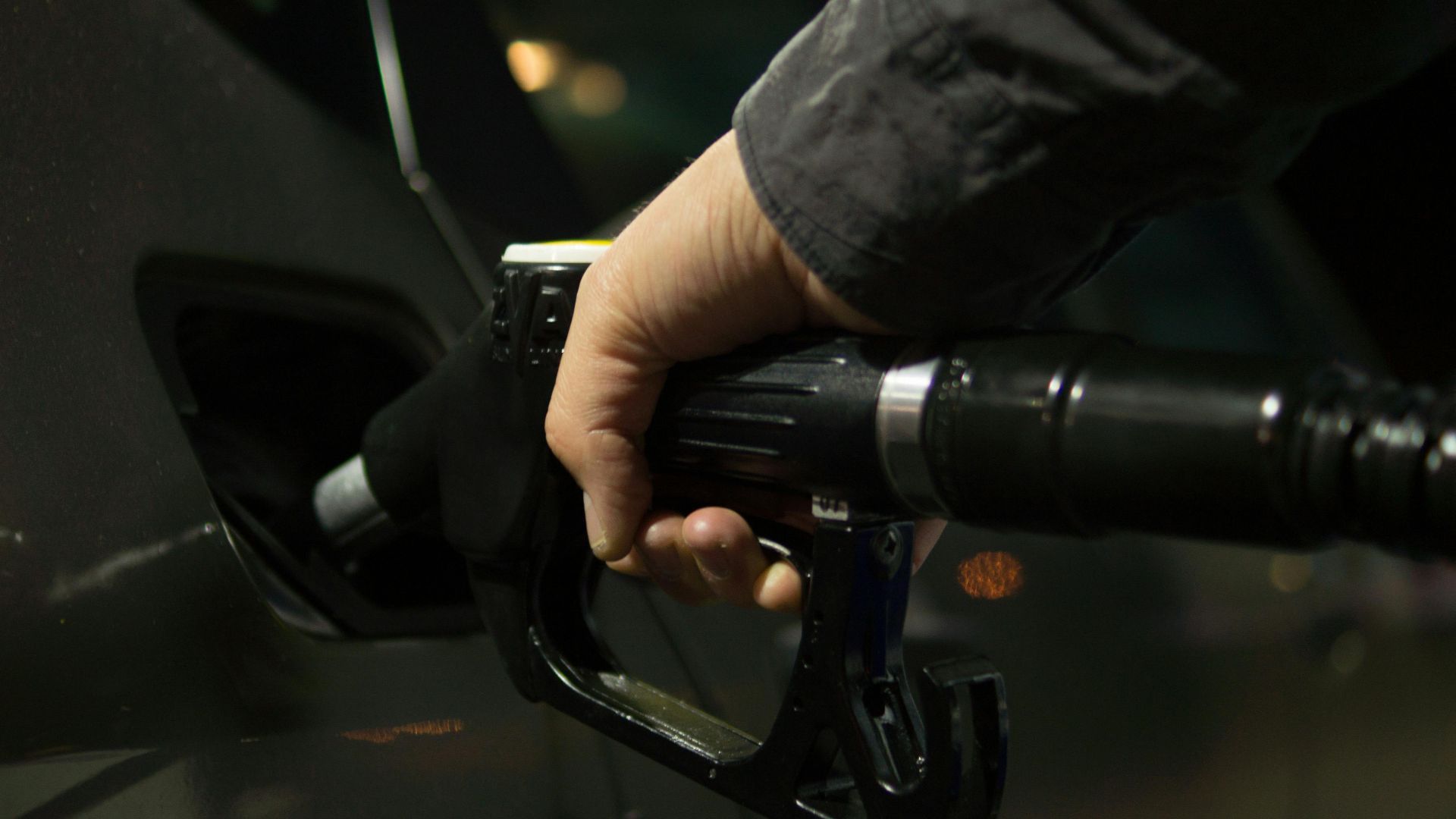
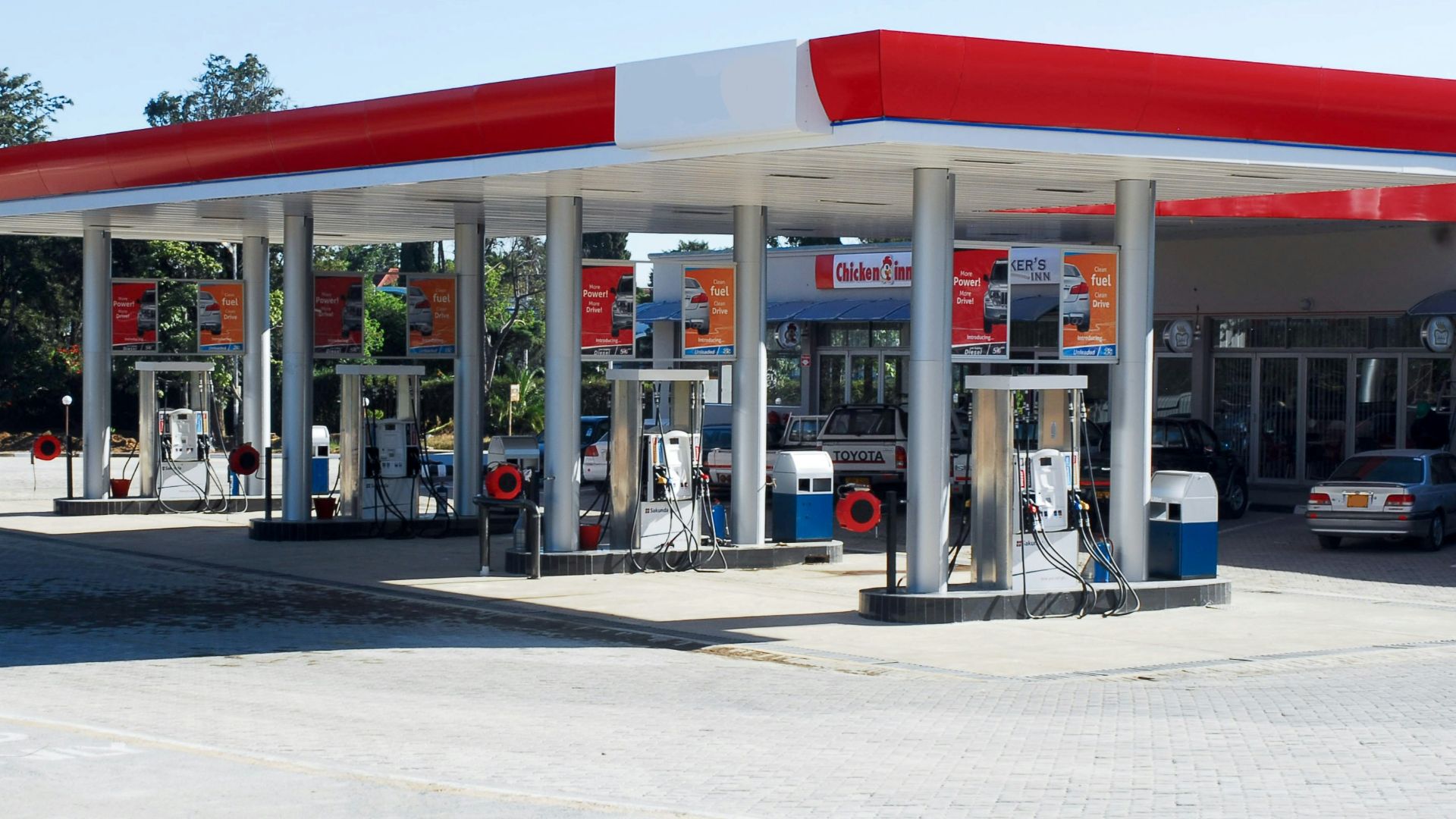
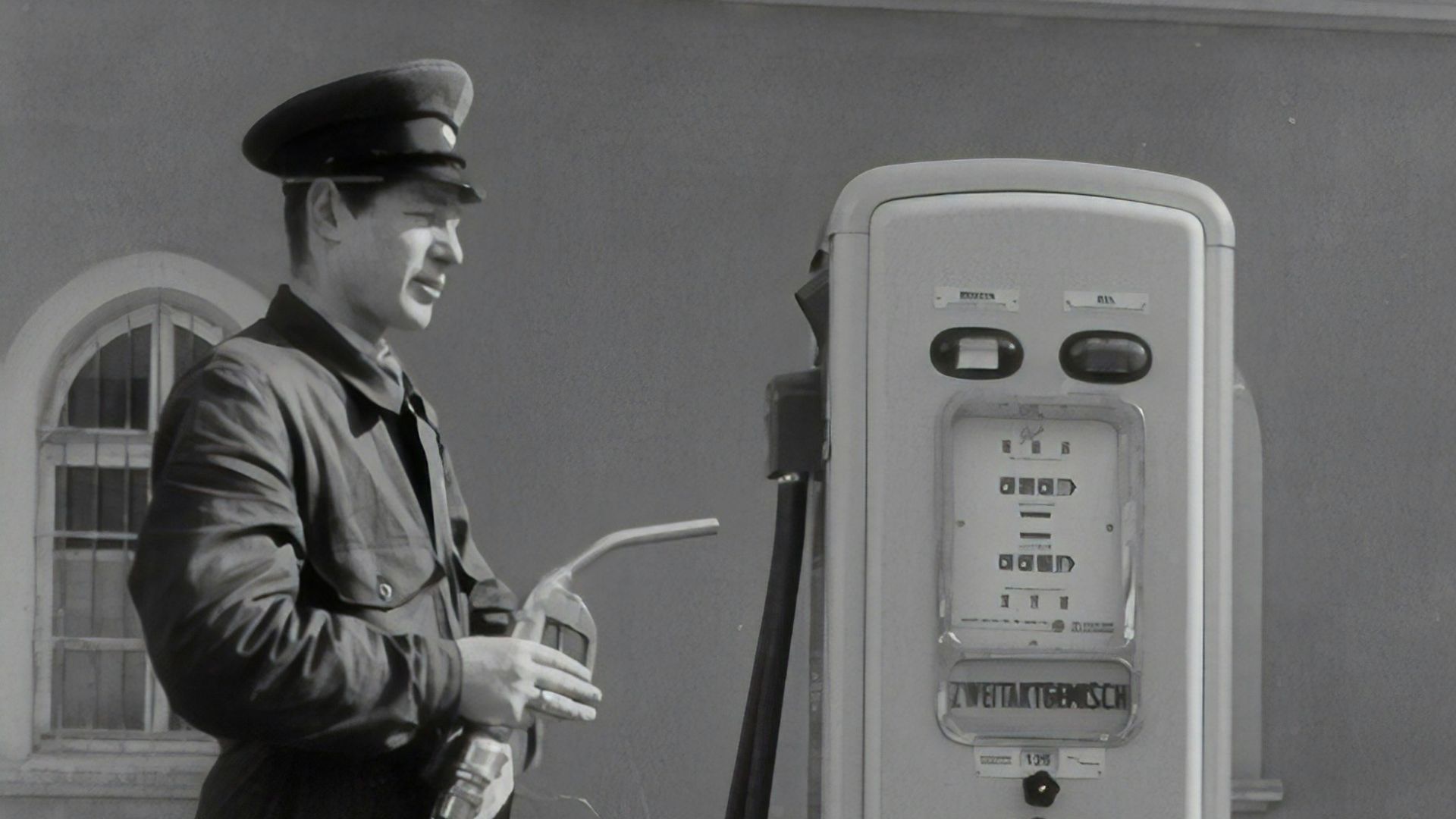
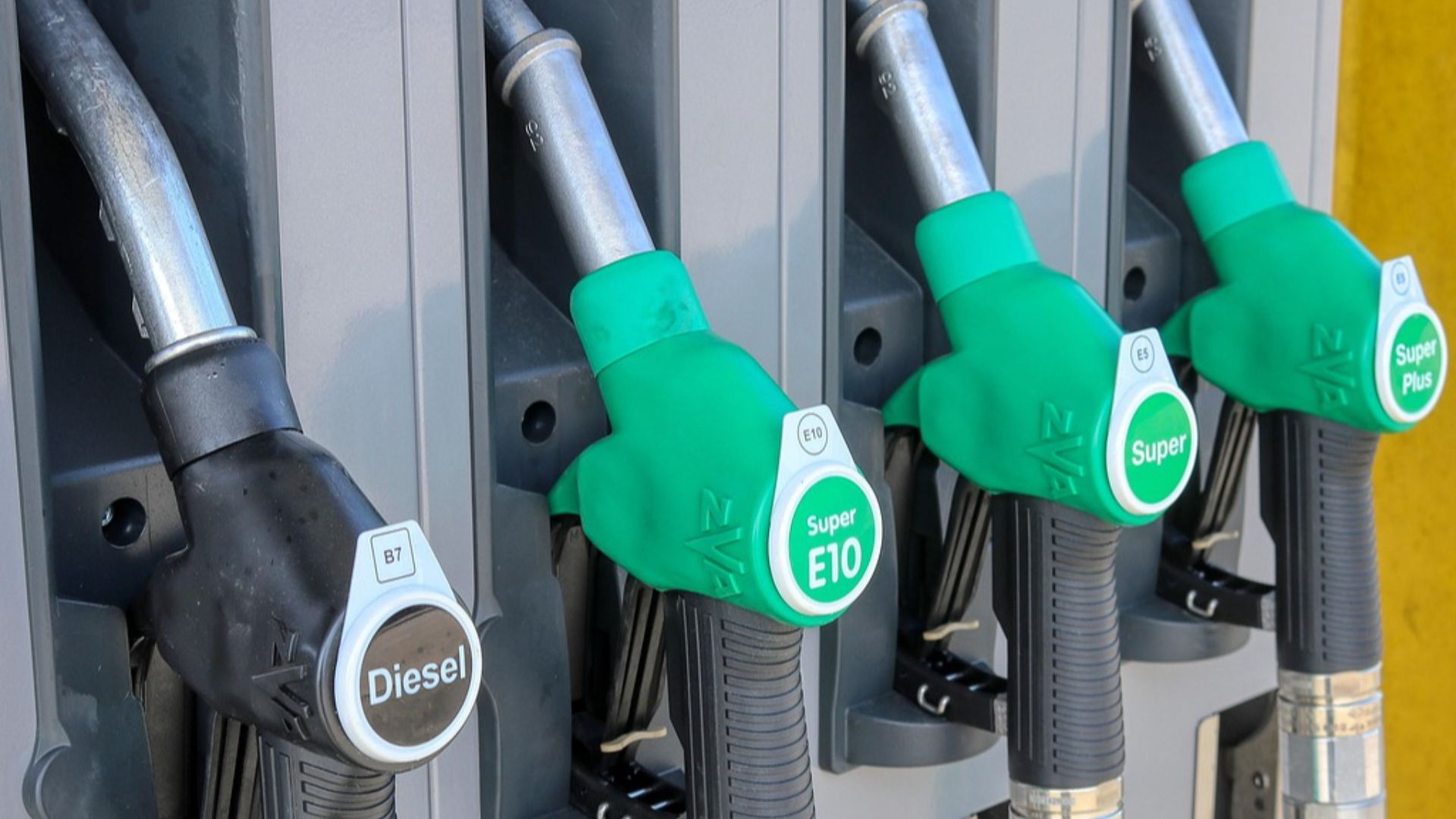
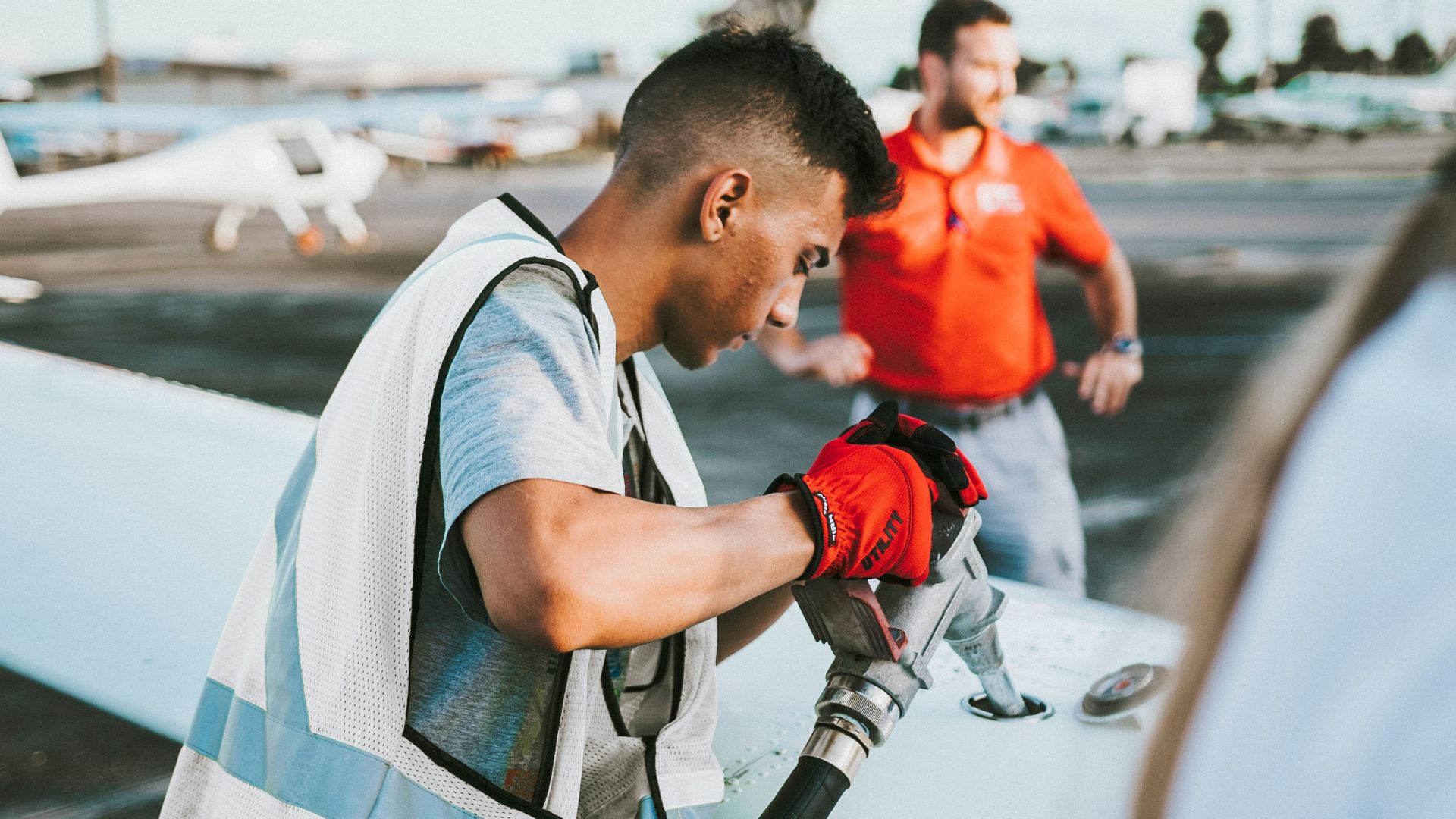
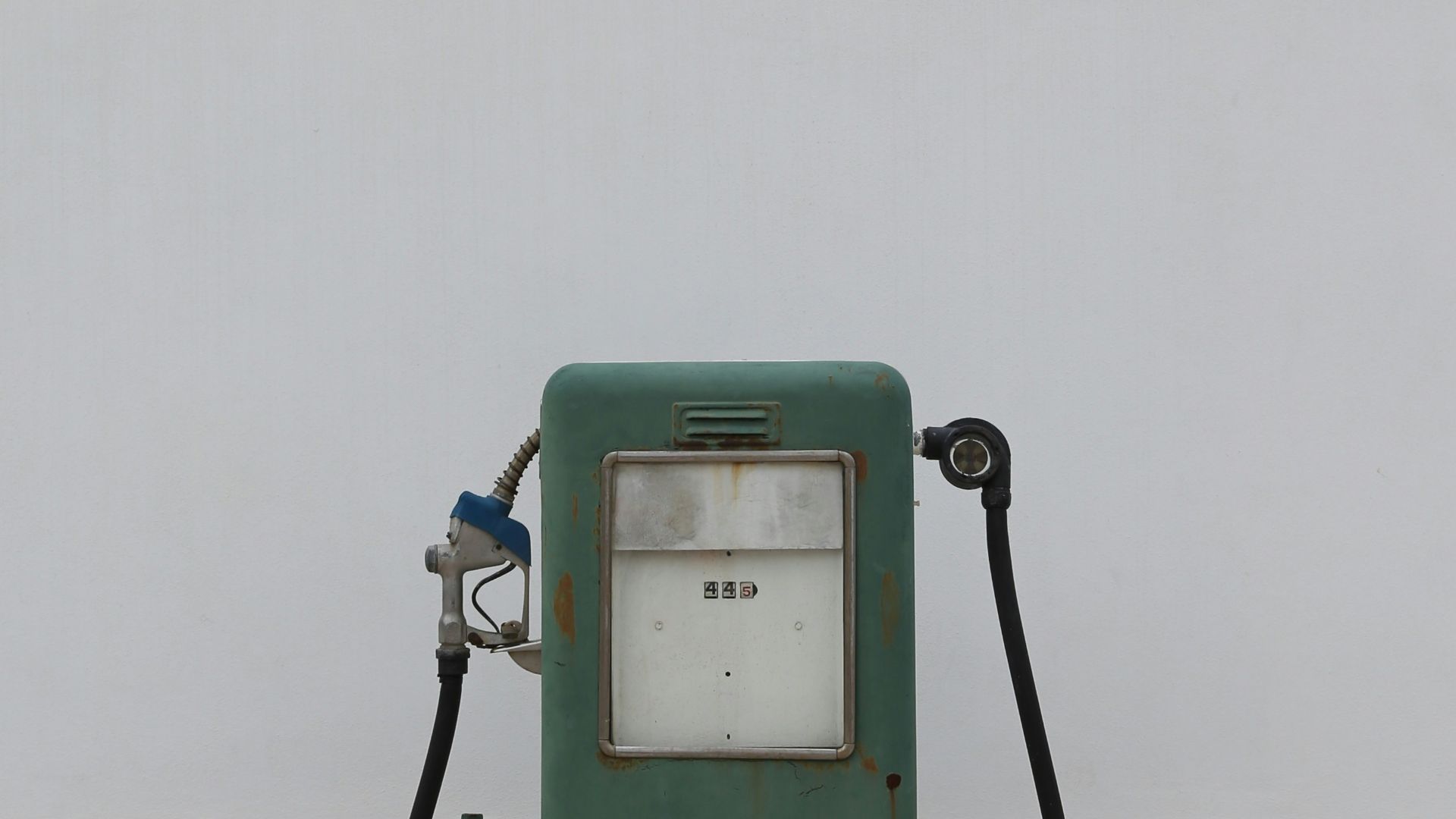
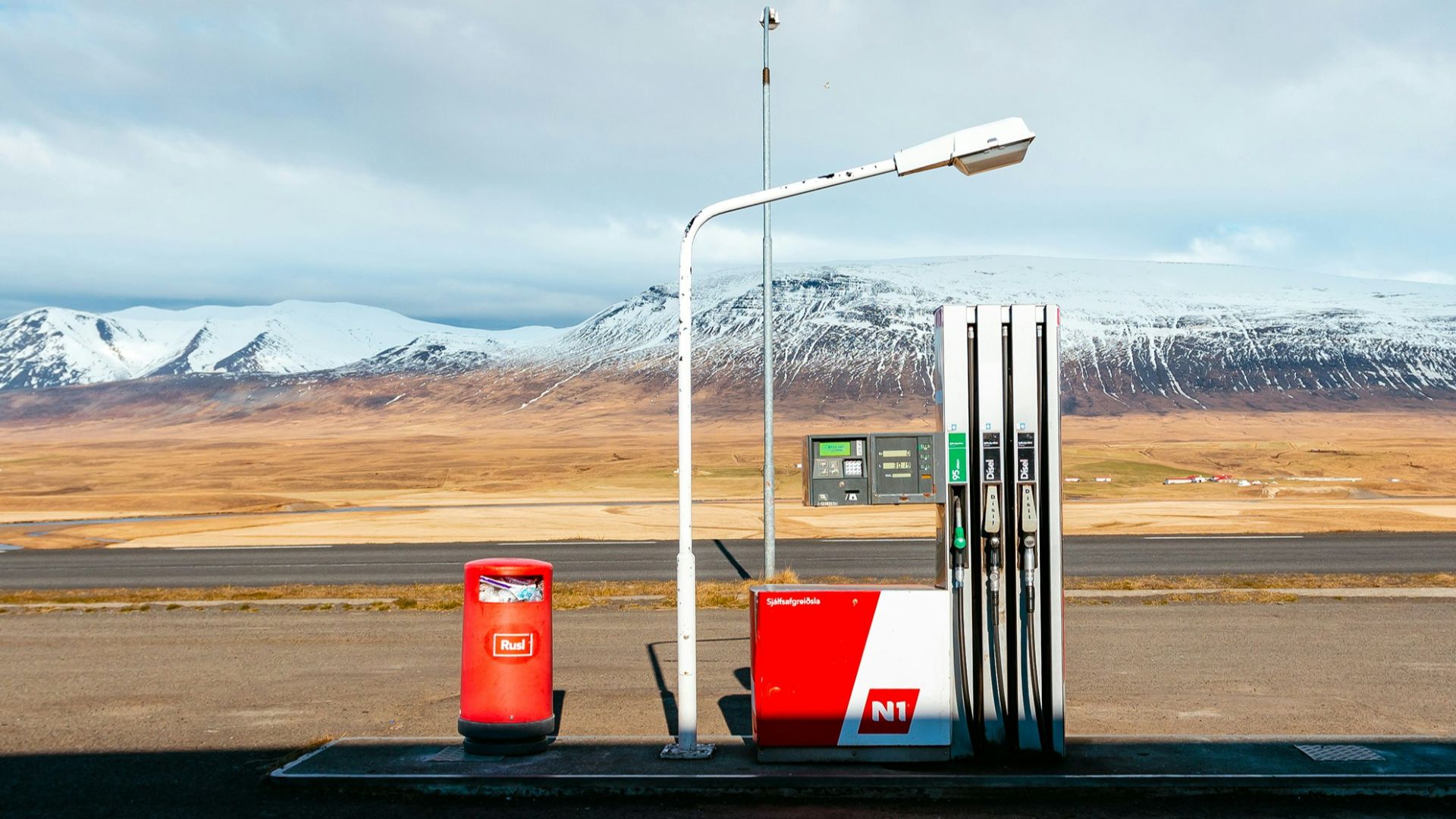
Tankstellen haben in den USA einen bemerkenswerten Wandel durchgemacht. Von einfachen Tankstellen in ihren Anfängen haben sie sich zu Orten der Bequemlichkeit, zu technisch ausgestatteten Tankstellen und sogar zu sozialen Räumen entwickelt. Hier sind also 20 Arten, wie sie sich im Laufe der Zeit verändert haben.
WASHINGTON, DC - OCTOBER 14: White House Chief of Staff Susie Wiles looks on during a meeting with U.S. President Donald Trump and President of Argentina Javier Milei in the Cabinet Room at the White House on October 14, 2025 in Washington, DC. Trump is hosting Milei for a working lunch days after the U.S. Treasury finalized a $20 billion currency swap framework with Argentina in an effort to help stabilize its economy. (Photo by Kevin Dietsch/Getty Images)
On Tuesday, Vanity Fair published a two-piece exposé called: Susie Wiles, JD Vance, and the “Junkyard Dogs”: The White House Chief of Staff on Trump’s Second Term. The book includes dozens of quotes from Trump’s Chief of Staff Susie Wiles – the person who journalist Chris Whipple calls “the most powerful person in Trump’s White House other than the president himself”. Since the release of the article, Wiles has fought back against her own statements she is quoted as making in the article, claiming it is a “disingenuously framed hit piece”.
Significant context was disregarded, and much of what I, and others, said about the team and the President was left out of the story. I assume, after reading it, that this was done to paint an overwhelmingly chaotic and negative narrative about the President and our team.
Susie Wiles, daughter of famed NFL player and sports commentator Pat Summerall, was hired as Trump’s campaign manager in 2016 and has been Trump’s Chief of Staff since his election in 2024. She is viewed as Trump’s closest advisor. She has been working in politics since the 1980s, when she worked in the Reagan administration. This is the first time she has directly served the President of the United States.
Comments from the Vanity Fair article
In the two-part article, author Chris Whipple releases dozens of quotes from Wiles criticizing Trump, including the fact that she believes Trump “has an alcoholic’s personality,” even though the President has reportedly been a teetotaler his entire life, even telling Fox News in 2016 that he had “never had a drink”. Wiles is also quoted as calling Vice-President JD Vance a “conspiracy theorist” and Russell Vought a “right-wing absolute zealot”.
In most White Houses, the chief of staff is first among a bunch of equals. [Wiles] may be first with no equals.
-Former Republican chief
Wiles is quoted talking about Trump’s tantrums during his first election, “I’ve not seen him throw anything, I’ve not seen him scream. I didn’t see that really horrible behavior that people talk about and that I actually experienced years ago.” The quote is referencing Trump’s apparent good behaviour during his second successful election. Her comment about Trump’s personality was not insinuating that he is an alcoholic but that his personality displays some of the markers as high-functioning alcoholics do (according to Wiles).
High-functioning alcoholics or alcoholics in general, their personalities are exaggerated when they drink. And so I’m a little bit of an expert in big personalities. [Trump] operates with a view that there’s nothing he can’t do. Nothing, zero, nothing.
Wiles outlined a moment during the 2016 election, where Trump reportedly berated her in front of a group of ‘cronies,’ stating, “It was a horrific hour-plus at midnight. He was ranting and raving. And I didn’t know whether to argue back or whether to be stoic. What I really wanted to do was cry.” According to Wiles, instead of crying, she chose to stand up to Trump and walk away from the attack. After that, “he called me every day.” Wiles steered Trump to victory against Hilary Clinton in 2016.
There are also comments from Wiles about the Epstein files. Wiles claims that Trump is in the files, but “he’s not in the file doing anything awful”. She described Trump and Epstein as a pair of “young, single playboys together,” but still maintains that Trump was not a part of Epstein’s crimes. While the comments made by Wiles are not explicitly critical of Trump, they certainly are not compared to the list of comments from GOP politicians criticizing Trump before his foray into politics.
Wiles refutes statements
JOINT BASE ANDREWS, MARYLAND – DECEMBER 09: White House Chief of Staff Susie Wiles walks down the steps from Air Force One on December 9, 2025 at Joint Base Andrews, Maryland. President Trump delivered remarks on his administration’s economic agenda during an event at Mount Airy Casino Resort in Mount Pocono this evening. (Photo by Alex Wong/Getty Images)
The article published early this morning is a disingenuously framed hit piece on me and the finest President, White House staff, and Cabinet in history.
Significant context was disregarded and much of what I, and others, said about the team and the President was left out of the…
According to Wiles in a statement on X, “The article published early this morning is a disingenuously framed hit piece on me and the finest President, White House staff, and Cabinet in history.” And “the Trump White House has already accomplished more in eleven months than any other President has accomplished in eight years”. The second of which is, of course, objectively false.
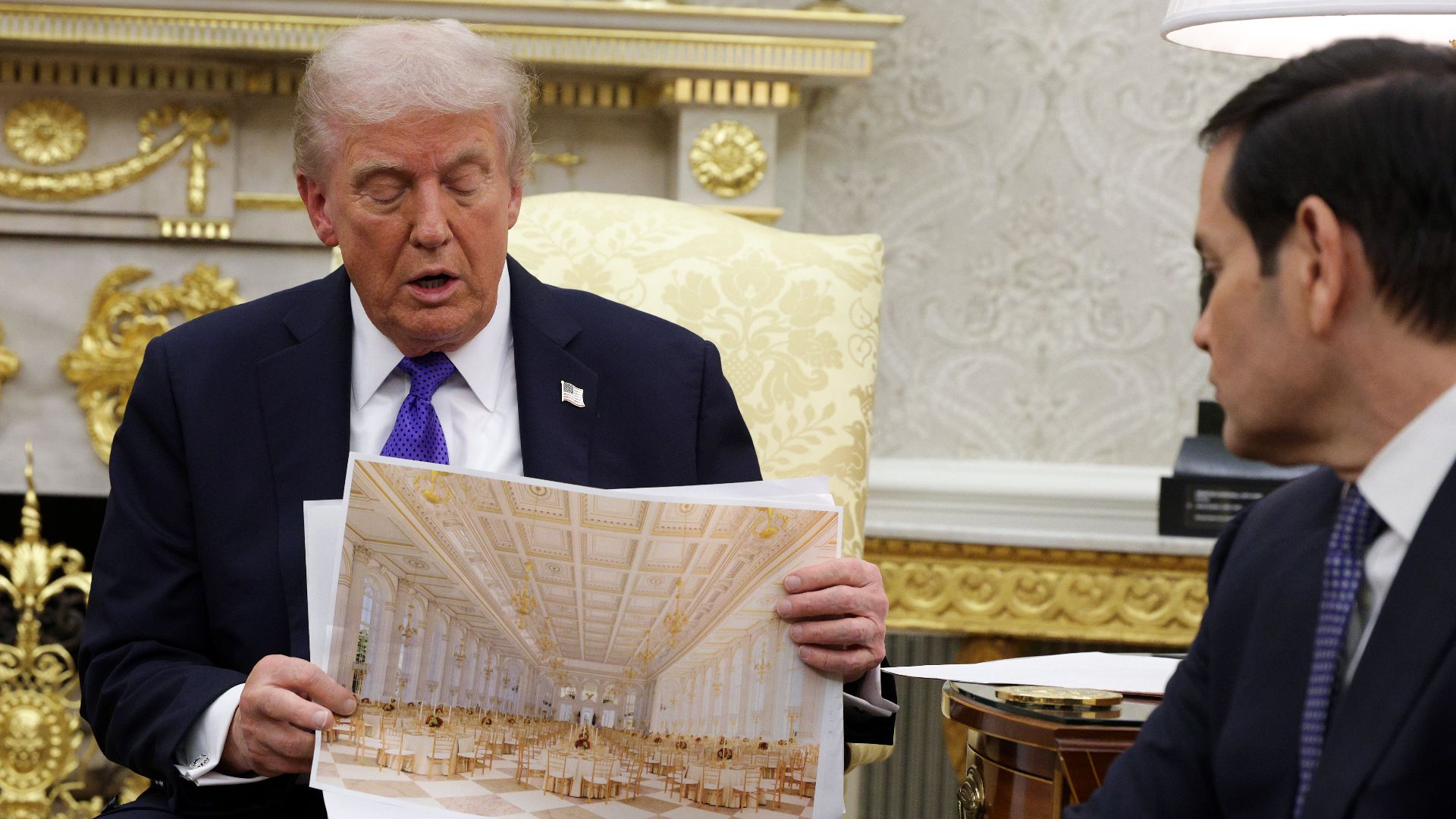
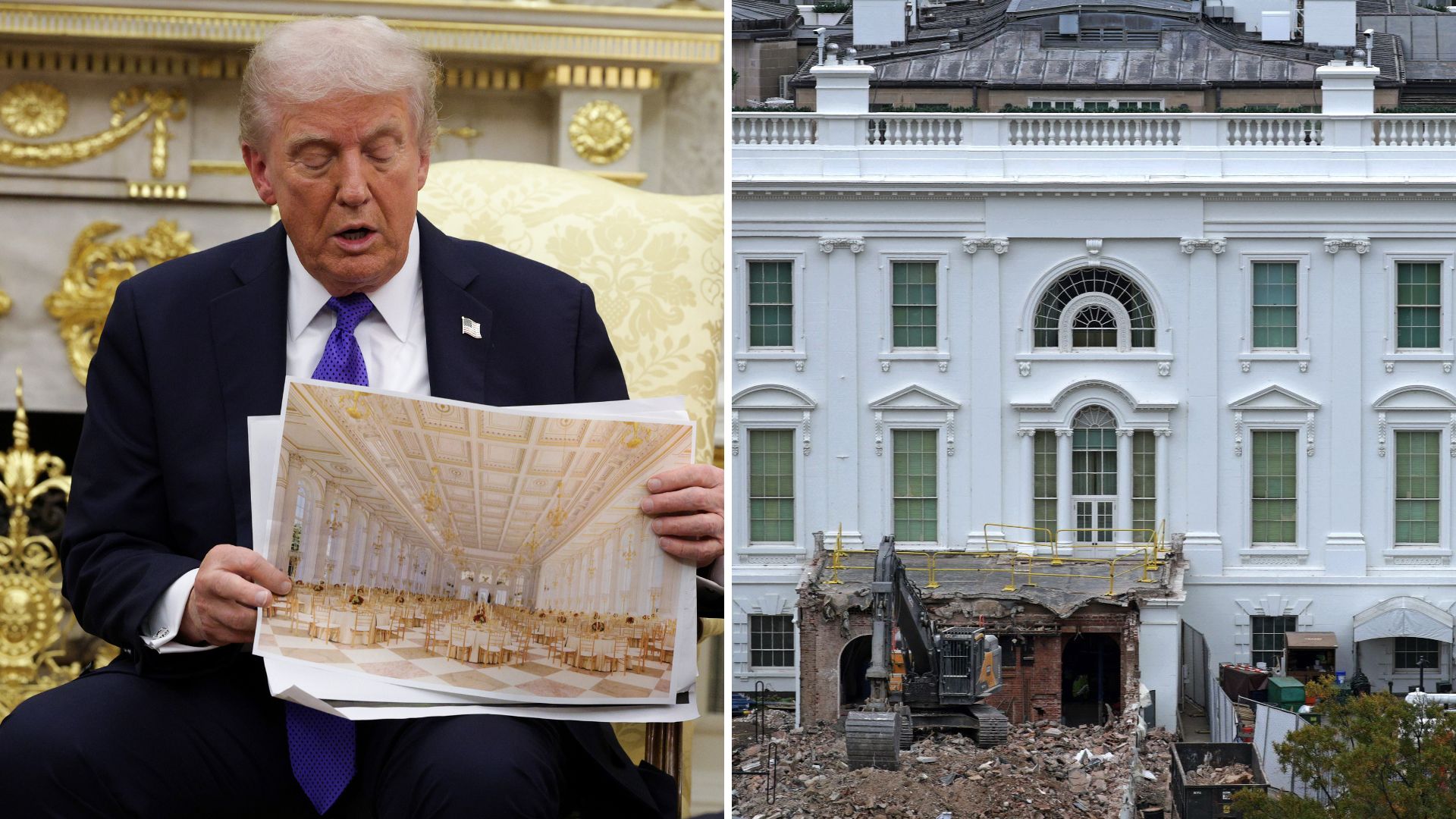
Donald Trump a une nouvelle fois revu à la hausse le coût de la construction de sa salle de bal très controversée à la Maison-Blanche, le chiffrant désormais à 400 millions de dollars, après avoir initialement dévoilé le projet au début de l’année avec un prix de 200 millions de dollars. La salle de bal a été annoncée pour la première fois en avril avec ce chiffre de 200 millions de dollars, que la Maison-Blanche présentait alors comme une estimation solide liée à un financement privé et à un calendrier de construction rapide, mais le chiffre a rapidement grimpé – d’abord à 250 millions de dollars, puis à 300 millions de dollars – avant d’augmenter à nouveau pour atteindre le dernier total en date. Ces augmentations constantes ont alimenté les critiques des opposants, qui considèrent le projet comme extravagant et mal expliqué, tandis que les partisans affirment que l’explosion des coûts reflète l’ampleur, les matériaux et l’ambition du projet plutôt qu’une mauvaise gestion. Le nouveau chiffre de 400 millions de dollars risque d’intensifier l’examen d’un projet qui a déjà soulevé des questions sur les priorités, le symbolisme et la mesure dans laquelle la vision personnelle d’un président devrait remodeler l’empreinte physique de la Maison-Blanche.
Getty Images
Le projet de salle de bal a également été marqué par le chaos et les remous à Washington, la confusion se transformant en choc après que l’aile Est ait été démolie malgré les assurances données précédemment qu’elle ne serait pas touchée par les travaux, un revirement qui a alimenté les accusations selon lesquelles la Maison-Blanche se précipitait sans plan clair et crédible. La réaction s’est maintenant portée devant les tribunaux, où le National Trust for Historic Preservation cherche à faire cesser les travaux et à imposer le respect des règles de conservation et des procédures fédérales, arguant que l’administration a d’abord démoli au bulldozer et s’est occupée de la surveillance par la suite. Dans son action en justice, le groupe affirme que le projet a avancé sans les examens ou les approbations légalement requis, alléguant que Trump et les agences fédérales ont démoli l’aile Est et commencé la construction de la salle de bal d’environ 90 000 pieds carrés sans achever les processus obligatoires de préservation et de réglementation.
Pas d’argent du contribuable
Trump a défendu la dernière augmentation du coût prévu pour la salle de bal en la présentant comme une tactique de communication plutôt que comme le reflet d’une emballement des dépenses, insistant sur le fait que le projet serait entièrement financé par des dons privés et non par l’argent des contribuables. S’exprimant sur la controverse, il a déclaré que l’administration offrait ce qu’il a décrit comme un cadeau à la Maison Blanche, déclarant:
« Nous faisons don d’une salle de bal de 400 millions de dollars et nous avons été poursuivis en justice pour ne pas la construire », avant de suggérer que le chiffre lui-même a été délibérément gonflé pour éviter toute critique future. Trump a ajouté que le coût final pourrait être inférieur : « Je pense que je le ferai pour moins cher. Mais c’est 400. Je devrais le faire pour moins cher. Je le ferai pour moins cher. Mais au cas où, je dis 400. Sinon, si je dis 3 dollars de plus, la presse dira que ça a coûté plus cher ». Selon lui, ce chiffre plus élevé vise à éviter une couverture négative plutôt qu’à signaler un dépassement, un argument qu’il a déjà utilisé à maintes reprises lorsqu’il a été mis en cause pour des dépassements de coûts.
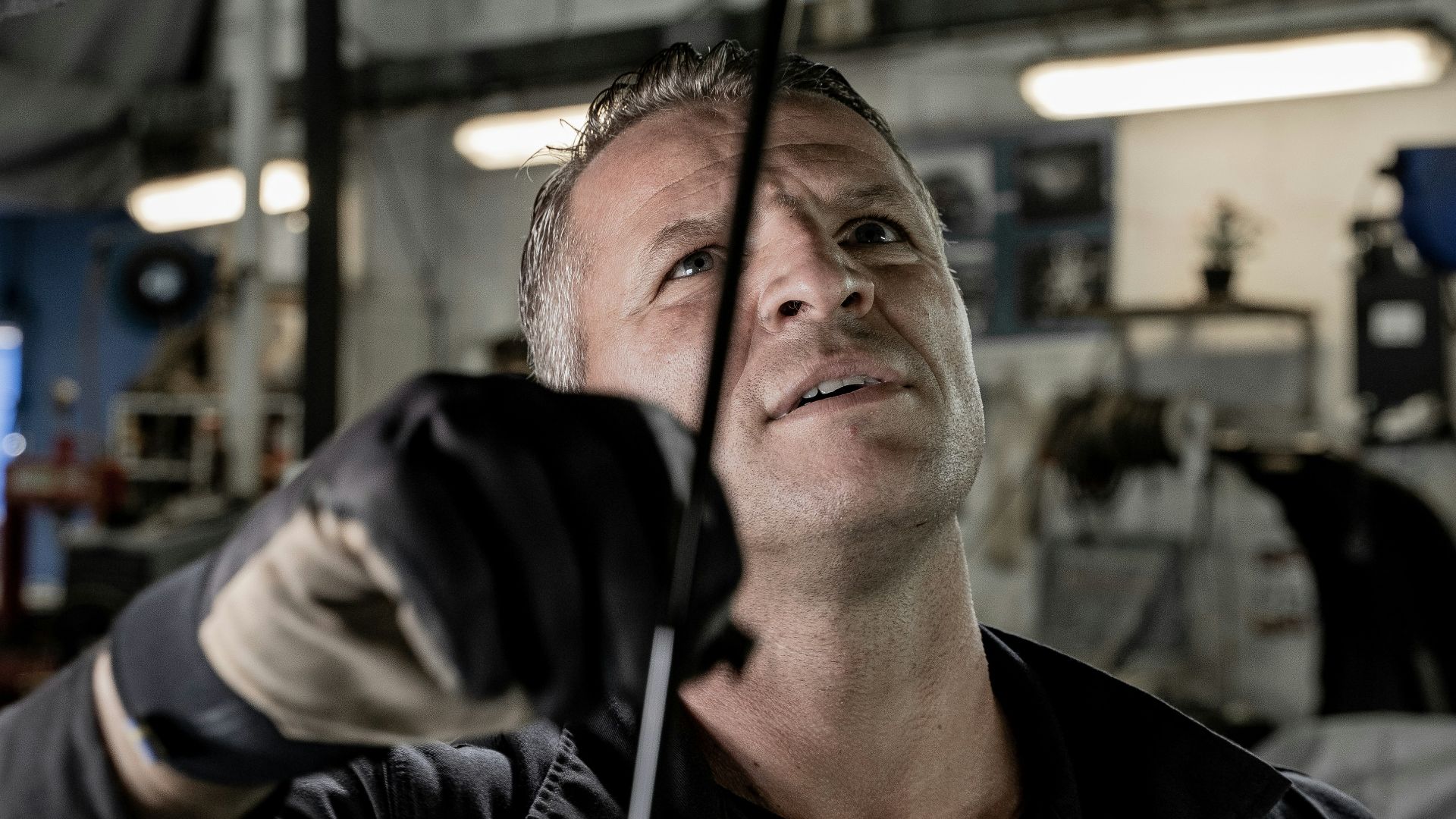
Analysieren Sie zu sehr jeden Fehler, den Sie auf der Straße machen, nehmen Sie jedes Hupen persönlich und haben Sie das Gefühl, dass die ganze Welt jeden Ihrer Schritte beim Autofahren beobachtet? Wenn das der Fall ist, sind Sie vielleicht ein Perfektionist beim Autofahren. Vielleicht halten Sie das für eine gute Sache, aber das ist nicht immer der Fall, denn es kann dazu führen, dass Sie zu kritisch werden und Ihr Selbstbewusstsein leidet. Denken Sie, dass das auch auf Sie zutrifft? Hier sind 20 Anzeichen, die darauf hindeuten, dass Sie beim Autofahren zu Perfektionismus neigen.
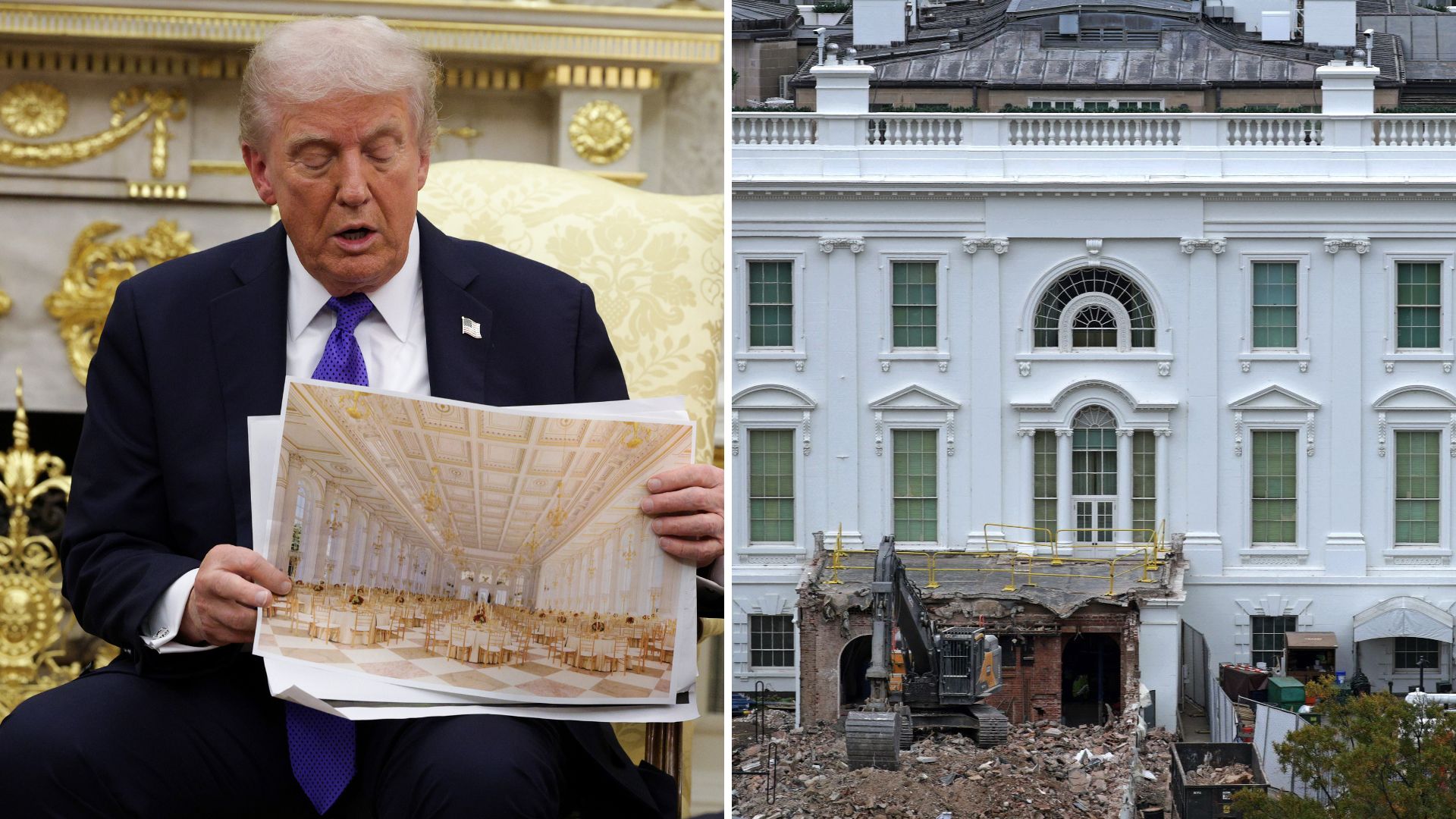
Trump has once again raised the projected construction cost of his highly controversial White House ballroom, now putting it at $400 million, after initially unveiling the project earlier this year with a $200 million price tag. The ballroom was first announced in April at that $200 million figure, which the White House presented at the time as a solid estimate tied to private funding and a fast construction timeline, but the number climbed quickly — first to $250 million, then to $300 million — before jumping again to the latest total. The steady increases have fueled criticism from opponents who see the project as extravagant and poorly explained, while supporters argue the ballooning cost reflects the scale, materials, and ambition involved rather than mismanagement. The new $400 million figure is likely to intensify scrutiny of a project that has already raised questions about priorities, symbolism, and how far a president’s personal vision should reshape the physical footprint of the White House.
Getty Images
The ballroom project has also been dogged by chaos and whiplash inside Washington, with confusion turning into open shock after the East Wing was reportedly demolished despite earlier assurances that it would not be touched by the work, a reversal that fueled accusations that the White House was rushing ahead without a clear, credible plan. The backlash has now moved into the courts, where The National Trust for Historic Preservation is seeking to halt the effort and force compliance with preservation rules and federal process, arguing that the administration bulldozed first and dealt with oversight later. In its lawsuit, the group argues that the project moved forward without the legally required reviews or approvals, alleging that Trump and federal agencies demolished the East Wing and began construction of the roughly 90,000-square-foot ballroom without completing mandatory preservation and regulatory processes.
No taxpayer money
Trump has defended the latest jump in the ballroom’s projected cost by framing it as a communications tactic rather than a reflection of runaway spending, insisting the project will be paid for entirely through private donations and not taxpayer money. Speaking about the controversy, he said the administration was offering what he described as a gift to the White House, stating «We’re donating a $400 million ballroom and we got sued not to build it,» before suggesting the figure itself was deliberately padded to avoid future criticism. Trump added that the final cost could end up lower, saying «I think I’ll do it for less. But it’s 400. I should do it for less. I will do it for less. But just in case, I say 400. Otherwise if I say $3 over, the press will say it cost more.» In his telling, the higher number is meant to preempt negative coverage rather than signal excess, a familiar argument he has used repeatedly when challenged on cost overruns.