Spring is here, bringing with it Quebecers’ favorite culinary tradition: sugaring season. This year, Montreal Public Markets invites the public to celebrate maple syrup through three major free festivals worthy of authentic sugar shacks.
The Les Sucres au Marché events will take place consecutively at the Atwater Market on March 28, the Maisonneuve Market on March 29, and the Jean-Talon Market on April 11, from 10 a.m. to 5 p.m.
During these festive days, maple will take center stage in all its forms. Producers, restaurateurs, and artisans will come together to showcase the many facets of this sweet treasure through tastings, culinary creations, and gourmet products inspired by the maple tradition. The atmosphere will evoke that of sugar shacks, but right in the heart of the city, at these iconic venues where Montrealers already love to gather to savor local flavors.
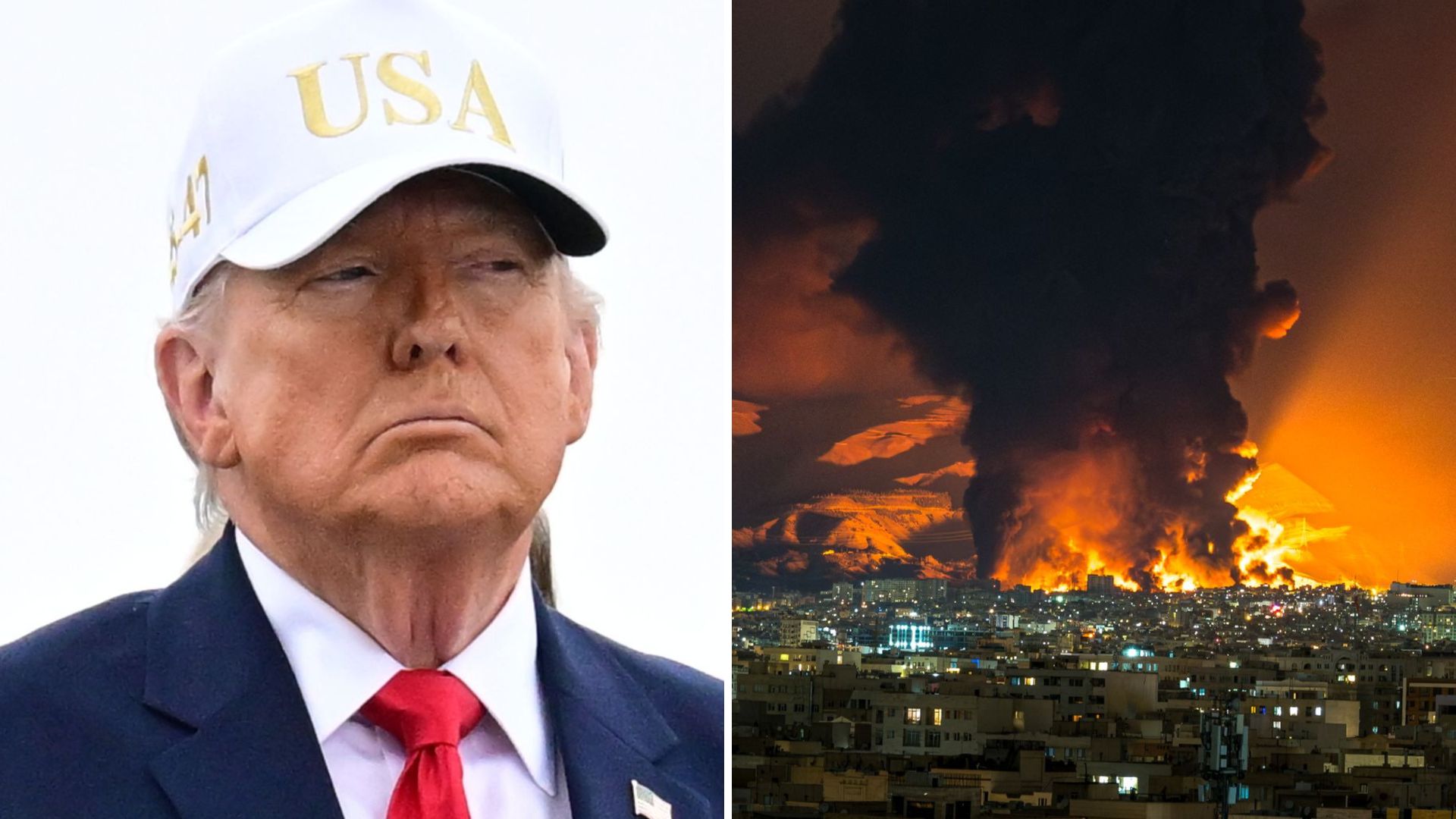
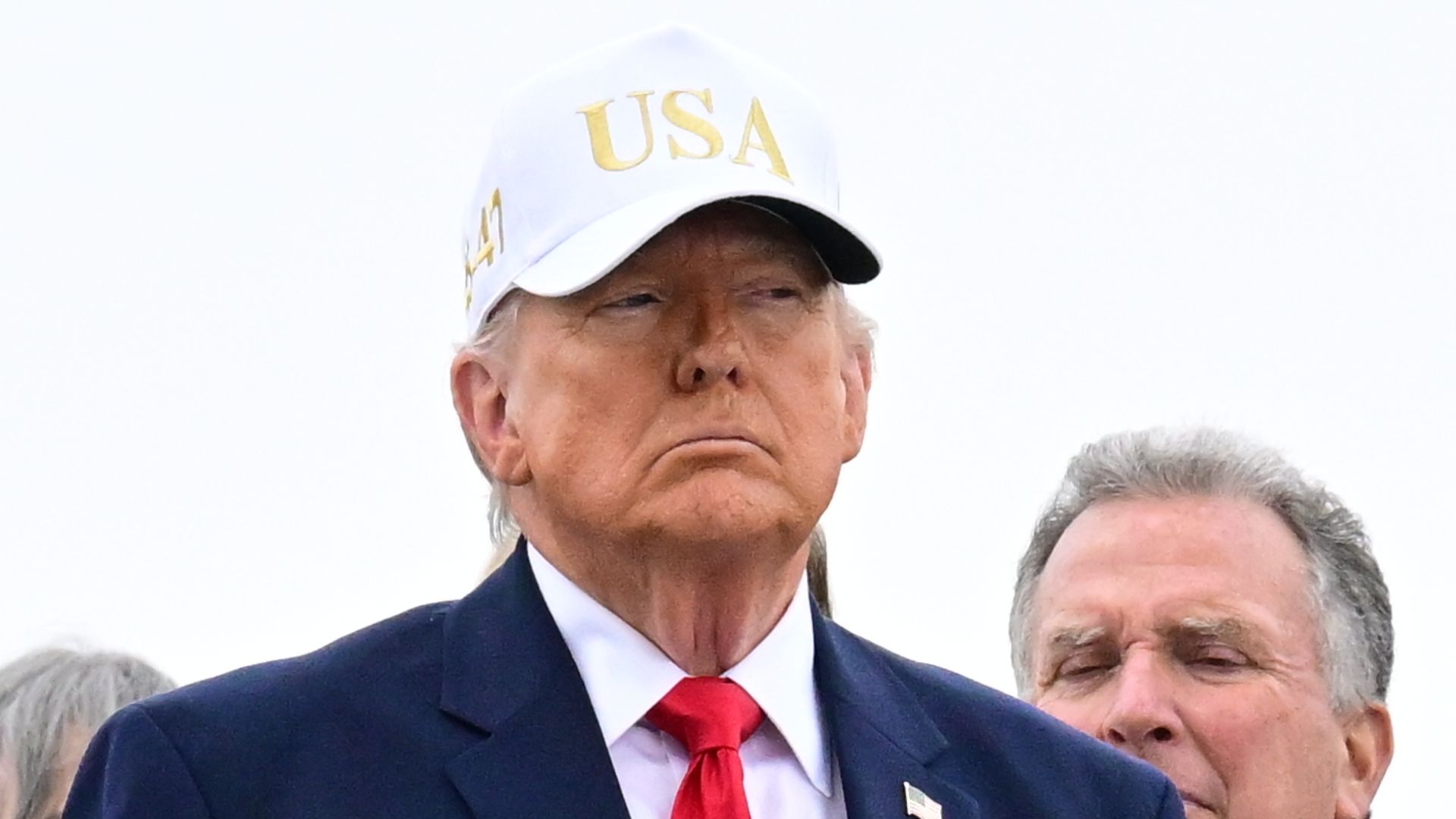
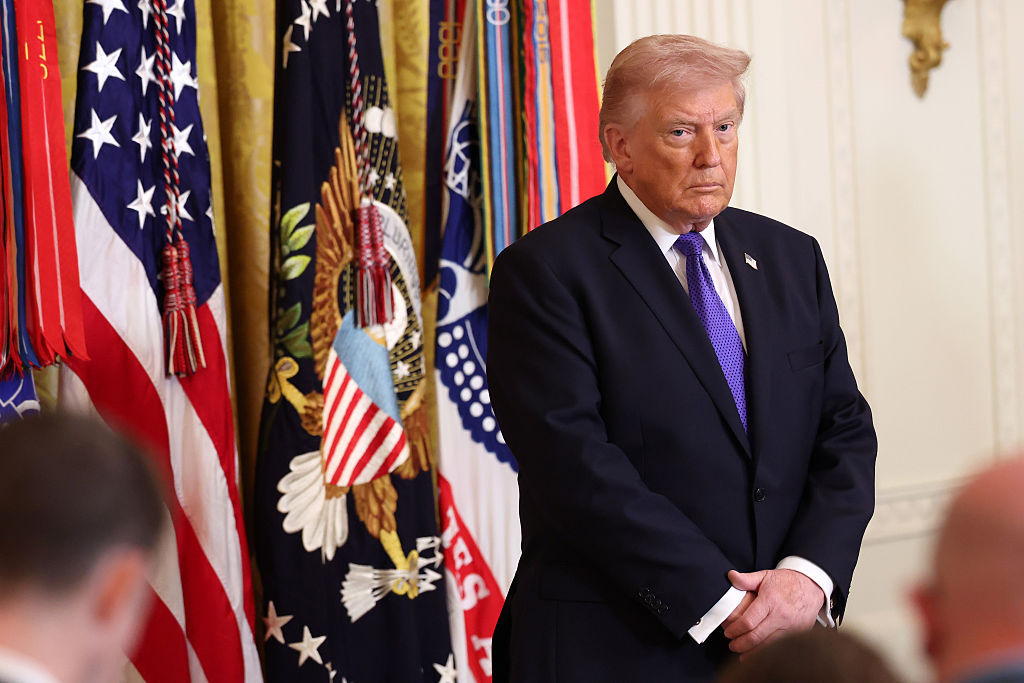
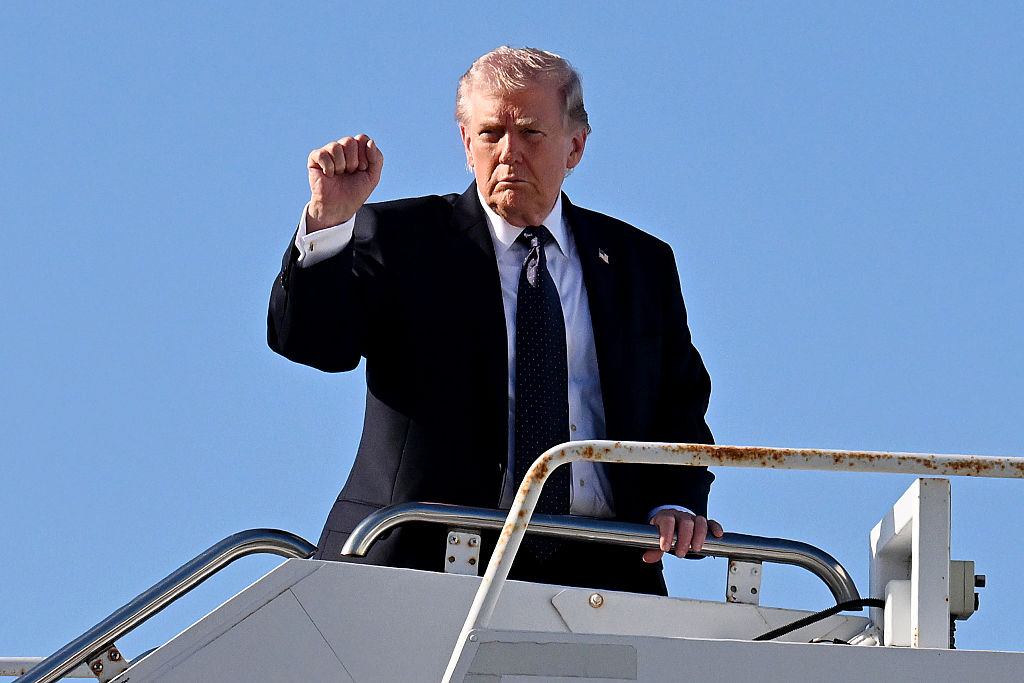
Donald Trump s’est lancé dans une longue diatribe virulente sur Truth Social pour dénoncer ce qu’il a qualifié de fausses informations concernant la guerre avec l’Iran. Le président a publié un long message critiquant ce qu’il a qualifié de couverture « mensongère » du conflit, accusant les grands médias américains de diffuser des récits trompeurs sur l’état de la guerre et les performances de l’armée américaine. Trump a notamment pointé du doigt le Wall Street Journal et d’autres organes de presse, affirmant que leurs reportages faisaient écho à la propagande iranienne et déformaient la réalité du conflit. Ses commentaires interviennent alors que la guerre avec l’Iran continue de faire la une des journaux et de susciter un débat à Washington sur la stratégie militaire et la manière dont le conflit est présenté au public américain.
Getty Images
Dans ce message, Trump a affirmé que l’Iran s’appuyait depuis longtemps sur la propagande et la guerre de l’information pour influencer la perception mondiale de ses capacités militaires. « L’Iran est depuis longtemps connu pour être un maître de la manipulation médiatique et des relations publiques. Militairement, ce pays est inefficace et faible, mais il excelle à « alimenter » les médias de fausses nouvelles, qui apprécient grandement ces informations mensongères », a écrit Trump.
Il a affirmé que Téhéran avait récemment intensifié ces efforts en utilisant l’intelligence artificielle pour créer des images et des vidéos fabriquées de toutes pièces, conçues pour paraître authentiques. Selon le président, ce type de contenu est ensuite relayé par les médias occidentaux qui omettent de vérifier les allégations avant de publier des articles sur les prétendus succès iraniens dans le conflit.
« Cette histoire était sciemment FAUSSE et, d’une certaine manière, on peut dire que les médias qui l’ont diffusée devraient être poursuivis pour TRAHISON pour diffusion de fausses informations ! »
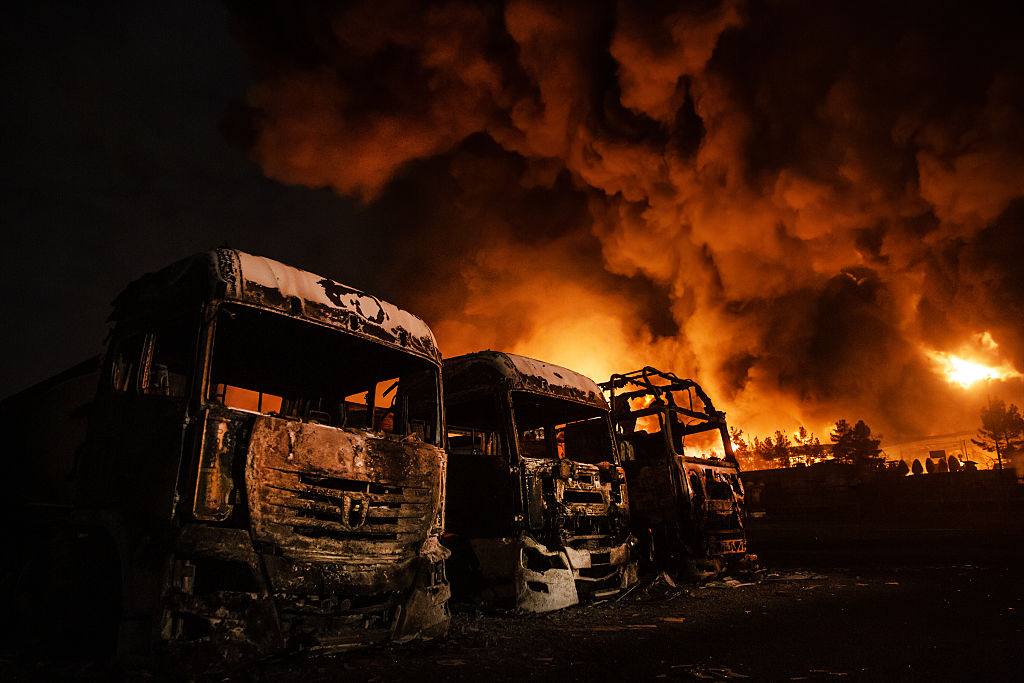
Trump a également contesté plusieurs articles décrivant des dommages subis par des équipements militaires américains pendant la guerre, en particulier ceux suggérant que des avions ravitailleurs américains avaient été détruits ou gravement endommagés. « Les cinq avions ravitailleurs américains qui auraient été abattus et gravement endommagés, selon les fausses informations du Wall Street Journal et d’autres médias, sont tous en service, à l’exception d’un seul, qui reprendra bientôt son envol », a écrit Trump. Il a insisté sur le fait que les images circulant en ligne montrant des infrastructures ou des navires américains endommagés étaient fabriquées de toutes pièces et s’inscrivaient dans le cadre d’une campagne de désinformation plus large.
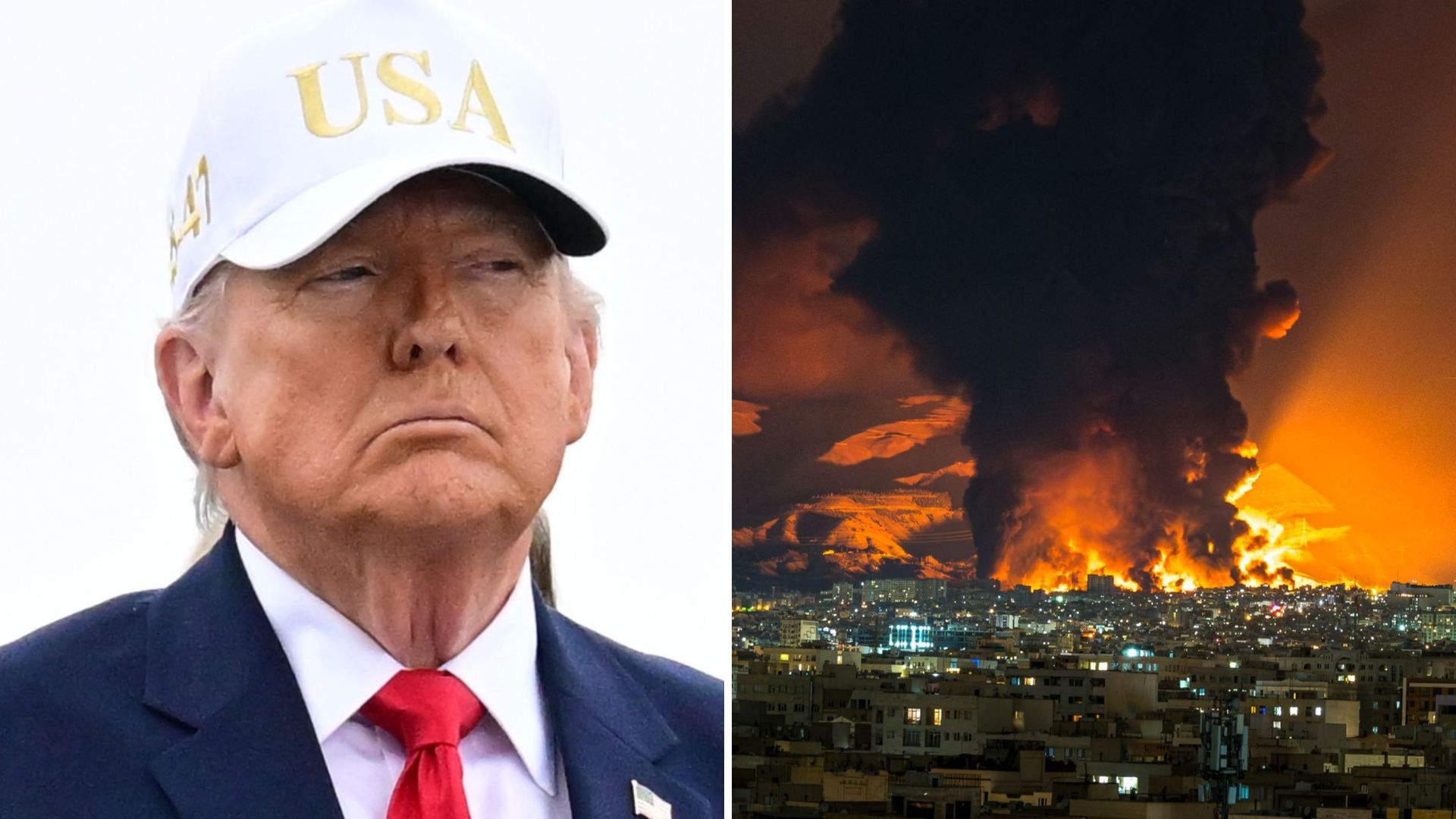
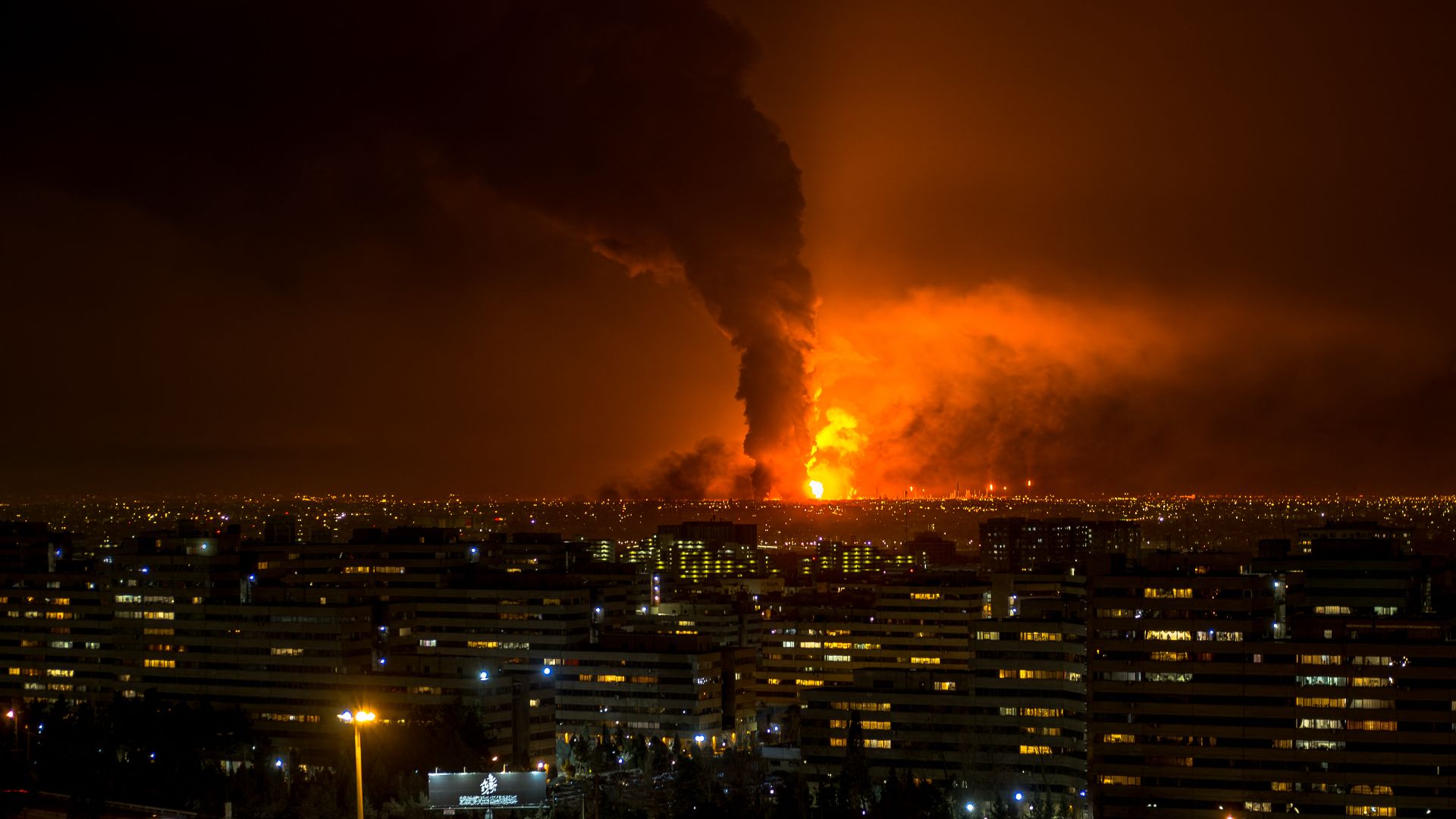
« Les bâtiments et les navires qui semblent être en feu ne le sont pas — ce sont des FAUSSES NOUVELLES, générées par l’IA », a-t-il ajouté.
Getty Images
Le président a également évoqué les allégations circulant en ligne concernant une prétendue attaque contre un grand navire de guerre américain opérant dans la région.
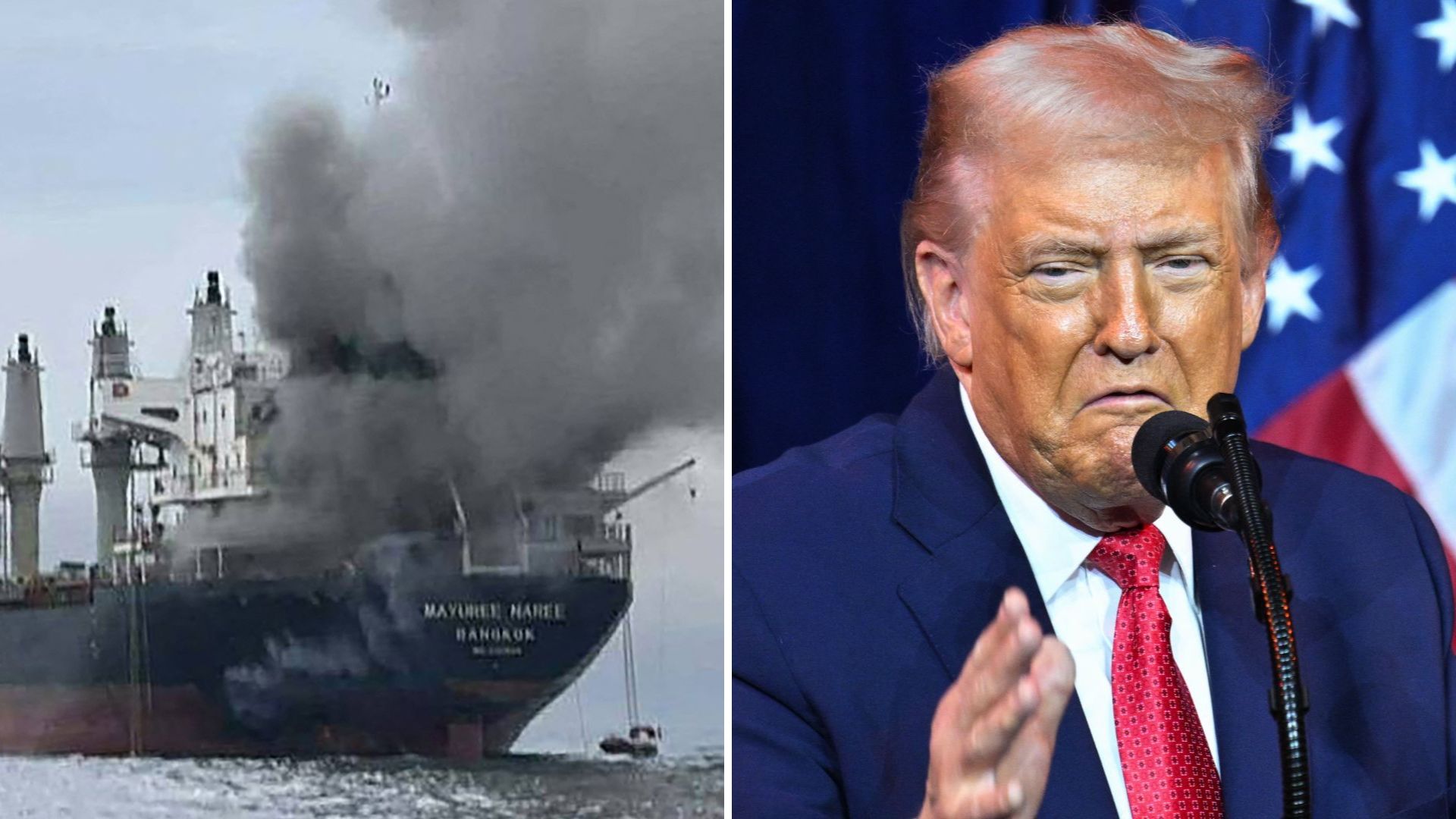
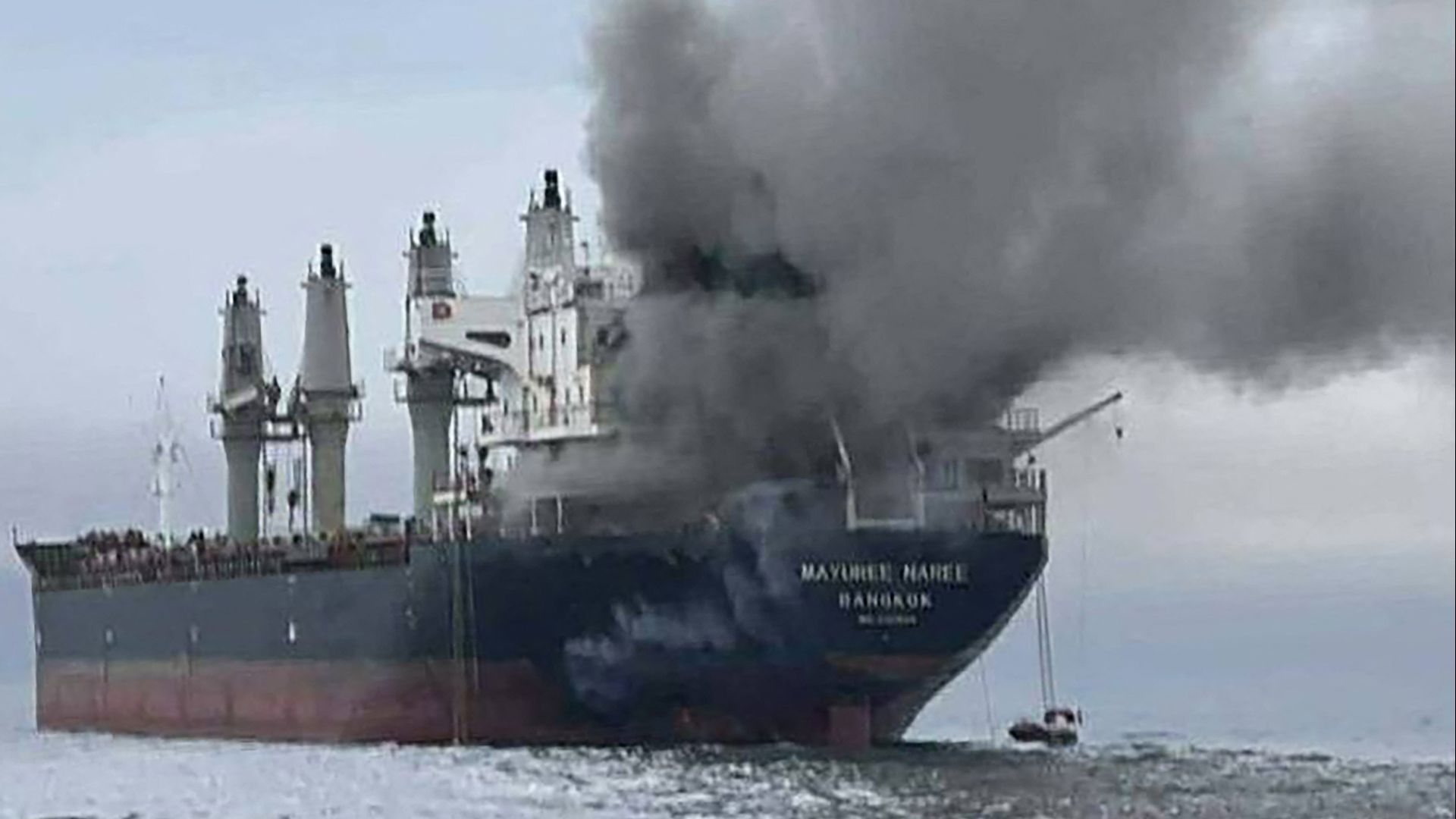
«Par exemple, l’Iran, en étroite collaboration avec les médias diffusant de fausses informations, montre notre formidable porte-avions USS Abraham Lincoln, l’un des navires les plus grands et les plus prestigieux au monde, en train de brûler de manière incontrôlable dans l’océan», a écrit Trump.
Trump a déclaré que ce scénario ne s’était jamais produit et a accusé les autorités iraniennes de fabriquer des images spectaculaires pour projeter une image de force malgré ce qu’il a décrit comme de lourdes pertes sur le champ de bataille.
«Non seulement il ne brûlait pas, mais il n’a même pas été pris pour cible — l’Iran sait bien qu’il ne faut pas faire ça !», a-t-il écrit.
Getty Images
Trump a ensuite intensifié ses critiques à l’encontre de la presse en suggérant que les médias publiant de tels articles devraient faire face à de graves conséquences en vertu de la loi américaine.
«Cet article était sciemment FAUX et, d’une certaine manière, on peut dire que les médias qui l’ont publié devraient être poursuivis pour TRAHISON pour diffusion de fausses informations !» a écrit Trump. Il a affirmé que le conflit lui-même se déroulait de manière très différente de ce que, selon lui, les médias décrivaient.
« Le fait est que l’Iran est en train d’être décimé, et les seules batailles qu’il « gagne » sont celles qu’il crée grâce à l’IA et qui sont diffusées par des médias corrompus. » Trump a également accusé ce qu’il a qualifié de « presse d’extrême gauche » de diffuser sciemment de fausses informations.
«Les bâtiments et les navires qui semblent être en feu ne le sont pas — ce sont des FAUSSES NOUVELLES, générées par l’IA.»
Trump a conclu son message en félicitant Brendan Carr, président de la Commission fédérale des communications (FCC), qui a mis en garde les diffuseurs contre les conséquences potentielles de la diffusion de fausses informations.
« Je suis ravi de voir que Brendan Carr, le président de la Commission fédérale des communications (FCC), examine les licences de certaines de ces organisations “d’information” corrompues et hautement antipatriotiques », a écrit Trump. Le président a fait valoir que les chaînes de télévision bénéficient des ondes publiques et devraient donc faire l’objet d’un examen minutieux si elles diffusent des informations inexactes.
« Elles bénéficient de milliards de dollars de fréquences américaines GRATUITES et s’en servent pour perpétuer des MENSONGES, tant dans leurs journaux télévisés que dans la quasi-totalité de leurs émissions », a ajouté Trump, suggérant que les régulateurs fédéraux devraient examiner si certains diffuseurs méritent de conserver leurs licences.
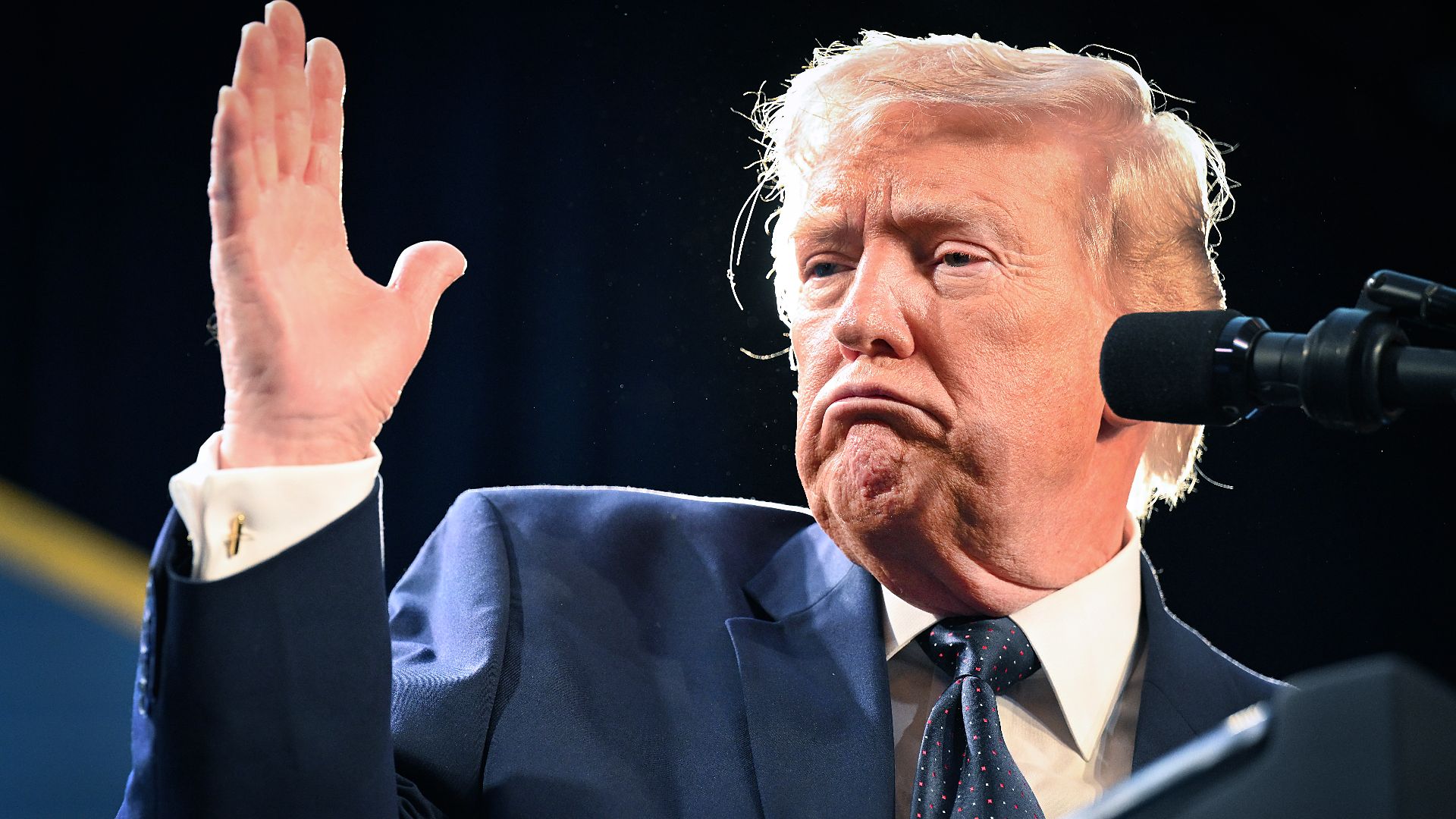
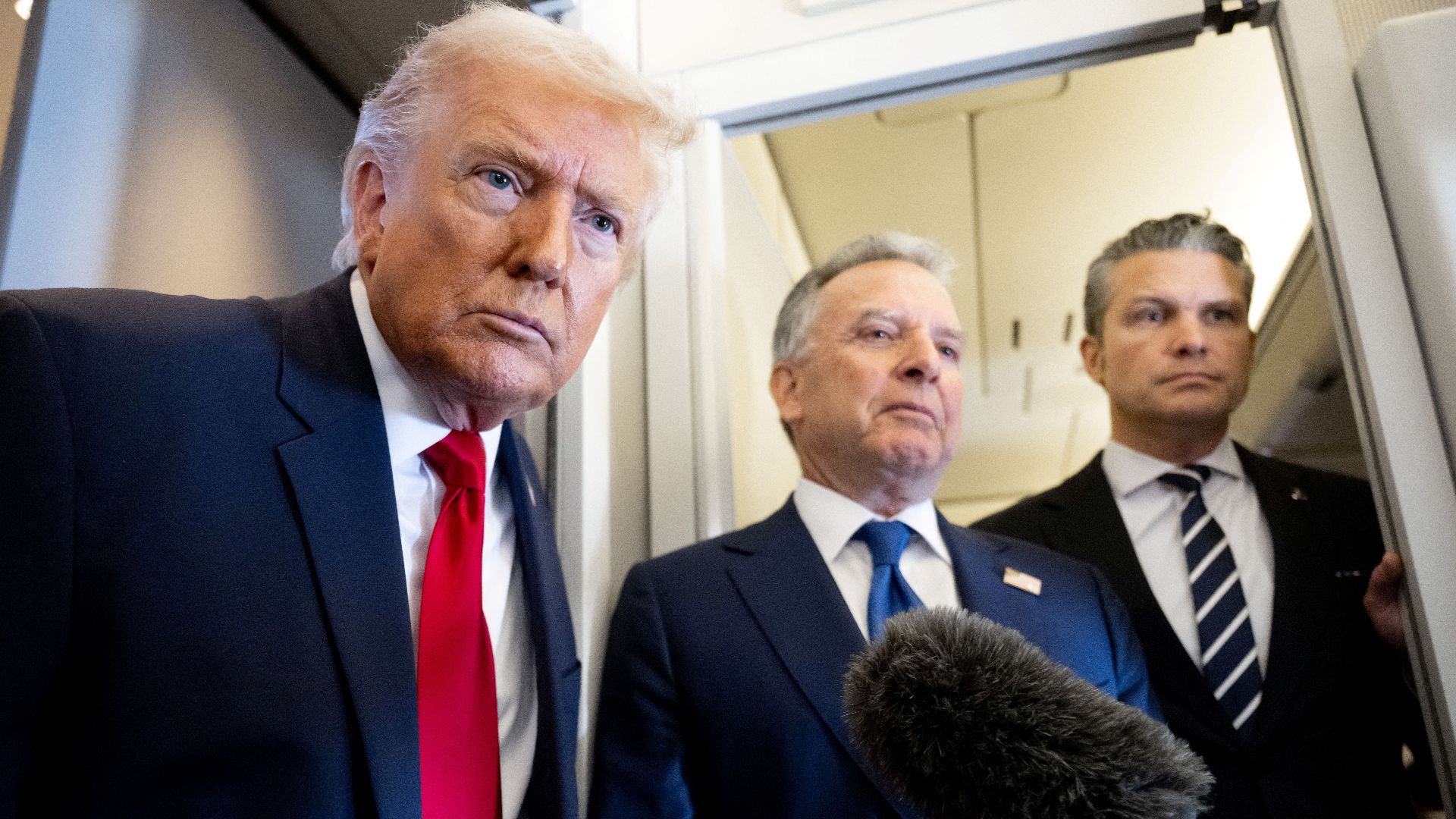
Donald Trump launched a lengthy and angry tirade on Truth Social as he denounced what he described as false reporting about the war with Iran. The president posted a long message criticizing what he called «fake» coverage of the conflict, accusing major American media outlets of spreading misleading narratives about the state of the war and the performance of the U.S. military. Trump singled out The Wall Street Journal and other news organizations, claiming their reporting echoed Iranian propaganda and distorted the reality of the conflict. His comments arrived as the war with Iran continues to dominate headlines and spark debate in Washington over military strategy and the way the conflict is portrayed to the American public.
Getty Images
In the message, Trump argued that Iran has long relied on propaganda and information warfare to influence global perception of its military capabilities. «Iran has long been known as a Master of Media Manipulation and Public Relations. They are Militarily ineffective and weak, but are really good at “feeding” the very appreciative Fake News Media false information,» Trump wrote. He claimed Tehran had recently intensified those efforts by using artificial intelligence to create fabricated images and videos designed to appear authentic. According to the president, such material is then amplified by Western media outlets that fail to verify the claims before publishing reports about alleged Iranian successes in the conflict.
«The story was knowingly FAKE and, in a certain way, you can say that those Media Outlets that generated it should be brought up on Charges for TREASON for the dissemination of false information!»
-U.S. President, Donald Trump
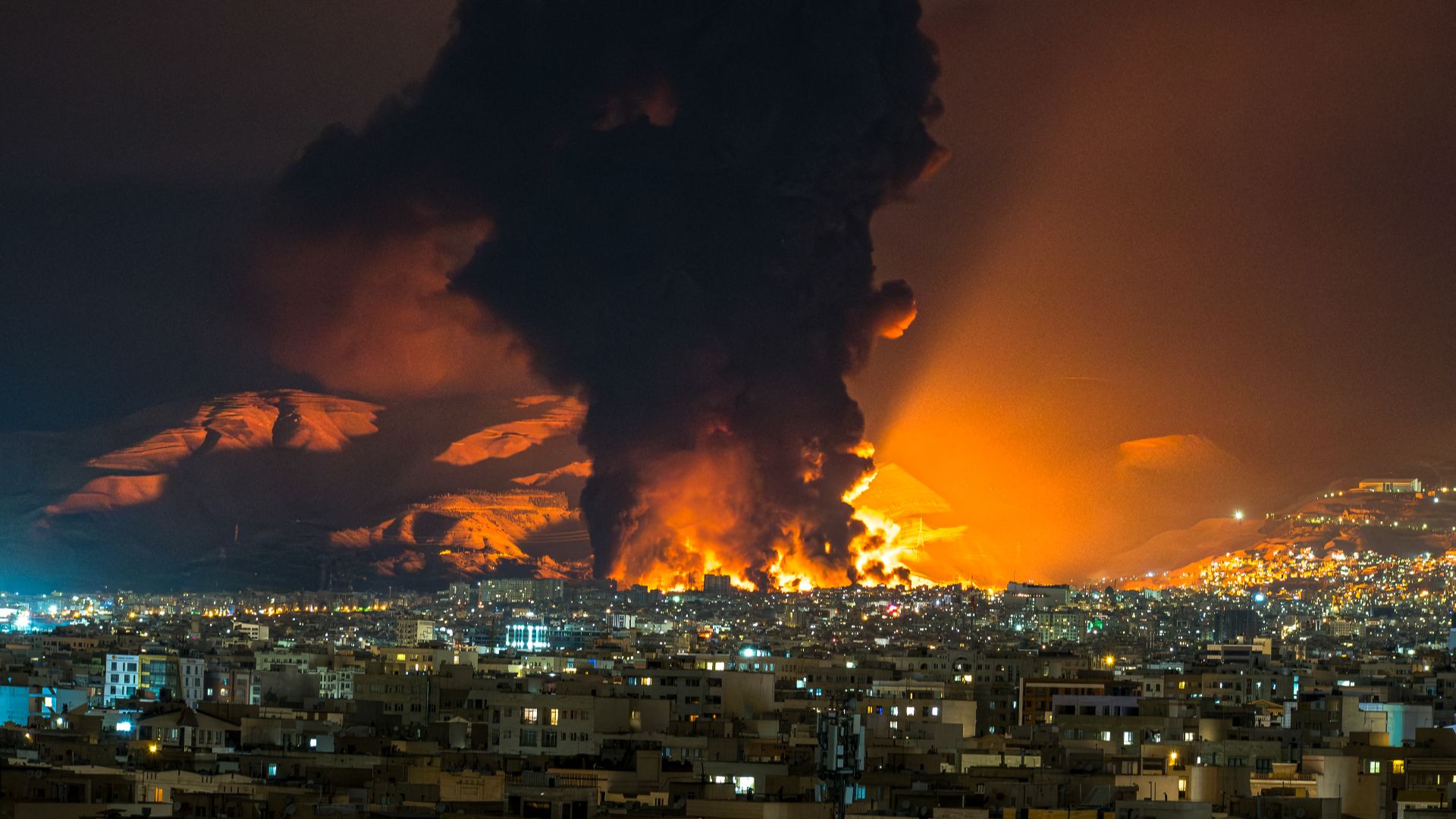
Trump also challenged several reports describing damage to American military assets during the war, particularly stories suggesting that U.S. refueling aircraft had been destroyed or severely damaged. «The five U.S. Refueling Planes that were supposedly struck down and badly damaged, according to The Wall Street Journal’s false reporting, and others, are all in service, with the exception of one, which will soon be flying the skies,» Trump wrote. He insisted that images circulating online showing damaged American infrastructure or vessels were fabricated and part of a broader disinformation effort. «Buildings and Ships that are shown to be on fire are not — It’s FAKE NEWS, generated by A.I.,» he added.
Getty Images
The president also pointed to claims circulating online about a supposed attack on a major U.S. naval vessel operating in the region. «For instance, Iran, working in close coordination with the Fake News Media, shows our great USS Abraham Lincoln Aircraft Carrier, one of the largest and most prestigious Ships in the World, burning uncontrollably in the Ocean,» Trump wrote.
Trump said the scenario never happened and accused Iranian authorities of manufacturing dramatic images to project strength despite what he described as heavy losses on the battlefield. «Not only was it not burning, it was not even shot at — Iran knows better than to do that!» he wrote.
Getty Images
Trump then escalated his criticism of the press by suggesting that outlets publishing such reports should face severe consequences under U.S. law.
«The story was knowingly FAKE and, in a certain way, you can say that those Media Outlets that generated it should be brought up on Charges for TREASON for the dissemination of false information!» Trump wrote. He argued that the conflict itself was unfolding very differently from what he said the media portrayed.
«The fact is, Iran is being decimated, and the only battles they “win” are those that they create through AI, and are distributed by Corrupt Media Outlets.» Trump also accused what he called the «Radical Leftwing Press» of knowingly spreading false stories.
«Buildings and Ships that are shown to be on fire are not — It’s FAKE NEWS, generated by A.I..»
-U.S. President, Donald Trump
Trump concluded the post by praising Brendan Carr, chairman of the Federal Communications Commission, who has warned broadcasters about the potential consequences of spreading false information.
«I am so thrilled to see Brendan Carr, the Chairman of the Federal Communications Commission (FCC), looking at the licenses of some of these Corrupt and Highly Unpatriotic “News” Organizations,» Trump wrote. The president argued that television networks benefit from public airwaves and should therefore face scrutiny if they disseminate inaccurate reporting.
«They get Billions of Dollars of FREE American Airwaves, and use it to perpetuate LIES, both in News and almost all of their Shows,» Trump added, suggesting that federal regulators should consider whether some broadcasters deserve to keep their licenses.
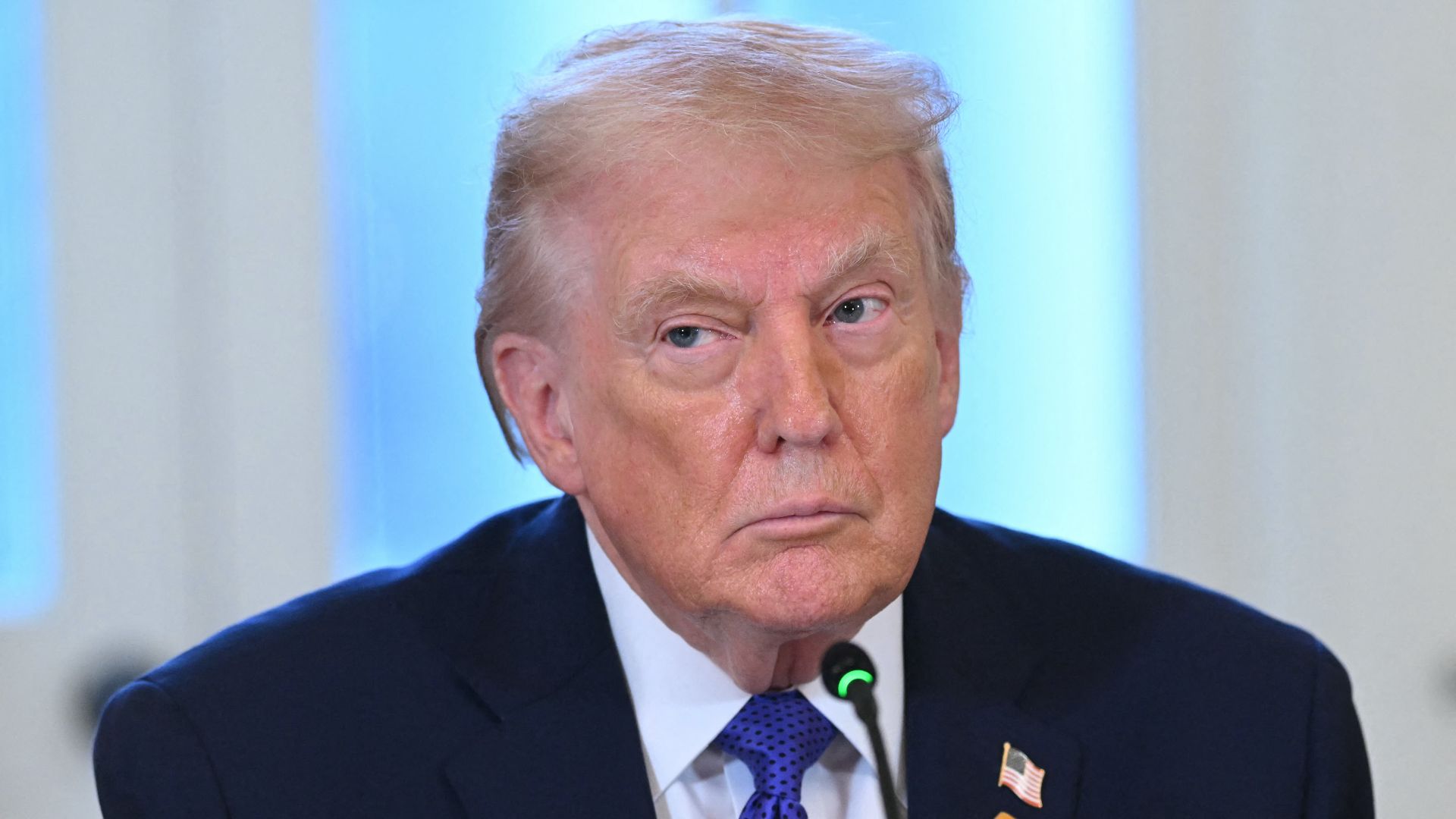
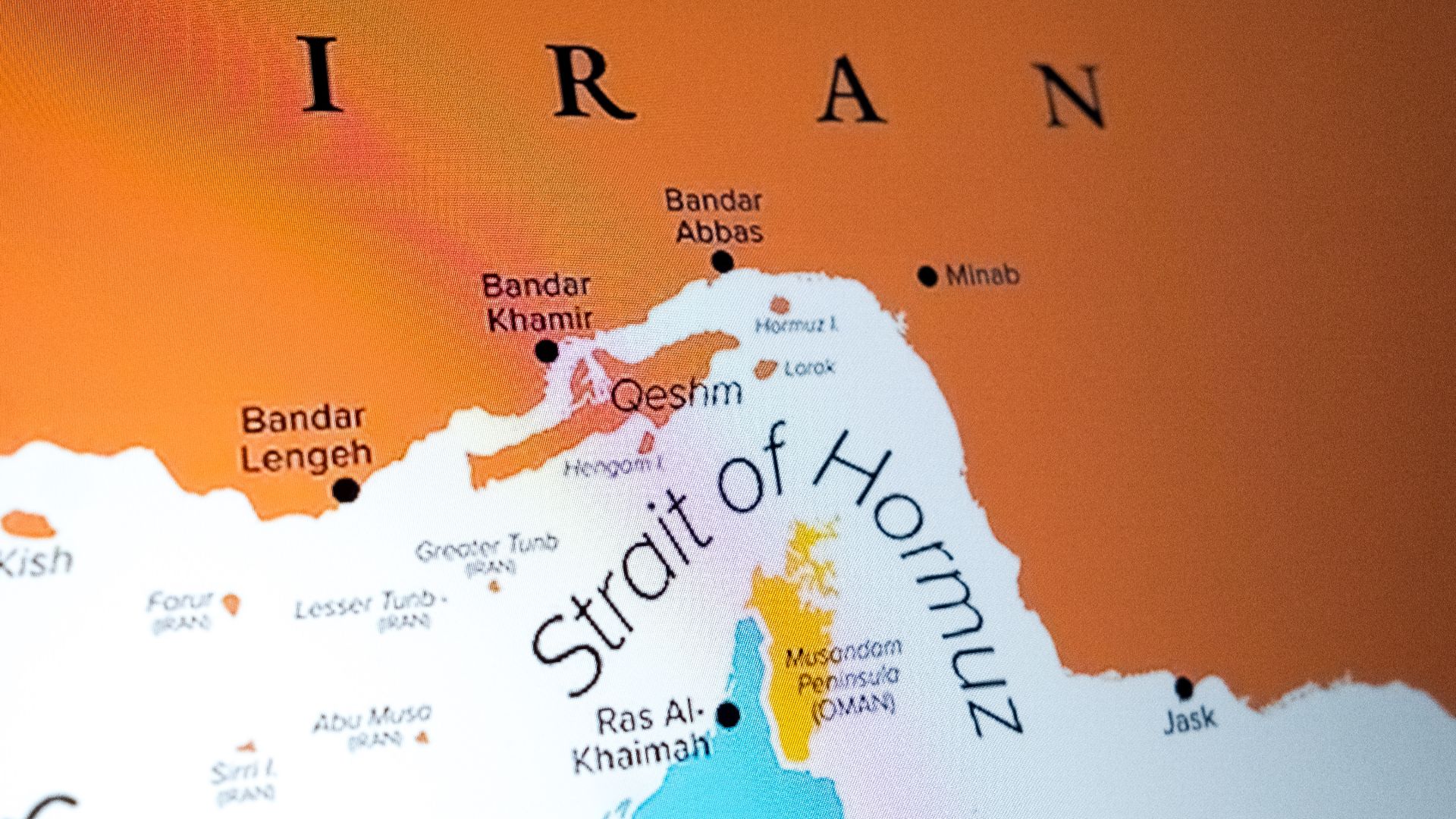
Donald Trump warned that NATO could face a «very bad» future if allies refuse to support U.S. efforts to secure the Strait of Hormuz, one of the world’s most important oil shipping corridors. The comments came after Trump asked several allied governments to contribute naval forces to help protect tanker traffic following escalating tensions in the Gulf during the war involving Iran, Israel and the United States. Speaking to reporters at the White House, Trump criticized NATO members that have hesitated to participate in the mission. «If they don’t help us with the Strait of Hormuz, they’re going to have a very bad future with NATO,» Trump said.
Getty Images
The request for allied support comes as tensions in the region continue to rise after U.S. and Israeli strikes targeted Iranian military infrastructure. Iran has responded with missile and drone attacks across the region and warned that vessels linked to the United States, Israel and their allies could be targeted. Iranian military officials have also threatened to disrupt shipping through the Strait of Hormuz, the narrow passage connecting the Persian Gulf to global energy markets. The waterway carries roughly one fifth of the world’s oil supply, making its security a critical concern for governments and energy markets around the world.
«They all use the oil that goes through that strait.»
-U.S. President, Donald Trump
Despite Washington’s request, several European allies have expressed reluctance to deploy naval forces to the area. German officials said Berlin does not view the operation as a NATO responsibility. A senior German government official said the conflict in the Gulf was «not NATO’s war» and stressed that Germany supports diplomatic efforts to reduce tensions rather than expanding military involvement. The response reflects broader hesitation among some NATO members to become directly involved in a conflict that began after U.S. and Israeli attacks on Iranian targets earlier in the year.
Getty Images
Other allied governments have also signaled caution about sending military forces to the region. Officials in several European capitals have said they remain concerned about the risk of escalation and the possibility that naval deployments could draw additional countries into the conflict. Diplomats from NATO countries have emphasized that protecting international shipping remains important but argued that any response should be coordinated carefully to avoid widening the war. Some governments have instead focused on diplomatic channels and economic measures aimed at stabilizing the situation in the Gulf.
«If they don’t help us with the Strait of Hormuz, they’re going to have a very bad future with NATO.»
-U.S. President, Donald Trump
The United States has already expanded its own naval presence in the region as part of efforts to deter Iranian attacks on shipping. American warships have been deployed to escort commercial vessels through the Strait of Hormuz and monitor potential threats from mines, drones and missile systems. U.S. officials say the mission is intended to ensure that international trade can continue despite the ongoing conflict. Military commanders have warned that the narrow waterway remains vulnerable to disruption because of its geography and the proximity of Iranian forces stationed along the coast.
Getty Images
Trump’s warning about NATO’s future underscores growing tension between Washington and some of its allies over the direction of the conflict. The president has argued that countries benefiting from secure global trade routes should contribute more to protecting them. «They all use the oil that goes through that strait,» Trump said, defending his demand for allied support. «If they don’t help us, it’s going to be a very bad situation for NATO.» His remarks highlight the diplomatic strain emerging within the alliance as governments debate how far they are willing to go in supporting U.S. operations in the Gulf.
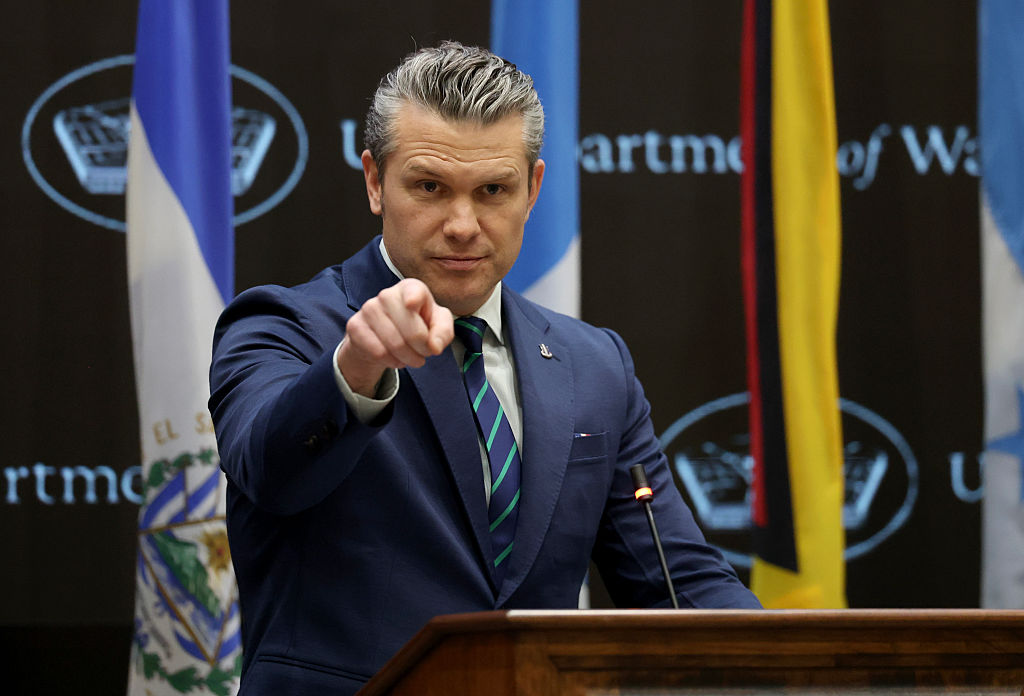
Dans ce qui constitue actuellement l’actualité la plus marquante du monde de l’IA, le « Département de la guerre » de Pete Hegseth fait pression sur les entreprises du secteur pour qu’elles accordent au gouvernement et à l’armée américains un accès illimité à leurs programmes, pour des raisons de sécurité.
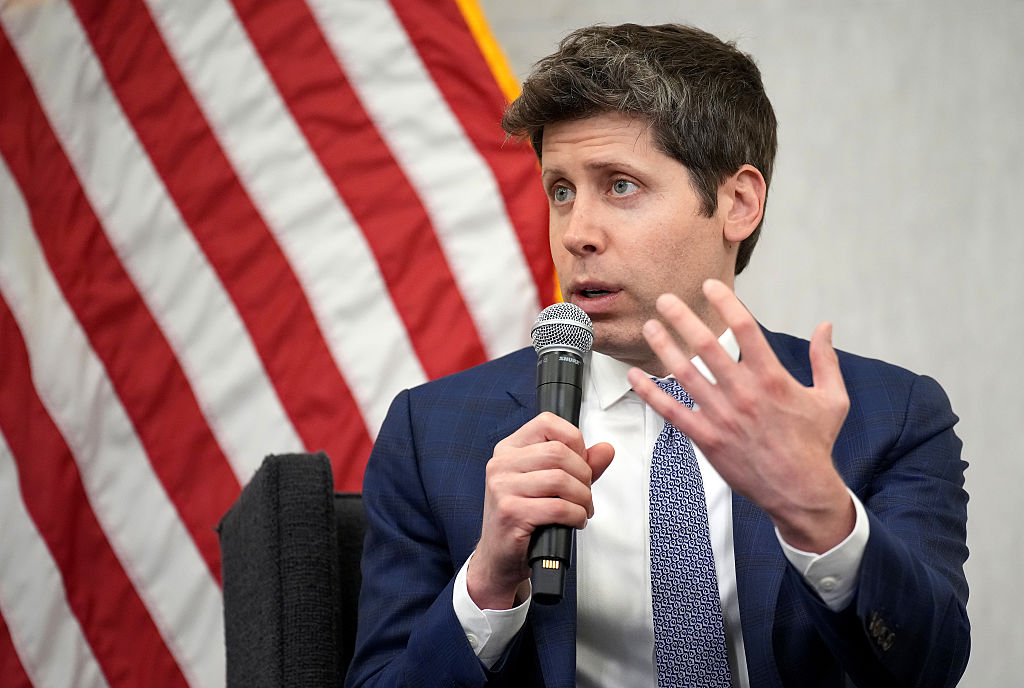
Le géant de l’IA Anthropic a résisté aux pressions de Hegseth, mais OpenAI, dirigé par Sam Altman, a signé sans hésiter. Hegseth utilise diverses stratégies pour forcer la main à ces entreprises technologiques, et l’une après l’autre, elles cèdent. Aujourd’hui, Donald Trump a ordonné au gouvernement américain de cesser d’utiliser tous les produits d’Anthropic et « encourage » le passage aux logiciels d’OpenAI.
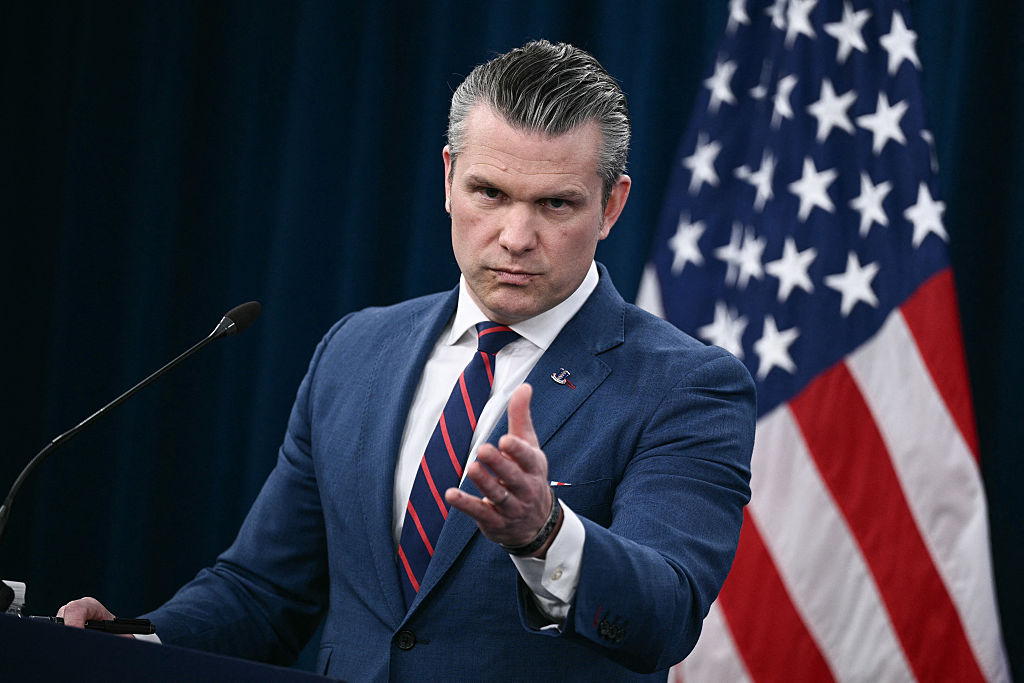
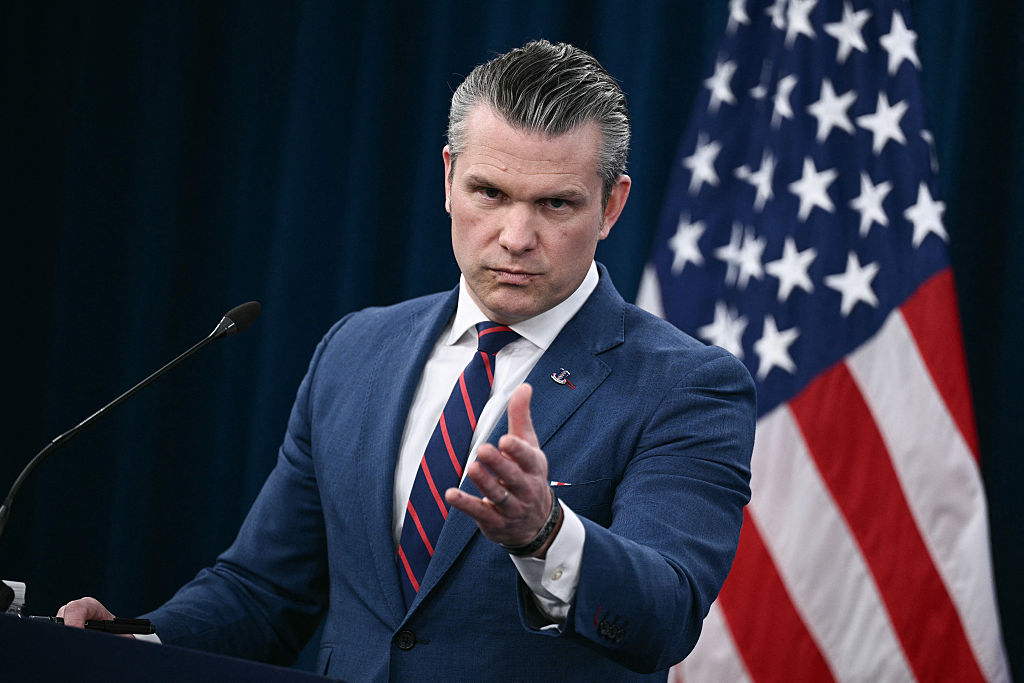
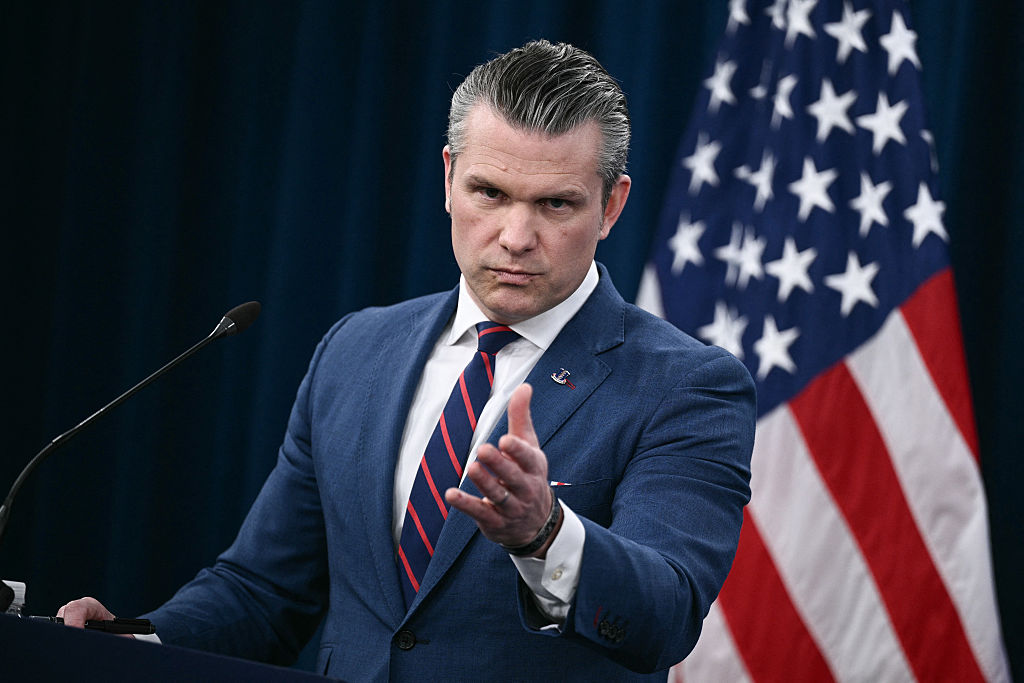
US Defense Secretary Pete Hegseth speaks during a press conference on US military action in Iran, at the Pentagon in Washington, DC, on March 2, 2026. The United States hit hundreds of targets across Iran, and Israel expanded its bombing to Lebanon on Monday as President Donald Trump vowed to avenge the first US deaths in the war he launched to topple Tehran's ruling clerics. Iranian forces fired missiles and drones across the Middle East, killing people in Israel and the United Arab Emirates, in retaliation for the conflict that began February 28 with the death of Iran's supreme leader, Ayatollah Ali Khamenei. (Photo by Brendan SMIALOWSKI / AFP via Getty Images)
In the biggest story in the AI world right now, Pete Hegseth’s Department of War has been pressuring AI companies to allow the United States government and military to have unfettered access to the programs for security purposes.
AI superpower Anthropic has resisted Hegseth’s pressure, but Sam Altman’s OpenAI has signed on the dotted line without hesitation. Hegseth is using a variety of strategies to force the hand of these tech companies, and one by one, they’re folding. Now, Donald Trump has ordered the US government to stop using all Anthropic products, and is ‘encouraging’ a shift to OpenAI software.
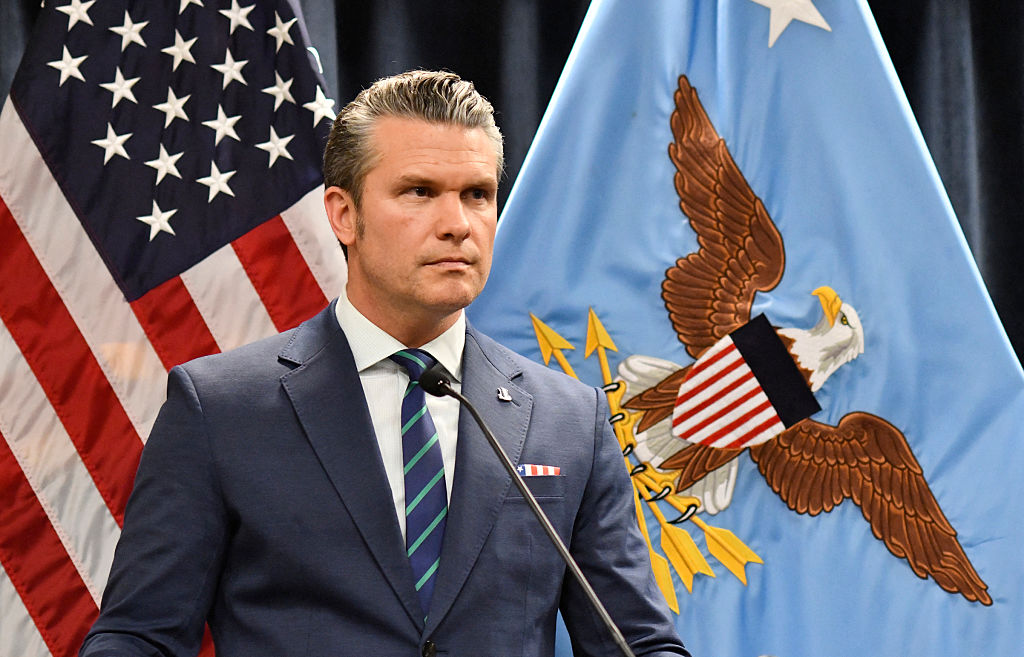
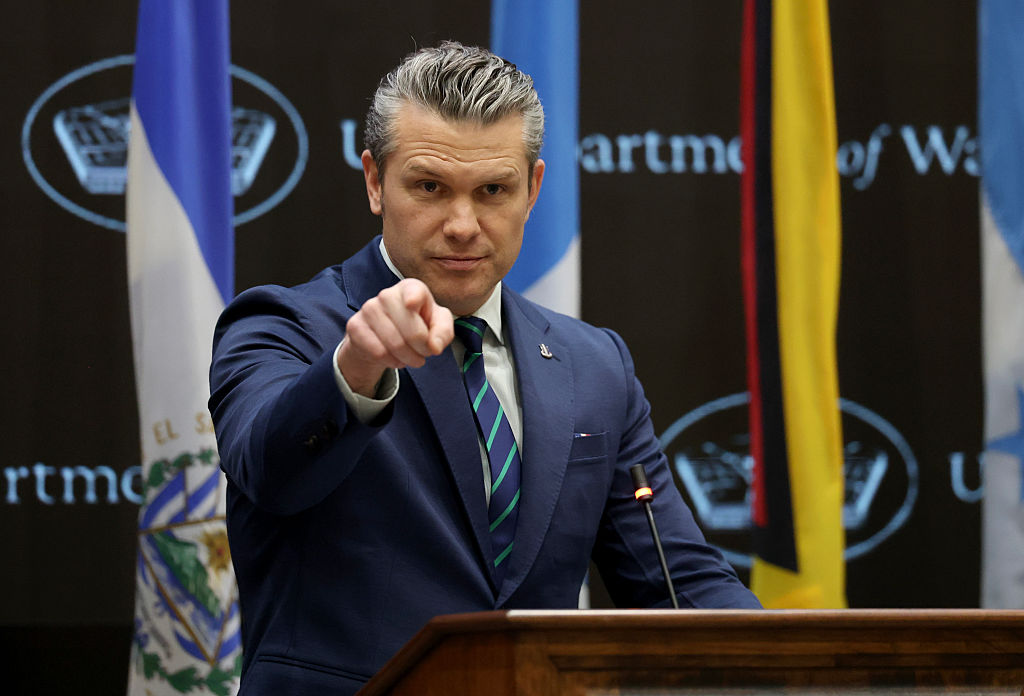
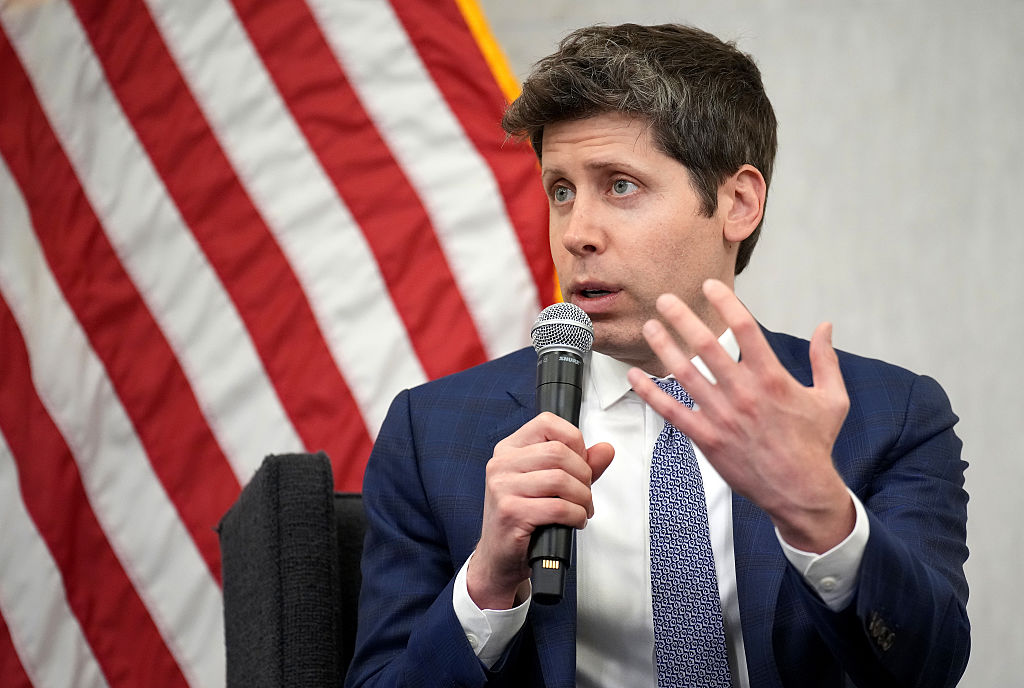
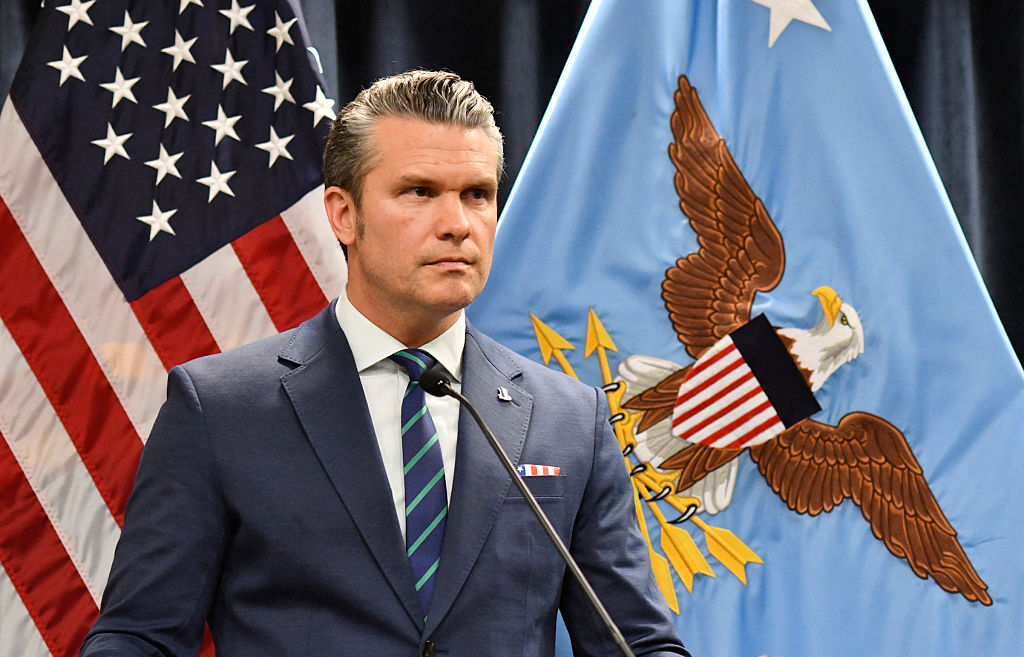
US Defense Secretary Pete Hegseth speaks during a press conference on US military action in Iran, at the Pentagon in Washington, DC, on March 2, 2026. The United States hit hundreds of targets across Iran, and Israel expanded its bombing to Lebanon on Monday as President Donald Trump vowed to avenge the first US deaths in the war he launched to topple Tehran’s ruling clerics. Iranian forces fired missiles and drones across the Middle East, killing people in Israel and the United Arab Emirates, in retaliation for the conflict that began February 28 with the death of Iran’s supreme leader, Ayatollah Ali Khamenei. (Photo by Brendan SMIALOWSKI / AFP via Getty Images)US Secretary of Defense Pete Hegseth looks on during a joint press conference with Admiral Charles Bradford « Brad » Cooper II, Commander of US Central Command, at US Central Command (CENTCOM) headquarters at MacDill Air Force Base in Tampa, Florida, on March 5, 2026. (Photo by Octavio JONES / AFP via Getty Images)DORAL, FLORIDA – MARCH 05: Defense Secretary Pete Hegseth speaks during the inaugural Americas Counter Cartel Conference at the U.S. Southern Command Headquarters on March 05, 2026 in Doral, Florida. The conference is being held to address narco-terrorism with regional defense and security leaders from the Caribbean, Central America, and South America. (Photo by Joe Raedle/Getty Images)The Anthropic AI logo is displayed on a mobile phone screen in this photo illustration in Brussels, Belgium, on February 24, 2026. (Photo by Jonathan Raa/NurPhoto via Getty Images)WASHINGTON, DC – JULY 22: Sam Altman, CEO of OpenAI, delivers remarks at the Integrated Review of the Capital Framework for Large Banks Conference at the Federal Reserve on July 22, 2025 in Washington, DC. The conference brings together experts to discuss regulatory policy and the implications on the financial system (Photo by Andrew Harnik/Getty Images)WASHINGTON, DC – MARCH 11: OpenAI CEO Sam Altman arrives to speak during the BlackRock Infrastructure Summit on March 11, 2026 in Washington, DC. The global investment management company held the summit consisting of leaders from government, business, and labor to address expanding U.S. infrastructure. (Photo by Anna Moneymaker/Getty Images)INDONESIA – 2025/08/13: In this photo illustration, a ChatGPT logo is seen displayed on a smartphone and in the background. (Photo Illustration by Algi Febri Sugita/SOPA Images/LightRocket via Getty Images)
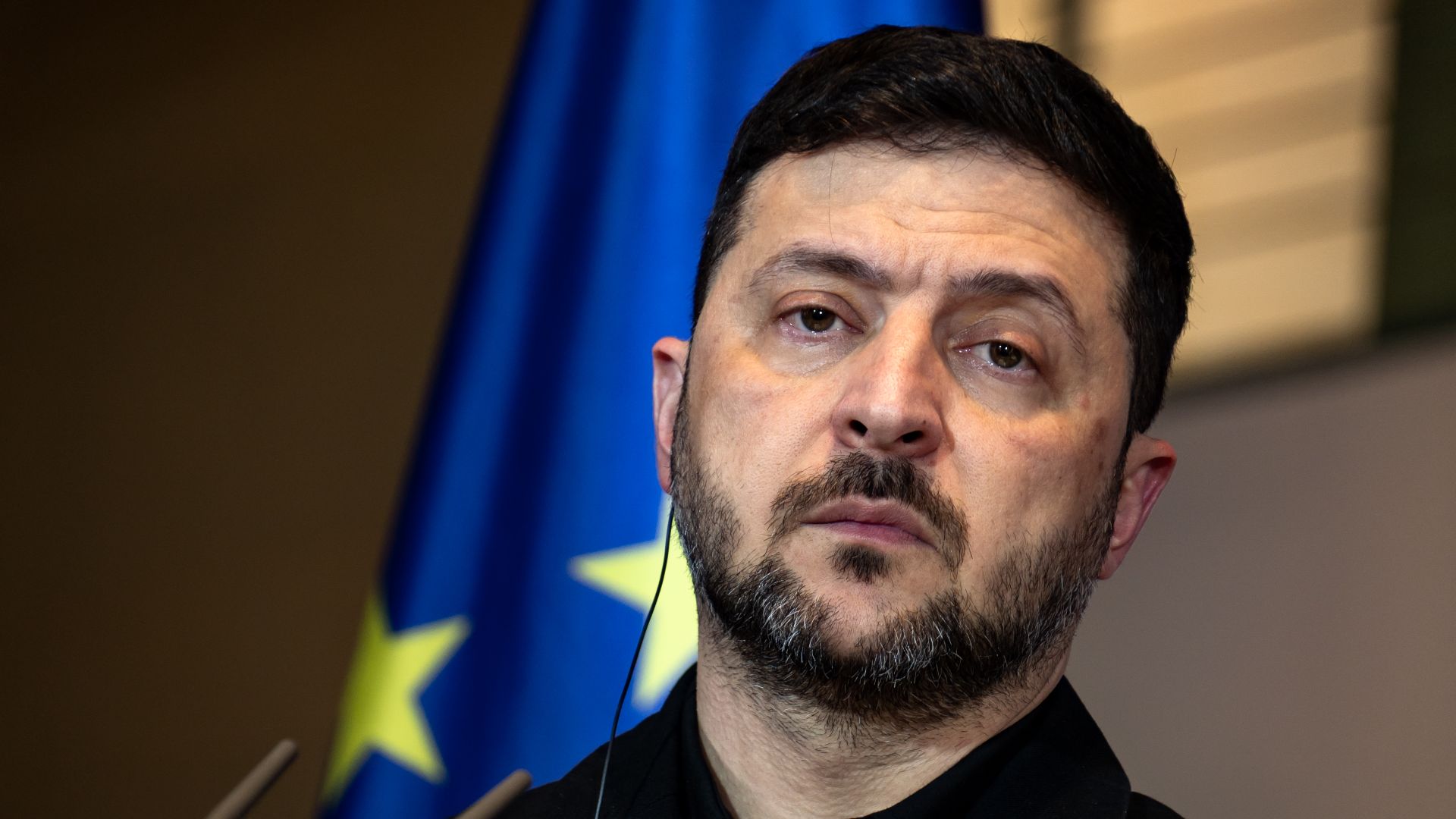
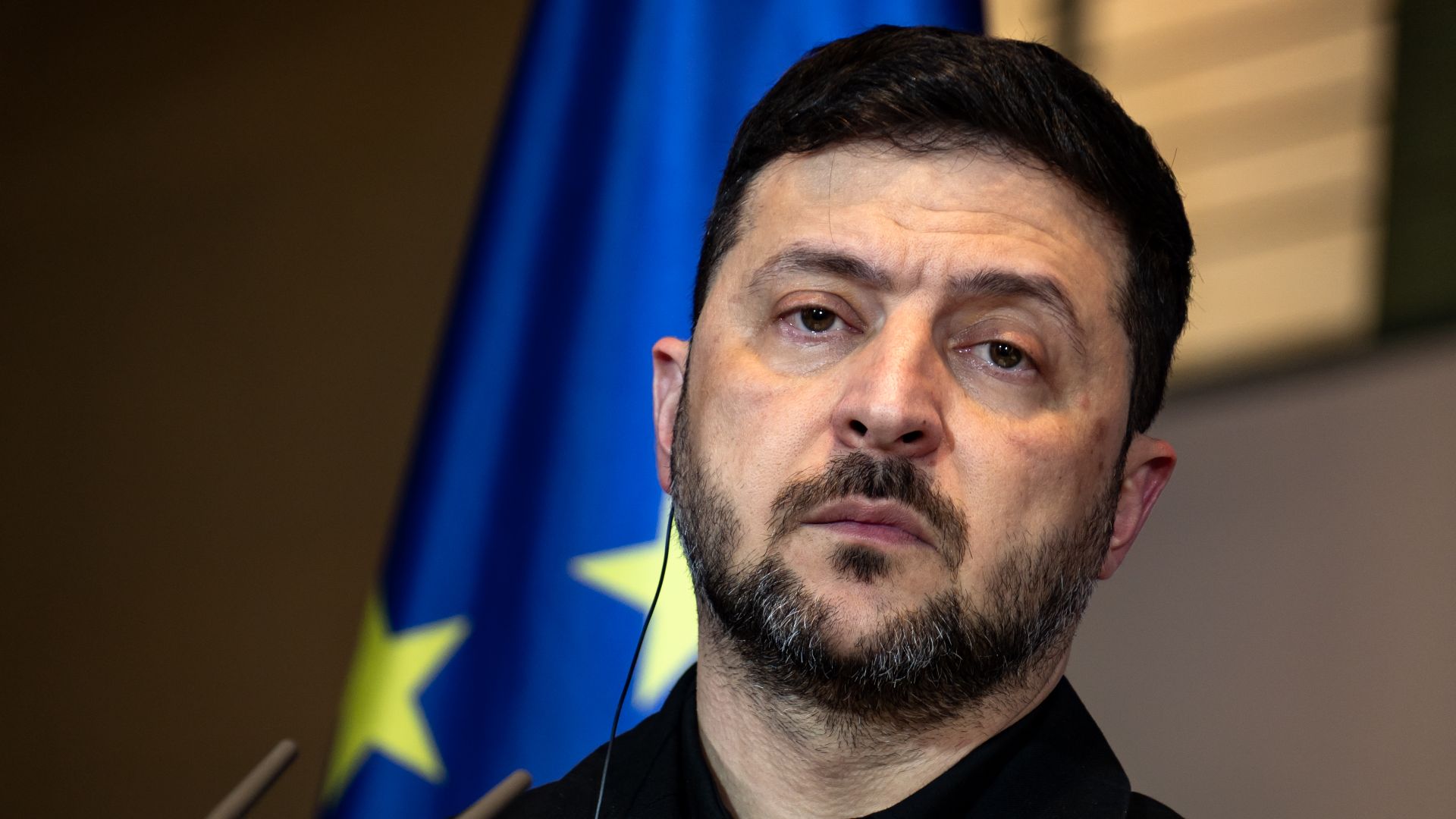
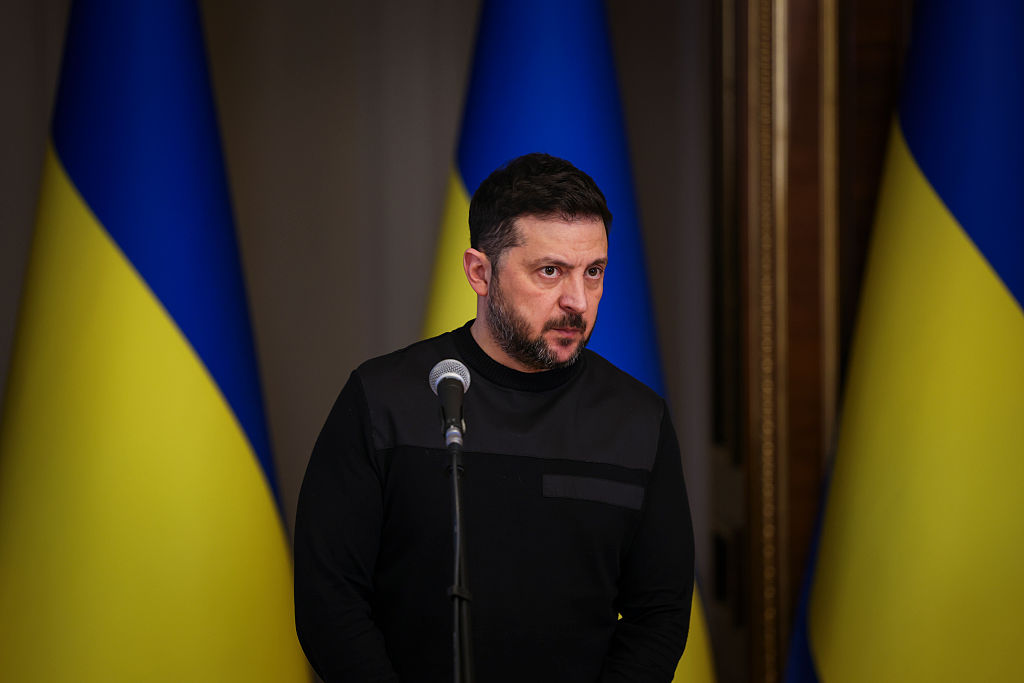
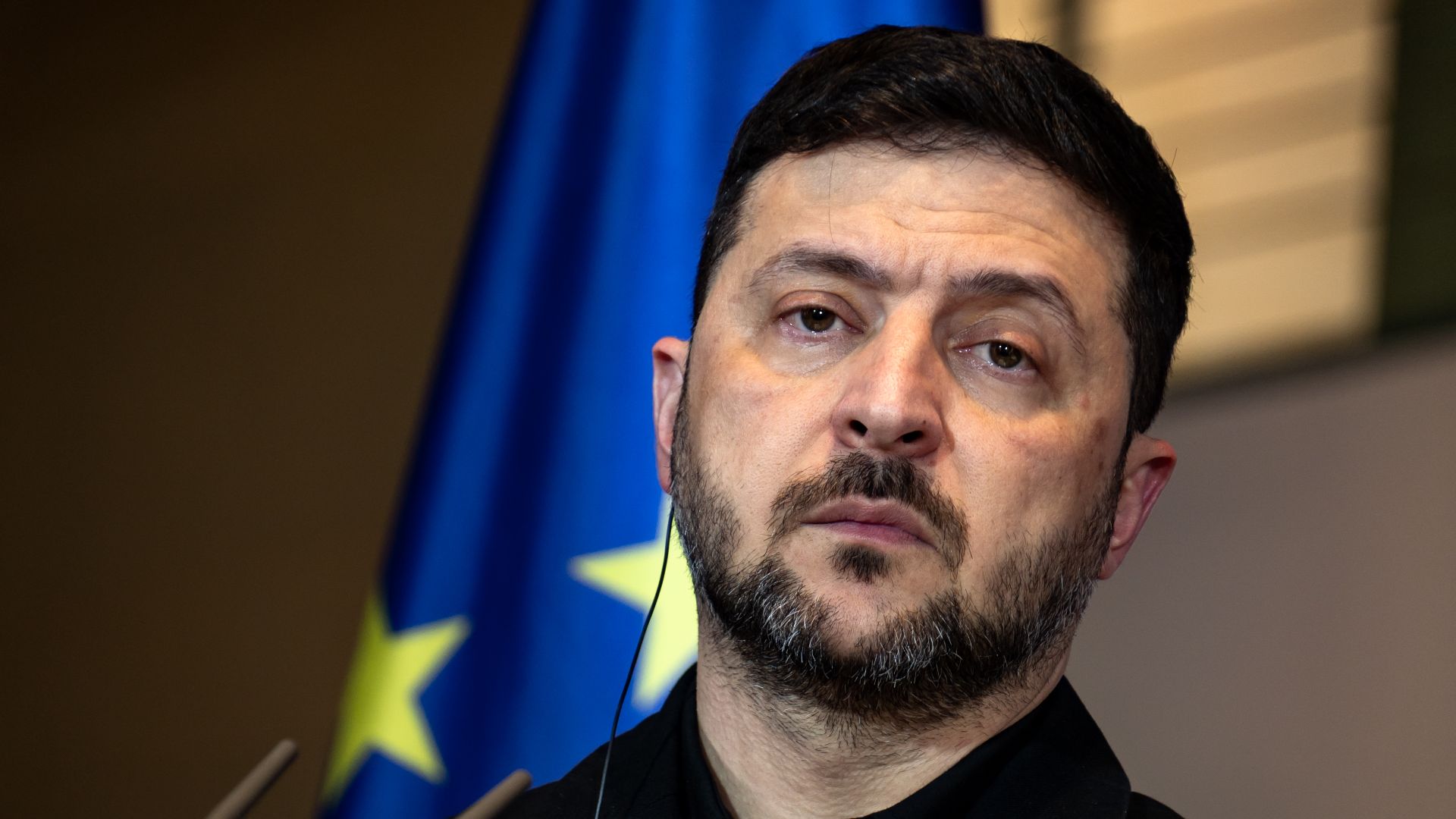
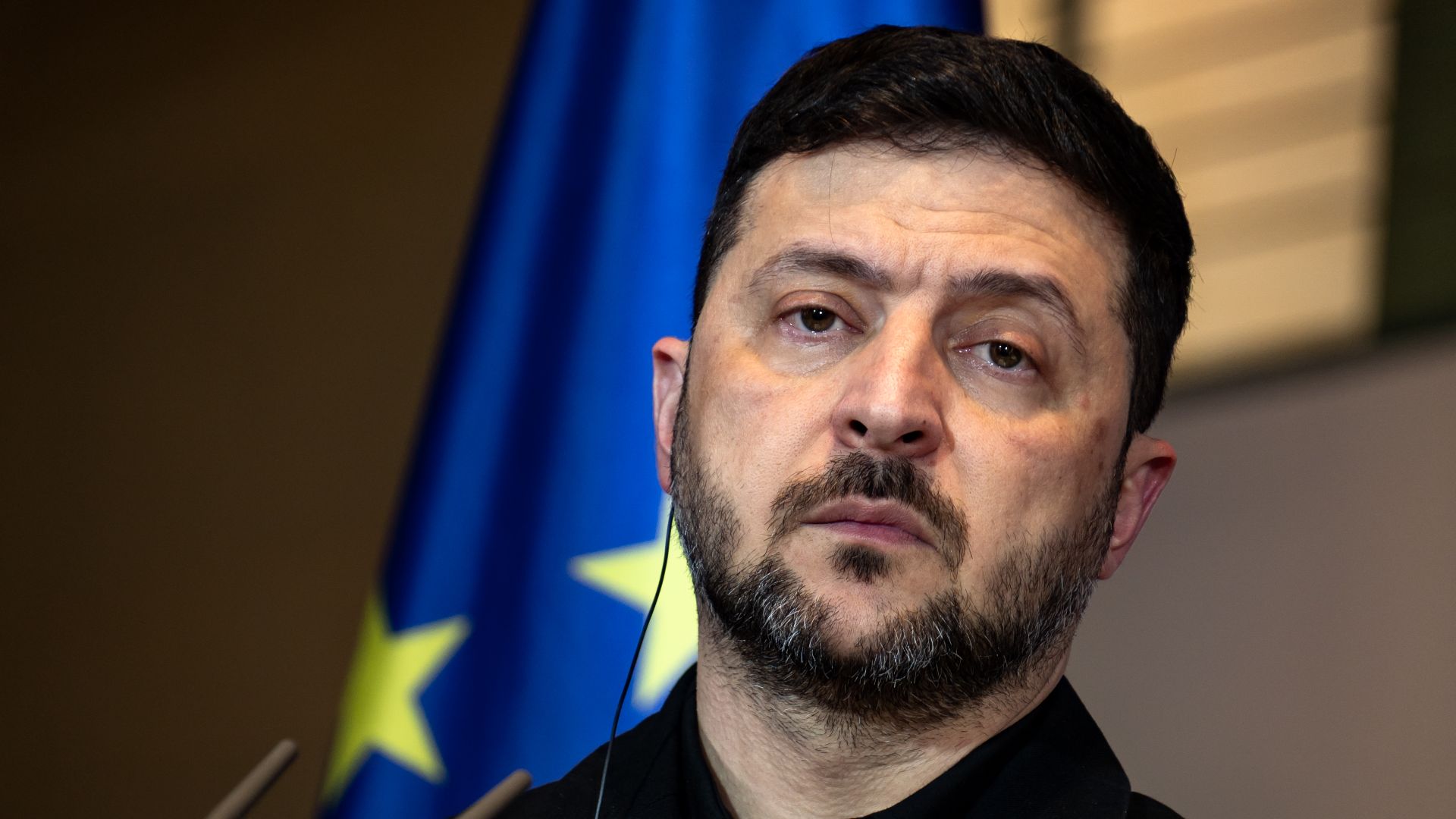
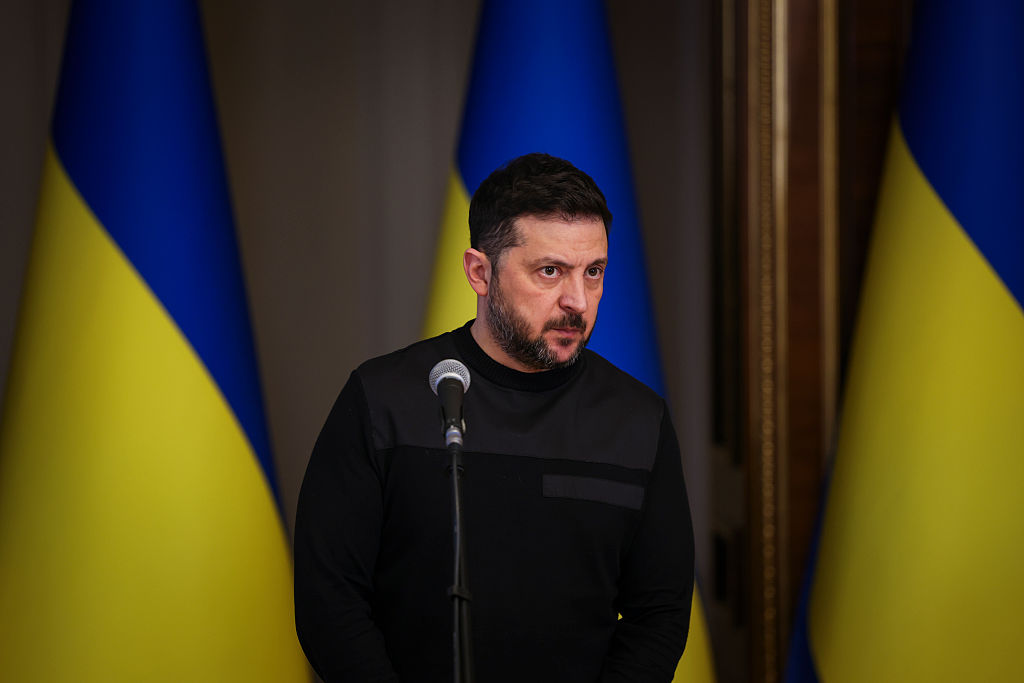
Zelensky a déclaré que des responsables américains lui avaient demandé de mettre à disposition des spécialistes ukrainiens capables d’assurer la sécurité des alliés des États-Unis. De son côté, Trump a déclaré qu’il accepterait « toute aide » qu’il pourrait obtenir de l’Ukraine.
Le Sénat américain a rejeté une proposition visant à limiter les pouvoirs de Donald Trump sur l’armée en ce qui concerne les interventions en Iran. Trump, qui a utilisé le pouvoir présidentiel de « commandant en chef » pour contrôler directement l’armée américaine, a été critiqué par des experts en droits de l’homme du monde entier pour ce qu’ils qualifient d’« actions militaires illégales ».
Zelensky claimed in comments that US officials had instructed him to provide Ukrainian specialists who can guarantee the safety of American allies. On Trump’s part, he said he would he’d take ‘any assistance’ he can get from Ukraine.
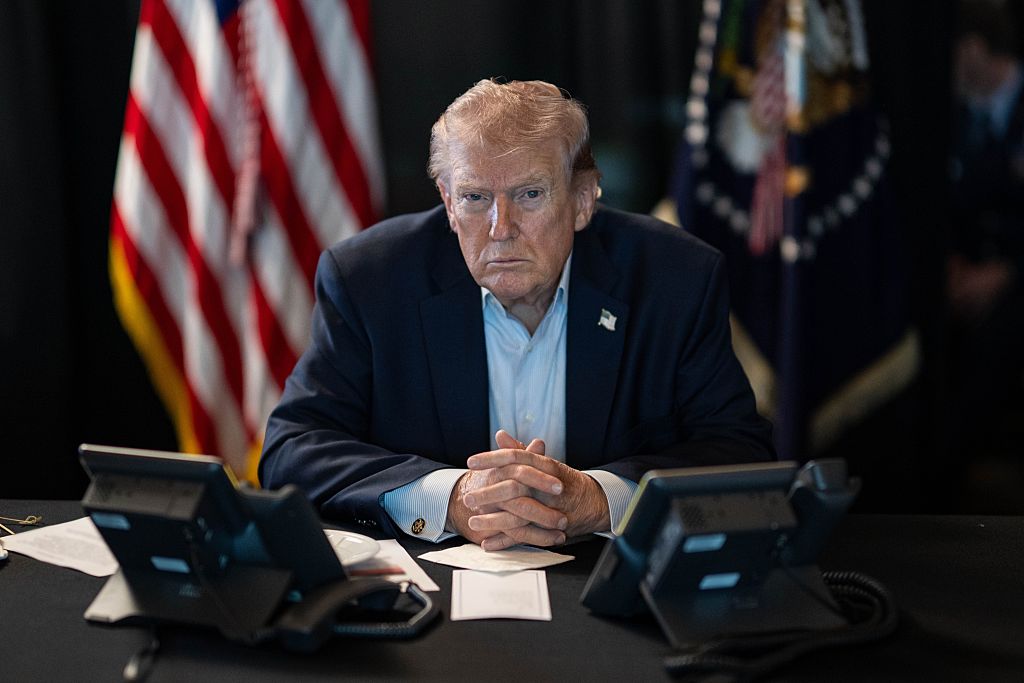
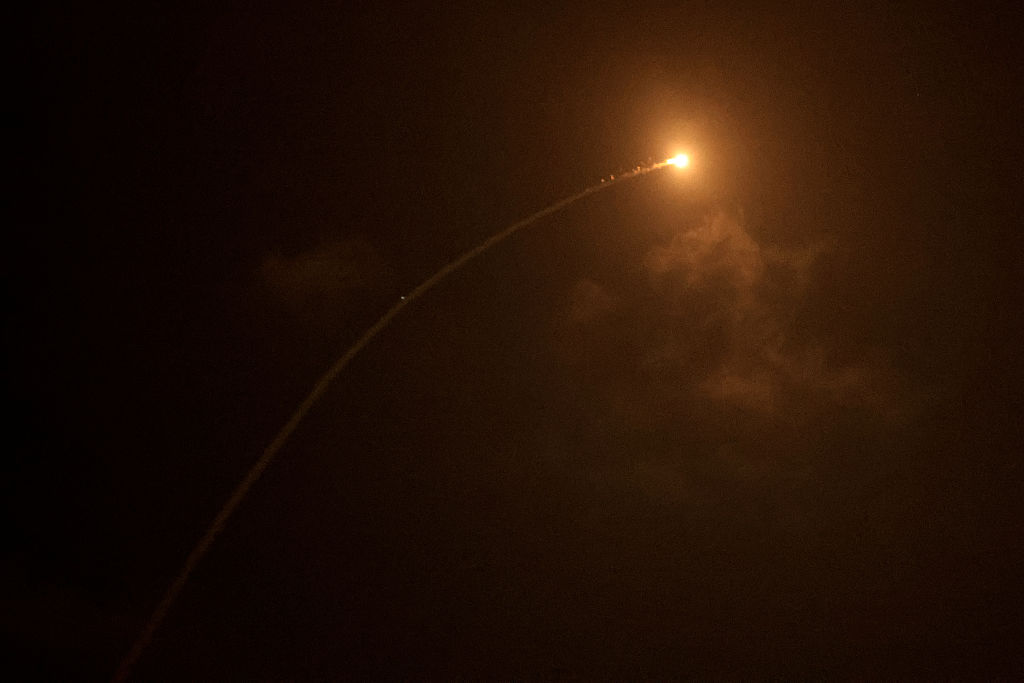
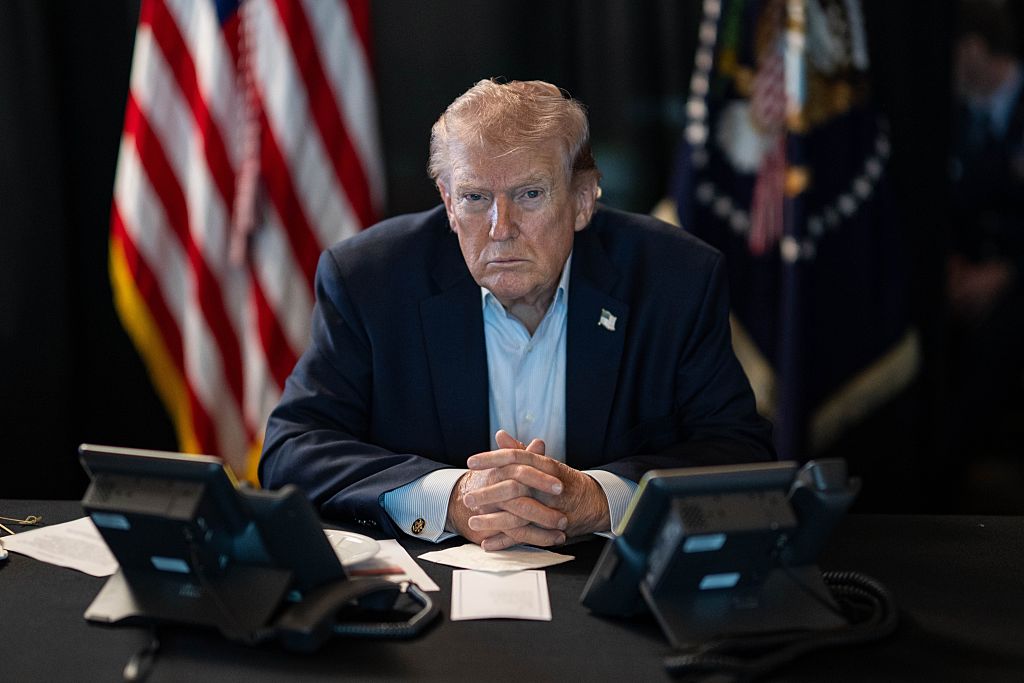
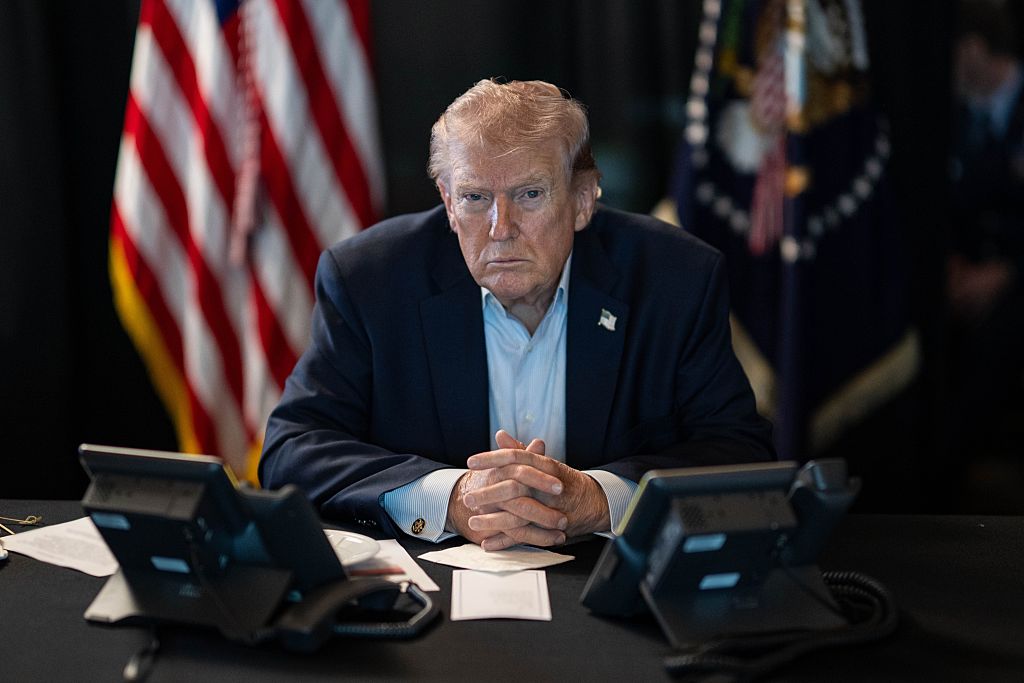
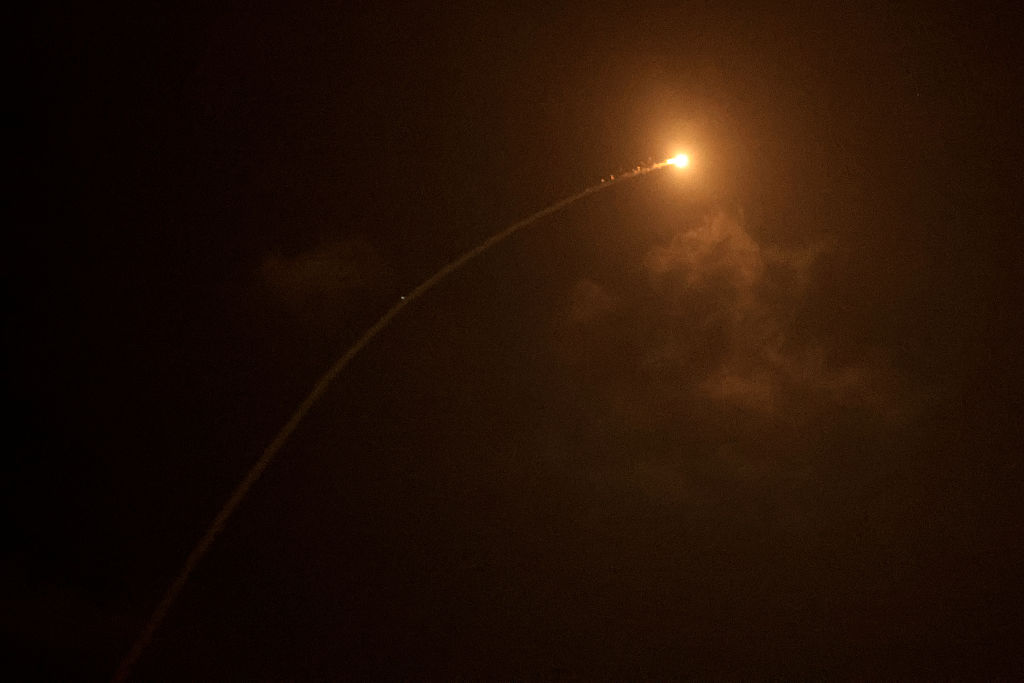
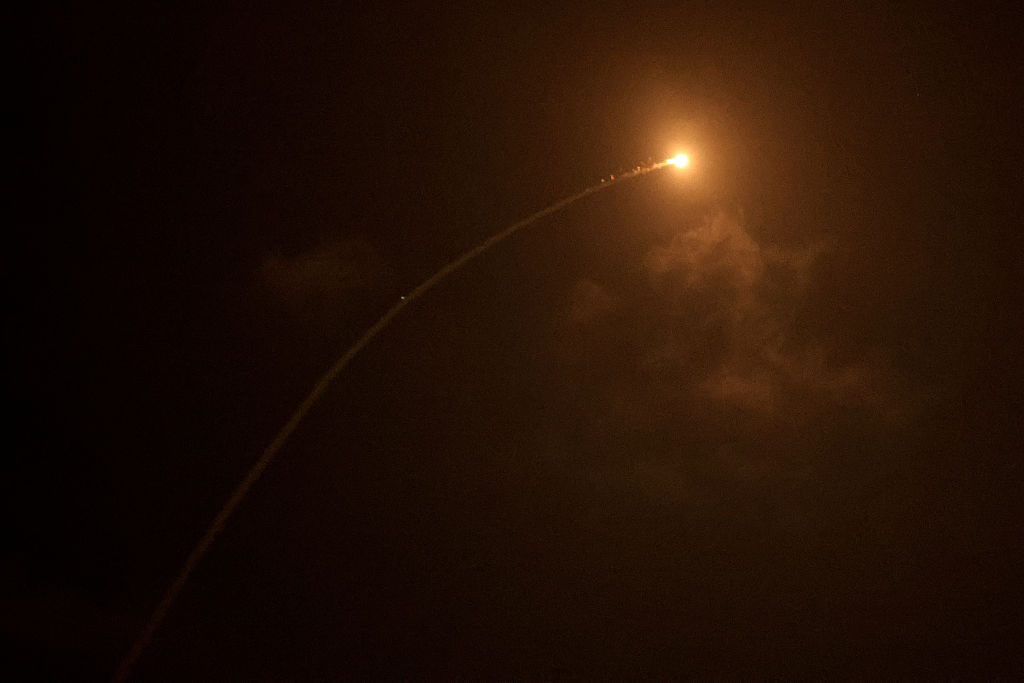
WASHINGTON DC, USA – MARCH 02: (—-EDITORIAL USE ONLY â » MANDATORY CREDIT – ‘THE WHITE HOUSE’S X ACCOUNT / HANDOUT’ – NO MARKETING NO ADVERTISING CAMPAIGNS – DISTRIBUTED AS A SERVICE TO CLIENTS—-) U.S. President Donald J. Trump sits at a table monitoring military operations during Operation Epic Fury against Iran, with U.S. flags visible behind him, in Washington, United States, on March 02, 2026. (Photo by The White House via X Account/Anadolu via Getty Images)KYIV, UKRAINE – MARCH 3: President of Ukraine Volodymyr Zelenskyy attends a meeting of the National Security and Defense Council of Ukraine, held with a focus on the « Comprehensive Resilience Plans for Ukrainian Cities and Regions », on March 3, 2026 in Kyiv, Ukraine. The session was attended by the President of Ukraine, the Prime Minister of Ukraine, heads of local state administrations from the majority of the country’s regions, and other senior officials. Participants discussed security issues, infrastructure recovery, ensuring energy resilience, and preparations for the upcoming winter. (Photo by Maksym Kishka/Frontliner/Getty Images)Ukrainian President Volodymyr Zelensky reacts on stage during conference at « Sciences Po » Institute of Political Studies (IEP) in Paris on March 13, 2026. (Photo by Alain JOCARD / AFP via Getty Images)Rocket trails are seen amid a fresh barrage of Iranian missile attacks in the sky above the Israeli center coastal city of Netanya, on March 15, 2026. (Photo by JACK GUEZ / AFP via Getty Images) / Attention editors: Photo taken with approval from the Ministry of Culture and Islamic Guidance (Ershad) —
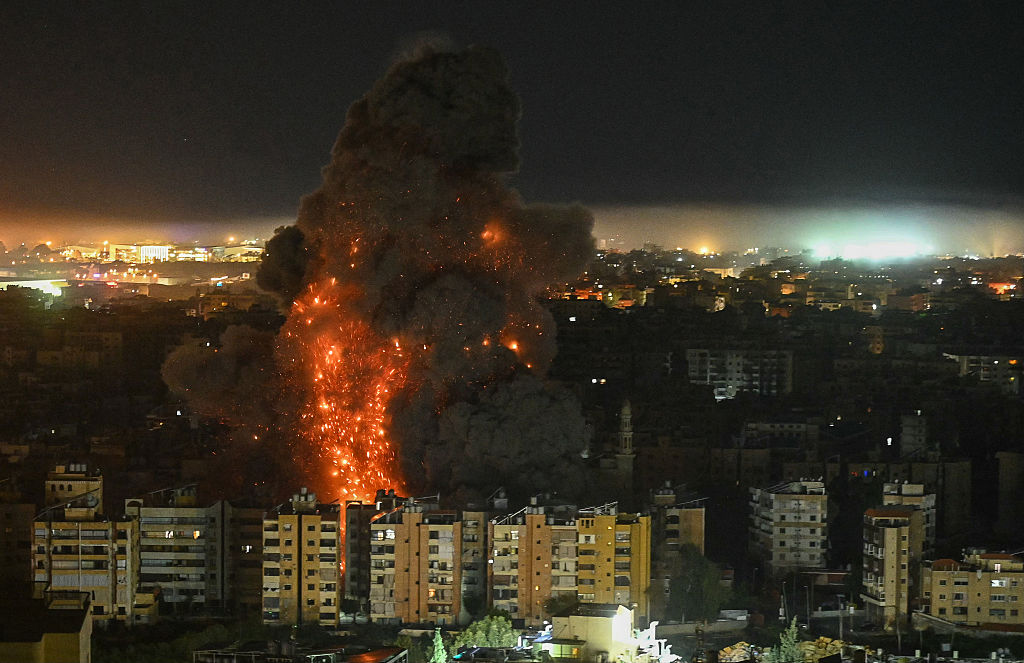
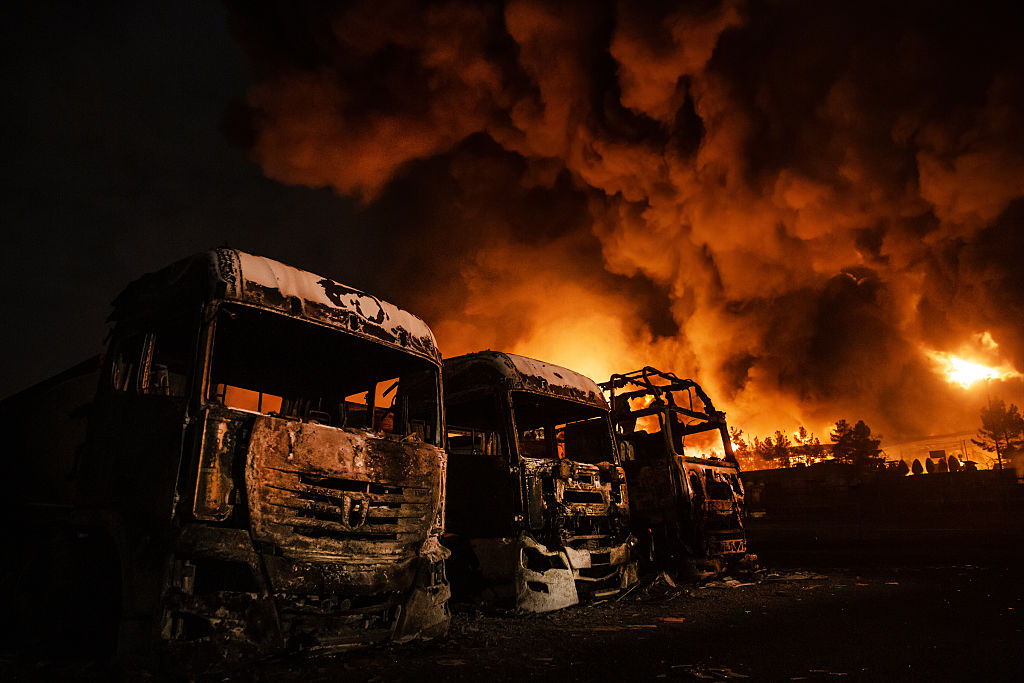
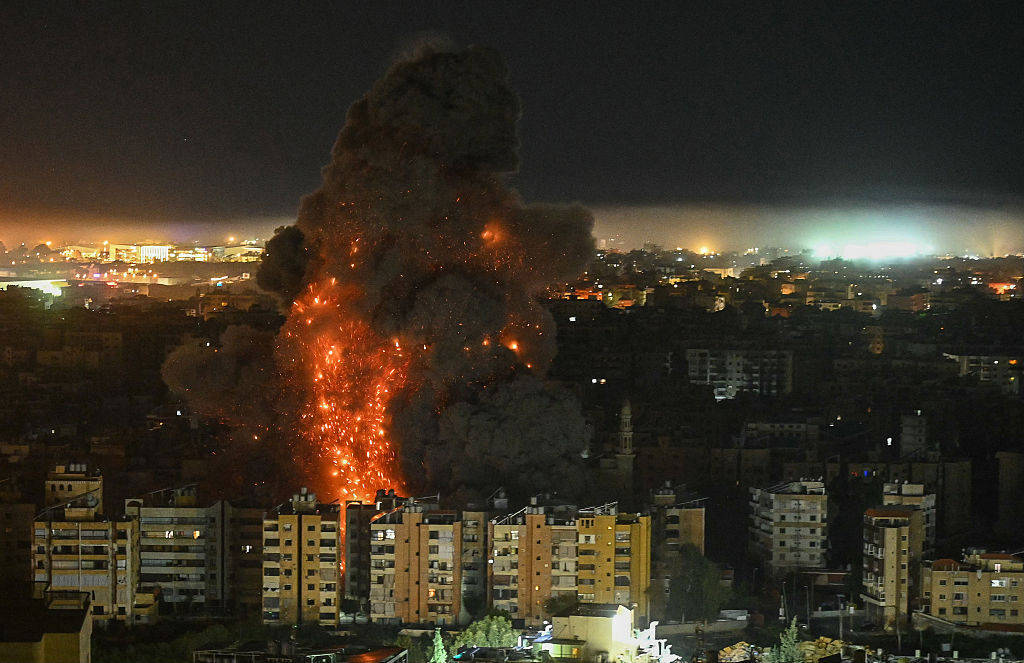
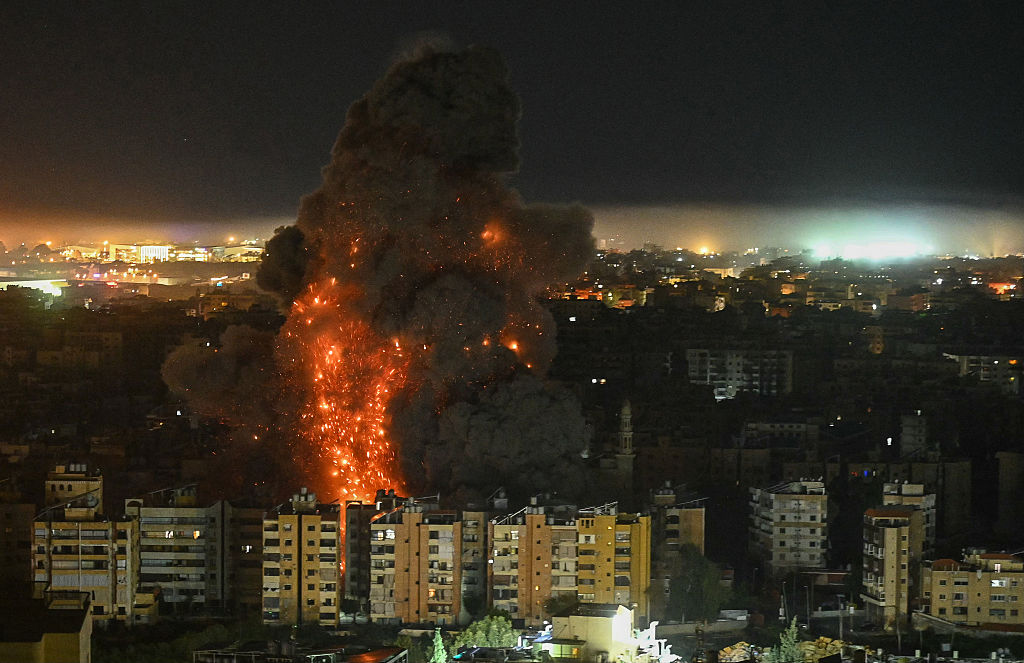
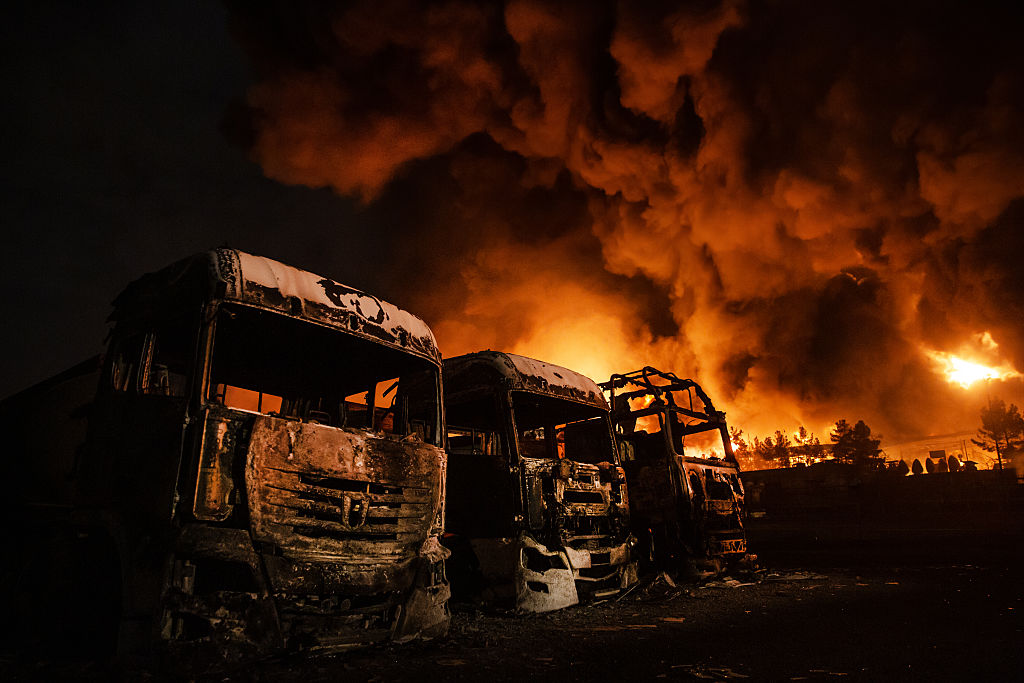
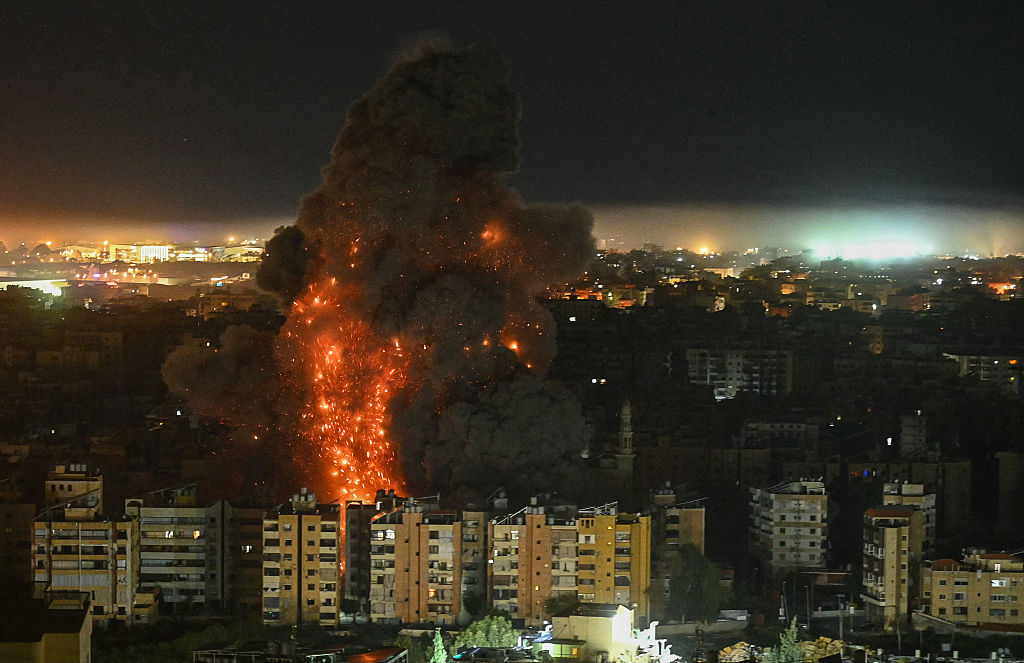
AFP covers the war in the Middle East through its extensive regional network, including bureaus in Tehran, Jerusalem, and several neighboring countries. Since the start of the conflict, journalists have been working under increasingly restrictive conditions. Authorities in several countries have limited reporters’ movements, photo and live video coverage from sensitive locations. Some governments and armed groups have banned images of missile or drone strikes and other security-related sites. /A fireball rises from the site of an Israeli airstrike that targeted an area in Beirut’s southern suburbs overnight March 10 to 11, 2026. (Photo by FADEL itani / AFP via Getty Images) / Attention editors: AFP covers the war in the Middle East through its extensive regional network, including bureaus in Tehran, Jerusalem, and several neighboring countries. Since the start of the conflict, journalists have been working under increasingly restrictive conditions. Authorities in several countries have limited reporters’ movements, photo and live video coverage from sensitive locations. Some governments and armed groups have banned images of missile or drone strikes and other security-related sites. /TEHRAN, IRAN – MARCH 8: Fire breaks out at the Shahran oil depot after US and Israeli attacks, leaving numerous fuel tankers and vehicles in the area unusable in Tehran, Iran on March 8, 2026. (Photo by Hassan Ghaedi/Anadolu via Getty Images)
Selon Donald Trump, il n’y a pas de calendrier pour cette guerre, et les États-Unis poursuivront leurs opérations dans le pays jusqu’à ce qu’ils constatent un changement de régime significatif, ainsi que la fin du programme nucléaire présumé de l’Iran. Après avoir tué le Guide suprême iranien Ali Khamenei dès le premier jour de la guerre, Trump a changé de discours, affirmant alors qu’il avait été contraint d’attaquer l’Iran parce que ce pays « allait certainement » attaquer Israël.