Catégories
Uncategorized

Une série de décès et de disparitions suspects de scientifiques donne lieu à une enquête fédérale

La commission de surveillance de la Chambre des représentants, dirigée par les républicains, a ouvert une enquête fédérale sur ce qu’elle qualifie de série inquiétante de disparitions et de décès suspects impliquant au moins dix scientifiques américains travaillant dans des domaines de recherche hautement sensibles.

Cette annonce a immédiatement retenu l’attention à Washington, les législateurs s’inquiétant des implications potentielles pour la sécurité nationale liées à ces affaires. Le président de la commission de surveillance de la Chambre des représentants, James Comer, a présenté la situation en termes très clairs, qualifiant ces incidents de « menace pour la sécurité nationale » et déclarant à Fox News :

« Il est très improbable qu’il s’agisse d’une coïncidence ».

Il a ajouté :

« Le Congrès est très préoccupé par cette affaire. Notre commission en fait désormais l’une de ses priorités, car nous considérons cela comme une menace pour la sécurité nationale. »

Getty Images

L’enquête intervient dans un contexte de surveillance accrue, suite à plusieurs affaires très médiatisées qui ont largement circulé en ligne et dans les cercles politiques. Parmi celles-ci figure la disparition, en février, du major général à la retraite de l’armée de l’air William Neil McCasland, qui s’est volatilisé dans des circonstances inhabituelles depuis son domicile à Albuquerque, au Nouveau-Mexique.

Selon son épouse, McCasland a disparu dans un laps de temps très court, d’environ 90 minutes, après avoir quitté son domicile le 27 février. Il aurait laissé derrière lui tous ses effets personnels, y compris son téléphone et ses lunettes de vue, ce qui a immédiatement soulevé des questions sur la nature de sa disparition et a déclenché une opération de recherche toujours en cours menée par les autorités locales.

« Il est très improbable qu’il s’agisse d’une coïncidence. »

– James Comer, président de la commission de surveillance de la Chambre des représentants

L’affaire McCasland a particulièrement attiré l’attention en raison de son parcours dans la recherche militaire de pointe et de son implication dans les débats autour des phénomènes aériens non identifiés. Ancien commandant du Laboratoire de recherche de l’armée de l’air à la base aérienne de Wright-Patterson, il a participé à certains des programmes aérospatiaux les plus avancés du Pentagone.

Son apparition dans un documentaire produit par Tom DeLonge, consacré aux thèmes liés aux ovnis, a contribué à faire monter en puissance cette affaire sur Internet. La combinaison de son parcours professionnel et de la nature inexpliquée de sa disparition a placé son cas au centre de spéculations qui font actuellement l’objet d’un examen par les enquêteurs fédéraux.

/Capture Bureau du shérif du comté de Bernalillo

Parmi les autres cas cités dans le cadre de cette tendance plus large figure le meurtre de Nuno F.G. Loureiro, physicien et spécialiste de la fusion au Massachusetts Institute of Technology qui dirigeait le Centre des sciences du plasma et de la fusion. Loureiro a été abattu près de son domicile dans la région de Boston en 2025, lors d’un incident qui serait lié à un tireur impliqué dans une fusillade sur le campus de l’université Brown. En Californie, l’astrophysicien Carl Grillmair, connu pour son travail avec la NASA et ses recherches sur les systèmes planétaires et la détection d’eau au-delà de la Terre, a également été abattu chez lui, près de Los Angeles, en février, à l’âge de 67 ans.

Ces deux affaires font toujours l’objet d’enquêtes menées par les autorités locales et fédérales.

« Le Congrès est très préoccupé par cette situation. Notre commission en fait désormais l’une de ses priorités, car nous considérons cela comme une menace pour la sécurité nationale. »

– James Comer, président de la commission de surveillance de la Chambre des représentants

L’enquête porte également sur la mort de l’ancien officier du renseignement de l’armée de l’air américaine Matthew James Sullivan, qui s’est suicidé en 2024 avant de devoir témoigner dans une affaire fédérale de dénonciation liée à des phénomènes aériens non identifiés. Sa mort, bien qu’officiellement classée comme un suicide, a été citée par certains législateurs et observateurs comme s’inscrivant dans une tendance plus large impliquant des personnes liées à des domaines de recherche classifiés ou sensibles.

Les autorités n’ont pas confirmé publiquement l’existence de liens directs entre ces affaires, mais la commission de surveillance a indiqué qu’elle avait l’intention d’examiner chaque incident en détail dans le cadre de son enquête.

Getty Images

Bien que les autorités fédérales n’aient pas établi de lien confirmé entre ces affaires, la décision d’ouvrir une enquête parlementaire reflète l’inquiétude croissante des législateurs quant à la possibilité que ces incidents révèlent un problème plus vaste.

La commission de surveillance n’a pas encore communiqué de calendrier pour la publication de ses conclusions, mais ses membres ont indiqué que d’autres cas pourraient être examinés à mesure que l’enquête s’étend. Pour l’instant, la combinaison de disparitions inexpliquées, de morts violentes et de liens avec des domaines de recherche de pointe a soulevé des questions qui, selon les législateurs, justifient un examen plus approfondi au niveau national.

Getty Images
Catégories
Uncategorized

Tucker Carlson reconnaît avoir induit ses téléspectateurs en erreur au sujet de Trump et affirme que cela le « tourmente »

Tucker Carlson, ancien présentateur vedette de Fox News et autrefois l’un des alliés médiatiques les plus influents de Donald Trump, rompt aujourd’hui publiquement avec le président, un revirement qui a secoué une partie du paysage médiatique conservateur. Carlson, qui a passé des années à amplifier le message politique de Trump et à semer le doute sur l’élection de 2020 lors de ses émissions quotidiennes, a déclaré dans un récent podcast qu’il regrettait désormais le rôle qu’il avait joué dans la formation de l’opinion publique. S’exprimant lors d’une conversation privée, il a reconnu que son influence passée avait eu des conséquences qui continuent de peser sur lui, décrivant un sentiment de responsabilité face à ce qui s’est ensuivi et admettant que ses actions le hanteraient à long terme.

Getty Images

Ce revirement fait suite à des tensions croissantes entre Carlson et Trump, notamment après les décisions de ce dernier concernant la guerre avec l’Iran, que Carlson a ouvertement critiquées. Au cours de son podcast, Carlson a qualifié ces actions de « ignobles à tous les niveaux », marquant ainsi l’une de ses condamnations publiques les plus virulentes de la direction de Trump. Ces remarques ont marqué une rupture claire avec des années d’alignement, durant lesquelles Carlson était considéré comme une figure clé dans la promotion de la vision du monde de Trump auprès d’un large public télévisuel. Ces critiques l’ont également mis en désaccord avec d’autres figures du mouvement MAGA qui ont continué à soutenir les décisions du président en matière de politique étrangère.

« Eh bien, j’ai changé d’avis. Oh, c’est grave. »

– Tucker Carlson, ancien présentateur de Fox News

Trump a répondu avec virulence aux commentaires de Carlson dans un message publié sur Truth Social, visant non seulement Carlson mais aussi plusieurs anciens alliés qui ont pris leurs distances avec lui ces derniers mois. « Des imbéciles gesticulants comme Tucker Carlson, qui n’a même pas pu terminer ses études universitaires, c’était un homme brisé quand il a été licencié de Fox, et il n’a plus jamais été le même — Il devrait peut-être consulter un bon psychiatre ! » a écrit Trump, associant Carlson à d’autres personnalités conservatrices, notamment Alex Jones, Megyn Kelly, Candace Owens et Marjorie Taylor Greene. Cette réponse s’inscrit dans une tendance croissante où Trump s’en prend publiquement à d’anciens partisans qui remettent en cause ses décisions ou ses messages.

Getty Images

La confession la plus directe de Carlson est survenue lors d’une conversation en podcast avec son frère, où il a évoqué son rôle passé dans le soutien à Trump et l’influence sur les électeurs. « Vous savez, cela va nous tourmenter pendant longtemps. Je le serai », a-t-il déclaré. Il a ensuite présenté des excuses inhabituelles à son public, affirmant : « Et je tiens à dire que je suis désolé d’avoir induit les gens en erreur. Ce n’était pas intentionnel, c’est tout ce que je dirai. » Ces commentaires marquaient un changement significatif par rapport au ton habituel de Carlson, celui-ci reconnaissant à la fois l’ampleur de son audience et l’impact potentiel de ses messages lors de moments politiques clés.

Getty Images

Il est allé plus loin en se plaçant parmi les responsables du maintien du pouvoir politique de Trump, présentant cela comme un résultat collectif plutôt que comme une erreur isolée. « À bien des égards, même si c’est de manière très modeste, mais bien réelle, toi, moi et des millions de personnes comme nous sommes la raison pour laquelle cela se produit en ce moment », a déclaré Carlson. « Nous sommes impliqués là-dedans, c’est certain », a-t-il ajouté, s’adressant directement à son frère. Carlson a également évoqué son implication directe dans l’ascension de Trump, déclarant : « Toi, moi et tous ceux qui l’ont soutenu – tu as rédigé des discours pour lui, j’ai fait campagne pour lui. » Ces remarques reflétaient une réflexion plus profonde sur le rôle des personnalités médiatiques et des alliés politiques dans l’issue des élections.

« Tu sais, cela va nous tourmenter pendant longtemps. En tout cas, moi, ça va me tourmenter. »

– Tucker Carlson, ancien présentateur de Fox News

Carlson a conclu ses propos en précisant que sa position avait fondamentalement changé, marquant une rupture entre son soutien passé et sa position actuelle. « Eh bien, j’ai changé d’avis. Oh, c’est grave », a-t-il déclaré, avant d’ajouter une rupture définitive : « J’en suis sorti. » Cette déclaration a souligné un changement plus large dans son attitude publique, alors qu’il s’éloigne de Trump après des années d’alignement étroit. La rupture entre les deux hommes, autrefois figures centrales du même écosystème politique, met désormais en évidence les fractures croissantes au sein des médias conservateurs et du mouvement MAGA au sens large, alors que les débats sur la politique étrangère, le leadership et la responsabilité continuent de se dérouler.

Getty Images
Catégories
Uncategorized

Mark Carney : les liens entre le Canada et les États-Unis constituent des « points faibles »

Dans un message vidéo diffusé à l’échelle nationale le 19 avril, Mark Carney a placé les relations entre le Canada et les États-Unis au cœur d’un débat plus large sur les pressions commerciales, la souveraineté et l’instabilité internationale. Alors que Donald Trump continue de menacer le Canada de droits de douane et de suggérer que le pays devienne le « 51e État », Carney a présenté la situation actuelle comme un moment qui exige de la préparation plutôt que des paroles rassurantes.

Il a commencé par ancrer son message dans sa propre expérience des crises économiques, déclarant :

« Je sais par expérience que les forces extérieures peuvent parfois sembler écrasantes. Dans mes fonctions précédentes à la Banque du Canada et à la Banque d’Angleterre, une partie de mes tâches consistait à rendre compte régulièrement au public de ce que nous faisions pour gérer l’économie.

Et je me souviens que pendant la crise financière, alors qu’il y avait un risque réel de panique, j’ai mis en place une pratique appelée « Forward Guidance ». Elle visait à rassurer la population en lui montrant que, quelle que soit la gravité de la situation au quotidien, nous agissions et, surtout, que nous continuerions d’agir avec une force écrasante contre nos problèmes jusqu’à ce qu’ils soient résolus. Et c’est de cet esprit dont je vous parle aujourd’hui. » Ce discours a été prononcé alors que les responsables canadiens étaient une fois de plus confrontés à une administration américaine prête à combiner pression économique et provocation politique ouverte.

Getty Images

Le ton de Carney est rapidement passé de l’assurance à l’avertissement, le Premier ministre canadien présentant les menaces auxquelles le pays est confronté comme réelles, immédiates et impossibles à atténuer pour des raisons de confort politique.

« On ne peut pas assurer la sécurité en ignorant l’évidence ou en minimisant les menaces très réelles auxquelles nous, Canadiens, sommes confrontés », a-t-il déclaré.

Il a ensuite ajouté : « Je vous promets que je n’édulcorerai jamais nos défis. Au contraire, je vous parlerai directement et régulièrement de notre plan, des raisons pour lesquelles nous agissons ainsi, de ce qui fonctionne, de ce qui ne fonctionne pas, et de ce que nous allons faire ensuite. » Ces propos ont été prononcés alors que la posture de Washington envers ses alliés s’est durcie et que le climat international général est devenu plus instable. Dans le même temps, la crise impliquant l’Iran n’est toujours pas résolue, avec un cessez-le-feu fragile sous pression, des efforts diplomatiques qui s’essoufflent et une incertitude renouvelée autour du détroit d’Ormuz, un goulet d’étranglement ayant des implications immédiates pour le transport maritime, le pétrole et l’économie mondiale. Selon Carney, les pressions qui pèsent sur le Canada ne sont pas des événements isolés, mais font partie d’un même environnement extérieur dangereux.

« Bon nombre de nos anciens atouts, fondés sur nos liens étroits avec les États-Unis, sont devenus nos faiblesses, des faiblesses que nous devons corriger. »

– Mark Carney, Premier ministre du Canada

À partir de là, Carney a fait du commerce l’exemple le plus clair de l’évolution des relations bilatérales, présentant la politique américaine non pas comme un différend temporaire, mais comme la preuve d’une rupture plus profonde.

« Voici donc la situation actuelle. Le monde, comme je l’ai dit plus tôt, est plus dangereux et divisé. Les États-Unis ont fondamentalement changé leur approche du commerce, augmentant leurs droits de douane à des niveaux qui n’avaient plus été observés depuis la Grande Dépression », a-t-il déclaré.

Il a enchaîné avec la phrase qui a constitué le cœur politique de son discours : « Bon nombre de nos anciens atouts, fondés sur nos liens étroits avec l’Amérique, sont devenus nos faiblesses, des faiblesses que nous devons corriger. » Cette déclaration visait directement la nouvelle posture américaine, qui s’est traduite par des droits de douane sur des secteurs clés du Canada et par les suggestions répétées de Trump selon lesquelles le Canada serait mieux loti s’il faisait partie des États-Unis. Les propos de Carney décrivaient un pays qui ne parle plus de la dépendance mutuelle comme d’une force, mais de l’exposition comme d’un handicap qu’il faut désormais réduire.

Getty Images

Il a ensuite concrétisé ces conséquences, en établissant un lien entre les mesures de Washington et l’emploi, la réticence des entreprises et le climat au sein de l’économie canadienne. « Les travailleurs de nos industries les plus touchées par les droits de douane américains – l’automobile, l’acier et le bois d’œuvre – sont menacés », a déclaré Carney.

« Les entreprises freinent leurs investissements, freinées par le climat d’incertitude qui pèse sur nous tous. » Il a résumé ce point général en un diagnostic sans détour avec une autre phrase lapidaire :

« Les États-Unis ont changé et nous devons réagir. »

Ce discours a été prononcé alors qu’Ottawa continuait à se préparer à des négociations commerciales difficiles et que les dirigeants canadiens réfléchissaient à la manière de répondre aux pressions économiques répétées de la Maison-Blanche.

Le choix des mots de Carney a mis l’accent non seulement sur les droits de douane qui touchent déjà les secteurs de l’automobile, de l’acier et du bois d’œuvre, mais aussi sur l’idée que l’incertitude elle-même fait désormais partie des dommages. Selon cette interprétation, le préjudice est déjà visible avant même qu’un accord définitif ne soit conclu, car les entreprises, les travailleurs et les gouvernements sont contraints de planifier leurs activités en tenant compte d’un voisin moins fiable.

Getty Images

La réponse proposée par Carney consistait en un programme de réorientation économique axé sur la production nationale, de nouveaux marchés et un discours plus ferme en matière de contrôle.

« Canada Strong est notre plan pour bâtir le Canada par les Canadiens, pour les Canadiens. Nous attirerons de nouveaux investissements afin de pouvoir construire davantage pour nous-mêmes. « Nous nouerons de nouveaux partenariats à l’étranger afin de pouvoir vendre sur de nouveaux marchés », a-t-il déclaré. Il a ensuite ajouté :

« Il s’agit de reprendre le contrôle de notre sécurité, de nos frontières et de notre avenir. »

Carney a également profité de son discours pour rejeter l’idée selon laquelle le Canada devrait simplement attendre que le climat politique à Washington change, affirmant :

« Certains disent qu’il n’y a pas besoin d’un plan global. Ils estiment que nous devrions attendre que la situation s’arrange, dans l’espoir que les États-Unis reviennent à la normale. Que le bon vieux temps revienne.

Mais l’espoir n’est pas un plan et la nostalgie n’est pas une stratégie. » Ces propos ont transformé le discours en un argument clair contre la passivité, Carney présentant la diversification non pas comme une préférence à long terme, mais comme une réponse urgente à la pression américaine.

« Certains disent qu’il n’y a pas besoin d’un plan global. Ils estiment que nous devrions attendre en espérant que les États-Unis reviennent à la normale. Que le bon vieux temps revienne. Mais l’espoir n’est pas un plan et la nostalgie n’est pas une stratégie. »

– Mark Carney, Premier ministre du Canada

Dans la conclusion de cette partie de son discours, Carney a de nouveau élargi le champ de son analyse, replaçant la confrontation actuelle avec Washington dans une longue série de chocs qui, selon lui, a façonné toute une génération de Canadiens.

« Et les jours que les jeunes Canadiens ont connus toute leur vie n’ont pas été si bons. Leur existence a été marquée par une série de chocs et de crises à l’étranger. La guerre en Irak, la crise financière mondiale, la Covid et maintenant ceci », a-t-il déclaré.

Il a poursuivi :

« Nous devons prendre soin de nous-mêmes, car nous ne pouvons pas compter sur un seul partenaire étranger. Nous ne pouvons pas contrôler les perturbations provenant de nos voisins. Nous ne pouvons pas parier notre avenir sur l’espoir que cela s’arrête soudainement. Mais nous pouvons contrôler ce qui se passe ici. Nous pouvons bâtir un pays plus fort, capable de résister aux perturbations à l’étranger. Un pays qui crée de bons emplois ici, chez nous. Un pays qui soit un leader dans ce nouveau monde, doté d’un vaste réseau d’alliés fiables. » Carney a associé ce message à une promesse de catalyser des investissements massifs et a évoqué Isaac Brock et la guerre de 1812, donnant à son discours un ton autant d’appel à la souveraineté qu’à l’économie.

Face aux menaces tarifaires de Trump, à l’instabilité liée à l’Iran et à sa suggestion que le Canada devienne un « 51e État », le discours s’est construit comme un appel au Canada pour qu’il détache son avenir de l’imprévisibilité américaine.

Catégories
Uncategorized

Series of suspicious deaths and disappearances of scientists prompts federal investigation

A Republican-led House Oversight Committee has launched a federal investigation into what it describes as a troubling series of disappearances and suspicious deaths involving at least 10 U.S. scientists connected to highly sensitive research fields. The announcement has drawn immediate attention in Washington, with lawmakers raising concerns about potential national security implications tied to the cases. House Oversight Chair James Comer framed the situation in stark terms, calling the incidents «a national security threat» and telling Fox News, «It’s very unlikely that this is a coincidence». He added, «Congress is very concerned about this. Our committee is making this one of our priorities now because we view this as a national security threat.»

Getty Images

The investigation comes amid growing scrutiny following several recent high-profile cases that have circulated widely online and within policy circles. Among them is the February disappearance of retired Air Force Major General William Neil McCasland, who vanished under unusual circumstances from his home in Albuquerque, New Mexico. According to his wife, McCasland disappeared within a narrow window of approximately 90 minutes after leaving his residence on February 27. He reportedly left behind all personal belongings, including his phone and prescription glasses, raising immediate questions about the nature of his disappearance and prompting an ongoing search effort by local authorities.

«It’s very unlikely that this is a coincidence.»

-House Oversight Chair, James Comer

McCasland’s case has drawn particular attention due to his background in advanced military research and his connection to discussions surrounding unidentified aerial phenomena. A former commander of the Air Force Research Laboratory at Wright-Patterson Air Force Base, he was involved in some of the Pentagon’s most advanced aerospace programs. His appearance in a documentary produced by Tom DeLonge, focusing on UFO-related topics, contributed to the case gaining traction online. The combination of his professional history and the unexplained nature of his disappearance has placed his case at the center of speculation now being reviewed by federal investigators.

/CaptureBernalillo County Sheriff’s Office

Other cases cited as part of the broader pattern include the killing of Nuno F.G. Loureiro, a physicist and fusion scientist at the Massachusetts Institute of Technology who led the Plasma Science and Fusion Center. Loureiro was fatally shot near his home in the Boston area in 2025, in an incident reportedly linked to a gunman associated with a shooting connected to Brown University’s campus. In California, astrophysicist Carl Grillmair, known for his work with NASA and research into planetary systems and water detection beyond Earth, was also fatally shot at his home outside Los Angeles in February at the age of 67. Both cases remain part of ongoing investigations by local and federal authorities.

«Congress is very concerned about this. Our committee is making this one of our priorities now because we view this as a national security threat.»

-House Oversight Chair, James Comer

The inquiry also includes the death of former U.S. Air Force intelligence officer Matthew James Sullivan, who died by suicide in 2024 before he was scheduled to testify in a federal whistleblower case related to unidentified aerial phenomena. His death, while officially ruled a suicide, has been cited by some lawmakers and observers as part of a broader pattern involving individuals connected to classified or sensitive research areas. Officials have not publicly confirmed any direct links between these cases, but the Oversight Committee has indicated that it intends to review each incident in detail as part of its inquiry.

Getty Images

While federal authorities have not established a confirmed connection between the cases, the decision to open a congressional investigation reflects increasing concern among lawmakers about whether the incidents may point to a larger issue. The Oversight Committee has not yet released a timeline for its findings, but members have indicated that additional cases may be reviewed as the investigation expands. For now, the combination of unexplained disappearances, violent deaths and connections to advanced research fields has raised questions that lawmakers say warrant closer scrutiny at the national level.

Getty Images
Catégories
Uncategorized

Tucker Carlson admits misleading viewers about Trump, says he is «tormented by it»

Former Fox News prime-time host Tucker Carlson, once one of Donald Trump’s most influential media allies, is now publicly breaking with the president in a reversal that has shaken parts of the conservative media landscape. Carlson, who spent years amplifying Trump’s political messaging and casting doubt on the 2020 election during his nightly broadcasts, said in a recent podcast that he now regrets his role in shaping public opinion. Speaking in a personal conversation, he acknowledged that his past influence had consequences that continue to weigh on him, describing a sense of responsibility for what followed and admitting his actions would stay with him long-term.

Getty Images

The shift comes after growing tensions between Carlson and Trump, particularly following Trump’s decisions regarding the war with Iran, which Carlson openly criticized. During his podcast, Carlson described those actions as «vile on every level», marking one of his strongest public condemnations of Trump’s leadership. The remarks signaled a clear break from years of alignment, during which Carlson had been seen as a key figure in promoting Trump’s worldview to a large television audience. The criticism also placed him at odds with other figures within the MAGA movement who have continued to support the president’s foreign policy decisions.

«Well, I changed my mind. Oh, this is bad.»

-Former Fox New Host, Tucker Carlson

Trump responded forcefully to Carlson’s comments in a post on Truth Social, targeting not only Carlson but several former allies who have distanced themselves from him in recent months. «Hand Flailing Fools like Tucker Carlson, who couldn’t even finish College, he was a broken man when he got fired from Fox, and he’s never been the same — Perhaps he should see a good psychiatrist!» Trump wrote, grouping Carlson with other conservative personalities including Alex Jones, Megyn Kelly, Candace Owens and Marjorie Taylor Greene. The response reflected an escalating pattern in which Trump has publicly attacked former supporters who challenge his decisions or messaging.

Getty Images

Carlson’s most direct admission came during a podcast conversation with his brother, where he addressed his past role in supporting Trump and influencing voters. «You know, we’ll be tormented by it for a long time. I will be.» he said. He followed with a rare apology directed at his audience, stating, «And I want to say I’m sorry for misleading people. It was not intentional, that’s all I’ll say.» The comments marked a significant departure from Carlson’s previous tone, as he acknowledged both the scale of his platform and the potential impact of his messaging during key political moments.

Getty Images

He went further by placing himself among those responsible for Trump’s continued political power, framing it as a collective outcome rather than an isolated mistake. «In very small ways, but in real ways, you and me and millions of people like us are the reason this is happening right now.» Carlson said. «We’re implicated in this for sure.» he added, speaking directly to his brother. Carlson also referenced his direct involvement in Trump’s rise, saying, «You and I and everyone else who supported him – you wrote speeches for him, I campaigned for him.» The remarks pointed to a deeper reflection on the role of media figures and political allies in shaping electoral outcomes.

«You know, we’ll be tormented by it for a long time. I will be.»

-Former Fox New Host, Tucker Carlson

Carlson concluded his remarks by making clear that his position had fundamentally changed, drawing a line between his past support and his current stance. «Well, I changed my mind. Oh, this is bad.» he said, before adding a definitive break: «I’m out,» The statement underscored a broader shift in his public posture, as he moves away from Trump after years of close alignment. The fallout between the two men, once central figures in the same political ecosystem, now highlights growing fractures within conservative media and the broader MAGA movement as debates over foreign policy, leadership and responsibility continue to unfold.

Getty Images

Are Energy-Saving Appliances A Smart Buy For Your Home?

Shopping for appliances feels like stepping into a game show where every button flashes “energy-efficient.” Refrigerators, washers, ovens—all promising to cut bills and shrink your carbon footprint. The sales pitch sounds great, but it also makes you wonder if the savings are real or just smart marketing.

Catégories
Uncategorized

Mark Carney: Canada’s ties to U.S. are «weaknesses»

Mark Carney used a nationally released video message on April 19 to place Canada’s relationship with the United States at the center of a wider argument about trade pressure, sovereignty and international instability. Speaking as Donald Trump continues to threaten Canada with tariffs and suggest the country should become a «51st state», Carney presented the moment as one that requires preparation rather than reassurance. He began by grounding his message in his own economic crisis experience, saying, «I know from experience that outside forces can sometimes seem overwhelming. In my previous jobs at the Bank of Canada and the Bank of England, part of my duties was to make regular public reports on what we were doing to manage the economy.

And I remember during the financial crisis, when there was a real risk of panic, I developed a practice called Forward Guidance. It was designed to assure people that, however difficult the situation seemed on any given day, that we were acting, and importantly, that we would continue to act with overwhelming force against our problems until they were solved. And that’s the spirit I’m talking to you about today.» The address came as Canadian officials were once again confronting a U.S. administration willing to combine economic pressure with open political provocation.

Getty Images

Carney’s language quickly shifted from reassurance to warning, with the Canadian prime minister presenting the threats facing the country as real, immediate and impossible to soften for political comfort. «Security can’t be achieved by ignoring the obvious or downplaying the very real threats that we Canadians face.» he said.

He then added, «I promise you, I will never sugarcoat our challenges. Instead, I will talk with you directly and regularly about our plan, why we’re doing what we’re doing, What’s working, what isn’t. And what we’re going to do next.» Those lines landed as Washington’s posture toward allies has hardened and as the broader international climate has become more volatile. At the same time, the crisis involving Iran has remained unresolved, with a fragile ceasefire under pressure, diplomatic efforts faltering and renewed uncertainty surrounding the Strait of Hormuz, a chokepoint with immediate implications for shipping, oil and the world economy. In Carney’s framing, the pressures on Canada are not separate events but part of the same dangerous external environment.

«Many of our former strengths, based on our close ties to America, have become our weaknesses, weaknesses that we must correct.»

-Prime Minister of Canada, Mark Carney

From there, Carney made trade the clearest example of the shift in the bilateral relationship, casting U.S. policy not as a temporary dispute but as evidence of a deeper rupture. «So here’s the current situation. The world, as I said earlier, is more dangerous and divided. The U.S. has fundamentally changed its approach to trade, raising its tariffs to levels last seen during the Great Depression.» he said.

He followed with the line that gave the speech its political core: «Many of our former strengths, based on our close ties to America, have become our weaknesses, weaknesses that we must correct.» The statement was aimed directly at a new American posture that has included tariffs on key Canadian sectors and repeated suggestions from Trump that Canada would be better off as part of the United States. Carney’s remarks described a country no longer speaking about mutual dependence as a strength, but about exposure as a liability that now has to be reduced.

Getty Images

He then turned the consequences into something more concrete, tying Washington’s actions to jobs, business hesitation and the mood inside the Canadian economy. «Workers in our industries most affected by U.S. tariffs in autos, steel and lumber are under threat.» Carney said. «Businesses are holding back investments restrained by the pall of uncertainty that’s hanging over all of us.» He reduced the broader point to a blunt diagnosis with another short line: «The U.S. has changed and we must respond.» The speech was delivered as Ottawa continued to prepare for difficult trade discussions and as Canadian leaders weighed how to respond to repeated economic pressure from the White House. Carney’s choice of words placed the stress not only on tariffs already affecting autos, steel and lumber, but on the idea that uncertainty itself has become part of the damage. In that telling, the harm is already visible before any final settlement is reached, because companies, workers and governments are being pushed to plan around a less reliable neighbor.
Getty Images

The answer Carney offered was a program of economic redirection built around domestic production, new markets and a firmer language of control. «Canada Strong is our plan to build Canada by Canadians, for Canadians. We will attract new investment so we can build more for ourselves. Striking new partnerships abroad so we can sell into new markets.» he said. He then added, «It’s about taking back control of our security, our borders and our future.» Carney also used the speech to reject the idea that Canada should simply wait for the political climate in Washington to change, saying, «There are some who say there’s no need for a comprehensive plan. They believe we should wait it out in the hope that the United States will return to normal. That the good old days will come back. But hope isn’t the plan and nostalgia is not the strategy.» Those lines turned the address into a clear argument against passivity, with Carney presenting diversification not as a long-term preference but as an urgent response to American pressure.

«There are some who say there’s no need for a comprehensive plan. They believe we should wait it out in the hope that the United States will return to normal. That the good old days will come back. But hope isn’t the plan and nostalgia is not the strategy.»

-Prime Minister of Canada, Mark Carney

In the closing part of this section of his remarks, Carney widened the scope again, placing the current confrontation with Washington inside a longer sequence of shocks that he said has shaped an entire generation of Canadians. «And the days that young Canadians have known all their lives haven’t been that good. Their lifetimes have been marked by a series of shocks and crises abroad. The Iraq war, the global financial crisis, Covid and now this.» he said. He continued, «We have to take care of ourselves because we can’t rely on one foreign partner. We can’t control the disruption coming from our neighbors. We can’t bet our future on the hope that it will suddenly stop. But we can control what happens here. We can build a stronger country that withstand disruptions abroad. That creates good jobs here at home. That’s a leader in this new world with a vast network of reliable allies.» Carney paired that message with a promise to catalyze massive investment and invoked Isaac Brock and the War of 1812, giving the speech the tone of a sovereignty appeal as much as an economic one. Against Trump’s tariff threats, Iran-related instability and his suggestion that Canada should become a «51st state», the address was built as a call for Canada to detach its future from American unpredictability.

Catégories
Uncategorized

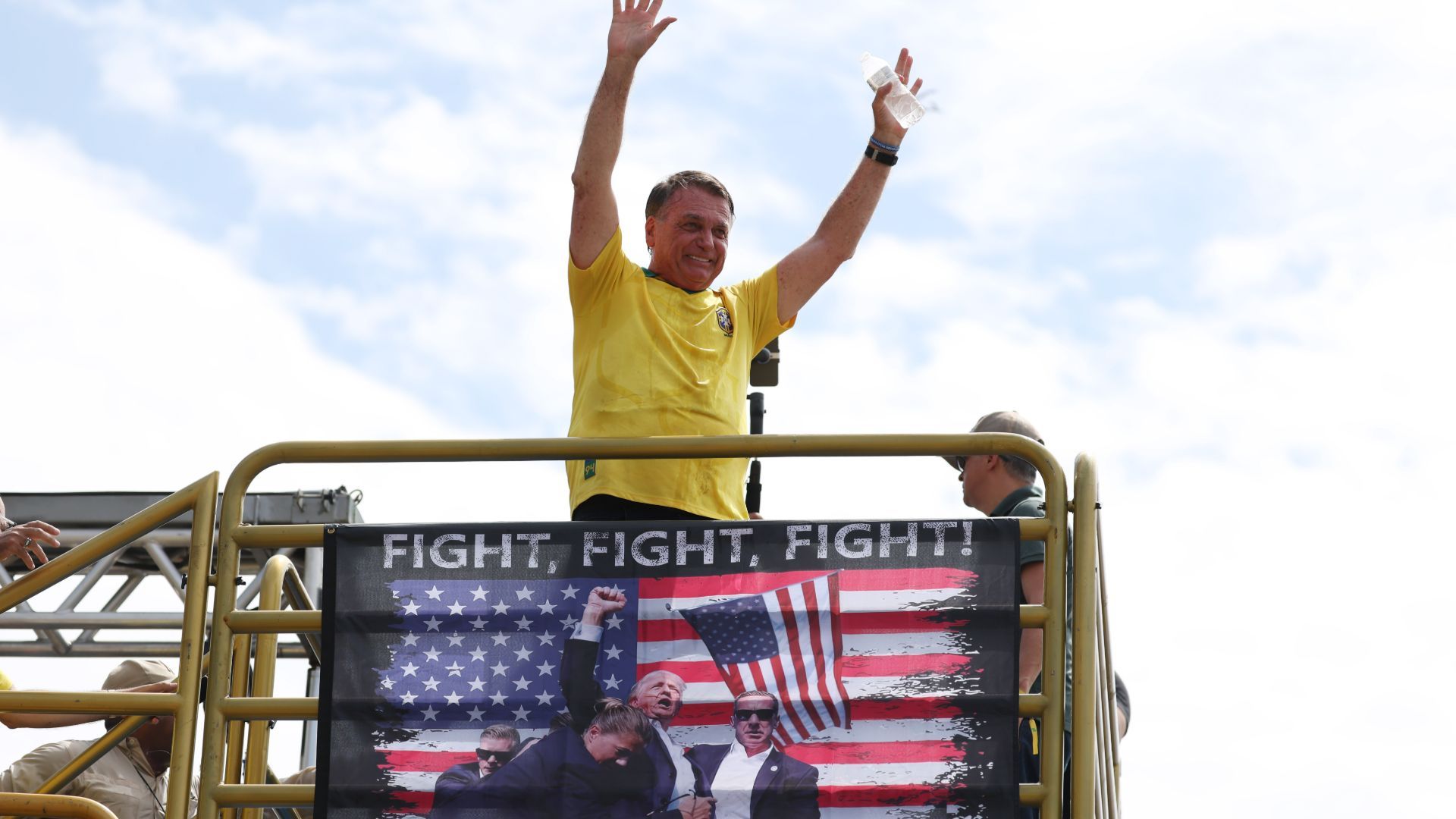
MAGA pushes theory Trump assassination attempt was staged

The MAGA political sphere has been shaken by a new wave of conspiracy theories, as some right-wing figures now claim that the assassination attempt targeting Donald Trump in Butler, Pennsylvania, was staged and is being deliberately covered up. The shooting, which took place during a campaign rally in July 2024, had initially triggered widespread condemnation and unity across political lines. However, months later, segments of Trump’s own political base have begun circulating alternative narratives online, questioning the official version of events and suggesting that key details surrounding the attack remain hidden from the public.

«Did he actually act alone? If not, who is behind him and who helped him? Why the cover up??»

-Former Congresswoman, Marjorie Taylor Greene

Among those amplifying doubts is former congresswoman Marjorie Taylor Greene, a prominent figure within the MAGA movement, who addressed the controversy directly following backlash from Trump supporters. «I’m not calling the Butler assassination a hoax.» she wrote in a recent post, attempting to distance herself from the most extreme claims while still raising concerns. «But there are a lot of questions that deserve public answers.» Greene’s remarks came as debates intensified within conservative circles, with some accusing her of fueling distrust while others echoed her call for further clarification.

Getty Images

Greene went further by questioning the lack of publicly available information about the alleged shooter, identified as Matthew Crooks. «I’m asking why won’t Trump release the information about Matthew Crooks?» she wrote, before adding, «Did he actually act alone? If not, who is behind him and who helped him?»

She concluded her remarks with a broader accusation, asking, «Why the cover up??» The statements quickly circulated across social media platforms, drawing both support and criticism, as users debated the legitimacy of the concerns and the implications of such claims within Trump’s political base.

Getty Images

Online, several unverified theories have emerged attempting to connect the shooter to broader networks or hidden actors. Some users pointed to an account allegedly named «Willy Tepes», suggesting without evidence that it may have directed or influenced the attacker.

Others focused on the details of Trump’s injury, questioning how he sustained a wound to the ear and later appeared publicly with minimal visible damage. These claims have spread across forums and social platforms, despite the absence of credible evidence supporting them, reflecting a broader pattern of speculation following high-profile violent incidents.

Getty Images

The Butler rally shooting itself marked one of the most significant security incidents involving a presidential candidate in recent history. Trump was rushed off stage after gunfire erupted, with one attendee killed and others injured. Law enforcement agencies, including the FBI, opened an investigation shortly after the attack, identifying the shooter and examining his background. Officials have consistently stated that there is no indication of a broader conspiracy, though details about the attacker’s motivations have remained limited, contributing to ongoing speculation.

«I’m not calling the Butler assassination a hoax. But there are a lot of questions that deserve public answers.»

-Former Congresswoman, Marjorie Taylor Greene

Conspiracy theories surrounding the assassination attempt first began to circulate shortly after the incident, particularly among fringe groups and some voices on the political left. However, their recent adoption by figures within the right and MAGA movement marks a notable shift, bringing these narratives into more mainstream conservative discourse. As divisions deepen within Trump’s base, the spread of such claims highlights ongoing tensions over trust, transparency, and the handling of information related to one of the most dramatic moments of the 2024 campaign.

Getty Images

20 petits détails de soins personnels que les gens remarquent plus que vous ne le pensez

Écoute, tu as déjà beaucoup à faire dans une journée, alors te demander de consacrer une heure à ta routine beauté n’est pas notre intention. Mais tu sais bien, et nous aussi, qu’on remarque facilement les petits défauts chez les autres : du rouge à lèvres sur les dents, des cheveux en bataille, des vêtements froissés, etc., etc., etc. Malheureusement, ça marche dans les deux sens, donc c’est important de prendre soin de soi de temps en temps. Quand tu prends le temps de t’assurer que tu te présentes sous ton meilleur jour, tu te sens mieux. Tu ne sais pas par où commencer ? Ne t’inquiète pas, on a la liste qu’il te faut.

Catégories
Uncategorized

Trump claim he would have won the Vietnam War «very quickly»

In an weird and unhinged 30-minute phone interview with CNBC, one comment by Donald Trump quickly drew attention as he moved across a wide range of topics. While discussing foreign policy and attempting to justify and praise what he described as his own success in Iran, Trump claimed that he would have won the Vietnam War «very quickly» if he had been president at the time. The remark emerged as the conflict with Iran continues to evolve, with the war now stretching over several weeks and raising questions about its trajectory, its cost, and its broader geopolitical consequences. The statement immediately triggered reactions across political and military circles.

«I would have won Vietnam very quickly. I would have, if I were president.»

-U.S. President, Donald Trump

During the exchange, Trump sought to compare major historical conflicts to frame his argument about leadership and the duration of wars. «I just looked at a little chart. World War One: four years and three months. World War Two: six years. Korean War: Three years. Vietnam: 19 years. Iraq: eight years.» he told CNBC, presenting the figures as evidence of prolonged military engagements. He then turned to the current conflict involving Iran, emphasizing the timeline of his own military campaign by stating, «I’m five months.» The comparison came as the war continues without a clear resolution, despite repeated claims from the administration that progress is being made.

Getty Images

Trump then shifted directly to Vietnam, delivering the remark that would dominate the reaction to the interview. «I would have won Vietnam very quickly. I would have, if I were president.» he said. The Vietnam War remains one of the most complex conflicts in U.S. history, lasting nearly two decades and involving shifting political strategies, extensive military escalation, and widespread domestic opposition. More than 58,000 American service members were killed during the war, and the outcome has long been viewed as shaped by a combination of geopolitical constraints and strategic limitations rather than a single leadership decision.

Getty Images

The comments quickly reignited scrutiny over Trump’s own history during the Vietnam era, particularly his multiple draft deferments, including a diagnosis of «bone spurs» that has been widely questioned over the years. Critics and veterans have repeatedly pointed to that history when assessing Trump’s statements about military service and wartime leadership. The reaction to his latest remarks was immediate, with many arguing that the comment minimized the complexity and human cost of the conflict, while others framed it as part of a broader pattern of rhetorical claims about past and present wars.

Getty Images

The interview also took place against the backdrop of ongoing developments in the Iran conflict, where efforts toward a ceasefire have struggled to produce lasting results. Negotiations have been described as fragile, with officials signaling that talks could resume again this week despite previous setbacks. Trump has repeatedly suggested that the war could be nearing an end, saying it was «very close to being over» in recent remarks, even as military operations and tensions in the region continue. The situation remains fluid, with uncertainty surrounding both diplomatic progress and military objectives.

«I just looked at a little chart. World War One: four years and three months. World War Two: six years. Korean War: Three years. Vietnam: 19 years. Iraq: eight years. I’m five months.»

-U.S. President, Donald Trump

At the center of the crisis is the Strait of Hormuz, a critical global shipping route that has faced repeated disruptions since the conflict began. The waterway has seen periods of closure and restriction, contributing to rising concerns about global energy supply and the potential for broader economic consequences. The war, which began in late February, has already impacted oil markets and raised fears of sustained instability if the situation continues without resolution. As discussions of a second round of peace talks emerge, the trajectory of the conflict remains uncertain, while Trump’s remarks continue to fuel debate both domestically and internationally.

Getty Images