Catégories
Uncategorized

Les États-Unis saisissent un navire iranien dans le détroit d’Ormuz

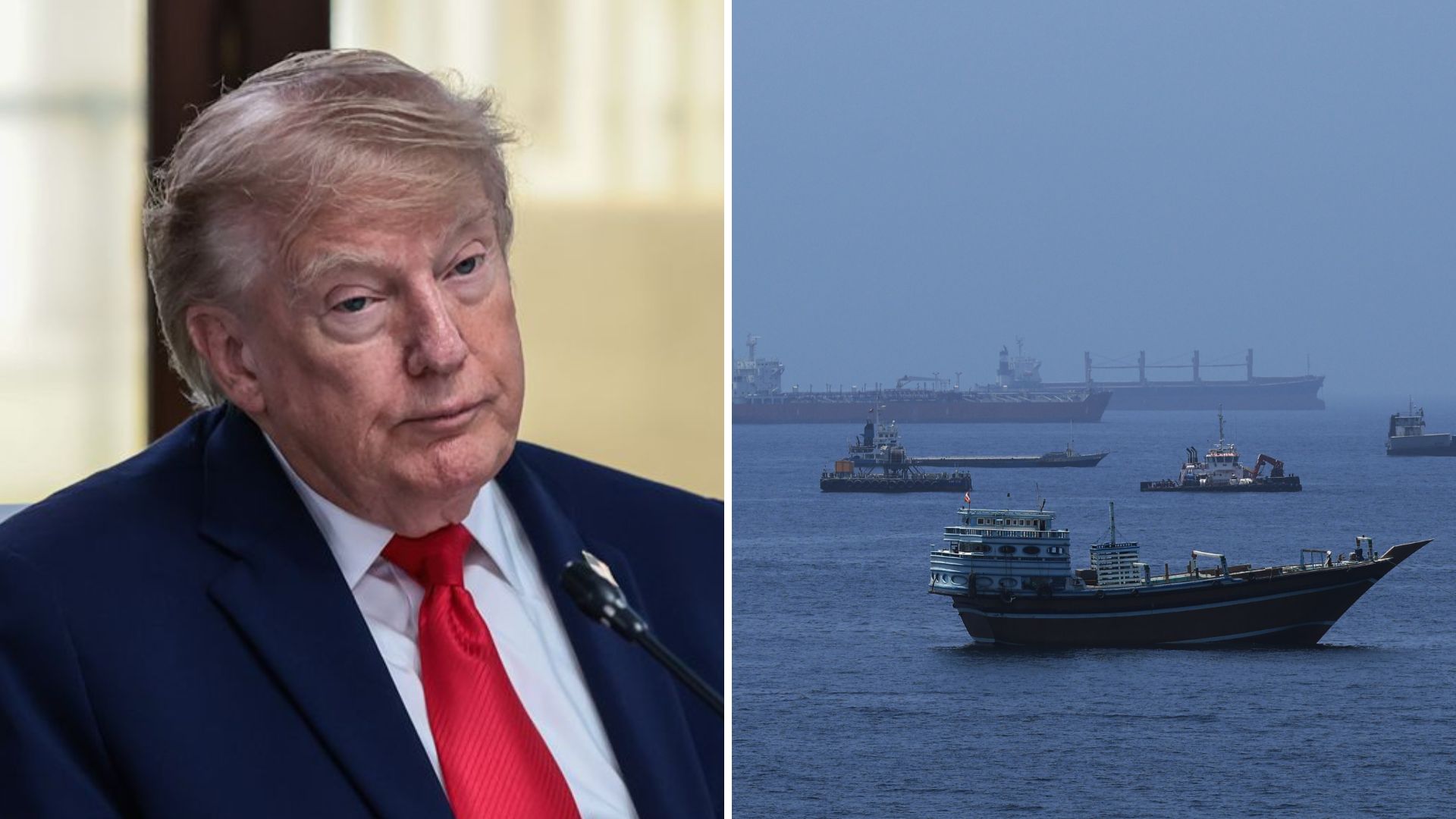
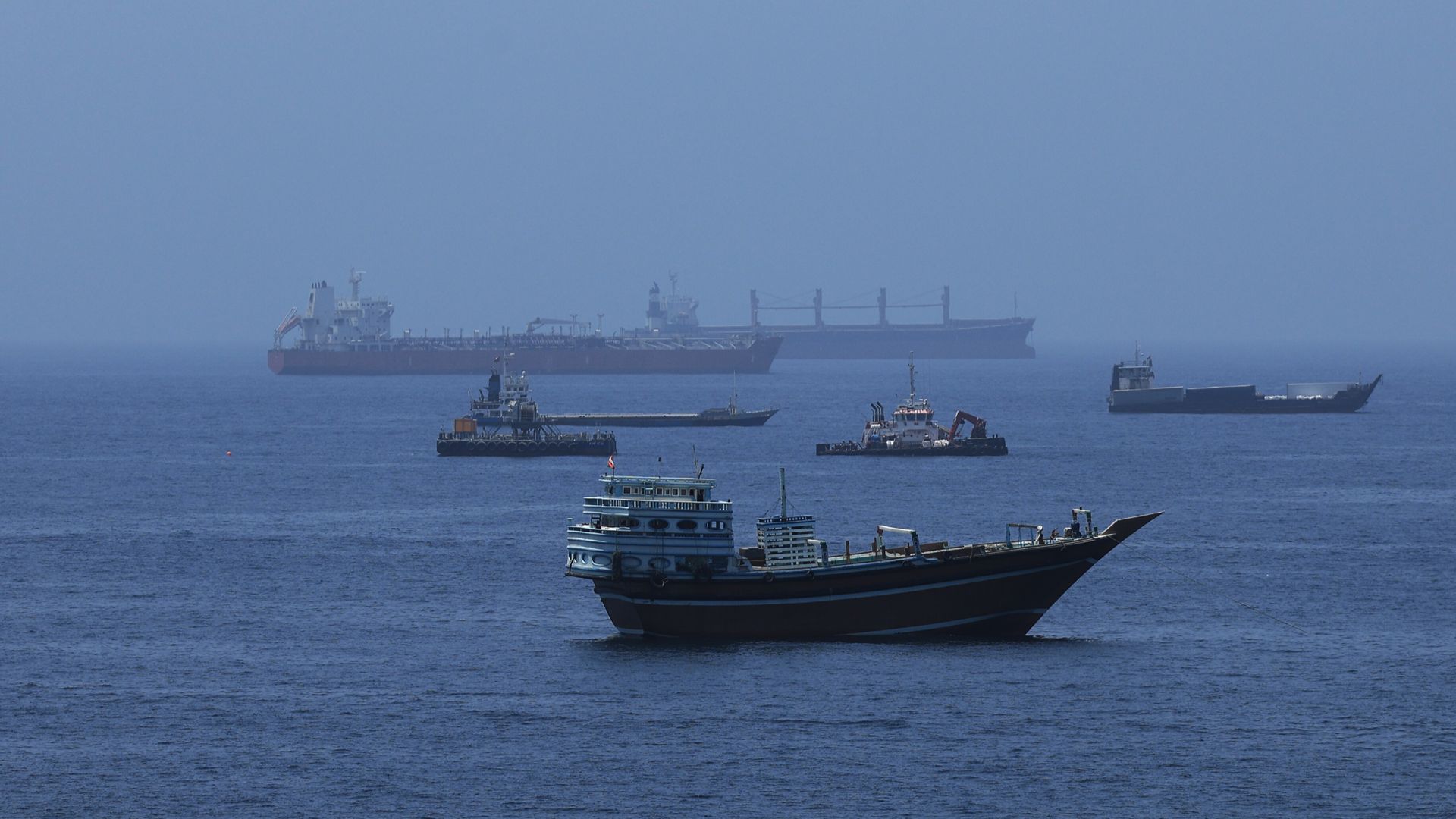
D’après une vidéo diffusée par le gouvernement américain et un message publié par Donald Trump sur les réseaux sociaux, les États-Unis ont saisi un navire iranien dans le cadre du nouveau blocus qu’ils ont imposé au détroit d’Ormuz. Selon Trump, le Touska, un navire de 274 mètres de long pesant presque autant qu’un porte-avions, a tenté de contourner le blocus mis en place par l’armée américaine le 19 avril. L’armée américaine a ordonné au navire de s’arrêter, et après le refus de l’équipage iranien, les forces américaines ont ouvert une brèche dans sa salle des machines avant de prendre possession du navire. Une vidéo a été diffusée par l’armée américaine, montrant un navire américain tirant avec un canon sur un autre navire au loin. La vidéo montrait également des hélicoptères encerclant le navire et des soldats américains montant à bord du cargo.

Impasse dans le détroit d’Ormuz

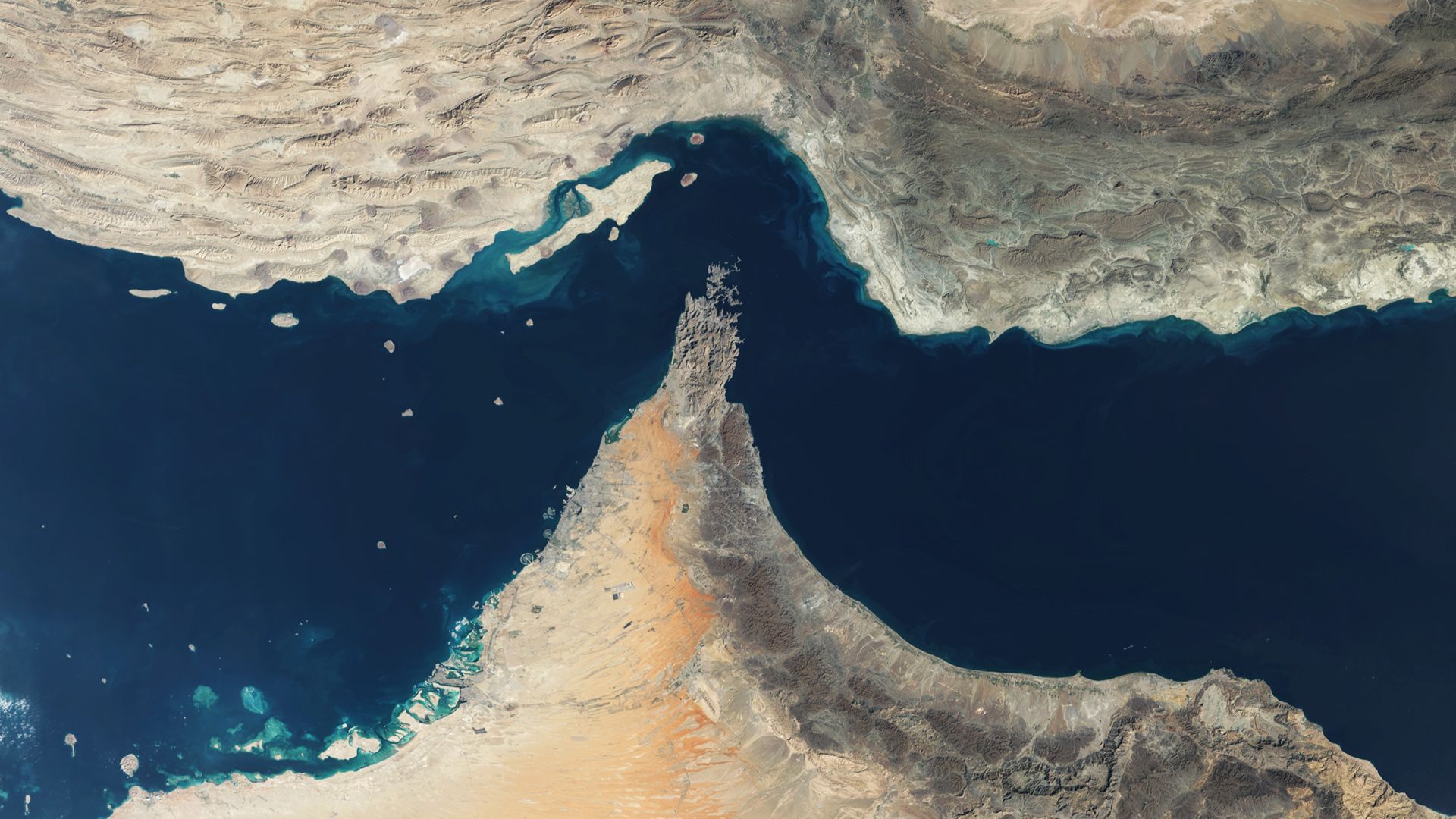
Depuis le 20 avril, les États-Unis et l’Iran sont engagés dans une confrontation à grande échelle avec l’Occident autour du détroit d’Ormuz. Ce petit bras de mer, par lequel transite un cinquième du pétrole mondial, a été un pilier essentiel de la guerre menée par Trump contre l’Iran. Au début du mois d’avril, l’Iran avait mis en place un blocus dans le détroit, tirant sur les navires qui tentaient de le traverser dans l’espoir d’influencer les prix du pétrole dans l’hémisphère occidental. Les États-Unis ont réagi en mettant en place leur propre blocus, avec des flottes de navires ciblant les bateaux quittant les ports iraniens. L’Iran a annoncé qu’il lèverait son blocus le 17 avril, mais est revenu sur sa décision le 19 avril, tirant sur plusieurs navires traversant la voie navigable.

Aujourd’hui, tant les États-Unis que l’Iran maintiennent un blocus qui affecte le trafic dans le détroit, et les prix du pétrole continueront d’en pâtir. Depuis le début de la guerre, le prix mondial du brut a augmenté de près de 50 %, les prix de l’essence aux États-Unis ayant grimpé de 1,30 $ le gallon et ceux au Canada de 30 cents le litre. Les Américains ressentent les effets de la guerre de Trump, et les répercussions se font sentir dans tous les pays qui dépendent des importations de pétrole. Aujourd’hui, les ventes de véhicules électriques montent en flèche sur les marchés européens, et alors que le Canada et les États-Unis s’engagent à construire des usines de véhicules électriques, la guerre de Trump contre l’Iran commence à redéfinir l’industrie automobile dans son ensemble.

Cessez-le-feu entre l’Iran et les États-Unis

Le 8 avril, le gouvernement américain a annoncé qu’un cessez-le-feu de deux semaines avait été conclu avec l’Iran, évitant ainsi une invasion terrestre potentielle des États-Unis. Avant la conclusion de cet accord, le président Trump avait promis à l’Iran que « toute une civilisation allait mourir ce soir » lors d’un discours prononcé le 7 avril, menaçant directement les civils iraniens par cette déclaration. Les responsables iraniens ont signé un accord de cessez-le-feu quelques heures plus tard. Ce cessez-le-feu de deux semaines, négocié par le Pakistan, a été signé à contrecœur par l’Iran. Les responsables iraniens faisaient pression pour obtenir un accord de paix plus permanent, mais les États-Unis et le Pakistan n’ont pas cédé, forçant l’Iran à se contenter d’un cessez-le-feu temporaire. Malheureusement, aucun des deux pays (ni Israël) n’a respecté les termes écrits de l’accord de cessez-le-feu.

Cessez-le-feu rompu

Quelques heures seulement après la signature du cessez-le-feu, Israël a frappé le Liban par une rafale de frappes aériennes, violant immédiatement le cessez-le-feu. Israël a tiré 100 roquettes sur le Liban en seulement dix minutes, envoyant dix roquettes par minute sur la banlieue sud de Beyrouth. Les États-Unis et Israël ont tous deux affirmé que le Liban ne faisait pas partie du cessez-le-feu, mais le Pakistan, qui avait joué le rôle de médiateur, a déclaré qu’il était bel et bien inclus dans l’accord. Israël ayant rompu le cessez-le-feu pour cibler des civils quelques heures seulement après sa signature, l’accord a été entaché de violations dès le début. Dans les heures qui ont suivi, Israël a continué à violer le traité international, frappant l’Iran à deux reprises et continuant à cibler le Liban. Le 9 avril, Israël a envahi la ville de Bint Jbeil, dans le sud du Liban, déclenchant une bataille totale pour la ville.

Après les attaques israéliennes contre le Liban, les pays du Golfe ont signalé des attaques de drones en provenance d’Iran, un responsable iranien confirmant ces frappes et invoquant les bombardements incessants d’Israël sur le Liban. La promesse de l’Iran de laisser le détroit d’Ormuz tranquille pendant le cessez-le-feu a également été rapidement rompue, peu de navires ayant réussi à franchir la voie navigable. Des experts ont confirmé que le 9 avril, le détroit était toujours effectivement fermé aux navires de marchandises. Le 13 avril, les États-Unis ont imposé leur propre blocus sur le détroit, renforçant ainsi l’irrélevance du cessez-le-feu dans le conflit. Aujourd’hui, les États-Unis ont saisi un cargo battant pavillon iranien dans le golfe d’Oman, une action qui va clairement à l’encontre de l’accord de cessez-le-feu.

Guerre contre l’Iran

Le 28 février 2026, le gouvernement américain et Israël ont mené une opération conjointe en Iran, les États-Unis déclarant par la suite être en guerre avec ce pays. Ces attaques ont déclenché des frappes de représailles de la part de l’Iran, visant des bases militaires américaines et israéliennes à travers le Moyen-Orient. Selon Donald Trump, il n’y a pas de calendrier pour cette guerre, et les États-Unis poursuivront leurs opérations dans le pays jusqu’à ce qu’ils constatent un changement de régime significatif, ainsi que la fin du programme nucléaire présumé de l’Iran.

Les frappes américaines et israéliennes ont tué le Guide suprême iranien, Ali Khamenei, dès le premier jour de la guerre, accomplissant ainsi l’objectif supposé de Trump. Khamenei avait recouru à une violence meurtrière contre des manifestants civils à Téhéran, et son assassinat a été le seul élément positif de l’intervention illégale de Donald Trump.

Donald Trump a modifié son argumentation pour attaquer l’Iran après la mort de Khamenei, affirmant à la place qu’il avait attaqué l’Iran parce qu’il disposait d’informations selon lesquelles l’Iran s’apprêtait à attaquer Israël et les États-Unis. Israël qualifie cette stratégie de « défense avancée ». Aujourd’hui, après 51 jours de guerre, l’Iran et les États-Unis continuent de se livrer à un bras de fer autour du détroit d’Ormuz. Donald Trump doit alléger la pression sur les marchés pétroliers afin de pouvoir s’engager davantage financièrement dans la guerre, tandis que l’Iran tente d’équilibrer ses propres exportations tout en exerçant une pression sur l’Occident.

Le résultat a été extrêmement négatif pour tous les civils concernés.

Catégories
Uncategorized

Sen. Murphy’s warning: ‘Trump is dismantling our democracy’

On April 11, U.S. Senator Chris Murphy (D-Conn.) spoke on the US Senate floor and attempted to warn American Senators that Donald Trump is attempting to dismantle America’s democratic process. According to Murphy, Trump is slowly but surely weakening America’s institutional systems that hold people in power accountable, and that Trump’s goal is to create a system that resembles democracy, but is inherently corrupt. During the 20-minute address, Murphy said many of the things that Democrats have been scared to do. Murphy pointed out fascist practices from Trump’s administration, and painted a picture of how Donald Trump could turn the US into one of the corrupt democracies it’s famous for inserting itself in.

Painting a picture of the future

Murphy began his speech by fighting against some of the hopes that Americans have. Many Americans are waiting for Donald Trump to cross a clear legal line before he goes ‘too far’: whether it be a Supreme Court decision, or an international crime. Murphy claims that Trump will not cross a line like that until he can do so without risk. According to Murphy, there is no ‘singular moment’ that will signal Trump’s advance on America’s democracy, and instead, Trump has already begun maneuvering America’s political system away from a fair democracy. Murphy said that Democracies die slowly and gradually and that Trump has already begun to make irreversible change.


“Democracies die when, gradually, often quietly and methodically over time, the structures that hold the executive accountable for corruption, thievery, wrongdoing, are dismantled.”

-Sen. Chris Murphy

Murphy painted a picture of an America where elections still happen, and appear normal, but are actually rigged, with one party winning.

Fascism targets four industries

US Democrat Senator Chris Murphy delivers a speech during the Global Progressive Mobilisation forum in Barcelona on April 18, 2026. Spain’s Prime Minister Pedro Sanchez and Brazil’s President Luiz Inacio Lula da Silva are spearheading the gathering of global leftist leaders which aims to promote a common response to the rising ‘reactionary wave’ worldwide. (Photo by Oscar DEL POZO / AFP via Getty Images)

Murph provided further proof that Trump is attempting to take fascist control of the country by comparing his actions to those of past and current dictators. When democracy is under threat by an executive in power, four industries are always targeted: journalism, law, universities, and the business community. Trump has attacked all four of these industries in a plethora of ways, all following in the footsteps of tyrannical leaders of the past.

Trump vs the media

In countries controlled by a dictator, journalists are often jailed for reporting on protests, government corruption, or anything that goes against the regime’s talking points. The US has already begun to engage in the suppression of journalism. Well-known journalists are being arrested, international wire services are being denied entry to the White House, exclusive interviews are being given to extremist fringe news organizations, and the government is actively censoring TV programs that criticize Donald Trump. Murphy claims that those are all historical signs of fascism, and history agrees. Murphy also highlighted how Donald Trump has been attacking the idea of ‘truth’ since his initial campaign in 2016.

How do you destroy Truth?

Trump has been attacking the idea of truth for a decade, and his impact on America’s trust in the media has been detrimental. Sen. Murphy asked the floor a simple question How do you destroy truth?’, and listed a series of examples. How do you destroy truth? By lying about it. Lying like Pete Hegseth did when he looked into the camera and told America that “the text messages that everybody read, filled with classified information and war plans, did not include classified information and war plans”. Murphy claimed that the regime wants Americans to stop believing what they see and only believe what they’re told.

“The White House wants you to believe that one plus one does not equal two any longer. That you should doubt even the clear things you see with our eyes, that nothing is real, that nothing is true.”

-Sen. Chris Murphy

Trump vs education

Murphy continued to break down how Trump has followed the fascist playbook in America, revealing how Trump has strong-armed some of America’s most powerful Universities, and why he’s had to do so. Murphy correctly pointed out that political revolution (nearly) always begins with young, educated university students. He cited the protest at Tiananmen Square, which was organized by students, and then told stories of fascist regimes hamstringing post-secondary institutions. Murphy explained how Trump’s crackdown on ‘anti-Semitism’ by banning pro-Middle East protests is a larger message telling Universities that their funding will be cut if they protest Trump’s policy again.

Columbia University was recently forced into signing a deal that strips away its students’ right to free speech and peaceful protest, effectively forcing the campus into fascist control. Columbia has to agree to allow campus police to arrest peaceful protesters, and to allow Donald Trump to take direct control over departments that house professors who have been critical of Trump. Murphy likened the agreement to “Federal receivership over an academic department”. Murphy explained that Trump will not have to impose the rules on every University in the country, but after he had gotten a handful of significant players on board, the rest of the industry would roll over pre-emptively.

“The President of the United States got to pick the person who will oversee the Columbia department on the Middle East, South Asia, and African studies, as well as the center for Palestine studies”.

-Sen. Chris Murphy

Trump vs the law

Sen. Murphy, a lawyer by trade before becoming an elected official, also broke down how Trump has been attacking large-scale law firms to discourage them from fighting any of his policies. Murphy explained that Trump must go after lawyers in order to remove processes of accountability. He explained that lawyers are bound to their oath to uphold the Constitution, thus posing a potential threat to Trump’s vigilante antics. Murphy claimed that Trump has undertaken a shameless campaign of extortion against any major law firm that fights one of his policies. According to Murphy, Donald Trump has been going to law firms actively fighting his policies, and told them that unless they stop, he will stop offering Federal work to all of their clients. With these firms on retainer for major American corporations that rely on Federal contracts, Trump is trying to create industrial pariahs in the legal world, forcing corporations to abandon firms that are fighting Trump. According to Murphy, the strategy has already begun to work as law firms bend the knee to Trump.

“No doubt every single major law firm will think twice before bringing on an action against an illegal or corrupt action of the President, in fear of Trump retaliating against their business. That’s the point, the point is to crush dissent”.

-Sen. Chris Murphy

Trump vs business

Sen. Murphy only had one example to prove Trump is purposefully impeding the business sector: tariffs. He began by admitting that he has no idea what Trump’s tariff policy is right now – and neither does anybody else. Trump has changed his tariffs seemingly every 48 hours, targeting different industries and countries, all seemingly at random. According to Murphy, though, it’s far from random. Murphy claimed that by applying specific, short-term pressure on certain industries, Trump can influence them to do his bidding. Trump’s bi-polar tariffs have forced nearly every major industry to bend the knee to his wishes and take a ‘loyalty pledge’.

“[The] loyalty pledge could be anything. The purchase of some Trump crypto coin, public support for Trump’s economic policies, donations to his political campaign.”

-Sen. Chris Murphy

“We are a fake democracy”

Murphy ended his address by doubling down on the core message: don’t wait for a big battle between the President and the Supreme Court, watch for the small, consistent historical markers. Democracy doesn’t die overnight; it’s slowly snuffed out from under a population’s noses. When Universities adapt their in-class product to appease a regime, when journalists are afraid of reporting the truth, or even covering it, and lawyers are being strong-armed away from cases they are bound to fight, democracy dies. According to Murphy, America’s democracy is already dying, but it’s not dead yet. Senator Chris Murphy tried giving his colleagues a wakeup call, but the silence on the floor during his speech probably means it fell on deaf ears.

“The good news is the rules have not been fully rigged yet. There is still time. Not loads of it, but there is still time for this body to set a tone that causes the kind of massive public outrage necessary to stop this campaign of destruction.”

-Sen. Chris Murphy
Catégories
Uncategorized

US seizes Iranian vessel in Strait of Hormuz

According to a video released by the US government and a social media post by Donald Trump, the US has seized an Iranian vessel as part of its new blockade imposed on the Strait of Hormuz. According to Trump, the 900-foot vessel Touska, weighing nearly as much as an aircraft carrier, attempted to bypass the US military’s blockade on April 19th. The US military warned the vessel to stop, and after the Iranian crew refused, US forces blew a hole in its engine room before taking possession of the vessel. A video was released by the US military, showing a US vessel firing a gun at another ship in the distance. The video also showed helicopters surrounding the vessel and US troops boarding the cargo ship.

Strait of Hormuz standoff

As of April 20, the US and Iran are engaging in a large-scale Western standoff surrounding the Strait of Hormuz. The small waterway that transports a fifth of the world’s oil has been a key pillar of Trump’s war on Iran. Earlier in April, Iran had created a blockade in the strait, firing on vessels attempting to pass through in hopes of affecting oil prices in the Western hemisphere. The US responded by creating a blockade of its own with fleets of ships targeting vessels leaving Iranian ports. Iran announced that it would lift its blockade on April 17, but reversed its decision on April 19, firing on multiple vessels passing through the waterway.

Now, both the US and Iran have a blockade affecting traffic through the Strait, and oil prices will continue to suffer. Since the start of the war, the price of global crude has risen nearly 50 per cent, with American gas prices rising $1.30/gallon, and Canadian gas prices rising 30 cents a litre. Americans are feeling the effects of Trump’s war, and the ripples are creating waves in any country that relies on oil imports. Now, electric vehicle sales are skyrocketing in European markets, and with Canada and the US committing to EV factories, Trump’s war on Iran is beginning to define the auto industry as a whole.

Iran-US ceasefire

On April 8, the US government announced a two-week ceasefire had been agreed upon with Iran, avoiding a potential US ground invasion. Leading up to the ceasefire agreement, President Trump had promised Iran that ‘a whole civilization will die tonight’ during a speech on April 7, directly threatening Iranian civilians with the comment. Iranian officials signed a ceasefire agreement just hours later. The two-week ceasefire, which was mediated by Pakistan, was reluctantly signed by Iran. Iranian officials were pushing for a more permanent peace agreement, but the US and Pakistan would not concede, instead forcing Iran to settle for a temporary ceasefire. Unfortunately, neither country (nor Israel) has complied with the written agreements in the ceasefire.

Broken ceasefire

Just hours after the ceasefire was signed, Israel struck Lebanon with a flurry of airstrikes, breaking the ceasefire immediately. Israel hit Lebanon with 100 rockets in just ten minutes, sending ten rockets a minute to Beirut’s southern suburbs. Both the US and Israel claimed that Lebanon was not a part of the ceasefire, but the mediating Pakistan said it was absolutely included in the agreement. With Israel breaking the ceasefire to target civilians, just hours after it was signed, the agreement was marred with violations from the beginning. In the following hours, Israel continued to break the international treaty, striking Iran twice and continuing to target Lebanon. On April 9, Israel invaded the town of Bint Jbeil in southern Lebanon, creating an all-out battle for the city.

After Israel’s attacks on Lebanon, Gulf countries reported drone attacks from Iran, with an Iranian official confirming the strikes and citing Israel’s continued barrage on Lebanon. Iran’s promise to leave the Strait of Hormuz alone during the ceasefire was quickly broken as well, with few ships successfully passing through the waterway. Experts confirmed that on April 9, the Strait was still effectively closed to cargo vessels. On April 13, the US imposed its own blockade on the Strait, furthering the ceasefire’s irrelevance to the conflict. Now, the US has seized an Iranian-flagged cargo ship in the Gulf of Oman, an action that certainly goes against the ceasefire agreement.

War on Iran

On February 28, 2026, the US government and Israel undertook a joint operation in Iran, with the US subsequently declaring it was at war with the country. The attacks triggered retaliatory strikes from Iran, targeting US and Israeli military bases across the Middle East. According to Donald Trump, there is no timeline for this war, and the US will continue its operations in the country until it sees a significant regime change, as well as an end to Iran’s supposed nuclear program.

US and Israeli strikes killed Iran’s Supreme Leader, Ali Khamenei, on Day One of the war, completing Trump’s supposed goal. Khamenei has been using deadly violence against civilian protesters in Tehran, and his killing has been the only positive piece of Donald Trump’s illegal intervention.

Donald Trump changed his reasoning for attacking Iran after Khamenei’s death, instead claiming he attacked Iran because he had certain information that Iran was going to attack Israel and the United States. Israel calls the strategy ‘forward defence’. Now, after 51 days of war, both Iran and the US continue to posture and are engaging in a standoff surrounding the Strait of Hormuz. Donald Trump needs to alleviate pressure on oil markets in order to further commit financially to the War, and Iran is trying to balance its own exports while putting pressure on the West.

The result has been overwhelmingly negative for all civilians involved.

Le conflit entre Trump et le pape s’intensifie après une alerte à la bombe au domicile du frère du pape à Chicago

La confrontation politique et religieuse entre Donald Trump et le pape Léon XIV a pris une tournure alarmante, dépassant largement le stade de la rhétorique pour déboucher sur un véritable incident de sécurité aux États-Unis. Ce qui avait commencé par des échanges virulents au sujet de la guerre en Iran s’est transformé en une situation ayant des conséquences directes pour l’entourage du souverain pontife. Une alerte à la bombe visant la résidence du frère du pape dans la région de Chicago a exacerbé les inquiétudes quant à l’impact d’un discours de plus en plus hostile entre les dirigeants mondiaux. Bien qu’aucun engin explosif n’ait été découvert, cet incident souligne à quel point les tensions au plus haut niveau peuvent rapidement déborder, soulevant des questions sur la responsabilité, la sécurité et les implications plus larges des conflits politiques.

Trump–Pope Clash Escalates After Bomb Threat at Pope’s Brother’s Chicago Home

A political and religious confrontation between Donald Trump and Pope Leo XIV has taken an alarming turn, extending far beyond rhetoric into a real-world security incident in the United States. What began as sharp exchanges over the war in Iran has escalated into a situation with direct consequences for those close to the pontiff. A bomb threat targeting the Chicago-area home of the Pope’s brother has intensified concerns about the impact of increasingly hostile discourse between global leaders. While no devices were found, the incident underscores how rapidly tensions at the highest levels can spill over, raising questions about accountability, safety, and the broader implications of political conflict.

L’Europe n’aurait plus que «peut-être six semaines» de réserves de kérosène, selon l’AIE

La guerre en Iran commence à avoir des répercussions bien au-delà du champ de bataille, l’Europe étant désormais confrontée à la perspective d’une grave perturbation énergétique susceptible d’avoir un impact direct sur la vie quotidienne. Alors que les voies d’approvisionnement restent sous pression, les experts mondiaux en énergie tirent la sonnette d’alarme, avertissant que la situation pourrait s’aggraver rapidement. Selon l’Agence internationale de l’énergie, l’Europe pourrait ne plus disposer que d’«environ six semaines» de kérosène, ce qui montre clairement à quel point le système actuel est devenu fragile. Les voies maritimes essentielles étant toujours encombrées, les responsables avertissent désormais qu’aucun pays n’est véritablement à l’abri de la crise qui se profile.

Trump remet ça avec Jésus malgré une vague de critiques

Donald Trump a ravivé la polémique en réitérant un message à caractère religieux sur les réseaux sociaux, quelques heures seulement après avoir supprimé un précédent message qui avait suscité un tollé général. Cette succession rapide d’événements a de nouveau attiré l’attention, l’ancien président étant passé de la suppression d’une image générée par IA le représentant dans un rôle christique au partage d’un autre message comportant une imagerie religieuse similaire. Cet épisode a alimenté les critiques dans tout le spectre politique, y compris de la part de certains de ses propres partisans, soulignant les tensions croissantes au sein de sa base. Alors que les réactions continuent de se multiplier, la situation met en évidence la rapidité avec laquelle un contenu provocateur en ligne peut dégénérer en un débat politique et culturel plus large.

Pope Leo Fires Warning After Trump Rant, Denounces «tyrant» Using God for Gain

Trump Doubles Down on Jesus-Themed Post After Widespread Backlash

Donald Trump has reignited controversy after doubling down on a religious-themed social media post just hours after deleting a previous one that sparked widespread backlash. The rapid sequence of events has drawn renewed attention, as the former president moved from removing an AI-generated image depicting himself in a Christ-like role to sharing another post with similar religious imagery. The episode has fueled criticism across the political spectrum, including from some of his own supporters, highlighting growing tensions within his base. As reactions continue to unfold, the situation underscores how quickly provocative online content can escalate into a broader political and cultural debate.

Europe Down to «Maybe 6 Weeks» of Jet Fuel, IEA Says

The war in Iran is beginning to ripple far beyond the battlefield, with Europe now facing the prospect of a major energy disruption that could directly impact daily life. As supply routes remain under pressure, alarm bells are ringing among global energy experts, warning that the situation may escalate rapidly. According to the International Energy Agency, Europe could be down to «Maybe six weeks or so» of jet fuel, a stark signal of how fragile the current system has become. With critical shipping lanes still constrained, officials now warn that no country is truly shielded from the unfolding crisis.