Catégories
Uncategorized

A Complete Guide to Better Sleep: Routines to Adopt, Mistakes to Avoid, and Practical Tips

Sleep is central to our physical and mental health. When we don’t get enough sleep or our sleep is fragmented, our energy, mood, and cognitive abilities suffer. This practical guide brings together effective evening routines, common mistakes to avoid, and simple tips for creating an environment conducive to rest. The goal: to give you concrete steps to improve the quality of your sleep without turning your whole life upside down.

1. Create calming rituals
Evening rituals help signal to the brain that it’s time to slow down. Among the most effective: taking a warm bath, reading a few pages of an enjoyable book, listening to a soothing playlist, meditating briefly, or journaling to clear your mind. These simple actions, repeated regularly, condition the body to relax. For example, a warm bath followed by 10 minutes of reading and a short five-minute meditation can make for a very soothing sequence.

Warm bath
2. Adapt your environment
Your bedroom should become a sanctuary: dim lighting, a cool temperature (ideally 18–19°C), a comfortable bed, and minimal clutter. Turn off screens at least an hour before bedtime; the blue light they emit delays melatonin production and keeps the brain in an alert state. Opt for warm, soft lighting, and avoid disruptive noise sources. A tidy, prepared room sends clear signals of safety and calm.

Preparing your bedroom
3. Be mindful of your diet and stimulants
What you eat and drink at the end of the day affects your sleep. Avoid meals that are too fatty or heavy, as they take a long time to digest. Limit caffeine and theine several hours before bedtime; alcohol, while it may help you fall asleep, subsequently reduces the quality of your sleep. Opt for light meals and, if possible, foods rich in tryptophan (such as certain fish or milk) or fruits like kiwi, which can help improve the quality of your rest.

Evening meal
4. Get some exercise, but not too late
Regular physical activity promotes deep sleep, but it’s best to avoid intense workouts in the hours before bedtime. Intense exercise raises body temperature and stimulates the nervous system. If you like to exercise in the evening, opt for gentle activities (yoga, stretching, slow walking) or schedule intense workouts for early evening or the afternoon.

Physical activity
5. Maintain a consistent schedule
Going to bed and waking up at similar times every day is undoubtedly one of the most powerful habits. Consistency synchronizes your internal clock and makes it easier to fall asleep naturally. Significant deviations on weekends (long lie-ins) often disrupt the cycle and make waking up more difficult during the week. If you need to recharge, a short nap of 20 to 30 minutes is often more helpful than a morning spent in bed.

6. Manage stress and intrusive thoughts
Keeping a journal, practicing meditation or breathwork, and organizing your tasks before the end of the day can reduce nighttime rumination. Writing down what’s on your mind helps create a symbolic separation between the day’s concerns and bedtime. These techniques are particularly helpful for people who say they “can’t seem to switch off” in the evening.
7. When to seek help?
If your difficulties persist despite these adjustments (prolonged insomnia, significant daytime sleepiness, frequent awakenings), consult a healthcare professional. Sleep disorders may be linked to medical, psychological, or environmental factors that require specific treatment. A specialist (sleep doctor, psychiatrist, psychologist) can guide you toward appropriate treatments.

In summary, improving your sleep involves a combination of gentle habits, a suitable environment, and a certain degree of consistency. Start by choosing two or three areas for improvement, try them out for a few weeks, and adjust based on how you feel. Sleep is often the result of a series of small, regular efforts rather than a miracle solution. Try, adapt, and let time do its work.

Wind-down before bed

Catégories
Uncategorized

Iran Calls Trump’s «Very Good» Talks Claim False, Says «No Discussions»

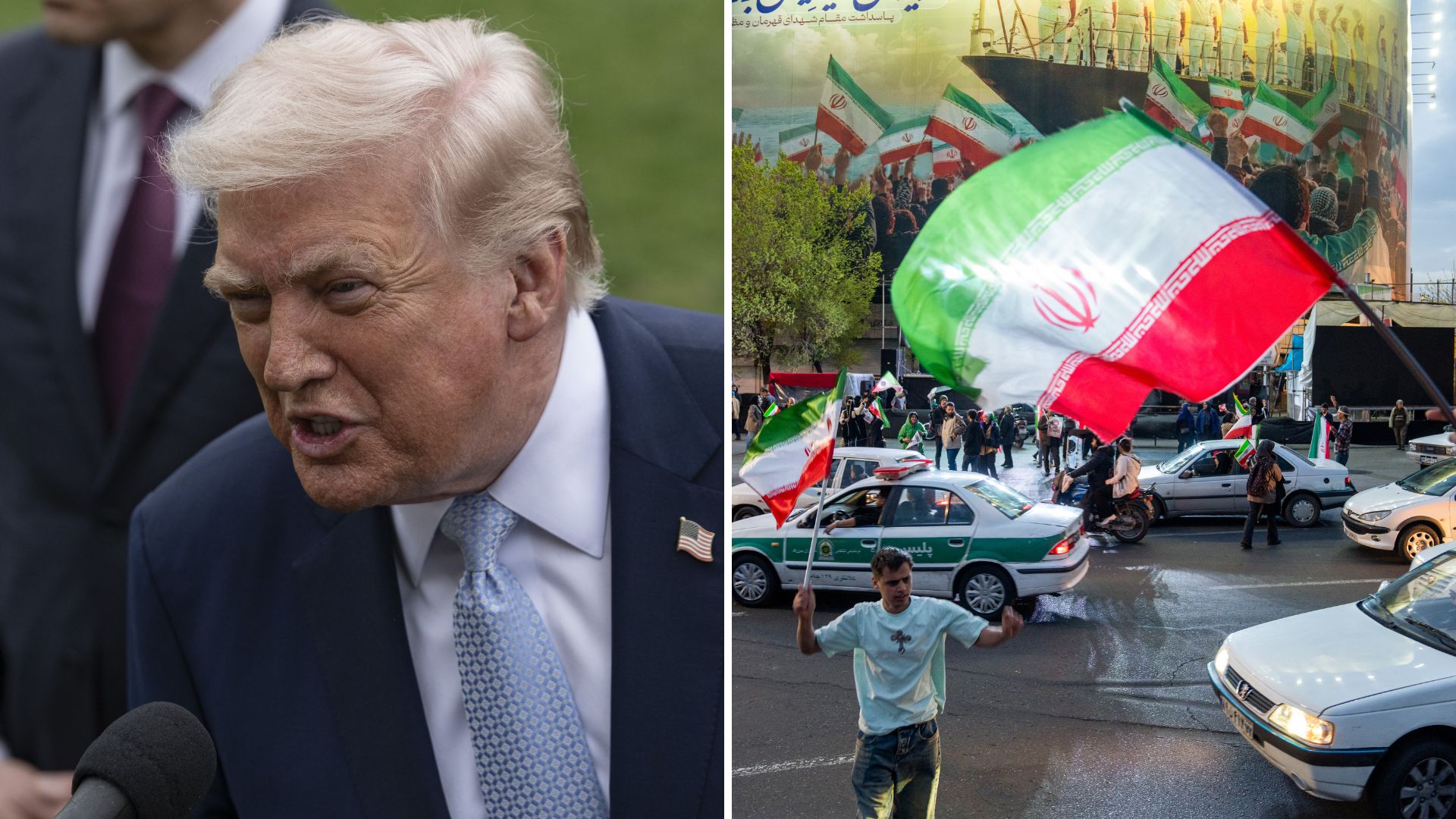
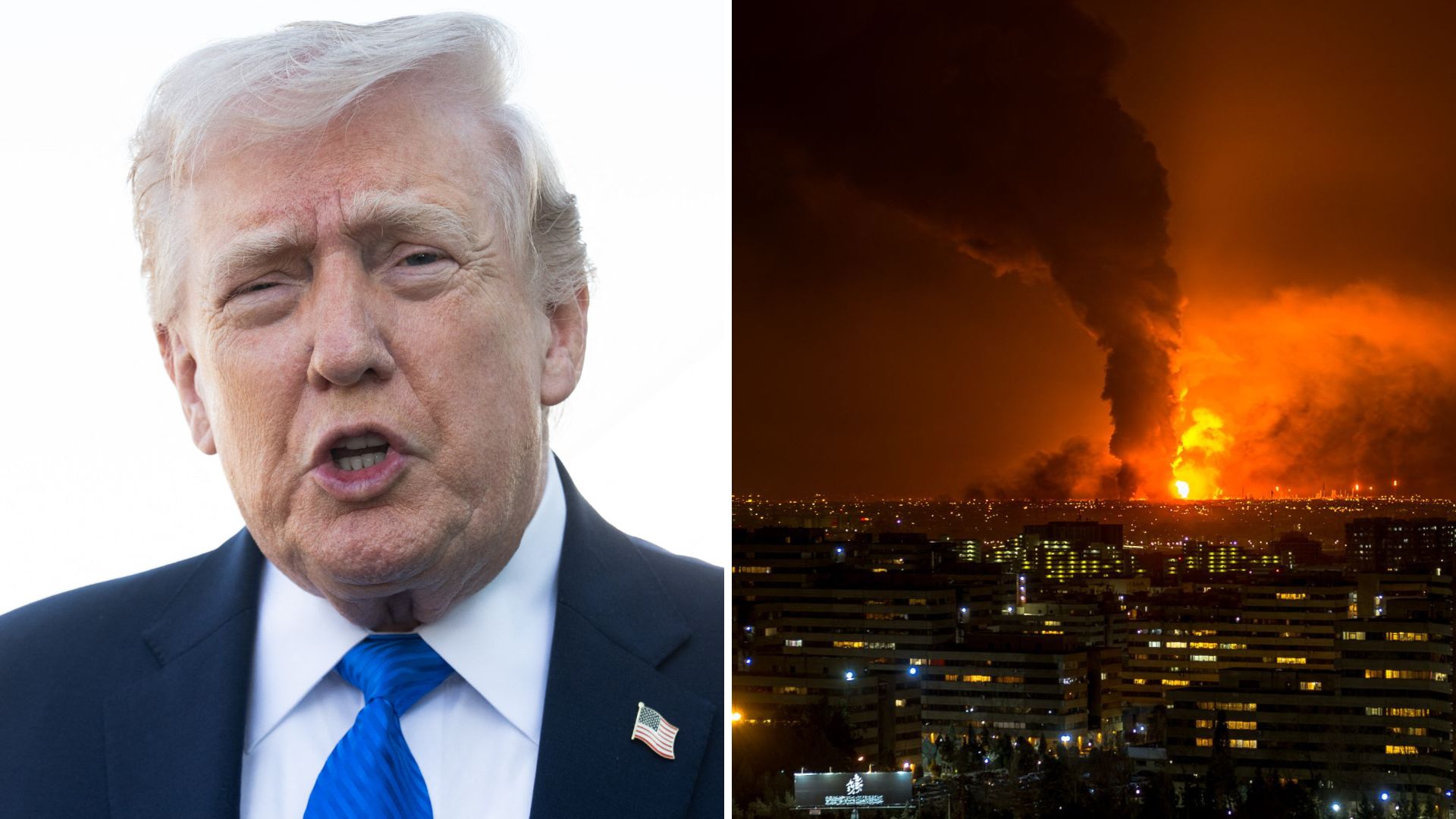
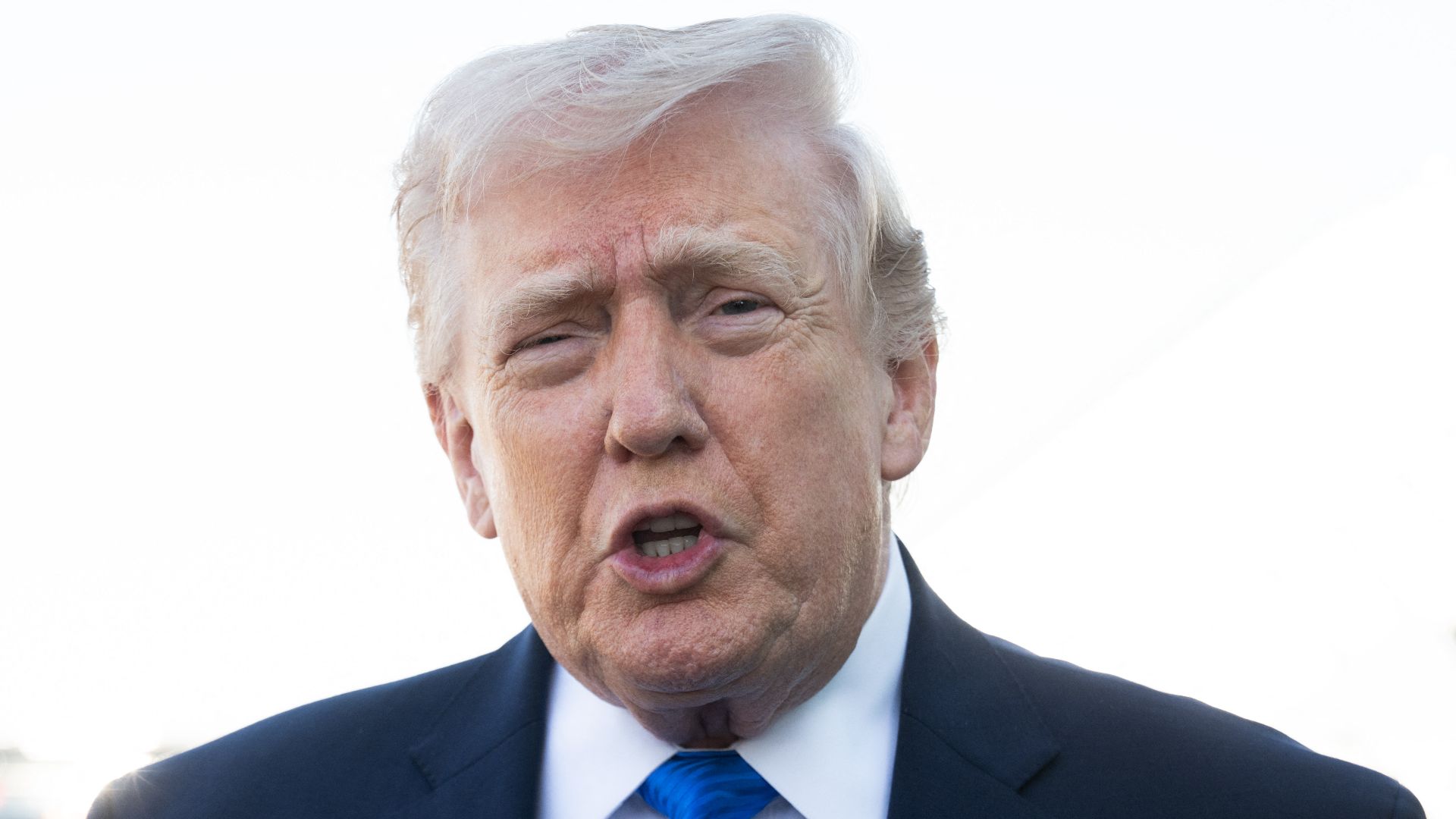
Iran has publicly rejected Donald Trump’s recent claim that Washington and Tehran had engaged in «very good and productive conversations» aimed at resolving tensions in the Middle East, directly contradicting the narrative presented by the U.S. president. In a statement carried by Iran’s IRGC-affiliated Tasnim news agency, a senior security official said «No negotiations have taken place and none are underway,» pushing back against Trump’s assertion that talks had occurred «regarding a complete and total resolution of our hostilities in the Middle East.» The denial highlights a widening gap between public messaging from both sides as the conflict continues.

Getty Images

The Iranian official further emphasized that «no direct or indirect contact» had taken place between the two countries, directly challenging the credibility of Trump’s announcement. According to Tasnim, Iranian authorities instead view the situation as a shift in U.S. posture rather than a diplomatic breakthrough. The report suggests that it was Trump who stepped back from recent threats following Iran’s warnings of retaliation, framing the pause in military action as a response to pressure rather than the result of successful negotiations.

«No negotiations have taken place and none are underway.»

-Iran senior security official

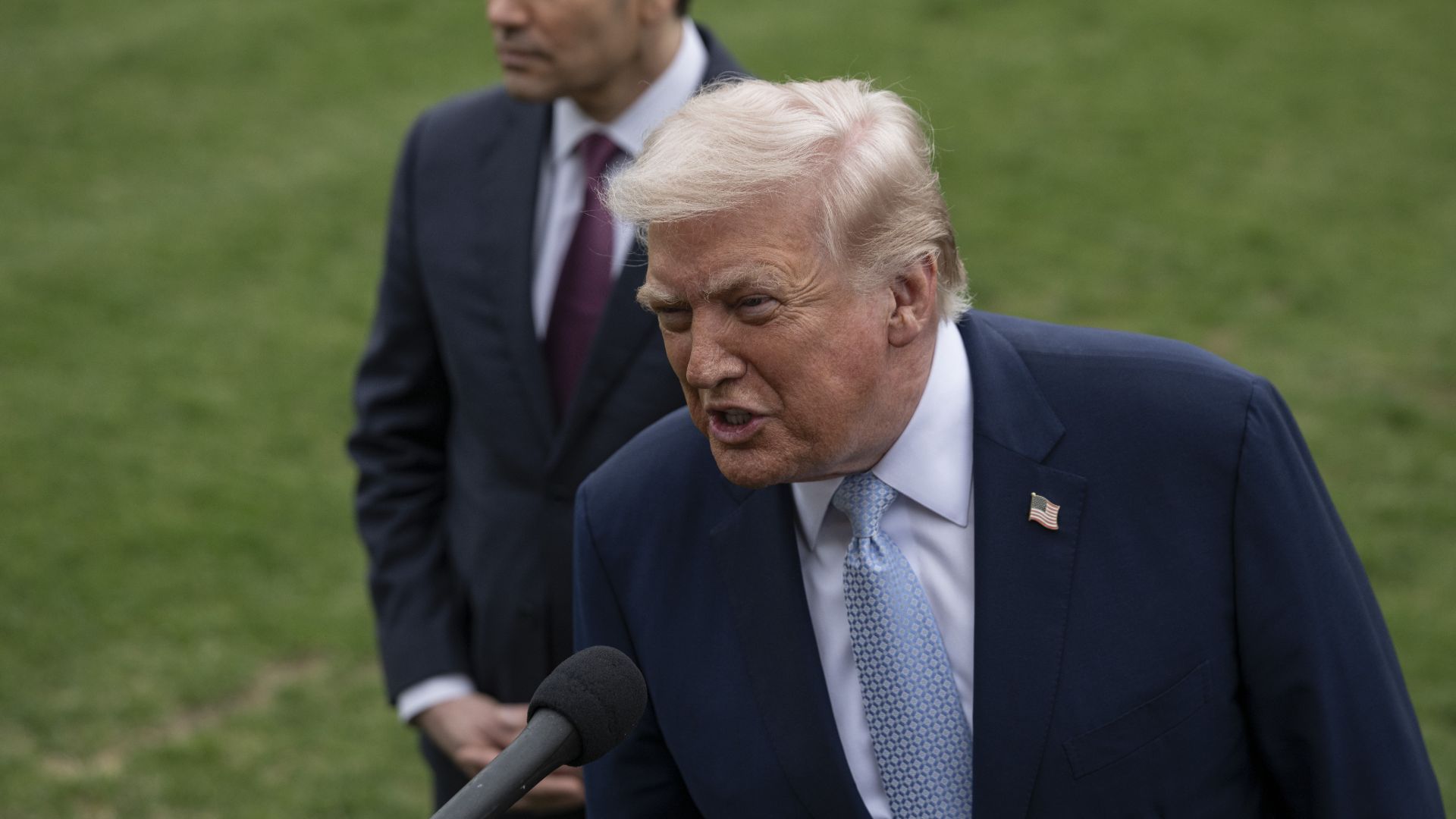
Trump had earlier presented a sharply different version of events, announcing what he described as meaningful progress in talks between the two countries. He stated «I AM PLEASED TO REPORT THAT THE UNITED STATES OF AMERICA, AND THE COUNTRY OF IRAN, HAVE HAD, OVER THE LAST TWO DAYS, VERY GOOD AND PRODUCTIVE CONVERSATIONS,» adding that the discussions were focused on «A COMPLETE AND TOTAL RESOLUTION OF OUR HOSTILITIES IN THE MIDDLE EAST.» He also indicated that planned military strikes would be delayed, saying «I HAVE INSTRUCTED THE DEPARTMENT OF WAR TO POSTPONE ANY AND ALL MILITARY STRIKES AGAINST IRANIAN POWER PLANTS AND ENERGY INFRASTRUCTURE FOR A FIVE DAY PERIOD.»

Getty Images

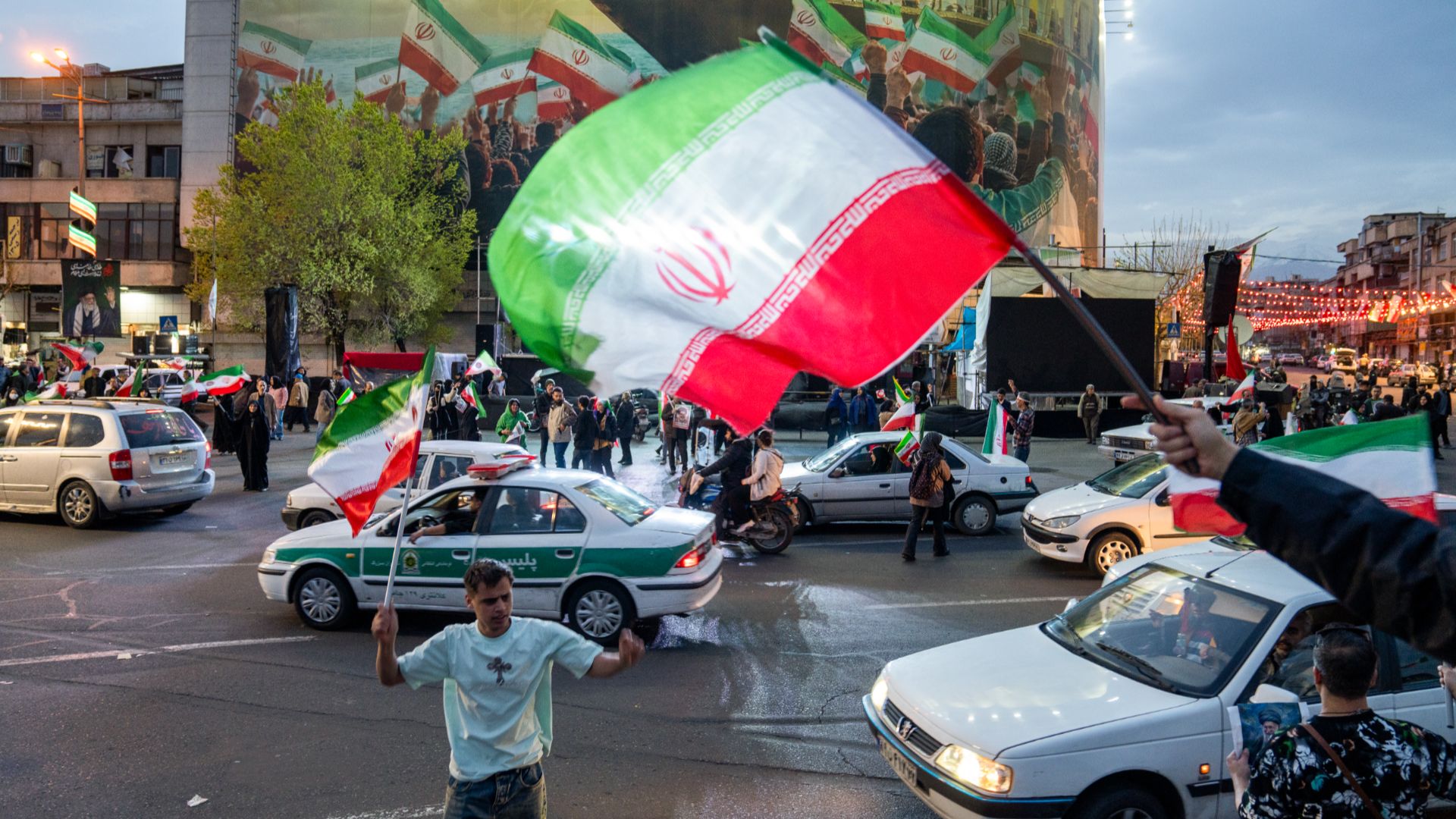
Iranian officials, however, have framed the situation in starkly different terms, portraying the U.S. decision as a retreat under pressure rather than a diplomatic opening. Tehran had previously warned that any attack on its infrastructure would trigger a wide-ranging response, stating that Iran would target «all power plants in West Asia» if U.S. strikes were carried out. The country has also reiterated its broader defensive posture, declaring that it will defend itself «until the necessary level of deterrence is achieved,» signaling that it does not view the current moment as a step toward de-escalation.

Getty Images

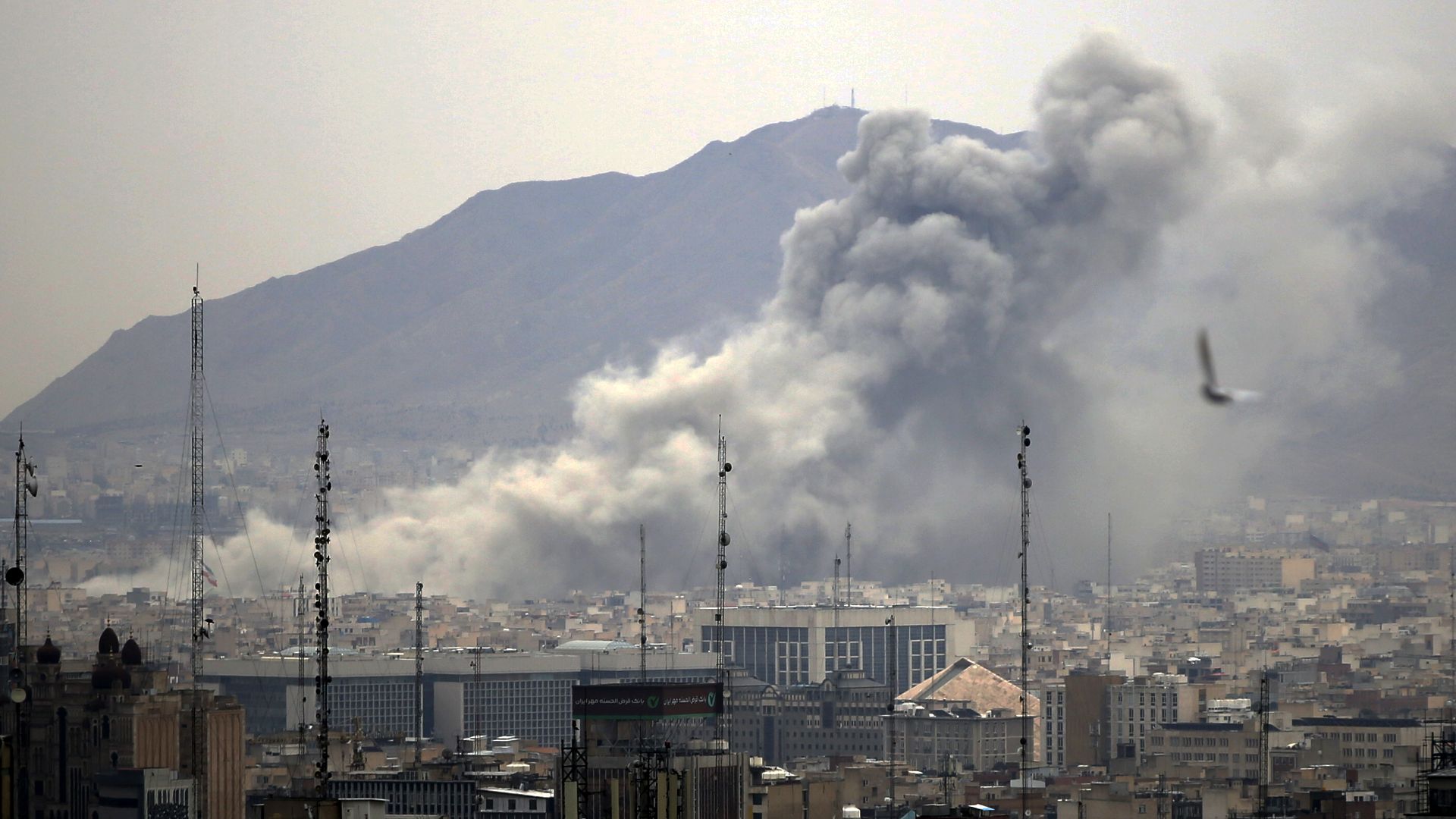
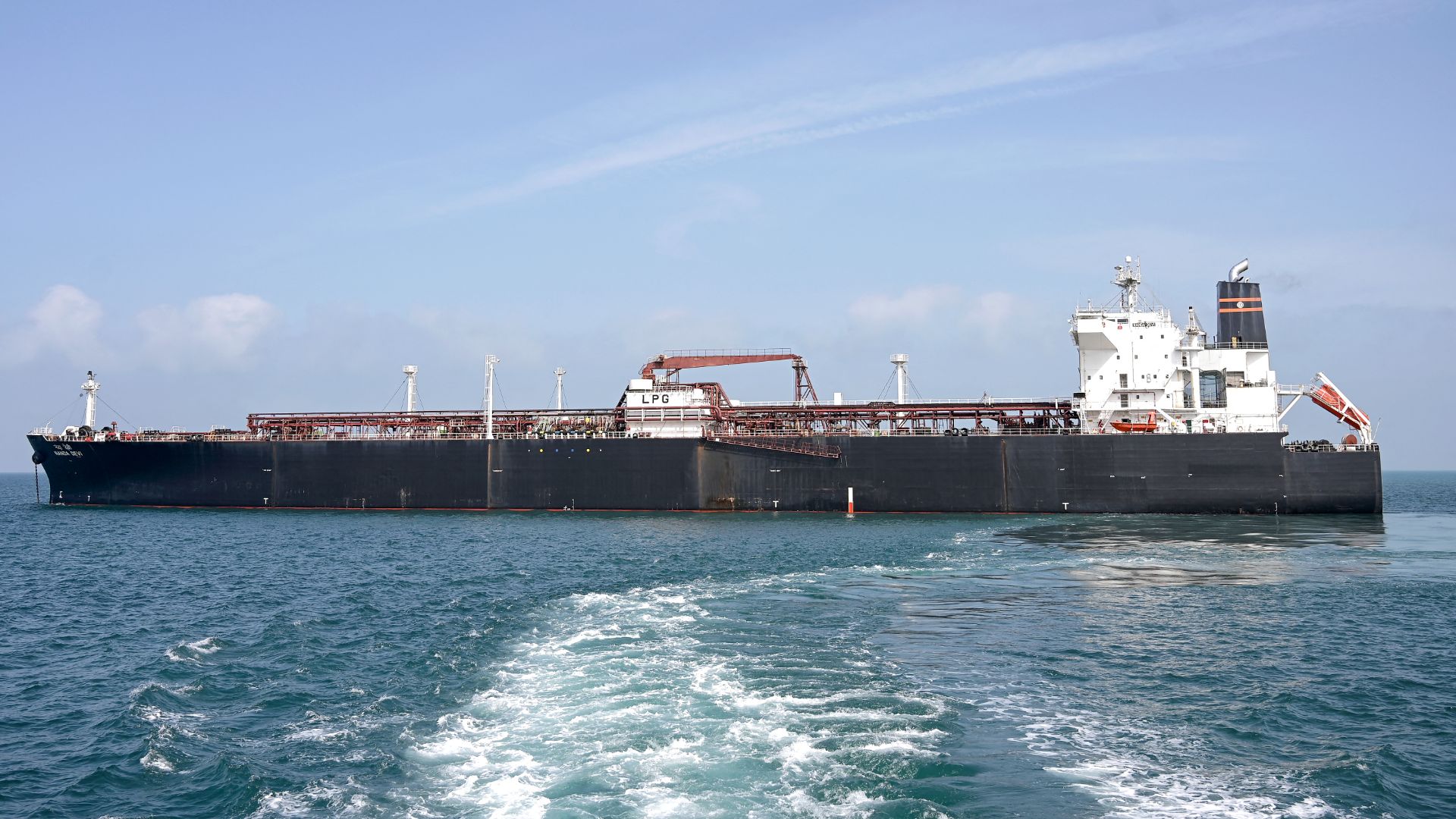
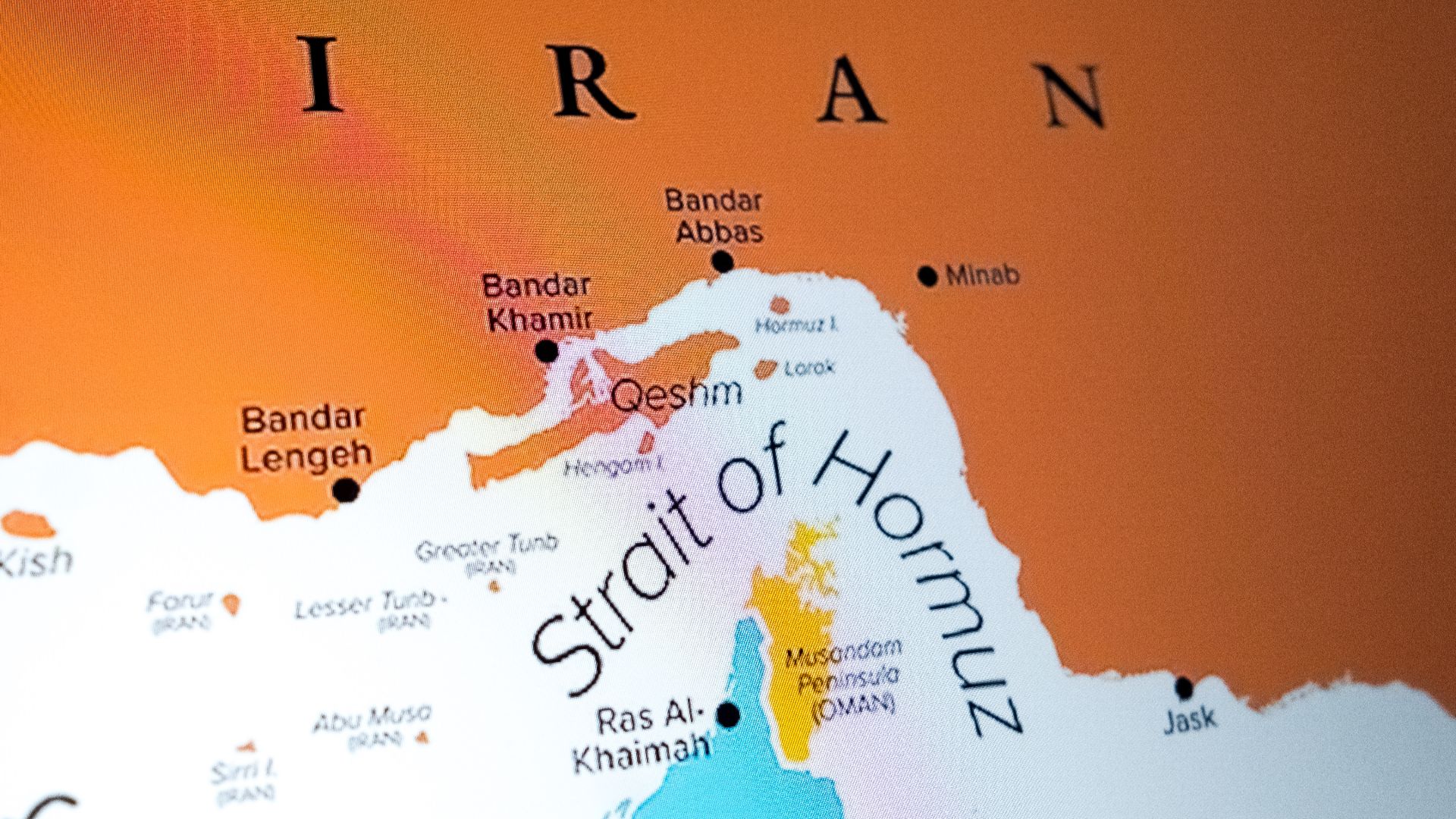
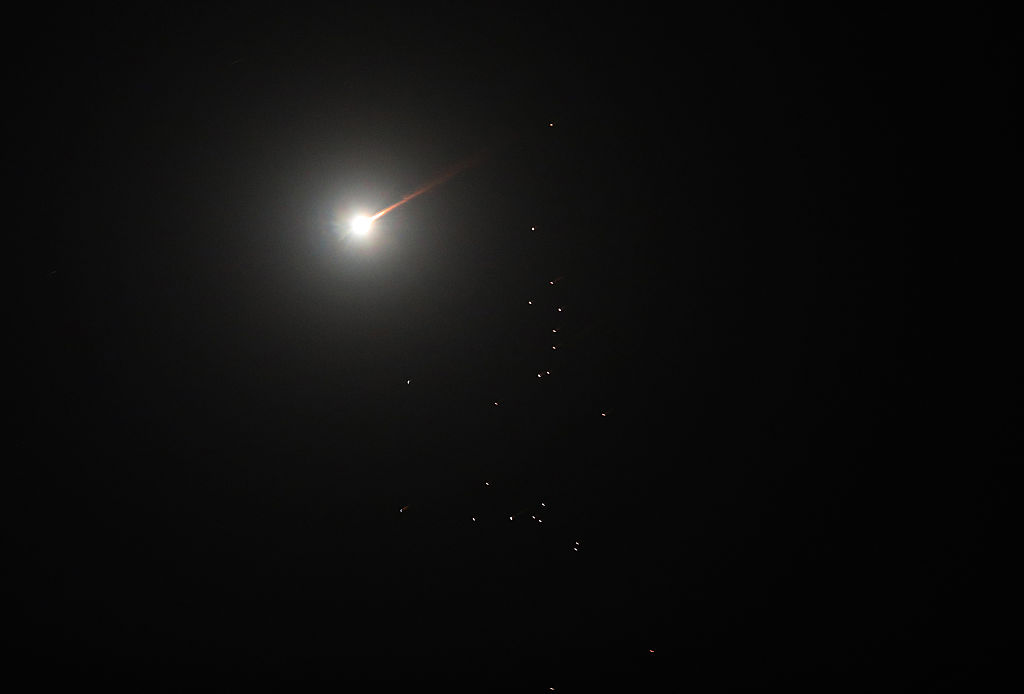
The conflict itself has escalated significantly since the beginning of the military operation, with U.S. and Israeli forces conducting repeated strikes on Iranian military positions and key infrastructure. In response, Iran has launched missile and drone attacks across the region and moved to restrict access to the Strait of Hormuz, a critical global shipping route for oil and gas. The move has been widely interpreted as a countermeasure designed to increase economic pressure, contributing to volatility in energy markets and raising concerns about the stability of global supply chains.

«I AM PLEASED TO REPORT THAT THE UNITED STATES OF AMERICA, AND THE COUNTRY OF IRAN, HAVE HAD, OVER THE LAST TWO DAYS, VERY GOOD AND PRODUCTIVE CONVERSATIONS.»

-U.S. President, Donald Trump on Truth Social

Taken together, the conflicting accounts underscore the fragile and uncertain state of the situation. While Trump has presented the pause in military action as the result of constructive dialogue, Iran’s response suggests that no such diplomatic channel currently exists. Instead, both sides continue to exchange threats while maintaining military pressure, leaving little indication that the conflict, which began with coordinated U.S. and Israeli strikes, is nearing resolution.

Getty Images
Catégories
Uncategorized

Trump Floats Third Term Again, Suggests He Should Be «Rewarded»

Donald Trump is facing mounting controversy on multiple fronts as the United States approaches the 2026 midterm elections, with criticism intensifying over inflation, immigration policies, and the escalating war in Iran. Despite the political pressure, the president has projected confidence in his second term, suggesting that his performance justifies an unprecedented political outcome. In recent days, Trump has amplified claims that he deserves additional time in office, fueling debate over democratic norms. His remarks come at a moment of heightened scrutiny, as economic concerns and foreign policy decisions continue to dominate the national conversation.

«A lot of people want me to stay longer.»

– U.S. President, Donald Trump

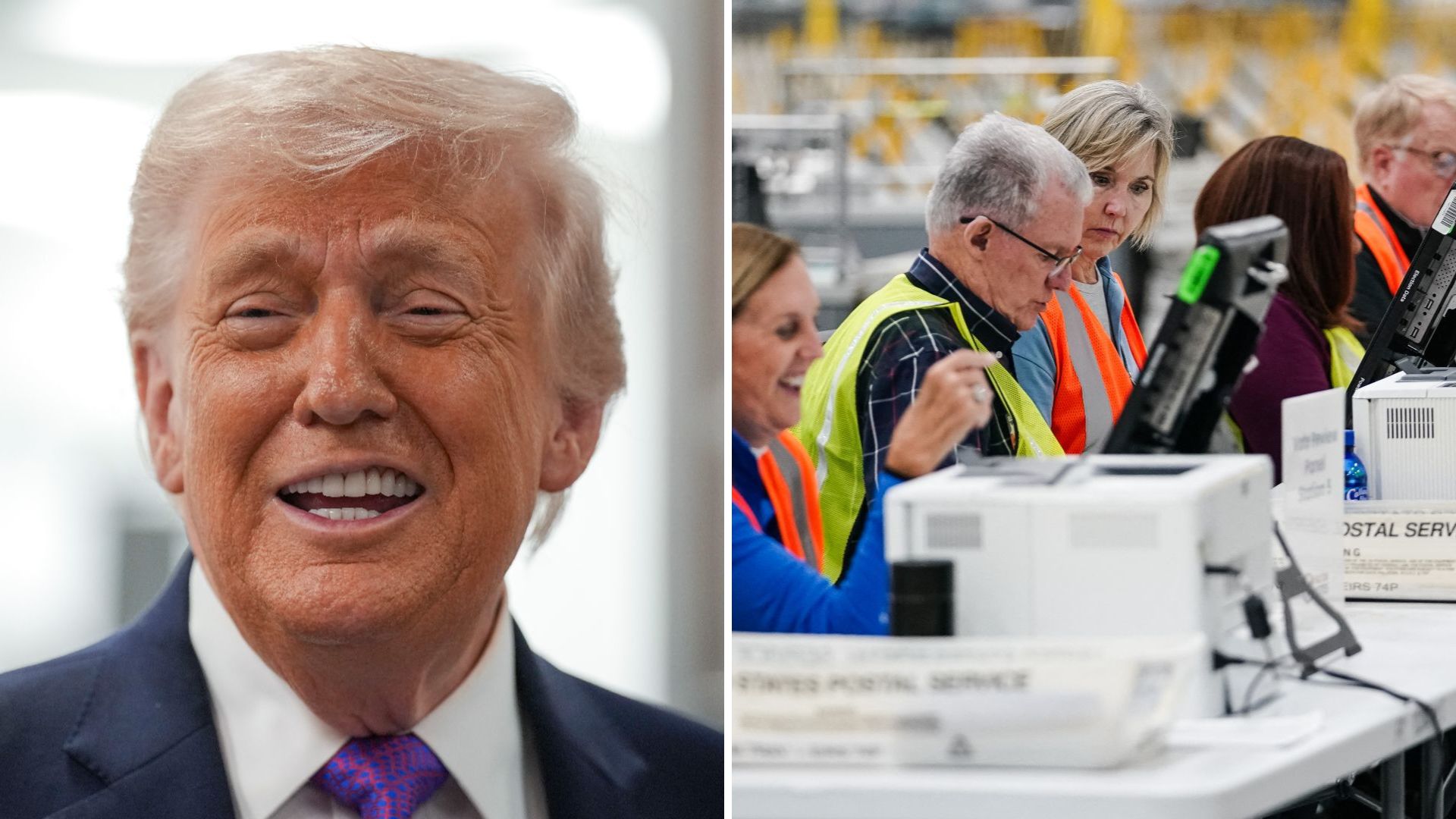
The controversy escalated after Trump shared a post on Truth Social suggesting that he should be granted a third presidential term. The post argued that such a move would serve «as a reward for stolen election,» referencing long-standing claims about the 2020 vote. Trump reposted the message without adding significant context, but the act of sharing it publicly drew immediate attention. The phrasing reinforced narratives that have remained central to his political messaging, particularly his continued assertion that the 2020 election outcome was illegitimate, a claim that has been repeatedly rejected by courts and election officials.

Getty Images

Trump has also spoken more directly about the possibility of extending his time in office in remarks made at different moments, often tying the idea to his continued claims about the 2020 election. In one instance, he said «People are saying we should do a third term because the election was stolen,» while in a separate comment he added «I think you would have to start by looking at what happened in 2020.» On another occasion, he suggested broader support for the idea, stating «A lot of people want me to stay longer.» Taken together, these statements show a pattern of rhetoric in which Trump moves beyond contesting past election results to openly entertaining the notion of remaining in power beyond the traditional two-term limit.

Getty Images

Trump’s claims began immediately after the 2020 election, when he alleged widespread fraud without presenting verifiable proof. Legal challenges were filed in multiple states, but courts consistently dismissed the cases due to lack of evidence. Subsequent audits and recounts, including those conducted in key battleground states, reaffirmed the original outcomes. Despite these findings, Trump and some Republican figures have continued to push for additional reviews and legislative changes related to election security, keeping the issue at the center of political discourse years after the vote.

«People are saying we should do a third term because the election was stolen.»

-U.S. President, Donald Trump

The suggestion that a third term could serve as a «reward» has raised concerns among political analysts and lawmakers, particularly in the context of upcoming elections. The U.S. Constitution, through the 22nd Amendment, limits presidents to two terms, making any discussion of a third term highly controversial. Critics argue that even raising the idea risks undermining public confidence in democratic institutions, especially as the country prepares for the 2026 midterms and looks ahead to the 2028 presidential election. The timing of Trump’s remarks has intensified these concerns, given the already polarized political environment.

Getty Images

As the election cycle approaches, Trump’s comments are likely to remain a focal point in national debate. Supporters have framed his remarks as rhetorical or symbolic, while opponents warn that they reflect a broader challenge to established democratic norms. The intersection of ongoing controversies, including economic policy and foreign conflicts, with questions about electoral legitimacy creates a complex political landscape. With midterms looming and attention already shifting toward 2028, the implications of Trump’s statements continue to resonate across both domestic politics and international perceptions of U.S. governance.

Getty Images

7 Signs A Used Car Is A Great Deal & 7 Red Flags To Avoid

When buying a used car, it’s not just about finding a low price but knowing what gives real value and what’s cleverly disguised trouble. Some vehicles have been cared for like family, others patched up to fool the next buyer. 

Since the difference often hides in the details most people overlook, you need to go beyond the surface, looking past fresh wax and persuasive talk to spot what truly matters. This will save you a lot of time, money, and frustration. 

If you’re exploring the used car market right now, this list is your roadmap to making a smart, confident purchase. Let’s kick things off with the seven green flags that signal a deal worth driving home.

Catégories
Uncategorized

Trump qualifie les négociations avec l’Iran de «très bonnes»

Donald Trump a annoncé un revirement diplomatique inattendu après un week-end marqué par une escalade des menaces entre Washington et Téhéran, affirmant que les récentes discussions avaient ouvert une voie potentielle vers une désescalade. Dans un message publié sur Truth Social, Trump a déclaré :

« JE SUIS HEUREUX D’ANNONCER QUE LES ÉTATS-UNIS D’AMÉRIQUE ET L’IRAN ONT EU, AU COURS DES DEUX DERNIERS JOURS, DES DISCUSSIONS TRÈS POSITIVES ET PRODUCTIVES CONCERNANT UNE RÉSOLUTION COMPLÈTE ET TOTALE DE NOS HOSTILITÉS AU MOYEN-ORIENT. »

Cette déclaration contrastait fortement avec le ton agressif adopté par les deux parties les jours précédents, laissant entrevoir une possible pause dans la poursuite de l’escalade militaire.

Getty Images

Trump a ensuite décrit la nature des discussions, soulignant leur profondeur et leur caractère continu. Il a écrit : « AU VU DE LA TENUE ET DU TON DE CES DISCUSSIONS APPROFONDIES, DÉTAILLÉES ET CONSTRUCTIVES, QUI SE POURSUIVRONT TOUT AU LONG DE LA SEMAINE », présentant les pourparlers comme structurés et continus plutôt que comme des échanges informels ou limités.

Cette description semble viser à renforcer la crédibilité de l’effort diplomatique, même si des questions subsistent quant au format des discussions et à savoir si elles sont directes ou menées par l’intermédiaire de médiateurs.

«Si l’Iran n’OUVRE PAS TOTALEMENT, SANS MENACE, le détroit d’Ormuz, dans les 48 HEURES à compter de cet instant précis, les États-Unis d’Amérique frapperont et anéantiront ses différentes CENTRALES ÉLECTRIQUES, EN COMMENÇANT PAR LA PLUS GRANDE.»

– Donald Trump, président des États-Unis

Le président a également confirmé un changement temporaire de posture militaire, le liant directement à l’avancement de ces pourparlers. Il a déclaré : « J’AI DONNÉ ORDRE AU MINISTÈRE DE LA GUERRE DE REPORTER TOUTES LES FRAPPES MILITAIRES CONTRE LES CENTRALES ÉLECTRIQUES ET LES INFRASTRUCTURES ÉNERGÉTIQUES IRANIENNES POUR UNE PÉRIODE DE CINQ JOURS », indiquant que les opérations prévues avaient été suspendues. Il a ajouté que cette pause restait conditionnelle, précisant « SOUS RÉSERVE DU SUCCÈS DES RÉUNIONS ET DISCUSSIONS EN COURS », laissant ainsi ouverte la possibilité de nouvelles frappes si les efforts diplomatiques ne débouchaient pas sur des résultats concrets.

Getty Images

Cette annonce fait suite à un week-end marqué par une forte escalade et un ultimatum direct de Donald Trump concernant le détroit d’Ormuz, un goulet d’étranglement crucial par lequel transitent environ 20 % de l’approvisionnement mondial en pétrole. Trump a averti que « SI L’IRAN N’OUVRE PAS TOTALEMENT, SANS MENACE, le détroit d’Ormuz, DANS LES 48 HEURES à compter de cet instant précis, les États-Unis d’Amérique frapperont et anéantiront leurs différentes CENTRALES ÉLECTRIQUES, EN COMMENÇANT PAR LA PLUS GRANDE EN PREMIER. » Cette menace est intervenue alors que l’Iran s’était engagé à maintenir le détroit fermé aux « navires ennemis », une décision qui a contribué à la flambée des prix du pétrole et à la chute brutale des marchés boursiers mondiaux. Cet échange a mis en évidence les enjeux économiques immédiats de la confrontation, les marchés mondiaux réagissant au risque d’une perturbation prolongée.

« J’AI DONNÉ ORDRE AU MINISTÈRE DE LA GUERRE DE REPORTER TOUTES LES FRAPPES MILITAIRES CONTRE LES CENTRALES ÉLECTRIQUES ET LES INFRASTRUCTURES ÉNERGÉTIQUES IRANIENNES POUR UNE PÉRIODE DE CINQ JOURS. »

– Le président américain Donald Trump sur Truth Social

L’Iran a répondu par une rhétorique tout aussi musclée, rejetant l’ultimatum et menaçant de riposter massivement si ses infrastructures étaient prises pour cible. Les responsables iraniens ont laissé entendre que toute frappe contre les centrales électriques du pays déclencherait des attaques contre les installations énergétiques américaines et alliées dans toute la région, affirmant qu’ils agiraient sans « aucune retenue » en réponse à l’action américaine. Téhéran a également réaffirmé son contrôle sur le détroit d’Ormuz, affirmant qu’il pourrait en restreindre l’accès dans le cadre de sa riposte à ce qu’il qualifie d’agression continue. Cette position a renforcé le risque d’une nouvelle escalade, les deux parties ayant évoqué des scénarios susceptibles d’étendre le conflit au-delà de son ampleur actuelle et d’aggraver son impact sur l’approvisionnement énergétique mondial.

Getty Images

À l’heure actuelle, l’Iran n’a pas publiquement fait écho à la description de Trump de « conversations très bonnes et productives », laissant planer le doute sur l’étendue et la teneur des discussions rapportées. L’absence de déclaration correspondante de la part de Téhéran a soulevé des questions quant à savoir si les discussions sont directes ou menées par l’intermédiaire de tiers. La situation reste instable, les prochains jours devant déterminer si cette pause mènera à une désescalade ou à une nouvelle phase de confrontation.

Getty Images
Catégories
Uncategorized

Trump Claims «Very Good» Iran Talks After Weekend of High-Stakes Threats

Donald Trump announced a sudden diplomatic shift after a weekend of escalating threats between Washington and Tehran, claiming that recent discussions had opened a potential path toward de-escalation. In a message posted on Truth Social, Trump stated «I AM PLEASED TO REPORT THAT THE UNITED STATES OF AMERICA, AND THE COUNTRY OF IRAN, HAVE HAD, OVER THE LAST TWO DAYS, VERY GOOD AND PRODUCTIVE CONVERSATIONS REGARDING A COMPLETE AND TOTAL RESOLUTION OF OUR HOSTILITIES IN THE MIDDLE EAST.» The statement marked a sharp contrast with the aggressive tone adopted by both sides in the preceding days, suggesting a possible pause in further military escalation.

Getty Images

Trump went on to describe the nature of the discussions, emphasizing their depth and ongoing nature. He wrote «BASED ON THE TENOR AND TONE OF THESE IN DEPTH, DETAILED, AND CONSTRUCTIVE CONVERSATIONS, WHICH WILL CONTINUE THROUGHOUT THE WEEK,» presenting the talks as structured and continuing rather than informal or limited exchanges. The characterization appears aimed at reinforcing the credibility of the diplomatic effort, even as questions remain about the format of the discussions and whether they are direct or mediated through intermediaries.

«If Iran doesn’t FULLY OPEN, WITHOUT THREAT, the Strait of Hormuz, within 48 HOURS from this exact point in time, the United States of America will hit and obliterate their various POWER PLANTS, STARTING WITH THE BIGGEST ONE FIRST.»

-U.S. president, Donald Trump

The president also confirmed a temporary shift in military posture, linking it directly to the progress of these conversations. He stated «I HAVE INSTRUCTED THE DEPARTMENT OF WAR TO POSTPONE ANY AND ALL MILITARY STRIKES AGAINST IRANIAN POWER PLANTS AND ENERGY INFRASTRUCTURE FOR A FIVE DAY PERIOD,» indicating that planned operations had been suspended. He added that the pause remains conditional, writing «SUBJECT TO THE SUCCESS OF THE ONGOING MEETINGS AND DISCUSSIONS,» leaving open the possibility of renewed strikes if diplomatic efforts fail to produce concrete outcomes.

Getty Images

The announcement followed a weekend marked by sharp escalation and a direct ultimatum from Donald Trump regarding the Strait of Hormuz, a critical chokepoint through which roughly 20% of global oil supply transits. Trump warned that «If Iran doesn’t FULLY OPEN, WITHOUT THREAT, the Strait of Hormuz, within 48 HOURS from this exact point in time, the United States of America will hit and obliterate their various POWER PLANTS, STARTING WITH THE BIGGEST ONE FIRST.» The threat came as Iran had vowed to keep the strait closed to «enemy ships,» a move that contributed to soaring oil prices and sharp declines in global stock markets. The exchange underscored the immediate economic stakes of the confrontation, with global markets reacting to the risk of prolonged disruption.

«I HAVE INSTRUCTED THE DEPARTMENT OF WAR TO POSTPONE ANY AND ALL MILITARY STRIKES AGAINST IRANIAN POWER PLANTS AND ENERGY INFRASTRUCTURE FOR A FIVE DAY PERIOD.»

-U.S. President Donald trump on Truth Social

Iran responded with equally forceful rhetoric, rejecting the ultimatum and warning of broad retaliation if its infrastructure were targeted. Iranian officials signaled that any strike on the country’s power plants would trigger attacks on U.S. and allied energy assets across the region, stating that they would act with «zero restraint» in response to American action. Tehran also reaffirmed its control over the Strait of Hormuz, maintaining that it could restrict access as part of its response to what it described as ongoing aggression. The stance reinforced the risk of further escalation, as both sides outlined scenarios that could expand the conflict beyond its current scope and deepen its impact on global energy supply.

Getty Images

As of now, Iran has not publicly echoed Trump’s description of «very good and productive conversations,» leaving uncertainty about the extent and substance of the reported talks. The absence of a matching statement from Tehran has raised questions about whether the discussions are direct or conducted through intermediaries. The situation remains fluid, with the coming days expected to determine whether the pause leads to de-escalation or a renewed phase of confrontation.

Getty Images

Catégories
Uncategorized

Les frappes contre l’Iran se sont poursuivies: le point sur 23 jours de guerre

Le 28 février 2026, les forces armées américaines et israéliennes ont lancé une opération contre l’Iran, frappant la capitale Téhéran, tuant le Guide suprême Ali Khamenei et faisant des dizaines de blessés. Donald Trump a ensuite annoncé que les États-Unis poursuivraient leurs opérations en Iran jusqu’à ce qu’il constate un changement de direction et la dissolution du programme nucléaire iranien, qualifié de « mythique ». Trump a affirmé par la suite que les États-Unis avaient attaqué l’Iran en raison d’un rapport indiquant que ce pays s’apprêtait à attaquer Israël dans les jours à venir. Le Premier ministre israélien Benjamin Netanyahou qualifie cette stratégie de « défense avancée ». Au cours des 21 jours qui ont suivi, Donald Trump a attaqué l’Iran plus de 7 000 fois, et l’Iran a riposté par des frappes dans neuf pays différents du Golfe. Plus de 2 000 personnes ont été tuées dans ce conflit orchestré par l’Occident.

Attaques du 18 mars

Le 18 mars, Donald Trump a annoncé qu’Israël avait tué à la fois le chef de la sécurité iranienne, Ali Larijani, et le commandant Gholamreza Soleimani. Larijani était largement considéré comme un homme politique modéré au sein du gouvernement iranien. Il a mené les pourparlers avec les États-Unis et Israël pour désamorcer le programme nucléaire iranien, et a longtemps été un défenseur des négociations ouvertes avec l’Occident. Certains analystes affirment que cette action pourrait servir à fermer les voies de négociation entre Israël et l’Iran. Le gouvernement iranien a également confirmé la mort du ministre du Renseignement, Esmail Khatib. Khatib occupait ce poste depuis 2021 et était le plus haut responsable des services de renseignement iraniens.

Les Forces de défense israéliennes (FDI) ont également attaqué des infrastructures énergétiques iraniennes le 18 mars. Ces attaques ont endommagé le gisement de gaz naturel de South Pars et le centre de traitement d’Asaluyeh dans la province de Bushehr, deux installations essentielles à l’approvisionnement national en gaz naturel de l’Iran. Les attaques du 18 mars visant des responsables israéliens auraient semé une panique généralisée au sein du gouvernement iranien, les forces de sécurité et les responsables dormant dans des véhicules, des mosquées et des stades pour se mettre en sécurité. Le Premier ministre israélien Benjamin Netanyahu a confirmé que les FDI avaient le feu vert pour éliminer tout haut responsable iranien.

« Le Premier ministre Benjamin Netanyahu et moi-même avons autorisé les Forces de défense israéliennes (FDI) à éliminer tout haut responsable iranien pour lequel le dossier de renseignement et d’opération a été clos, sans qu’une autorisation supplémentaire soit nécessaire », a déclaré le ministre israélien de la Défense, Israel Katz.

Trump interpelle ses alliés

Après la vague de frappes menées mercredi par Israël et l’Iran, le président Trump a commencé à paniquer. Sa guerre contre l’Iran a fait grimper les prix de l’essence à des niveaux ingérables, et si ceux-ci continuent de monter en flèche, l’économie mondiale sera menacée. Israël menaçant le détroit d’Ormuz, par lequel transite un tiers du pétrole brut de la planète, les prix du pétrole ont explosé. Trump a appelé ses alliés de l’OTAN et de l’UE à aider les États-Unis à protéger le détroit, mais ces mêmes alliés ont refusé. Le 18 mars, Trump a publié une déclaration critiquant ses alliés occidentaux, les qualifiant de tigres de papier et de lâches.

Donald Trump fait face à de vives critiques en raison de la hausse des prix de l’essence aux États-Unis. Les Américains subissent les conséquences directes de la guerre provoquée par Donald Trump, les prix de l’essence ayant bondi de plus de 30 % depuis le 28 février. La cote de popularité de Donald Trump a chuté à des niveaux record, et sa promesse de « pas de nouvelles guerres » est désormais loin derrière lui ; elle est restée bloquée au Canada.

Attaques du 19 mars

Le 19 mars, Israël a frappé des infrastructures énergétiques en Iran, ce qui a poussé l’Iran à attaquer des installations de gaz naturel liquéfié dans la ville industrielle de Ras Laffan, au Qatar. La ville industrielle de Ras Laffan est responsable du traitement d’un cinquième du gaz naturel mondial. Les dégâts causés par les attaques iraniennes prendraient des années à réparer, et la capacité d’exportation du Qatar a été réduite de 17 % à cause de ces dégâts. Donald Trump a critiqué Israël pour cette attaque, affirmant que l’Iran causait trop de dégâts. Trump constate les conséquences d’avoir laissé les États-Unis être entraînés dans une autre guerre qui ne les concerne pas. L’Iran ayant démontré sa capacité à mener des représailles militaires face aux attaques américaines et israéliennes, il n’y a pas de calendrier précis pour ce conflit. Les missiles iraniens parviennent régulièrement à franchir le système de défense israélien « Dôme de fer », et près de 4 000 Israéliens ont été blessés lors des frappes iraniennes.

L’Iran a riposté par des frappes contre six pays différents le 19 mars : l’Arabie saoudite, le Koweït, Bahreïn, les Émirats arabes unis et l’Irak ont tous signalé des frappes. L’Iran a concentré ses attaques sur les infrastructures énergétiques et les bases militaires. L’aéroport international de Bahreïn a également été pris pour cible lors de ces attaques. Au total, l’Iran a lancé plus de 25 vagues d’attaques contre six pays différents le 19 mars.

Le coût de la guerre

Au 20 mars, les chiffres préliminaires font état d’un bilan effroyable à travers le Moyen-Orient. En Iran, plus de 1 400 personnes ont été tuées par les frappes américaines et israéliennes. Les forces américaines ont frappé plus de 7 000 sites en Iran, et outre les 1 444 morts, 18 500 autres Iraniens ont été blessés et plus de 3 millions de personnes ont été déplacées. Une frappe américaine visant une école primaire pour filles a tué 168 enfants la semaine dernière. Au Liban, plus de 1 000 personnes ont été tuées par des frappes israéliennes, 2 500 autres ont été blessées et plus d’un million de civils ont été déplacés. Treize militaires américains ont été tués, et 18 personnes ont été tuées en Israël. Quatre-vingt-cinq personnes ont été tuées par des frappes iraniennes dans les pays du Golfe.

Catégories
Uncategorized

US strikes on Iran continue after 23 days of war: update

On February 28, 2026, the US and Israeli military undertook an operation on Iran, striking the capital Tehran, killing Supreme Leader Ali Khamenei, and injuring dozens. Donald Trump subsequently announced the US would be continuing operations in Iran until he saw a change of leadership and a dissolution of Iran’s mythical nuclear program. Trump later claimed the US attacked Iran because of a report that Iran was going to attack Israel in the coming days. Israeli Prime Minister Benjamin Netanyahu calls the strategy ‘forward defence’. In the 21 days that followed, Donald Trump attacked Iran more than 7,000 times, and Iran retaliated with strikes across nine different Gulf countries. More than 2,000 people have been killed in the Western-manufactured conflict.

Attacks on March 18

On March 18, Donald Trump announced that Israel had killed both Iran’s security chief Ali Larijani and commander Gholamreza Soleimani. Larijani was widely regarded as a moderate politician in the Iranian cabinet. He led the talks with the US and Israel to diffuse Iran’s nuclear program, and has long been an advocate for open negotiations with the West. Some analysts claim the move could be used to close routes for negotiation between Israel and Iran. The Iranian government also confirmed the killing of intelligence minister Esmail Khatib. Khatib has held office since 2021 and was Iran’s top intelligence officer.

Israeli Defence Forces (IDF) also attacked Iranian energy infrastructure on March 18. Attacks scarred the South Pars natural gas field and the Asaluyeh processing hub in Bushehr Province, two installations that are key to Iran’s domestic natural gas supply. The attacks on March 18 targeting Israeli officials have reportedly caused widespread panic through the Iranian cabinet, with security forces and officials sleeping in vehicles, mosques, and sports arenas for safety. Israeli Prime Minister Benjamin Netanyahu confirmed that the IDF has the green light to eliminate any top Iranian official.

“Prime Minister Benjamin Netanyahu and I have authorized the Israel Defence Forces (IDF) to eliminate any senior Iranian official for whom the intelligence and operational circle has been closed, without the need for additional approval,” – Israeli Defence Minister Israel Katz.

Trump calls out allies

After the flurry of strikes from Israel and Iran on Wednesday, President Trump began to panic. His war on Iran has caused gas prices to spike to unmanageable levels, and if gas prices continue to skyrocket, the global economy will be at risk. With Israel threatening the Hormuz Strait, through which a third of the planet’s crude oil is transported, oil prices have skyrocketed. Trump has called on his NATO and EU allies to aid the US in protecting the Strait, but those same allies have refused. On March 18, Trump released a statement criticizing his Western allies, calling them paper tigers and cowards.


Donald Trump is facing serious backlash for the rising gas prices in the United States. Americans are seeing the direct result of Donald Trump’s manufactured war, with gas prices jumping more than 30% since February 28th. Donald Trump’s approval rating has sunk to record-breaking levels, and his promise of ‘no new wars’ is so far in the rearview mirror; it’s stuck in Canada.

March 19th attacks

On March 19, Israel struck energy infrastructure in Iran, prompting Iran to attack liquefied natural gas facilities at Qatar’s Ras Laffan Industrial City. Laffan Industrial City is responsible for processing a fifth of the world’s natural gas. The damage from Iran’s attacks will reportedly take years to repair, and Qatar’s export capacity has been kneecapped by 17% because of the damage. Donald Trump criticized Israel for the attack, claiming that Iran was causing too much damage. Trump is seeing the consequences of allowing the US to be sucked into another war that doesn’t involve it. With Iran showing its ability to sustain military retaliation in the face of US and Israeli attacks, there is no clear timeline for this conflict. Iranian missiles are consistently breaching Israel’s Iron Dome defence system, and nearly 4,000 Israeli’s have been injured in Iranian strikes.

Iran retaliated with strikes on six different countries on March 19: Saudi Arabia, Kuwait, Bahrain, the UAE, and Iraq all reported strikes. Iran focused its attacks on energy infrastructure and military bases. Bahrain International Airport was also targeted in the attacks. In total, Iran sent more than 25 waves of attacks to six different countries on March 19.

Cost of war

As of March 20th, preliminary figures show harrowing victim counts across the Middle East. In Iran, more than 1,400 people have been killed by US and Israeli strikes. US forces have struck more than 7,000 locations in Iran, and alongside the 1,444 killed, another 18,500 Iranians have been injured, and more than 3 million people have been displaced. A US strike targeting an all-girls elementary school killed 168 children last week. In Lebanon, more than 1,000 people have been killed by Israeli strikes, with another 2,500 injured and more than 1 million civilians displaced. Thirteen US servicemembers have been killed, and 18 people have been killed in Israel. Eighty-five people have been killed by Iranian strikes across Gulf Countries.

Poll: Our readers' top 8 recommendations for friends visiting Montreal

You’ve made up your mind!

Montreal is brimming with iconic landmarks and activities that appeal to both visitors and locals alike. Whether you’re looking to enjoy nature, discover the city’s history, or stroll through its colorful markets, every corner offers a unique experience. To help you plan a memorable stay, here’s a selection of must-see attractions to share with friends, combining culture, relaxation, and fine dining.

Here are the 8 outings our readers recommend to friends visiting Montreal!

Catégories
Uncategorized

Nucléaire: L’OMS se prépare au «pire scénario»

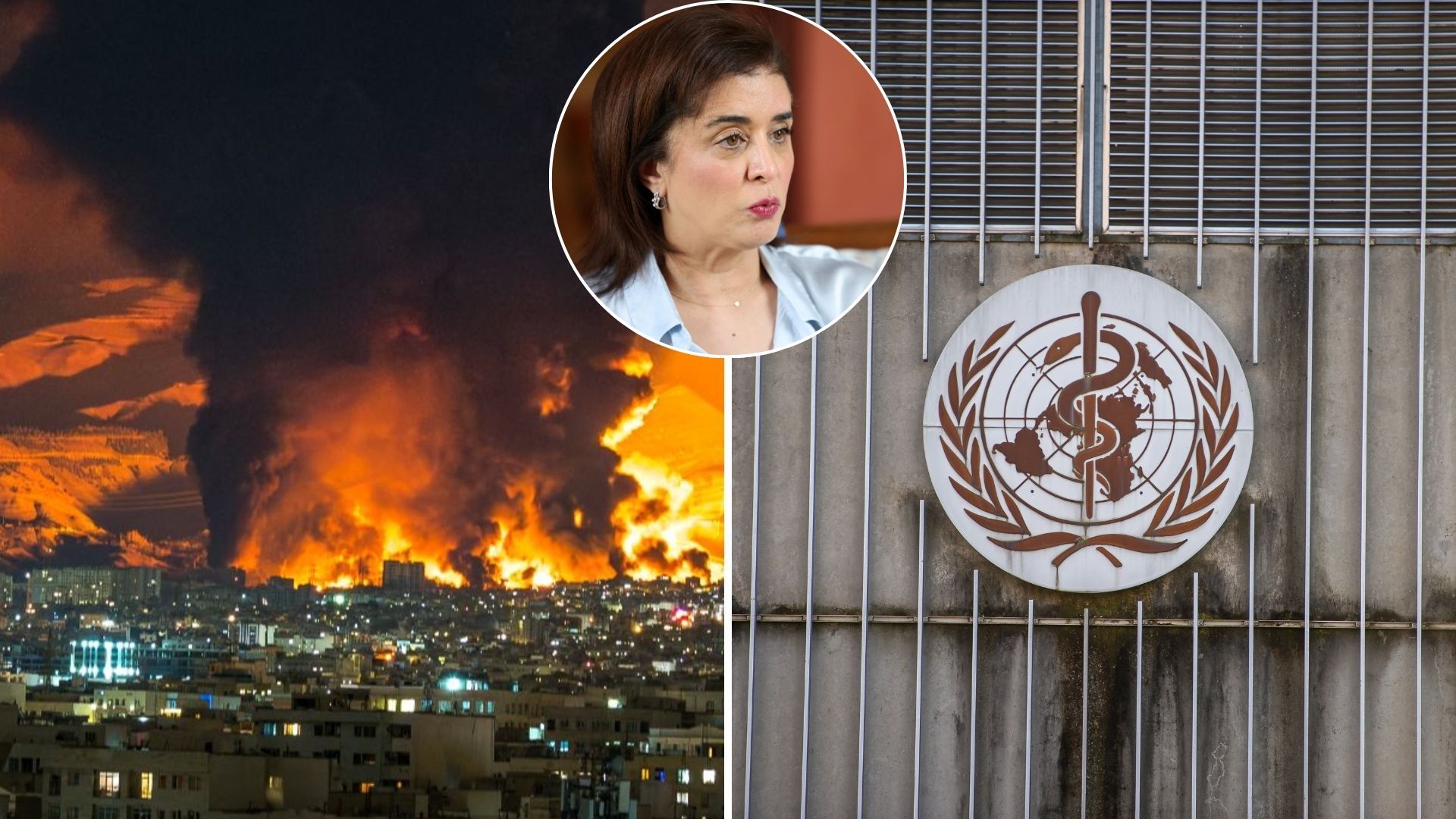
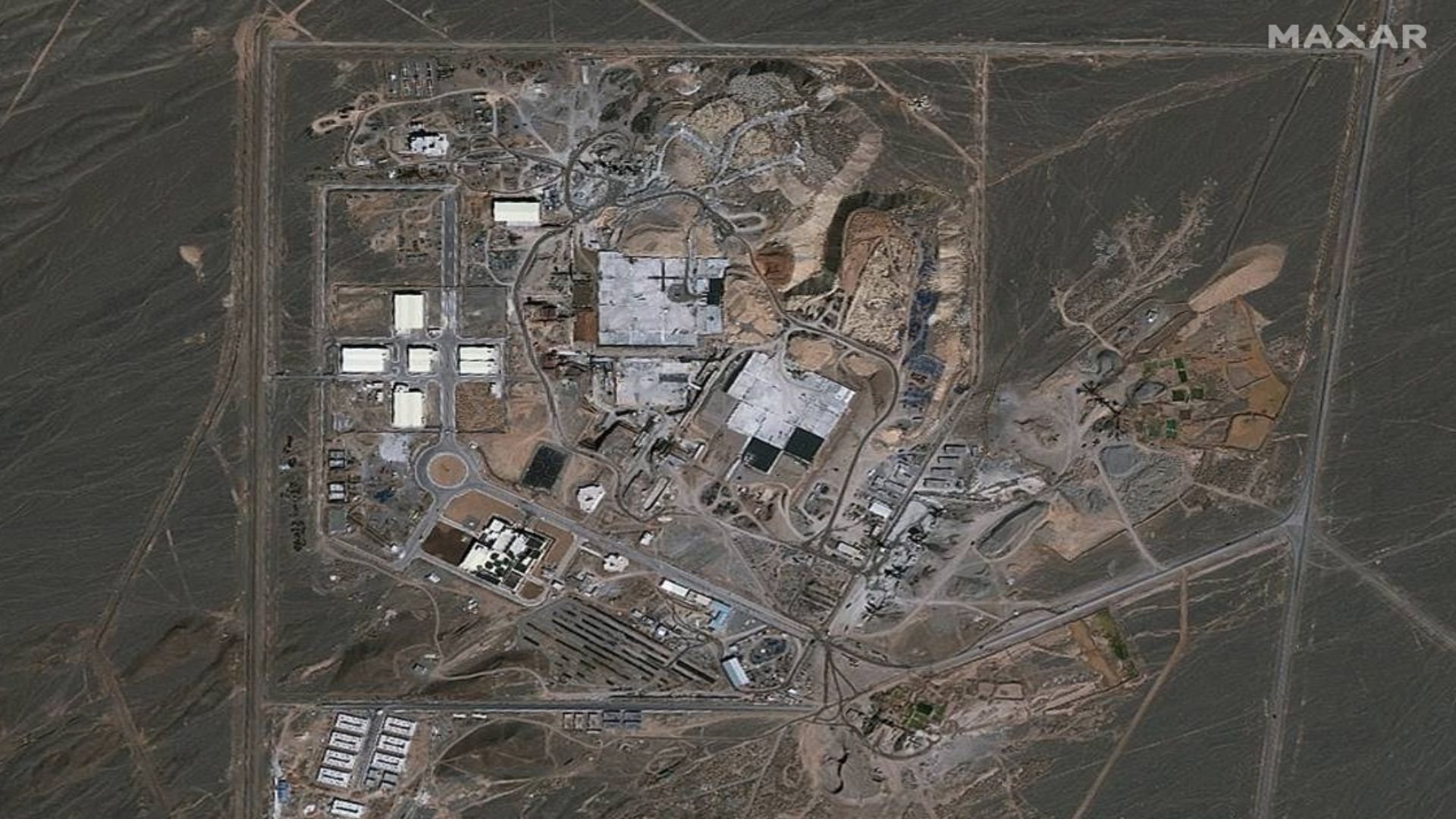
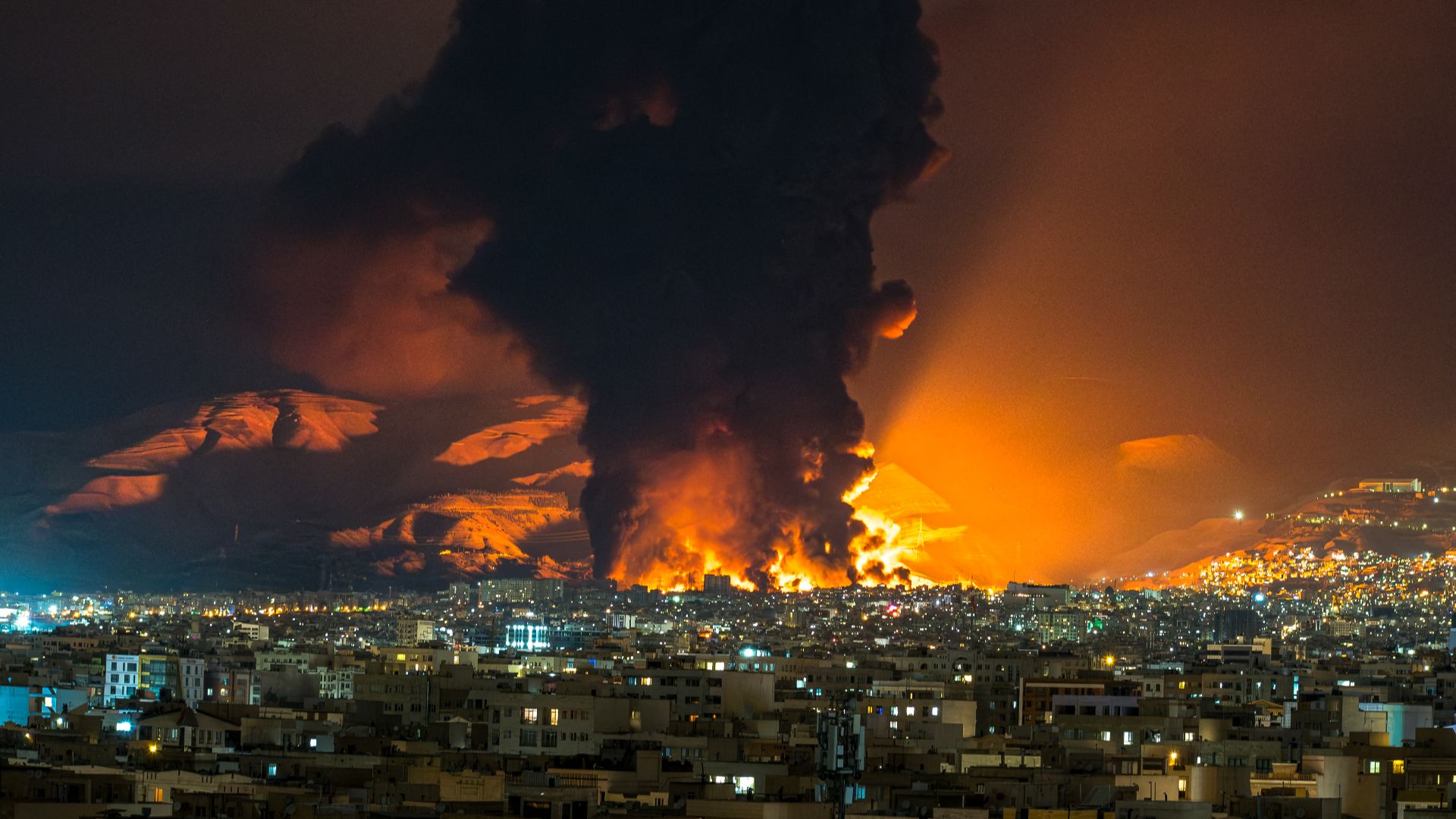
L’Organisation mondiale de la santé se prépare à l’éventualité d’une urgence nucléaire alors que le conflit impliquant l’Iran continue de s’intensifier, faisant craindre une escalade plus vaste et plus dangereuse. La situation s’est aggravée à la suite des frappes répétées menées par les États-Unis et Israël sur le territoire iranien, Téhéran accusant ces deux pays de viser des infrastructures nucléaires clés, notamment le site d’enrichissement de Natanz. L’Agence internationale de l’énergie atomique a confirmé que le site avait subi des dommages à la suite des récentes attaques, ce qui suscite des inquiétudes quant à d’éventuels risques radiologiques. Dans ce contexte, les autorités sanitaires mondiales envisagent désormais ouvertement des scénarios qui, jusqu’à récemment, restaient largement théoriques.

« La préparation à tous les types de risques, y compris les incidents radiologiques, est au cœur de notre mandat. »

-Organisation mondiale de la Santé

Selon des responsables de l’Organisation mondiale de la santé, des préparatifs sont en cours pour ce qui est décrit comme une crise nucléaire ou radiologique potentielle, reflétant une inquiétude croissante quant au fait que les opérations militaires pourraient entraîner des conséquences sanitaires de grande ampleur. La directrice régionale de l’OMS pour la Méditerranée orientale, Hanan Balkhy, a déclaré : « Nous sommes préoccupés par l’impact de toute escalade sur les systèmes de santé de la région », soulignant la pression que la poursuite du conflit pourrait exercer sur des infrastructures médicales déjà mises à rude épreuve.

Elle a également averti que « toute attaque contre les infrastructures de santé ou les installations critiques peut avoir de graves conséquences pour les populations civiles », soulignant les risques plus larges liés aux frappes à proximité de sites sensibles.

Getty Images

Ces craintes trouvent leur origine dans les risques bien documentés associés aux attaques contre des installations nucléaires. Des dommages causés à des sites d’enrichissement ou à des zones de stockage pourraient entraîner le rejet de matières radioactives, affectant des populations bien au-delà des frontières nationales.

Si les responsables de l’OMS restent prudents dans leur formulation, leur cadre de préparation inclut explicitement de tels scénarios. L’organisation a déclaré que « la préparation à tous les risques, y compris les incidents radiologiques, est au cœur de notre mandat », reflétant la nécessité d’anticiper même les événements à faible probabilité mais à fort impact. Ces préoccupations rejoignent les avertissements plus généraux des experts concernant les conséquences régionales potentielles si les infrastructures nucléaires venaient à être compromises.

Image satellite (c) 2025 Maxar Technologies. GettyImages

La situation entourant les infrastructures nucléaires iraniennes ajoute à la complexité. Natanz, l’un des principaux sites d’enrichissement d’uranium du pays, est depuis longtemps un élément central de son programme nucléaire et une cible fréquente des opérations militaires. À mesure que le conflit actuel se déroule, les frappes répétées augmentent le risque que des systèmes critiques soient compromis d’une manière qui dépasse les dommages militaires conventionnels. L’Organisation mondiale de la santé n’a cessé de souligner les implications à long terme de ces risques, notant que « les conséquences sanitaires de l’exposition aux rayonnements peuvent être immédiates et à long terme, affectant les populations pendant des générations », rappelant ainsi l’impact durable des incidents liés au nucléaire.

« Nous sommes préoccupés par l’impact de toute escalade sur les systèmes de santé de la région. »

– Hanan Balkhy, directrice régionale de l’OMS pour la Méditerranée orientale

Les préparatifs de l’OMS se concentrent donc à la fois sur la réponse immédiate et sur l’atténuation à long terme. Cela inclut le renforcement des chaînes d’approvisionnement médical, la garantie de la disponibilité des traitements contre l’exposition aux rayonnements et la coordination avec les partenaires internationaux pour surveiller toute contamination potentielle.

L’organisation a indiqué que « l’OMS travaille avec ses partenaires pour garantir sa capacité à répondre à toute urgence de santé publique », une déclaration qui reflète les efforts de coordination en cours entre plusieurs agences. Ces mesures visent à garantir que, en cas d’incident radiologique, les systèmes de santé puissent réagir rapidement tout en minimisant les conséquences plus larges sur la santé publique.

Getty Images

Alors que le conflit se poursuit, la perspective d’une escalade reste une préoccupation centrale tant pour les décideurs politiques que pour les organisations internationales. Bien qu’il n’y ait aucune confirmation qu’un incident nucléaire soit imminent, la combinaison des frappes militaires en cours, des infrastructures nucléaires endommagées et des tensions géopolitiques accrues a créé une situation où la planification d’urgence est de plus en plus nécessaire.

L’approche de l’OMS reflète une prise de conscience plus large du fait que même un événement radiologique limité pourrait avoir des conséquences bien au-delà du champ de bataille, affectant des millions de civils et exerçant une pression soutenue sur les systèmes de santé régionaux et mondiaux.

Getty Images