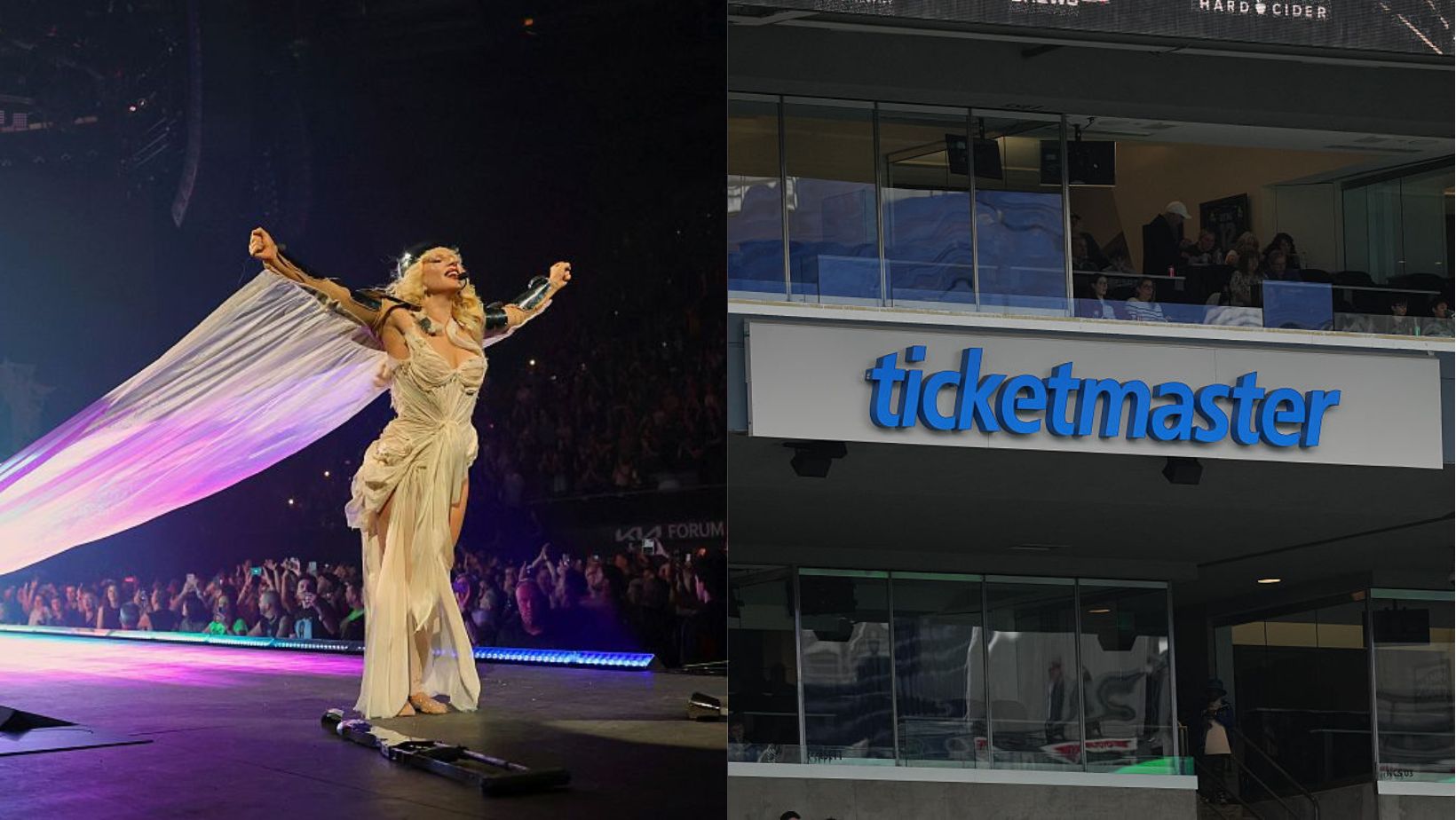
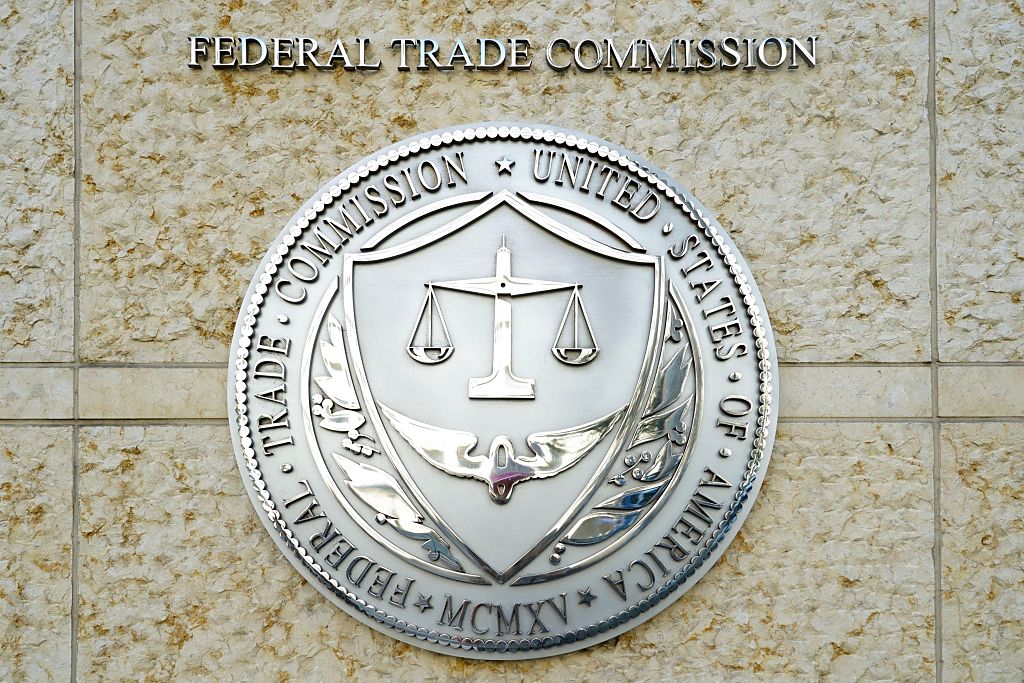
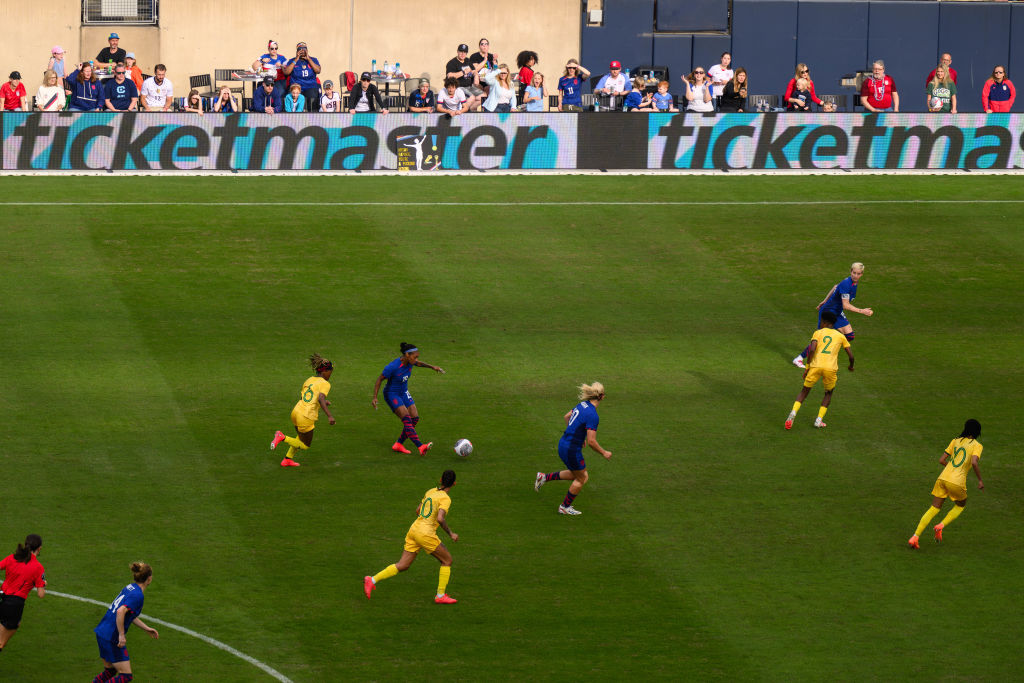
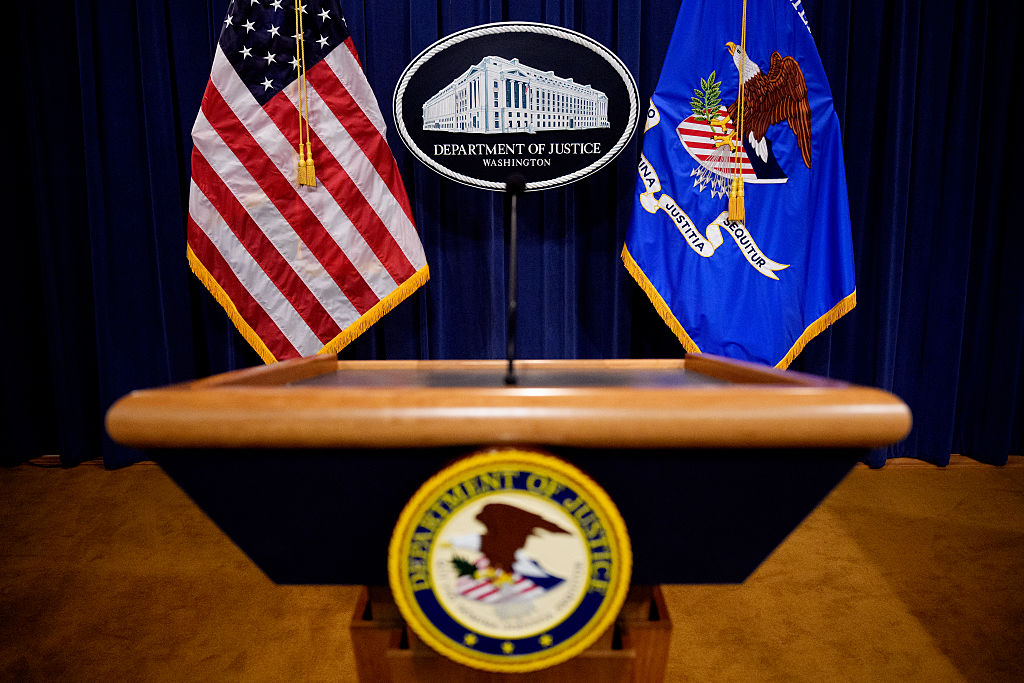
WASHINGTON, DC – JULY 09: The Federal Trade Commission entrance is seen on July 09, 2025 in Washington, DC. (Leigh Vogel/Getty Images for Ian Madrigal)The Ticketmaster logo is being displayed on a smartphone with the Ticketmaster web home page visible in the background, in this photo illustration in Brussels, Belgium, on June 2, 2024. (Photo by Jonathan Raa/NurPhoto via Getty Images)VANCOUVER, BRITISH COLUMBIA – DECEMBER 06: EDITORIAL USE ONLY. NO STANDALONE PUBLICATION USE (NO SPECIAL INTEREST OR SINGLE ARTIST PUBLICATION USE; NO BOOK USE). Taylor Swift performs onstage during « Taylor Swift | The Eras Tour » at BC Place on December 06, 2024 in Vancouver, British Columbia. (Photo by Kevin Winter/TAS24/Getty Images for TAS Rights Management)BOSTON, MA – MARCH 20: A view of the ticketmaster logo on the boards during the Hockey East semifinal game between the Boston University Terriers and the UConn Huskies on March 20, 2025, at TD Garden in Boston, MA. (Photo by Erica Denhoff/Icon Sportswire via Getty Images)CHICAGO, ILLINOIS – SEPTEMBER 24: Ticketmaster advertisements display on field boards during the first half of the United States against South Africa at Soldier Field on September 24, 2023 in Chicago, Illinois. (Photo by Daniel Bartel/ISI Photos/USSF/Getty Images for USSF)WASHINGTON, DC – MAY 6: The Department of Justice seal and logo are displayed before U.S. Attorney General Pam Bondi arrives for a news conference at the Department of Justice on May 6, 2025 in Washington, DC. The Justice Department along with the Drug Enforcement Administration (DEA) and the U.S. Attorney’s Office for the District of New Mexico are set to announce that they have completed an operation targeting a large drug trafficking organization that has been dealing fentanyl and other illicit narcotics. (Photo by Andrew Harnik/Getty Images)LONDON, UNITED KINGDOM – 2024/08/31: The Ticketmaster UK site shows over 300,000 people waiting in the online queue as Oasis reunion tour tickets go on sale. The Manchester rock band, led by Noel and Liam Gallagher, are returning after 15 years. (Photo by Vuk Valcic/SOPA Images/LightRocket via Getty Images)
Nos vies quotidiennes sont encombrées de déjeuners à emporter, de ramassages scolaires et de trop nombreuses heures passées au bureau. Avec tant de distractions, il est facile d’oublier le compteur d’intimité de notre relation. Beaucoup confondent les actes intimes avec le temps passé dans la chambre à coucher, mais il y a tellement d’autres façons de se rapprocher de son partenaire. Venez avec nous pour partager quelques conseils qui remettront votre mariage sur la bonne voie.
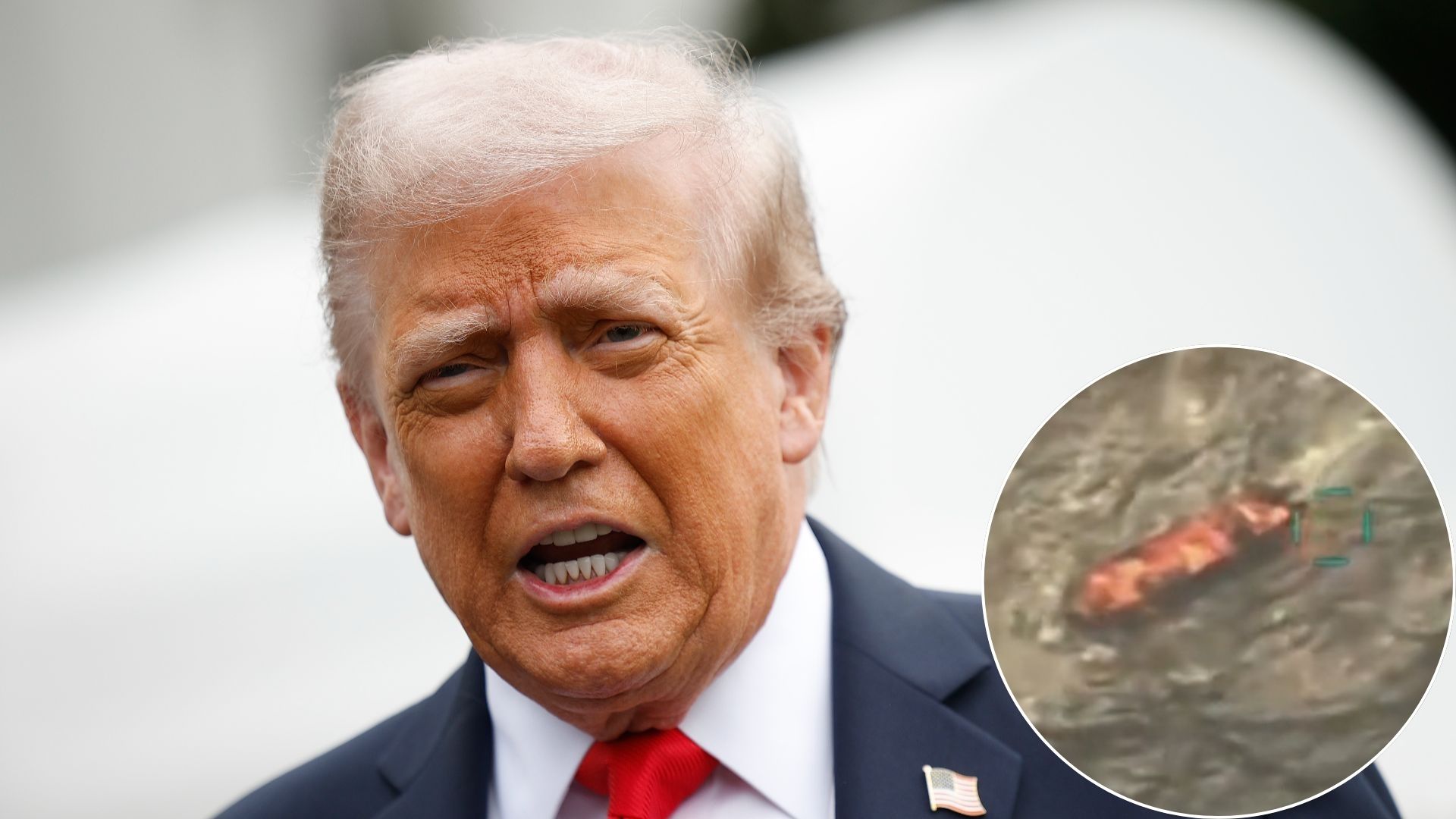
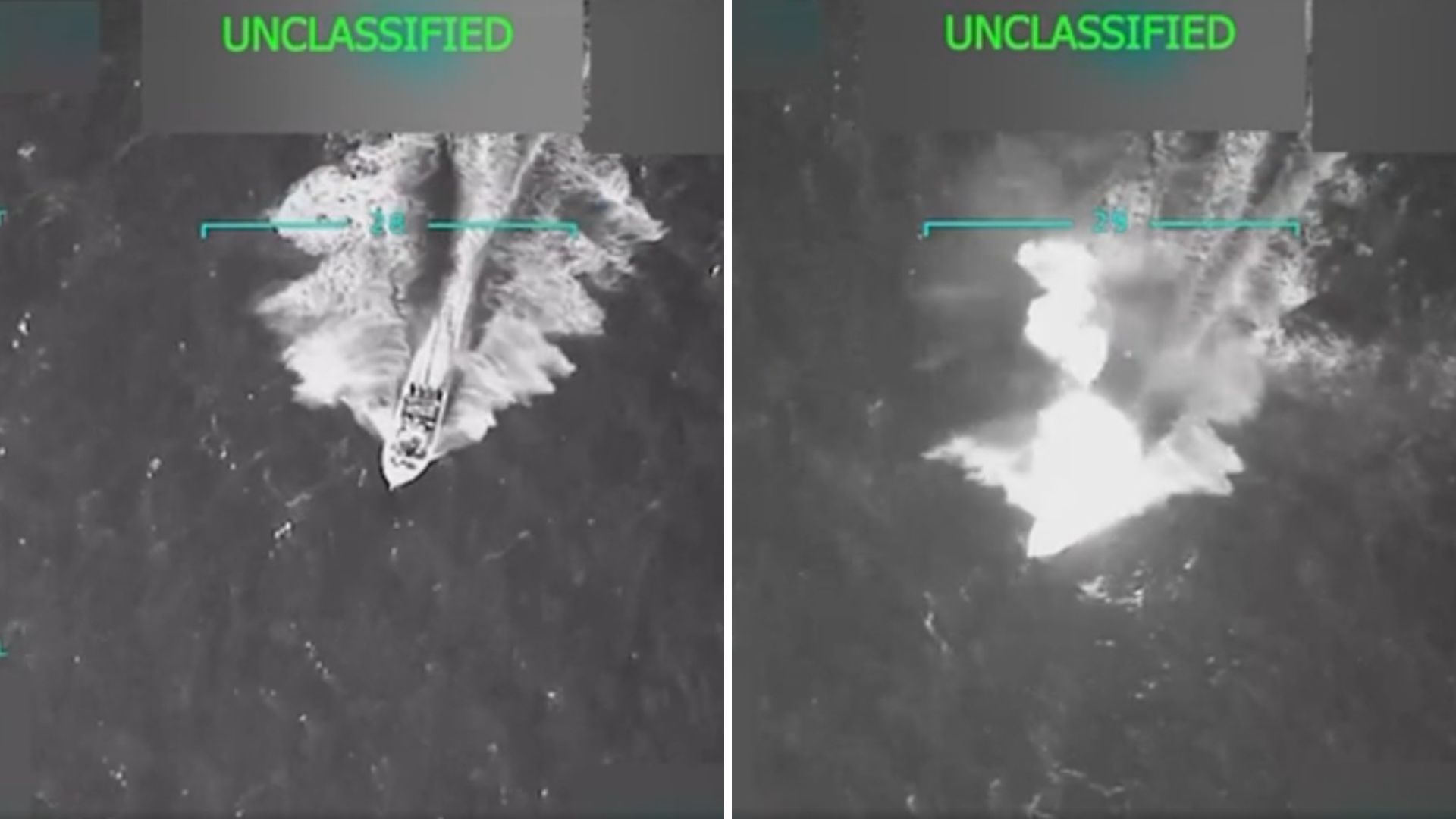
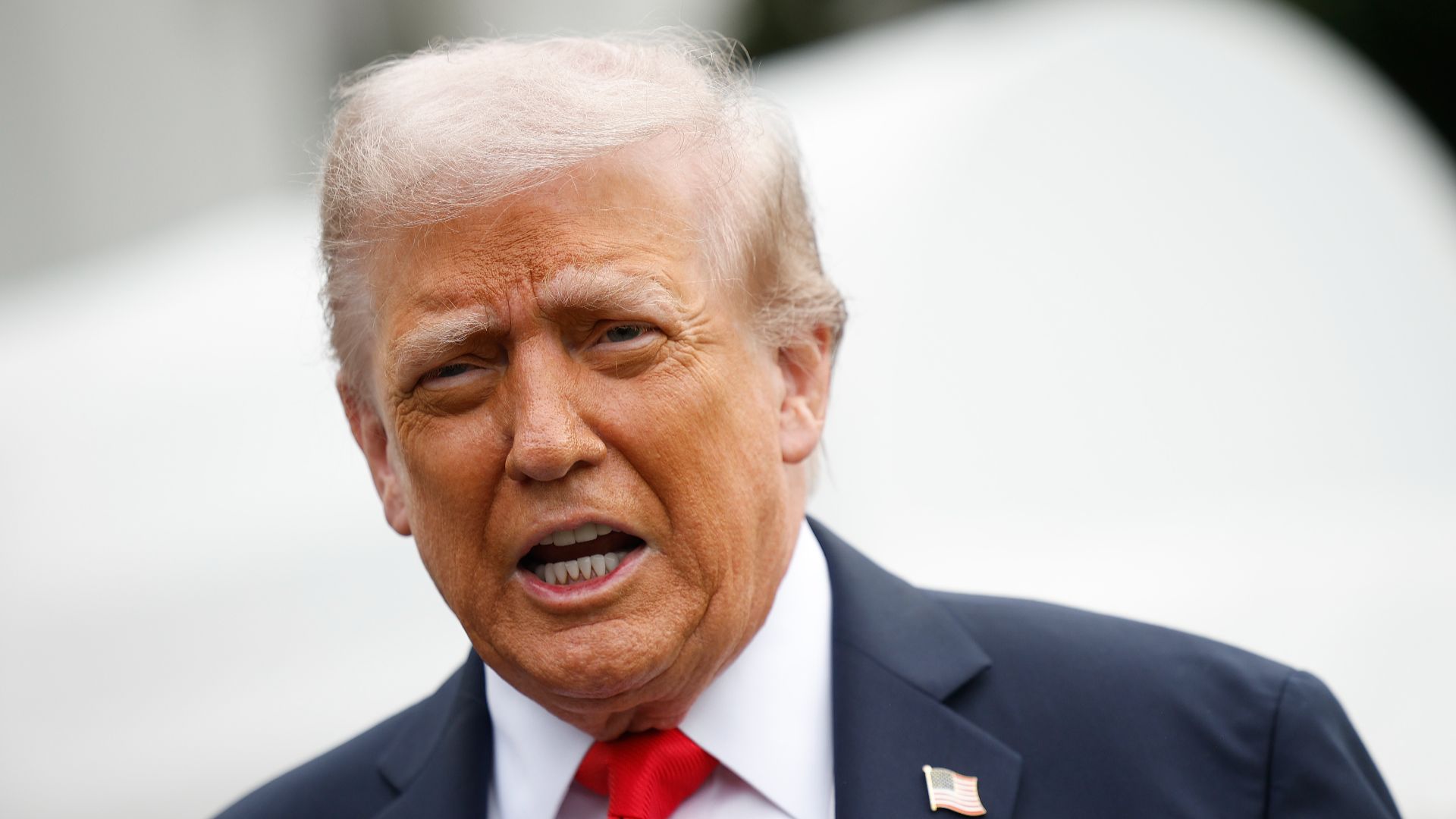
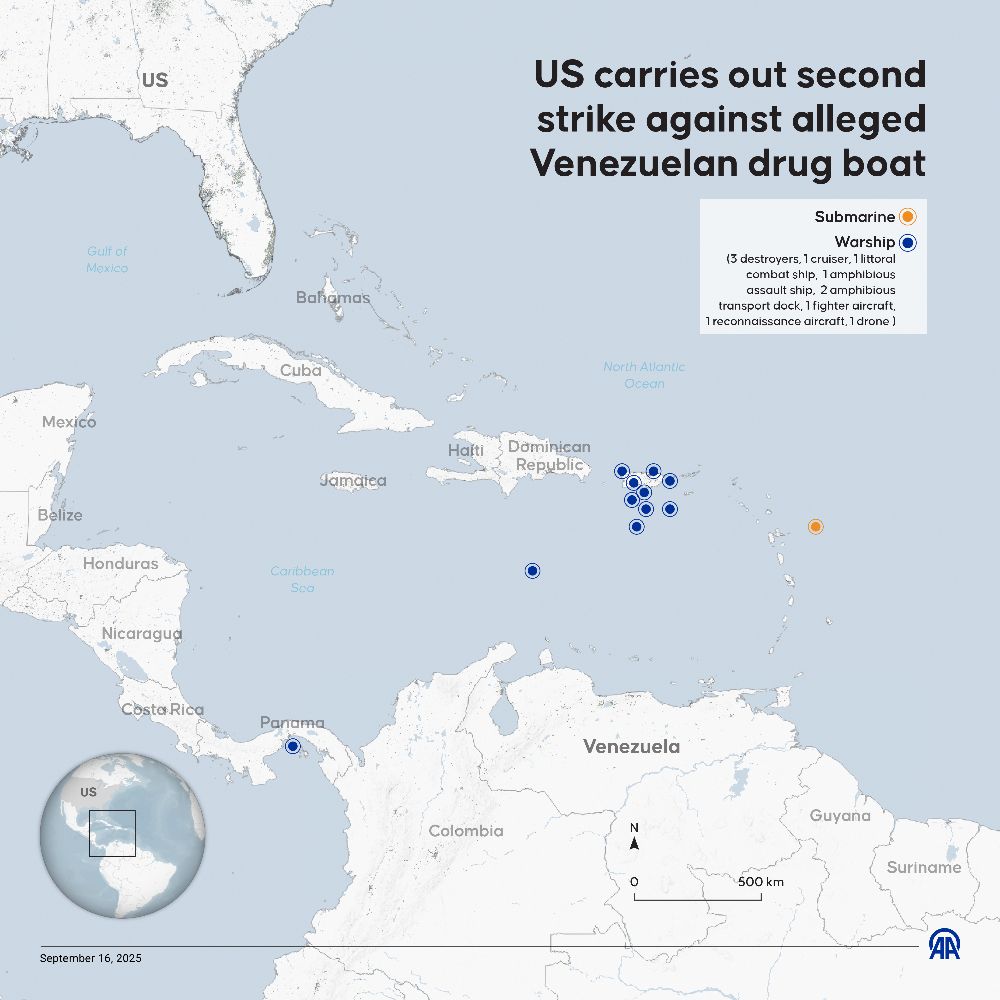
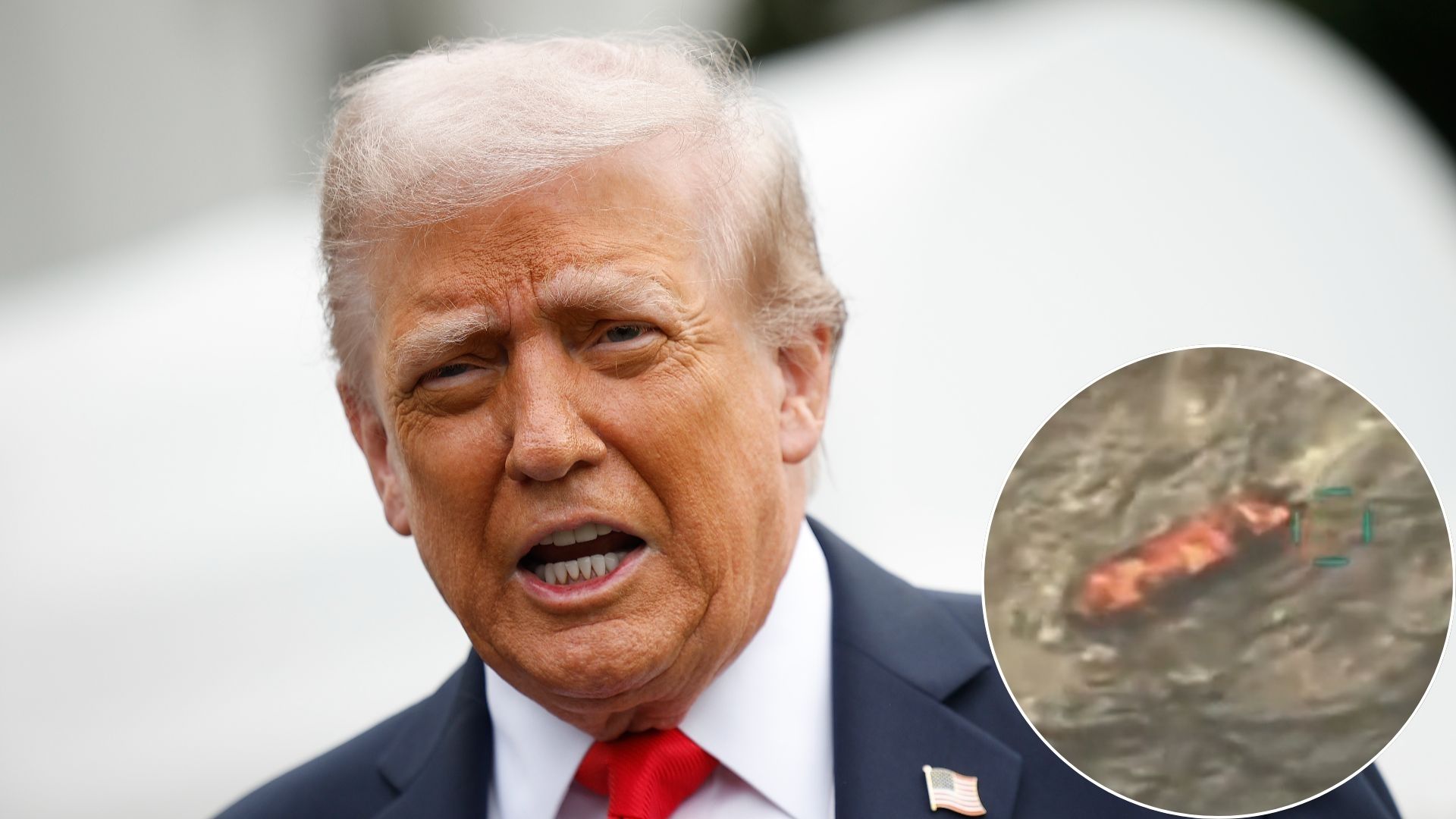
Donald Trump a confirmé une frappe contre un second bateau accusé d’acheminer de la drogue du Venezuela aux États-Unis.
The US military killed three people in another deadly strike on a vessel in international waters around South America allegedly "transporting illegal narcotics" from Venezuela, President Donald Trump said in a Truth Social post. https://cnn.it/4na60EM
L’administration soutient que cette seconde attaque, conduite en eaux internationales, a fait trois morts.
Des «cartels violents de trafic de drogue»
Sans fournir de détails précis, Trump a qualifié les passagers du navire de «cartels violents de trafic de drogue» et a affirmé que cette frappe était nécessaire pour protéger la sécurité nationale des États-Unis.
«Nous savions exactement qui était à bord. Nous savions exactement ce qu’ils faisaient et nous savions exactement qui ils représentaient.»
Le premier incident
Rappelons qu’un premier bombardement ordonné par l’administration Trump est survenu le 2 septembre dernier, lorsque l’armée américaine a créé la surprise à l’international en détruisant un navire en provenance du Venezuela, que Trump a ensuite accusé d’appartenir au gang «Tren de Aragua».
CaptureFBI
«C’est une agression sur toute la ligne, c’est une agression judiciaire… une agression politique… une agression diplomatique et une agression continue de caractère militaire.»
L’administration Trump a justifié cette frappe en assurant connaître «exactement» l’identité des personnes à bord, leurs activités et l’origine du navire, sans toutefois présenter de preuves publiques. Elle la présente comme une action défensive contre un trafic de stupéfiants menaçant la santé publique et la sécurité des États-Unis.
«SI VOUS TRANSPORTEZ DE LA DROGUE QUI PEUT TUER DES AMÉRICAINS, NOUS VOUS TRAQUONS!»
Getty Images
Le Secrétaire à la Défense des États-Unis, Pete Hegseth, l’a affirmé sans détour : «Nous savions exactement qui était à bord. Nous savions exactement ce qu’ils faisaient et nous savions exactement qui ils représentaient.»
La tension monte avec le président vénézuélien
Donald Trump a publié sur Truth Social un long message accompagné d’une vidéo déclassifiée de la frappe, écrivant: «ATTENTION: SI VOUS TRANSPORTEZ DE LA DROGUE QUI PEUT TUER DES AMÉRICAINS, NOUS VOUS TRAQUONS! Les activités illicites de ces cartels ont eu des conséquences dévastatrices sur les communautés américaines pendant des décennies, tuant des millions de citoyens américains. PLUS JAMAIS.»
Getty Images
D’après Reuters, le président vénézuélien Nicolás Maduro a fermement dénoncé cette première frappe américaine, qu’il a qualifiée «d’agression», rejetant les justifications avancées, en particulier l’allégation selon laquelle le navire transportait réellement de la drogue ou était utilisé par des narcoterroristes.
Getty Images
«C’est une agression sur toute la ligne, c’est une agression judiciaire… une agression politique… une agression diplomatique et une agression continue de caractère militaire», a déclaré Maduro, en affirmant qu’il s’agissait d’une véritable attaque dirigée contre son pays.
Légalité et controverses
Les bombardements ordonnés par Donald Trump suscitent une vive controverse sur le plan légal et politique.
Getty Images
Aux États-Unis, des juristes dénoncent l’absence d’autorisation claire du Congrès, considérant que l’exécutif outrepasse ses pouvoirs. Sur la scène internationale, des experts rappellent que le droit autorise l’usage de la force seulement en cas de menace imminente ou avec l’aval de l’ONU, conditions jugées non remplies.
Plusieurs voix soulignent aussi le caractère extrajudiciaire de ces frappes, menées sans preuves publiques.
BREAKING: Trump says the U.S. again targeted a boat allegedly carrying drugs from Venezuela and three people were killed in the strike.
Donald Trump has confirmed a strike against a second ship accused of transporting drugs from Venezuela to the United States.
The US military killed three people in another deadly strike on a vessel in international waters around South America allegedly "transporting illegal narcotics" from Venezuela, President Donald Trump said in a Truth Social post. https://cnn.it/4na60EM
The administration claims that this second attack, carried out in international waters, left three people dead.
« Violent drug cartels »
Without providing specific details, Trump described the ship’s passengers as « violent drug trafficking cartels » and claimed that the strike was necessary to protect US national security.
The first incident
The first bombing ordered by the Trump administration occurred on September 2, when the US military created an international surprise by destroying a ship from Venezuela, which Trump then accused of belonging to the « Tren de Aragua » gang.
CaptureFBI
The Trump administration justified the strike by claiming to know « exactly » the identity of the people on board, their activities and the origin of the vessel, without however presenting any public evidence. It presented it as a defensive action against drug trafficking threatening public health and the security of the United States.
Getty Images
U.S. Secretary of Defense Pete Hegseth said the government « knew exactly » who was on board and what they were doing.
Tensions rise with Venezuelan president
Getty Images
According to Reuters, Venezuelan President Nicolás Maduro strongly denounced this U.S. first strike as aggression, rejecting the justifications put attack, in particular the allegation that the ship was actually carrying drugs or being used by narco-terrorists.
Getty Images
Legality and controversy
The bombings ordered by Donald Trump are causing considerable legal and political controversy.
Getty Images
In the United States, legal experts are denouncing the lack of a clear authorization from Congress, considering that the executive is overstepping its powers. On the international scene, experts point out that the law authorizes the use of force only in cases of imminent threat, or with the approval of the UN, conditions deemed not to have been met.
Many also point to the extra-judicial nature of these strikes, carried out without public proof.
BREAKING: Trump says the U.S. again targeted a boat allegedly carrying drugs from Venezuela and three people were killed in the strike.
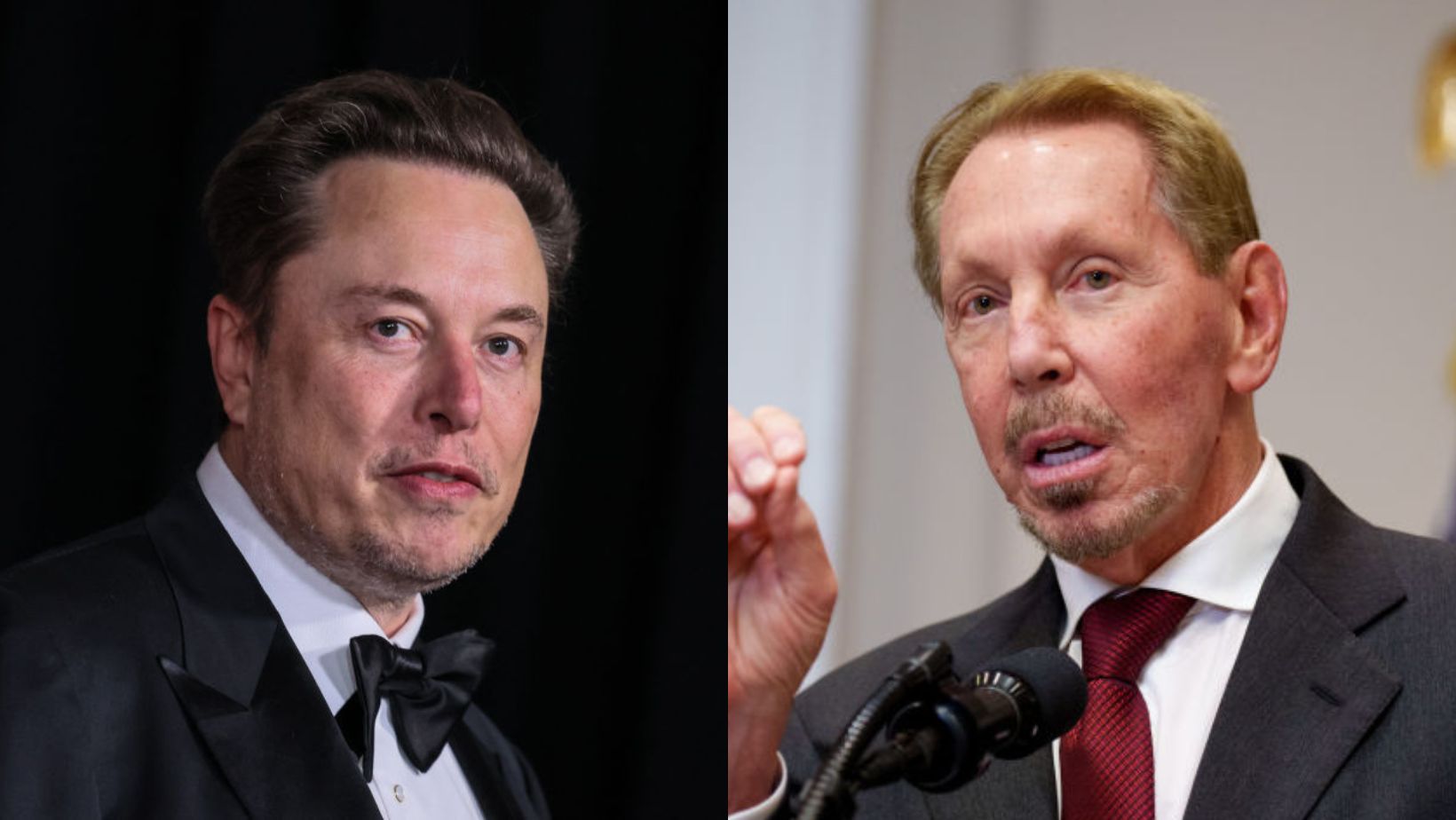
According to Bloomberg, Larry Ellison has become the richest man in the world, surpassing Elon Musk.
In fact, theOracle co-founder has seen his company’s share price jump by over 40% in recent days. His fortune is now calculated at nearly $400B (US), unlike Musk’ s $385B (US).
NEW: Larry Ellison becomes the richest person in the world, with shares of the tech giant he co-founded surging more than 40%. https://t.co/oFC0H91tLV
Meta CEO Mark Zuckerberg completes the top-3, with Jeff Bezos and the duo of Larry Page and Sergey Brin close behind.
With the Ellison family’s recent investments in politics and media, plus anOracle order valued at over $450B (US) for Cloud services and contracts withAI, Nvidia and OpenAI, their empire has taken off in leaps and bounds. The Ellison family also recently bought Paramount Global for $8B (US).
Oracle and Ellison are also planning further deals over the coming months, which could exceed $500B (US), including a data center project with Softbank’s Masayoshi Son and OpenAI’s Sam Altman.
The president threatened an ABC News reporter who asked him about free speech, suggesting he might ask U.S. Attorney General Pam Bondi to go after him.
The comments were the latest in a string of threats the president has made against the press in the last 24 hours.
In the wake of Charlie Kirk’s murder, Pam Bondi promised that the U.S. Justice Department would target « hate speech » attributed, according to Trump and his allies, to the left.
Getty Images
Bondi’s statements provoked an outcry, with many fearing they would threaten freedom of expression. It was against this backdrop that Donald Trump threatened a journalist who asked him about these concerns, which are shared even in his own political camp.
Asked about free speech from the White House lawn, Trump threatened Jonathan Karl, chief Washington correspondent for ABC News.
« Many of your allies say that hate speech is free speech, » the ABC News reporter challenged Trump, echoing criticism of the administration on this point and recalling Charlie Kirk’s own comments that even hate speech should be protected « by the First Amendment ».
Getty Images
Referring to Pam Bondi, Trump replied to the reporter:
« She’d probably go after people like you, because you treat me unfairly. That’s hate. You have a lot of hate in your heart. »
Getty Images
Boasting that ABC had paid him « $16 million », Trump added:
« Then maybe they’ll come after you. »
Protected by the First Amendment
In 2024, Charlie Kirk had declared in a post on X:
« Hate speech doesn’t legally exist in America. There is ugly speech. There is rude speech. There is malicious speech. And all are protected by the First Amendment. Let’s keep America free. »
Recall that, during a recent podcast, Pam Bondi had declared that Department of Justice « will target you and come after you, if you come after anyone with hate speech. »
These remarks immediately drew criticism from a variety of quarters, including some MAGA Republicans, concerned about a possible rollback of free speech.
Getty Images
Bondi later clarified to Axios that the DOJ would not prosecute or investigate mere hate speech unless it constituted unlawful incitement to violence.
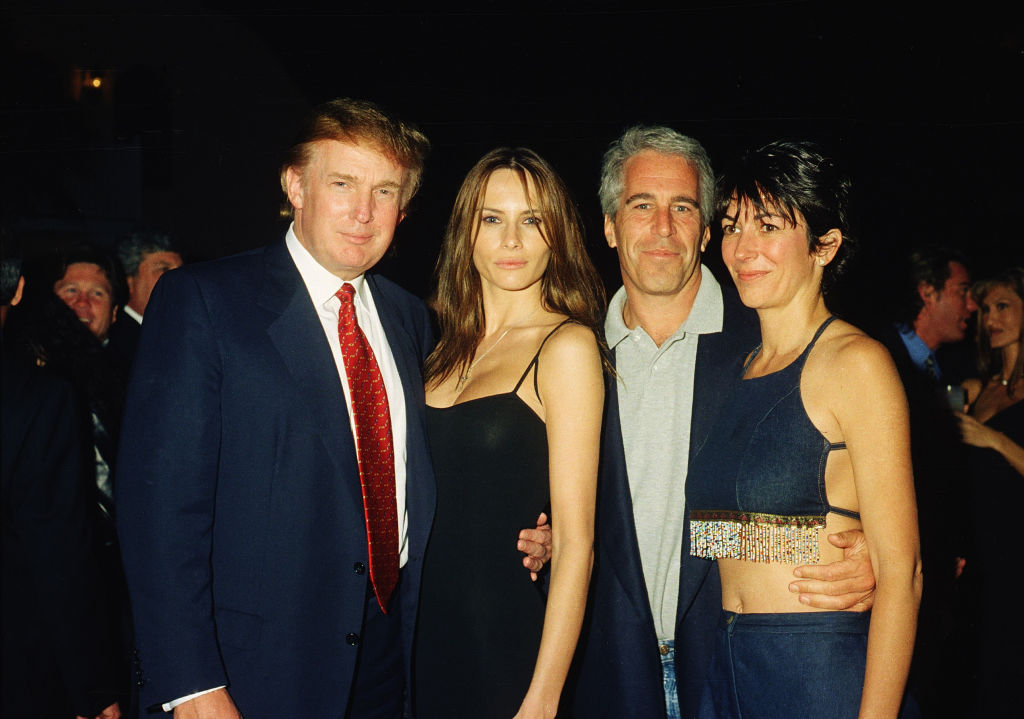
De gauche à droite, le promoteur immobilier américain Donald Trump et sa petite amie (et future épouse), l'ancien mannequin Melania Knauss, le financier (et futur délinquant sexuel condamné) Jeffrey Epstein, et la mondaine britannique Ghislaine Maxwell posent ensemble au club Mar-a-Lago, à Palm Beach, en Floride, le 12 février 2000. (Photo par Davidoff Studios/Getty Images)
Les républicains ont voté pour retarder la publication des dossiers Epstein, battant l’opposition par 51 voix contre 49.
C’est la troisième fois que l’amendement du sénateur Chuck Schumer à la loi sur l’autorisation de la défense nationale est déposé.
Deux républicains ont rompu les rangs lors du vote, rejoignant leur opposition démocrate. Les sénateurs Josh Hawley et Rand Paul ont tous deux voté en faveur de la divulgation des dossiers, ce qui pourrait représenter une poussée centriste au sein du parti.
Une décision attendue depuis longtemps
Les hommes politiques et les électeurs ont réclamé à cor et à cri la publication des dossiers. Pourtant, le président Donald Trump continue de retarder les choses et de faire diversion, affirmant que les dossiers sont un « canular », alors qu’il avait déclaré lors de sa campagne électorale en 2024 qu’il les déclassifierait s’il était élu.
Depuis son élection, Donald Trump s’est attaché à détourner l’attention de sa relation bien documentée avec Epstein. Le président américain était publiquement ami avec le financier criminel dans les années 90 et au début des années 2000, avant de s’efforcer de se séparer du criminel reconnu.
Les dossiers Epstein sont revenus sur le devant de la scène médiatique en juillet 2025, après qu’un article du Wall Street Journal a affirmé que la ministre de la justice Pam Bondi et son adjoint, Todd Blanche, avaient informé le président Donald Trump en mai que son nom apparaissait plusieurs fois dans les dossiers du gouvernement sur Jeffrey Epstein, examinés par le FBI.
La Maison-Blanche a qualifié cette histoire de « fake news » et a depuis évité de répondre aux questions sur le sujet.
« Il y a eu tellement de mensonges, d’obscurcissements, de dissimulations que le peuple américain doit voir tout ce qu’il y a dans le dossier Epstein », a déclaré M. Schumer à la presse.
Au nom du parti démocrate, le chef de la majorité John Thune a qualifié le vote de « coup politique » dont les républicains doivent « se débarrasser ».
Political polarization in the United States has reached an extremely dangerous level, affecting Democrats and Republicans alike. Since Donald Trump entered politics in 2017, a surge in threats and attacks has been evident.
The assassination of Charlie Kirk is apparently the latest in a string of terrifying acts of political violence in the U.S. “A society that resorts to violence to solve its problems starts to surrender its claim on being a society,” @dgraham.bsky.social writes.
Yet while Trump points the finger of blame at the « radical left », citing the assassination of Charlie Kirk and the failed attempt on his life, he is silent about attacks on Democratic elected officials, including the foiled kidnap attempt on Michigan Governor Gretchen Whitmer and the deaths of Melissa Hortman, a Democratic elected official from Minnesota, and her husband.
Getty Images
Even more, we can’t ignore the gap between pre- and post-Trump: from 2016 to 2025, figures from the U.S. Capitol Police (USCP) reveal a dramatic increase in threats and incidents targeting U.S. elected officials.
In 2016, there were around 902 open cases. By 2017, the year Donald Trump became president, this figure jumped to 3,939, more than four times as many. The trend then accelerates: 5,206 in 2018, 6,955 in 2019, then a peak of 8,613 in 2020 in the midst of the presidential campaign.
An absolute record
The absolute record is reached in 2021 with 9,625 cases… never seen before! After a slight drop to 7,501 in 2022, the volume rises again in 2023 (8,008) and climbs again in 2024 to 9,474, almost to the record level of 2021. Full figures for 2025 have yet to be released, but Congressional security officials confirm that the pace remains high.
In less than ten years, the number of recorded threats has increased tenfold, a sign of political polarization that is now turning into physical danger not only for elected officials, but also for polarizing public figures like Charlie Kirk, media personalities building their notoriety on controversial comments and whose rise has accelerated with Trump’s arrival in politics.
Getty Images
Between 2017 and September 2025, many American politicians and public figures were the target of threats, attacks or violent plots.
Steve Scalise, Barack Obama and Hillary Clinton
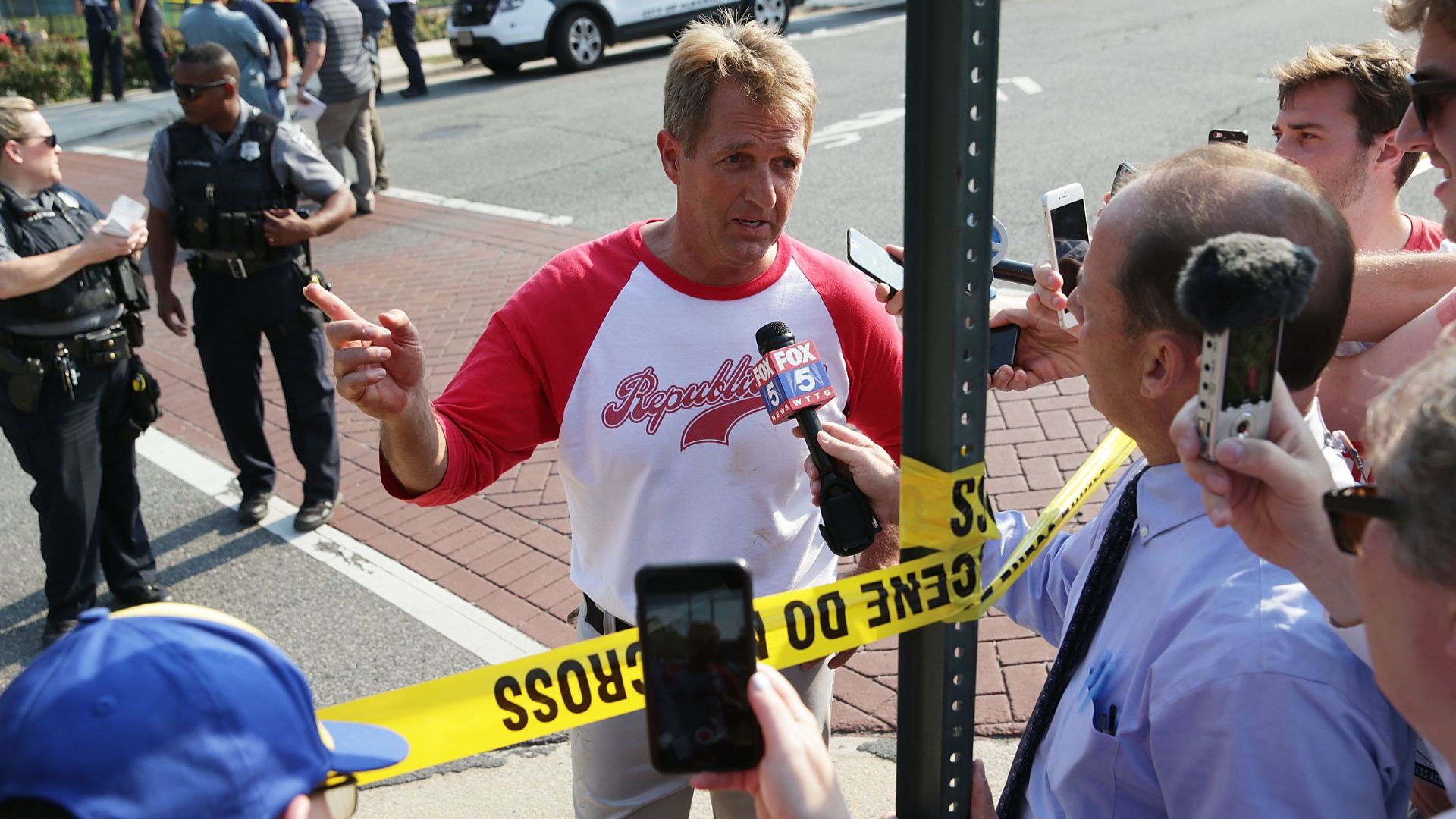
By 2017, the attacks were multiplying: first with bomb threats targeting Jewish community centers, orchestrated by Michael Ron David Kadar and Juan M. Thompson, then with the shooting of Republican members of Congress at a baseball practice, where Republican Steve Scalise was seriously wounded by James Hodgkinson, a staunch opponent of Trump from the radical left.
Getty Images
The following year, the escalation continued with package bombs sent by Trump supporter Cesar Sayoc to Democratic figures such as Barack Obama, Hillary Clinton and Joe Biden, as well as to CNN, and the attempt to intimidate Senator Susan Collins with a powdery letter.
A worrying tipping point
In 2019, the Christopher Paul Hasson case illustrates a worrying shift: a Coast Guard officer fascinated by Anders Breivik, he was planning a mass attack against Democratic elected officials such as Nancy Pelosi, Chuck Schumer and Alexandria Ocasio-Cortez, as well as journalists from CNN and MSNBC, all motivated by white supremacism.
Gretchen Whitmer, Mike Pence and Paul Pelosi and Nancy Pelosi
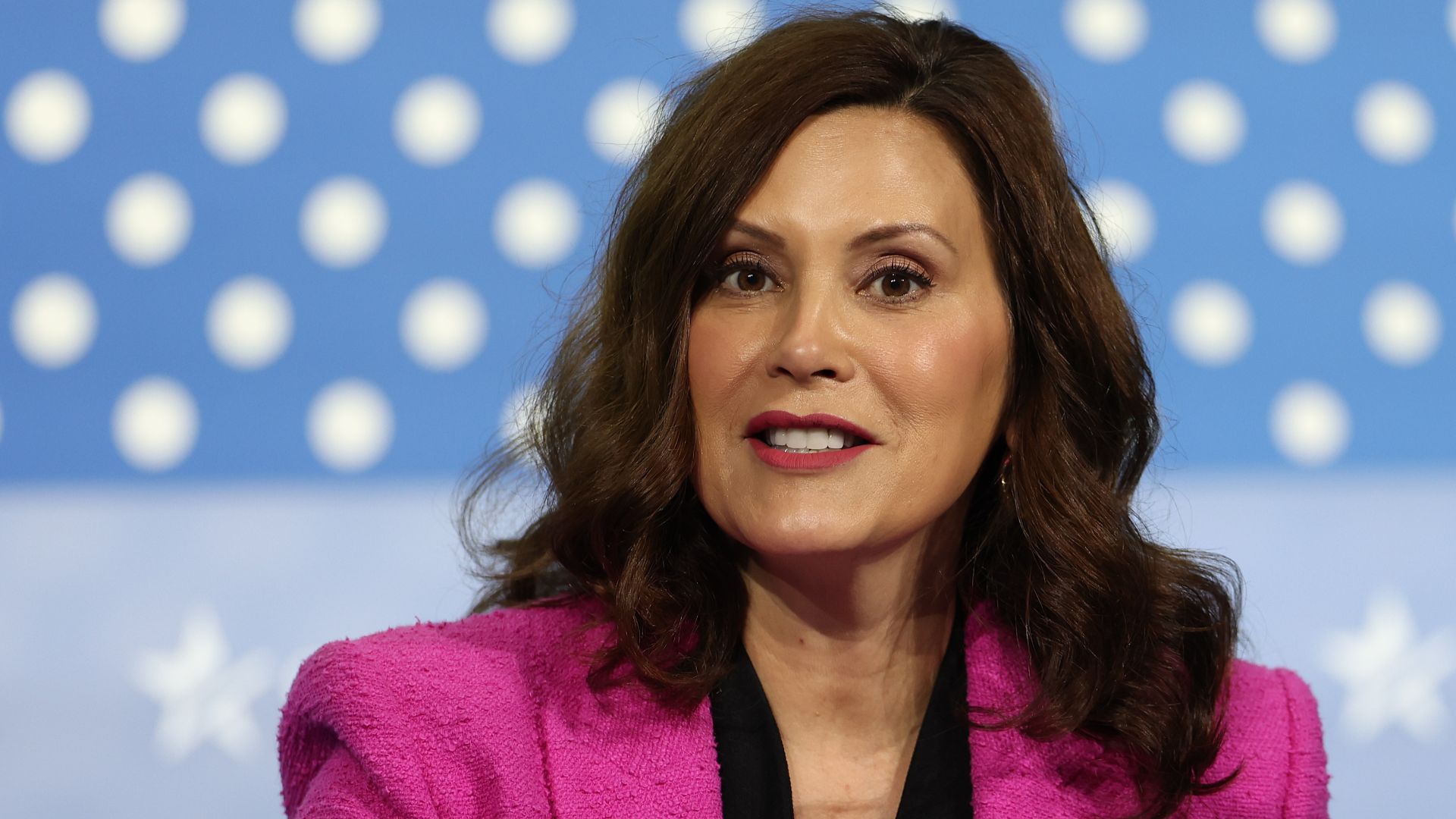
The following years confirm the seriousness of the phenomenon: in 2020, a far-right group plots the kidnapping of Michigan’s Democratic governor, Gretchen Whitmer, out of hostility to Covid-related health measures.
Getty Images
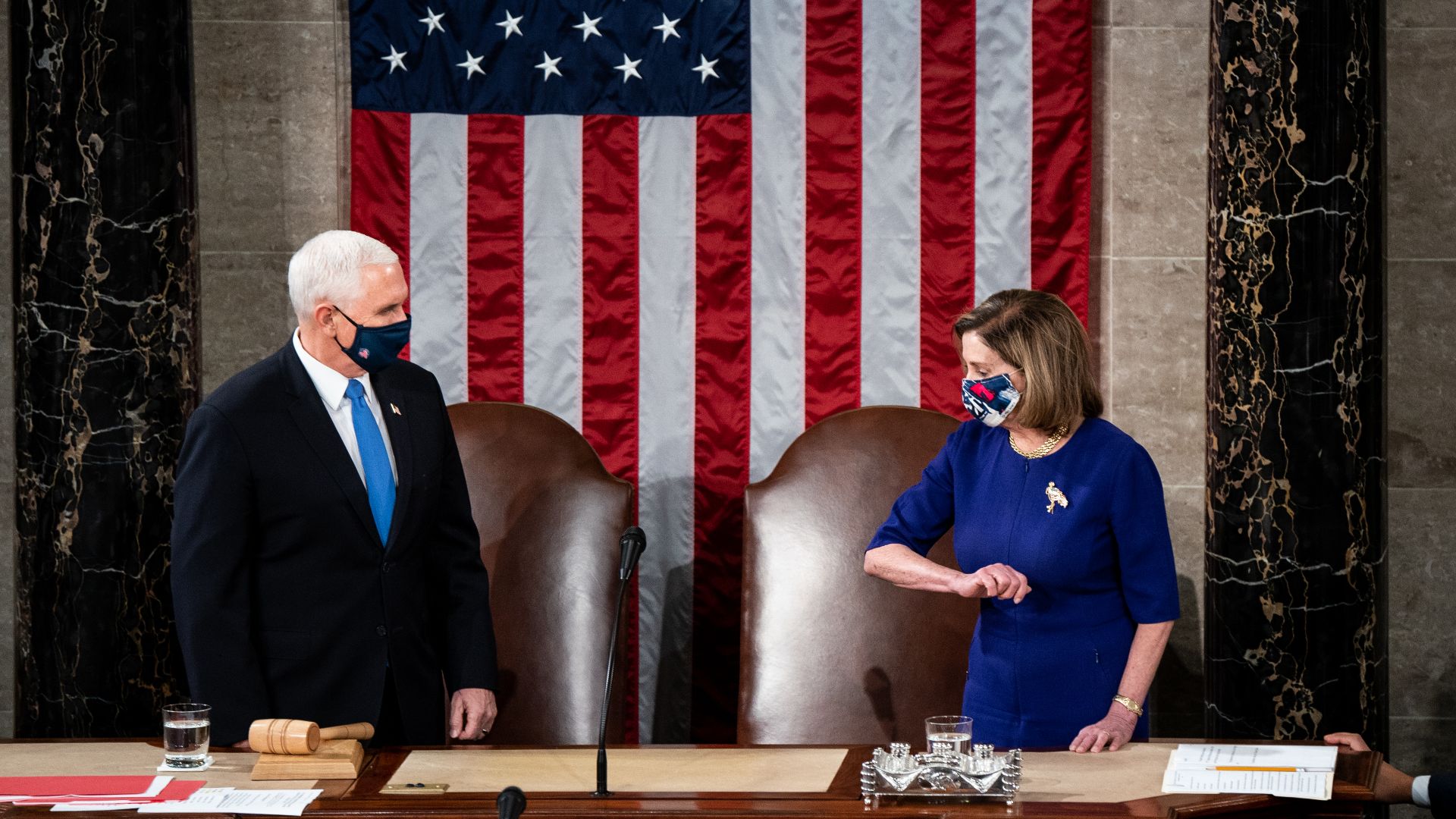
During the Capitol Hill insurrection on January 6, 2021, several U.S. elected officials were directly threatened by Donald Trump supporters trying to prevent the certification of Joe Biden’s victory. In particular, the rioters chanted slogans calling for « hanging Mike Pence », then Republican vice president, accused of betraying Trump by validating the election result. Nancy Pelosi, then Democratic Speaker of the House of Representatives, was also among the priority targets, with intruders seeking out her office by shouting her name.
Getty Images
In 2022, physical assaults multiplied, with the attempted cutter attack on Republican Lee Zeldin, armed threats aimed at Democrat Pramila Jayapal and the hammer attack on Nancy Pelosi’s husband Paul Pelosi, motivated by far-right conspiracy theories.
Nikki Haley, Marjorie Taylor Greene, Jack Smith and Donald Trump
The years 2023 and 2024 saw both a wave of swattings, affecting elected officials and judges of all stripes (Nikki Haley, Marjorie Taylor Greene, Shenna Bellows, Jack Smith, Tanya Chutkan, Arthur Engoron, Rick Scott, Michelle Wu, etc.), and serious threats against Joe Biden.
It was also in 2024 that two assassination attempts were made against Donald Trump: the first in Butler, Pennsylvania, where a bystander was killed and Trump wounded, and the second near his golf club in Florida, attributed to Ryan Wesley Routh, still on trial.
Josh Shapiro, Melissa Hortman and Charlie Kirk
In 2025, the attacks continued with the arson on Governor Josh Shapiro’s official residence in Pennsylvania, committed by Cody Allen Balmer, mixing personal hatred, anti-Semitic motives and reference to the Israel-Gaza conflict.
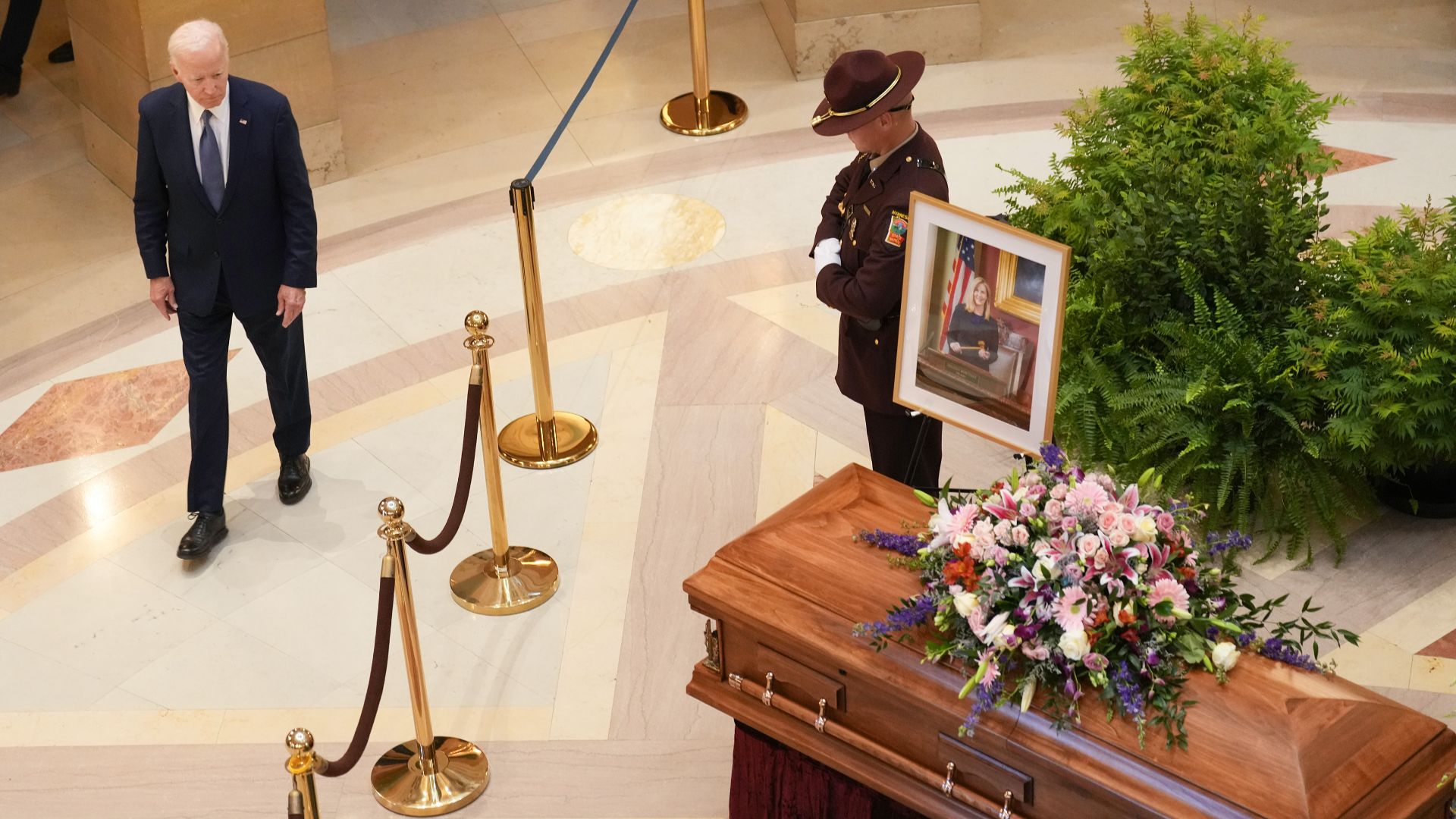
A few weeks later, Minnesota was hit by the assassination of Melissa Hortman, a Democrat, and her husband, while Senator John Hoffman and his wife were seriously wounded by an assailant posing as a police officer.
Getty Images
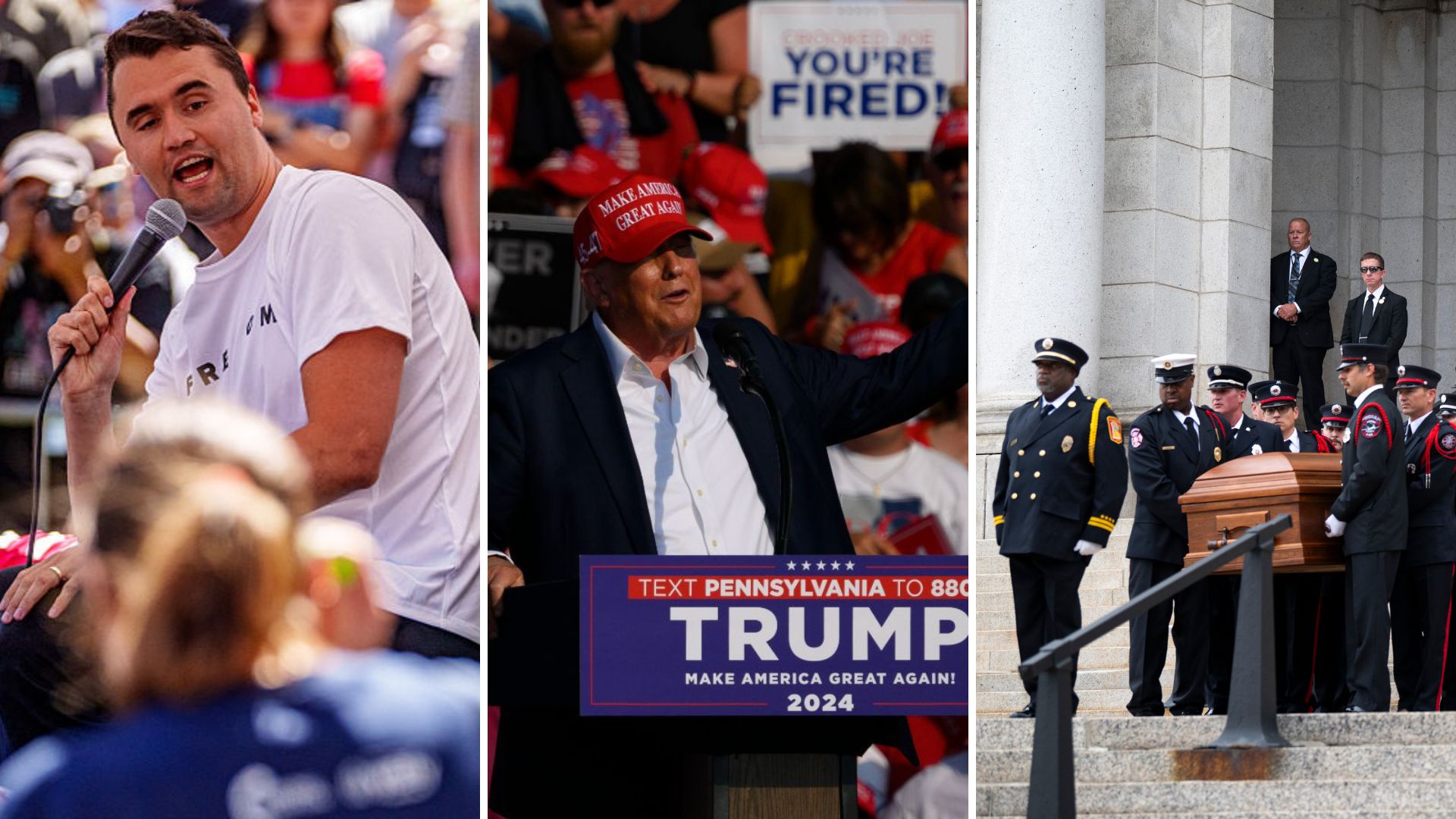
Then, in September 2025, conservative activist Charlie Kirk is gunned down at an event at Utah Valley University, a tragedy still under investigation.
A heavy trend
We can see that political threats and violence in the United States are no longer isolated events, but a heavy trend that has been rising steadily since 2017. They affect Republicans and Democrats alike, fueled by extreme polarization, conspiracy rhetoric and the use of hate as a political weapon.
Getty Images
Donald Trump’s reaction to Charlie Kirk’s death perfectly illustrates the dilemma: rather than calling for appeasement, he directly points the finger of blame at the radical left, reinforcing the idea of an existential clash between camps.
This selective reading on the part of the President, who neglects the attacks coming from the right, risks further fueling the cycle of violence and further weakening American democracy.
A mocking statement, but one that some believe reveals his perception of his supporters.
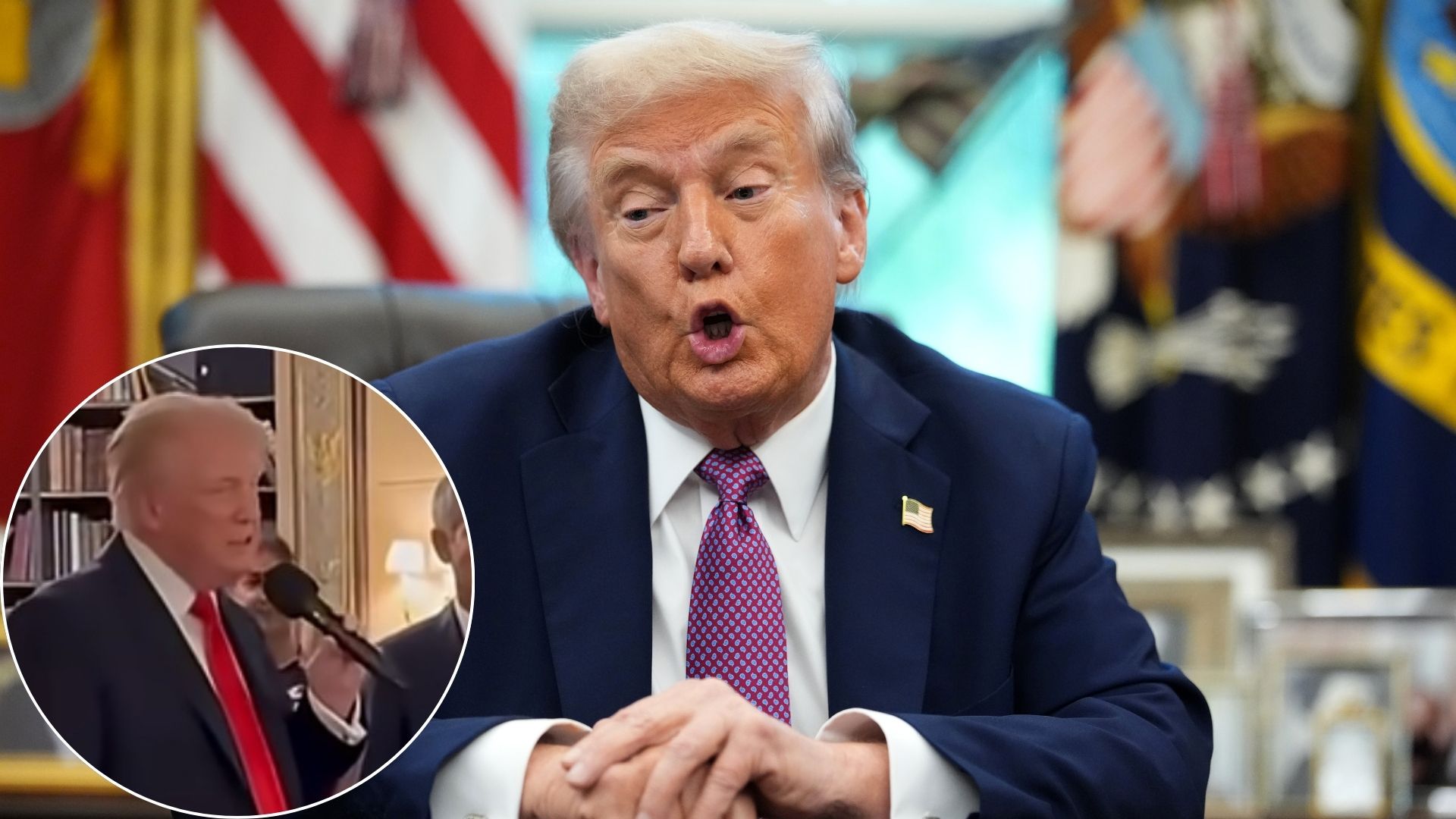
A viral video at Bedminster Golf Club
In a video widely relayed on social networks, we see Donald Trump, microphone in hand, addressing a small group of people gathered around him.
The scene was filmed on September 13, at his Bedminster Golf Club in New Jersey, according to several sources.
Getty Images
While Trump was addressing the assassination of Charlie Kirk, which occurred a few days earlier, as well as the suspect, it was nevertheless these words that caught the eye.
A revealing statement?
This statement, obviously made in a mocking tone, triggered laughter in the room.
Getty Images
Yet some observers saw it as a revealing remark, likely to reflect what Trump really thinks of his own supporters, especially as he has in the past expressed ambivalent views on the education or intelligence of his electorate, most notably in 2016, when he declared:
« I like the poorly educated . »
Getty Images
Trump’s latest comments are part of a long list of controversial outbursts, often calculated to provoke, confuse or polarize opinion.
La polarisation politique aux États-Unis a atteint un degré extrêmement dangereux, touchant aussi bien les démocrates que les républicains. Depuis l’entrée de Donald Trump en politique en 2017, une montée en flèche des menaces et attaques est manifeste.
The assassination of Charlie Kirk is apparently the latest in a string of terrifying acts of political violence in the U.S. “A society that resorts to violence to solve its problems starts to surrender its claim on being a society,” @dgraham.bsky.social writes.
Or, si Trump désigne les «radicaux de gauche» comme responsables, en citant l’assassinat de Charlie Kirk et la tentative d’attentat ratée contre lui, il passe sous silence les attaques visant des élus démocrates, dont la tentative d’enlèvement déjouée contre la gouverneure du Michigan Gretchen Whitmer ainsi que la mort de Melissa Hortman, élue démocrate du Minnesota, et de son mari.
Getty Images
Plus encore, on ne peut ignorer l’écart entre l’avant et l’après-Trump: de 2016 à 2025, les chiffres de la police du Capitole (USCP) révèlent une augmentation spectaculaire des menaces et incidents visant les élus américains.
En 2016, on recensait environ 902 dossiers ouverts. Dès 2017, l’année de l’arrivée de Donald Trump à la présidence, ce chiffre bondit à 3 939, soit plus de quatre fois plus. La tendance s’accélère ensuite: 5 206 en 2018, 6 955 en 2019, puis un pic de 8 613 en 2020 en pleine campagne présidentielle.
Un record absolu
Le record absolu est atteint en 2021 avec 9 625 cas… du jamais vu! Après une légère baisse à 7 501 en 2022, le volume repart à la hausse en 2023 (8 008) et grimpe encore en 2024 à 9 474, quasiment au niveau record de 2021. Pour 2025, les chiffres complets ne sont pas encore publiés, mais les responsables de la sécurité du Congrès confirment que le rythme reste élevé.
En moins de dix ans, le nombre de menaces recensées a été multiplié par dix, signe d’une polarisation politique qui se transforme aujourd’hui en danger physique non seulement pour les élus, mais aussi pour des figures publiques polarisantes comme Charlie Kirk, personnalités médiatiques bâtissant leur notoriété sur des propos controversés et dont l’ascension s’est accélérée avec l’arrivée de Trump en politique.
Getty Images
Entre 2017 et septembre 2025, de nombreux responsables politiques et figures publiques américaines ont été la cible de menaces, d’attentats ou de complots violents.
Steve Scalise, Barack Obama et Hillary Clinton
Dès 2017, les attaques se multiplient: d’abord avec les alertes à la bombe visant des centres communautaires juifs, orchestrées par Michael Ron David Kadar et Juan M. Thompson, puis avec la fusillade contre les membres républicains du Congrès lors d’un entraînement de baseball, où le républicain Steve Scalise fut grièvement blessé par James Hodgkinson, un opposant farouche à Trump issu de la gauche radicale.
Getty Images
L’année suivante, l’escalade continue avec les colis piégés envoyés par Cesar Sayoc, un partisan de Trump, à des personnalités démocrates comme Barack Obama, Hillary Clinton et Joe Biden, ainsi qu’à CNN, ainsi qu’avec la tentative d’intimidation contre la sénatrice Susan Collins par une lettre poudreuse.
Un basculement inquiétant
En 2019, le cas Christopher Paul Hasson illustre un basculement inquiétant : officier de la Garde côtière fasciné par Anders Breivik, il préparait un attentat de masse contre des élus démocrates comme Nancy Pelosi, Chuck Schumer et Alexandria Ocasio-Cortez, ainsi que contre des journalistes de CNN et MSNBC, le tout motivé par le suprémacisme blanc.
Gretchen Whitmer, Mike Pence et Paul Pelosi et Nancy Pelosi
Les années suivantes confirment la gravité du phénomène: en 2020, un groupe d’extrême droite prépare l’enlèvement de la gouverneure démocrate du Michigan, Gretchen Whitmer, par hostilité aux mesures sanitaires liées au Covid.
Getty Images
Lors de l’attaque du Capitole le 6 janvier 2021, plusieurs élus américains ont été directement menacés par les partisans de Donald Trump qui tentaient d’empêcher la certification de la victoire de Joe Biden. Les émeutiers scandaient notamment des slogans appelant à «pendre Mike Pence», alors vice-président républicain, accusé d’avoir trahi Trump en validant le résultat électoral. Nancy Pelosi, alors présidente démocrate de la Chambre des représentants, figurait également parmi les cibles prioritaires, avec des intrus cherchant son bureau en criant son nom.
Getty Images
En 2022, les agressions physiques se multiplient, avec la tentative d’attaque au cutter contre le républicain Lee Zeldin, les menaces armées visant la démocrate Pramila Jayapal et l’agression au marteau contre Paul Pelosi, mari de Nancy Pelosi, motivée par les thèses complotistes d’extrême droite.
Nikki Haley, Marjorie Taylor Greene, Jack Smith et Donald Trump
Les années 2023 et 2024 voient à la fois une vague de swattings, touchant des élus et juges de tous bords (Nikki Haley, Marjorie Taylor Greene, Shenna Bellows, Jack Smith, Tanya Chutkan, Arthur Engoron, Rick Scott, Michelle Wu, etc.), et des menaces graves contre Joe Biden.
C’est aussi en 2024 que surviennent deux tentatives d’assassinat contre Donald Trump: la première à Butler (Pennsylvanie), où un spectateur est tué et Trump blessé, et la seconde près de son club de golf en Floride, attribuée à Ryan Wesley Routh, toujours en procès.
Josh Shapiro, Melissa Hortman et Charlie Kirk
En 2025, les attaques se poursuivent avec l’incendie criminel contre la résidence officielle du gouverneur Josh Shapiro en Pennsylvanie, commis par Cody Allen Balmer, mêlant haine personnelle, motifs antisémites et référence au conflit Israël-Gaza.
Quelques semaines plus tard, le Minnesota est frappé par l’assassinat de Melissa Hortman, élue démocrate, et de son mari, tandis que le sénateur John Hoffman et son épouse sont grièvement blessés par un agresseur se faisant passer pour un policier.
Getty Images
Puis, en septembre 2025, le militant conservateur Charlie Kirk est abattu lors d’un événement à l’Utah Valley University, un drame toujours en cours d’investigation.
Une tendance lourde
On voit que les menaces et violences politiques aux États-Unis ne sont plus des faits isolés mais une tendance lourde, en hausse continue depuis 2017. Elles touchent aussi bien les républicains que les démocrates, nourries par la polarisation extrême, les discours complotistes et l’usage de la haine comme arme politique.
Getty Images
La réaction de Donald Trump après la mort de Charlie Kirk illustre parfaitement le dilemme: plutôt que d’appeler à l’apaisement, il désigne directement la gauche radicale comme responsable, renforçant l’idée d’un affrontement existentiel entre camps.
«De l’attaque contre ma vie à Butler, en Pennsylvanie, l’année dernière, qui a tué un mari et un père, aux attaques contre les agents de l’ICE, au meurtre brutal d’un cadre du secteur de la santé dans les rues de New York, à la fusillade du chef de la majorité à la Chambre des représentants, Steve Scalise, et de trois autres personnes, la violence politique de la gauche radicale a blessé trop d’innocents et a coûté trop de vies.»
Getty Images
Cette lecture sélective de la part du président, qui néglige les attaques venant de la droite, risque d’alimenter encore plus le cycle de violence et fragilise davantage la démocratie américaine.




 BIG Admin