Catégories
Uncategorized

Une nouvelle vague d’attaques frappe l’Iran, les États-Unis affirment que le CGRI a «disparu»

Après que le président américain Donald Trump et le dirigeant israélien Benjamin Netanyahu ont lancé leur guerre contre l’Iran le 28 février, des frappes constantes ont secoué le pays. Le 3 mars, les États-Unis ont détourné leur attention vers le groupe Hezbollah, basé au Liban et financé par l’Iran. Dans la nuit du 3 mars, les États-Unis et Israël ont mené des dizaines de frappes aériennes contre l’Iran et le Liban, Israël déployant des troupes supplémentaires à la frontière sud du Liban. Même si des centaines de personnes ont été tuées dans la capitale iranienne, Téhéran, selon des sources sur le terrain, les Iraniens « continuent simplement à vivre leur vie ».

Nouvelles frappes contre l’Iran

Le 3 mars, Donald Trump a annoncé que l’armée américaine avait complètement paralysé le CGRI iranien. Selon Trump, la marine iranienne et d’autres forces militaires ont été « mises hors d’état de nuire ». Trump a affirmé que les États-Unis avaient éliminé la détection aérienne de l’Iran et que ce dernier ne disposait désormais « d’aucune installation de détection ». Trump a également affirmé que les frappes américaines du 3 mars avaient tué le nouveau dirigeant iranien (qui n’avait pas encore été annoncé). Trump a affirmé que les États-Unis avaient tué la toute nouvelle administration iranienne et qu’après avoir éliminé la troisième administration, les États-Unis pourraient « ne plus les connaître du tout ». Après cette déclaration, Trump a laissé entendre que les États-Unis soutenaient « quelqu’un de l’intérieur » de l’Iran pour prendre la relève en tant que Guide suprême. Malheureusement, Trump a également déclaré que les États-Unis n’avaient aucune idée de qui ils choisiraient pour diriger l’Iran.

Rencontre avec la chancelière allemande

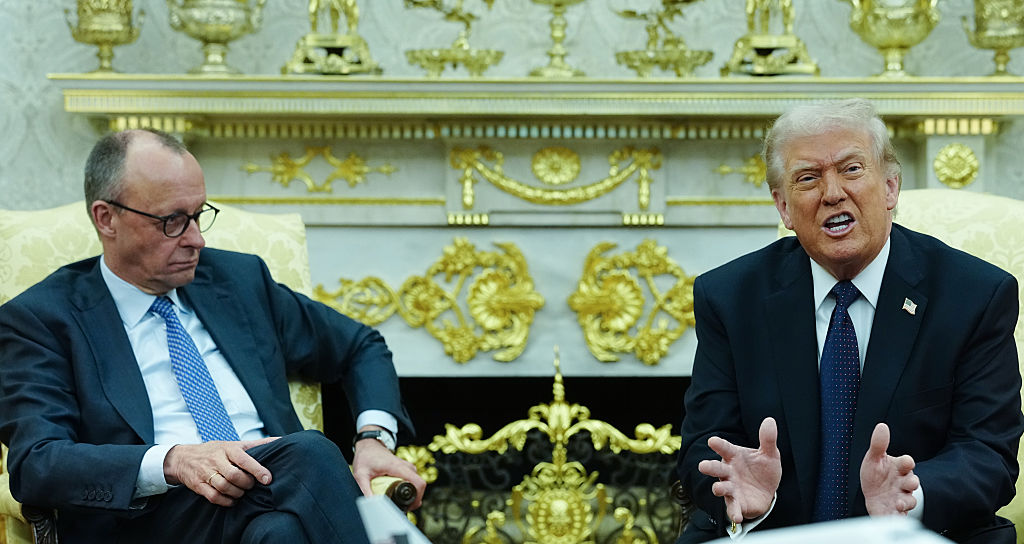
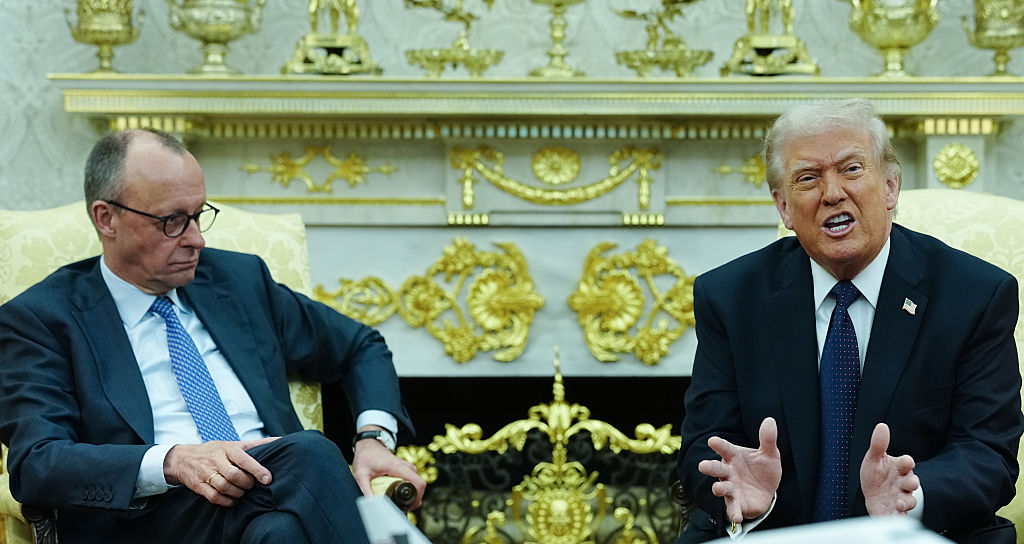
Lors d’une rencontre avec la chancelière allemande le 3 mars, Donald Trump a informé le public des dernières actions des États-Unis en Iran. Selon le président, les États-Unis et Israël ont « mis hors d’état de nuire » la marine, l’armée de l’air, les défenses aériennes et l’armée iranienne dans son ensemble. Trump a fait l’éloge de l’armée américaine, la qualifiant d’« incroyable » et louant la rapidité avec laquelle elle aurait complètement paralysé l’armée iranienne. Trump a également enfin donné une réponse claire quant aux raisons pour lesquelles il a attaqué l’Iran. Après les premières attaques du 28 février, Trump a donné quatre raisons différentes pour déclencher la guerre, et les hauts responsables américains en ont donné deux autres. Aujourd’hui, Trump a opté pour une seule réponse : il pensait que l’Iran allait attaquer Israël, puis les États-Unis.

Trump s’est également écarté du sujet à plusieurs reprises au cours de cette réunion de quarante minutes. Il a critiqué l’Espagne et le Royaume-Uni pour avoir refusé de laisser les forces américaines opérer à partir de leurs bases aériennes. Trump a déclaré qu’il allait interrompre tout commerce et toute relation avec l’Espagne en réponse à cette décision, et qu’il pourrait le faire dès le 3 mars. Trump a critiqué à plusieurs reprises le Royaume-Uni, affirmant que « ce n’est plus l’Angleterre de Winston Churchill ».

Raisons des frappes

Au départ, Donald Trump a donné quatre raisons pour justifier son attaque contre l’Iran. La première était l’excuse nucléaire. Trump a affirmé que l’Iran était à quelques jours de mettre au point une ogive nucléaire utilisable (une affirmation que les États-Unis et Israël font depuis 1995). Trump a utilisé le même argument pour justifier l’opération Midnight Hammer en juin 2025, au cours de laquelle les États-Unis ont frappé des installations « nucléaires » iraniennes à travers le pays. Trump a également déclaré le 28 février que les États-Unis devaient attaquer l’Iran afin de détruire les capacités balistiques du pays et d’anéantir son programme naval. Trump a également invoqué son désir de mettre fin au financement par l’Iran d’organisations terroristes mondiales telles que le Hezbollah.

Aujourd’hui, Donald Trump a trouvé une réponse qui lui convient mieux : la protection des États-Unis. Selon Trump, c’est lui qui a forcé Israël à attaquer l’Iran. Lorsqu’on lui a demandé si le Premier ministre israélien Benjamin Netanyahu avait forcé les États-Unis à se joindre au conflit, Trump a réfuté cette théorie avec véhémence, affirmant au contraire que c’était lui qui avait forcé Netanyahu à déclencher la guerre. Selon Trump, il croyait sincèrement que l’Iran allait attaquer les États-Unis et Israël ou tenter de l’assassiner dans la semaine à venir. Trump a affirmé que l’Iran avait déjà tenté deux fois de l’assassiner. Un haut responsable de la Maison-Blanche a déclaré que la crainte de Trump d’être assassiné n’était « qu’une des raisons » pour lesquelles il devait éliminer le guide suprême, l’ayatollah Khamenei.
Catégories
Uncategorized

Le DOW chute de 1 000 points alors que la guerre contre l’Iran fait plonger les marchés

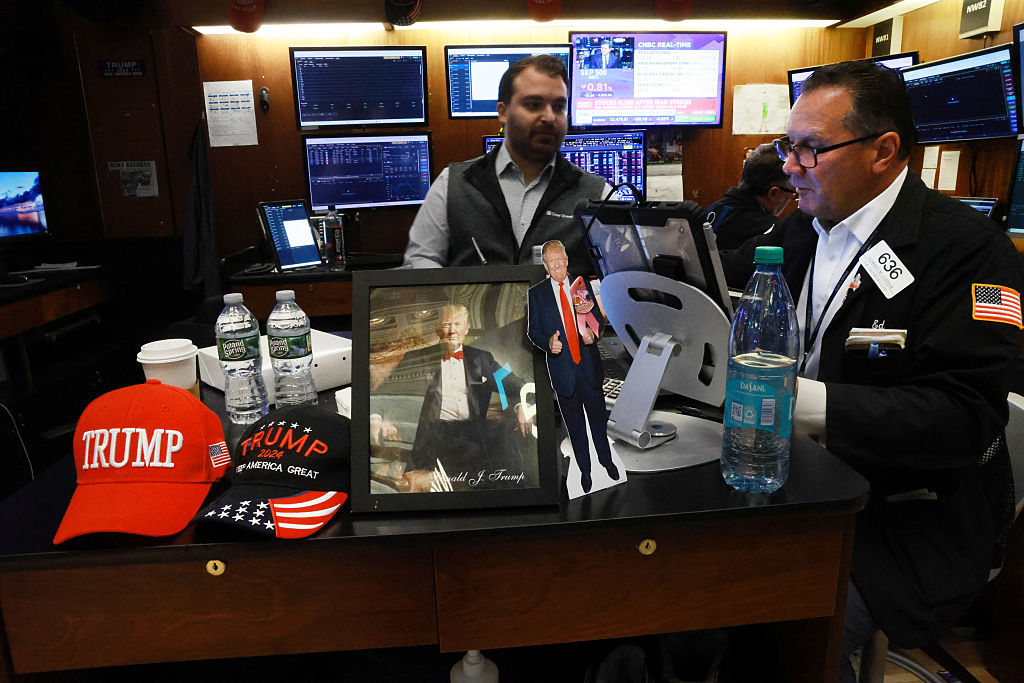
Une vente flash mondiale est en cours à Wall Street après que les attaques de Donald Trump et Benjamin Netanyahu contre l’Iran aient menacé une série de marchés mondiaux. Le 3 mars, Wall Street a ouvert sur une vague de ventes mondiale, les actions ayant chuté alors que l’ingérence américaine au Moyen-Orient provoquait la panique sur plusieurs marchés mondiaux. Les prix de l’essence aux États-Unis ont grimpé de 11 cents du jour au lendemain, et le baril de brut a atteint des prix presque préjudiciables. Les experts financiers affirment que la hausse des prix du pétrole aggravera l’inflation pour les consommateurs et les entreprises américains.

Chute du S&P et du DOW

Dans la demi-heure qui a suivi l’ouverture des marchés le 3 mars, le Dow Jones Industrial Average avait chuté de 1 048 points, soit 2,1 %. Le S&P a chuté de 2 % à l’ouverture des marchés, et le Nasdaq a également perdu 2,1 %. Le 2 mars, les marchés ont ouvert en baisse, mais l’économie américaine a réussi à se redresser, et le DOW, le S&P et le Nasdaq ont tous terminé en légère hausse. Les marchés mondiaux ont connu une situation pire encore, l’indice boursier coréen Kospi plongeant de 7,2 % et le Nikkei 225 japonais chutant de 3,1 %. Les pays qui dépendent de l’énergie des Émirats arabes unis et du Koweït ont vu leurs marchés chuter plus sévèrement.

Prix du pétrole

À l’ouverture des marchés le 2 mars, premier jour après les frappes américaines et israéliennes contre l’Iran, les prix du pétrole ont augmenté, mais sont restés bien en dessous du seuil critique de 100 dollars le baril. Le 3 mars, les prix se sont rapprochés de cette limite. Le Brent, référence internationale pour les prix du pétrole, a atteint 83,58 dollars, tandis que le baril de brut américain de référence a atteint 76,64 dollars. Le principal facteur à l’origine de la hausse du prix du brut est les frappes iraniennes contre l’Arabie saoudite. Avec l’attaque de l’ambassade américaine à Riyad le 2 mars, la stabilité de ce centre énergétique est menacée. Les Américains paient la hausse du prix du brut à la pompe, le prix de l’essence ayant augmenté de 11 cents dans la nuit du 2 mars. Les experts s’inquiètent également de la sécurité du détroit d’Ormuz, un détroit étroit au large des côtes iraniennes qui transporte près d’un cinquième de tout le pétrole mondial.

Les gagnants du jour, les inquiétudes du Trésor américain

Wall Street a vu très peu de gagnants le 3 mars, mais parmi la courte liste figurait le distributeur alimentaire américain Target, qui a progressé de 3,3 % après avoir surpris avec ses bénéfices du quatrième trimestre. Cependant, les rendements des obligations du Trésor américain continuent d’inquiéter les experts alors que l’inflation augmente. Le rendement des obligations du Trésor à 10 ans a bondi à 4,09 %, contre 4,05 % à la fin du 2 mars et seulement 3,97 % le 27 février, avant la guerre contre l’Iran. La hausse des rendements du Trésor signifie des prêts plus coûteux pour les consommateurs et les entreprises américains. Cette hausse aura un impact sur les prêts dans tous les secteurs, des prêts hypothécaires à l’assurance obligataire. Lorsque les rendements des bons du Trésor augmentent, cela fait également baisser le prix de l’or, qui a chuté de 4,9 % à l’ouverture des marchés le 3 mars. L’or avait connu une progression constante, conservant une valeur supérieure à 5 300 dollars américains, mais son prix est tombé à 5 053,30 dollars le 3 mars.

Taux d’intérêt concernés

Avec une inflation qui augmente à un rythme inquiétant, cette hausse pourrait finir par paralyser la Réserve fédérale, l’empêchant de baisser les taux d’intérêt comme Donald Trump l’avait promis. La Réserve fédérale a réussi à baisser légèrement les taux d’intérêt à plusieurs reprises en 2025 et avait indiqué que d’autres baisses étaient à venir en 2026, mais avec la hausse de l’inflation et des rendements des bons du Trésor, ces baisses pourraient aggraver encore davantage l’inflation. Au lieu de prévoir des baisses au printemps, les experts financiers repoussent désormais leurs prévisions jusqu’à l’été. Trump souhaite que la Réserve fédérale baisse les taux d’intérêt quoi qu’il arrive, mais la Fed tergiverse, ne voulant pas risquer de nuire à l’économie plus que Trump ne l’a déjà fait. On s’attend à ce que, au minimum, les taux restent inchangés jusqu’à la fin de la guerre de Trump contre l’Iran.

Les États-Unis et Israël attaquent l’Iran

Le 28 février 2026, le gouvernement américain et Israël ont mené une opération conjointe en Iran, les États-Unis déclarant par la suite qu’ils étaient en guerre avec ce pays. Ces attaques ont déclenché des représailles de la part de l’Iran, qui a pris pour cible des bases militaires américaines et israéliennes à travers le Moyen-Orient. Selon Donald Trump, cette guerre n’a pas de calendrier précis et les États-Unis poursuivront leurs opérations dans le pays jusqu’à ce qu’ils constatent un changement de régime significatif et la fin du programme nucléaire présumé de l’Iran.

Les frappes américaines et israéliennes ont tué le guide suprême iranien, Ali Khamenei, dès le premier jour de la guerre. Khamenei avait recouru à une violence meurtrière contre les manifestants civils à Téhéran, et son assassinat a été le seul élément positif de l’intervention illégale de Donald Trump. Tout comme Maduro au Venezuela, Ali Khamenei était un dirigeant cruel et impopulaire, dont la majorité du pays souhaitait le départ.

Selon Trump, sa guerre contre l’Iran n’a pas de calendrier précis et les États-Unis continueront à frapper le pays jusqu’à ce qu’ils obtiennent un changement de régime, la fin du programme nucléaire iranien et la certitude que l’Iran ne représente plus une « menace immédiate ». L’Iran est en proie à des troubles depuis près d’un an, les civils protestant contre le gouvernement et celui-ci répondant par la violence à l’encontre des civils.

Catégories
Uncategorized

DOW plummets 1,000 points as US, Israel’s war on Iran tanks markets

A global flash sale is happening on Wall Street after Donald Trump and Benjamin Netanyahu’s attacks on Iran threaten a slate of global markets. On March 3, Wall Street opened to a worldwide sell-off as stocks fell as US interference in the Middle East caused multiple global markets to panic. Gas prices in the US shot up 11 cents overnight, and barrels of crude have jumped to nearly detrimental prices. Financial experts say the jump in oil prices will worsen inflation for American consumers and businesses.

S&P and DOW drop

Within a half hour of markets opening on March 3, the Dow Jones Industrial Average had dropped 1,048 points, or 2.1%. The S&P dropped 2% when markets opened, and the Nasdaq had sunk 2.1% as well. On March 2, markets opened to losses across the board, but the US economy managed to recover, and the DOW, S&P, and Nasdaq all finished with slight gains. Global markets have fared worse, with Korea’s Kospi stock index plunging 7.2%, and Japan’s Nikkei 225 dropping 3.1%. Countries that rely on energy from the United Arab Emirates and Kuwait have seen markets fall more severely.

Price of oil

When markets opened on March 2, the first day after the US and Israel struck Iran, oil prices rose but stayed comfortably below the ‘panic line’ of $100USD per barrel. On March 3, prices got closer to that line. Brent crude, the international standard for oil prices, rose to $83.58, while a barrel of benchmark U.S. crude rose to $76.64. The largest factor in the rising price of crude is Iran’s strikes on Saudi Arabia, and with Iran striking the US embassy in Riyadh on March 2, the stable energy hub is being threatened. Americans are paying for the rise of crude at the pumps, with gas prices rising 11 cents overnight on March 2. Experts also worry about the safety of the Strait of Hormuz, a narrow strait off the coast of Iran that transports nearly a fifth of all the world’s oil.

Winners on the day, US Treasury worries

Wall Street saw very few winners on March 3, but among the short list was US grocer Target, which rose 3.3% after surprising fourth-quarter profits. Yields on US Treasury bonds continue to worry experts as inflation rises, though. The yield on the 10-year Treasury jumped to 4.09% from 4.05 per cent late March 2, and from just 3.97 per cent on February 27, before the war on Iran. Higher Treasury yields mean more expensive loans for both US consumers and businesses. The rise will impact loans across all sectors, from mortgages to bond insurance. When Treasury yields rise, it also undercuts the price of gold, which fell a shocking 4.9% when markets opened on March 3. Gold had been experiencing a consistent run, retaining value above $ 5,300 USD, but the price fell to $5,053.30 on March 3.  

Interest rates affected

With inflation rising at a concerning rate, the hike could end up hamstringing the Federal Reserve, preventing it from cutting interest rates like Donald Trump promised. The Federal Reserve has managed to cut interest rates marginally several times in 2025, and had indicated more cuts were to come in 2026, but with inflation and Treasury yields rising, cuts could worsen inflation even more. Instead of projecting spring cuts, financial experts are now pushing expectations back until summertime. Trump wants the Federal Reserve to cut interest rates anyway, but the Fed is stalling, not wanting to risk hurting the economy any more than Trump has already. It’s expected that, at the very least, rates will remain where they are until Trump’s war on Iran has ended.

US and Israel attack Iran

On February 28, 2026, the US government and Israel undertook a joint operation in Iran, with the US subsequently declaring it was at war with the country. The attacks triggered retaliatory strikes from Iran, targeting US and Israeli military bases across the Middle East. According to Donald Trump, there is no timeline for this war, and the US will continue its operations in the country until it sees a significant regime change, as well as an end to Iran’s supposed nuclear program.

US and Israeli strikes killed Iran’s Supreme Leader, Ali Khamenei, on Day One of the war. Khamenei has been using deadly violence against civilian protesters in Tehran, and his killing has been the only positive piece of Donald Trump’s illegal intervention. Much like Maduro in Venezuela, Ali Khamenei was a vicious and unpopular leader, with the majority of the country wanting him ousted.

According to Trump, his war on Iran has no timeline, and the US will continue to strike the nation until it sees regime change, the end of Iran’s nuclear program, and is certain that Iran will no longer pose an ‘immediate threat’. Iran has been in turmoil for the better part of a year, with civilians protesting against the country’s administration, and the administration responding with violence against civilians.

Catégories
Uncategorized

Happening Gourmand celebrates 18 years of gastronomy in Old Montreal

From March 6 to 29, Old Montreal becomes a playground for food lovers with the return of Happening Gourmand, now in its 18th year. A true Montreal tradition, the event invites the public to rediscover some of the city’s most iconic restaurants through an accessible, refined, and convivial culinary experience.p>

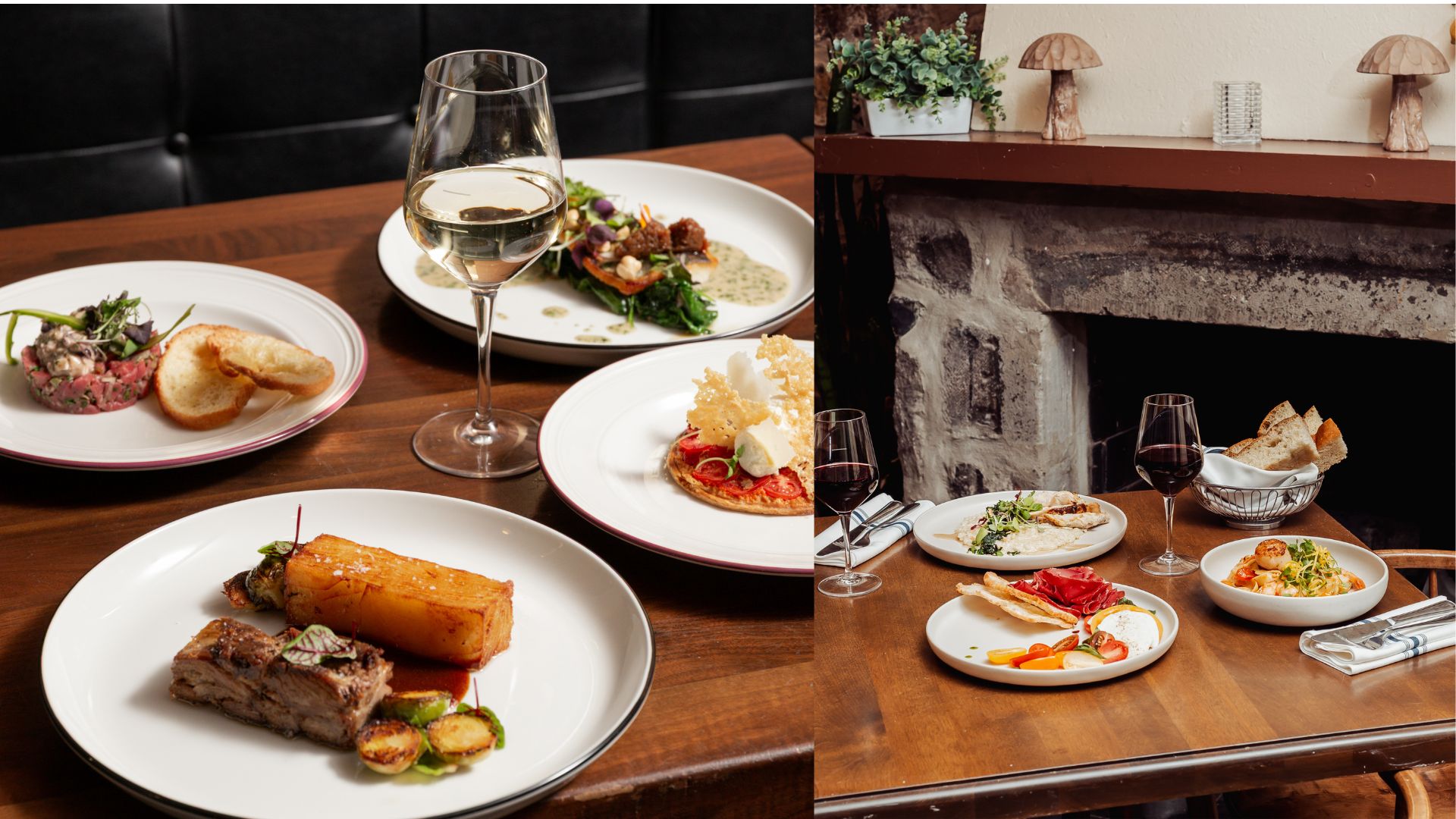
For nearly a month, nine flagship restaurants in Old Montreal will offer fixed-price table d’hôte menus designed especially for the festival: Gaspar, Brasserie 701, Pincette, Kyo Bar Japonais, Maggie Oakes, Modavie, Bevo Pizzeria, Jacopo and Vieux-Port Steakhouse.

The chefs have designed gourmet menus that reflect the identity of their establishments and their current inspirations. From the French refinement of Brasserie 701 to the bold Italian flavors of Bevo Pizzeria, the Japanese precision of Kyo Bar Japonais, the seafood specialties at Pincette, and the revisited North American classics at Vieux-Port Steakhouse, Happening Gourmand is sure to have a menu that will delight your taste buds.

In terms of pricing, the festival remains committed to accessibility: two-course menus are available for $39, $49, or $59 for dinner, and $29 or $39 for brunch. All participating establishments welcome guests in the evening, while Modavie, Maggie Oakes, Pincette, Brasserie 701, Gaspar, Vieux-Port Steakhouse, and Jacopo also offer brunch on Saturdays and Sundays—an ideal option for extending the weekend fun.

Whether it’s for a romantic dinner, an outing with friends, or brunch with the family, Happening Gourmand turns every meal into an experience and confirms its role as a gastronomic pillar in the heart of Old Montreal. To view the menus and plan your gourmet itinerary, visit on their website!

Catégories
Uncategorized

A major gymnastics competition in Montreal during spring break

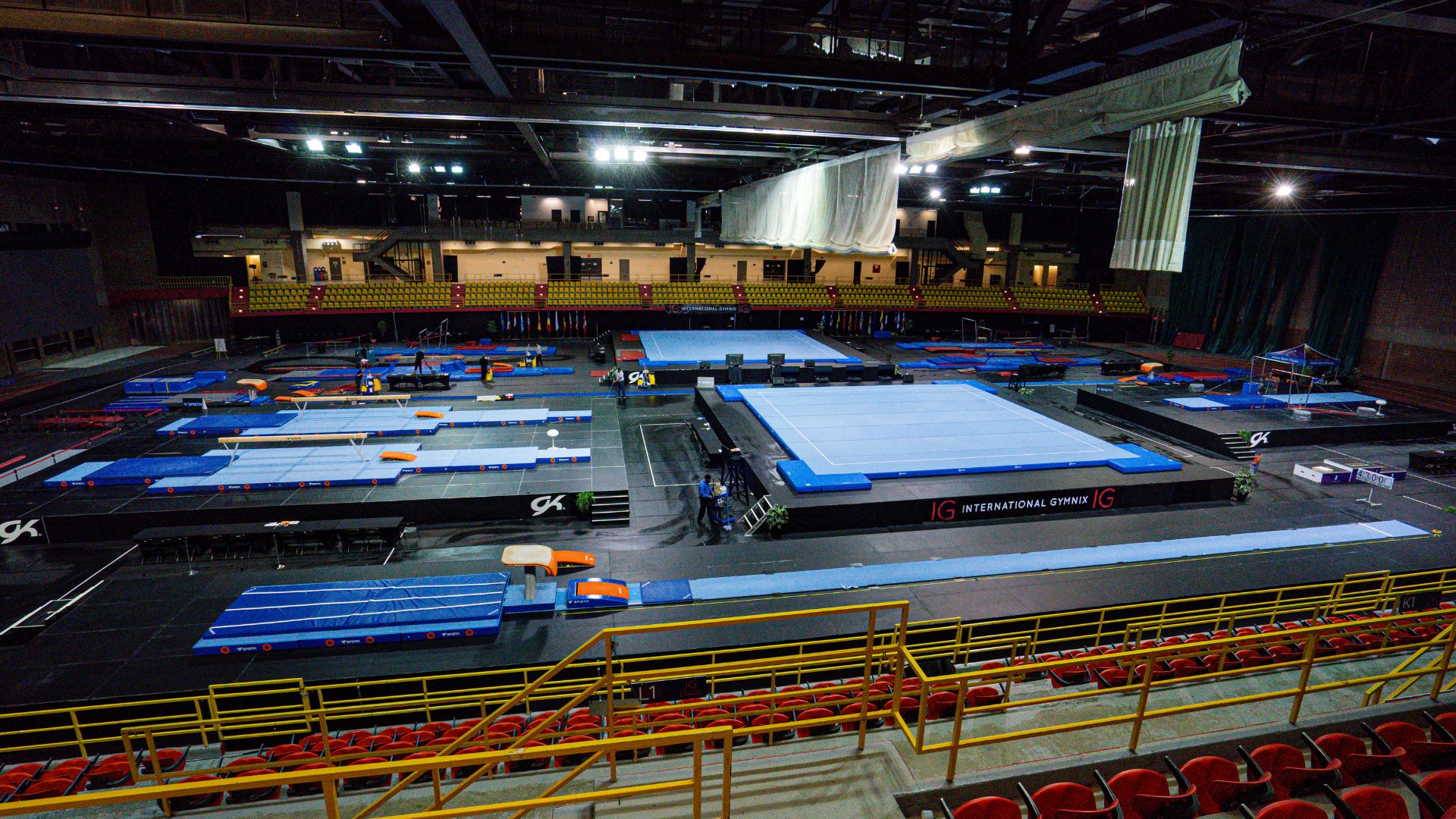
From March 4 to 8, Montreal will be in athletic mode as International Gymnix returns to the Claude-Robillard Sports Complex for its 32nd edition. The event will bring together more than 1,300 elite international athletes, making Gymnix the largest women’s artistic gymnastics competition of its kind in North America.event will bring together more than 1,300 elite international athletes, making Gymnix the largest women’s artistic gymnastics competition of its kind in North America.

For more than three decades, the International Gymnix has been part of Montreal’s Olympic legacy, recalling the excitement andinspiration left by the 1976 Games and the legendary performance of Nadia Comăneci, who made sporting history. Today, this spirit of excellence lives on, providing an exceptional showcase for rising and established stars of world gymnastics.

For five days, the public will be able to enjoy a high-level sports program, including the Gymnix Challenge, the Senior and Junior Cups, and the International Finals. Delegations from Japan, the United States, Italy, Belgium, and Mexico will take to the mats in Montreal alongside Canada’s best gymnasts and athletes from Club Gymnix, the event’s host.

Beyond the competitions, International Gymnix stands out for its festive, family-friendly atmosphere. A gymnastics expo open to all will feature booths, entertainment, conferences, and meetings with athletes, allowing visitors to immerse themselves in the world of this spectacular sport.

Combining performance, inspiration, and accessibility, International Gymnix has established itself as a must-see event during spring break, celebrating both the next generation of athletes and Montreal’s enduring Olympic legacy.

Catégories
Uncategorized

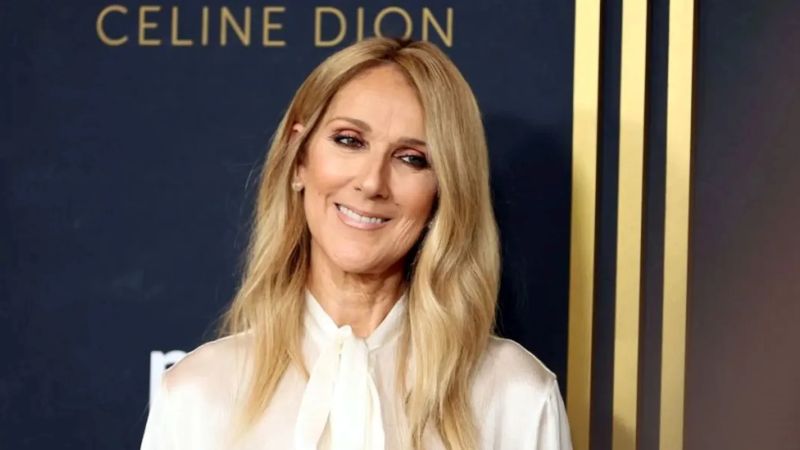
A return to the stage for Céline Dion?

Celine Dion recently shared a touching post in which she addresses her father. In this moving message, she confides how much she thinks about him, but also talks about a possible  return to the stage.

Instagram @celinedion

A journey supported by her loved ones

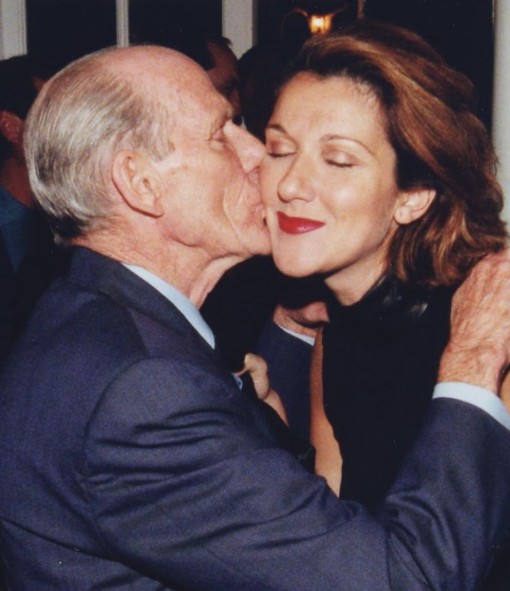
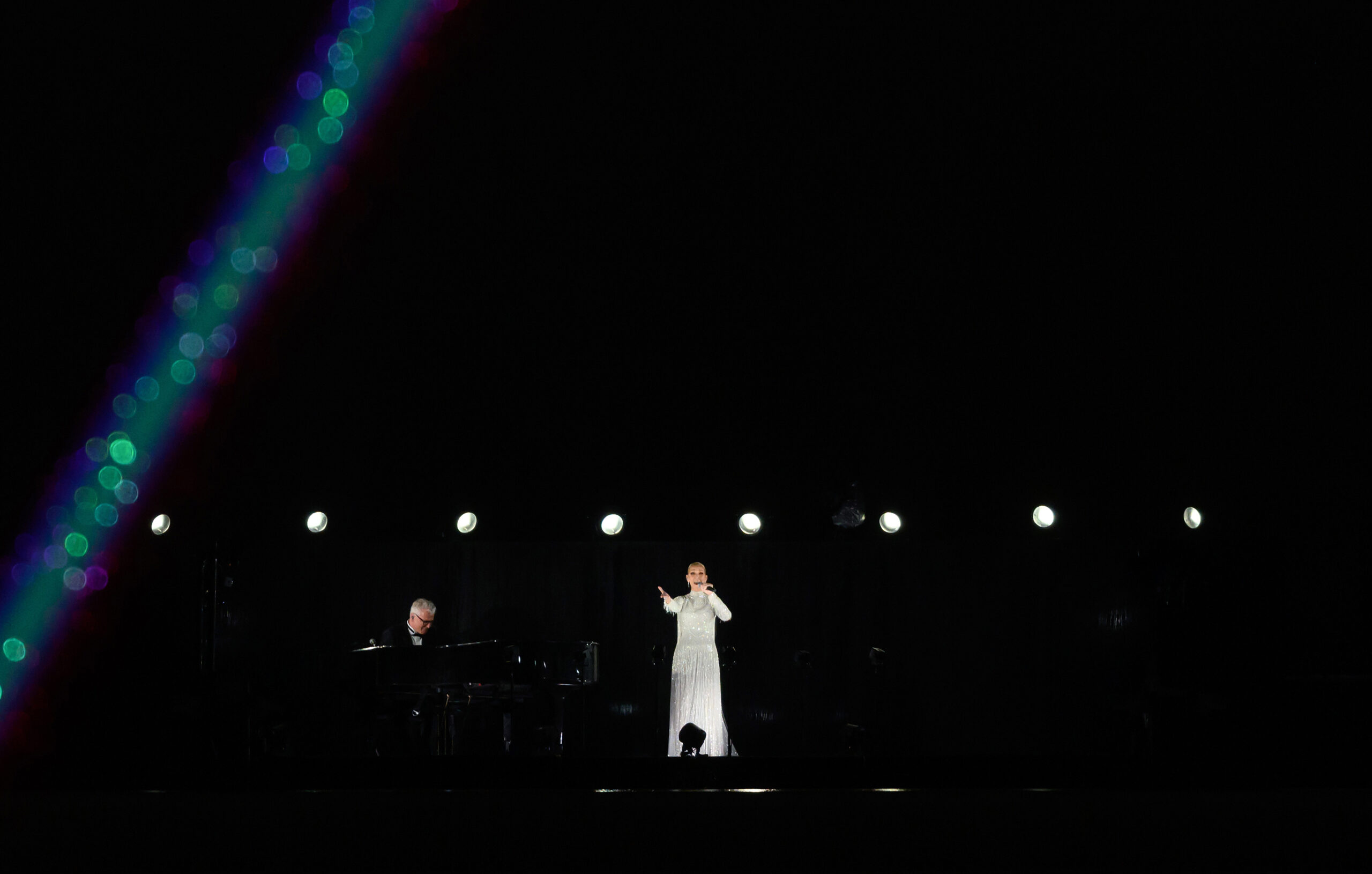
These words, written by Céline Dion, are deeply moving in their sincerity and emotion. They remind us of the irreplaceable place her father, Adhémar Dion, held in her life. Adhémar, who passed away on November 23, 2003, had always been a steadfast support for his daughter, attending each of her early performances and encouraging her to pursue her dreams. Even today, Céline feels his presence through her family and every smile she shares with her children. The stage has always been a place where Céline feels close to him. Before her iconic performance at the opening ceremony of the Paris Olympic Games on July 26, 2024, she had not sung in front of an audience since March 8, 2020, at the Prudential Center in Newark, USA, for the last date of her Courage Tour. For her, these moments on stage are bridges between the past and the present, between the memory of her father and the joy of living her passion.

Getty Images

Love still exists!

Through this letter, Céline reminds us that love is eternal. Her song « L’amour existe encore » takes on its full meaning here: despite her father’s physical absence, love remains present, vibrant, protective. It is this bond that will give her the strength to return to the stage and continue sharing her music with the world.

As Céline prepares to return to the stage after these difficult years, we wish her all the courage she needs. She will never be alone: her father, now her guardian angel, will be there with every note, every breath, every emotion. His love guides her steps and continues to light her way. To Céline Dion, we offer our admiration and support for her return to the stage, knowing that family love, the memory of her father Adhémar Dion, and her determination will continue to accompany her every step and every song.

Getty Images
Catégories
Uncategorized

New wave of attacks strikes Iran, US claims IRGC is ‘gone’

After US President Donald Trump and Israeli leader Benjamin Netanyahu started their war on Iran on February 28, constant strikes have shaken the country. Now, on March 3, the US has switched its focus to the Iranian-funded group Hezbollah, based in Lebanon. Overnight on March 3, the US and Israel conducted dozens of airstrikes on Iran and Lebanon, with Israel moving additional troops to the southern Lebanese border. Even with hundreds killed in Iran’s capital, Tehran, according to sources on the ground, Iranians are ‘simply living their lives’.

Additional strikes on Iran

On March 3, Donald Trump announced that the US military had completely crippled Iran’s IRGC. According to Trump, Iran’s navy and other military forces have been ‘knocked out’. Trump claimed the US eliminated Iran’s air detection, and that Iran now has ‘no detection facilities at all’. Trump also claimed that US strikes early on March 3 had killed Iran’s new (and unannounced) leader. Trump claimed that the US had killed Iran’s brand-new administration, and after they eliminate the third administration, the US might ‘not know them at all’. After the comment, Trump alluded to the US supporting ‘someone from within’ Iran to take over as Supreme Leader. Unfortunately, Trump also said that the US has no idea who it will choose to lead Iran.

Meeting with German Chancellor

In a meeting with the German Chancellor on March 3, Donald Trump gave updates to the public on US actions in Iran. According to the President, the US and Israel have ‘knocked out’ Iran’s navy, air force, air defences, and military as a whole. Trump praised the US military, calling it ‘amazing’ and lauding the speed at which it has reportedly completely crippled Iran’s military. Trump also finally gave a clear answer as to why he attacked Iran. After the initial attacks on February 28, Trump gave four different reasons for starting the war, and top US officials gave another two. Now, Trump has decided on a single answer: he believed Iran was going to attack Israel, then the United States.  

Trump also went on a few tangents during the forty-minute meeting. Trump criticized both Spain and the United Kingdom for refusing to let American forces operate out of airbases. Trump claimed that he will cut off all trade and dealings with Spain in response, and he could do so as early as March 3. Trump repeatedly criticized the UK, claiming that ‘this is not Winston Churchill’s England’.

Reasons for strikes

Initially, Donald Trump gave four reasons for his attack on Iran. First was the nuclear excuse. Trump claimed that Iran was just days away from assembling a usable nuclear warhead (a claim the US and Israel have been making since 1995). Trump used the same reason as justification for operation Midnight Hammer in June 2025, which saw the US strike Iranian ‘nuclear’ facilities across the country. Trump also claimed on February 28 that the US needed to attack Iran in order to destroy the country’s missile capabilities and annihilate its navy program. Trump also cited his desire to end Iran’s funding of global terrorist organizations like Hezbollah.

Now, Donald Trump has found an answer he likes better: US protection. According to Trump, he forced Israel’s hand to attack Iran. Trump was asked whether Israeli PM Benjamin Netanyahu forced the US’s hand to join the conflict, and Trump vehemently refuted the theory, instead claiming that he forced Netanyahu’s hand to start the war. According to Trump, he believed wholeheartedly that Iran was either going to attack the US and Israel or attempt to take his life in the coming week. Trump has claimed that Iran has made two attempts on his life already. A senior White House executive stated that Trump’s fear of assassination was ‘just one’ of the reasons he needed to eliminate Supreme Leader Ayatollah Khamenei.
Catégories
Uncategorized

Vier Menschen getötet, sechs verletzt, nachdem Kuba das Feuer auf ein Schnellboot eröffnet

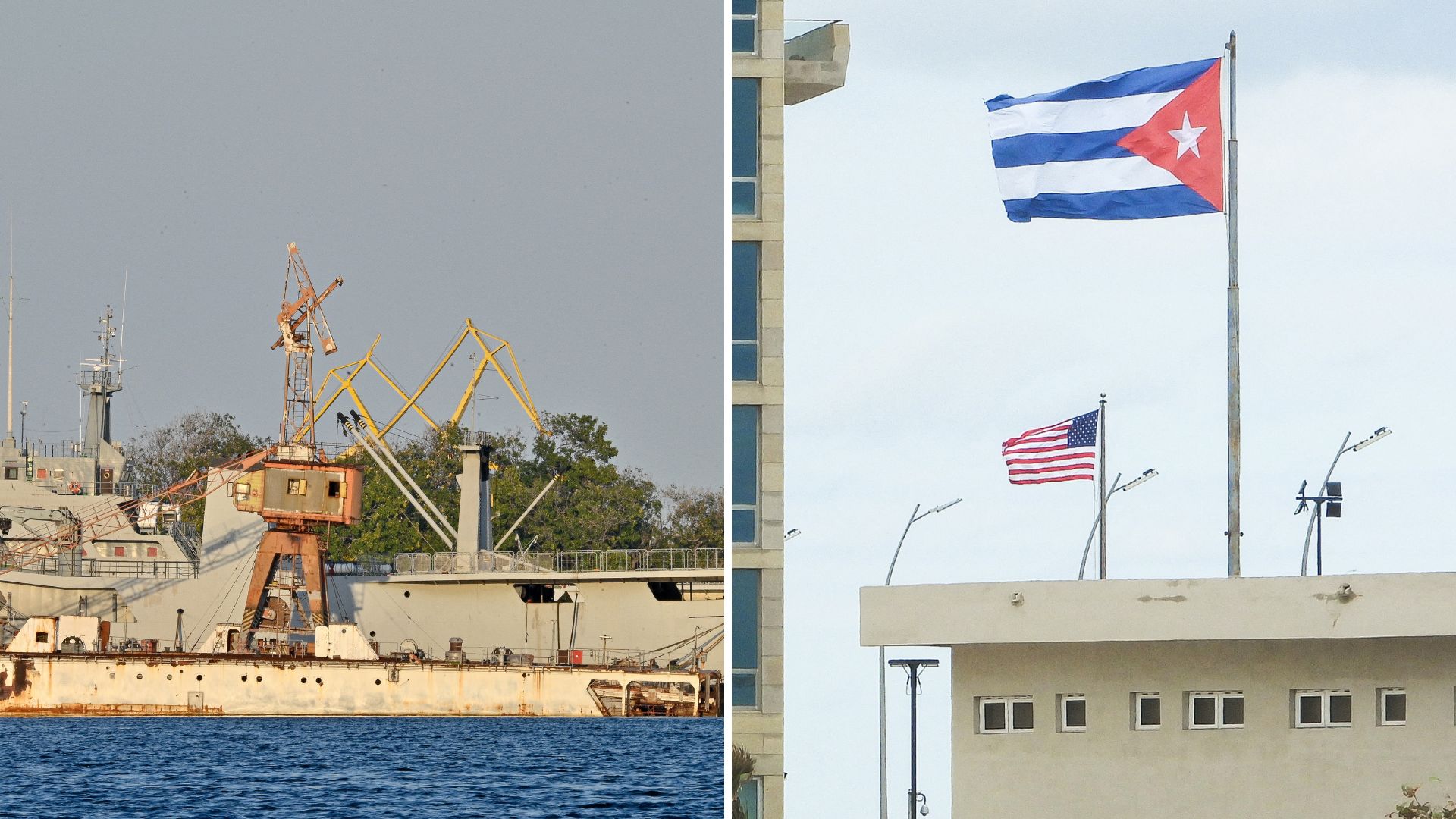
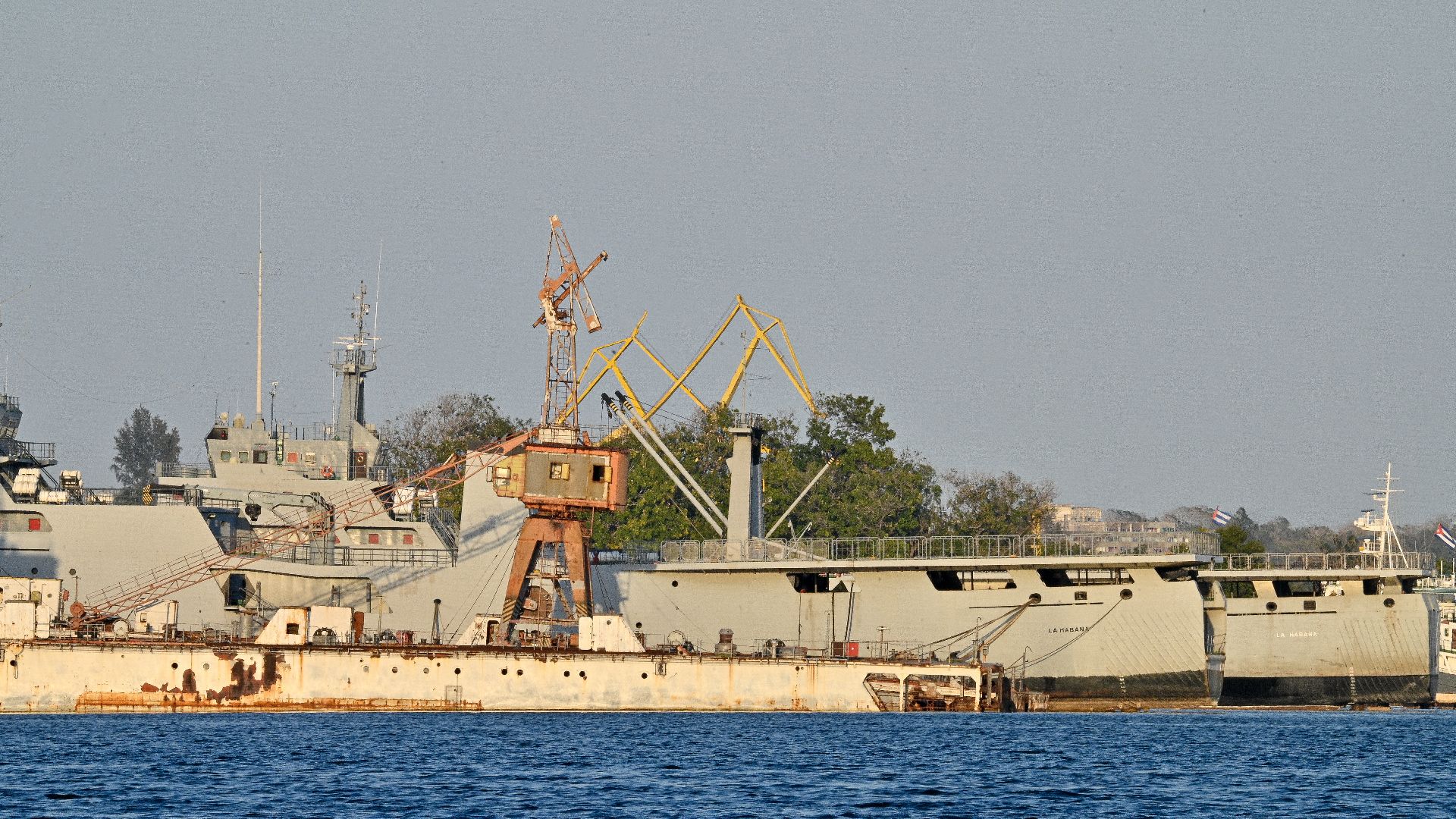
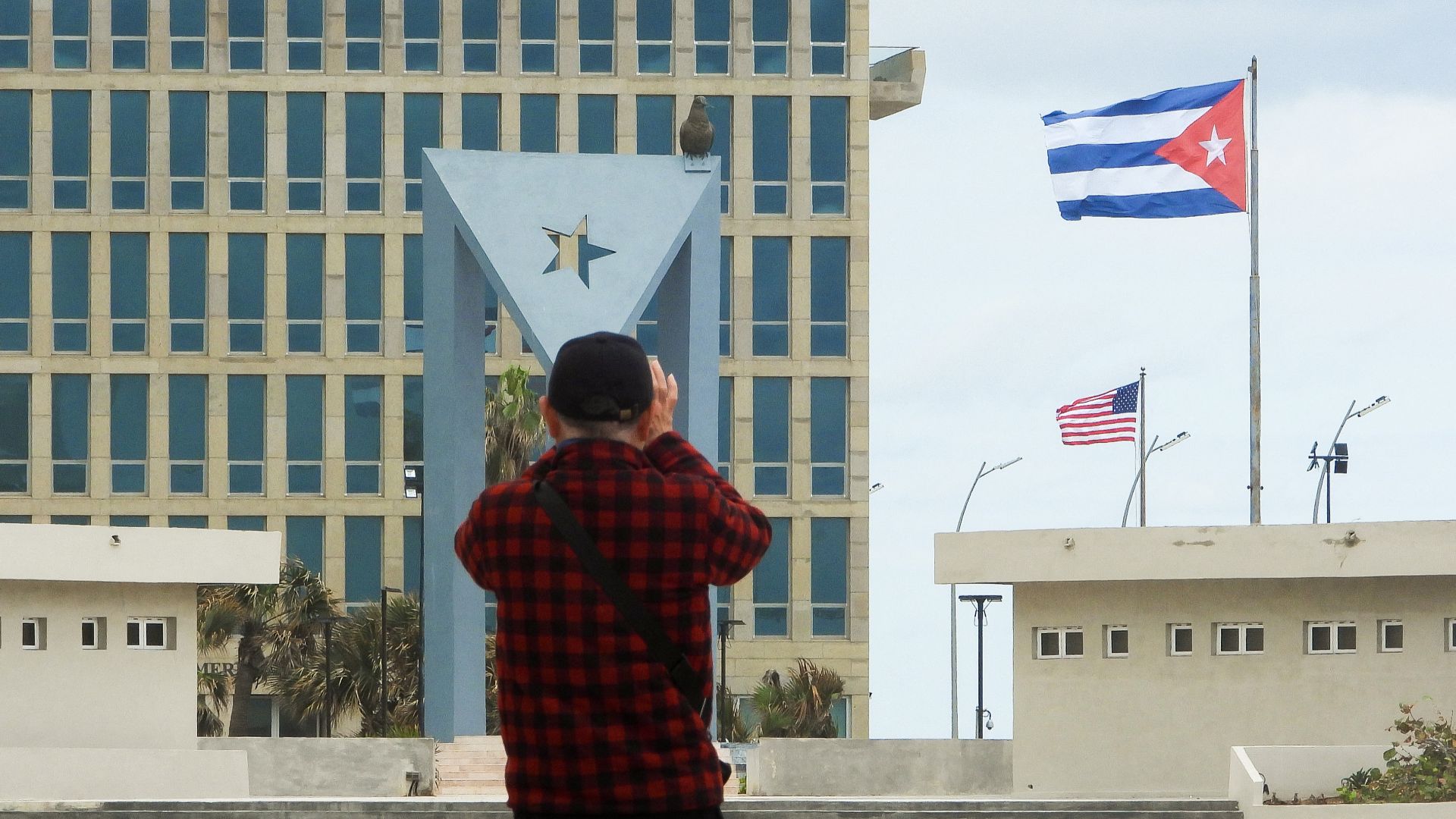
Kuba gibt an, dass bei einer Konfrontation vor seiner Nordküste vier Menschen getötet und sechs verletzt wurden, nachdem kubanische Grenztruppen das Feuer auf ein in Florida registriertes Schnellboot eröffnet hatten, das laut Havanna in kubanische Gewässer eingedrungen war und den ersten Schuss abgegeben hatte. Nach Angaben des kubanischen Innenministeriums ereignete sich der Vorfall am Mittwochmorgen in der Nähe von Cayo Falcones, etwa eine Seemeile nordöstlich des El-Pino-Kanals, als kubanische Grenzsoldaten sich dem Schiff näherten, um es zu identifizieren. Die Behörden gaben an, dass die Insassen des Schnellbootes „das Feuer eröffneten” und den Kommandanten des kubanischen Patrouillenbootes verletzten, woraufhin die kubanischen Streitkräfte das Feuer erwiderten.

Das Ministerium erklärte, dass die Verletzten zur medizinischen Versorgung transportiert wurden, während sechs Überlebende festgenommen wurden. Der ungewöhnlich tödliche Zusammenstoß auf See verschärfte sofort die Spannungen in der Straße von Florida und löste diplomatische Alarmstimmung aus.

Getty Images

Kubanische Beamte stuften den Vorfall schnell als mehr als eine Grenzkonfrontation ein und beschrieben ihn als organisierten bewaffneten Übergriff. In seiner offiziellen Erklärung teilte das Innenministerium mit, dass es sich bei den 10 Personen an Bord um „in den Vereinigten Staaten lebende Kubaner” handelte, die bewaffnet waren und „eine Infiltration zu terroristischen Zwecken durchführen wollten”.

Die Behörden gaben an, Sturmgewehre, Handfeuerwaffen, Molotowcocktails, kugelsichere Westen, Zielfernrohre und Tarnuniformen aus dem Schiff beschlagnahmt zu haben. Die Regierung fügte hinzu, dass die meisten der Personen „bekanntlich kriminelle und gewalttätige Aktivitäten begangen haben“. In derselben Mitteilung erklärte Havanna:

„Angesichts der aktuellen Herausforderungen bekräftigt Kuba seine Entschlossenheit, seine Hoheitsgewässer zu schützen, basierend auf dem Grundsatz, dass die nationale Verteidigung ein grundlegender Pfeiler des kubanischen Staates ist, um seine Souveränität zu wahren und die Stabilität in der Region zu gewährleisten.“

„Die 10 Personen an Bord waren kubanische Einwohner der Vereinigten Staaten, die bewaffnet waren und eine Infiltration zu terroristischen Zwecken durchführen wollten.“

-Kubanisches Innenministerium

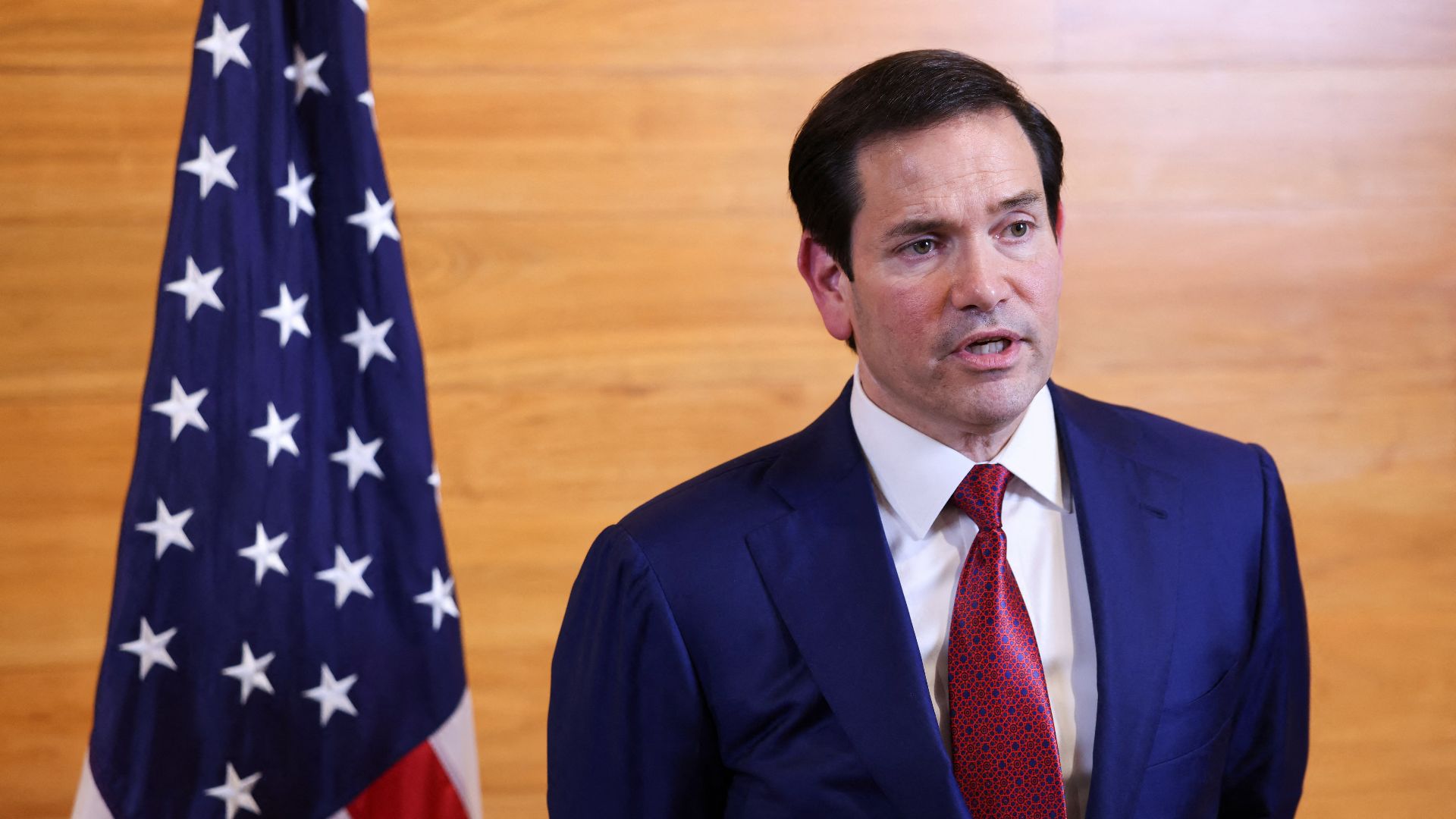
US-Beamte haben jede Vermutung zurückgewiesen, dass es sich bei dem Vorfall um eine Operation der US-Regierung handelte, und erklärt, dass sie die Situation unabhängig bewerten. Außenminister Marco Rubio erklärte, dass kein Personal der US-Regierung beteiligt war, und warnte davor, die Darstellung Havannas ohne Überprüfung zu akzeptieren. „Wir werden unsere Schlussfolgerungen nicht auf das stützen, was sie uns erzählt haben, und ich bin sehr, sehr zuversichtlich, dass wir die ganze Geschichte erfahren werden, was hier passiert ist“, sagte Rubio. Er fügte hinzu:

„Sobald wir mehr Informationen haben, werden wir entsprechend reagieren.“ Rubio betonte die Seltenheit eines solchen Vorfalls und bemerkte: „Es ist höchst ungewöhnlich, dass es auf offener See zu solchen Schießereien kommt.“ Vizepräsident JD Vance sagte, die Regierung verfolge die Entwicklungen aufmerksam.

Getty Images

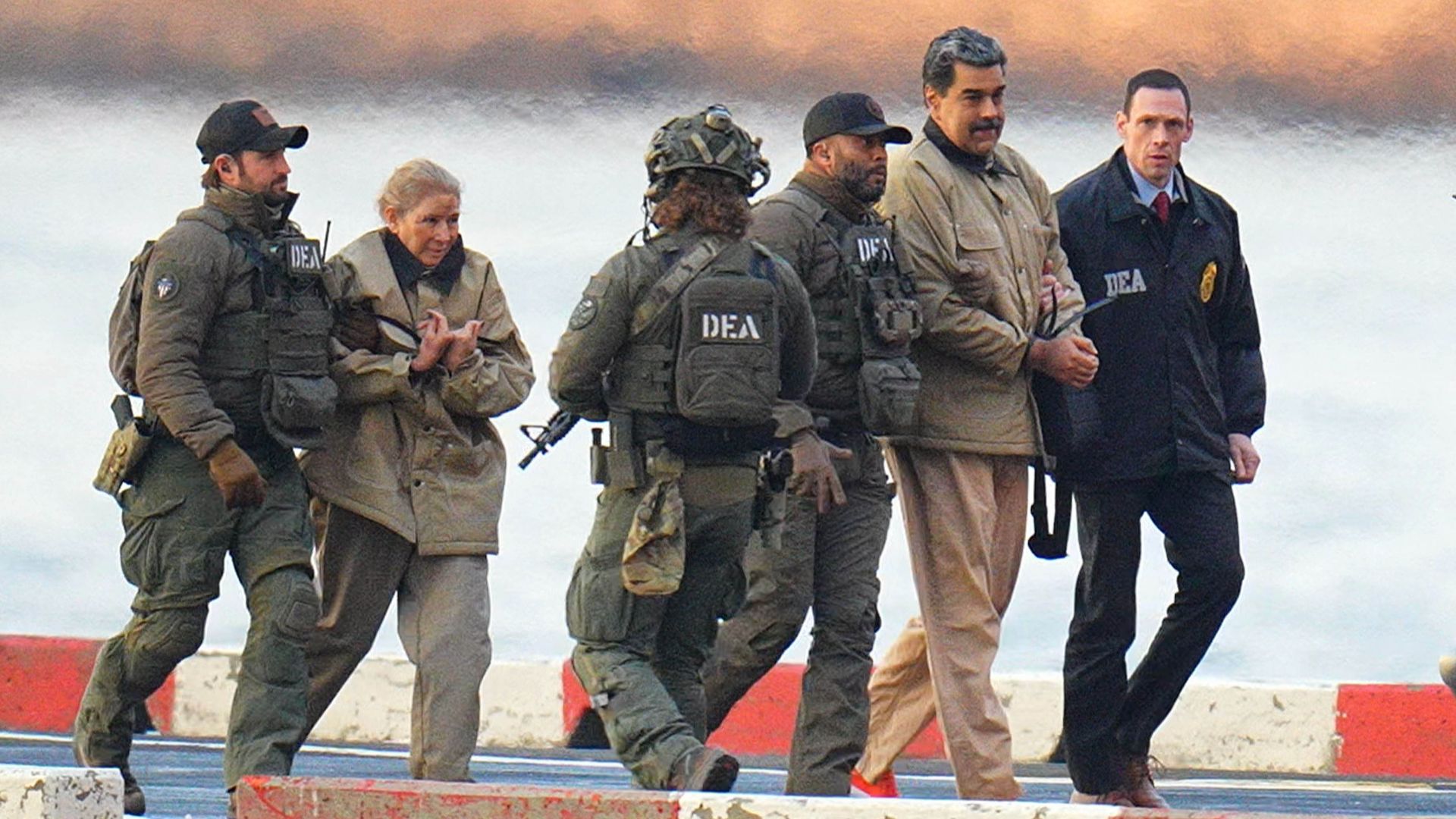
Die Schießerei auf das Schnellboot ereignete sich inmitten erhöhter regionaler Spannungen nach der Militäroperation der USA, die am 3. Januar 2026 zur Festnahme des venezolanischen Präsidenten Nicolás Maduro führte. US-Streitkräfte nahmen Maduro in Caracas fest und überstellten ihn in die Vereinigten Staaten, wo er sich wegen Drogenterrorismus und Drogenhandels vor einem Bundesgericht verantworten muss. Der Operation gingen monatelange verstärkte Einsätze der US-Marine und Durchsetzungsmaßnahmen gegen venezolanische Ölexporte voraus. Nach Maduros Absetzung übernahm Vizepräsidentin Delcy Rodríguez vorübergehend die Macht und versprach institutionelle Stabilität, während sie sich internem und internationalem Druck ausgesetzt sah.

Die Trump-Regierung hat die Operation als Maßnahme zur Durchsetzung der Gesetze und zur Wahrung der nationalen Sicherheit dargestellt, was die diplomatischen Spannungen in der Karibik weiter verschärft hat, unter anderem mit Kuba, das seit jeher von venezolanischen Öllieferungen abhängig ist.

Getty Images

Die diplomatischen Folgen haben die politische Rhetorik auf beiden Seiten verschärft. Der Generalstaatsanwalt von Florida, James Uthmeier, kritisierte die Darstellung Havannas und erklärte: „Der kubanischen Regierung kann man nicht trauen, und wir werden alles in unserer Macht Stehende tun, um diese Kommunisten zur Rechenschaft zu ziehen.“ Die kubanischen Behörden behaupten hingegen, dass die Konfrontation erst begann, nachdem das Schiff in kubanische Gewässer eingedrungen war und auf kubanische Streitkräfte geschossen hatte. Beamte in Havanna haben den Vorfall als defensive Reaktion auf eine bewaffnete Bedrohung charakterisiert. Die widersprüchlichen Darstellungen hängen von Details ab, die noch nicht öffentlich bekannt gegeben wurden, darunter mögliche ballistische Beweise, Radardaten und Aussagen der inhaftierten Überlebenden.

„Wir werden unsere Schlussfolgerungen nicht auf das stützen, was sie uns erzählt haben, und ich bin sehr, sehr zuversichtlich, dass wir die ganze Geschichte erfahren werden, was hier passiert ist.“

– US-Außenminister Marco Rubio

Während die Ermittlungen weitergehen, droht der Vorfall die ohnehin schon fragilen Beziehungen zwischen Washington und Havanna weiter zu verschlechtern. Kubas wiederholte Verwendung des Begriffs „Infiltration zu terroristischen Zwecken“ unterstreicht seinen Versuch, die Schießerei als eine Maßnahme zur Wahrung der nationalen Sicherheit und nicht als eine Frage der Einwanderung oder des Schmuggels darzustellen. Die Trump-Regierung bestreitet zwar die kubanische Darstellung, hat jedoch signalisiert, dass sie reagieren wird, sobald weitere Fakten bekannt sind. Rubios Bemerkung, dass „es höchst ungewöhnlich ist, solche Schießereien auf offener See zu sehen“, spiegelt die Ernsthaftigkeit wider, mit der US-Beamte den Vorfall behandeln. Angesichts der Verschärfung der Sanktionen in der gesamten Region und der zunehmenden Spannungen auf See droht die tödliche Begegnung zu einem bedeutenden diplomatischen Konfliktpunkt zu werden.

Getty Images

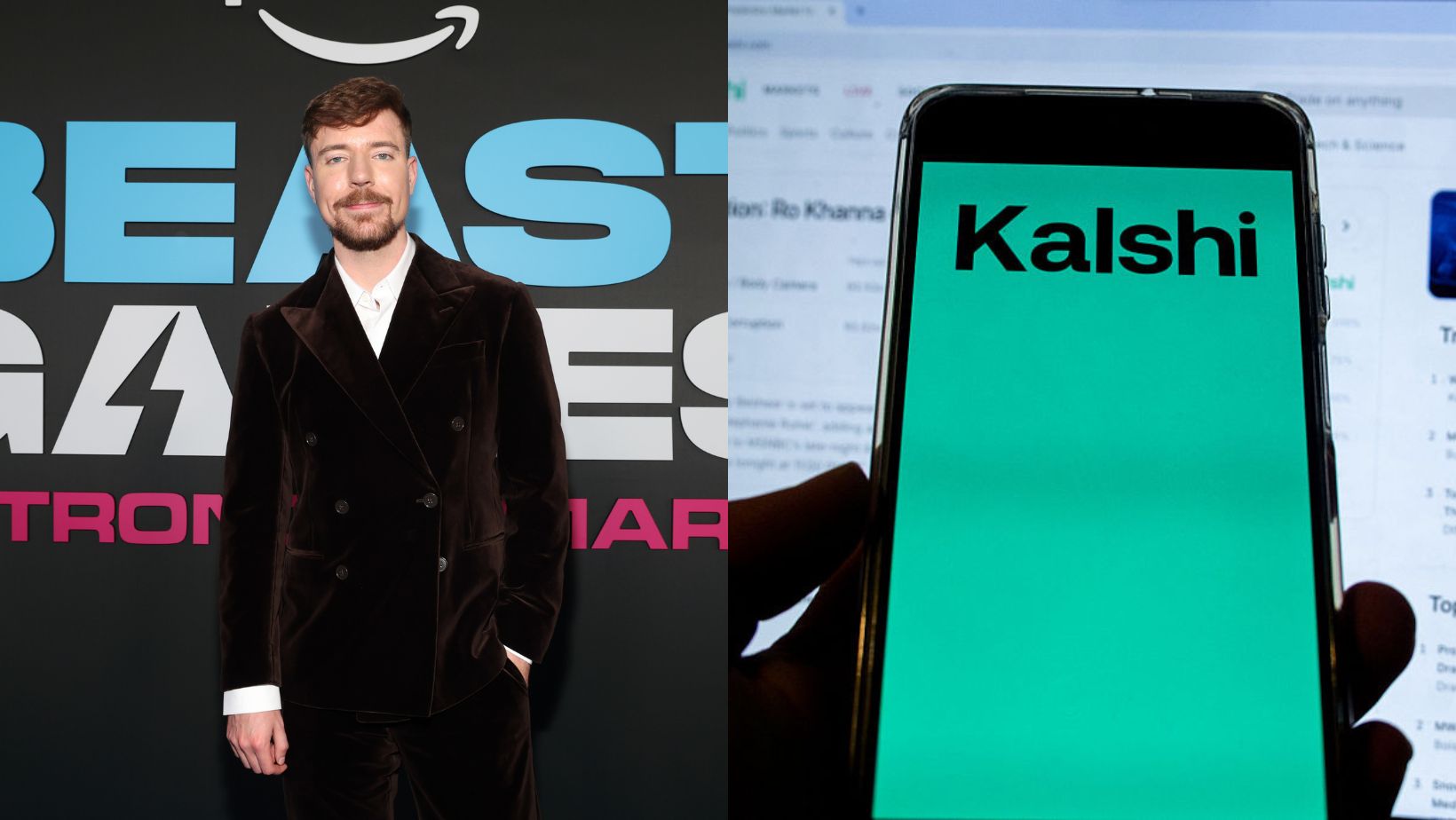
Un monteur de MrBeast accusé de paris illégaux

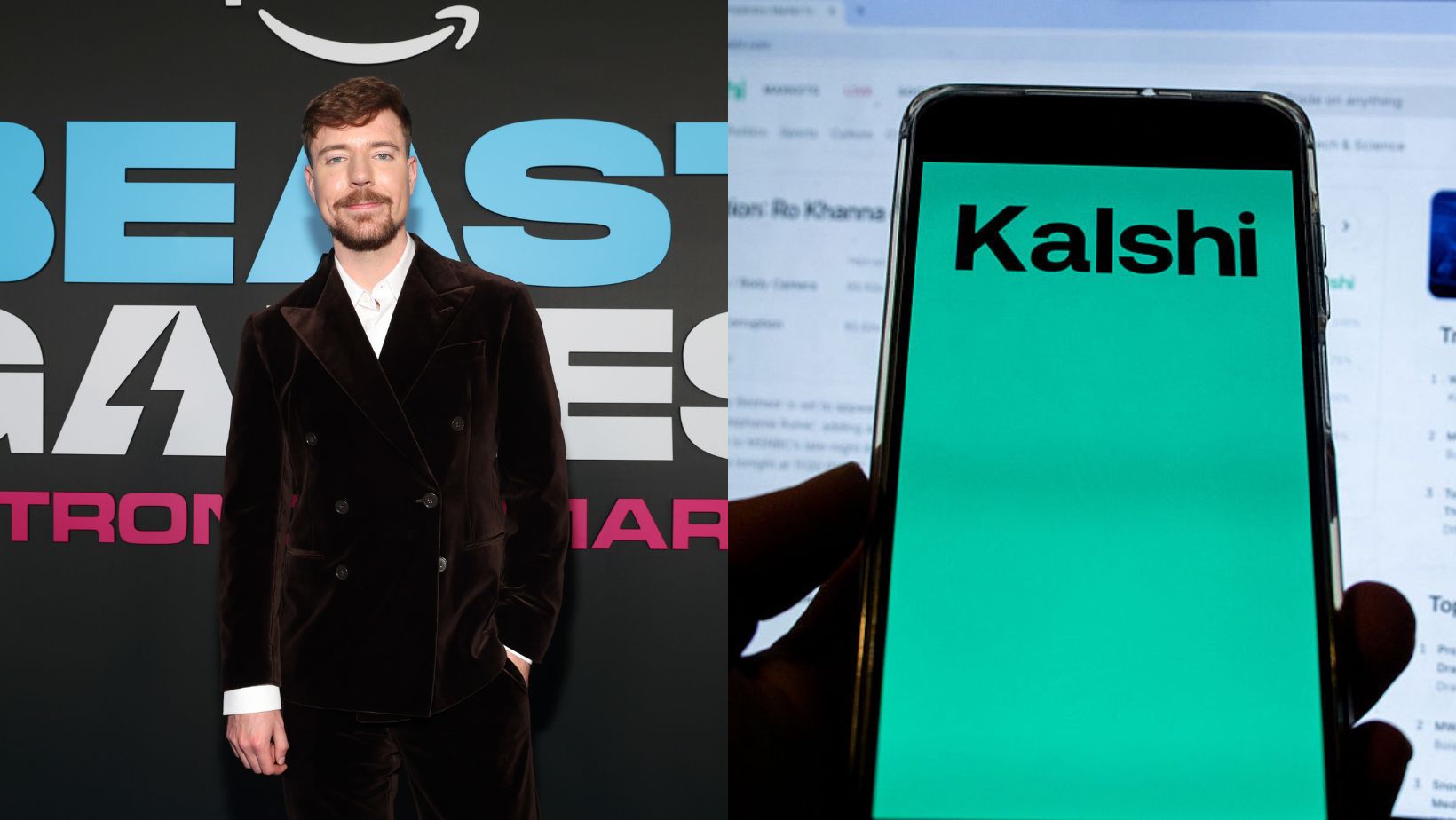
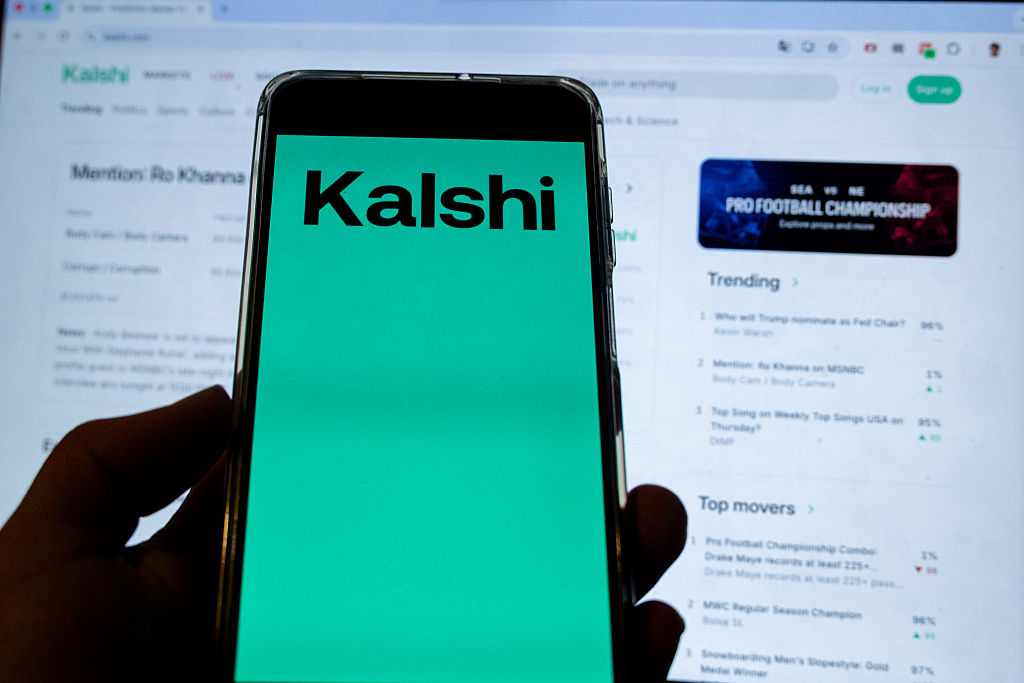
La plateforme de paris en ligne Kalshi a déclaré mercredi suspendre durant deux ans le profil d’Artem Kaptur, un monteur travaillant pour le Youtubeur MrBeast, en plus de lui imposer une amende de plus de 20 000 dollars.

Selon Kalshi, le vidéaste aurait utilisé des informations privilégiées pour placer des paris liés aux prochaines vidéos de son employeur. Artem Kaptur est accusé d’avoir misé environ 4000 dollars sur des prédictions sur le «YouTube streaming».

Sur Kalshi il est possible, par exemple, de parier sur les paroles de MrBeast dans sa prochaine vidéo ou sur l’identité du gagnant des «Beast Games», la série de téléréalité du Youtuber.

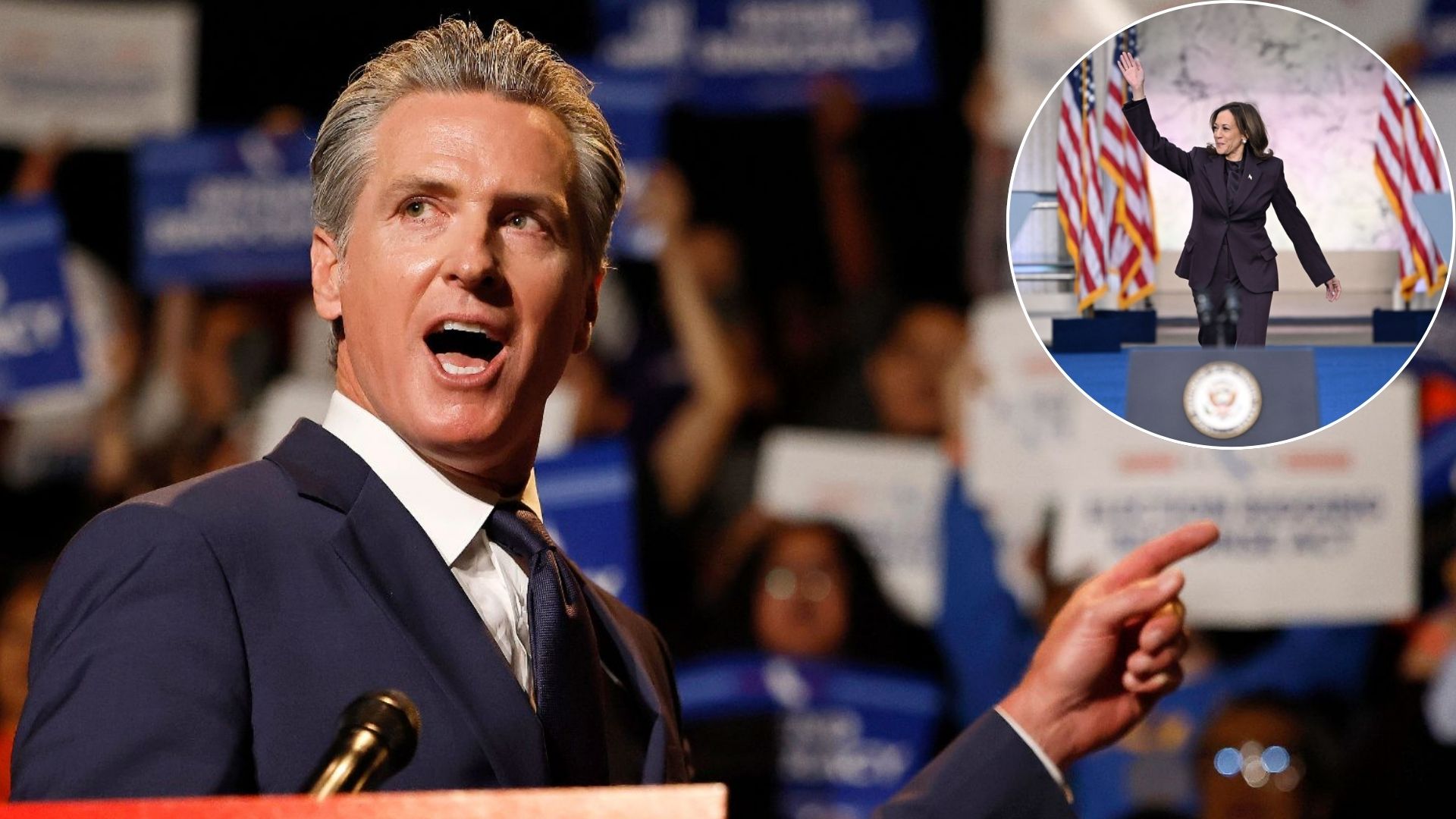
Gavin Newsom: Affronter Kamala Harris serait «le destin»

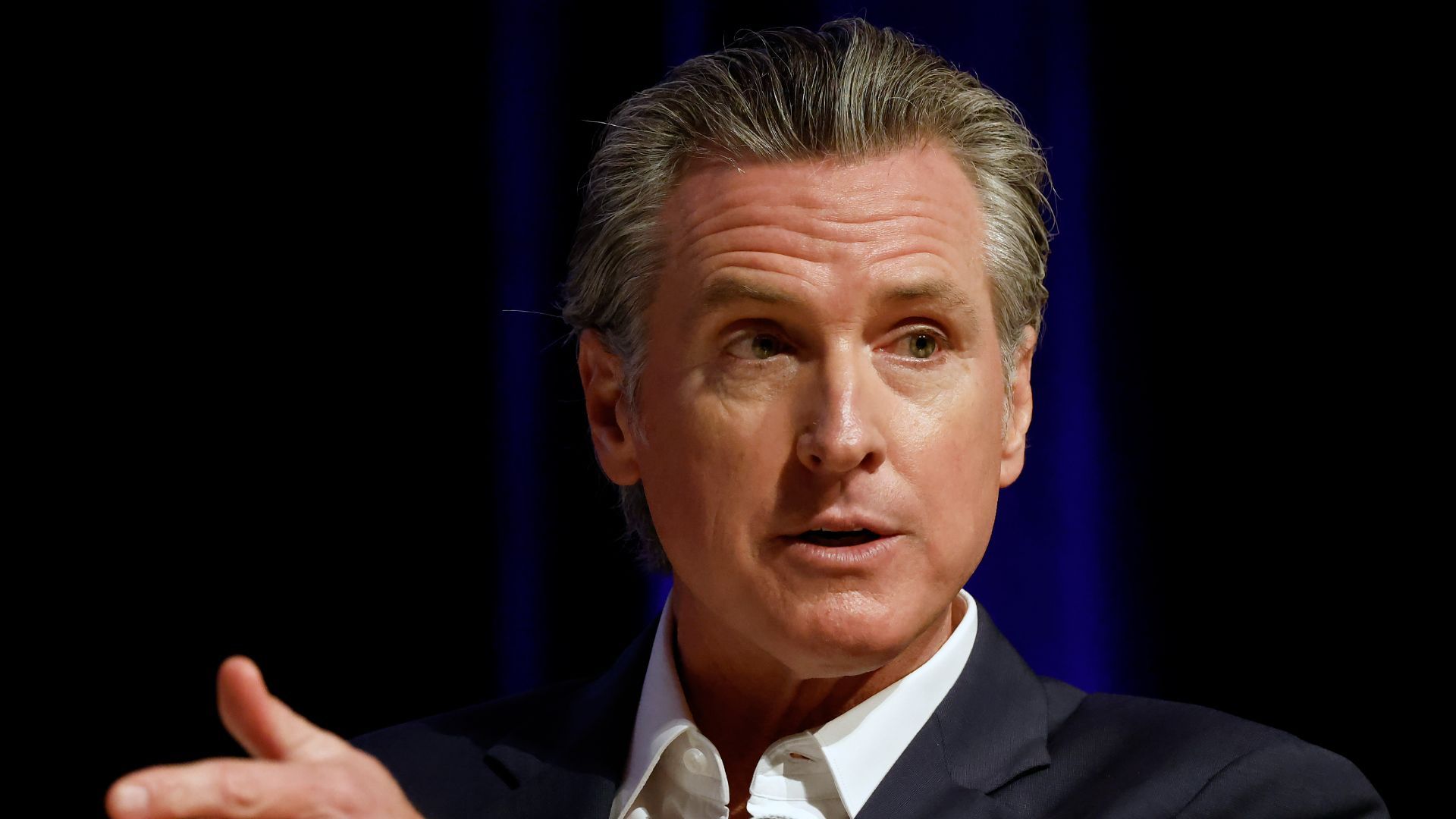
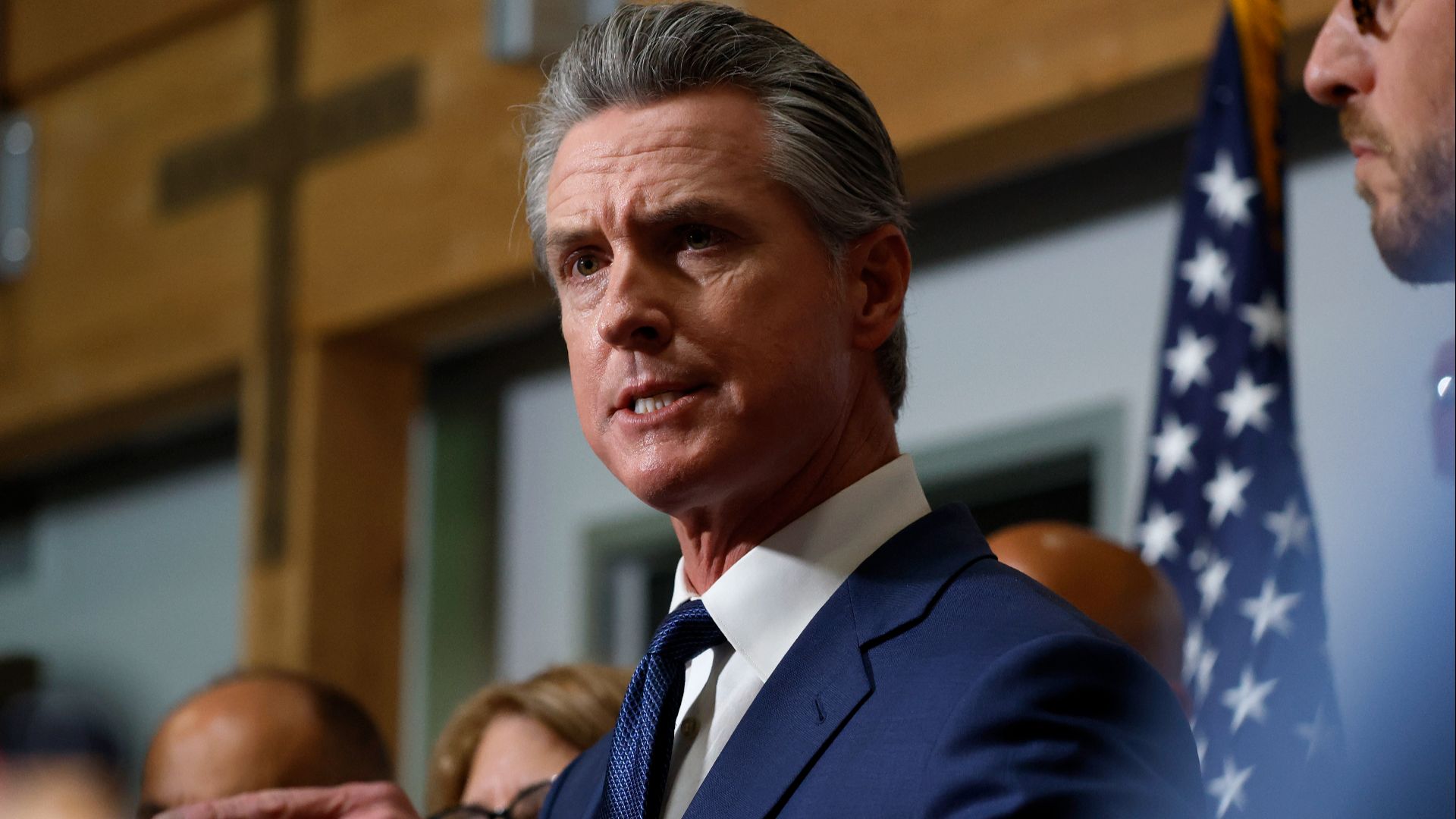
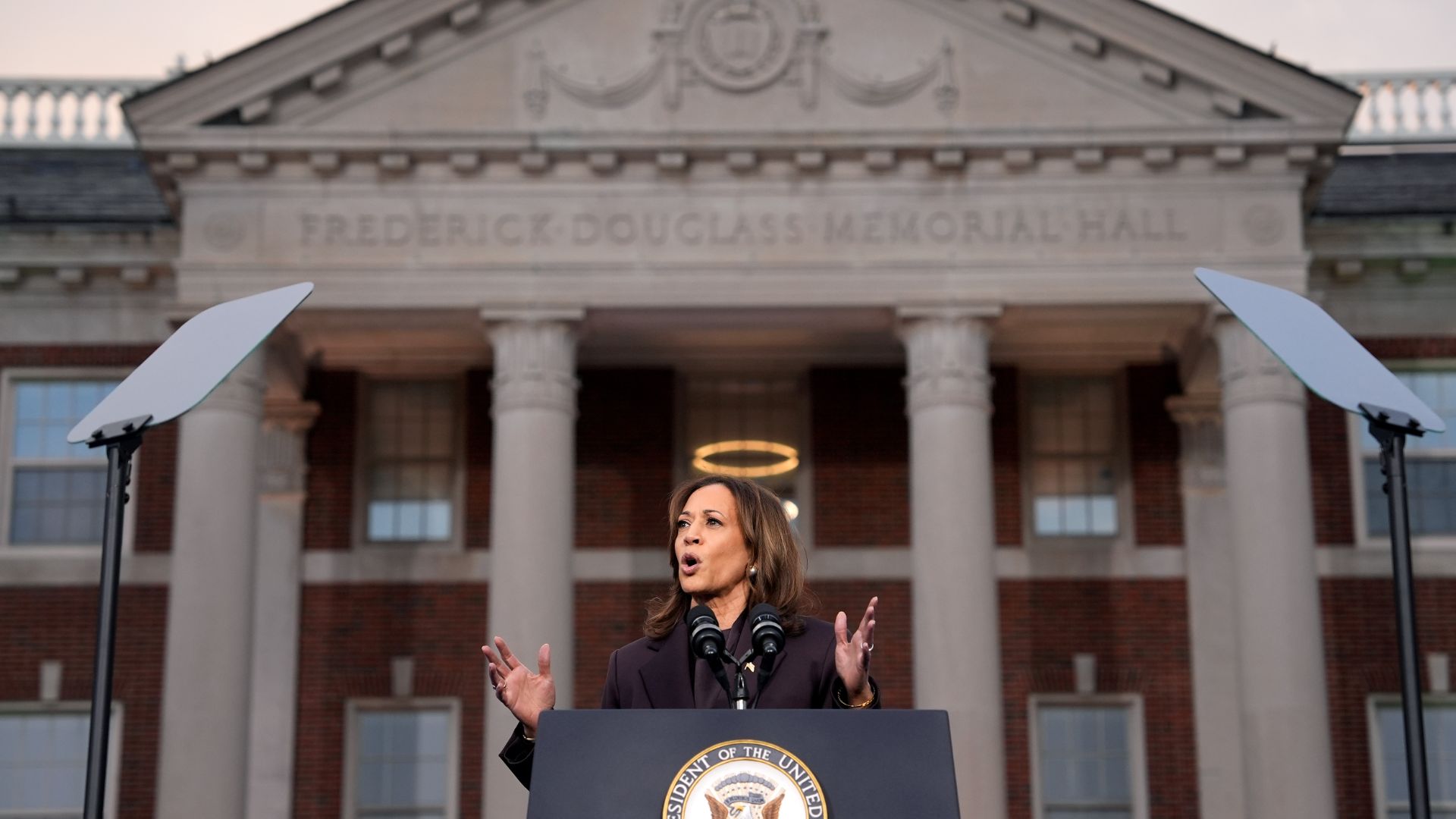
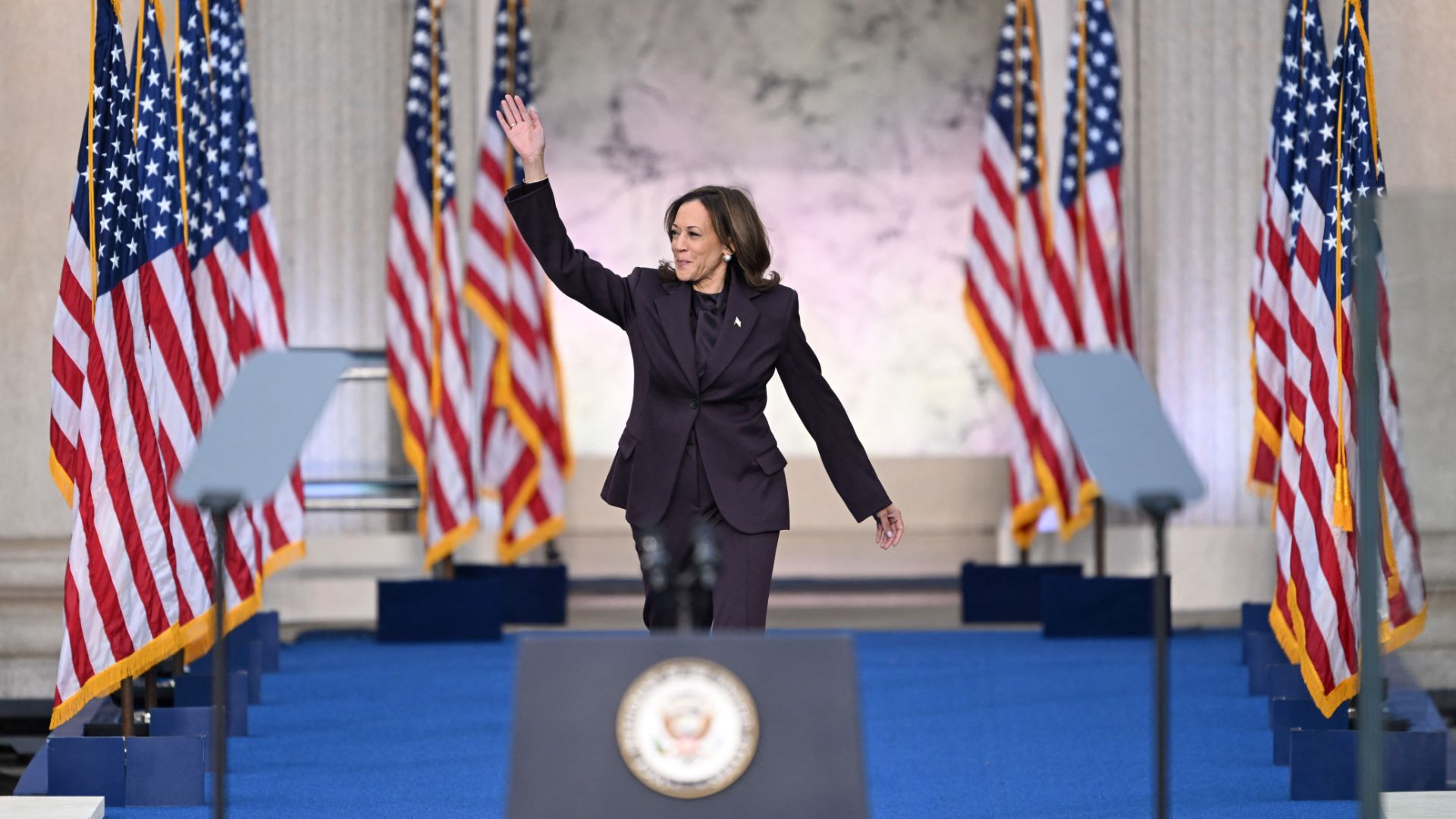
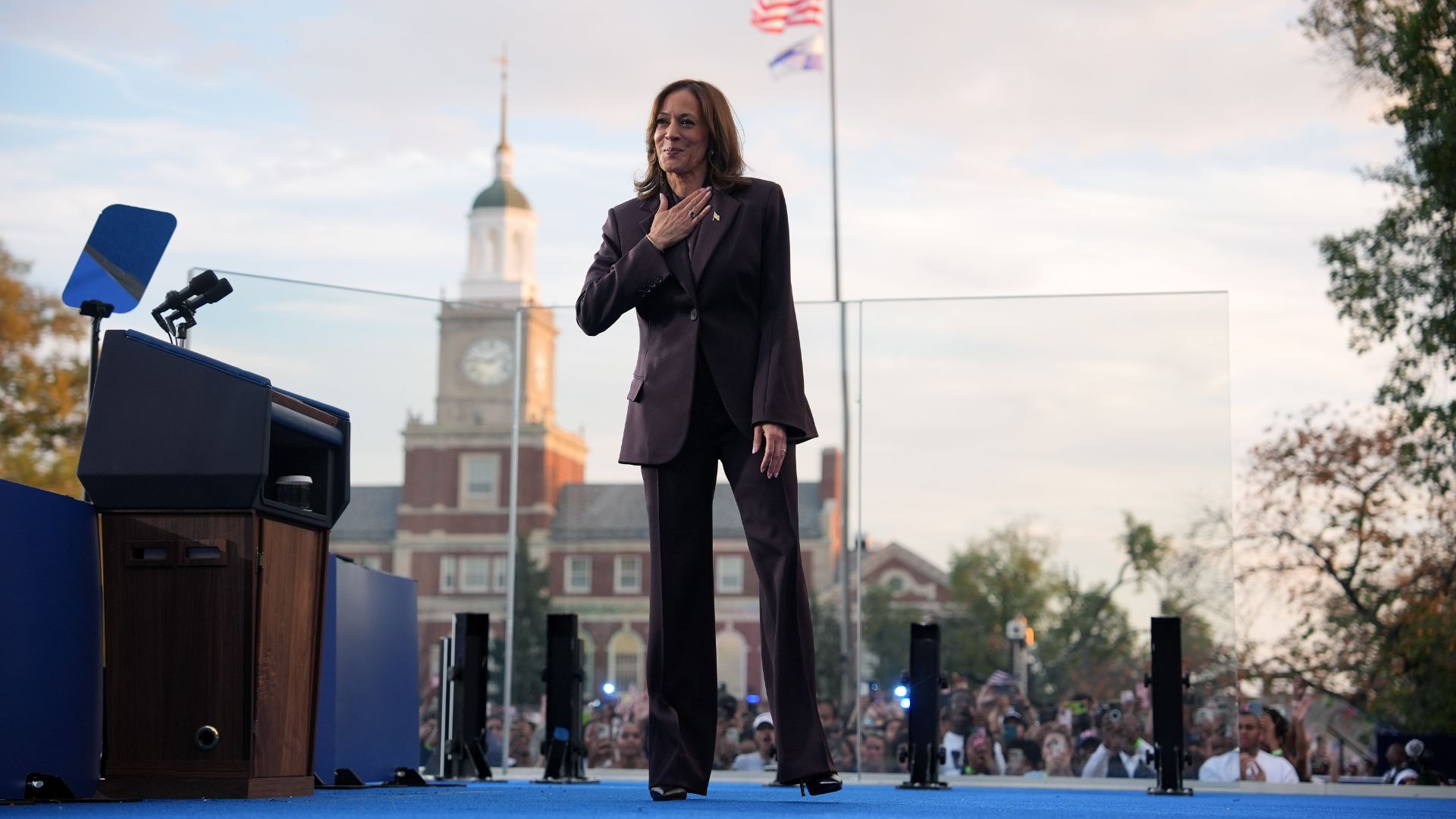
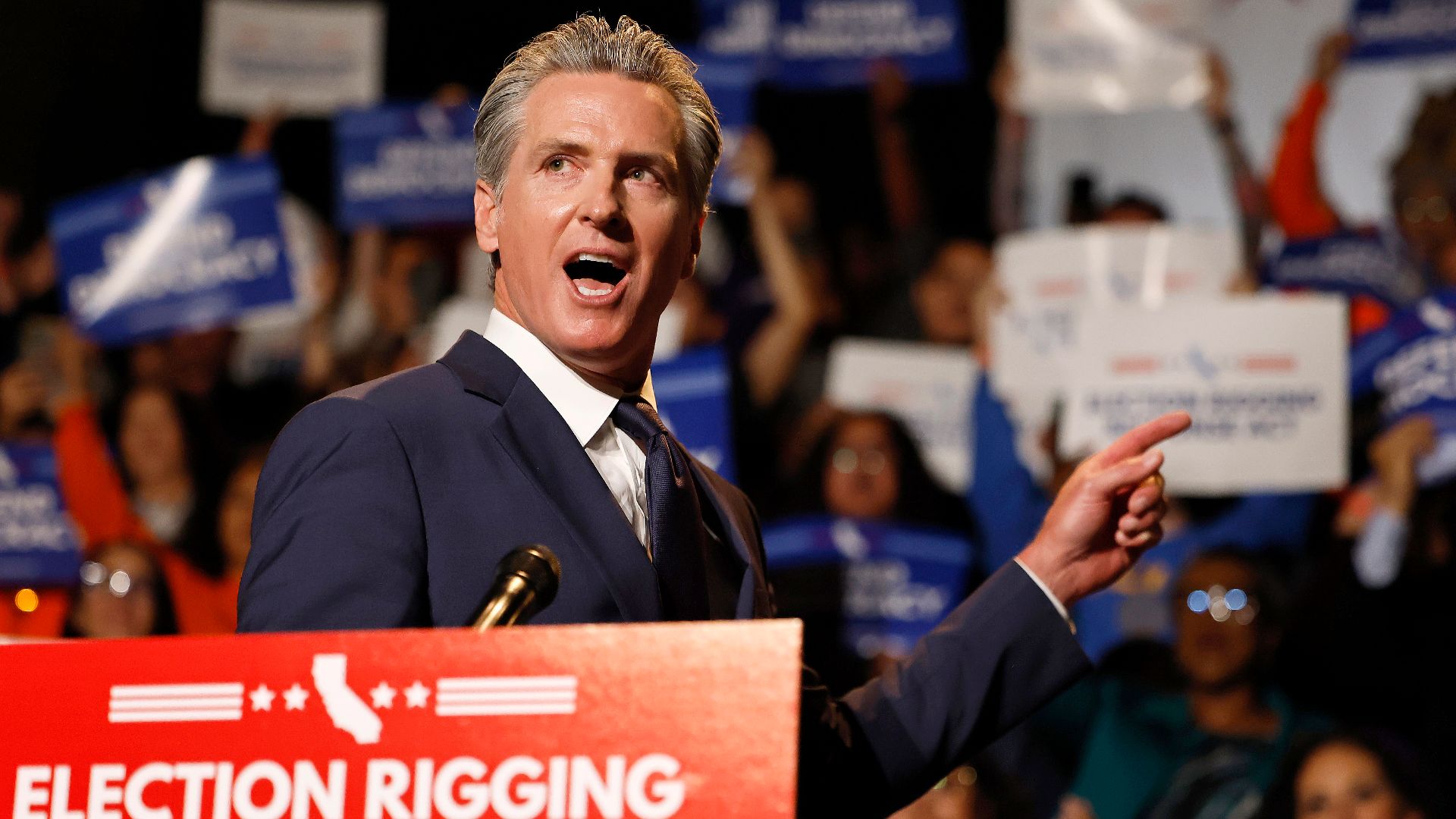
Alors que les démocrates commencent discrètement à manœuvrer pour 2028, le gouverneur de Californie, Gavin Newsom, reconnaît ouvertement que son chemin vers la Maison-Blanche pourrait croiser celui de l’ancienne vice-présidente Kamala Harris. Dans une interview exclusive accordée à Dana Bash de CNN,  Newsom a présenté la possibilité d’un affrontement lors des primaires comme une question de « destin », alors même que Harris laisse la porte ouverte à une nouvelle candidature à la présidence, déclarant « Je n’en ai pas fini ». Les premiers sondages plaçant les deux personnalités en tête des candidats démocrates potentiels, la perspective d’une confrontation entre deux candidats californiens n’est plus théorique : elle apparaît comme l’une des questions déterminantes pour l’avenir du parti après 2024.