







 BIG Admin
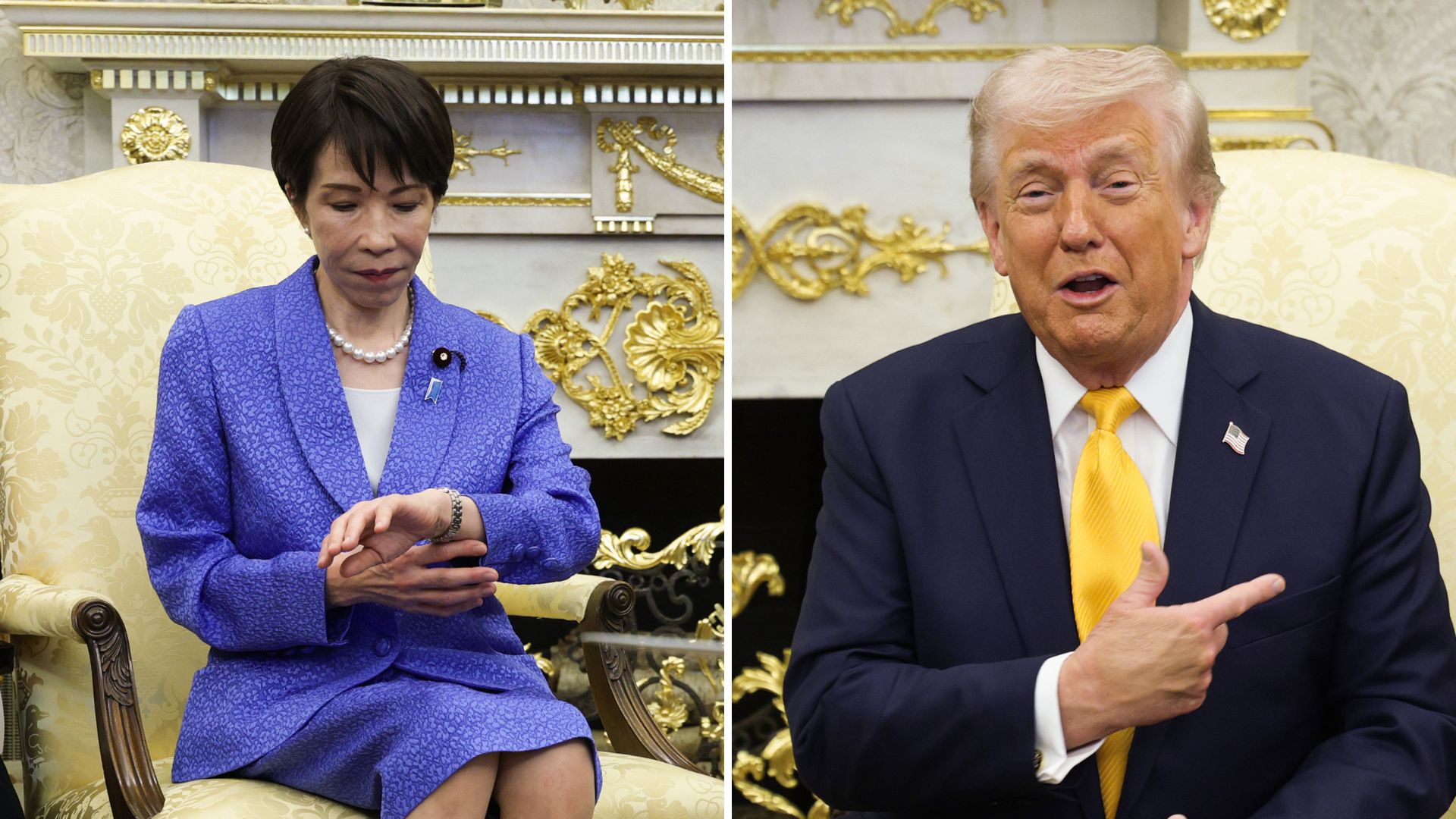
Donald Trump a immédiatement suscité la polémique et la colère à la suite d’un échange saisissant dans le Bureau ovale avec la première ministre japonaise, après avoir répondu à une question concernant sa décision de lancer des frappes contre l’Iran sans en informer ses principaux alliés. La scène s’est déroulée après qu’un journaliste japonais a demandé :
« Pourquoi n’avez-vous pas informé les alliés américains en Europe et en Asie, comme le Japon, de cette guerre avant d’attaquer l’Iran ? »
Trump a défendu le caractère secret de l’opération, soulignant l’importance de l’effet de surprise militaire, mais sa réponse a rapidement attiré l’attention en raison de sa référence historique inattendue et de son ton lors d’une réunion diplomatique de haut niveau.
« Pourquoi ne m’avez-vous pas parlé de Pearl Harbor ? »
– Le président américain Donald Trump
En réponse à la question, Trump a déclaré :
« Il y a une chose qu’il ne faut pas trop signaler, vous savez, quand on intervient, on intervient très fort et on n’en parle à personne parce qu’on veut créer la surprise. Qui connaît mieux la surprise que le Japon ? »
Cette remarque, faisant référence à l’attaque japonaise de Pearl Harbor en 1941, a semblé prendre l’assemblée au dépourvu. Selon les récits de cet échange, le commentaire a été suivi d’un moment de malaise palpable, car cette comparaison historique a introduit un sujet sensible devant la dirigeante japonaise dans un contexte géopolitique déjà tendu.
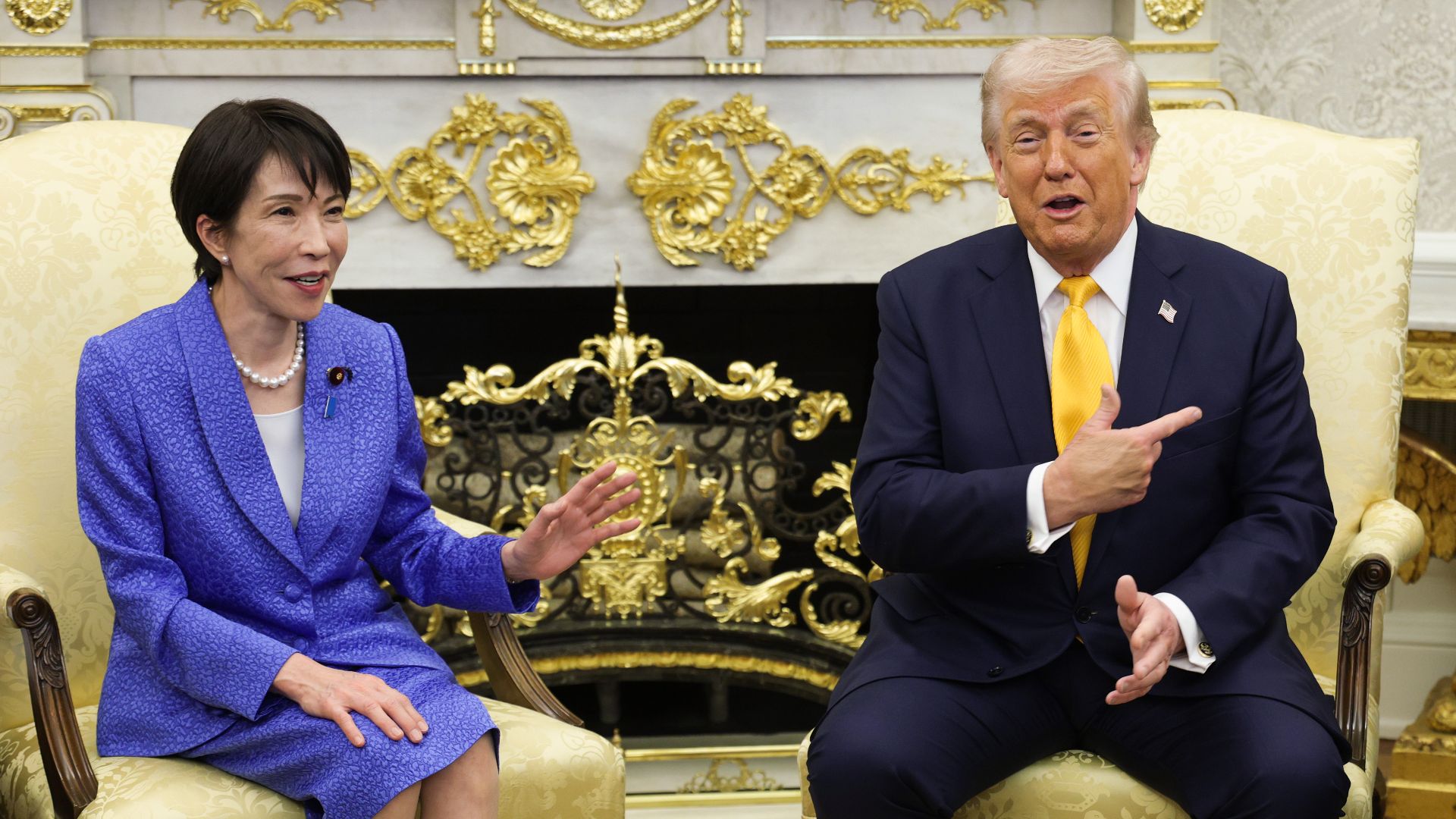
L’échange a pris une tournure encore plus inhabituelle lorsque Trump a enchaîné avec une remarque qui a accentué la gêne dans la salle. Il a ajouté :
« Pourquoi ne m’avez-vous pas parlé de Pearl Harbor ? », un commentaire qui a semblé dérouter les observateurs en raison de sa formulation.
L’utilisation de « me dire » en référence à un événement survenu en 1941, plusieurs décennies avant la naissance de Trump, a soulevé des questions quant à savoir si cette déclaration était destinée à être humoristique, une exagération rhétorique, ou quelque chose d’entièrement différent. Ce commentaire a contribué à ce que plusieurs observateurs ont décrit comme un silence bref mais perceptible dans le Bureau ovale.
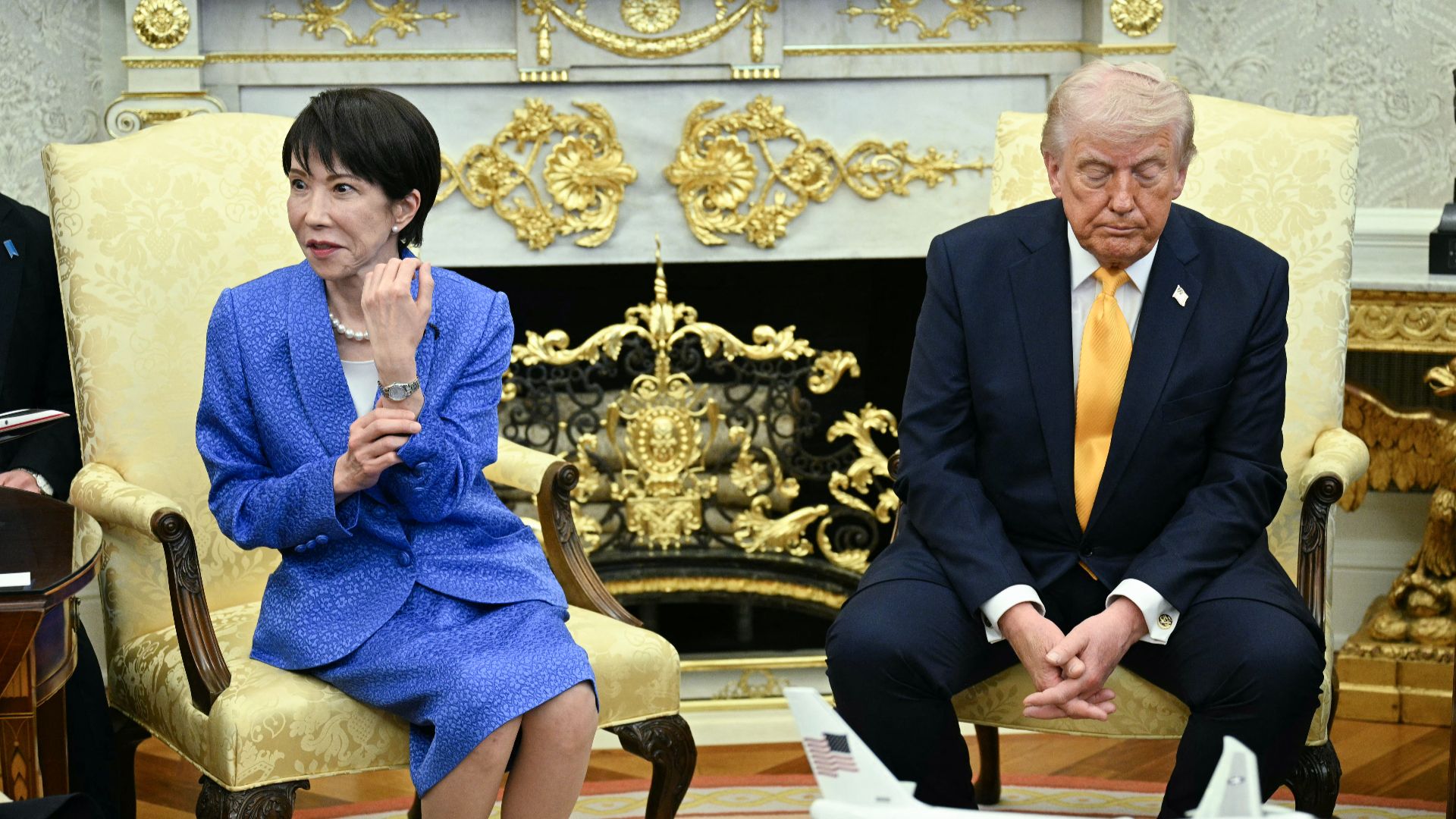
Le contexte plus large de cet échange est lié à la guerre en cours en Iran, qui s’est rapidement intensifiée à la suite des frappes américaines et israéliennes contre des cibles iraniennes. La décision de Trump de ne pas informer certains alliés à l’avance est devenue un sujet de discorde, en particulier parmi les membres de l’OTAN et les partenaires clés en Asie. L’administration a défendu cette approche comme étant nécessaire pour la sécurité opérationnelle, mais les critiques affirment que le manque de coordination risque de compromettre des alliances de longue date à un moment où l’instabilité mondiale est exacerbée.
« Il y a une chose qu’il ne faut pas trop signaler, vous savez : quand nous sommes intervenus, nous avons frappé très fort et nous n’en avons parlé à personne parce que nous voulions créer la surprise. Qui connaît mieux la surprise que le Japon ? »
– Donald Trump, président des États-Unis
Les tensions ont également été amplifiées par les récentes remarques de Trump à l’adresse des alliés concernant leur rôle dans la sécurisation des voies commerciales mondiales critiques, notamment le détroit d’Ormuz. Le président a suggéré que les pays bénéficiant de la sécurité maritime devraient contribuer plus directement au maintien de la stabilité dans la région, une position qui a suscité des réactions mitigées de la part des partenaires européens et asiatiques. Ces remarques ont renforcé les inquiétudes selon lesquelles les États-Unis modifient leurs attentes envers leurs alliés tout en agissant de manière unilatérale dans les décisions militaires clés.
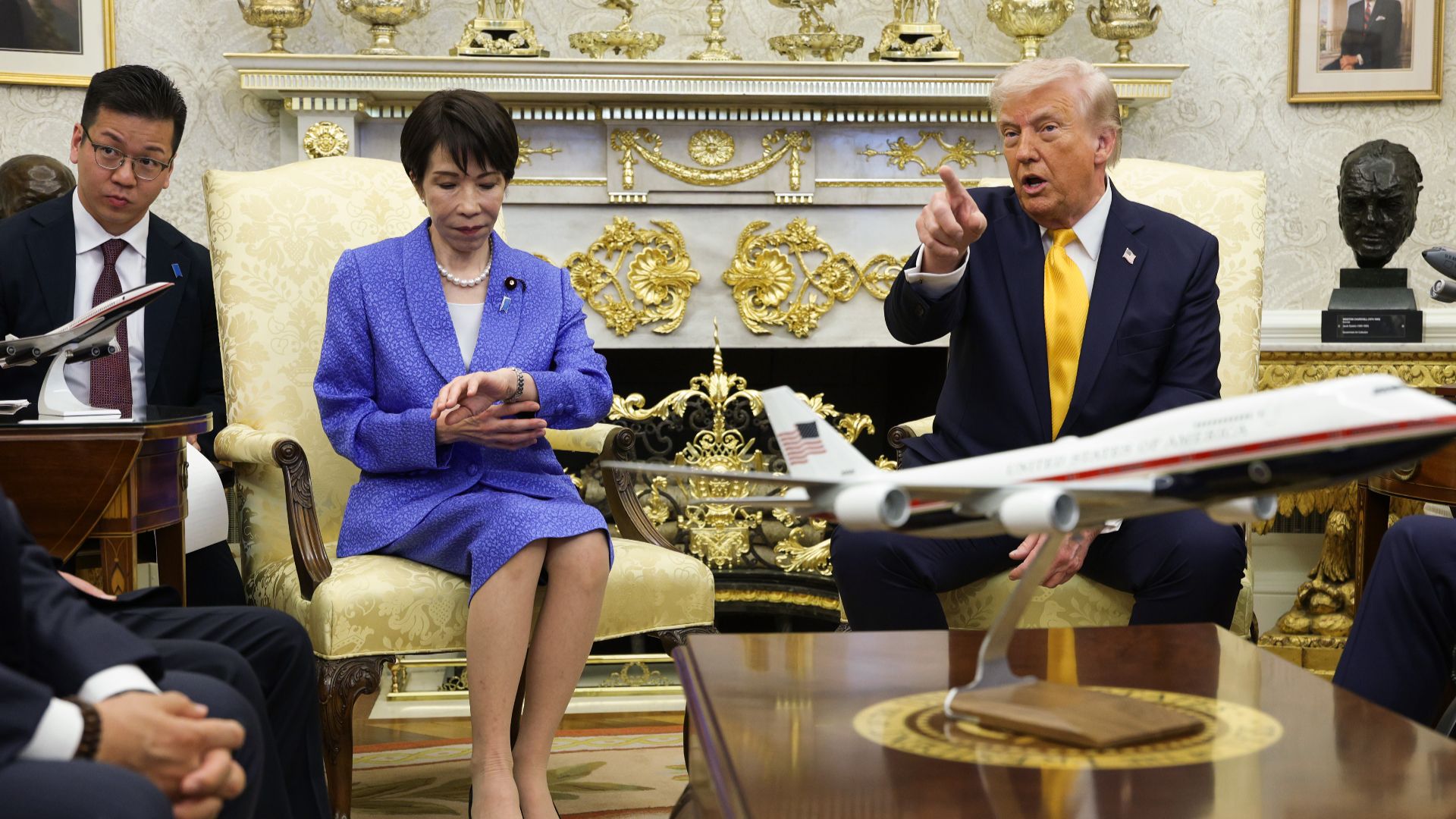
Cet échange inhabituel dans le Bureau ovale intervient alors que Donald Trump fait face à une controverse grandissante concernant sa gestion de la guerre en Iran et son approche diplomatique plus générale. Si certains partisans ont qualifié ces remarques d’improvisées ou de rhétoriques, d’autres affirment que la formulation et la référence historique risquent de compliquer les relations avec le Japon, un allié de longue date des États-Unis. Cet incident vient s’ajouter à la surveillance croissante dont font l’objet les décisions de Trump dans ce conflit, alors que les tensions continuent de monter et que des questions persistent sur la manière dont l’administration gère à la fois les opérations militaires et les partenariats internationaux clés.
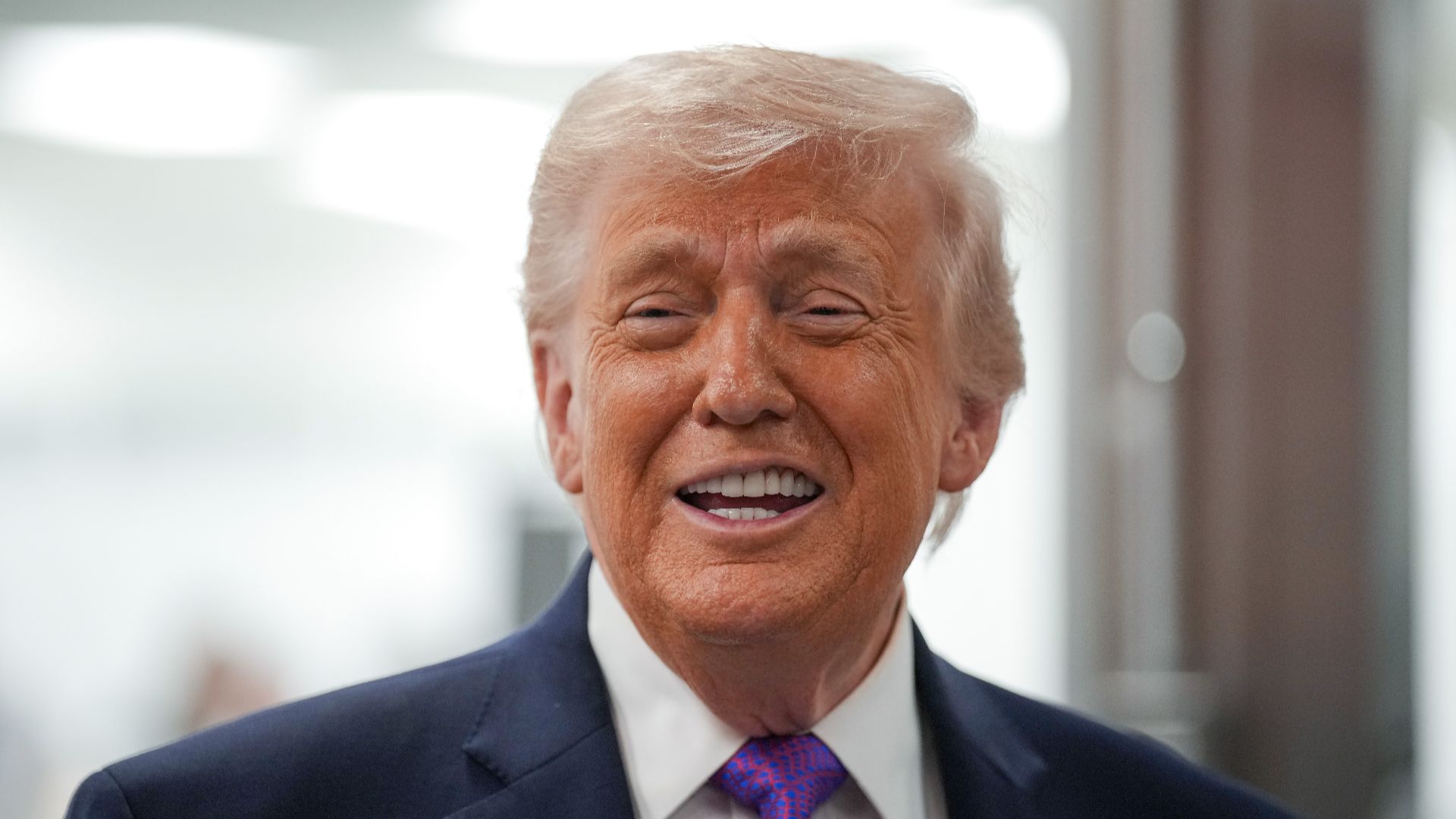
Donald Trump sparked immediate controversy and anger following a striking exchange in the Oval Office with Japan’s prime minister, after responding to a question about his decision to launch strikes on Iran without informing key allies. The moment unfolded after a Japanese reporter asked, «Why didn’t you tell US allies in Europe and Asia like Japan about the war before attacking Iran?» Trump defended the secrecy of the operation, emphasizing the importance of military surprise, but his response quickly drew attention for its unexpected historical reference and tone during a high-level diplomatic meeting.
«Why didn’t you tell me about Pearl Harbor?»
-U.S. President Donald Trump
Responding to the question, Trump said «One thing you don’t want to signal too much, you know, when we go in, we went in very hard and we didn’t tell anybody about it because we wanted surprise. Who knows better about surprise than Japan?» The remark, referencing Japan’s 1941 attack on Pearl Harbor, appeared to catch the room off guard. According to accounts of the exchange, the comment was followed by a moment of visible discomfort, as the historical comparison introduced a sensitive subject in front of Japan’s leader during an already tense geopolitical context.
The exchange took an even more unusual turn when Trump followed up with a remark that deepened the awkwardness in the room. He added «Why didn’t you tell me about Pearl Harbor?» a comment that appeared to confuse observers due to its phrasing. The use of «tell me» in reference to an event that occurred in 1941, decades before Trump was born, raised questions about whether the statement was intended as humor, rhetorical exaggeration, or something else entirely. The comment contributed to what several observers described as a brief but noticeable silence in the Oval Office.
The broader context of the exchange is tied to the ongoing war in Iran, which has escalated rapidly following U.S. and Israeli strikes on Iranian targets. Trump’s decision not to notify certain allies in advance has become a point of contention, particularly among NATO members and key partners in Asia. The administration has defended the approach as necessary for operational security, but critics argue that the lack of coordination risks undermining long-standing alliances at a time of heightened global instability.
«One thing you don’t want to signal too much, you know, when we go in, we went in very hard and we didn’t tell anybody about it because we wanted surprise. Who knows better about surprise than Japan?»
-U.S. President Donald Trump
Tensions have also been amplified by Trump’s recent comments directed at allies regarding their role in securing critical global trade routes, including the Strait of Hormuz. The president has suggested that countries benefiting from maritime security should contribute more directly to maintaining stability in the region, a stance that has drawn mixed reactions from European and Asian partners. These remarks have added to concerns that the United States is shifting its expectations toward allies while simultaneously acting unilaterally in key military decisions.
This unusual exchange in the Oval Office comes as Donald Trump faces growing controversy over his handling of the war in Iran and his broader diplomatic approach. While some supporters have dismissed the remarks as off-the-cuff or rhetorical, others argue that the phrasing and historical reference risk complicating relations with Japan, a long-standing U.S. ally. The moment adds to mounting scrutiny over Trump’s decision-making in the conflict, as tensions continue to rise and questions persist about how the administration is managing both military operations and key international partnerships.















Montreal Canadiens defenseman Noah Dobson is enjoying a particularly successful run, both on the ice and in his personal life. Having arrived in Montreal as one of the team’s key defensemen, he continues to make his mark in the National Hockey League thanks to his composure, his vision, and his ability to contribute offensively from the blue line.









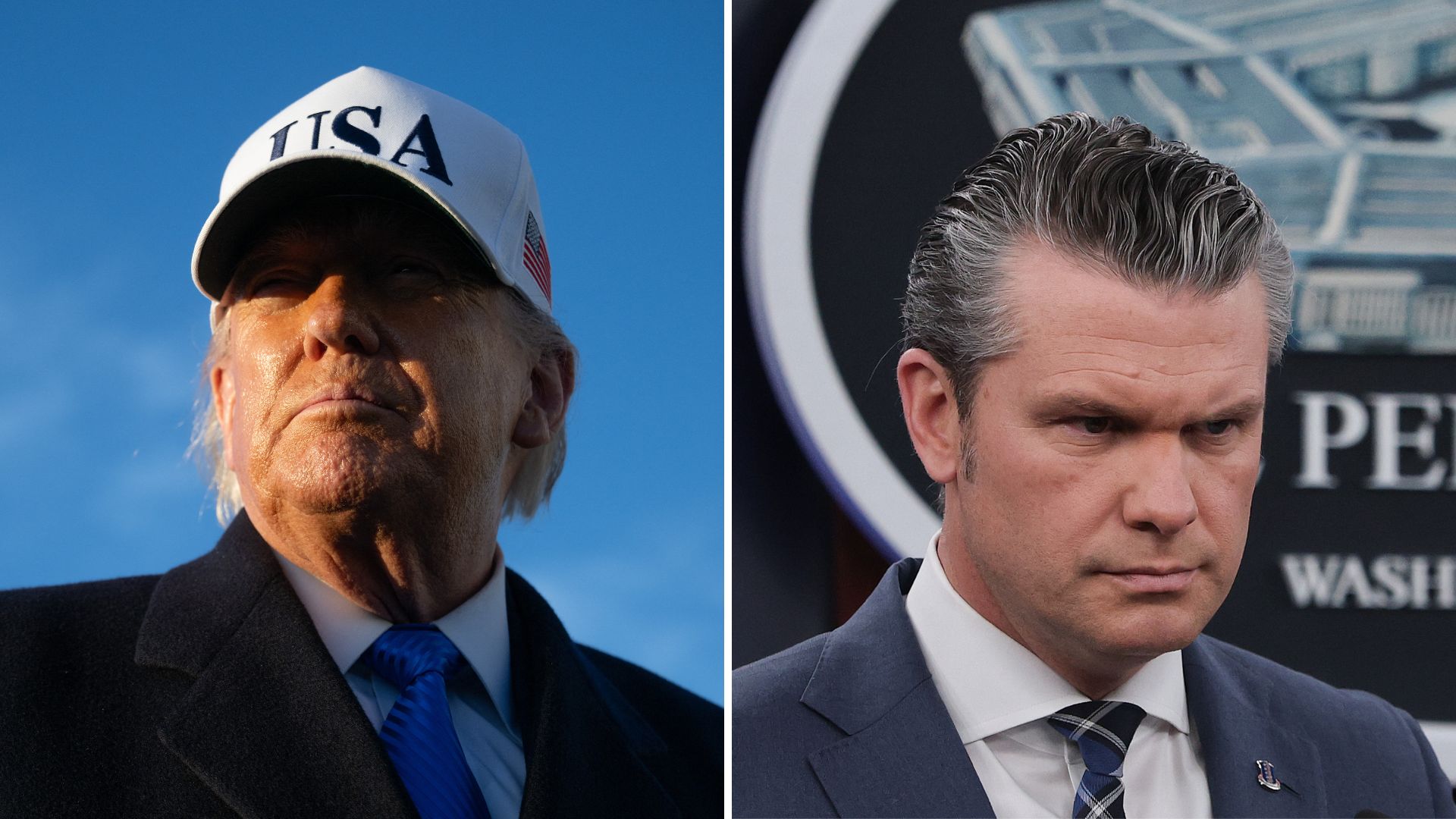
The Pentagon is preparing to request up to $200 billion in additional funding for the war in Iran, a staggering figure that underscores the rapid expansion of a conflict already costing billions within days. The proposed funding reflects not only the scale of ongoing operations but also expectations that the war could intensify further in the coming months. Defense Secretary Pete Hegseth confirmed that discussions with Congress are underway, as the administration seeks to secure long-term financial backing for a campaign that is increasingly drawing scrutiny over its cost, objectives, and potential consequences.
«A very small price to pay for U.S.A., and World, Safety and Peace.»
– U.S. President, Donald Trump
Hegseth defended the massive funding push in blunt and unapologetic terms, directly tying the financial burden to military outcomes.
«Obviously it takes money to kill bad guys,» he said, brushing aside concerns about the scale of the request. He also made clear that the funding would go beyond current operations, stating that the Pentagon is seeking resources «for what’s been done, for what we may have to do in the future.»
His remarks signal that officials are already preparing for a prolonged and potentially expanding conflict, rather than a limited military engagement.
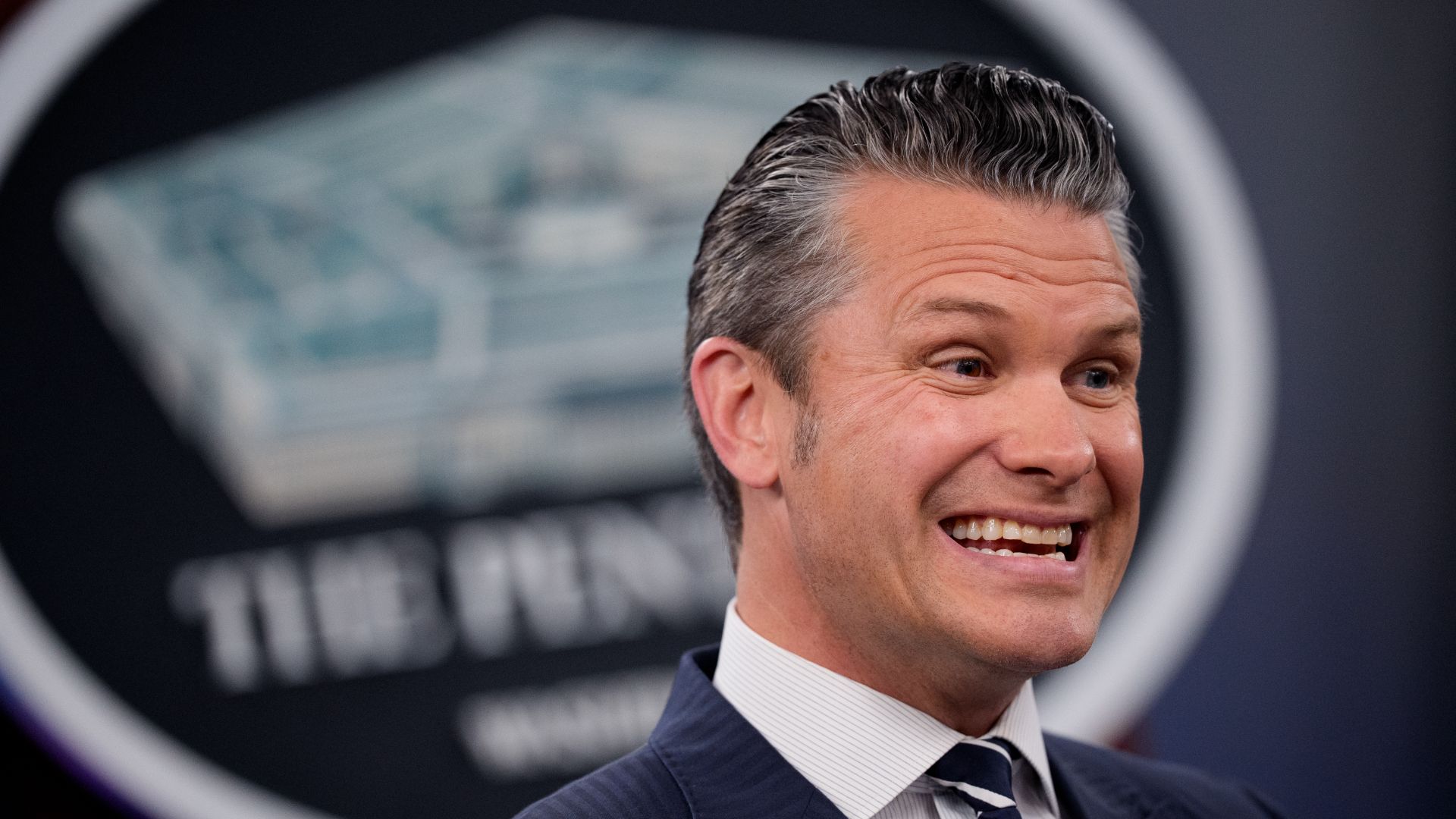
Donald Trump has similarly attempted to downplay the economic impact of the war, even as energy markets react sharply to the instability. As oil prices climbed following disruptions linked to the conflict, Trump dismissed concerns by saying the increase was «a very small price to pay for U.S.A., and World, Safety and Peace.»
The comment has drawn criticism from opponents who argue that the administration is minimizing the financial and human costs of the war, particularly as its long-term scope remains unclear.
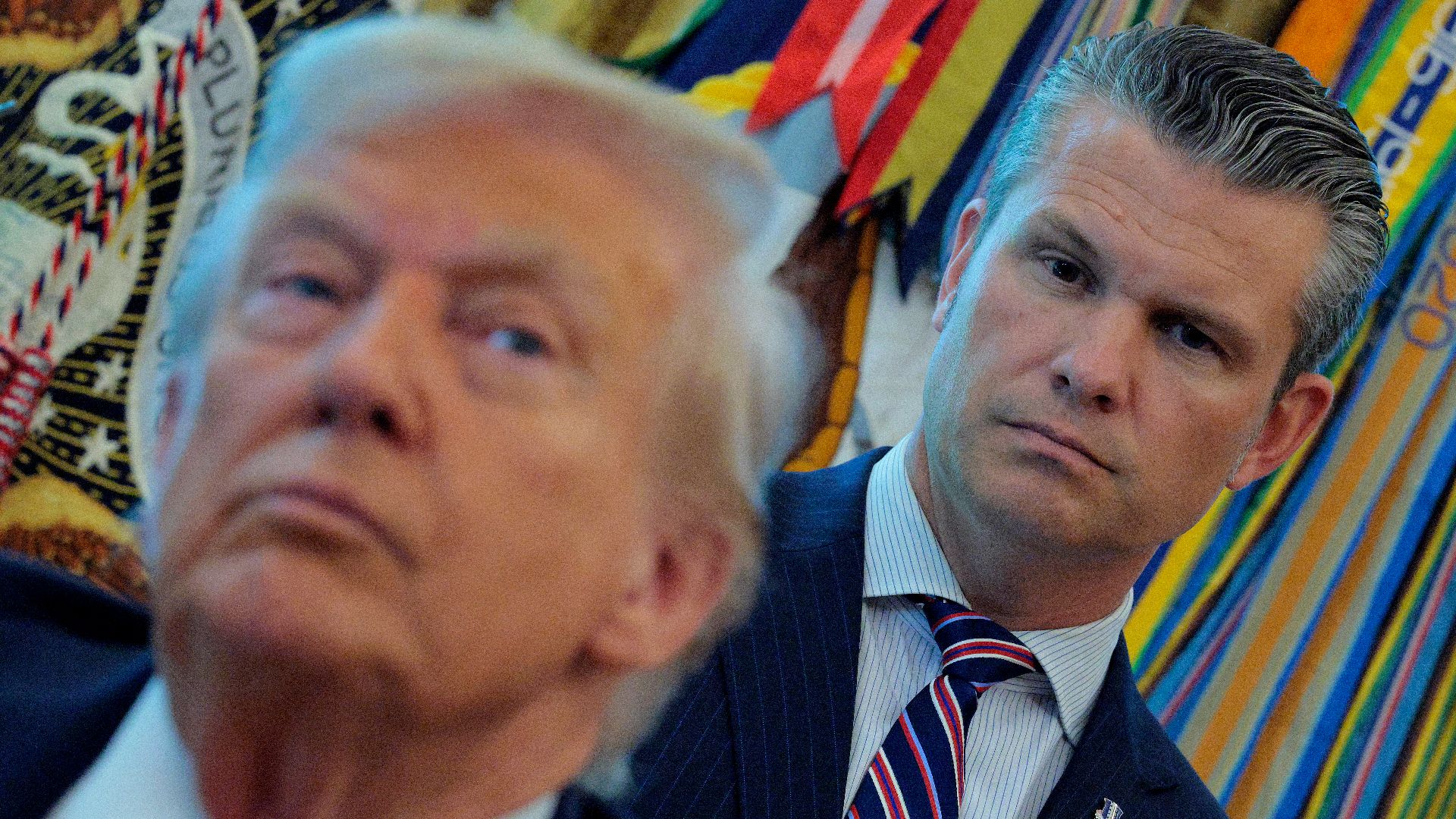
The conflict itself has escalated rapidly, with sustained U.S. and Israeli strikes targeting Iranian military and strategic infrastructure, including key energy assets. Iran has responded with missile and drone attacks on regional facilities, including sites tied to global energy supply chains. These exchanges have expanded the scope of the confrontation beyond direct U.S.-Iran tensions, raising fears of a broader regional conflict involving multiple countries and threatening further disruption to global markets already sensitive to instability in the Gulf.
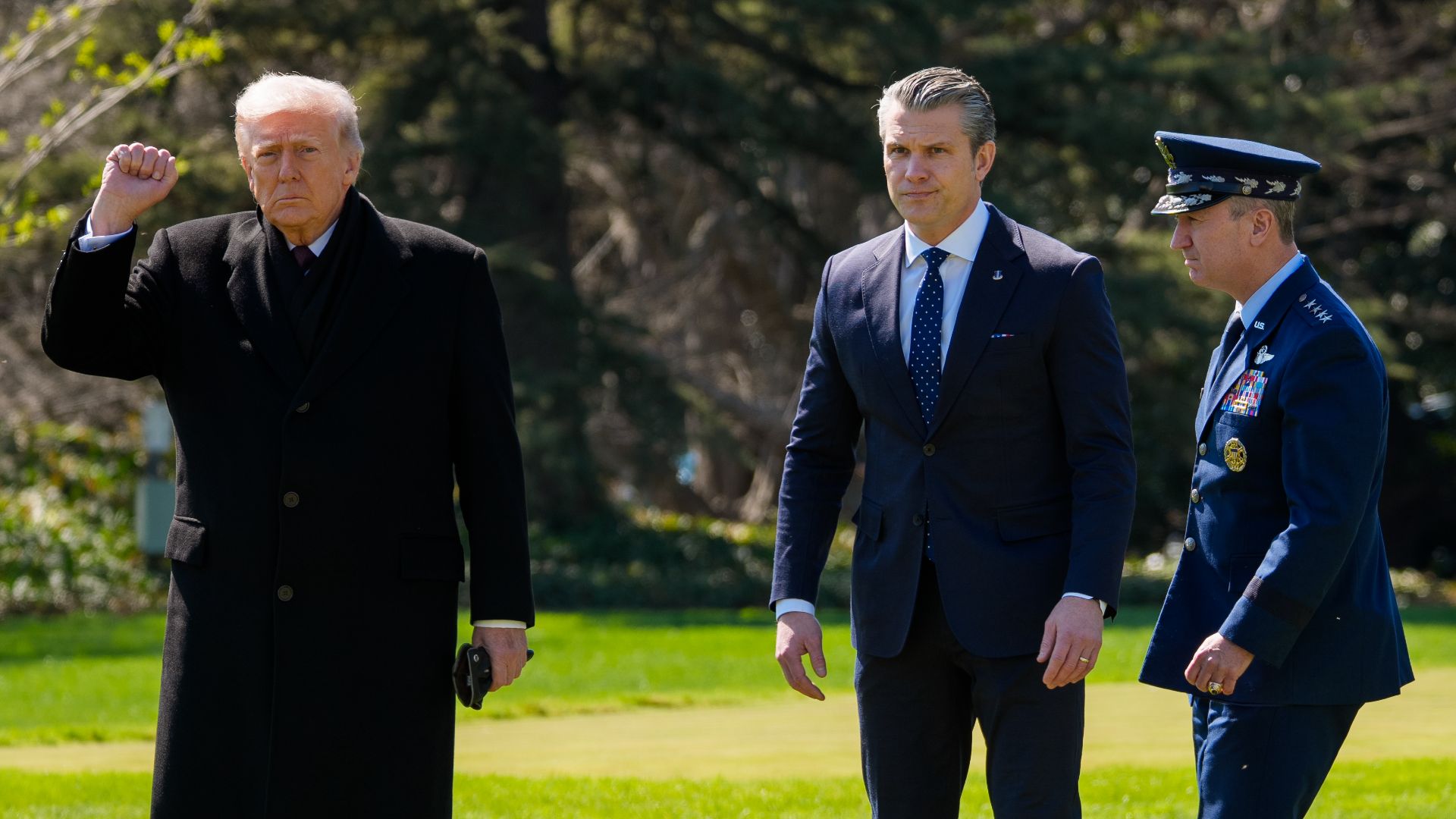
Trump is also facing increasing criticism over his decision to launch the war, with lawmakers and analysts questioning both the justification and the lack of a clearly defined endgame. Concerns have been raised about the speed at which the conflict escalated and the absence of a transparent strategy for de-escalation. Critics argue that the administration’s messaging has shifted repeatedly, creating uncertainty about whether the objective is deterrence, regime pressure, or a broader military campaign that could extend indefinitely.
«Obviously it takes money to kill bad guys.»
-Defense Secretary, Pete Hegseth
Despite the backlash, Trump and Hegseth have continued to defend both the cost and direction of the war, presenting it as necessary to confront perceived threats from Iran. Their rhetoric, however, reflects a strategy that accepts significant financial and geopolitical risk, even as the situation on the ground remains volatile. As the funding request moves toward Congress, the debate is likely to intensify over whether the scale of the proposed investment matches a clear and achievable objective, or signals a deeper and more open-ended military commitment.
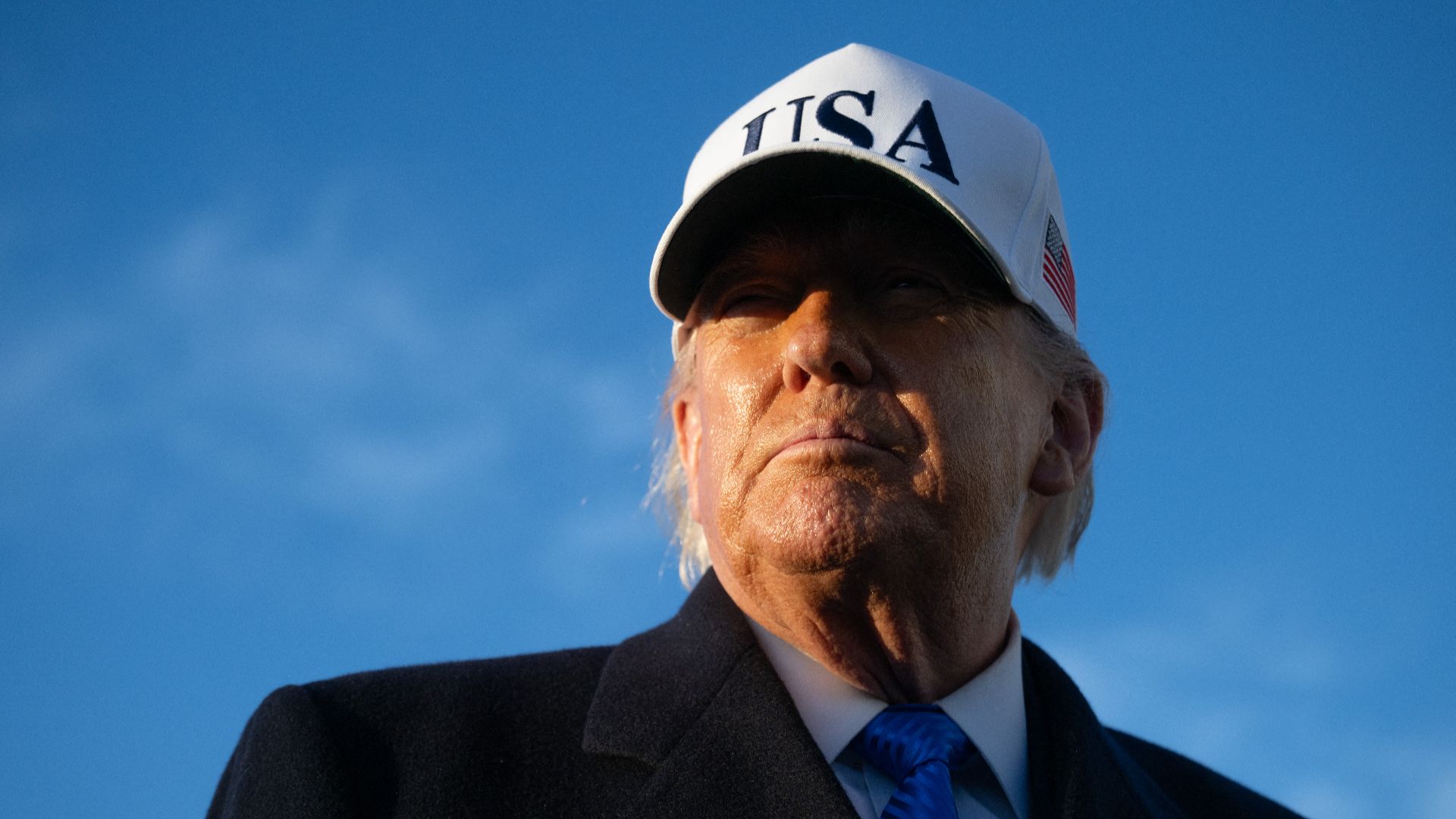
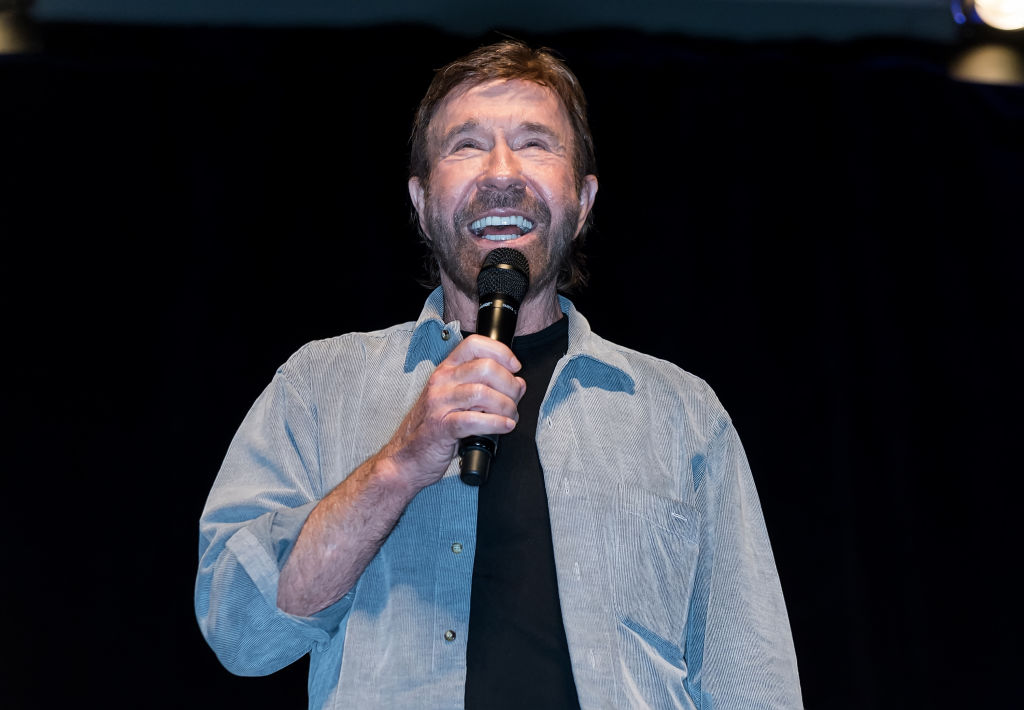
The year 2026 was marked by the passing of many personalities who left a lasting mark on our society. Artists, creators, public figures, thinkers, and athletes—each and every one contributed in their own way to shaping our era and our collective imagination. This In Memoriam project pays tribute to those who left us during the year. Through these memories, we take a moment to remember their influence, celebrate their contributions, and honor lives that will continue to resonate long after their passing.
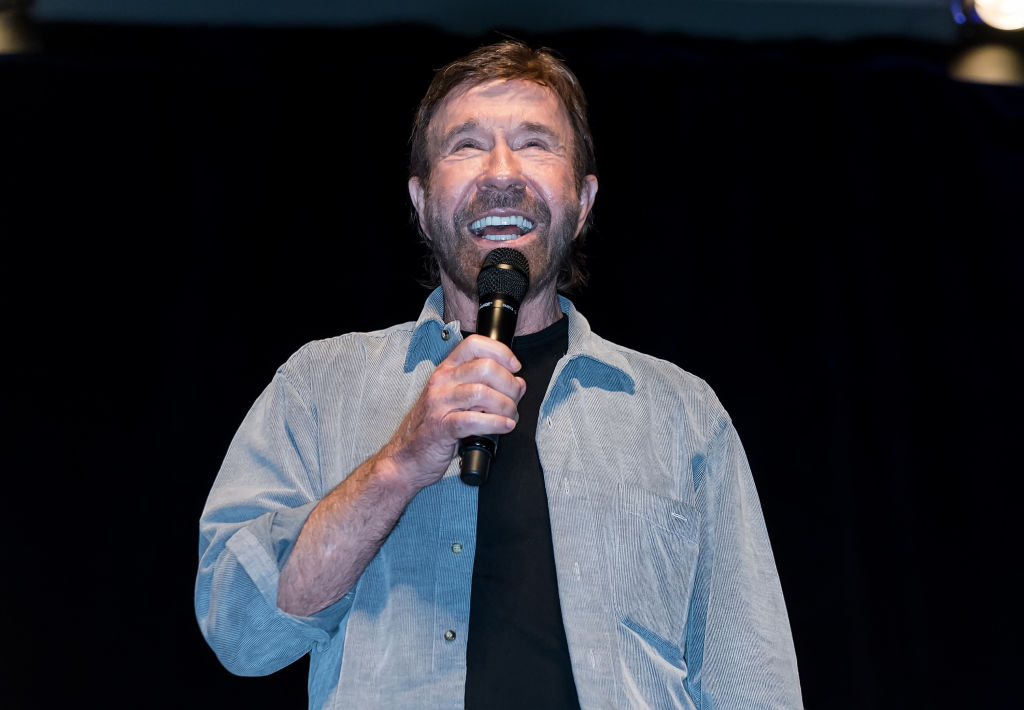

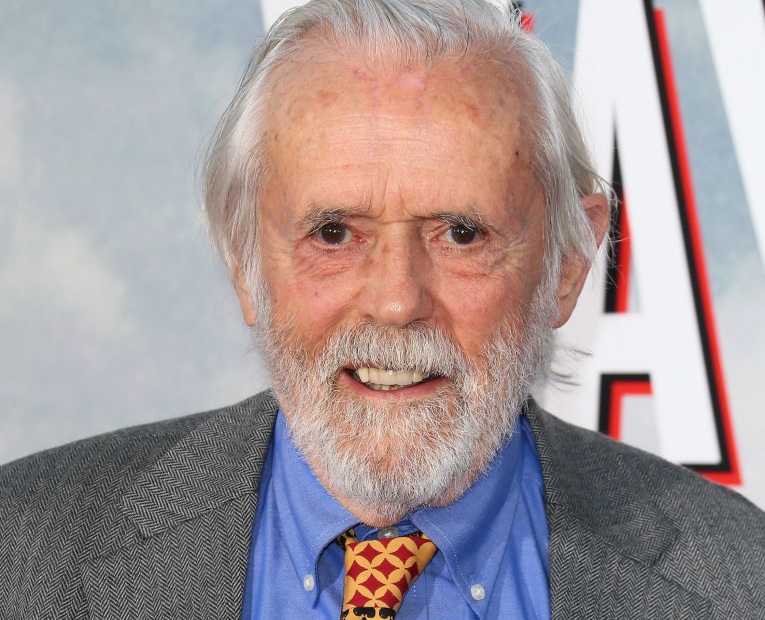
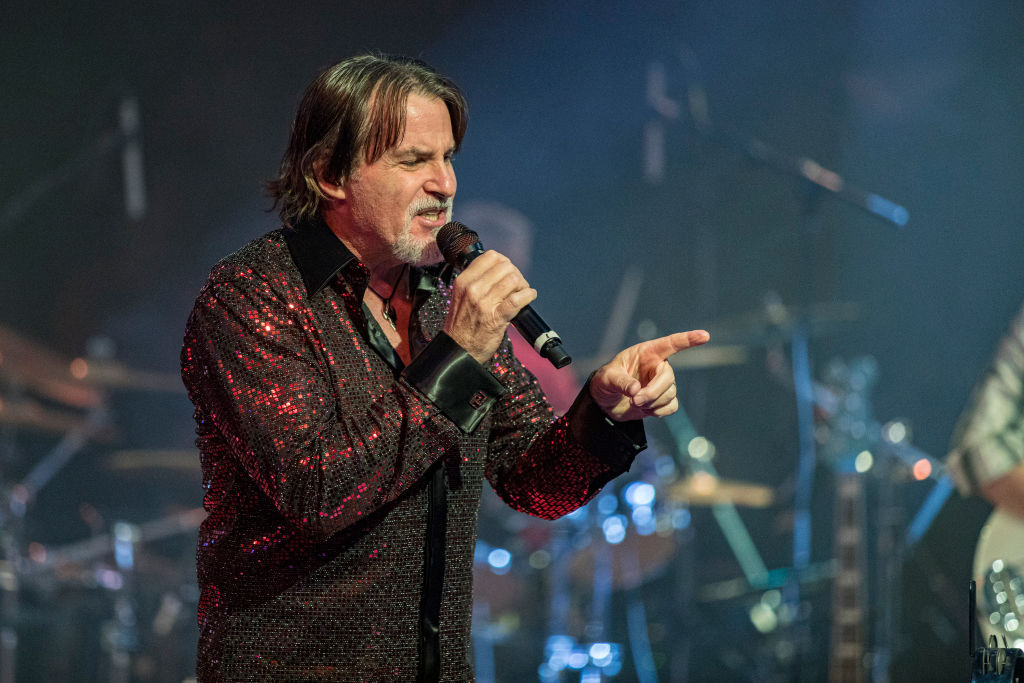
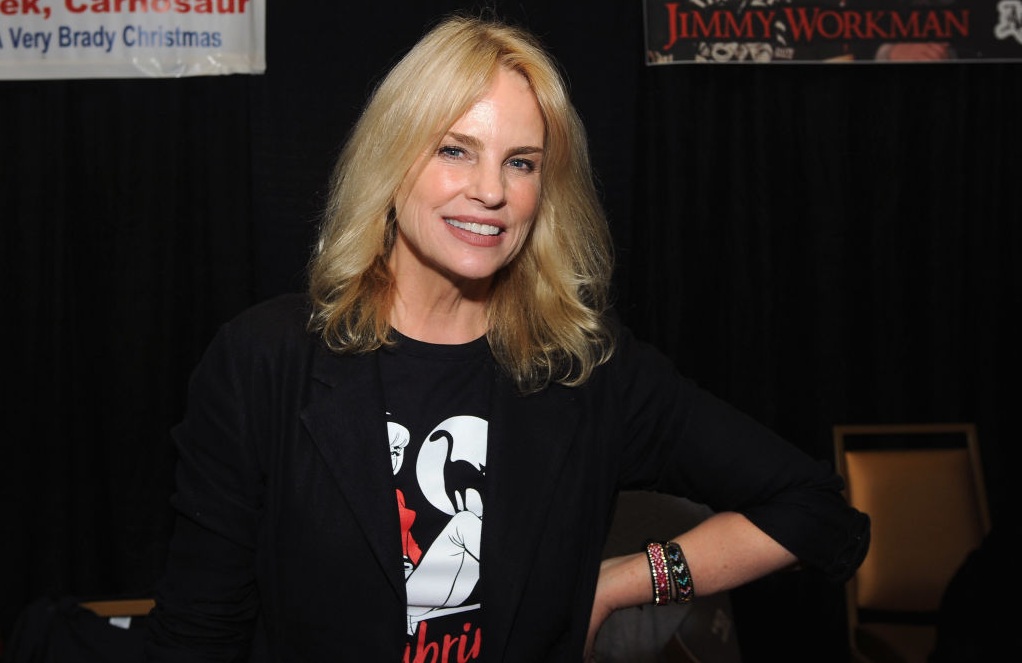

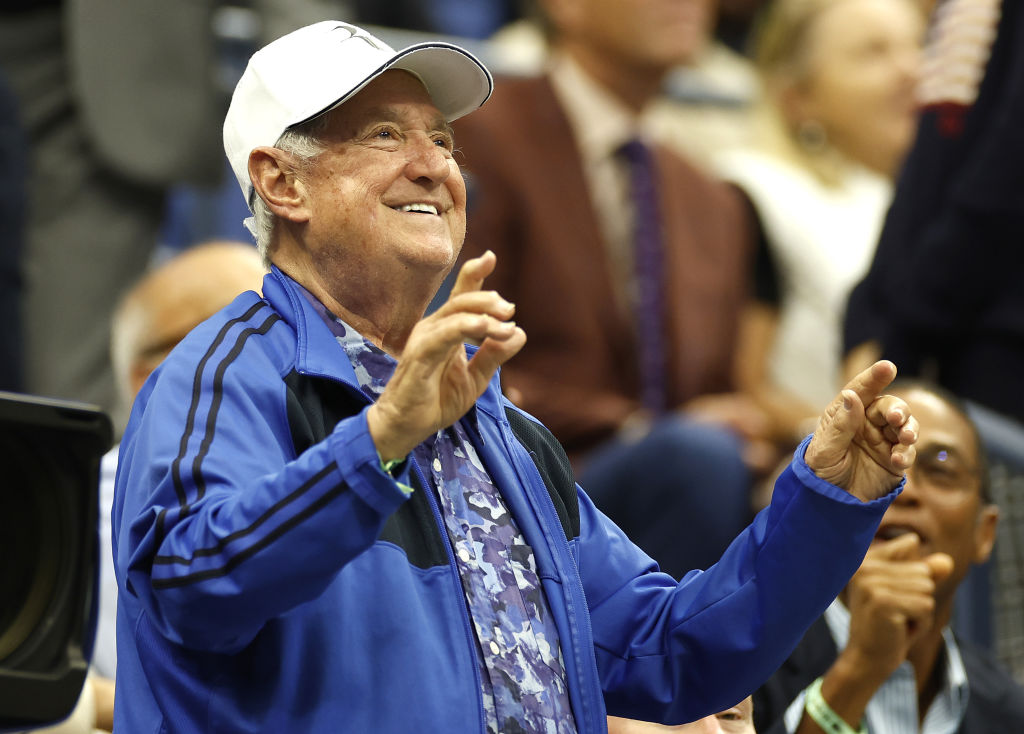
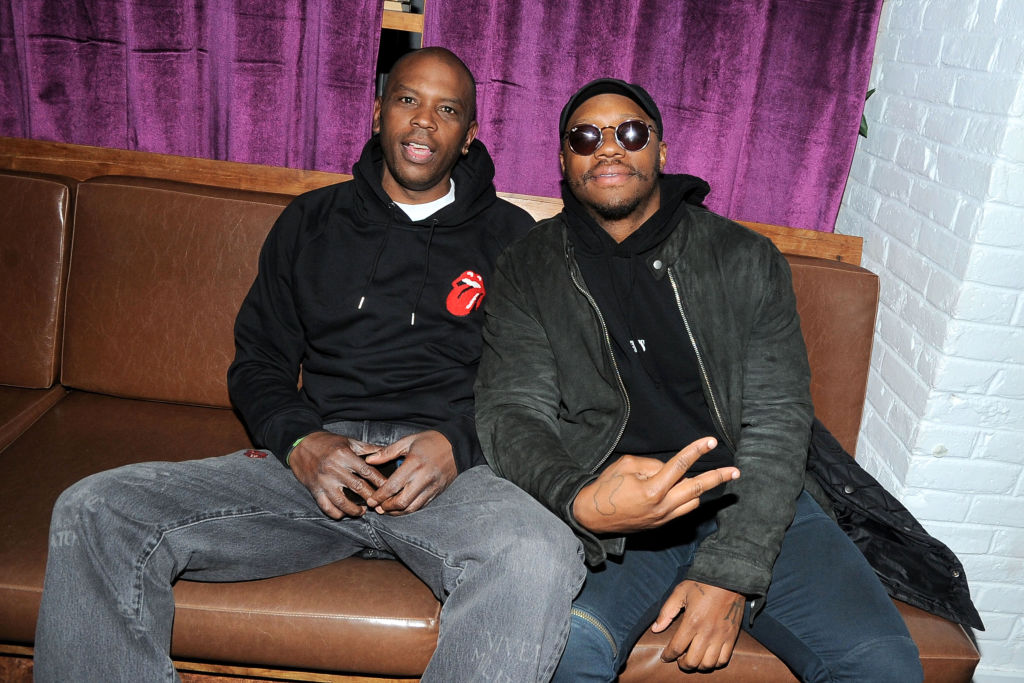
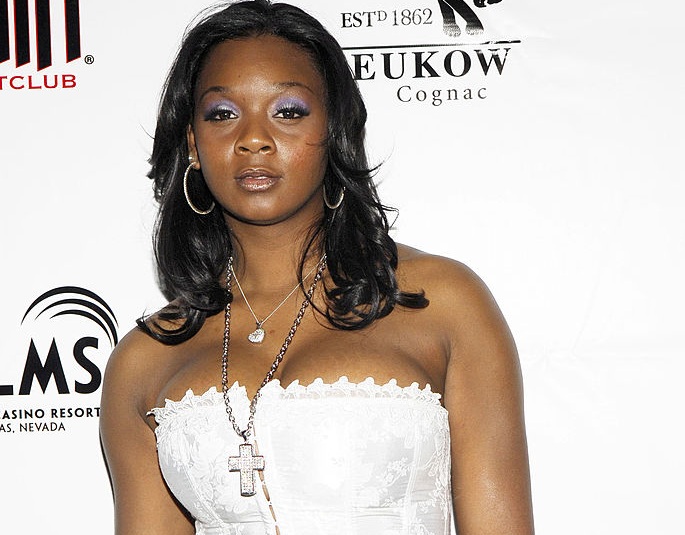
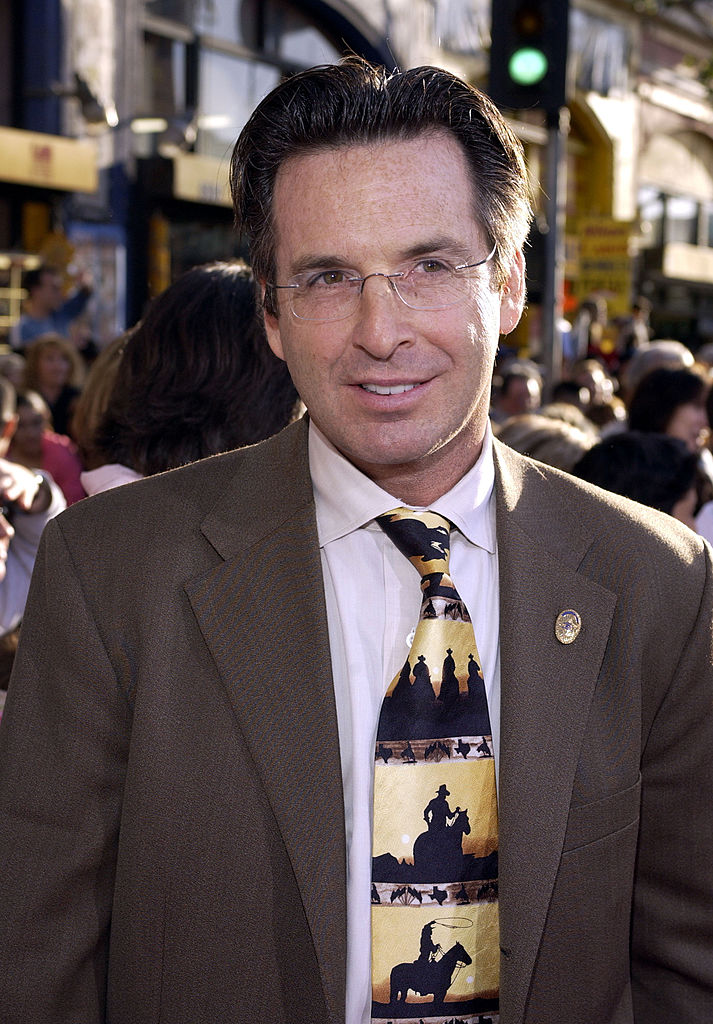
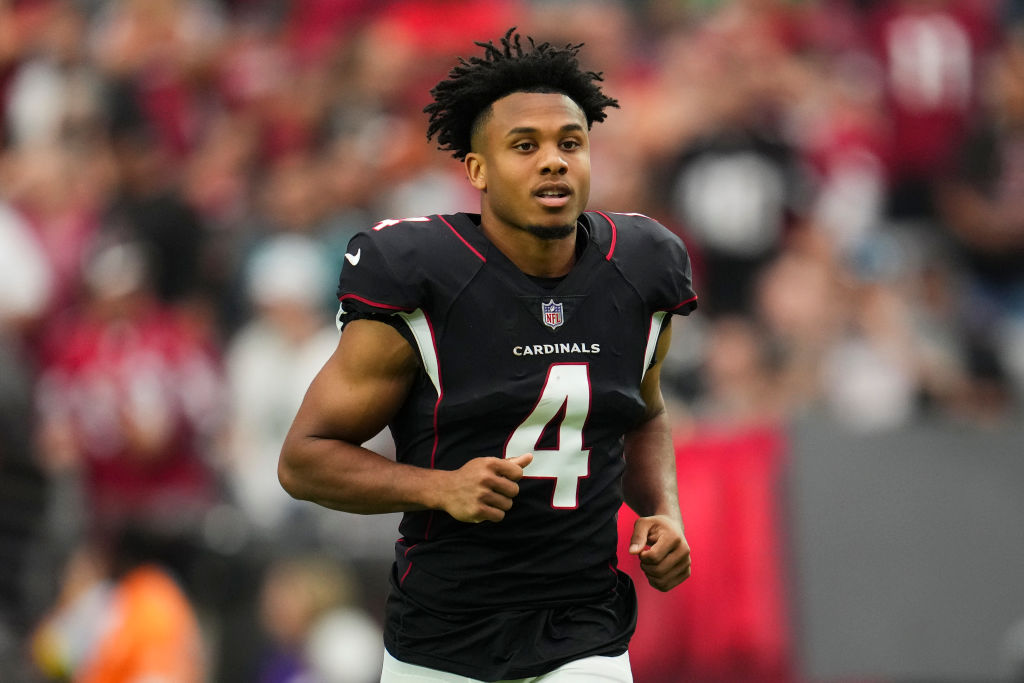
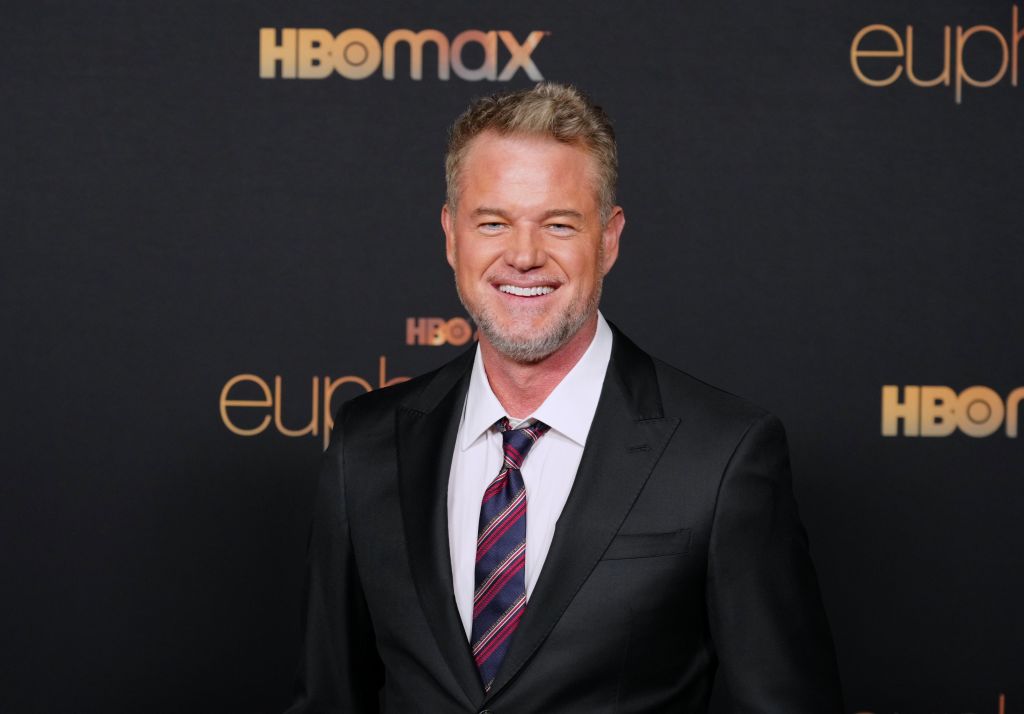
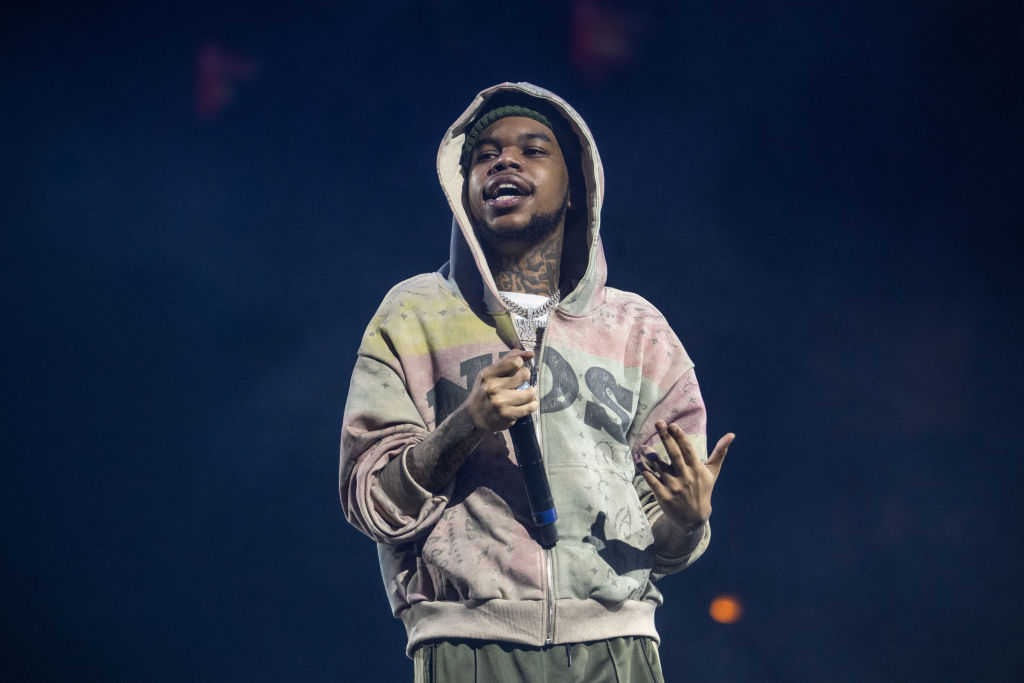
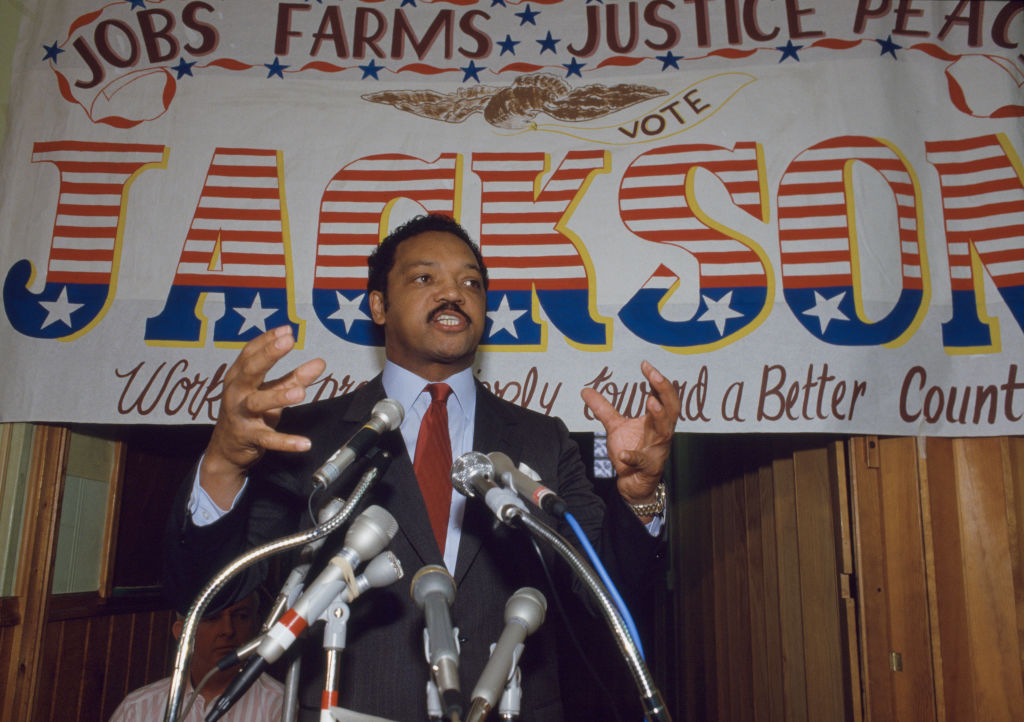
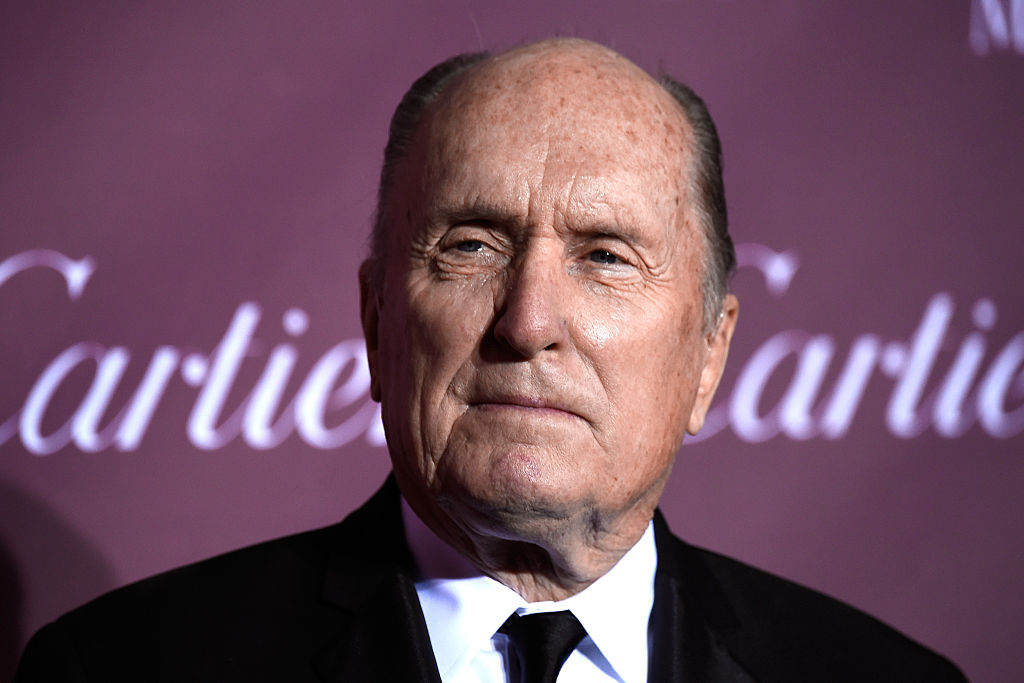
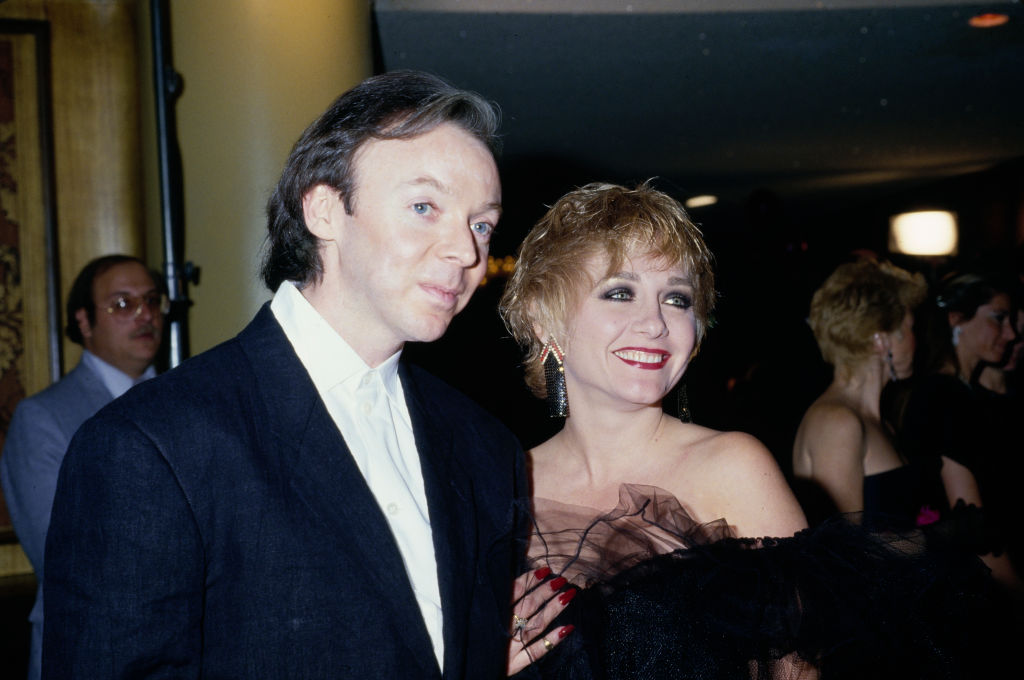
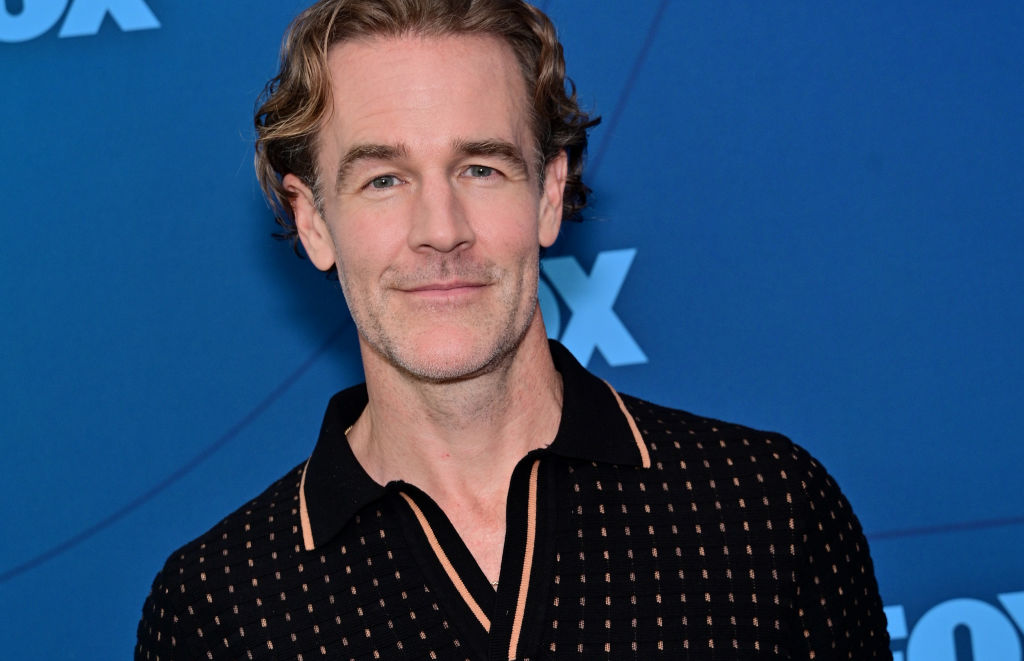


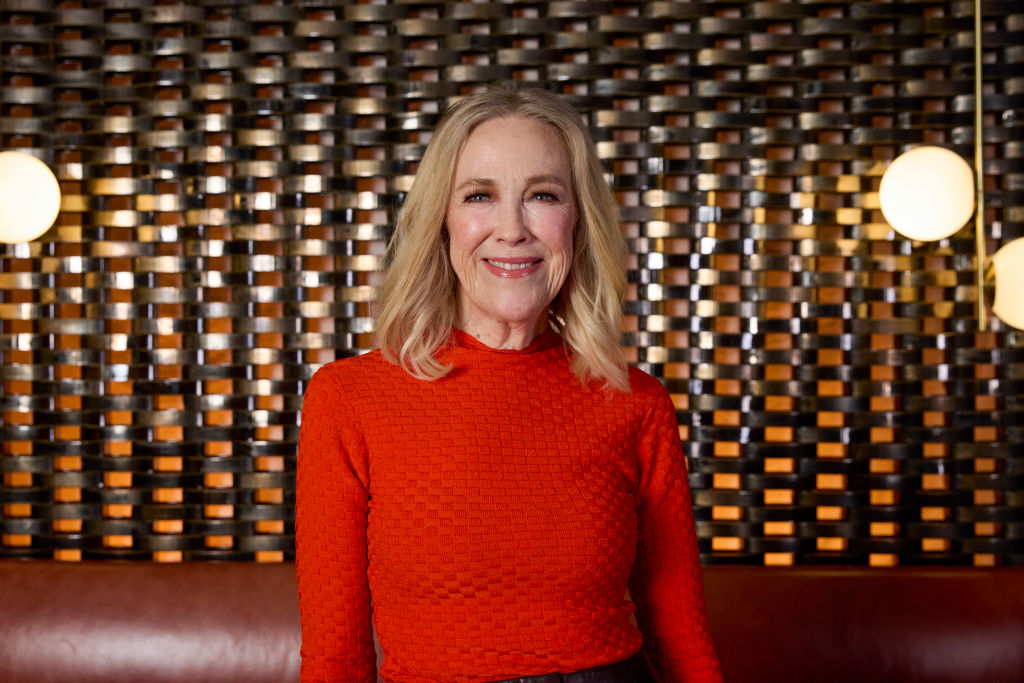
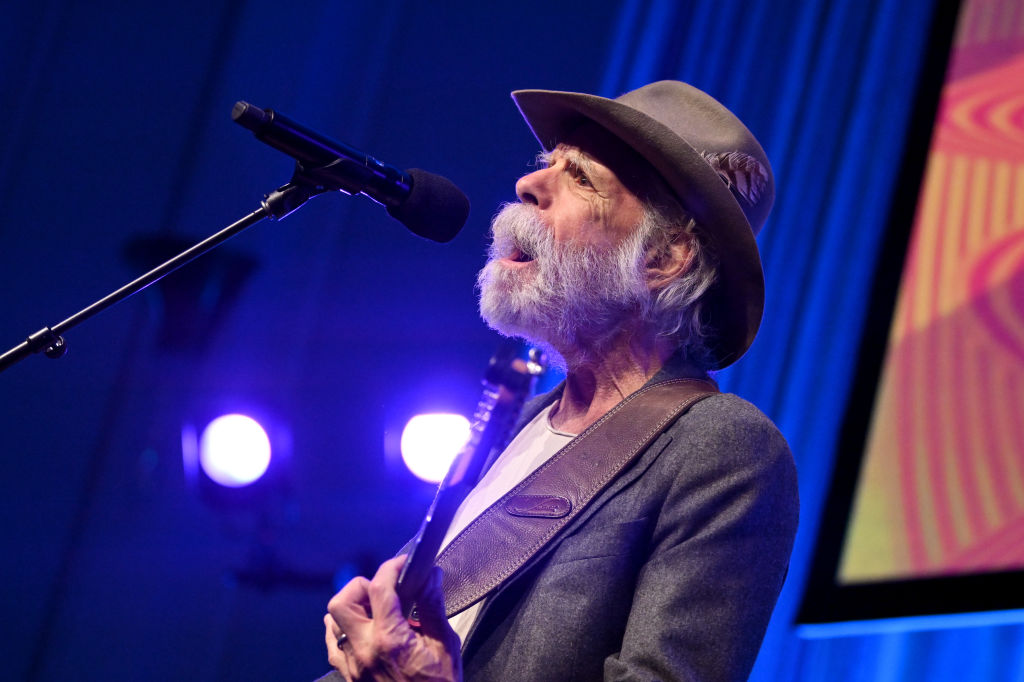
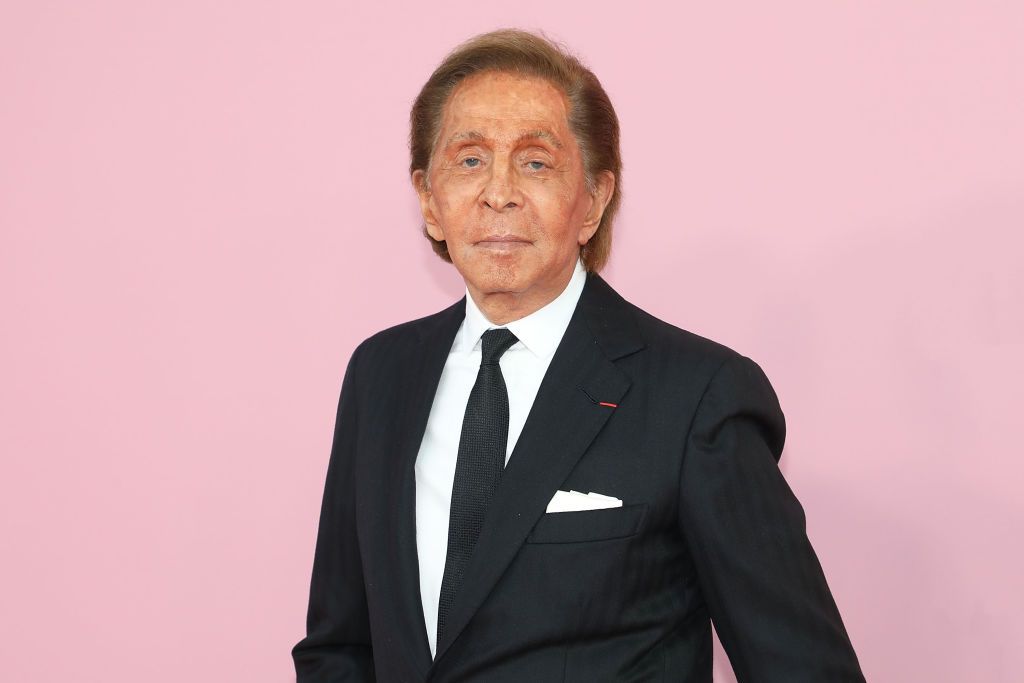
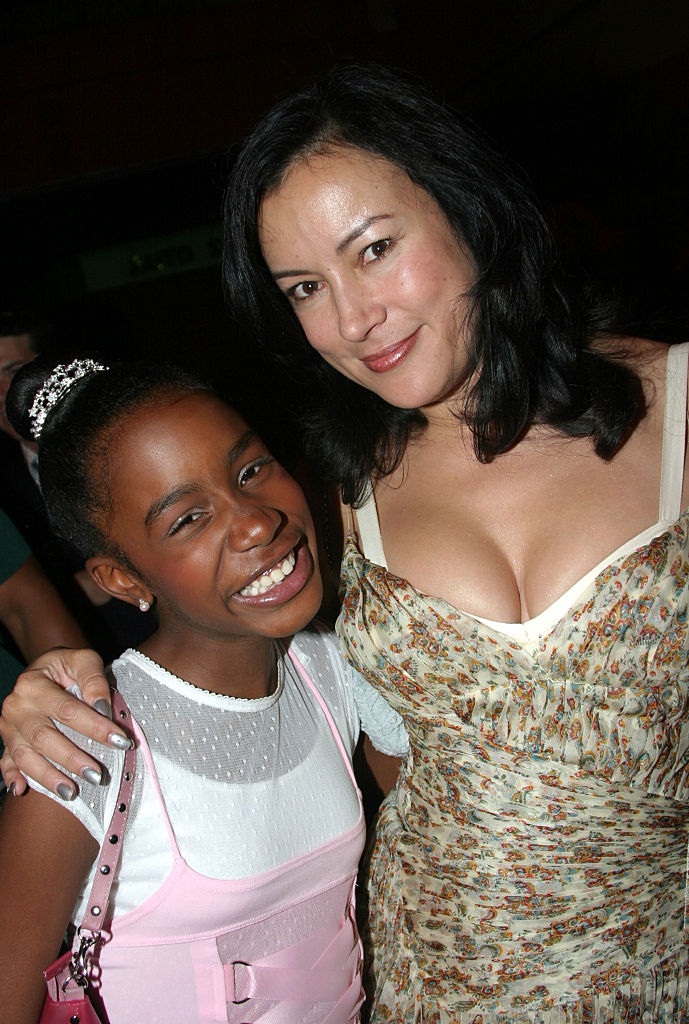
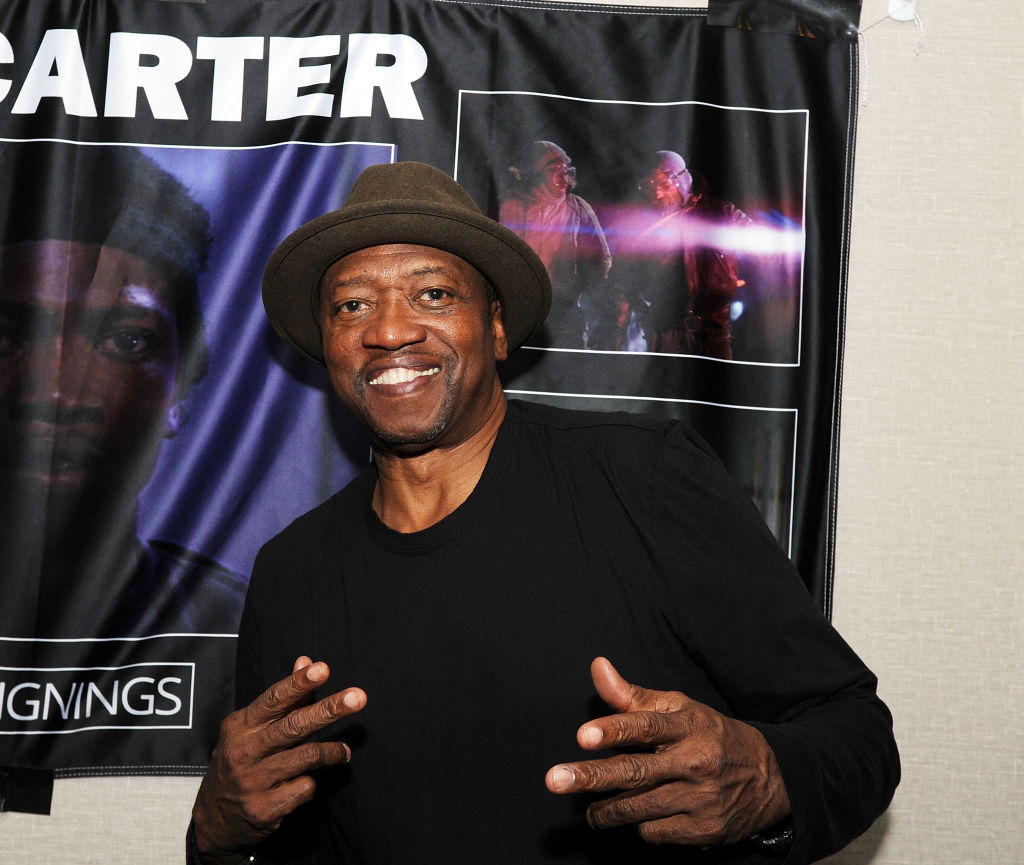
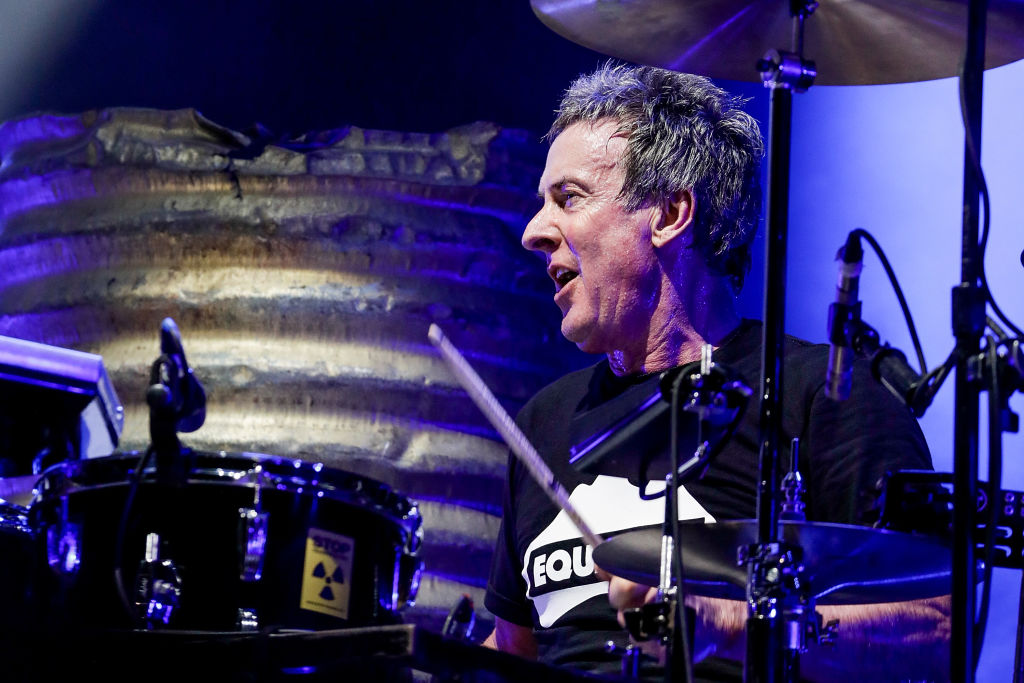

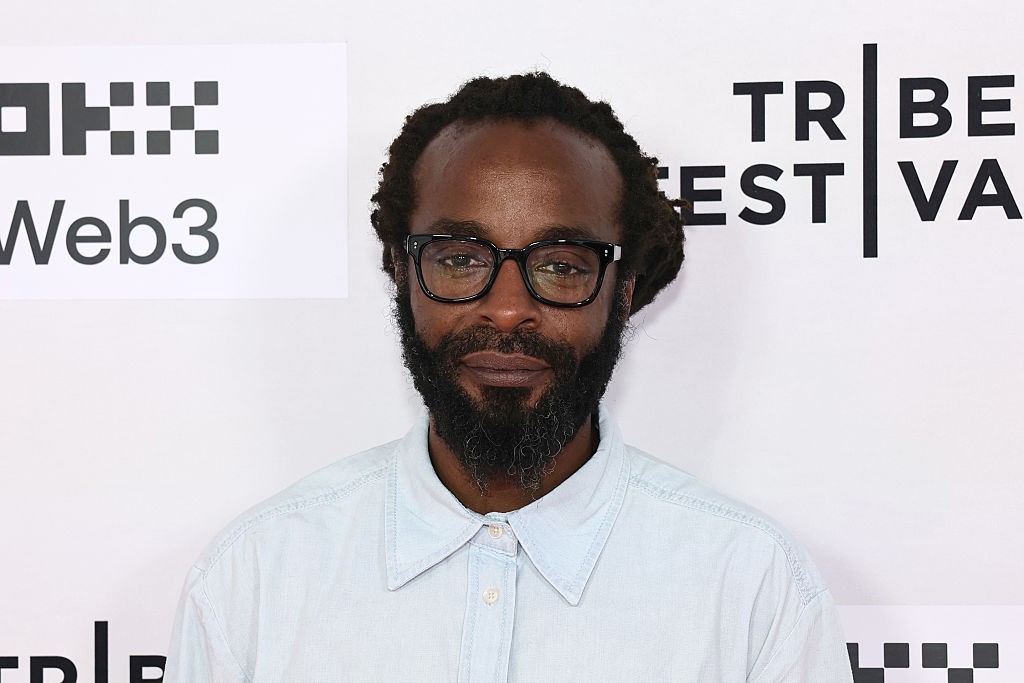
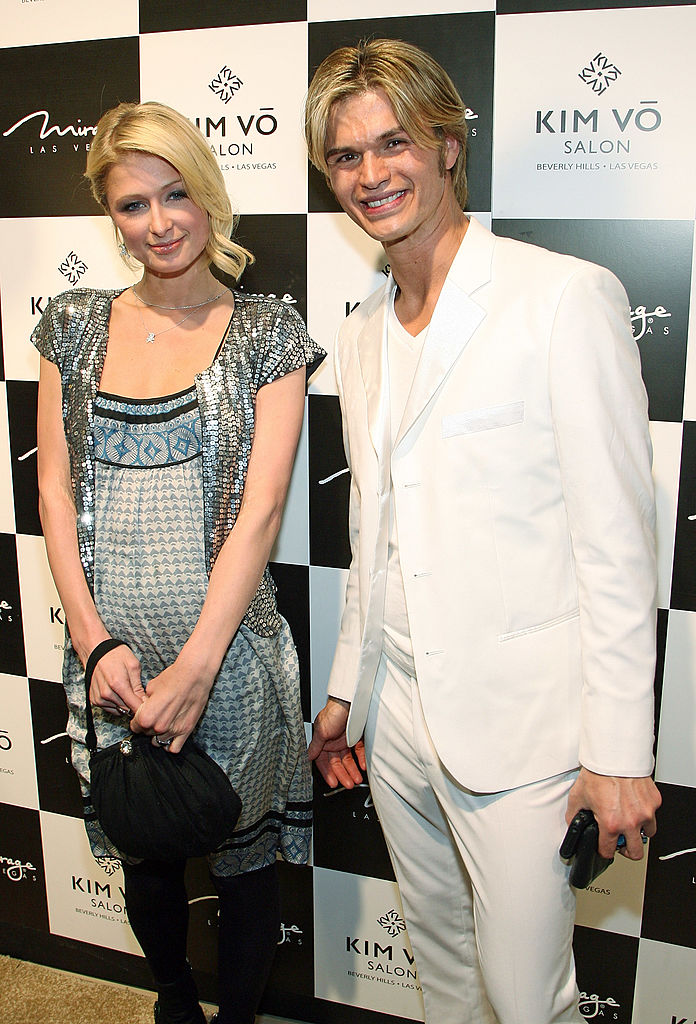
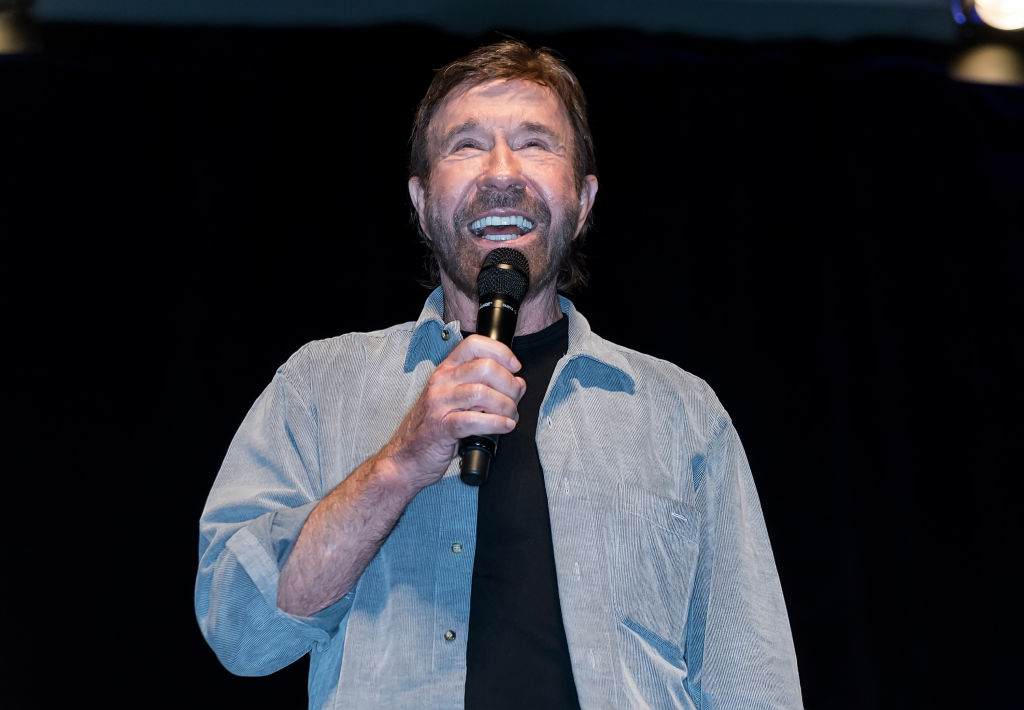
L’année 2026 a été marquée par la disparition de nombreuses personnalités qui ont laissé une empreinte durable sur notre société. Artistes, créateurs, figures publiques, penseurs ou athlètes, chacun et chacune a contribué, à sa manière, à façonner notre époque et notre imaginaire collectif. Ce projet In memoriam rend hommage à celles et ceux qui nous ont quittés au cours de l’année. À travers ces souvenirs, nous prenons un moment pour nous rappeler leur influence, célébrer leur apport et honorer des vies qui continueront de résonner bien au-delà de leur absence.
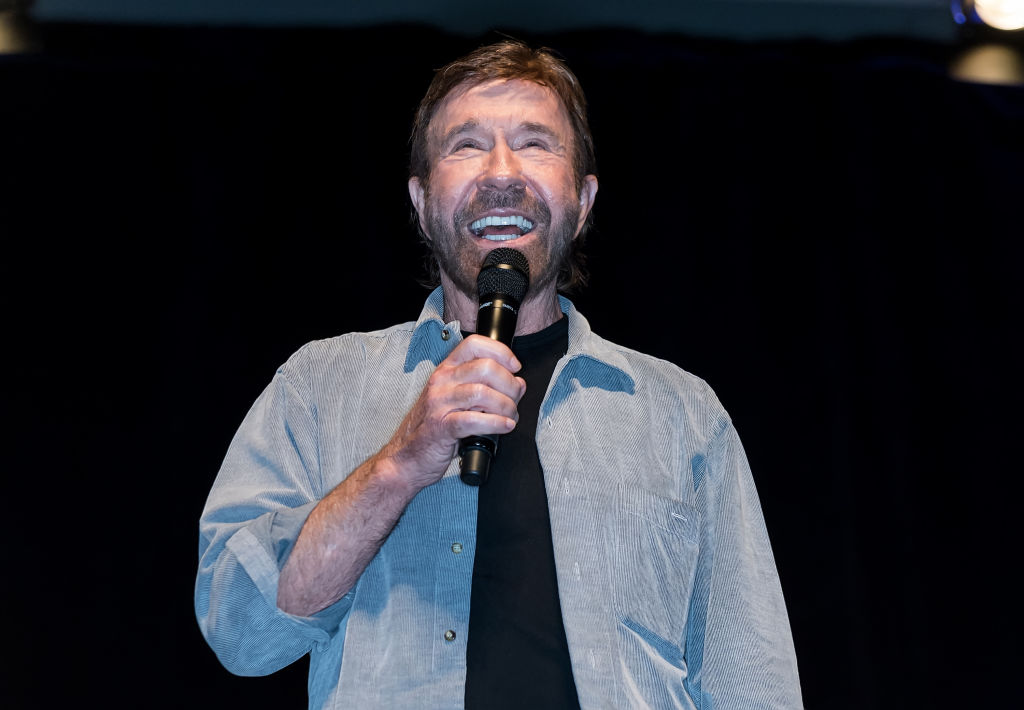

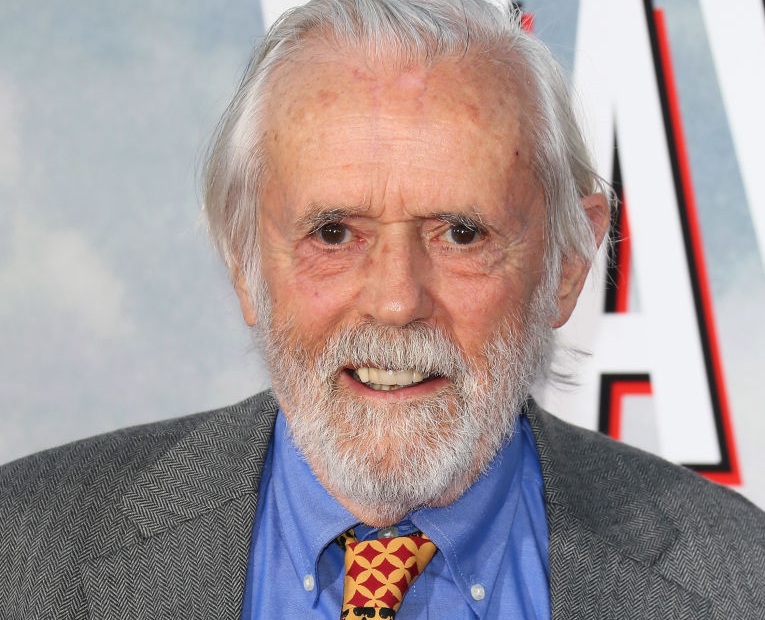
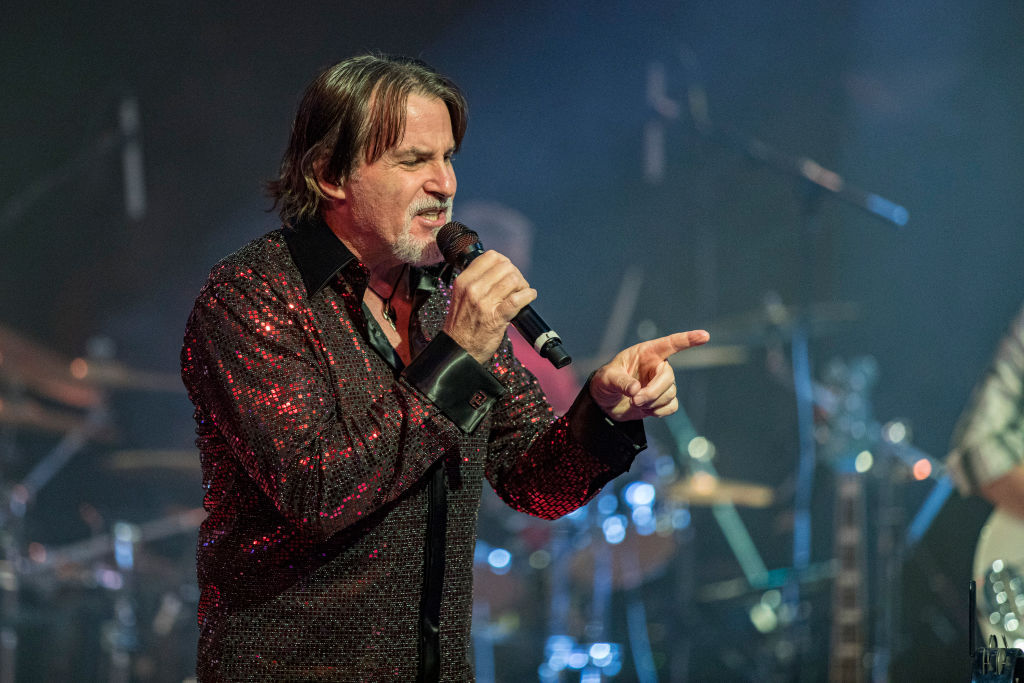
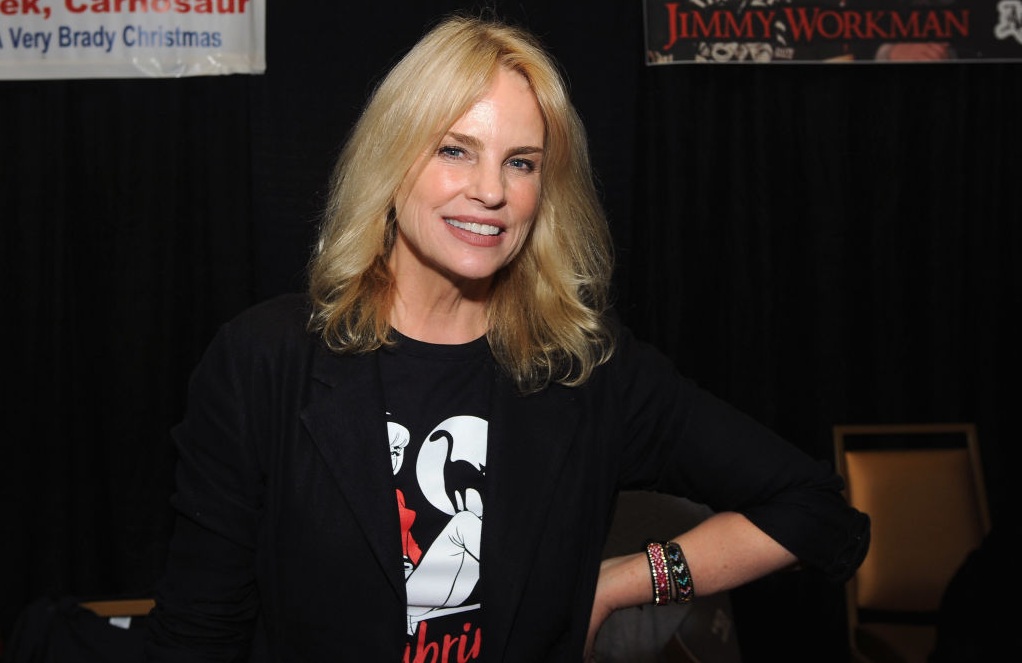


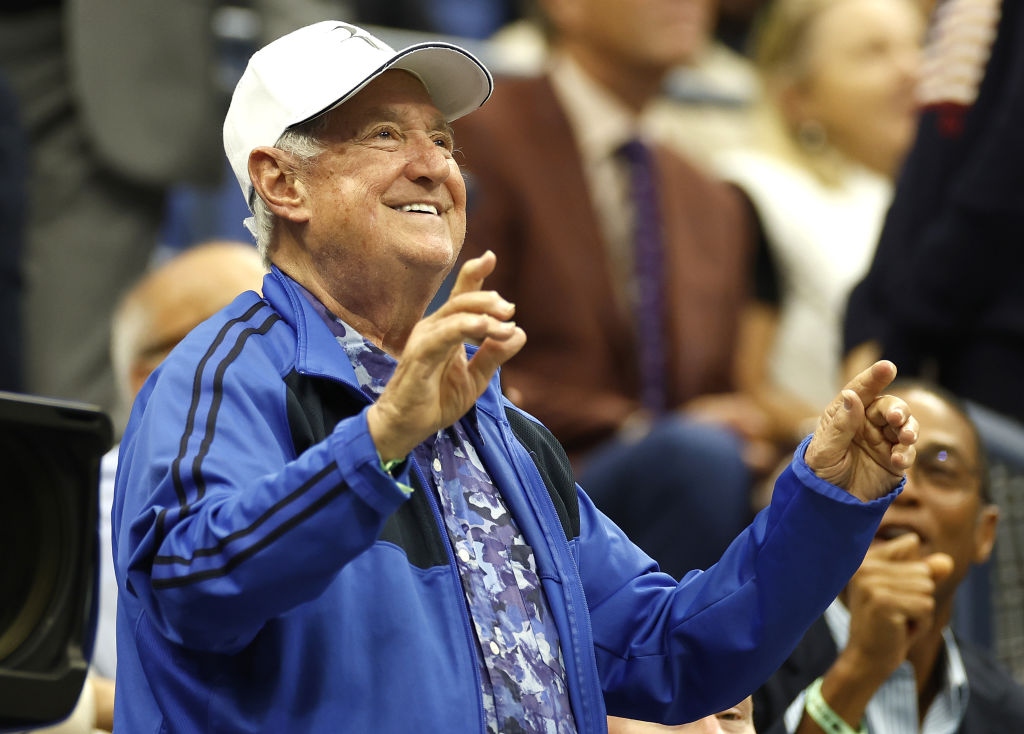
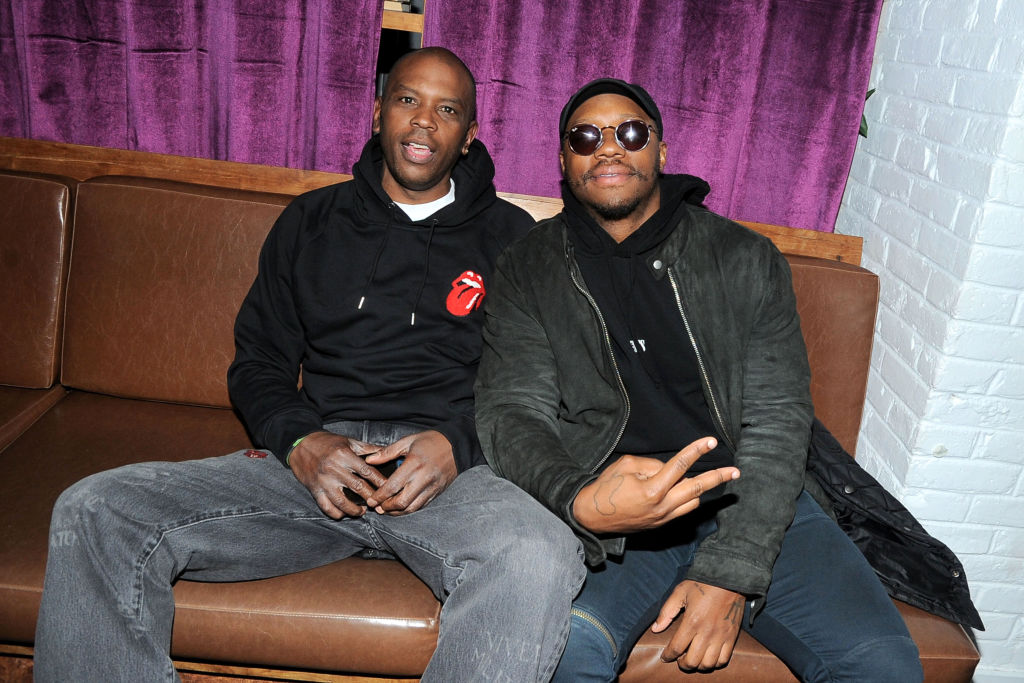
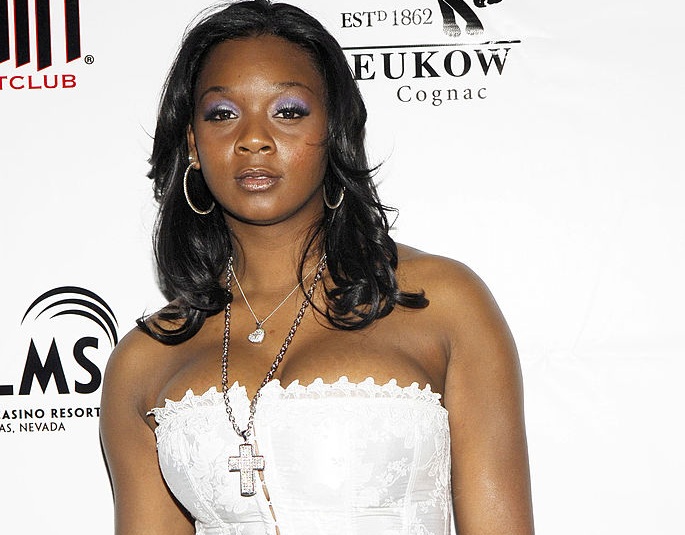
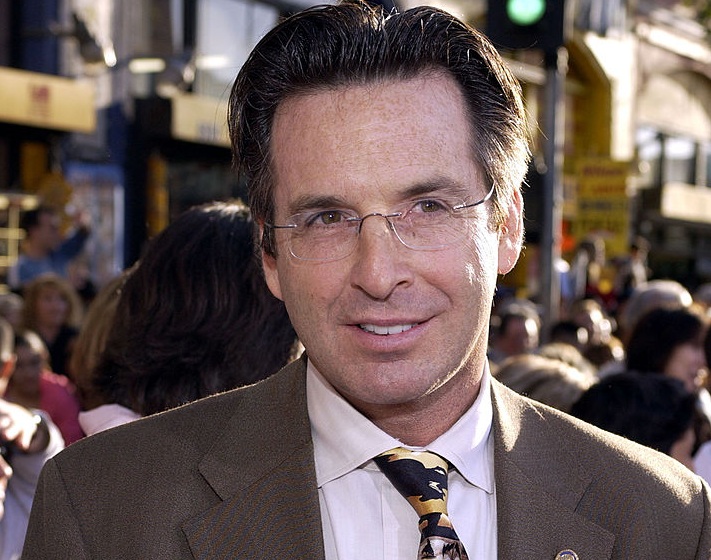
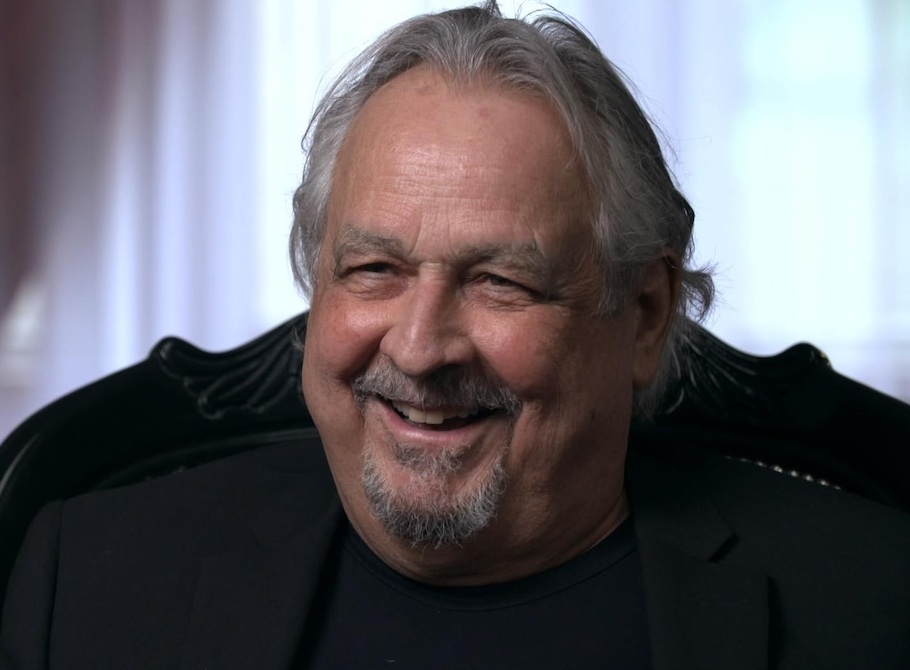
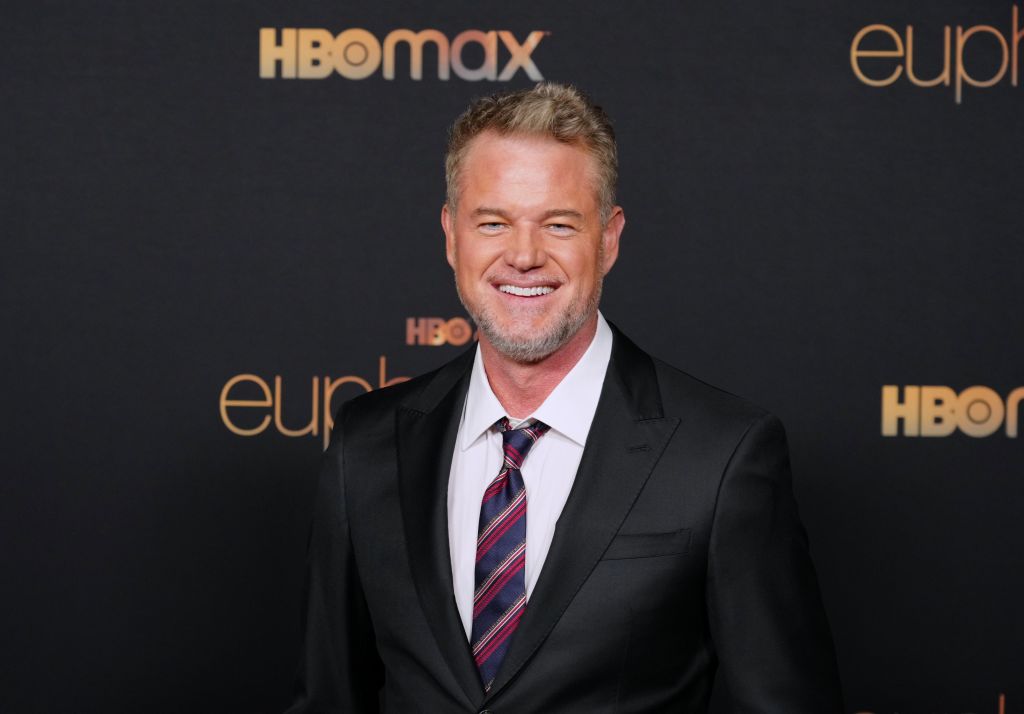
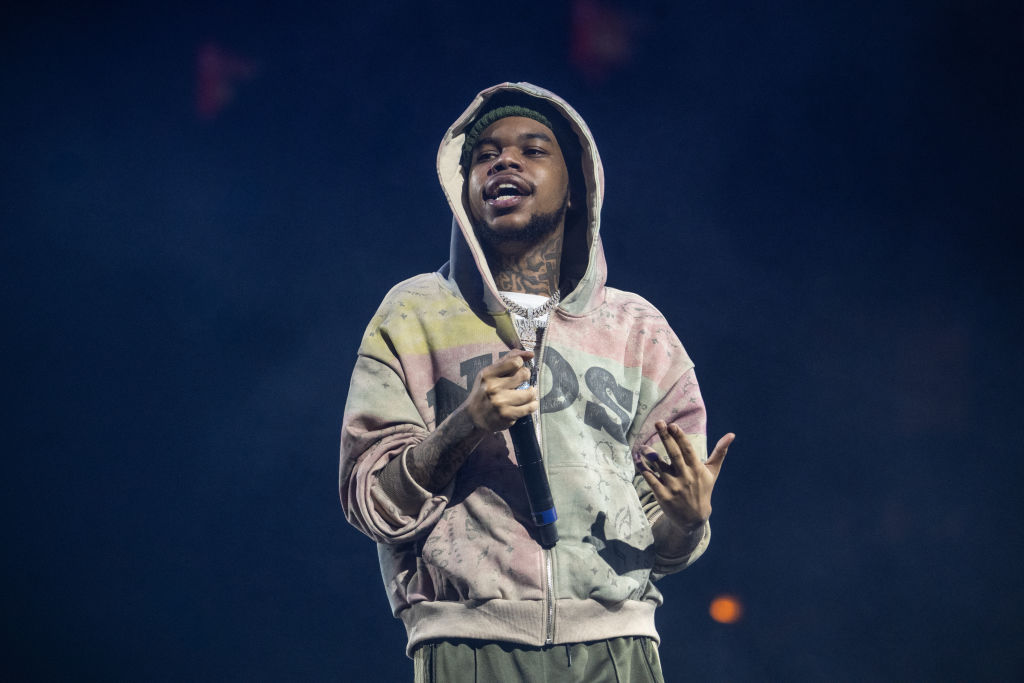
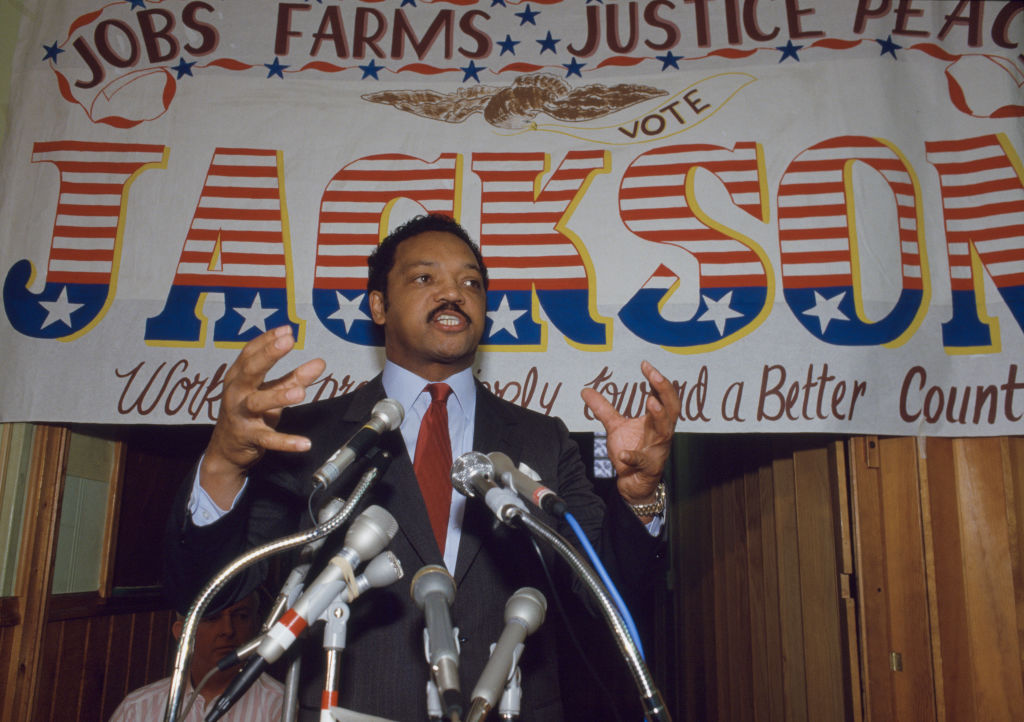
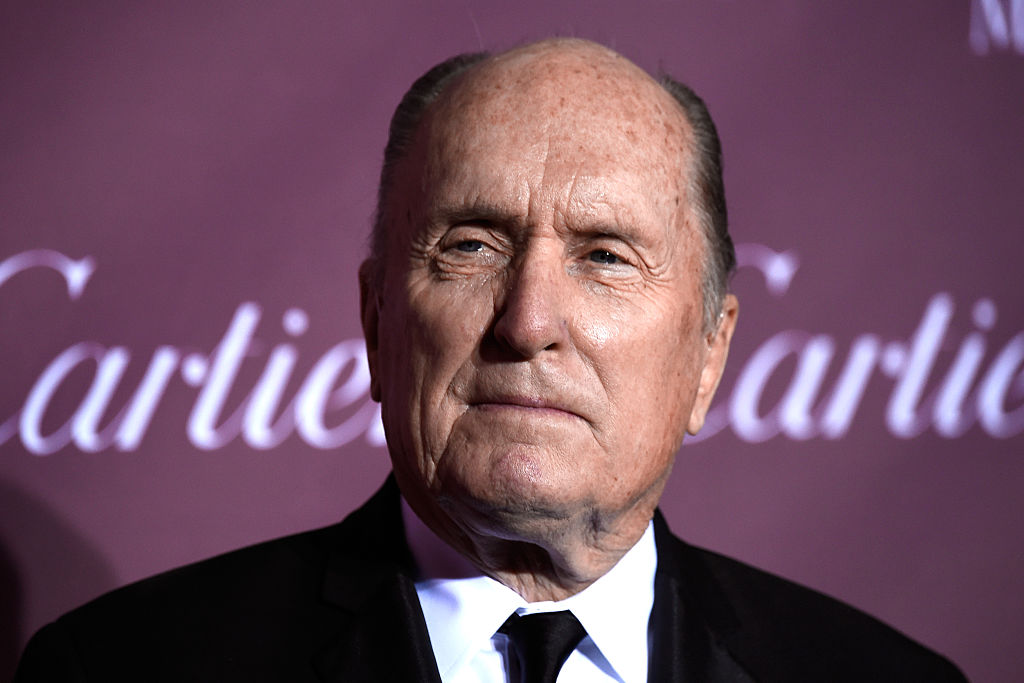
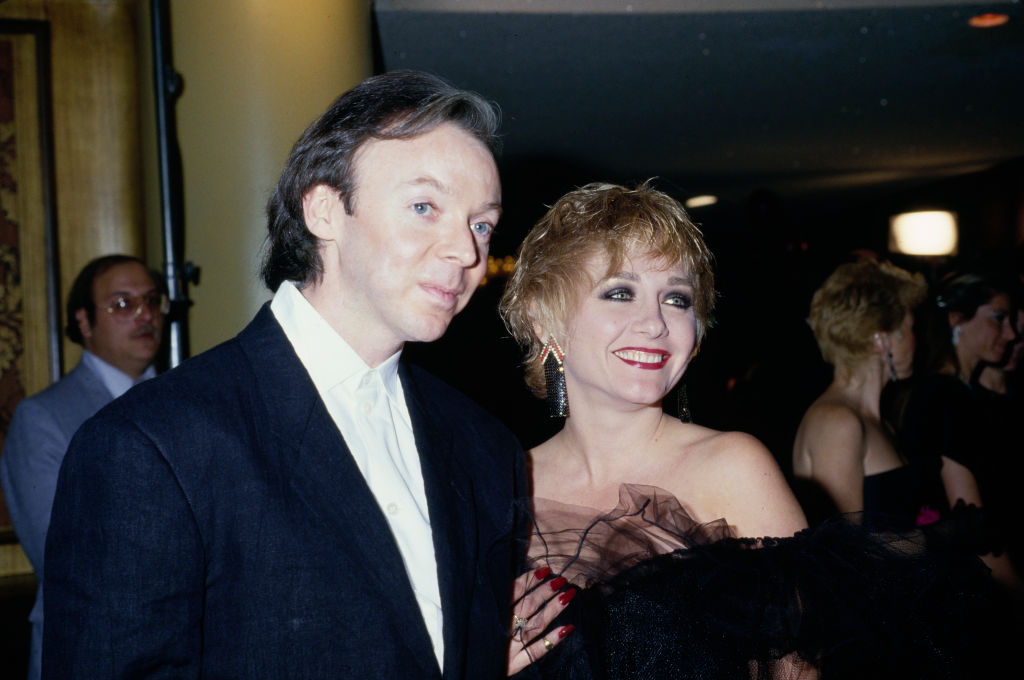
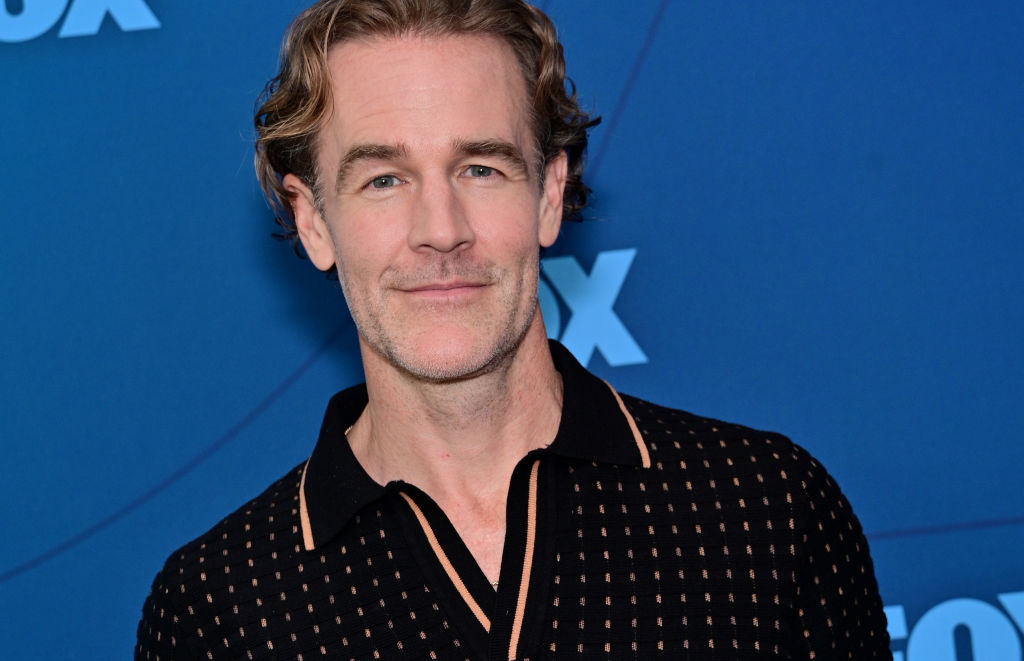
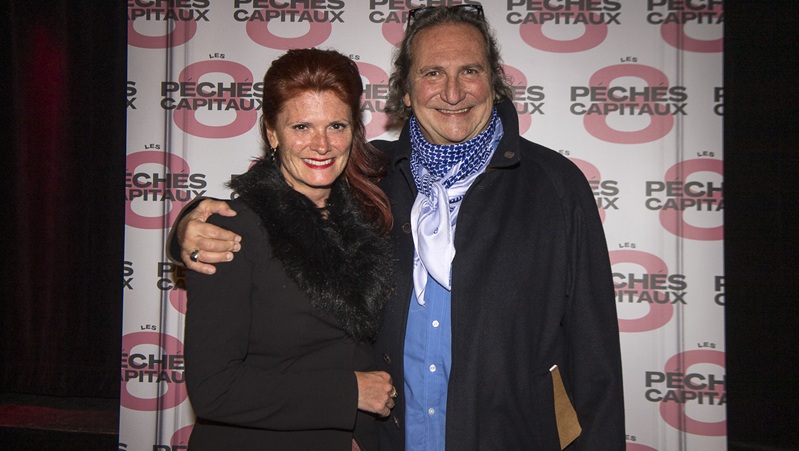


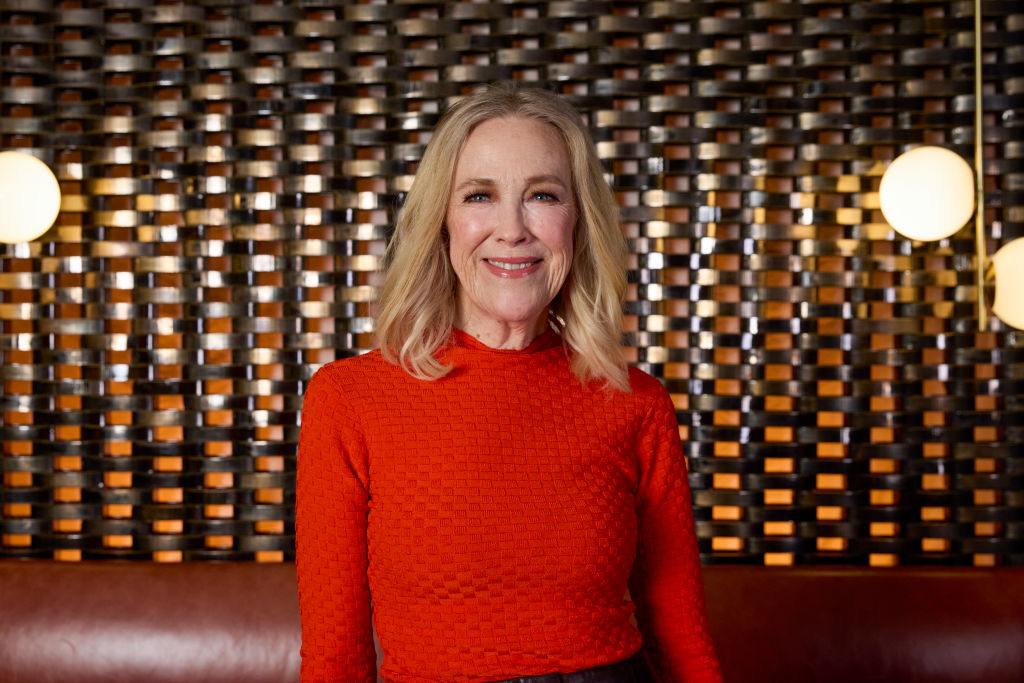
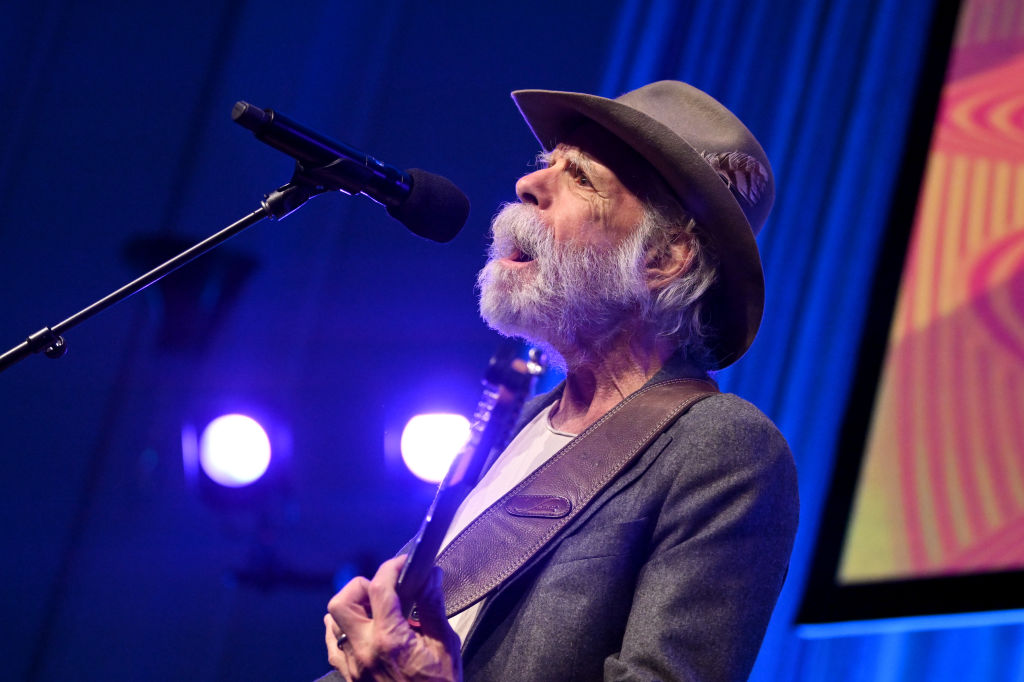
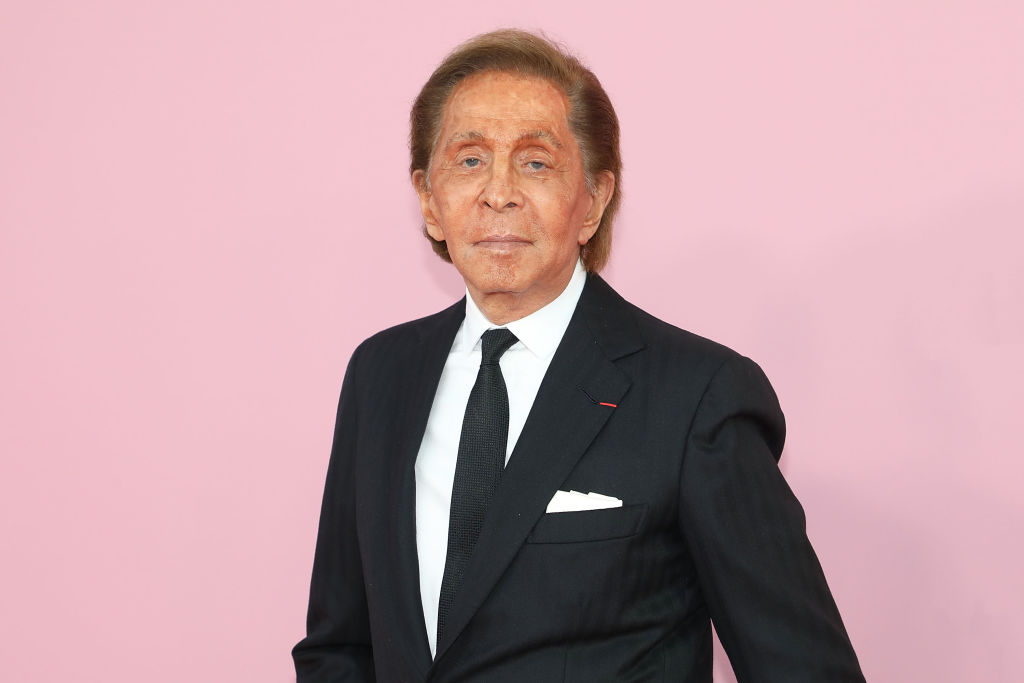
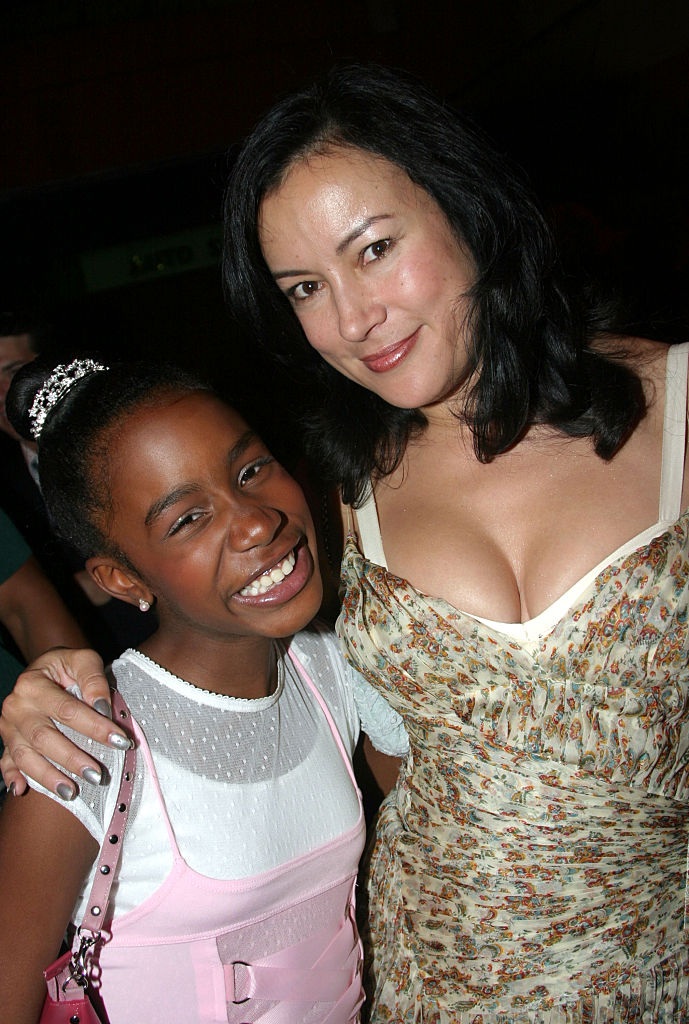
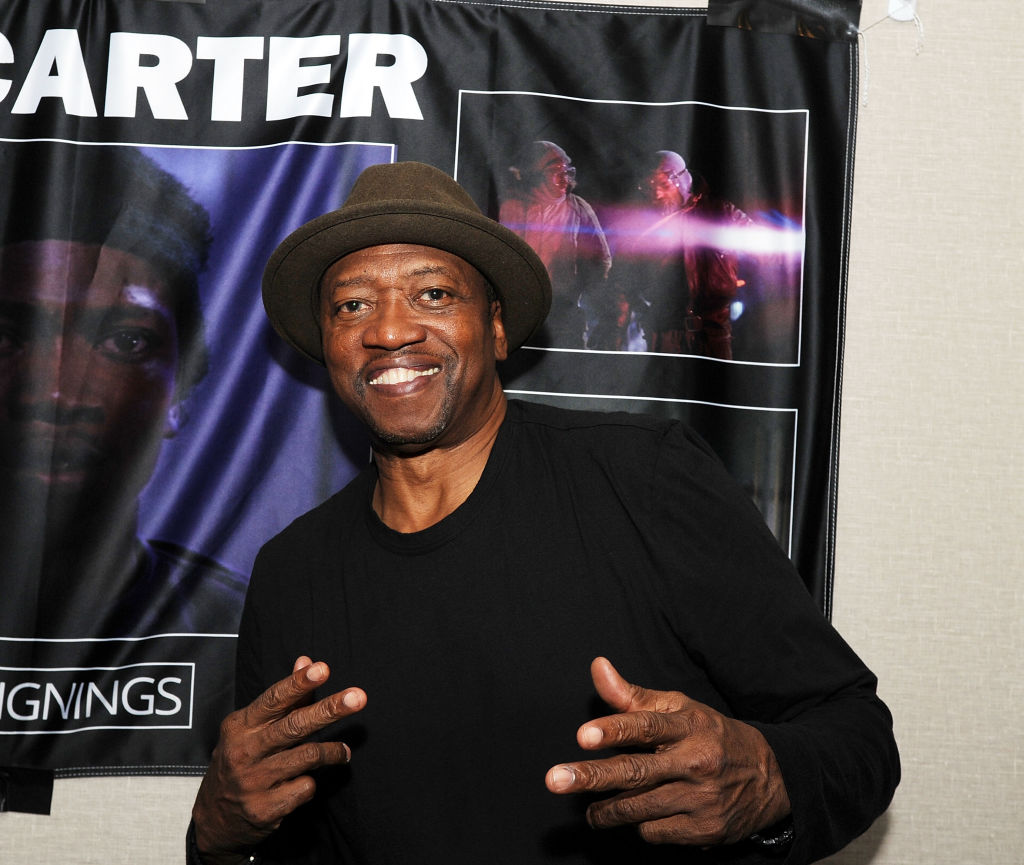
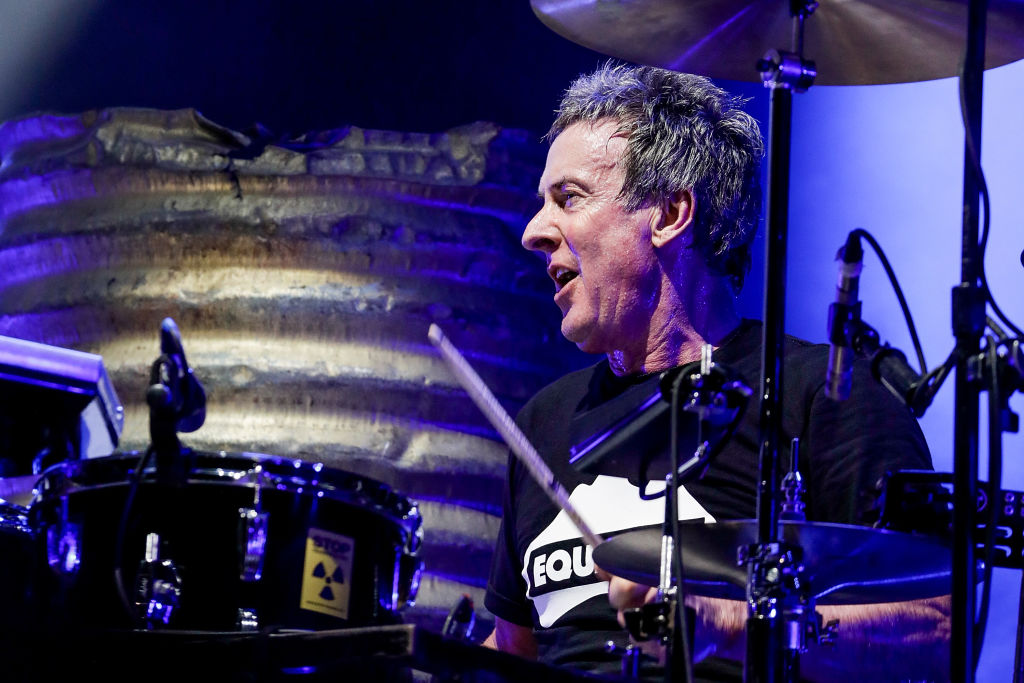

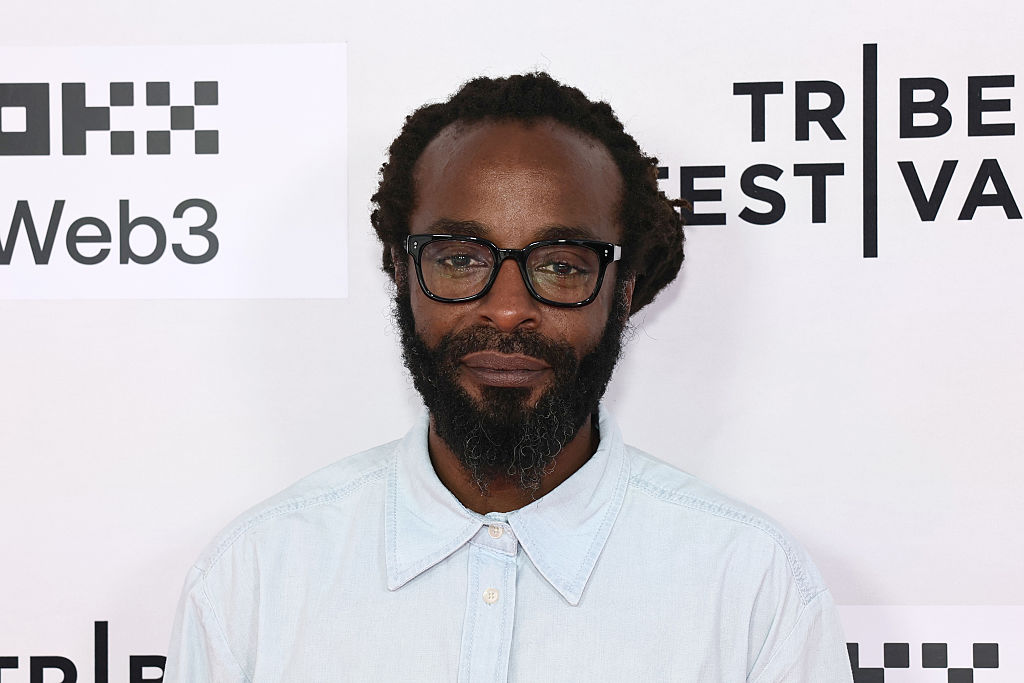
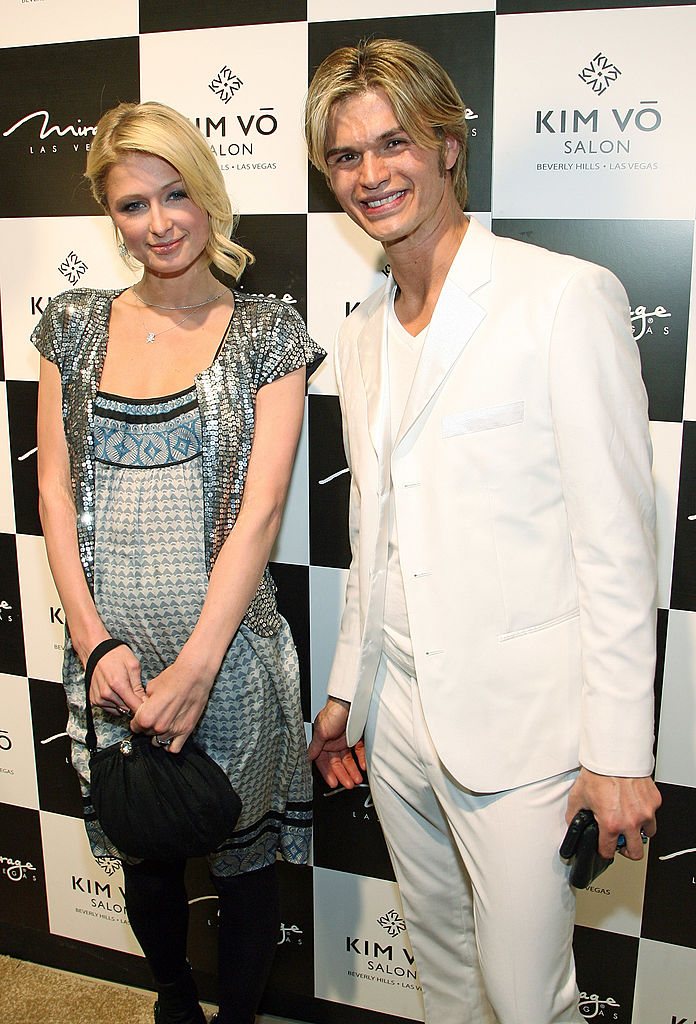

L’année 2026 a été marquée par la disparition de nombreuses personnalités qui ont laissé une empreinte durable sur notre société. Artistes, créateurs, figures publiques, penseurs ou athlètes, chacun et chacune a contribué, à sa manière, à façonner notre époque et notre imaginaire collectif. Ce projet In memoriam rend hommage à celles et ceux qui nous ont quittés au cours de l’année. À travers ces souvenirs, nous prenons un moment pour nous rappeler leur influence, célébrer leur apport et honorer des vies qui continueront de résonner bien au-delà de leur absence.

The year 2026 was marked by the passing of many personalities who left a lasting mark on our society. Artists, creators, public figures, thinkers, and athletes—each and every one contributed in their own way to shaping our era and our collective imagination. This In Memoriam project pays tribute to those who left us during the year. Through these memories, we take a moment to remember their influence, celebrate their contributions, and honor lives that will continue to resonate long after their passing.