Catégories
Uncategorized

Infowars seized: Alex Jones loses control to «little rat, confessed-Satanists» pending Texas Supreme Court decision

Controversial broadcaster Alex Jones, infamously known for claiming the Sandy Hook school shooting was a hoax and that victims and families were actors, delivered what he described as his final Infowars broadcast from inside his own studio bar, marking a dramatic turning point in a years-long legal saga. Forced out following a prolonged court battle tied to his company’s bankruptcy, Jones now faces the consequences of the $1.4 billion in defamation judgments awarded to Sandy Hook families. Those rulings opened the door for the satirical outlet The Onion to pursue control of the Infowars brand, aiming to transform it into a parody of itself.

The situation escalated when The Onion confirmed its involvement publicly, signaling an unusual next chapter for the controversial platform. Tim Onion wrote on X, «With the help of the Sandy Hook families, The Onion has reached a long-awaited deal to take over InfoWars.» The move represents a symbolic reversal for the conspiracy-driven outlet, once used to spread misinformation about one of the deadliest school shootings in U.S. history. The acquisition effort is being facilitated through bankruptcy proceedings, where Jones’ assets have been scrutinized as part of efforts to compensate victims’ families following years of legal battles.

«A state court just blocked the little rat, confessed-Satanists from coming in to wear our skin.»

Controversial broadcaster, Alex Jones

The announcement came after a previous attempt to transfer control was temporarily blocked by an appeals court, giving Jones a brief legal reprieve. Reacting to that development, Jones lashed out at his opponents, stating, «A state court just blocked the little rat, confessed-Satanists from coming in to wear our skin.» His rhetoric remained consistent with the inflammatory tone that has defined his public persona for years. Despite the legal setbacks, Jones framed the moment as a temporary victory, even as the broader trajectory of the case continues to move against him.

Getty Images

In a video released shortly after the court decision, Jones attempted to rally his audience, presenting the ruling as a major win. «I have breaking exclusive news that just warms my heart,» he said, before adding that the development restored his faith «in America and our legal system.» He went further, accusing his opponents of political motivations, declaring, «The Onion backed by the Democrats and Bloomberg for the second time in the year and a half, after fraudulently claiming they own and run Infowars, another giant hoax, has had their attempt to take us over slapped down by the Third Texas Court of Appeals.»

CaptureTheOnion

Jones concluded his remarks with a tone of triumph, stating, «This is a massive victory.» However, the celebratory message contrasted sharply with the operational reality facing Infowars. Despite the temporary legal relief, Jones acknowledged that he would still be forced to leave his studio due to mounting financial constraints. «This is the last official Infowars show,» he said, explaining that The Onion «He’s not paying the bills, like the rent or the Internet, the satellite, so we have to shut down.» The statement underscored the financial collapse of the operation following years of litigation.

«With the help of the Sandy Hook families, The Onion has reached a long-awaited deal to take over InfoWars.»

Tim Onion, on X

The legal battle remains far from over. Although Jones secured a partial win at the Texas appeals court level on Wednesday, attorneys representing Sandy Hook victims swiftly escalated the matter, filing an appeal with the Supreme Court of Texas the following day. The case now hinges on whether the higher court will allow the transfer of Infowars assets to proceed, potentially finalizing a takeover that would mark a historic and symbolic end to Jones’ control. Until then, the future of Infowars—and its transformation—remains uncertain.


Getty Images
Catégories
Uncategorized

Hegseth perd son sang-froid lors d’une audition au Congrès

Le 29 avril, le ministre de la Guerre Pete Hegseth a été appelé à témoigner devant le Congrès au sujet de la coûteuse guerre menée par les États-Unis contre l’Iran. Depuis les premières attaques américaines du 28 février, plus de 6 000 personnes ont perdu la vie dans ce conflit, dont plus de 95 % en Iran et au Liban. Ce conflit meurtrier a débuté sans l’accord du Congrès, Donald Trump affirmant que ces attaques constituaient des « opérations militaires » et que les États-Unis n’étaient pas actuellement en guerre avec l’Iran. Il a désormais coûté plus de 25 milliards de dollars aux contribuables américains. Donald Trump a proposé une augmentation massive des dépenses militaires pour 2027, faisant passer le total du pays de 2025 à plus de 40 %. Trump prévoit de consacrer 1 500 milliards de dollars à son armée en 2027.

Audition au Congrès

L’audition du 29 avril était la première fois que Hegseth était contraint de témoigner devant le Congrès au sujet de la guerre contre l’Iran. Hegseth aurait jusqu’alors échappé à cette audition grâce à l’influence de Donald Trump. L’audition a principalement porté sur les projets de dépenses militaires de Trump, les membres républicains du Congrès présents exprimant leur soutien à la guerre de Trump contre l’Iran. Les démocrates, cependant, ont interrogé M. Hegseth sans ménagement sur le coût de la guerre contre l’Iran, tant en termes financiers qu’en termes d’épuisement des ressources militaires. M. Hegseth a également été interrogé sur l’école primaire iranienne qui a été bombardée le premier jour du conflit, tuant 120 enfants et 26 enseignantes. Il a rapidement été découvert qu’un missile Tomahawk américain était responsable de ce bombardement.

Hegseth se contredit

S’il y a une chose qui est ressortie clairement de cette audition épuisante de six heures, c’est que Pete Hegseth était lamentablement mal préparé. Hegseth a toujours fait preuve d’émotivité lorsqu’il est mis sous pression, et cela s’est pleinement manifesté lors de l’audition. Hegseth a perdu son sang-froid à des dizaines de reprises, haussant le ton face aux législateurs et lançant des insultes aux démocrates pratiquement à chaque phrase. Malheureusement pour Hegseth, lorsque l’émotion prend le dessus, le sang-froid s’en va.

Getty Images

La représentante du New Hampshire, Maggie Goodlander, a été l’une des critiques démocrates les plus efficaces dans la salle, posant à Hegseth de multiples questions auxquelles il a bafouillé. Après que Hegseth se fut vanté de son « équipe économique de choc » plus tôt dans l’audience, Goodlander l’a mis à l’épreuve en lui demandant s’il connaissait le prix moyen de l’essence le 28 février. Hegseth (qui ne connaissait manifestement pas la réponse) a répondu d’un ton sarcastique : « Si vous viviez en Californie, c’était 8 dollars » (ce qui est faux ; le prix moyen de l’essence en Californie était de 4,44 dollars à ce moment-là). Goodlander a ignoré Hegseth, précisant que la moyenne nationale était de 2,83 $. Elle lui a ensuite demandé s’il connaissait le prix moyen de l’essence aujourd’hui, ce à quoi Hegseth a fait une nouvelle remarque sarcastique sur les prix en Californie. Goodlander a souri et lui a indiqué le prix de l’essence au 29 avril (4,23 $).

Monsieur Hegseth, vous avez dit que vous disposiez d’une équipe économique de premier ordre qui examine l’impact de cette guerre sur le contribuable américain, et vous êtes incapable de répondre à cette question élémentaire – cela devrait choquer la conscience de chaque Américain.

À la fin de son temps de parole, la députée du New Hampshire Maggie Goodlander a demandé à Hegseth s’il était d’accord avec l’affirmation selon laquelle « l’armée ne suivra pas d’ordres illégaux ». Hegseth a immédiatement montré son agacement face à la question, rétorquant : « Je comprends ce que vous insinuez d’un point de vue partisan. » Goodlander a répondu avec un sourire et a révélé qu’elle citait en fait Hegseth lui-même, et non un argumentaire démocrate. Heureusement pour Hegseth, son temps de parole était écoulé après cette question. Goodlander s’est exprimée sur X pour critiquer Hegseth après l’audition.

Hegseth invité à justifier la guerre

Le nouveau « secrétaire à la Guerre » a été invité à justifier l’existence de la guerre contre l’Iran par le représentant démocrate Adam Smith, le principal démocrate de la commission. Son interrogatoire ayant lieu plus tard dans l’audience, il avait dressé une liste des déclarations de Hegseth au cours des dernières heures afin de le questionner à ce sujet. Smith a commencé par la question nucléaire.

« Nous avons dû déclencher cette guerre, comme vous l’avez dit il y a 60 jours, parce que l’arme nucléaire constituait une menace imminente. [Aujourd’hui], vous dites qu’elle a été complètement détruite ? »

Getty Images

Hegseth a répondu qu’apparemment, l’Iran n’avait « pas encore » renoncé à ses ambitions nucléaires, et que le pays disposait toujours de milliers de missiles, même après 60 jours de guerre. Smith a souri et a répondu : « Donc [cette guerre] nous a laissés exactement là où nous étions avant. »

Hegseth a insisté sur la notion d’« ambition ». Il a affirmé que toutes les installations iraniennes avaient été détruites, mais pas leur ambition. Il n’existe aucun précédent de guerre lancée pour « anéantir l’ambition d’un pays ».

Le représentant John Garamendi, de Californie, a également critiqué Hegseth, l’accusant d’induire le public américain en erreur. Il a qualifié la guerre de « calamité géopolitique », de « gaffe stratégique » et de « blessure auto-infligée à l’Amérique ».

« Monsieur le secrétaire Hegseth, vous mentez au public américain au sujet de cette guerre depuis le premier jour, tout comme le président. »

– John Garamendi

Hegseth a répondu de la manière la plus dramatique qui soit, demandant à Garamendi : « Pour qui êtes-vous en train de crier ? Votre haine envers le président Trump vous rend aveugle [au succès de la guerre] ».

Hegseth interrogé sur les licenciements dans l’armée

On a également interrogé le secrétaire Hegseth sur le roulement incessant des responsables militaires depuis sa nomination en janvier. Depuis que Pete Hegseth a pris la tête du « ministère de la Guerre », ainsi rebaptisé, plus d’une douzaine de hauts responsables militaires ont été licenciés ou contraints de prendre leur retraite. La liste comprend Randy George : chef d’état-major de l’armée de terre, Jeffrey Kruse : directeur de l’Agence de renseignement de la défense, John C. Phelan : secrétaire à la Marine, David M. Hodne : commandant du Commandement de l’avenir et de la formation de l’armée, et William Green Jr : chef des aumôniers. Tous ces hauts responsables ont été écartés de leurs fonctions par Hegseth, ce qui a entraîné une profonde restructuration du commandement militaire. Hegseth a affirmé que ces changements de personnel visaient à instaurer une « culture guerrière » au Pentagone. La députée républicaine Nancy Mace, de Caroline du Sud, a pris la défense de Hegseth, affirmant qu’il devait licencier « quiconque se mettait en travers de son chemin ».

Si les propos de Hegseth n’ont pas vraiment éclairé le processus décisionnel de l’armée américaine, ils ont toutefois confirmé deux choses. Pete Hegseth est impulsif et colérique, et il ne sera jamais capable de répondre aux critiques avec sang-froid et respect. Voilà votre secrétaire à la Guerre, mes amis.

Lien vers l’intégralité de l’audition au Congrès

12 nouveautés à voir sur Crave en mai 2026

En mai, Crave enrichit son catalogue avec une série de nouveautés qui couvrent autant la fiction que le documentaire, le sport et le cinéma. Entre retours attendus, adaptations, compétitions et histoires vraies, la programmation du mois met de l’avant des productions variées qui explorent des univers très différents. Des enquêtes policières aux parcours humains inspirants, en passant par des films et des séries cultes revisitées, cette sélection propose un aperçu des titres à découvrir tout au long du mois.

Catégories
Uncategorized

Hegseth loses nerve during congressional hearing

On April 29, Secretary of War Pete Hegseth was made to testify in front of Congress regarding the US’s costly War on Iran. Since the US’s initial attacks on February 28, more than 6,000 people have been killed by the conflict, with more than 95 per cent of the fatalities in Iran and Lebanon. The deadly conflict started without congressional approval, with Donald Trump claiming the attacks are ‘military operations’ and that the US is not currently at war with Iran, and has now cost US taxpayers more than $25 billion. Donald Trump has proposed a massive increase in military spending for 2027, increasing the country’s total from 2025 by more than 40 per cent. Trump aims to spend $1.5 trillion on his military in 2027.

Congressional hearing

The hearing on April 29 was the first time Hegseth had been forced to testify in front of Congress regarding the Iran War. Hegseth has reportedly been dodging the hearing with the aid of Donald Trump’s influence. The hearing was mostly focused on Trump’s military spending plans, with the Republican congresspeople present expressing their support for Trump’s War on Iran. The Democrats, however, grilled Hegseth on the cost of the Iran War, both in regard to financial cost and the depletion of military resources. Hegseth was also asked about the Iranian elementary school that was bombed on the first day of the conflict, killing 120 children and 26 teachers, all of whom were women. It was quickly discovered that a US Tomahawk missile was responsible for the bombing.

Hegseth eats his own words

If one thing was clear during the exhaustive six-hour hearing, it’s that Pete Hegseth was woefully unprepared. Hegseth has continually demonstrated his emotionality when pressed, and it was on full display during the hearing. Hegseth lost his cool dozens of times, raising his voice at lawmakers and throwing insults at Democrats seemingly every other sentence. Unfortunately for Hegseth, when emotion takes over, poise leaves.

Getty Images

New Hampshire Rep. Maggie Goodlander was one of the most effective Democratic critics in the room, asking Hegseth multiple questions that he fumbled. After Hegseth had bragged about his ‘crack economic team’ earlier in the hearing, Goodlander tested him, asking whether he knew the average cost of gas on February 28. Hegseth (who clearly did not know the answer) replied snarkily: ‘If you lived in California, it was 8 bucks’ (this is not true; the average price of gas in California was $4.44 at that point). Goodlander ignored Hegseth, stating the national average was $2.83. She then asked him if he knew the average gas price today, to which Hegseth made another crack at California prices. Goodlander smirked and told him the price of gas on April 29 ($4.23).

Mr. Hegseth, you said you’ve got a crack economic team that’s looking at the impact of this war on the American taxpayer, and you can’t answer this basic question – that should shock the conscience of every American.

At the end of her time, New Hampshire Rep. Maggie Goodlander asked Hegseth whether he agrees with the statement “the military won’t follow unlawful orders.” Hegseth immediately showed his annoyance with the question, snapping, “I do but understand what you’re insinuating at a partisan point.” Goodlander replied with a smile and revealed that she was actually quoting Hegseth, not a Democrat talking point. Luckily for Hegseth, her time was over after the question. Goodlander took to X to criticize Hegseth after the hearing.

Hegseth asked to justify War

The newly named ‘Secretary of War’ was asked to justify the existence of the Iran war by Democratic Rep. Adam Smith, the committee’s ranking Democrat. With his questioning coming later in the hearing, he had assembled a list of Hegseth’s statements over the last few hours to quiz him on. Smith began with the nuclear question.

“We had to start this war, you just said 60 days ago, because the nuclear weapon was an imminent threat. [Today] you’re saying that it was completely obliterated? »

Getty Images

Hegseth responded that apparently Iran has ‘not yet’ given up their nuclear ambitions, and that the country still has thousands of missiles, even after 60 days of war. Smith smiled to himself and responded, “So [this war] left us at exactly the same place we were before. »

Hegseth doubled down on the idea of ‘ambition’. Claiming that all of Iran’s facilities have been destroyed, but their ambition hasn’t. There is no precedent for starting a war to ‘kill a country’s ambition’.

Rep. John Garamendi of California also took Hegseth to task, accusing him of misleading the American public. He called the war a ‘geopolitical calamity, a ‘strategic blunder,’ and a ‘self-inflicted wound to America.’

“Secretary Hegseth, you have been lying to the American public about this war from day one, and so has the president.”

-Rep. John Garamendi

Hegseth replied in the most dramatic fashion possible, asking Garamendi Who are you cheering for? Your hatred for President Trump blinds you [to the war’s success]”.

Hegseth asked about military firings

Secretary Hegseth was also asked about the revolving door of military officials since his appointment in January. Since Pete Hegseth took over the newly named ‘Ministry of War’, more than a dozen senior military officials have either been fired or forced to retire from their positions. The list includes Randy George: Army Chief of Staff, Jeffrey Kruse: Director of the Defense Intelligence Agency, John C. Phelan: Secretary of the Navy, David M. Hodne: Commander, Army Futures/Training Command, William Green Jr: Chief of Chaplains. All of these senior officials were forced out of their roles by Hegseth, resulting in a serious restructuring of military leadership. Hegseth claimed the personnel changes were made to build a ‘warrior culture’ at the Pentagon. Republican Rep. Nancy Mace of South Carolina defended Hegseth, claiming he should fire ‘anyone who gets in his way’.

While Hegseth’s comments didn’t shed a whole lot of light on the US military’s decision-making, they did confirm two things. Pete Hegseth is emotional and quick to anger, and he will never be able to respond to criticism with poise and respect. This is your Secretary of War, folks.

Link to full Congressional Hearing

Catégories
Uncategorized

Trump says ‘No more Mr. Nice Guy’ posts embarrassing AI photo among threats to Iran

Donald Trump is not a particularly mature President. Baseball caps, cheesy slogans, weird meme-tapes about the military, and strange AI photos have all defined Trump’s second term. None of which are particularly ‘presidential’. Donald Trump is clearly fascinated with the power of visual AI generation, giving him the ability to circulate his image without having to rely on photos that show his declining health and rapid aging. Trump will release an AI video of just about anything, whether it be bombs in Iran, Trump riding a lion, or Trump dropping loads of human feces onto New York City protesters from a fighter jet (yes, all three of those are real photos and videos posted either by The White House X account or Trump’s own Truth Social account).

Trump responds to Iran

This particular post, while not the most egregious, is certainly immature and unpresidential. Trump’s rhetoric surrounding this war has been aggressive and disrespectful from the start, claiming he would ‘send Iran back to the stone age’, claiming ‘a population will be eliminated’, and calling Iran ‘the loser of the Middle East’. Trump also released a profanity-laden message on social media early in April, stating ‘Open the F***in’ Strait, you crazy ba***rds, or you’ll be living in H*ll – JUST WATCH!” Compared to some of those examples, his post on April 29th is tame, but in its simplicity, it seems even more threatening.

Instead of using all-caps like normal, Trump’s message comes off cold and detached. “Iran can’t get their act together. They don’t know how to sign a non-nuclear deal. They better get smart soon.” The photo underneath the posts pictures Trump wearing Ray-Ban-style glasses and holding an assault rifle. Behind Trump are the burning ruins of what is implied to be Iran, specifically appearing as military outposts in the desert.

CaptureTruthSocialRealDonaldTrump

Reasons for the post

With the post coming just a day after Donald Trump publicly rejected Iran’s latest ceasefire proposal, it’s a safe bet that the post is in direct response to Iran’s proposal. Trump reportedly rejected a ceasefire proposal from Iran on April 28th, claiming it was unacceptable. Iran’s proposal failed to include plans to end its nuclear programme until the war has reached a final conclusion. But Trump wants the nuclear programme to be dismantled now, not later. In a post on Truth Social, Trump revealed some of the contents of Iran’s message, and his message was impressively positive. Trump claimed that Iran informed him they are in a ‘state of collapse’ and that they want the US to open the Strait of Hormuz as Iran finds a new leader.

Getty Images

According to Reuters, the proposal carried by Iran to Islamabad over the weekend envisioned talks in stages, not a blanket agreement like Trump wanted. A first stage would require an end to the war, including guarantees that the US cannot restart it afterwards. Negotiators would then resolve the U.S. Navy’s blockade of Iran’s trade by sea and the blockade of the Strait of Hormuz, which Iran aims to reopen under its control. Only then will Iran be willing to look into negotiations regarding other items, including its nuclear programme. A potential disarming of the programme could look similar to the 2015 nuclear deal between the US and other global powers.

“Iran can’t get their act together. They don’t know how to sign a non-nuclear deal. They better get smart soon.”

-U.S. President, Donald Trump on Truth Social

With Trump’s post clarifying that “They don’t know how to sign a non-nuclear deal,” it seems clear that Trump’s post is in direct response to Iran’s ceasefire proposal. What remains to be seen is how Iran will respond. New leader Mojtaba Khamenei is another hardline conservative like his father, and his cabinet is now filled with other hardline believers. The US and Israel have killed most of Iran’s leadership, but in doing so, they unintentionally replaced moderate leaders with hardline war supporters. Experts theorize that Iran’s leadership regime is now more hardline than it was on February 28 when the war started. With Iran pushing for ceasefire talks without agreeing to nuclear disarmament, talks continue to stall.

War on Iran

On February 28, 2026, the US government and Israel undertook a joint operation in Iran, with the US subsequently declaring it was at war with the country. The attacks triggered retaliatory strikes from Iran, targeting US and Israeli military bases across the Middle East. According to Donald Trump, there is no timeline for this war, and the US will continue its operations in the country until it sees a significant regime change, as well as an end to Iran’s supposed nuclear program.

US and Israeli strikes killed Iran’s Supreme Leader, Ali Khamenei, on Day One of the war, completing Trump’s supposed goal. Khamenei has been using deadly violence against civilian protesters in Tehran, and his killing has been the only positive piece of Donald Trump’s illegal intervention. Donald Trump changed his reasoning for attacking Iran after Khamenei’s death, instead claiming he attacked Iran because he had certain information that Iran was going to attack Israel and the United States. Israel calls the strategy ‘forward defence’. Now, after 51 days of war, both Iran and the US continue to posture and are engaging in a standoff surrounding the Strait of Hormuz. Donald Trump needs to alleviate pressure on oil markets in order to further commit financially to the War, and Iran is trying to balance its own exports while putting pressure on the West. The result has been overwhelmingly negative for all civilians involved.

Getty Images

Trump claim he would have won the Vietnam War «very quickly»

Amazon Strikes $11.6 Billion Deal to Rival SpaceX

Amazon is making a major move in the growing space economy with a multibillion-dollar acquisition aimed at reshaping global connectivity. By striking a $11.6 billion deal to buy Globalstar, the company is accelerating its ambitions in low Earth orbit satellite technology and positioning itself as a direct challenger to SpaceX. The agreement highlights the increasing importance of satellite networks in delivering internet and communication services worldwide, particularly in remote areas. As competition intensifies, Amazon’s push into direct-to-device connectivity signals a broader shift toward a future where global communication relies less on traditional infrastructure and more on space-based systems.

20 femmes de l’histoire qui ont utilisé leurs vêtements comme un moyen d’affirmer leur pouvoir

De nos jours, la mode peut sembler anodin vue de loin, et c’est précisément pour cette raison que l’on a tendance à la sous-estimer. Cela dit, les vêtements ont depuis longtemps été étroitement liés aux notions de contrôle, de respectabilité, de liberté et à la question de savoir qui a le droit d’être pris au sérieux. Pour les femmes, ces règles ont souvent été particulièrement strictes, des corsets et robes de cour aux tailleurs de bureau et uniformes politiques. Parfois, le message était subtil, comme un col ou une palette de couleurs. D’autres fois, il était aussi direct que le port d’un pantalon dans une pièce où celui-ci n’était pas le bienvenu. Les femmes ci-dessous comprenaient que ce qu’elles portaient pouvait changer la façon dont elles étaient perçues, même lorsque le monde était déterminé à les mal interpréter.

Catégories
Uncategorized

OpenAI poursuivi pour son rôle présumé dans une fusillade

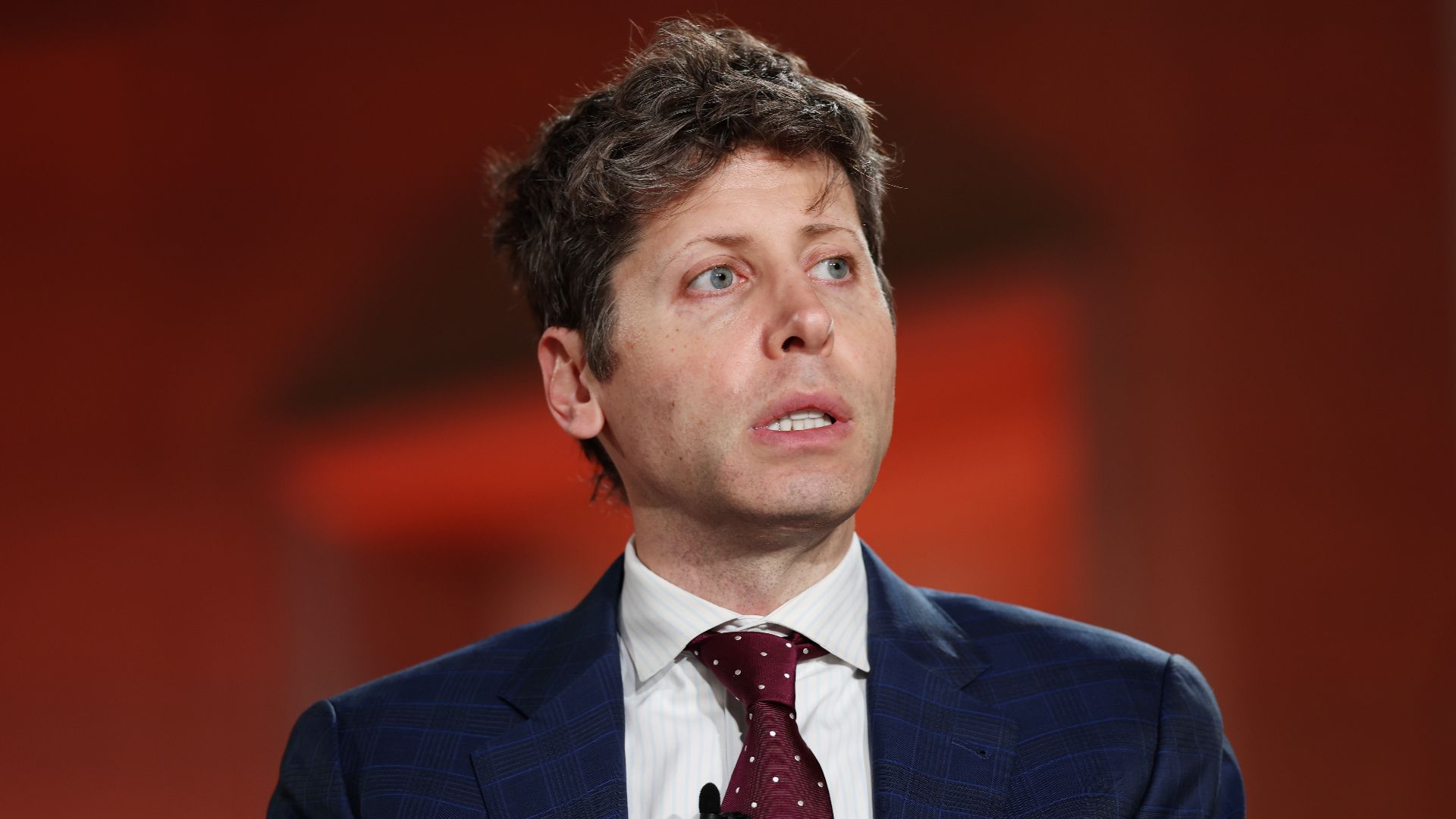
OpenAI et son PDG, Sam Altman, font l’objet d’une action en justice concernant le rôle présumé de ChatGPT dans la fusillade de l’école de Tumbler Ridge, qualifiée de fusillade scolaire la plus meurtrière du Canada. Selon la plainte déposée, cette attaque a été perpétrée par une jeune femme de 18 ans qui a tué huit personnes et en a blessé des dizaines d’autres.

Les enquêteurs ont par la suite découvert qu’elle avait eu de longues conversations avec ChatGPT au cours des mois précédant l’attaque, notamment des discussions répétées portant sur des scénarios liés à la violence par arme à feu. La plainte affirme que ces échanges ont contribué à ses actes, alléguant que ChatGPT « a renforcé la fixation violente de la tireuse et l’a poussée » vers l’attaque, décrivant le dénouement comme « le résultat prévisible d’un choix de conception fait par OpenAI pour permettre à ChatGPT d’échanger avec les utilisateurs sur la violence en premier lieu ».

Selon la plainte, des inquiétudes internes avaient été soulevées au sein d’OpenAI avant l’attaque concernant la nature des conversations de l’utilisatrice. La plainte allègue que plusieurs employés ont recommandé de contacter les forces de l’ordre canadiennes après avoir examiné les échanges, qui auraient inclus des références détaillées et récurrentes à des scénarios violents.

Cependant, ces recommandations ont été rejetées par la direction de l’entreprise. La plainte affirme que les dirigeants ont estimé que les conversations n’atteignaient pas le seuil d’un « risque crédible et imminent » de préjudice physique, une norme souvent utilisée pour évaluer si une intervention est nécessaire. Cette décision interne est désormais au cœur de l’affaire, les plaignants faisant valoir qu’une action plus précoce aurait pu empêcher l’attaque.

Getty Images

Cette affaire a attiré l’attention sur la manière dont les systèmes d’intelligence artificielle gèrent les interactions sensibles ou potentiellement dangereuses avec les utilisateurs.

La plainte soutient que la conception de ChatGPT lui a permis de continuer à interagir avec l’utilisateur malgré des références répétées à la violence, soulevant des questions sur les mesures de protection et les systèmes de surveillance.

Elle allègue que les réponses du chatbot ont contribué à renforcer des idées dangereuses plutôt qu’à les interrompre ou à les rediriger. Les plaignants soutiennent que ce schéma d’interaction a joué un rôle dans l’escalade de la situation, présentant la technologie non pas comme un outil passif, mais comme un facteur actif dans les événements qui ont conduit à la fusillade.

Les arguments juridiques portent sur la responsabilité, la prévisibilité et les obligations des entreprises technologiques face à des contenus à haut risque.

« Je suis profondément désolé que nous n’ayons pas alerté les forces de l’ordre au sujet du compte qui a été banni en juin. »

– Sam Altman, PDG d’OpenAI

OpenAI n’a pas détaillé publiquement sa défense dans cette affaire, mais le procès met fortement l’accent sur les processus internes et la prise de décision. La plainte suggère que l’entreprise avait la possibilité d’intervenir ou de signaler ses inquiétudes, mais a choisi de ne pas agir en se basant sur ses critères internes d’évaluation des risques. Cet aspect de l’affaire devrait être examiné de près par le tribunal, notamment en ce qui concerne la manière dont les entreprises définissent et appliquent les seuils de signalement des menaces potentielles. L’issue de cette affaire pourrait avoir des implications plus larges pour le secteur technologique, d’autant plus que les outils d’intelligence artificielle sont de plus en plus utilisés et impliqués dans des interactions humaines complexes.

Getty Images

Au lendemain de l’attaque, Sam Altman a publié une lettre ouverte adressée à la communauté de Tumbler Ridge, dans laquelle il reconnaît la tragédie et exprime ses regrets. Dans cette lettre, Altman écrit : « La douleur que votre communauté a endurée est inimaginable. J’ai souvent pensé à vous ces derniers mois. » Il a également déclaré : « Je tiens à exprimer mes plus sincères condoléances à l’ensemble de la communauté. Personne ne devrait jamais avoir à endurer une tragédie comme celle-ci. Je ne peux imaginer pire chose au monde que de perdre un enfant. Mes pensées vont aux victimes, à leurs familles, à tous les membres de la communauté et à la province de Colombie-Britannique. » Cette lettre constituait la première réponse officielle de la direction de l’entreprise à la suite du procès et de l’attention publique suscitée par cette affaire.

« La douleur que votre communauté a endurée est inimaginable. J’ai souvent pensé à vous ces derniers mois. »

– Sam Altman, PDG d’OpenAI

Altman a également abordé la gestion interne de la situation par l’entreprise, écrivant :

« Je suis profondément désolé que nous n’ayons pas alerté les forces de l’ordre au sujet du compte qui a été banni en juin. »

Il a ajouté :

« Même si je sais que les mots ne suffiront jamais, je crois qu’une excuse est nécessaire pour reconnaître le préjudice et la perte irréversible que votre communauté a subis. »

En conclusion, il a déclaré :

« Je réaffirme l’engagement que j’ai pris auprès du maire et du premier ministre de trouver des moyens d’empêcher que de telles tragédies ne se reproduisent à l’avenir. À l’avenir, nous continuerons à nous concentrer sur la collaboration avec tous les niveaux de gouvernement pour veiller à ce que cela ne se reproduise plus jamais. »

La lettre se termine par sa signature, marquant une reconnaissance officielle des événements et de la réponse de l’entreprise.

Getty Images

RFK Jr. Says He Cut Off Dead Raccoon During Family Trip

A newly surfaced account is once again drawing attention to Robert F. Kennedy Jr.’s unusual history with dead animals, adding another striking episode to a pattern that has followed him for years. Detailed in a recent biography, the story describes a roadside stop during a family car ride that quickly turned into a moment his own words now place under intense scrutiny. With his children waiting in the vehicle, Kennedy allegedly engaged in a disturbing act involving a roadkill raccoon, reinforcing a series of past incidents that continue to blur the line between curiosity, habit, and controversy.