10 couleurs originales de robes de mariée à privilégier plutôt que le blanc… et 10 raisons pour lesquelles le blanc reste le meilleur choix

Les robes de mariée blanches auront toujours leur place, mais cela ne signifie pas pour autant que vos choix soient toujours limités ; après tout, le style nuptial moderne est devenu bien plus personnel, expressif et ouvert d’esprit. Ainsi, alors que certaines mariées aiment toujours la tradition et la simplicité du blanc, d’autres peuvent souhaiter une robe plus audacieuse, qui se démarque davantage. Que vous soyez attirée par la couleur ou que vous penchiez toujours pour ce choix intemporel, la meilleure robe est celle qui vous fait vous sentir belle, confiante et pleinement vous-même le jour de votre mariage. Voici 10 choix de couleurs uniques à envisager, et 10 raisons pour lesquelles vous pourriez tout de même vouloir rester fidèle au blanc.

Catégories
Uncategorized

Texas woman goes to the gas station. Then she sees a giant bottle of Feel Free: ‘They’re literally trying to get people addicted at this point’

No matter what kind of controversy a brand gets caught up in, bad press still sells. One video is shining a light on how Feel Free, a drink brand that’s been heavily criticized for its addictive ingredients list, advertises its products.

‘It’s very addictive and expensive’

In a video that has more than 167,000 views, TikTok creator Madison (@suchamado) called out Feel Free, an herbal supplement drink launched in 2020 by wellness company Botanic Tonics. The drink has been widely criticized for being deceptively addictive.

Madison, who was in a gas station parking lot, started her video with her camera facing her. As she moved toward the gas station entrance, she flipped her camera around. The creator panned to a comically large cardboard cutout of a bottle of Feel Free placed directly in front of the gas station entrance.

“They’re literally trying to get people addicted at this point,” she wrote in her caption.

When one viewer commented under Madison’s video, expressing confusion as to what Feel Free even is, another viewer replied, “kratom kava drink , it’s very addictive and expensive. if you don’t know, don’t try it.”

“We started giving these out at my job from an event,” another commenter wrote. “And my coworker got addicted to them in a month and started withdrawals not knowing what was going on.”

What is Feel Free made from?

Botanic Tonics marketed the drink as an alcohol alternative and/or “a drink that can enhance mood, relieve stress, and increase focus.” The company didn’t necessarily market the product as an addictive substance: instead, the product’s marketing has previously called it a “natural, plant-based way to get a quick boost.”

Feel Free Classic has kava root and kratom in it according to NBC News. While kava root has received praise for its relaxing effects, experts have said that kratom has opioid-like qualities.

“It’s the kratom in Feel Free that has experts and health officials concerned,” NBC News wrote. “The Food and Drug Administration declared kratom to be an opioid in 2018 and has taken steps to crack down on products related to it. Kratom is not federally regulated.”

How addicting is Feel Free?

In September 2025, author Misha Brown posted a TikTok that shared an alarming encounter with a young boy and a gas station employee. Brown recalled that the boy tried to steal his wallet in an attempt to get himself some Feel Free. Later, when Brown spoke to the attendant, they said that “it’s so addictive and people lose their minds.” The attendant told Brown that they had seen people come into the store six times per day to purchase the product.

Following Brown’s video, a rush of similar stories came flooding in. However, stores across the country still sell Feel Free products. Botanic Tonics paid “$8.75 million as part of a class action lawsuit settlement” after being sued for failing to effectively warn its customers about the dangers kratom can pose.

Kratom has been banned in Alabama, Arkansas, Indiana, Rhode Island and Wisconsin. Individual states such as New York, Washington and Utah have also recently introduced tighter kratom regulations. By March 2027, Utah will have banned non-pure leaf Kratom from being sold in stores. Subsequently, Botanic Tonics filed a lawsuit against Utah’s state officials, claiming that the upcoming legislation will cost the company more than $10 million in “immediate projected losses.”

In a TikTok comment to Buzz News, Madison called for federal intervention.

“While I understand the importance of a safer alternative to street drugs, there has to be more our government can do to avoid people becoming addicted to products like this who were not addicted to a substance in the first place,” she wrote. “The way this is advertised makes it seem innocent while people are claiming to become addicted to it very quickly. There should be clearer and stricter regulations for supplements in the US.”

Buzz News has reached out to Botanic Tonics via email.

@suchamado They’re literally trying to get people addicted at this point! #feelfree ♬ original sound – Tinned Fish And More
Catégories
Uncategorized

La crise du virus Ebola s’aggrave après l’incendie d’un hôpital par des manifestants au Congo

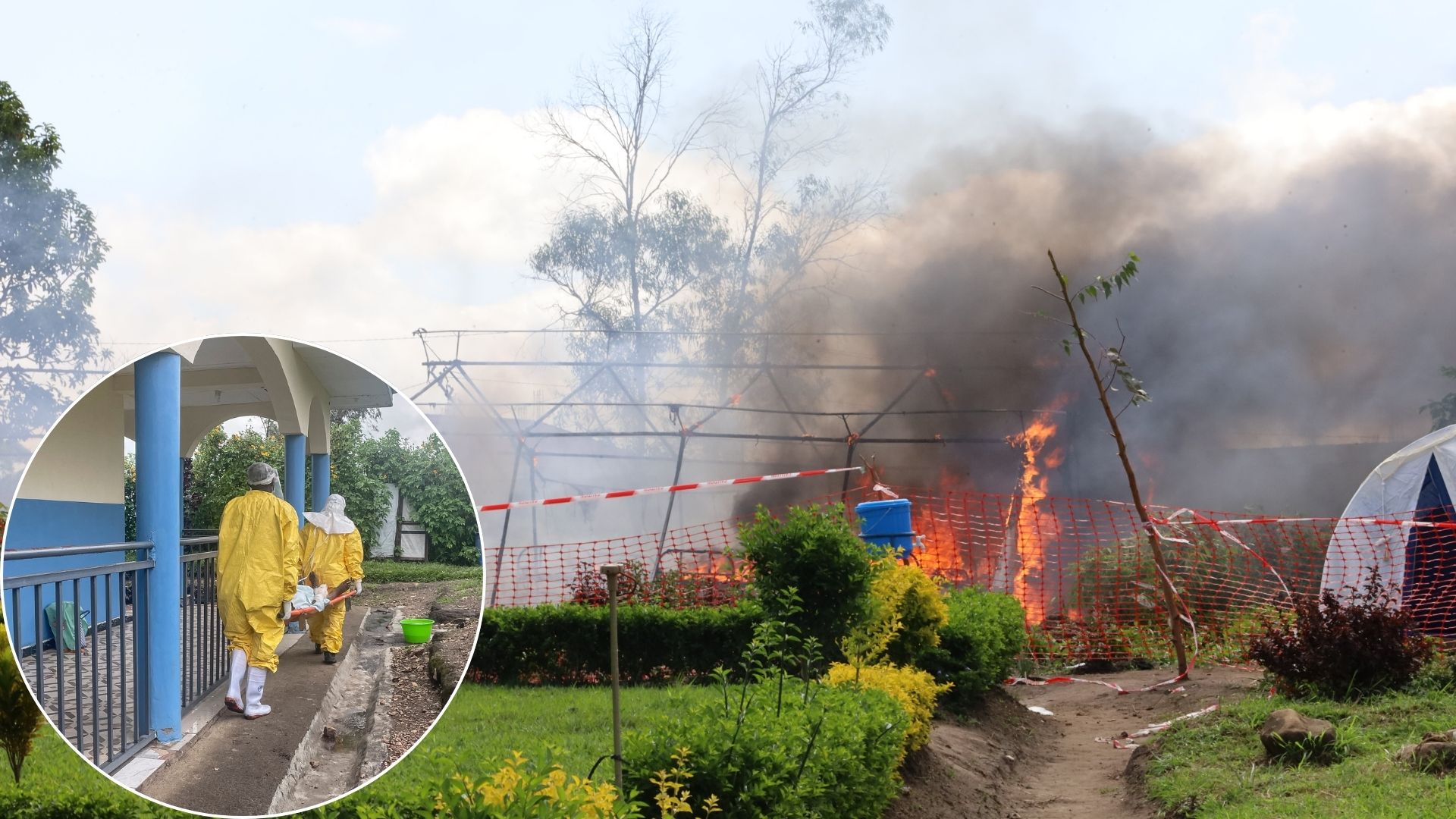
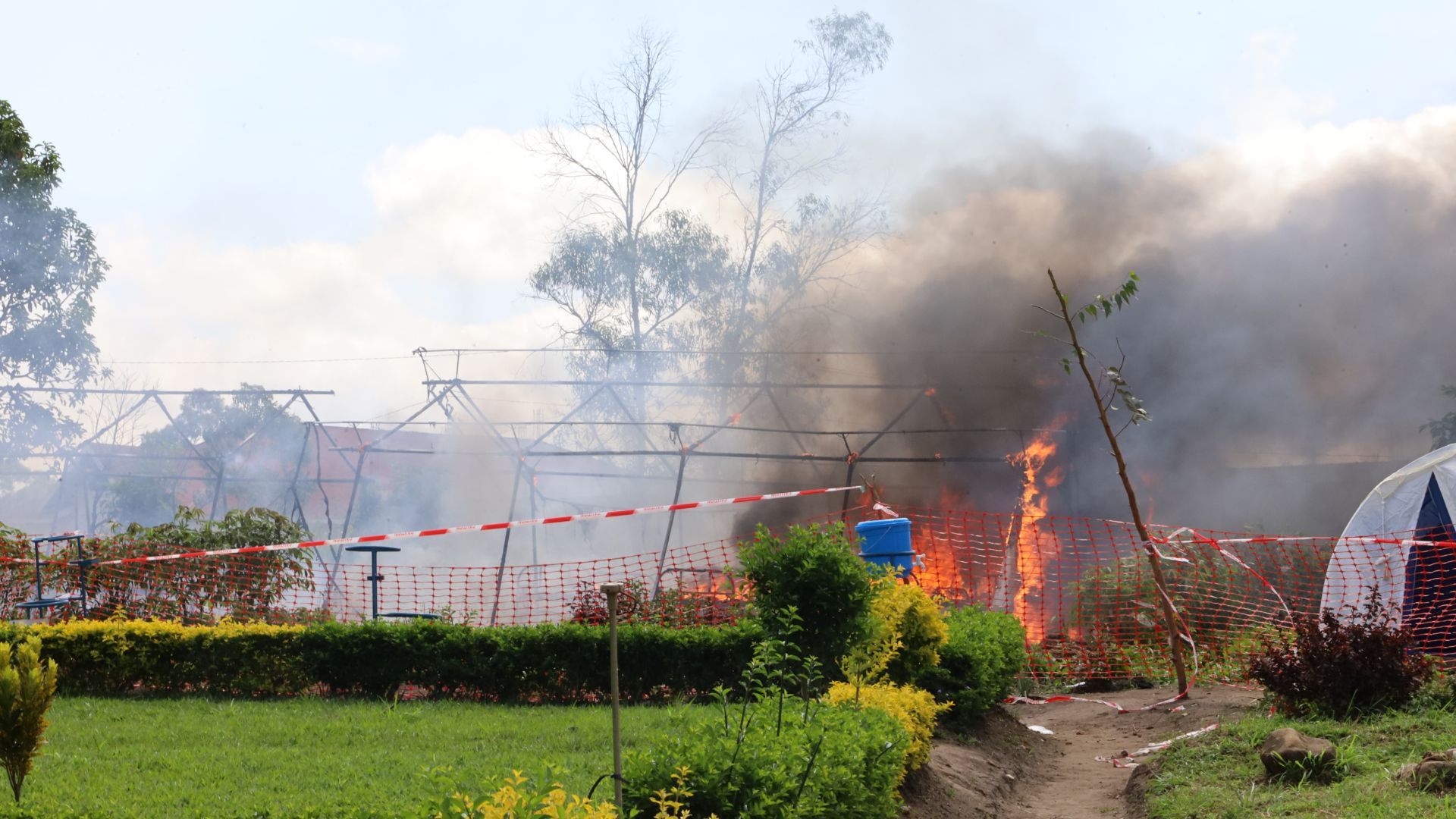
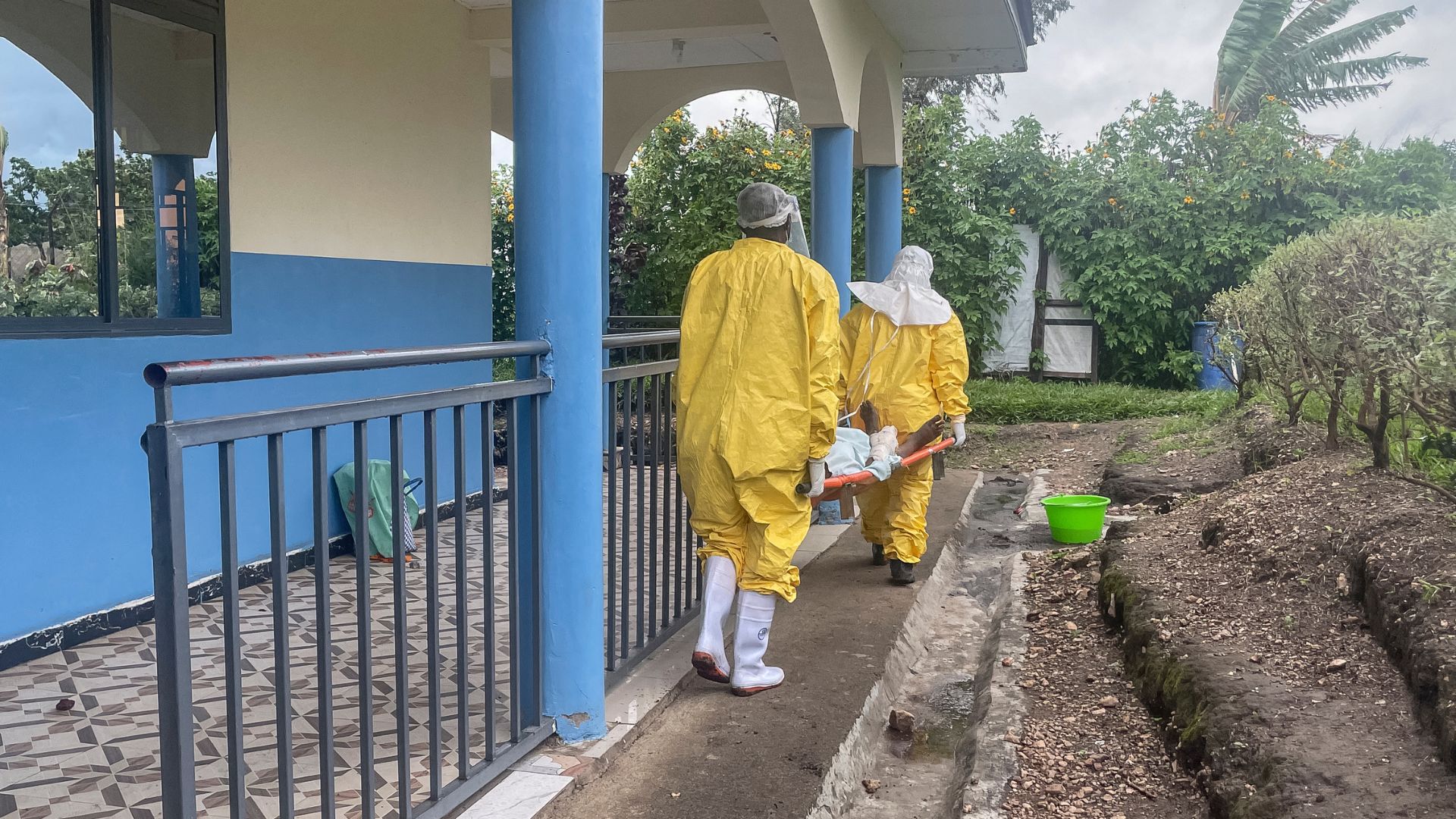
Les tensions ont éclaté au cœur de l’épidémie d’Ebola, dans l’est de la République démocratique du Congo, lorsqu’une foule en colère a incendié les installations dédiées à la lutte contre Ebola à l’hôpital général de Rwampara. Des violences ont éclaté au cœur de l’épidémie d’Ebola alors que l’hôpital était en proie aux flammes, après que le chaos se serait déclaré lorsqu’une famille « a commencé à lancer des projectiles » après s’être vu refuser l’autorisation d’emporter la dépouille d’un proche décédé des suites d’Ebola. Les autorités sanitaires auraient insisté sur le fait que, le corps restant hautement contagieux, les responsables procéderaient à une inhumation contrôlée dans le respect de protocoles sanitaires stricts. Le jeune homme décédé aurait été un footballeur ayant joué pour plusieurs équipes locales, ce qui a poussé une foule importante de supporters et de proches à se rassembler devant l’hôpital pour exiger la restitution du corps, avant que la situation ne dégénère en violences et en destructions.

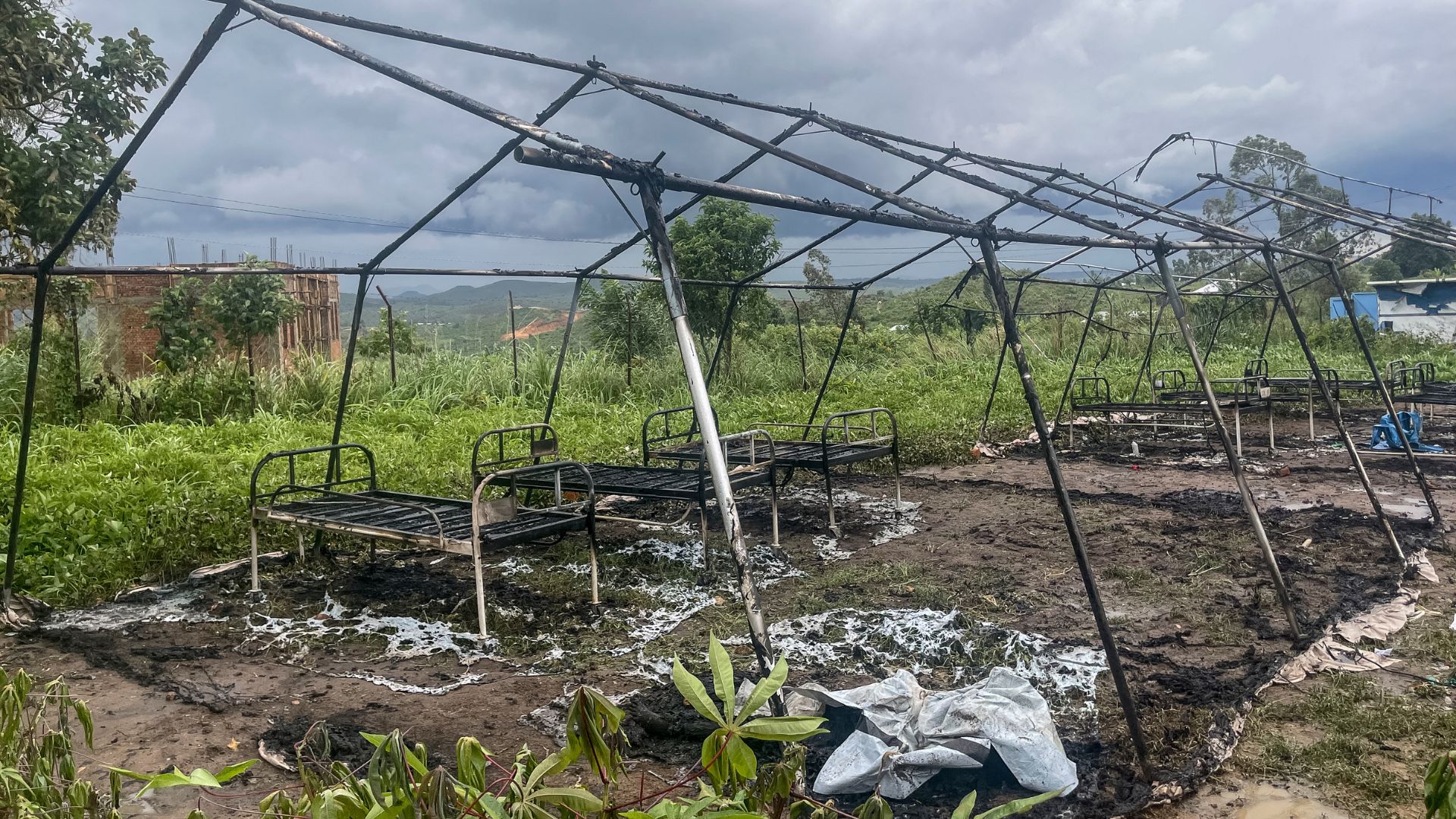
Des témoins ont décrit des scènes de panique alors que les manifestants s’en prenaient aux infrastructures de l’hôpital et mettaient le feu aux tentes utilisées pour isoler les patients atteints d’Ebola. « Ils ont commencé à lancer des projectiles sur l’hôpital. Ils ont même mis le feu aux tentes qui servaient de salles d’isolement », a déclaré à la BBC Luc Malembe, un responsable politique local qui a été témoin des violences. Des vidéos circulant en ligne semblaient montrer des flammes envahissant les structures médicales temporaires tandis que des agents de santé et des habitants effrayés fuyaient les lieux. Les autorités locales ont par la suite confirmé que plusieurs installations médicales avaient subi d’importants dégâts pendant les troubles, compliquant les efforts d’intervention d’urgence dans l’une des régions les plus durement touchées par l’épidémie. La destruction des salles d’isolement a également fait craindre aux responsables de la santé que du matériel contaminé ait pu être exposé ou déplacé pendant l’attaque, augmentant potentiellement les risques de transmission dans les communautés environnantes déjà aux prises avec des infrastructures de santé limitées.

Getty Images

Ces violences ont éclaté à un moment où les autorités sanitaires internationales s’efforcent de contenir ce qui est rapidement devenu l’une des épidémies d’Ebola les plus graves de ces dernières années. L’Organisation mondiale de la santé a officiellement déclaré le 17 mai que l’épidémie en République démocratique du Congo et en Ouganda voisin constituait une urgence de santé publique de portée internationale. L’épidémie est principalement concentrée dans la province d’Ituri et est causée par la souche rare Bundibugyo du virus Ebola, un variant pour lequel il n’existe actuellement aucun vaccin homologué ni traitement spécifique approuvé. Selon les chiffres publiés par les autorités sanitaires le 22 mai, plus de 836 cas suspects et au moins 186 décès ont déjà été signalés dans les régions touchées. Les responsables ont également confirmé que des cas confirmés ont désormais atteint des grands centres de transport, notamment Kinshasa et Kampala, ce qui renforce les craintes d’une propagation régionale plus large.

« Ils ont commencé à lancer des projectiles sur l’hôpital. Ils ont même incendié des tentes qui servaient de salles d’isolement. »

– Luc Malembe, un responsable politique local

Les agences internationales, notamment l’Organisation mondiale de la santé, les Centres africains de contrôle et de prévention des maladies et les Centres américains de contrôle et de prévention des maladies, ont toutes intensifié leurs efforts de surveillance, de recherche des contacts et de coordination des urgences en réponse à l’escalade de l’épidémie. Le directeur général de l’OMS, Tedros Adhanom Ghebreyesus, a averti au début du mois que l’épidémie restait « une grave menace pour la santé publique nécessitant une coordination régionale et internationale urgente ». Les équipes sanitaires sur le terrain auraient rencontré d’énormes difficultés pour retracer les chaînes de transmission dans des zones déjà déstabilisées par les conflits armés, les déplacements massifs de population et la méfiance envers les institutions gouvernementales. Les professionnels de santé intervenant dans l’est du Congo ont également averti à plusieurs reprises que la désinformation et la peur entourant Ebola continuent de compliquer les efforts visant à isoler les patients, à retracer les contacts et à procéder à des enterrements en toute sécurité, conformément aux protocoles sanitaires internationaux.

Getty Images

La colère du public face aux mesures de confinement contre Ebola a à plusieurs reprises déclenché des tensions lors de précédentes épidémies au Congo, en particulier lorsque les autorités interviennent dans les pratiques funéraires. Conformément aux protocoles Ebola, les dépouilles des victimes doivent souvent être enterrées par des équipes d’intervention spécialisées portant un équipement de protection, car le virus peut rester hautement contagieux après la mort. Pour de nombreuses familles, cependant, ces restrictions vont à l’encontre de traditions funéraires religieuses et culturelles profondément enracinées. Lors du dernier incident survenu à l’hôpital général de Rwampara, les habitants auraient estimé que les autorités privaient la famille du droit de faire son deuil et d’enterrer le jeune footballeur conformément aux coutumes locales. Des frustrations similaires ont alimenté des attaques contre des centres de traitement et des travailleurs humanitaires lors de précédentes épidémies d’Ebola dans l’est du Congo, où la méfiance envers les autorités sanitaires s’est souvent propagée parallèlement au virus lui-même.

Inquiétude internationale

Ces dernières violences ont renforcé les craintes que l’insécurité et les troubles publics ne compromettent gravement les efforts visant à contenir l’épidémie avant qu’elle ne se propage davantage en Afrique centrale et orientale. Les organisations humanitaires ont averti que les attaques visant les hôpitaux ou les unités d’isolement menacent non seulement le personnel médical, mais peuvent également perturber les systèmes essentiels de surveillance sanitaire utilisés pour identifier les patients infectés et retracer les chaînes d’exposition potentielles. Les autorités congolaises ont depuis appelé au calme, tandis que des forces de sécurité auraient été déployées autour des établissements médicaux touchés pour prévenir de nouvelles attaques. Pendant ce temps, les professionnels de santé continuent d’essayer de rassurer les communautés effrayées alors que le nombre de cas suspects augmente chaque jour. En l’absence de vaccin actuellement disponible contre la souche de Bundibugyo et face à l’inquiétude internationale qui monte rapidement, les autorités sont désormais confrontées au défi difficile de contenir à la fois une épidémie mortelle et la colère grandissante qui éclate autour d’elle.

Getty Images
Catégories
Uncategorized

US launches strikes on Iran amid ceasefire negotiations

The US military has launched a series of strikes on Iran, near the Strait of Hormuz, according to US Central Command (CENTCOM). The strikes come as Iranian officials travel to Qatar in hopes of negotiating a ceasefire with the US and Israel. CENTCOM claimed the strikes were ‘defensive’ and that the bombs were dropped to protect US forces from Iranian soldiers. It appears the US has fully dedicated itself to Israel’s strategy of ‘forward defence’, a strategy that justifies the use of violence before an attack has actually happened. ‘Forward defence’ is a term coined by the Israeli military, and is used to reframe the language used for what legal experts call ‘illegal and unprovoked attacks’. By definition, ‘defence’ must come after an attack, not before.

The US military refused to reveal where the attacks struck, but the Iranian military confirmed explosions in Bandar Abbas, some 70km (42 miles) from the Strait of Hormuz, in southern Iran. These latest attacks come as the temporary ceasefire mediated by Pakistan remains intact. The ceasefire has been in place since April 8, but the US has continued striking Iran intermittently, even with the armistice in effect. The Islamic Revolutionary Guard Corps (IRGC) released a statement on May 26 claiming that it had shot down a US drone that entered Iranian airspace, and also fired on an American F-15 that conducted flyovers over Iran.

“To say that we have reached a conclusion on a large portion of the issues under discussion would be correct. However, to say that this means an agreement is on the verge of being signed is not something anyone can claim,”

-Esmail Baghaei

According to sources in Iran, several IRGC soldiers were killed in the attack on Bandar Abbas. Iran’s foreign ministry claimed on May 25 that Tehran and Washington are making progress in ceasefire negotiations, but the ongoing strikes have cast doubt on the timeline of a permanent ceasefire. The escalating tensions over the last few days have come right after Trump said a memorandum of understanding (MoU) was “largely negotiated” with Iran. Israel and the US’s war on Iran has tanked global markets and sent oil prices soaring.

US claims attacks will continue

While Iran has not confirmed the extent of the attacks, multiple US military personnel have confirmed that they happened and will continue to do so. US Secretary of State Marco Rubio, who is currently in India, said US targets include boats attempting to lay mines in the Strait of Hormuz, as well as Iranian missile launch sites. Washington has repeatedly accused Iran of laying sea mines near the Strait of Hormuz, the thin channel which normally transports nearly a fifth of the world’s oil and gas. Iran’s closure of the Strait is the largest factor impacting global oil prices and has exacerbated multiple energy crises around the world.

Rubio also made it clear that America’s goal is to open the Strait of Hormuz, claiming that regardless of Iran’s convictions, the Strait would be opened ‘one way or another’. US President Donald Trump made multiple posts on Truth Social pertaining to the attacks and ceasefires, claiming that negotiations were going ‘nicely’ but attacks would continue if talks with Iran began to stall. Trump’s post seemingly referenced the popular US game show Deal or No Deal, with strange capitalization.

“It will only be a Great Deal for all, or no Deal at all”

Another broken ceasefire

The US and Iran agreed to a ceasefire mediated by Pakistan on April 8, but peace has been nowhere to be found for Iranian residents. Negotiations and de-escalation are both underway, but in the meantime, Iran is being consistently attacked by the US. Pakistani Prime Minister Shehbaz Sharif, who helped mediate the ceasefire, is currently in China, meeting with President Xi Jinping and Premier Li Qiang. The US has been pushing China for weeks to take action in reopening the Strait of Hormuz, but after China balked, Donald Trump insulted the country, implying Jinping’s government is weak, and claiming that the US doesn’t need China’s help anyway.

Are peace talks stalling?

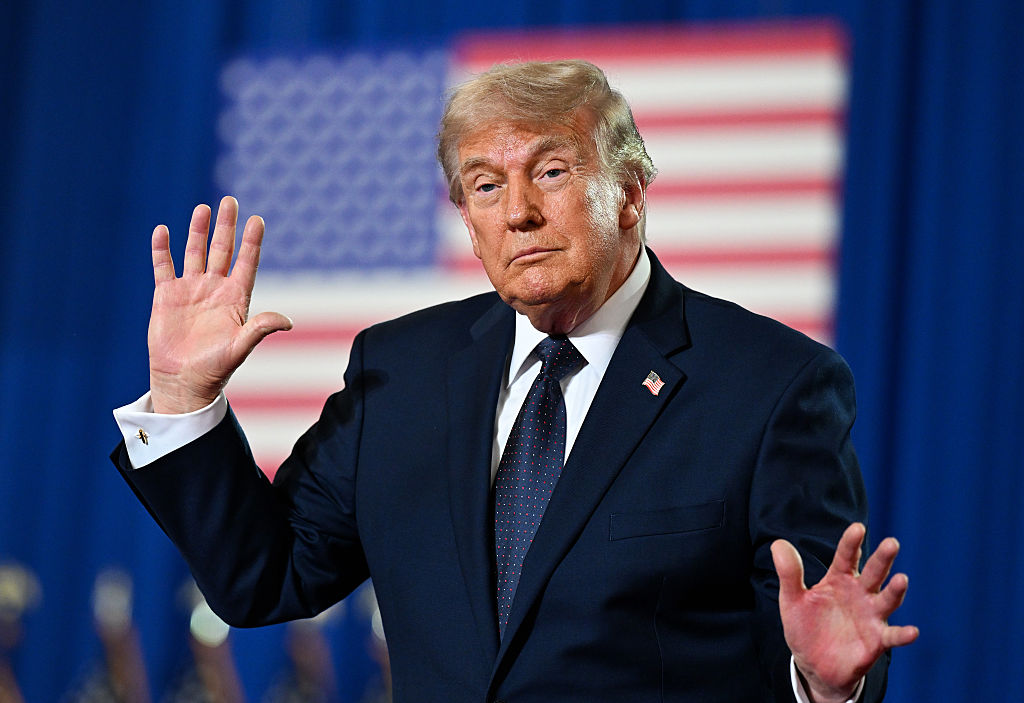
SUFFERN, NEW YORK – MAY 22: U.S. President Donald Trump dances on stage after delivering remarks during a campaign and economic policy event in the Eugene Levy Fieldhouse at SUNY Rockland Community College on May 22, 2026 in Suffern, New York. Trump traveled to the Hudson Valley to help bolster the campaign of Rep. Mike Lawler (R-NY) as he seeks reelection in what is expected to be one of the nation’s most closely watched House races this November. (Photo by Roberto Schmidt/Getty Images)

It’s unclear how these latest attacks have affected the timeline of peace negotiations, but the trend of US and Iranian retaliations has not stopped since April 8. With recent reports that Iran’s Supreme Leader, Mojtaba Khamenei, is injured and in hiding, it appears as though Iran’s senior leadership has experienced serious communication breakdowns. According to US officials, Iranian negotiators attempting to communicate with the Trump administration have struggled to relay information through Iran’s fractured command structure, contributing to delays in ceasefire and nuclear negotiations between Tehran and Washington. Donald Trump is still insisting that Iran ships out its refined uranium, and Iran has made it clear it is unwilling to do so.

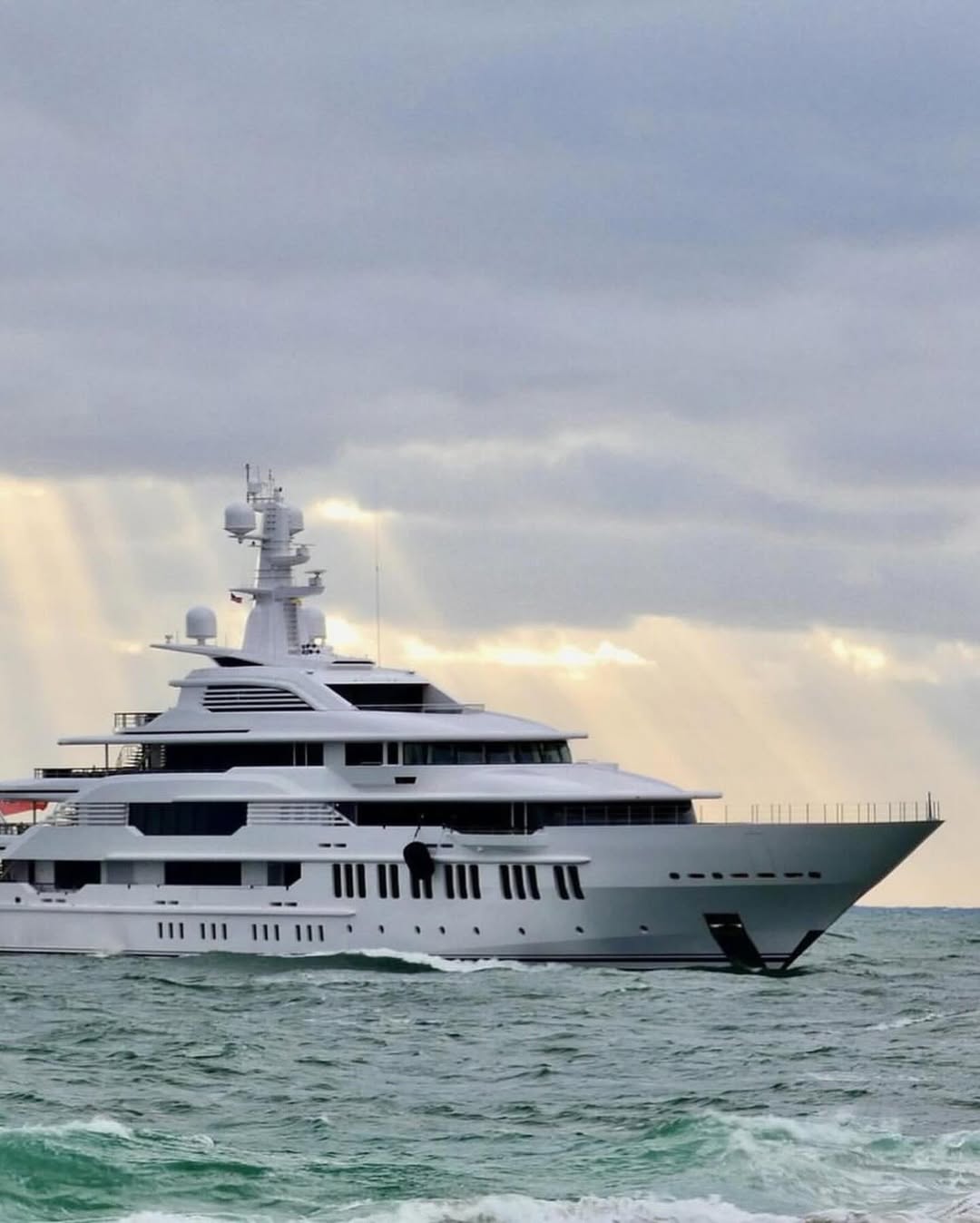
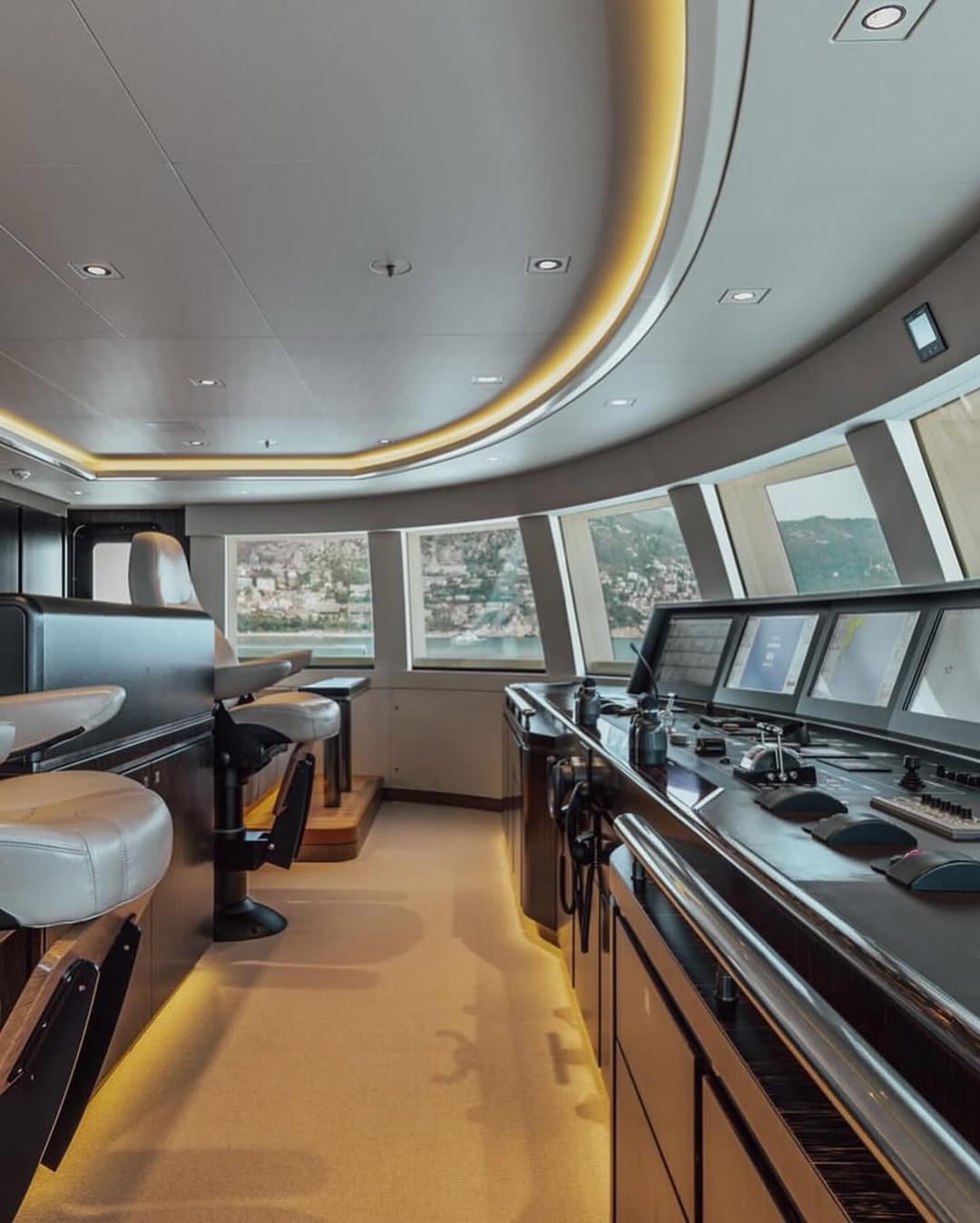
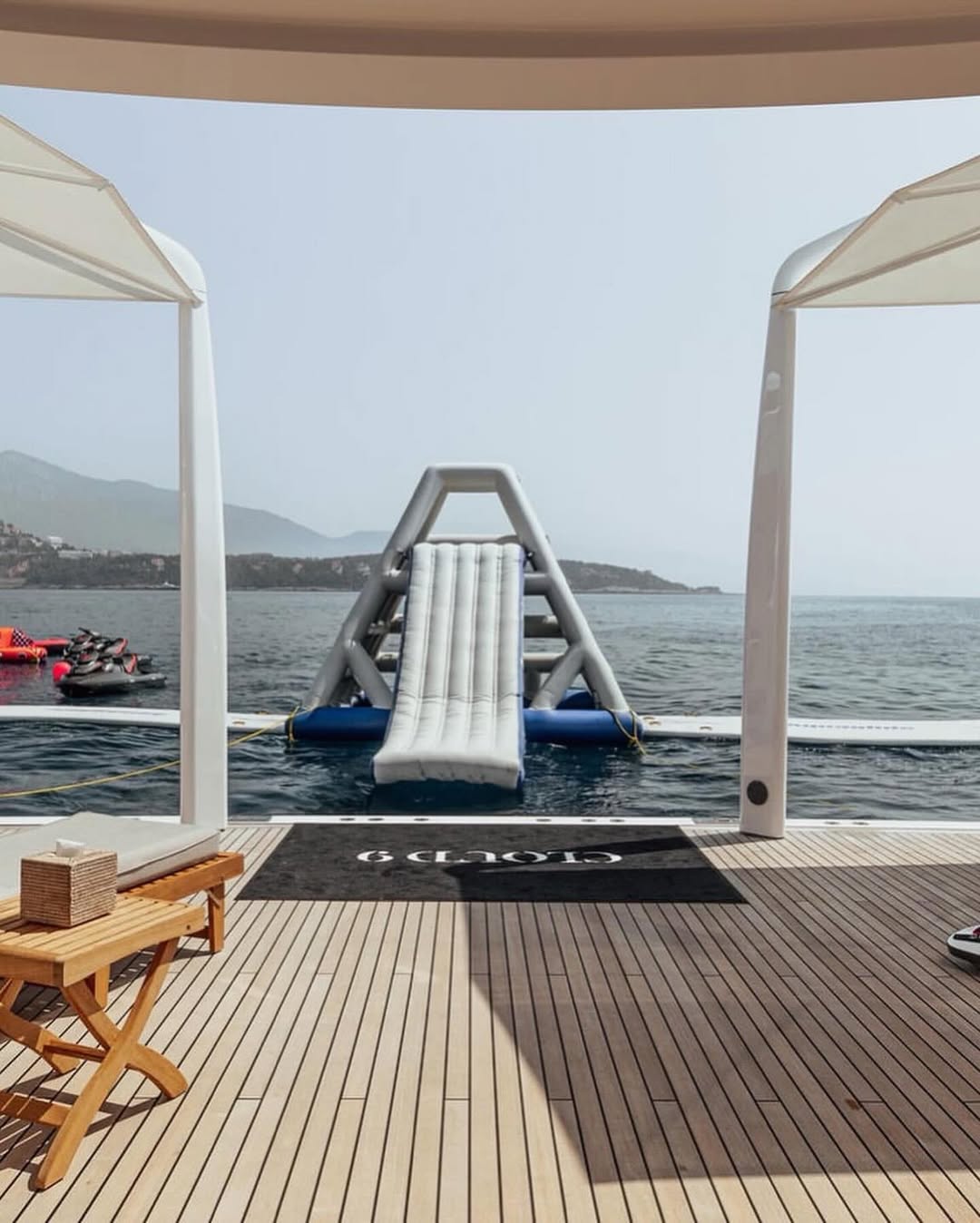
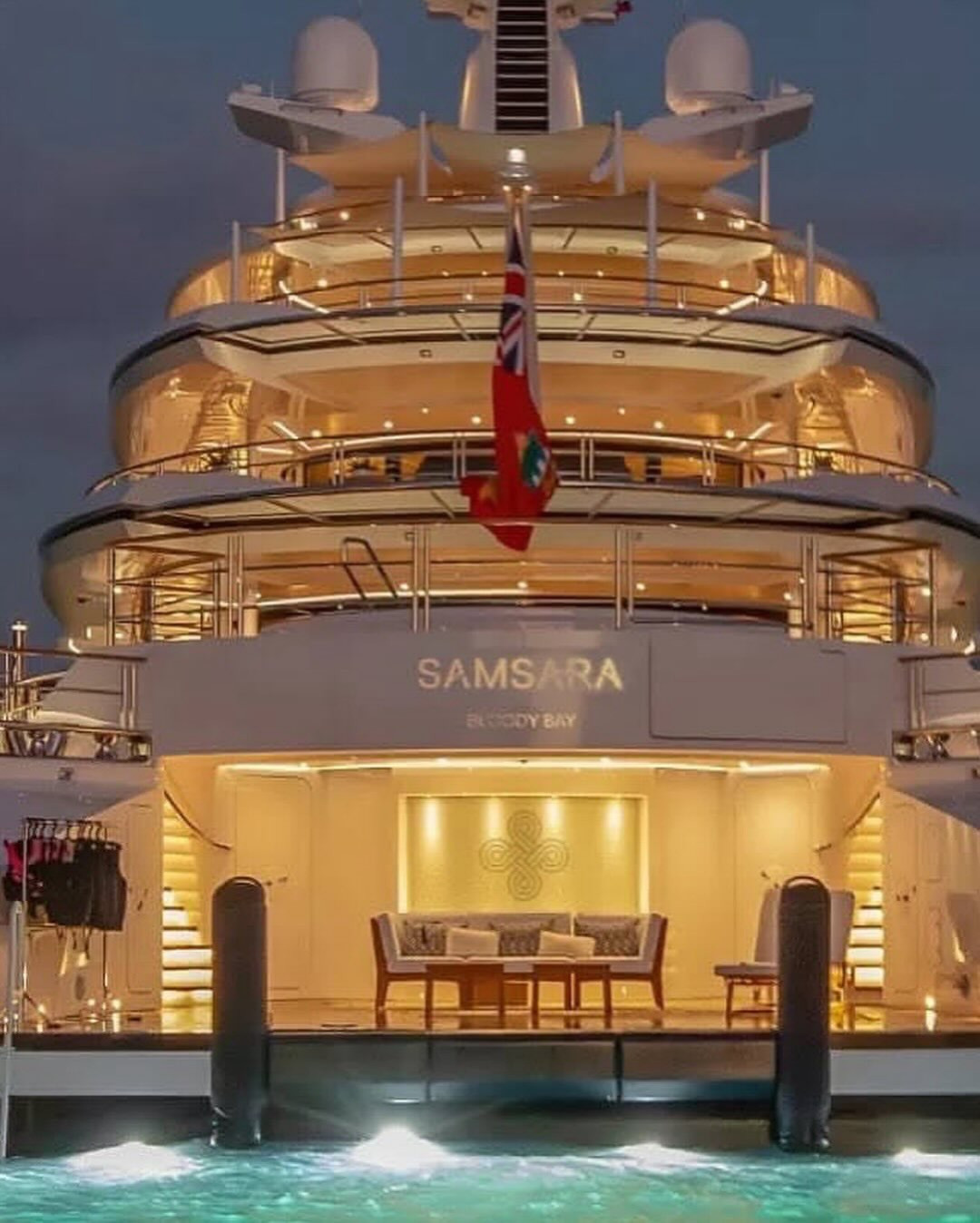
J.K. Rowling’s Impressive Yacht in 8 Stunning Photos

According to reports circulating in the luxury sector, J.K. Rowling is said to be associated with the Samsara, an impressive 88-meter superyacht built by the renowned Oceanco shipyard and scheduled for delivery in 2024.

Originally conceived as Project Y722, the yacht stands out for its modern design, vast outdoor spaces, and luxurious interior, meticulously crafted down to the smallest detail. A true floating residence, the Samsara combines elegance, privacy, and cutting-edge marine technology to offer an unparalleled experience at sea.

Designed for long voyages around the world, this yacht represents the pinnacle of luxury and prestige in the world of superyachts. More than just a boat, it is a true floating estate reserved for an extremely privileged elite. Discover it in 8 stunning photos!

Catégories
Uncategorized

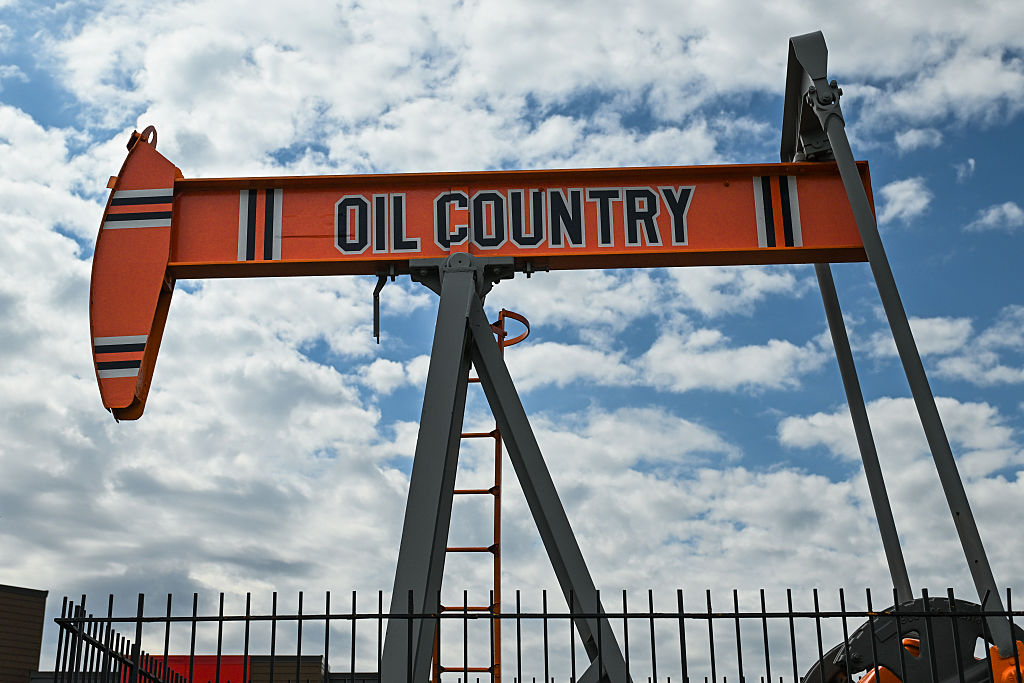
Mark Carney et l’Alberta: accélérer les pipelines et repenser la tarification du carbone: enjeux, calendrier et compromis

  • Accélérer les projets d’infrastructure.
  • Réduire les délais à deux ans.
  • Simplifier les approbations.
  • Maintenir les consultations autochtones.
  • Désaccord sur le prix du carbone.

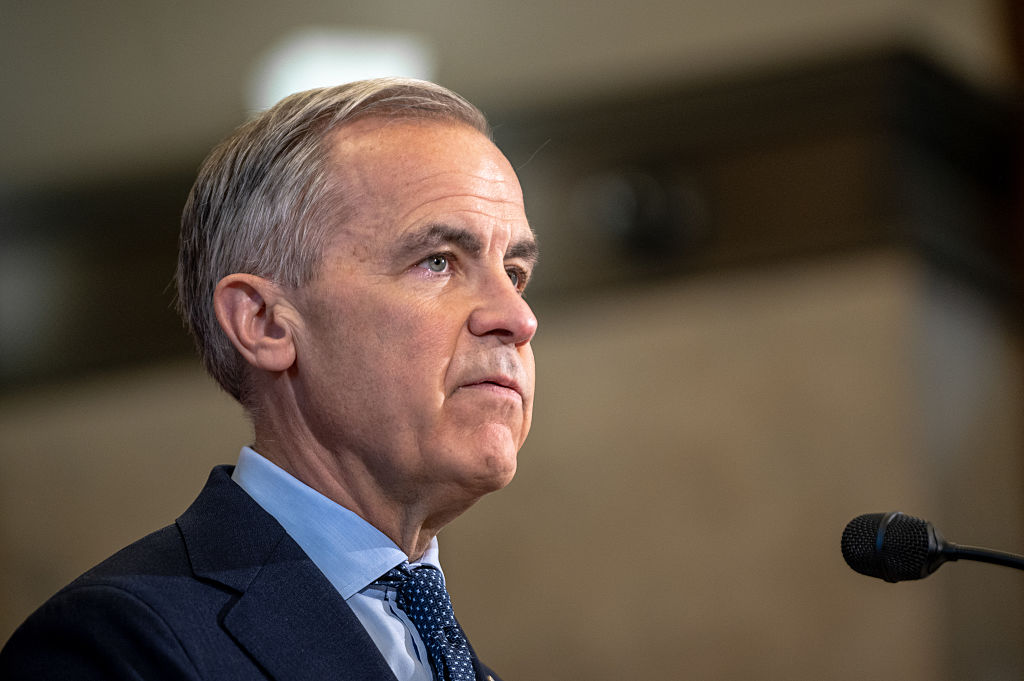
Le gouvernement fédéral dirigé par Mark Carney a annoncé un projet de réforme visant à simplifier l’approbation des grands projets d’infrastructure, notamment les pipelines et d’autres projets liés aux ressources naturelles. L’objectif affiché est de réduire les formalités administratives pour permettre un examen unique par projet et de fixer un délai de deux ans pour l’approbation des grands chantiers. Cette démarche soulève à la fois des espoirs côté industrie et des craintes côté environnemental et autochtone.

Pourquoi ce plan maintenant?

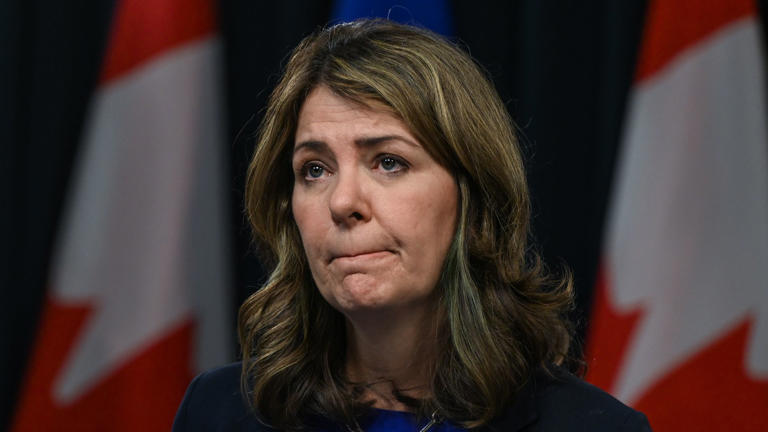
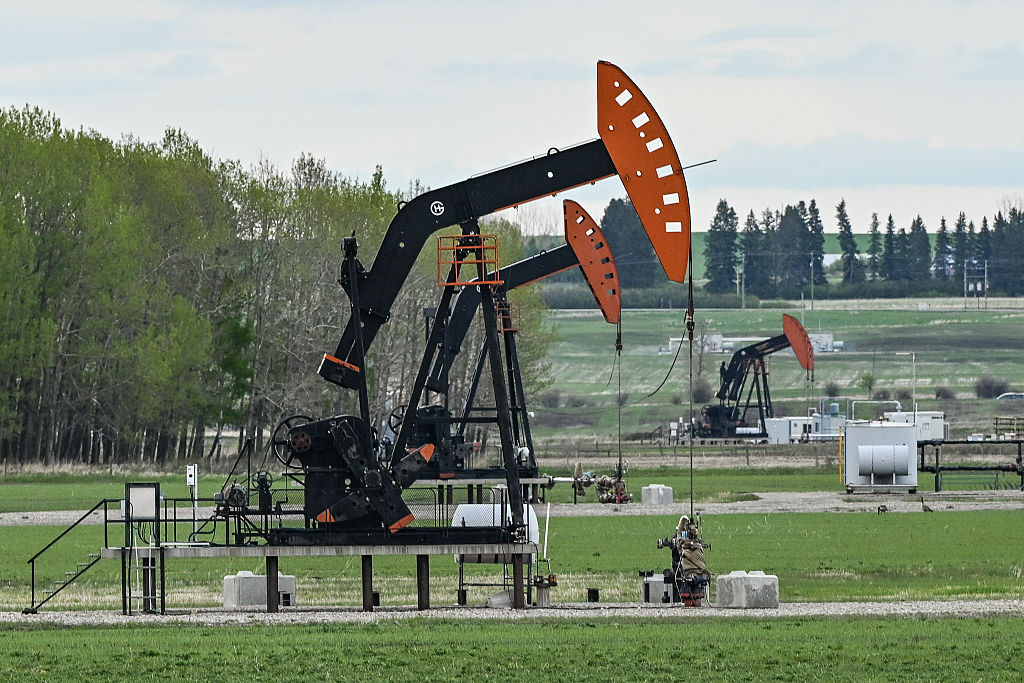
Le retard pris dans plusieurs projets majeurs, et en particulier le nouvel oléoduc prévu depuis l’intérieur de l’Alberta jusqu’à la côte de la Colombie-Britannique, a mis la question au cœur de l’agenda fédéral. Un protocole d’entente signé le 27 novembre 2025 entre Mark Carney et la première ministre de l’Alberta, Danielle Smith, visait déjà à faciliter ce chantier et à instaurer un important centre de capture du carbone en Alberta. Le gouvernement fédéral publiera prochainement des consultations avant d’adopter toute législation définitive, mais les grandes lignes commencent à se dessiner.

Réduction des formalités administratives
Getty Images

Les principes annoncés incluent:

  • Un examen unique par projet, pour éviter les redondances entre autorités;
  • Un délai-cible de deux ans pour l’approbation des grands projets;
  • La tenue de consultations publiques et sectorielles avant la mise en place définitive de la législation;
  • La préservation des obligations de consultation des peuples autochtones, qui ne seraient pas supprimées.

Ces mesures doivent assurer une plus grande prévisibilité pour les investisseurs tout en maintenant des garde-fous. Les sources rencontrées par la presse ont toutefois noté que les détails restent susceptibles d’évoluer.

Consultations et réactions
Getty Images

Points de friction majeurs: la tarification du carbone

Le prix du carbone constitue le nœud du différend entre Ottawa et l’Alberta. Le protocole d’entente initial mentionnait un prix effectif minimum de 130$ la tonne. L’Alberta a toutefois exprimé la volonté que ce niveau serve de plafond plutôt que de plancher, tandis que le gouvernement fédéral considère ce seuil comme un plancher nécessaire pour atteindre des objectifs climatiques ambitieux. Aujourd’hui, les crédits carbone en Alberta se négocient autour de 40$ la tonne, bien loin du prix de référence de 95$ la tonne, ce qui illustre l’ampleur de l’écart entre la pratique actuelle et les engagements visés.

Prix du carbone et négociations
Getty Images

Un autre élément débattu est l’introduction éventuelle de contrats pour différences, un mécanisme qui stabilise les revenus des entreprises investissant dans des projets bas-carbone en compensant l’écart entre un prix garanti et le prix du marché. Ces contrats rendent coûteux pour un gouvernement futur l’abandon des mécanismes de tarification puisqu’ils pourraient obliger l’État à rembourser des sommes importantes aux entreprises.

Danielle Smith a insisté sur la nécessité d’éviter que ces mécanismes ne pèsent trop lourdement sur l’industrie, les contribuables ou les consommateurs, tandis qu’Ottawa voit dans ces outils une façon d’assurer une tarification du carbone efficace et durable.

Projet d
Getty Images

Conséquences réglementaires: électricité propre et TIER

Le protocole d’entente évoque également l’avenir du Règlement sur l’énergie propre. Selon les documents, une fois le nouvel accord sur la tarification du carbone conclu, le Canada pourrait suspendre temporairement l’application du Règlement sur l’énergie propre en Alberta, ce qui permettrait à la province d’éviter certaines obligations fédérales visant la décarbonation du réseau électrique d’ici 2050. Pour compenser, l’Alberta travaillerait à renforcer son propre système (TIER) et à mettre en œuvre «d’autres mesures» afin d’atteindre des réductions d’émissions comparables.

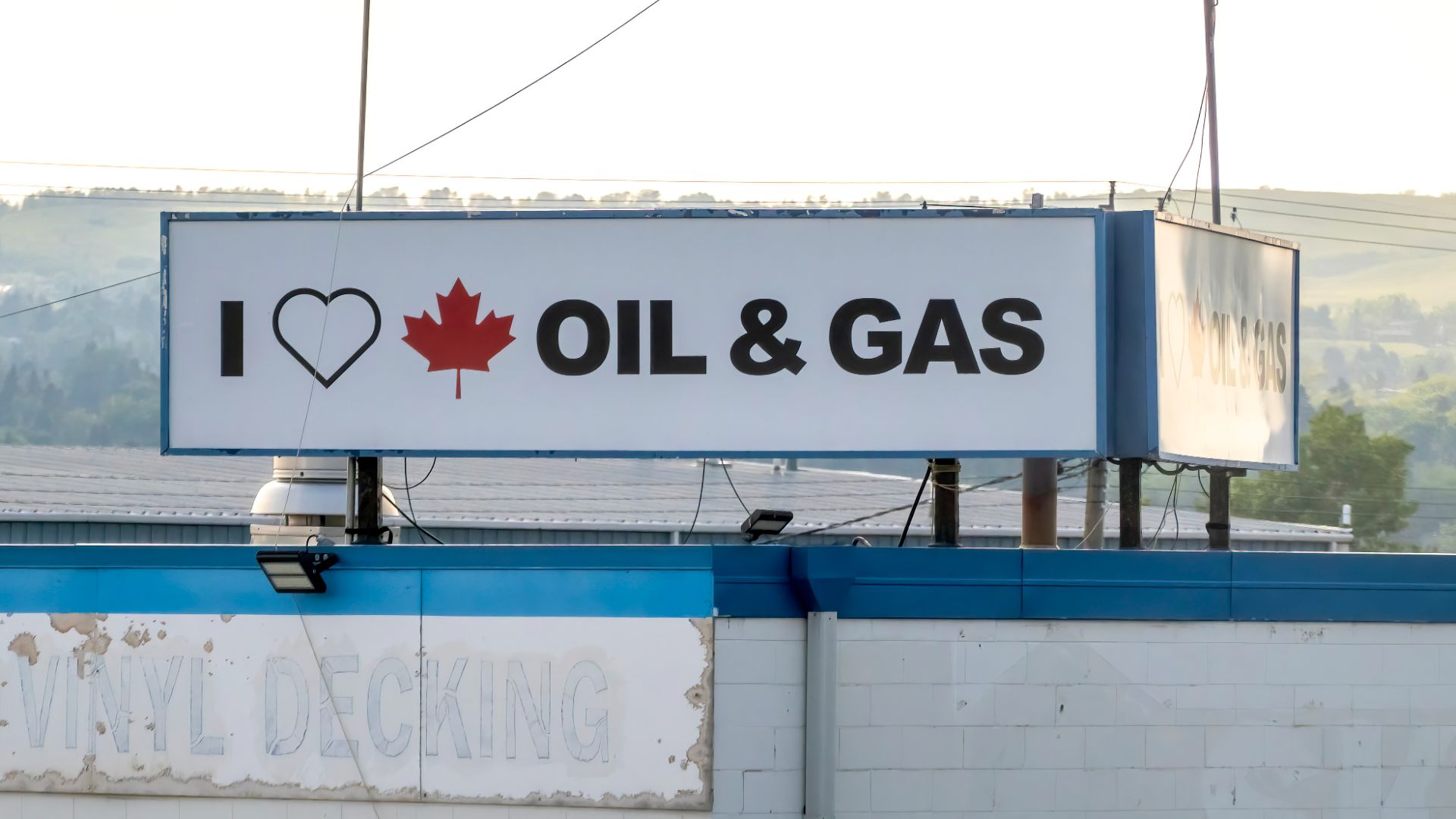
Cela est particulièrement sensible car l’Alberta est aujourd’hui la province canadienne la plus émettrice, son secteur pétrolier représentant près de 60% des émissions provinciales. Toute suspension ou ajustement des normes fédérales entraînera des débats intenses sur l’efficacité et l’équité des compromis proposés.

Réglementation et émissions
Getty Images

Calendrier et étapes à venir

  • Consultations publiques annoncées prochainement par Ottawa;
  • Rencontres bilatérales entre Mark Carney et Danielle Smith: la prochaine réunion notable était prévue le 8 mai 2026;
  • Finalisation d’un accord sur la tarification du carbone, condition préalable à certaines modifications réglementaires;
  • Mise en place éventuelle d’un centre de capture du carbone en Alberta et d’autres mesures d’accompagnement.

Le succès de cette initiative dépendra de la capacité des parties à concilier vitesse d’exécution, protection des droits autochtones et ambition climatique. Les éologistes et certains groupes autochtones ont déjà prévenu qu’ils pourraient s’opposer à des dispositions jugées insuffisantes sur le plan environnemental ou procédural.

Rencontre entre Carney et Smith
Getty Images

En résumé, le plan fédéral de Mark Carney vise à rendre plus fluide l’approbation des projets énergétiques tout en cherchant à verrouiller des garanties en matière de tarification du carbone. Les compromis restent délicats: trouver un équilibre entre l’urgence économique de certains projets, les engagements climatiques nationaux et le respect des droits des peuples autochtones sera déterminant pour la suite. Restez attentifs aux consultations publiques à venir, qui préciseront les modalités et permettront aux différentes parties d’exprimer leurs attentes.

Catégories
Uncategorized

Mark Carney à l’EPC: 270 M$ pour l’Ukraine, rencontres européennes et enjeux politiques internes

  • Carney a parlé à un sommet européen.
  • Il représente le Canada.
  • Nouveau soutien financier à l’Ukraine.
  • Renforcement des liens avec l’Europe.
  • Critiques politiques au Canada.

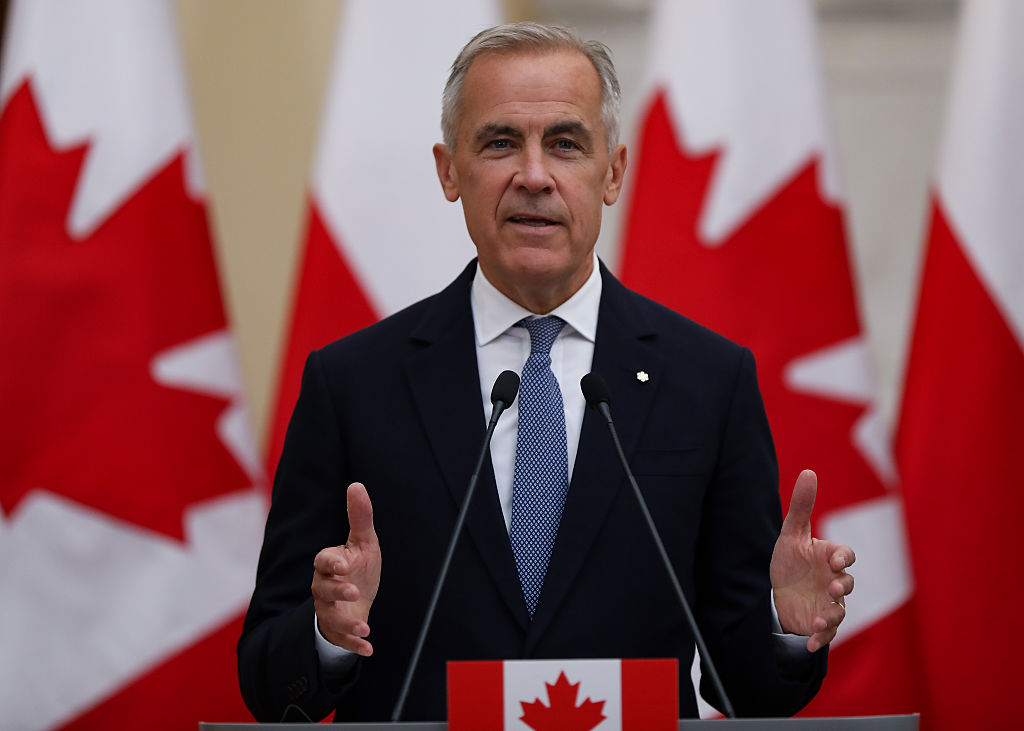
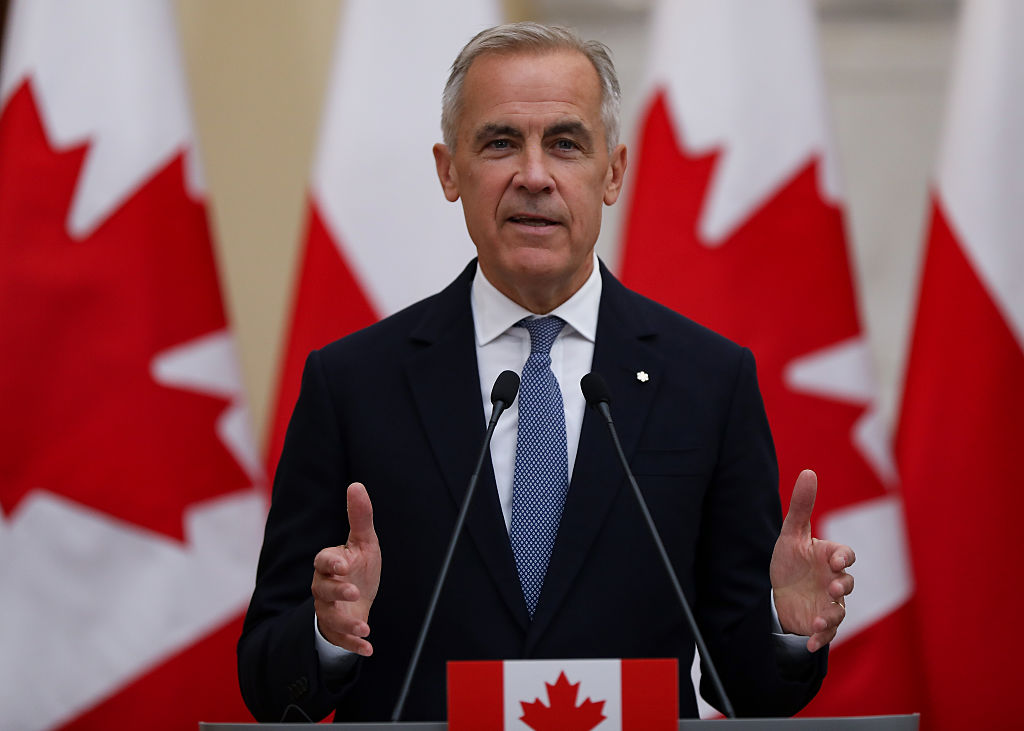
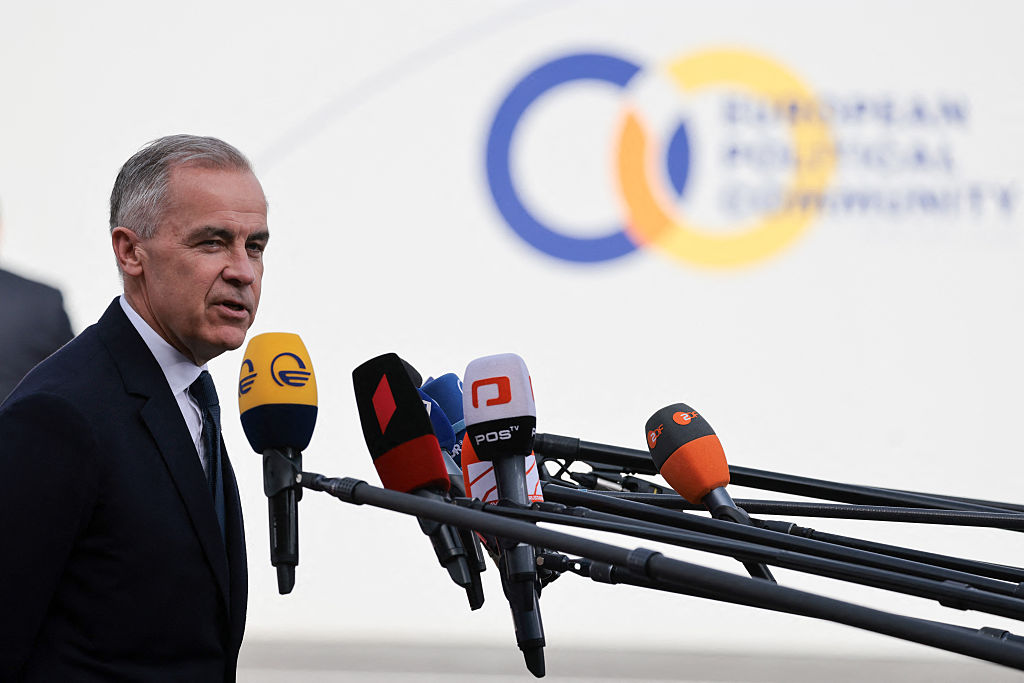
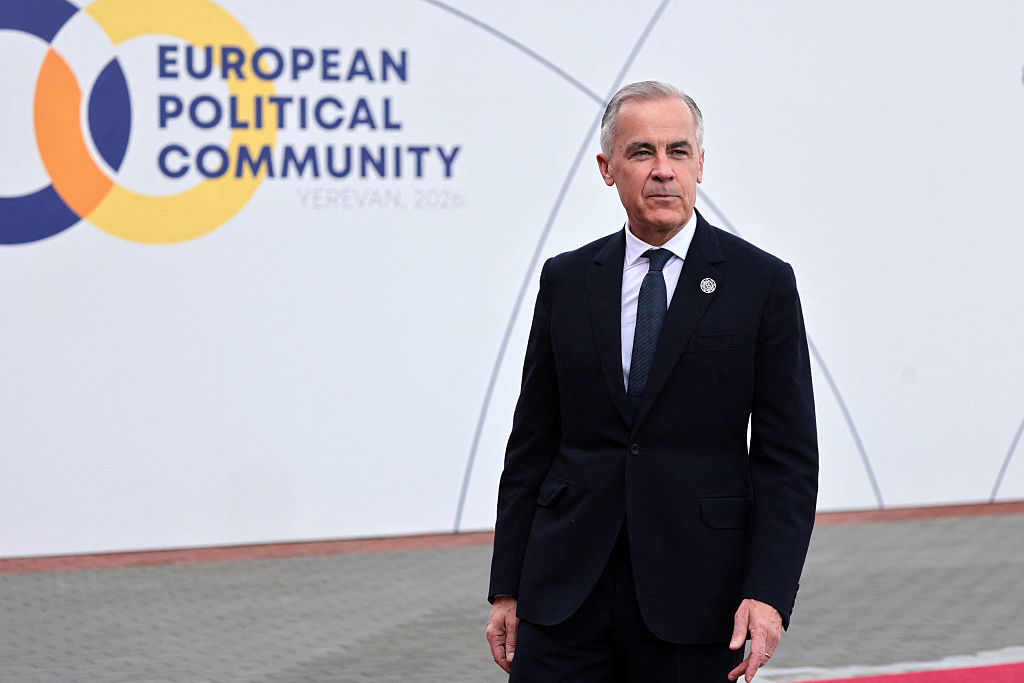
Lors du sommet semestriel de l’EPC en Arménie, Mark Carney a marqué les esprits en devenant le premier représentant non européen à prendre la parole devant l’assemblée. Son discours, bref mais dense, a couvert plusieurs sujets : l’annonce d’un engagement financier de 270 millions de dollars en faveur de l’Ukraine, le renforcement des relations Canada–Europe, et une série de rencontres bilatérales destinées à consolider des partenariats sur l’énergie, les chaînes d’approvisionnement et les minéraux critiques.

Un soutien financier ciblé:

Carney a confirmé que le Canada verserait 270 millions de dollars à l’Ukraine, précisant que ces fonds seraient orientés vers l’achat d’armement et de munitions, majoritairement auprès des fournisseurs américains. Cette annonce s’inscrit dans un engagement canadien beaucoup plus large : depuis 2022, Ottawa aurait engagé plus de 25 milliards de dollars en soutien à l’Ukraine, selon les chiffres présentés lors du sommet. Ce montant global alimente un débat public important au Canada sur la hiérarchie des priorités budgétaires et sur la nature de l’aide militaire versus humanitaire.

Carney annonce l'aide à l'Ukraine
Getty Images

Pourquoi l’Europe?

Carney a qualifié le Canada de « le plus européen des pays non européens », en soulignant des éléments de proximité culturelle et institutionnelle: forte immigration européenne, bilinguisme et liens économiques soutenus. Au-delà de l’image, son objectif était clair: ancrer le Canada comme partenaire fiable et stratégique pour l’UE et les pays européens, notamment sur les sujets de sécurité, d’énergie et de technologies critiques.

Lors de son séjour, il a multiplié les rencontres de haut niveau: des échanges avec Ursula von der Leyen et Antonio Costa aux discussions bilatérales avec Giorgia Meloni et Pedro Sánchez. Ces entretiens ont porté sur la sécurisation des chaînes d’approvisionnement, la coopération sur les minéraux critiques et les perspectives d’investissement dans des projets énergétiques conjoints.

Rencontres avec des dirigeants européens
Getty Images

Ambitions et limites:

Si Carney vante le rôle des « puissances moyennes », pays dotés d’une forte souveraineté économique mais sans statut de superpuissance, il n’a pas éludé les contraintes. Il a mis en garde contre les analyses nostalgiques de l’économie mondiale, plaidant pour un réalisme stratégique face aux risques posés par des acteurs comme la Russie et les turbulences politiques aux États-Unis. Il a aussi souligné la place du Canada en tant que producteur d’énergie majeur, tout en omettant de mentionner certains secteurs controversés, comme les réserves d’uranium.

Carney au sommet de l'EPC
Getty Images

Réactions et frictions politiques:

De retour au Canada, l’annonce et la présence active de Carney sur la scène internationale ont alimenté la polémique. Le chef du Parti conservateur, Pierre Poilievre, a critiqué le déplacement et la dépense publique, qualifiant certains engagements de gaspillage. Les critiques portent autant sur le montant investi en Ukraine que sur la fréquence des déplacements diplomatiques : l’Arménie était le 21e pays visité par Carney depuis son arrivée au pouvoir, selon ses détracteurs.

Ces débats renvoient à une question plus large: comment concilier ambition internationale et attentes domestiques? Les oppositions rappellent que des promesses de campagne axées sur le logement ou les infrastructures ont été perçues comme moins prioritaires face à une diplomatie tournée vers l’extérieur.

Accords non contraignants mais symboliques:

Carney a signé plusieurs protocoles d’entente (MOU) qui, bien qu’ils ne soient pas juridiquement contraignants, servent d’outil pour formaliser des intentions de coopération. Ces MOU portent sur des projets énergétiques, des oléoducs ou des partenariats technologiques avec des gouvernements et entreprises européennes. Les critiques soulignent la limite juridique de ces documents, mais les partisans y voient un signal fort envoyé aux marchés et aux partenaires internationaux.

Rencontres et discussions lors du sommet
Getty Images

Quelles implications pour l’avenir?

  • Pour le Canada: un renforcement des liens avec l’Europe peut ouvrir des marchés et sécuriser des chaînes d’approvisionnement, mais cela exige une communication claire au public pour justifier les coûts.
  • Pour l’Europe: l’inclusion d’un partenaire non européen comme invité au sommet de l’EPC marque une volonté d’élargir les coalitions stratégiques autour de la sécurité et de l’économie.
  • Pour l’Ukraine: des contributions ciblées, même si elles restent contestées à l’intérieur des pays donateurs, restent cruciales pour la capacité de défense à court terme.

En somme, le passage de Mark Carney à l’EPC illustre une diplomatie ambitieuse, qui combine annonces financières, signaux politiques et construction de réseaux. Reste à voir si, sur le plan intérieur, cette stratégie trouvera une majorité d’appui ou si elle alimentera durablement les polémiques sur les priorités nationales.

Catégories
Uncategorized

Global Oil Prices Rise Again After Trump Administration Conducts «Self-Defense» Strikes in Iran

Global oil prices surged again after the Trump administration launched new «self-defense» strikes inside Iran, shaking already fragile peace efforts and reigniting fears of a prolonged regional conflict that could further destabilize global energy markets. The renewed escalation came only days after President Donald Trump suggested a major diplomatic breakthrough was close regarding a possible accord involving Iran and broader Middle East normalization efforts linked to the Abraham Accords. Global energy markets had briefly reacted positively to signs of a possible de-escalation before fresh military action erased the short-lived optimism. Oil prices rapidly rebounded above the symbolic $100-per-barrel threshold after U.S. CENTCOM operations in southern Iran intensified fears that negotiations could once again collapse into broader warfare across the region.

Over Memorial Day weekend, international crude markets experienced dramatic swings as investors reacted to conflicting signals coming from Washington and Tehran. Brent crude reportedly fell more than 5% Monday to around $97.22 per barrel while West Texas Intermediate dropped near $90.68 after optimism spread that a diplomatic deal could eventually reopen safer shipping conditions through the Strait of Hormuz. Trump fueled those expectations after publicly stating that a peace agreement was close. «An agreement has been largely negotiated, subject to finalisation between the United States of America, the Islamic Republic of Iran, and the various other Countries, as listed. Final aspects and details of the deal are currently being discussed, and will be announced shortly,» Trump declared Saturday. Investors initially interpreted the statement as a signal that military escalation might finally slow following months of conflict that severely disrupted global oil supply chains.

Getty Images

Trump continued projecting cautious optimism Monday morning while simultaneously warning that negotiations could still collapse into renewed fighting if Iran refused final terms proposed by Washington and its regional allies. «Negotiations with the Islamic Republic of Iran are proceeding nicely! It will only be a Great Deal for all or, no Deal at all — Back to the Battlefront and shooting, but bigger and stronger than ever before — And nobody wants that!» Trump wrote as markets closely monitored every new development. The administration has reportedly attempted to combine negotiations with pressure campaigns tied to expanding diplomatic normalization between Israel and several Arab countries under a broader Abraham Accords framework. However, optimism surrounding the possible agreement rapidly weakened after Iranian officials publicly stated that no final accord was imminent while U.S. military operations resumed shortly afterward.

«Negotiations with the Islamic Republic of Iran are proceeding nicely! It will only be a Great Deal for all or, no Deal at all — Back to the Battlefront and shooting, but bigger and stronger than ever before — And nobody wants that!»

-U.S. President, Donald Trump

By Tuesday, crude markets had fully reversed course after fresh U.S. strikes in southern Iran reignited fears of deeper disruptions across the Middle East. Brent crude surged back above the psychological $100 mark while traders increasingly priced in the possibility of prolonged instability surrounding the Strait of Hormuz, one of the world’s most strategically important oil transit corridors. Since hostilities first erupted in late February 2026, global energy markets have experienced historic volatility. Before the conflict, Brent crude traded relatively steadily between $70 and $73 per barrel. But the temporary closure of Hormuz triggered an immediate 51% surge in March that pushed oil above $103. Intensifying attacks and suspended Gulf transit later drove prices to an annual peak above $126 per barrel in late April before recent peace hopes briefly cooled markets again.

An hour away

The latest escalation came after Trump openly acknowledged the possibility of further military action against Iran despite ongoing diplomatic discussions. When questioned by reporters about whether the United States could strike Iran again, Trump responded: «I was an hour away […] We may have to give them another big hit. I am not sure yet. You will know very soon.» The comments immediately added to uncertainty already gripping global financial and commodity markets. Analysts warned that even limited strikes risk triggering retaliation from Iran or further disruptions to maritime shipping routes used to transport roughly one-fifth of the world’s oil supply. Several shipping insurers and logistics firms have already raised rates dramatically in response to the growing security risks surrounding Gulf transit routes since the conflict began earlier this year.

«An agreement has been largely negotiated, subject to finalisation between the United States of America, the Islamic Republic of Iran, and the various other Countries, as listed. Final aspects and details of the deal are currently being discussed, and will be announced shortly.»

-U.S. President, Donald Trump

International energy analysts now warn that oil markets could remain highly unstable for months if diplomatic negotiations fail to produce a lasting ceasefire agreement between the United States, Iran and regional actors. Governments across Europe and Asia have become increasingly concerned about the economic impact of sustained high energy prices as inflationary pressures continue affecting transportation, manufacturing and food supply chains worldwide. While Trump continues insisting that diplomacy remains possible, investors appear increasingly skeptical that peace negotiations can survive alongside continued military operations. The latest rebound in crude prices erased what traders had briefly described as a temporary «peace dividend» during the weekend decline, reinforcing fears that the conflict could once again spiral into a broader regional energy crisis with global economic consequences far beyond the Middle East.

Getty Images
Catégories
Uncategorized

Trump-Era Travel Decline Sparks Worst U.S. Tourism Drop in 20 Years

Donald Trump’s second-term era has sparked what many analysts now describe as the worst U.S. tourism crisis in two decades outside of the COVID-19 pandemic, with international tourism sharply collapsing according to recent industry estimates and a CNN report. The United States reportedly saw a 5.5% drop in foreign visitors between 2024 and 2025, falling from roughly 72.3 million international travelers to just 68.3 million. Tourism operators and hospitality businesses across several major American destinations say the situation has continued worsening throughout 2026 as fewer international visitors choose the United States for vacations, business travel and conventions. Industry experts point to a combination of political tensions, trade disputes, rising travel costs, visa fears and growing international hostility toward the Trump administration as major factors driving the decline.

The growing tourism slump has triggered intense debate across social media platforms including X, Facebook, Instagram and Threads, where international travelers openly discussed why they no longer wanted to visit the United States. «You couldn’t pay me to go to the USA at the moment… The world is boycotting the USA! This is leading to a large decline in tourism!» one social media user wrote online. Another added: «So many great places to visit outside the divided states of America! Enjoy!!!» Others argued the issue extended beyond politics alone. «It isn’t just political boycotts, they are also staying away because of fear of passport and Visa problems, and because global gas prices and inflation have made travel and lodging much more expensive,» another user wrote as debates surrounding American tourism continued spreading online. Many travelers also cited growing concerns over airport screenings, immigration enforcement and unpredictable border experiences under Trump’s second administration.

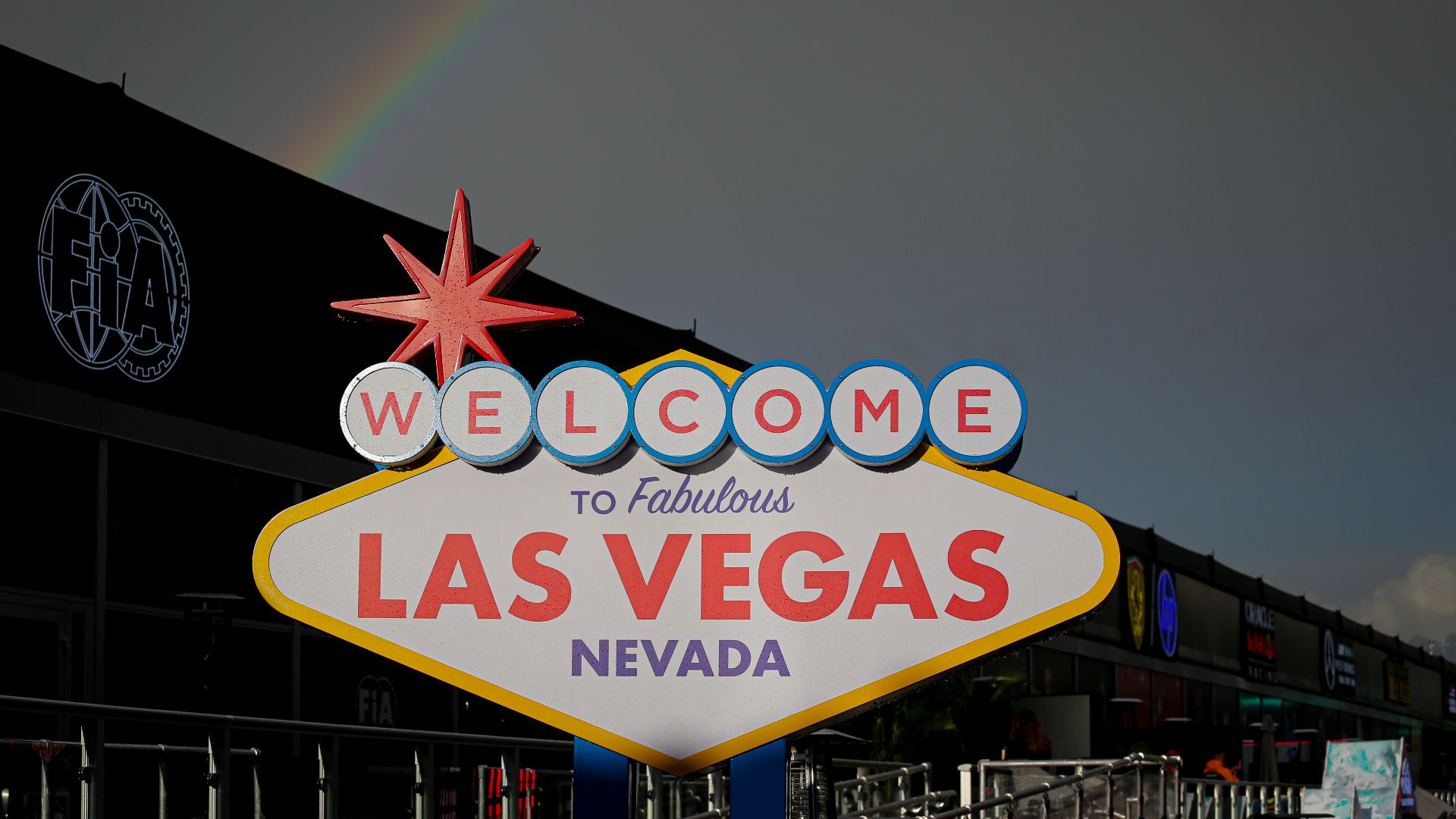
«I had Vegas on my bucket list. Doesn’t seem worth it now.»

-A social media user

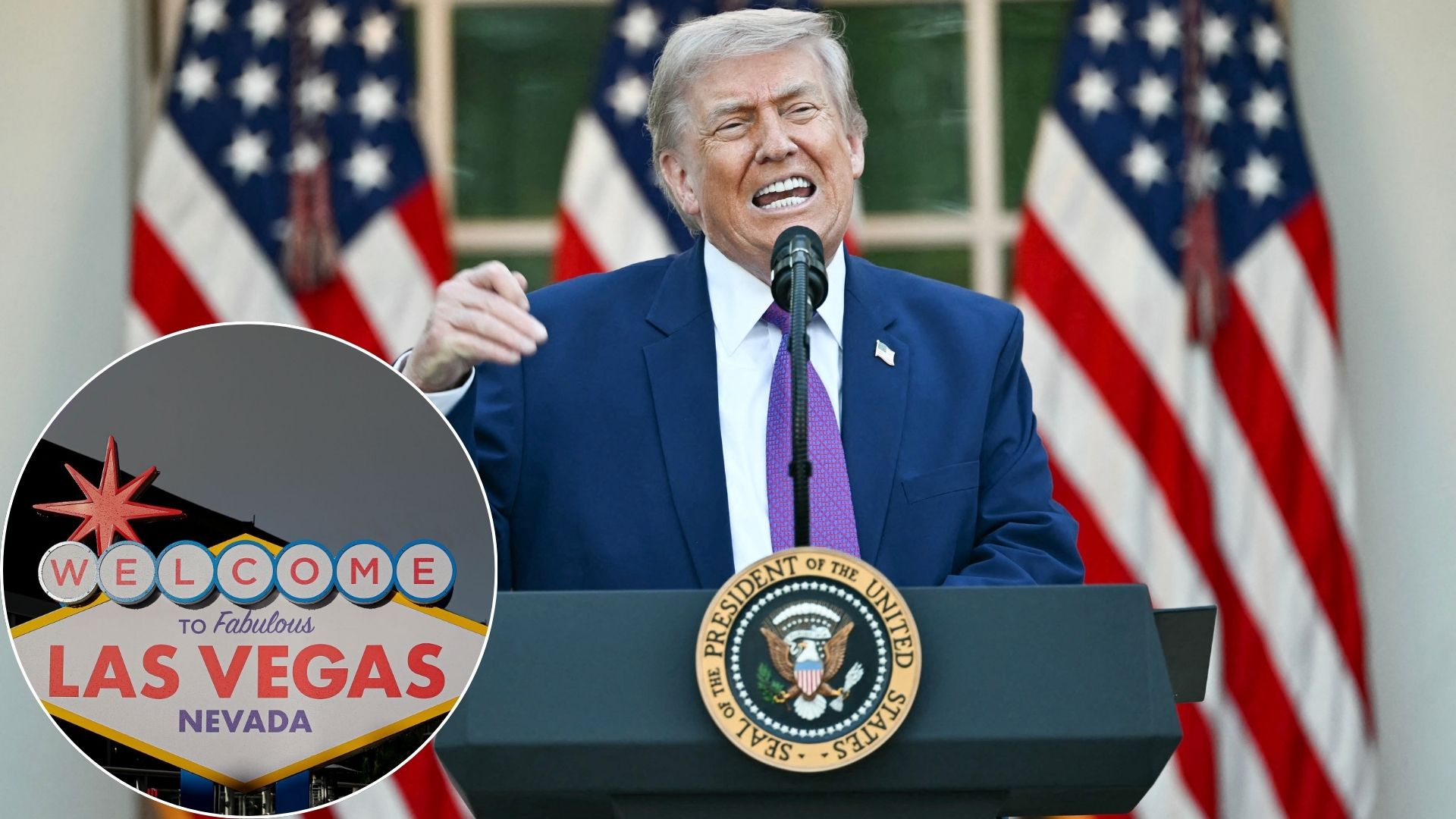
Canadian travelers have become one of the clearest examples of the backlash affecting American tourism. Canadians historically represent the largest group of foreign visitors entering the United States each year, especially in major tourism markets like Florida, Las Vegas, New York and Arizona. But following renewed trade tensions, nationalist rhetoric and repeated comments from Trump involving Canada, many Canadians openly began promoting travel boycotts against the United States after Trump returned to office. «We’ve had a national movement to stop travelling to USA & stop buying USA since Don threatened to invade us,» one Canadian social media user wrote while discussing the tourism decline online. Others explained they had canceled planned trips entirely. «I had Vegas on my bucket list. Doesn’t seem worth it now,» another traveler wrote as discussions surrounding alternative vacation destinations continued intensifying online.

Getty Images

Business owners in major tourism hubs across the United States have increasingly warned that the slowdown is becoming impossible to ignore. Hotel operators, restaurant owners and tourism workers in Florida, Nevada and California have all reported declining international foot traffic compared to previous years, particularly from Canadian and European travelers. Several business groups have also warned that the strong U.S. dollar, global inflation and rising airfare prices are adding additional pressure on international tourism. However, many tourism experts argue politics are now playing a much larger role than before in shaping travel decisions. Travelers from Europe and other regions have increasingly pointed to political polarization, immigration crackdowns and fears surrounding invasive security procedures as major reasons for avoiding the United States despite the country remaining one of the world’s largest tourism economies.

Getty Images

Tourism analysts have also warned that the decline could create wider economic consequences across multiple industries if international visitor numbers continue falling. Foreign tourism contributes hundreds of billions of dollars annually to the American economy through hotels, restaurants, entertainment venues, retail spending and transportation services. States heavily dependent on tourism revenue are already beginning to feel pressure as businesses attempt to adapt to weaker international demand. Several convention organizers have also reportedly shifted events toward destinations in Europe, Canada and Asia where organizers believe travelers face fewer political tensions and visa uncertainties. Industry experts additionally warn that rebuilding America’s image abroad could become increasingly difficult if international travelers continue associating the country with political instability, aggressive border rhetoric and unpredictable immigration enforcement under Trump’s administration.

«You couldn’t pay me to go to the USA at the moment… The world is boycotting the USA! This is leading to a large decline in tourism!»

-A social media user

Despite the worsening numbers, Trump allies have largely dismissed claims that politics are driving tourists away, arguing global economic conditions are affecting travel patterns everywhere. Supporters of the administration also argue that domestic tourism inside the United States remains strong even as international travel weakens. Still, the sharp decline in foreign visitors has become increasingly difficult to ignore as travel industry data continues showing one of the steepest non-pandemic tourism drops in modern American history. For critics of Trump’s second administration, the tourism collapse has become another visible sign of America’s deteriorating global image under renewed nationalist politics. Meanwhile, for many international travelers debating where to spend their money, the United States no longer appears as attractive or welcoming as it once did before Trump’s return to power.

Getty Images
Catégories
Uncategorized

California man wins $10,000 at Los Angeles County Fair. Then he tries to collect from the vendor: ‘They have them at Chuck E. Cheese’

Every now and then, towns will have pop-up, arcade-style county fairs, complete with food, drinks, rides and games. Some of these games even offer players the opportunity to win trinkets, snacks or cash prizes.

Not all games are created equal, however. One man is going viral for feeling scammed out of a $10,000 county fair cash prize from a Key Master game.

‘They had one for $10,000’

In a video that has more than 580,000 views, TikTok content creator @notsrry4u described a frustrating experience he had at the LA County Fair in Pomona, California.

“I’m only making this video because I don’t want anybody else to fall for the same scam,” the creator said in his video. “But yesterday at the LA County Fair, my family went for Mother’s Day. And eventually, it was my mom, grandmother, aunt, my cousin, her boyfriend, my dad, my brother and I, and we all went to the fair.”

The creator said that at some point, he and his brother went off by themselves to play some games while the rest of their family shopped around various vendors’ stalls. That’s when the creator bumped into a Key Master game.

“We went into Expo Hall 4, which is where this vendor is, and they have games there,” the creator said. “Like, they have a Key Master … In the Key Master, they had, like, Jordans,  they had iPhones with money on it, and then they had one for $10,000.”

Starting the Key Master game

The Key Master game the creator was playing charged $1 per attempt. The creator scanned his card for five separate tries. He missed his first try as he went for the iPhone column. For his second try, he decided to go for the column that had a $10,000 cash prize.

Key Masters are games in which players use joystick controls to line the titular “key” up with whichever column holds their desired prize. Once they release their hold, the key ascends into the keyhole; if the key successfully enters the keyhole, the player wins a corresponding prize according to whichever column they selected.

“So I go for it,” the creator said. “The key goes in, turns upside down, and pulls it out, and I’m like, ‘Oh, crazy. $10,000. I won.’ It doesn’t fall, though.”

The prize doesn’t drop

He said the key then went back and forth a couple times, but the prize still didn’t drop. The machine showed an “error” message. So he went to seek help from the vendor managing the Key Master. The vendor then told the creator he couldn’t pay him out.

“I was like, ‘That doesn’t make any sense,’” the creator said. “So he’s like, ‘The best I could do is offer you…’ First, he tried to offer me $5 back … because I  scanned my card, right? And I was like, ‘Nah’ … And then he tried to offer me another $5 and a Labubu … But I was like, ‘No, that’s kind of crazy that you’re offering me that.’”

The creator obtained the manager’s card, as well as the service number of the Key Master machine. By that point, the rest of his family had arrived. They involved themselves in the situation.

“Then, you know, lo and behold, they don’t have the money to pay people out,” the creator said.

The vendor defends himself on-camera

In a follow-up video, the creator shared a partial, two-and-a-half-minute confrontation with the Key Master vendor, who maintained that he did nothing wrong.

“I’m not saying you can’t win,” the vendor said in the video. “I’m saying the game had a malfunction in it. And when the machine has malfunction, I can’t honor the game.”

The vendor then said he didn’t know what the malfunction was or why the prize didn’t drop after the creator won it. He also said “there’s no way in [expletive]” for him to force the machine to show an error message or to otherwise rig it.

Viewers weigh in

Under the creator’s initial video, multiple viewers left comments urging him to take legal action. One person pointed out that “California has very strict consumer protection laws.”

“Can’t you sue them in small claims for false advertising?” one commenter said. The creator replied, “Believe so we’re looking into our options now.”

“As someone who has sued and won in CA small claims court, you need to sue them,” one viewer commented. Another replied, “This! It’s a B to go through the process but it’s worth it when you win. he’d have to act fast to get all the info and serve him tho before the fair leaves.”

One viewer even questioned whether the vendor had a license.

“They should have a license to run a game with a cash prize,” they wrote. “The Bureau of Gambling Control has an incident report form and the LA County Attorney’s Office has a Consumer Fraud form.”

Previous Key Master scandals

This isn’t the first scandal to embroil Key Master games.

In 2021, “a class action [claimed] the Key Master game is not one of skill but instead rigged to prevent consumers from winning until a set number of unsuccessful plays has been met.” Polygon wrote that “the proposed class action lawsuit [was] looking for Sega, Sega Amusements, and Komuse to disclose on Key Master machines that they aren’t necessarily games of skill, and to pay $5 million in damages for ‘misleading consumers.’”

“‘Nowhere on the Key Master Machine do Defendants inform consumers of the truth: that the machines are rigged so that players can only win prizes at certain times,’ lawyers for [the plaintiff] said in the lawsuit,” Polygon wrote. “… The problem here is that Key Master isn’t marketed as a game of chance. It’s portrayed as ‘a simple game of pure skill with a straight-forward directive.’”

According to ScreenRant, Sega ended up sending out conversion kits to arcades and vendors to turn Key Master into a new game called Prize Locker. Polygon reported that Prize Locker has “the same design, but it’s 100% skill-based.”

It is unclear whether the LA County Fair is in possession of an old, now-discontinued Key Master model that is no longer in commercial circulation, rather than the updated Prize Locker. 

Buzz News has reached out to the LA County Fair via two emails, as well as the creator via TikTok comment.


@notsrry4u PT 2 IS UP‼️plz don’t play the games at this vendor in Expo Hall 4 a lot of the interaction was caught on video#lacountyfair #keymaster ♬ original sound – notsrry4u