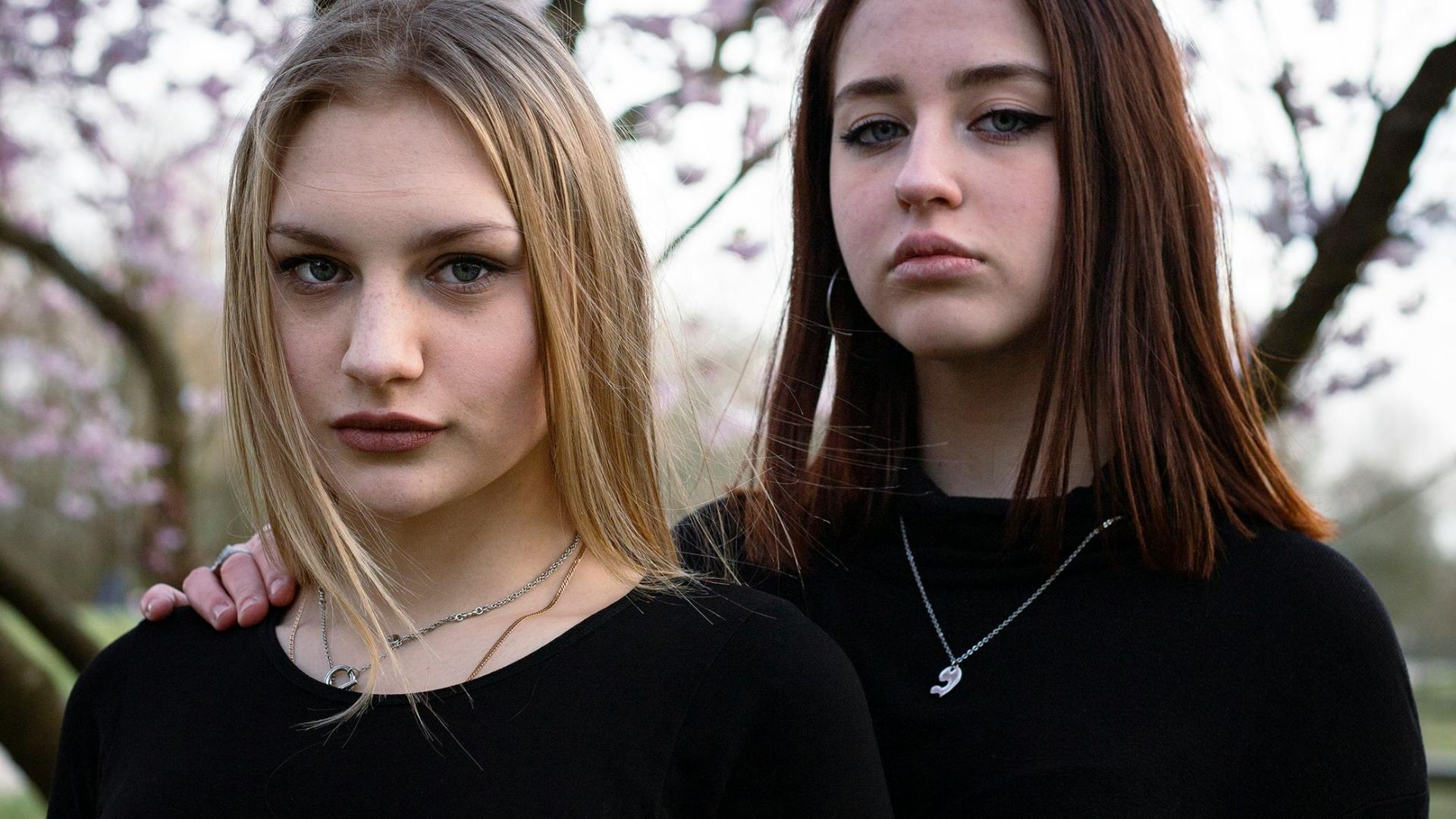
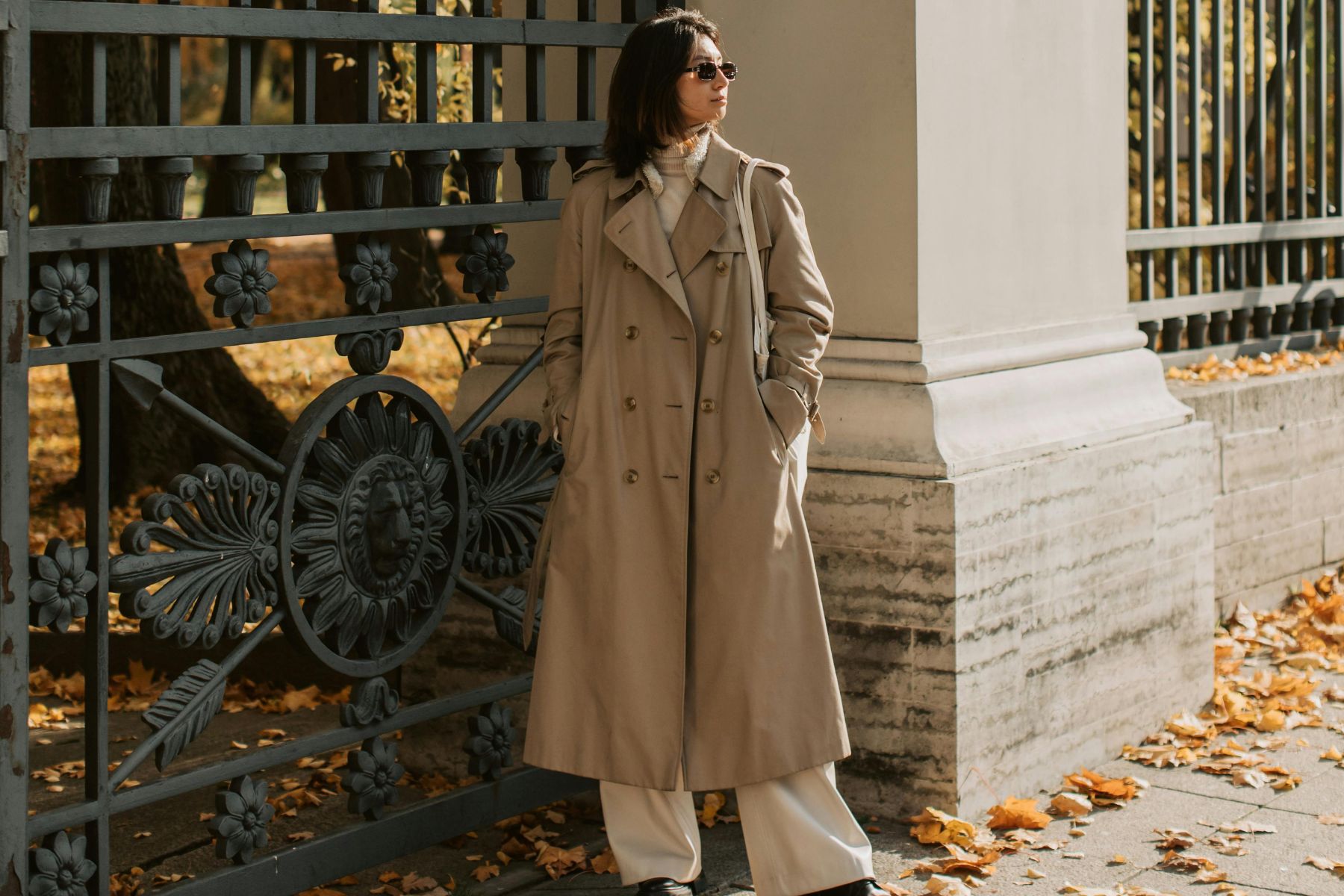
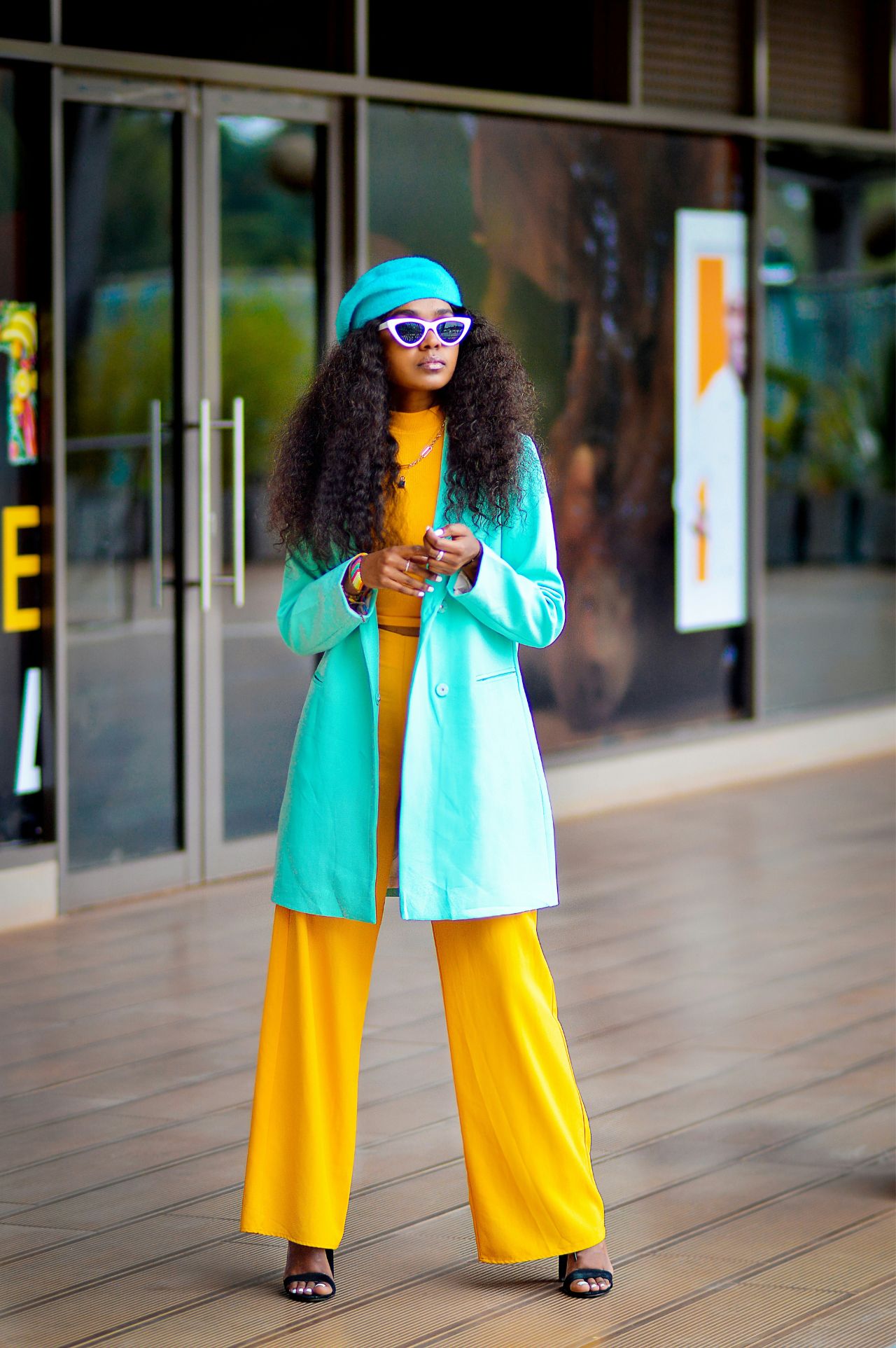
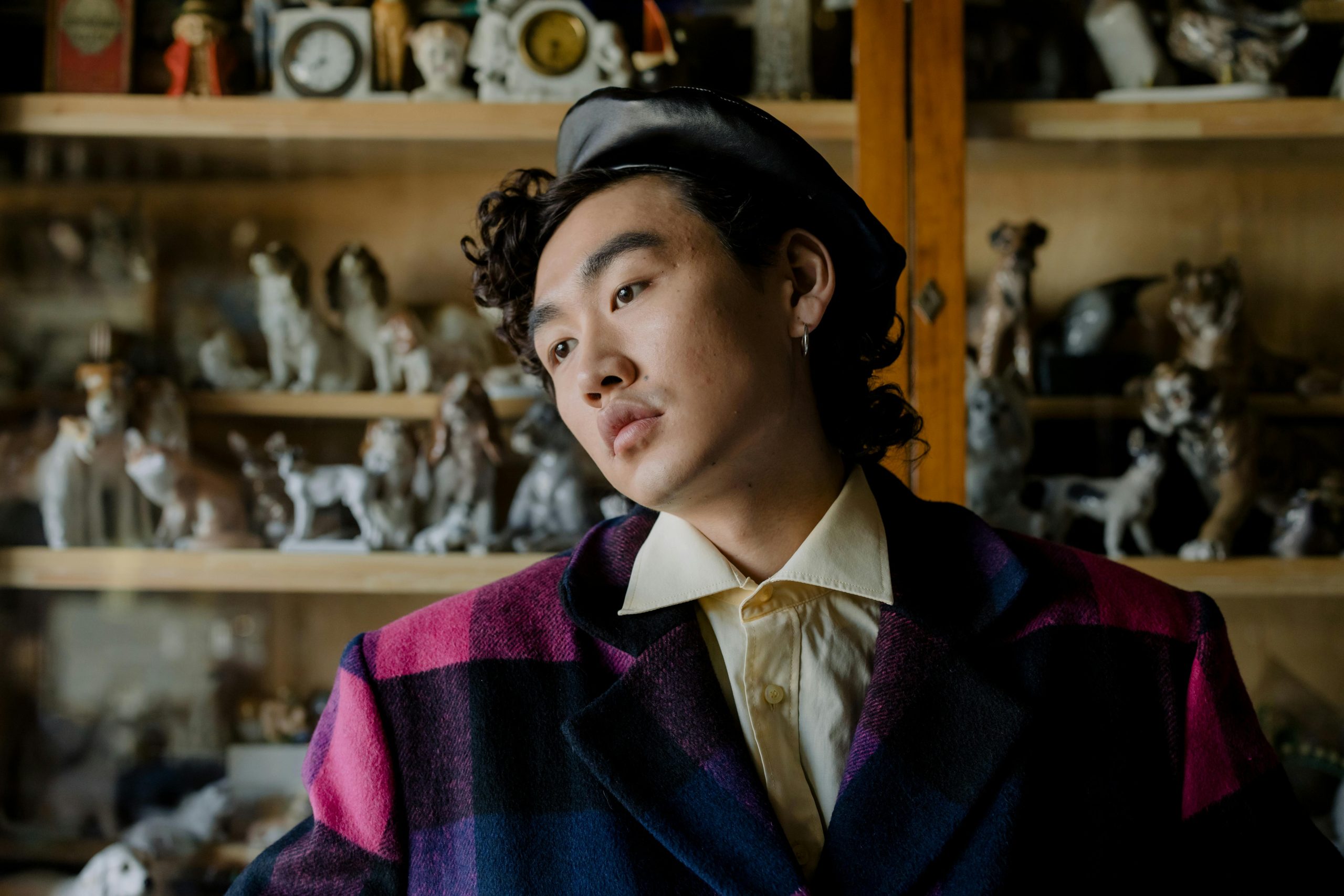
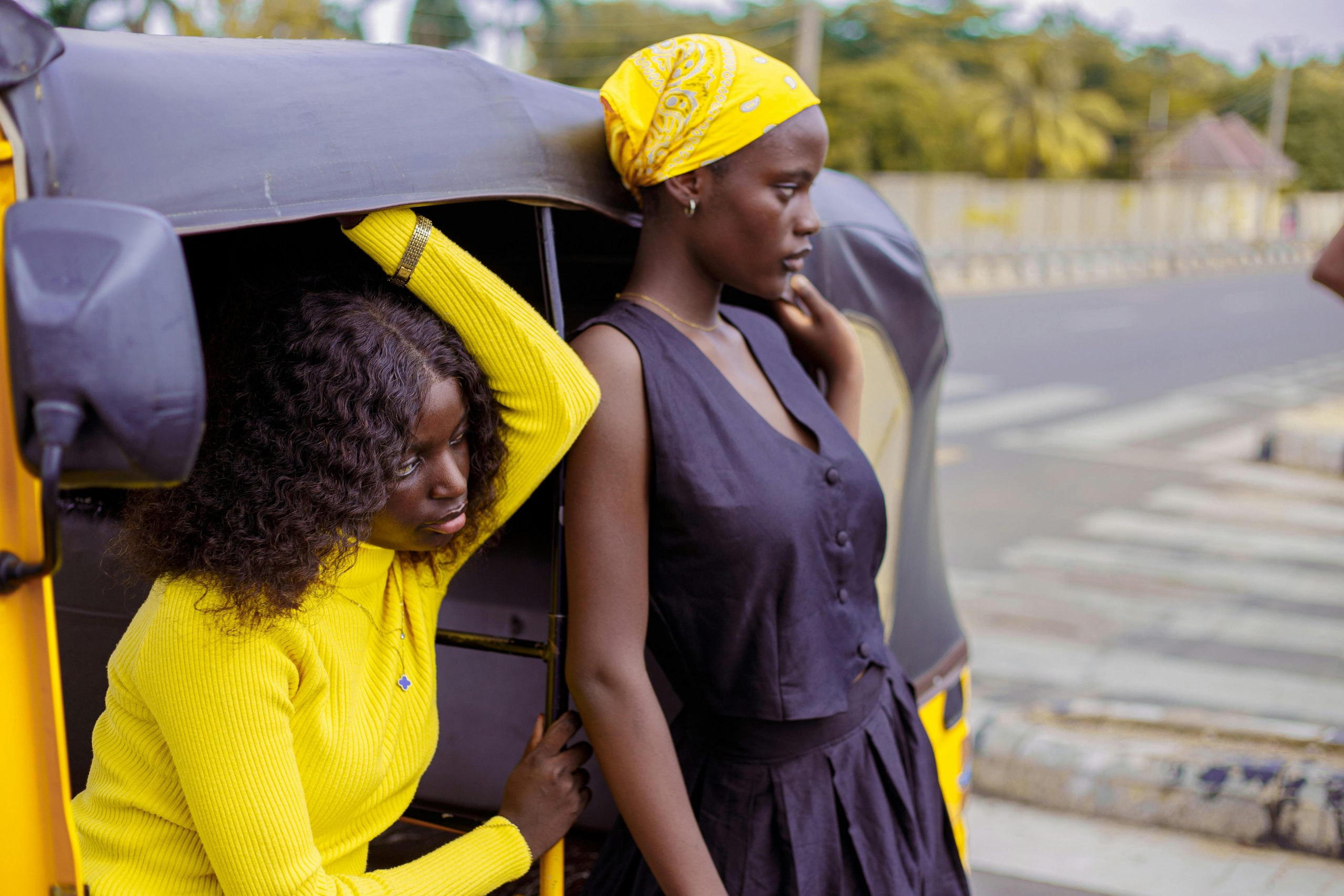
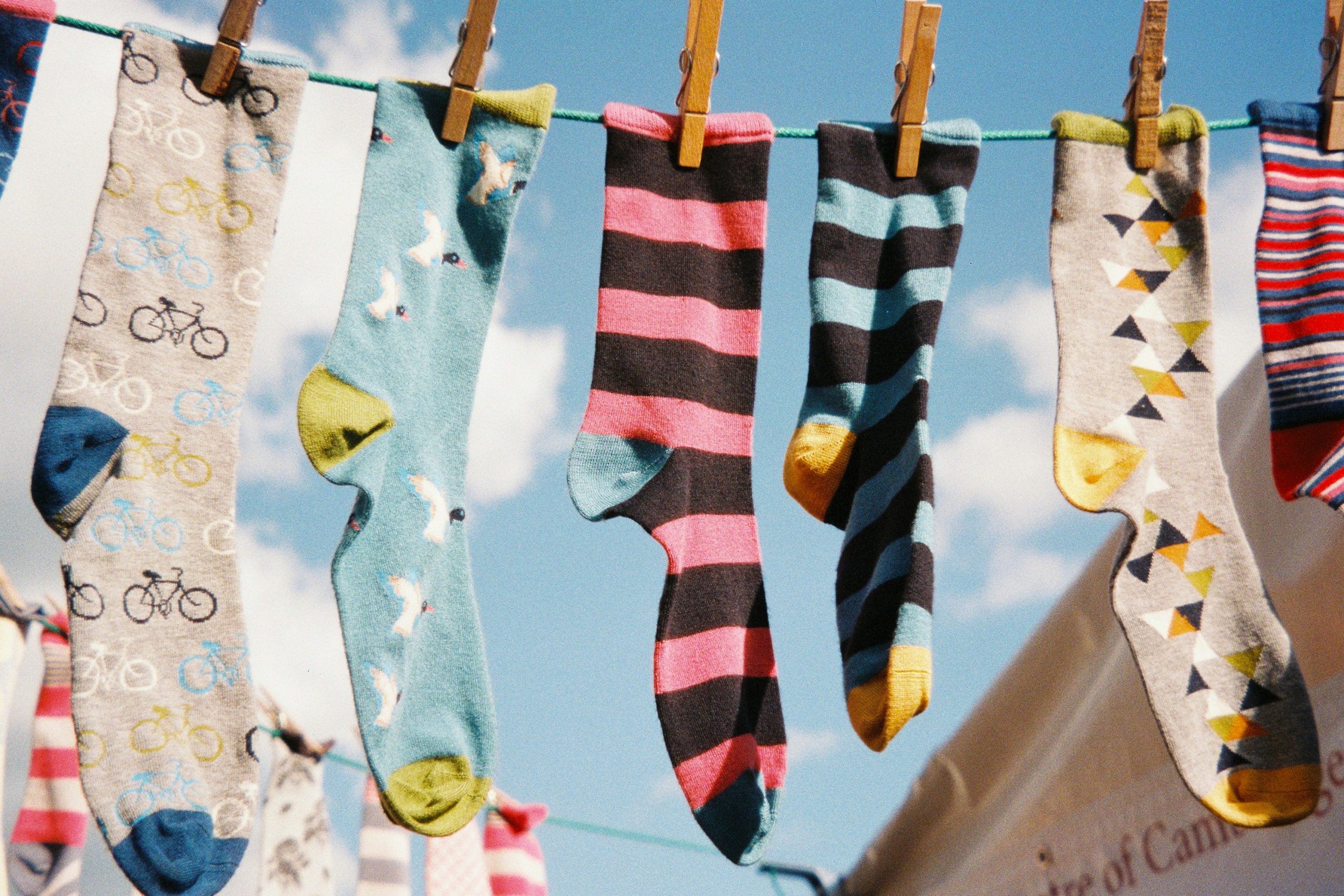
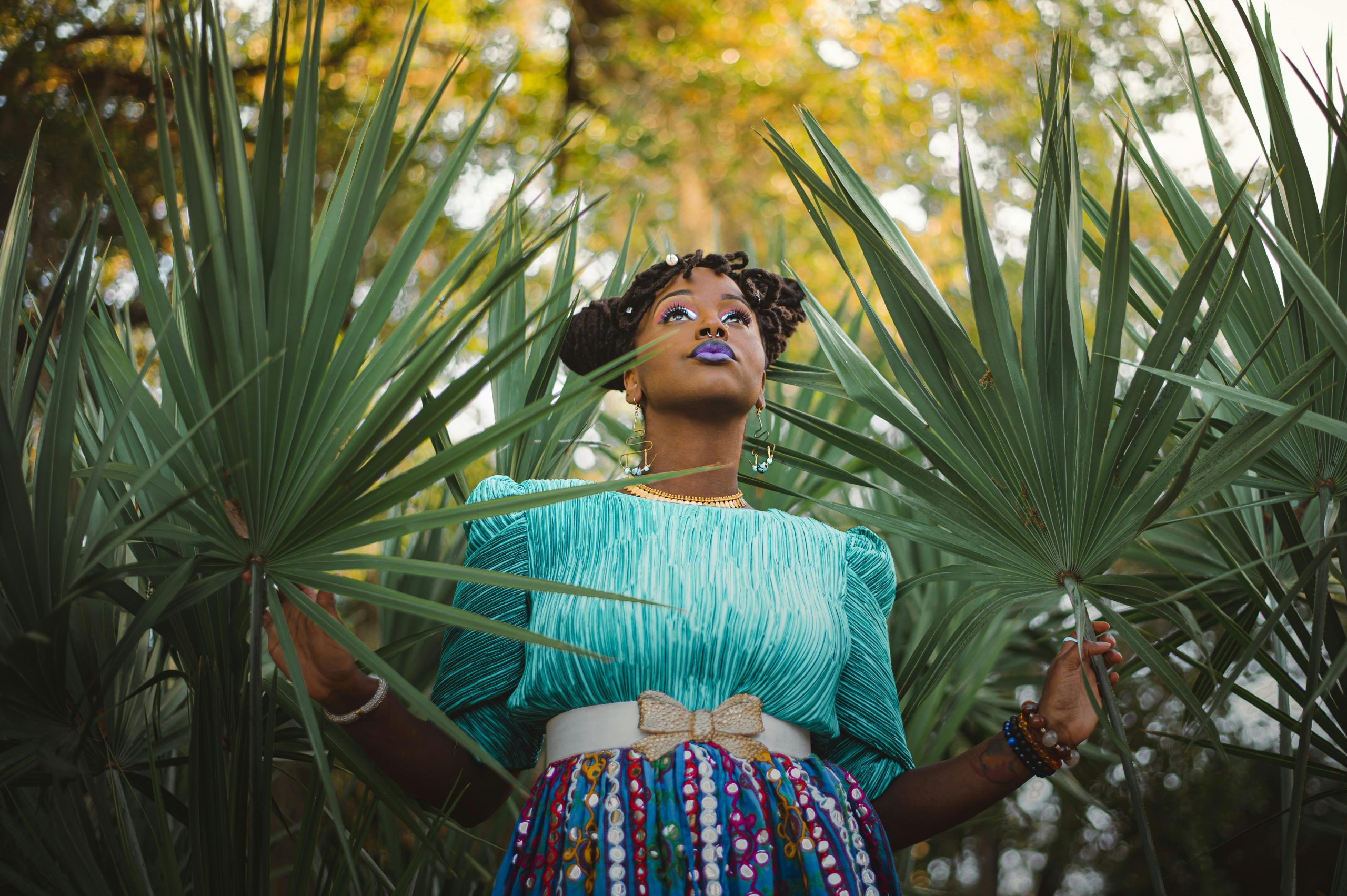
Getting dressed might feel routine, but every outfit carries a hidden script. Grab a baggy sweater, and suddenly the world feels less sharp. Step into polished shoes, and your posture will shift before confidence even catches up. Slip on a neon jacket and watch strangers smile back.
None of this is a coincidence. Fashion has always doubled as a silent defense. It keeps people safe and occasionally disguises nerves better than words ever could. Style choices express what we hesitate to say, turning color, fabric, patterns, and shape into quiet signals of protection. Once noticed, it changes how closets are seen. Let’s explore how outfits keep emotions guarded while looking good doing it.
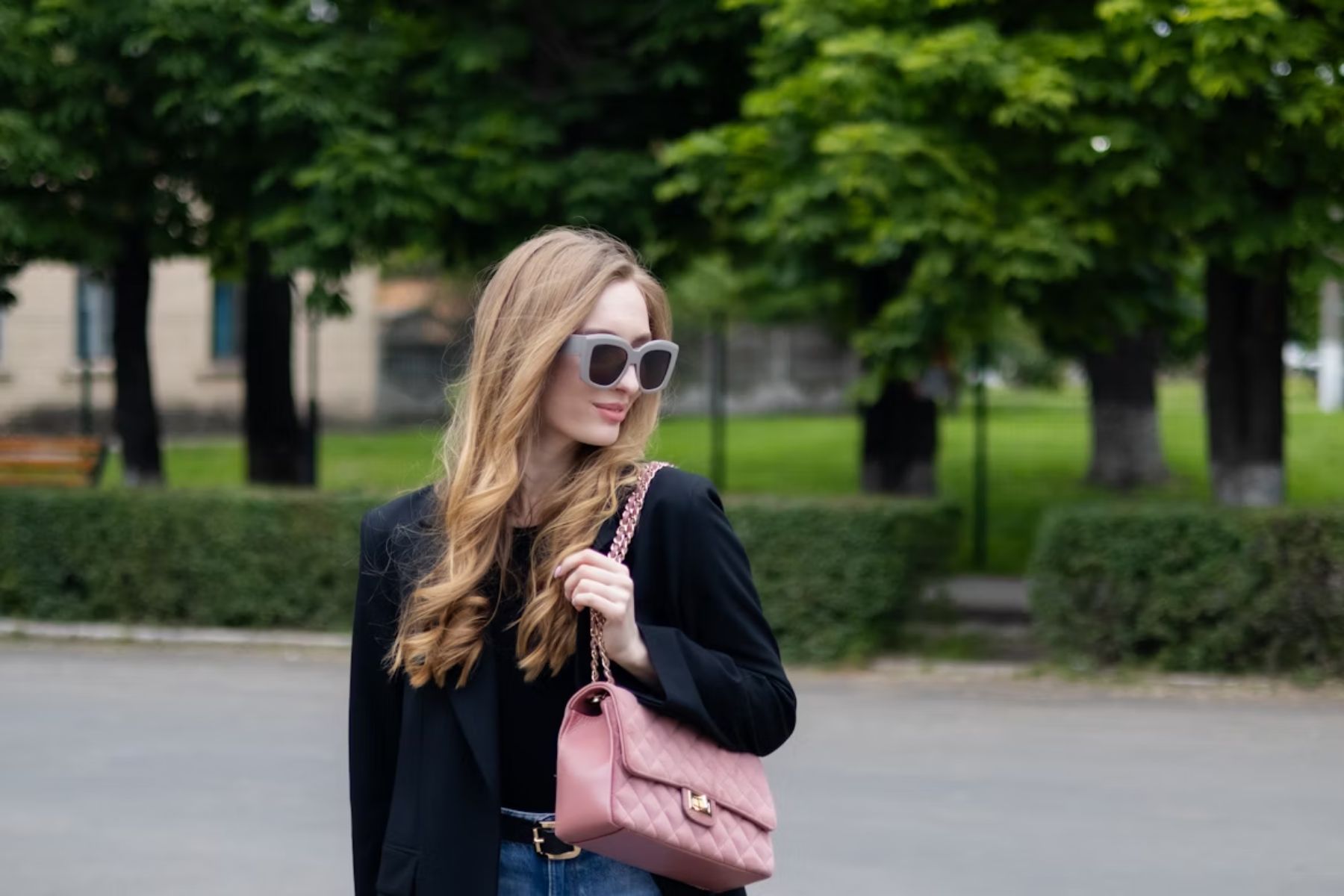
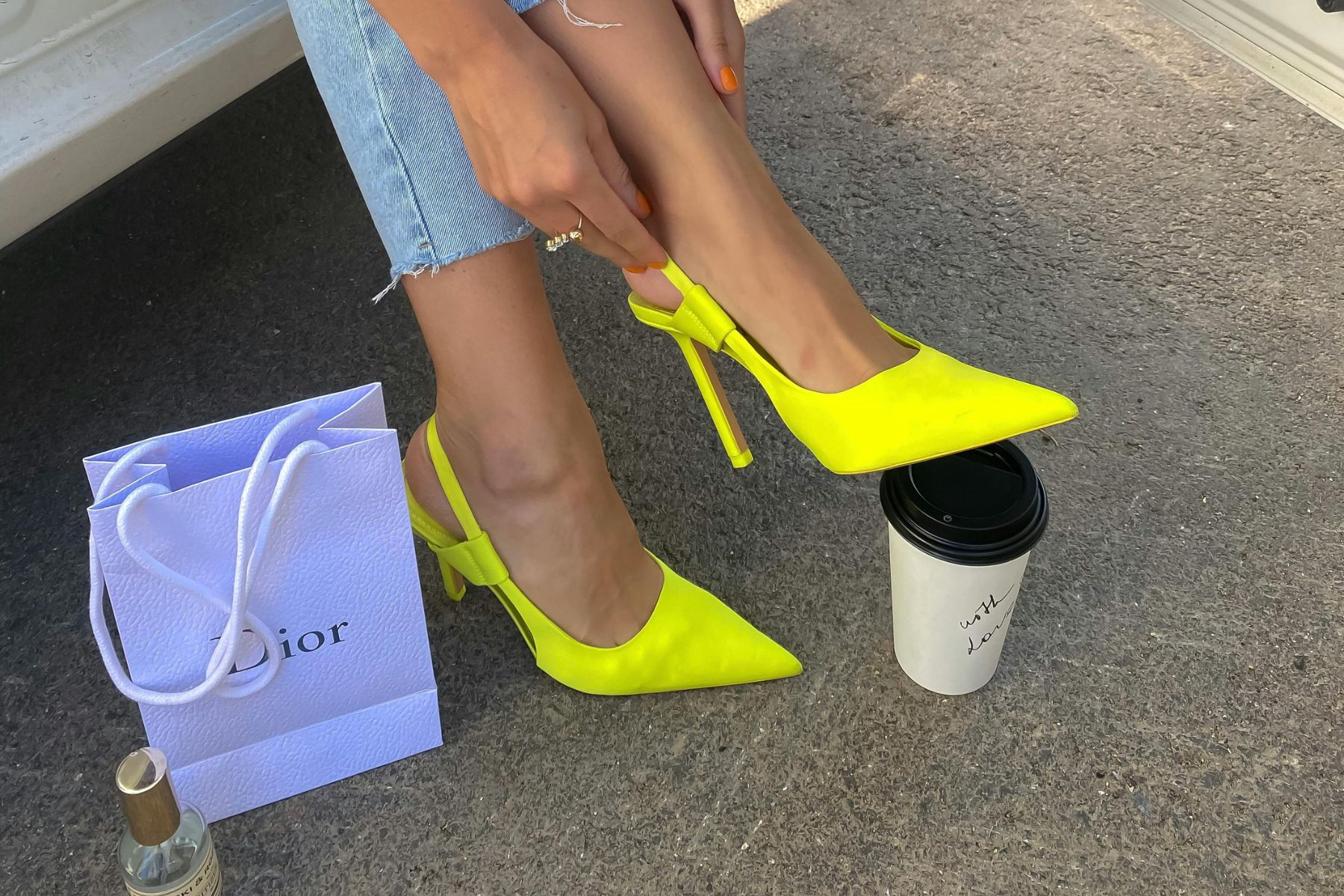
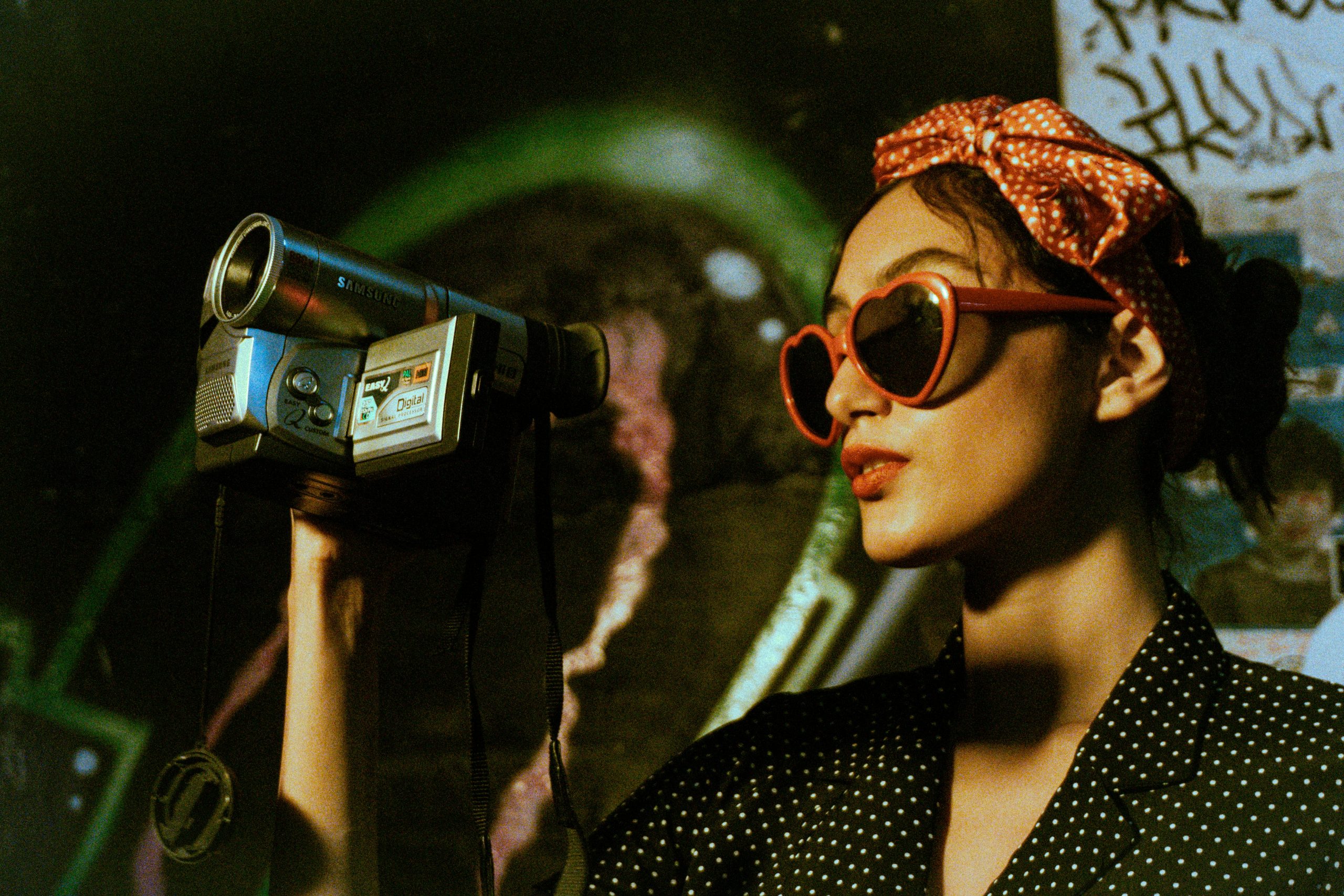
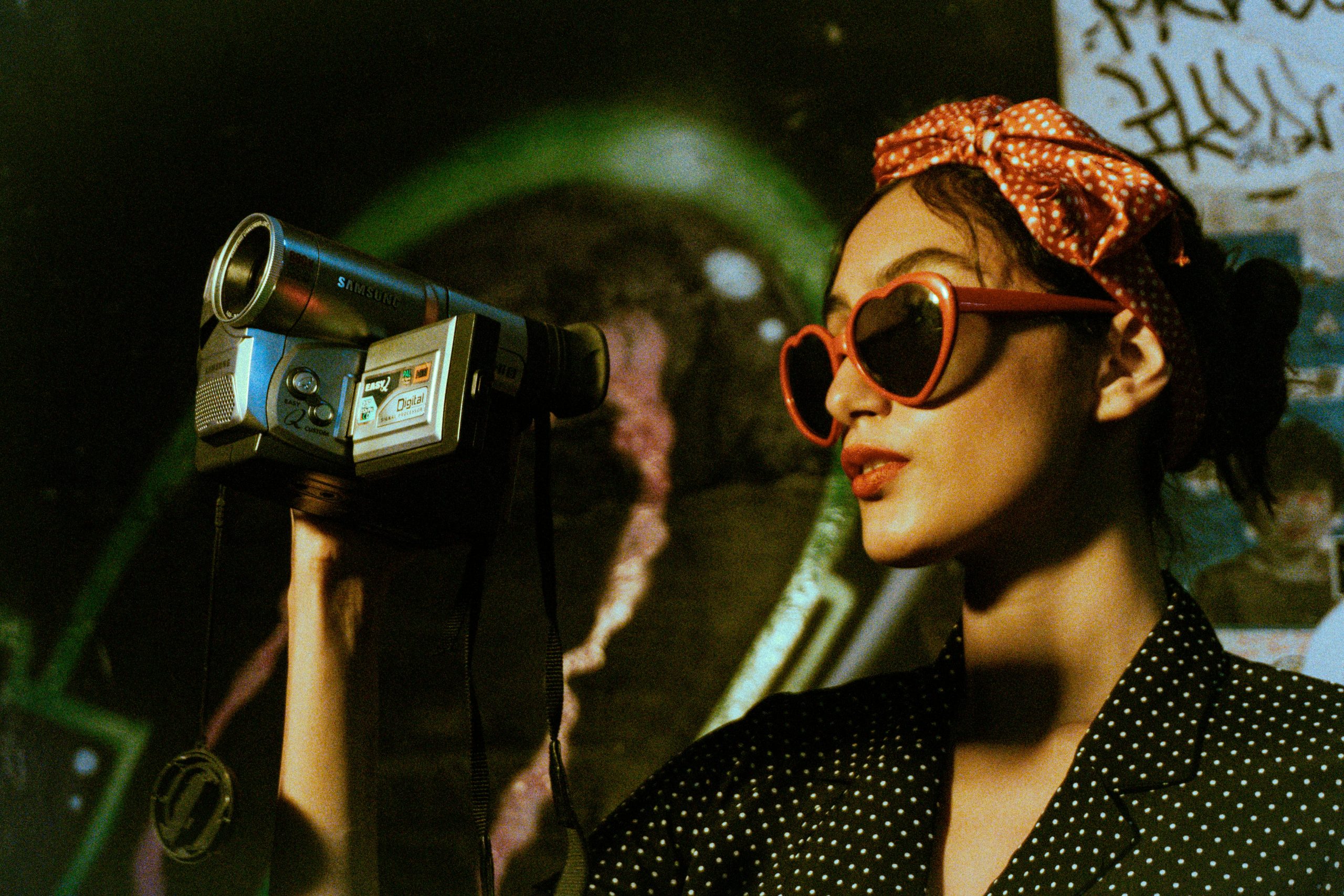
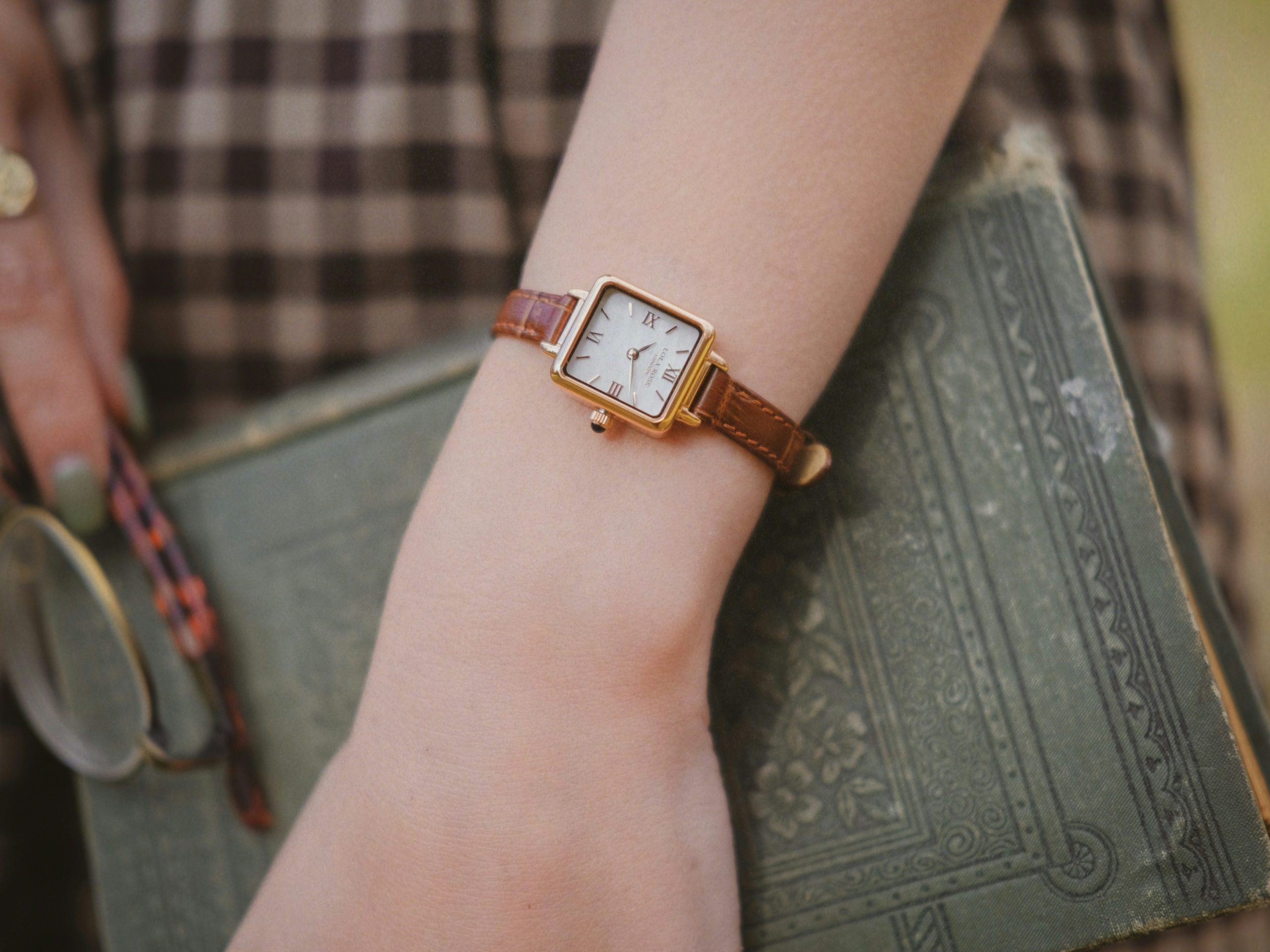
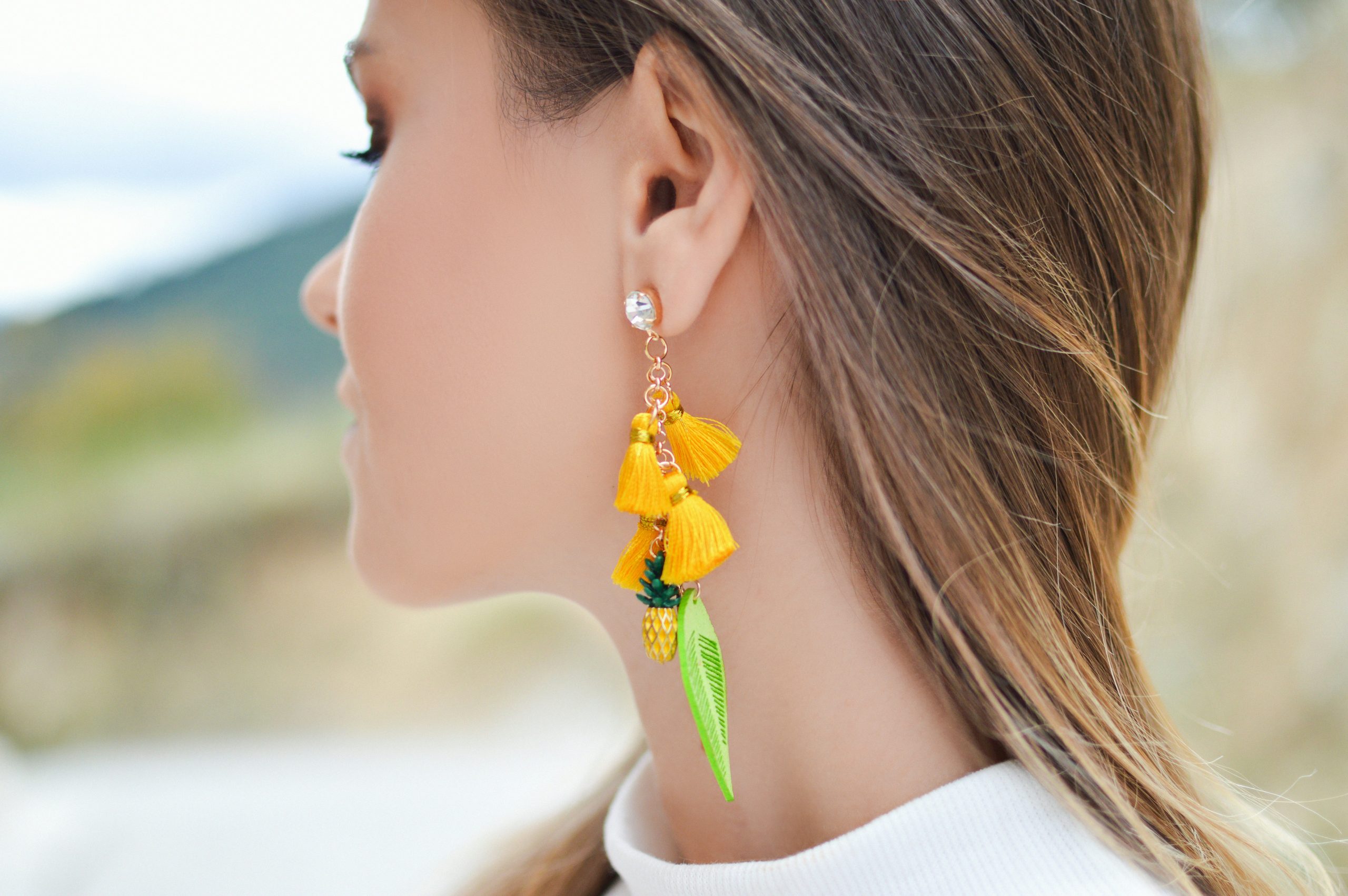
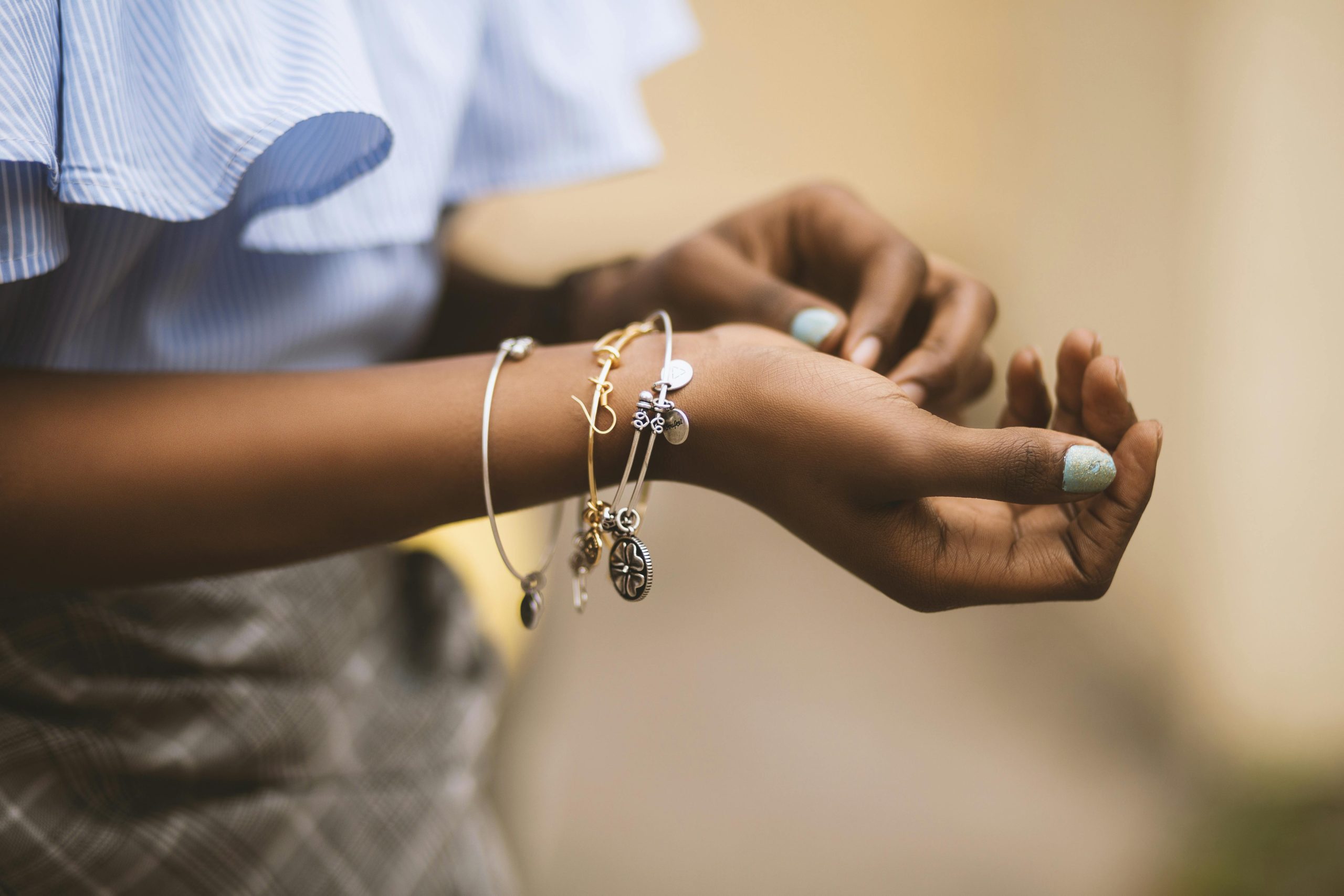
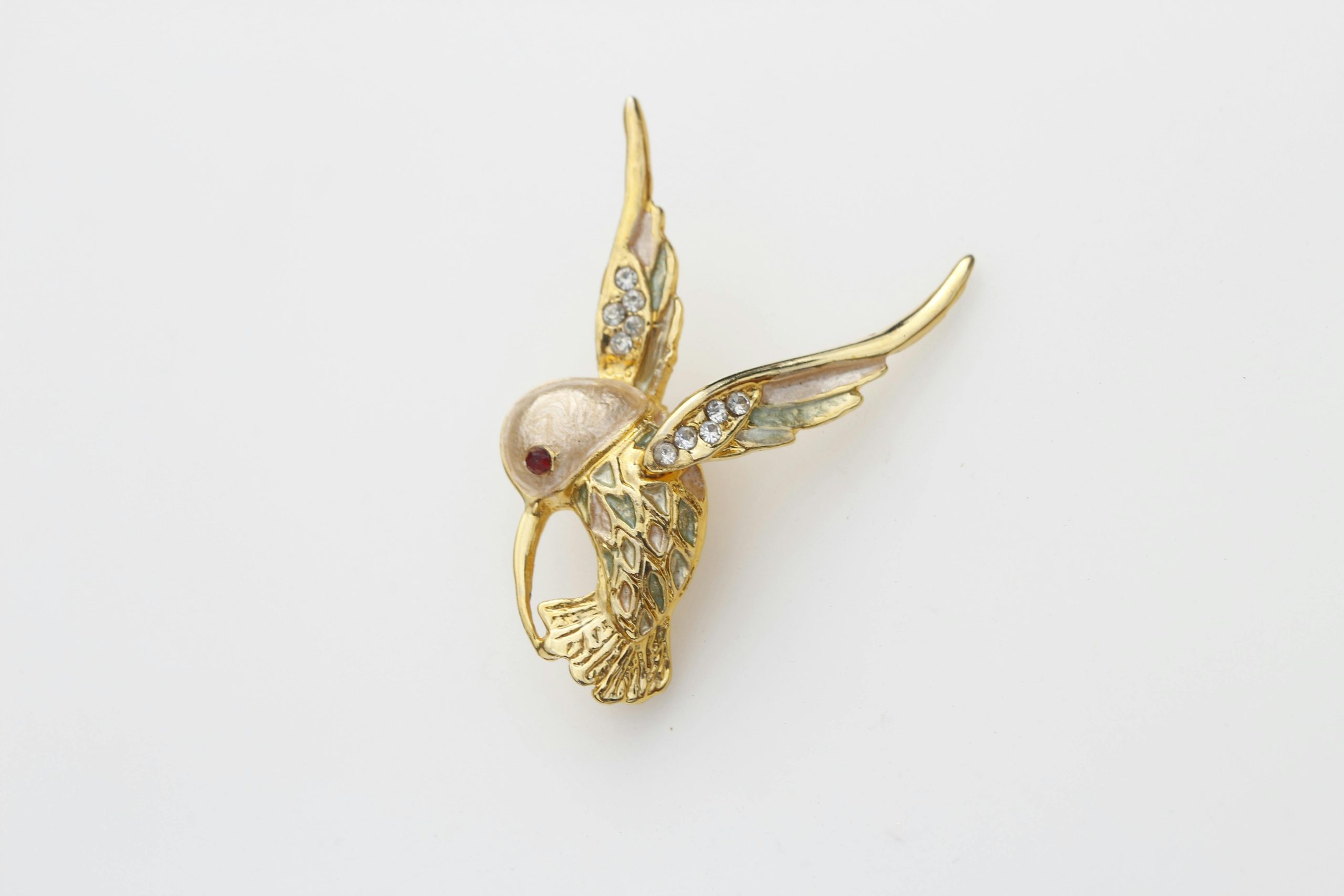
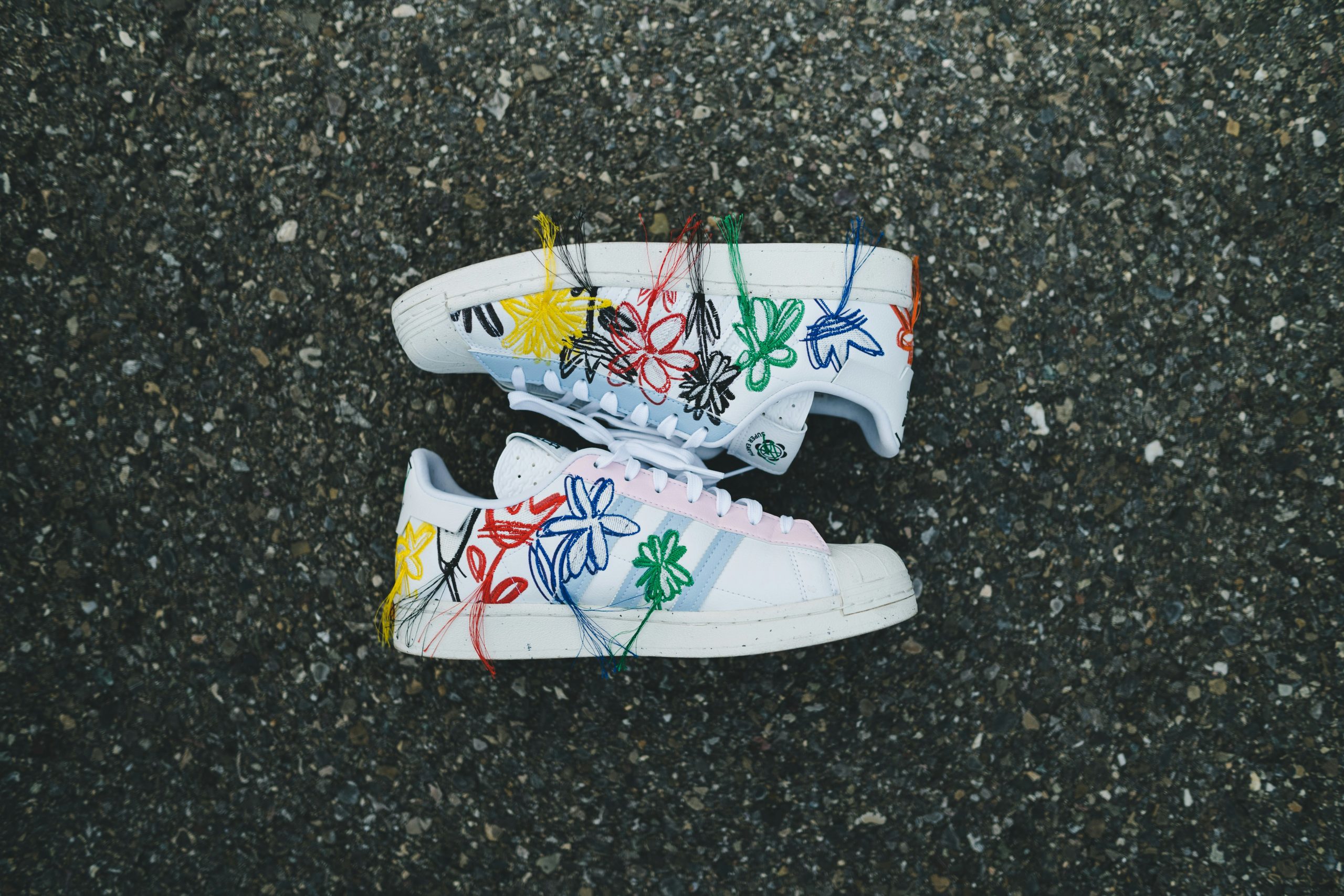
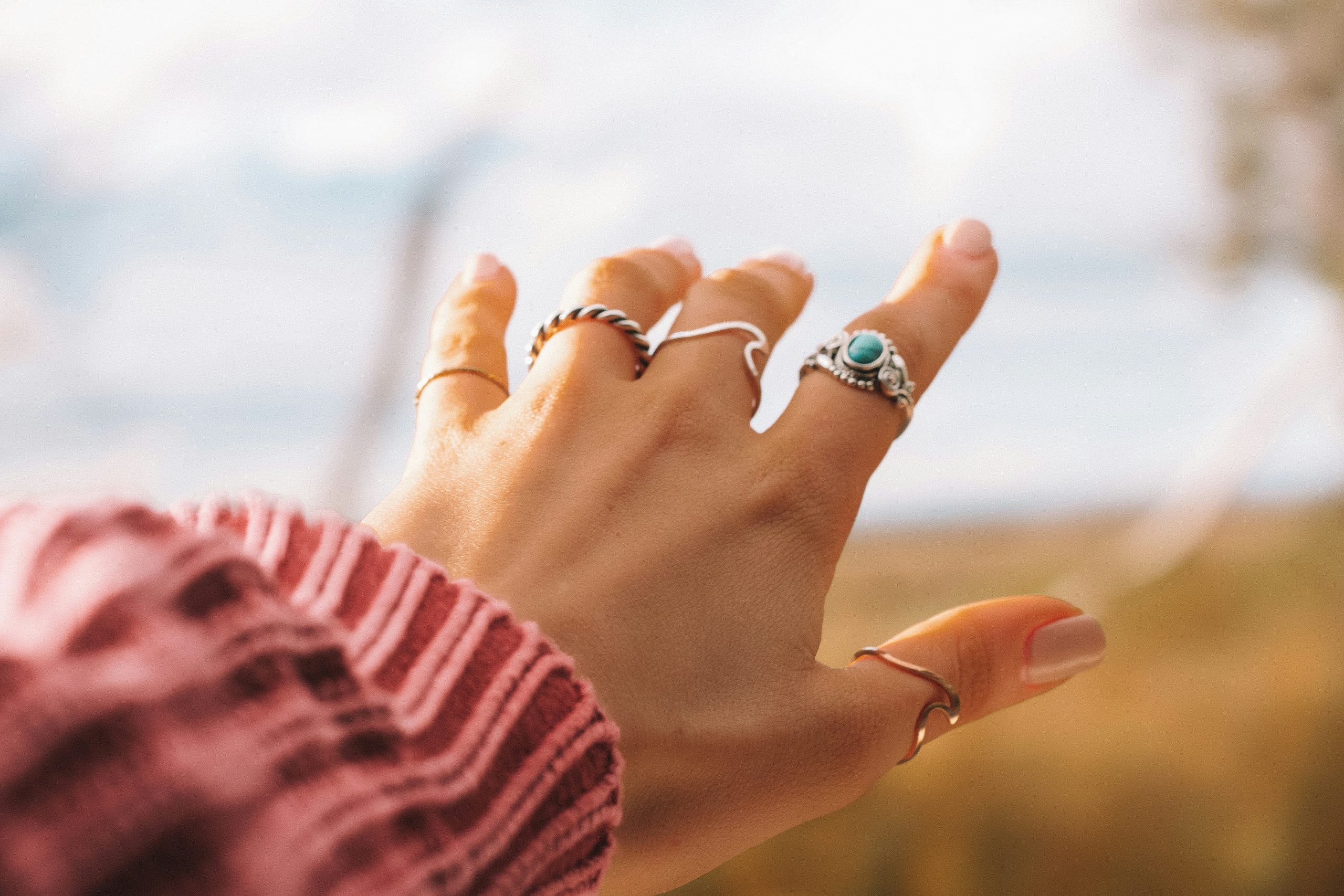
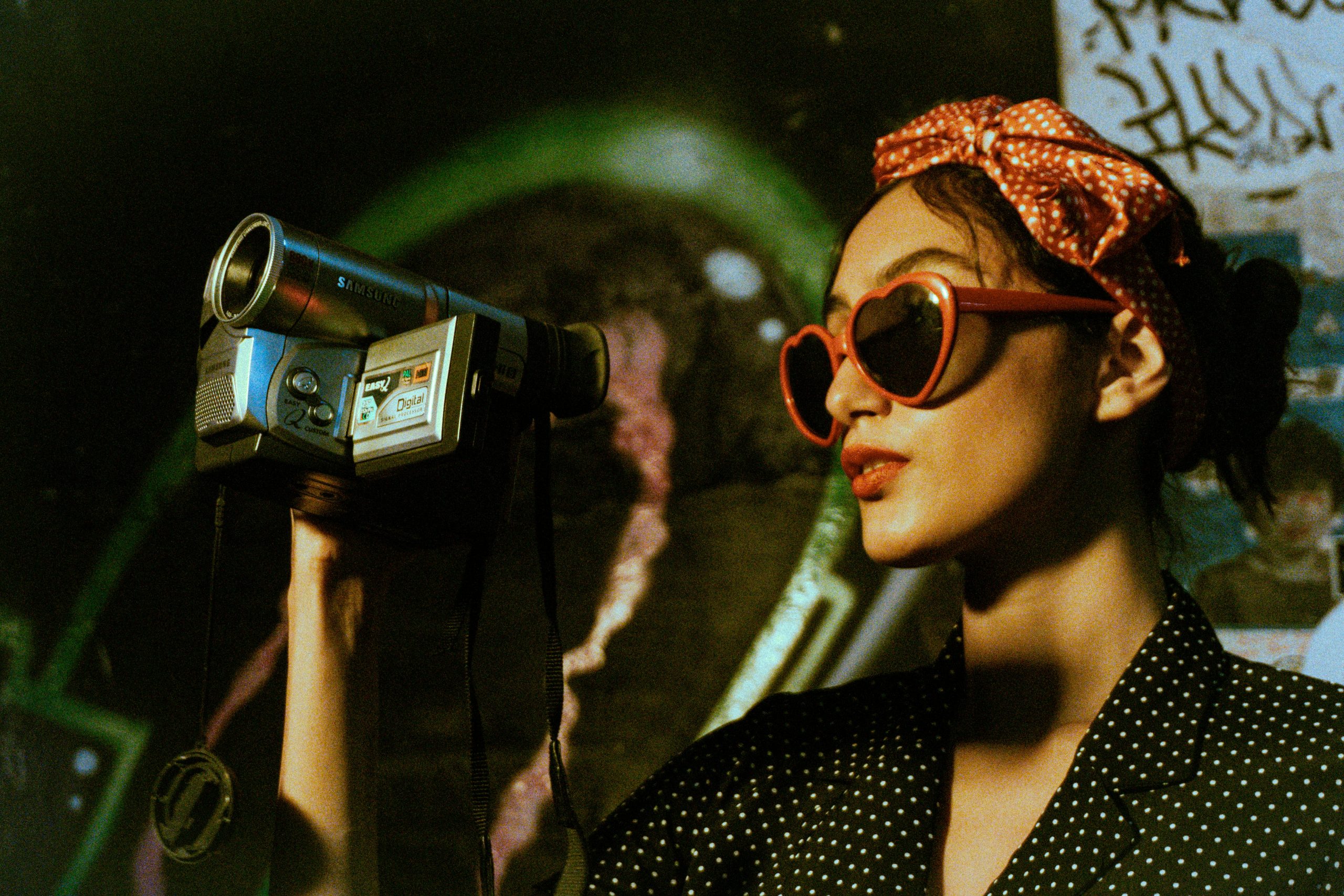
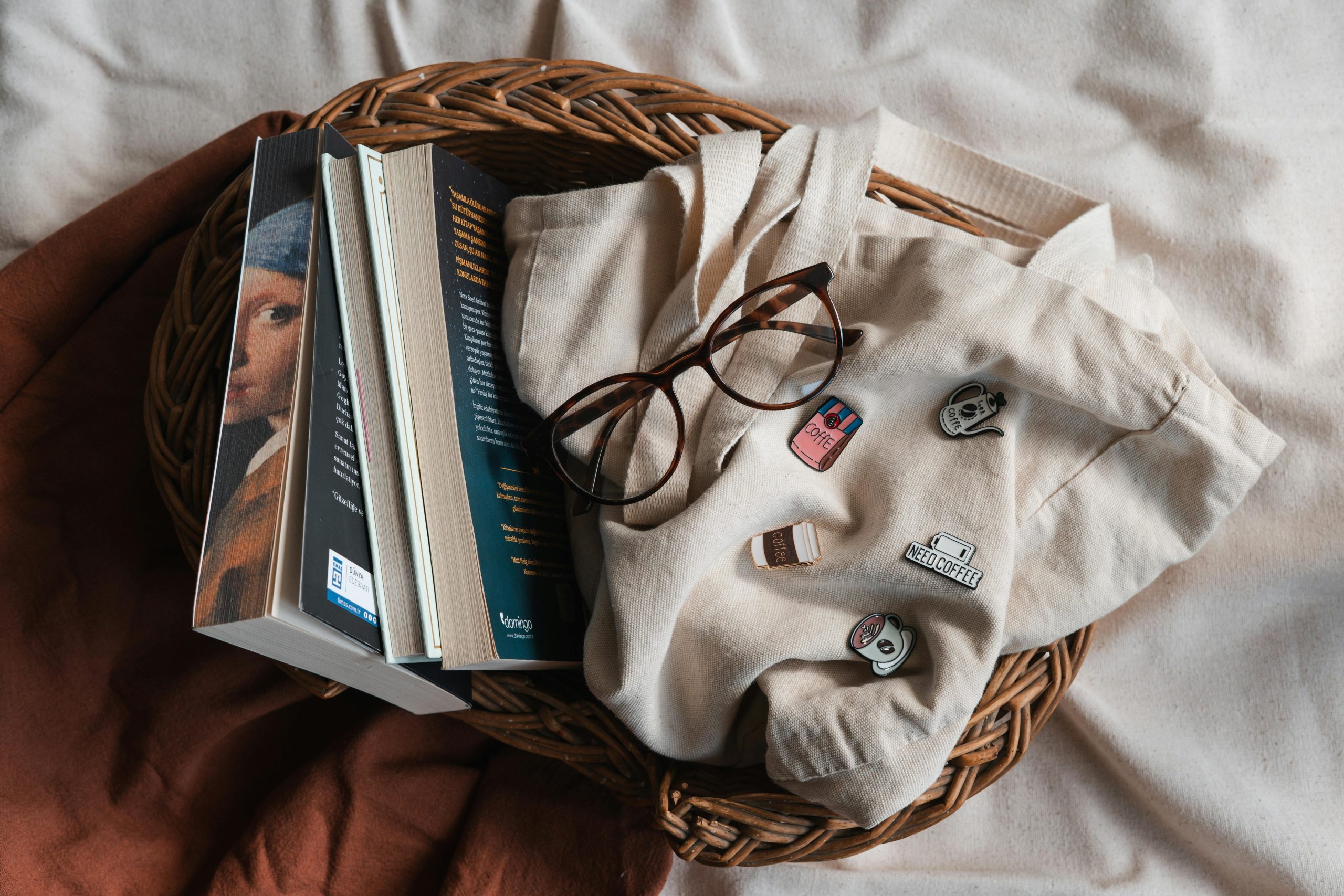
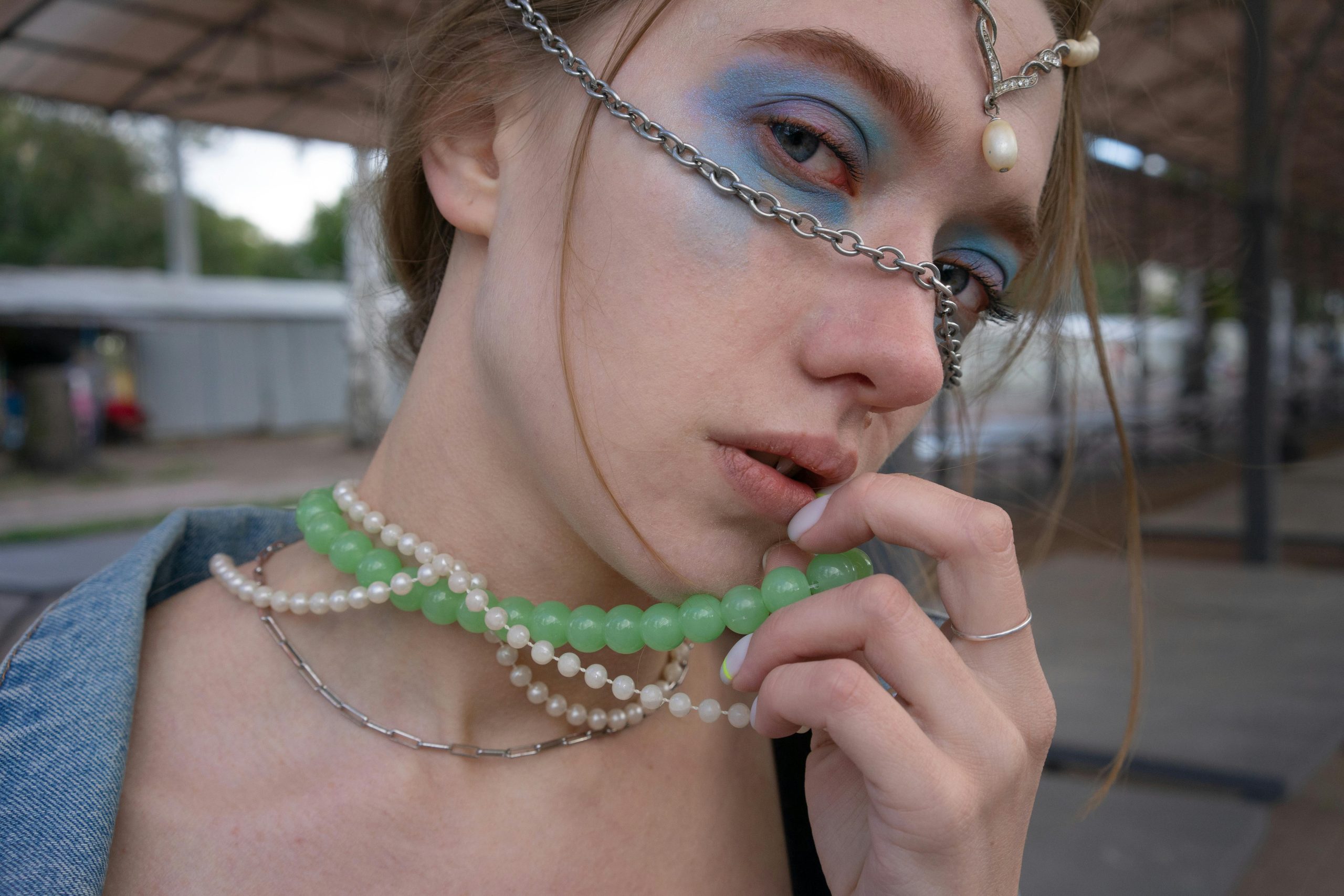
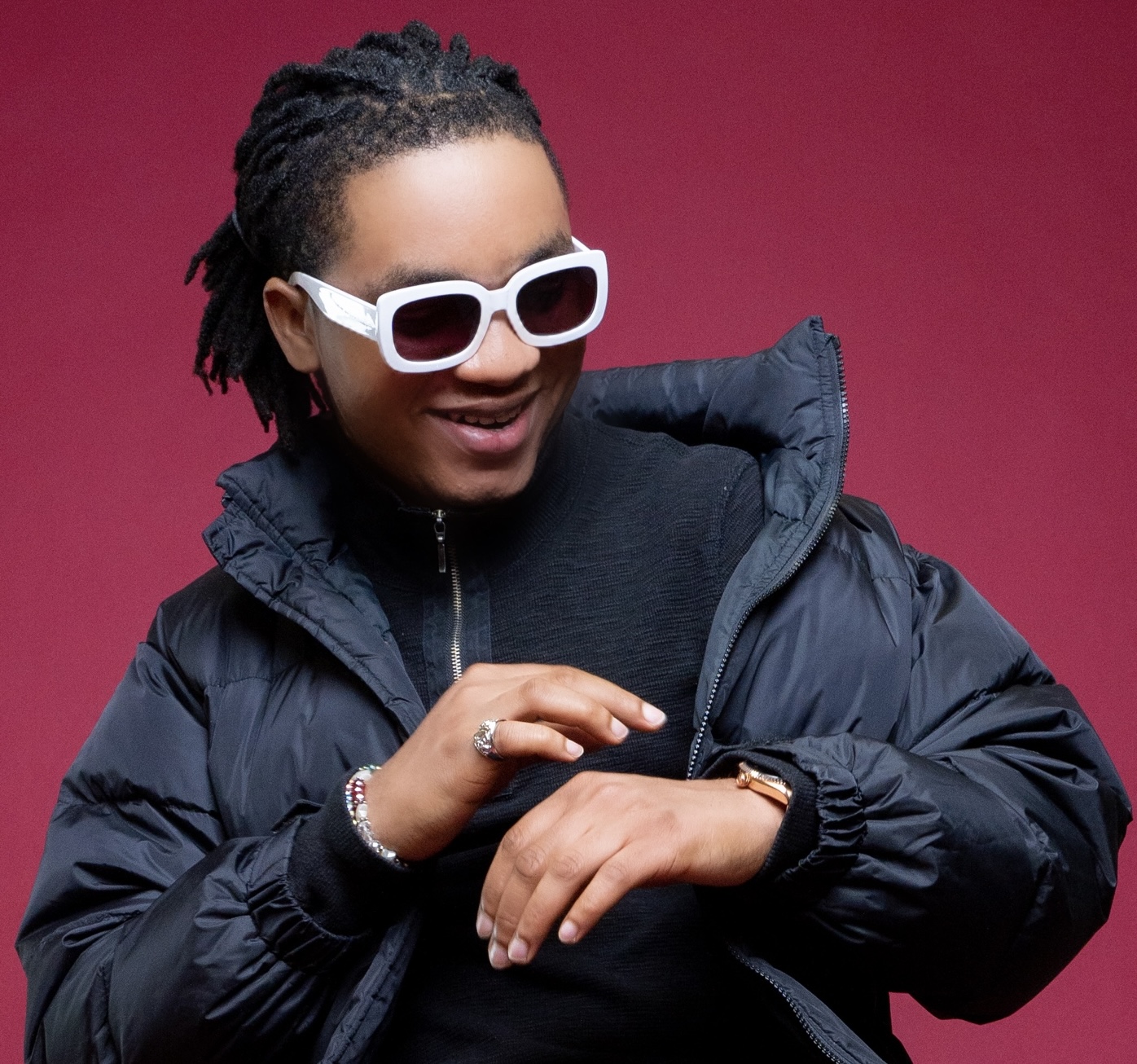
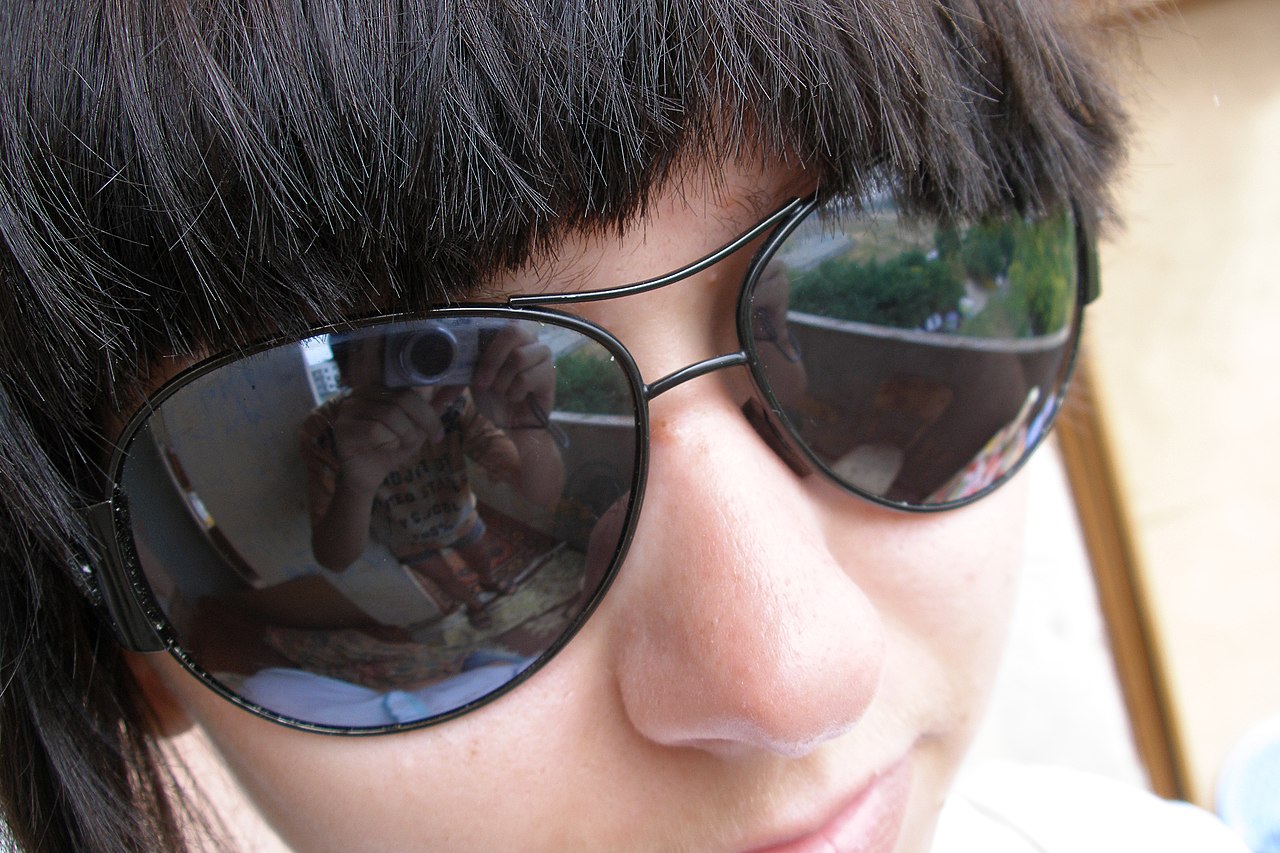
Looking to assert your personality with elegance and originality? Think accessories! Easy to wear, affordable and varied, they add a real touch of fun to your appearance without having to transform your entire wardrobe. Bandanas, custom shoes, handcrafted jewelry, eccentric eyewear… There are a thousand and one ways to make your style stand out from the crowd. Small touches of accessories are often enough to reveal certain facets of your personality. Need some inspiration? Here are 15 accessories to refine your looks and create a style all your own!
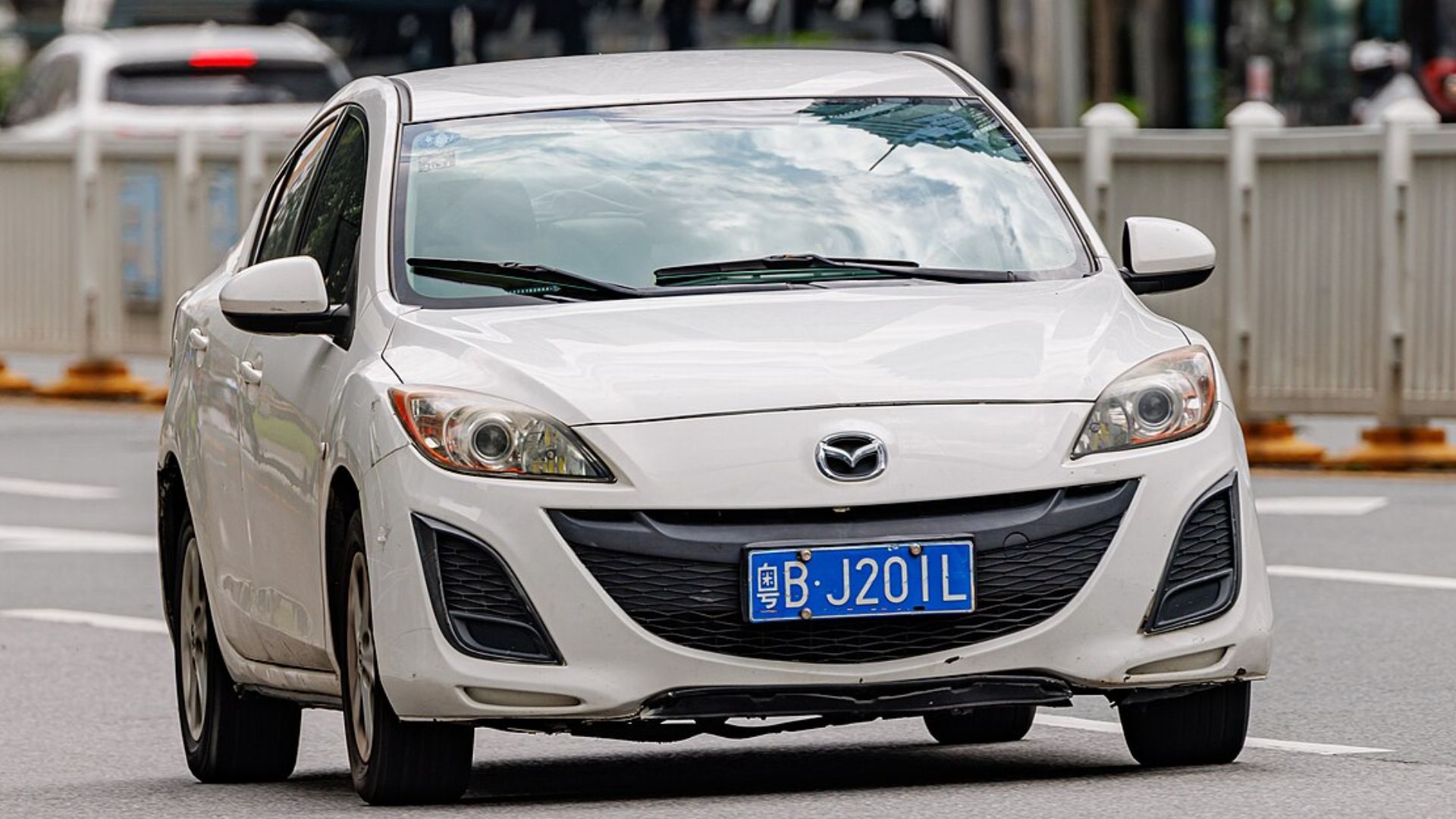
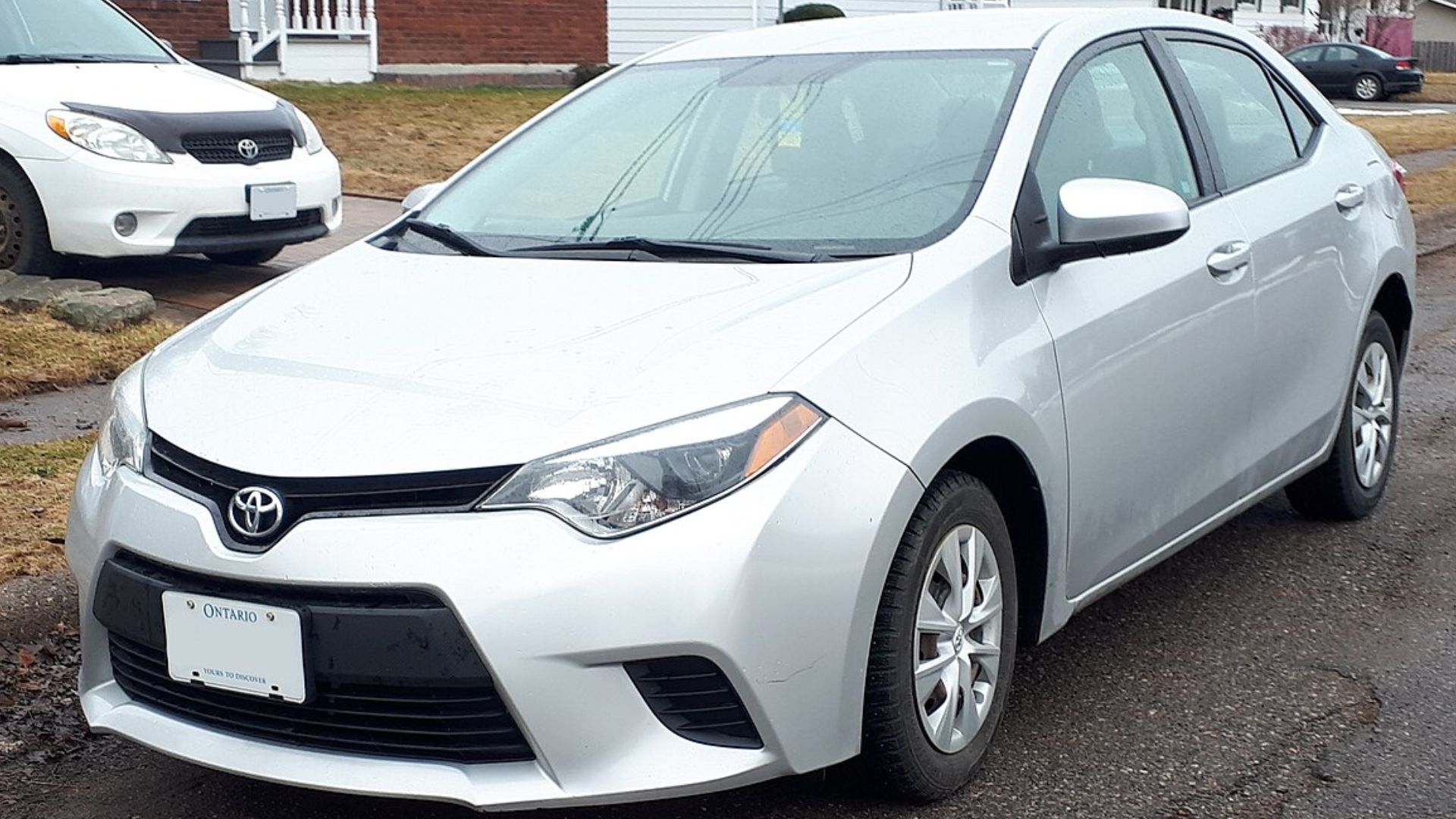
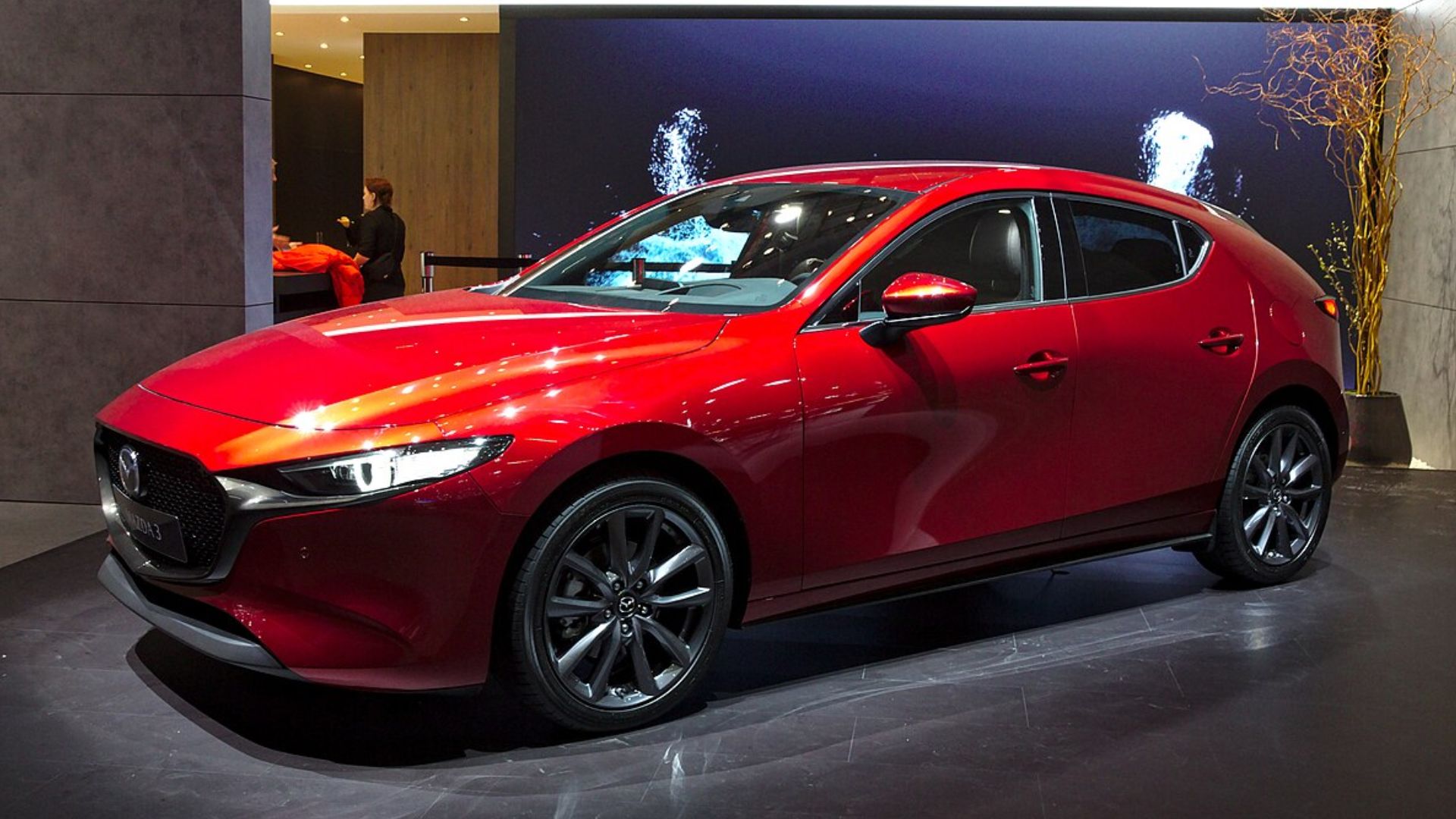
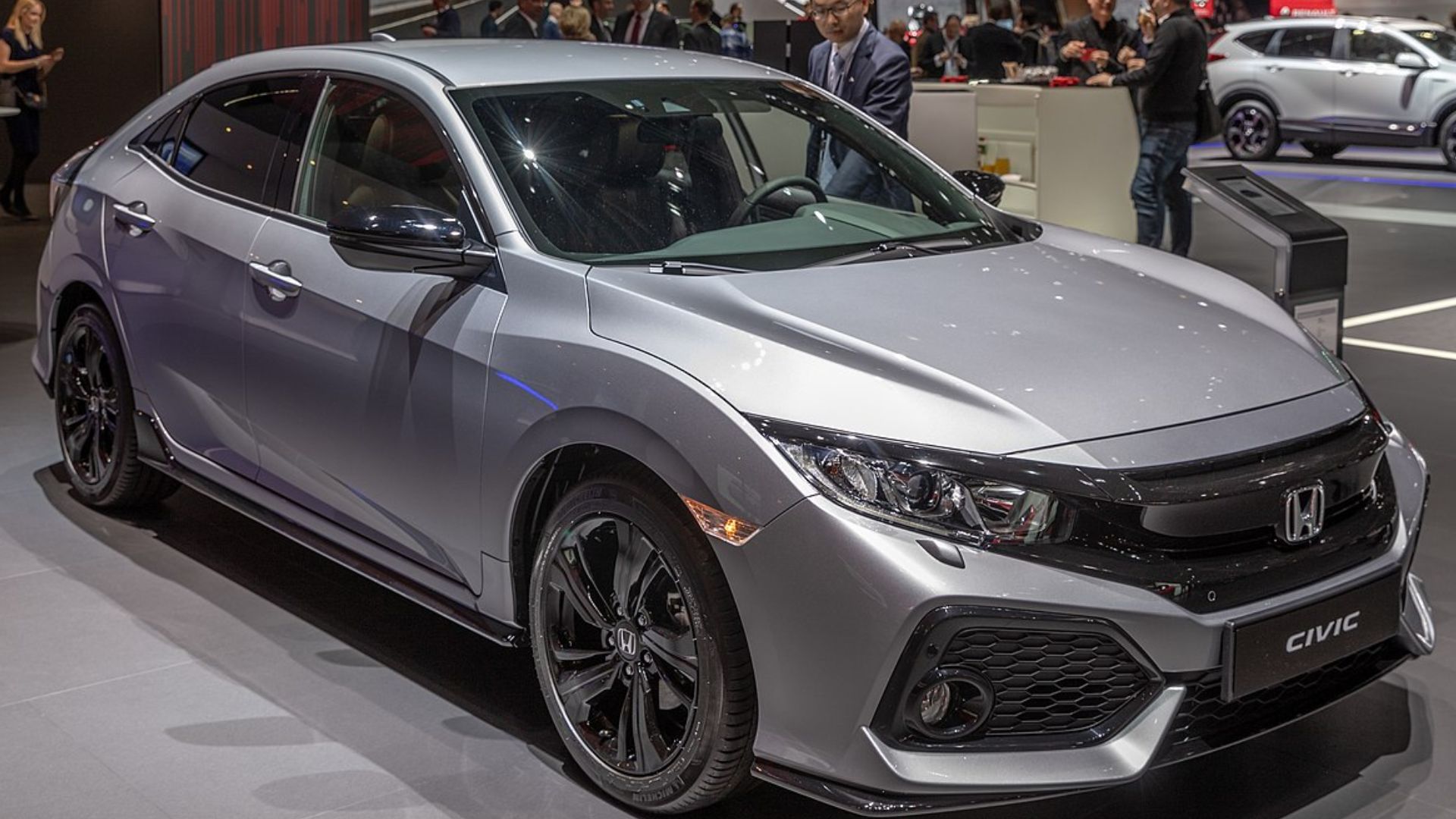
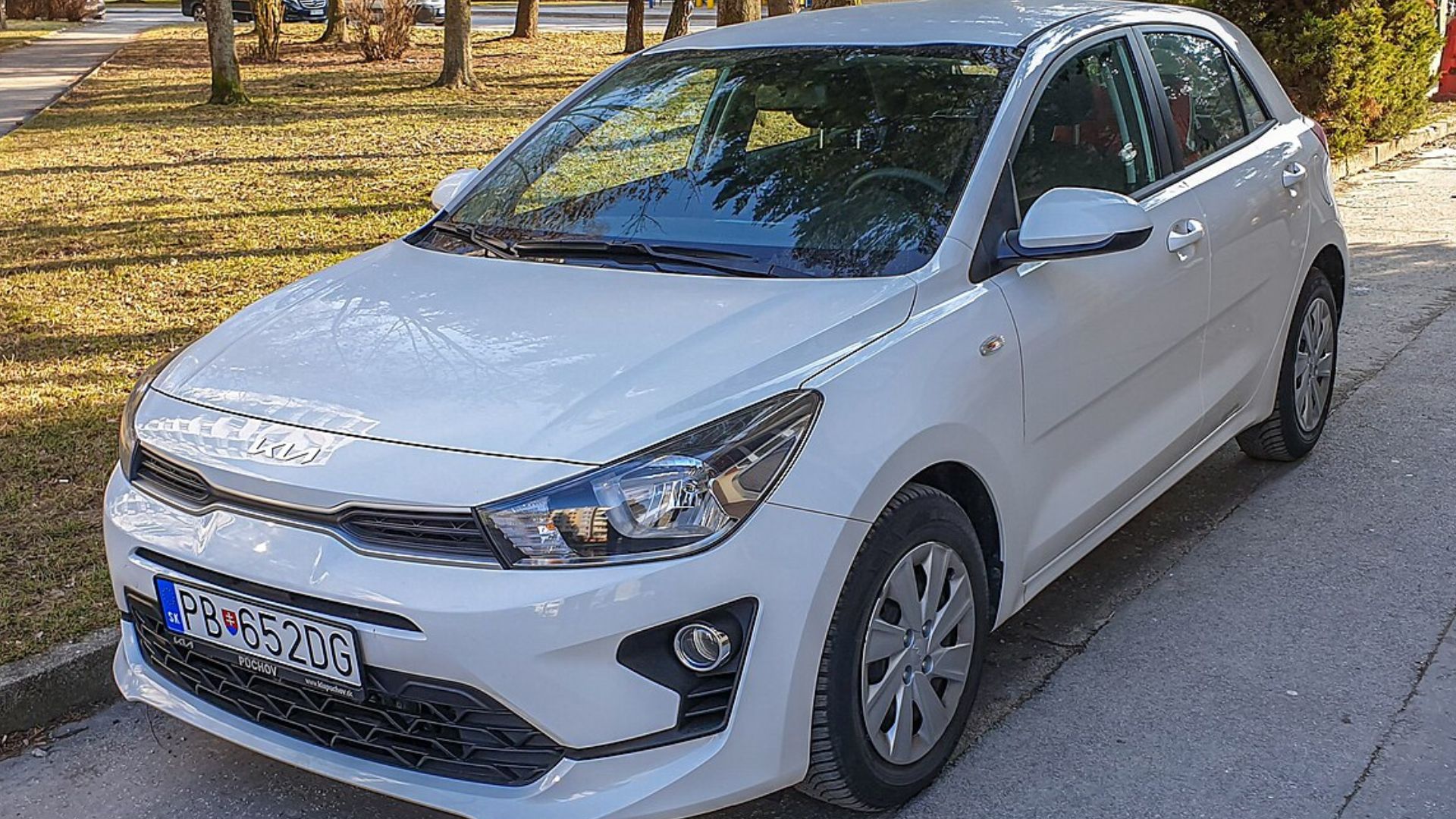
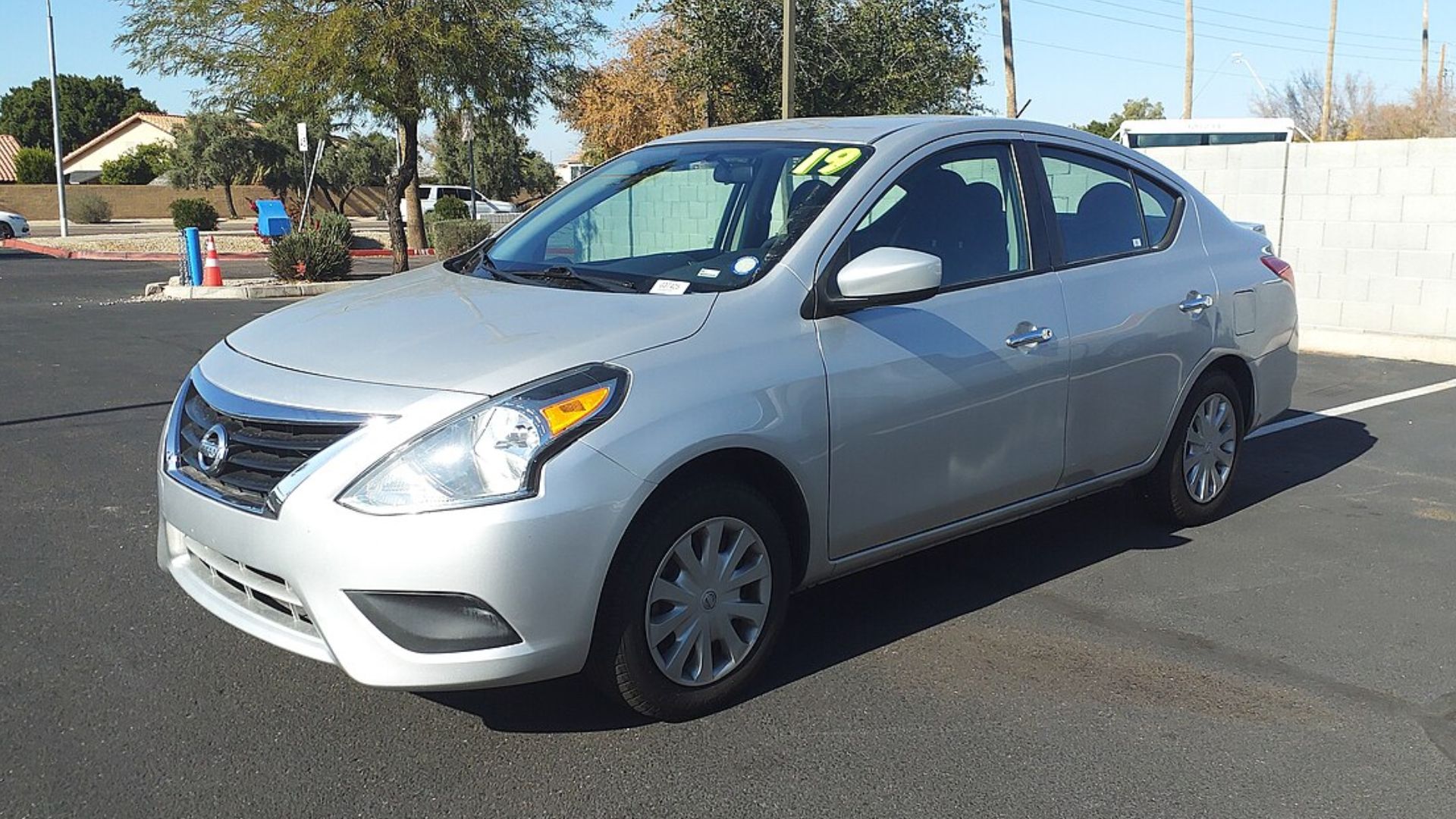
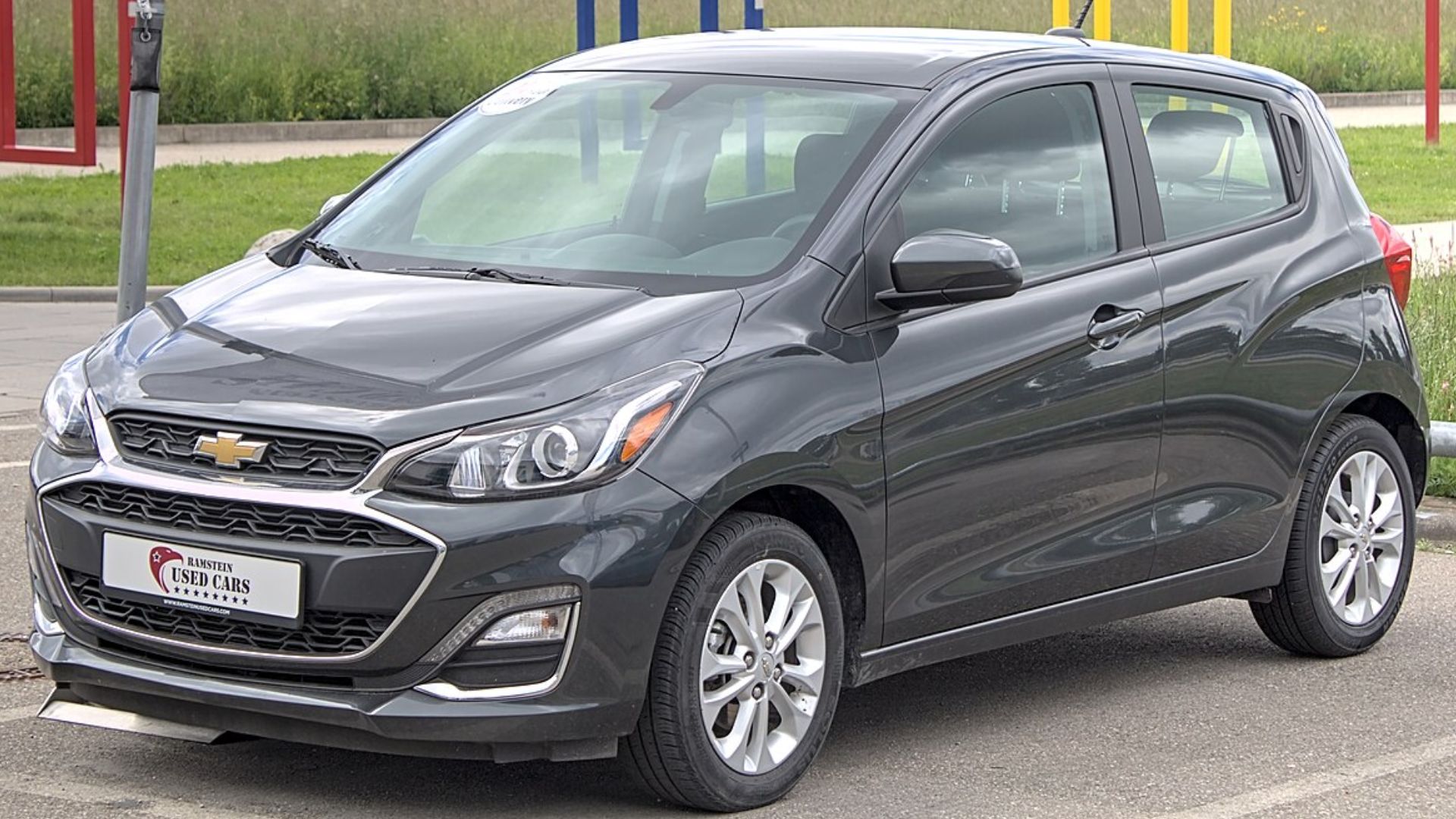
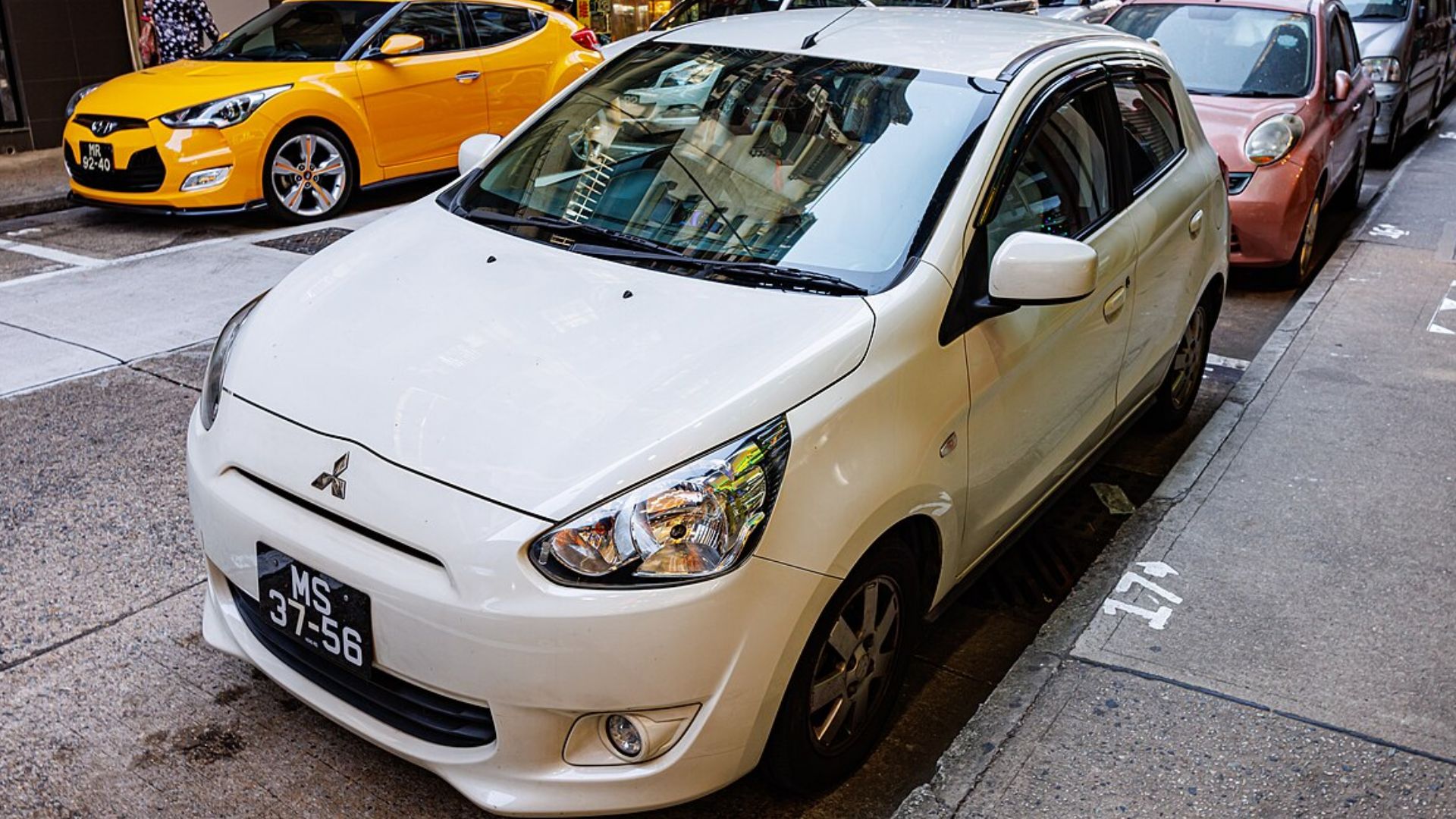
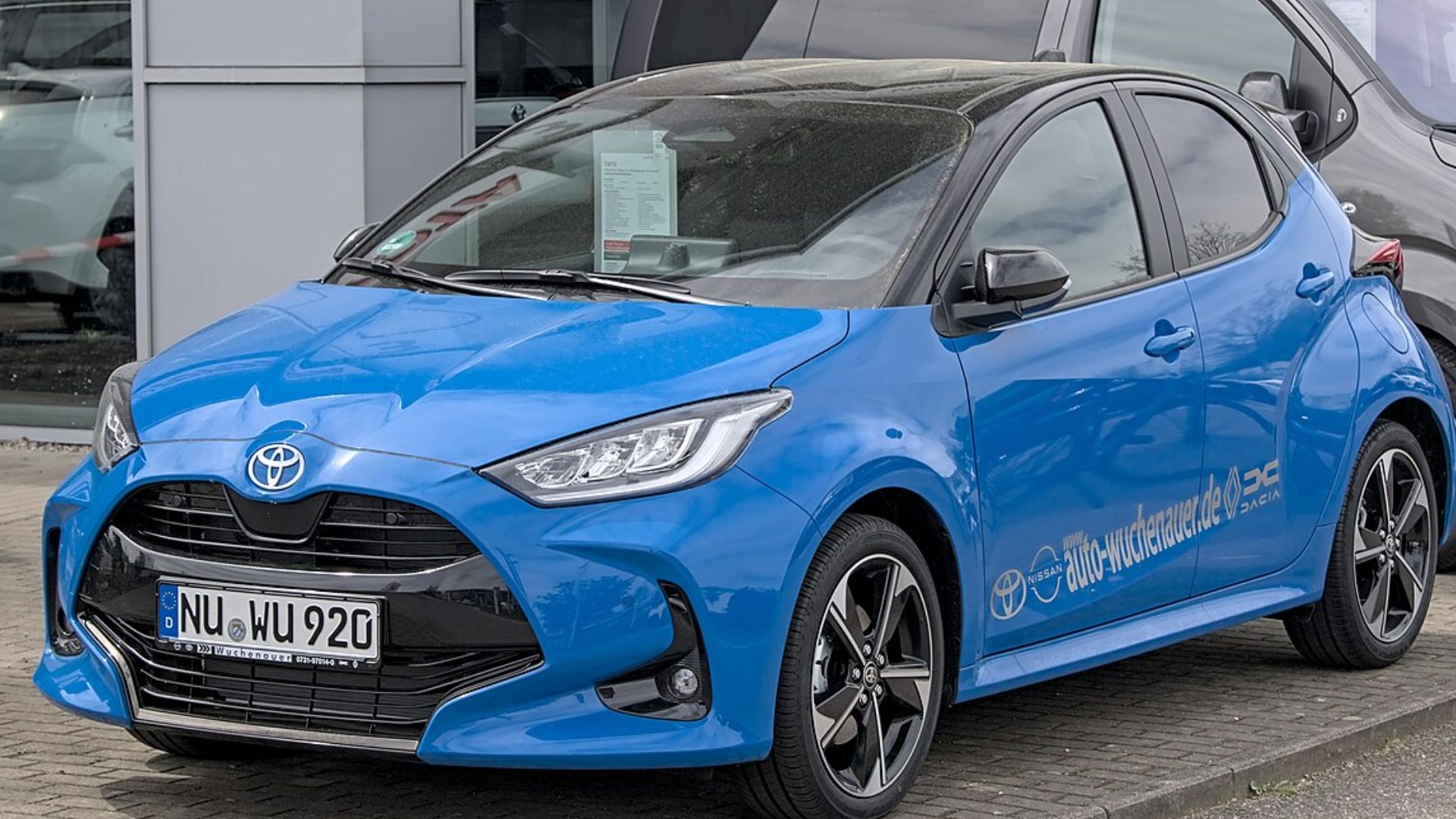
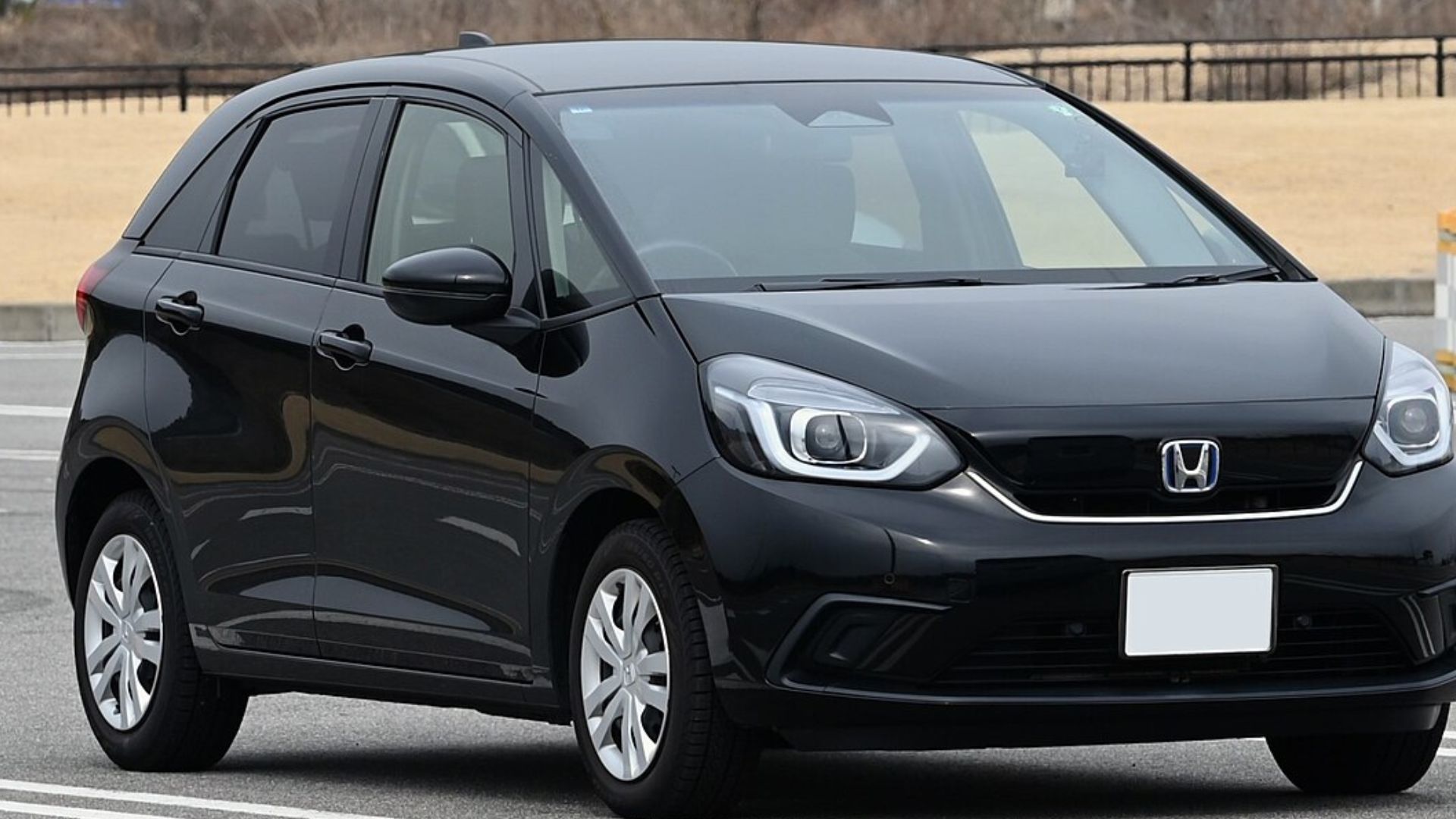
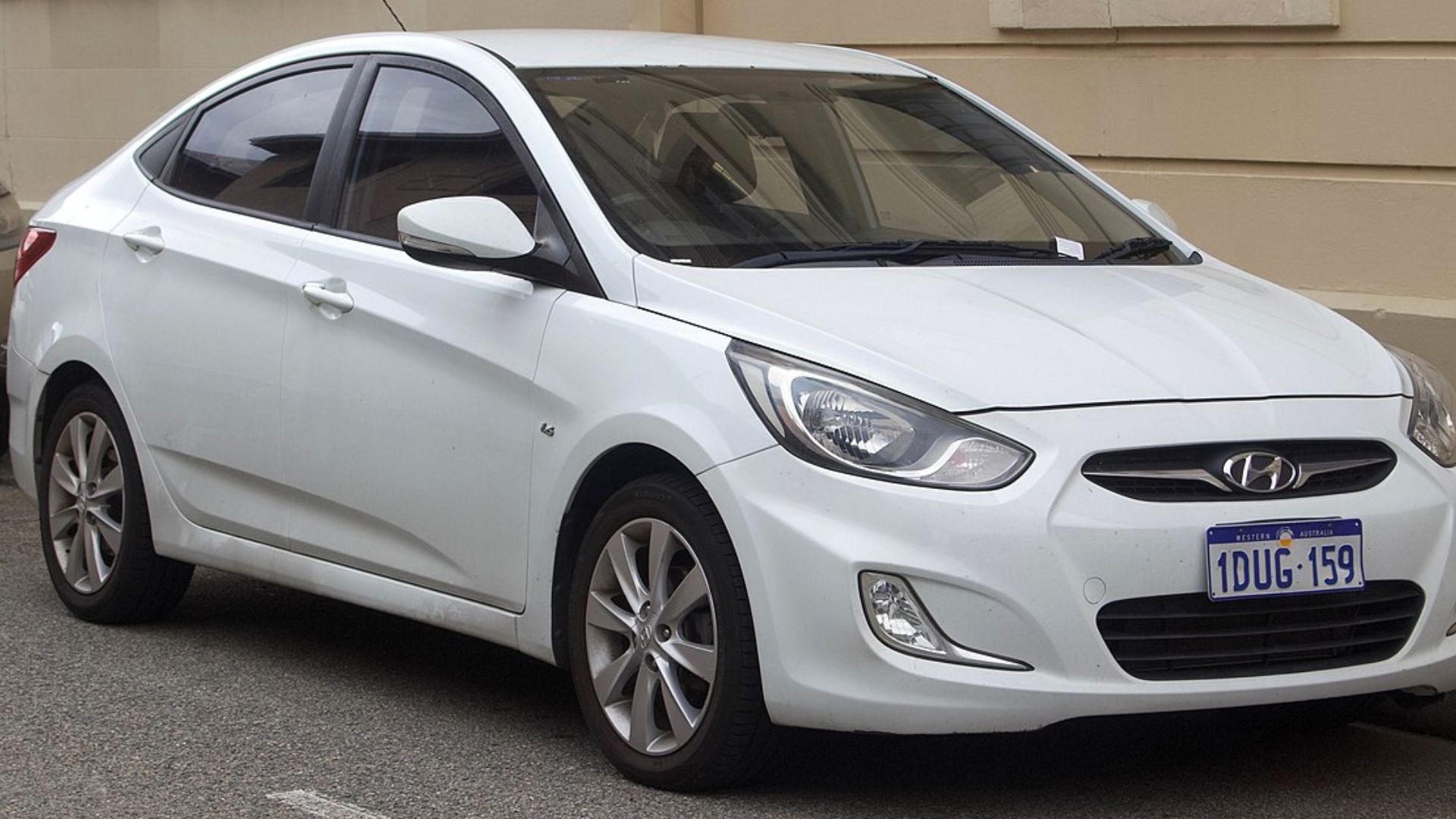
Car ownership is beyond the thrill of driving off the lot—it’s the quiet reality of oil changes and surprise repair bills that sneak up on you. While some cars practically demand a second savings account, others prove to be loyal, low-maintenance companions over the long haul.
That said, if you’re planning to keep your ride for a decade, knowing which models won’t drain your wallet can make all the difference. That’s why we’ve pulled together a list of the 15 cheapest cars to maintain over 10 years, so you can drive smart without overspending.
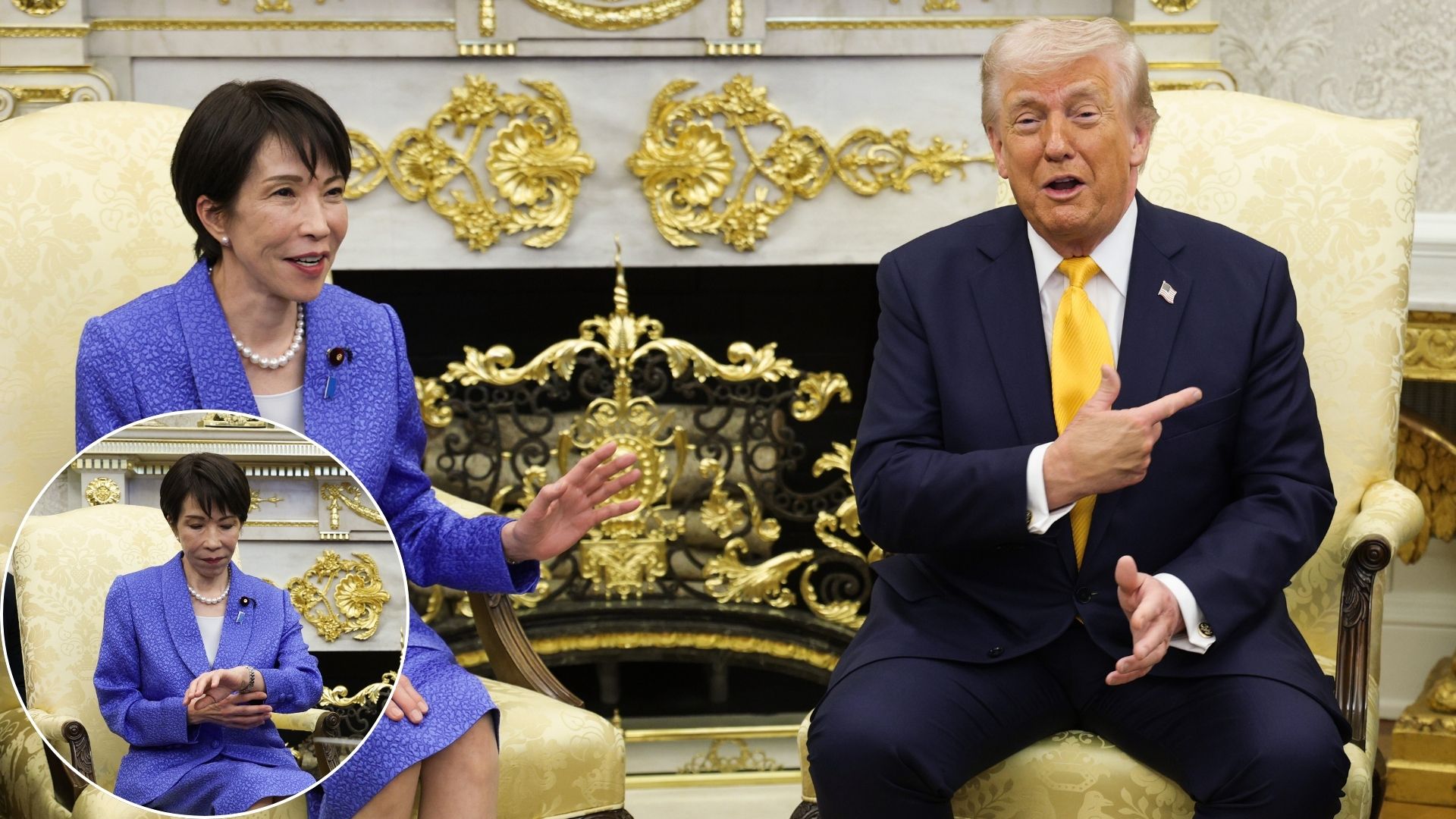
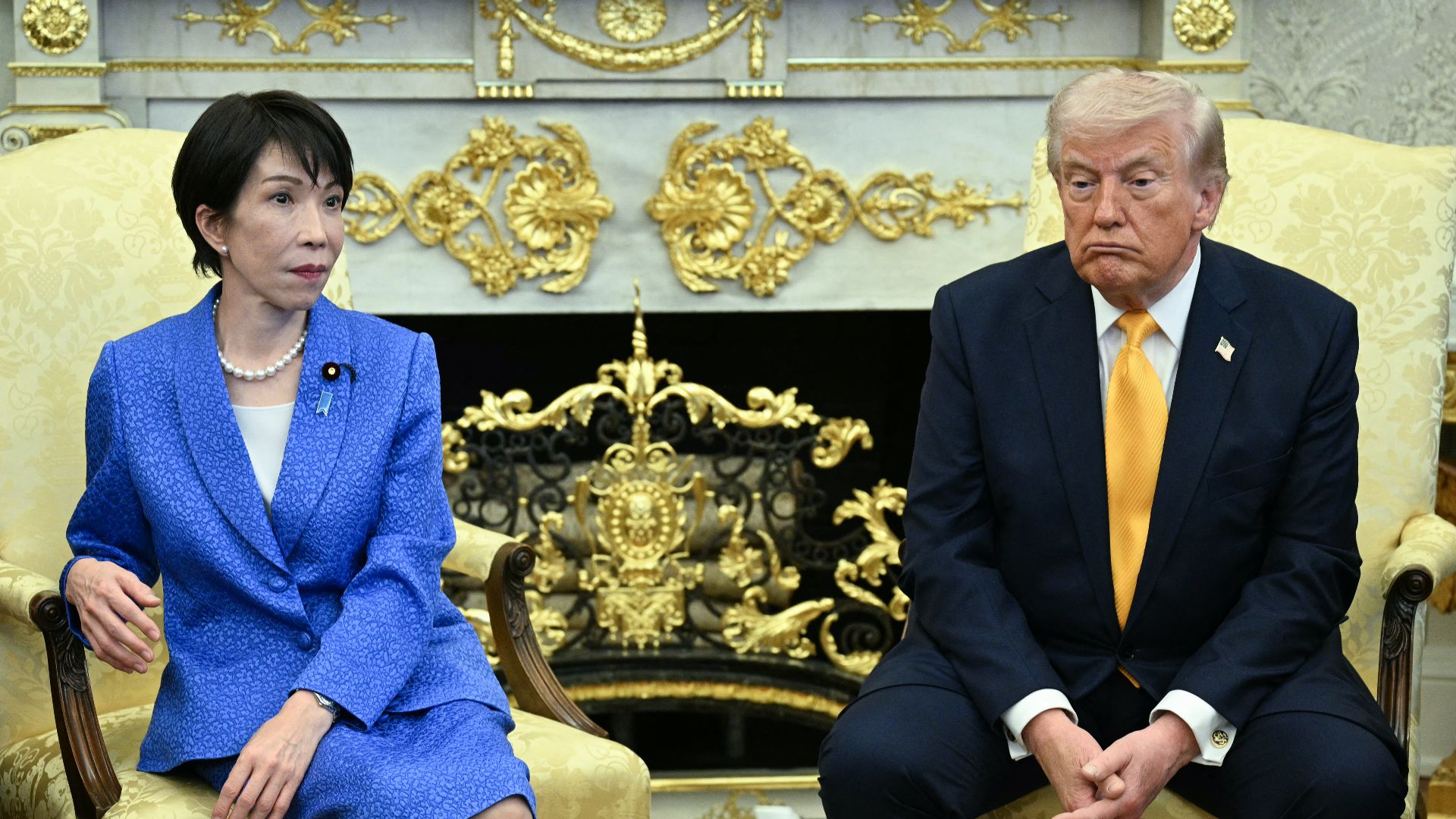
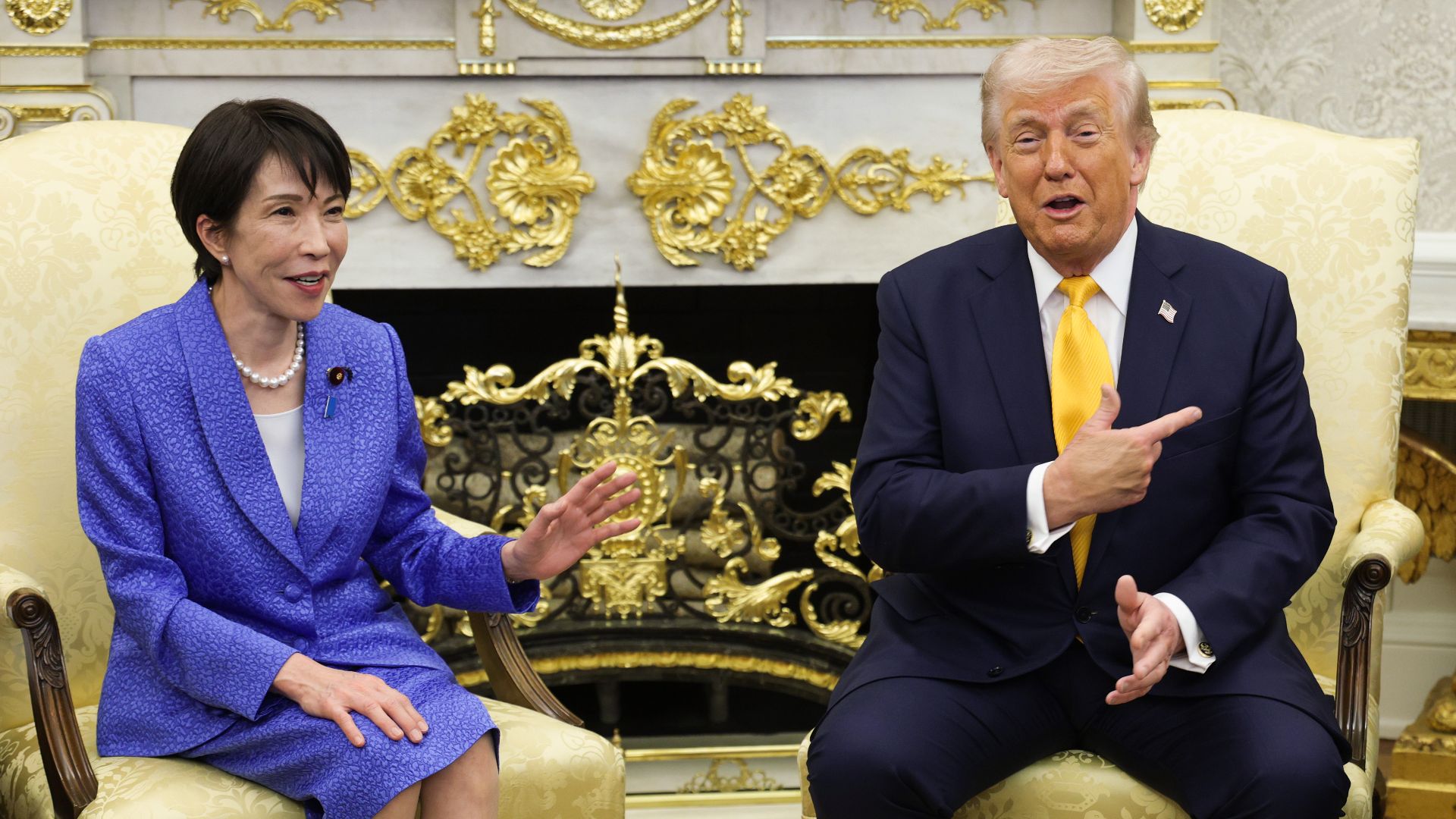
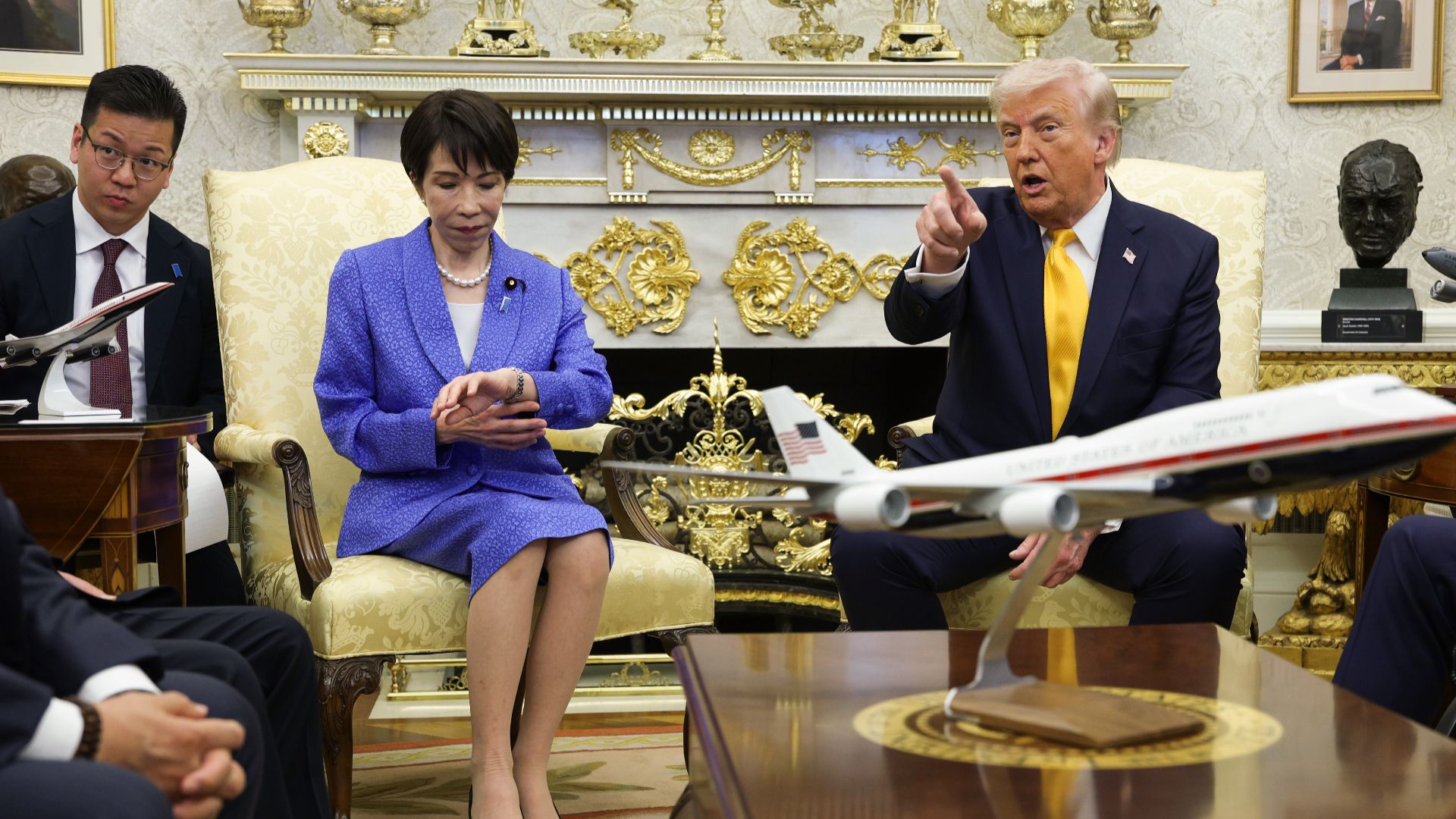
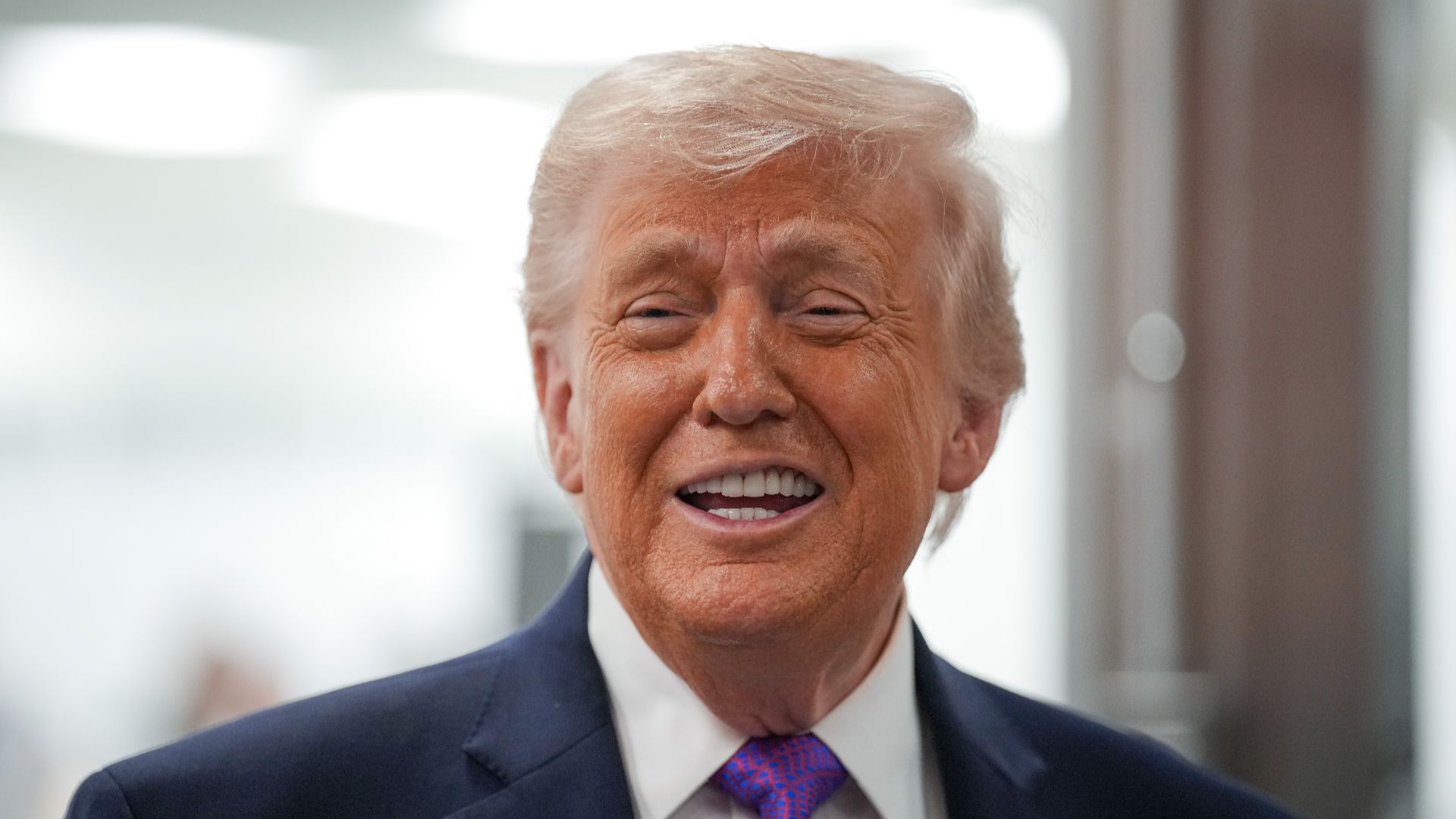
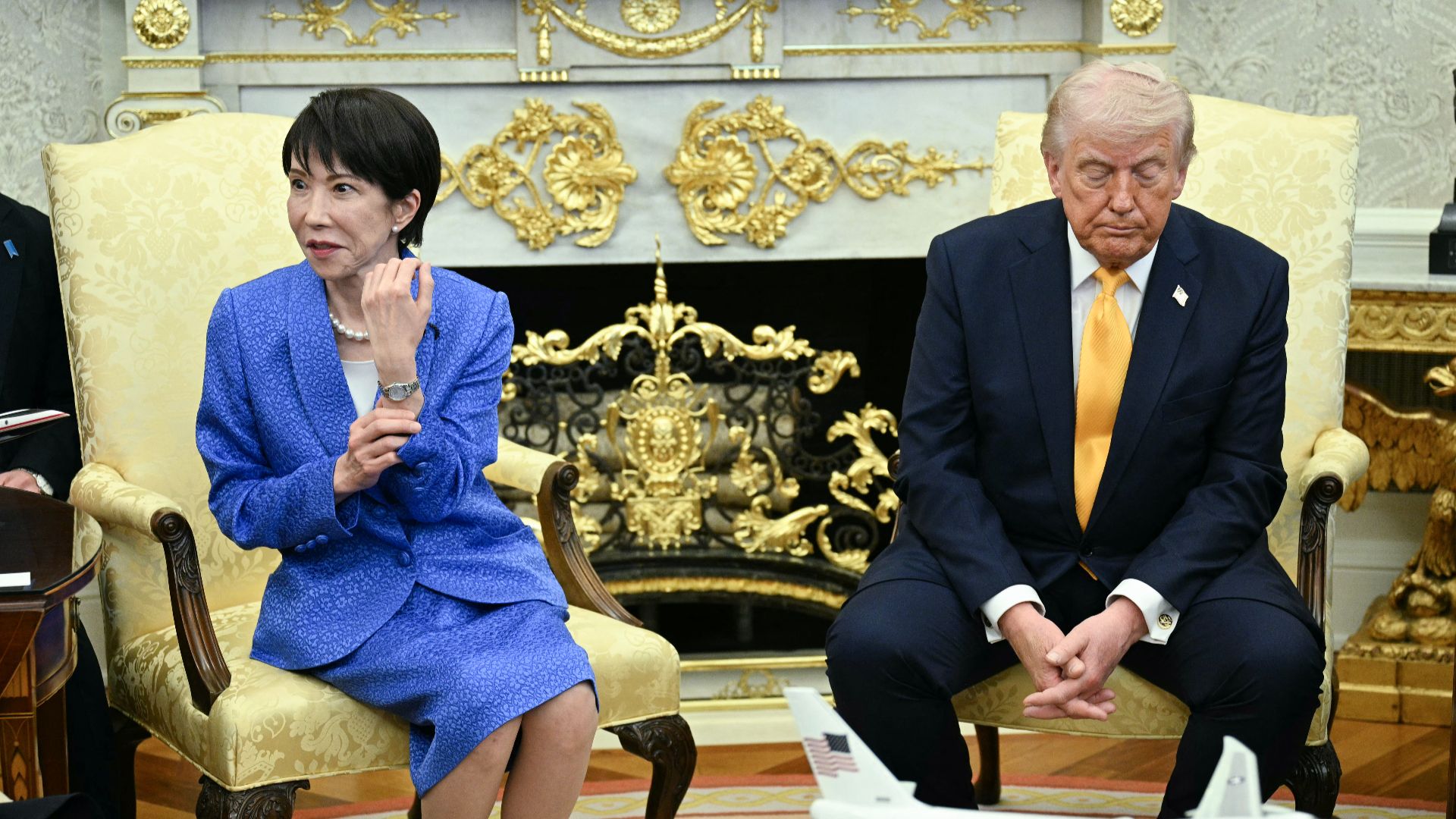
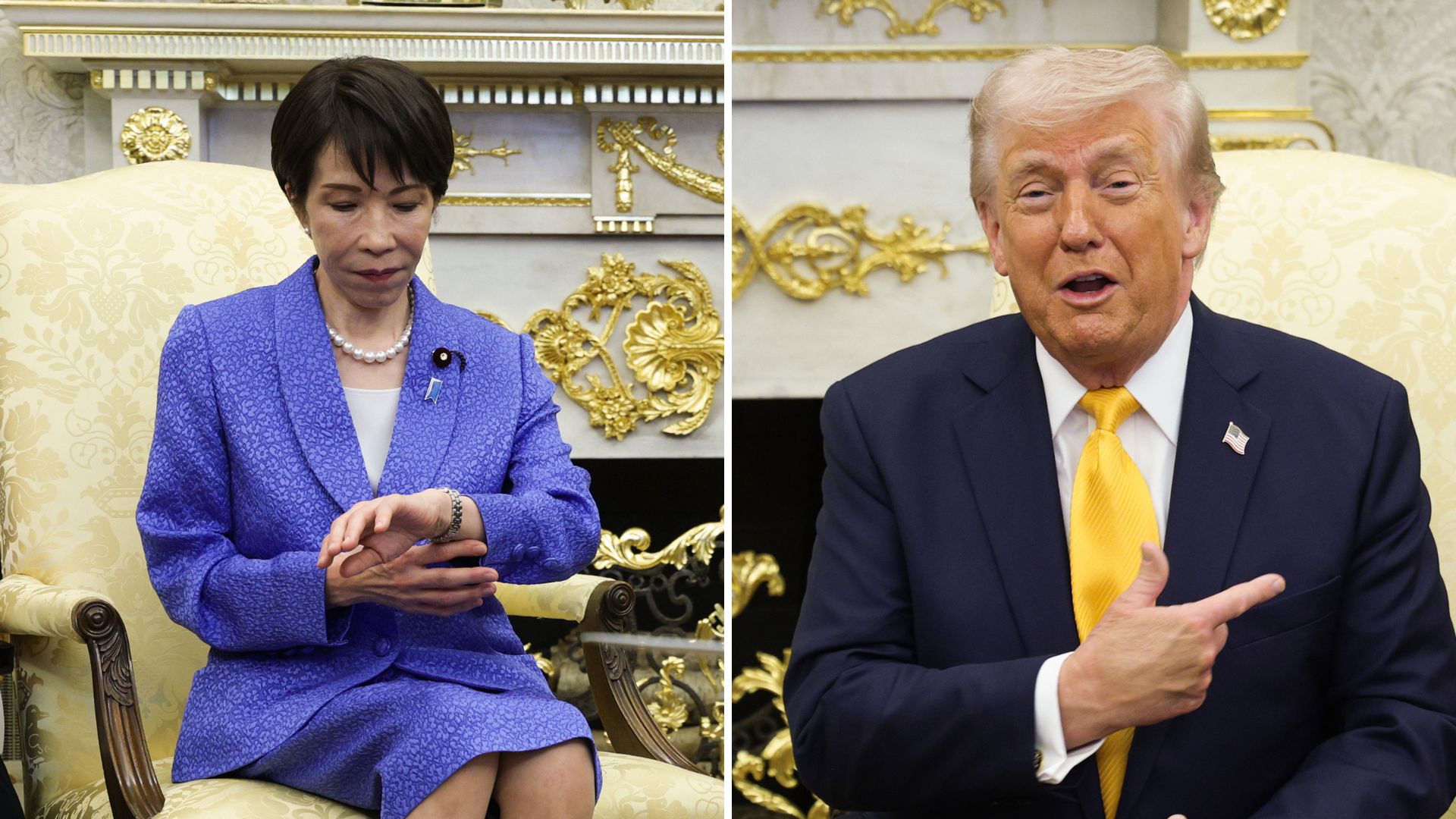
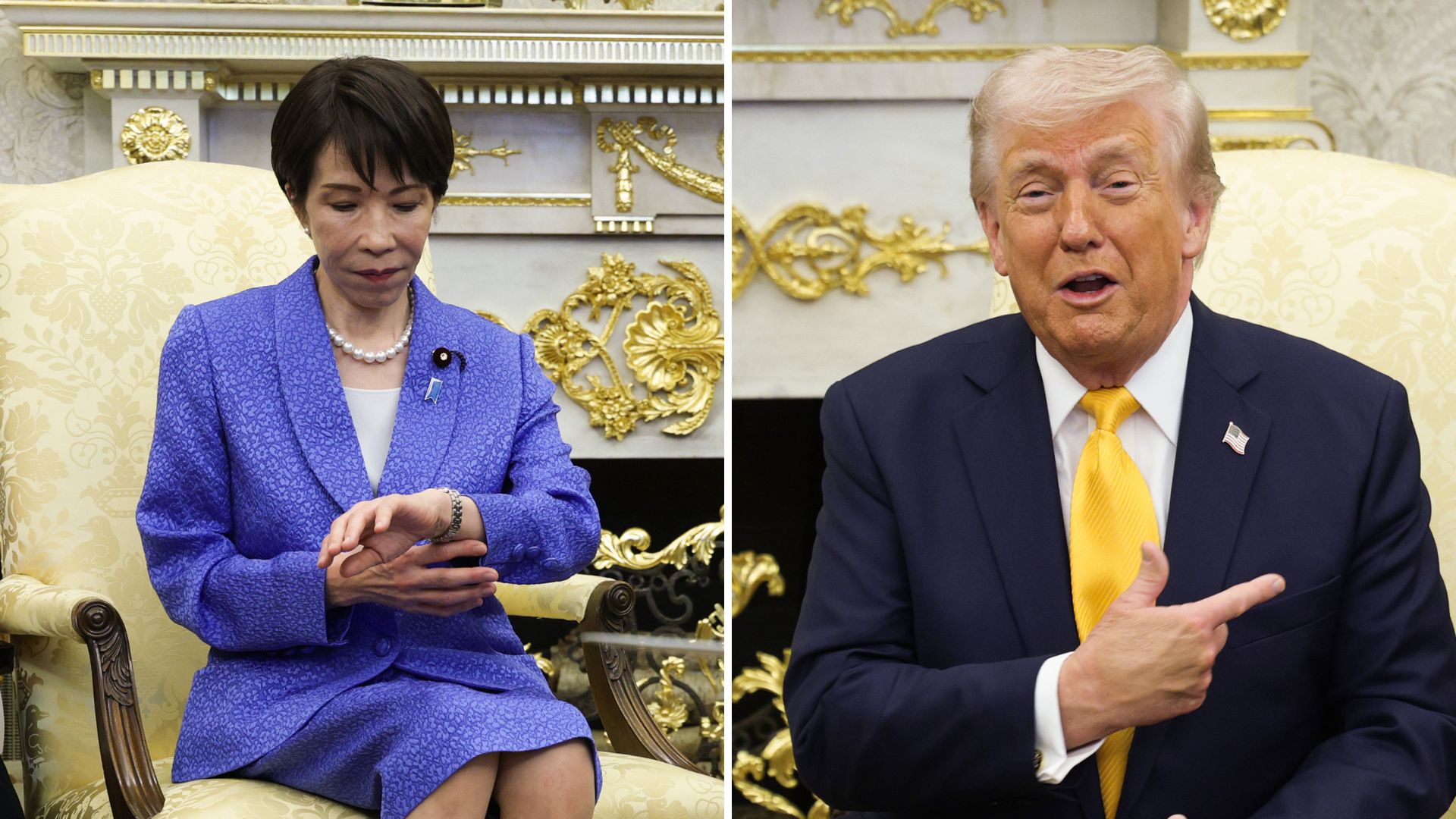
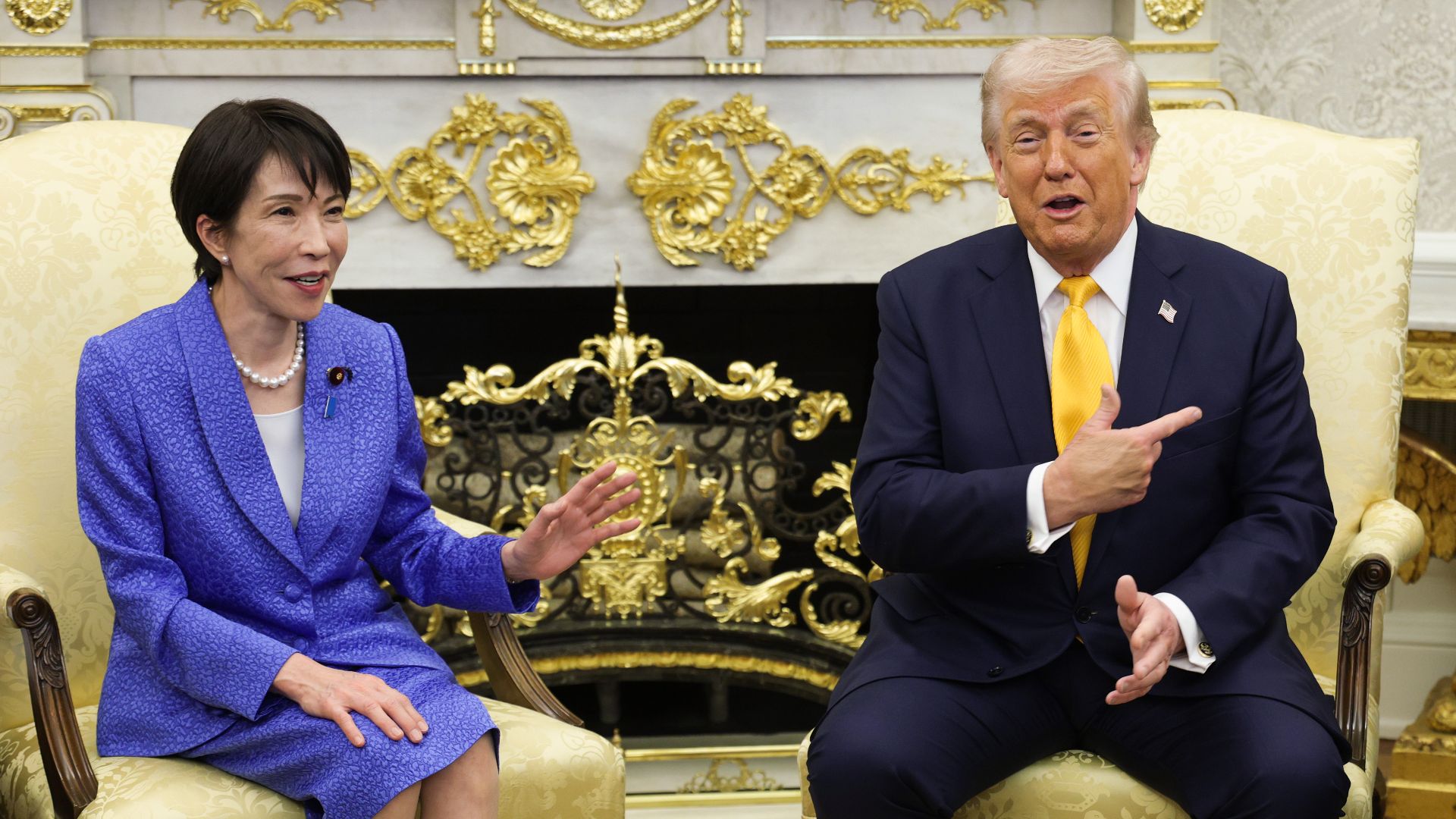
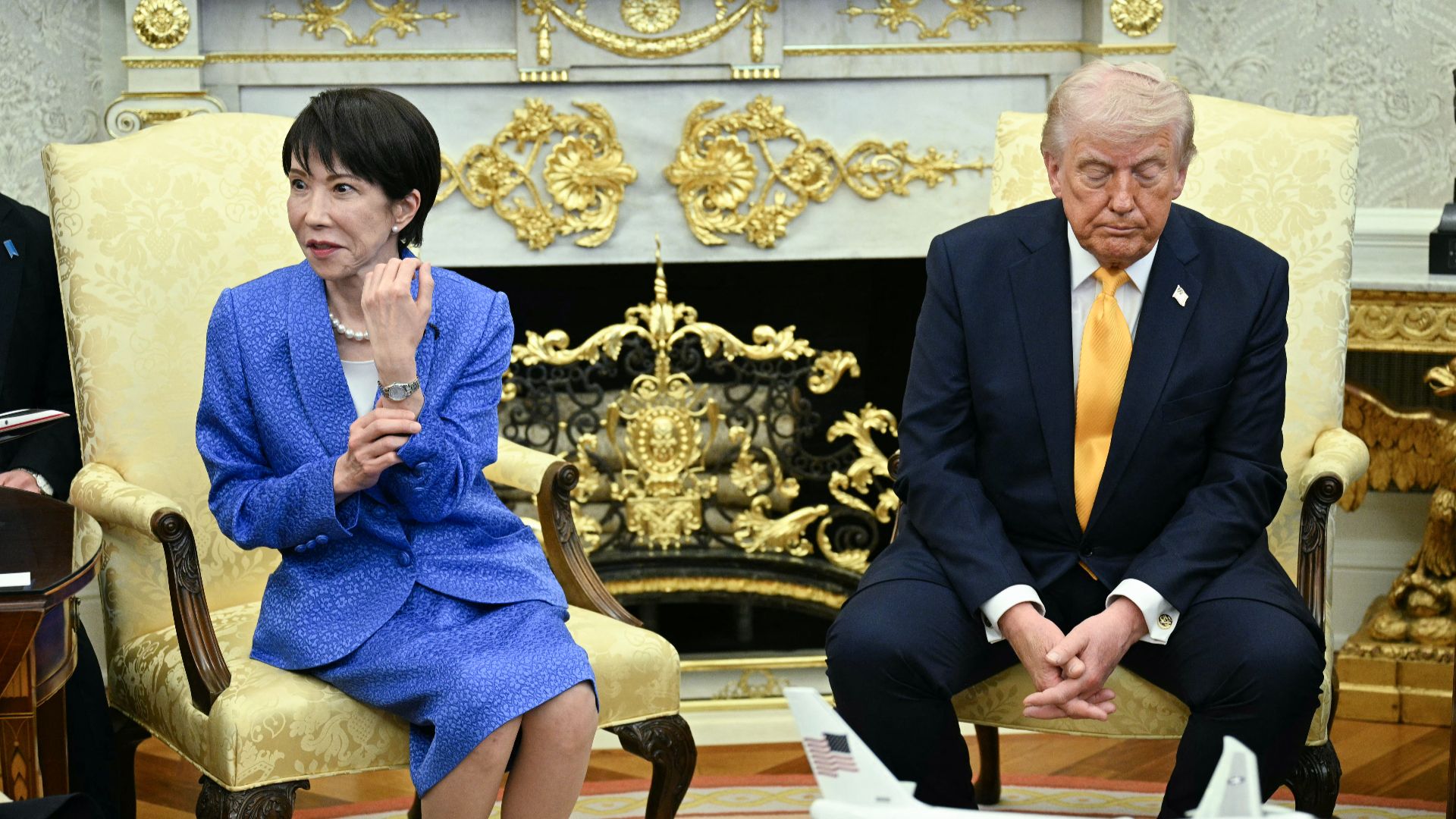
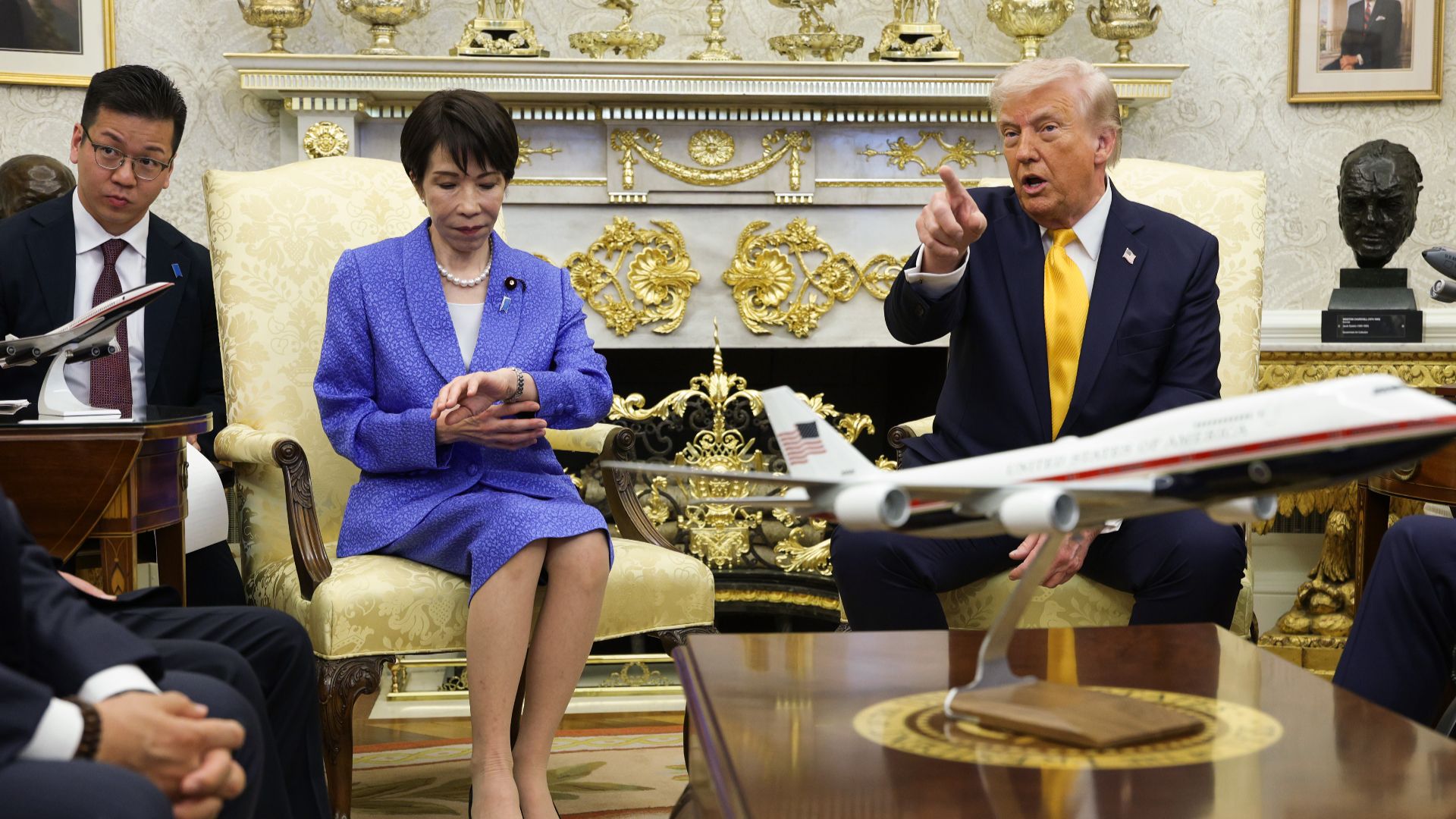
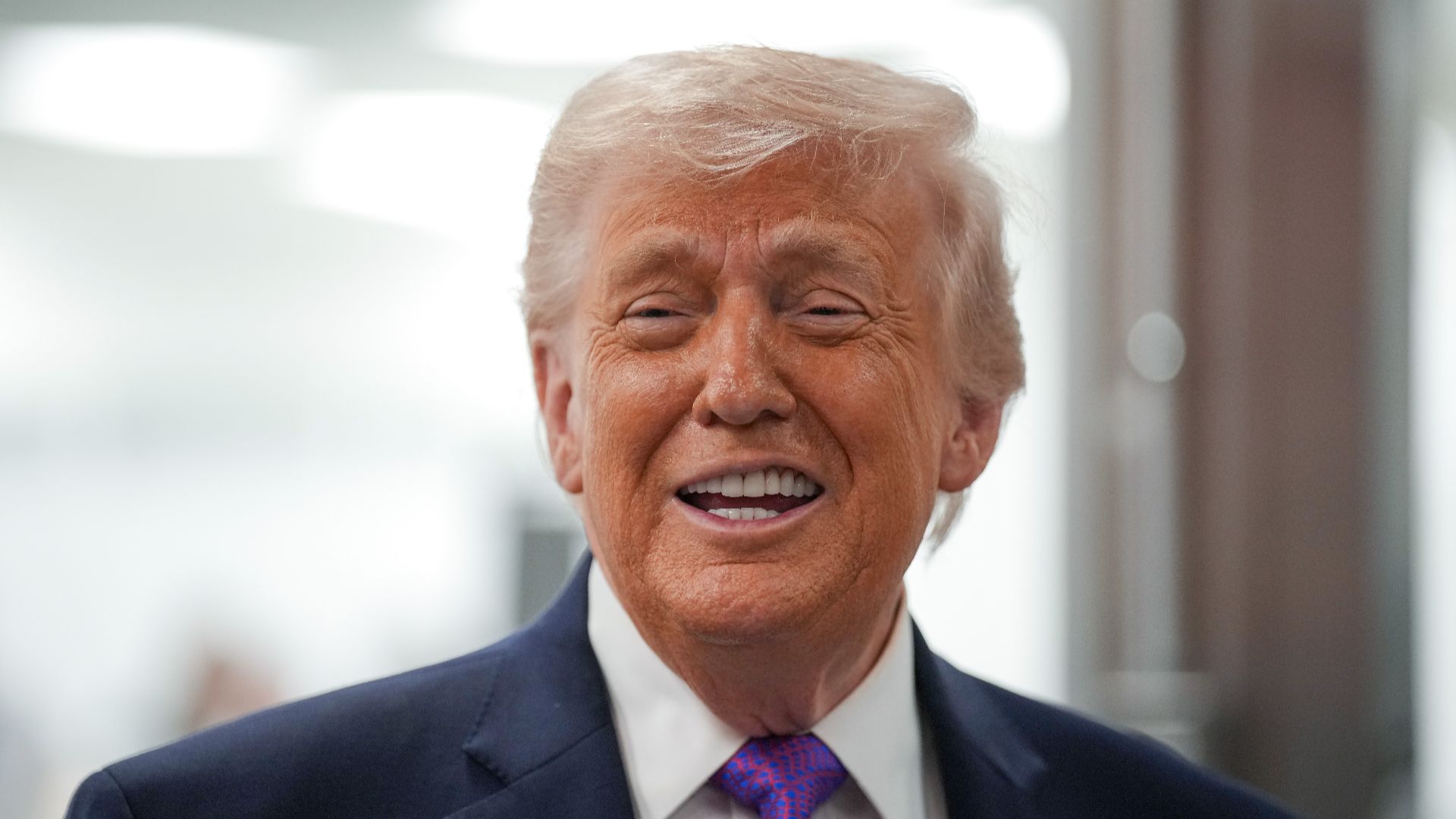
Donald Trump is facing renewed criticism after a tense and awkward exchange in the Oval Office with Japan’s prime minister, where he defended his decision not to inform allies ahead of U.S. strikes on Iran. Responding to a reporter’s question, Trump justified the secrecy by emphasizing the need for surprise, before adding a remark referencing Pearl Harbor that quickly drew attention.
The comment, made in front of a key ally, comes as the administration faces growing scrutiny over its handling of the Iran war and its broader approach to international partnerships.
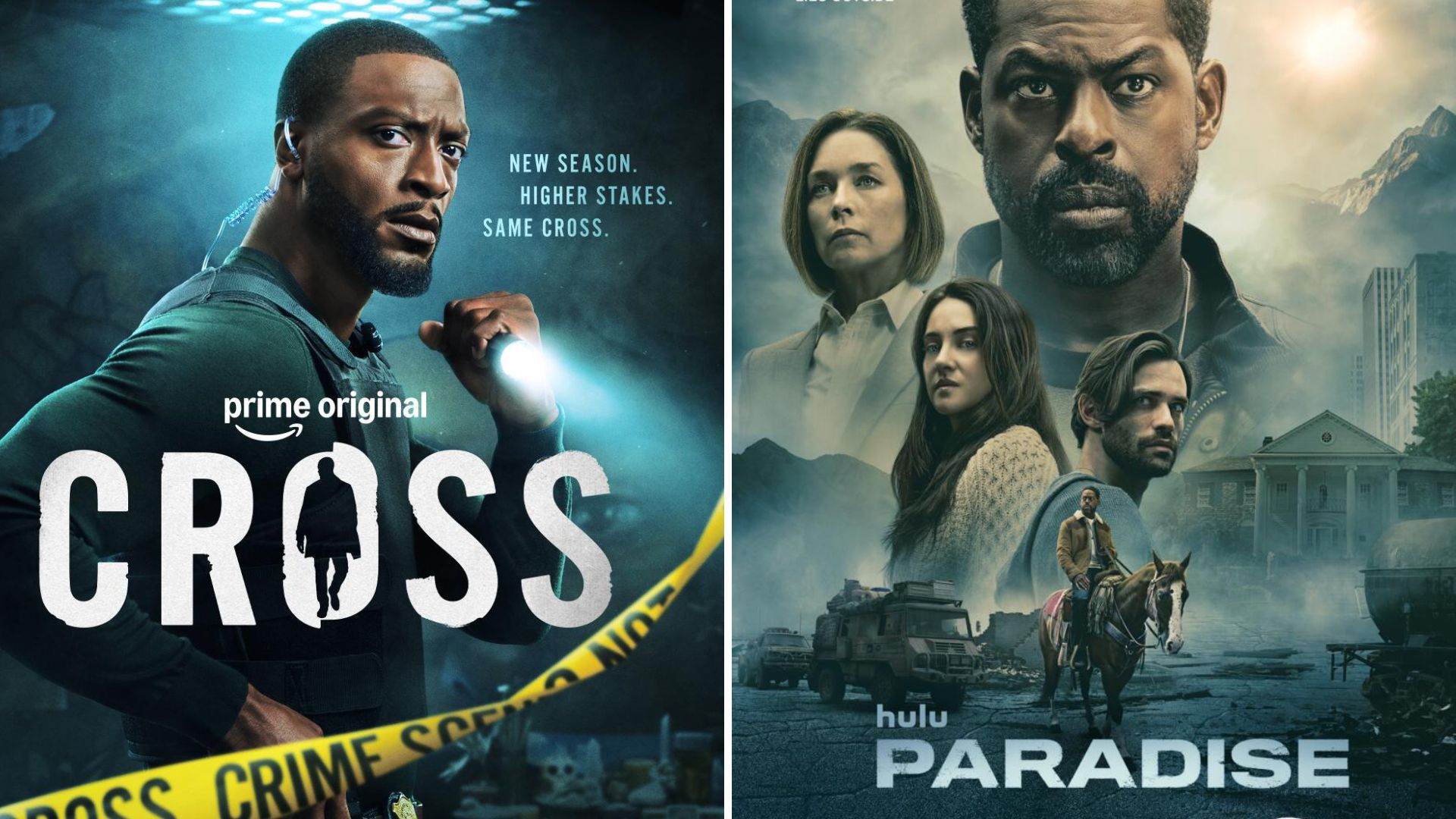
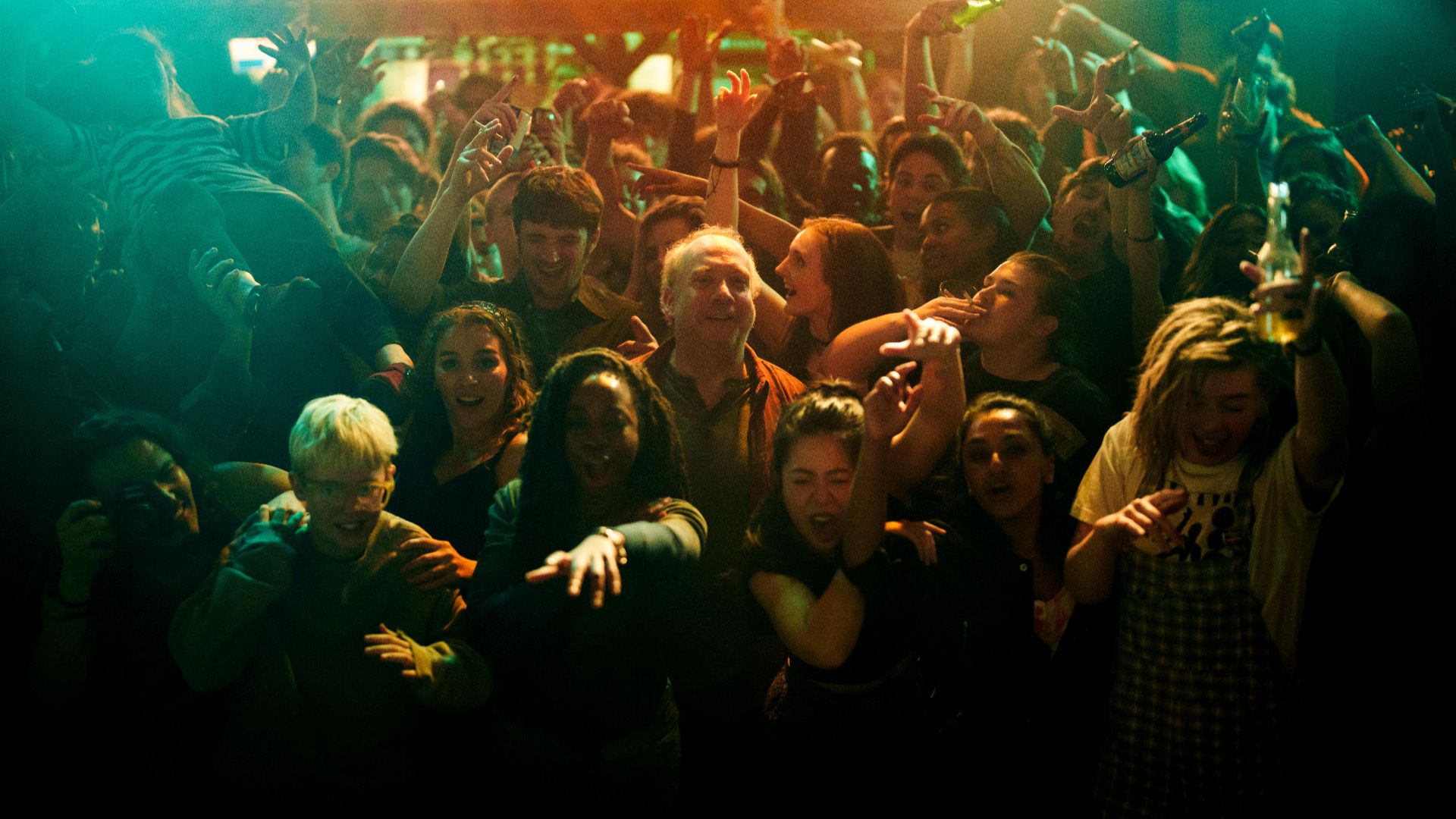
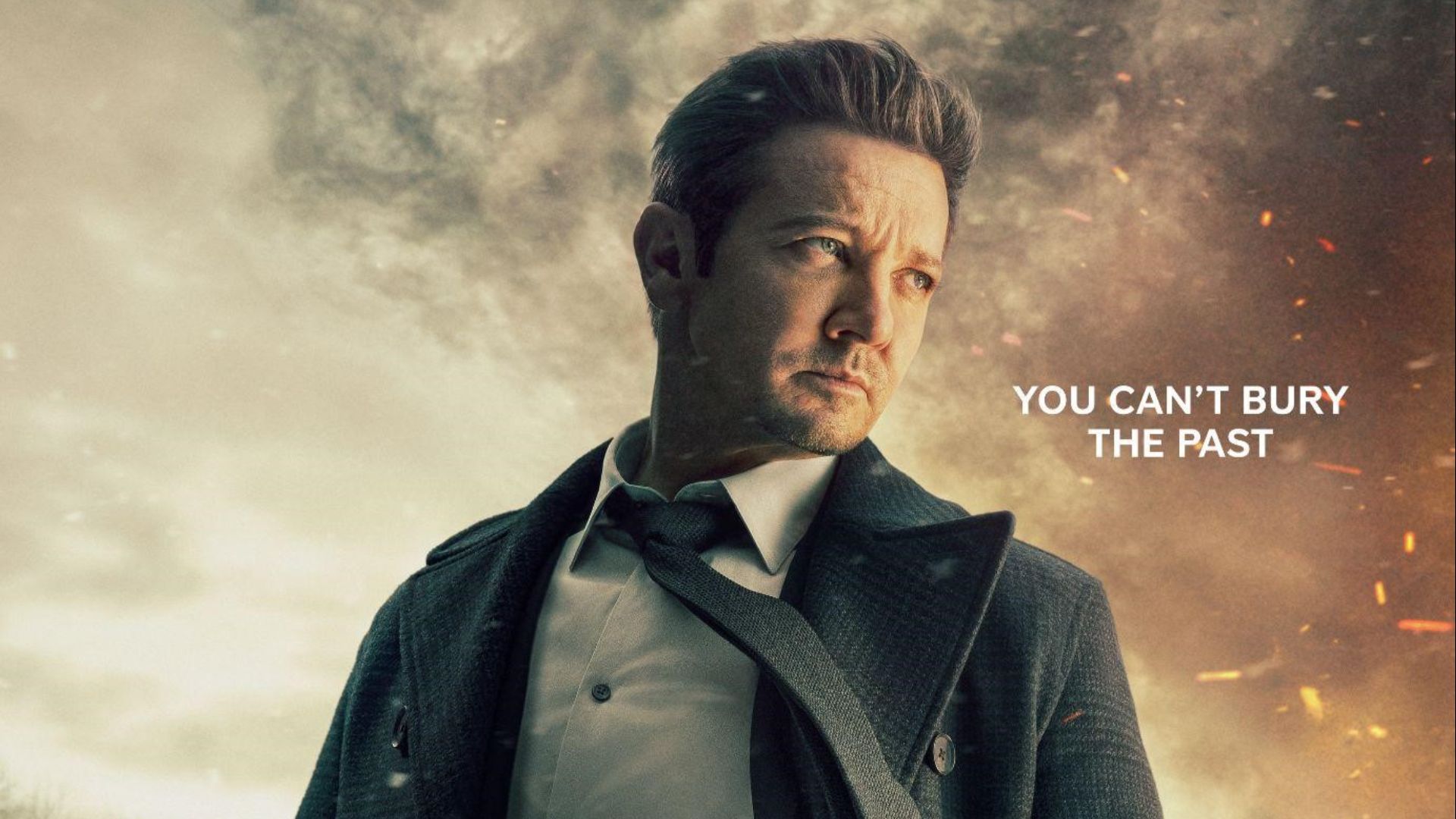
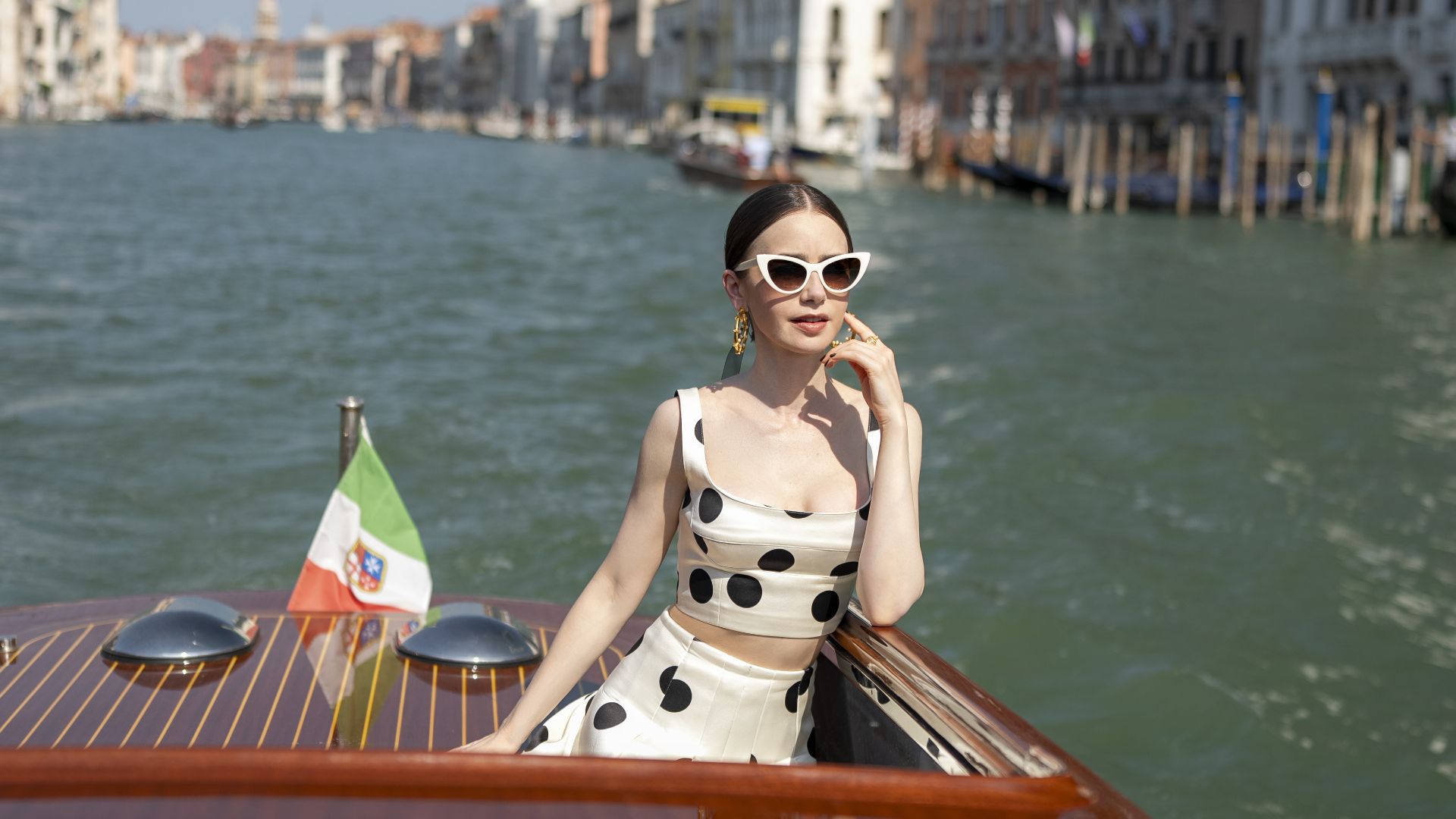
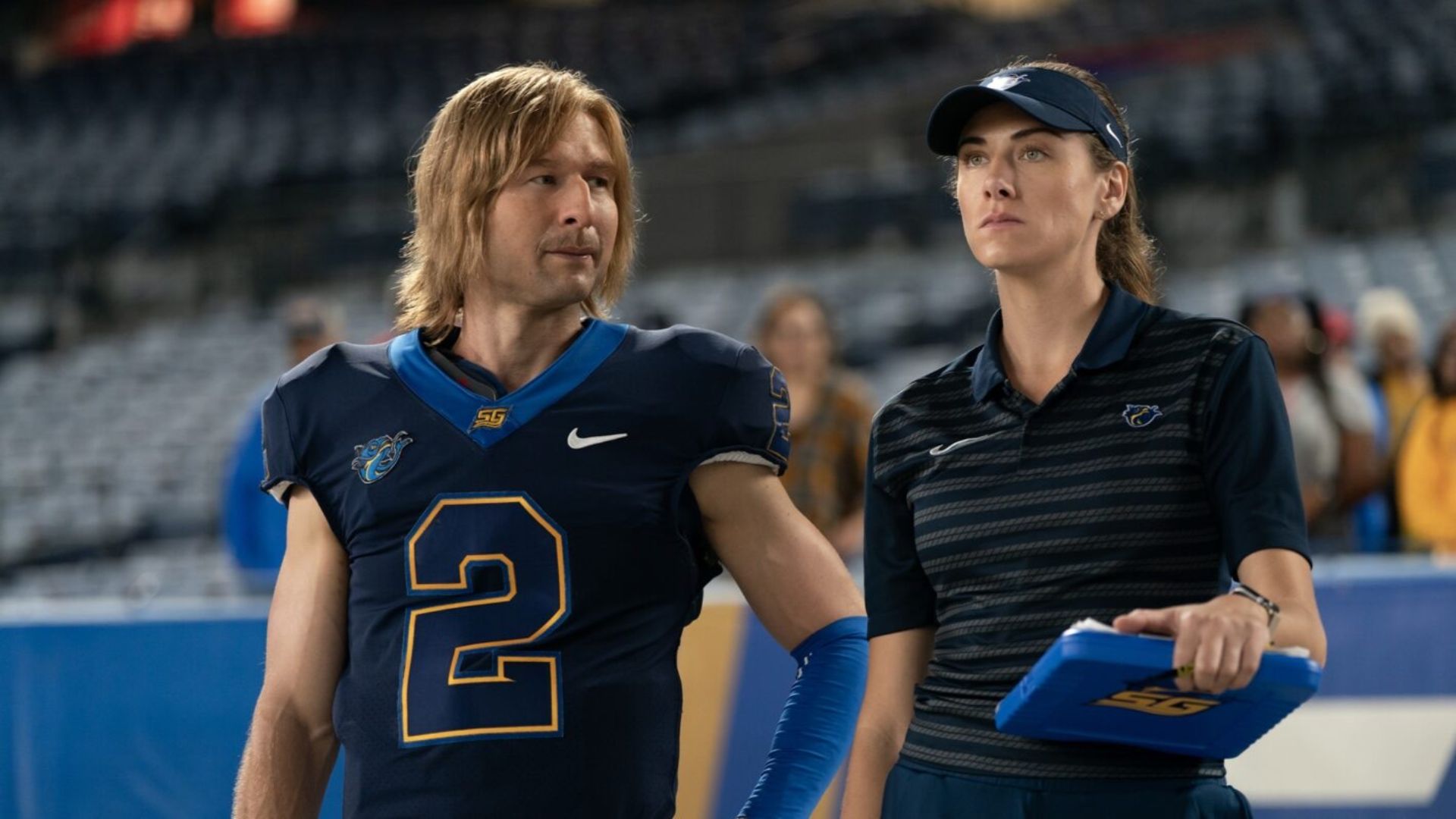
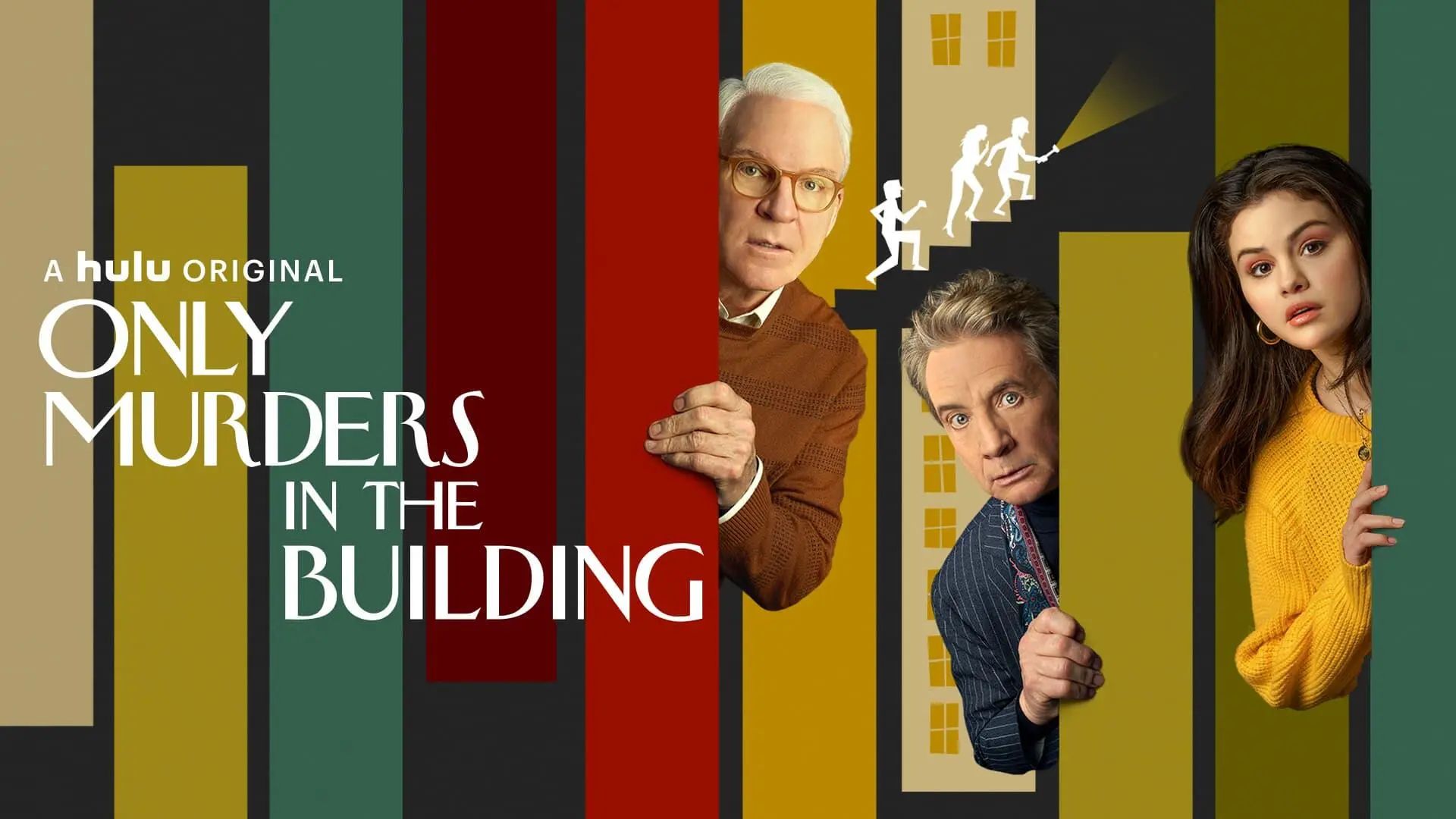
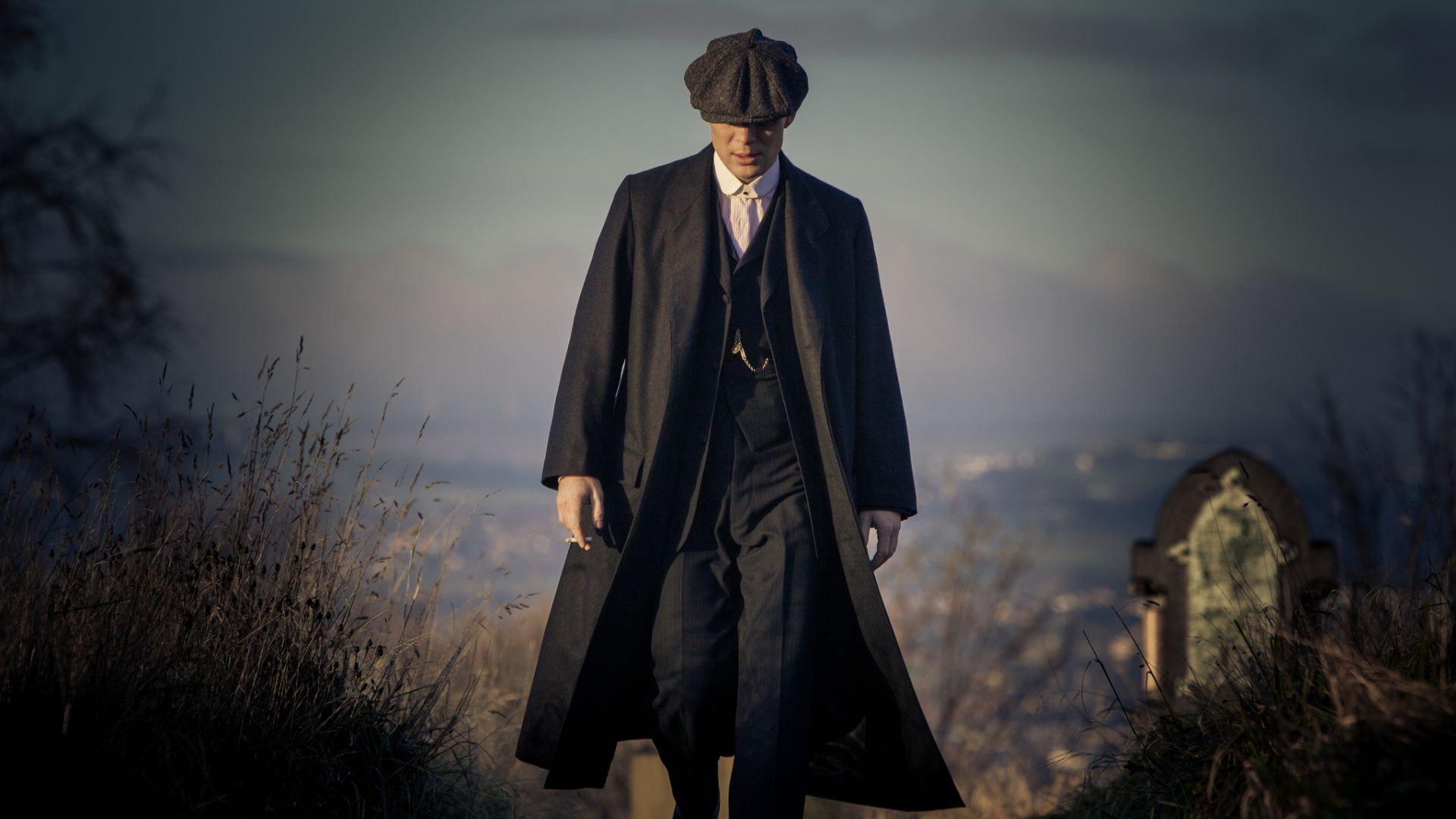
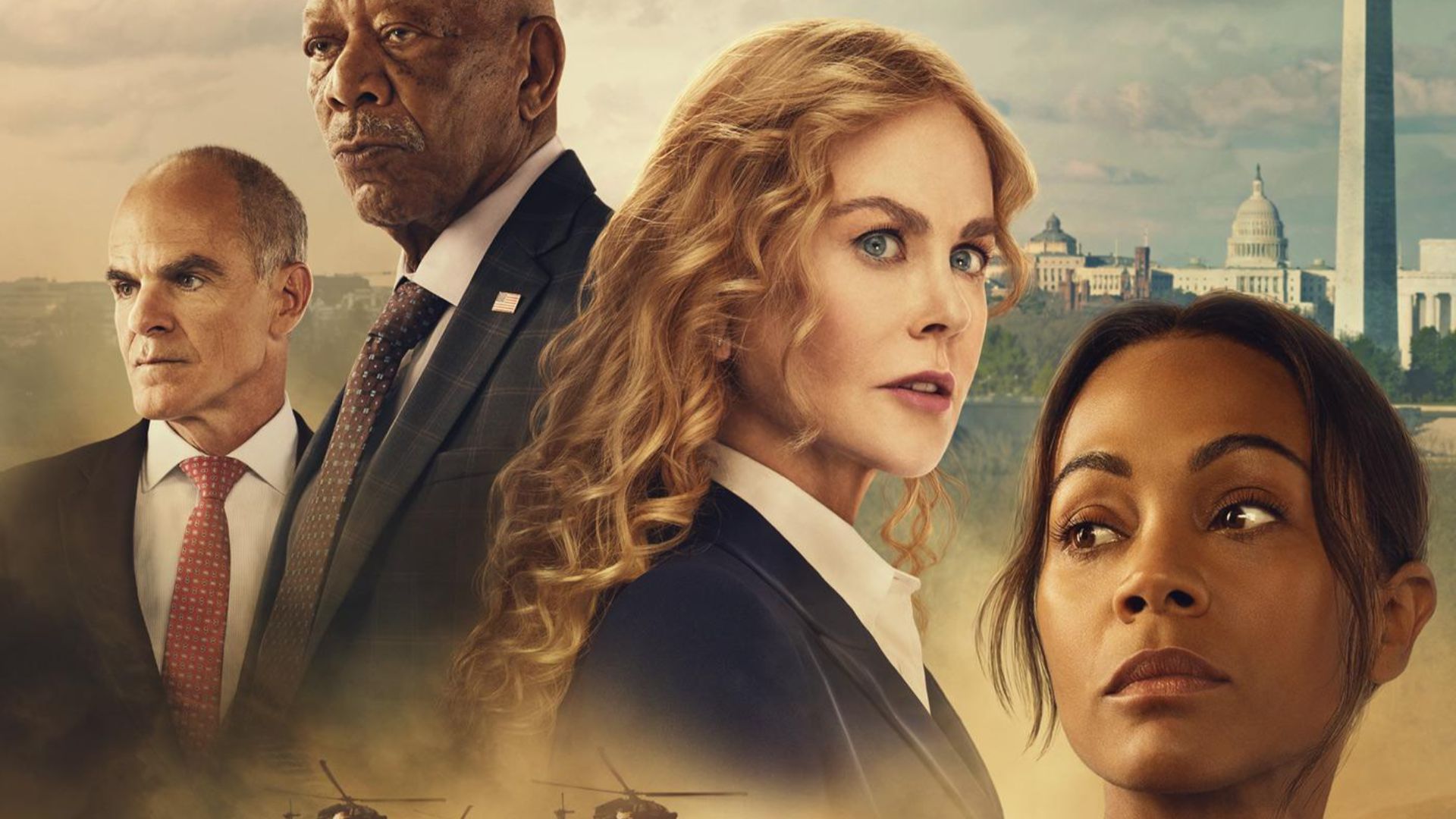
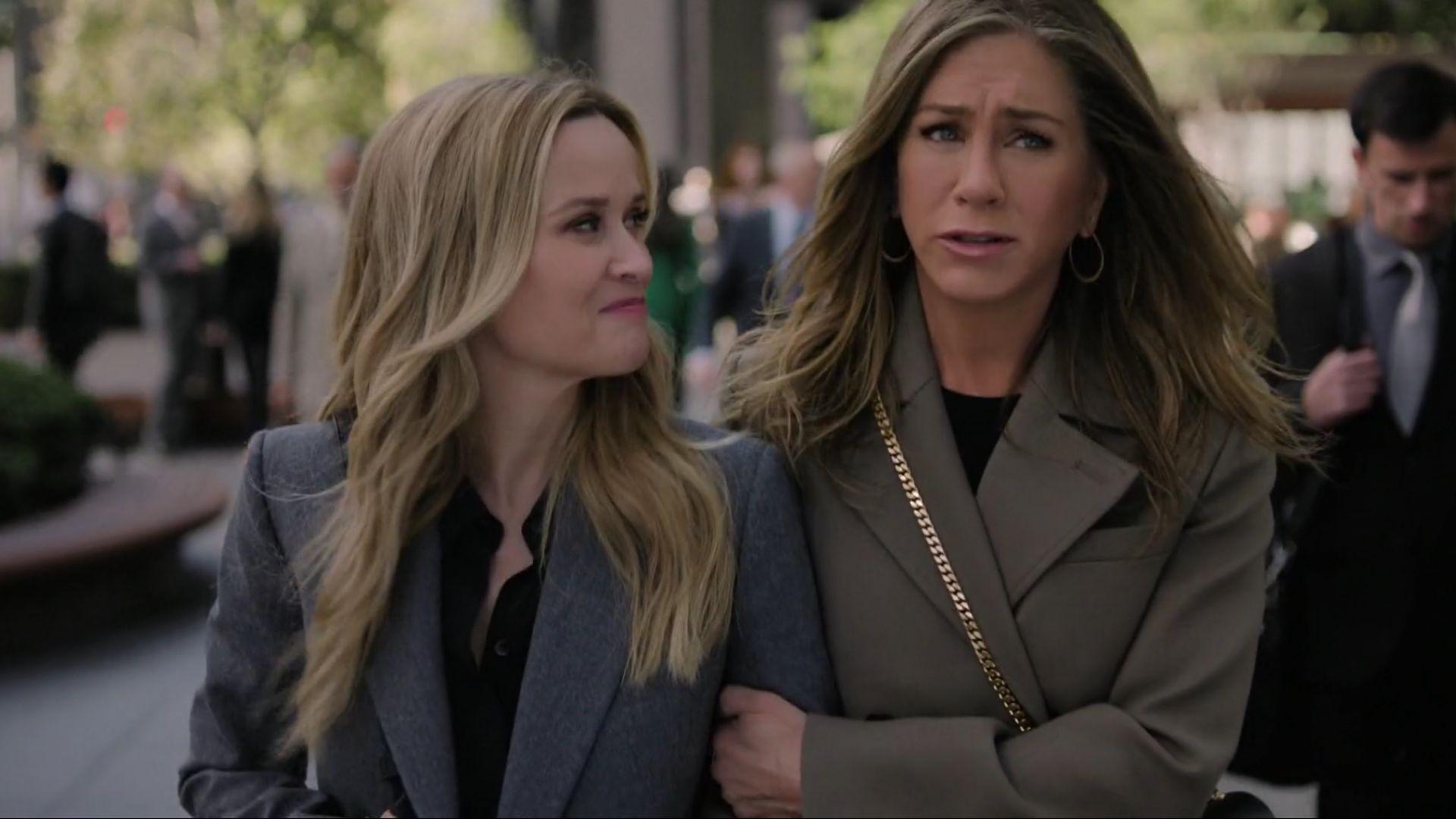
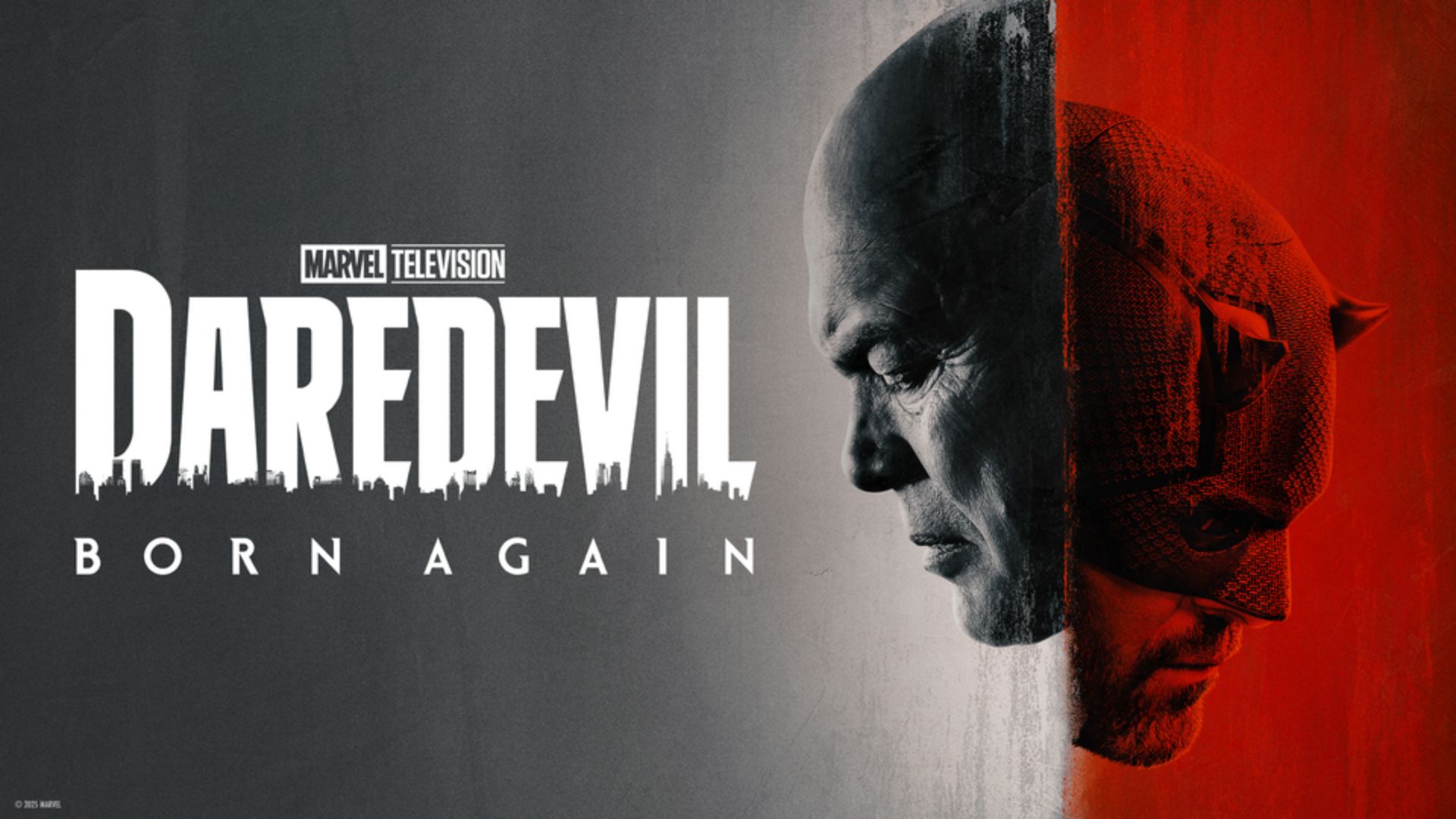
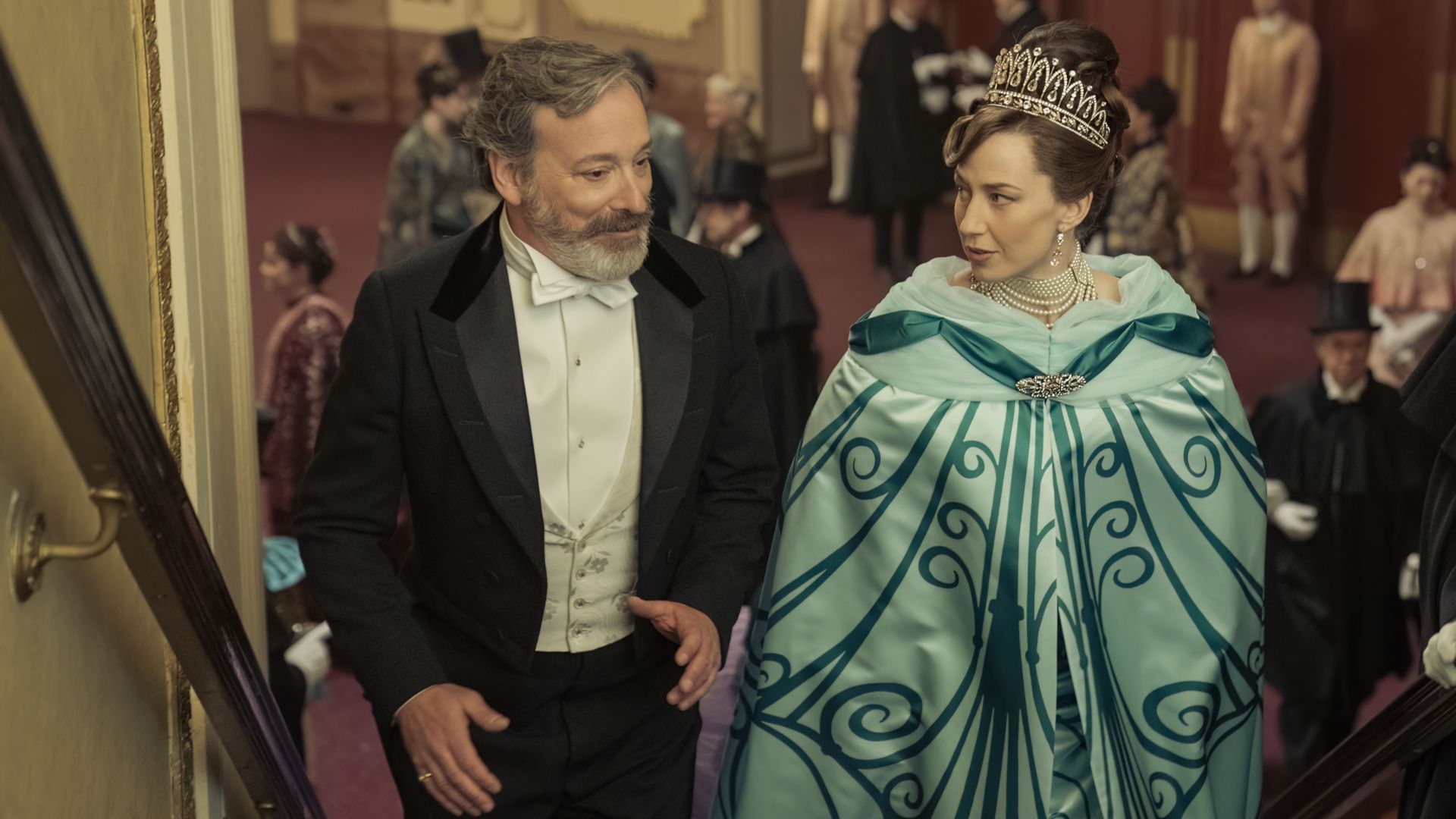
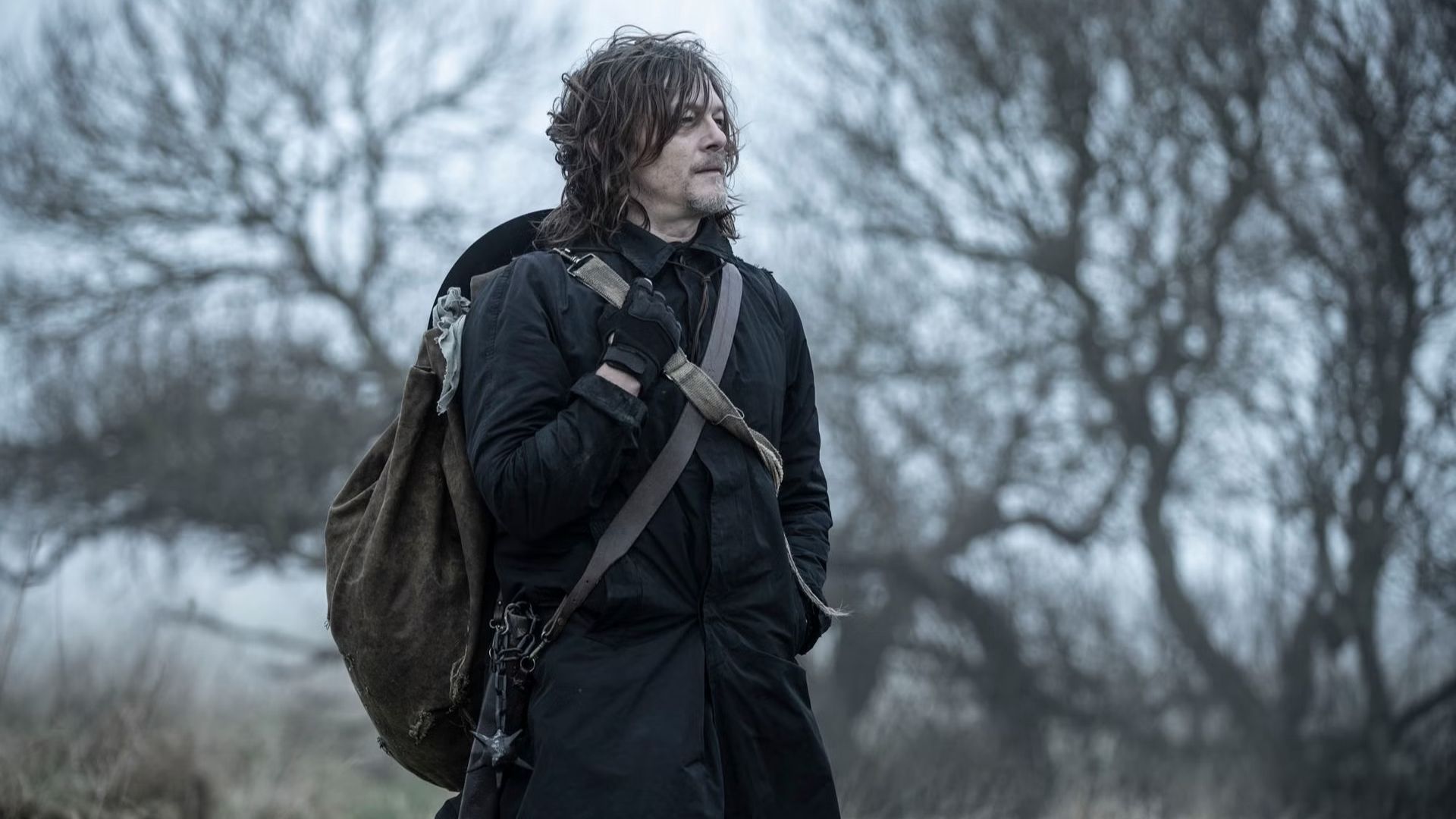
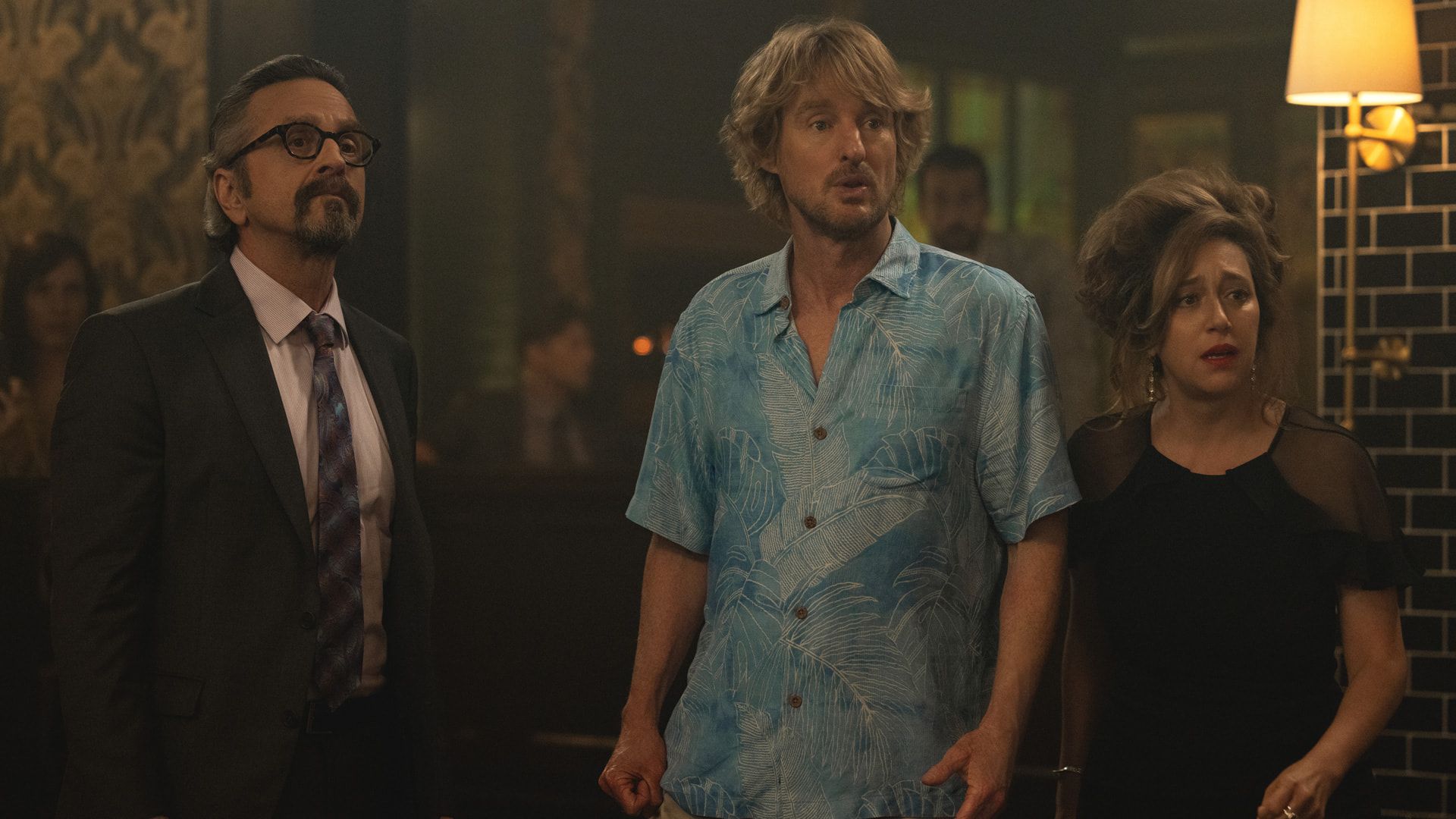
Which series are coming to an end or being cancelled in 2026? Is your favorite returning for a new season? Between expected renewals, surprise cancellations, and series bowing out after several years, 2026 promises to be a pivotal year for many productions. From streaming platforms to major American networks, announcements are multiplying and reshaping the television landscape. Some series are continuing their success with new seasons, while others are closing the curtain for good. Discover in our complete recap all the series renewed, canceled, or ending in 2026, with essential information to remember so you don’t miss any of the upcoming releases.
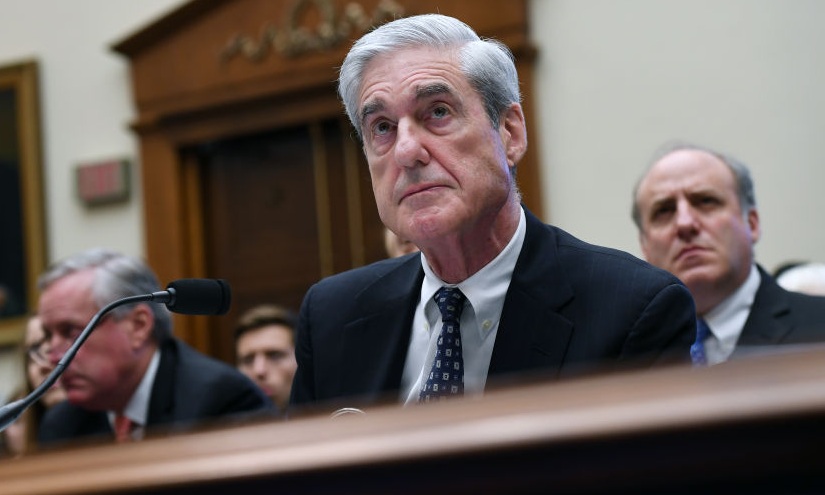
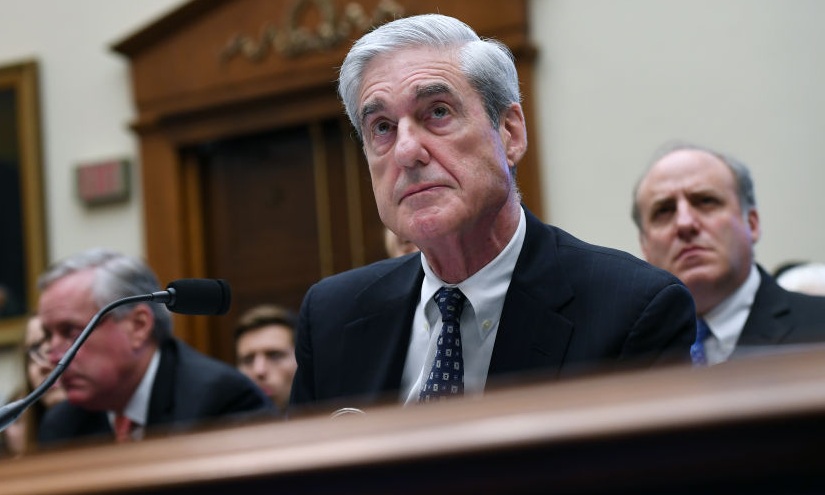
WASHINGTON, DC - JULY 24: Former special counsel, Robert Mueller is seen during a hearing at the Rayburn House Office Building on Wednesday July 24, 2019 in Washington, DC. The former FBI director publicly addressed questions for the first time about his investigation of President Trump and Russian interference in the 2016 presidential election. (Photo by Matt McClain/The Washington Post via Getty Images)
The year 2026 was marked by the passing of many personalities who left a lasting mark on our society. Artists, creators, public figures, thinkers, and athletes—each and every one contributed in their own way to shaping our era and our collective imagination. This In Memoriam project pays tribute to those who left us during the year. Through these memories, we take a moment to remember their influence, celebrate their contributions, and honor lives that will continue to resonate long after their passing.
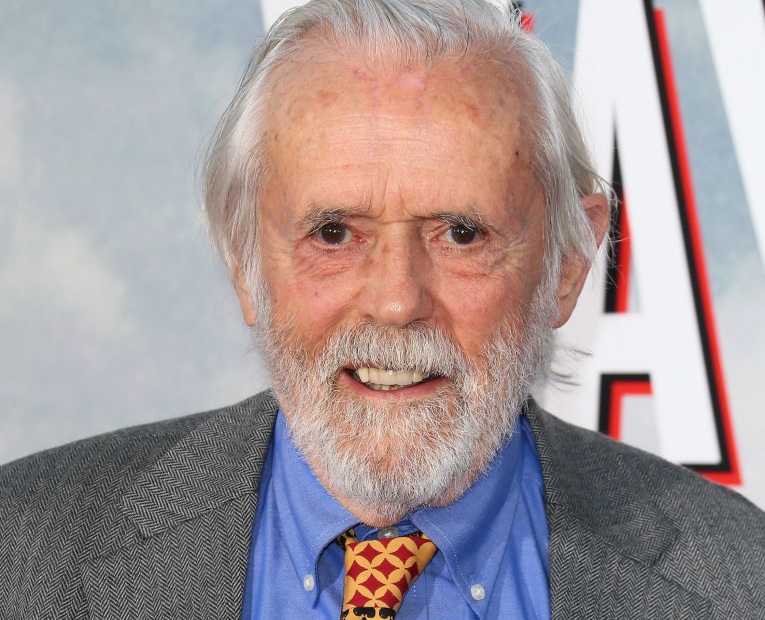
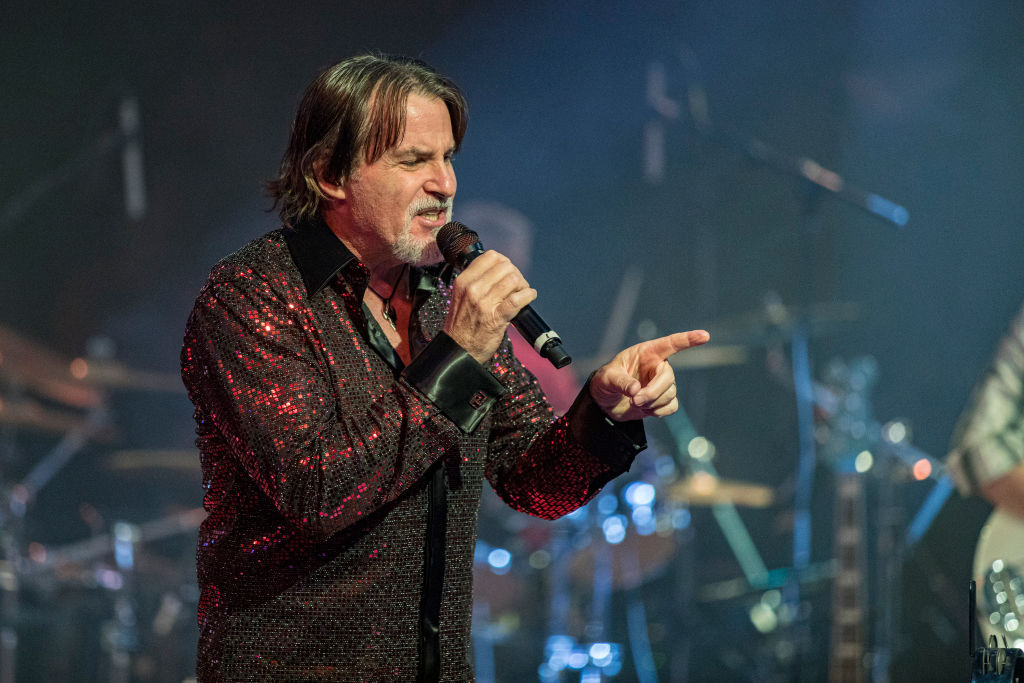
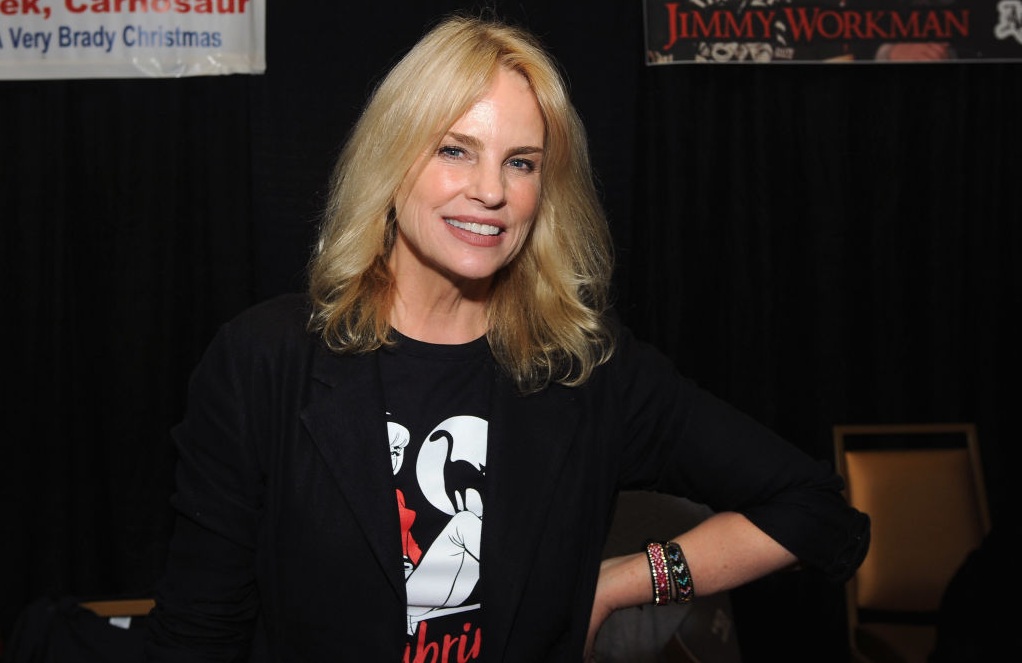
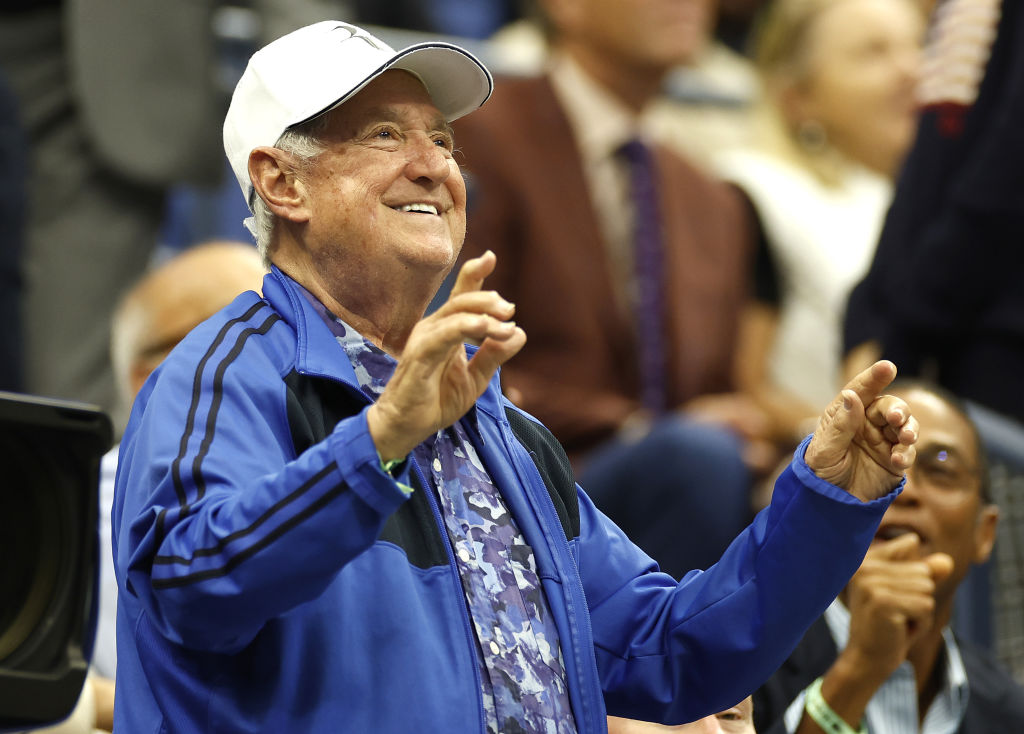
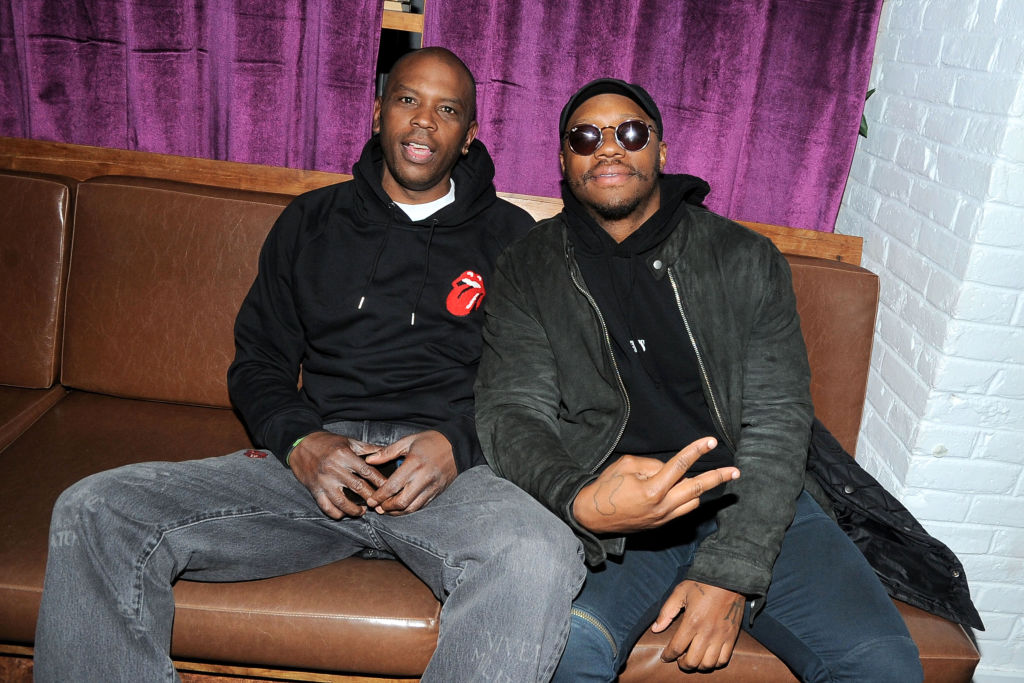
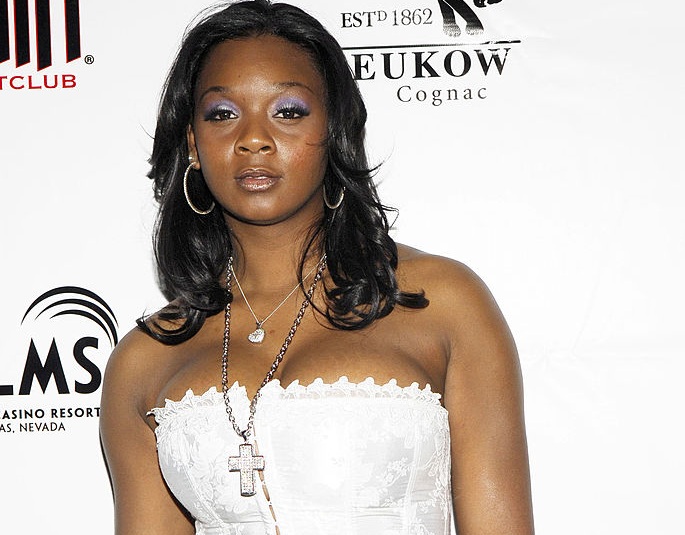
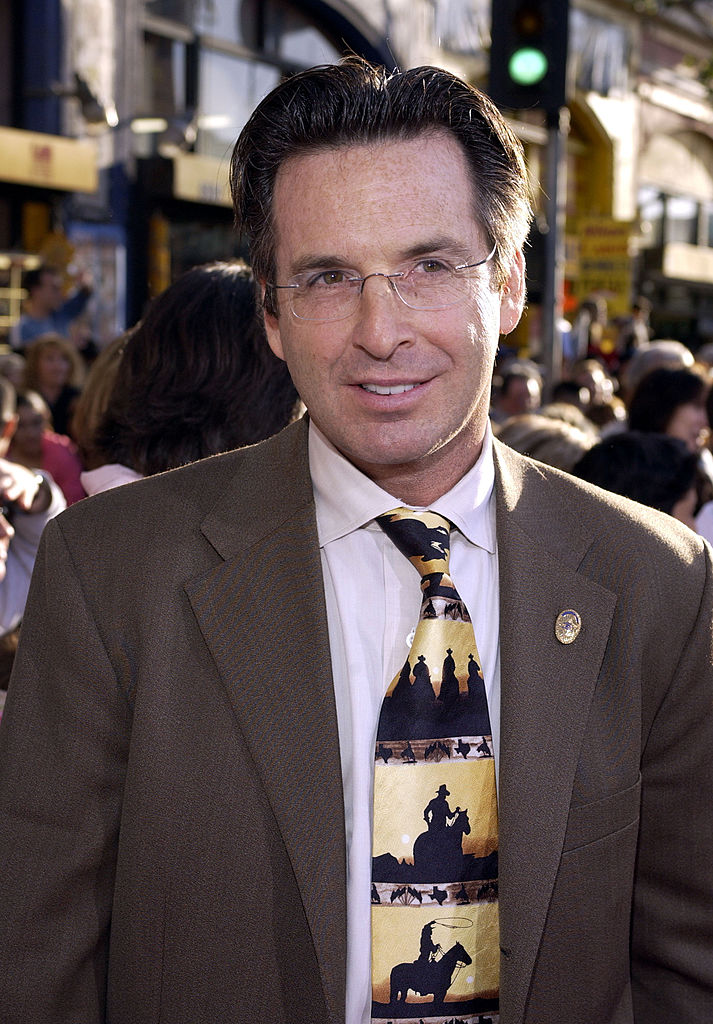
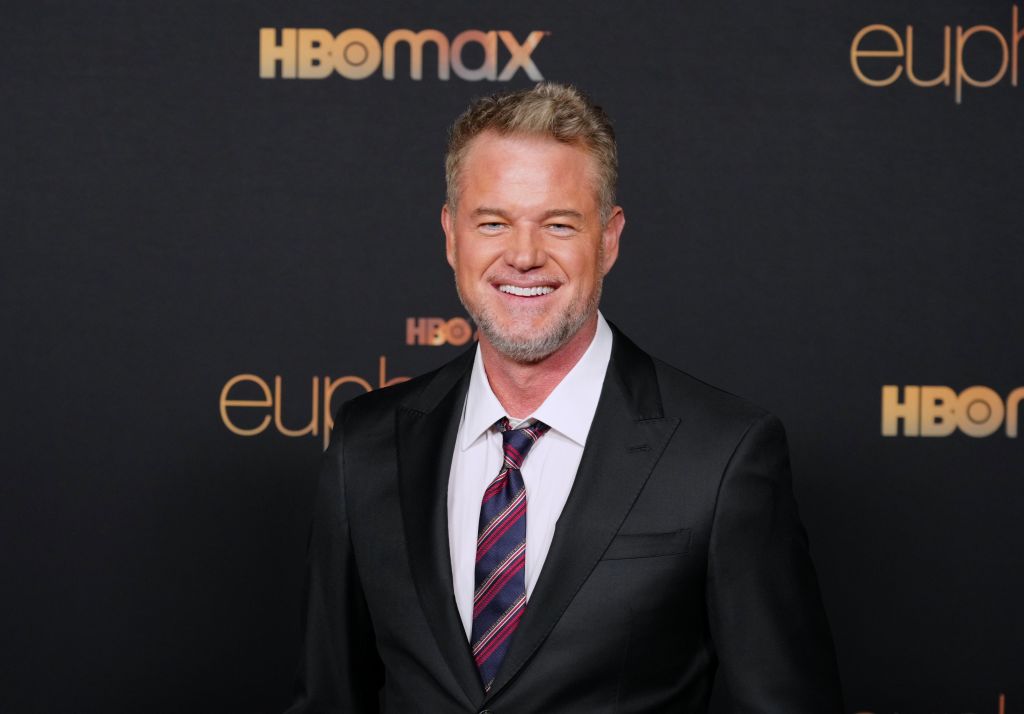
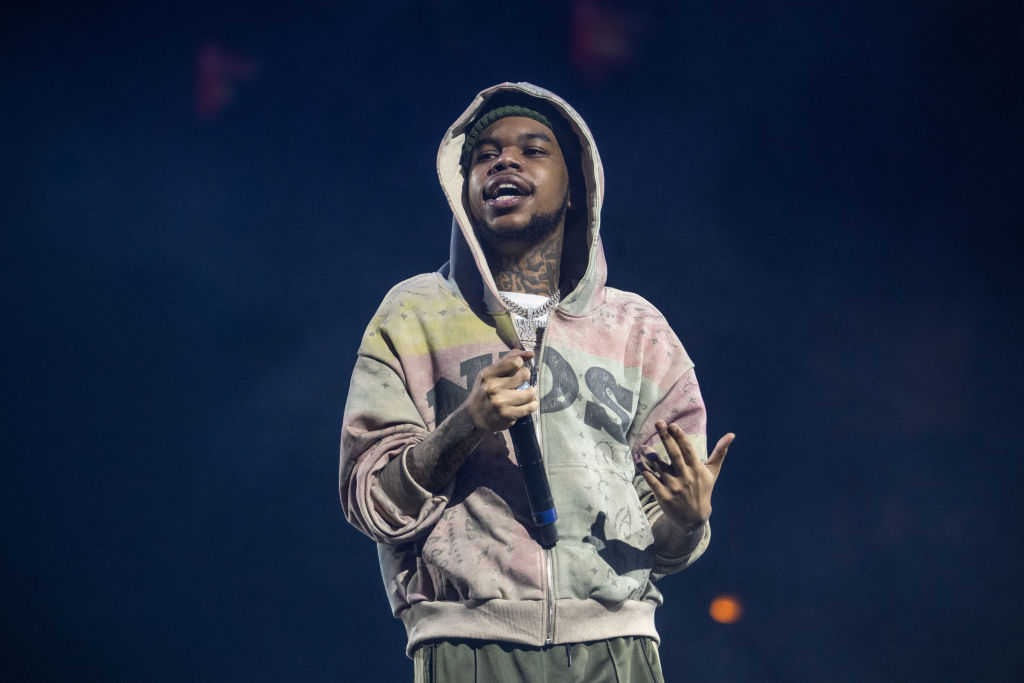
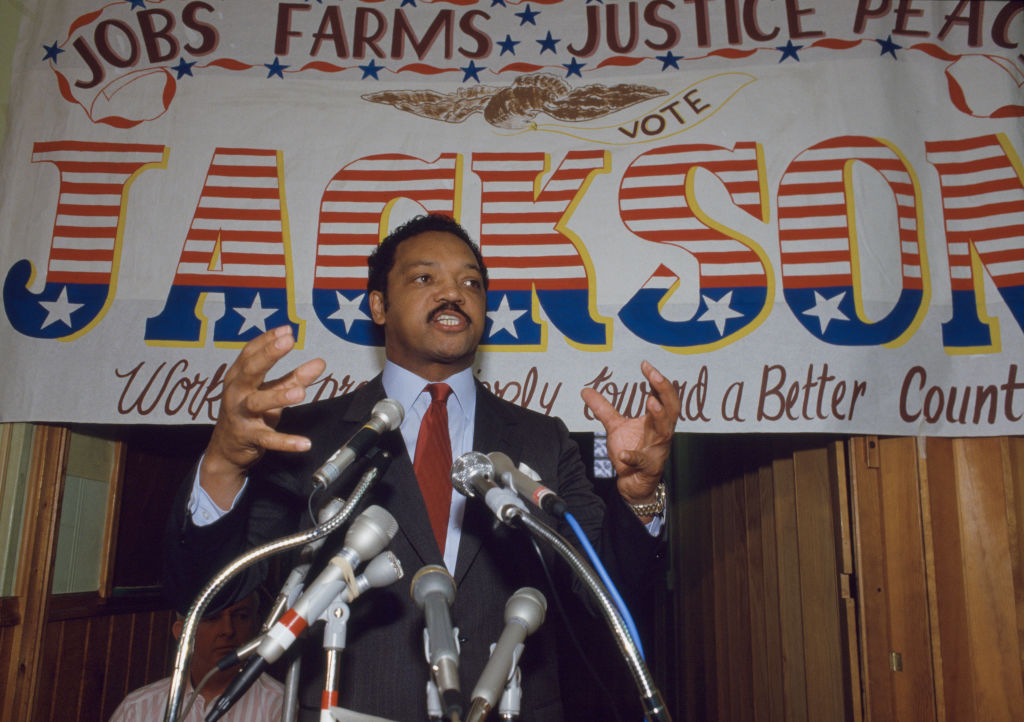
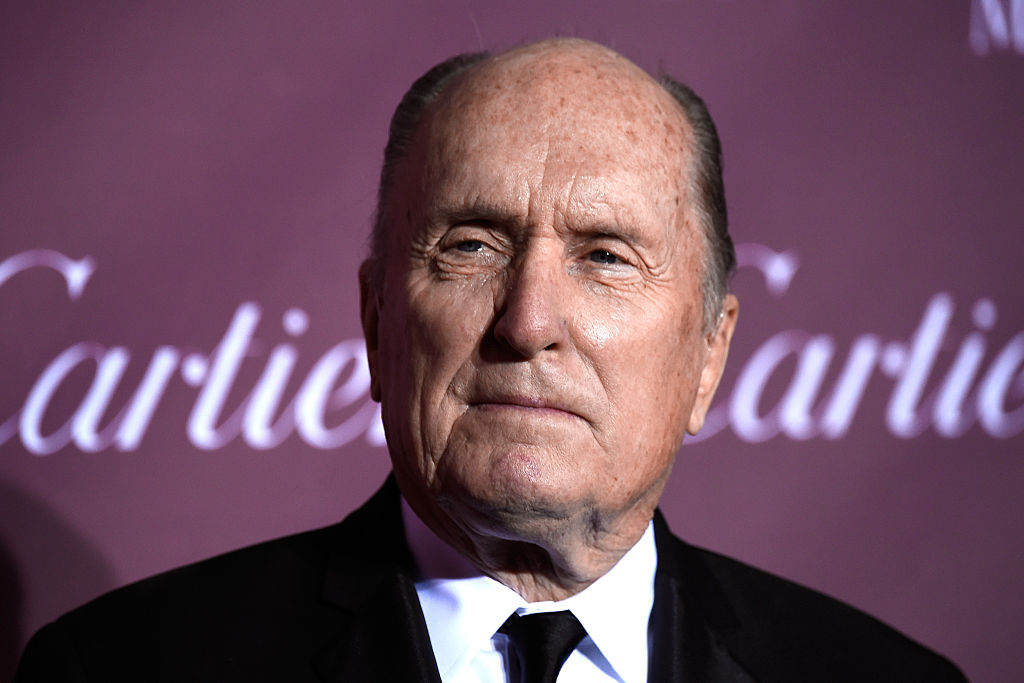
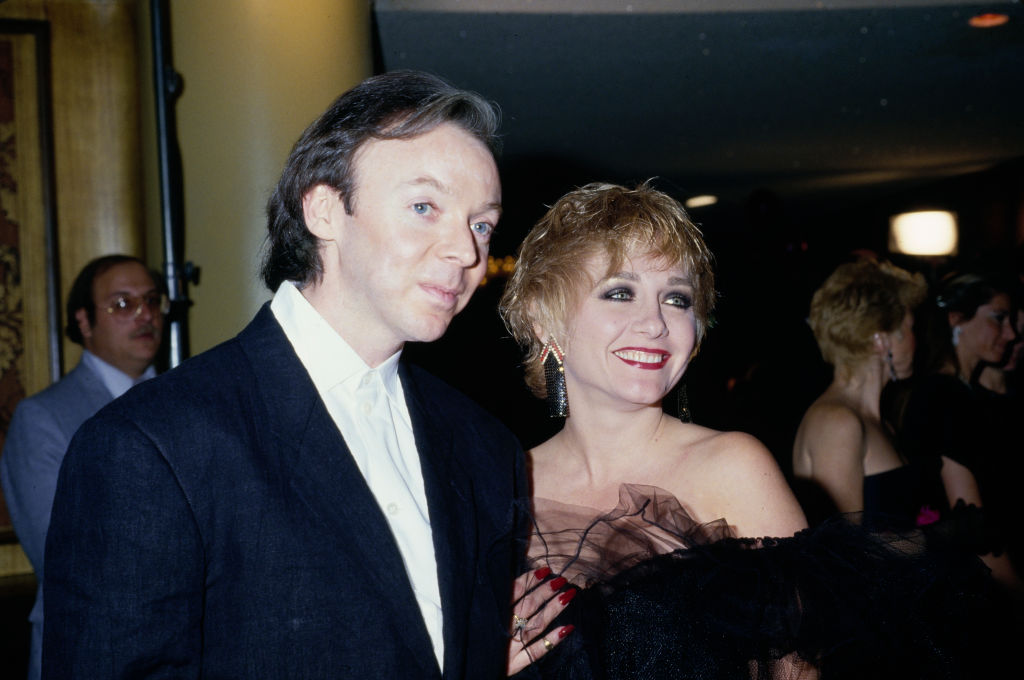
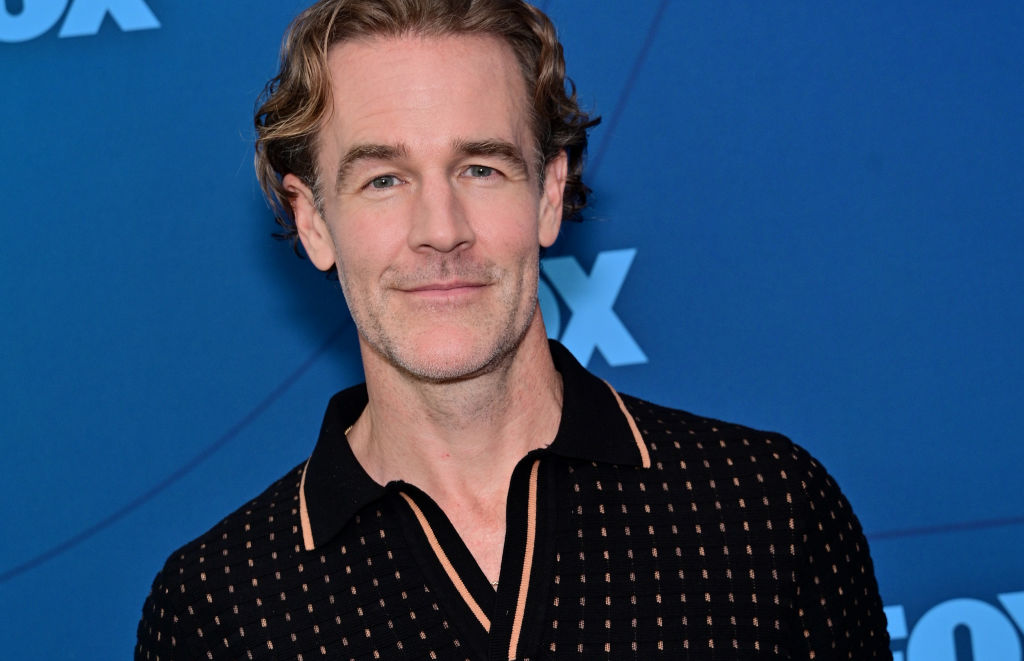
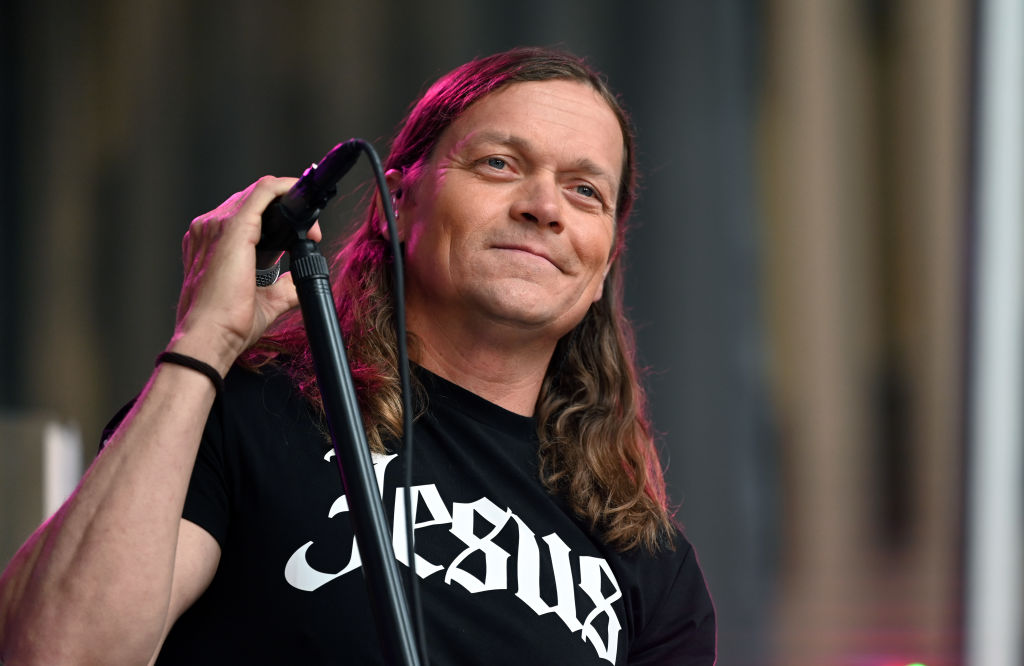
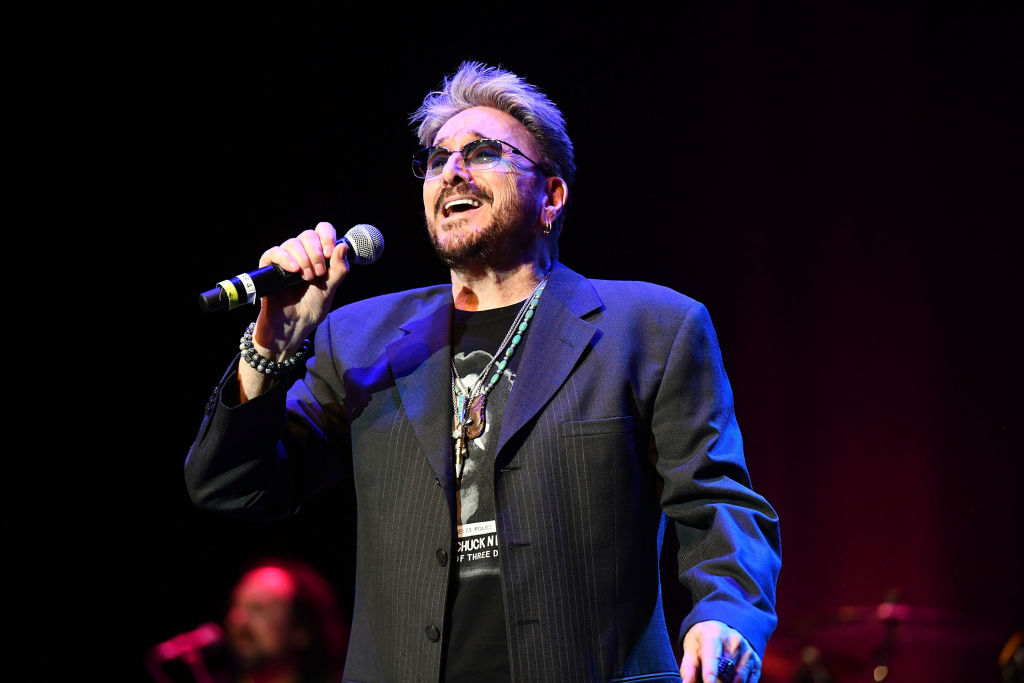
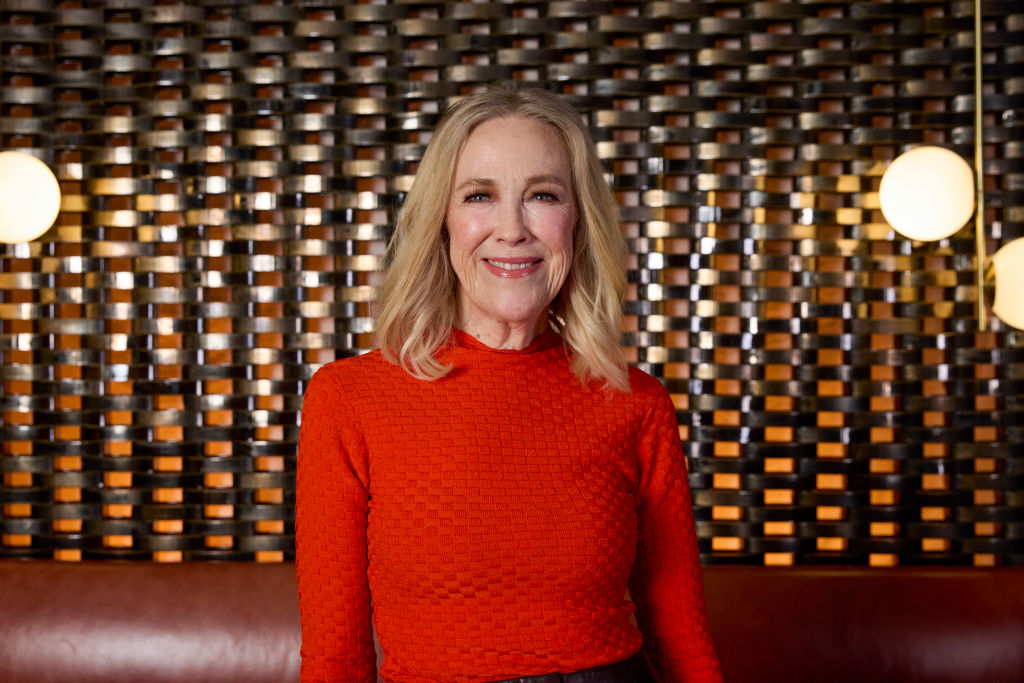
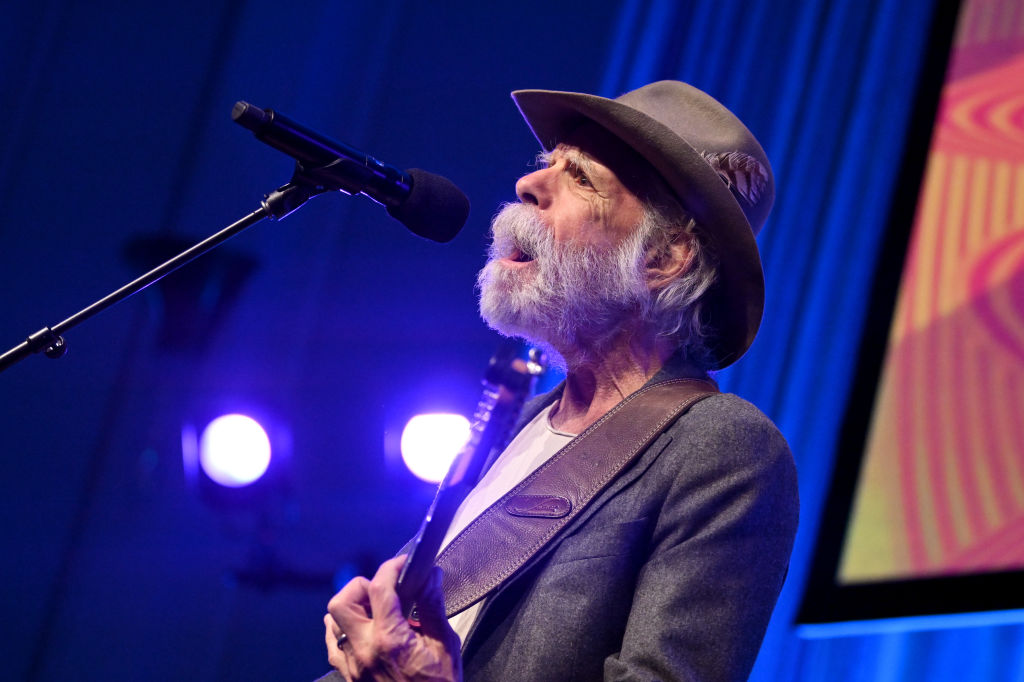
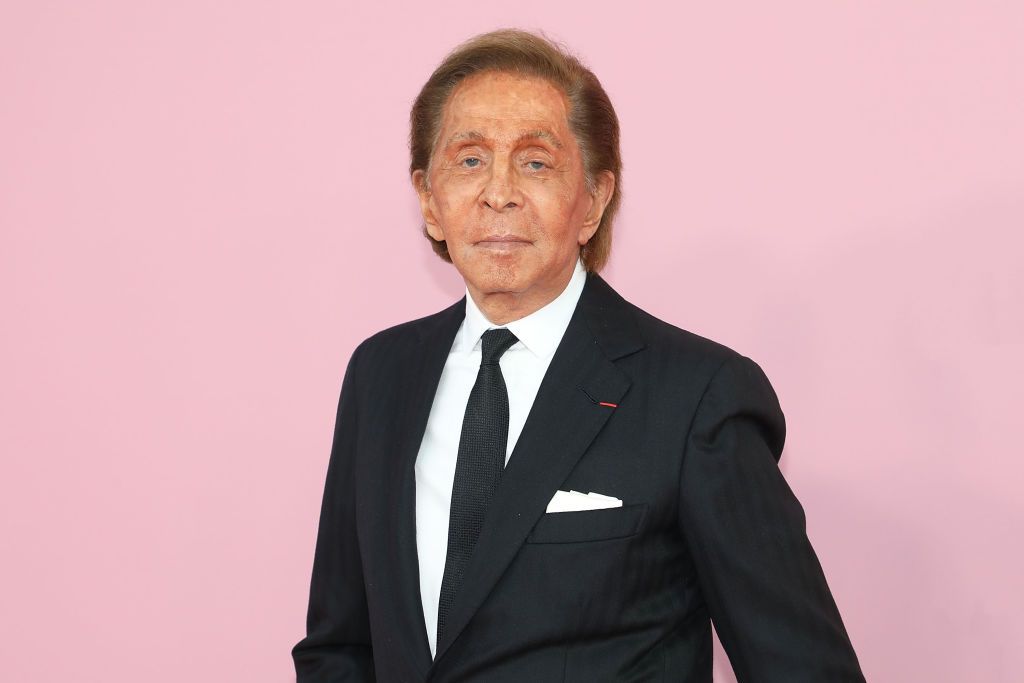
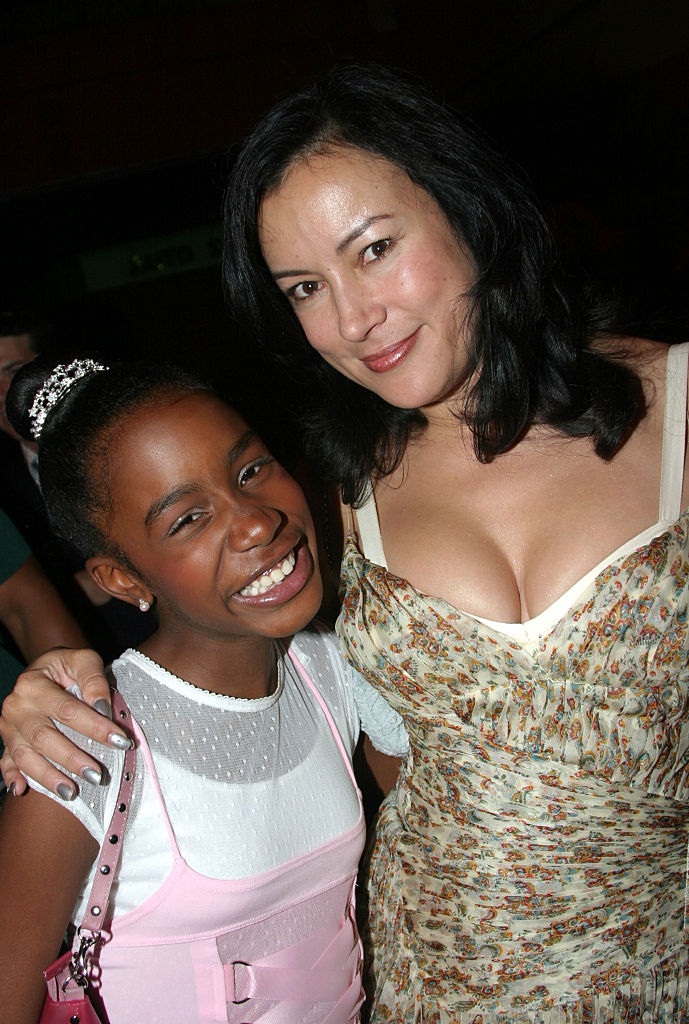
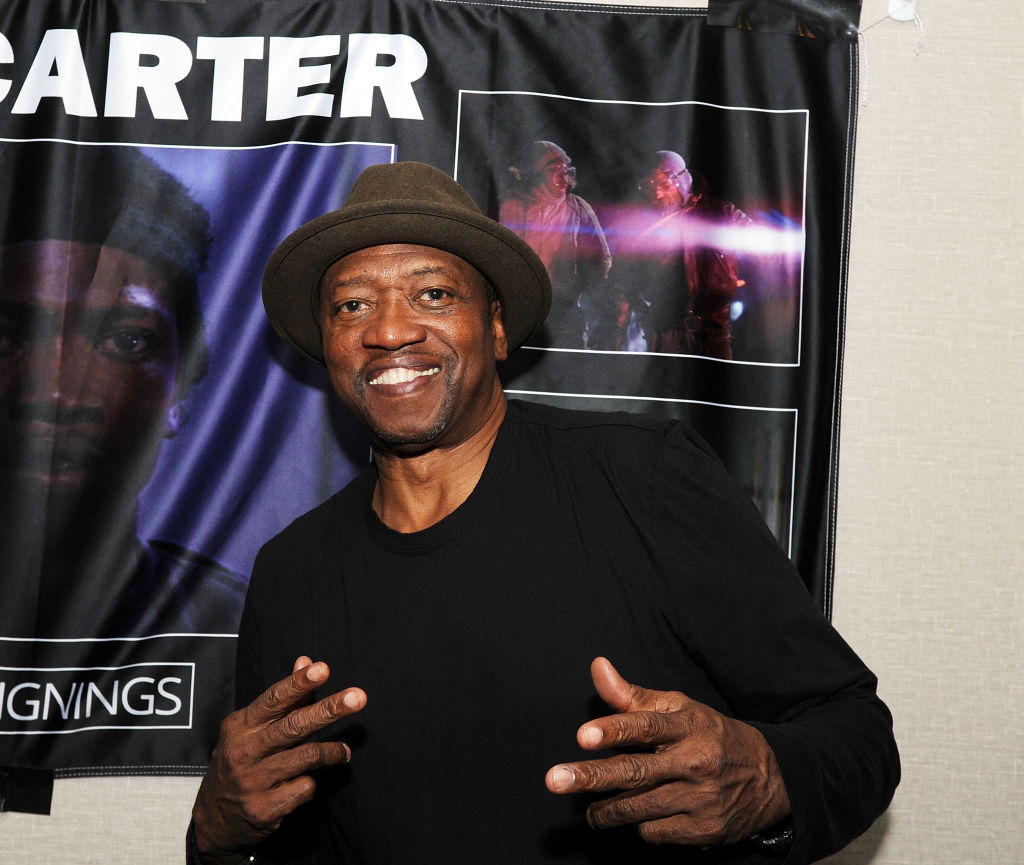
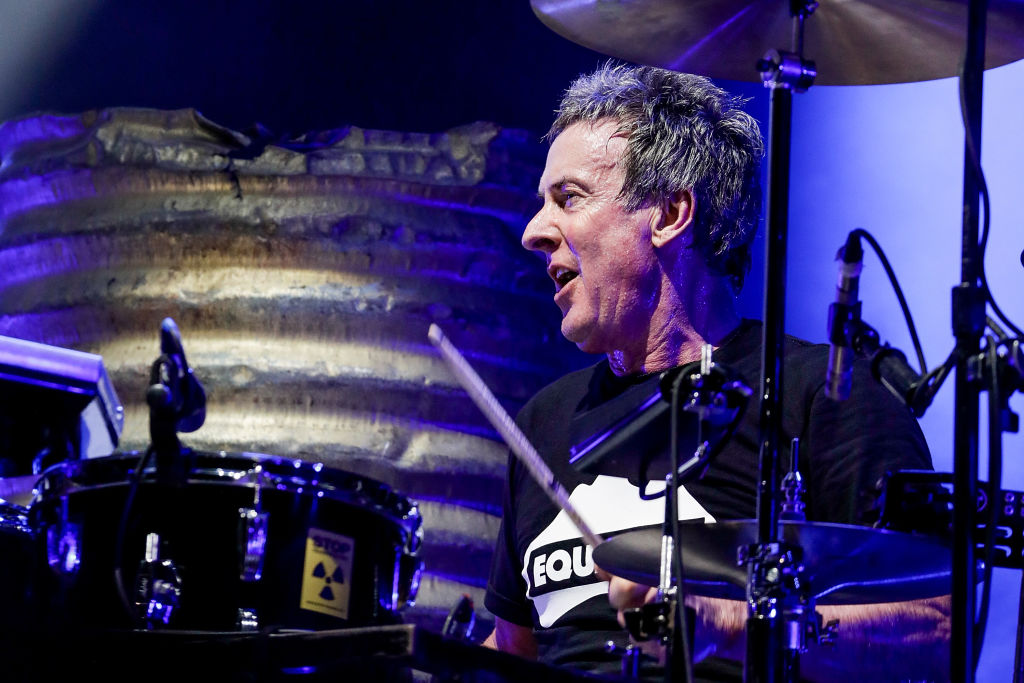
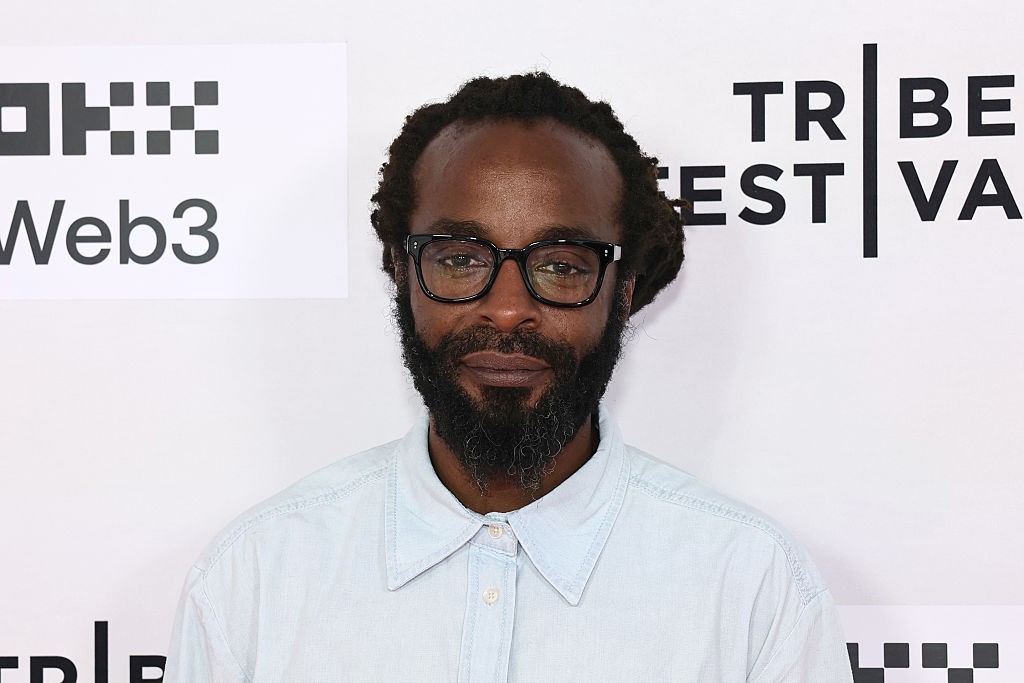
WASHINGTON, DC – JULY 24: Former special counsel, Robert Mueller is seen during a hearing at the Rayburn House Office Building on Wednesday July 24, 2019 in Washington, DC. The former FBI director publicly addressed questions for the first time about his investigation of President Trump and Russian interference in the 2016 presidential election. (Photo by Matt McClain/The Washington Post via Getty Images)HOLLYWOOD – MARCH 20: Actors Sarah Michelle Gellar, Seth Green, Michelle Trachtenberg and Nicolas Brendon from the show ‘Buffy the Vampire Slayer’ arrive at the Paley Center for Media’s 25th annual Paley Television Festival at the Arclight Cinema on March 20, 2008 in Hollywood, California. (Photo by Neilson Barnard/Getty Images)PHILADELPHIA, PA – JUNE 03: Martial artist/actor Chuck Norris make his Wizard World Comic Con debut during Wizard World Comic Con Philadelphia 2017 – Day 3 at Pennsylvania Convention Center on June 3, 2017 in Philadelphia, Pennsylvania. (Photo by Gilbert Carrasquillo/Getty Images)WESTWOOD, CA – MAY 15: Actor Matt Clark attends the premiere of Universal Pictures and MRC’s « A Million Ways to Die in the West » at the Regency Village Theatre on May 15, 2014 in Westwood, California. (Photo by David Livingston/Getty Images)PHOENIX, ARIZONA – DECEMBER 09: Tommy DeCarlo performs on stage at Alice Cooper’s 21st Annual Christmas Pudding at Celebrity Theatre on December 09, 2023 in Phoenix, Arizona. (Photo by Daniel Knighton/Getty Images)ATLANTIC CITY, NJ – MARCH 30: Jennifer Runyon attends the 2019 New Jersey Horror Con And Film Festival at Showboat Atlantic City on March 30, 2019 in Atlantic City, New Jersey. (Photo by Bobby Bank/Getty Images)NEW YORK, NEW YORK – SEPTEMBER 07: Neil Sedaka waves to the crowd during the Men’s Singles Quarterfinal match between Andrey Rublev and Frances Tiafoe of the United States on Day Ten of the 2022 US Open at USTA Billie Jean King National Tennis Center on September 07, 2022 in the Flushing neighborhood of the Queens borough of New York City. (Photo by Sarah Stier/Getty Images)NEW YORK, NY – NOVEMBER 9: Oliver « Power » Grant and Marcus Callender attend The RZA Presents The 36 Chambers 30th Anniversary Celebration After Party at Mr. Purple on November 9, 2023 in New York. (Photo by Paul Bruinooge/Patrick McMullan via Getty Images)LAS VEGAS – FEBRUARY 18: Detroit Shock team member Kara Braxton attends the 2007 NBA All-Star Game « Diddy » After Party at the Rain Nightclub in the Palms Hotel and Casino on February 18, 2007 in Las Vegas, Nevada. (Photo by Ray Tamarra/Getty Images)Robert Carradine (Photo by L. Cohen/WireImage) *** Local Caption ***GLENDALE, AZ – OCTOBER 09: Rondale Moore #4 of the Arizona Cardinals runs out during introductions against the Philadelphia Eagles at State Farm Stadium on October 9, 2022 in Glendale, Arizona. (Photo by Cooper Neill/Getty Images)LOS ANGELES, CALIFORNIA – JANUARY 05: Eric Dane attends HBO’s « Euphoria » Season 2 Photo Call at Goya Studios on January 05, 2022 in Los Angeles, California. (Photo by Jeff Kravitz/FilmMagic for HBO)ATLANTA, GEORGIA – DECEMBER 5: Rapper Lil Poppa performs during Rod Wave – Last Lap Tour at State Farm Arena on December 5, 2024 in Atlanta, Georgia. (Photo by Prince Williams/WireImage)Le révérend Jesse Jackson en campagne électorale à Winterset dans l’Iowa, le 3 février 1988.(Photo by jean-Louis Atlan/Sygma via Getty Images)PALM SPRINGS, CA – JANUARY 03: Actor Robert Duvall attends the 26th Annual Palm Springs International Film Festival Awards Gala at Parker Palm Springs on January 3, 2015 in Palm Springs, California. (Photo by Frazer Harrison/Getty Images)American actor Bud Cort, wearing a black suit with a white shirt, and American actress Patti D’Arbanville, who wears a black off-shoulder outfit, attend the 2nd Annual American Cinematheque Award Salute, held at the Hollywood Palladium in the Hollywood neighbourhood of Los Angeles, California, 21st February 1987. The ceremony honoured American actress and singer Bette Midler. (Photo by Vinnie Zuffante/Getty Images)LOS ANGELES, CALIFORNIA – NOVEMBER 18: James Van Der Beek attends 2024 FOX Winter Press Day at Fox Studio Lot on November 18, 2024 in Los Angeles, California. (Photo by Andrew Toth/Getty Images)NEW YORK, NEW YORK – MAY 26: Singer Brad Arnold of 3 Doors Down performs at 2023 FOX & Friends’ Summer Concert Series on May 26, 2023 in New York City. (Photo by Slaven Vlasic/Getty Images)BEVERLY HILLS, CA – JULY 14: Musician Chuck Negron, former singer of the classic rock band Three Dog Night, performs onstage during the Happy Together tour at Saban Theatre on July 14, 2018 in Beverly Hills, California. (Photo by Scott Dudelson/Getty Images)Catherine O’Hara of « The Wild Robot » at the Deadline Studio held at the Bisha Hotel during the Toronto International Film Festival 2024 on September 9, 2024 in Toronto, Canada. (Photo by KC Armstrong/Deadline via Getty Images)
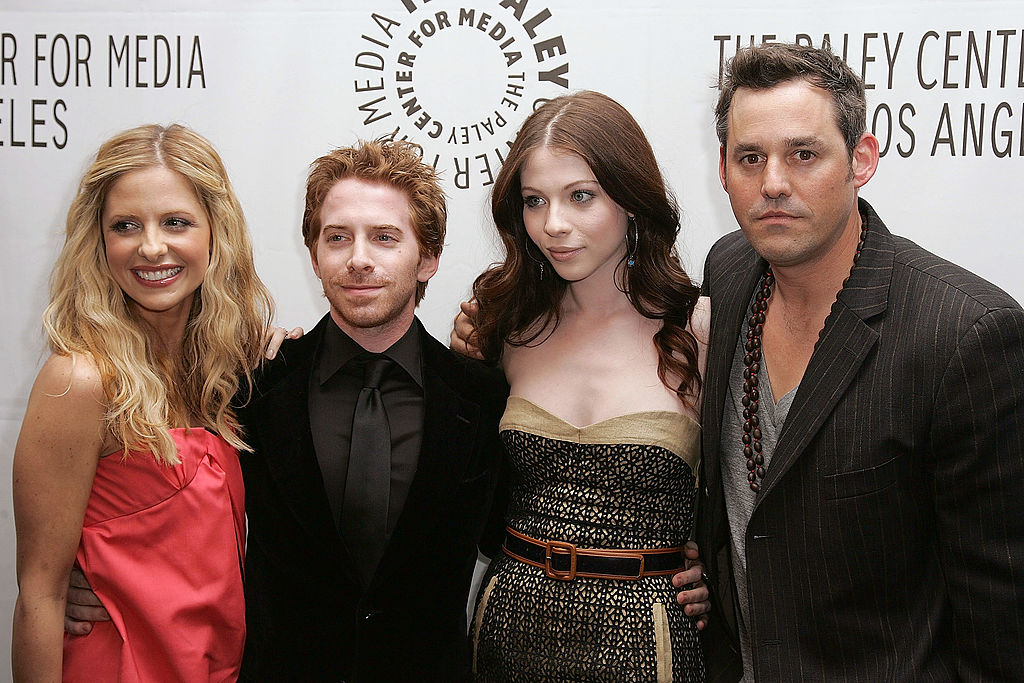
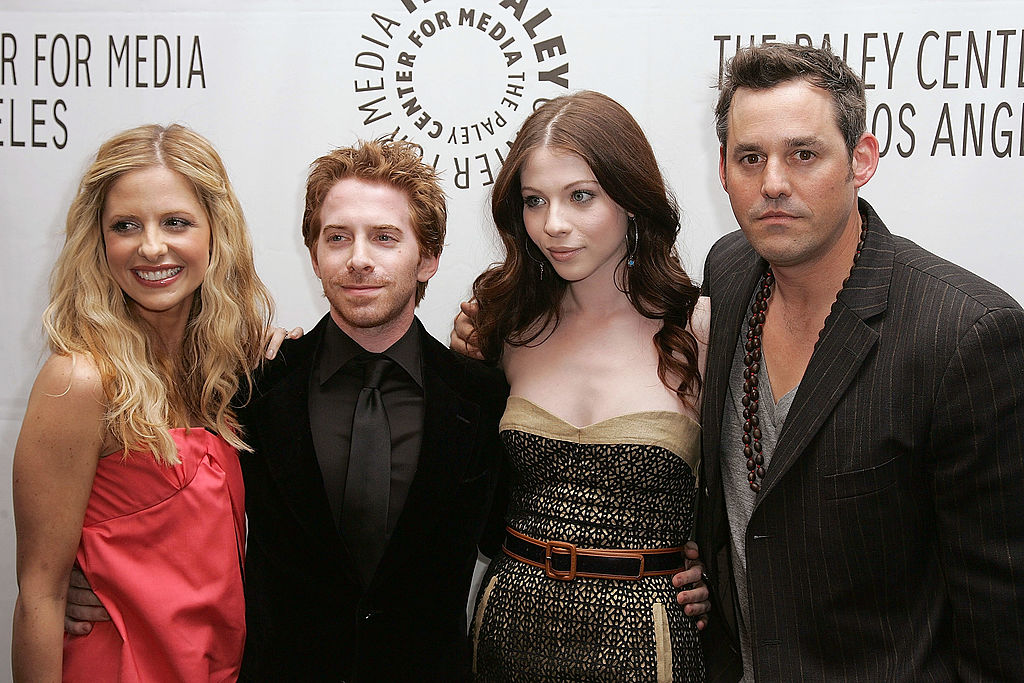
HOLLYWOOD - MARCH 20: Actors Sarah Michelle Gellar, Seth Green, Michelle Trachtenberg and Nicolas Brendon from the show 'Buffy the Vampire Slayer' arrive at the Paley Center for Media's 25th annual Paley Television Festival at the Arclight Cinema on March 20, 2008 in Hollywood, California. (Photo by Neilson Barnard/Getty Images)
The year 2026 was marked by the passing of many personalities who left a lasting mark on our society. Artists, creators, public figures, thinkers, and athletes—each and every one contributed in their own way to shaping our era and our collective imagination. This In Memoriam project pays tribute to those who left us during the year. Through these memories, we take a moment to remember their influence, celebrate their contributions, and honor lives that will continue to resonate long after their passing.
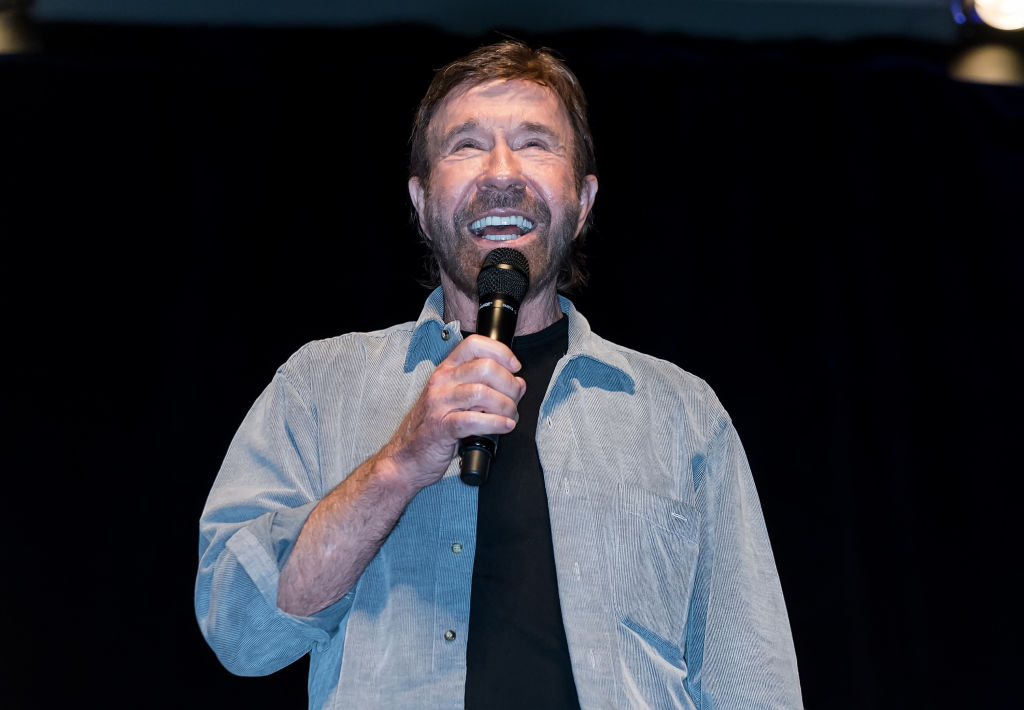
HOLLYWOOD – MARCH 20: Actors Sarah Michelle Gellar, Seth Green, Michelle Trachtenberg and Nicolas Brendon from the show ‘Buffy the Vampire Slayer’ arrive at the Paley Center for Media’s 25th annual Paley Television Festival at the Arclight Cinema on March 20, 2008 in Hollywood, California. (Photo by Neilson Barnard/Getty Images)PHILADELPHIA, PA – JUNE 03: Martial artist/actor Chuck Norris make his Wizard World Comic Con debut during Wizard World Comic Con Philadelphia 2017 – Day 3 at Pennsylvania Convention Center on June 3, 2017 in Philadelphia, Pennsylvania. (Photo by Gilbert Carrasquillo/Getty Images)WESTWOOD, CA – MAY 15: Actor Matt Clark attends the premiere of Universal Pictures and MRC’s « A Million Ways to Die in the West » at the Regency Village Theatre on May 15, 2014 in Westwood, California. (Photo by David Livingston/Getty Images)PHOENIX, ARIZONA – DECEMBER 09: Tommy DeCarlo performs on stage at Alice Cooper’s 21st Annual Christmas Pudding at Celebrity Theatre on December 09, 2023 in Phoenix, Arizona. (Photo by Daniel Knighton/Getty Images)ATLANTIC CITY, NJ – MARCH 30: Jennifer Runyon attends the 2019 New Jersey Horror Con And Film Festival at Showboat Atlantic City on March 30, 2019 in Atlantic City, New Jersey. (Photo by Bobby Bank/Getty Images)NEW YORK, NEW YORK – SEPTEMBER 07: Neil Sedaka waves to the crowd during the Men’s Singles Quarterfinal match between Andrey Rublev and Frances Tiafoe of the United States on Day Ten of the 2022 US Open at USTA Billie Jean King National Tennis Center on September 07, 2022 in the Flushing neighborhood of the Queens borough of New York City. (Photo by Sarah Stier/Getty Images)NEW YORK, NY – NOVEMBER 9: Oliver « Power » Grant and Marcus Callender attend The RZA Presents The 36 Chambers 30th Anniversary Celebration After Party at Mr. Purple on November 9, 2023 in New York. (Photo by Paul Bruinooge/Patrick McMullan via Getty Images)LAS VEGAS – FEBRUARY 18: Detroit Shock team member Kara Braxton attends the 2007 NBA All-Star Game « Diddy » After Party at the Rain Nightclub in the Palms Hotel and Casino on February 18, 2007 in Las Vegas, Nevada. (Photo by Ray Tamarra/Getty Images)Robert Carradine (Photo by L. Cohen/WireImage) *** Local Caption ***GLENDALE, AZ – OCTOBER 09: Rondale Moore #4 of the Arizona Cardinals runs out during introductions against the Philadelphia Eagles at State Farm Stadium on October 9, 2022 in Glendale, Arizona. (Photo by Cooper Neill/Getty Images)LOS ANGELES, CALIFORNIA – JANUARY 05: Eric Dane attends HBO’s « Euphoria » Season 2 Photo Call at Goya Studios on January 05, 2022 in Los Angeles, California. (Photo by Jeff Kravitz/FilmMagic for HBO)ATLANTA, GEORGIA – DECEMBER 5: Rapper Lil Poppa performs during Rod Wave – Last Lap Tour at State Farm Arena on December 5, 2024 in Atlanta, Georgia. (Photo by Prince Williams/WireImage)Le révérend Jesse Jackson en campagne électorale à Winterset dans l’Iowa, le 3 février 1988.(Photo by jean-Louis Atlan/Sygma via Getty Images)PALM SPRINGS, CA – JANUARY 03: Actor Robert Duvall attends the 26th Annual Palm Springs International Film Festival Awards Gala at Parker Palm Springs on January 3, 2015 in Palm Springs, California. (Photo by Frazer Harrison/Getty Images)American actor Bud Cort, wearing a black suit with a white shirt, and American actress Patti D’Arbanville, who wears a black off-shoulder outfit, attend the 2nd Annual American Cinematheque Award Salute, held at the Hollywood Palladium in the Hollywood neighbourhood of Los Angeles, California, 21st February 1987. The ceremony honoured American actress and singer Bette Midler. (Photo by Vinnie Zuffante/Getty Images)LOS ANGELES, CALIFORNIA – NOVEMBER 18: James Van Der Beek attends 2024 FOX Winter Press Day at Fox Studio Lot on November 18, 2024 in Los Angeles, California. (Photo by Andrew Toth/Getty Images)NEW YORK, NEW YORK – MAY 26: Singer Brad Arnold of 3 Doors Down performs at 2023 FOX & Friends’ Summer Concert Series on May 26, 2023 in New York City. (Photo by Slaven Vlasic/Getty Images)BEVERLY HILLS, CA – JULY 14: Musician Chuck Negron, former singer of the classic rock band Three Dog Night, performs onstage during the Happy Together tour at Saban Theatre on July 14, 2018 in Beverly Hills, California. (Photo by Scott Dudelson/Getty Images)Catherine O’Hara of « The Wild Robot » at the Deadline Studio held at the Bisha Hotel during the Toronto International Film Festival 2024 on September 9, 2024 in Toronto, Canada. (Photo by KC Armstrong/Deadline via Getty Images)
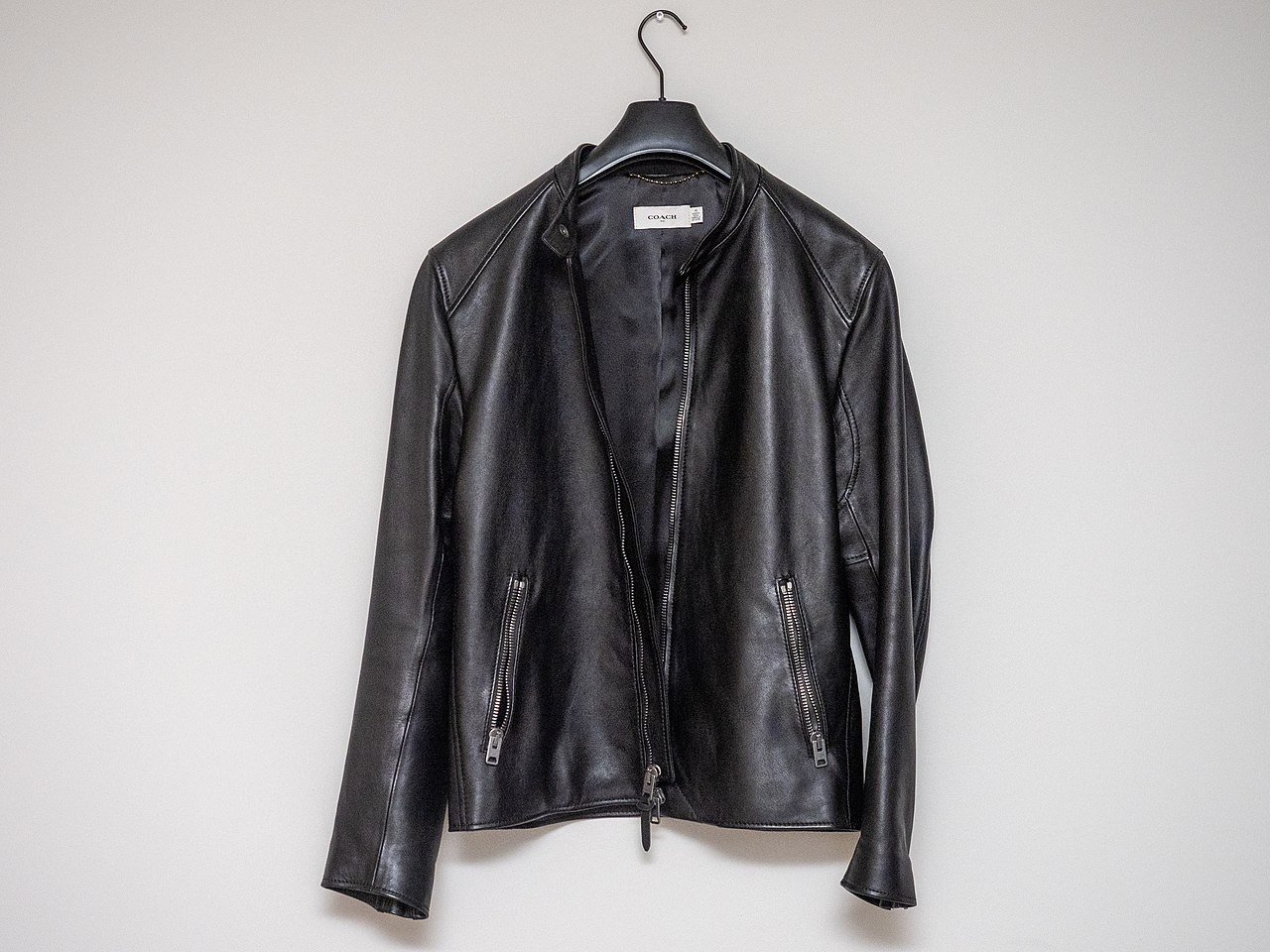
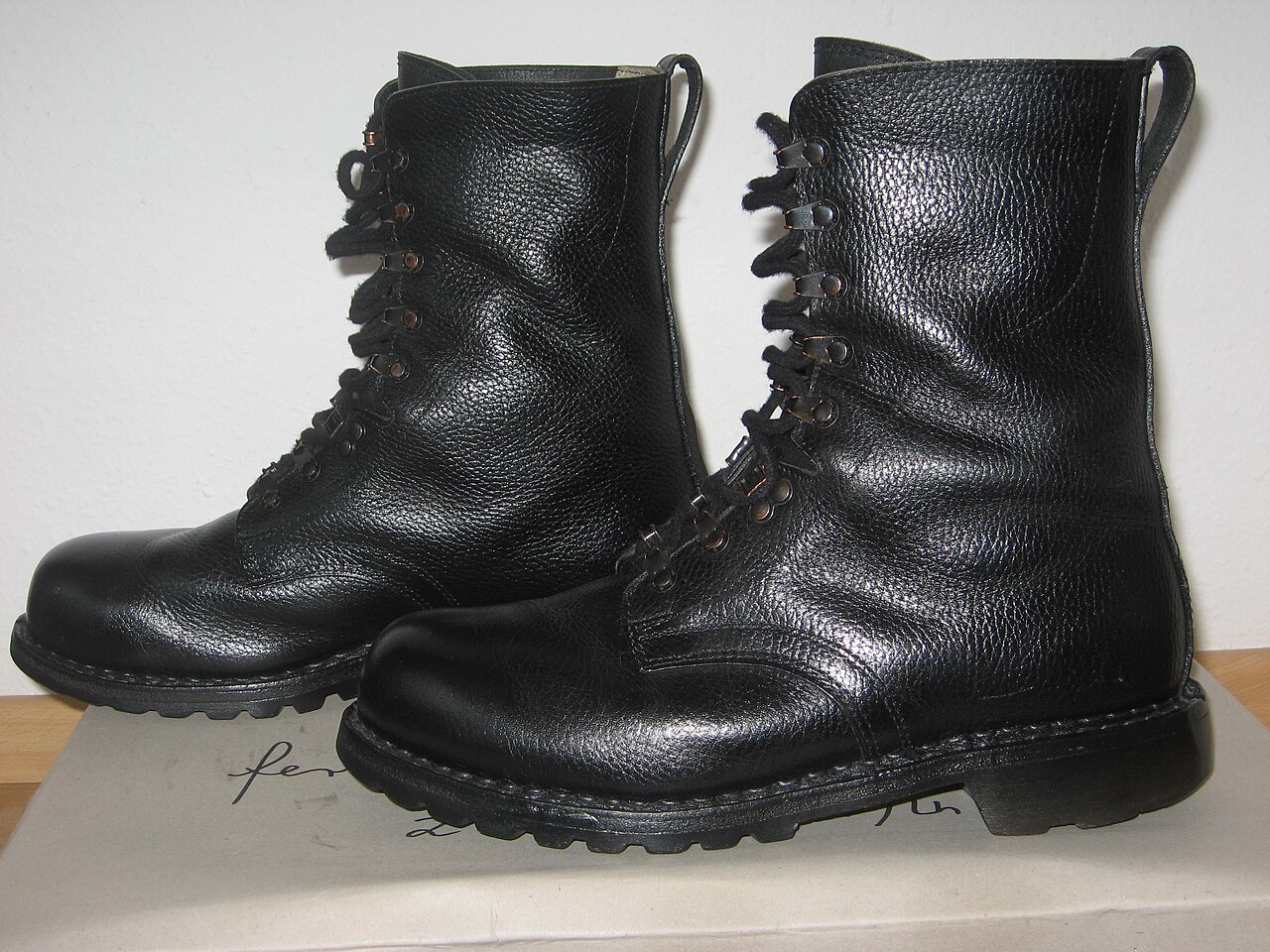
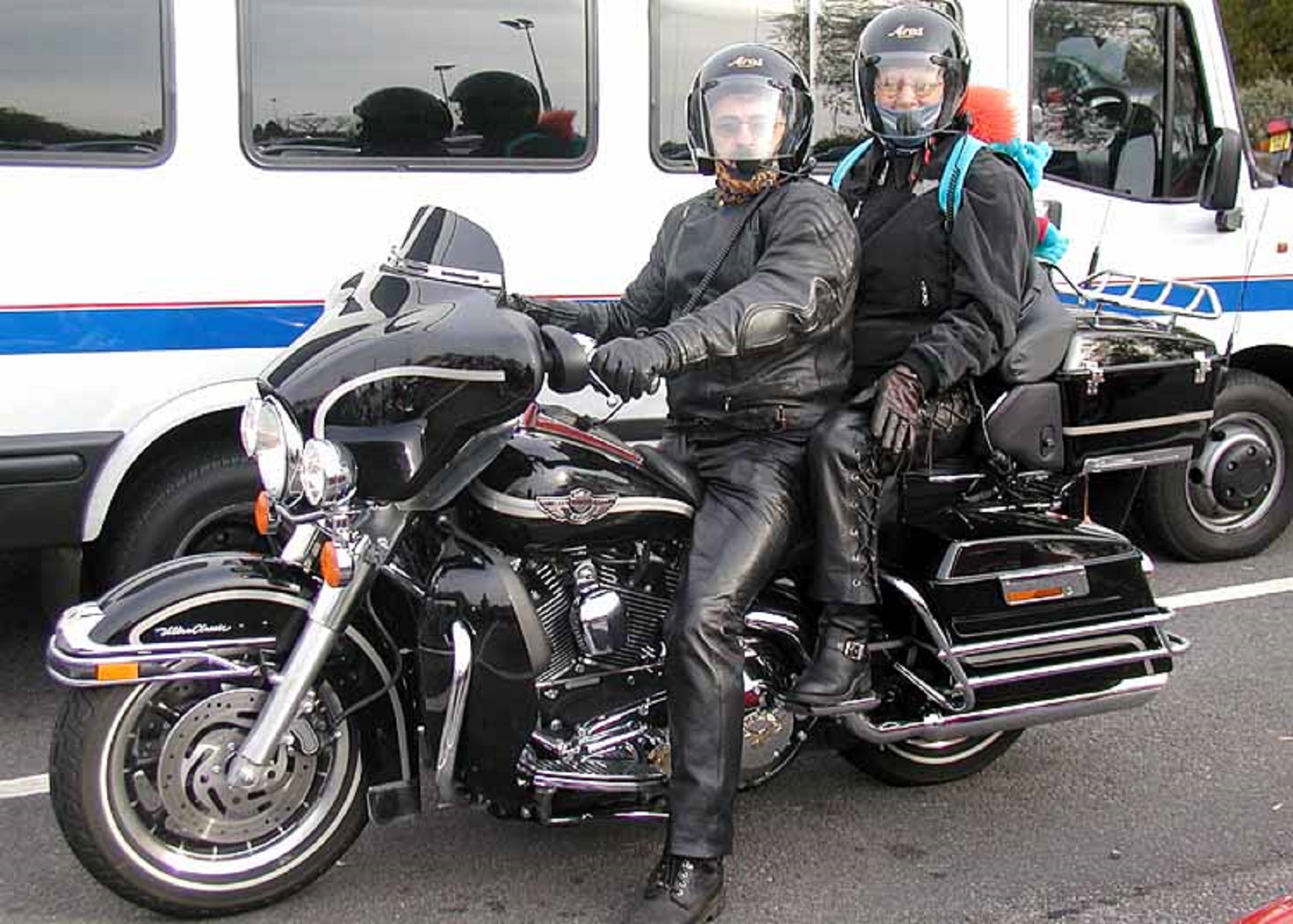
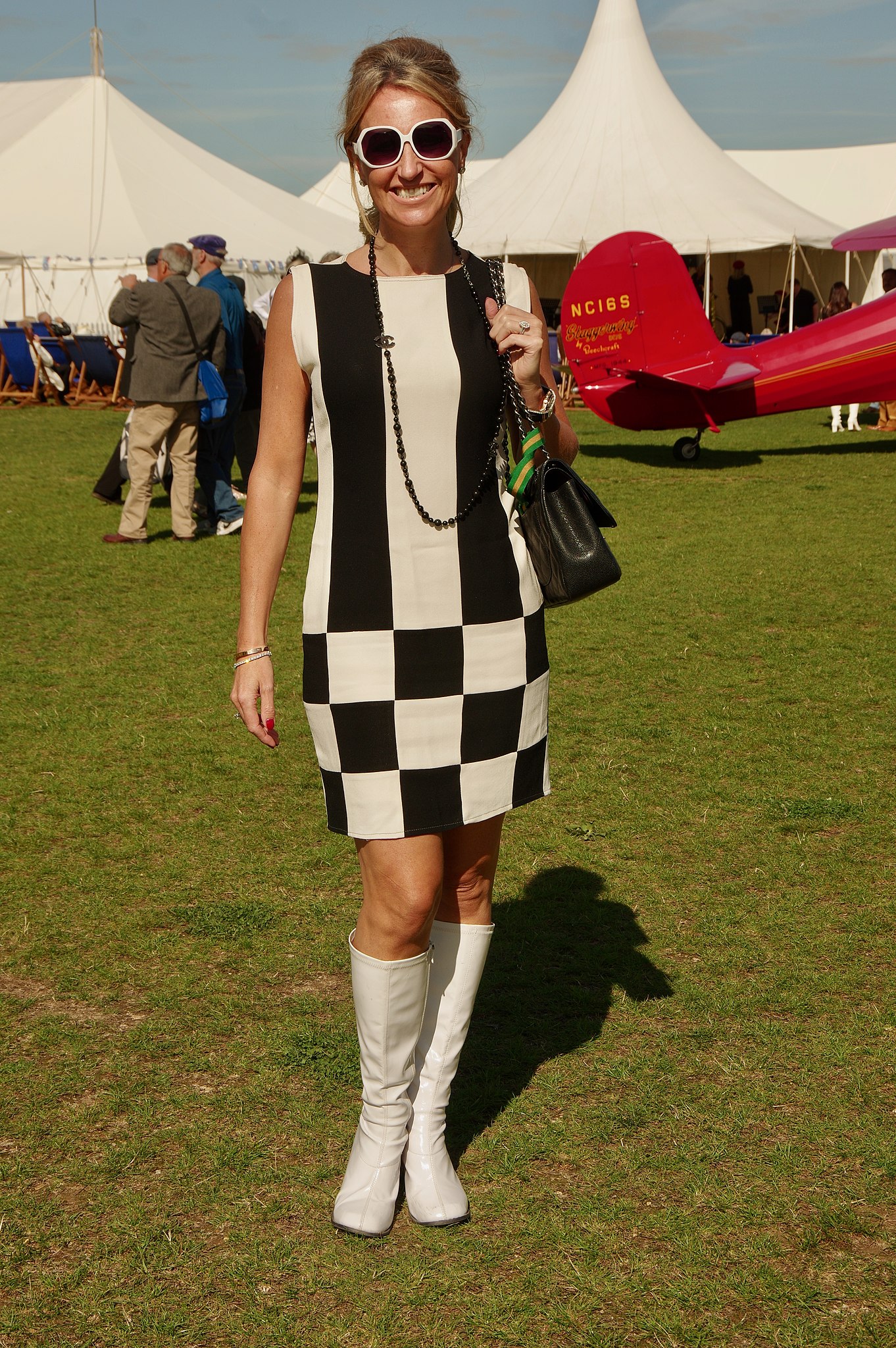
Over the decades, we have all worn outfits that go beyond what society considers to be the norm. Whether they were teen phases or adult lifestyle choices, fashion choices that go against the norm often remain cool. Many of us were goth chicks who wore all black, and some of us adored popular trends of our teen years. Fashion doesn’t have to take on a one-size-fits-all approach. Expressing your personal style doesn’t necessarily mean you have to meet society’s expectations. From motorcycle jackets to Doc Martens with slip dresses, going against the norm can offer a fun way to build your own outfits and stand out from the crowd.
Donald Trump sparked immediate controversy and anger following a striking exchange in the Oval Office with Japan’s prime minister, after responding to a question about his decision to launch strikes on Iran without informing key allies. The moment unfolded after a Japanese reporter asked, «Why didn’t you tell US allies in Europe and Asia like Japan about the war before attacking Iran?» Trump defended the secrecy of the operation, emphasizing the importance of military surprise, but his response quickly drew attention for its unexpected historical reference and tone during a high-level diplomatic meeting.
«Why didn’t you tell me about Pearl Harbor?»
-U.S. President Donald Trump
Responding to the question, Trump said «One thing you don’t want to signal too much, you know, when we go in, we went in very hard and we didn’t tell anybody about it because we wanted surprise. Who knows better about surprise than Japan?» The remark, referencing Japan’s 1941 attack on Pearl Harbor, appeared to catch the room off guard. According to accounts of the exchange, the comment was followed by a moment of visible discomfort, as the historical comparison introduced a sensitive subject in front of Japan’s leader during an already tense geopolitical context.
Getty Images
The exchange took an even more unusual turn when Trump followed up with a remark that deepened the awkwardness in the room. He added «Why didn’t you tell me about Pearl Harbor?» a comment that appeared to confuse observers due to its phrasing. The use of «tell me» in reference to an event that occurred in 1941, decades before Trump was born, raised questions about whether the statement was intended as humor, rhetorical exaggeration, or something else entirely. The comment contributed to what several observers described as a brief but noticeable silence in the Oval Office.
Getty Images
The broader context of the exchange is tied to the ongoing war in Iran, which has escalated rapidly following U.S. and Israeli strikes on Iranian targets. Trump’s decision not to notify certain allies in advance has become a point of contention, particularly among NATO members and key partners in Asia. The administration has defended the approach as necessary for operational security, but critics argue that the lack of coordination risks undermining long-standing alliances at a time of heightened global instability.
«One thing you don’t want to signal too much, you know, when we go in, we went in very hard and we didn’t tell anybody about it because we wanted surprise. Who knows better about surprise than Japan?»
-U.S. President Donald Trump
Tensions have also been amplified by Trump’s recent comments directed at allies regarding their role in securing critical global trade routes, including the Strait of Hormuz. The president has suggested that countries benefiting from maritime security should contribute more directly to maintaining stability in the region, a stance that has drawn mixed reactions from European and Asian partners. These remarks have added to concerns that the United States is shifting its expectations toward allies while simultaneously acting unilaterally in key military decisions.
Getty Images
This unusual exchange in the Oval Office comes as Donald Trump faces growing controversy over his handling of the war in Iran and his broader diplomatic approach. While some supporters have dismissed the remarks as off-the-cuff or rhetorical, others argue that the phrasing and historical reference risk complicating relations with Japan, a long-standing U.S. ally. The moment adds to mounting scrutiny over Trump’s decision-making in the conflict, as tensions continue to rise and questions persist about how the administration is managing both military operations and key international partnerships.
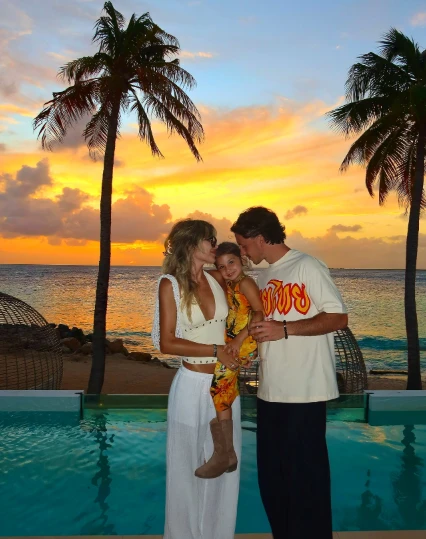
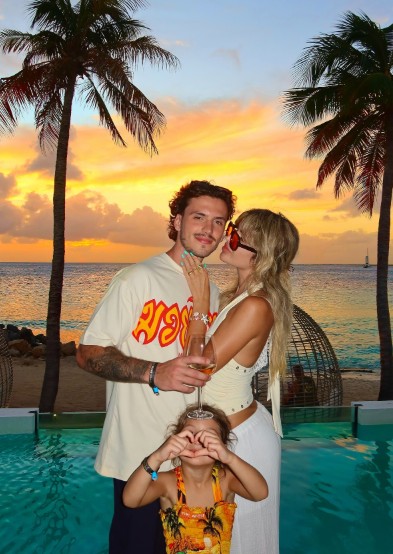
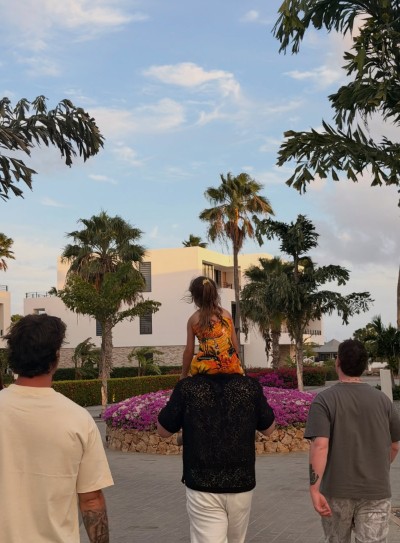
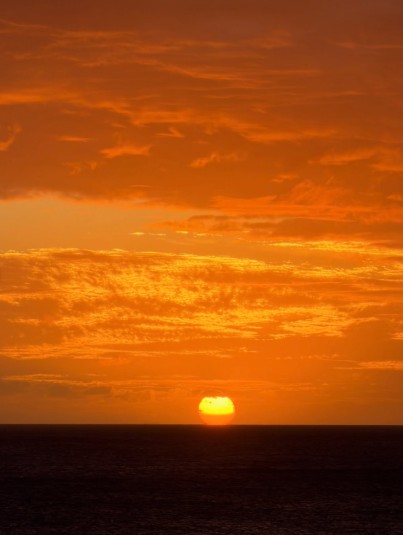
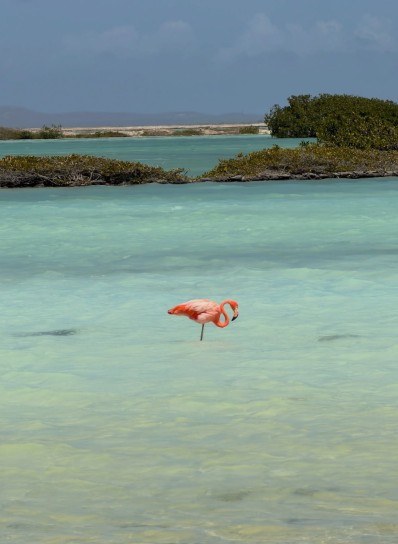
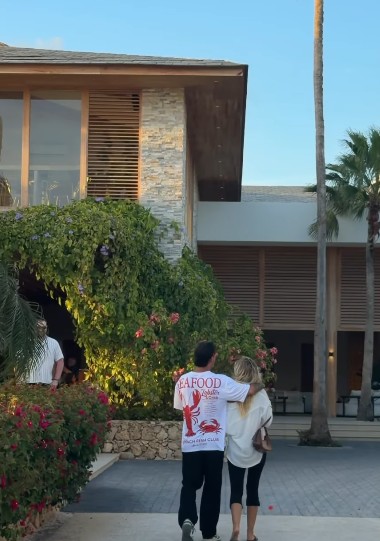
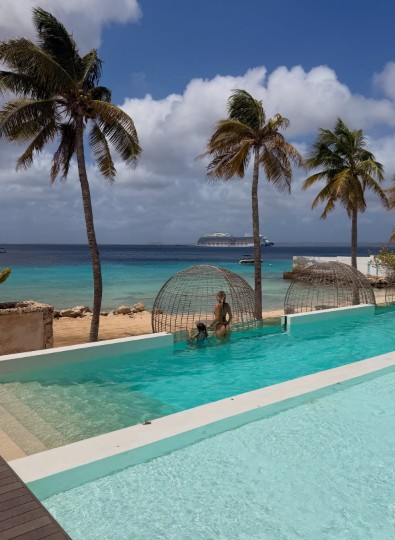
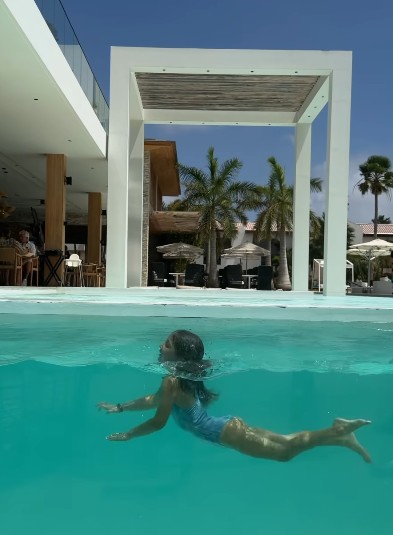
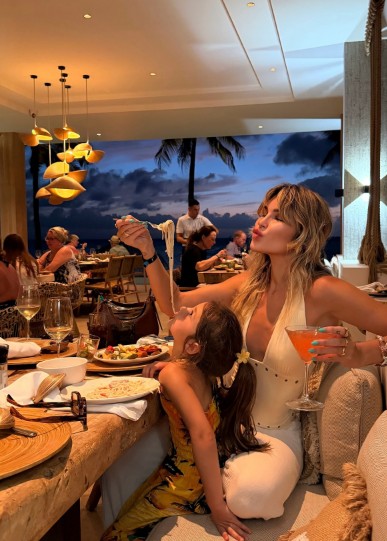
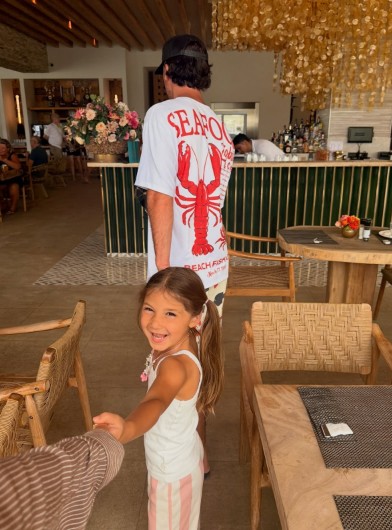
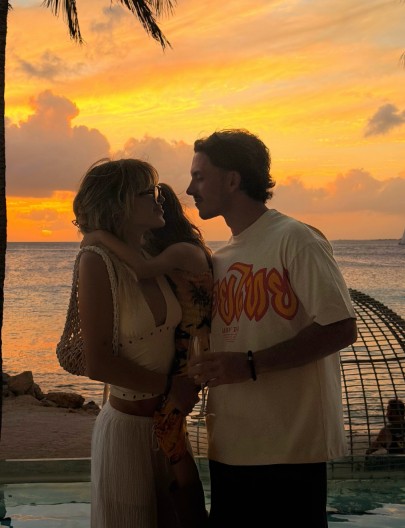
Quebec-based influencer Elisabeth Rioux recently treated herself to a dream getaway in Bonaire. She was joined on this sunny vacation by her partner, Mason Sarkisian, and her daughter, Wolfie, who is now about 5 years old.
Very emotional as she left the island, Elisabeth shared on her social media:
“I’m not going to lie, I cried nonstop for four hours the morning we had to leave, because I just didn’t want it to end. What a dream week with my little family and my friends. I feel so lucky to be able to have this kind of experience thanks to my community, but also to be able to share it with you all at the same time.”
Check out this dream trip—it might just make you want to go there too!