Catégories
Uncategorized

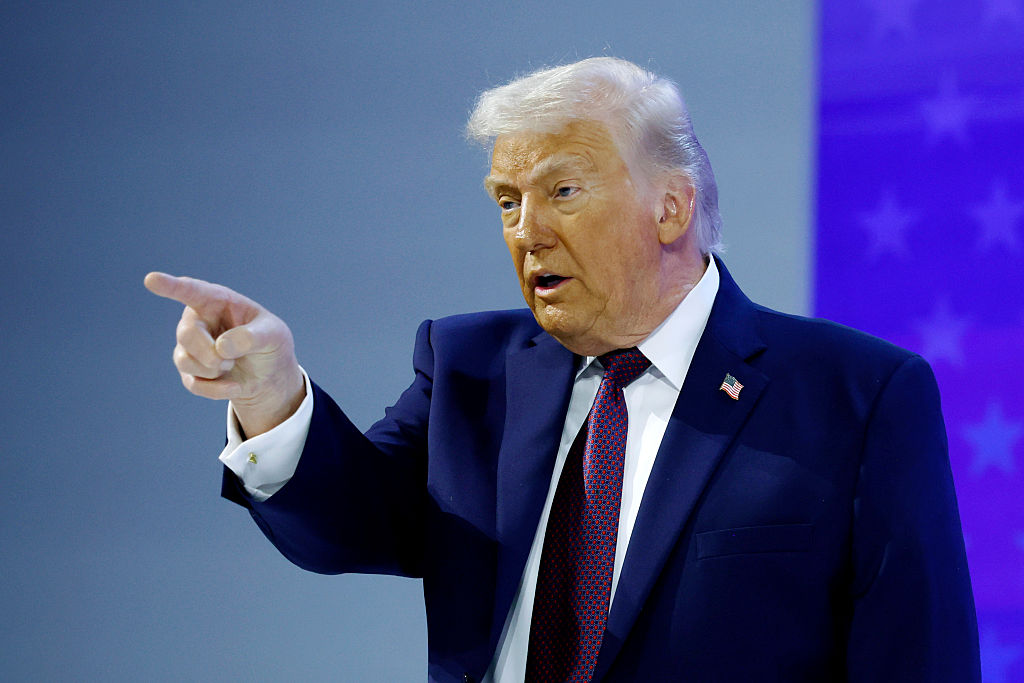
Trump Threatens to Sue Trevor Noah Over Epstein Joke at the Grammys

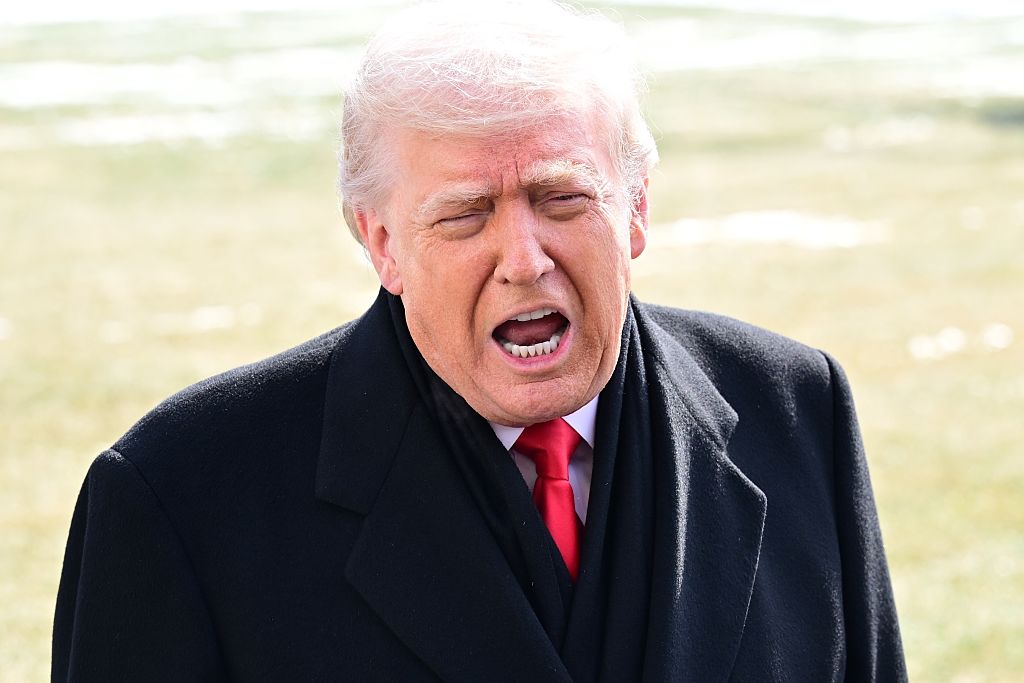
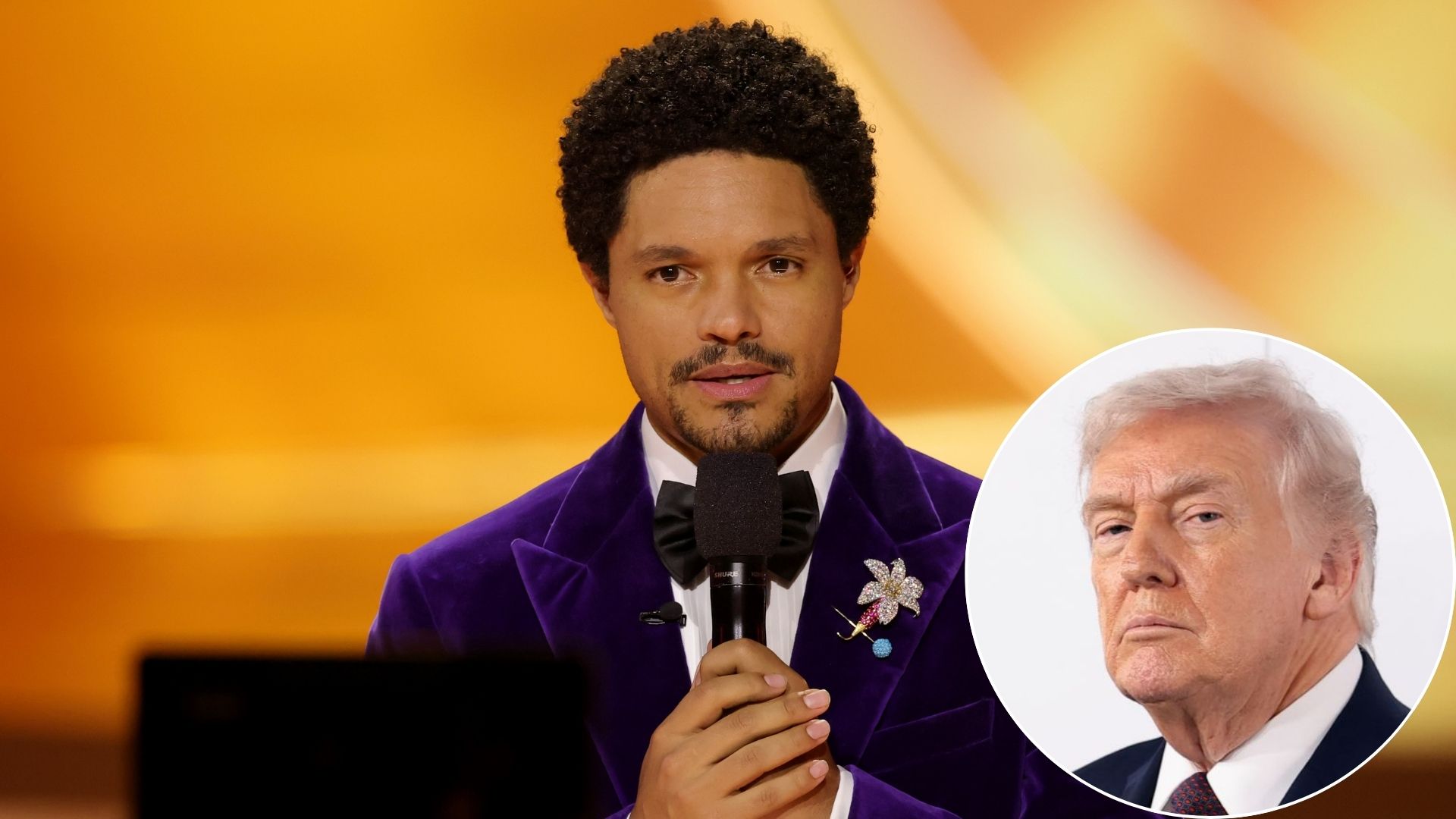
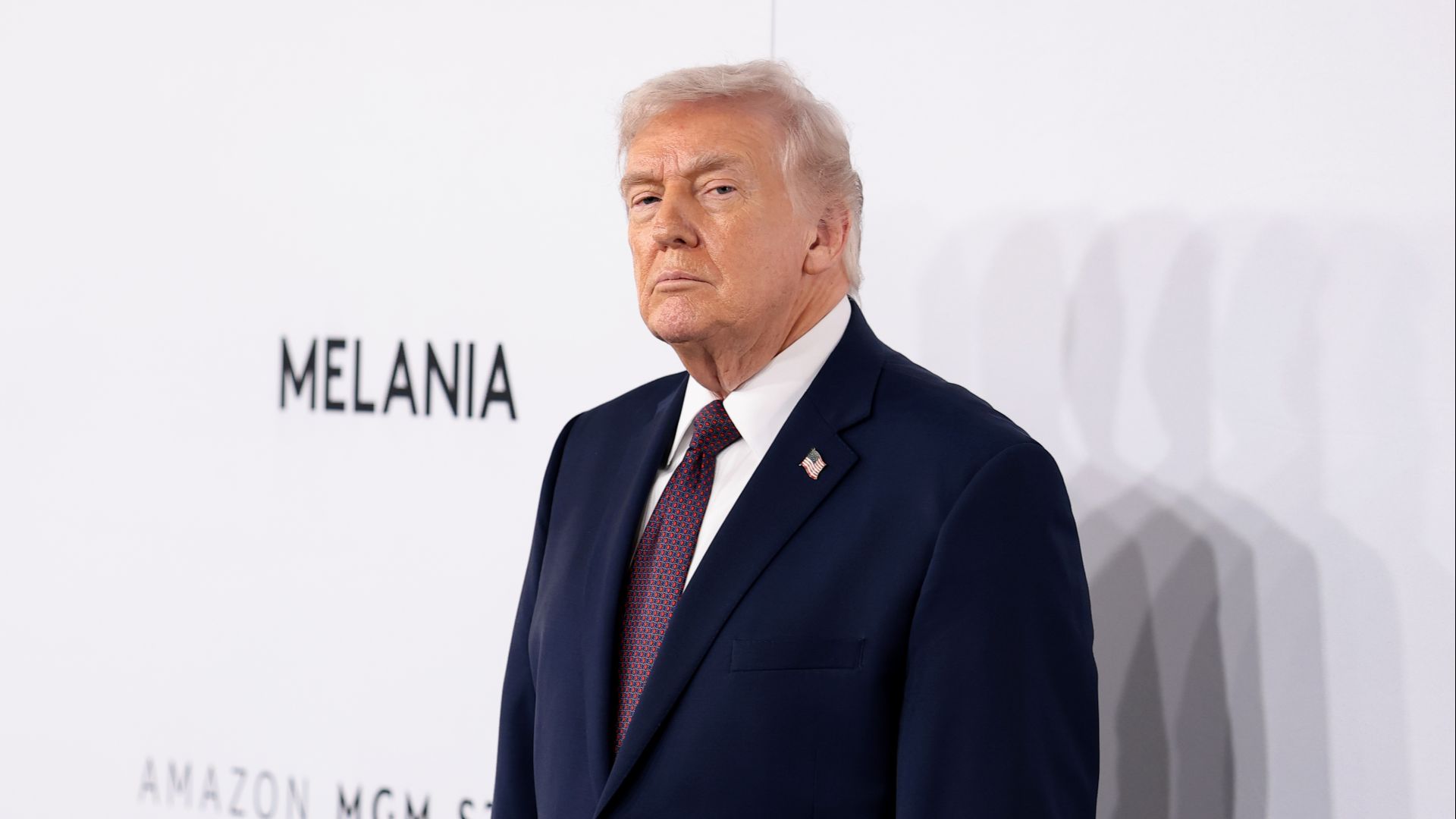
President Donald Trump threatened to sue comedian Trevor Noah after a joke delivered during the Grammy Awards, accusing the host of making a false and defamatory statement about his alleged presence on Jeffrey Epstein’s private island. In a lengthy post on Truth Social, Trump reacted angrily to Noah’s remarks during the broadcast, writing that the Grammys were «the WORST, virtually unwatchable!» and attacking CBS for airing what he described as «garbage.»

Trump said Noah had wrongly claimed that he and former president Bill Clinton spent time on Epstein Island, a claim Trump denied categorically.

«WRONG!!!» Trump wrote, adding that he had «never been to Epstein Island, nor anywhere close.»

Getty Images

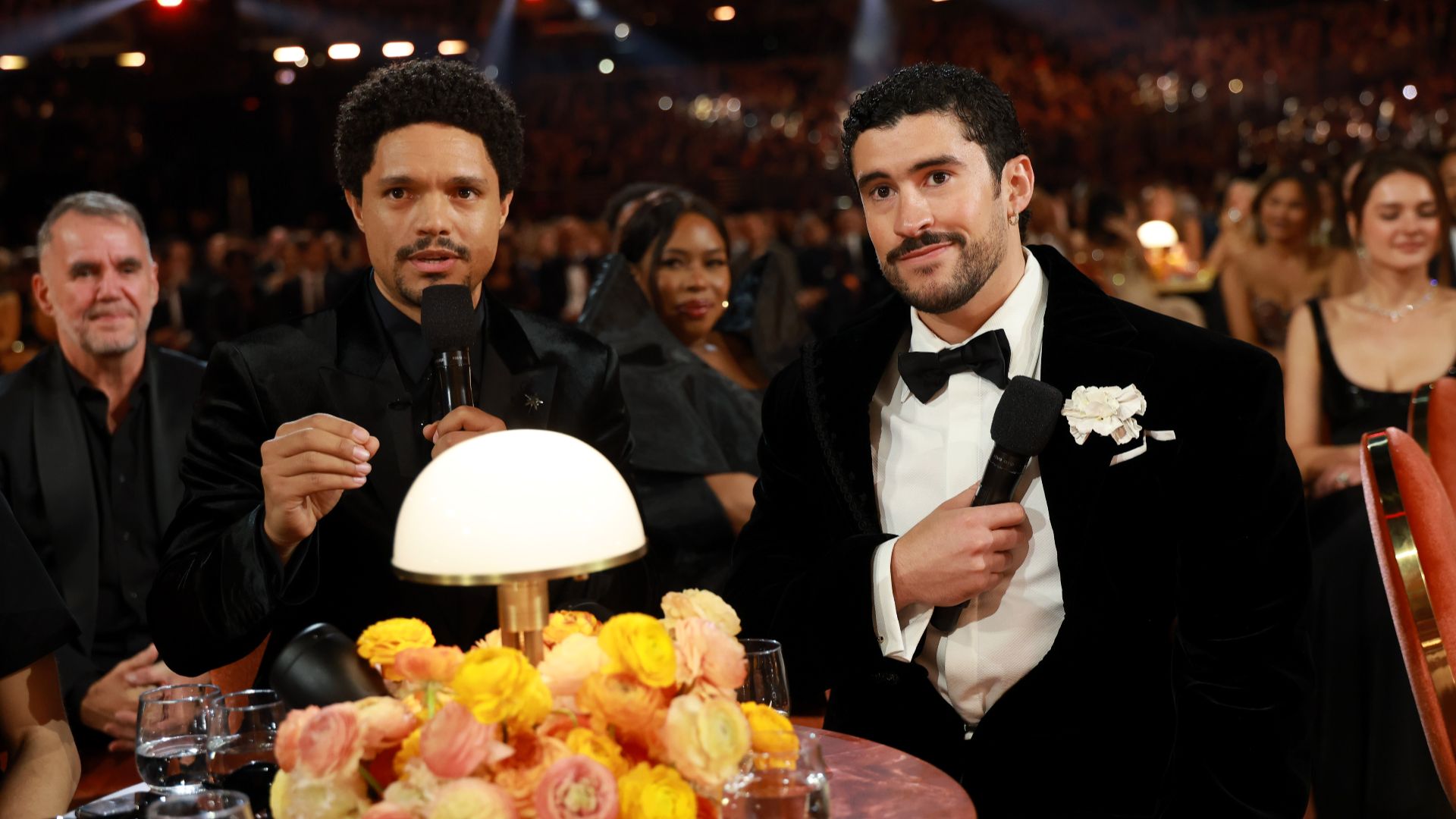
The comments Trump objected to were made during Noah’s opening monologue at the ceremony, where the comedian delivered a joke referencing Trump, Epstein, and Clinton in a broader comedic aside. On stage, Noah said: «That is a Grammy that every artist wants, almost as much as Trump wants Greenland, which makes sense, because Epstein’s island is gone, he needs a new one to hang out on with Bill Clinton.»

Trump seized on the line, writing that the statement was «false and defamatory» and asserting that he had never previously been accused of being connected to Epstein’s island, including by what he referred to as the «Fake News Media.» The exchange quickly spread online, reigniting debate over political satire and Trump’s decision to frame a comedian’s joke as defamation.
Getty Images

Trump’s post concluded with a direct legal threat, marking a rare instance of a sitting president publicly signaling potential litigation over a late-night or awards-show joke. Referring to Noah as «a total loser,» Trump wrote that the comedian «better get his facts straight, and get them straight fast.» He added: «It looks like I’ll be sending my lawyers to sue this poor, pathetic, talentless, dope of an M.C., and suing him for plenty$.»

Trump also referenced past legal disputes, writing: «Ask Little George Slopadopolus, and others, how that all worked out. Also ask CBS!» Neither Noah nor CBS had publicly responded at the time of publication.

«That is a Grammy that every artist wants, almost as much as Trump wants Greenland, which makes sense, because Epstein’s island is gone, he needs a new one to hang out on with Bill Clinton.»

-Trevor Noah

At the same ceremony where Trump threatened to sue Trevor Noah, several artists used their platforms to vocalise opposition to the Trump administration’s immigration enforcement policies and actions by Immigration and Customs Enforcement, broadening the political message beyond Noah’s joke. Puerto Rican star Bad Bunny opened his acceptance speech by declaring «ICE out» and emphasising human dignity over hate, saying that immigrants are «humans and we are Americans», a line that drew sustained applause from the audience and highlighted frustration with federal enforcement actions.

Billie Eilish, after winning Song of the Year, said «No one is illegal on stolen land» and urged people to keep fighting, while she and her brother Finneas wore «ICE OUT» pins on the red carpet to visibly protest ICE’s activities under the current administration. Other artists, including Olivia Dean and nominees such as Justin and Hailey Bieber, also wore similar pins or referenced immigrant rights during the evening, signalling a broader cultural backlash against immigration policies and enforcement tactics that critics link to the Trump presidency.
Getty Images
Catégories
Uncategorized

Protests Erupt in Italy Over Trump’s ICE Agents at the Olympics

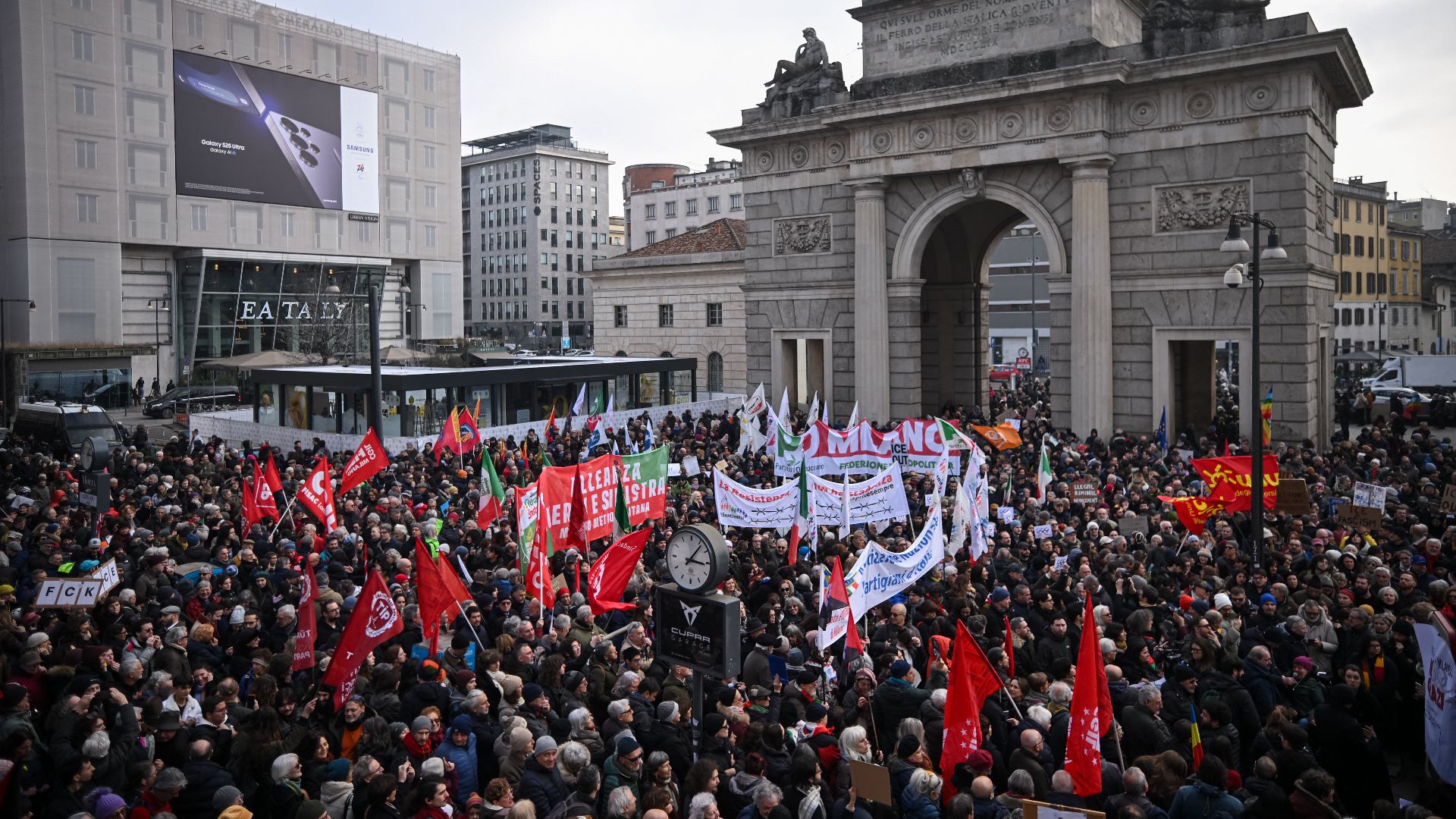
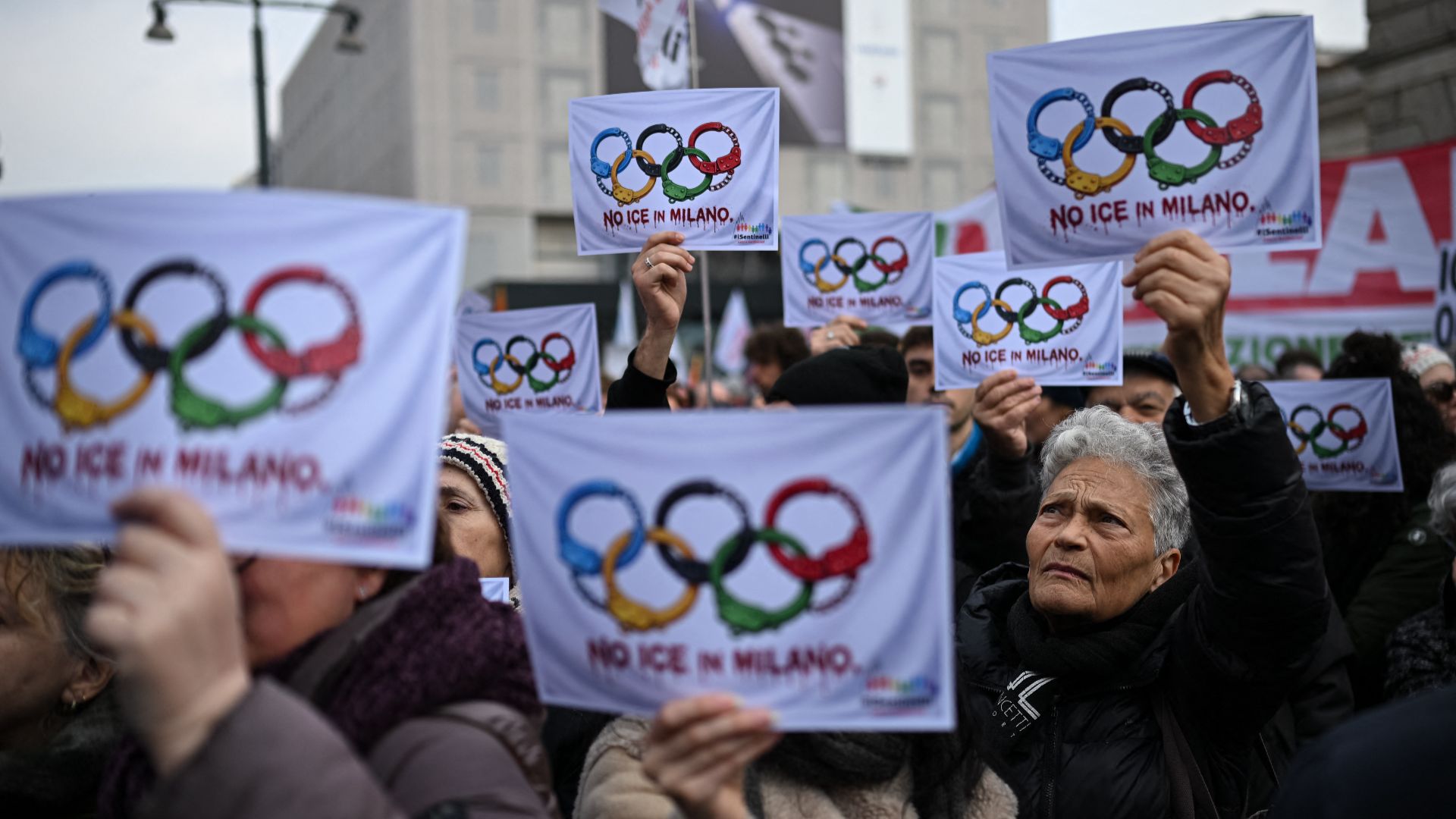
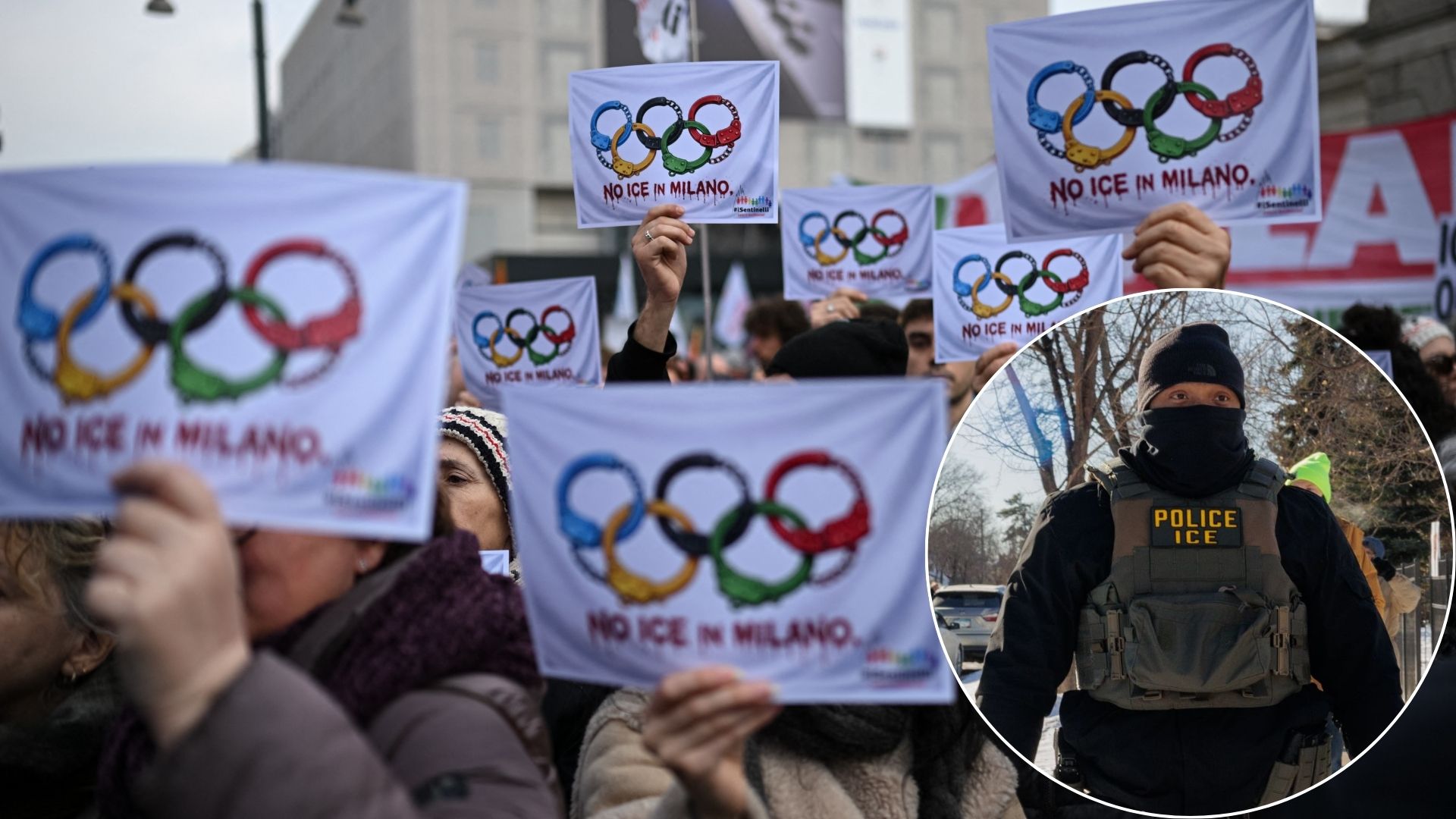
Italy sees anti-ICE protests linked to Trump during Olympic spotlight as tensions flared this weekend in Milan over the decision by the US president to send Immigration and Customs Enforcement agents to assist with security ahead of the Winter Games opening next Friday. Hundreds of demonstrators marched through Piazza XXV Aprile, voicing outrage not only over the planned role of ICE but also the deadly confrontations involving the agency in the United States that have drawn global attention and protests.

In Minneapolis, Minnesota, a federal immigration agent fatally shot Renee Nicole Good earlier in January during an enforcement operation, a killing that triggered widespread protests and national debate over ICE tactics. Days later, another incident in Minneapolis resulted in the fatal shooting of 37-year-old ICU nurse Alex Pretti by federal officers during anti-ICE protests, intensifying criticism of federal immigration enforcement practices. These events have resonated far beyond US borders, prompting expressions of anger and calls for accountability from civil rights groups, community leaders, and citizens concerned about the use of force by federal agencies.

Getty Images

Beyond the immediate demonstrations in Milan, the controversy has deepened suspicion about the broader intent behind Washington’s move, with critics arguing that the justifications offered by the Trump administration do little to ease concerns. Officials have maintained that the ICE unit, operating under the Department of Homeland Security, will help «monitor for criminal activity» and conduct «no immigration operations», but detractors in Italy and abroad view this as largely semantic given the agency’s recent lethal encounters in Minneapolis.

Many observers have interpreted the deployment as an extension of federal enforcement tools into an international setting at a moment when the agency’s actions have already sparked nationwide protest movements and civil rights inquiries in the United States, including a federal civil rights investigation into the Pretti shooting. The presence of a highly politicised and controversial security force on foreign soil — especially under the spotlight of the Olympic Games — has amplified unease among Italian officials, human rights organisations, and everyday citizens who question whether the decision aligns with the spirit of international cooperation that the Olympics are meant to represent.

«This is a militia that kills, a militia that enters into the homes of people, signing their own permission slips. It is clear they are not welcome in Milan, without a doubt.»

-Milan’s mayor, Giuseppe Sala

Many protesters in Milan and on social media have sought to send a clear message to the United States that ICE is not welcome in Italy, a sentiment echoed by several public officials ahead of the Winter Olympics opening Friday. Local residents waving banners and chanting at rallies in central squares made opposition to the planned deployment of U.S. Immigration and Customs Enforcement agents a central theme of their demonstrations, reflecting broader unease over the agency’s reputation and recent controversial actions abroad. Milan’s mayor, Giuseppe Sala, expressed his city’s stance directly to the Associated Press, emphasising local official resistance as the city prepared to host the opening ceremony on February 6, which will be attended by the U.S. Vice President, JD Vance. Sala said of ICE: «This is a militia that kills, a militia that enters into the homes of people, signing their own permission slips. It is clear they are not welcome in Milan, without a doubt.» His remarks crystallised the intersection of local political sentiment and international scrutiny surrounding the decision to involve ICE personnel in aspects of Olympic security and risk mitigation, even as U.S. officials maintain that their role will be limited and non-enforcement in nature.

Getty Images

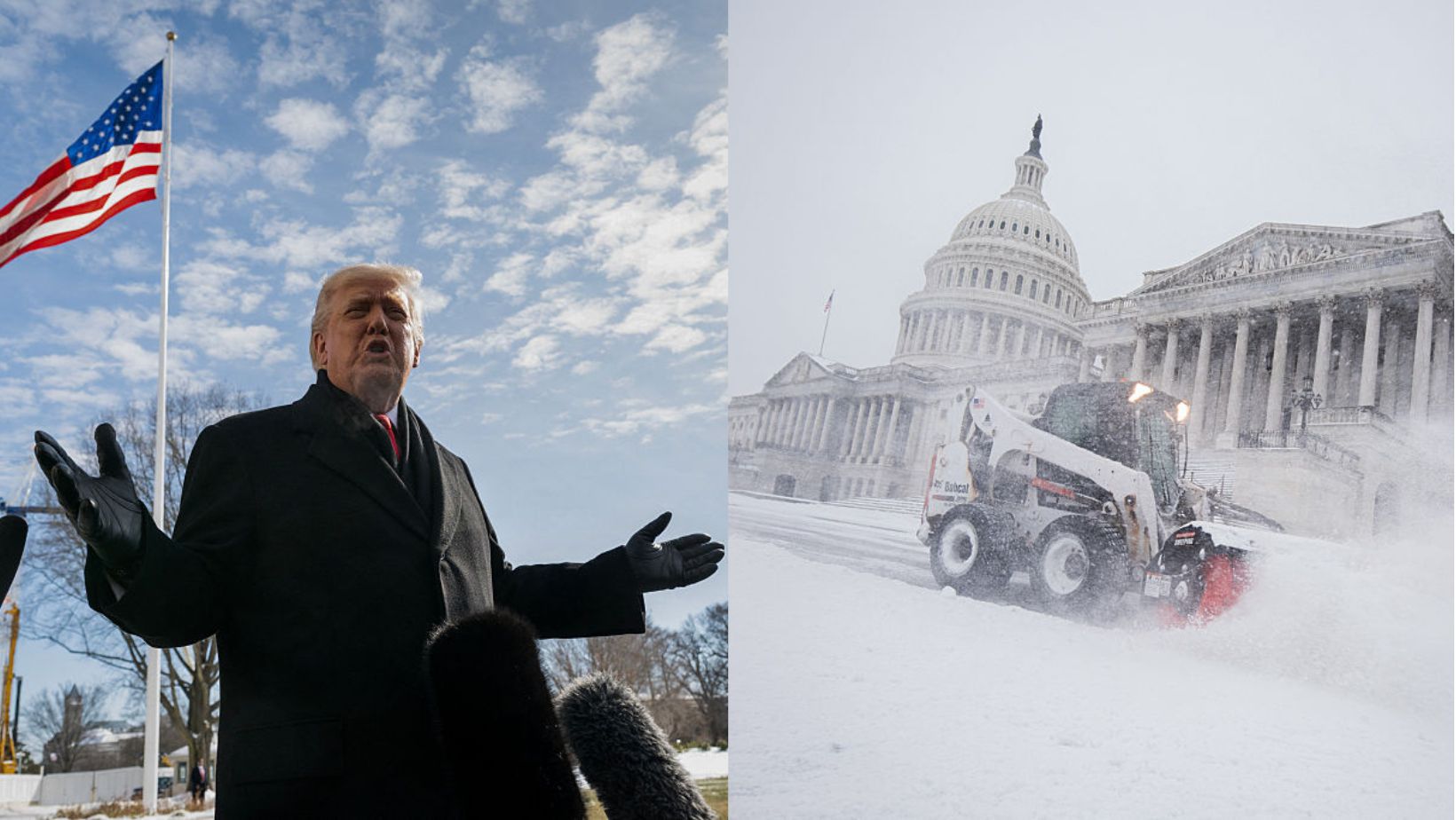
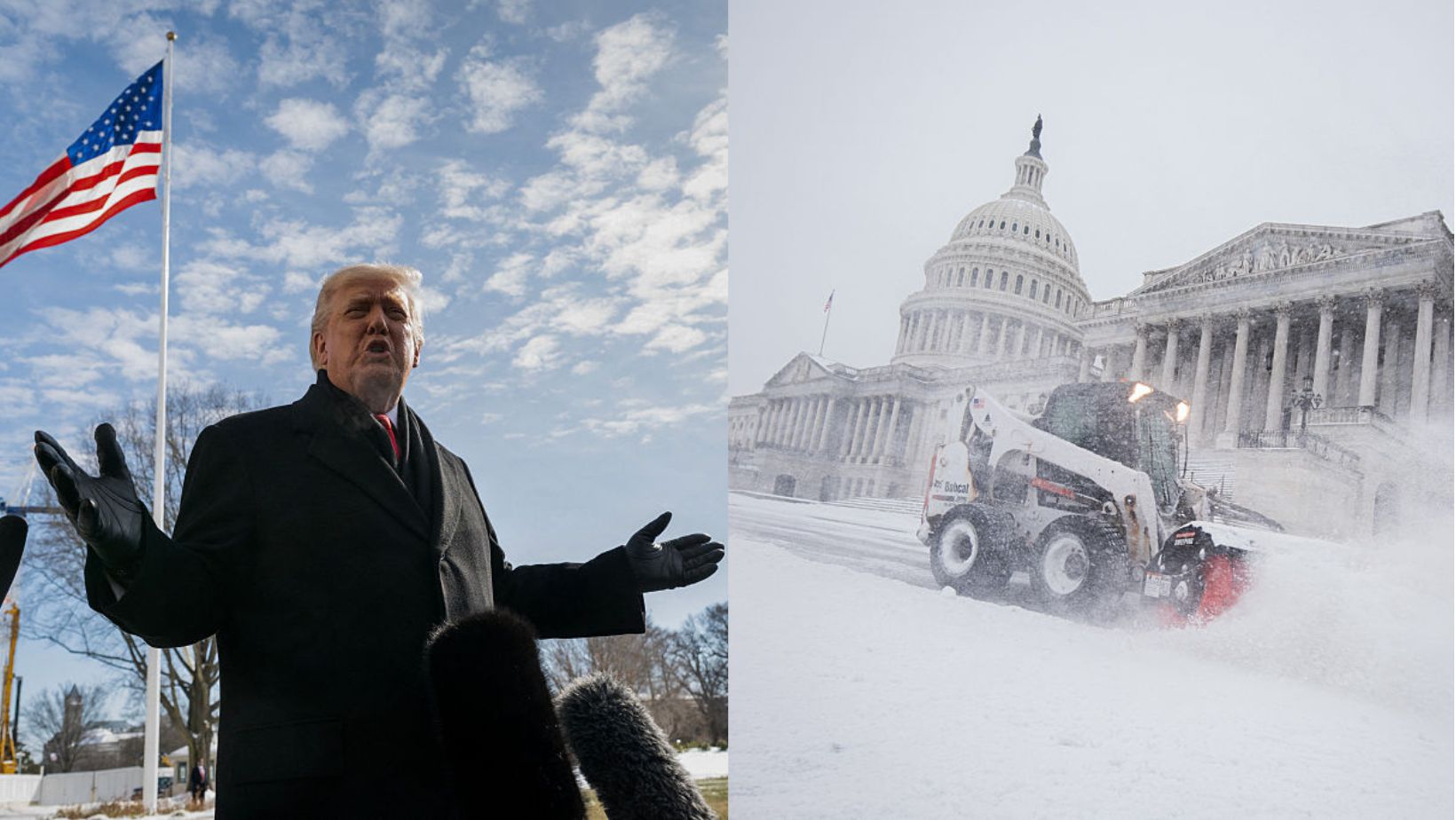
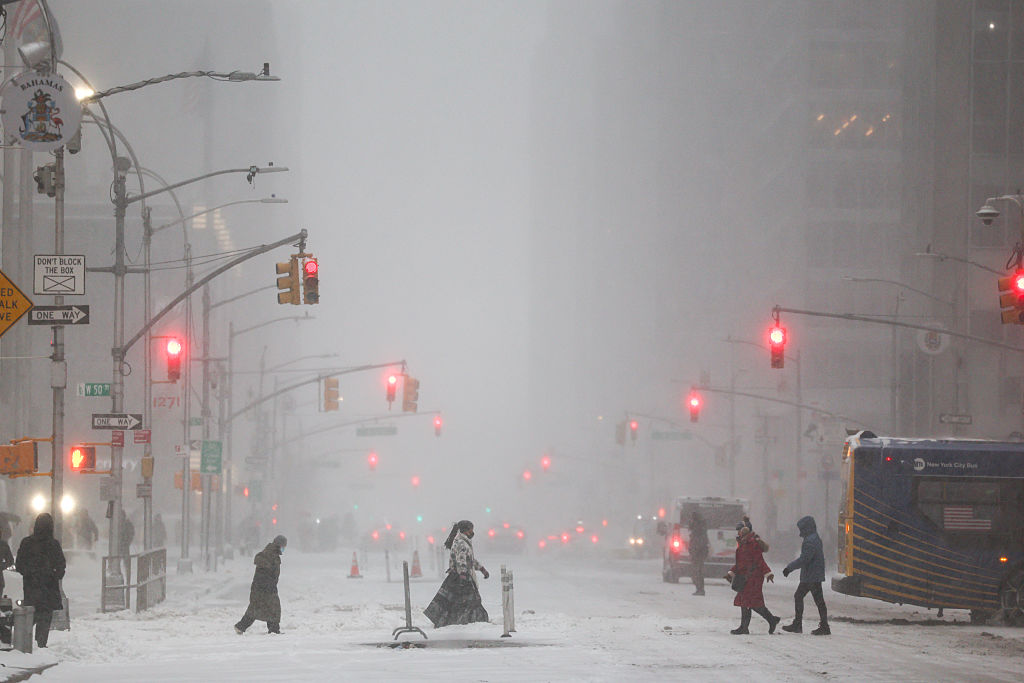
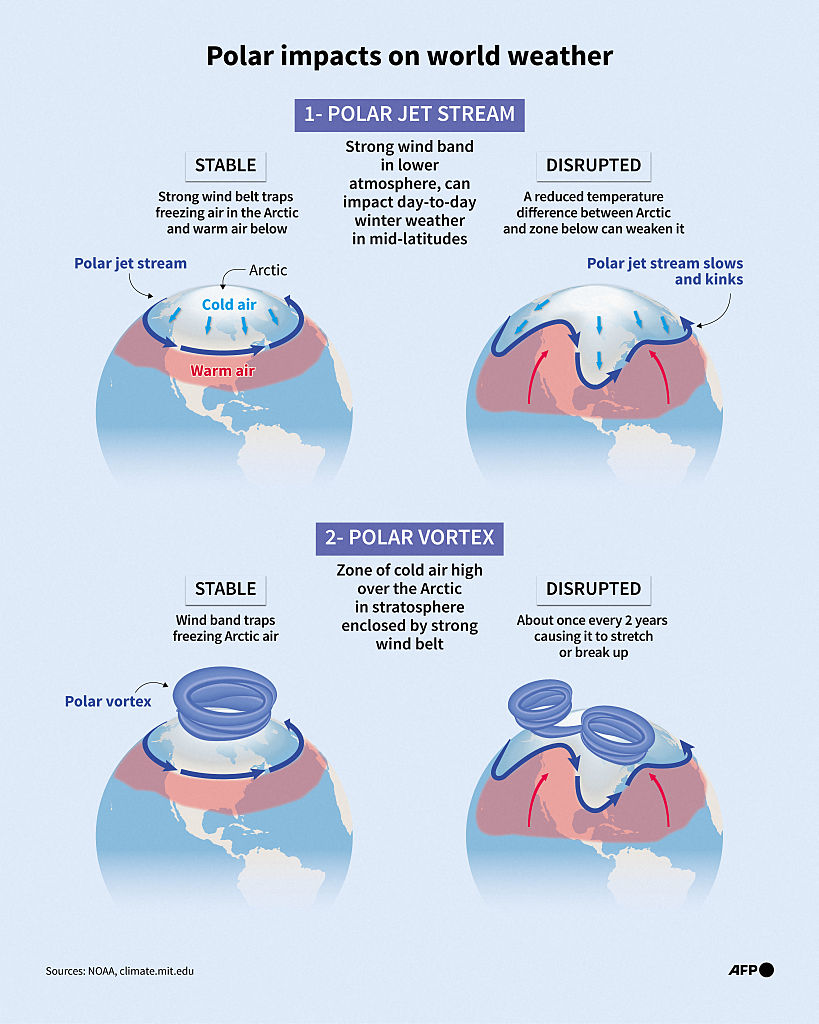
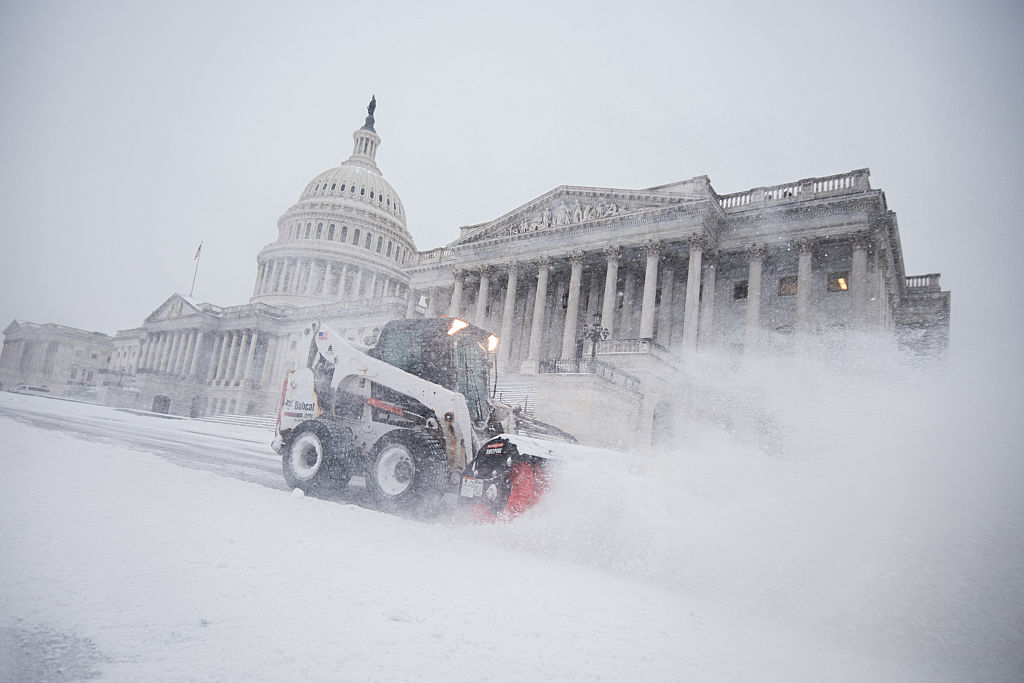
The freezing cold proves that global warming is a « hoax, » according to Trump

Donald Trump suggested that the intense cold snap that has been hitting the United States since last week contradicts global warming:

« I have rarely seen anything like this before (…) WHAT HAPPENED TO GLOBAL WARMING??? » the US president quipped on Truth Social.

Americans to Buy Russian Lukoil’s Assets

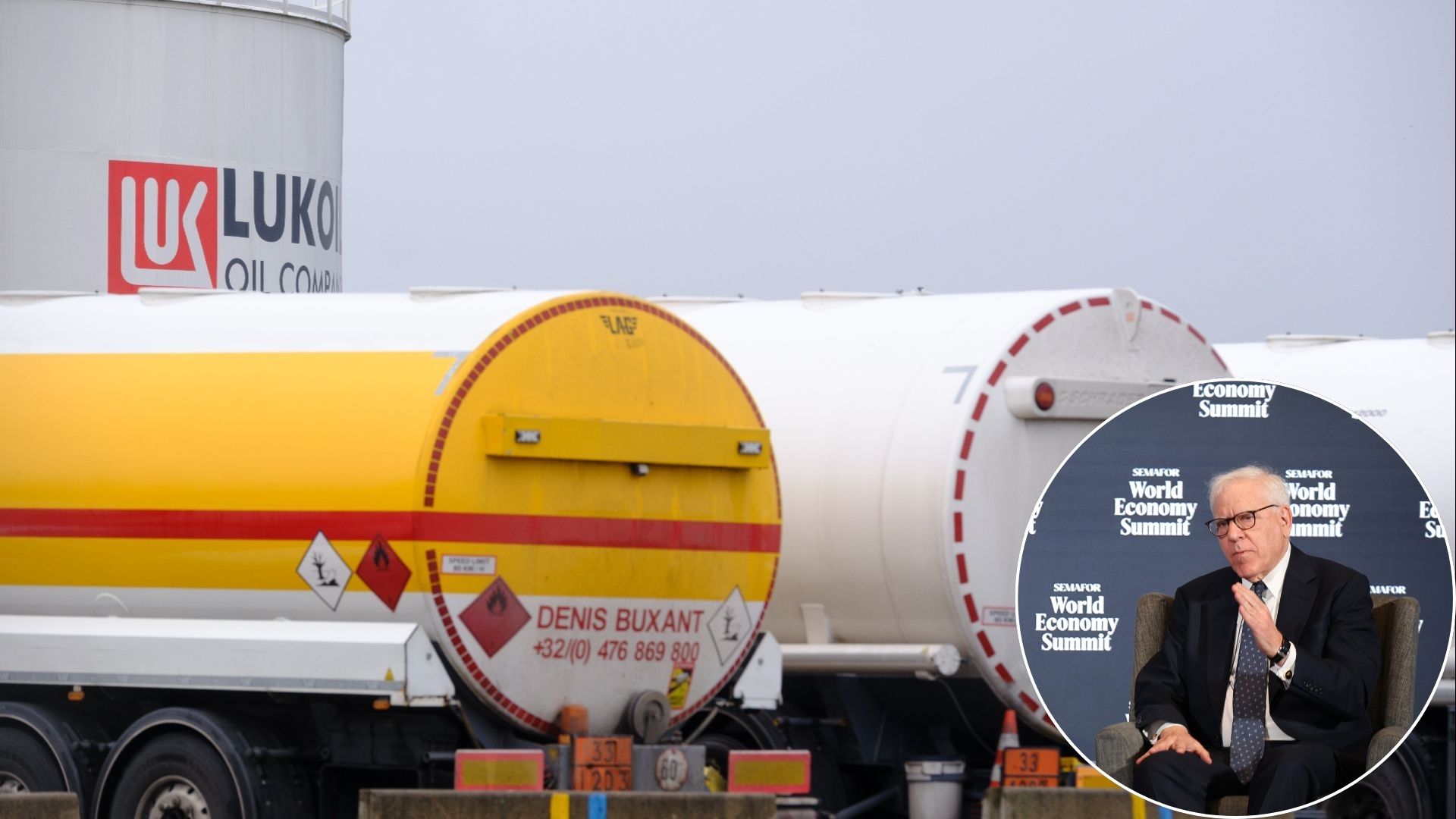
Russia’s second-largest oil producer, Lukoil, is moving to sell a majority stake in its foreign assets to U.S. private equity firm Carlyle Group as sanctions pressure on Russia’s energy sector intensifies. The Trump administration has framed the measures as leverage to force Moscow toward negotiations to end the war in Ukraine, with Treasury Secretary Scott Bessent saying «Now is the time to stop the killing» and accusing Russia’s oil giants of funding the war effort. U.S. and European sanctions, lower oil prices, and crackdowns on Russia’s “shadow fleet” helped drive a 25 percent drop in oil and gas exports last year, complicating any deal that still requires U.S. approval.

« Minnetoba » as a new Canadian province?

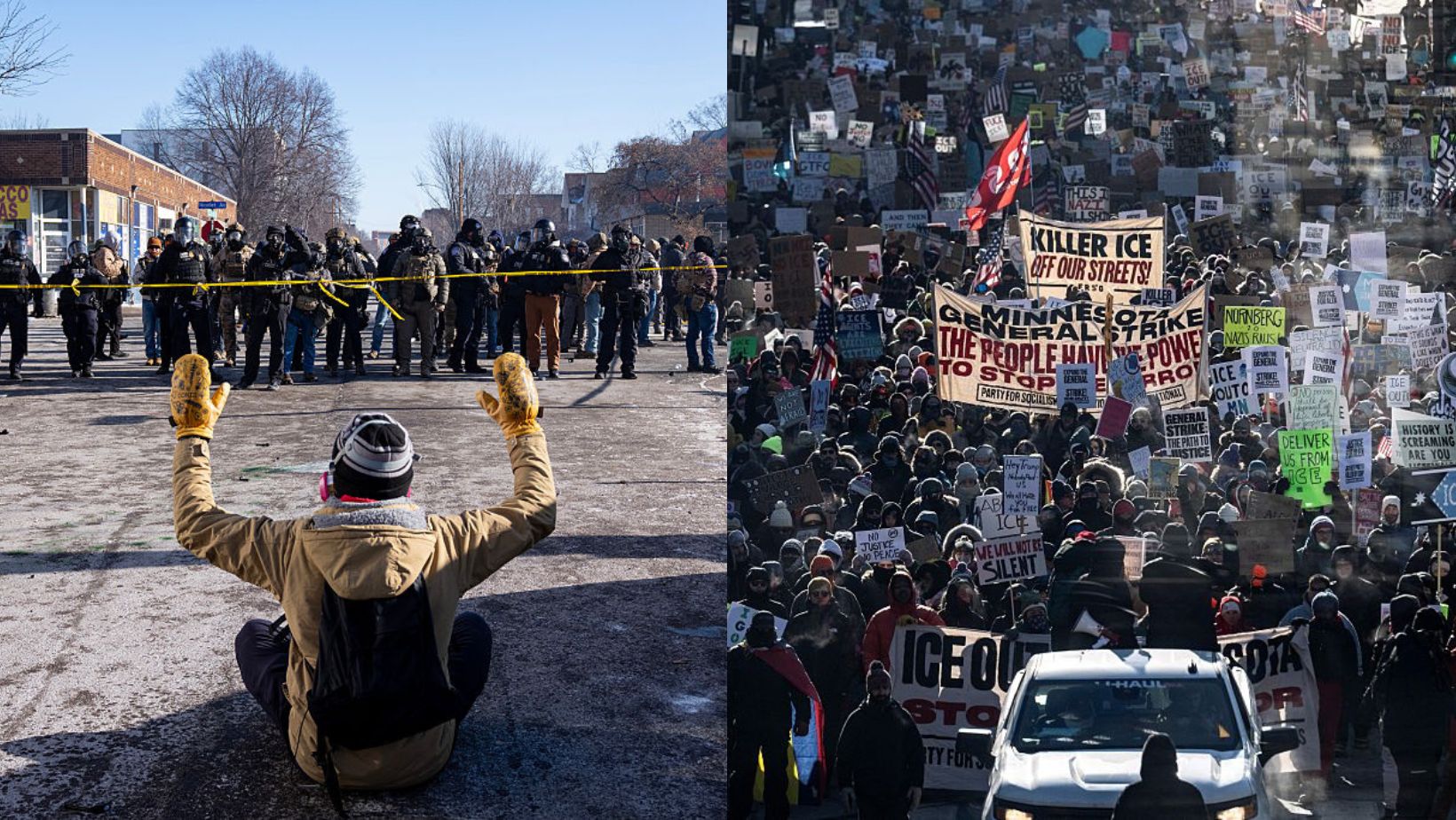
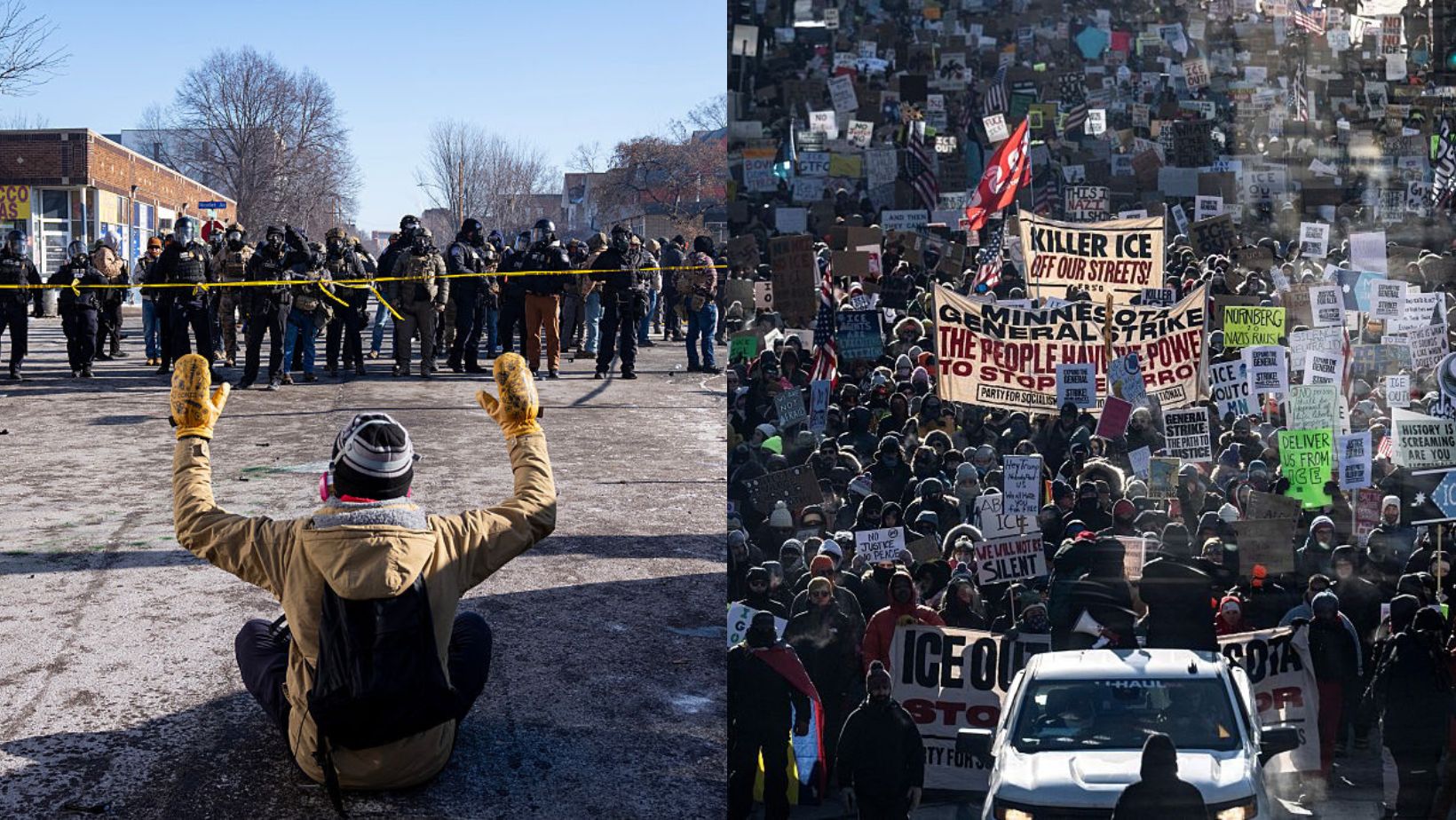
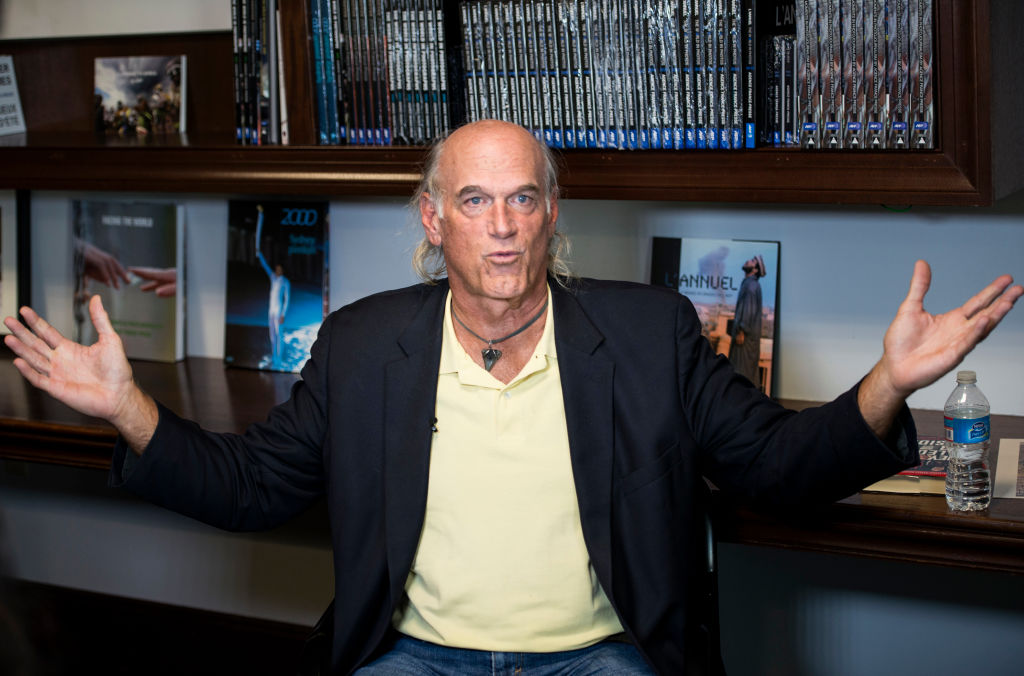
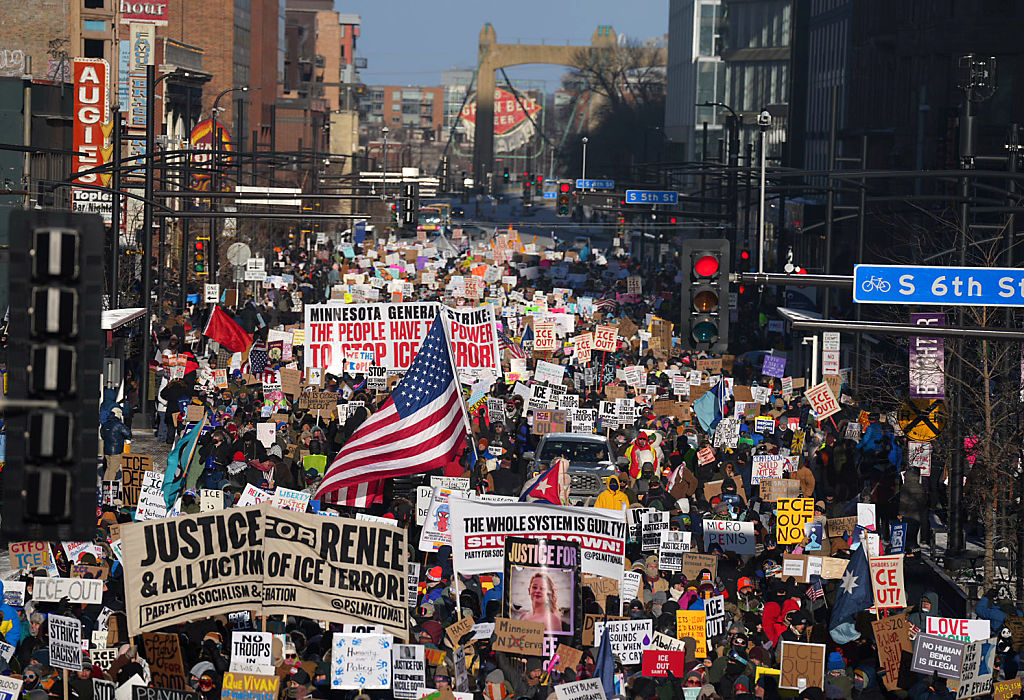
Minnesota residents have been protesting for several weeks against the deployment of ICE in the state. Among them, some want the state, which shares a border with Manitoba and Ontario, to join Canada and become the country’s 11th province, reports CBC. This is particularly the case for former Minnesota governor (1999-2003) and political commentator Jesse Ventura, who said last week: « Rather than see Canada become the 51st state of the United States and lose its healthcare system, I would prefer that we all become Canadians […] I think someone should seriously contact Canada and ask if they are open to this idea. »

Catégories
Uncategorized

Canada cuts IFHP in new budget: Report

The Canadian federal government has announced a change to the Interim Federal Health Program that will result in vulnerable citizens paying more for their health services.

The Canadian Federal government announced that IFHP beneficiaries will have to start paying copay for prescription medications and a third of all other healthcare costs. The change has many citizens who benefit from the IFHP concerned about the change in their monthly costs. The changes include a $4 copay for medications and 30% of the cost of all other eligible supplemental health products and services, including dental care, vision care, counselling, and assistive devices.

What is the IFHP

The Interim Federal Health Program (IFHP) is a program that benefits resettled refugees, refugee claimants, protected persons, and victims of human trafficking or family violence in Canada who are not yet eligible for provincial/territorial health insurance. The IFHP was created by the Canadian government in 1957 and has helped tens of thousands of refugees in its history. In 2012, a Conservative Canadian government slashed the program until the Liberal Party was elected into power in 2016 and reinstated the program’s funding.

The cuts from 2012 resulted in refugees and vulnerable citizens being left without healthcare, access to prescriptions, and difficulty getting access to healthcare services. This is the first time that the IFHP has been changed since its funding was reinstated in 2016. While the cuts announced are nowhere near as drastic or harmful as those from 2012, the change marks a concerning turn away from the IFHP’s values and leads Canadians to wonder whether more changes are to come. More than 600,000 individuals rely on the Interim Federal Health Program.

Details of the cuts

The two changes implemented are designed to use the strain of the IFHP on the Federal budget. The IFHP costs the Canadian government nearly $1 CAD every year, and the cost has been steadily rising. Approximately half of the budget is spent on supplemental health products and services, which is also the area that will experience the most change from the new directive. With IFHP beneficiaries now paying 30% of the cost of their supplemental health products and services, the Federal government will see an income boost of at least $100m CAD. The new copay rate will not secure a large financial payout for the Federal government.

How will the cuts impact Canadians?

Over two-thirds of Canadians require a daily prescription. With more than 600,000 vulnerable citizens benefiting from IFHP, there should be more than 300,000 people now required to pay a $4 copay for their medications. Dental coverage is also included as a ‘supplemental health product and service,’ meaning refugees will no longer have complete dental coverage. Basic dental checkups can cost up to $300, and expensive surgeries can cost thousands of dollars. One of the most common dental surgeries, a wisdom tooth removal, can cost up to $2,000 CAD, and with an estimated 85% of people needing wisdom tooth surgery, the changes to the IFHP will financially affect thousands of refugees and vulnerable citizens.

Vulnerable population

Refugees and victims of human trafficking/family violence are some of the most financially vulnerable citizens in Canada. The average yearly income for a new refugee is just $24,000 CAD, and after ten years in the country, the average income only goes up to $30,000 CAD. Survivors of domestic violence and human trafficking average even less yearly, often relying on financial assistance programs while they experience a serious life change. Victims of domestic violence and human trafficking also often experience higher medical bills. Victims of violence often require therapy and other ancillary health services, along with prescriptions.

It’s not clear why the Federal chose the IFHP as the program to be defunded. Prime Minister Mark Carney has not commented on the changes to the program, but human rights groups in Canada have begun lobbying in favour of the IFHP.

Catégories
Uncategorized

Trump threatens Canada with tariffs on aircraft – Bombardier stock tanks

Donald Trump has announced that he is willing to slap Canada with a 50% tariff on planes sold to the U.S. by Canadian manufacturers, namely Bombardier. Trump claimed that Canada was refusing to certify a slew of Gulfstream aircraft, and in return,  Trump would decertify their Bombardier Global Expresses and all aircraft made in Canada. Trump claimed he would enact the tariffs until Canada recertifies the airplanes. After Trump’s announcement, Bombardier’s stock crashed by nearly 10%, sending the company into shock.

Truth Social post

According to Trump’s social media post, Canada has refused to certify the Gulfstream 500, 600, 700, and 800 Jets for sale in Canada – a line of private business jets. The G700 and G800 are new jets from Gulfstream, with the G800 only starting sales in 2021. Trump’s post is the only proof that Canada has not certified these jets. There has been no formal statement from the Canadian transportation ministry, nor from Bombardier and Gulfstream. U.S. Transportation Secretary Sean Duffy reposted an image of the post on Twitter, but only added an American flag and two plane emojis.

Consequences of decertification

Decertification of an aircraft by a national regulator like the FAA would make it unable to legally fly in that country. In this case, if the FAA deregulates Canadian-made aircraft, they would be unable to fly in the U.S. There are currently thousands of Canadian-made aircraft flying in the U.S. Bombardier Challenger series of aircraft are heavily used in the U.S., and the Airbus A220 is used regularly by Delta and JetBlue. There are also hundreds of Bombardier’s LearJet series being used as personal aircraft in the U.S. – jets that will also be at risk of being decertified.

When the stock market opened on January 30, Bombardier’s stock price had dropped 5%. Over the course of the day, it dropped all the way to 9% before seeing a bounce-back before markets closed, closing with a 6% difference from its opening price. Bombardier’s 6% dip represents a possible $1bn USD in losses. Bombardier reported just under $9bn USD revenues in 2024. The company is worth an estimated $22bn USD.

Impact on America

If all Canadian-made aircraft are decertified, multiple American airline chains would suffer. Both JetBlue and Delta Airways heavily rely on Bombardier aircraft for National flights. The White House made a comment to Reuters on January 30, claiming that the decertification would not affect aircraft currently in use, but it’s unclear how the FAA would decertify planes for sale that are currently in use. In order to decertify the aircraft, there would need to be a reason cited (past political maneuvering) to deem them unsafe. Aircraft and aerospace parts have largely escaped the brunt of Trump’s U.S.-led trade war, with Canadian-made planes continuing to be exported south of the border.

Comments from Canada

The Canadian Ministry of Transportation did not explicitly say how they planned on handling the situation; most likely, they were waiting for Trump’s tantrum to end before attempting negotiations. Canadian Minister of Transport Steve MacKinnon made a post on Twitter stating that he has been in contact with Bombardier’s CEO and senior leaders at General Dynamics, which owns Gulfstream. According to MacKinnon, the government of Canada will be staying in close contact with both Bombardier and Gulfstream.

Mark Carney made comments on January 25, encouraging global leaders to pull away from U.S. pressures. This came after Donald Trump threatened Canada with more tariffs if Canada refused to enter into a trade deal with China. Carney has refused to enter into the trade agreement, stating that Canada would not enter into an agreement of the sort with China or any other nonmarket economy. Carney has inked multiple deals with China over the last two months, a project that he says is attempting to rectify some of the issues the two nations have developed over the last few years.

Catégories
Uncategorized

Trump says ‘hopefully’ no need for intervention in Iran

U.S. President Donald Trump made a statement ensuring that he does not want to make military advancements in Iran. The statement came after Iran threatened to strike U.S. military bases in January after the U.S. sent a large naval fleet to the nation. Trump has said that Tehran’s time is running out, and if Iran doesn’t figure out how to peacefully deal with protesters, then the U.S. will interfere. While Trump said that he is hoping to avoid any military involvement, the U.S. is keeping the possibility open.

Protests in Iran

The protests in Iran began for a litany of reasons: a struggling economy, a corrupt government and leader, and a failure to properly fund public services all led to the demonstrations beginning on December 28. On that day, tens of thousands took to the streets in Iran’s capital city, Tehran. While initially, the government did not respond with violence, after more than a week of protests, Iranian security forces began responding to protesters with gunfire, reportedly killing more than 2,000 people in less than a week. Iranian hospitals are overwhelmed, and the violent actions have sent shockwaves across the world. U.S.-based Human Rights Activists News Agency (HRANA) said it has confirmed 6,479 people have been killed in the protests.

The killings make the protests in Iran the most deadly protests of 2026 so far, and one of the deadliest in the country’s history. The protests also come as relations between Iran and Israel, as well as the U.S., have become tense, with both the U.S. and Israel conducting military operations against Iran in 2025 under the guise of fighting terrorism. The government of Iran has also cut the internet country-wide, a common strategy used by Iranian officials during times of public unrest. The protests, which were triggered by Iran’s currency falling drastically on December 28, mark years of public frustration finally boiling over.

Trump sends naval fleet

On January 29, Trump sent a large naval fleet to Iran. While Trump claims that he does not want to use it, he made it abundantly clear on January 30 that the fleet is being sent because the U.S. is willing to use it. Iran did not back down from the challenge, telling U.S. television channels that multiple U.S. military bases are within striking distance and Trump’s naval fleet has ‘serious vulnerabilities’. According to Brigadier General Mohammad Akraminia, if the U.S. makes a ‘miscalculation’, then Iran will not hesitate to carry out a ‘quick operation’.

 Akraminia stated that if there is conflict between America and Iran, the Middle East would be brought into chaos, and oil and gas prices would skyrocket. At least Akraminia has started speaking the language of America, oil. Akraminia is absolutely correct in stating that a war between the U.S. and Iran would throw the global oil exchange into chaos, potentially causing fuel insecurities across multiple nations and certainly negatively impacting every American citizen at the pump. A war between the U.S. and Iran would send oil prices skyrocketing, and damage longstanding oil routes.

Call between Qatar and Iran, EU response

Qatar’s leader, Sheikh Tamim bin Hamad Al Thani, and Iran’s President, Masoud Pezeshkian, held a call to discuss establishing stability in Iran and de-escalating tensions between Iran and the U.S. The EU also responded to the continued killings of protesters, labelling Iran’s Islamic Revolutionary Guard Corps a terrorist organization for what it describes as the mass killings of protesters. EU chief Ursula von der Leyen stated Iran was ‘crushing protests in blood’. Iran’s military denounced the action, calling it illogical, irresponsible, and spiteful.

Trump encourages protesters

Trump made a statement on January 14, encouraging protesters in Iran to continue their efforts in the face of the Iranian government’s violent actions against protesters. Trump claimed that help is on the way for Iran, presumably coming from the U.S. In a post on Truth Social, Trump urged Iranians to commit an insurrection, telling the population to “Take over your institutions”. Trump went on in the statement to say that he has cancelled all his meetings with Iranian officials and is completely opposed to what he calls senseless killing.  

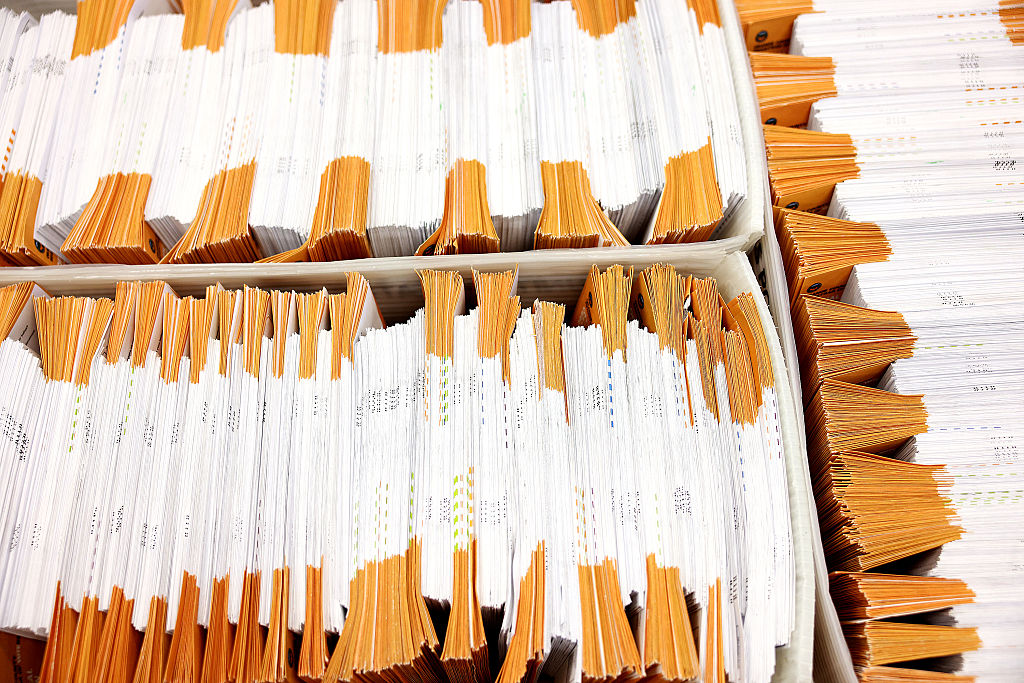
Trump still obsessed with the 2020 election, FBI raids key election office

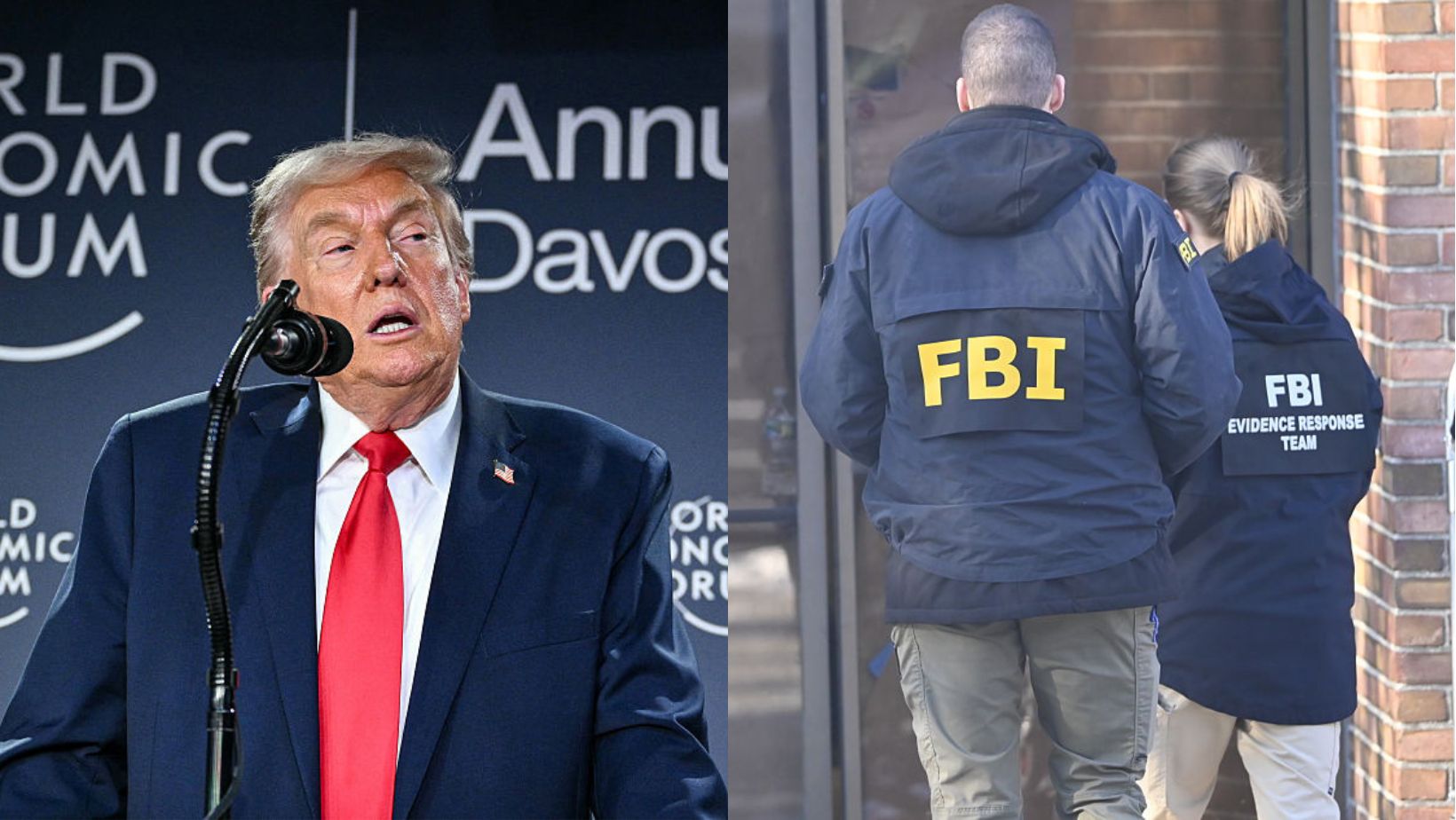
The FBI searched 700 boxes of documents at an election center in Fulton County, Atlanta, the capital of Georgia.

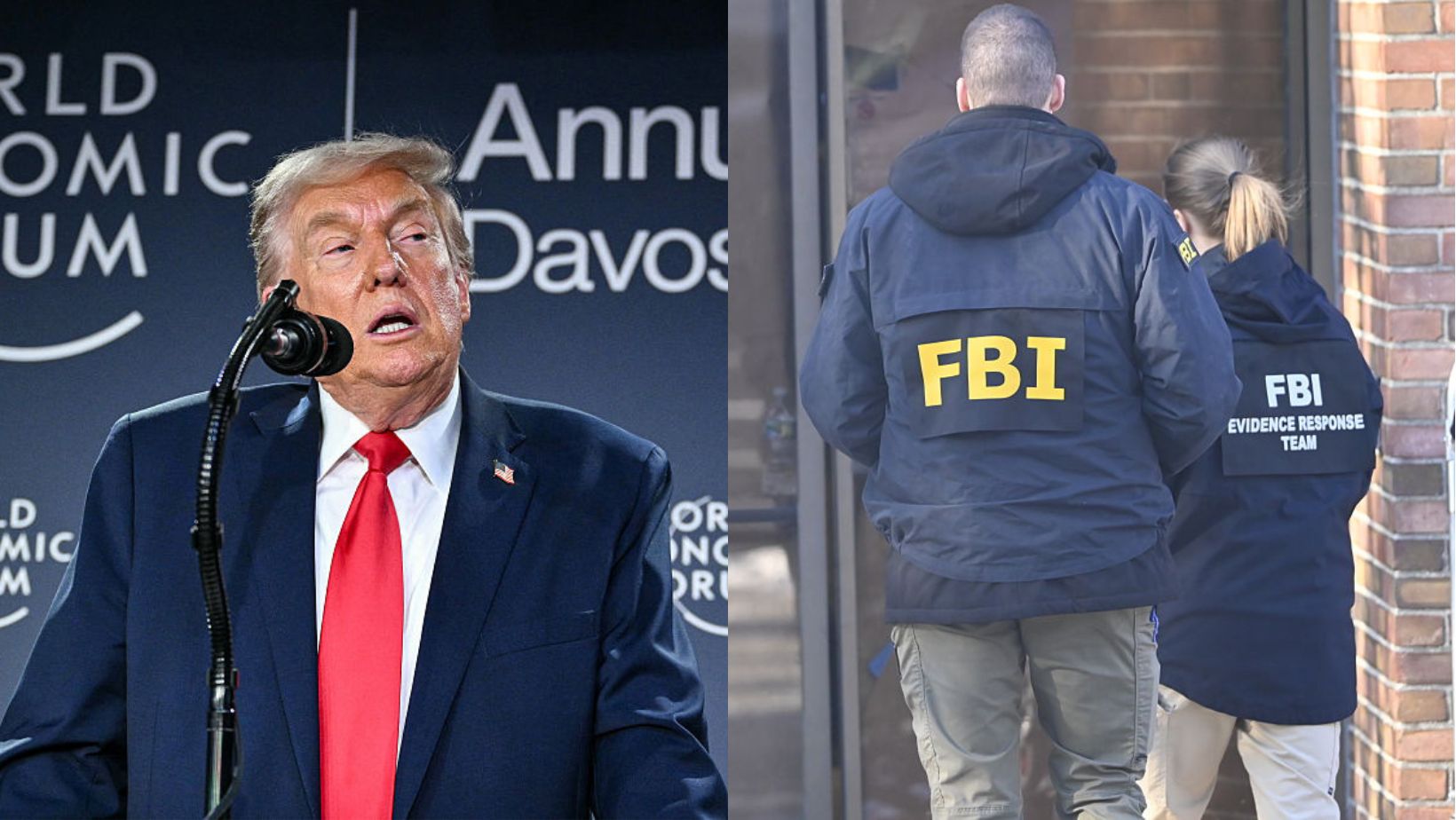
This polling station is at the heart of Donald Trump’s baseless allegations of fraud in the 2020 presidential election. The FBI operation comes a week after the US president made threats last week at the World Economic Forum in Davos, where he said: « The 2020 election was a rigged election, everyone knows that. People will soon be charged for what they did. »

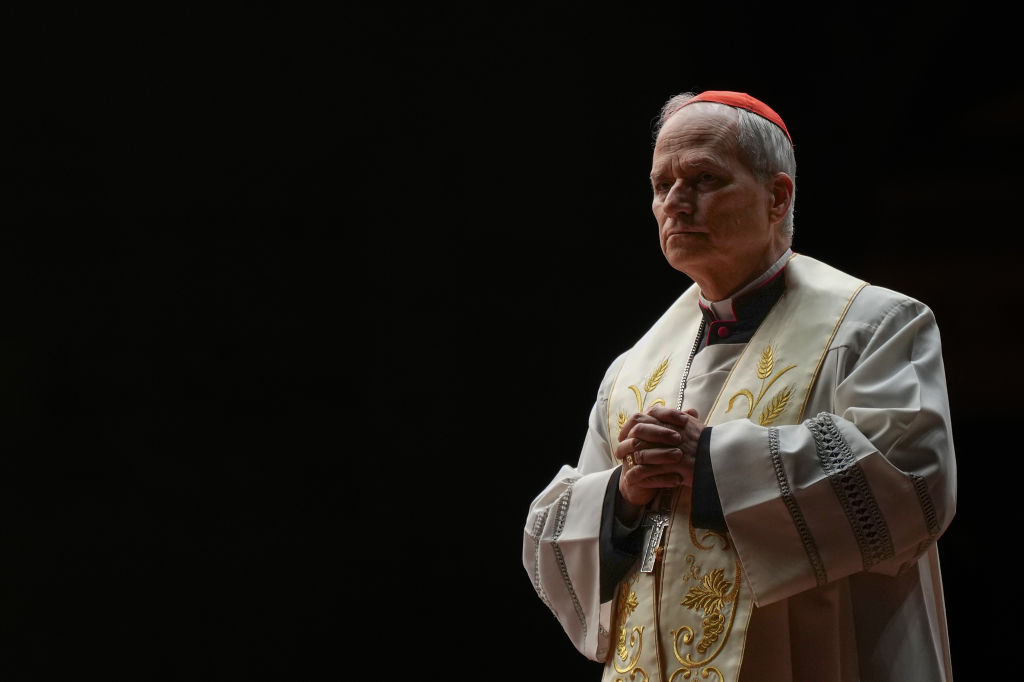
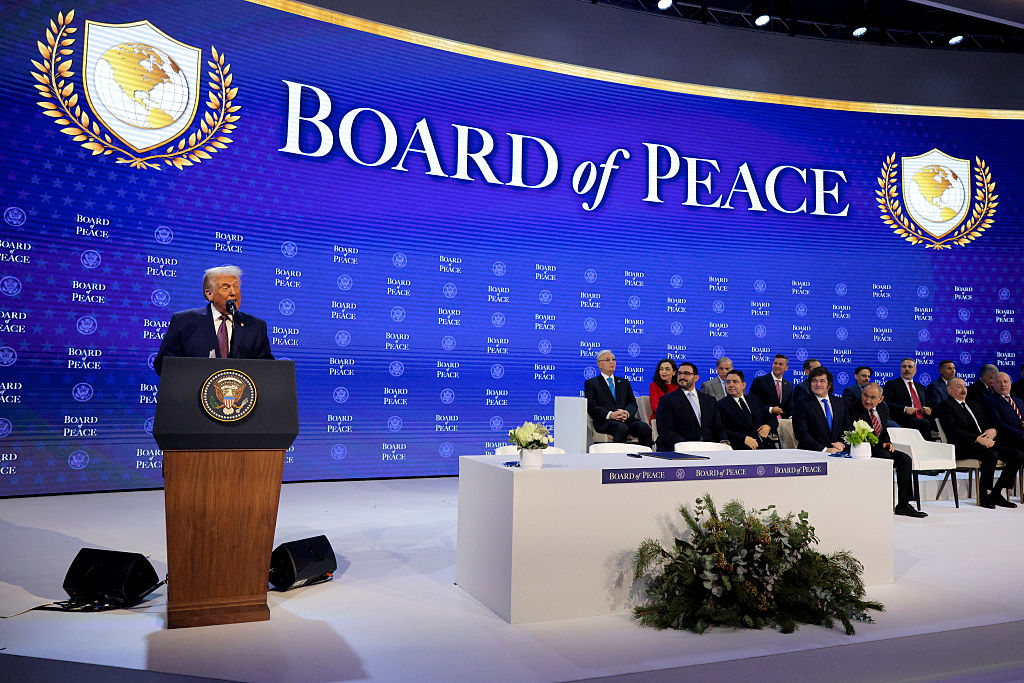
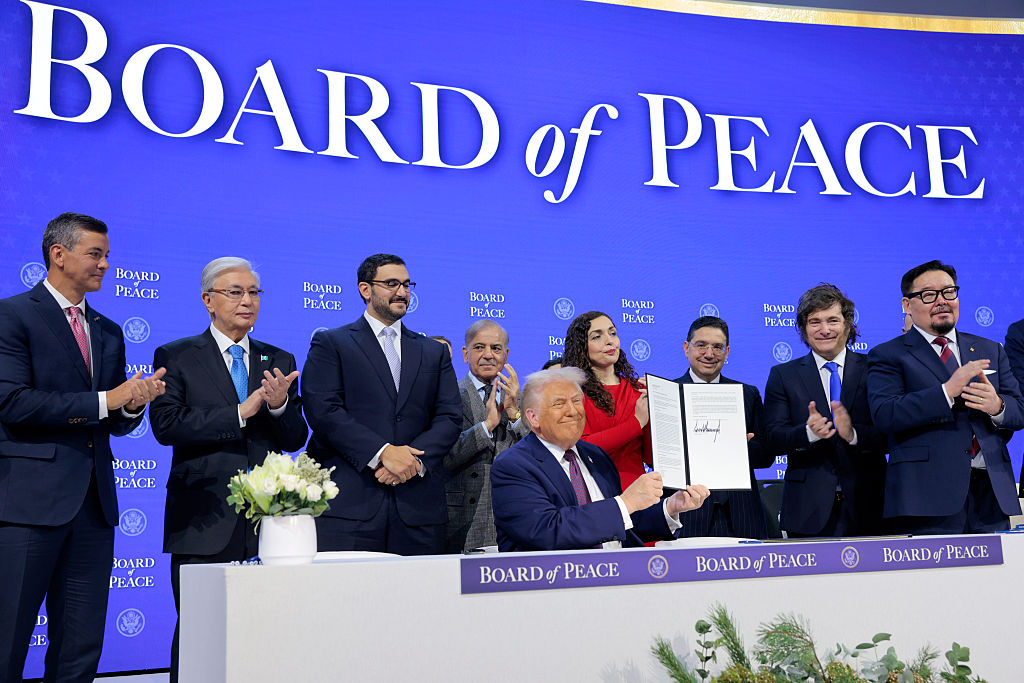
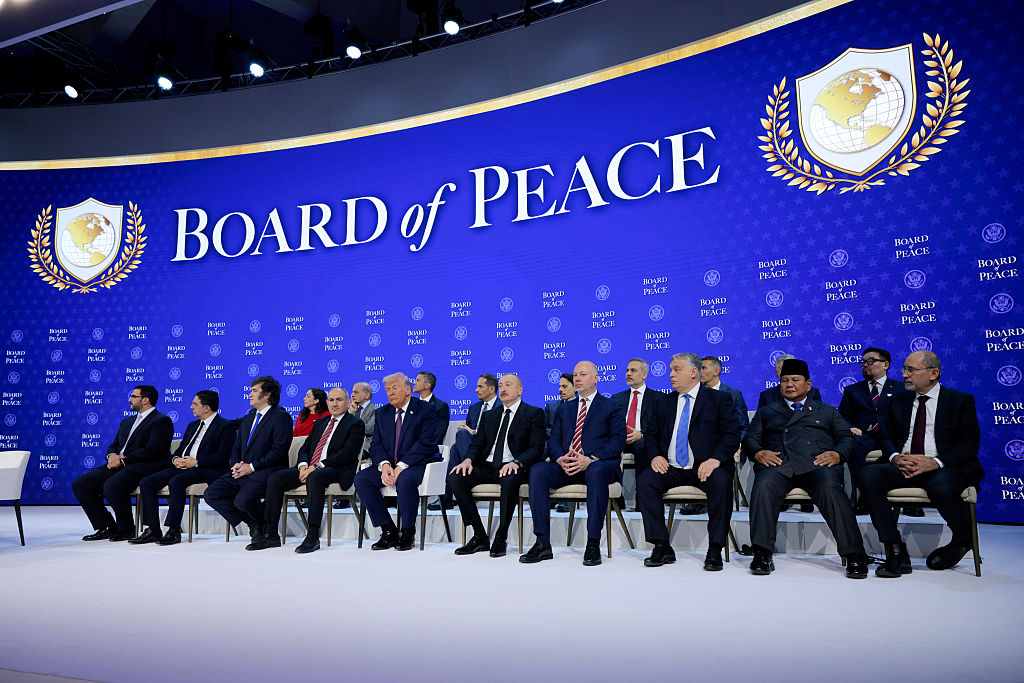
Trump invited the Pope to the ‘Board of peace’

Amongst the world leaders included in his list was Pope Leo XIV, head of the Catholic church. Reportedly, Pope Leo is still considering the offer, along with a litany of other countries. Many countries have already turned down Trump’s offer for a variety of reasons, but especially citing doubt in Donald Trump’s motivations.