Categories
Mobile Syrup

Developer combines GPT-3 and Siri for the ultimate AI Assistant experience

A developer has created a demo that displays their attempt at enhancing Apple’s Siri voice assistant by integrating it with a powerful AI language model —  GPT-3.

In a video shared on Reddit and spotted by The Verge, developer Mate Marschalko showed off the assistant in action by controlling his smart home devices and responding to relatively vague prompts that regular voice assistants like Siri and Alexa would typically struggle to understand. For example, at the beginning of the video, Marschalko says, “Just noticed that I’m recording this video in the dark in the office. Can you do something about it?” The GPT-3-powered assistant replies with, “Turning on the lights for you.”

“I can help you with tasks related to controlling lights, thermostats, towel rails, underfloor heating and ventilation in your home. I can also help you with parenting, free time, mental health and more,” said the assistant when asked what it can do.

Further, when told to set the bedroom temperature at whatever it thinks would help Marschalko sleep better, the assistant set the bedroom thermostat to 19 degrees Celsius, which happens to be the ideal sleeping temperature for adults.

Marschalko has set the assistant up via the Shortcuts app on the iPhone, as revealed in a separate Medium post. A voice command to Siri causes Shortcuts to send a prompt to the GPT-3 AI service, which then responds in a machine-readable format. Shortcuts then parse the response to control smart home devices and/or respond via Siri.

“I was able to achieve all this by simply asking GPT-3 in my prompt to pretend to be my home assistant, listed the items in my home, a few other details about time and location, and then asked it to respond in a structured, categorised data format (JSON) which I could then use to trigger the control messages in HomeKit in a series of if..else statements in a single Siri Shortcut,” wrote Marschalko.

Although the demo is intriguing, it is not perfect. Marschalko states that each command costs $0.014 per API request sent to GPT-3, and the video is edited, so it is unclear if the demo works 100 percent of the time, or if Marschalko is showing favourable responses. Whatever might be the case, the demo offers fascinating hints of what voice assistant interactions might be possible if companies like Apple, Amazon, and Google integrate this technology into their services.

Check out Marschalko Medium post to make your own GPT-3 enabled Siri voice assistant.

Source: u/Mate_Marschalko, Via: The Verge

Categories
Mobile Syrup

Former Halo Infinite developer criticizes 343 Industries’ “incompetent leadership” following layoffs

Halo Infinite’s future looks bleak.

Following widespread reports of layoffs at Halo Infinite developer 343 Industries and Halo veteran Joseph Staten leaving the studio to rejoin Xbox’s publishing team, a former developer has criticized the studio’s leadership.

Patrick Wren, a former senior multiplayer designer on Halo Infinite who is now working on Star Wars Jedi: Survivor at Respawn, doesn’t cite specific leaders in his tweet but has harsh words for the developer’s top management.

Wren goes on to remind fans to be kind to the remaining developers working on 343 Industries, highlighting those who pushed “for a better Halo” were laid off for it.

Bloomberg reporter Jason Schreier first reported that Joeseph Staten, the game’s creative lead, is leaving 343 Industries to return to Xbox Publishing. Back in 2020, Staten was brought in to solve many of Halo Infinite’s key issues, including the game’s lack of online co-op, new multiplayer content and poor communication from the studio to fans.

While Halo Infinite’s situation has improved drastically over the past few months — online co-op is finally available, Forge launched and content updates are arriving at a faster pace — the game still doesn’t offer what most would consider a “live service.”

According to Schreier, 343 Industries was “hit hard” with layoffs, though it remains unclear exactly how many employees have been cut from the studio. Starfield developer Bethesda also suffered layoffs. Microsoft announced that it will cut 10,000 jobs over the next two months, slashing roughly 5 percent of its total workforce.

It’s no secret that I’ve played Halo Infinite a lot over the past year and a bit, so this news is disappointing to me. The game suffers from undeniable issues related to a lack of new content, but the underlying multiplayer mechanics and single-player campaign are the best in the series since 2007’s Halo 3.

It’s unclear what these layoffs and Staten leaving the studio mean for the future of Halo Infinite, but the situation doesn’t look good.

Source: @jasonschreier, @Witdarkstar

Categories
Mobile Syrup

TekSavvy says Rogers, Vidéotron wholesale deal violates Telecommunications Act

TekSavvy wants the Canadian Radio-television and Telecommunications Commission (CRTC) to investigate wholesale arrangements between Rogers and Vidéotron.

The deal is part of Rogers’ plans to merge with Shaw and will see Vidéotron acquire Freedom Mobile. However, TekSavvy argues the arrangements violate the Telecommunications Act.

During the Competition Tribunal’s hearing examining the merger, the companies shared Rogers would lease its broadband network with Vidéotron at a discounted price. TekSavvy says these prices aren’t available to them or other independent service providers (ISP) that lease services from incumbents.

The CRTC sets wholesale rates, and TekSavvy argues the arrangement violates Section 27(2) of The Act, resulting in anti-competitive actions.

“The largest consolidation in the history of the Canadian telecom sector is predicated on unlawful wholesale agreements,” Andy-Kaplan Myrth, TekSavvy’s vice president of regulatory and carrier affairs, said.

“These arrangements were not arrived at through negotiations based on natural market forces, but are instead an effort by Rogers to remove regulatory hurdles to its acquisition of another Incumbent, Shaw.”

The CRTC approved broadcast aspects of the merger in March 2022 with several conditions.

The Competition Bureau is fighting to block the merger and will face Rogers, Shaw, and Vidéotron in the Federal Court of Appeal next week. The Competition Tribunal previously discussed the matter and backed the telecoms.

The bureau argues the tribunal didn’t consider the various issues surrounding such arrangements. On the other hand, the three telecom companies have asked the court to dismiss the bureau’s application.

Innovation Minister François-Philippe Champagne also needs to provide approval. TekSavvy recently urged the Minister to block the transaction, citing fears such ventures could impact the presence of ISPs.

Image credit: TekSavvy

Source: TekSavvy

Categories
Mobile Syrup

Check out this Google Bluetooth tracker concept with a totally (in)appropriate name

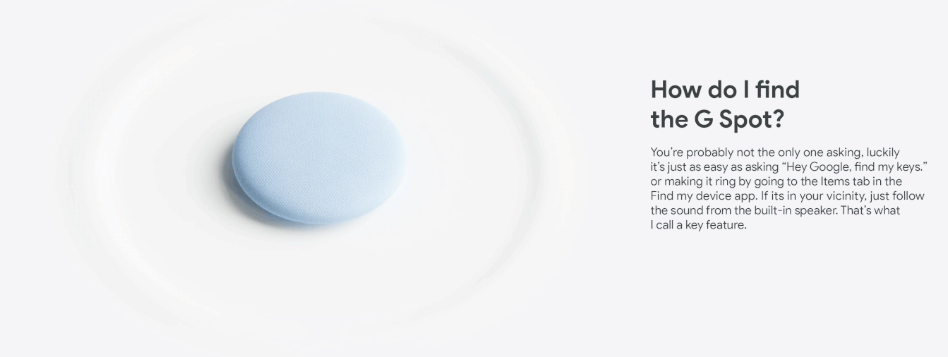
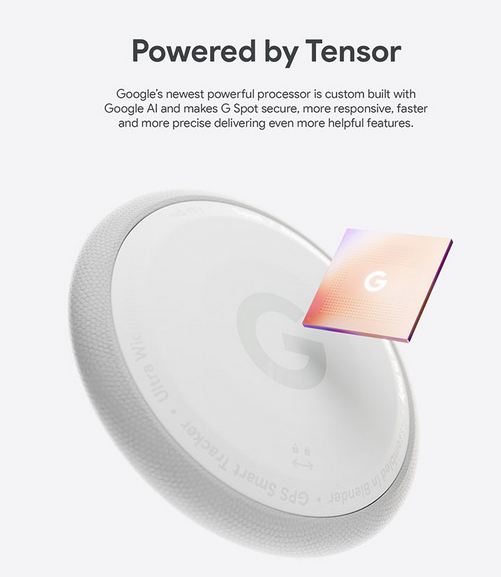
Following rumours about Google’s upcoming AirTag-like Bluetooth tracker codenamed ‘Grogu,’ a concept imagining what the tracker could be like envisions a world where nerds can actually find the G Spot.

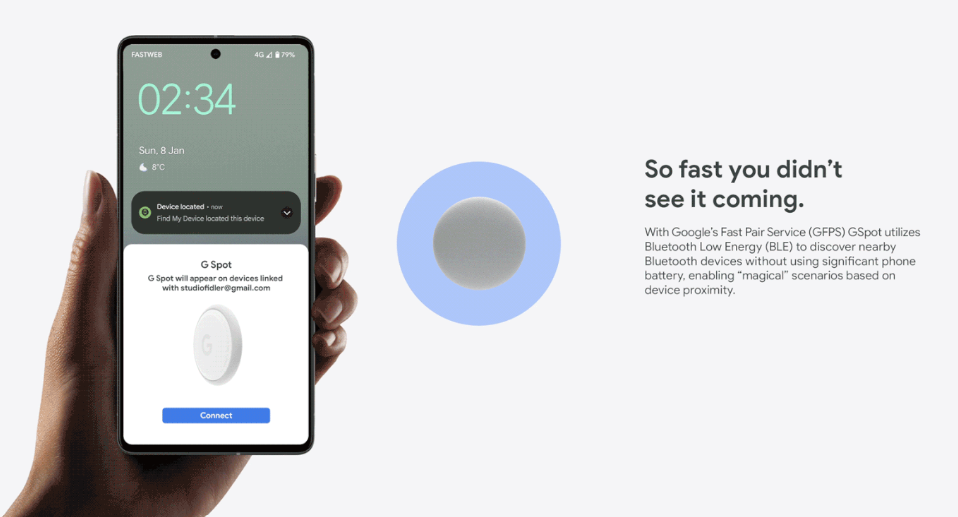
A mockup product page designed by Obi Fidler shows off what the ‘Grogu’ tracker could be like. The mockup looks ripped straight from Google’s own web store and is well worth checking out since it’s full of cool animations.

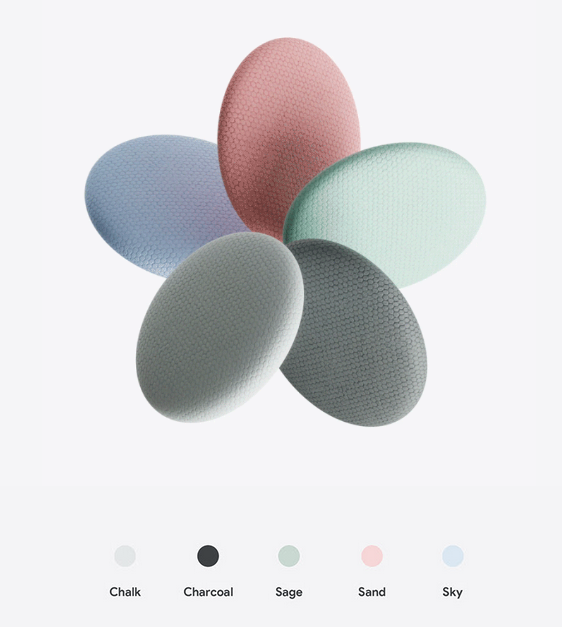
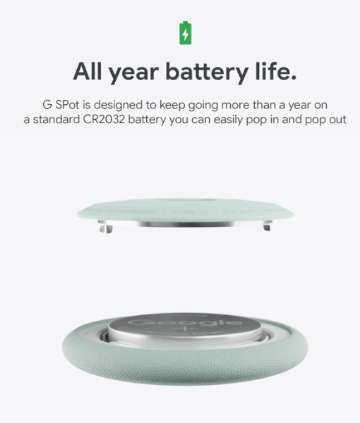
Aside from the ‘G Spot’ name, the concept actually makes a lot of sense. The tracker looks a lot like an AirTag, except it comes in various Google colours (‘Chalk,’ ‘Charcoal,’ ‘Sage,’ ‘Sand,’ and ‘Sky’). Instead of a boring plastic top, it has a fabric material. It almost looks like a tiny Nest Mini.

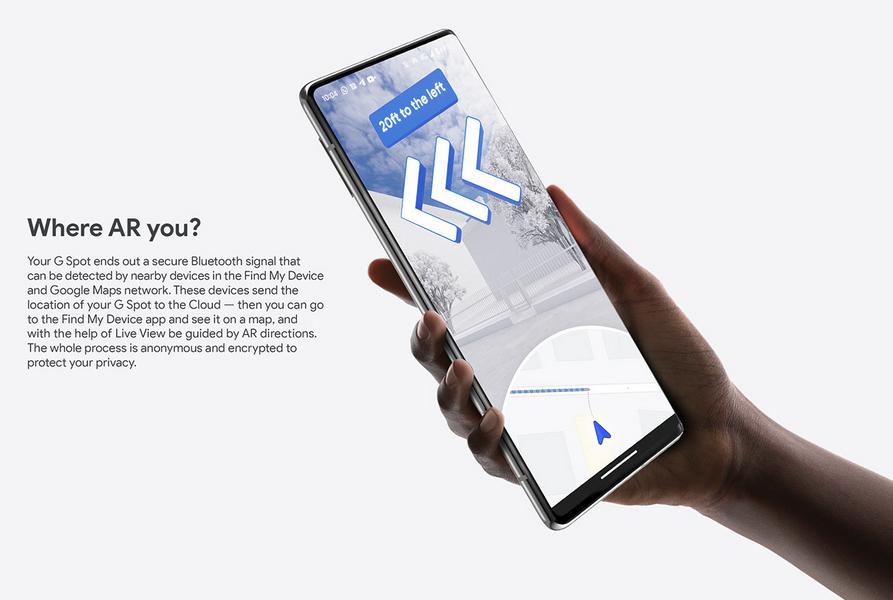
The product mockup page details various features of the G Spot — interlaced with jokes about finding it — that mostly sound like what you’d actually get from a Google tracker. That includes things like Google Assistant support so you can say things like “Hey Google, find my keys,” Bluetooth and ultra-wideband (UWB) support, integrations with Google’s Find My Device app, augmented reality (AR) support to help users find their G Spot, and more.

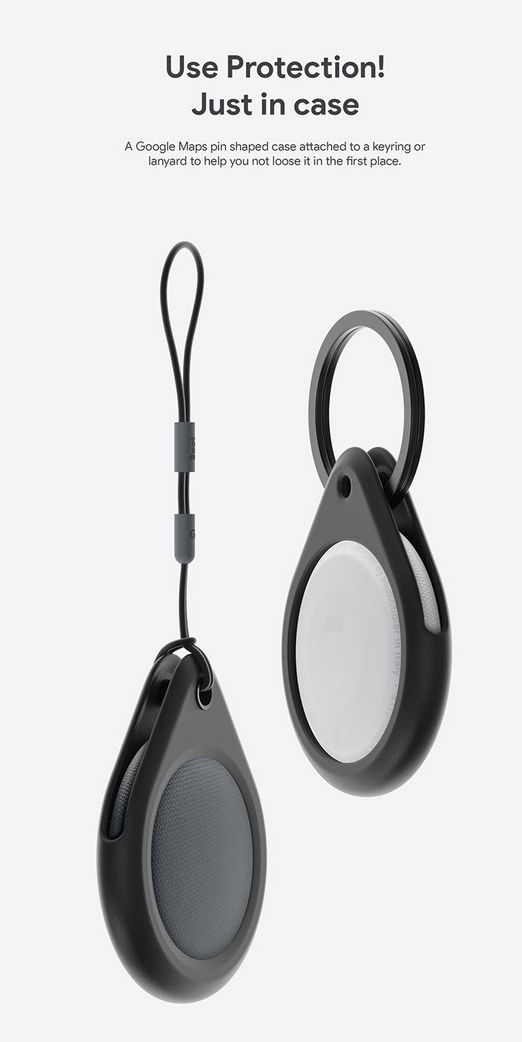
The concept also highlights a replaceable battery that lasts all year and a case shaped like a Google Maps pin. Perhaps the most dubious part of the concept (beyond the name) is the suggestion that the G Spot would run on Google’s Tensor chip. I’d expect the G Spot would run on a lower-power chip than Tensor, although I could see Google debuting a new low-power chip for trackers with Tensor branding.

Anyway, you can check out the whole concept on Behance.

Categories
Mobile Syrup

Amazon ending AmazonSmile charity program in February

E-commerce giant Amazon is winding down its charity venture.

AmazonSmile saw the company donating 0.5 percent of the price of an eligible customer order to a charity of their choice. However, Amazon says the efforts haven’t resulted in what the company hoped.

“With so many eligible organizations–more than 1 million globally–our ability to have an impact was often spread too thin,” a company press release states.

Amazon launched the program in 2013 for its U.S. customers and will end it on February 20th. AmazonSmile never made its way to Canada.

The company says it will make a one-time donation to organizations part of the program equaling three months of their 2022 program earnings.

“Once AmazonSmile closes, charities will still be able to seek support from Amazon customers by creating their own wish lists,” the press release states.

It’s worth noting the news comes as the company plans to lay off thousands of employees and cut costs in other areas by shuttering services and plans to build new facilities.

Image credit: Shutterstock 

Source: Amazon

Categories
Mobile Syrup

Watch Boston Dynamics’ Atlas fling a tool kit at a ‘construction site’

Hyundai-owned Boston Dynamics showed off their Atlas humanoid robots in action back in 2021. Back then, the robots were tasked with navigating a space of plywood panels, gaps, and beams, essentially performing parkour.

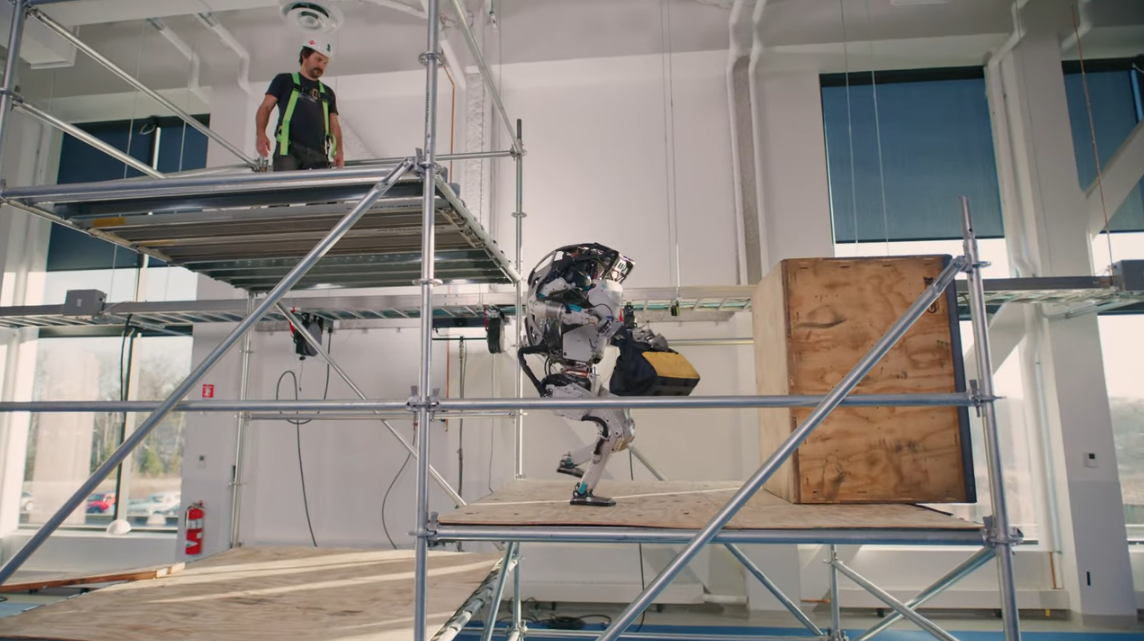
Now, the company has released another video titled “Atlas Gets a Grip” that shows the humanoid robot in a construction workplace scenario.

In the video, a construction worker is standing on top of construction beams, but realizes they forgot their toolbox underneath. Atlas springs into action swiftly, sets a way for it to climb up the beams, and tosses the toolbox toward the construction worker. In essence, the video shows Atlas’ ability to manipulate the world around it to suit its task and interact with objects to reach its goal, “pushing the limits of locomotion, sensing, and athleticism.”

The video also serves as a test and display of the robot’s capacity to keep its balance in different scenarios, which will ultimately help the company perfect the robots over time and reach levels of human dexterity.

According to a separate video where Boston Dynamics explains how its robots can interact with objects and the environment and how it develops new Atlas behaviours, Scott Kuindersma, the team leader behind Atlas said the new video is meant to “communicate an expansion of the research we’re doing on Atlas.”

“We’re not just thinking about how to make the robot move dynamically through its environment, like we did in Parkour and Dance,” said Kuindersma. “Now, we’re starting to put Atlas to work and think about how the robot should be able to perceive and manipulate objects in its environment.”

This is a display of the robot’s capabilities, and with further development, it shouldn’t be long before such robots can perform real, physically demanding jobs that might be unsafe for humans.

Elsewhere, Elon Musk believes his company’s Tesla Bot will soon eliminate the need for humans to do physical work. Musk sees the humanoid robot rolling out widely over the next decade, and says it’s positioned to replace humans doing dangerous, repetitive or boring work, including tasks like cooking, mowing lawns, and caring for the elderly.

Image credit: Boston Dynamics

Source: @BostonDynamics

Categories
Mobile Syrup

PlayStation’s LittleBigPlanet gets mobile spin-off called Ultimate Sackboy

PlayStation has unveiled a new mobile game called Ultimate Sackboy, a running game developed by U.K.-based Exient.

Coming to Android and iOS on February 21st, Ultimate Sackboy is a spin-off of PlayStation’s popular LittleBigPlanet series. While the game was previously in closed beta testing in select markets, including Canada, this marks both its official unveiling and confirmation of a wide release date.

In Ultimate Sackboy, you’ll control the titular burlap sack character as he runs through various stages, requiring you to move and jump to avoid obstacles. In this way, the gameplay is very reminiscent of endless runners like Temple Run and Crash Bandicoot: On the Run!, just with a LittleBigPlanet aesthetic. Along the way, you’ll collect LBP‘s signature bubbles and unlock costumes to change Sackboy’s appearance.

The game is confirmed to be free-to-play, so it remains to be seen what sort of microtransactions it may have, such as in-app purchases for more Sackboy costumes. The most recent LittleBigPlanet game, Sackboy: A Big Adventure, launched in November 2020 on PS4 and PS5. A PC port was released last October.

Ultimate Sackboy is the latest in PlayStation’s growing efforts to expand its IPs to mobile. Last September, the company acquired Germany’s Savage Game Studios as part of a newly formed PlayStation Studios Mobile Division. At the time, PlayStation said Savage was working on a “AAA mobile live service action game,” although it was “too early” to reveal more.

It remains to be seen what other PlayStation franchises besides LittleBigPlanet might make the leap to mobile.

Image credit: PlayStation

Categories
Mobile Syrup

Drake shows off $20,000 solid gold used PSP in music video

Toronto rapper Drake showed off a used PSP in his new ‘Jumbotron Shit Poppin’ music video that’s probably unlike any other.

The plastic case usually enclosing the device is replaced with a solid gold one. Jacob & Co appears to have created the item, according to Vanity Fair, and producer Pharrell Williams previously owned the handheld.

Williams recently sold several Jacob & Co items, including the PSP Drake shows off in the video. It reportedly sold for $19,375 USD (roughly $26,000 in Canada).

Check out the PSP for yourself in the video below. Sony’s PlayStation Portable (PSP) released back in 2005 as a direct competitor to Nintendo’s DS. The PSP ended worldwide production in 2014.

Image credit: Drake (YouTube screenshot)

Source: Drake (YouTube) Via: GamesRadar

Categories
Mobile Syrup

Netflix rolls out refreshed interface on iOS

Netflix has revamped the design of its iOS app as part of a new update.

Now, the app sports a billboard layout that moves along with your device, new launch animations, wallpaper gradients, updated haptics and more.

The ‘Info’ tab at the bottom of cards (the shapes that display each Netflix title) has also been removed. Instead, users can click on the card to bring them to a separate page for the show or movie in question.

On Twitter, Janum Trivedi, a former UI designer for Netflix who worked on the update, shared a bit more insight. He says the update has been in the works over the past year and has been designed “to make Netflix feel more fluid, delightful and polished.”

You can see the update in action below:

Trivedi also teased that an update to Netflix’s Apple TV app could be on the way.

In other Netflix news, the company recently shared a sizzle reel for its 2023 movie slate, offering first looks at the likes of Zack Snyder’s Rebel Moon and David Fincher’s The Killer.

Categories
Mobile Syrup

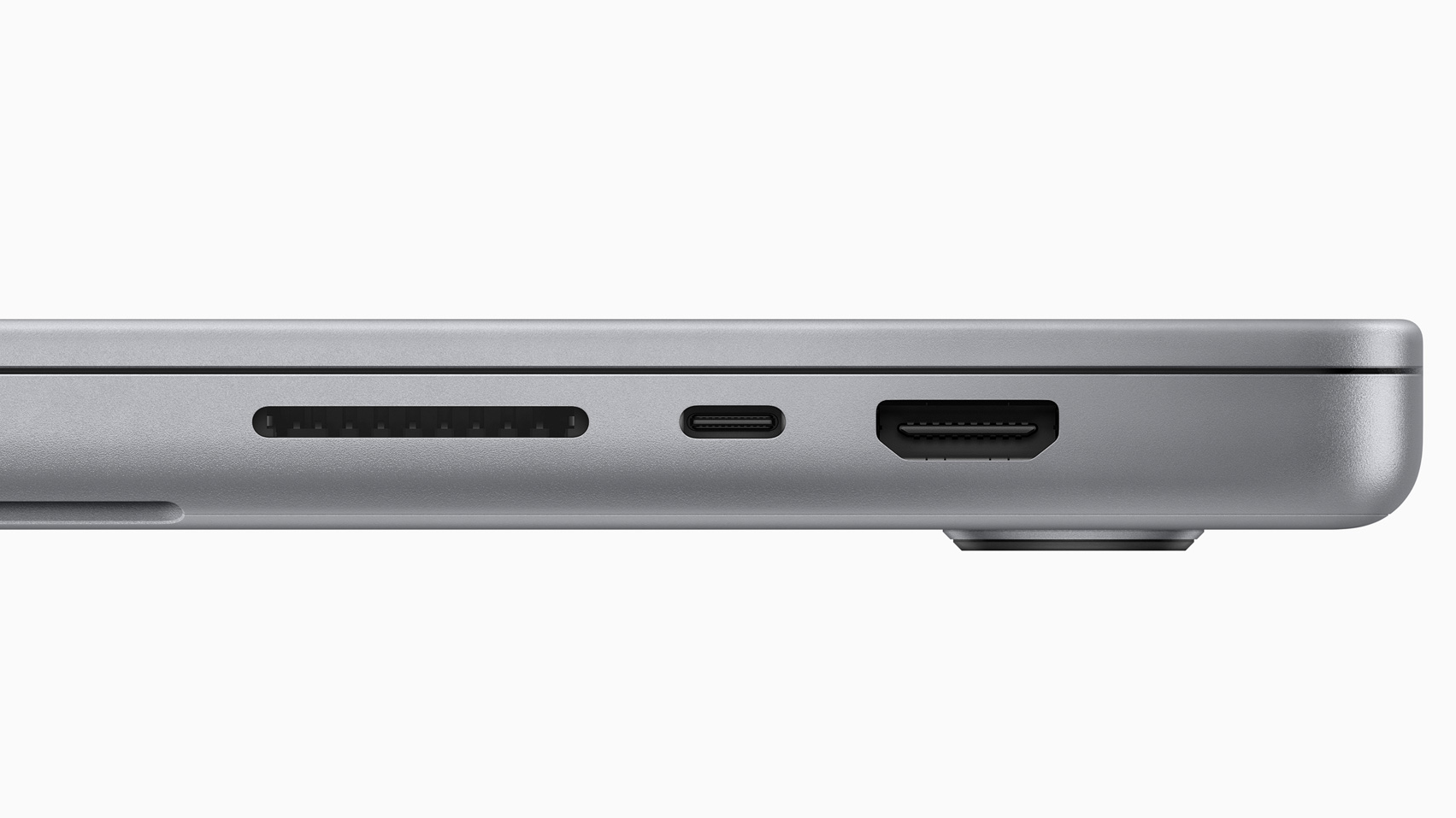
Apple’s M2 Pro/Max MacBook Pro features HDMI 2.1 instead of 2.0

Apple’s new 14-inch and 16-inch MacBook Pro features a subtle upgrade some people may not have noticed — an HDMI 2.1 port.

Apple’s MacBook Pro (2021) features HDMI 2.0, which supports a single 4K display at a 60Hz refresh rate.

With the last-gen laptop, if you want to hit higher refresh rates at 4K, you need to use a USB-C/Thunderbolt 4-to-display port adapter. This is how I’m able to get 4K/120Hz output on my LG UltraGear monitor via the MacBook Pro (2021).

Now, however, you no longer need to live the complicated dongle life thanks to the MacBook Pro (2023)’s HDMI 2.1 port. The newer port format supports an 8K display at up to 60Hz or a 4K display at up to 240Hz, as long as you use a compatible HDMI cable.

It’s a subtle change, but if you have a display that supports faster refresh rates and a 4K/8K resolution, it’s far easier to take full advantage of the display.

Apple’s new 14-inch MacBook Pro starts at $2,599, and the 16-inch version starts at $3,199.

Source: MacRumors