Categories
Mobile Syrup

Here are some of the worst phones released in Canada over the past few years

Over the past six years, tons of smartphones have released in Canada. Some devices have been great, including the Galaxy Z Fold 3, iPhone 11, Huawei’s P30 Pro, HTC One M7, etc. However, there have also been some pretty lousy handset releases over the past six years.

With that in mind, this story takes a look at what I think are some of the worst recent smartphone releases in Canada. Let us know what devices you think are the worst in the comments below.

Samsung Galaxy Note 7
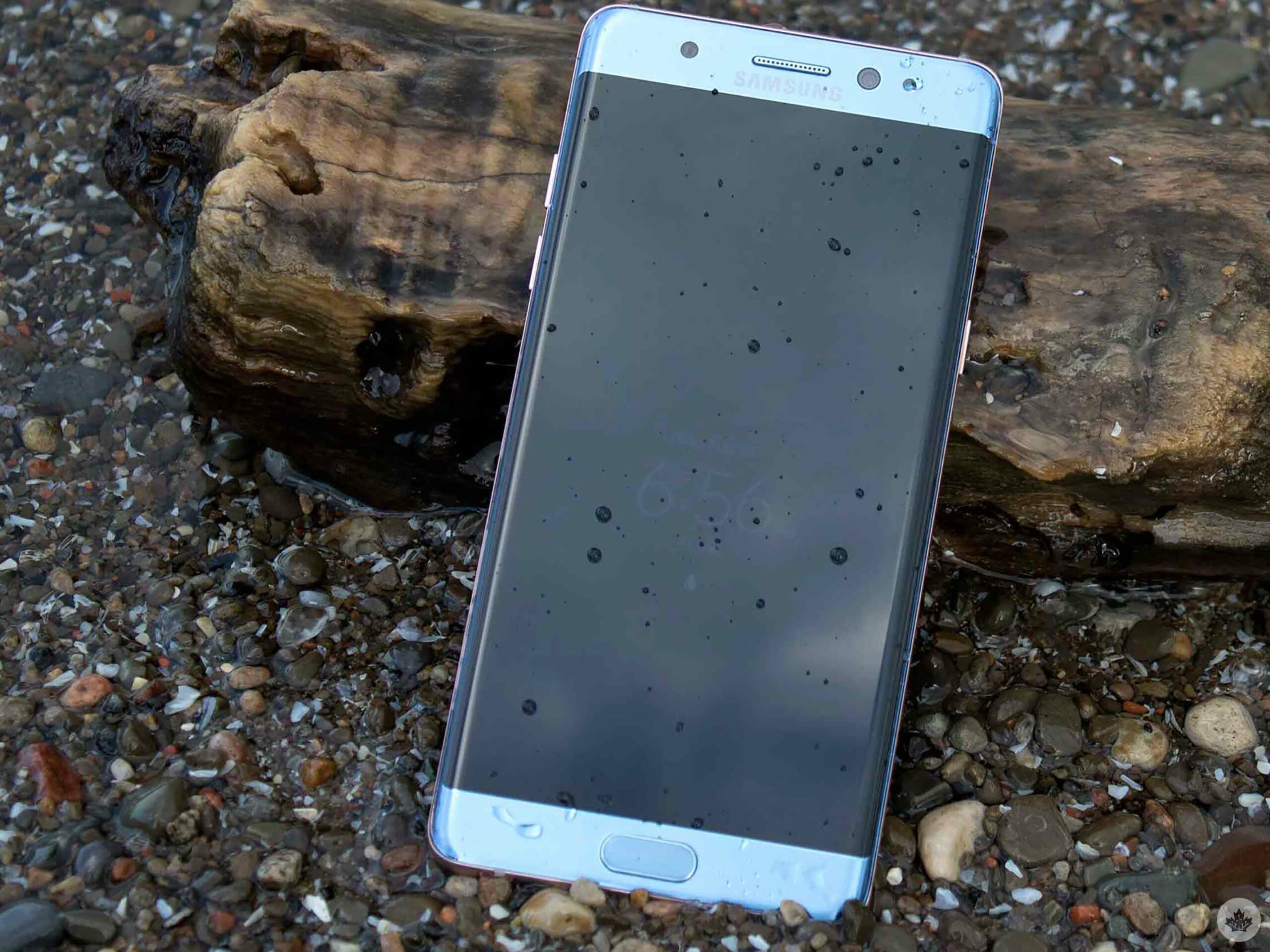
Samsung’s Galaxy Note 7 is one of the company’s darkest moments, as the device featured a battery that literally caught on fire.

The South Korean company issued a recall for the Galaxy Note 7 nearly a month after its release. Owners found that a manufacturing defect tied to the device’s battery caused it to generate a lot of heat, potentially resulting in fires. In the subsequent weeks, MobileSyrup published several articles on how to return or replace the Galaxy Note 7.

While some of the phones below are based on what I think are bad smartphones that released in Canada, I don’t think anyone can argue that the Galaxy Note 7 is by far the worst and probably most dangerous phone on this list.

Google Pixel 2 XL
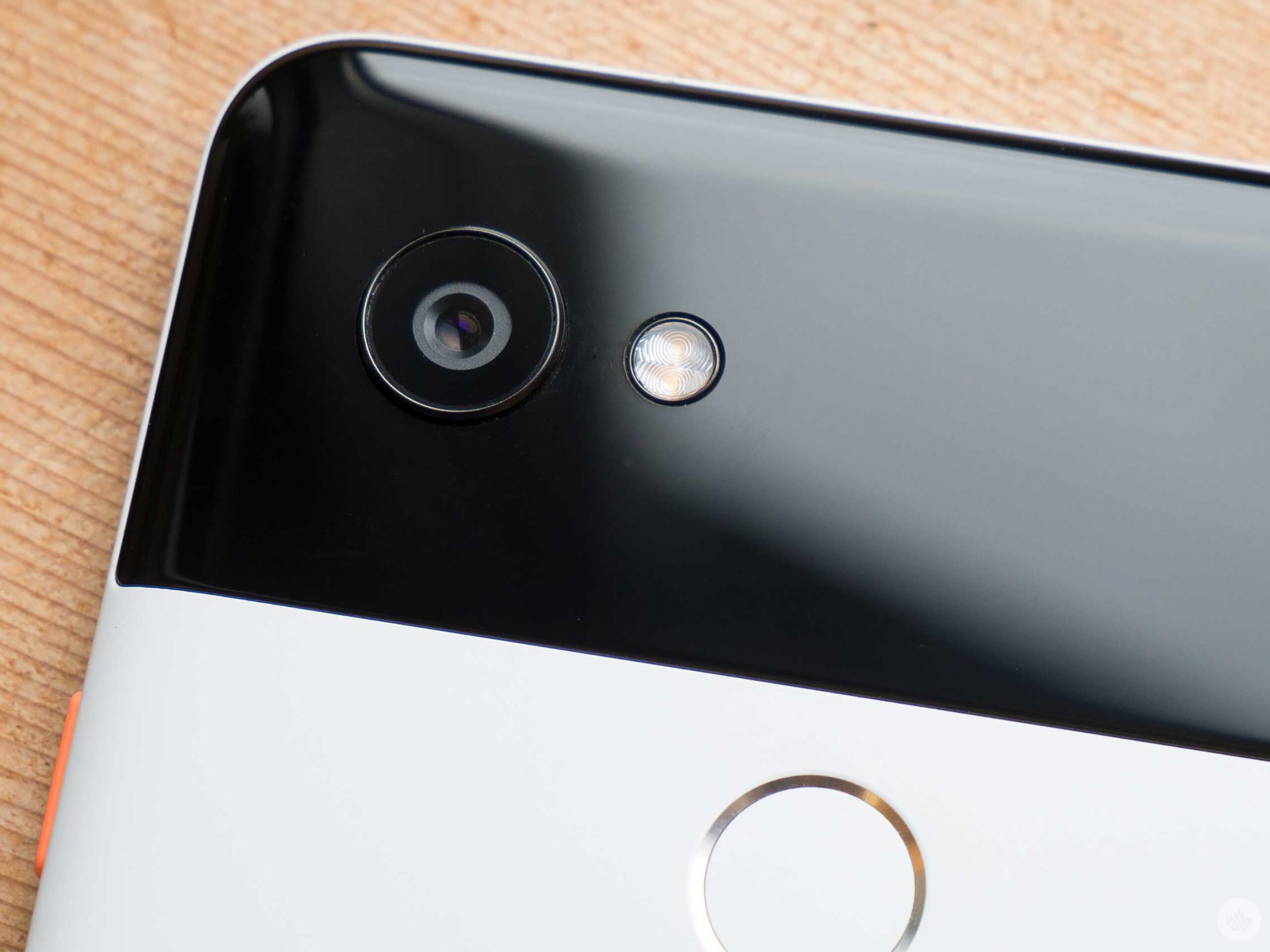
Google’s Pixel 2 XL is a great phone and many people loved it — at least at first. However, some owners started experiencing issues with the ‘Made by Google’ devices roughly a month after its release.

The device suffered from really bad screen burn-in issues, its glass display popped up, it was easy to scratch its exterior, it suffered from Wi-Fi and Bluetooth issues and more. Many users literally lost the Pixel 2 XL’s Android operating system too.

Back in 2017, former MobileSyrup telecom reporter Rose Behar and current managing editor Patrick O’Rourke had to return to their review and change the Pixel 2 XL’s rating. They only knocked it down to an 8/10, but as someone who also owned that phone, I would have slahed it even further.

Google’s Pixel 2 XL was great if you were one of the few that didn’t experience any problems (like me), but I was one of the lucky few.

We even made a full list of problems with the Pixel 2 XL, which you can find here.

LG G5
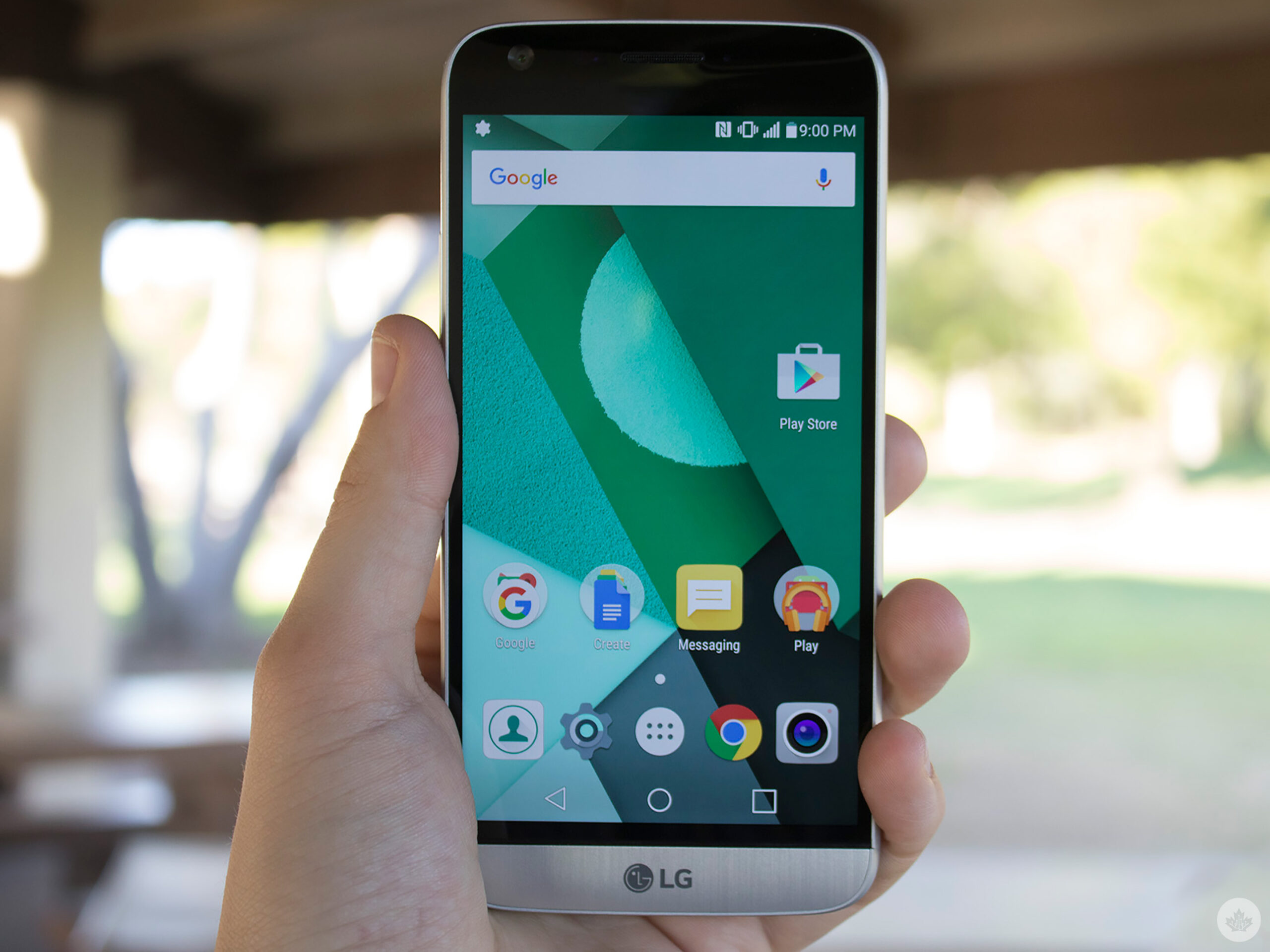
LG G5

Months before the Note 7, LG released the G5 and its various ‘Friends’ accessories.

The smartphone featured a weird design and modular Friends like the Cam Plus, Hi-Fi Plus, and more. None of these accessories were great, and they required the user to turn off and take apart the device before using them. Additionally, LG’s Friends made the G5 very bulky.

LG was never really able to climb back to greatness after the release G5. After years of attempts, the company eventually shuttered its phone-making business entirely.

The Essential Phone
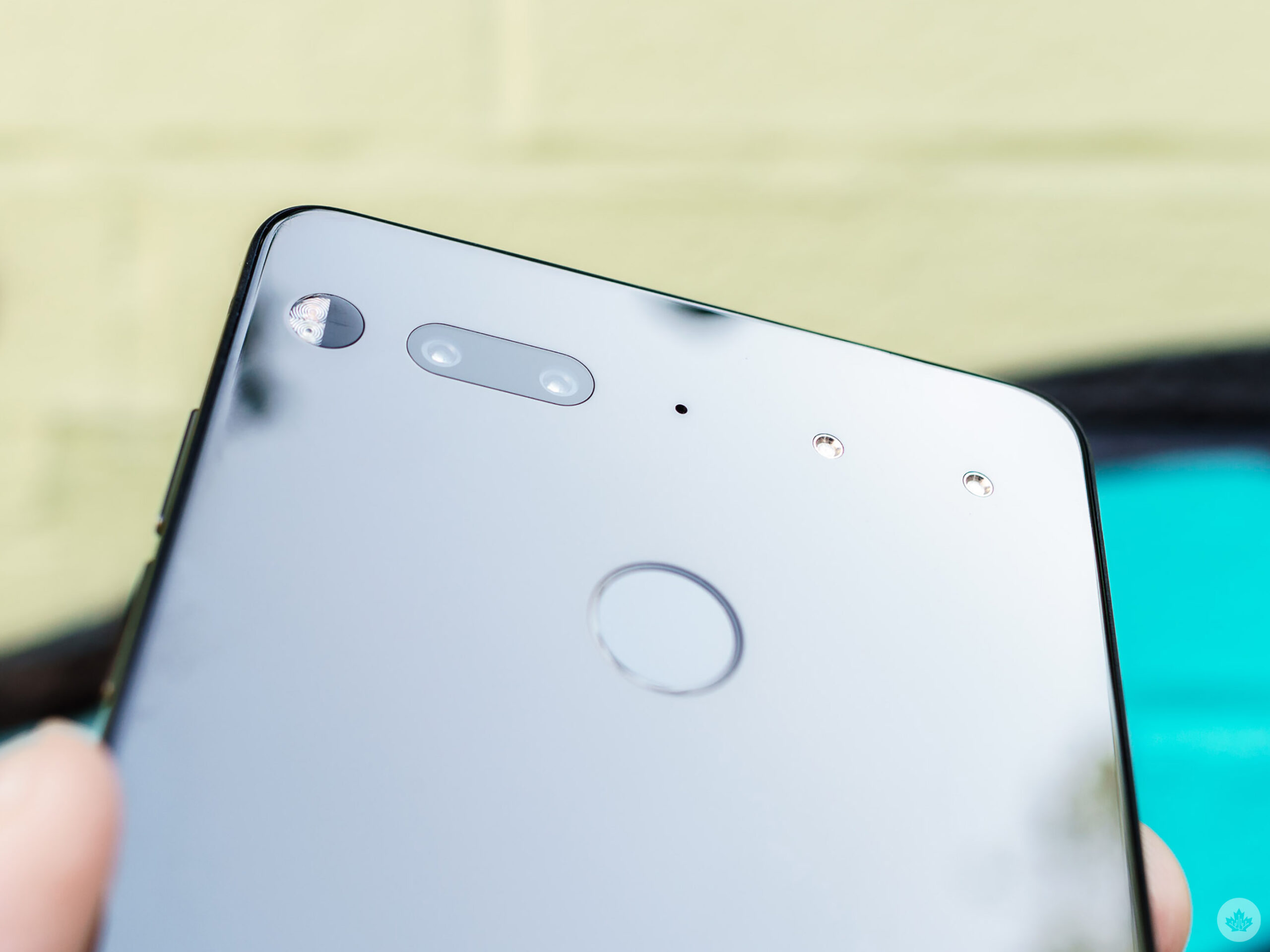
Essential Phone

Okay, hear me out.

A lot of people loved the Essential PH1. It looked great and offered a minimalistic design with a notch before notches were even cool. It also featured a stock Android experience and featured with 128GB of internal base storage, a rarity at the time.  To this day, it’s still probably one of my favourite handset designs, but the device was far from perfect.

The handset offered no headphone jack, which was crazy back in 2017. Additionally, its camera experience was bad and it offered no form of waterproofing.

Former MobileSyrup reported Igor Bonifacic gave the device a 7/10, which isn’t horrible, but he recommended readers go with the LG G6 instead (a 2017 phone with a 2016 processor).

But the worst thing about the Essential Phone was its creator, Andy Rubin.

Rubin, one of the founders of Android, was asked to leave Google due to reports of sexual harassment. While these incidents occurred back in 2013/2014, the news didn’t come out until years later when The New York Times broke the story in 2018.

Sony Xperia XZ1
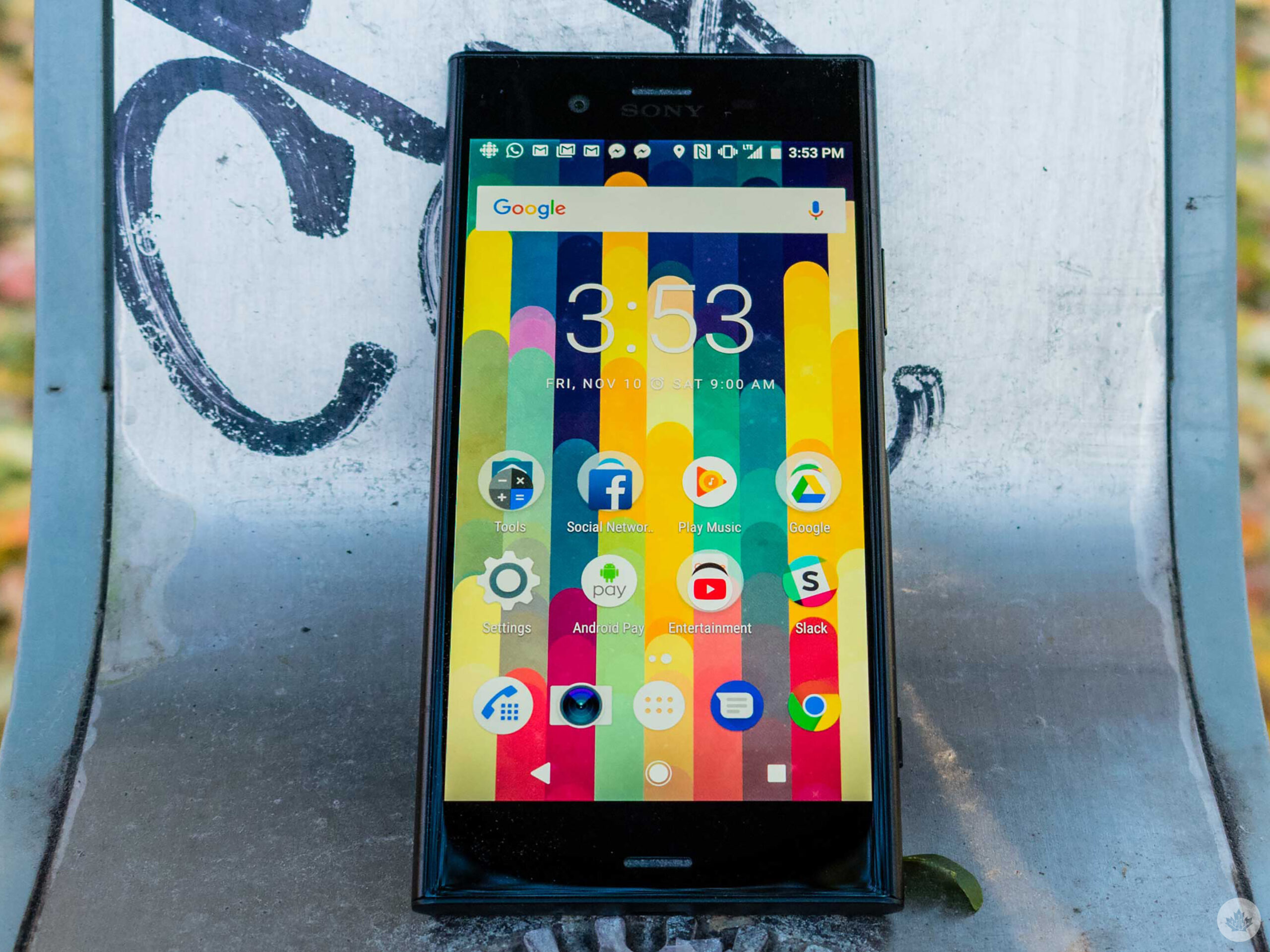
Xperia XZ1

I had to give a shout to Sony smartphone on this list.

Sony’s take on Android wasn’t great back in the day, but neither was Samsung’s Touch Wiz or LGUX, so I’ll give the company’s devices a pass in that respect. And that doesn’t really matter here, because I can’t get past its abysmal desig.

The bezels on this squared-shape beast were some of the ugliest I’ve seen on a modern smartphone. It always looked like the display was being eaten by the huge bezels. The square-shaped design was also difficult to hold (especially with its bigger successor, the XZ2)

And similar to LG, after the launch of Sony’s Xperia XZ1, it seemed like the company couldn’t really grasp what Canadians wanted, leading to the company no longer selling its smartphones in Canada.

Samsung Galaxy Fold
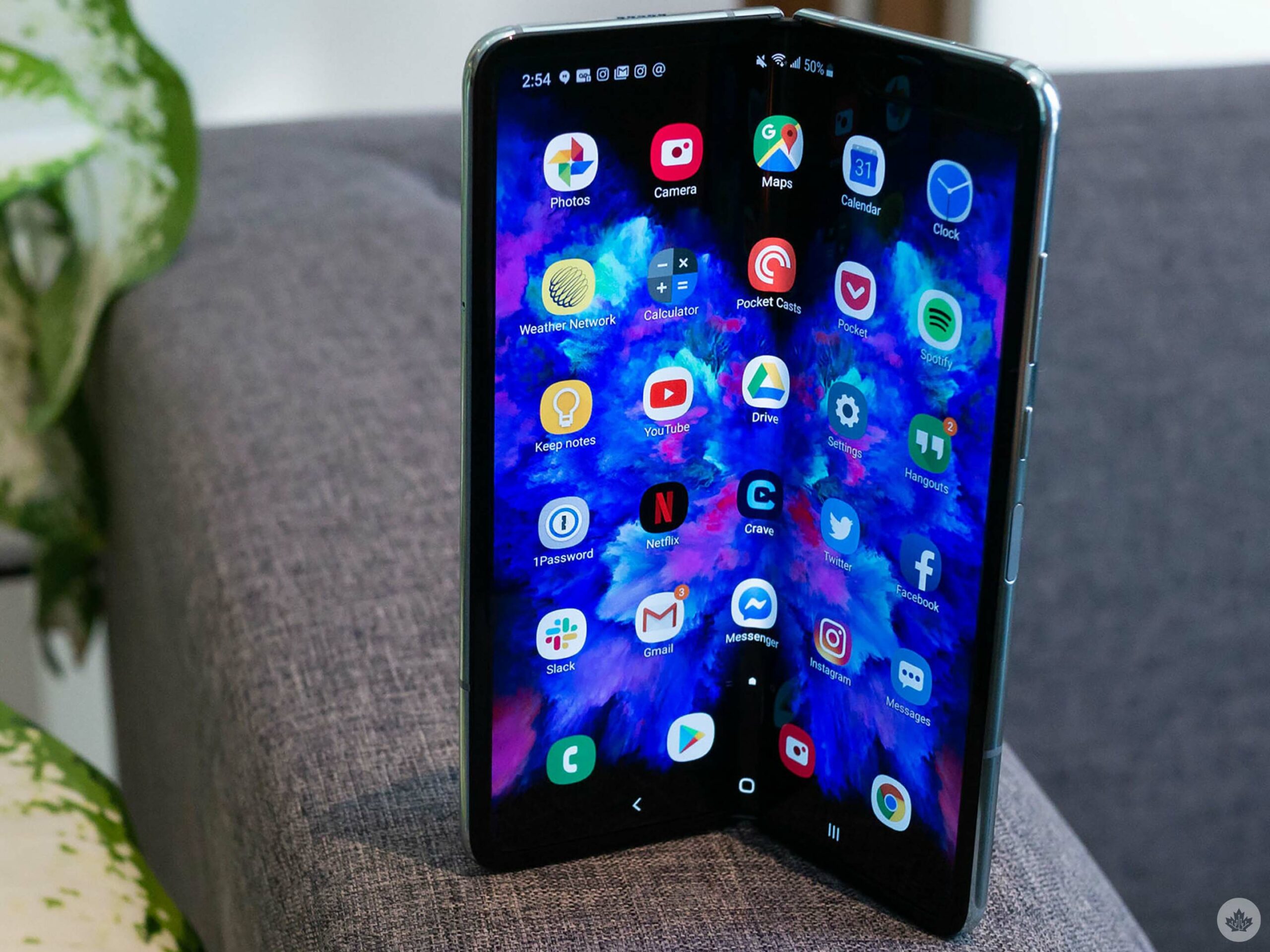
While Samsung’s Galaxy Z Fold 3 is likely my favourite phone on the market, foldables get a good start. Samsung’s Galaxy Z Fold featured some big problems, including a screen protector that you’re not supposed to remove.

Most didn’t know that the plastic film on the Z Fold couldn’t be removed, so when users peeled off that sticker, the display would entirely break.

Following that problem, the 7mm gap that separated the bottom bezel of the Galaxy Fold’s main display and the space between the spine of the device was perfect for dirt to get caught between.

While the Galaxy Fold would still work with dirt and pebbles hiding underneath the display, it was a horrible experience and the only way to remove the debris was to pull off the plastic film (which broke the display).

A lot of other phones could have made this list, including the Surface Duo, LG G8, Motorola Razr and so many more. However, let us know in the comments below what you think are some of the worst smartphones to release in Canada in the past six years.

Categories
Mobile Syrup

Govee’s Glide Hexa light panels are a great alternative to Nanoleaf’s Light Panels

Govee has added a new wall light to its arsenal of RGBIC offerings, and it might be the company’s best product yet.

I’ve tried out other Govee lights in the past, and the Glide Hexa easily outshines them (literally and figuratively), be it something as simple as the unboxing experience to the overall quality of the product and the light it outputs.

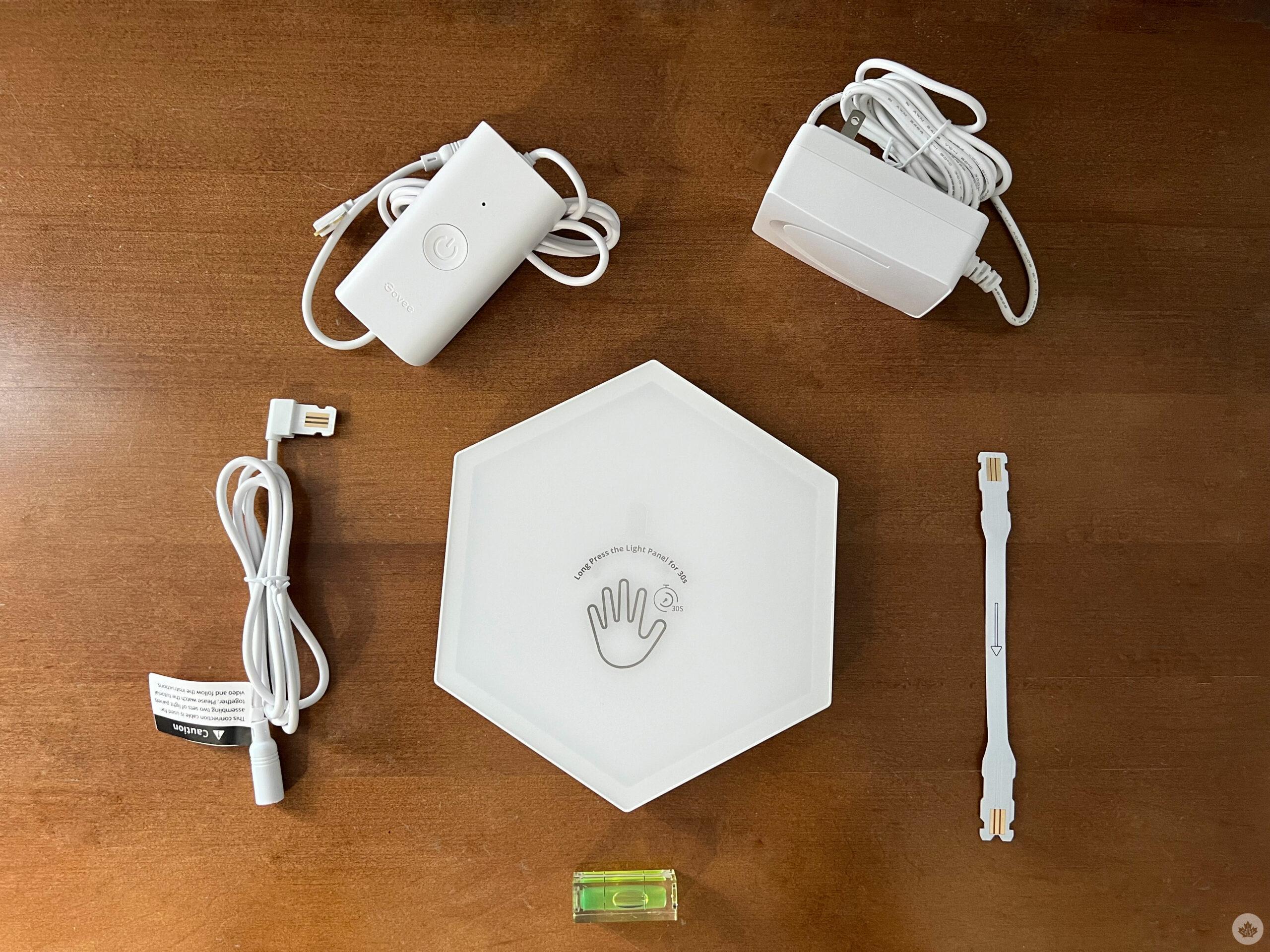
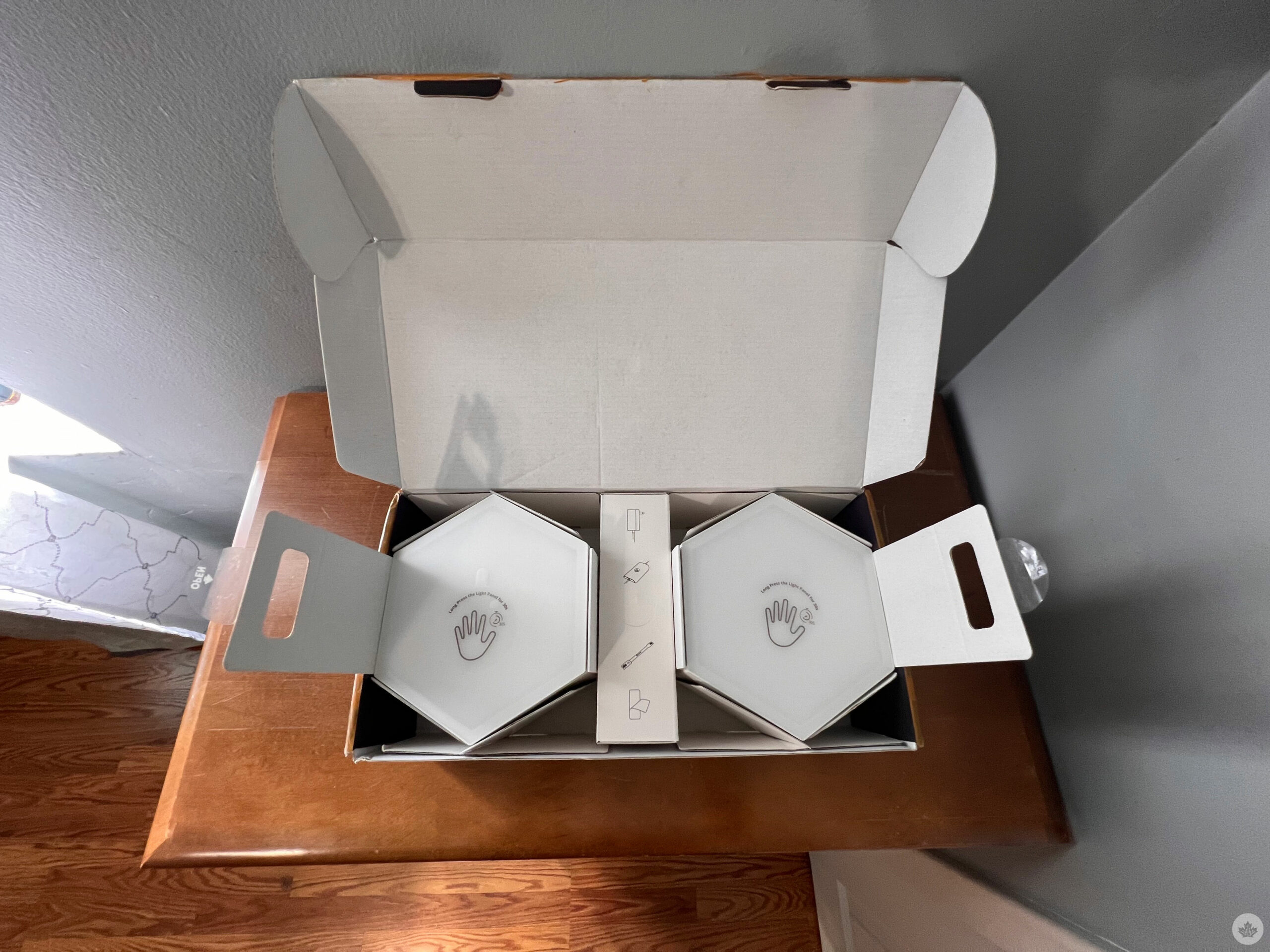
While the box looks small at first glance, everything inside is packed perfectly, including connectors, a 24v power adapter, extra sticky pads, a level tool, a control box that acts as the brain of the light and a total of ten matte-textured Hexagon panels, with each side being 9cm.

Setting up the lights did take me a little bit longer than I expected because I dived in without trying to figure out the basics first. I’ve been wanting to get Nanoleaf-like wall panels for a while now, and you could say excitement got the better of me.

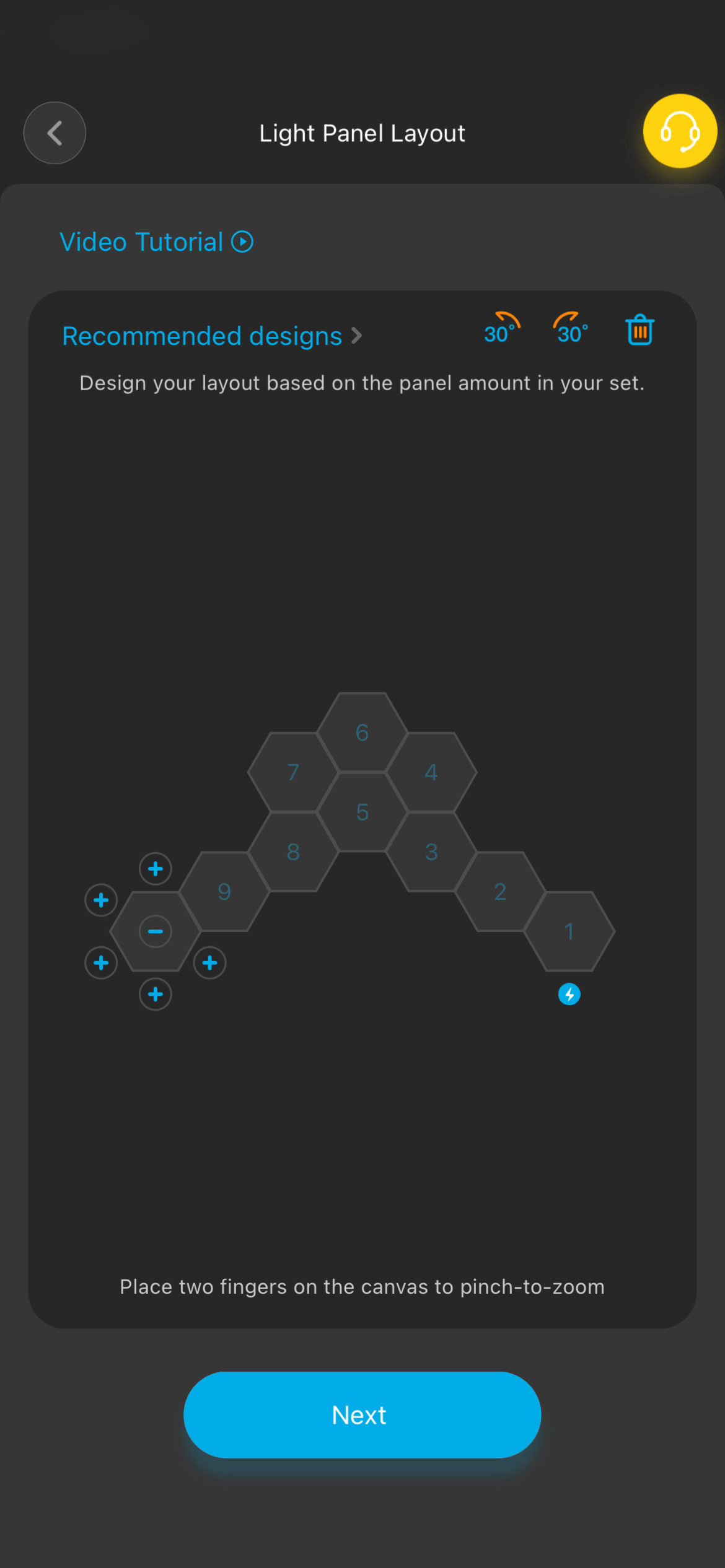
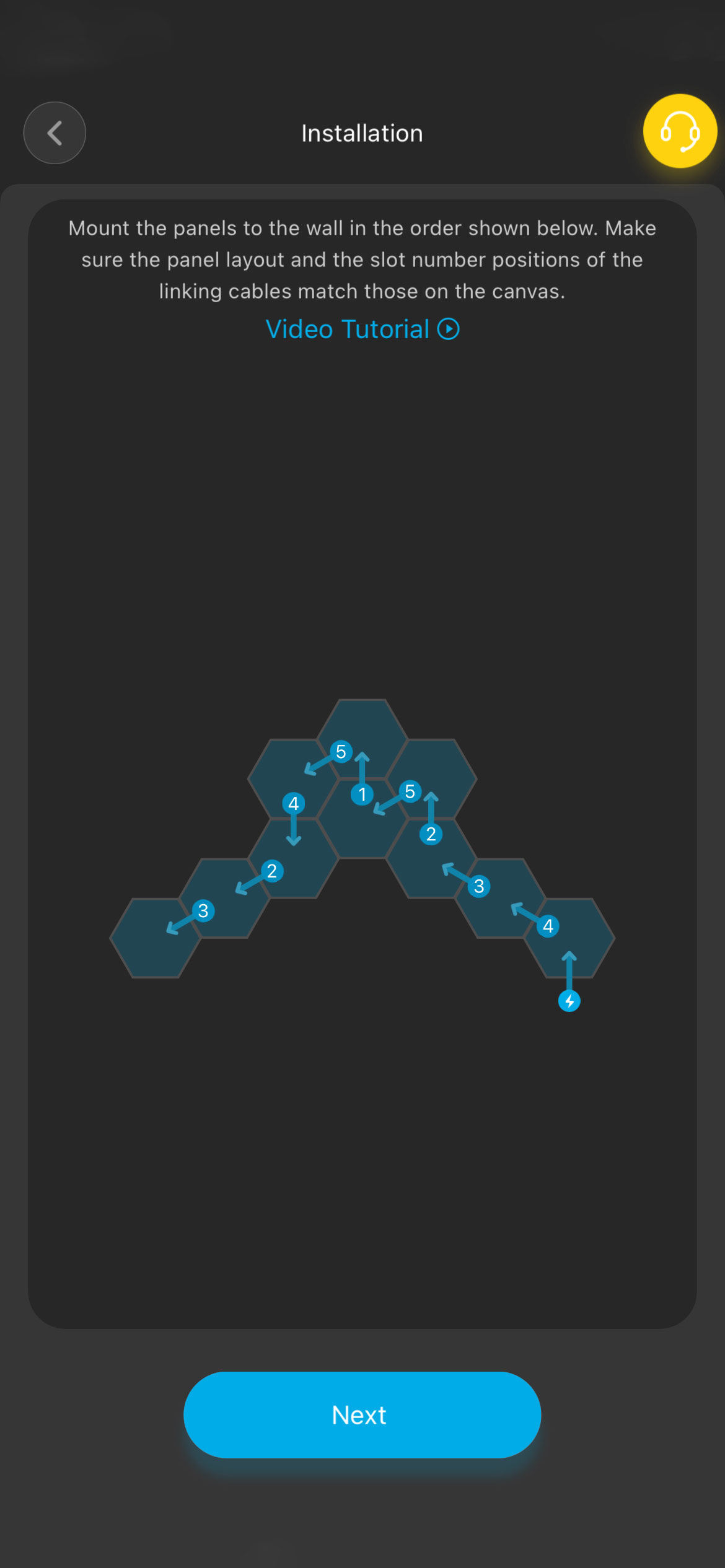
You need to be meticulous while setting up the lights and sticking them onto your wall. For reference, each hexagon panel has 5 ports on its rear end. You’re supposed to first create the shape/pattern you want the lights to be set as on the Govee app, calibrate it, and the app will let you know which ‘numbered’ port to use to connect the lights with each other, as seen in the screenshot below. Read the in-app instructions before you begin the installation, and you should be good. The app also recommends some pre-made shapes and patterns that you can use if you’re not feeling creative. 

After setting the desired shape in-app, the rest of the setup process is relatively straightforward. You connect the main power cable to the panel marked as ‘1’ and connect the following ones according to the numbers marked on the app.

Each panel has a 3m adhesive tape on the rear that holds the panel in place, though if you mess up, the panel can be pulled off the wall without damaging it. The connectors that pair all the panels together are flexible, so you can bend them behind each hexagon so they don’t stick out. Them being flexible also allows you to place the panels across two walls, like in the corner of your room.

One great tool provided with the lights is a small level tool that can be placed on top of each hexagon panel to gauge whether you’re placing it straight or crooked. This isn’t a necessary addition to the product, but a useful one nonetheless.

I wish the main power cable (the one that connects to panel number 1) was a little thinner. Although it is white in colour, it still sticks out like a sore thumb on my light blue-coloured wall. The good thing is that it’s a metre in length, and comes with an extension wire, so you can place the lights wherever you wish, even if the spot doesn’t have a power socket nearby.

The panels look great even when they’re not switched on, thanks to the matte finish and the seamless look between each panel, though the lights are a different beast when turned on.

The lights are RBGIC, which means they can show multiple shades of a colour per panel at once, and that shows when you select some of the lighting modes on the Govee app. More on that later.

RGB lights, on the other hand, can only show one colour per panel, and switch between colours quickly, like Nanoleaf’s Light Panels.

In my opinion, RGBIC panels look better. Being able to cycle through different colour shades per panel provides for a more immersive backdrop to your setup. Think of it like an aurora in the sky, or a fire in a field.

An aurora is green, but it’s not the same shade of green all over, while a fire is yellow and orange, but with different shades of the colours throughout.

All the panels, in addition to having a matte finish, are also translucent, which allows the light to shine on the wall behind the panel, creating a ‘glow’-like design that looks beautiful in a pitch dark room.

Speaking of a dark room, if you have parties at home, the Glide Hexa’s music mode is sure to be the life of it. Govee’s music mode has always been a good feature in its products, though it truly shines with the Glide Hexa. For starters, the Hexa covers more space than the company’s other products, so naturally, it creates a more immersive atmosphere. I also feel like it’s more accurate at picking up beats and vocals, and displaying lights accordingly.

It’s worth noting that the control box (the brains of the operation) is responsible for listening to sound cues for the music mode, and that it is sensitive, so it will also pick up other sounds around it, which can result in inaccuracies in the lighting effect.

Music mode on the Hexa has a few new features that other Govee lights don’t have, in addition to an option that allows you set which direction the lights travel in, i.e. left to right, right to left, from the middle to the outer panels or vice versa.

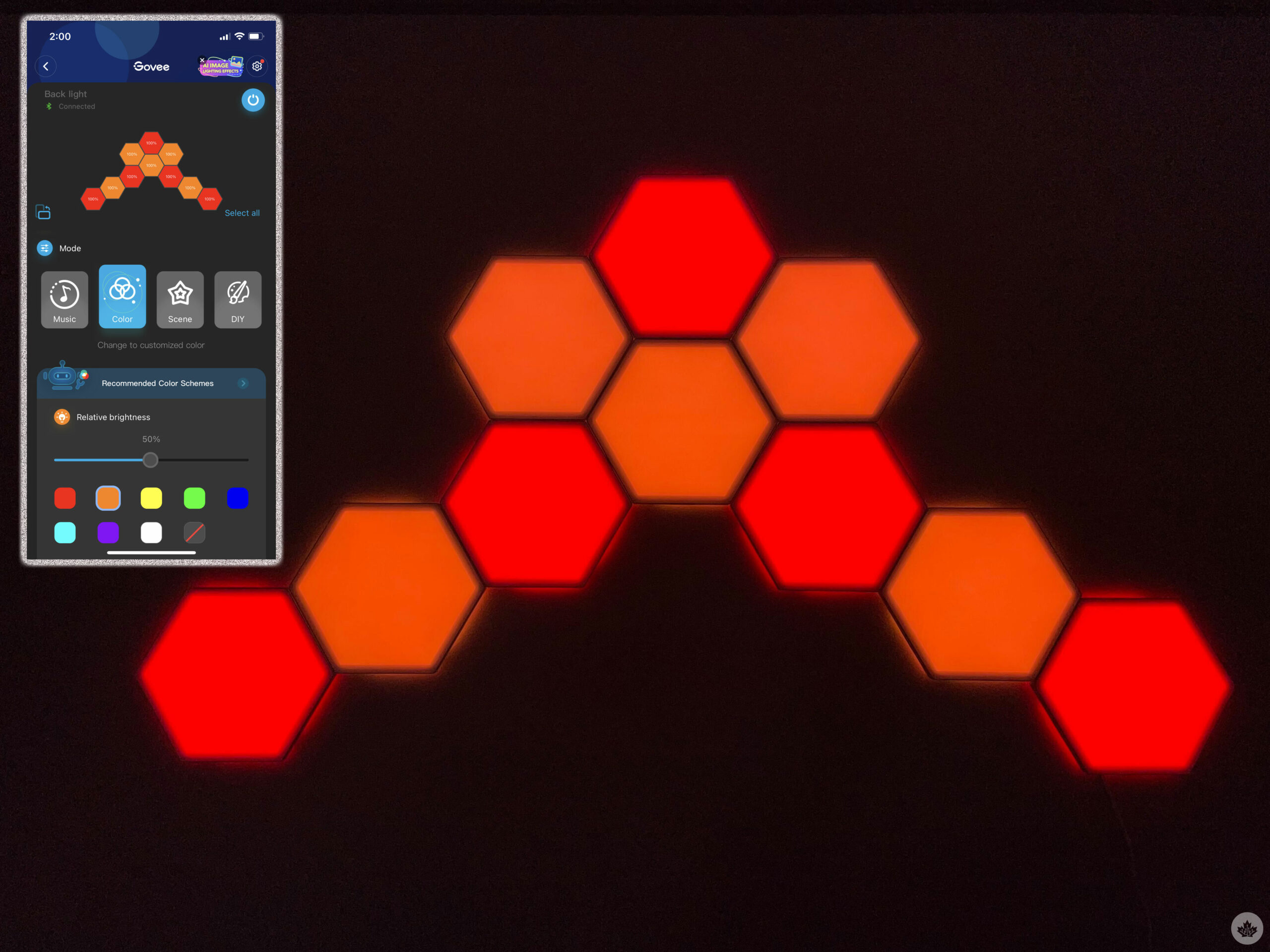
Colour mode on the other hand gives you complete control over each panel, including brightness and colour schemes.

The app also offers a wide variety of pre-made scenes, like ‘Aurora’ and ‘Fire’ that I mentioned earlier. There are scenes for every mood; fast-moving, epilepsy-triggering scenes like ‘Disco’ and ‘Dance Party’ to scenes that you can leave on for the whole day like ‘Flower Field,’ ‘Sunset Glow’ and ‘Optimistic.’

Overall, I’m extremely pleased with the Govee Glide Hexa, especially since I’ve been eyeing wall panels for a while now. They’re not ‘in your face’ LED lights, but at the same time, they’re sure to turn some heads.

What can Govee do to better its lights in the future? I feel that the borders of each panel are too pronounced, making each hexagon stand apart from the other. The edge/border/bezel of the panels don’t have lights underneath, so they don’t shine as bright as the inner part of the panel. While I don’t mind the look, I wish the borders would light up too, so that the light looks like one giant shape instead of multiple hexagons connected together.

I would like to see Govee update the hardware to include lights all the way to the border, and an update in the software that would allow users to ‘Illuminate borders’ or keep them off, giving users the best of both worlds

The Govee Glide Hexa Wall Light Panel is available for $299.99 from Govee’s website. The company is also offering a BOGO promotion on a lot of its products until March 30th.

Categories
Mobile Syrup

Streaming in Canada on Prime Video, Apple TV+, Crave, Disney+, Netflix and Paramount+ [March 21-27]

Every week, MobileSyrup outlines some of the most notable movies and TV shows that recently hit Canadian streaming platforms.

Our ‘Streaming in Canada’ column typically focuses on new content from Amazon Prime Video, Crave and Netflix, but other services like Apple TV+ and Disney+ will be mentioned when relevant. Premium video on demand (PVOD) platforms are also fair game as movies continue to come to digital early amid the COVID-19 pandemic.

Finally, we’ll highlight shows or movies that are made by Canadian companies, involve notable Canadian cast or crew and/or are filmed in Canada.


Amazon Prime Video

C’mon C’mon

A softspoken radio journalist goes on a cross-country trip with his energetic nephew.

C’mon C’mon was written and directed by Mike Mills (20th Century Women) and stars Joaquin Phoenix (Joker) and Woody Norman (Poldark).

Original Canadian theatrical release date: November 26th, 2021
Amazon Prime Video premiere date:
March 24th, 2022
Genre: Black-and-white drama
Runtime: 1 hour, 48 minutes

Stream C’mon C’mon here.

Lizzo’s Watch Out For the Big Grrrrls [Amazon Original]

Singer Lizzo looks for 10 new ‘Big Grrrrl’ dancers who will join her on stage at Tennessee’s Bonnaroo music festival in June.

Amazon Prime Video premiere date: March 25th, 2022
Genre: Reality competition
Runtime: Eight episodes (45 to 51 minutes each)

Stream Lizzo’s Watch Out For the Big Grrrrls here.

An Amazon Prime Video subscription is included at no additional cost with an Amazon Prime membership, which costs $79/year.

The full list of movies and shows hitting Amazon Prime Video in March can be here.


Apple TV+

Pachinko [Apple Original]

Follow a Korean immigrant family across four generations as they leave their homeland for a better life.

Based on Min Jin Lee’s 2017 novel of the same name, Pachinko was created by Soo Hugh (The Whispers) and stars Youn Yuh-jung (Minari), Minha Kim (Main Street), Jin Ha (Devs) and Lee Min-ho (Boys Over Flowers).

It’s worth noting that the series was filmed in Vancouver.

Apple TV+ Prime Video premiere date: March 25th, 2022 (first three episodes, new episodes every Friday)
Genre: Drama
Runtime: Eight episodes (around one hour each)

Stream Pachinko here.

Apple TV+ costs $5.99/month in Canada.


Crave

Une Affaire Criminelle (A Criminal Affair) [Crave Original]

A woman named Catherine fights to clear her son of murder as the major crimes investigator seems to be protecting someone else involved.

The series was directed by Quebec City’s Stéphane Lapointe (The Secret Life of Happy People) and stars Levis, Quebec’s Céline Bonnier (Far Side of the Moon) and Sherbrooke, Quebec’s Louis-Philipe Dandeneault (The Great Seduction).

Crave premiere date: March 23rd, 2022
Genre: Drama
Runtime: Four episodes (43 minutes each)

Stream A Criminal Affair here.

King Richard

Based on a true story, King Richard explores Richard Williams’ efforts to help his daughters Venus and Serena become pro tennis players.

King Richard was directed by Reinaldo Marcus Green (Monsters and Men) and stars Will Smith (Ali), Aunjanue Ellis (When They See Us), Saniyya Sidney (American Horror Story) and Demi Singleton (Godfather of Harlem).

Original theatrical release date: November 19th, 2021
Crave premiere date:
March 25th, 2022
Genre: Biographical drama
Runtime: 2 hours, 25 minutes

Stream King Richard here.

One Perfect Shot

Inspired by the popular Twitter account of the same name, filmmaker Ava DuVernay (Selma) hosts this series in which fellow directors like Patty Jenkins (Wonder Woman), Aaron Sorkin (Molly’s Game) and Jon M. Chu (In The Heights) break down the iconic imagery of their films.

Crave premiere date: March 24th, 2022
Genre: Documentary
Runtime: Six episodes (22 to 26 minutes each)

Stream One Perfect Shot here.

A standard Crave subscription is priced at $19.99/month, with Starz costing an additional $5.99/month. A mobile-only subscription is also available for $9.99/month.

The full list of movies and shows hitting Crave this month can be found here.


Disney+

The Eyes of Tammy Faye

Based on a true story, The Eyes of Tammy Faye chronicles the rise and fall of singer Tammy Faye’s televangelism career and marriage to Jim Baker.

The Eyes of Tammy Faye was directed by Michael Showalter (The Big Sick) and stars Jessica Chastain (Zero Dark Thirty) and Andrew Garfield (Tick, Tick…Boom!).

Original theatrical release date: September 17th, 2022
Disney+ Canada release date: March 23rd, 2022
Genre: Biographical drama
Runtime: 2 hours, 6 minutes

Stream The Eyes of Tammy Faye here.

Olivia Rodrigo: driving home 2 u [Disney+ Original]

Directed by Stacey Lee (Live Fast, Draw Yung), this documentary profiles singer-songwriter Olivia Rodrigo as she goes on a road trip and recounts her experiences writing her debut album, Sour.

Disney+ Canada premiere date: March 25th, 2022
Genre: Biographical drama
Runtime: 1 hour, 16 minutes

Stream Olivia Rodgro: driving home 2 u here.

A Disney+ subscription costs $11.99/month or $119.99/year in Canada.

The full list of movies and shows hitting Disney+ this month can be found here.


Netflix

Bridgerton (Season 2) [Netflix Original]

Viscount Anthony Bridgerton’s decision to marry puts him into conflict with his intended bride’s headstrong older sister.

Based on Julia Quinn’s novels series of the same name, Bridgerton was created by Shonda Rhimes (Grey’s Anatomy) and stars Jonathan Bailey (Broadchurch), Simone Ashley (Sex Education) and Charithra Chandran (Alex Rider).

Netflix Canada premiere date: March 25th, 2022
Genre: Period drama
Runtime: Eight episodes (54 to 72 minutes each)

Stream Bridgerton here.

The Principles of Pleasure [Netflix Original]

Comedian Michelle Buteau (The Circle) narrates this docuseries that explores the complexities of women’s pleasure, featuring interviews with scientists, sex educators, therapists and more.

Netflix Canada premiere date: March 22nd, 2022
Genre: Documentary
Runtime: Three episodes (48 to 55 minutes each)

Stream The Principles of Pleasure here.

Following a recent price increase, a ‘Basic’ Netflix subscription costs $9.99/month, a ‘Standard’ subscription (HD-supported) costs $16.49/month and a ‘Premium’ membership is priced at $20.99/month (4K-supported).

The full list of movies and shows hitting Netflix Canada this month can be found here.


Paramount+

Halo [Paramount+ Original]

While the catalogue of the Canadian version of Paramount+ is missing many of the titles found on its American counterpart, one high-profile original has debuted on both: Halo.

That’s right — after years of development hell, the live-action TV series adaptation of Microsoft’s massively popular video game franchise is finally here.

Inspired but not directly adapted from the games, Halo follows the 26th-century war between United Nations Space Command and an alliance of advanced alien races known as the Covenant.

Halo stars B.C.’s own Pablo Schreiber (The Wire), Shabana Azmi (Khandar), Olive Gray (Half-Moon Investigations), Natasha McElhone (Californication) and Jen Taylor reprising her role as the voice of Cortana from the Halo games.

Paramount+ Canada premiere date: March 24th, 2022 (first episode, new episodes every week)
Genre: Sci-fi
Runtime: Nine episodes (around one hour each)

Stream Halo here.

Paramount+ costs $5.99/month in Canada with a seven-day trial. However, it’s worth noting that those subscribed to Microsoft’s $16.99/month Xbox Game Pass Ultimate service can get 30 days of Paramount+ for free.


What are you planning on streaming this week? Let us know in the comments.

For more viewing suggestions, check out last week’s Streaming in Canada column.

It’s also worth noting that the 2022 Oscars will be held place on March 27th. For more on that, check out our “where to watch” the show in Canada piece and round-up of where to stream all of the Best Picture nominees.

Image credit: Paramount

Categories
Mobile Syrup

Epic Games isn’t a fan of Google’s new User Choice Billing

Google announced this week that it would expand a third-party Play Store billing system established in South Korea to other regions in a test pilot dubbed ‘User Choice Billing.’ Although the system will allow developers to use third-party payment options alongside Google’s Play payments program, some have voiced dissatisfaction with it.

Epic Games, which sued both Apple and Google over their respective app stores after both companies removed Fortnite for using alternate payment systems, told The Verge that both companies continue to “inflate prices” and reduce choice:

“Apple and Google continue to abuse their market power with policies that stifle innovation, inflate prices and reduce consumer choice. One deal does not change the anticompetitive status quo. We will continue to fight for fair and open platforms for all developers and consumers and work with policymakers and regulators to hold these gatekeepers accountable for their anticompetitive conduct.”

As a quick refresher, Google’s User Choice Billing system will allow developers to offer third-party payment alternatives alongside Google’s payment system. So far, Spotify is the only company that’s joined the system and it plans to build out the “new experience” over the “coming months.”

Epic confirmed to The Verge that it was not part of the pilot. However, the company didn’t clarify whether it rejected an offer to be in the pilot or if it wasn’t asked to participate at all.

Part of Epic’s dissatisfaction with User Choice Billing likely stems from the fact that Google still charges a fee to use it. In its current form, developers who offer User Choice Billing will pay Google four percent less than they would if they just used Google’s billing system.

The system fails to give developers a way to avoid paying fees to Google. More egregious is that internal Google documents detailed in a 2021 report indicated the company could break even with just a six percent fee — under User Choice Billing, most developers using third-party payment systems would still be on the hook to pay Google an 11 percent fee.

Source: The Verge

Categories
Mobile Syrup

B.C. project to improve Highway 3 cell coverage between Hope and Keremeos

The B.C. government announced a new project to improve cellular coverage along Highway 3 between Hope and Keremeos.

The project will see the addition of 11 new cell towers along an estimated 93km of the highway. In a release, the B.C. government said the added towers will improve safety for users as the province works to strengthen highway infrastructure following recent flooding.

“We are working hard to expand connectivity where it’s most needed in the province,” said Lisa Beare, B.C.’s minister of citizens’ services, in the release.

“Cellular coverage along key transport routes like Highway 3 is important for both commercial and recreational travellers, as it will enable people to stay connected and to access road safety updates and important emergency services while on the road.”

The release notes that cell coverage along the described section of Highway 3 is intermittent. The coverage gaps between Hope and Manning Park, and the gaps between Princeton and Keremeos present the greatest challenge. However, the project should lead to consistent coverage along the whole route.

The provincial government will invest up to $3.1 million through the Connecting British Columbia grant program. The Northern Development Initiative Trust (NDIT) will administer the grant, which will partially fund the project’s $9.7 million cost. Rogers Communications will foot the rest of the bill.

B.C. expects the project to be completed by fall 2024.

Thanks Kris!

Header image credit: Shutterstock

Source: B.C. government

Categories
Mobile Syrup

Public Mobile flash sale nets you an extra 2GB of data per month for a year

Telus’ Public Mobile also has a flash sale going on. Customers can get 2GB of bonus data per month for a year.

The offer is available in-store until March 31st, 2022. Alternatively, it’s available online if customers order a SIM before March 31st and activate that SIM by April 15th.

To claim the offer, customers need to activate a new Public plan that costs $25/mo or more using promo code 12MONTHS2GB. Public’s website says the bonus data will be “applied for 12 months as long as you’re with us.”

However, the fine print on the website notes that the bonus data will expire if the account becomes inactive or if customers change the rate plan. In other words, make sure the plan you pick when signing up is one you’ll want for the next 12 months.

The offer is available to new customers who activate online or in-store. You can view a list of Public’s plans below:

  • $25/mo 500MB + 2GB bonus, with unlimited Canada-wide minutes
  • $35/mo 2.5GB + 2GB bonus, with unlimited Canada-wide minutes
  • $40/mo 4.5GB + 2GB bonus, with unlimited Canada-wide minutes
  • $50/mo 10GB  + 2GB bonus, with unlimited Canada/U.S. minutes
  • $60/mo 15GB + 2GB bonus, with unlimited Canada/U.S. minutes
  • $70/mo 20GB + 2GB bonus, with unlimited Canada/U.S. minutes

It’s worth noting that all of Public’s plans include unlimited international text and picture messaging. Customers can also get an extra 500MB of data each month if they use Public’s AutoPay service.

All included data is capped at 3G speeds.

Moreover, Bell’s Lucky Mobile and Rogers’ Chatr Mobile also have flash sales on, but I think Public’s offer is a little better. It has a smaller bonus (2GB/mo instead of 3GB) but over a longer period of time (12 months vs. six months), which works out to more data in the long run.

You can view Public’s flash sale here.

Categories
Mobile Syrup

Shoutout to game developers — you the real MVPs

Every year, the Game Developers Conference (GDC) is held in San Francisco, bringing together game makers from around the world for networking, educational talks, awards ceremonies and more.

I was fortunate to attend in 2019, and I came away truly inspired to see so many talented creators in one place. This year, GDC has finally returned to a more traditional physical show amid the pandemic, and while I’m not there this time, I’m finding myself equally roused. That’s because a bunch of developers has taken to social media to share a bit about their game development journies, and it’s been wonderful to watch that all unfold.

It all started when JC Lau, an Asian-American developer now at Harebrained Studios, shared a story about the discrimination she faced at GDC 2019. As Lau tells it, she was attending the show to participate in a panel, but was held up when looking to pick up her speaker badge because three security guards didn’t actually believe that she was a speaker. After speaking with other devs, Lau noticed that this was treatment was repeatedly extended to “women, non-American, and PoC [people of colour] attendees.”

With that in mind, Lau tweeted a selfie with the hashtag #WhatAGameDevLooksLike, and this has since inspired many other developers to do the same. The goal, naturally, was to show that people from all walks of life make games, not just white guys. And while the hashtag has been around for a few years, it’s gotten significant traction over the past week as GDC has returned to a major physical event. (Everything that’s happened in the past few years, particularly events pertaining to anti-Black and anti-Asian hate, no doubt only contribute to that.)

If you’re on Twitter, I’d definitely recommend checking out that hashtag. To start, it’s worth highlighting some of the Canadians that I’ve seen, including:

Asian-Canadian Jasmine Jia (Gears 4, now Genshin Impact maker miHoYo)

Mohawk Canadian Nathan Powless-Lynes (Far Cry 6, Assassin’s Creed VR)

Asian-Canadian Jessica Zhang (Overwatch

Trinidadian-Canadian Kurston Timothy (diversity & inclusion leader at Ubisoft)

Tanya X. Short (director of Montreal’s KitFox, co-director of Pixelles Montreal)

And while he’s opted to share other people’s posts instead of his own, Iraqi-Canadian Osama Dorias (Unity) had the honour of hosting this year’s Game Developers Choice Awards at GDC:

That’s just for Canada, though. You should definitely check out the hashtag for a delightful mix of developers from all around the world. Lau, who enthusiastically shared a Kotaku story about her and the hashtag, has also been promoting other devs.

I don’t know about you, but it’s just nice to be able to put even a few faces to the art that I enjoy, be that a game, movie, TV show or book. But beyond that, I always like to celebrate the work of a developer because it’s often, sadly, a thankless job.

For example, an accessibility consultant pushing for games like Elden Ring to have just a few more options for disabled people gets attacked by cyber trolls. Many studios push prolonged overtime on workers, and any attempt to speak up is often just met with such fallacious dismissals as “well, it’s even harder in [X] job.” A woman in the industry commendably speaking out about unionization in response to Activision Blizzard’s toxic work culture is swiftly met with mockery. Indie developer leaders may misuse power and emotionally abuse their small teams. Hell, developers and their collaborators receive death threats simply because they made certain creative choices in a highly-anticipated sequel.

Clearly, then, the industry is far from perfect, and many of these developers would likely freely admit that. It also doesn’t mean that more diversity isn’t needed. That said, GDC, and the #WhatAGameDevLooksLike that sprung about from it, are a nice way to remind everyone of the joys of games, and the diverse and talented humans behind them. Indeed, games have been an integral part of my life, and I’m so thankful to those who worked so hard to ensure I was able to play them in the first place.

We all love games — let’s appreciate and respect those who make them for us.

Image credit: Square Enix

Categories
Mobile Syrup

Lucky Mobile flash sale offers 3GB of bonus data per month for six months

Like Chatr, Bell’s Lucky Mobile has rolled out a flash sale offering customers 3GB of bonus data per month for six months.

Available until March 31st, the offer requires customers to activate a $35/mo plan or higher. The offer can be activated online, but customers have until April 29th, 2022 to activate their SIM and redeem the offer.

Moreover, Lucky’s fine print notes that the offer isn’t available at some retail locations, such as Dollarama, Easyhome, Circle K, or Giant Tiger.

Lucky is also offering 50 percent off SIM cards when customers buy online.

You can view Lucky’s eligible plans below:

  • $35/mo 2.5GB + 3GB bonus, with unlimited Canada-wide calls
  • $40/mo 4.5GB + 3GB bonus, with unlimited Canada-wide calls
  • $50/mo 10GB + 3GB bonus, with unlimited Canada/U.S. calls
  • $60/mo 15GB + 3GB bonus, with unlimited Canada/U.S. calls
  • $70/mo 20GB + 3GB bonus, with unlimited Canada/U.S. calls

It’s worth noting that Lucky also offers unlimited Canada-wide and international texting with its plans, and customers can get an extra 500MB of monthly data when they sign up for Lucky’s ‘Automatic Top-Up’ service.

You can check out the bonus data offer here.

Categories
Mobile Syrup

Save big on Sony headphones with this week’s Top Deals at Best Buy Canada

April Fools’ Day is right around the corner, but thankfully, these deals are no joke. This week you can find massive savings on top tech items including smartwatches, laptops, and TVs at Best Buy Canada.

The Sony WHXB900N Over-Ear Noise Cancelling Bluetooth Headphones are our top pick this week. These are some of the best noise-cancelling headphones on the market thanks to their excellent sound quality and comfortable fit. And for nearly half their regular price, they’re definitely worth a look.

Check out the full list of deals below:

TVs and monitors

Samsung 58″ 4K UHD HDR LED Tizen Smart TV (UN58TU7000FXZC): $799 (save $100)

Sony BRAVIA XR A80J 65″ 4K UHD HDR OLED Smart Google TV (XR65A80J): $2499.99 (save $100)

LG UltraGear 27″ FHD 240Hz 1ms GTG IPS LED G-Sync FreeSync Gaming Monitor (27GP750-B): $359.99 (save $140)

Laptops and PCs

ASUS ROG Strix G10DK Gaming PC – Grey (AMD Ryzen 5-5600X/512GB SSD/16GB RAM/GeForce RTX 3060/Win 10): $1699.99 (save $200)

ASUS C523 15.6″ Chromebook – Silver (Intel Dual-Core Celeron N3350/64GB eMMC/4GB RAM/Chrome OS): $229.99 (save $170)

Acer Aspire 5 15.6″ Touchscreen Laptop – Silver (Intel Core i3-1115G4/256GB SSD/8GB RAM/Windows 10 S): $549.99 (save $200)

Microsoft Surface Pro 8 13″ 128GB Windows 11 Tablet with Intel Core i5-1135G7: $1299.99 (save $100)

Headphones and speakers

Sony WHXB900N Over-Ear Noise Cancelling Bluetooth Headphones: $179.99 (save $170)

Sony SRS-XB43 EXTRA BASS Waterproof Bluetooth Wireless Speaker: $249.99 (save $100)

Samsung HW-A40M 210-Watt 2.1 Channel Sound Bar with Wireless Subwoofer: $169.99 (save $80)

Smart home

Google Nest Hub Max Smart Display with Google Assistant: $259.99 (save $40)

Philips Hue A19 Smart Light Starter Kit w/ Hub & Dimmer – 3 Pack: $159.99 (save $90)

NETGEAR Orbi Tri-Band AX6000 Whole Home Mesh Wi-Fi 6 System (RBK853-100CNS) – 3 Pack: $999.99 (save $200)

Google Chromecast with Google TV: $59.99 (save $10)

Smartwatches

Fitbit Versa 2 40mm Smartwatch with Amazon Alexa & Heart Rate Tracking: $169.99 (save $60)

Samsung Galaxy Watch4 Classic 46mm Smartwatch with Heart Rate Monitor: $419.99 (save $30)

Hard drives

Seagate Expansion 5TB USB 3.0 Portable External Hard Drive (STKM5000400): $119.99 (save $15)

Be sure to check back next week for our list of the best deals at Canadian retailers. Let us know if you managed to snag any great deals in the comments below.

You can also check out these great articles from the MobileSyrup team:

Is the new iPad Air right for you?

Netflix could earn $1.6 billion annually by charging for password sharing: analysts

Nothing is pushing tech forward with new ways of over-hyping products

MobileSyrup utilizes affiliate partnerships. These partnerships do not influence our editorial content, though MobileSyrup may earn a commission on purchases made via these links that help fund the journalism provided free on our website.

Categories
Mobile Syrup

Wind founder wants to make Freedom Mobile a competitive option for Canadians

Anthony Lacavera is ready to buy back the company he started in 2008 and sold in 2016.

In an interview with MobileSyrup, the Globalive founder and chairman said the company is “very serious” about acquiring Freedom Mobile.

“The most important thing for Canadians in the market is that it is a true, independent wireless operator.” Lacavera says this will ensure Canadians have the “benefits of competition” that has been lacking in Canada for so long.

Rogers is looking to sell Freedom to gain approval from regulators on its merger with Shaw Communications.

The carrier needs the Competition Bureau and Innovation, Science and Economic Development (ISED) Canada’s go-ahead. Yesterday, the company gained approval on broadcast from a third regulatory body, the Canadian Radio-television and Telecommunications Commission (CRTC).

Lacavera says the recent approval is a step forward to clear the overall transaction and believes the CRTC’s “remedy was reasonable.” Rogers’ capital commitment towards producing and distributing Canadian content “is good,” he says.

“I do think that Rogers will comply with the undertakings. I think it’s a positive outcome.”

Edward Rogers speaks at the CRTC hearing in November. Image credit: CRTC/screenshot

Freedom’s future with Globalive

Lacavera started Wind Mobile in 2008 before selling it to Shaw for $1.6 billion.

He says the company successfully competed “head to head” with competitors in an independent fashion, and Globalive will do it again to build Freedom into the independent company Lacavera says Canadians need.

“We’re the only ones that have competed successfully against the big three in the last 30 years. We’re the only ones that built a viable competitor that was standalone and independent.”

Lacavera says he’s confident he’ll be able to do it again since he won’t be starting from scratch, like with Wind, and he’ll focus on prioritizing wireless.

Various companies ensure that while the wireless business grows, it doesn’t impact the rest of their business model, which includes other services like broadcast and internet services. “We have to focus entirely on wireless and earn Canadians’ business… we’re not able to bundle people and put them in bundle contracts and stuff like that, that are, in my opinion, not great for competition.”

Lacavera says whatever the outcome, there has to be a fourth competitor who’s a “true independent carrier” and not tied to the big three.

“We need Freedom to be restored to the way it was when I was running it.” Wind, he says, completely stood on its own, with its towers, spectrum, customers, and stores.

What he’ll do differently

Lacavera says if things went his way when Wind was under Globalive’s control, Freedom Mobile would never have become a company currently on the market. But back in the mid-2010s, Wind experienced regulatory troubles with investors Lacavera brought it.

Globalive invested $442 million in the 2008 AWS spectrum auction with the help of Orascom, a telecom company that operates in the Middle East, Africa, and Asia. VimpelCom, now known as Veon Ltd., purchased Orascom back in 2011.

All was good for a while, but soon the foreign companies faced regulatory approvals to continue functioning in Canada. The companies didn’t receive approval, and Lacavera told MobileSyrup that Globalive was forced to exit the business.

Anthony Lacavera spoke with MobileSyrup in 2014.

Lacavera says he voted against selling Wind at the time. “I would have never done that.” He says the company was built to compete, and regulatory issues were all that stopped them.

When asked how Globalive would avoid the same problem if it acquired Freedom Mobile, Lacavera says the “balance of capital” that he’s using this time is different. “U.S.-originated capital is the bulk of it, whereas the last go around it was more foreign capital.”

The Globe and Mail reported Twin Point Capital and Baupost Group are leading the financing.

Lacavera declined to confirm the specific companies or where they originate from.

While Lacavera believes the company is protected from the problems tied to the capital funding of Wind, he’s being careful with the capital he brings in given his past experience. “This time, I feel like I’ve checked those boxes,” he says. But “it is definitely obviously something that we’re paying very close attention to.”

Ongoing questions

Analysts have raised concerns that selling Freedom to one company won’t create lasting competition. Lacavera doesn’t think that will be true if Globalive acquires the company.

“Everyone’s sort of forgetting that in 2014, we were the fastest-growing carrier in Canada.”

Lacavera does agree it’s hard to compete with the big three. He says they have quality infrastructure, brand equity, and are reliable for Canadians, “but they also charge some of the highest prices in the world.”

“I feel like I’ve jumped through hoops of making sure that my investor base is absolutely welcome in Canada.”

He says the formula is for a competitor that offers better value as they fight for every subscriber. The worst thing that can happen to Freedom is if a private equity company acquires it, as they will “sell it as fast as they can” to make a profit for their investors. This is why he thinks it’s essential for Freedom to be acquired by a company already in the telecom business.

Lacavera acknowledges that private equity investors support his bid but says Globalive leads the proposal. If his company acquires Freedom, he won’t be selling it forward.

“I am not a seller. I was not a seller in 2016…and I have no intention of selling this time,” he says. “I feel like I’ve jumped through hoops of making sure that my investor base is absolutely welcome in Canada.”

The competition

Globalive isn’t the only company trying to get its hands on Freedom.

Rural internet provider Xplornet is reportedly in talks to acquire Freedom, but details on the supposed offer aren’t clear. Xplornet declined to provide comments for this story.

Vidéotron’s parent company Quebecor has also expressed interest. While media reports indicate the company doesn’t have a seat at the table, Lacavera believes Quebecor has an advantage.

The company owns 3.5GHz spectrum, crucial for the rollout of 5G. Lacavera says he would be surprised if the company didn’t present an offer.

MobileSyrup has asked Vidéotron if it submitted an offer and will provide a response once available.