Categories
Mobile Syrup

Toronto-based Dbrand selling full-grain leather skins for limited time

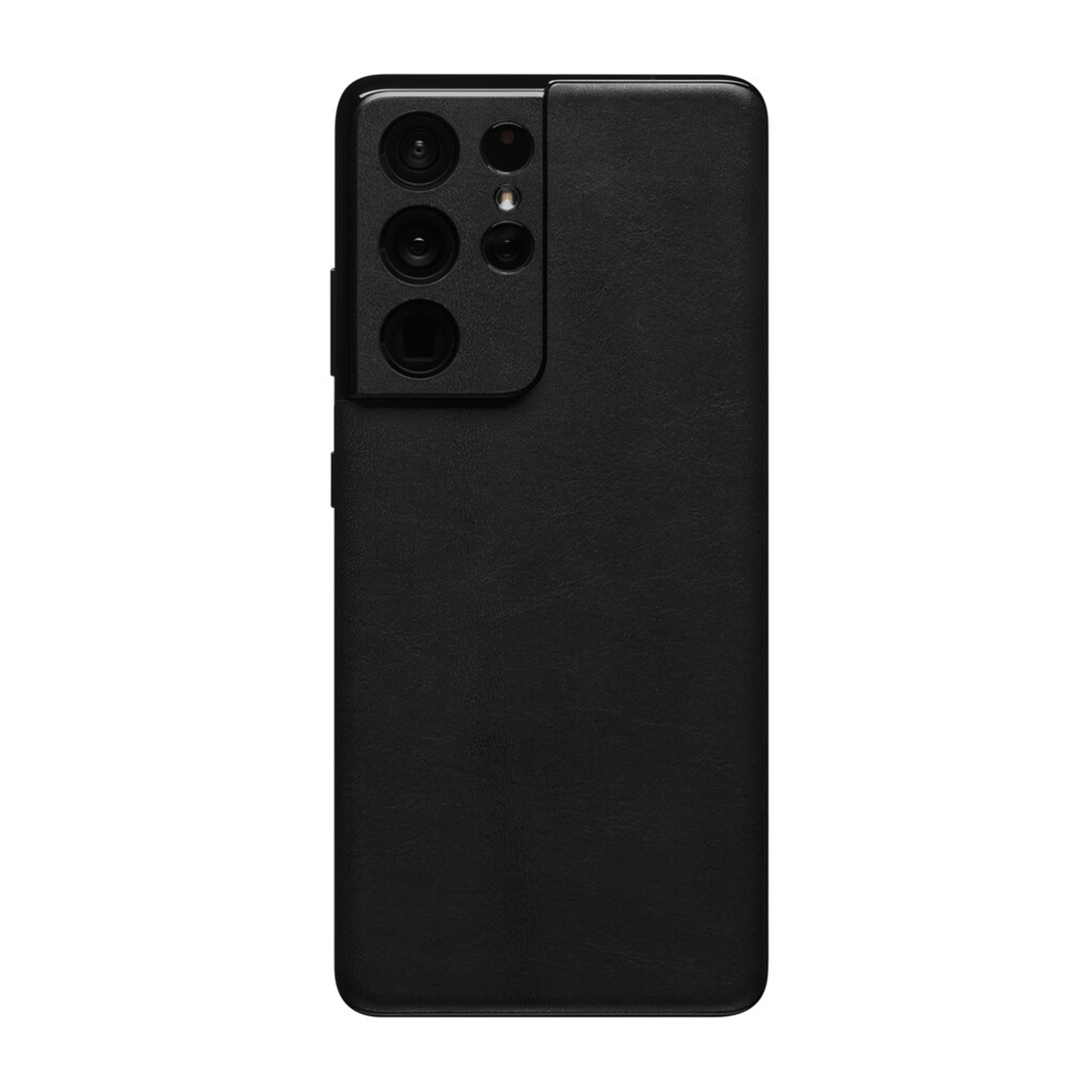
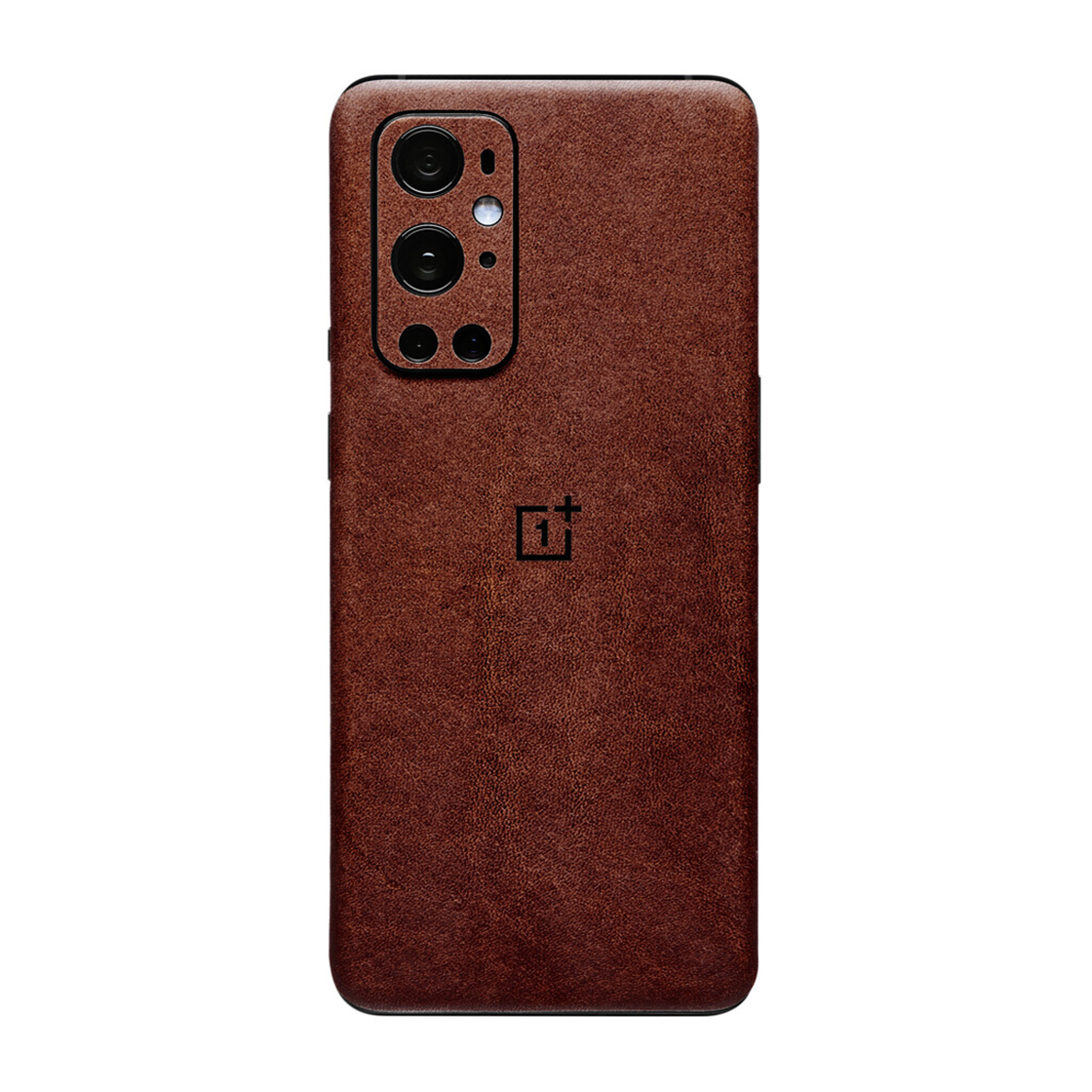
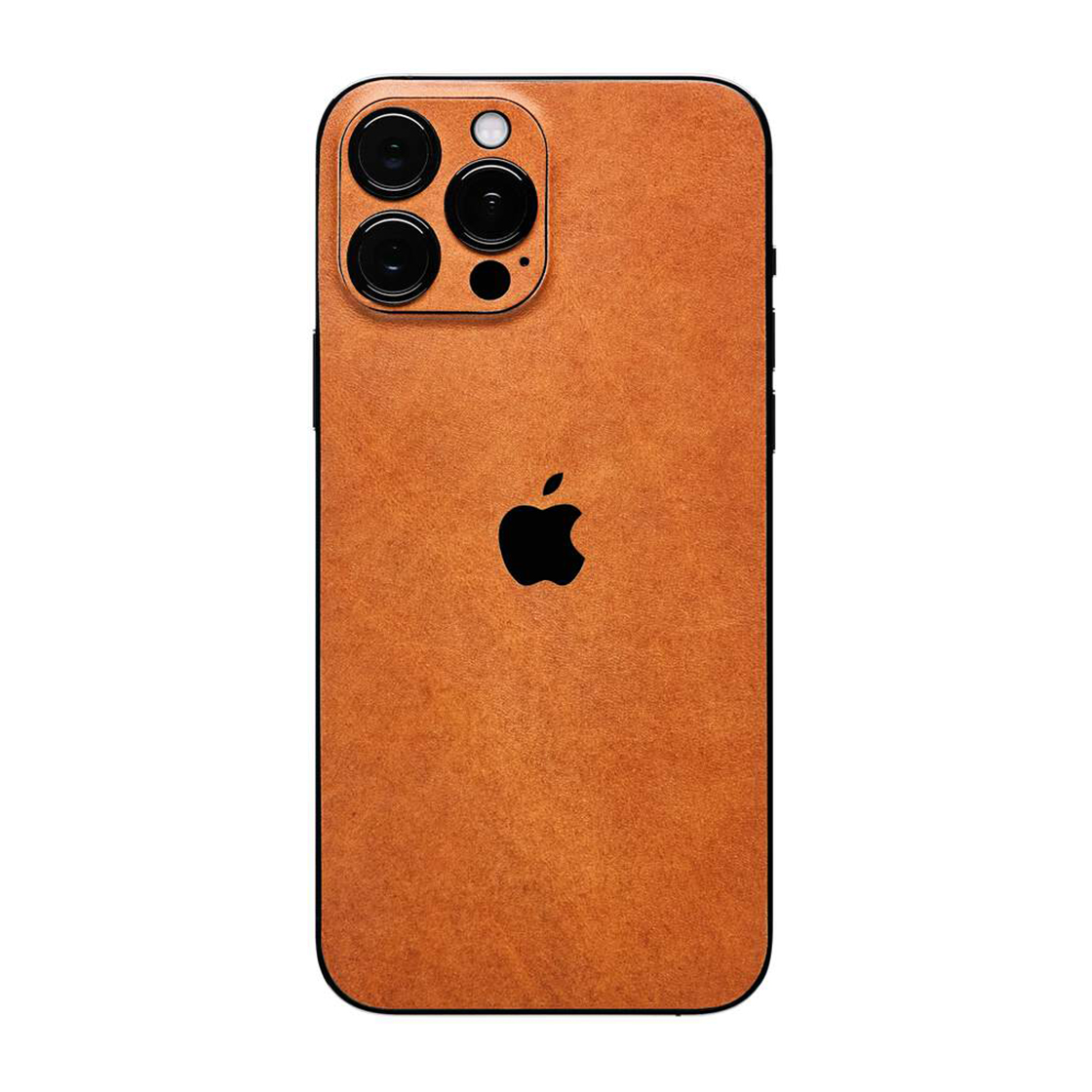
Toronto-based Dbrand has a new set of skins for smartphones that, uh, actually use skin.

Cow skin, to be precise.

Yup, Dbrand now offers leather smartphone skins, which are on sale for a limited time and will ship in December.

Dbrand’s website claims the leather is 100 percent authentic (“Cows died for this,” the site cheekily proclaims), full-grain and vegetable-tanned. I’m not much of a leather expert, but Android Police’s “resident leather expert” Ryne Hager notes that the skins sound like they’re made out of “very good leather — or, at least, not bad leather.”

Moreover, Dbrand says that the skins aren’t stamped with an artificial texture and have authentic imperfections, also known as ‘uncorrected’ full-grain. That should make the skins more durable, which is good news. Plus, Dbrand makes it clear that the skins will develop a natural patina over time.

That said, the leather skins do come in at a slightly thicker 0.5mm compared to the 0.23mm vinyl skins Dbrand also sells.

Dbrand’s leather skins come in three shades and are available across a wide range of devices, including iPhones, Pixels, Galaxy devices and more. Most of the smartphone skins will run you $34.95, while larger ones for MacBooks cost $69.95. You can get leather skins for the Nintendo Switch Joy-Cons or Pro controller for $19.95 as well. Heck, you can even get a leather skin for Apple’s AirTag.

And for those really into leather, Dbrand offers Rubik’s cubes and pyramids sporting leather skins. While cool looking, you can’t really solve these cubes (or even mix them up) since every side is the same.

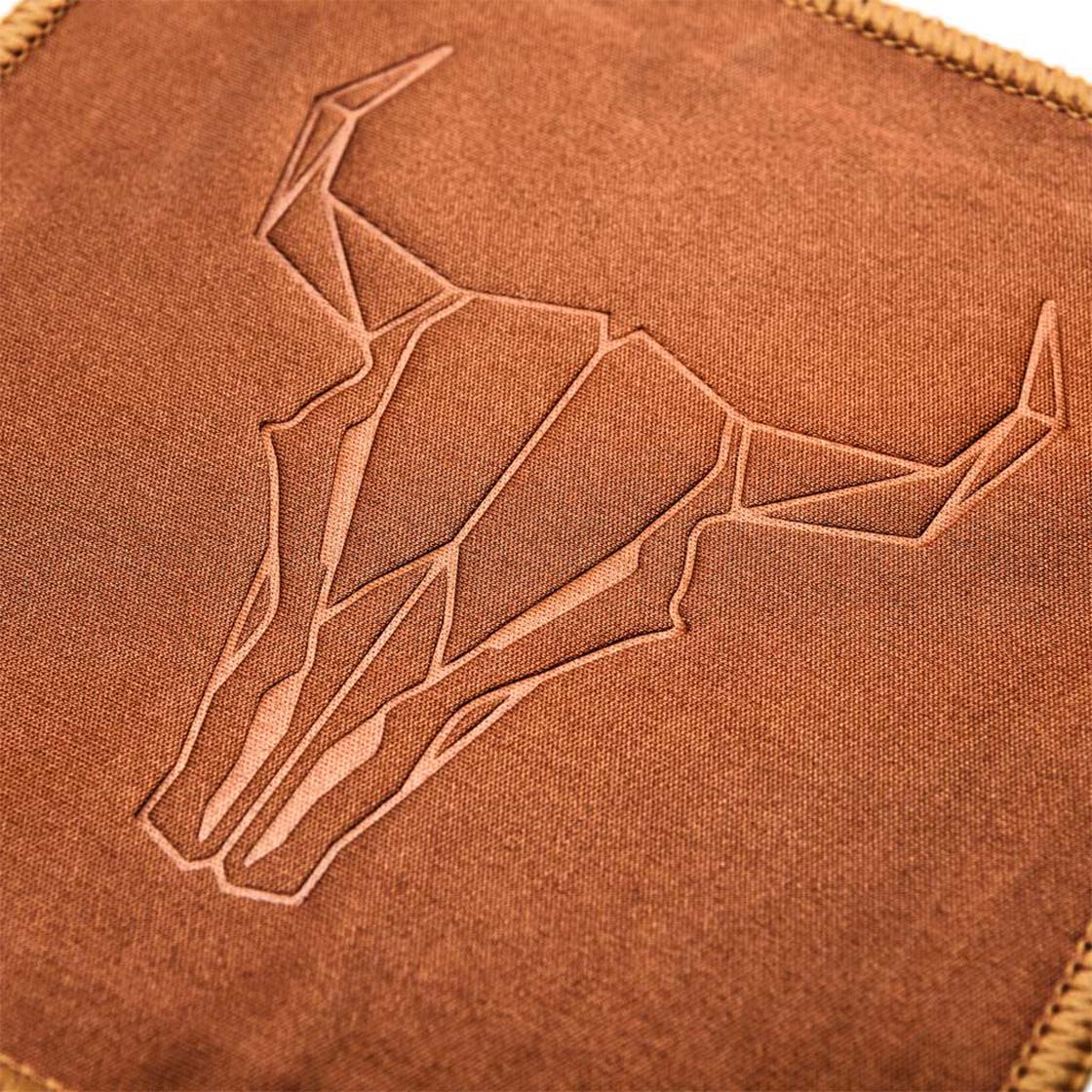
Finally, each purchase comes with a free leather key tag and a microfibre cloth (you can upgrade that to a three-pack for $5.95).

Dbrand’s website has a counter ticking down that says the “drop” ends in 28 days (at the time of writing). It looks like the leather skins will only be around for a limited time, so if you want them, you better place your order.

You can check out all the skins here.

Source: Dbrand Via: Android Police

Categories
Mobile Syrup

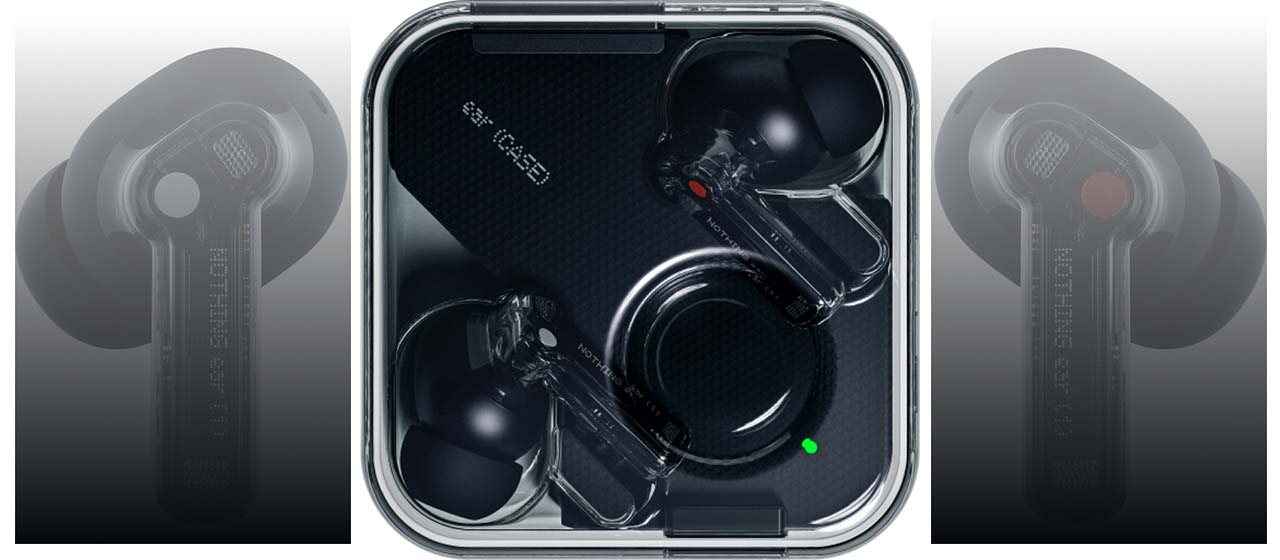
Nothing’s Ear (1) buds could soon come in black

OnePlus co-founder Carl Pei’s new company, Nothing, launched its first product earlier this year: the Nothing Ear (1) earbuds.

The buds sport a very unique look with a mix of white and transparent plastic. However, some people absolutely must dark mode all the things, so it unsurprisingly didn’t take long for people to start asking Nothing launch Ear (1) buds in black. Now, it seems the company might actually do it.

Starting at the beginning, YouTuber Casey Neistat posted a picture of Nothing Ear (1) buds on Twitter that he coloured black with a Sharpie. Nothing shared the tweet, asking if it was something people wanted.

Fast forward several days, and renders of black Nothing Ear (1) buds are making rounds on Reddit, and leaker Evan Blass posted a picture of a black Ear (1) design. The Redditor who posted the renders claims they’re from assets in the Ear (1) Android app.

While that doesn’t necessarily mean Nothing will launch black Ear (1) buds, Blass’ involvement suggests the product could actually be on the way. And if the Redditor did get the renders from Nothing’s app, that would further indicate the company plans to launch a new Ear (1) colour.

Image credit: Reddit user ‘tarunspartan

Finally, Android Police spotted a tweet pointing to a Nothing video uploaded in July that clearly shows part of a black Ear (1) bud on the desk (it’s visible at 0:39 seconds). So, it seems that Nothing at least toyed with a black colour option before launching the Ear (1) in August — if the company’s already done that, it might not take long for it to get a black colour option ready to sell.

Source: Evan Blass (Twitter), Reddit Via: Android Police

Categories
Mobile Syrup

Apple’s rumoured AR glasses to use M1-based chip, arrive at end of 2022

Apple’s long-rumoured augmented reality (AR) glasses will be as powerful as its Mac computers when they reportedly launch at the end of 2022.

The prediction comes from analyst Ming-Chi Kuo, who has a decent track record when it comes to predicting future Apple products and features. Kuo shared the AR glasses prediction in a note sent to investors Friday (via CNBC).

However, the prediction shouldn’t come as too much of a surprise. Apple’s been moving towards using its own silicon across basically all of its products. The iPhone and iPad use A-series chips designed by Apple, and more recently the company transitioned its Mac line from Intel’s x86 CPUs to Apple-designed M-series ARM chips.

Specifically, Kuo noted that Apple’s glasses would run on a processor based on the M1. Apple’s M1 chip impressed with its excellent performance and low power consumption. The latter would be a major benefit in something like AR glasses where size and weight are significant factors (more efficiency means Apple could shrink the batteries and thus get a smaller, lighter product).

At the same time, the high performance of an M1-based chip could help set Apple’s glasses apart from competitors by allowing the glasses to perform intensive tasks without needing to offload work to a connected smartphone.

That doesn’t mean the Apple AR glasses won’t need a connected phone — previous reports say that the glasses will require a connected iPhone. However, that connection will likely be something more like the Apple Watch, which uses its connection to the iPhone to share data rather than processing.

Kuo backed that up, writing that Apple would position the glasses as an accessory for the iPhone, not a replacement.

Augmented reality refers to technology used to overlay digital images and information over the real world. Tech enthusiasts have looked to smart glasses as the main avenue to deliver AR experiences, although many smartphones now have built-in AR capabilities. Should Apple’s glasses prove successful, it could push the market forward and encourage other companies to release their own versions of AR glasses.

Source: CNBC

Categories
Mobile Syrup

Spotify kills Car View, says it’s ‘exploring’ new in-car experiences

Spotify killed its ‘Car View’ mode that offered a simplified playback control interface for drivers.

Earlier this week, several users noticed Car View was inexplicably missing from the app. Several people took to a Spotify community forum thread to ask what happened, and a Spotify forum moderator confirmed the feature was dead (spotted by Android Police):

“We can confirm that we’re retiring the car view feature. This however doesn’t mean we don’t want to improve on how our users listen to Spotify while driving. On the contrary, we’re actively exploring a variety of new ways to deliver the best in-car listening experience. Think of retiring car-view as something that needs to happen in an effort to make way for new innovations coming down the track.”

Unfortunately for Car View fans, this means you won’t have access to the interface anymore. Hopefully, Spotify’s “variety of new” in-car listening experiences don’t revolve around the Car Thing, a frankly silly piece of hardware only available in the U.S. It’s basically an $80 USD (about $102.12 CAD) device that does what Car View already did for free.

The Spotify moderator suggested a few possible alternatives people could use in place of Car View, including Google Assistant. While Google does have a few Assistant-based music voice control options baked into its apps (like Google Maps), these don’t really stack up to a dedicated car mode.

All that said, not everyone will miss Car View. I found the interface to be incredibly annoying, in part because no matter how many times I disabled it, the feature always seemed to come back and interrupt me. Although I’m not alone in that sentiment, it does seem like a lot of people will miss Car View too.

Source: Spotify Via: Android Police

Categories
Mobile Syrup

HTC’s Vive Pro VR headset is $244 off on Amazon

Amazon Canada currently has HTC’s Vive Pro (bundle edition) on sale.

The virtual reality headset bundle is available for $1,099, marking a $244 discount from the original $1,343 price tag.

The Vive Pro features 90Hz dual-OLED screens with a 2880 x 1600 pixel resolution for unrivalled visual accuracy. It has a built-in headphones with spatial audio and noise cancellation.

Further, this 110-degree field of view headset was designed by keeping comfort in mind. The design allows the headset to achieve an optimal center of gravity, allowing it to evenly distribute its weight and making it easier for you to keep it on longer.

With Viveport Infinity, which costs $16.99 per month, HTC Pro VR users get unlimited access to more than 600 VR games.

Learn more or purchase the Vive Pro bundle here.

MobileSyrup utilizes affiliate partnerships. These partnerships do not influence our editorial content, though MobileSyrup may earn a commission on purchases made via these links.

Image credit: HTC

Source: Amazon

Categories
Mobile Syrup

Plant Zoo (my favourite game) is on sale for $15

If you’re looking for a time-sucking simulation title to consume your life over the holidays, my favourite game that I’ve played in the past year is on sale for $15 on Steam.

Plant Zoo is a PC-only title that modernizes everything about cult classic game Zoo Tycoon. There’s a moderately challenging and whimsical campaign mode, and endless free-play sandboxes.

Plus, everything from the animal exhibits to the buildings, are very customizable. For example, when I was really into the Planet Zoo, I spent a full day on just a single building.

If you like Tycoon titles or simulation games, I’d recommend Planet Zoo or its sister title, Planet Coaster, a newer take on the concept of Roller Coaster Tycoon. I know these are big shoes to fill, but the team behind the Planet games does seem to get what makes this type of simulation/tycoon game so special.

Planet Zoo — $15.44 (70 percent off)

PLanet Coaster — $15.00 (75 percent off)

Categories
Mobile Syrup

Oculus Black Friday 2021 sale offers up to 52 percent off games, experiences

Meta is running a sale for Black Friday 2021 on the Oculus Store that offers up to 52 percent off various VR games and experiences.

See below for some of the most notable deals:

Oculus’ Black Friday sale runs until November 28th. The full list of promotions can be found here.

Image credit: Meta/Lucasfilm

Categories
Mobile Syrup

Only public hearing into Rogers-Shaw deal concludes with little change to original proposal

The Canadian Radio-television and Telecommunications Commission’s (CRTC) hearing into the Rogers Shaw merger has concluded.

The week started and finished with executives from Rogers and Shaw telling the CRTC why the transaction, valued at $26 billion, should be approved. Rogers presented that the merger would allow the growing divide between the country’s urban and rural areas to lessen by creating a competitive market, funding for Indigenous-specific content, and bringing forward more affordable options for consumers.

Rogers currently offers services in Ontario and the Atlantic Provinces and Shaw operates in the West, including B.C., Alberta, Saskatchewan and Manitoba.

The three days following focused on presentations from interveners, many of them media organizations asking the CRTC to completely deny the merger or have Rogers make improvements to protect the rights of consumers, independent broadcasters, and the larger broadcasting system.

Blue Ant Media, MobileSyrup’s parent company, raised issues through a written intervention but did not take part in the hearing.

Independent programmers

The merger will impact financial support to numerous independent broadcasters. Included in this is Corus, which receives millions every year from Shaw. In 2020, the broadcaster received roughly $13 million for Global News.

On Friday, Pam Dinsmore, vice president of regulatory cable at Rogers, acknowledged the transaction will “have an indirect impact on independent programmers.”

Rogers negotiated renewal agreements with numerous programmers but didn’t have success with those who make up the Independent Broadcast Group (IBG). APTN, Hollywood Suite, and OMG Media Group are some of the organizations part of the group. Chris Fuoco, part of the IBG, said Tuesday Rogers ended the negotiations in the evening hours of November 22nd.

Rogers also proposed to carry 40 independent services over a three-year period, but discussions throughout the week heard interveners requesting that number be brought to 50. Rogers said Friday that was not possible. “A requirement to add independent services to Shaw Direct [SD] may actually force us to drop other services, reduce signal quality or convert certain HD services to SD. That would be an unacceptable outcome,” Dinsmore said. Rogers is willing to offer 45 “as a compromise.”

Rogers also said Monday it will take funding and direct it to CityTV, a network it owns, over Global News. “We do not agree that this money should be diverted to competing local television stations. This funding will ensure that CityNews provides a stronger and more competitive editorial voice in the West that rivals CTV and Global,” Susan Wheeler, a vice president at Rogers, said.

The move to IPTV

Wheeler further reiterated on Friday consumer needs are an important part of this transaction.

Numerous interveners throughout the week questioned if this was in fact true. On the third day of the hearing, representatives from the Public Interest Advocacy Centre (PIAC) said Rogers plans to move cable-only and satellite TV subscribers from Shaw to its IPTV service, which will end up costing customers more.

Wheeler said this was a “misunderstanding” from the PIAC. “Our IPTV migration plan is based on providing incentives to consumers to encourage them to move to the Ignite platform and to do so seamlessly when the time is right for them.” She did not specify what incentives she was referring to.

PIAC, who presented alongside the National Pensioners Federation, said Rogers should offer Shaw customers using TV packages a price freeze, lasting three years, when they have to move to IPTV. Representatives from Rogers did not address this specific ask.

Bell and Telus

The two media giants asked the CRTC to deny the application for the merger, stating it isn’t in the best interest of Canadians.

Ted Woodhead, Rogers senior vice president, regulatory, said the concerns they presented at the hearing were “manufactured” and their real concern was Rogers being a “better competitor” in the markets they serve.

“Bell and Telus’ opposition to our application is obviously grounded in self-interest — not the public interest,” he said.

Bell also bid to take over Shaw when the opportunity originally arose.

In 2012, Bell approached the CRTC to acquire Astral, but its first application was denied. Representatives from Bell said Thursday this was because the commission couldn’t see the benefits of it, and the same thing can be said for Rogers plans to acquire Shaw. Bell’s application was reviewed and eventually approved.

Woodhead argued this claim was “patently false.”

“Bell and Astral both operated television services in the most popular genres and held exclusive rights to many of the most-watched programs and programming services in Canada. It was that exclusivity that compelled the Commission to issue its denial.”

The five-day hearing was the only opportunity for the public to gain insight into the inner workings of the deal. This hearing specifically dealt with the aspect of broadcast. Telephone, wireless, and internet services are also large parts of the deal but will be dealt with separately through hearings with the Competition Bureau and Innovation, Science, and Economic Development Canada. Those hearings will not be open to the public.

The CRTC asked Rogers to send in written submissions with further details to some of their questions by the end of December. A decision before the new year is unlikely.

Image source: CRTC (screenshot)

Categories
Mobile Syrup

OnePlus 8T drops to $600 for Black Friday

There are currently quite a few deals on OnePlus smartphones and wireless earbuds for ‘Black Friday,’ but the best offer is easily on the OnePlus 8T.

The phone first released in late 2020 and is still one of the faster devices on the market today. You can check out my review of the OnePlus 8T here. The OnePlus 8T is currently on sale for $599, down from its regular price of 1,099. 

If you’re more interested in the OnePlus 9 series, I’ve reviewed that more recent device as well. They’re also great smartphones, but aren’t that much better than the 8T, especially considering its steep discount right now.

The N200 5G is on sale for $270. This is a decent budget phone, but be aware that it’s not nearly as powerful as OnePlus’ flagship devices. You can find my review of the N200 5G here.

Beyond these smartphones, several other devices are also on sale, including the OnePlus Buds Pro.

You can check out all OnePlus’ deals here.

Source: OnePlus 

Categories
Mobile Syrup

The Brick has select TVs up to $800 off for Black Friday

Hunting for deals on home entertainment? The Brick has several Black Friday deals on soundbars, TVs and more.

Check out some of the highlights below:

You can check out all of The Brick’s deals on TVs, soundbars and other electronics here.