Les accessoires sont petits, mais ils ne passent que rarement inaperçus. Un bon accessoire peut donner à une tenue simple un aspect réfléchi, comme si vous vous étiez habillé avec un certain style plutôt que d’avoir simplement enfilé la première chose propre qui vous tombait sous la main. Un mauvais accessoire peut avoir l’effet inverse, même s’il coûte plus cher que le reste de la tenue réunie. La différence ne réside généralement pas dans les tendances ou le prix. Elle tient au fait que le détail apporte du caractère ou qu’il demande à tout le monde dans la pièce de faire trop d’efforts. Voici 10 accessoires qui vous donnent un air intéressant, et 10 qui vous donnent l’air épuisant.
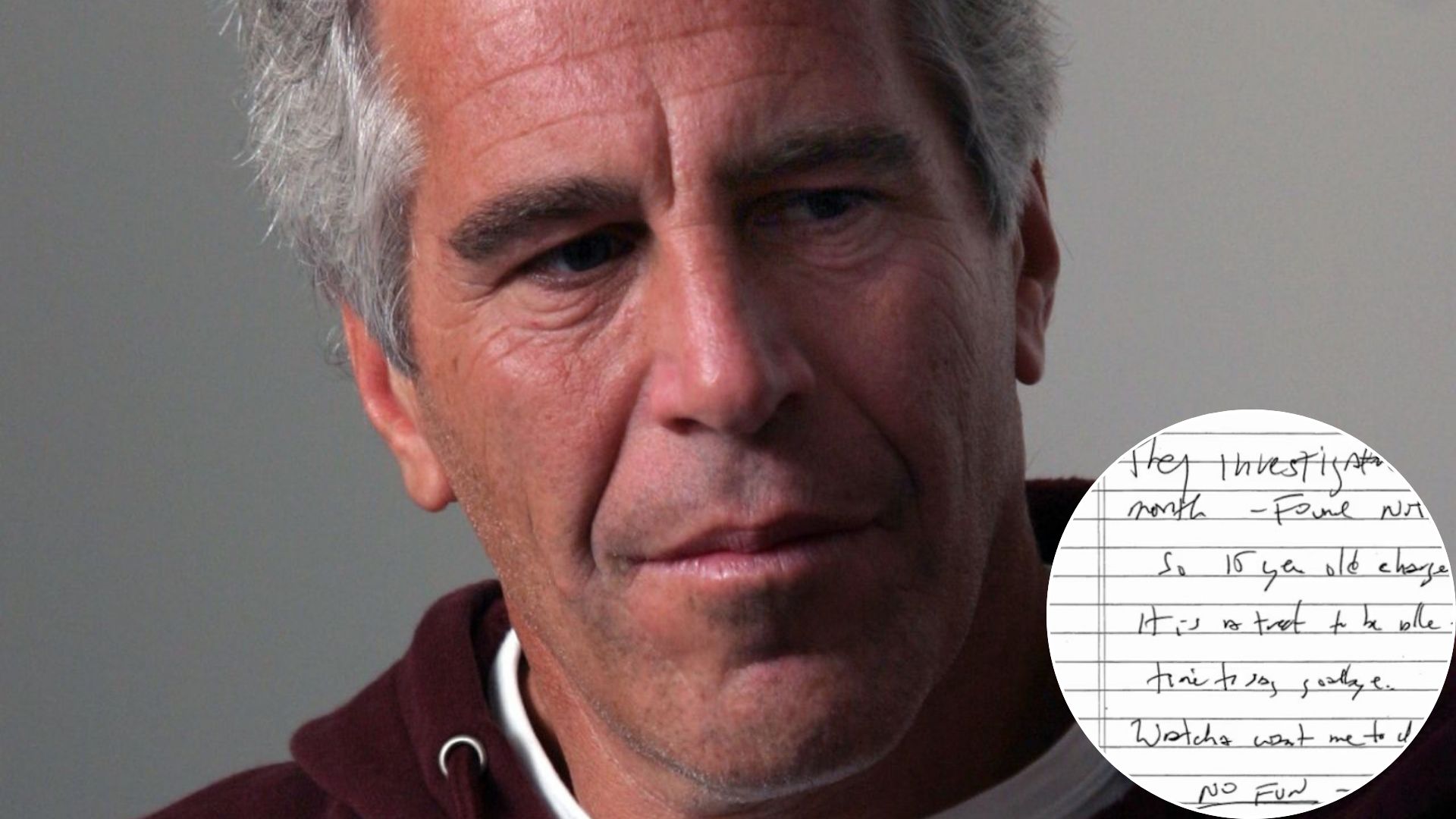
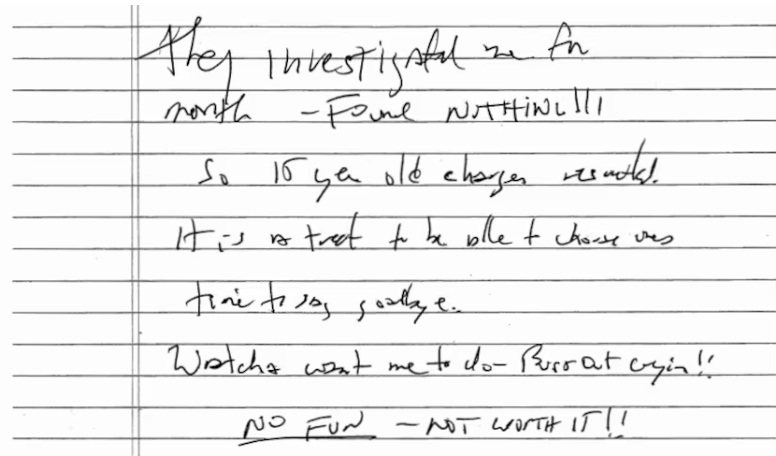
A recently unsealed note allegedly written by Jeffrey Epstein has been made public for the first time after remaining hidden for years inside sealed federal court records connected to his former cellmate, Nicholas Tartaglione. According to Tartaglione, the document was discovered inside a graphic novel in July 2019 shortly after Epstein was found unresponsive in his jail cell with a strip of cloth wrapped around his neck during what authorities described as a first apparent suicide attempt. Tartaglione later said he discovered «a piece of yellow paper ripped from a legal pad» tucked inside the book after Epstein had been removed from the cell. Epstein survived that incident but died weeks later on August 10, 2019, inside the Metropolitan Correctional Center in Manhattan while awaiting trial on federal sex trafficking charges. The note remained sealed for years under court order as part of Tartaglione’s criminal case before finally being unsealed by a federal judge following a request from The New York Times.
The handwritten note, which remains unsigned and has not been independently authenticated by federal authorities, appeared to express frustration, resignation and defiance regarding the criminal investigation against Epstein. In the document, Epstein complained that investigators had allegedly found nothing incriminating during earlier inquiries into his conduct. The note stated: «They investigated me for month. FOUND NOTHING!!!» before continuing with the line «So, 16 year old charges results.» The message then shifted into a darker and more philosophical tone. «It is a treat to be able to choose one’s time to say goodbye,» the note continued. It later added: «Watcha want me to do — Bust out cryin!!» before ending with the underlined phrase «NO FUN. NOT WORTH IT!!» The language and phrasing in the document closely resembled expressions Epstein had reportedly used in previous emails and personal notes. Even so, authorities have not formally confirmed the authenticity of the document, and the Justice Department did not include it in previously released investigative files tied to Epstein’s death.
U.S. District Court Southern District of New York
Epstein’s death on August 10, 2019 quickly became one of the most controversial and heavily scrutinized jail deaths in modern American history. The disgraced financier was found hanging inside his cell at the Metropolitan Correctional Center while awaiting trial on federal charges accusing him of operating a large-scale sex trafficking network involving underage girls. New York City’s chief medical examiner officially ruled the death a suicide by hanging. However, the circumstances surrounding the incident immediately generated widespread skepticism and conspiracy theories due to a series of procedural failures inside the jail. Security cameras near Epstein’s cell reportedly malfunctioned or lacked usable footage, guards failed to perform mandatory inmate checks and Epstein had recently been removed from suicide watch despite the earlier July incident involving neck injuries. The combination of those failures fueled years of speculation online and helped popularize the viral phrase “Epstein didn’t kill himself,” which became one of the most persistent conspiracy theories circulating across social media and political discourse.
Getty Images
Nicholas Tartaglione, the former police officer who said he found the note, became a major figure in the controversy surrounding Epstein’s final weeks in prison. Tartaglione, who was later convicted and sentenced to life in prison for the murders of four men, shared a cell with Epstein for approximately two weeks in 2019. After Epstein’s first apparent suicide attempt, Tartaglione denied harming him and maintained that Epstein attempted to take his own life. Epstein initially claimed that Tartaglione may have assaulted him, though later accounts became less clear. According to Tartaglione, he later discovered the note inside a graphic novel left behind in the cell after Epstein was removed. Tartaglione eventually turned the document over to his attorneys, and it became sealed as part of legal disputes connected to his own criminal proceedings. The note’s existence remained largely unknown to the public until Tartaglione discussed it during a podcast interview in 2025, prompting renewed legal efforts to unseal the document.
«Watcha want me to do — Bust out cryin!!»
-Jeffrey Epstein alleged Suicide Note
Despite years of speculation suggesting Epstein may have been murdered to protect powerful associates allegedly connected to his social network, subsequent federal investigations concluded that severe negligence and misconduct by prison staff played a central role in enabling his suicide rather than evidence of an organized murder conspiracy. Investigators found that correctional officers failed to complete required checks on Epstein during the night of his death and later falsified records claiming they had monitored him properly. The Justice Department’s inspector general also documented chronic understaffing, exhaustion and major operational failures inside the Metropolitan Correctional Center at the time. Even so, public suspicion surrounding Epstein’s death never fully disappeared because of his connections to influential political leaders, billionaires, celebrities and royalty. The existence of the newly unsealed note is unlikely to end those theories, particularly because the document itself had remained hidden for years even from some official Epstein-related file releases conducted by federal authorities.
Getty Images
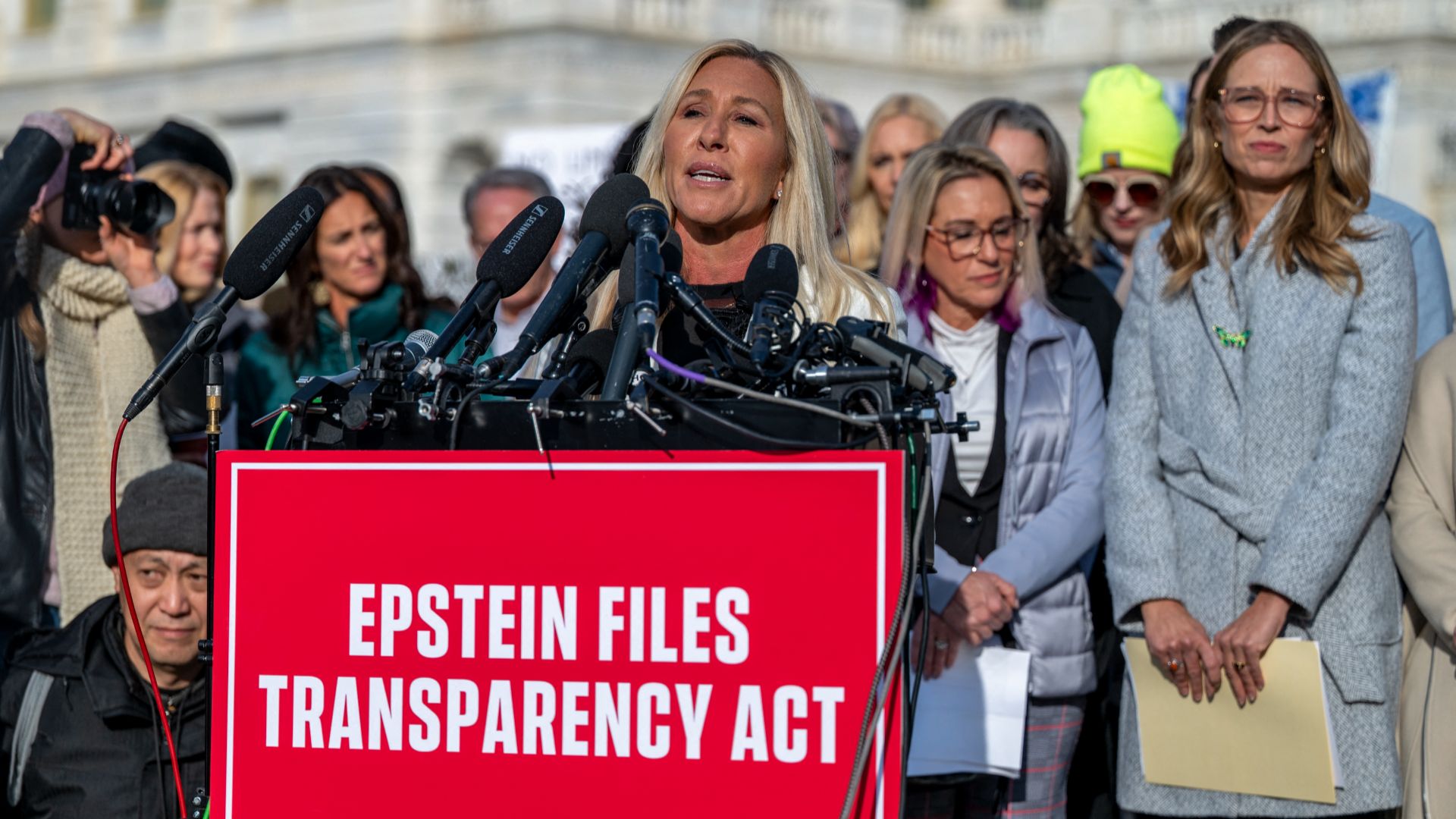
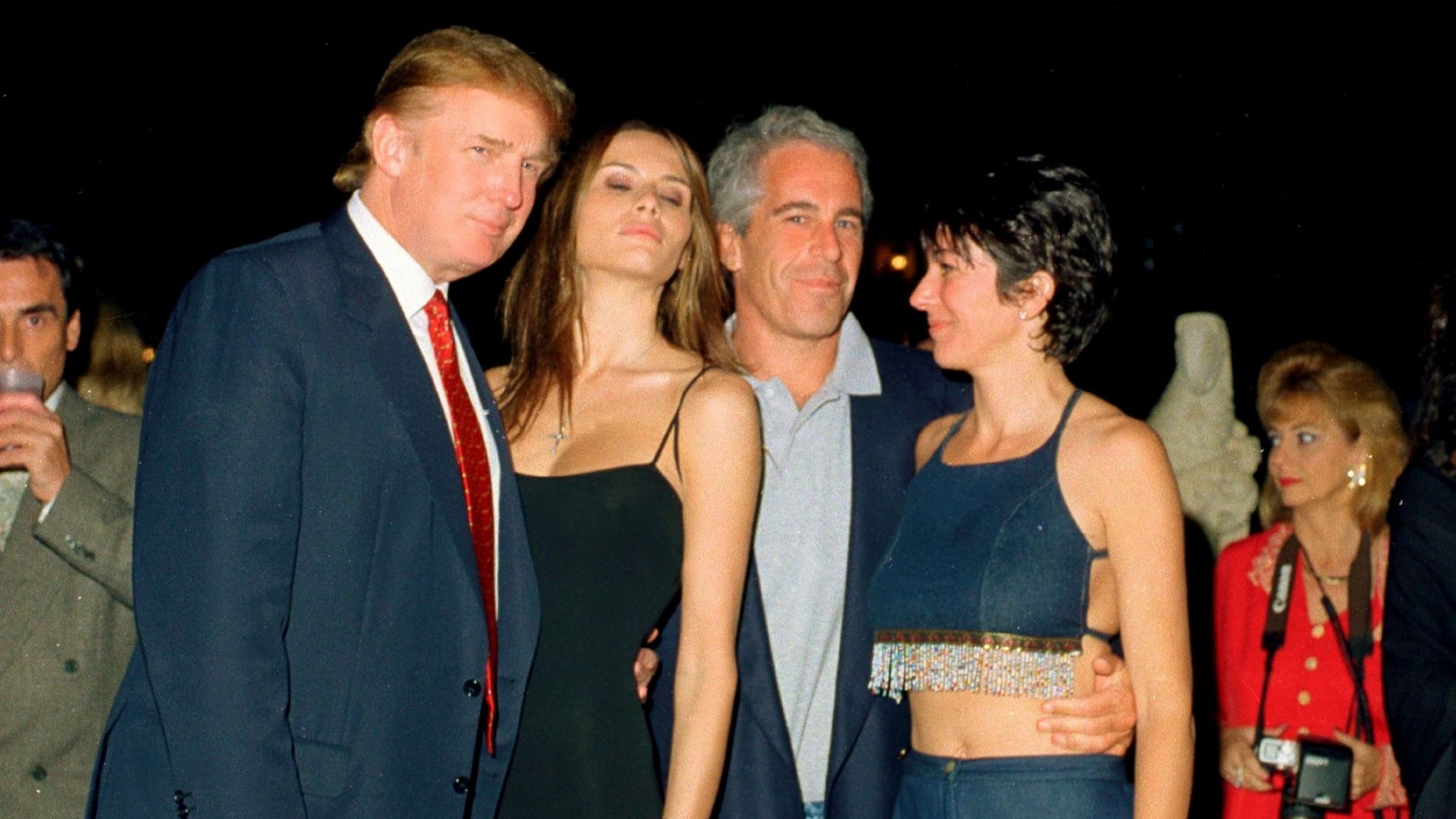
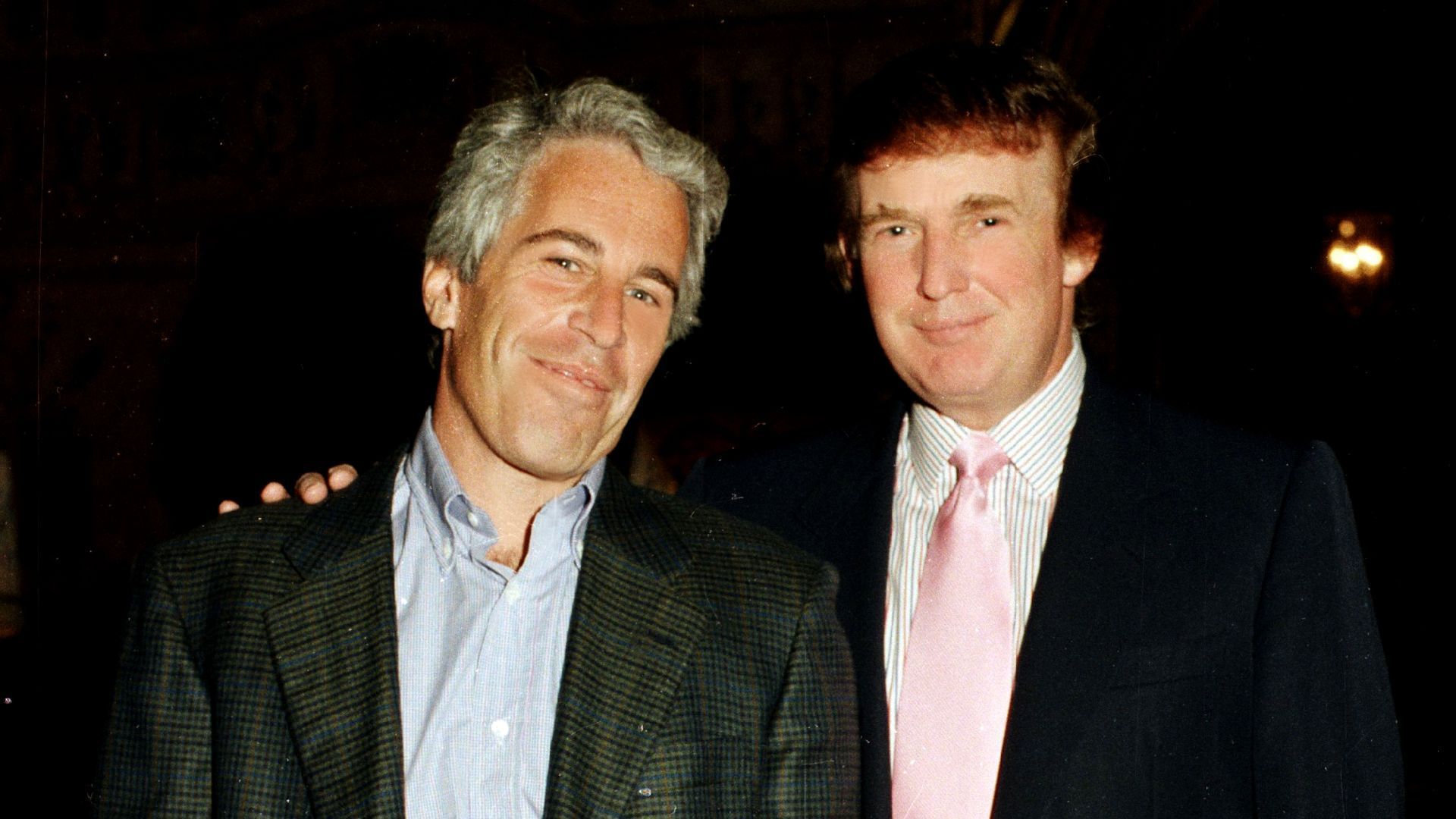
The renewed attention surrounding Epstein’s death also arrives during ongoing political battles over the public release of additional Epstein-related files and investigative records. Donald Trump and several allies inside his administration have recently faced criticism from transparency advocates and political opponents who accuse federal officials of slowing or limiting the release of certain Epstein documents tied to powerful individuals allegedly connected to Epstein’s social circle. Calls for broader disclosure intensified after millions of pages of federal investigative files were partially released earlier this year, though critics argued key materials remained withheld or heavily redacted. Trump himself has repeatedly attempted to distance himself from Epstein despite their well-documented past social relationship during the 1990s and early 2000s. The continued secrecy surrounding portions of the Epstein files has fueled ongoing distrust among many Americans who believe the full scope of Epstein’s network and activities has never been completely revealed. The newly public “NO FUN” note now adds another disturbing layer to one of the most infamous criminal cases and conspiracy-filled deaths in recent American history.
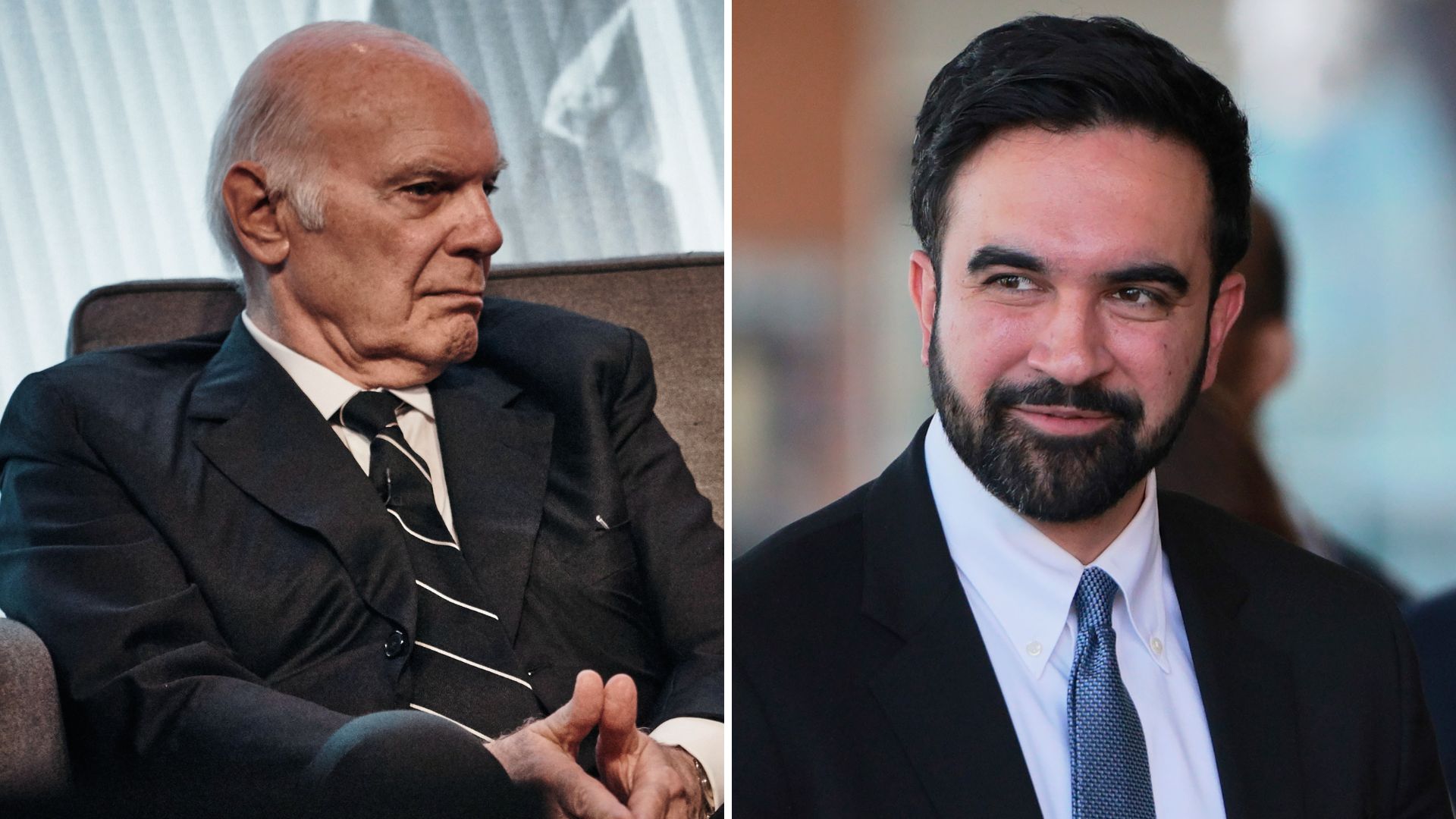
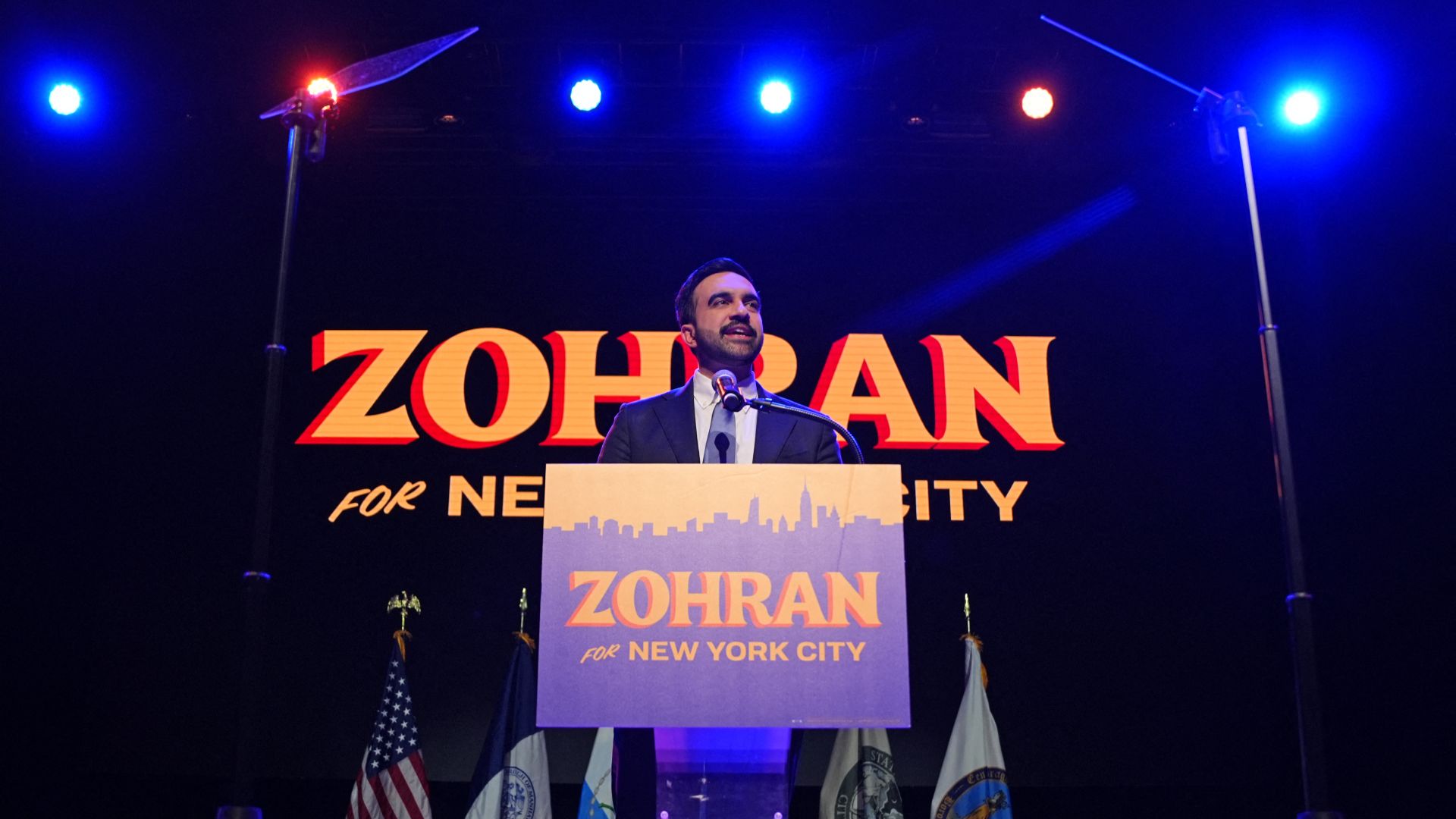
New York City Mayor Zohran Mamdani’s aggressive new tax policies have triggered fierce backlash from billionaire real estate developer Steven Roth, one of the most influential figures in Manhattan’s property industry and a longtime ally of Donald Trump. Since taking office in January 2026, Mamdani has pushed an ambitious “Tax the Rich” agenda aimed at raising billions of dollars through higher taxes on wealthy residents and luxury property owners to fund major social programs across the city. Roth emerged as one of the loudest opponents of the plan and sparked immediate controversy after comparing the slogan “Tax the Rich” to racial slurs and inflammatory political rhetoric. During remarks criticizing the mayor’s platform, Roth declared: «I consider the phrase ‘tax the rich’ when spit out with anger and contempt by politicians both here and across the country, to be just as hateful as some disgusting racial slurs and even the phrase, ‘from the river to the sea.’» His comments immediately ignited backlash across political and social media circles as critics accused the billionaire developer of trivializing racism and exploiting tensions surrounding the Israel-Palestine conflict for political purposes.
Roth intensified the controversy by arguing that wealthy Americans deserve appreciation rather than hostility because of their economic contributions to society. Defending high-income earners and major investors, the Vornado Realty Trust chairman insisted that successful business leaders are unfairly demonized in modern political discourse. He stated: «They are at the top of the great American economic pyramid for a reason. They should be praised and thanked.» The remarks quickly drew criticism from progressive activists, labor advocates and Democratic lawmakers who accused Roth of defending economic inequality while ignoring the affordability crisis facing millions of New Yorkers. Housing costs, inflation and concerns about displacement have become central issues in city politics as rents continue rising across multiple boroughs. Mamdani’s supporters argue that the city’s wealthiest residents and corporations benefited enormously from New York’s economy while middle-class and lower-income residents increasingly struggle to afford housing, transportation and childcare. Roth’s comments nevertheless reflected growing concern within the financial and real estate sectors over the direction of New York’s fiscal policy under the new administration.
«I consider the phrase ‘tax the rich’ when spit out with anger and contempt by politicians both here and across the country, to be just as hateful as some disgusting racial slurs and even the phrase, ‘from the river to the sea.’»
-Real estate developer, Steven Roth
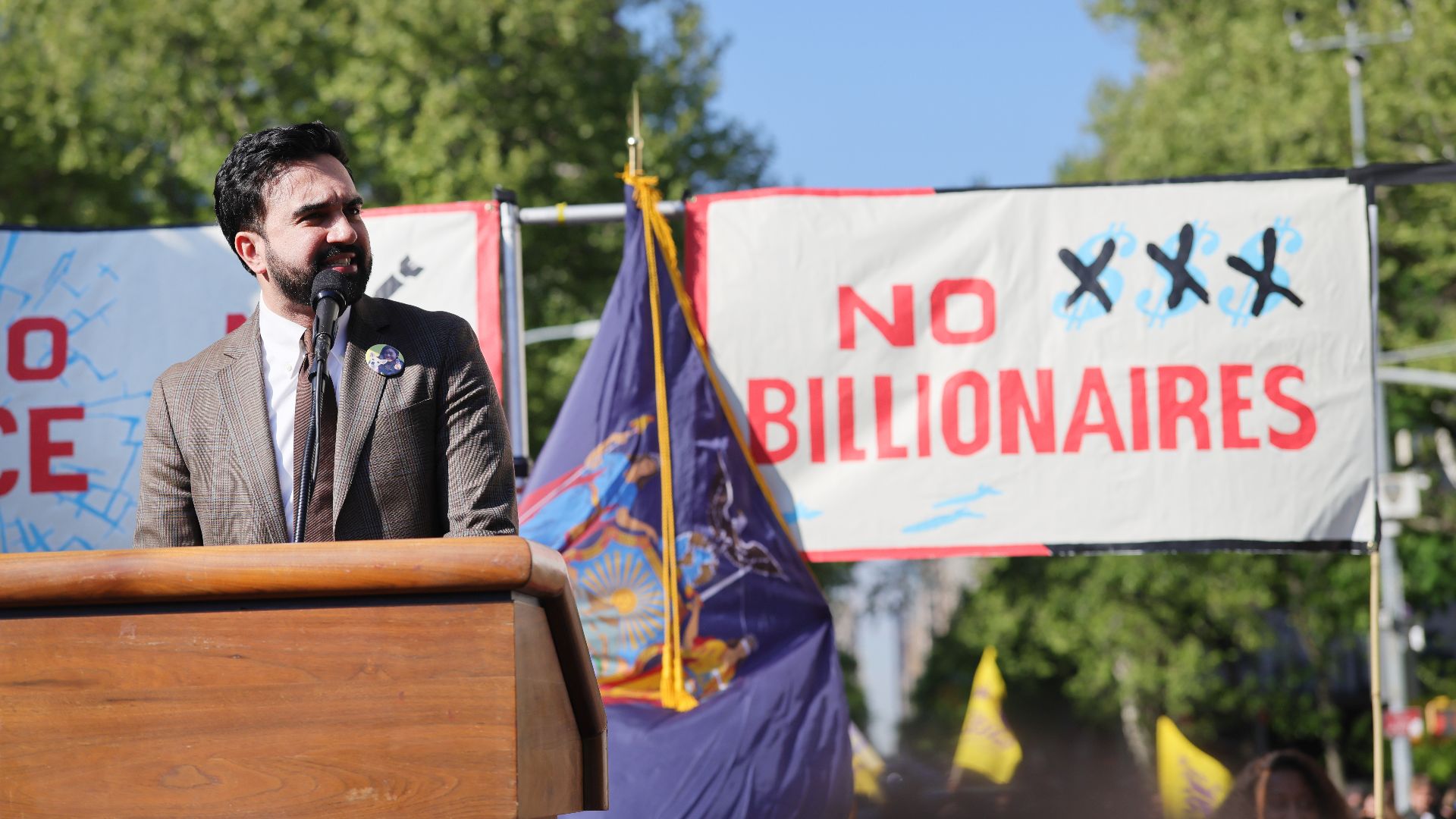
At the center of the political battle is Mamdani’s sweeping proposal to reshape the city’s tax structure in response to a looming multibillion-dollar budget deficit. The mayor’s administration has proposed a two-percentage-point income tax surcharge on households earning more than $1 million annually, alongside a new “Pied-à-Terre” tax targeting luxury secondary residences valued above $5 million. Mamdani has framed the measures as necessary “revenue justice” intended to fund expansive public programs including universal childcare, fare-free public transit initiatives and affordable housing investments. Supporters of the plan argue the city’s growing inequality requires bold intervention and insist the wealthiest New Yorkers should contribute more to sustaining public infrastructure and social services. Critics, however, warn the proposals risk driving wealthy individuals, investors and corporations toward lower-tax states such as Florida and Texas. Business organizations and several Wall Street figures have argued that New York’s economic competitiveness could suffer significantly if wealthy residents choose to relocate or reduce investment activity in response to higher taxes.
«They are at the top of the great American economic pyramid for a reason. They should be praised and thanked.»
-Real estate developer, Steven Roth
The conflict surrounding Mamdani’s policies has also drawn national political attention, particularly from Donald Trump, who initially maintained a cordial relationship with the mayor before openly turning against the proposed tax increases. Trump sharply criticized the “Tax the Rich” agenda after Mamdani advanced plans for the luxury second-home tax, warning the policies could severely damage New York’s economy. During a roundtable event in Las Vegas, Trump described Mamdani as a «nice guy» who «calls me all the time,» but rejected the mayor’s fiscal strategy as economically dangerous. Trump later escalated his criticism on Truth Social, writing: «Sadly, Mayor Mamdani is DESTROYING New York! It has no chance! The United States of America should not contribute to its failure. It will only get WORSE. The TAX, TAX, TAX Policies are SO WRONG. People are fleeing. They must change their ways, AND FAST. History has proven, THIS ‘STUFF’ JUST DOESN’T WORK.» Trump’s intervention further intensified the political polarization surrounding Mamdani’s agenda as Republicans increasingly portray New York as a national battleground over progressive economic policy.
Getty Images
Mamdani’s rise to power has transformed New York City into one of the country’s most closely watched testing grounds for progressive fiscal policy. A democratic socialist and longtime advocate for wealth redistribution, Mamdani campaigned heavily on promises to reduce inequality and expand public services funded through higher taxation of the city’s wealthiest residents. His administration argues the city cannot maintain basic services or address widening economic disparities without generating new revenue streams from high earners and luxury asset owners. Supporters point to growing homelessness, strained transit infrastructure and rising childcare costs as evidence that existing economic policies have failed large portions of the population. Opponents counter that New York already faces one of the highest tax burdens in the United States and warn that additional increases could accelerate capital flight and reduce job creation. The debate has created a major divide between progressive activists demanding structural economic reforms and business leaders who argue New York’s prosperity depends on maintaining a competitive financial environment attractive to investors and corporations.
«Sadly, Mayor Mamdani is DESTROYING New York! It has no chance! The United States of America should not contribute to its failure. It will only get WORSE. The TAX, TAX, TAX Policies are SO WRONG. People are fleeing. They must change their ways, AND FAST. History has proven, THIS ‘STUFF’ JUST DOESN’T WORK.»
-U.S. President, Donald Trump on Truth Social
The controversy surrounding Steven Roth’s remarks ultimately highlighted the increasingly emotional and ideological nature of the debate over taxation, inequality and wealth in America’s largest city. Critics condemned Roth for equating political criticism of wealthy individuals with racial hatred and antisemitic rhetoric, arguing the comparison crossed a line at a time of heightened social tensions across the country. Supporters of Roth, however, claimed his comments reflected legitimate frustration over rhetoric that they believe unfairly demonizes economic success and entrepreneurship. As Mamdani’s tax proposals advance toward what is expected to be a contentious legislative battle in Albany, both sides appear prepared for a prolonged political fight over the future direction of New York’s economy. The outcome could ultimately shape not only the city’s fiscal policies but also the broader national conversation surrounding wealth, taxation and progressive governance during a period of deep economic and political division in the United States.
The U.S. Food and Drug Administration has recently blocked the publication of several major studies examining the safety of vaccines against COVID-19 and shingles, despite research involving medical data from millions of vaccinated patients. According to information confirmed by a spokesman for the Department of Health and Human Services, multiple studies were halted before publication during the past several months. In October, scientists were reportedly directed to withdraw two COVID-19 vaccine studies that had already been accepted by medical journals. In February, senior FDA officials also declined to authorize the submission of abstracts tied to studies involving Shingrix, the widely used shingles vaccine, for presentation at a major international drug safety conference. The developments have intensified concerns among public health experts who argue the federal government is increasingly restricting scientific findings that reinforce vaccine safety at a time when vaccine skepticism continues to reshape U.S. health policy under the second Trump administration.
Federal officials defended the decisions by arguing the studies did not meet the agency’s scientific standards. A spokesman for the Department of Health and Human Services explained that «The studies were withdrawn because the authors drew broad conclusions that were not supported by the underlying data.» The spokesman added that «The F.D.A. acted to protect the integrity of its scientific process and ensure that any work associated with the agency meets its high standards.» Regarding the blocked Shingrix safety study, the spokesman also stated that «The design of that study fell outside the agency’s purview.» The agency’s response has nevertheless fueled criticism from scientists and former FDA officials who believe the suppressed research could have provided additional reassurance regarding the safety profile of vaccines that have already been administered to millions of Americans. The controversy has also emerged as public confidence in federal health institutions remains fragile following years of political conflict surrounding vaccines and pandemic policy.
«There is a pattern here for not letting information out that might support the general safety of vaccines.»
-Former FDA principal deputy commissioner, Janet Woodcock
One of the studies reportedly blocked by the FDA examined the medical records of approximately 7.5 million Medicare recipients over the age of 65 to evaluate the safety of COVID-19 vaccines among older adults. According to reporting about the unpublished findings, researchers concluded that the vaccines were broadly safe for elderly Americans and identified only one major concerning outcome: anaphylaxis, a rare but severe allergic reaction. The study reportedly estimated that anaphylaxis occurred in roughly one out of every one million Pfizer vaccine recipients. The findings would have added to years of existing scientific evidence showing that severe adverse reactions tied directly to COVID-19 vaccines remain uncommon compared with the risks associated with serious coronavirus infections, particularly among older populations. Public health experts have repeatedly emphasized that elderly individuals remain among the most vulnerable groups for hospitalization and death from COVID-19 complications, making vaccine access and confidence especially important for that demographic.
Getty Images
The decision to halt publication of the studies triggered concern among former FDA leaders and outside scientists who argued the situation reflects a broader shift inside federal health agencies. Janet Woodcock, the former FDA principal deputy commissioner, criticized the move while discussing the controversy publicly. According to Woodcock, «there is a pattern here» involving efforts «for not letting information out that might support the general safety of vaccines.» She also questioned the explanations being offered for the blocked publications, arguing the decisions appeared to be justified «with methodological rationales given by non-scientist spokespersons.» Her comments reflected growing unease among some current and former health officials who fear scientific communication is becoming increasingly politicized under the current administration. Several researchers have also privately expressed concern that scientists working within federal agencies may become reluctant to pursue vaccine-related studies if they believe publication could later be blocked for political or ideological reasons rather than scientific shortcomings.
Getty Images
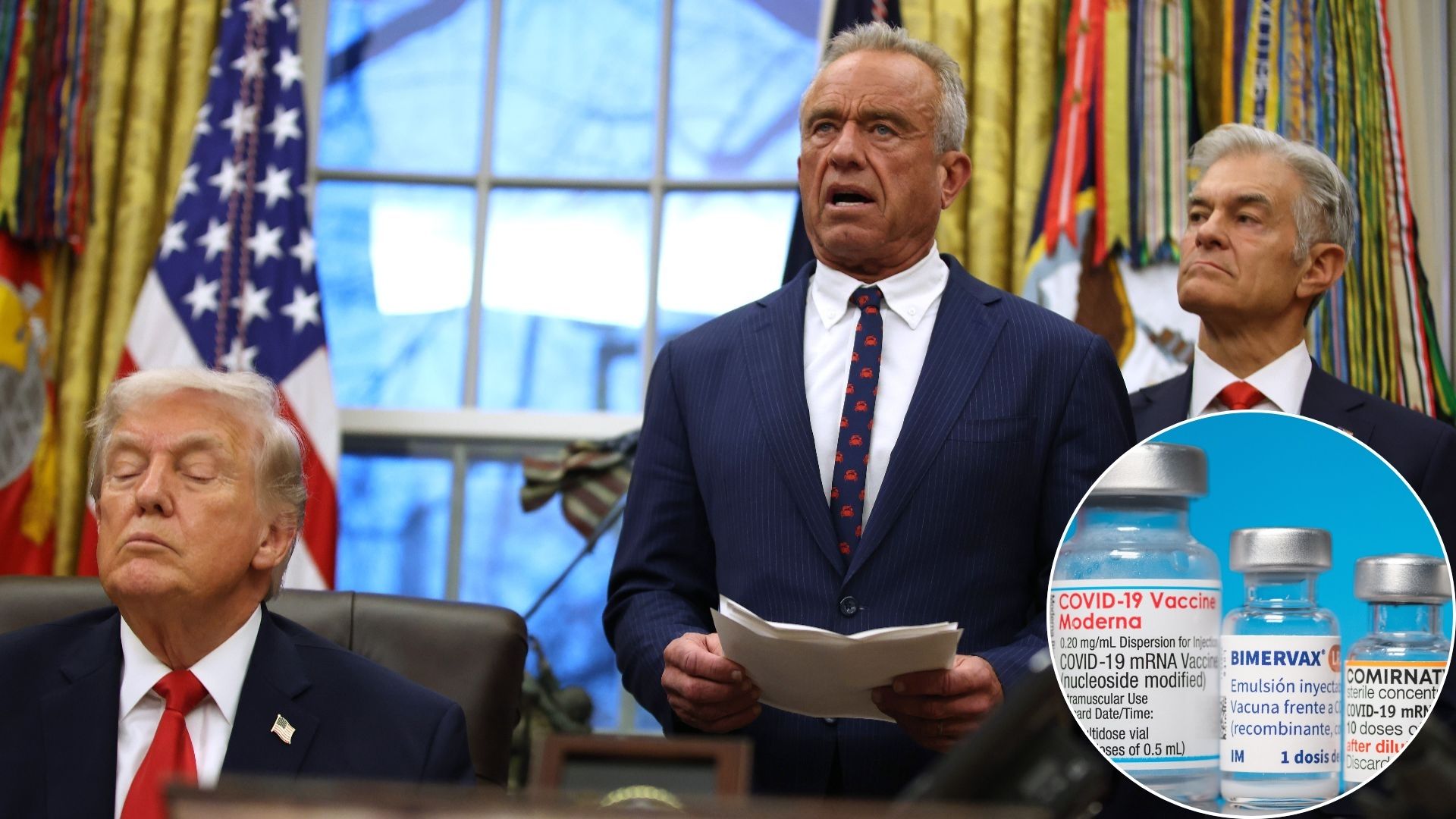
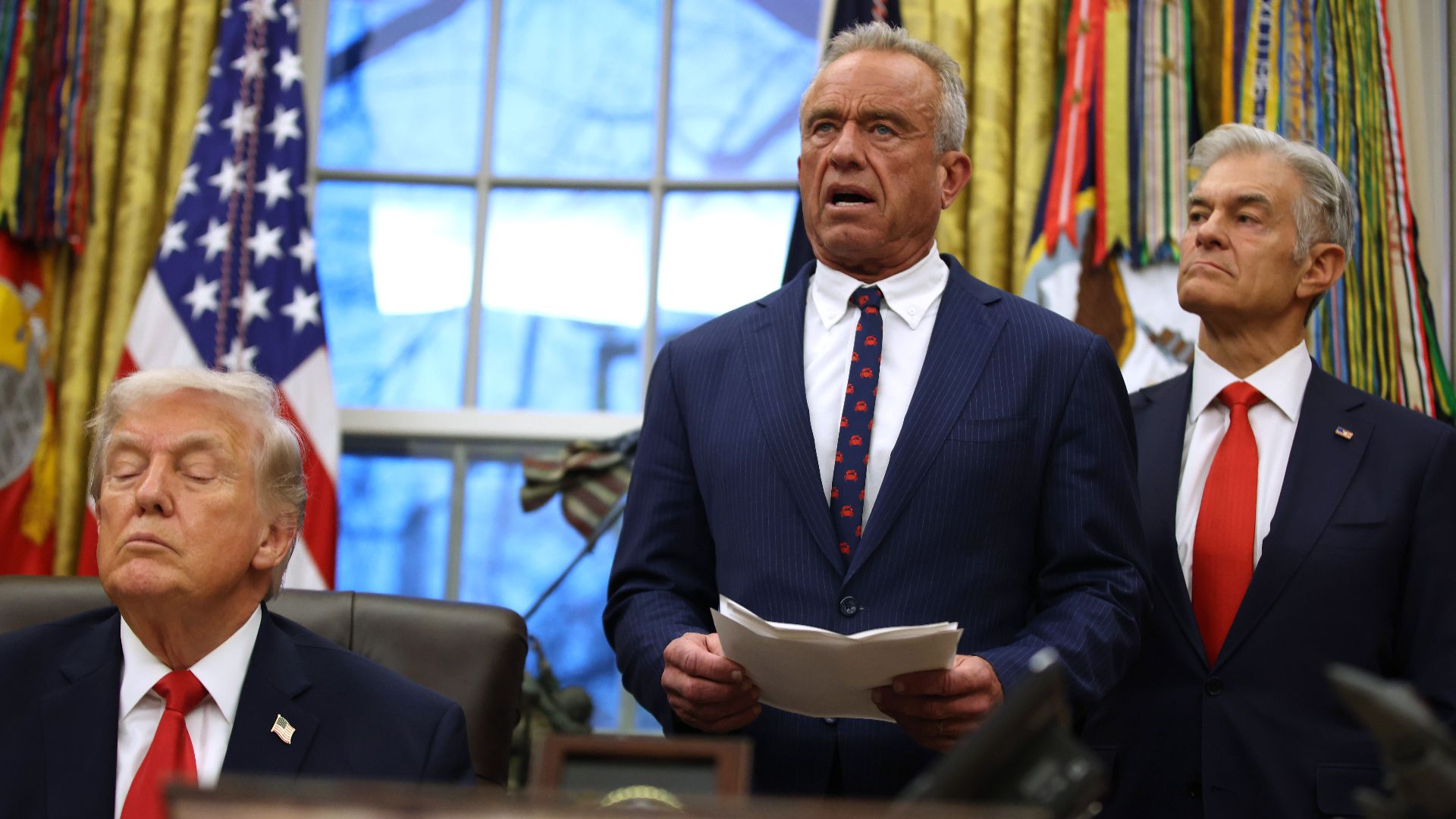
The controversy has unfolded during a major transformation of U.S. health policy under Health and Human Services Secretary Robert F. Kennedy Jr., whose leadership has been defined by skepticism toward portions of the nation’s vaccination framework. Since the beginning of the second Trump administration, Kennedy has removed the entire federal vaccine advisory committee and replaced multiple members with figures known for criticizing current immunization policies. Earlier this year, the Centers for Disease Control and Prevention revised the childhood vaccination schedule by shifting recommendations for influenza, COVID-19 and Hepatitis B vaccines toward a “shared clinical decision-making” model instead of maintaining broad universal recommendations. FDA Commissioner Marty Makary also moved to restrict updated COVID-19 booster approvals primarily to high-risk groups. Critics of the administration argue those decisions collectively represent one of the largest federal pullbacks in vaccine policy and oversight in decades, while supporters insist the changes are designed to restore public trust by increasing scrutiny around pharmaceutical regulation and vaccine recommendations.
«The studies were withdrawn because the authors drew broad conclusions that were not supported by the underlying data.»
-A spokesman for the Department of Health and Human Services
The blocked studies have now become part of a wider national debate surrounding science, public health and political influence inside federal agencies. Although courts have temporarily slowed some policy changes introduced under the Trump administration, public health researchers warn that limiting access to scientific findings could further damage confidence in both vaccines and regulatory institutions. Medical experts note that vaccine hesitancy has already contributed to declining immunization rates for several preventable diseases across parts of the United States in recent years. The suppression of studies that reportedly reinforced vaccine safety may deepen concerns among scientists who believe transparency remains essential for maintaining public trust. At the same time, administration officials continue defending their approach as necessary oversight intended to strengthen scientific standards and prevent misleading conclusions from influencing public policy. The dispute surrounding the blocked COVID-19 and shingles vaccine studies is now likely to remain a central flashpoint in the broader political and scientific battle over the future of American vaccination policy.
Charles Hamelin appears on the Sports Inc. podcast.
One of the greatest Olympic athletes of all time.
Money earned through sponsorships.
A special gift from Red Bull.
The reality of athletes.
Charles Hamelin recently appeared on the Sports Inc. podcast, hosted by Sasha Ghavami and Geneviève Tardif, where he spoke candidly about the behind-the-scenes aspects of his career.
The former speed skater, recognized as one of Canada’s most decorated athletes, took the opportunity to address several little-known aspects of elite sports.
With transparency, he discussed the financial reality of athletes, revealing that sponsorship income can vary considerably depending on the sport’s visibility and performance.
Beyond medals and podiums, Charles Hamelin also shared the challenges he has faced over the years, whether it be constant pressure, personal sacrifices, or financial uncertainty. His account sheds light on a reality that is often idealized, reminding us that even the greatest champions must deal with very real issues outside of competition.
When asked about the annual amount a sponsor might pay him, Charles Hamelin didn’t hesitate to answer honestly.
“Without naming any sponsors, let’s say, what was the average value of a sponsorship you had per year? A typical sponsor in your prime,” asks Sasha.
YouTube screenshot
Sponsorship money
“I’d say about $50,000 a year,” says Charles.
“Now, looking back, do you think the value of the marketing exposure you provided was worth more, the same, or less than $50,000?” Sasha continued.
“I’d say it was fair. In the sense that I’d even say I was probably giving back less than what they were giving me. Our season is so long in short track, we travel so much, that we try to focus and condense as much as possible the moments where I gave back to sponsors and partners, for the money they gave us. Sometimes I was like: Russell, are you serious? I just have to do this, and that’s it? (…) I was like: Yeah, okay, let’s go!I’ll do it, I’ll do it,” Charles replies.
YouTube screenshot
A priceless gift from Red Bull
Having been sponsored by Red Bull throughout his career, Charles Hamelin also shared a memorable anecdote about a very special gift he received from the brand.
Following a gold medal win in competition, the company reportedly gave him a symbolic gift to mark his achievement.
“Last relay race, you got your gold medal. What did Red Bull give you for your gold medal? You didn’t go on a private jet…,” Geneviève asks her husband.
“I got an email after the Games. Basically, since the Tokyo Games were postponed by a year because of COVID—2020 became 2021, so 2021 became 2022. So they took all the gold medalists—Red Bull athletes, summer and winter—and we all went to watch the Grand Prix in Monaco together,” explains Charles.
YouTube screenshot
A Reality Often Misunderstood
In short, Charles Hamelin’s appearance on the Sports Inc. podcast shed light on an often misunderstood reality of elite sports. Behind the impressive performances and medals lies a journey marked by sacrifices, uncertainties, and very real financial challenges.
His candid remarks about sponsors, income, and relationships with brands—such as his experience with Red Bull—illustrate just how much an athlete’s career extends beyond their achievements on the ice. They also highlight the importance of partnerships, both financially and on a human level.
Ultimately, this candid account helps humanize the journey of elite athletes and provides a better understanding of the behind-the-scenes reality of their lives, which is often very different from the glamorous image we may have of them.
It’s easy to fall into the trap of false savings—those purchasing practices and behaviors that seem advantageous in the short term but ultimately result in higher costs over the long term. The trap lies in evaluating an expense solely based on its initial cost in order to save money right away.
Tesla recorded one of its strongest monthly performances of 2026 in April as wholesale sales from China, including exports, climbed 36% year over year to 79,478 vehicles, according to data released by the China Passenger Car Association. The increase marked the automaker’s strongest monthly gain in six months and offered investors a rare positive signal after a difficult start to the year. The rebound, however, was largely tied to higher production and export activity from Tesla’s Shanghai factory rather than a broad recovery in global demand for the company’s vehicles. The numbers arrived while CEO Elon Musk continued to maintain a lower public profile after months of political controversy tied to his involvement with Donald Trump’s administration and the Department of Government Efficiency, known as DOGE. Tesla shares moved higher following the report as investors reacted positively to signs that the company’s Chinese operations may be stabilizing despite persistent pressure in other markets.
The latest sales figures reinforced the growing importance of Tesla’s Shanghai factory to the company’s global operations. The facility serves not only the Chinese market but also functions as one of Tesla’s main export hubs for Europe and several Asian countries. Industry analysts noted that the wholesale figures reflected all vehicles leaving the factory, including exports, rather than only cars purchased by Chinese consumers domestically. That distinction remains important because Tesla’s retail demand inside China has shown signs of slowing in recent quarters despite stronger export activity. Several analysts believe the April increase reflects improved logistics and export deliveries more than a dramatic turnaround in local demand. Tesla has increasingly relied on Shanghai’s efficiency and scale to offset weaker performances in other regions where competition, pricing pressure and shifting consumer sentiment have complicated growth expectations for the automaker.
«There’s been some blowback for the time that I’ve been spending in government.»
– CEO of Tesla, Elon Musk
Tesla’s position inside China has also become significantly more challenging as domestic electric vehicle manufacturers rapidly expand their market presence. Companies including BYD, XPeng, Nio, Li Auto and Xiaomi have introduced a steady flow of newer electric vehicles featuring advanced software systems, aggressive pricing and modern interior technology designed to compete directly with Tesla’s lineup. Analysts have increasingly pointed out that Tesla’s current vehicle portfolio is beginning to age compared with the pace of innovation seen among Chinese competitors. Several market observers now believe Tesla no longer holds the dominant technological advantage it once enjoyed in the EV sector. The growing diversity of available electric vehicles in China has intensified pressure on Tesla’s pricing strategy while also reducing the exclusivity that previously surrounded the brand. Even with April’s rebound, Tesla continues operating in one of the most competitive EV environments in the world as Chinese automakers aggressively pursue both domestic and international expansion.
Getty Images
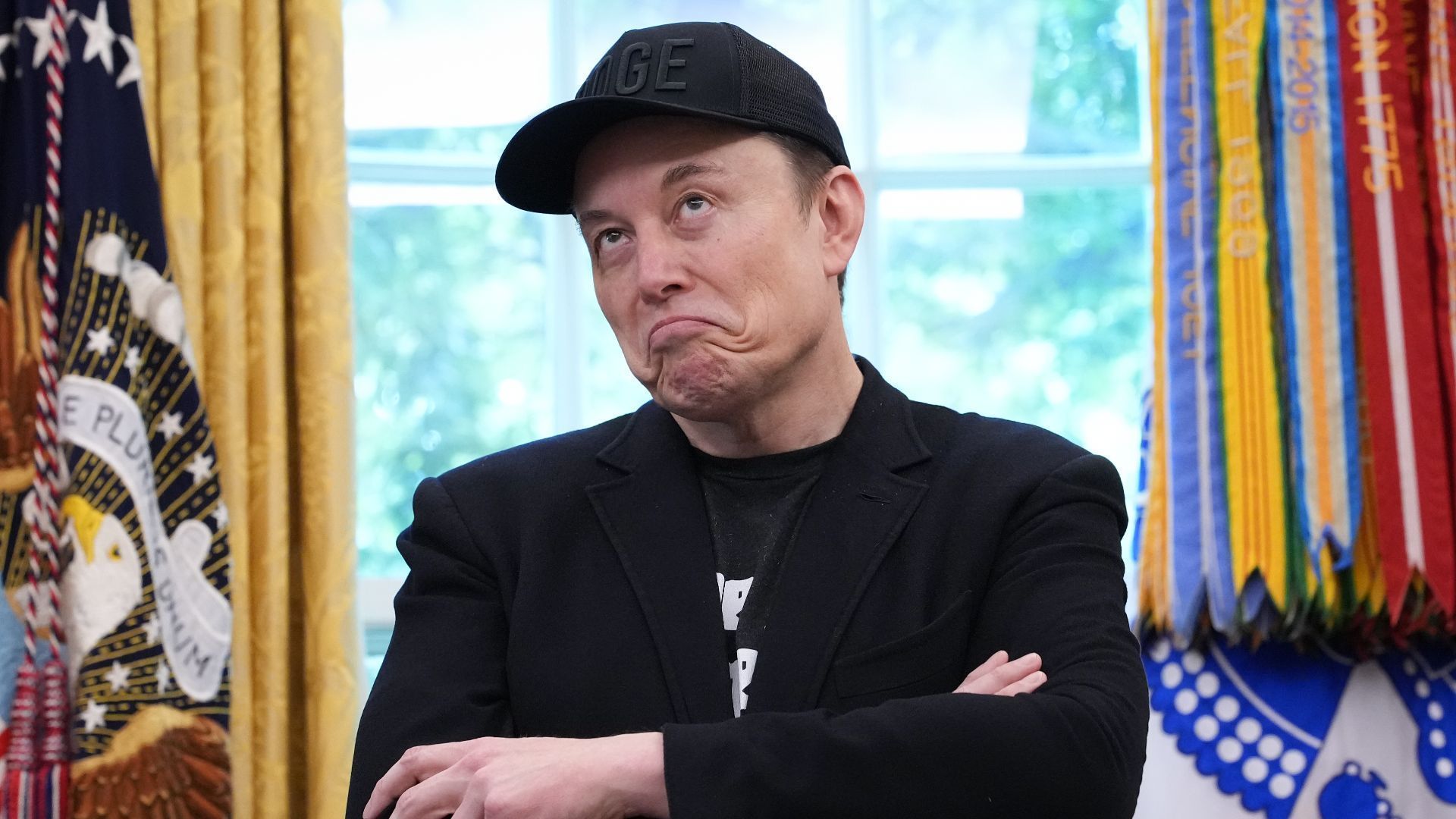
At the same time, Elon Musk’s political involvement has increasingly become part of the broader conversation surrounding Tesla’s brand image and slowing global momentum. Over the past year, Musk placed himself at the center of multiple political controversies after aligning closely with Donald Trump and taking a visible advisory role connected to DOGE initiatives focused on government spending cuts and deregulation. His political commentary on X, public disputes with lawmakers and increasingly partisan public appearances generated backlash among some consumers and investors who previously associated Tesla primarily with innovation and environmental technology. Protests outside Tesla stores, boycott campaigns and declining brand perception surveys emerged in several Western markets during the first months of 2026. During Tesla’s earnings call, Musk acknowledged the controversy surrounding his government involvement, stating: «There’s been some blowback for the time that I’ve been spending in government.» He later defended his participation by saying: «I think the work that we’re doing there is actually very important for trying to rein in the insane deficit that is leading our country, the United States, to destruction.» Since then, Musk has noticeably reduced his public political activity while shifting investor attention back toward Tesla’s technology ambitions.
Getty Images
Tesla’s recent stock recovery has also reflected a broader shift in how many investors now view the company. Rather than focusing exclusively on vehicle deliveries, many shareholders increasingly see Tesla as an artificial intelligence and robotics business centered around autonomous driving systems, robotaxis and the Optimus humanoid robot program. Investor enthusiasm surrounding Tesla’s AI development strategy has helped support the company’s market value despite slower automotive growth. Musk himself has repeatedly attempted to reposition Tesla beyond the traditional automotive sector. During previous public presentations, he stated: «Tesla should be thought of as an AI robotics company.» That narrative has become increasingly important as Tesla works to maintain investor confidence while facing weaker vehicle demand in several global markets. Analysts believe much of Tesla’s long-term valuation now depends on whether the company can successfully commercialize autonomous driving technology and AI-based services rather than relying solely on electric vehicle sales growth.
«Tesla should be thought of as an AI robotics company.»
– CEO of Tesla, Elon Musk
Despite April’s encouraging numbers, Tesla still faces major uncertainty heading into the remainder of 2026. The company remains under pressure in Europe where sales weakened earlier this year, while Chinese competitors continue gaining market share at an aggressive pace across the global EV industry. Analysts have also warned that Tesla’s increasing reliance on discounts, financing incentives and exports may not represent a sustainable long-term strategy if worldwide demand continues softening. Even so, the latest China data provided investors with temporary reassurance after several difficult months marked by slowing deliveries, political controversy and growing concerns about the company’s future positioning within the EV market. The rebound also arrived during a period of relative silence from Musk, whose political visibility had increasingly overshadowed Tesla’s operations and financial performance. Whether the company can transform this China-driven rebound into a broader global recovery remains one of the central questions facing Tesla as competition intensifies throughout the electric vehicle industry.
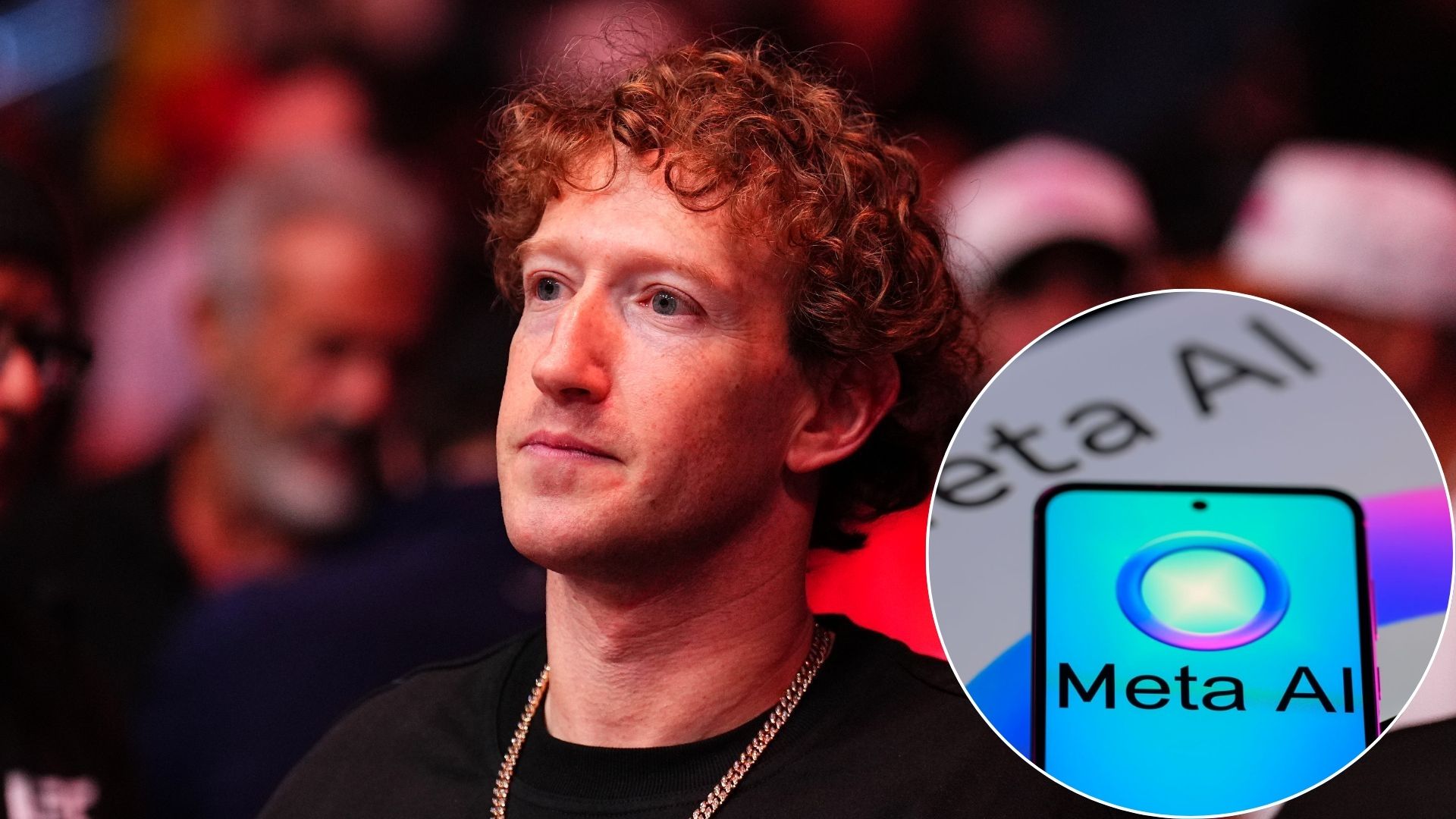
Une action en justice de grande envergure a été intentée contre Meta et son PDG, Mark Zuckerberg, accusant l’entreprise d’avoir sciemment utilisé des copies illégales de livres et d’articles de revues pour entraîner son programme d’intelligence artificielle, Llama.
La plainte, déposée devant la Cour fédérale du district sud de New York, allègue que Zuckerberg a personnellement joué un rôle direct dans l’encouragement de ces pratiques.
Selon le dossier, « Zuckerberg lui-même a personnellement autorisé et activement encouragé cette infraction ».
Cette affaire constitue l’un des défis juridiques les plus importants à ce jour concernant la manière dont les grandes entreprises technologiques se procurent des données pour leurs systèmes d’IA générative.
Le procès a été intenté par une coalition de grands éditeurs et auteurs, dont Elsevier, Cengage Learning, Hachette Book Group, Macmillan Publishing Group, McGraw Hill, Scott Turow et S.C.R.I.B.E., Inc. Les plaignants ont intenté une action collective pour violation du droit d’auteur, arguant que Meta a illégalement reproduit et distribué du matériel protégé par le droit d’auteur.
Dans leur requête, ils affirment que l’affaire porte «sur une violation du droit d’auteur fondée sur la reproduction et la distribution non autorisées par les défendeurs d’œuvres protégées par le droit d’auteur des plaignants, par le biais de l’approvisionnement en contenu, du développement et de l’entraînement par Meta de sa plateforme d’intelligence artificielle générative («IA») appelée Llama, ainsi que sur la suppression des informations de gestion des droits d’auteur («CMI»).»
« Nous nous défendrons avec vigueur dans cette affaire. »
– Dave Arnold, porte-parole de Meta
La plainte présente les actions de Meta comme s’inscrivant dans une stratégie plus large visant à dominer le secteur de l’IA en pleine évolution, accusant l’entreprise de privilégier la rapidité au détriment de la légalité.
«Dans leur effort pour remporter la « course à l’armement » de l’IA et construire un modèle d’IA générative fonctionnel, les défendeurs Meta et Zuckerberg ont suivi leur devise bien connue : « move fast and break Things » (aller vite et casser les codes)», allègue la plainte.
Cette expression, longtemps associée à la culture d’entreprise de Meta, est présentée par les plaignants comme la preuve d’une volonté de faire fi des limites légales dans la poursuite du progrès technologique.
Getty Images
Selon le dossier, les méthodes d’acquisition de données de Meta impliquaient le téléchargement et la copie non autorisés à grande échelle d’œuvres protégées par le droit d’auteur.
La plainte affirme :
« Ils ont d’abord illégalement téléchargé via torrent des millions de livres et d’articles de revues protégés par le droit d’auteur à partir de sites pirates notoires et ont téléchargé des données web extraites sans autorisation couvrant pratiquement l’ensemble d’Internet. »
Elle allègue en outre :
« Ils ont ensuite copié ces fruits volés à de nombreuses reprises pour entraîner le système d’IA générative de Meta, d’une valeur de plusieurs milliards de dollars, appelé Llama. »
Les plaignants décrivent l’ampleur de l’opération comme « l’une des violations les plus massives de contenus protégés par le droit d’auteur de l’histoire. »
Getty Images
La plainte souligne également que ces actions ont été menées en pleine connaissance de leurs implications juridiques. Elle indique que ces agissements ont eu lieu « sans autorisation, sans aucune compensation versée aux auteurs ou aux éditeurs, et en sachant parfaitement que leur conduite violait la loi sur le droit d’auteur ». Cette affaire s’ajoute à une vague croissante de litiges visant les entreprises technologiques au sujet de l’utilisation de contenus protégés par le droit d’auteur dans l’entraînement des IA, une question qui reste largement en suspens devant les tribunaux américains et qui pourrait avoir des implications significatives pour l’avenir du secteur.
« Dans leur effort pour remporter la « course à l’armement » de l’IA et construire un modèle d’IA générative fonctionnel, les défendeurs Meta et Zuckerberg ont suivi leur devise bien connue : « move fast and break Things » (aller vite et casser des choses). »
-Poursuite intentée devant la Cour fédérale du district sud de New York
Meta a rejeté ces allégations, indiquant son intention de contester vigoureusement cette affaire.
Dans une déclaration au New York Times, le porte-parole de la société, Dave Arnold, a déclaré : « Nous nous battrons avec acharnement contre ce procès. » Il a ajouté que « les tribunaux ont à juste titre estimé que l’entraînement de l’IA sur du matériel protégé par le droit d’auteur pouvait relever de l’usage loyal ».
La défense reflète un argument juridique plus large avancé par plusieurs entreprises technologiques, qui soutiennent que l’utilisation de vastes ensembles de données, y compris du matériel protégé par le droit d’auteur, est essentielle au développement des systèmes d’IA modernes et peut s’inscrire dans les cadres juridiques existants.
La plupart des gens optent instinctivement pour un mascara noir sans y réfléchir à deux fois, mais la couleur du mascara peut complètement transformer l’aspect de vos yeux et de votre maquillage en général. Certaines teintes ont tendance à s’harmoniser avec un large éventail de carnations et de couleurs d’yeux, car elles rehaussent le contraste naturel sans dominer le visage. D’autres peuvent donner un aspect dur, terne ou détourner l’attention, selon les nuances de peau et l’éclairage. Bien que le maquillage soit toujours une affaire personnelle, certaines teintes de mascara sont tout simplement plus faciles à porter pour la plupart des gens que d’autres. Voici 10 nuances de mascara qui mettent en valeur la plupart des teints et 10 qui ne le font pas.
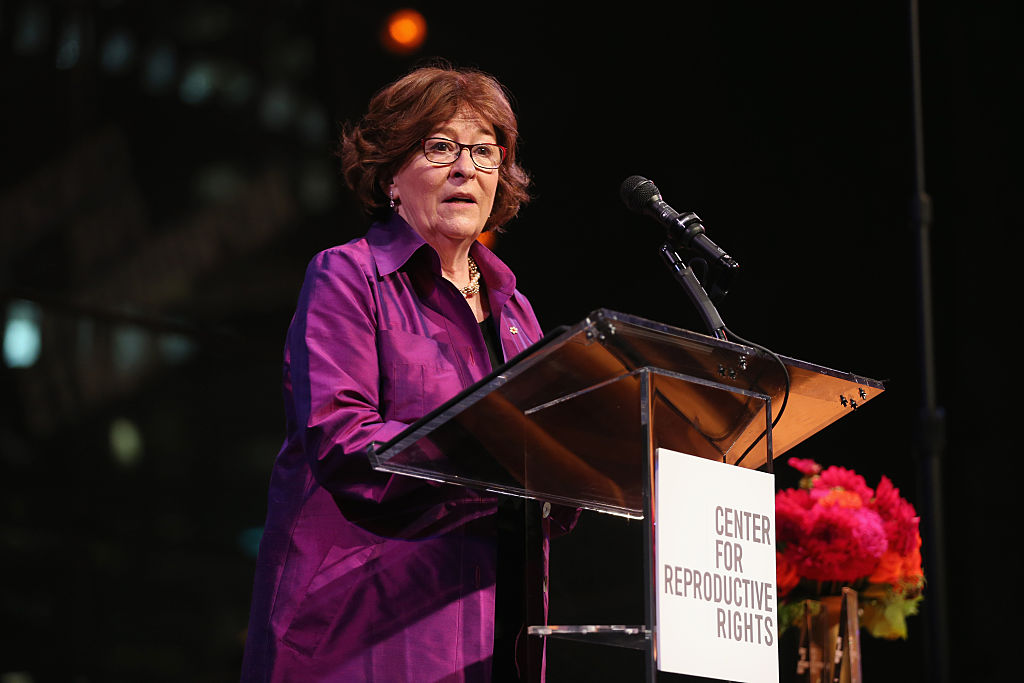
NEW YORK, NY - OCTOBER 29: Former UN High Commissioner for Human Rights Louise Arbour speaks onstage at the Center for Reproductive Rights 2014 Gala at Jazz at Lincoln Center on October 29, 2014 in New York City. (Photo by Neilson Barnard/Getty Images for the Center for Reproductive Rights)
On May 5, the Canadian Prime Minister announced his selection of Canada’s new Governor General: Louise Arbour. The Governor General serves as the representative of the Canadian Crown, (currently King Charles III), and acts as head of state on the monarch’s behalf. They typically serve five-year terms. Carney has been under pressure since he took office to appoint a French-speaking governor general, as the current governor general, Mary Simon, does not speak French. Mary Simon became the first Indigenous governor general when she was appointed by Justin Trudeau in 2021.
Who is Louise Arbour
Luise Arbour, 79, carries a seriously impressive legal resume, both at the National and international levels. Born in Montreal, Quebec, Arbour began her career as a Research Officer at the Law Reform Commission of Canada, before joining Osgoode Hall Law School at York University, where she taught and later became Associate Dean. Professionally, Arbour served on the Supreme Court of Ontario beginning in 1987, and remained in the role for three years before being appointed to the Court of Appeal for Ontario.
From 1996 to 1999, Arbour served as Chief Prosecutor for the International Criminal Tribunals for the former Yugoslavia and Rwanda. Arbour is credited for making history for the first-ever indictment of a sitting head of state, former Yugoslavian president Slobodan Milošević, as well as her prosecution of sexual assaults as crimes against humanity. While in the role, she also secured the first conviction for genocide since the 1948 Genocide Convention in the case of Rwanda by successfully convicting Rwandan mayor Jean-Paul Akayesu of genocide on Sept. 3, 1998.
Arbour left her UN post when former prime minister Jean Chrétien appointed her to the Supreme Court of Canada in 1999 and shifted her focus back to national issues. She served on the Supreme Court of Canada until 2004, with her views on the law sometimes ostracising her from her colleagues. One of the most dramatic examples was in 2003 when Arbour suggested the constitutionality of convicting a person for possession of the drug marijuana was an affront to their liberty. Fifteen years later, marijuana would be legalized in Canada, with Arbour’s arguments being cited heavily in the discussion.
Louise Arbour left the Supreme Court of Canada in 2004 after five years of service. Her next role? United Nations High Commissioner for Human Rights. In that role, she was controversial for all the right reasons. In 2005, she said that the US’s ‘War on Terror’ was trampling the UN’s ban on torture. In the controversial statement, she called America ‘torturers’.
« Pursuing security objectives at all costs may create a world in which we are neither safe nor free. This will certainly be the case if the only choice is between the terrorists and the torturers. »
While the US ambassador to the UN criticized her remarks, she doubled down on the controversy. In 2006, Arbour called for international forces to protect civilians in Lebanon and Palestine, amidst violent attacks from Israel. While Israeli activists called her antisemitic, Arbour went public with a strong statement.
« International humanitarian law is clear on the supreme obligation to protect civilians during hostilities…. International law demands accountability. The scale of the killings in the region, and their predictability, could engage the personal criminal responsibility of those involved, particularly those in a position of command and control.”
In 2008, Arbour voluntarily left her role as High Commissioner for Human Rights. At age 61, she cited the relentless schedule as the reason for her departure. While some theorized that she left the role in fear of more controversy, she shot down those rumours, claiming, « I am not quitting because of this pressure. On the contrary, I have to resist the temptation to stay to confront it. » Her coworkers at the Human Rights Commission called her ‘inspiring’. Since 2008, Arbour has slowed down. She took a job as president and CEO of the International Crisis Group, a non-profit that works internationally to prevent and resolve conflicts and continued doing work to benefit civilians on a less-relentless pace.
In 2017, UN Secretary-General António Guterres appointed Arbour to be his special representative for international migration. The role left her butting heads with Conservative leader Andrew Scheer due to his belief that Guterres’s Global Compact for Migration would “give influence over Canada’s immigration system to foreign entities”. The Conservative Party’s own immigration minister dismissed the claims. In 2022, Arbour led a probe into sexual misconduct in the Canadian military and has been a supporter of immigration rights and 2SLGBTQ+ rights.