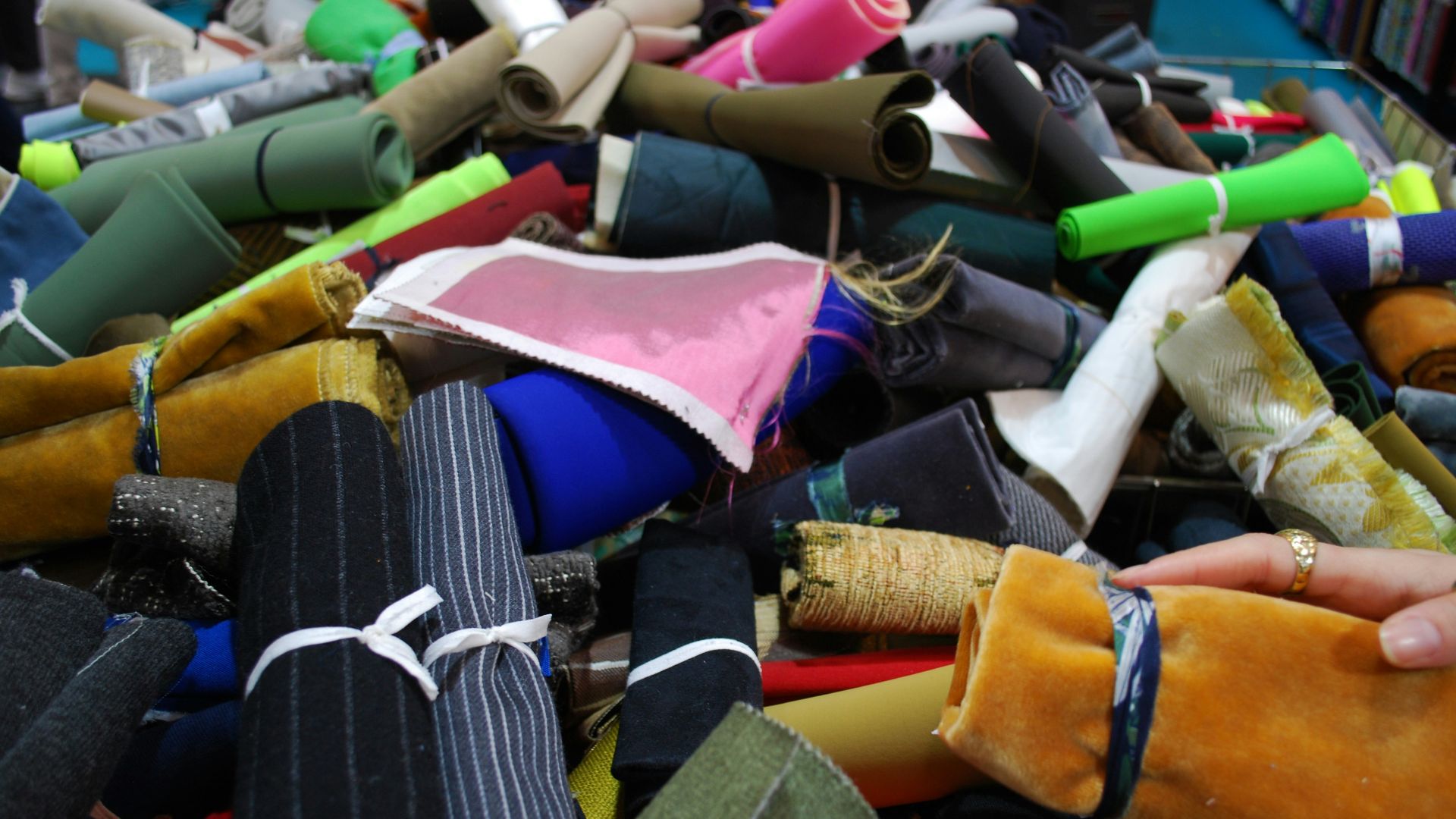
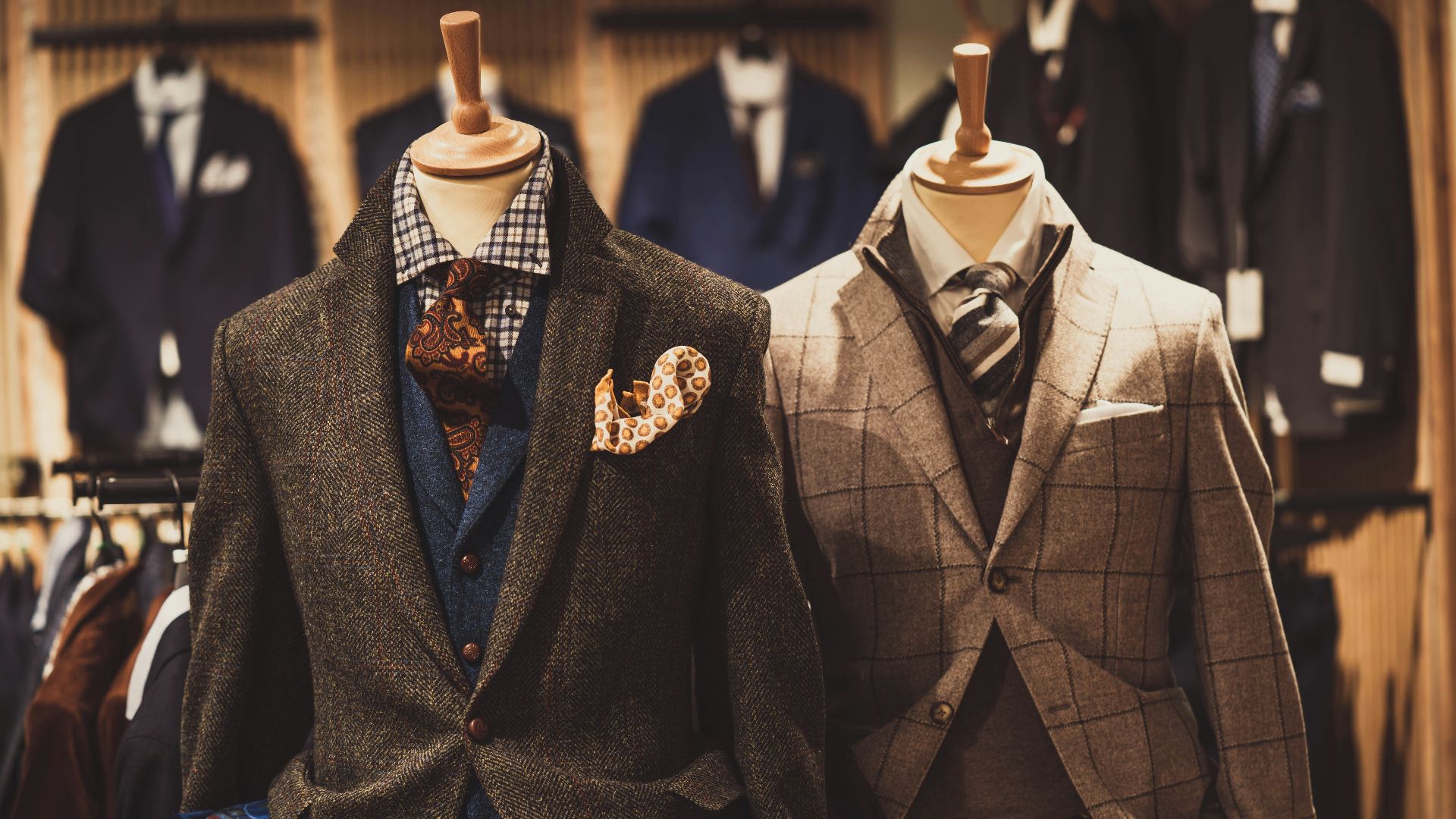
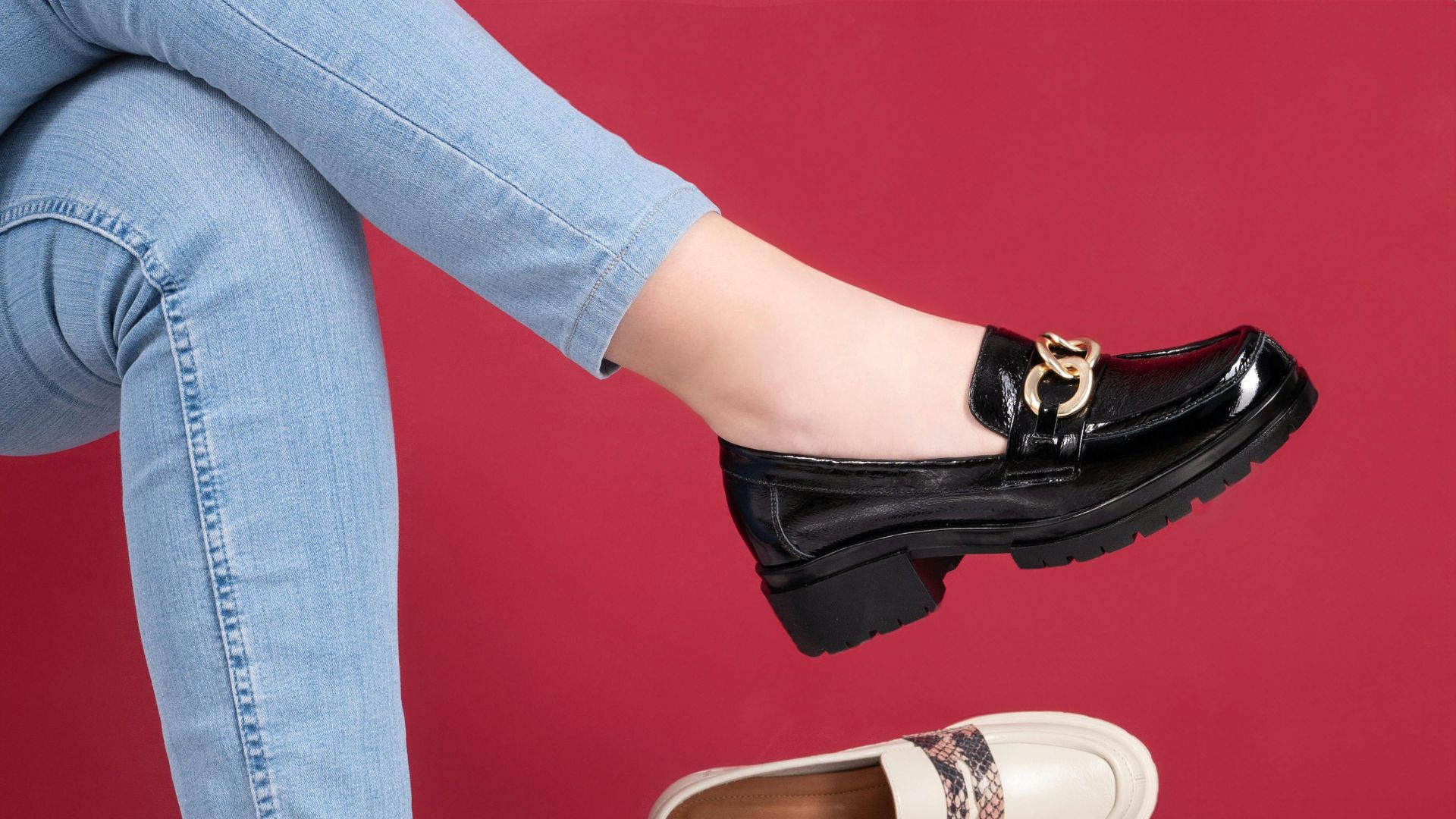
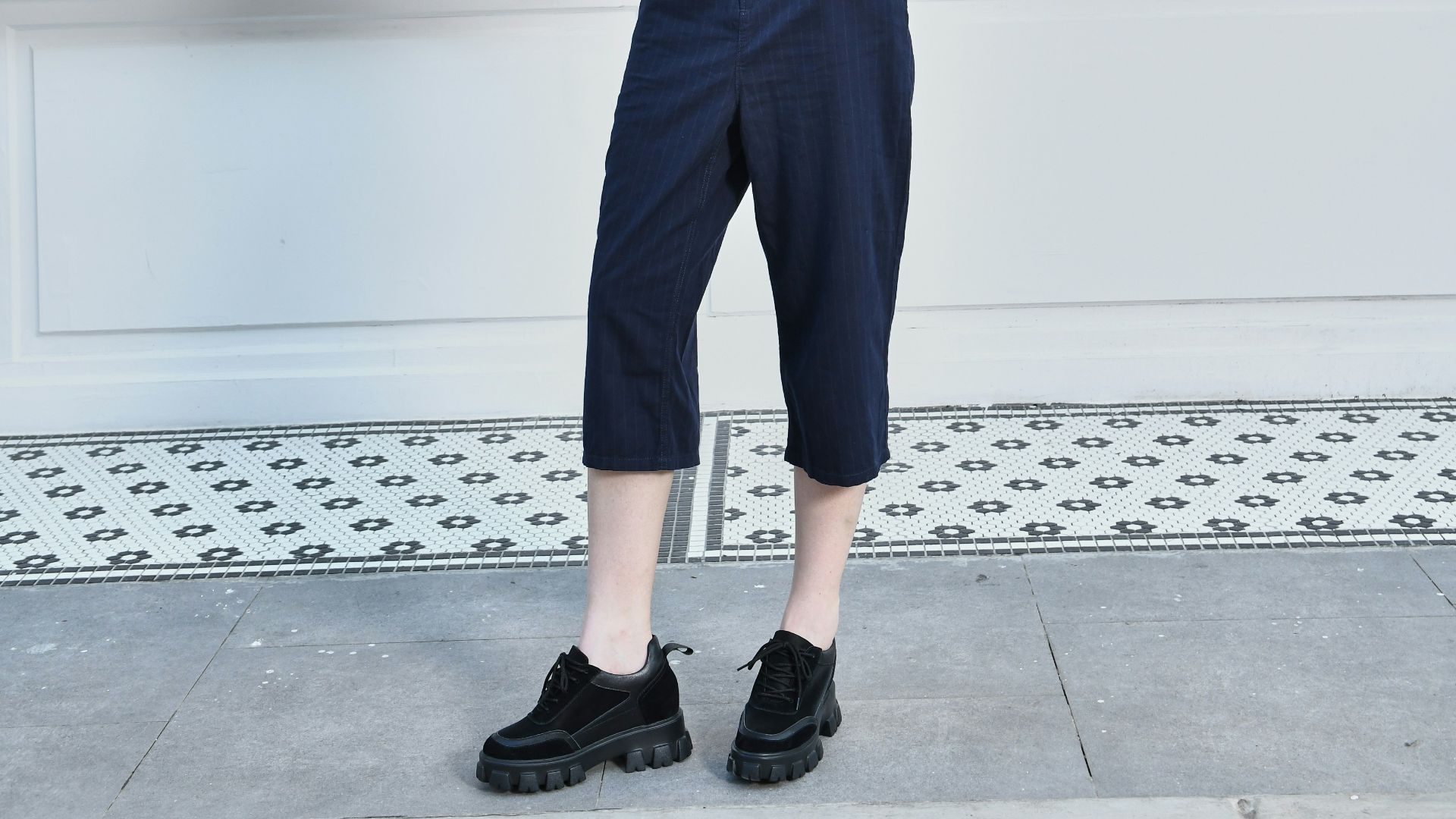
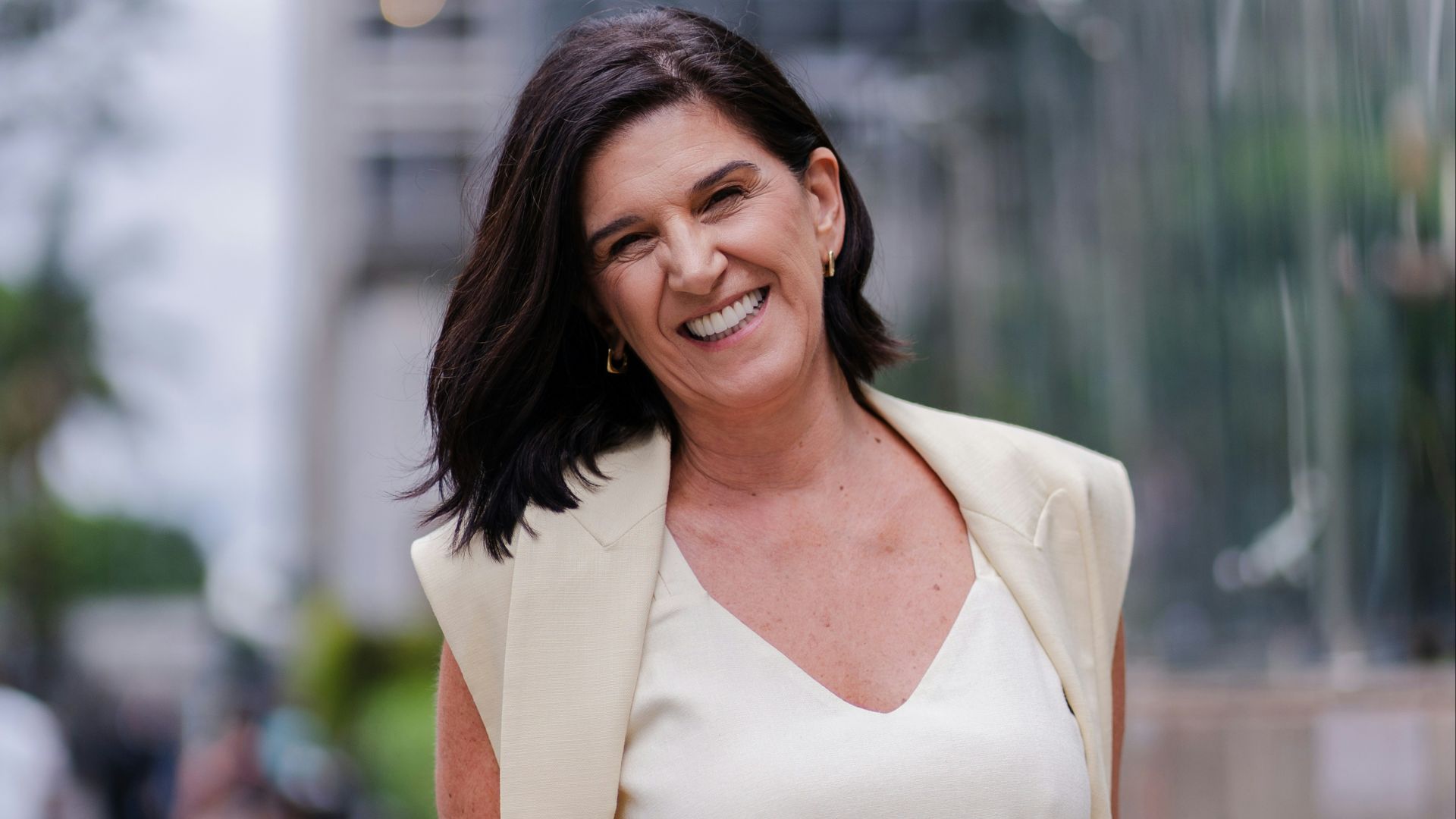
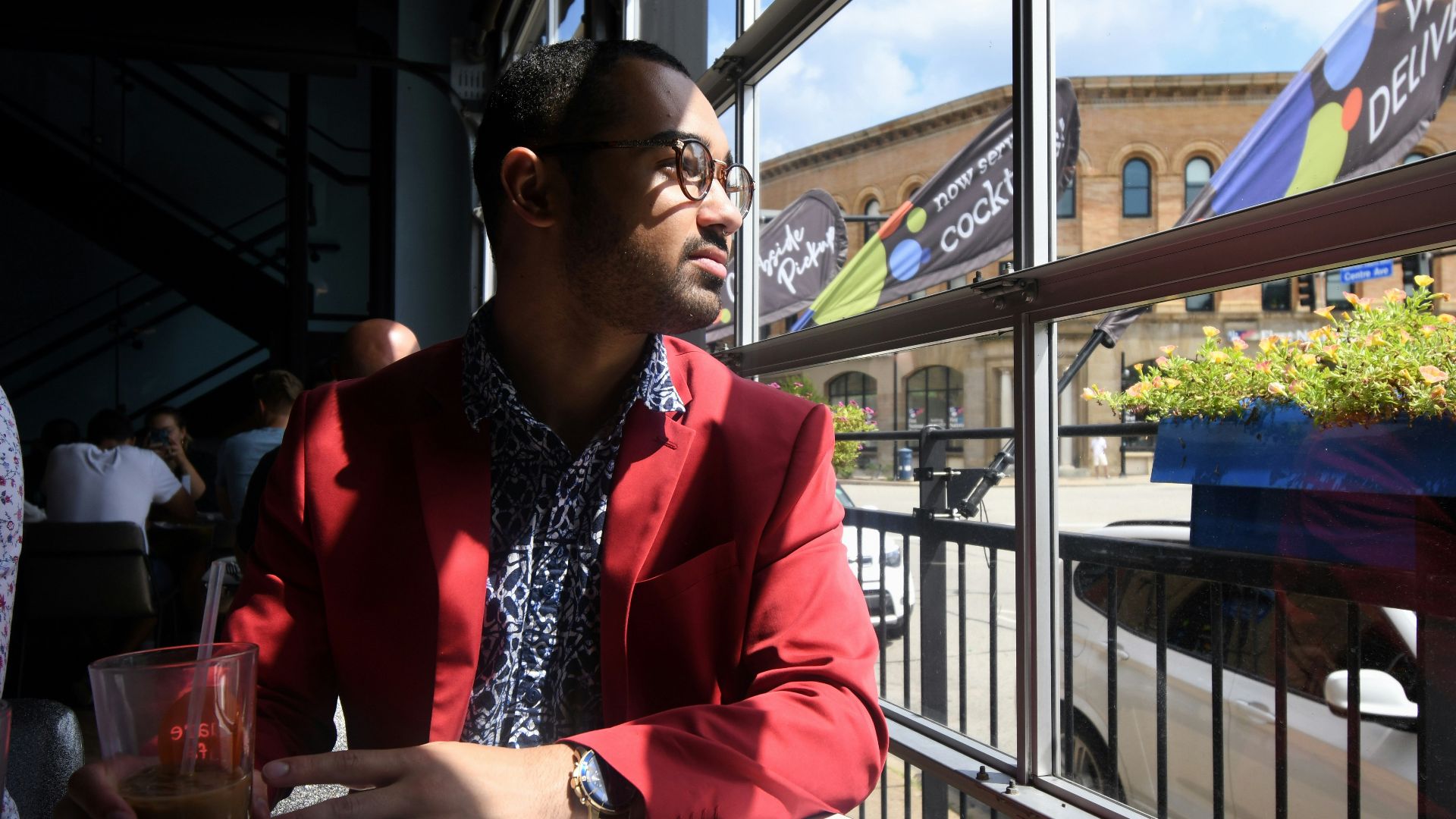
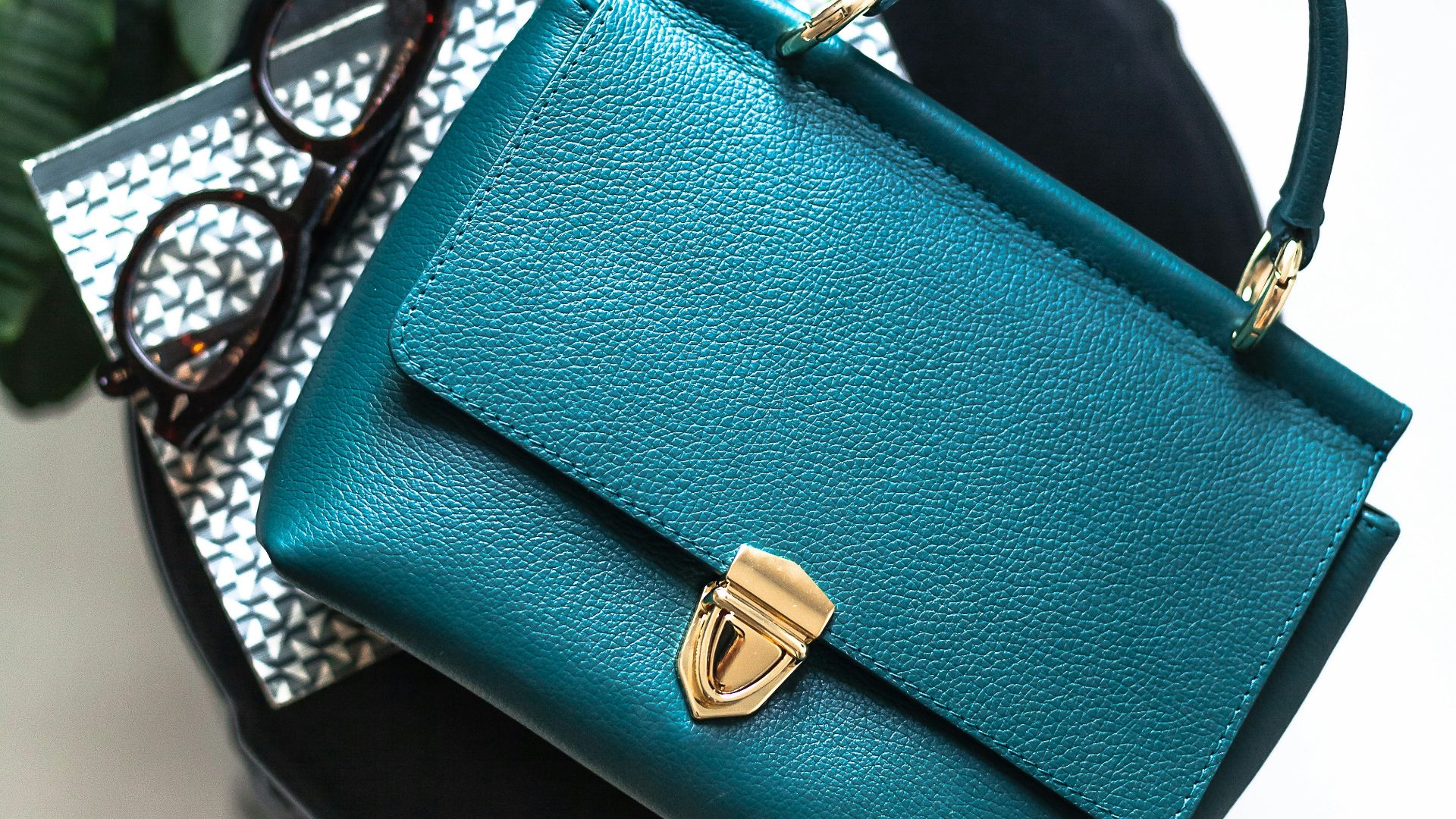
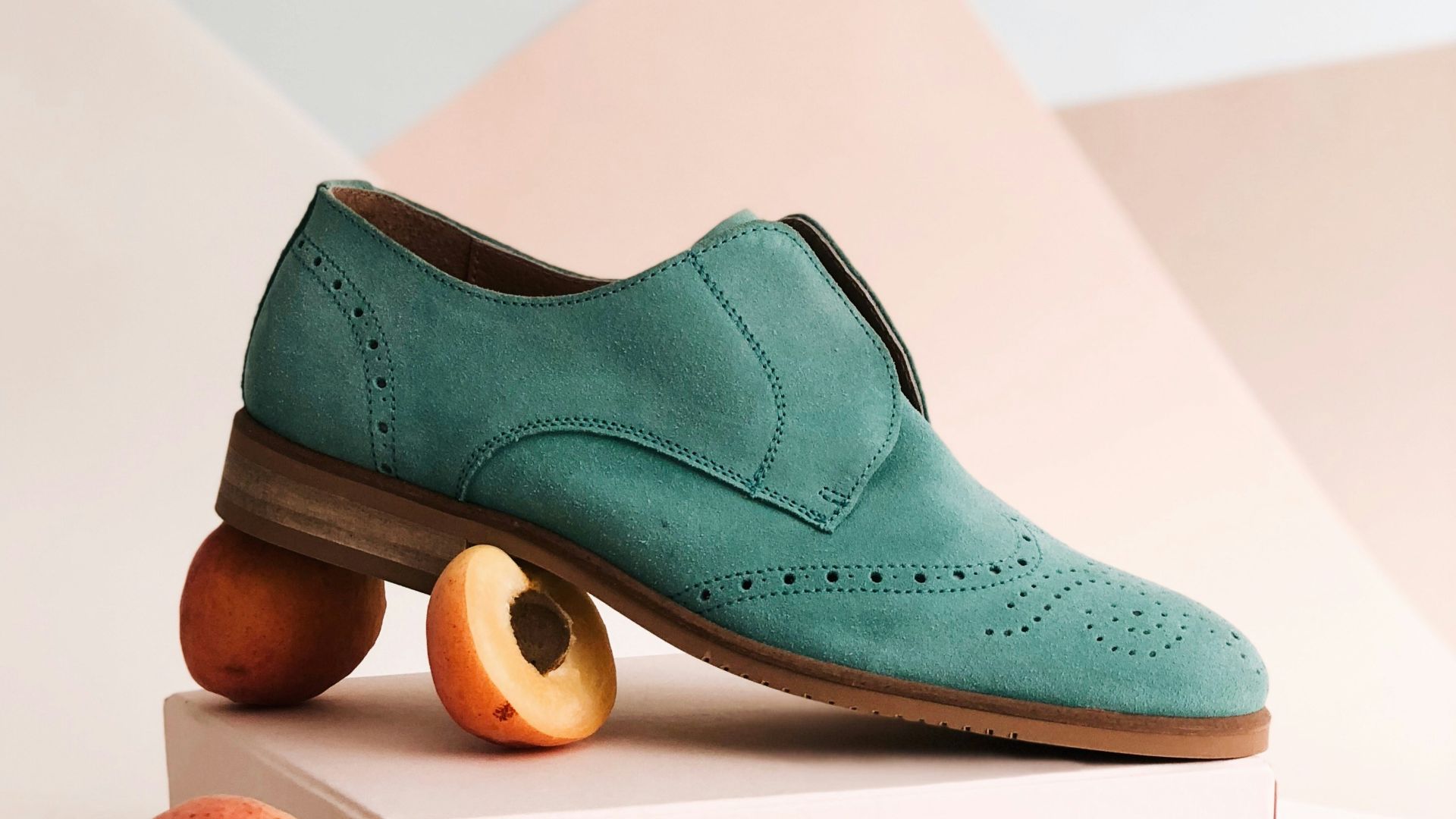
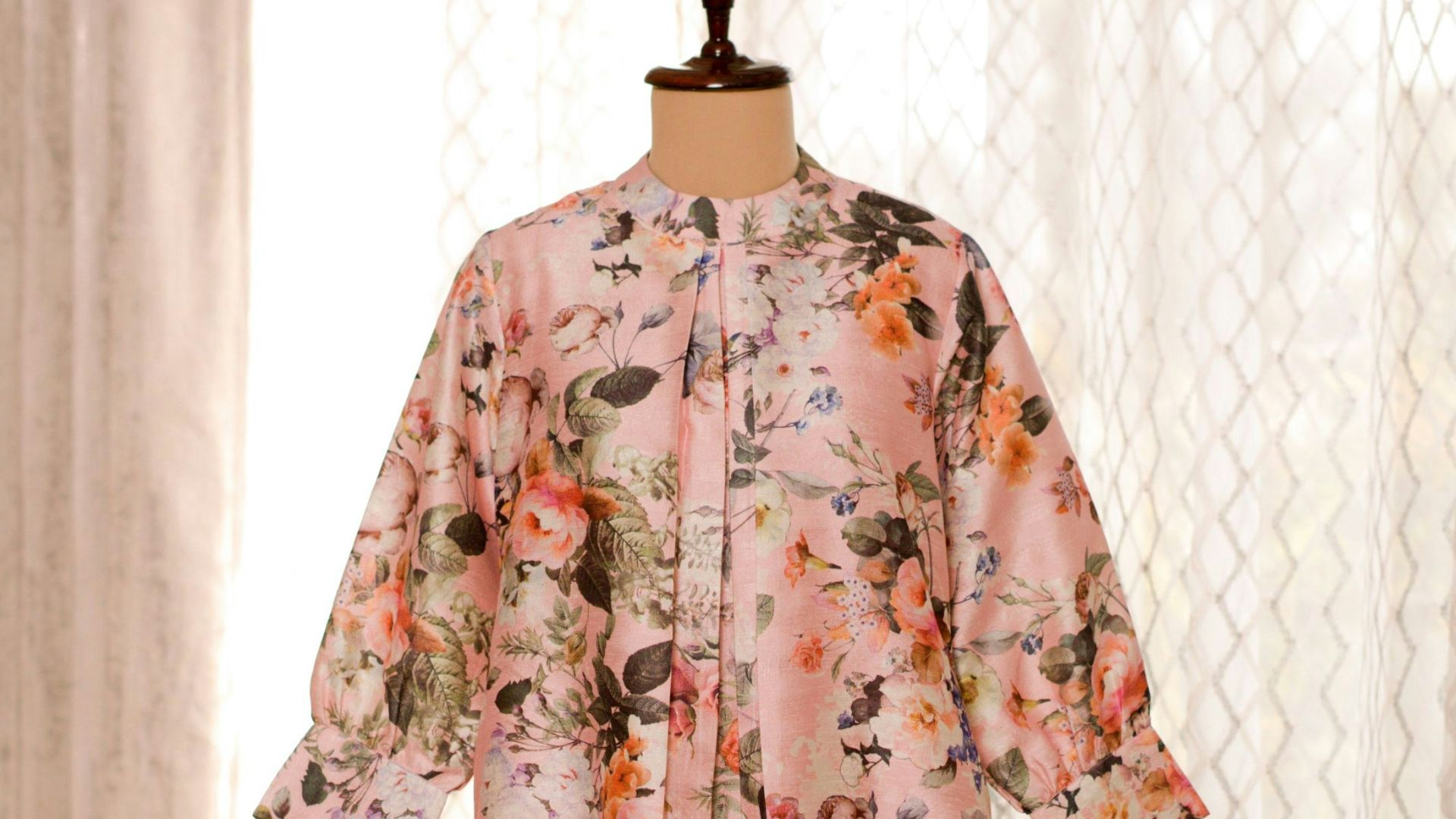
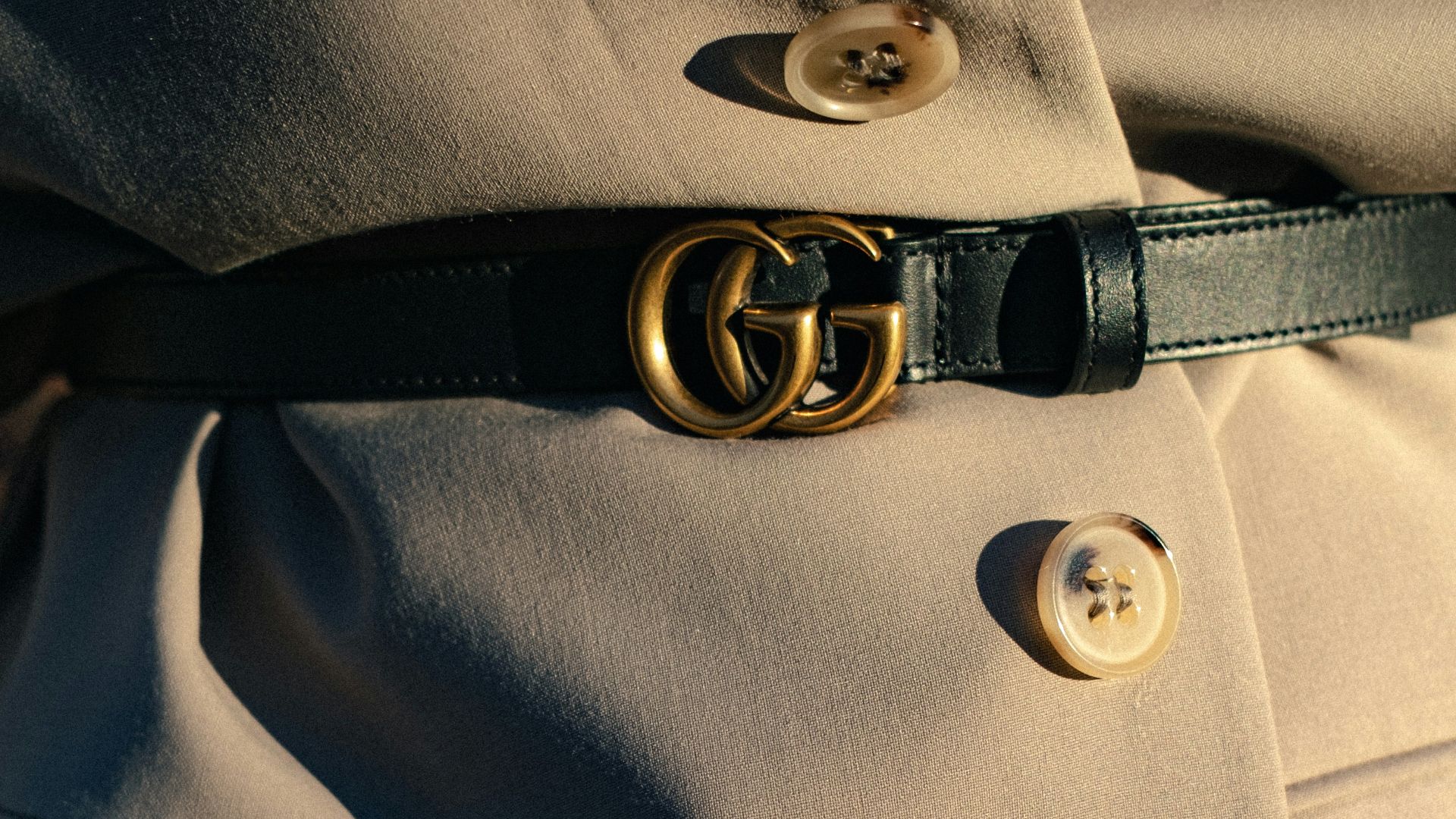
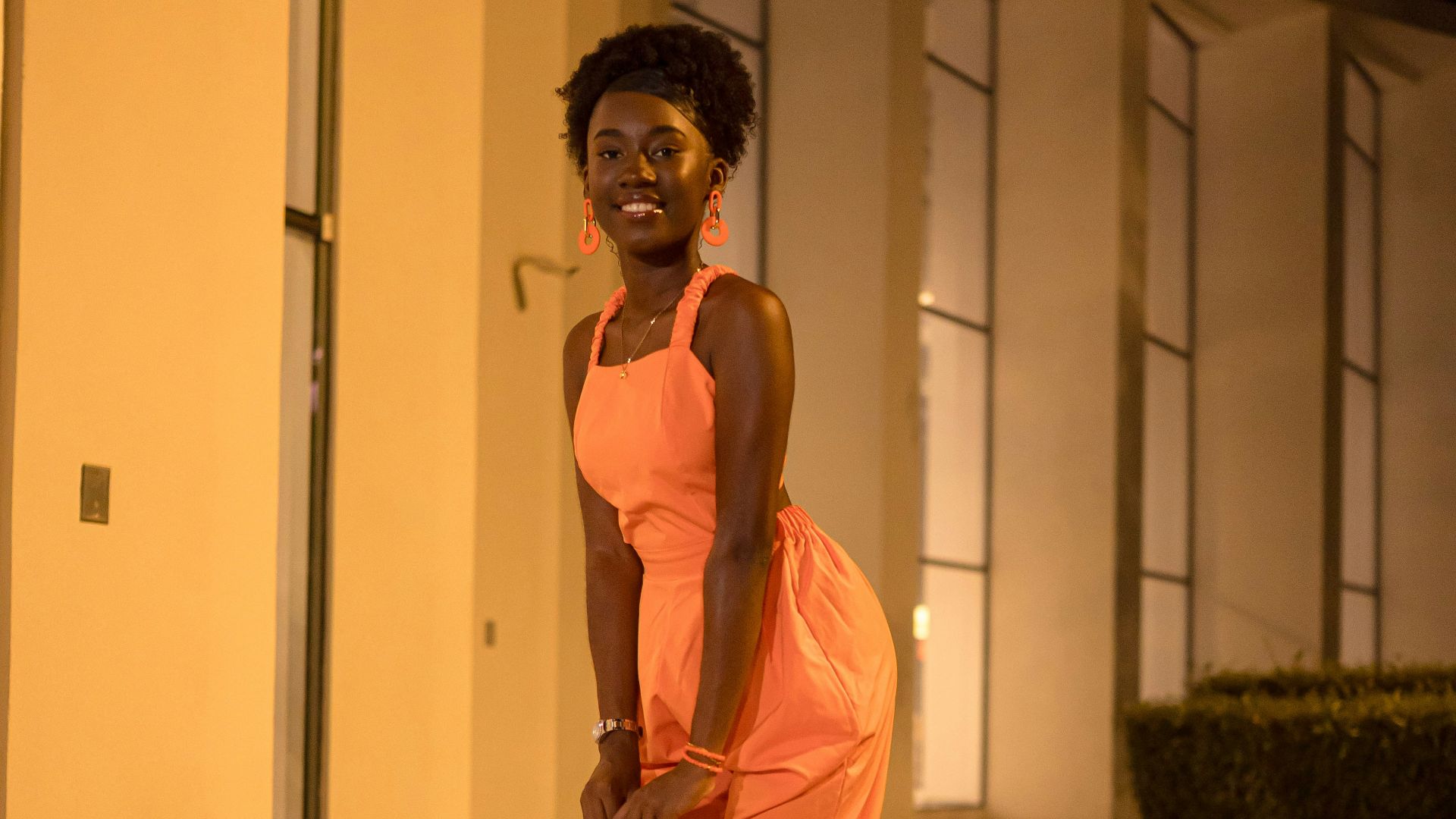
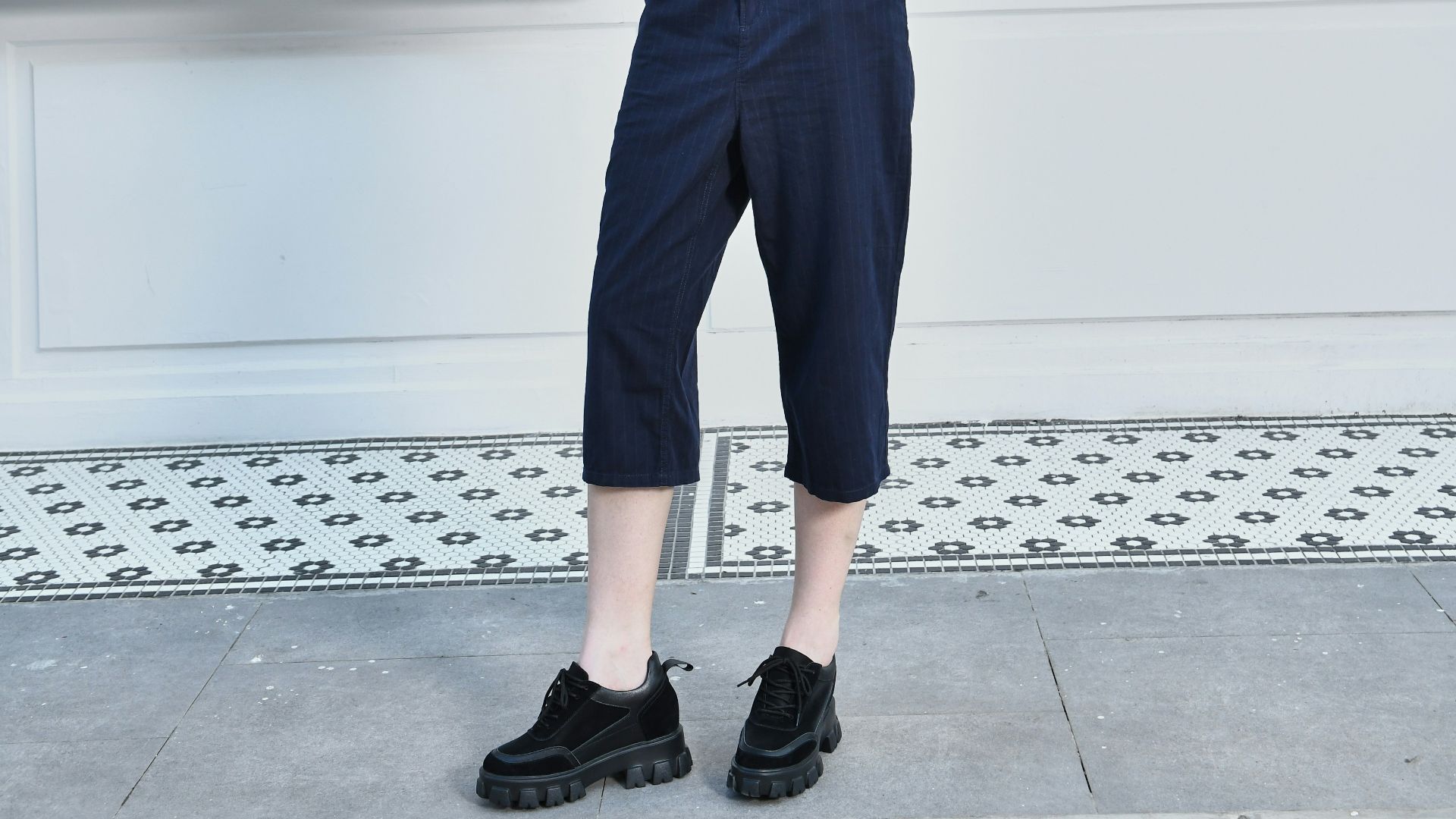
La mode sur mesure a souvent la réputation d’être rigide, trop soignée ou trop sérieuse, mais cela ne doit pas forcément être le cas dans les tenues de tous les jours. En faisant les bons choix stylistiques, on peut rendre les blazers, les pantalons et les manteaux structurés à la fois confortables, modernes et faciles à porter, sans pour autant leur faire perdre tout leur cachet. Quelques détails décontractés, des tissus plus souples et des associations moins rigides font généralement toute la différence lorsque l’on souhaite que les vêtements sur mesure paraissent plus naturels. Voici 20 façons de porter des vêtements sur mesure sans paraître trop formel.
S’habiller comme si l’on n’avait jamais eu à se soucier d’un budget ou d’une tache est un art que certains maîtrisent dans les moindres détails. Il ne s’agit pas seulement du prix des vêtements, mais plutôt de cette impression de confort absolu et du luxe d’être choyé à chaque instant. Des tissus qui nécessitent une équipe de professionnels pour leur entretien aux accessoires qui n’ont d’autre utilité que de paraître chers, ces choix vestimentaires clament haut et fort que vous avez quelqu’un d’autre pour s’occuper des tâches ingrates.
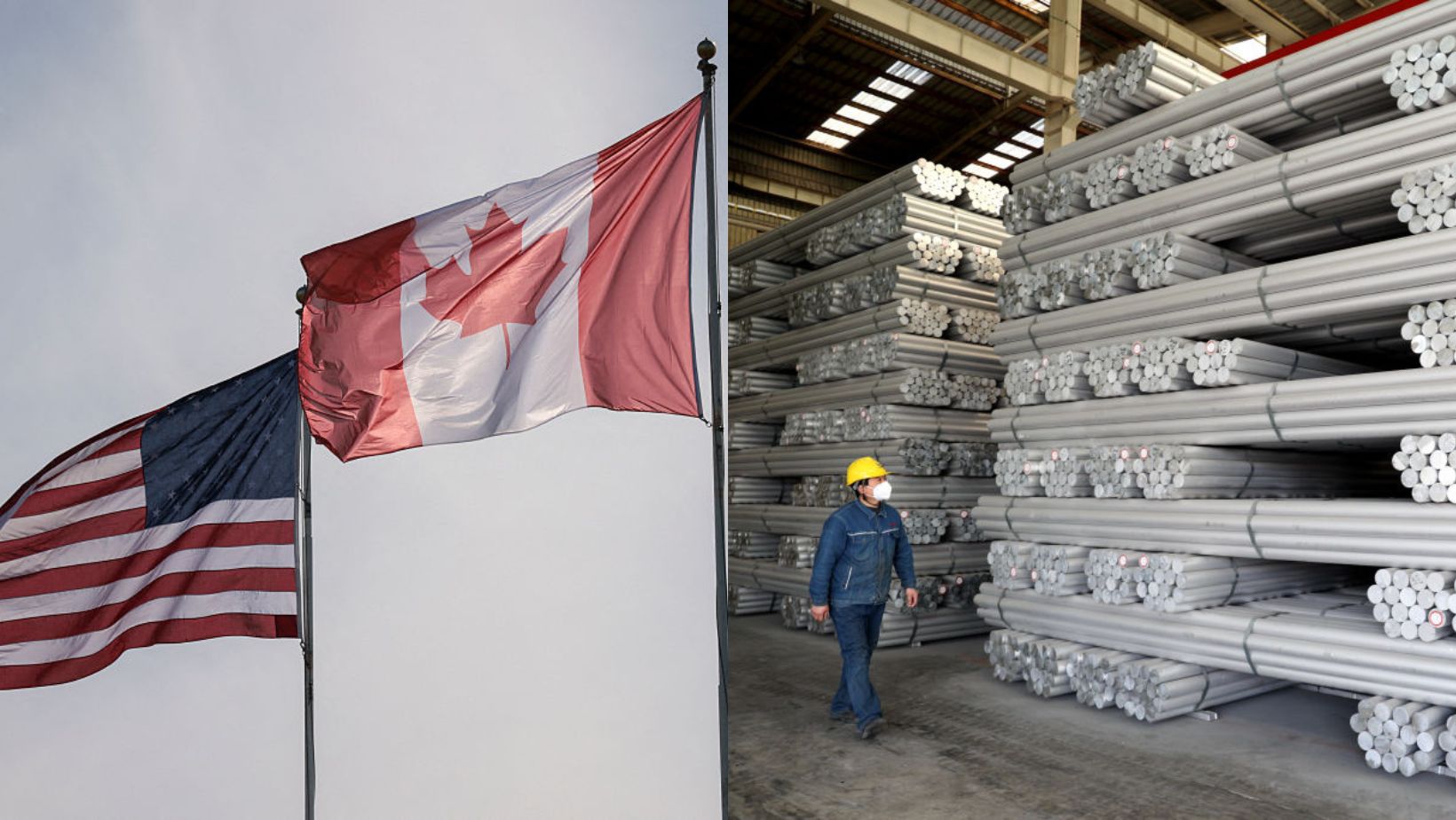
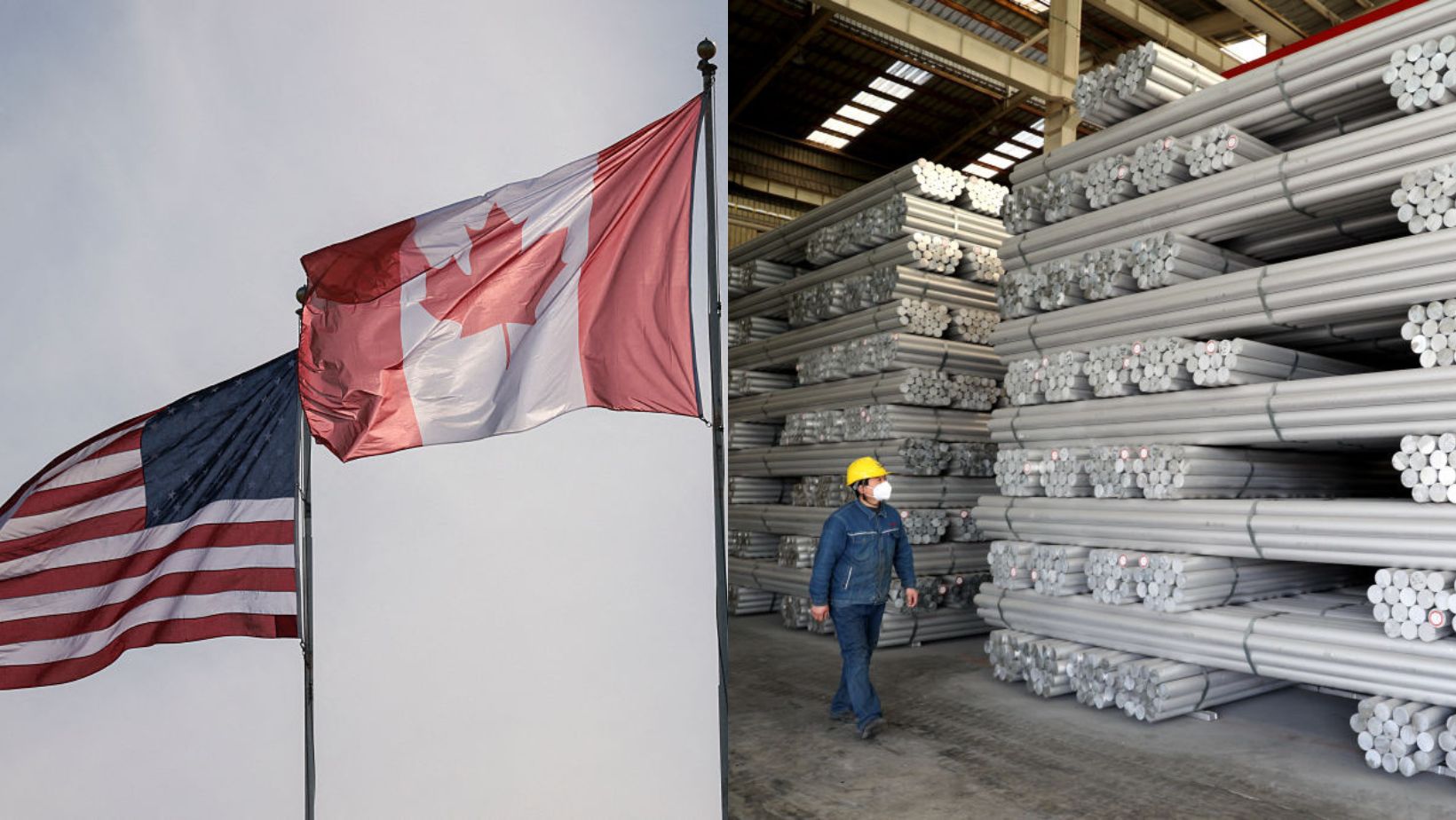
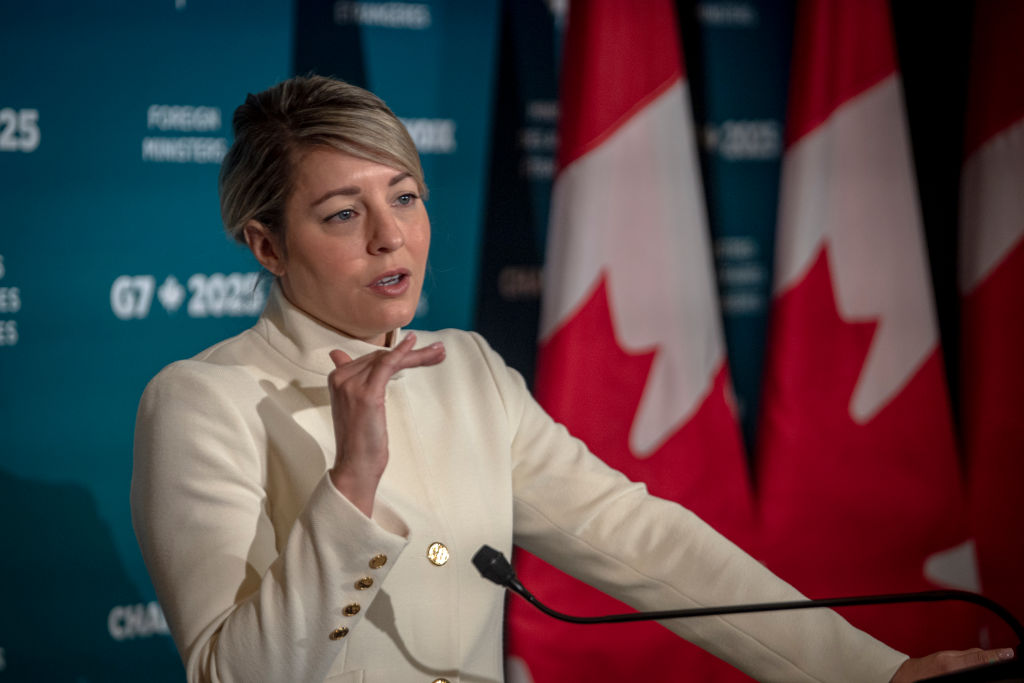
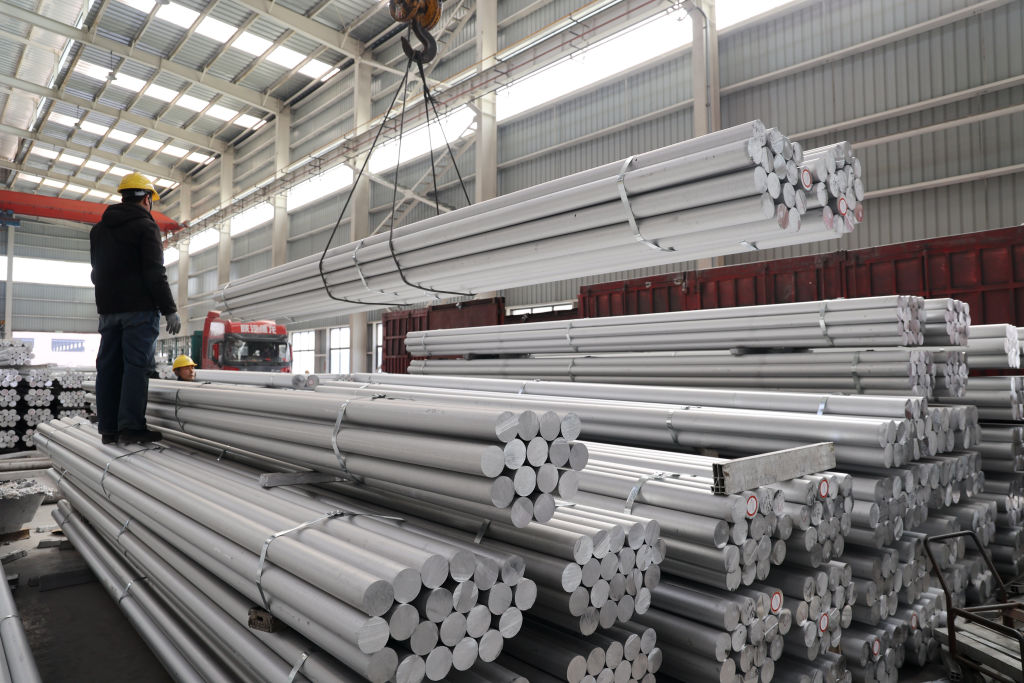
Ottawa announced on Monday that it would invest an additional $1.5 billion to support businesses affected by U.S. tariffs on metals, which were expanded by Washington last month. This measure consists of two major components. First, there is the Business Development Bank of Canada’s (BDC) new $1 billion program. This assistance is intended for companies that manufacture and export products containing steel, aluminum, or copper, announced Industry Minister Mélanie Joly at a press conference at the Les Ateliers Beau-Roc dump truck manufacturing plant on the outskirts of Ottawa. Manufacturers whose revenue has been reduced by 20% or more due to U.S. tariffs will be eligible for loans ranging from $2 million to $50 million, with no repayment required for the first three years. Interest will be waived for the first year.
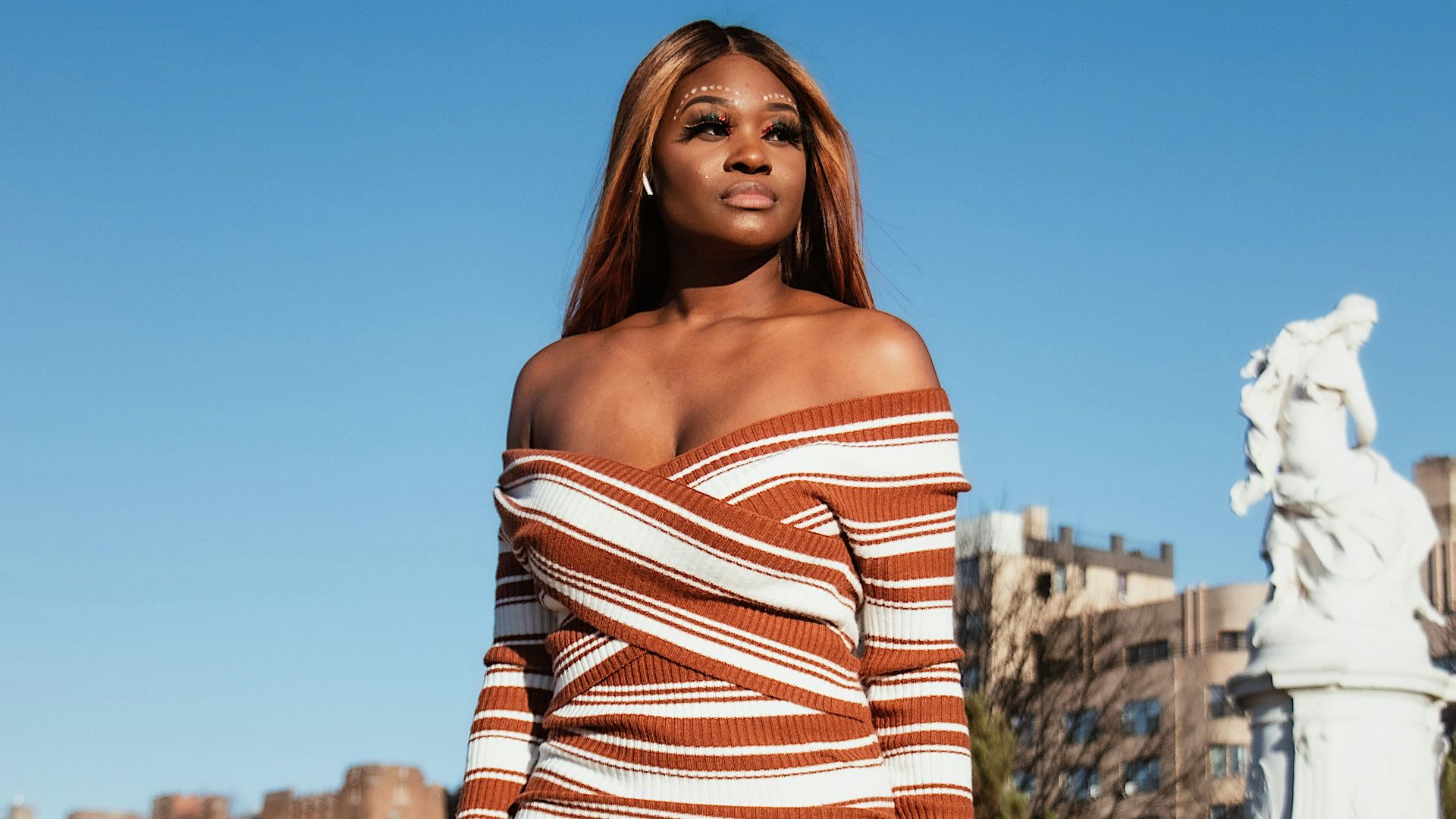
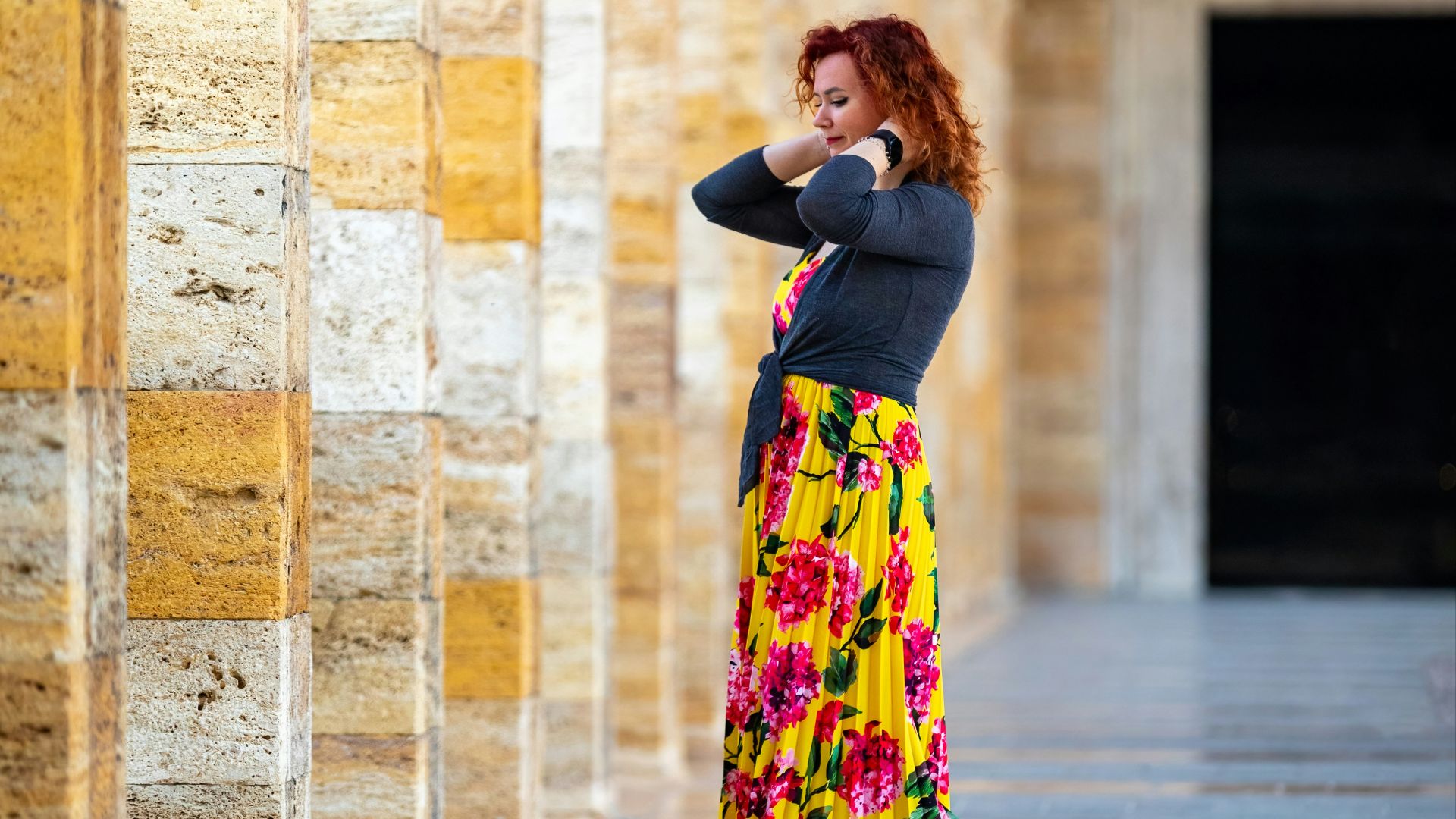
Mettons tout de suite les choses au clair : le style est une affaire personnelle, et personne ne devrait s’habiller uniquement pour plaire aux autres ! Cela dit, il arrive parfois que l’on ait envie d’une tenue qui ait un peu de punch, et il n’y a rien de mal à se mettre sur son trente-et-un dans une tenue qui, on le sait, fera tourner les têtes ! Cela étant, il est temps de voir quelles pièces mettent vos courbes en valeur et lesquelles ne font que les dissimuler.
La série de deuxième tour opposant les Canadiens aux Sabres promet déjà d’être l’un des affrontements les plus suivis des présentes séries éliminatoires. Rivaux de division depuis plusieurs années, les deux formations se connaissent très bien et possèdent une longue histoire de matchs intenses, surtout en saison régulière. Entre les performances attendues des jeunes vedettes, les affrontements physiques et les duels devant le filet, tous les ingrédients sont réunis pour offrir une confrontation spectaculaire aux amateurs de hockey. Le Canadien tentera de poursuivre son parcours devant ses partisans, tandis que les Sabres chercheront à confirmer leur progression parmi les meilleures équipes de l’Association de l’Est. Voici maintenant 15 choses à savoir sur cette série très attendue entre Montréal et Buffalo.
BOSTON, MASSACHUSETTS – MAY 01: Mattias Samuelsson #23 of the Buffalo Sabres celebrates with teammates after scoring a goal on Jeremy Swayman (not pictured) #1 of the Boston Bruins during the first period in Game Six of the First Round of the 2026 Stanley Cup Playoffs at TD Garden on May 01, 2026 in Boston, Massachusetts. (Photo by Bruce Bennett/Getty Images)MONTREAL, CANADA- APRIL 24: Lane Hutson #48 of the Montreal Canadiens salutes the fans after being named the first star of Game Three of the First Round of the 2026 Stanley Cup Playoffs between the Montreal Canadiens and the Tampa Bay Lightning at the Bell Centre on April 24, 2026 in Montreal, Quebec, Canada. (Photo by Laurent Corbeil/NHLI via Getty Images)BUFFALO, NEW YORK – APRIL 19: Owen Power #25 of the Buffalo Sabres skates against the Boston Bruins during Game One of the First Round of the 2026 Stanley Cup Playoffs at KeyBank Center on April 19, 2026 in Buffalo, New York. (Photo by Joe Hrycych/Getty Images)MONTREAL, CANADA – MAY 01: Montreal Canadiens fans arrive prior to Game Six between the Montreal Canadiens and the Tampa Bay Lightning in the First Round of the 2026 Stanley Cup Playoffs at Bell Centre on May 01, 2026 in Montreal, Quebec, Canada. (Photo by Minas Panagiotakis/Getty Images)BUFFALO, NEW YORK – APRIL 21: Logan Stanley #64 of the Buffalo Sabres and Mark Kastelic #47 of the Boston Bruins fight during the third period in Game Two of the First Round of the 2026 Stanley Cup Playoffs at KeyBank Center on April 21, 2026 in Buffalo, New York. (Photo by Joe Hrycych/Getty Images)MONTREAL, QC – MAY 8: Ginette Reno performs in Game Four of the Second Round of the 2014 Stanley Cup Playoffs between the Montreal Canadiens and the Boston Bruins at the Bell Centre on May 8, 2014 in Montreal, Quebec, Canada. (Photo by Francois Lacasse/NHLI via Getty Images)BUFFALO, NEW YORK – APRIL 19: Tage Thompson #72 of the Buffalo Sabres fires a shot against the Boston Bruins in Game One of the First Round of the 2026 Stanley Cup Playoffs at KeyBank Center on April 19, 2026 in Buffalo, New York. (Photo by Bill Wippert/NHLI via Getty Images)MONTREAL, CANADA- MAY 1: Ivan Demidov #93 of the Montreal Canadiens looks on during the national anthems before Game Six of the First Round of the 2026 Stanley Cup Playoffs against the Tampa Bay Lightning at the Bell Centre on May 1, 2026 in Montreal, Quebec, Canada. (Photo by Matt Garies/NHLI via Getty Images)BOSTON, MASSACHUSETTS – APRIL 26: Zach Benson #6 of the Buffalo Sabres waits for a face off during the first period against the Boston Bruins of Game Four of the First Round of the 2026 Stanley Cup Playoffs at TD Garden on April 26, 2026 in Boston, Massachusetts. (Photo by China Wong/NHLI via Getty Images)MONTREAL, CANADA – DECEMBER 14: Alexandre Texier #85, Zachary Bolduc #76 and Jakub Dobes #75 of the Montréal Canadiens celebrate a victory against the Edmonton Oilers at the Bell Centre on December 14, 2025 in Montreal, Quebec, Canada. The Montréal Canadiens defeated the Edmonton Oilers 4-1. (Photo by Minas Panagiotakis/Getty Images)BOSTON, MASSACHUSETTS – MAY 01: Head coach Lindy Ruff of the Buffalo Sabres works the game against the Boston Bruins in Game Six of the First Round of the 2026 Stanley Cup Playoffs at TD Garden on May 01, 2026 in Boston, Massachusetts. (Photo by Bruce Bennett/Getty Images)MONTREAL, CANADA- MAY 1: Brendan Gallagher #11 of the Montreal Canadiens screams at referee Francis Charron #6 during the third period of Game Six of the First Round of the 2026 Stanley Cup Playoffs against the Montreal Canadiens at the Bell Centre on May 1, 2026 in Montreal, Quebec, Canada. (Photo by Laurent Corbeil/NHLI via Getty Images)MONTREAL, CANADA – MAY 01: Head coach Martin St. Louis of the Montréal Canadiens reacts after the 1-0 overtime loss against the Tampa Bay Lightning in Game Six of the First Round of the 2026 Stanley Cup Playoffs at Bell Centre on May 01, 2026 in Montreal, Quebec, Canada. (Photo by Minas Panagiotakis/Getty Images)MONTREAL, CANADA- OCTOBER 20: Scuffle erupts after the whistle during the third period of the NHL regular season game between the Montreal Canadiens and the Buffalo Sabres at the Bell Centre on October 20, 2025 in Montreal, Quebec, Canada. (Photo by Vitor Munhoz/NHLI via Getty Images)MONTREAL, CANADA – MAY 01: Former Montreal Canadiens player Chris Nilan walks out with the flame prior to Game Six against the Tampa Bay Lightning in the First Round of the 2026 Stanley Cup Playoffs at Bell Centre on May 01, 2026 in Montreal, Quebec, Canada. (Photo by Minas Panagiotakis/Getty Images)
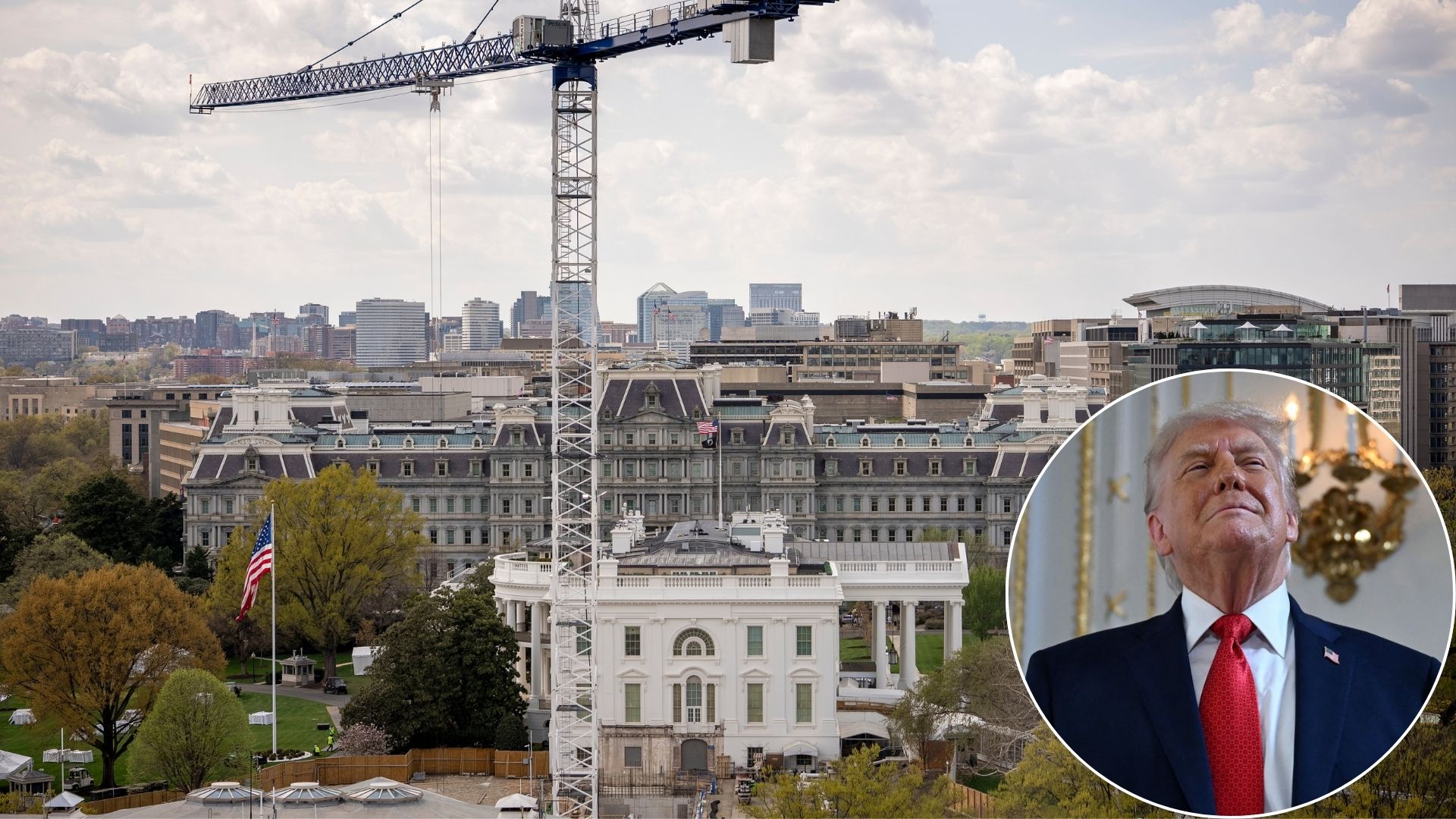
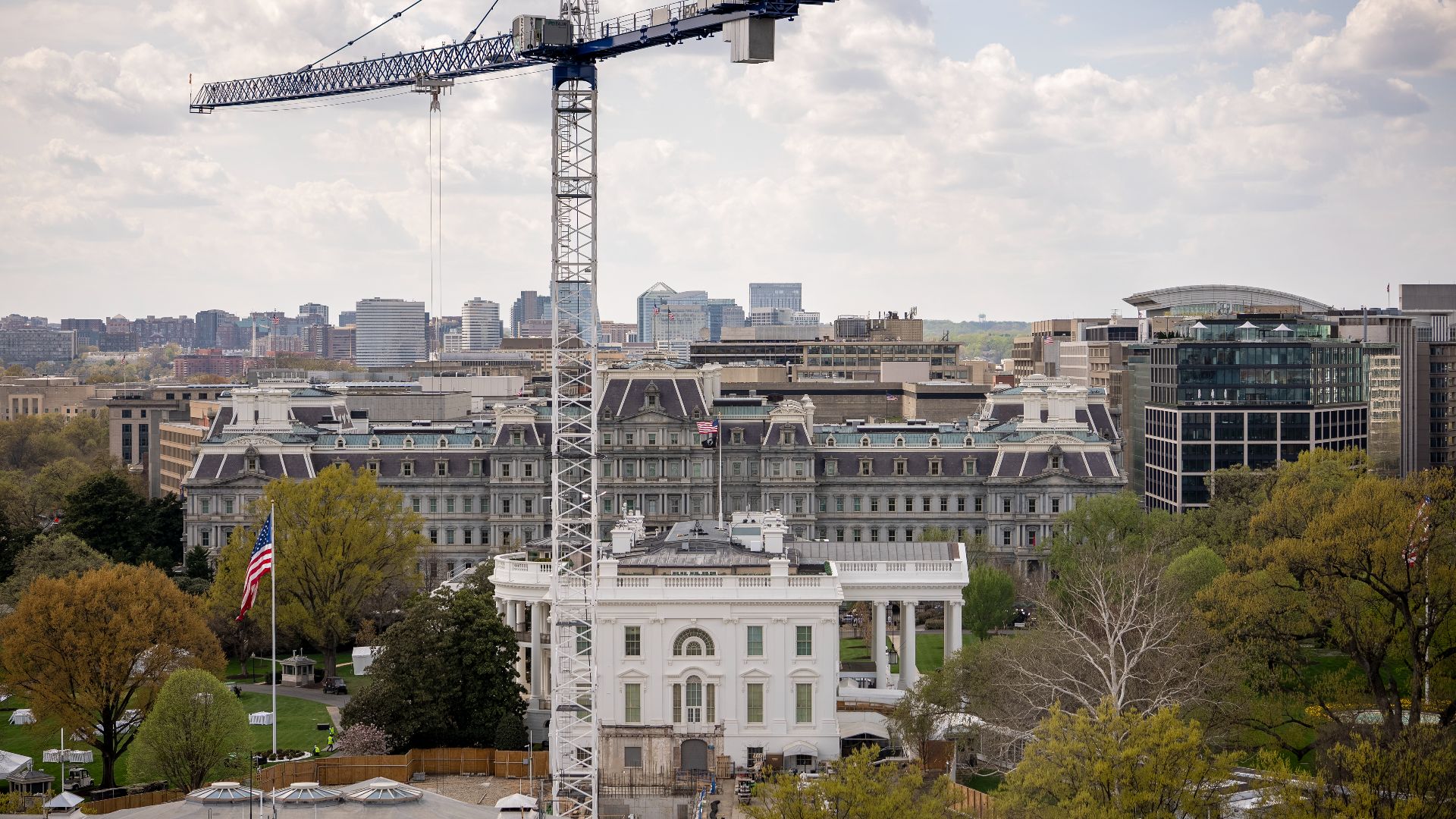
Mientras los republicanos presionan para conseguir 1.000 millones de dólares de fondos públicos para el proyecto del salón de baile de la Casa Blanca de Trump, el presidente destaca lo que él describe como un éxito financiero, a pesar de las promesas anteriores de que la construcción se financiaría íntegramente con fondos privados. El salón de baile, cuya construcción Trump inició durante su segundo mandato tras ordenar de forma controvertida la demolición del ala este sin la aprobación del Congreso, se presentó inicialmente como una iniciativa financiada con fondos privados. Ahora, mientras los legisladores estudian destinar dinero de los contribuyentes, Trump está utilizando Truth Social para destacar que el proyecto está «muy por debajo del presupuesto», al tiempo que acusa a «las noticias falsas» de tergiversar sus costes.
«El salón de baile de la Casa Blanca se está levantando rápidamente en el lado este de la Casa Blanca», escribió Trump en una publicación reciente, en la que describía el estado actual de la construcción. Añadió: «La única razón por la que el coste ha cambiado es porque, tras estudios exhaustivos, el tamaño es aproximadamente el doble y la calidad es mucho mayor que en la propuesta original, que no habría sido adecuada para albergar los eventos, reuniones e incluso futuras investiduras necesarios». El presidente presentó la ampliación como un ajuste necesario, argumentando que los planes anteriores subestimaban la escala requerida para las funciones oficiales y el uso a largo plazo.
Getty Images
El proyecto del salón de baile ha sufrido múltiples revisiones en los costes previstos desde su inicio, lo que ha contribuido a un creciente escrutinio en Washington. Trump reconoció que la estimación original era de 200 millones de dólares, antes de aumentar a 300 millones y, finalmente, acercarse a los 400 millones. «El precio original era de 200 millones de dólares; el proyecto terminado, con el doble de tamaño y de la máxima calidad, costará algo menos de 400 millones de dólares», afirmó, presentando el aumento como un reflejo de la mejora del diseño y no de una mala gestión. Sin embargo, las cifras cambiantes han suscitado críticas por parte de los legisladores, que cuestionan la coherencia de la planificación financiera de la Administración.
«Este fue un cambio necesario, se hizo hace mucho tiempo, pero las noticias falsas no lo informaron, tratando de hacer ver que había un sobrecoste. ¡En realidad, se está completando antes de lo previsto y por debajo del presupuesto!»
-El presidente de EE. UU., Donald Trump, en Truth Social
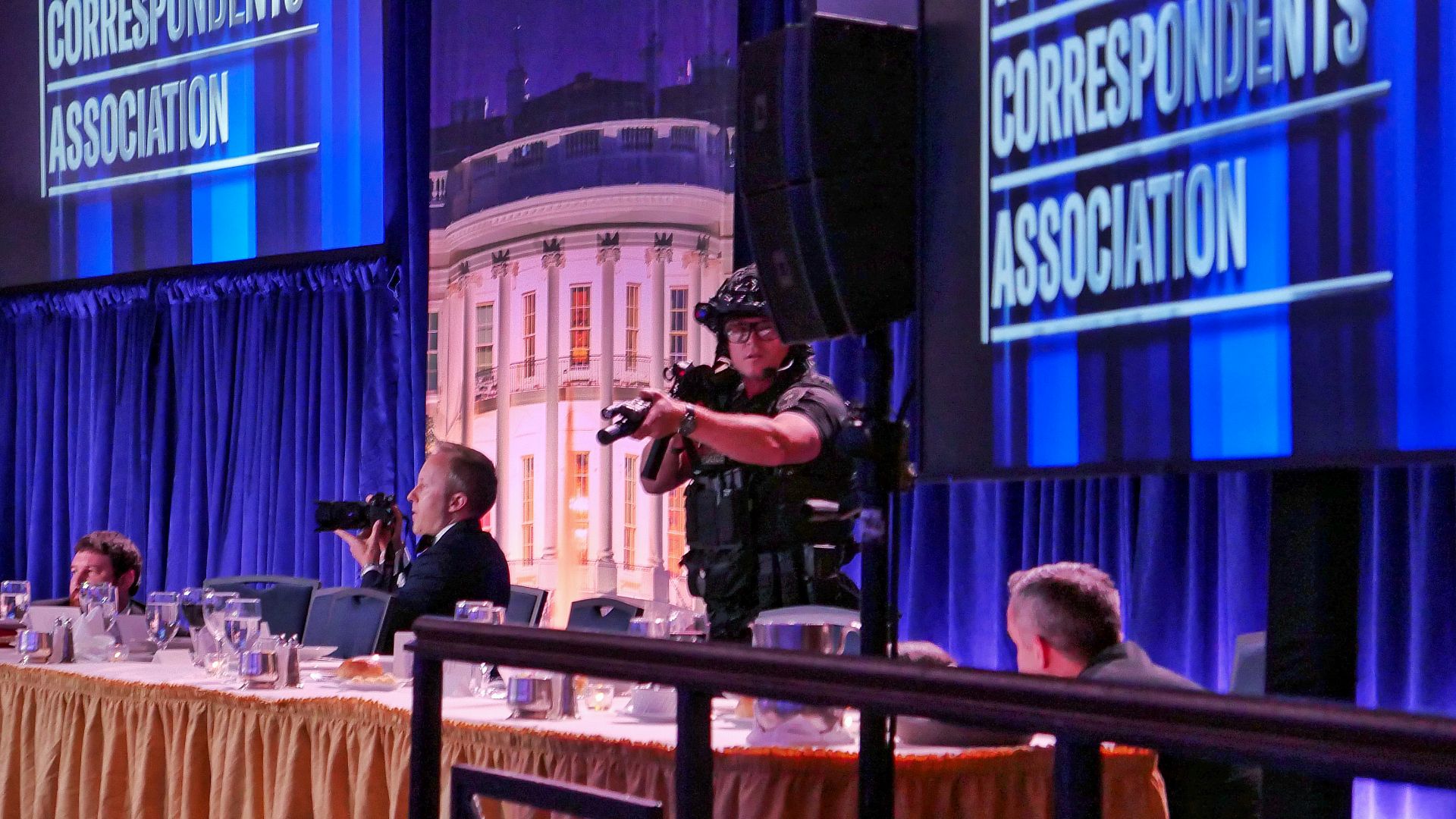
Al mismo tiempo, la administración ha tomado medidas para garantizar la financiación pública del proyecto, lo que supone un cambio significativo con respecto a su compromiso inicial de evitar la participación de los contribuyentes. La presión se intensificó tras las tensiones políticas relacionadas con los recientes acontecimientos de la Cena de Corresponsales de la Casa Blanca, y los funcionarios argumentaron que se necesita un nuevo recinto más amplio por razones de seguridad y logística. El Congreso está estudiando ahora una propuesta que destinaría hasta 1000 millones de dólares al salón de baile y a la infraestructura relacionada, lo que ha suscitado preocupación entre los críticos por el uso de fondos federales para lo que inicialmente se planteó como una iniciativa financiada con fondos privados.
Getty Images
Trump ha tratado de contrarrestar las críticas haciendo hincapié en el avance de la construcción y presentando el proyecto como eficiente y adelantado con respecto al calendario previsto. «¡Será magnífico, seguro y protegido!», escribió, al tiempo que abordaba el escepticismo público sobre el aumento de los costes. Argumentó que las percepciones negativas se deben en gran medida a la cobertura mediática, afirmando: «Este fue un cambio necesario, se hizo hace mucho tiempo, pero las noticias falsas no lo informaron, tratando de hacer que pareciera que había un sobrecoste. De hecho, ¡se está adelantando a lo previsto y por debajo del presupuesto!». Los comentarios reflejan un esfuerzo más amplio por controlar la narrativa en torno al proyecto.
«El precio original era de 200 millones de dólares; el proyecto terminado, que duplicará el tamaño y será de la máxima calidad, costará algo menos de 400 millones de dólares».
-El presidente de EE. UU., Donald Trump, en Truth Social
El debate sobre el salón de baile pone de relieve las tensiones existentes entre la Administración y el Congreso en torno a las prioridades del gasto federal, así como cuestiones más amplias sobre la transparencia y la rendición de cuentas en los proyectos gubernamentales a gran escala. Los partidarios argumentan que la ampliación aborda las limitaciones de infraestructura de larga data en la Casa Blanca, mientras que los críticos señalan las estimaciones de costes cambiantes y el giro hacia la financiación pública como principales motivos de preocupación. Mientras los legisladores siguen sopesando la propuesta, el proyecto sigue siendo un punto central en los debates sobre la autoridad ejecutiva, la responsabilidad fiscal y el papel del dinero de los contribuyentes en las iniciativas presidenciales.
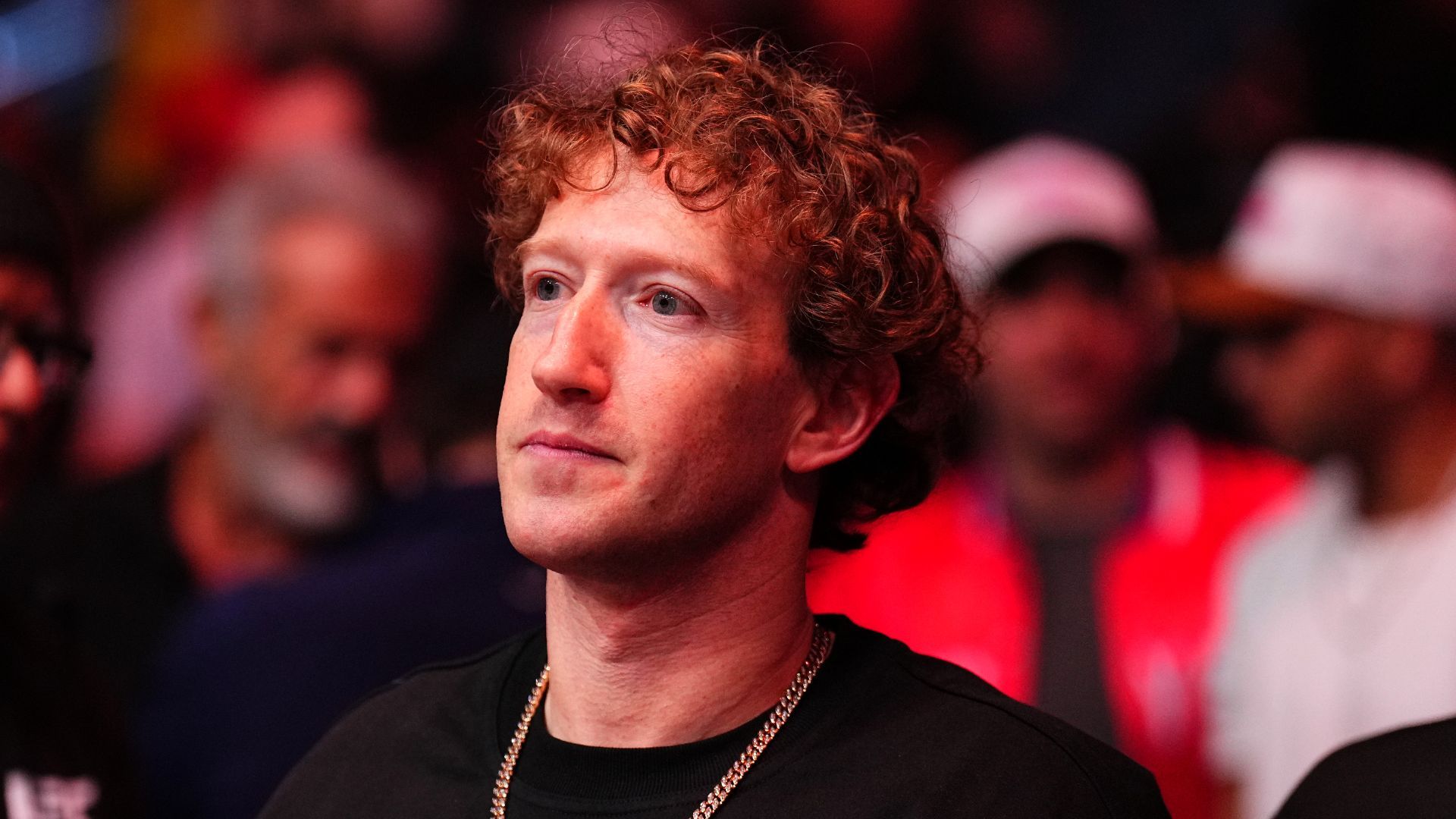
A massive lawsuit has been filed against Meta and its CEO Mark Zuckerberg, accusing the company of knowingly using illegal copies of books and journal articles to train its artificial intelligence program, Llama. The complaint, filed in the United States District Court for the Southern District of New York, alleges that Zuckerberg personally played a direct role in encouraging the practices. According to the filing, «Zuckerberg himself personally authorized and actively encouraged the infringement.» The case marks one of the most significant legal challenges yet over how major technology companies source data for generative AI systems.
The lawsuit has been brought by a coalition of major publishers and authors, including Elsevier, Cengage Learning, Hachette Book Group, Macmillan Publishing Group, McGraw Hill, Scott Turow, and S.C.R.I.B.E., Inc. The plaintiffs are pursuing a class-action copyright infringement claim, arguing that Meta unlawfully reproduced and distributed copyrighted material. In the filing, they state the case is «for copyright infringement based on Defendants’ unauthorized reproduction and distribution of Plaintiffs’ copyrighted works through Meta’s sourcing of content for, and development and training of, Meta’s generative artificial intelligence (“AI”) platform called Llama, as well as for removal of copyright management information (“CMI”).»
«We will fight this lawsuit aggressively.»
-Meta spokesperson, Dave Arnold
The complaint portrays Meta’s actions as part of a broader strategy to dominate the rapidly evolving AI sector, accusing the company of prioritizing speed over legality. «In their effort to win the AI “arms race” and build a functional generative AI model, Defendants Meta and Zuckerberg followed their well-known motto: “move fast and break Things.”» the lawsuit alleges. The phrase, long associated with Meta’s corporate culture, is presented by plaintiffs as evidence of a willingness to disregard legal boundaries in pursuit of technological advancement.
Getty Images
According to the filing, Meta’s data acquisition methods involved large-scale unauthorized downloading and copying of copyrighted works. The lawsuit claims «They first illegally torrented millions of copyrighted books and journal articles from notorious pirate sites and downloaded unauthorized web scrapes of virtually the entire internet.» It further alleges «They then copied those stolen fruits many times over to train Meta’s multi-billion-dollar generative AI system called Llama.» The plaintiffs describe the scope of the operation as «one of the most massive infringements of copyrighted materials in history.»
Getty Images
The complaint also emphasizes that these actions were carried out with full awareness of their legal implications. It states that the conduct occurred «without permission, without providing any compensation to authors or publishers, and with full knowledge that their conduct violated copyright law.» The case adds to a growing wave of litigation targeting technology companies over the use of copyrighted material in AI training, an issue that remains largely unsettled in U.S. courts and could have significant implications for the future of the industry.
«In their effort to win the AI “arms race” and build a functional generative AI model, Defendants Meta and Zuckerberg followed their well-known motto: “move fast and break Things.”»
-Lawsuit filed in the United States District Court for the Southern District of New York
Meta has pushed back against the allegations, signaling it intends to contest the case vigorously. In a statement to The New York Times, company spokesperson Dave Arnold said «We will fight this lawsuit aggressively.» He added that «courts have rightly found that training A.I. on copyrighted material can qualify as fair use.» The defense reflects a broader legal argument being advanced by several technology companies, which contend that the use of large datasets, including copyrighted material, is essential to the development of modern AI systems and can fall within existing legal frameworks.
As Republicans push toward securing $1 billion in public funding for Trump’s White House ballroom project, the president is highlighting what he describes as a financial success, despite earlier promises that the construction would rely entirely on private funding. The ballroom, which Trump began building during his second term after controversially ordering the demolition of the East Wing without congressional approval, was initially presented as a privately financed initiative. Now, as lawmakers consider allocating taxpayer money, Trump is using Truth Social to emphasize that the project is «Way Under Budget» while accusing «the Fake News» of misrepresenting its costs.
«The White House Ballroom is going up rapidly on the East side of the White House,» Trump wrote in a recent post, outlining the current state of construction. He added «The only reason the cost has changed is because, after deep rooted studies, it is approximately twice the size, and a far higher quality, than the original proposal, which would not have been adequate to handle the necessary events, meetings, and even future Inaugurations.» The president framed the expansion as a necessary adjustment, arguing that earlier plans underestimated the scale required for official functions and long-term use.
Getty Images
The ballroom project has seen multiple revisions in projected costs since its inception, contributing to growing scrutiny in Washington. Trump acknowledged that the original estimate stood at $200 million before increasing to $300 million and eventually nearing $400 million. «The original price was 200 Million Dollars, the double sized, highest quality completed project will be something less than 400 Million Dollars,» he said, presenting the increase as a reflection of improved design rather than mismanagement. The shifting figures, however, have drawn criticism from lawmakers questioning the consistency of the administration’s financial planning.
«This was a necessary change, it was done long ago, but the Fake News failed to report it, trying to make it look like there was a cost overrun. Actually, it is coming in ahead of schedule, and under budget!»
-U.S. President, Donald Trump on Truth Social
At the same time, the administration has moved to secure public funding for the project, marking a significant shift from its initial commitment to avoid taxpayer involvement. The push intensified following political tensions tied to recent White House Correspondents’ Dinner events, with officials arguing that a new, larger venue is needed for security and logistical reasons. Congress is now considering a proposal that would allocate up to $1 billion for the ballroom and related infrastructure, raising concerns among critics about the use of federal funds for what was initially framed as a privately financed initiative.
Getty Images
Trump has sought to counter criticism by emphasizing construction progress and framing the project as both efficient and ahead of schedule. «It will be magnificent, safe, and secure!» he wrote, while also addressing public skepticism about the rising costs. He argued that negative perceptions are largely driven by media coverage, stating «This was a necessary change, it was done long ago, but the Fake News failed to report it, trying to make it look like there was a cost overrun. Actually, it is coming in ahead of schedule, and under budget!» The comments reflect a broader effort to control the narrative surrounding the project.
«The original price was 200 Million Dollars, the double sized, highest quality completed project will be something less than 400 Million Dollars.»
-U.S. President, Donald Trump on Truth Social
The debate over the ballroom highlights ongoing tensions between the administration and Congress over federal spending priorities, as well as broader questions about transparency and accountability in large-scale government projects. Supporters argue that the expansion addresses longstanding infrastructure limitations at the White House, while critics point to the evolving cost estimates and the shift toward public funding as key concerns. As lawmakers continue to weigh the proposal, the project remains a focal point in discussions about executive authority, fiscal responsibility, and the role of taxpayer money in presidential initiatives.
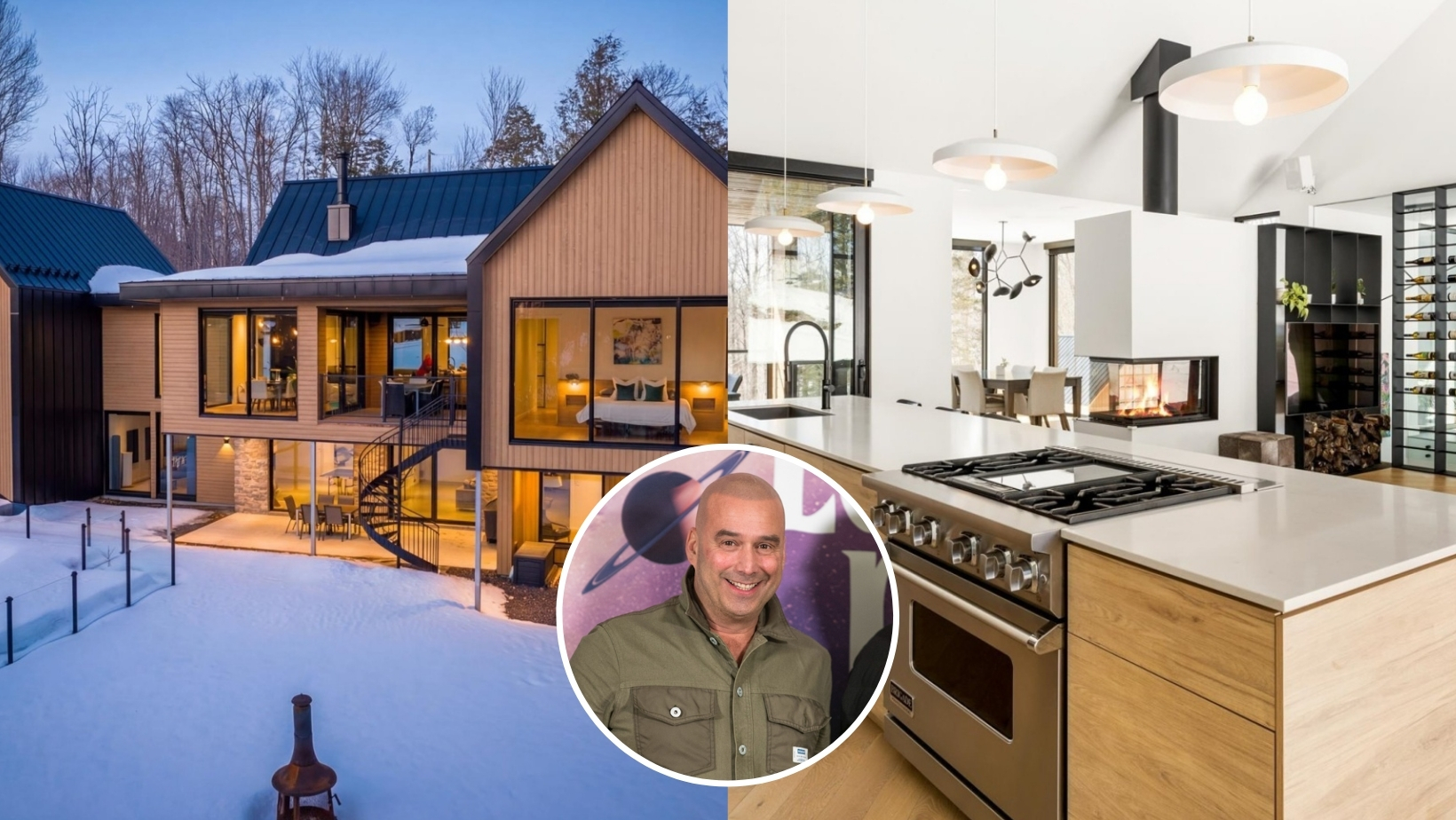
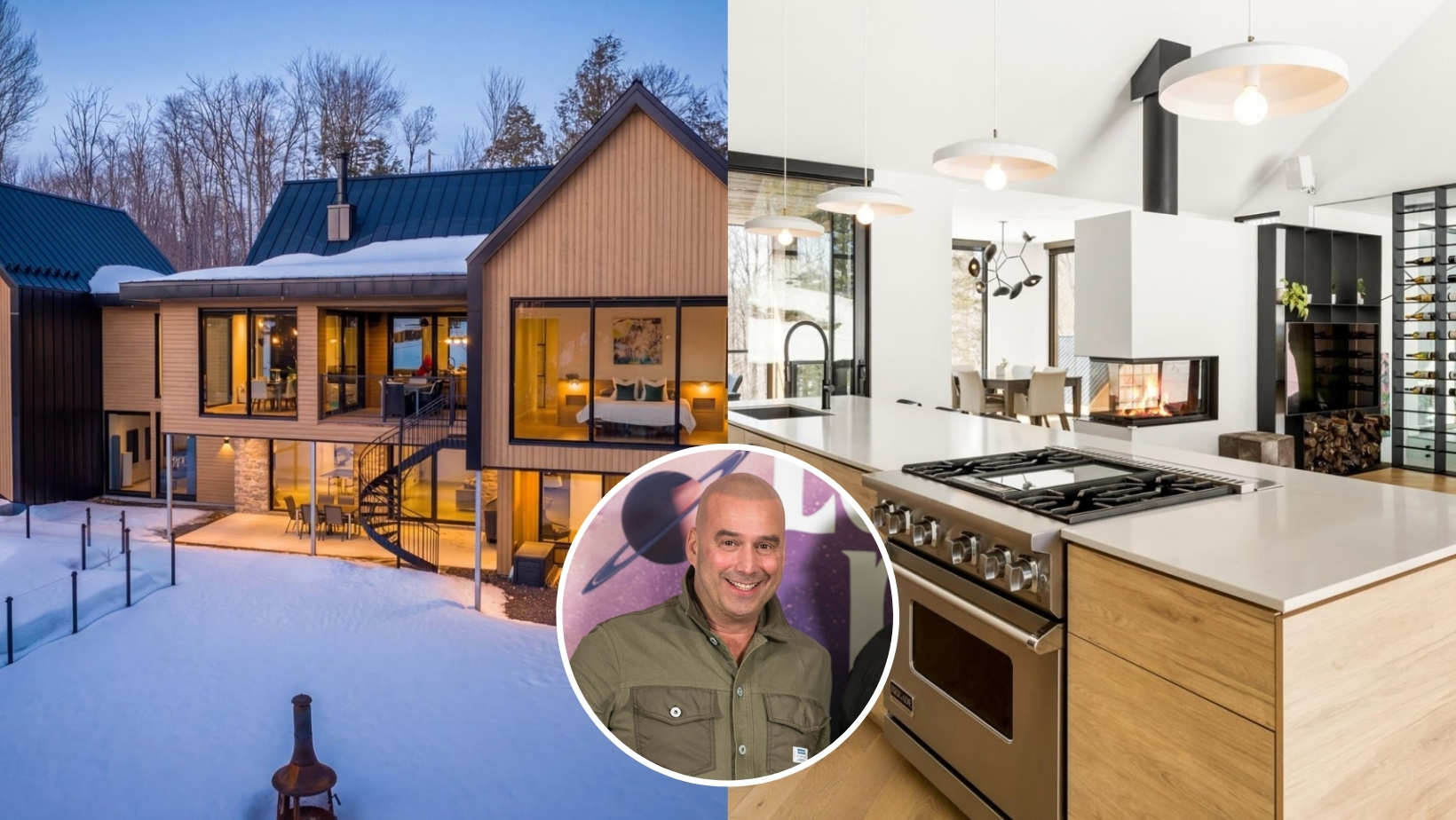
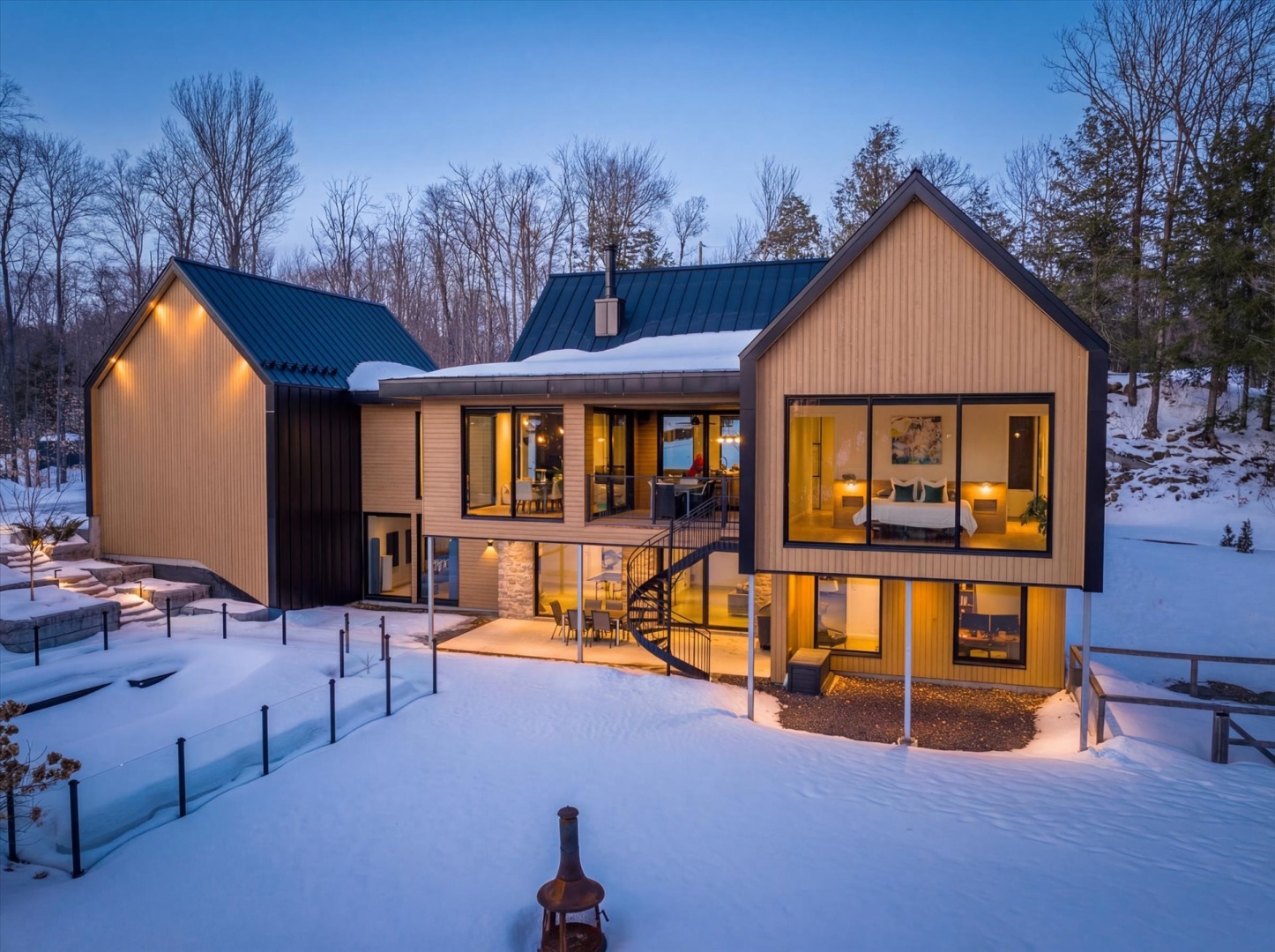
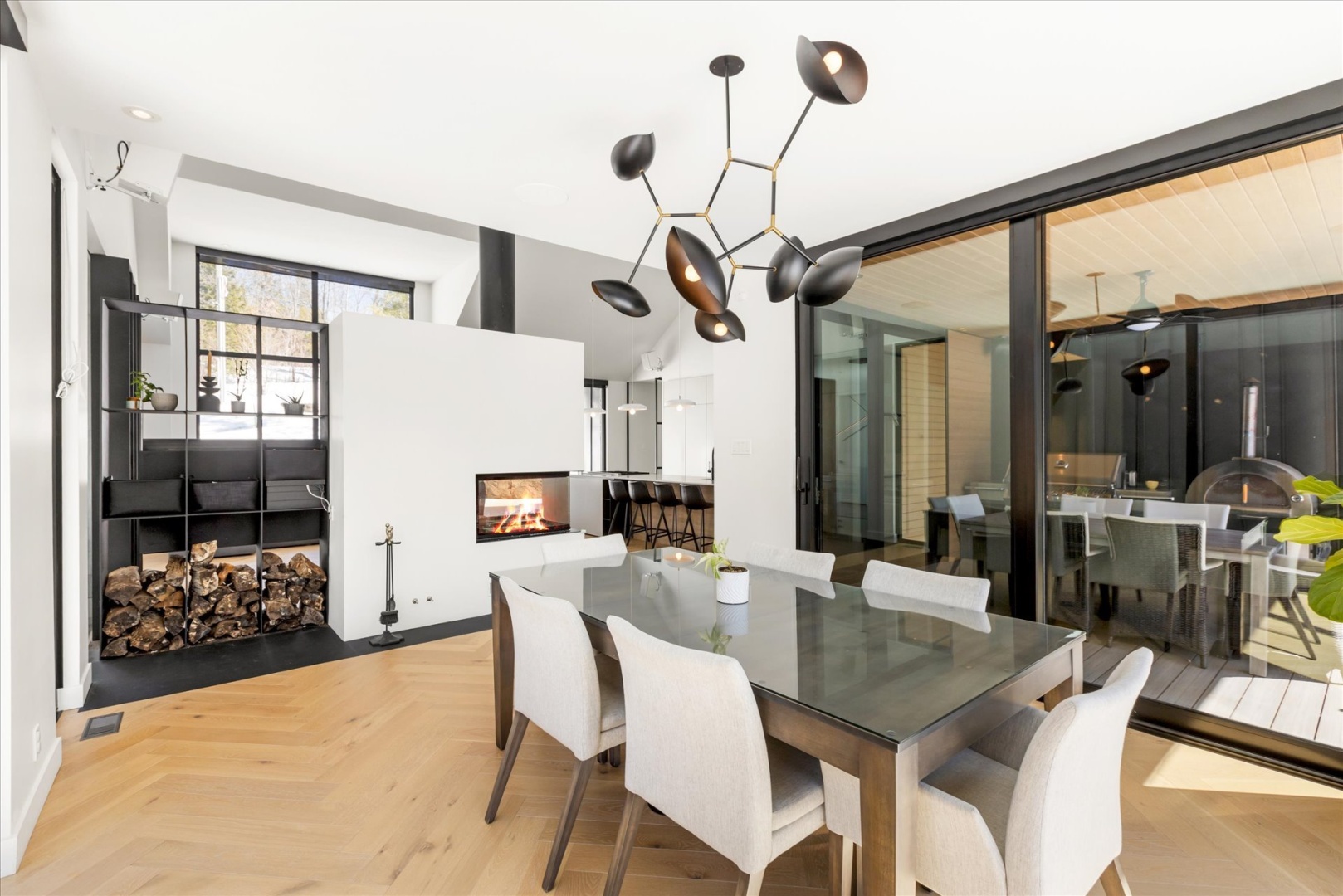
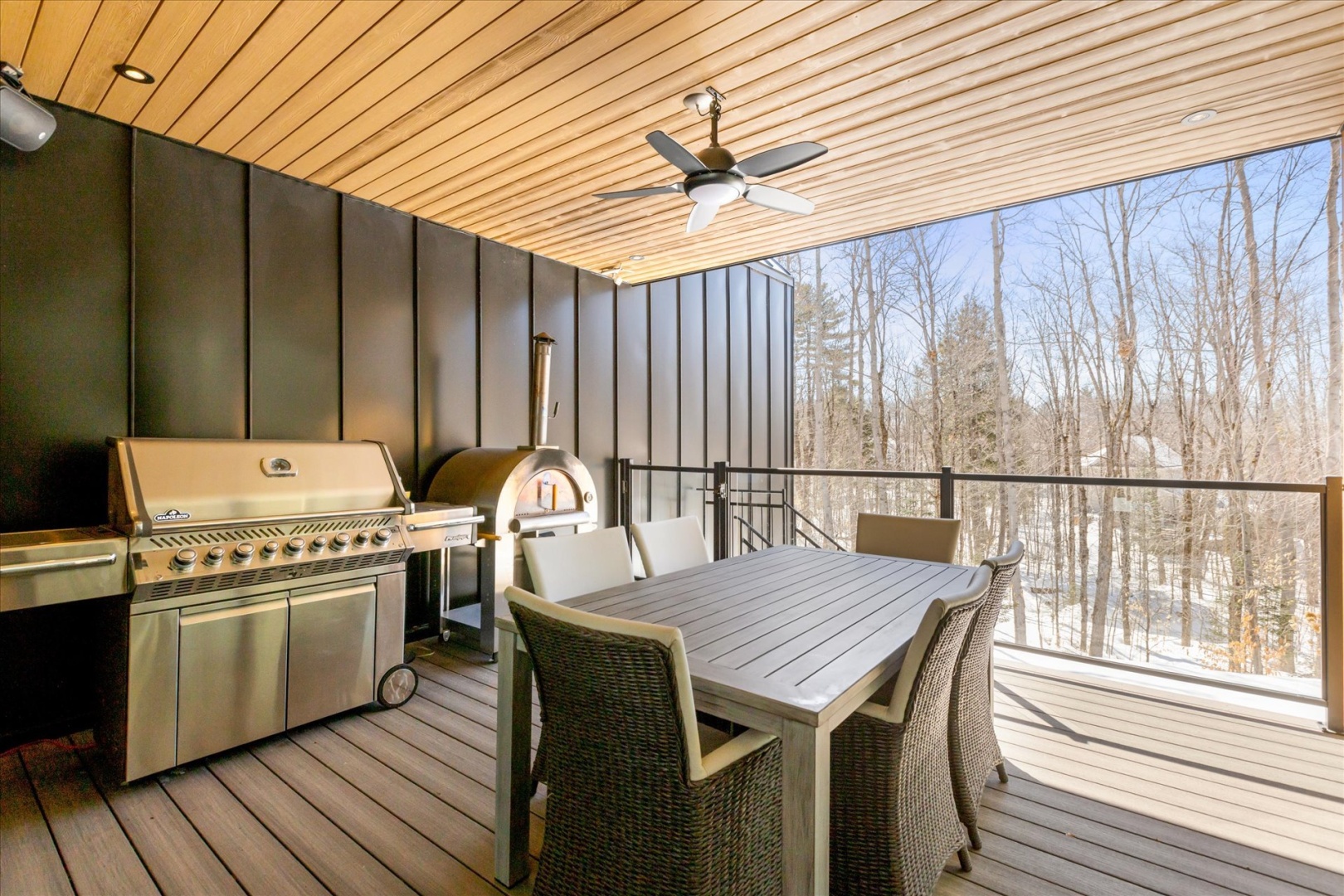
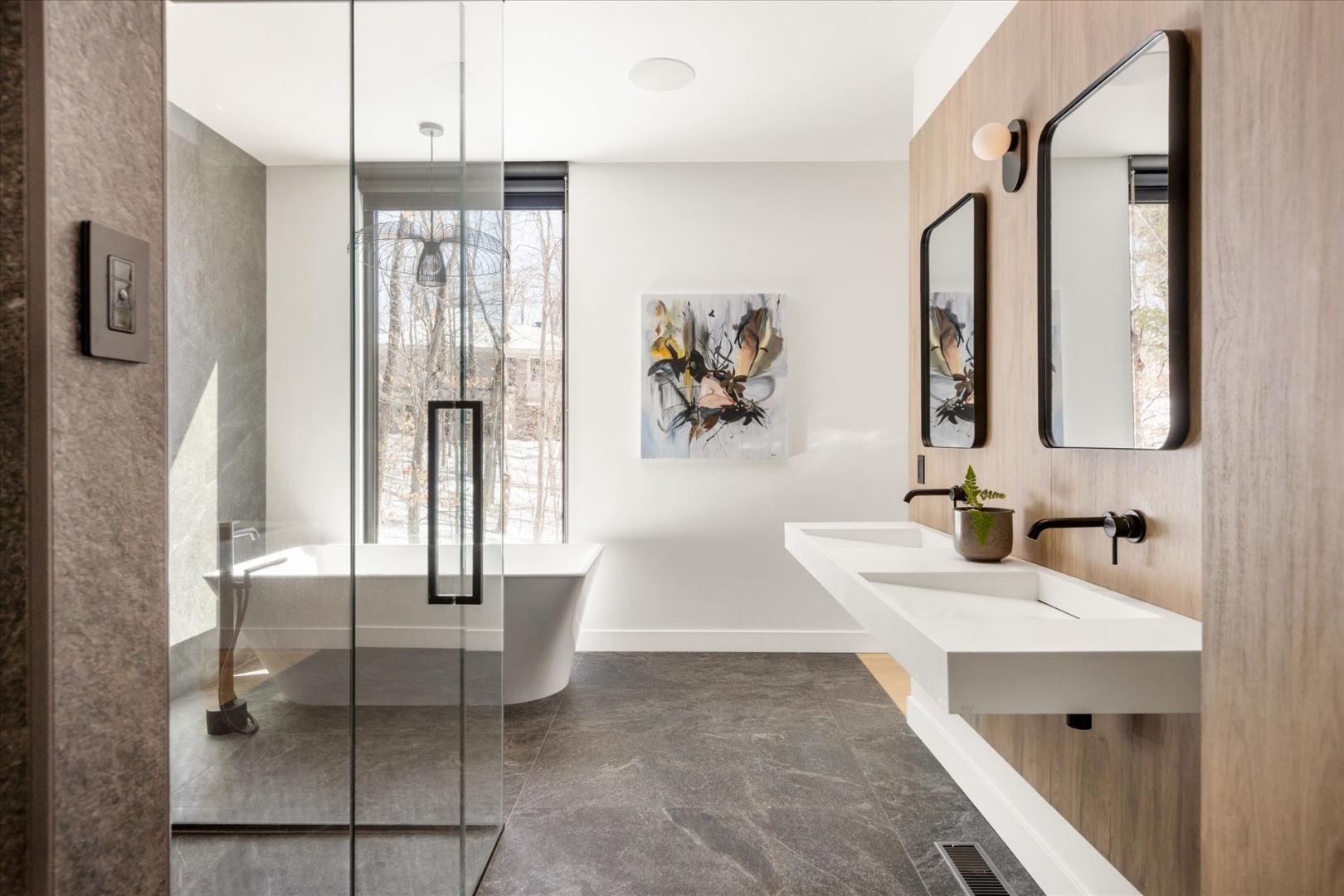
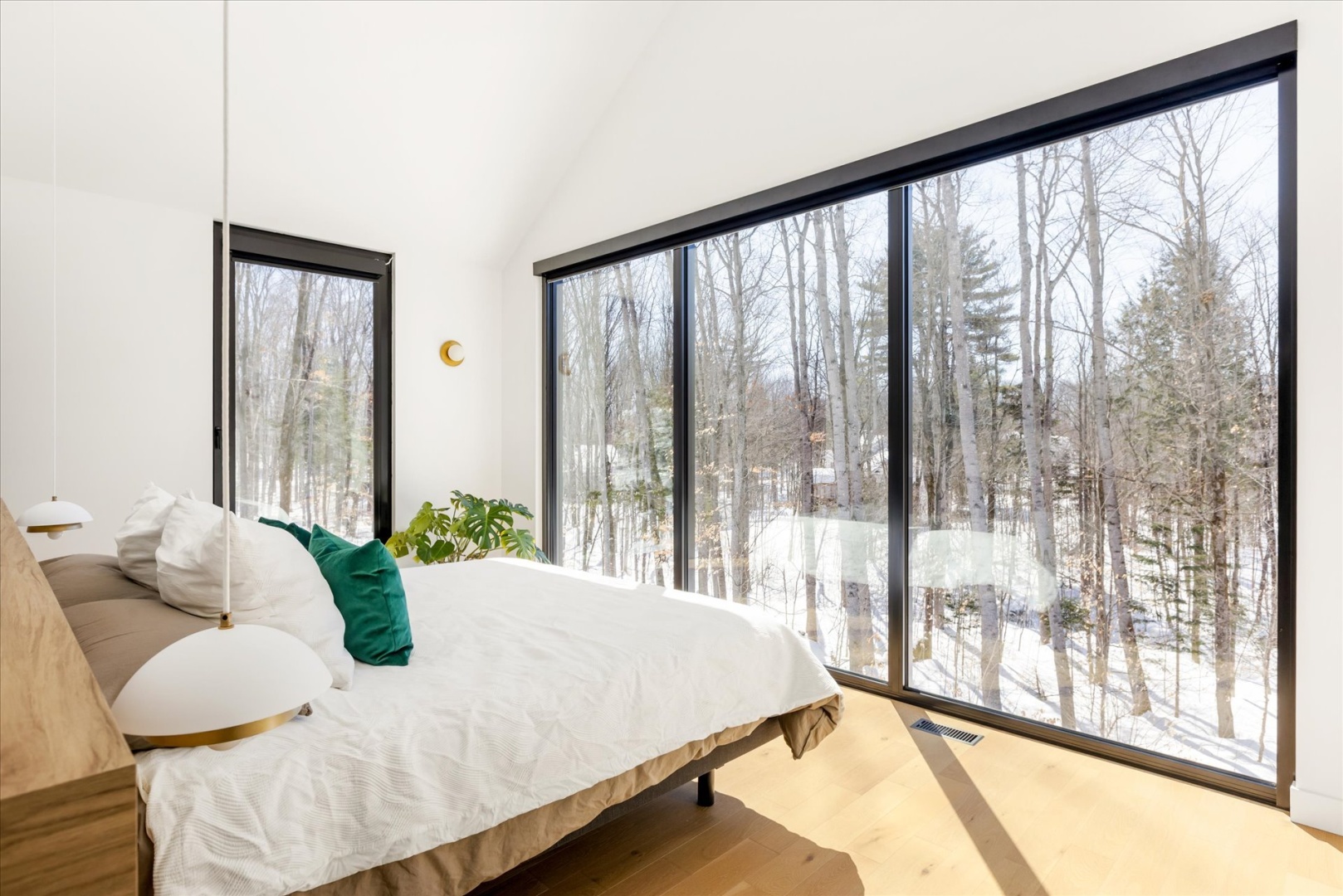
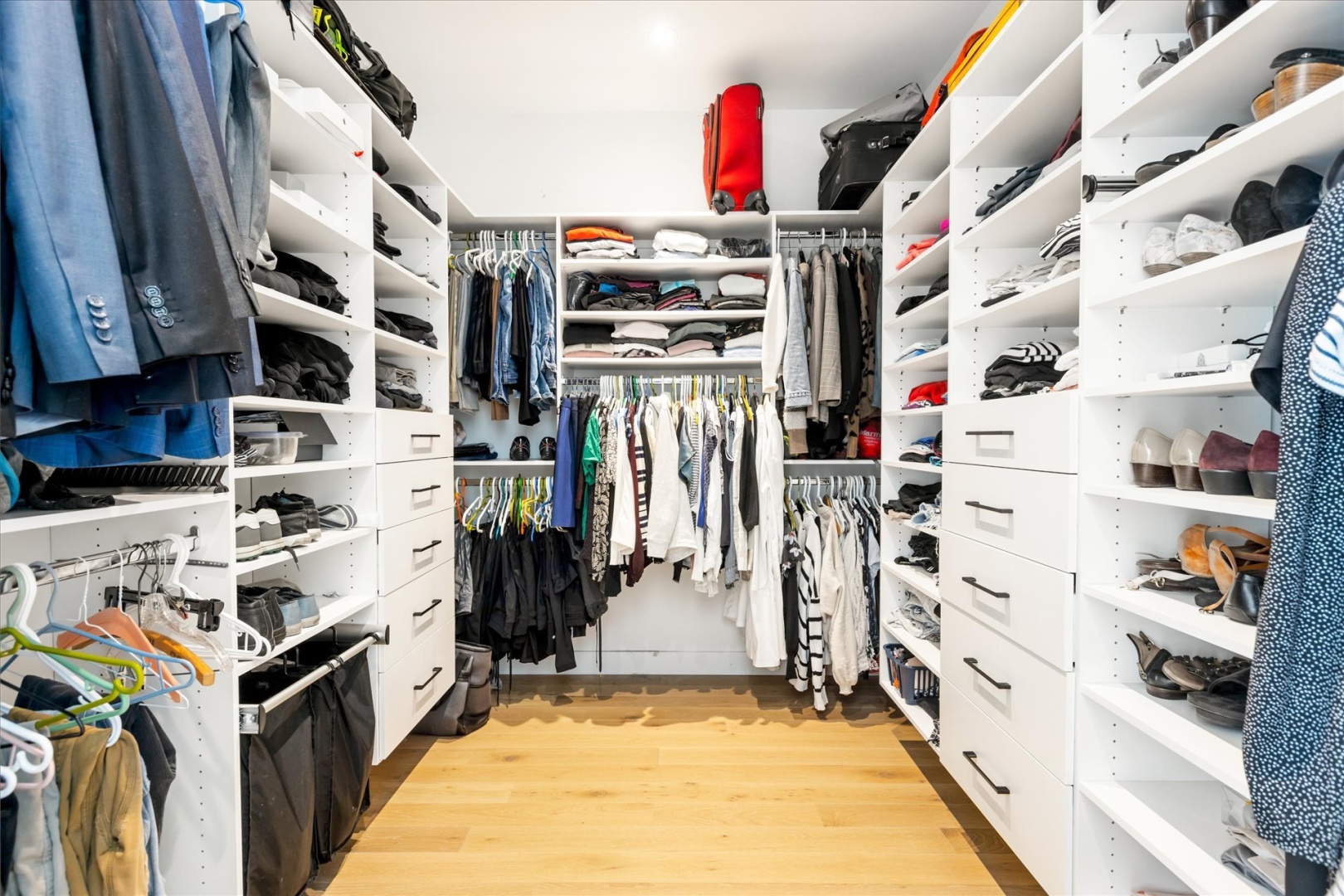
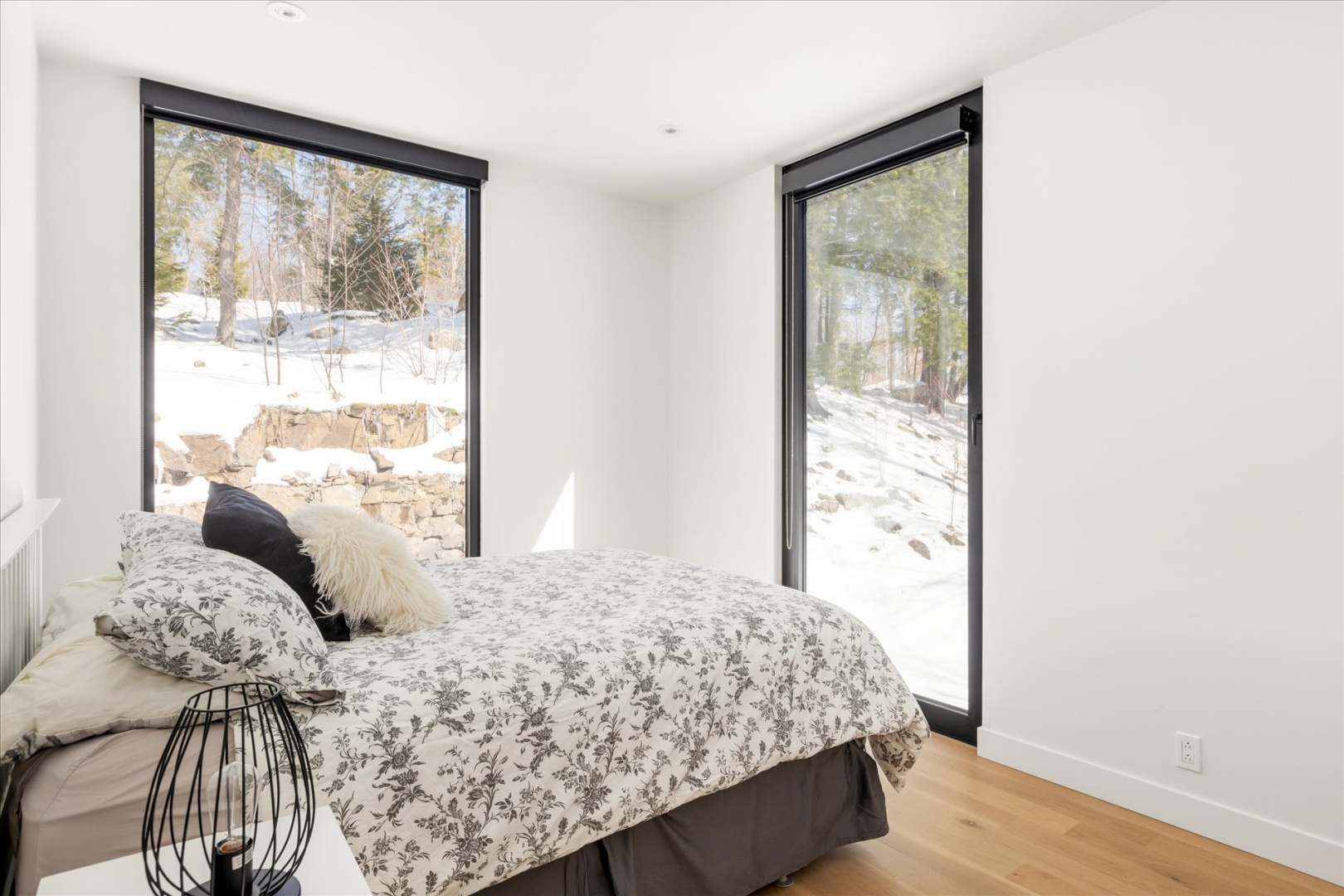
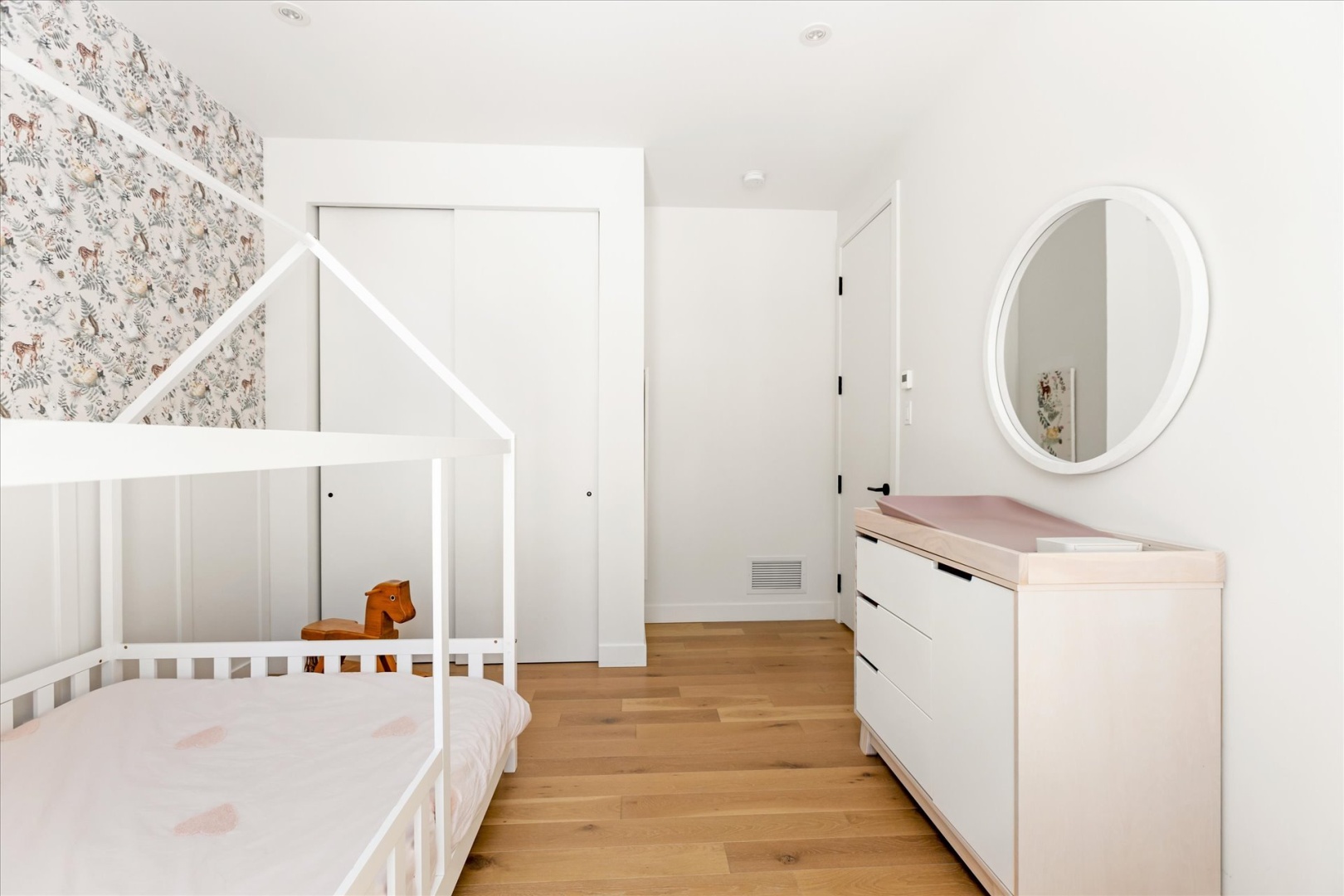
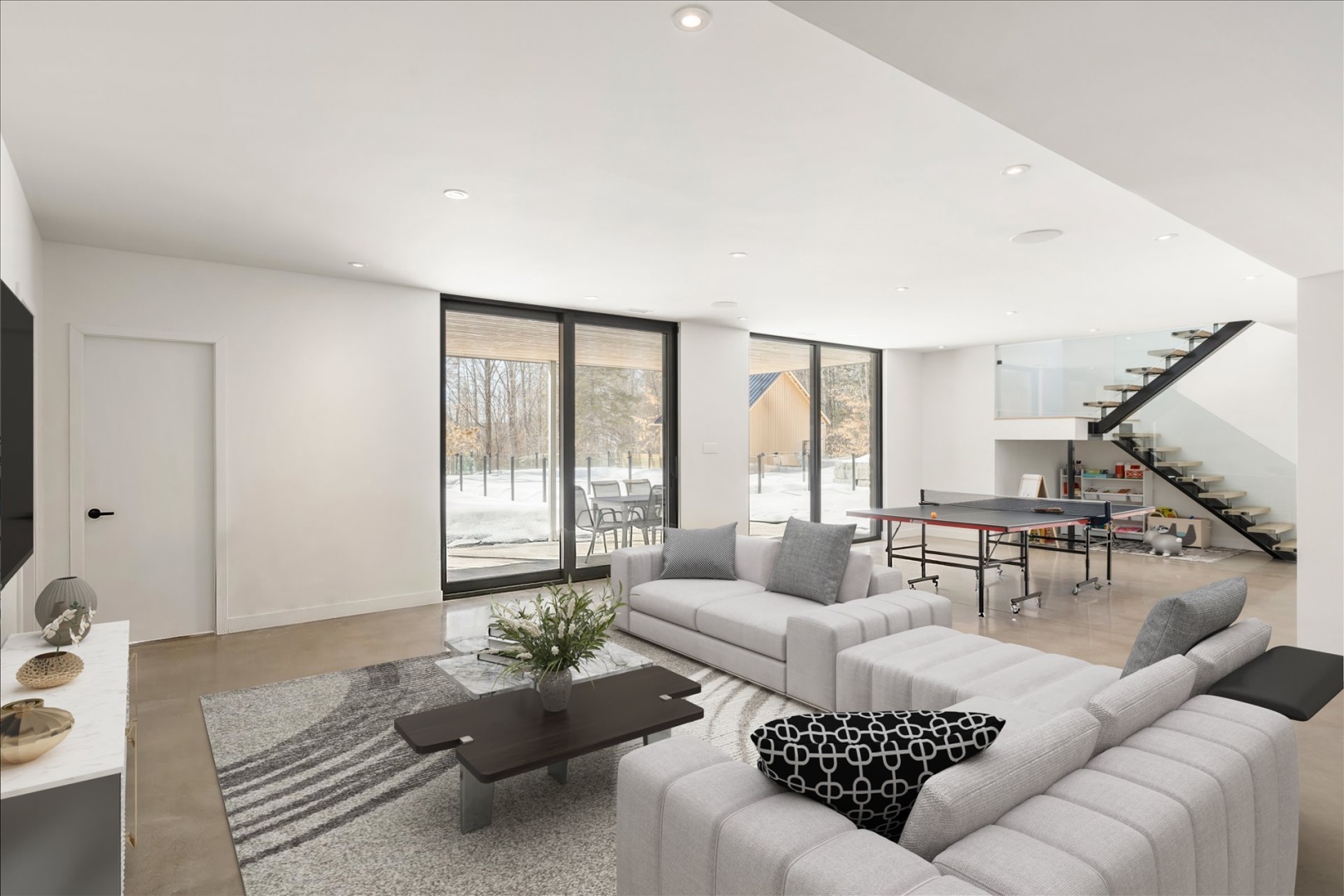
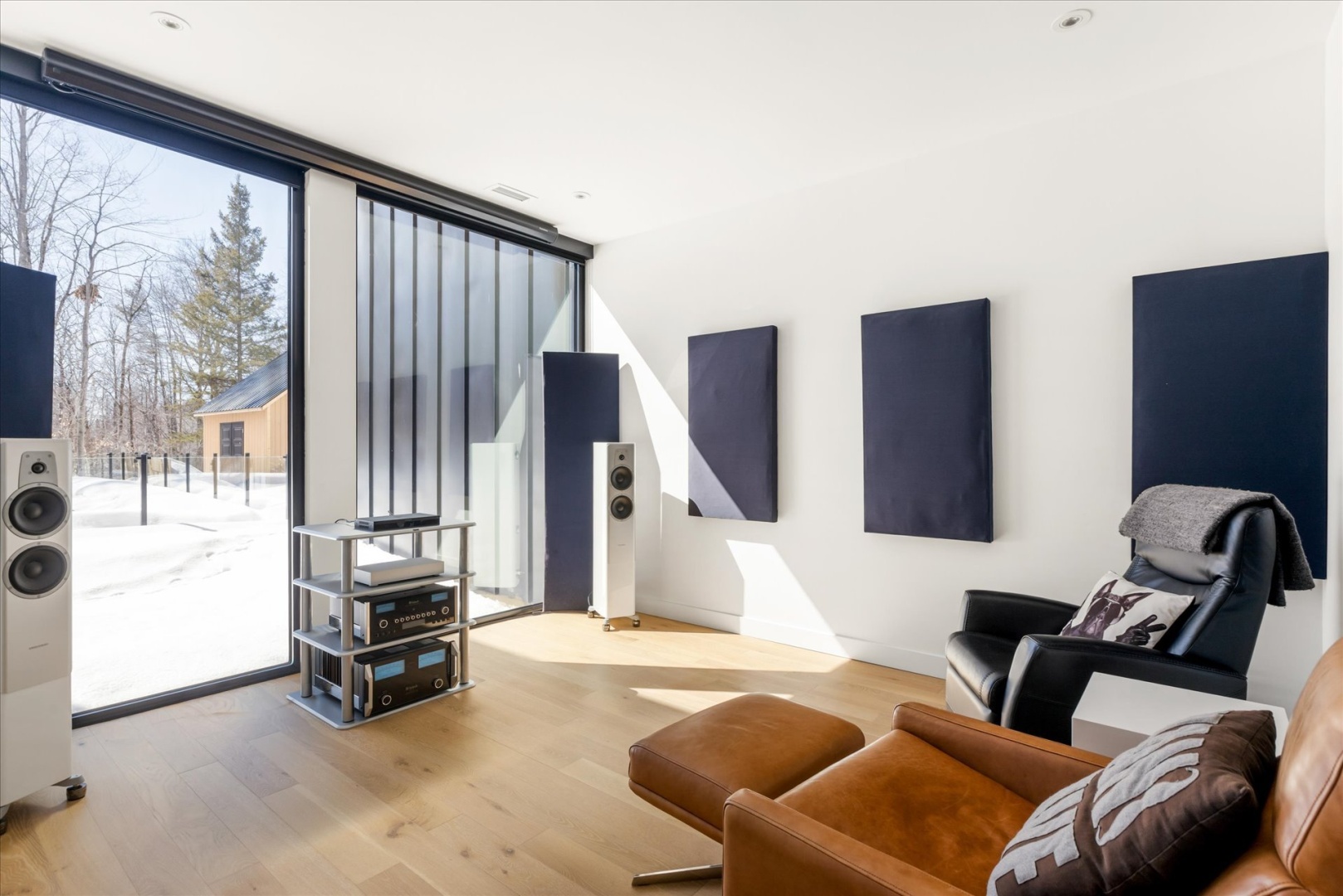
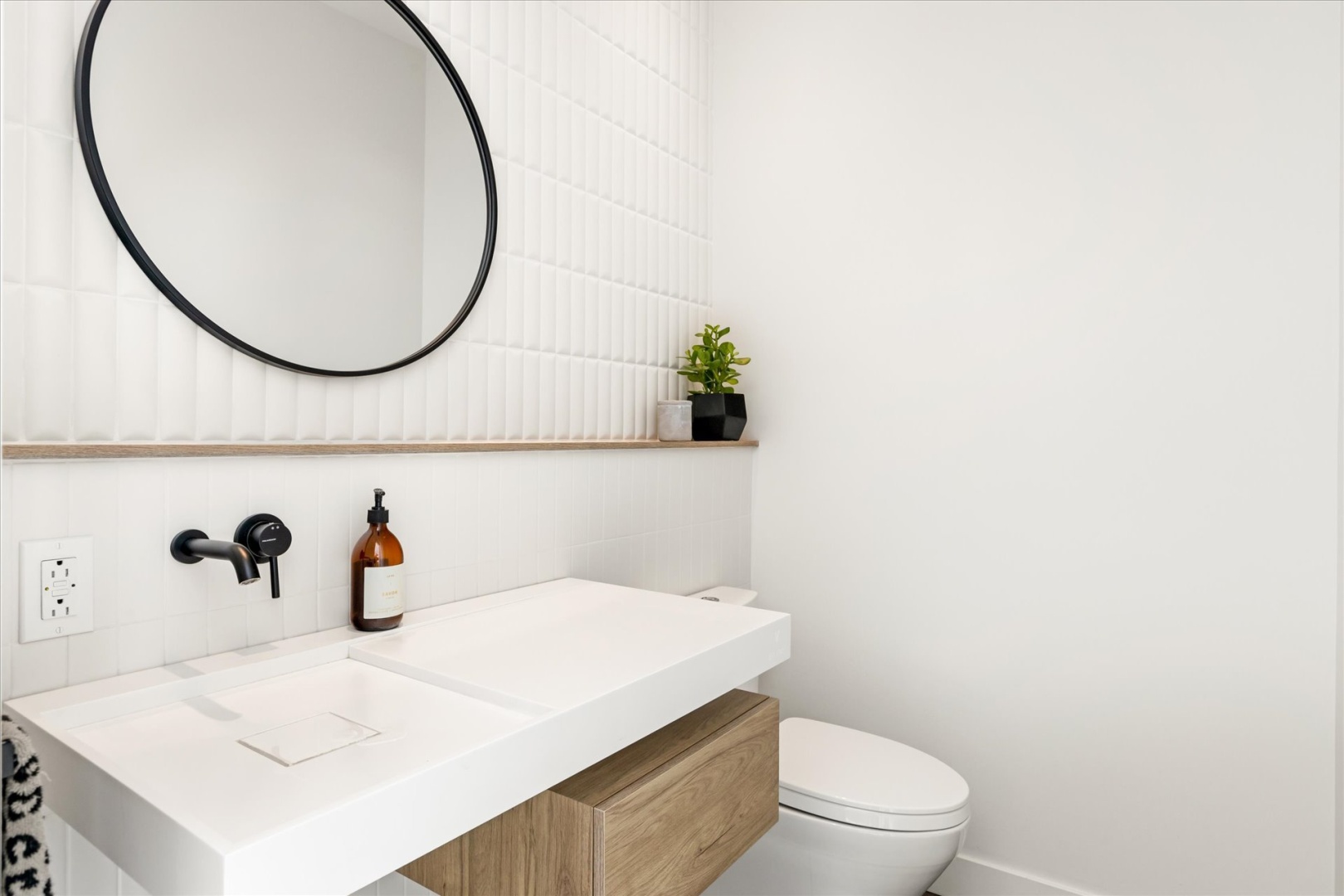
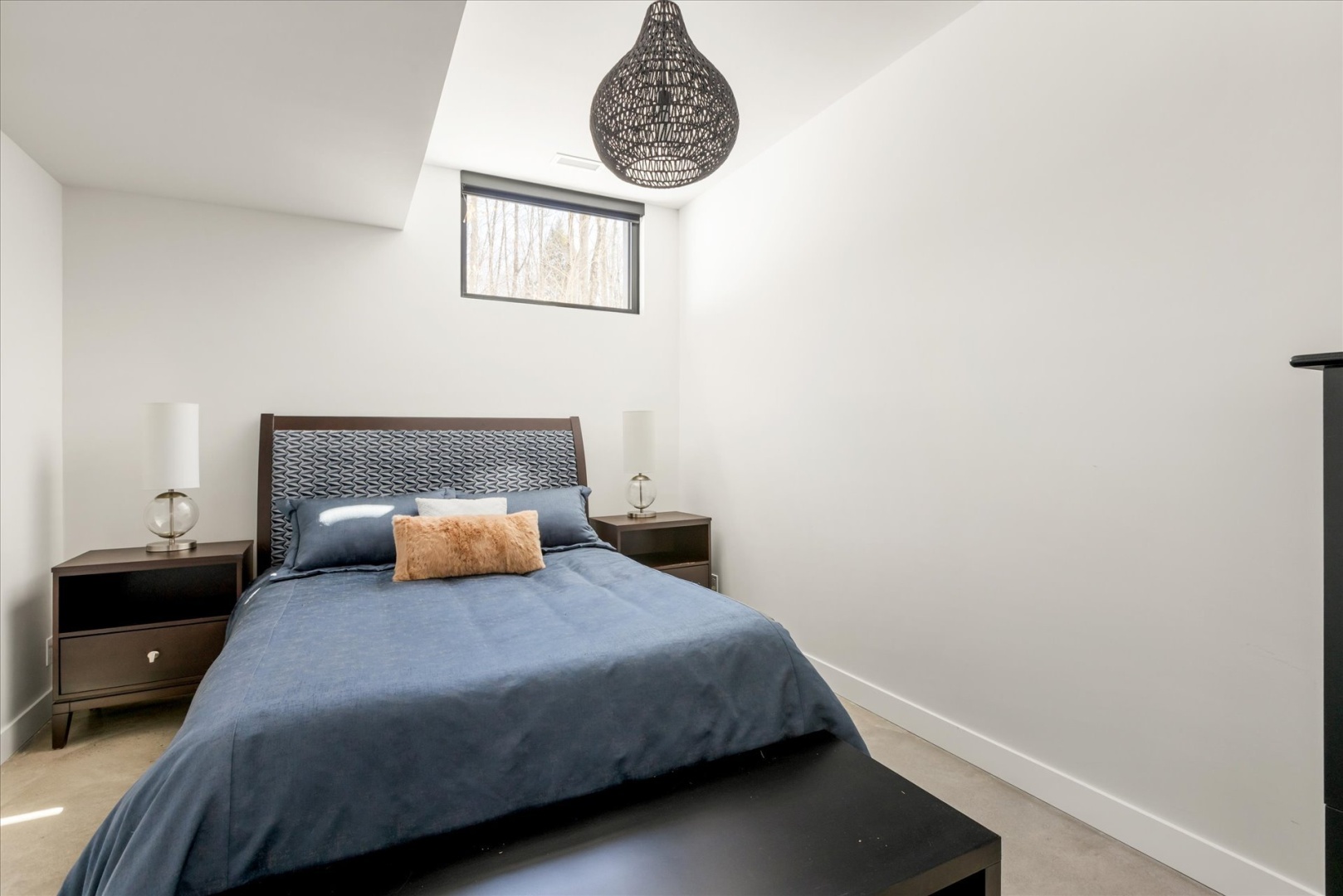
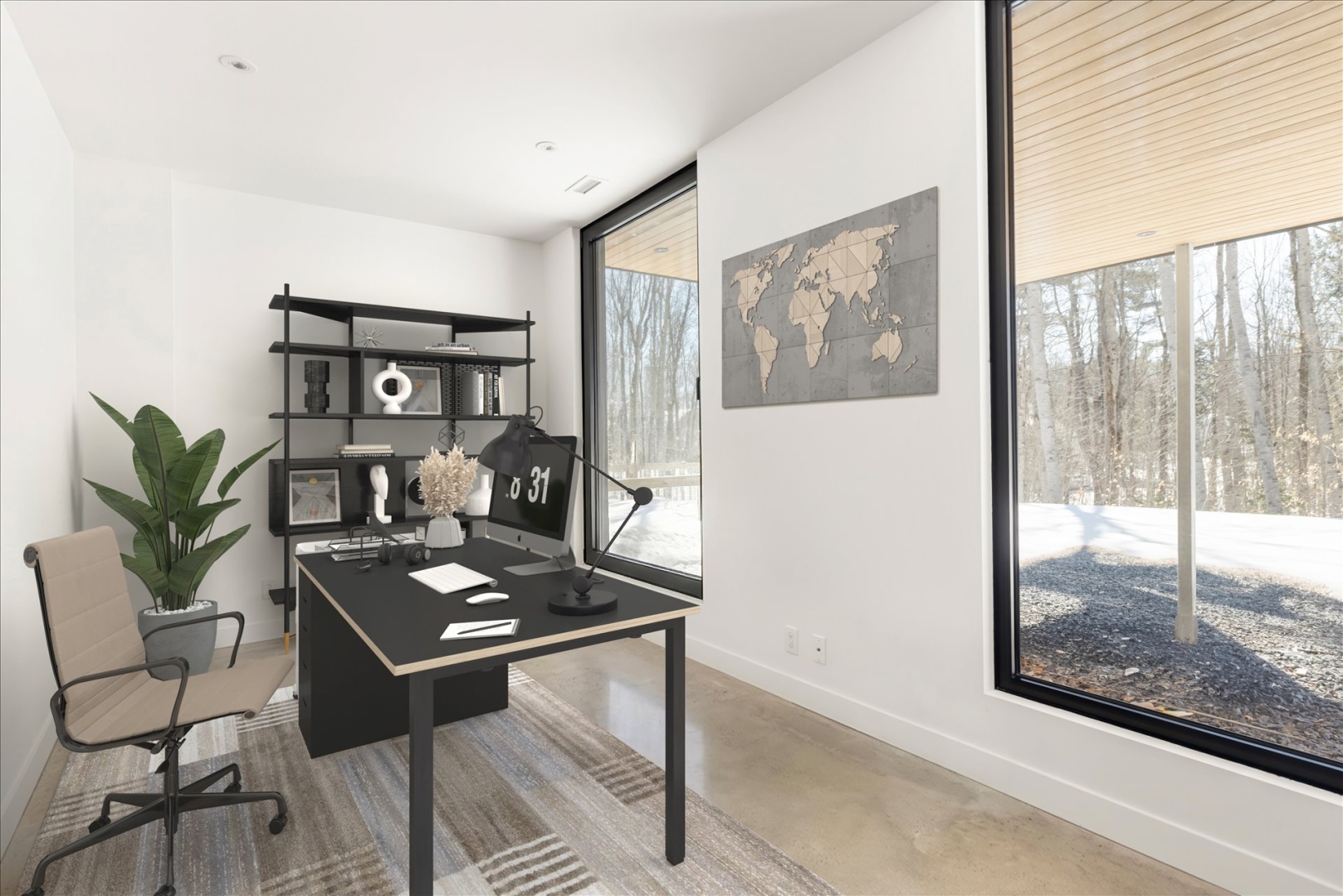
Located in Prévost, in the heart of the Laurentians, this exceptional home, listed at $2.3 million, embodies modern luxury surrounded by nature. About 45 minutes from Montreal and Tremblant, it enjoys an ideal location, close to amenities, major highways, and the region’s enchanting landscapes.
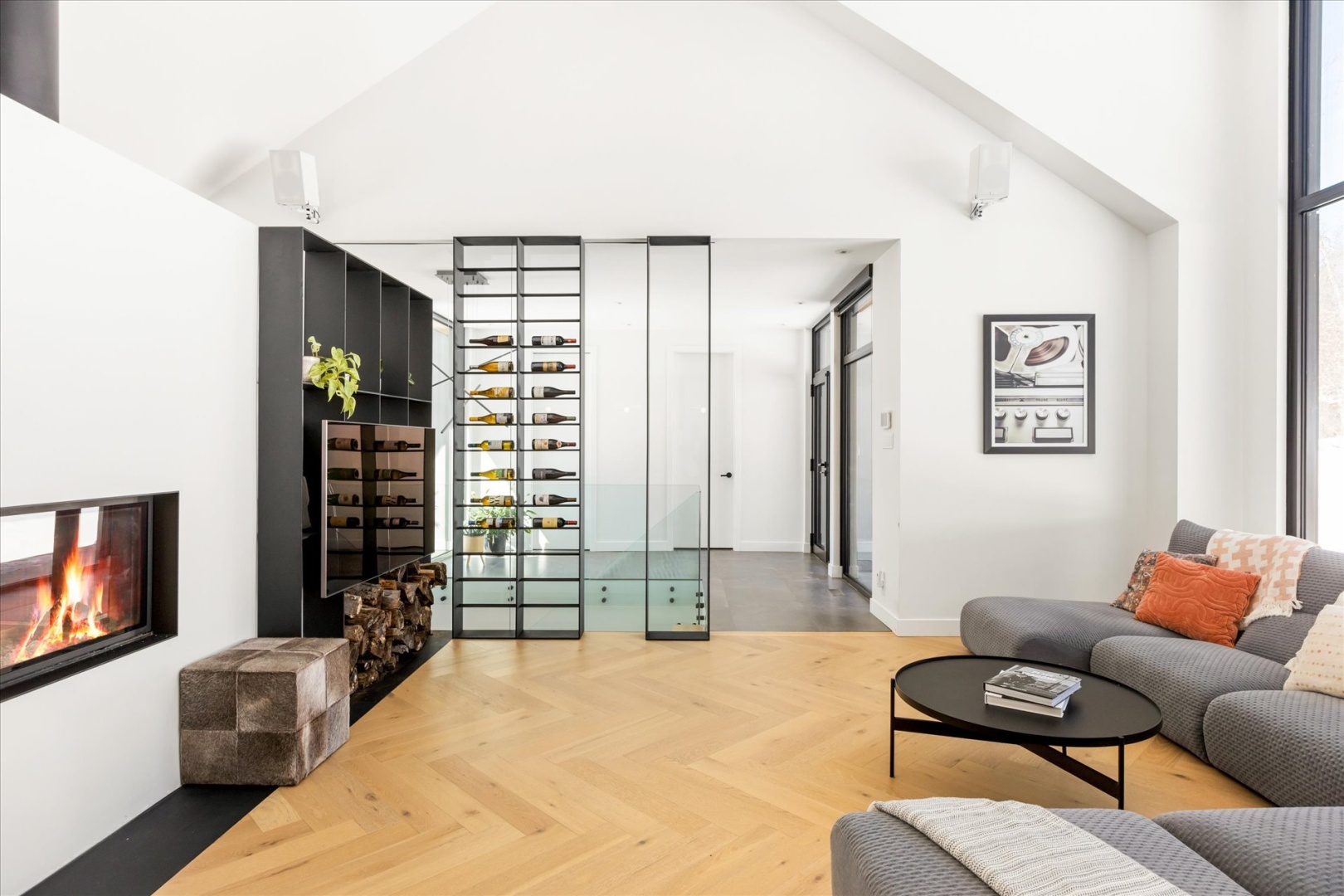
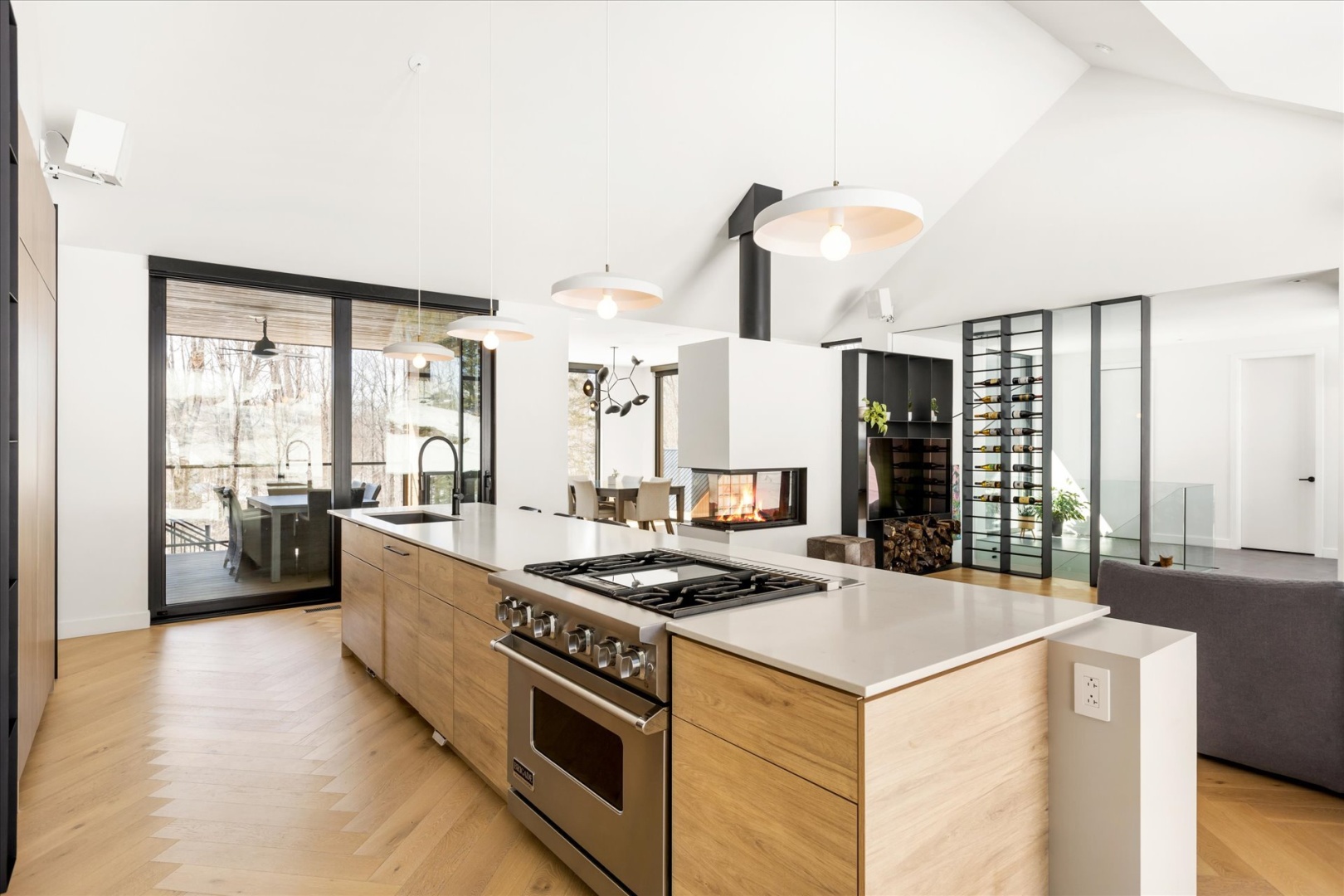
Built by the renowned builder Metric and designed by Daniel Corbin’s firm DCOR, this property has been thought out down to the smallest detail. It features heated floors in every room, full-height aluminum windows, a central heating system, a chef’s kitchen equipped with high-end Sub-Zero and Viking appliances, and a home automation system.
Elegant, bright, and perfectly integrated into its surroundings, it offers a refined, comfortable lifestyle in harmony with nature. Come visit and let yourself dream or imagine your life here!
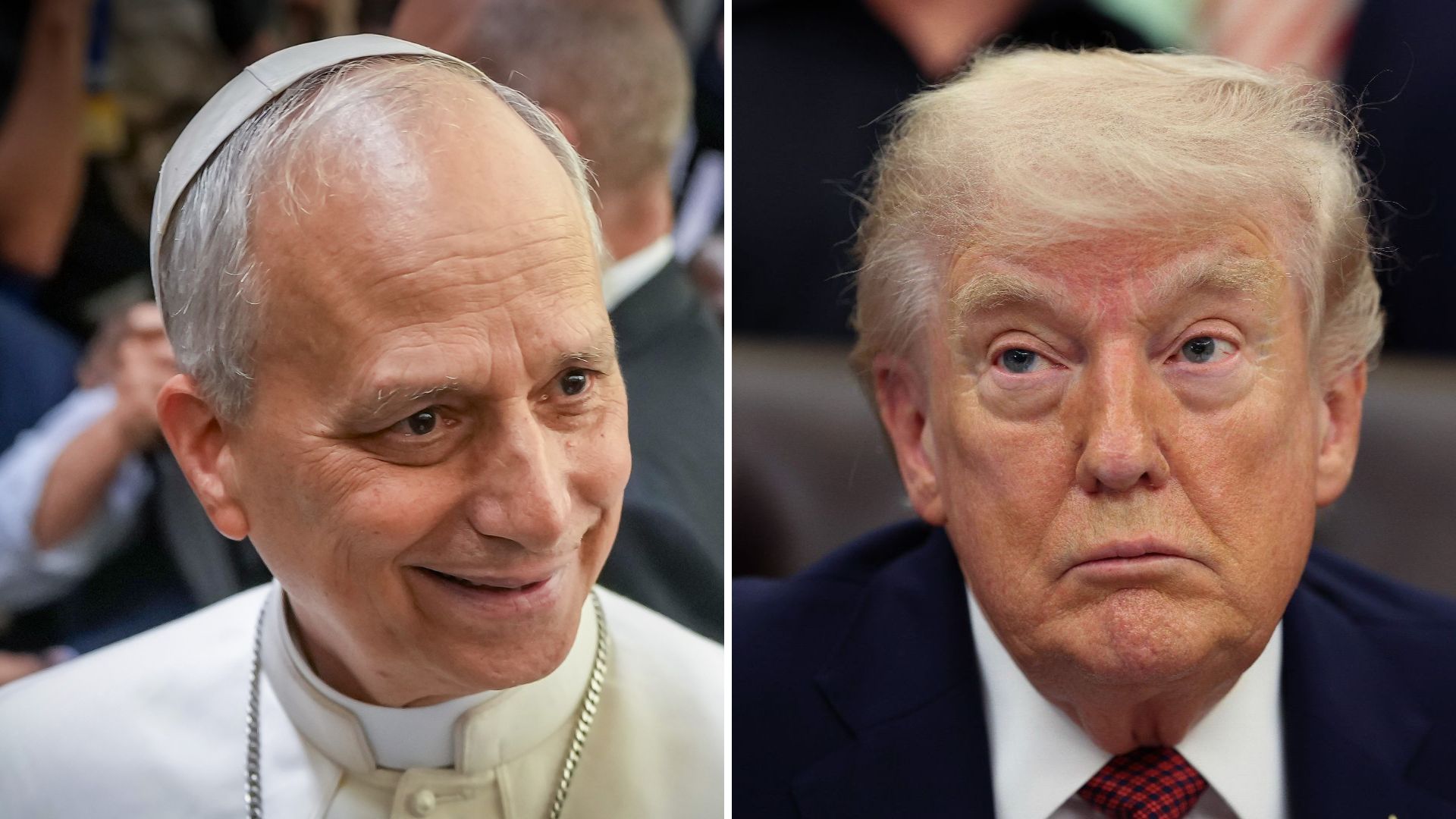
The pope has directly responded to accusations from Trump, who claimed that the head of the Catholic Church was «endangering a lot of Catholics» because of his opposition to the U.S. president’s actions that led to the war in Iran. The remarks came after a series of public attacks from Trump, who said «I think he’s endangering a lot of Catholics and a lot of people. But I guess if it’s up to the pope, he thinks it’s just fine for Iran to have a nuclear weapon.» The comments marked a further escalation in an already tense and highly public dispute between the two figures.
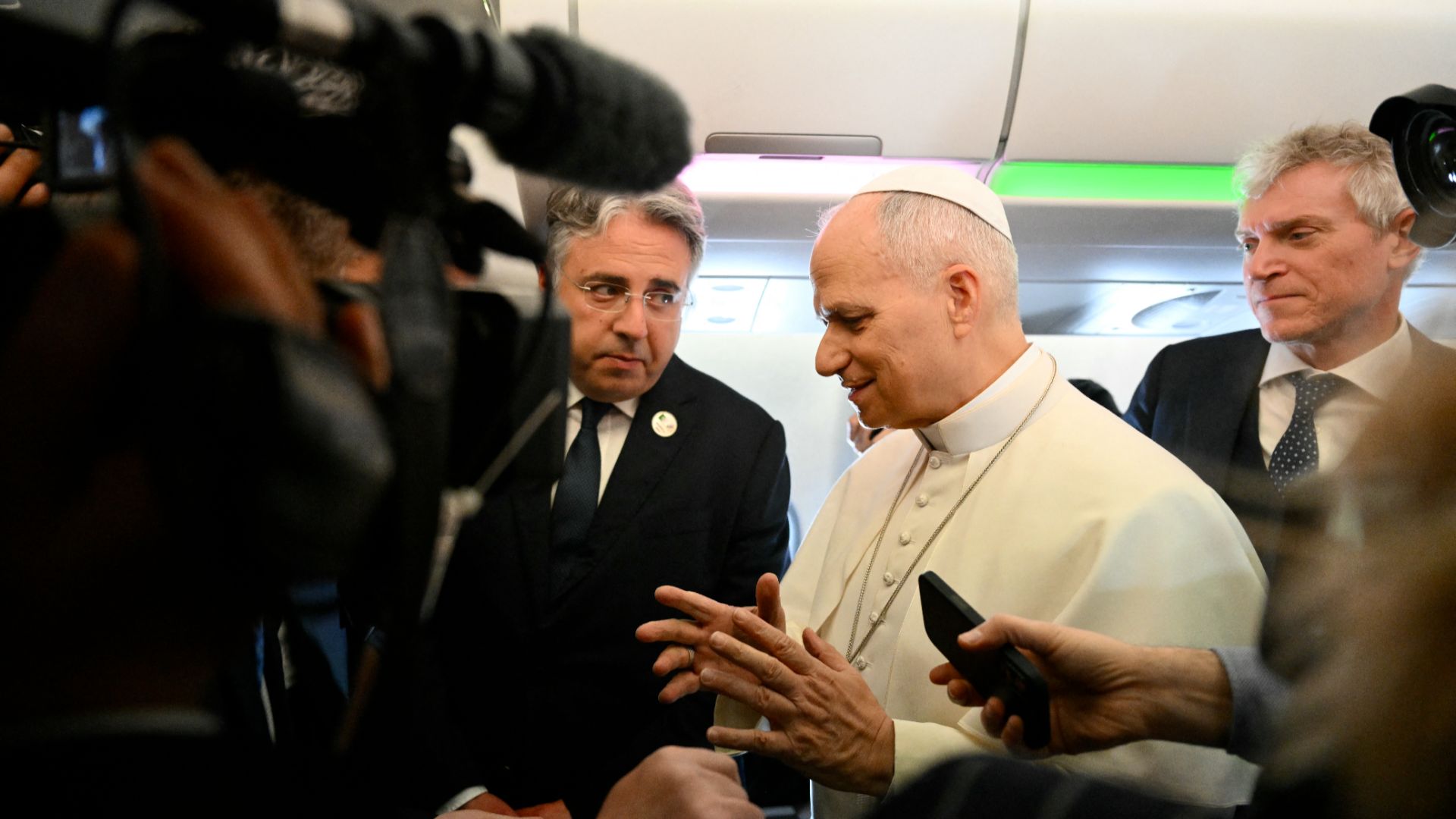
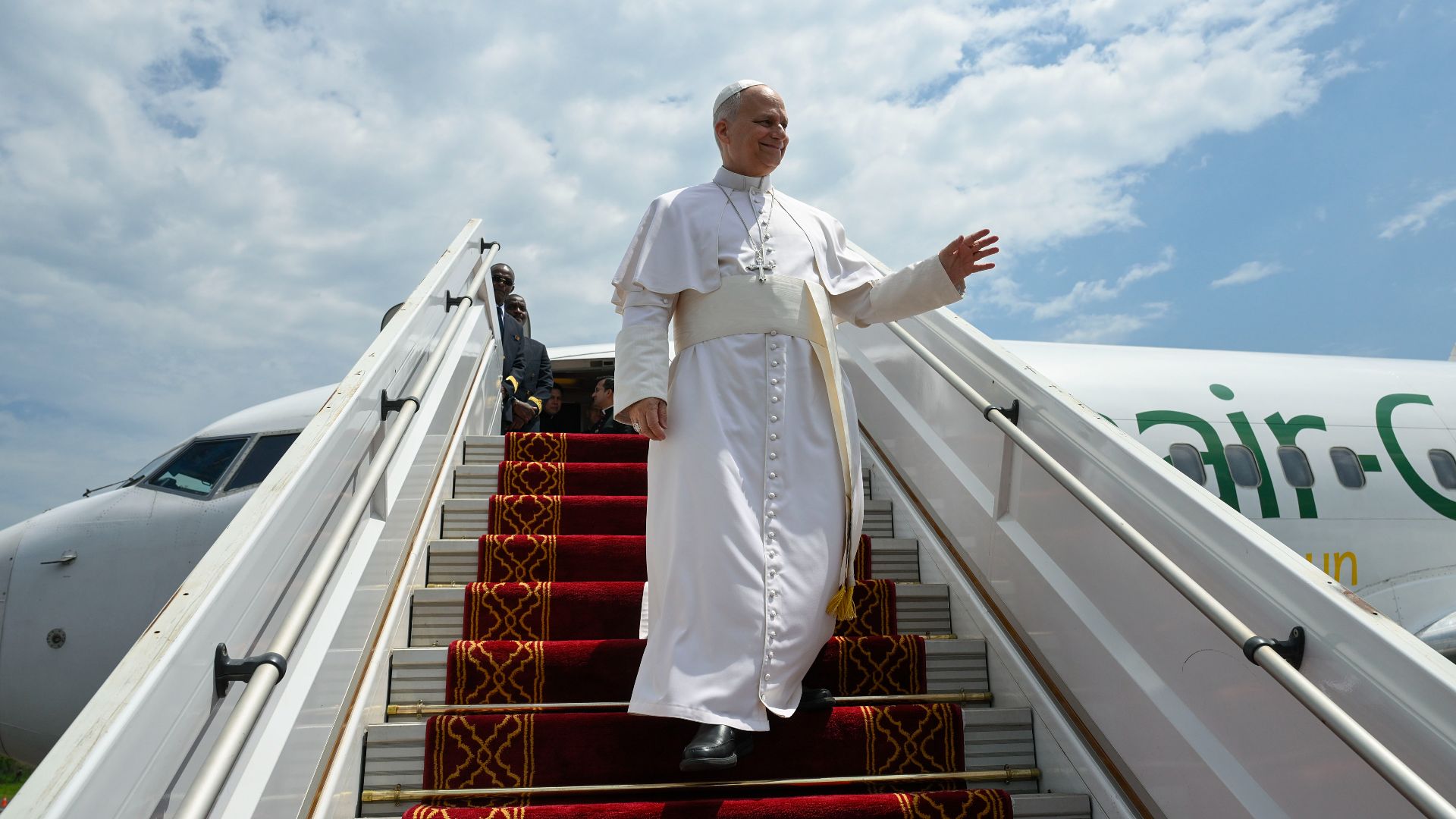
Speaking to journalists while leaving a papal retreat in Castel Gandolfo, near Rome, Pope Leo XIV addressed the criticism directly, rejecting Trump’s claims and clarifying the Church’s position. «If anyone wants to criticise me for proclaiming the gospel, let them do so with the truth: the church has spoken out against all nuclear weapons for years, there is no doubt about that.» he said. The pope’s response emphasized long-standing Catholic doctrine opposing nuclear arms, directly contradicting Trump’s assertion that he supported Iran obtaining such weapons.
«The Pope would rather talk about the fact that it’s OK for Iran to have a nuclear weapon.»
-U.S. President, Donald Trump
The pope went further in outlining the role of the Church in global conflicts, stressing that his position was rooted in a broader mission rather than political alignment. «The mission of the church is to preach the gospel, to preach peace.» he said, before adding «I simply hope to be listened to because of the value of God’s word.» His remarks framed the dispute as one grounded in moral and theological principles, rather than geopolitical strategy, as he continued to advocate for de-escalation and dialogue amid the ongoing war.
Getty Images
The public exchange comes at a sensitive diplomatic moment, as the Vatican prepares to host U.S. Secretary of State Marco Rubio for a private audience with the pope. Rubio acknowledged the significance of the meeting, stating there was «a lot to talk about with the Vatican». The visit is expected to address a range of issues, including the war in Iran and broader humanitarian concerns, as tensions between Washington and the Vatican continue to draw international attention.
Getty Images
Relations between Trump and Pope Leo XIV have steadily deteriorated over the past several months, evolving from policy disagreements into personal and ideological clashes. The friction began in November 2025 when the pope criticized U.S. deportation policies, saying migrants were being treated with «extreme disrespect» and urging the administration to «seek ways of treating people with humanity.» The divide deepened in April 2026 after U.S. airstrikes in Iran, which the pope condemned as an «exhibition of force» in a world he said was being «ravaged by a handful of tyrants.»
«I simply hope to be listened to because of the value of God’s word.»
– Pope Leo XIV
Trump responded at the time with direct attacks on social media, calling the pope «WEAK on Crime and terrible for Foreign Policy.» By May, his rhetoric intensified further, claiming in a radio interview that «the Pope would rather talk about the fact that it’s OK for Iran to have a nuclear weapon.» While the Vatican has stated that the pope «has no intention of debating» the president, Leo XIV has continued to use his platform to advocate for peace, maintaining a consistent message even as the political confrontation between the two leaders continues to escalate.