Disney’s latest live-action remake has encountered an unexpectedly difficult start, raising fresh questions about the studio’s long-running strategy of reimagining animated classics.









 BIG Admin
Disney’s latest live-action remake has encountered an unexpectedly difficult start, raising fresh questions about the studio’s long-running strategy of reimagining animated classics.

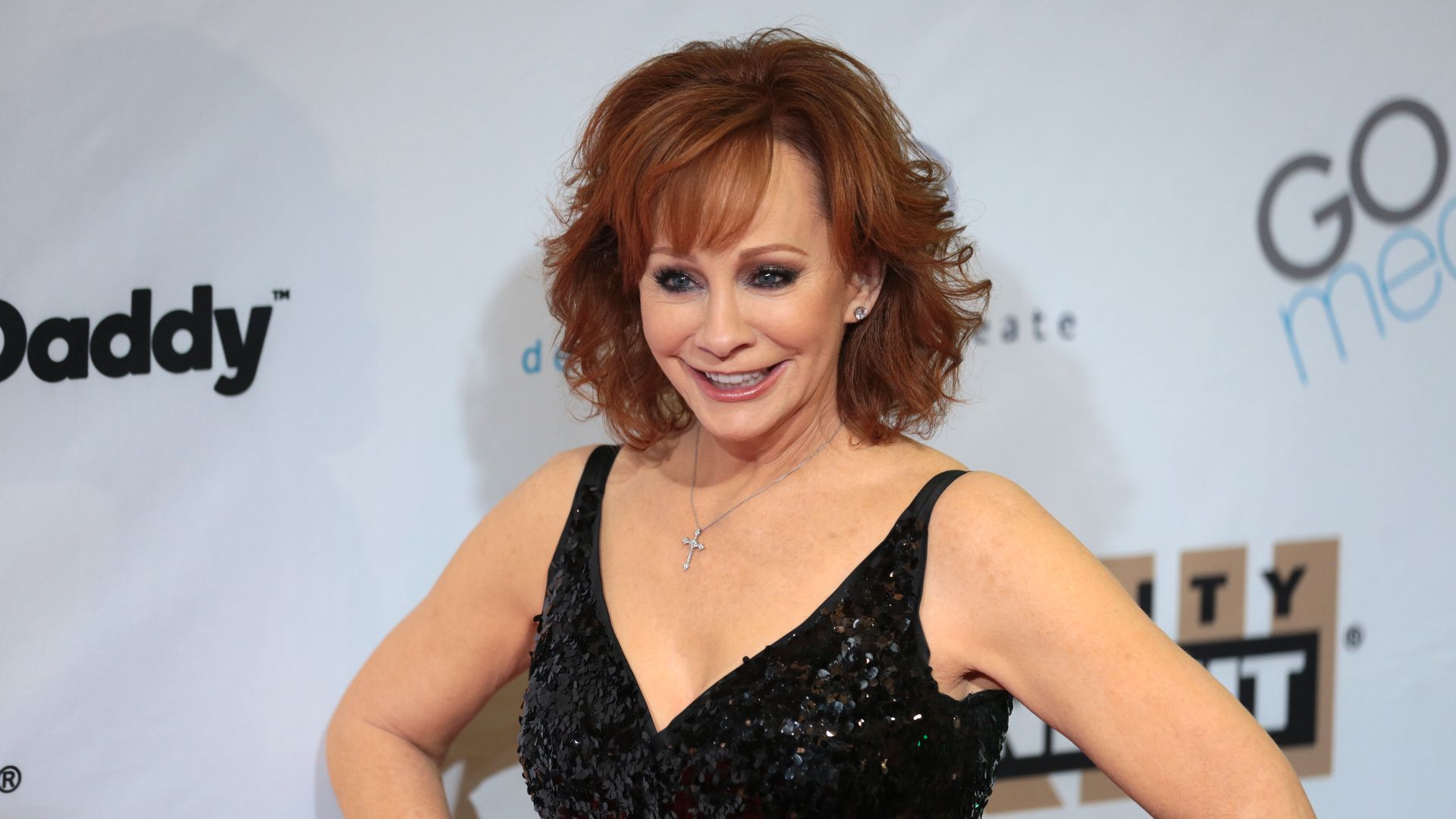
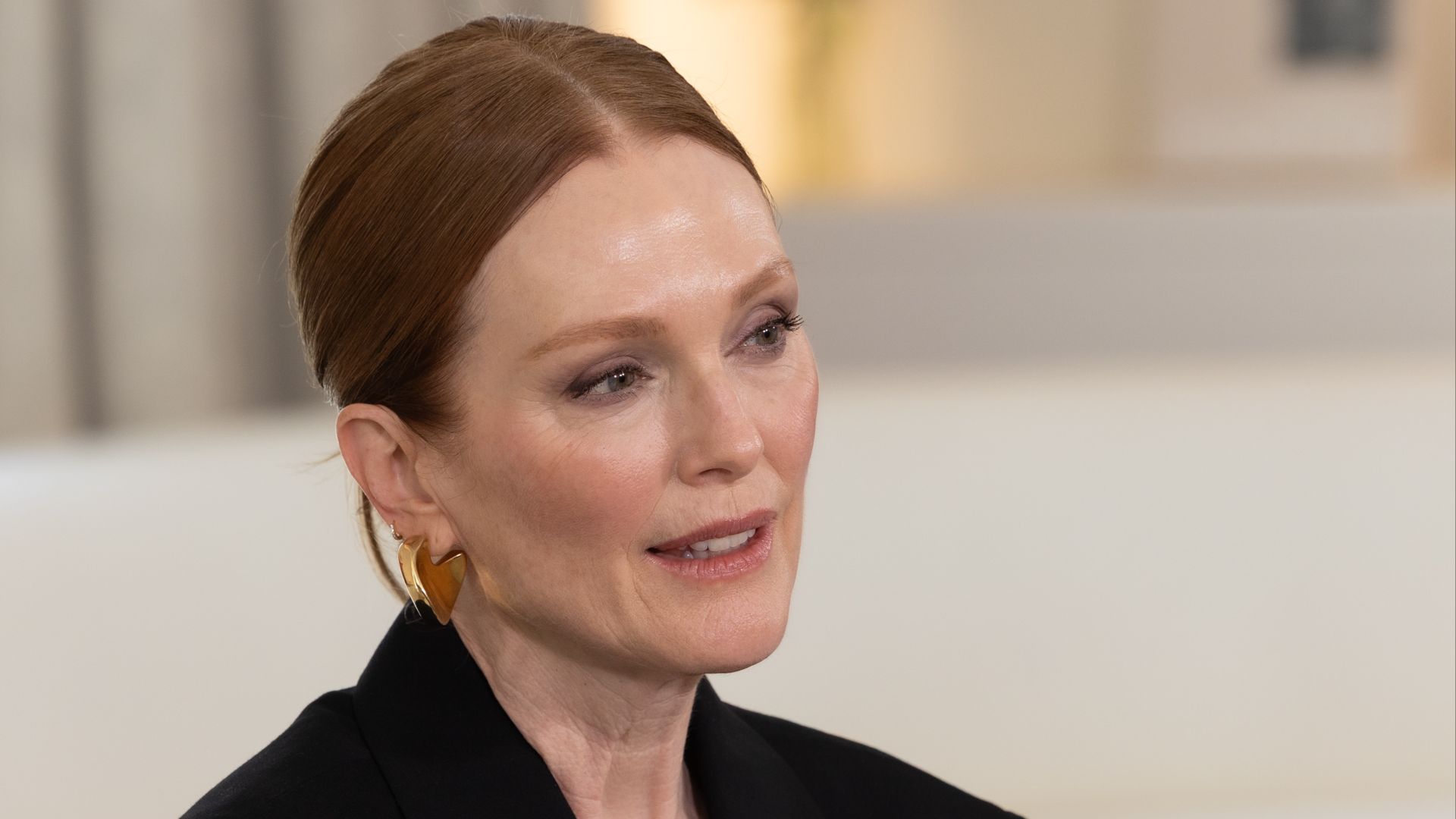
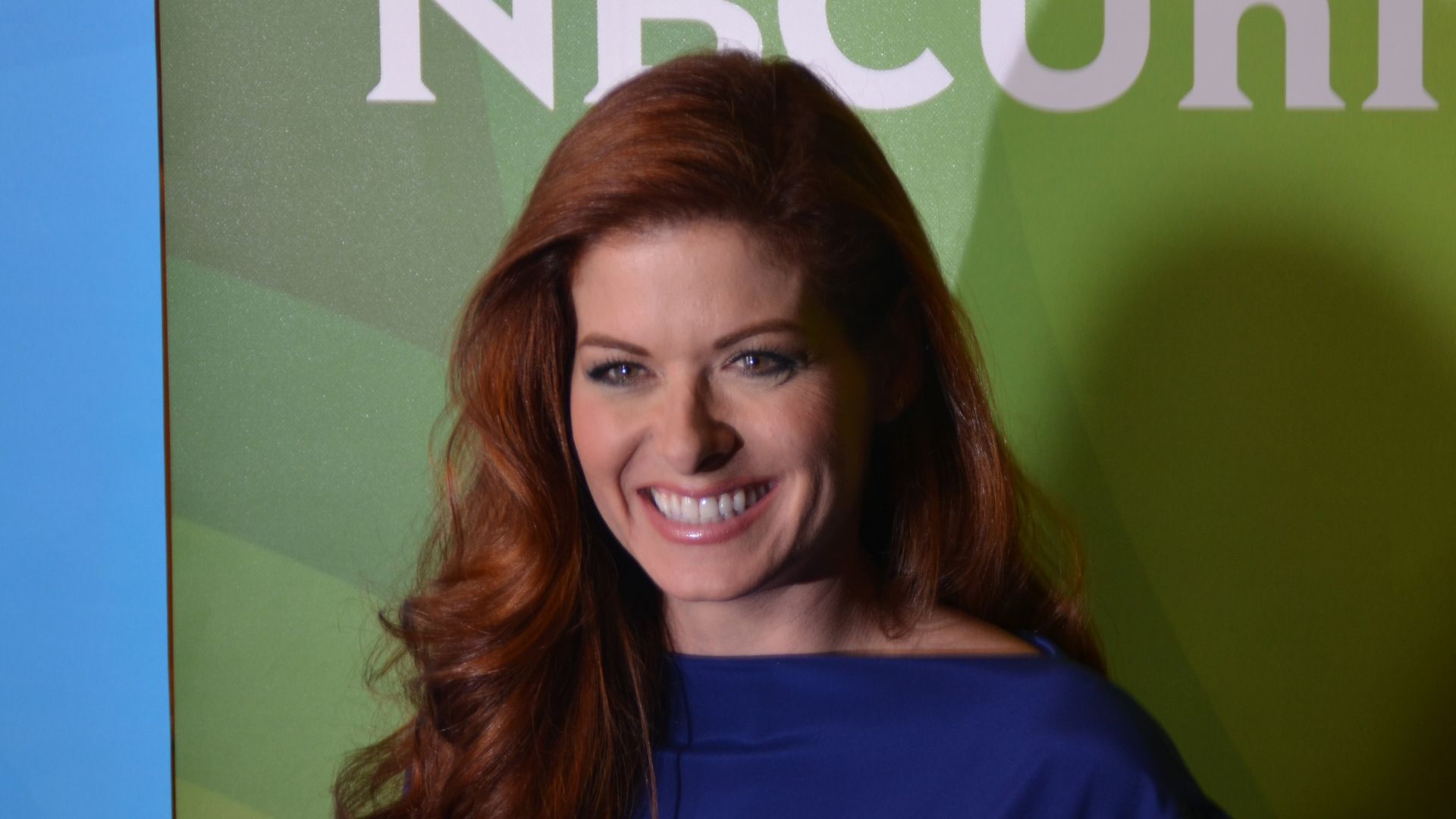
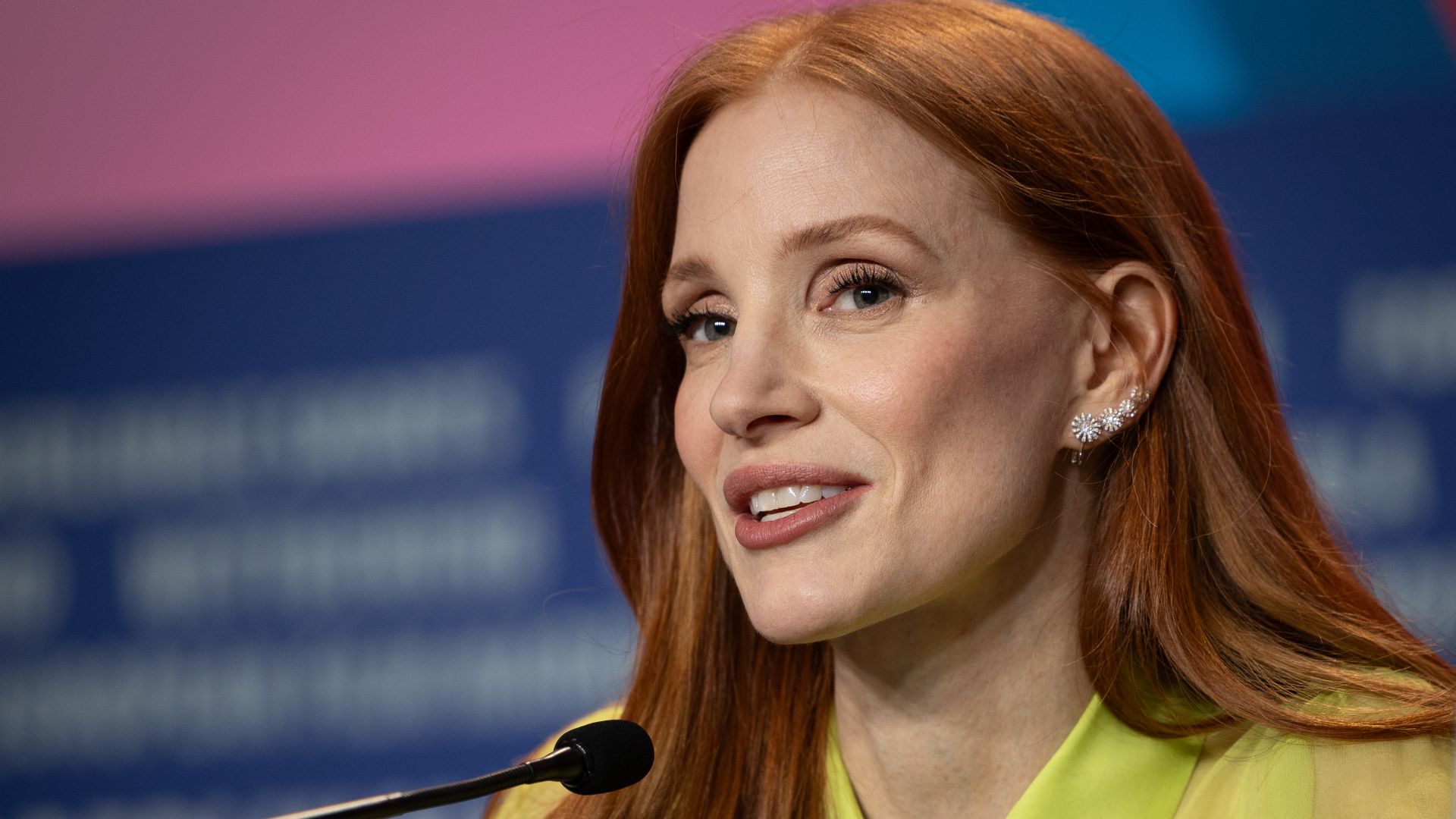
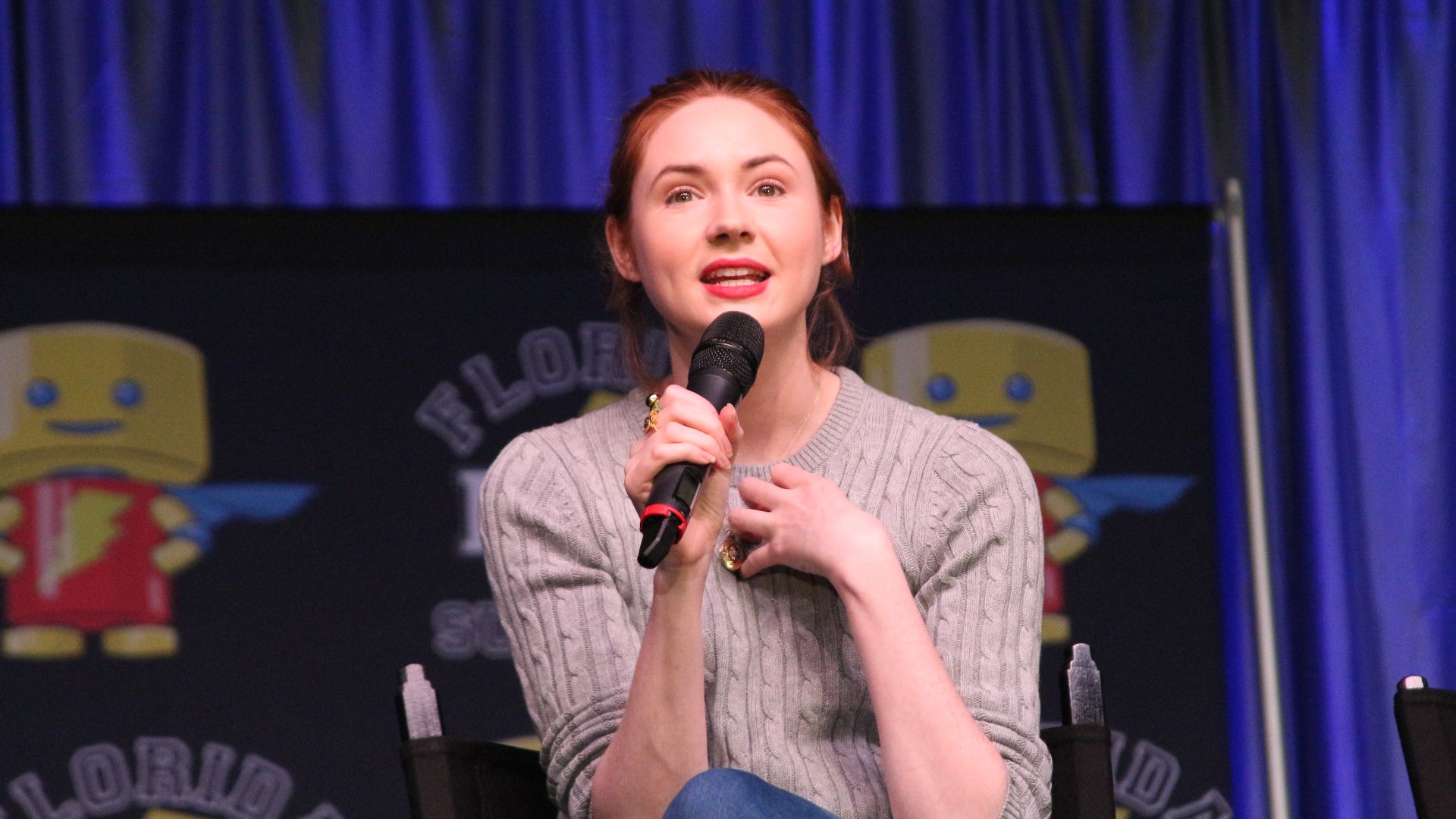
Les cheveux roux se démarquent dans les portraits royaux, les vieux films et sur les tapis rouges d’aujourd’hui. Pourtant, la couleur à elle seule ne suffit pas à rendre quelqu’un séduisant, et cette liste va bien au-delà de l’apparence physique. Chacune de ces femmes s’est forgé une carrière, une image publique ou une œuvre dont on se souvient, souvent avec des cheveux roux comme élément caractéristique de leur image. Certaines sont nées ainsi, tandis que d’autres ont choisi une nuance qui est devenue indissociable de la façon dont elles étaient perçues. Voici 20 femmes dont les cheveux roux sont devenus un élément indissociable de leur style personnel.















Donald Trump revient sur ses précédentes déclarations, et le Groenland est de nouveau dans sa ligne de mire. De toute évidence, la bataille autour du Groenland est loin d’être terminée, puisque le président américain a multiplié les déclarations concernant ce territoire danois. Après près de six mois de silence de la part de Trump sur le Groenland, les Européens s’inquiètent à nouveau pour leur souveraineté, Donald Trump ayant relancé son ambition d’annexer le Groenland. S’exprimant à Ankara, en Turquie, à l’occasion du sommet annuel des dirigeants de l’OTAN, le 12 juillet, Trump a réaffirmé qu’il estimait que le Groenland (et le monde) se porteraient mieux si ce pays était sous le contrôle des États-Unis.
Trump a relancé le débat peu après son arrivée à Ankara, où les dirigeants de l’OTAN espéraient axer les discussions sur les dépenses de défense, l’Ukraine et la sécurité au Moyen-Orient. Au lieu de cela, le président est revenu sur l’une de ses ambitions les plus controversées en matière de politique étrangère, affirmant que le Danemark n’avait pas su développer ni défendre correctement le Groenland malgré son importance stratégique. Le lendemain, Trump a enfoncé le clou, affirmant que le Groenland était important pour les États-Unis mais « pas important pour le Danemark », tout en critiquant la manière dont l’OTAN avait géré cette question. Ces propos ont immédiatement fait la une des journaux à travers l’Europe et ont désormais éclipsé une grande partie de l’ordre du jour prévu par l’alliance.
« [Le Groenland] devrait être contrôlé par les États-Unis, et non par le Danemark. »
-Donald Trump
Ces commentaires ont ravivé un différend qui avait failli déclencher l’une des plus grandes crises politiques de l’histoire de l’OTAN au début de l’année 2026. En janvier, Trump avait menacé d’imposer des droits de douane à plusieurs pays européens afin de faire pression sur le Danemark pour qu’il renonce à son contrôle sur le Groenland. Ces menaces avaient provoqué des réunions d’urgence entre les dirigeants de l’Union européenne et fait craindre un conflit commercial transatlantique. L’impasse n’a pris fin qu’après que le secrétaire général de l’OTAN, Mark Rutte, eut négocié ce que les responsables ont qualifié d’« accord-cadre » visant à renforcer la sécurité dans l’Arctique tout en permettant aux deux parties de prendre du recul pour éviter une nouvelle escalade. Depuis lors, les dirigeants européens ont estimé que la question était en grande partie résolue.
Selon des sources médiatiques, cependant, les négociations n’ont jamais véritablement cessé. Le Danemark, le Groenland et la Maison Blanche ont continué à mener des discussions discrètes sur les futurs arrangements de sécurité concernant l’île arctique, qui reste régie par un accord de défense conclu en 1951 avec les États-Unis. D’après des informations précédentes, Washington cherche à obtenir des garanties militaires permanentes et une plus grande influence sur les futures décisions d’investissement concernant l’île. Les responsables danois estimeraient que ces propositions porteraient atteinte à l’autonomie du Groenland. Ces discussions n’ont pas encore abouti à un accord acceptable pour les trois gouvernements.
Le Groenland revêt une importance croissante en raison de sa situation géographique et de ses ressources naturelles. À mesure que la banquise arctique continue de reculer sous l’effet du changement climatique, de nouvelles routes maritimes deviennent accessibles. De plus, des gisements jusqu’alors inaccessibles de terres rares et d’autres ressources stratégiques suscitent un intérêt international grandissant. Les États-Unis exploitent déjà la base spatiale de Pituffik, dans le nord-ouest du Groenland, dans le cadre d’un accord de défense existant, ce qui confère à Washington une présence militaire significative dans la région. Des analystes européens font valoir que cet accord assure déjà la coopération en matière de sécurité dont les États-Unis ont besoin, selon Donald Trump, rendant ainsi difficiles à justifier les appels en faveur d’un contrôle total de l’île.
Les dirigeants européens ont réagi avec prudence, s’efforçant de défendre le Danemark sans aggraver les tensions avec Washington. La Première ministre danoise, Mette Frederiksen, a réaffirmé que le Groenland faisait toujours partie du Royaume du Danemark et a souligné que les Groenlandais avaient à plusieurs reprises rejeté l’idée de rejoindre les États-Unis. La Commission européenne s’est fait l’écho de cette position, affirmant que l’intégrité territoriale, la souveraineté et les frontières internationalement reconnues restent des principes fondamentaux du droit international. Bruxelles a également réaffirmé son soutien au Danemark et au Groenland tout en poursuivant ses travaux sur une stratégie arctique actualisée visant à renforcer la présence de l’Europe dans la région.
La position des États-Unis est, malheureusement, très claire sur ce sujet. Mais notre position est aussi claire qu’elle l’a toujours été : le Groenland n’est pas à vendre. J’espère que tous les alliés respecteront le droit du peuple groenlandais à l’autodétermination,
– Mette Frederiksen, Première ministre danoise
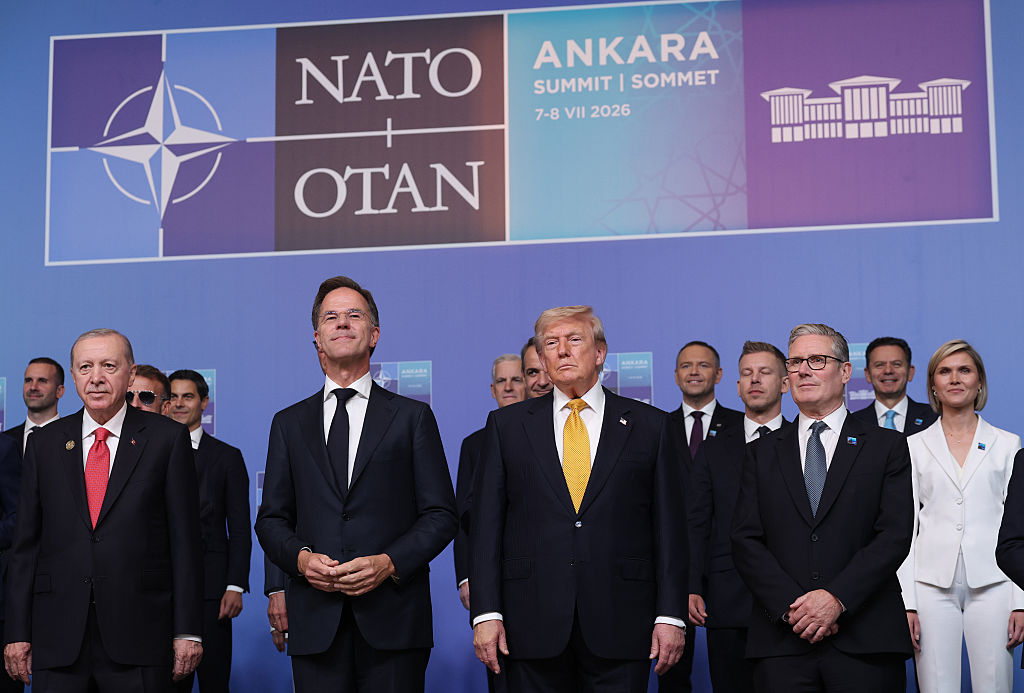
Pour l’OTAN, le moment est particulièrement délicat. L’Alliance abordait le sommet de cette année dans l’espoir de mettre en avant des engagements records en matière de dépenses de défense et une plus grande unité face aux menaces croissantes pour la sécurité émanant de la Russie et de la Chine. Au lieu de cela, l’intérêt renouvelé de Trump pour le Groenland a une nouvelle fois placé les divisions internes au centre de l’attention internationale. Bien qu’aucun changement politique immédiat n’ait suivi ses propos, les dirigeants européens se retrouvent désormais contraints de revenir sur une question que beaucoup espéraient voir réglée. Alors que les négociations diplomatiques se poursuivent et que la position de Trump reste inchangée, les responsables estiment de plus en plus que le différend sur le Groenland risque de rester l’une des sources de tension les plus persistantes entre les États-Unis et leurs plus proches alliés.

According to a new Harris Poll conducted for The Guardian, nearly all Americans believe the United States is facing a cost-of-living crisis, while about half say they are struggling to afford basic necessities like groceries and gasoline. The survey of more than 4,100 adults found 95 per cent believe the country is experiencing an affordability crisis, despite unemployment remaining relatively low and stock markets continuing to post record highs. Researchers say worsening views of the economy have accelerated since February as inflation and higher energy prices continue to strain household budgets ahead of this fall’s midterm elections.
The poll found 57 per cent of Americans now believe the economy is getting worse, a number that is up from 46 per cent in February. Just 16 per cent said conditions are improving, compared with 28 per cent claiming the same earlier this year. Respondents also reported declining confidence in their own finances, with growing numbers saying their personal financial security has worsened over the past several months. Researchers linked much of that shift to rising fuel prices following the conflict involving Iran, which has increased costs throughout the economy and placed additional pressure on household budgets already stretched by inflation.
Ninety-five per cent of Americans believe the U.S. is suffering an affordability crisis.
-Harris Poll
Financial pressure extended across political affiliations. Roughly half of Democrats, Republicans and independents said they were having difficulty paying for groceries and gasoline, suggesting affordability concerns are no longer concentrated within a single voting bloc. The survey also found that two-thirds of Americans have little confidence that the federal government will improve the cost-of-living crisis. Even among Republicans, who have generally expressed greater optimism since President Donald Trump returned to office, nearly half said they have little faith that Washington will lower everyday costs.
The findings also point to growing unease within Trump’s political base. In February, 49 per cent of Republicans believed the economy was improving. That figure has now fallen to 27 per cent. Meanwhile, the share of Republicans who believe the economy is getting worse increased from 22 per cent to 38 per cent over the same period. The change coincides with higher gasoline prices, persistent inflation and growing concern over household expenses despite continued job growth and strong financial markets. Researchers describe the shift as one of the survey’s most significant findings.
The affordability concerns extend well beyond groceries and fuel. About half of respondents said they are struggling with debt payments or worry they soon will be. Similar numbers reported difficulty paying for housing, healthcare and utility bills. Among voters identifying with the MAGA movement, 61 per cent reported trouble affording groceries, while 63 per cent said gasoline costs had become a financial burden. More than half also expressed concern about debt, housing and healthcare expenses, illustrating that economic pressure has reached many of the president’s core supporters.
The survey also examined who Americans believe is responsible for rising prices. Many respondents pointed to government policy, while others cited inflation, international conflicts and broader economic conditions. The Guardian noted that rising energy prices following tensions in the Middle East have contributed to higher transportation and consumer costs. Inflation has also slowed expected interest rate reductions, keeping borrowing costs elevated for homeowners and businesses. Together, those factors have offset much of the economic optimism created by low unemployment and continued gains in financial markets.
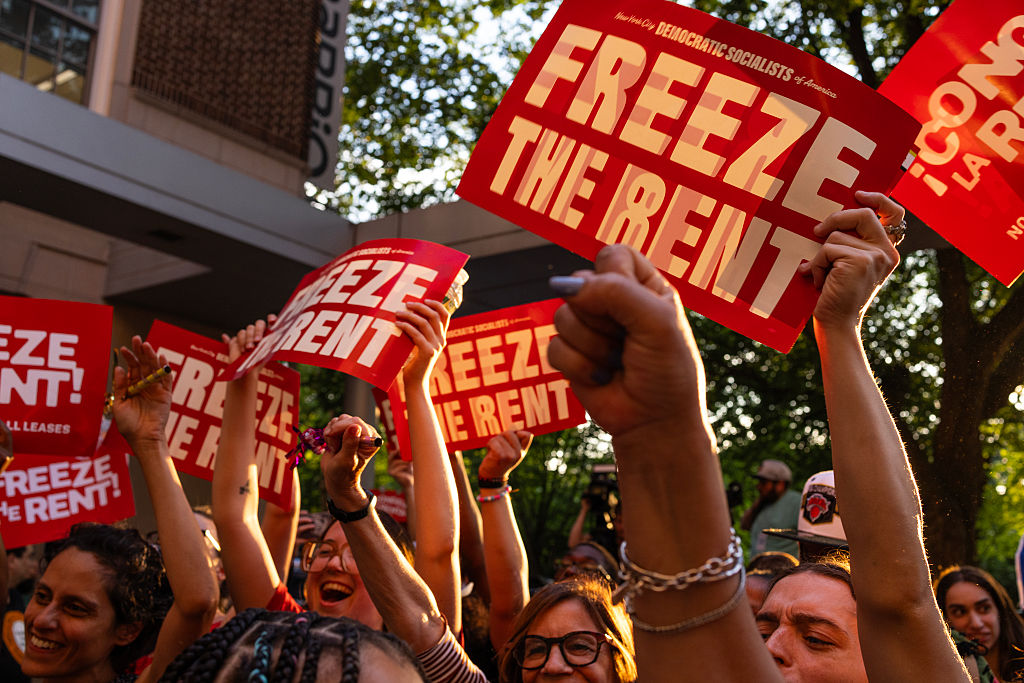
Despite growing frustration with economic conditions, voters remain divided over which political party is better positioned to respond. Among Americans experiencing financial stress, 26 per cent believe Democrats would do a better job addressing affordability, while 25 per cent favour Republicans. More than one-third said neither party has presented a credible solution to rising living costs. Independents were particularly pessimistic, with many reporting worsening personal finances while expressing little confidence that either major party will significantly improve affordability in the near future. With Americans heading to the polls for midterms soon, the affordability crisis will certainly be a major deciding factor for disenfranchised voters.

Apple a intenté une action en justice fédérale de grande envergure, accusant OpenAI d’avoir orchestré ce qu’elle décrit comme une manœuvre menée depuis plusieurs années visant à obtenir certains des secrets commerciaux les plus précieux de l’entreprise par l’intermédiaire d’anciens employés d’Apple et de relations d’affaires. Déposée le 10 juillet devant un tribunal fédéral, la plainte de 41 pages allègue qu’OpenAI et plusieurs entités affiliées se sont livrées à une campagne coordonnée pour acquérir des informations confidentielles relatives au développement du matériel, aux processus de fabrication et aux produits non encore commercialisés d’Apple. Cette action en justice marque une détérioration spectaculaire de ce qui était récemment devenu l’un des partenariats les plus suivis du secteur technologique, survenant à peine quelques semaines avant l’introduction en bourse très attendue d’OpenAI. Selon la plainte fédérale, Apple réclame des dommages-intérêts, des mesures injonctives et la restitution des documents confidentiels qui, selon elle, ont été obtenus de manière illicite, arguant que les agissements présumés ont mis en péril des années de recherche, des milliards de dollars d’investissement et l’avantage concurrentiel qui sous-tend certaines de ses technologies matérielles les plus secrètes.
Selon la plainte déposée devant le tribunal fédéral, les allégations d’Apple portent sur ce qu’elle décrit comme une tentative délibérée d’accélérer les ambitions d’OpenAI en matière de matériel grand public en acquérant des connaissances exclusives au lieu de développer de manière indépendante une technologie comparable. La plainte affirme que l’ancien ingénieur d’Apple, Chang Liu, a découvert, après avoir rejoint OpenAI, une faille d’authentification interne qui aurait permis un accès non autorisé aux fichiers d’ingénierie d’Apple stockés dans le cloud. Plutôt que de signaler le problème, Apple allègue que M. Liu a téléchargé de nombreux documents confidentiels, dont un document technique de plus de 1 000 pages détaillant l’architecture matérielle sensible et les processus d’ingénierie. La plainte allègue en outre que Tang Yew Tan, ancien vice-président de la conception produit chez Apple, responsable des programmes clés liés à l’iPhone et à l’Apple Watch avant de rejoindre OpenAI pour superviser le développement matériel, aurait demandé à des candidats potentiels d’Apple passant des entretiens chez OpenAI d’apporter des composants matériels Apple physiques lors de ces entretiens afin de les présenter dans le cadre de démonstrations. Apple allègue également que M. Tan aurait conseillé, via des applications de messagerie privée, des ingénieurs sur le point de quitter l’entreprise sur la manière de transférer des fichiers confidentiels tout en contournant les contrôles de sécurité internes conçus pour détecter les téléchargements non autorisés avant le départ des employés.
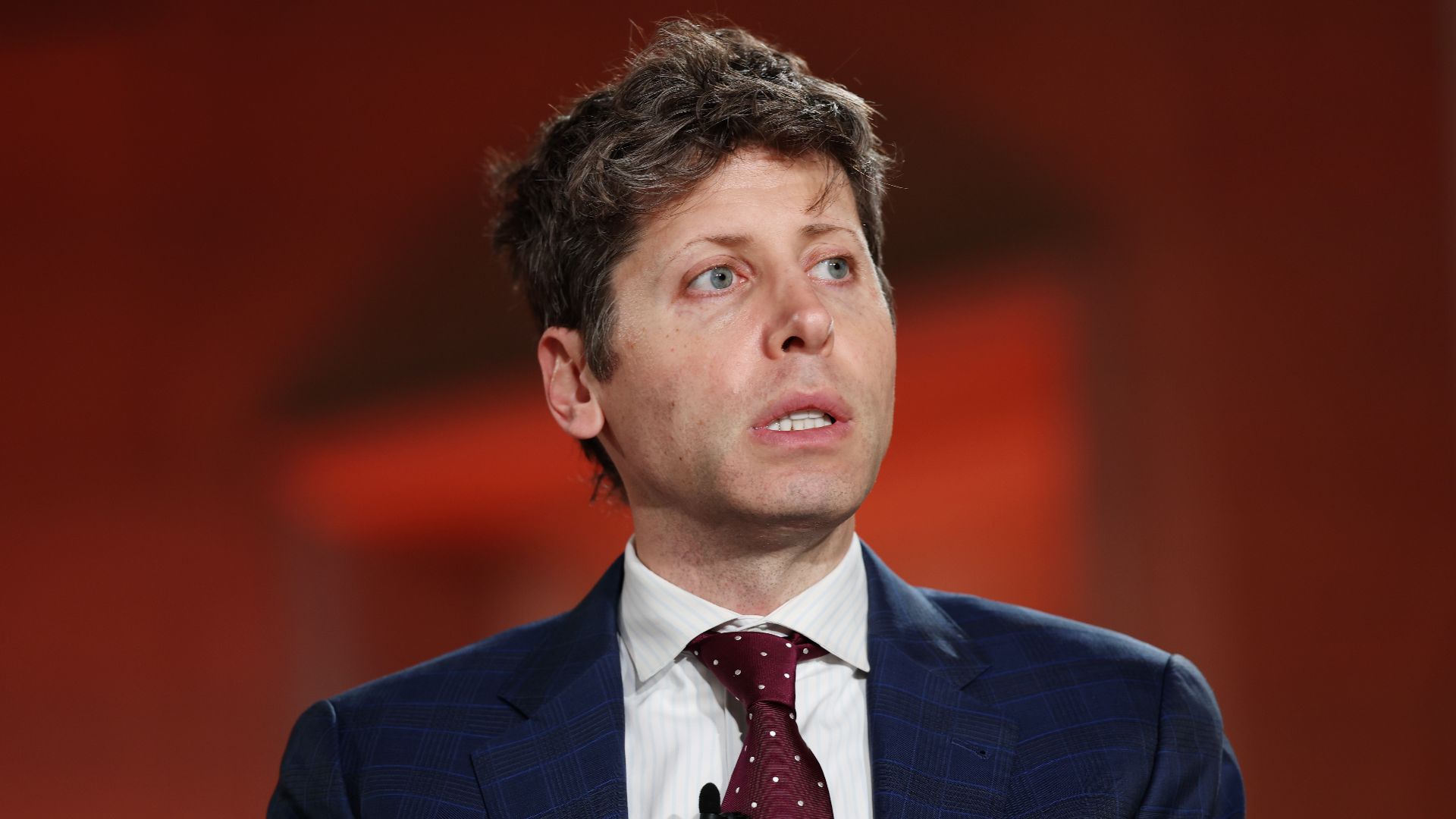
« Je n’ai pas peur d’Apple, mais j’ai un immense respect pour cette entreprise. C’est une entreprise de premier plan. »
– Sam Altman sur X
La plainte va au-delà des allégations concernant d’anciens employés, affirmant qu’OpenAI a également cherché à obtenir des connaissances confidentielles en matière de fabrication par l’intermédiaire des partenaires exclusifs de la chaîne d’approvisionnement d’Apple. Selon la plainte, OpenAI a fait croire à l’un des partenaires de fabrication de longue date d’Apple qu’elle avait reçu l’autorisation d’Apple pour accéder à un procédé propriétaire de finition des métaux en plusieurs étapes, développé pour de futurs produits matériels. Apple affirme que cette technique est le fruit d’années de perfectionnement technique et qu’elle était protégée par des accords de confidentialité stricts qui en limitaient l’accès à une poignée de fournisseurs de confiance. La plainte cite comme défendeurs OpenAI, ses entités à but non lucratif et commerciales, la start-up de matériel récemment acquise par l’entreprise, io Products, ainsi que Tang Yew Tan et Chang Liu, en faisant valoir que les agissements présumés s’inscrivaient dans le cadre d’une démarche institutionnelle plutôt que d’une faute isolée commise par des employés à titre individuel. Apple soutient que le stratagème présumé visait à raccourcir le délai de développement matériel d’OpenAI, alors que la société se préparait à concurrencer plus directement le marché des appareils grand public, notamment par le biais d’efforts largement médiatisés visant à développer du matériel alimenté par l’IA susceptible, à terme, de concurrencer les écosystèmes de smartphones établis.
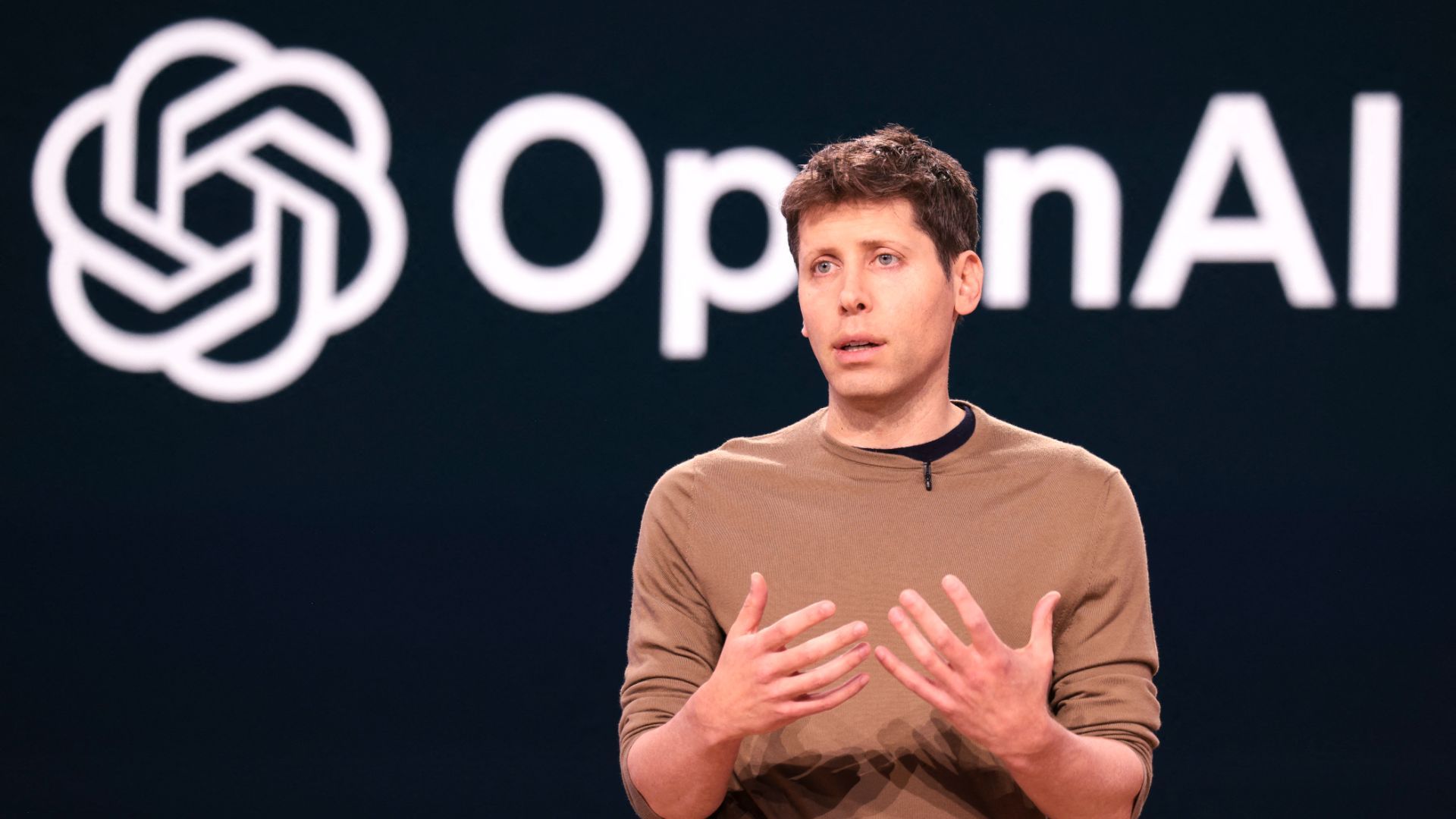
OpenAI a publiquement rejeté les allégations d’Apple et a indiqué qu’elle comptait se défendre vigoureusement devant les tribunaux, affirmant que la plainte présentait de manière erronée ses pratiques de recrutement et ses activités commerciales. La société a déclaré qu’elle respectait les droits de propriété intellectuelle d’autrui et qu’elle examinait la plainte en détail avant de déposer sa réponse officielle. Cette bataille juridique survient néanmoins à un moment charnière pour l’entreprise spécialisée dans l’intelligence artificielle, qui s’est rapidement diversifiée au-delà des logiciels pour se lancer dans le matériel informatique après l’acquisition d’io Products, une start-up cofondée par l’ancien directeur du design d’Apple, Jony Ive. Cette opération a signalé l’intention d’OpenAI de concevoir des appareils grand public axés sur l’intelligence artificielle, la plaçant ainsi sur une trajectoire de collision potentielle avec Apple sur un marché longtemps dominé par l’iPhone. Dans sa plainte, Apple soutient que l’acquisition présumée d’informations techniques confidentielles visait à accélérer cette transition en réduisant de plusieurs années des travaux de recherche et développement coûteux. La capacité de l’entreprise à étayer ces allégations sera finalement déterminée par la justice, mais cette affaire est déjà devenue l’un des litiges en matière de propriété intellectuelle les plus importants auxquels est confronté le secteur de l’IA.

Ce procès a également déclenché un échange public entre plusieurs figures parmi les plus emblématiques de la Silicon Valley. Après qu’un utilisateur de X eut écrit : « Sam Altman n’avait pas peur d’Elon, mais il est terrifié par Apple. Ça se voit à tous ses messages d’aujourd’hui », le PDG d’OpenAI, Sam Altman, a répondu : « Je n’ai pas peur d’Apple, mais j’ai un immense respect pour eux. C’est une entreprise de premier plan. » Elon Musk s’est ensuite immiscé dans la discussion en écrivant : « Après avoir volé une association caritative d’IA open source, tu as ensuite volé toute la technologie mobile d’Apple ! Waouh », avant d’ajouter dans un autre message : « Il élève l’arnaque à un tout autre niveau. » Altman a riposté en répondant : « Mon pote, c’est toi qui vends aux investisseurs du marché public des centres de données spatiaux à court terme. » Musk a répondu une nouvelle fois en écrivant : « On commence à les faire voler l’année prochaine. Tu pourras peut-être venir les voir si ton agent de probation donne son accord. Après avoir volé une association caritative d’IA open source, tu as ensuite volé toute la technologie des téléphones d’Apple ! Waouh. Qu’est-ce que tu prévois pour la suite ? C’est difficile à surpasser.» Bien que cet échange en ligne ait rapidement attiré l’attention du grand public, Musk n’est pas partie prenante dans le procès intenté par Apple et ses commentaires ne font pas partie des arguments juridiques de la société.
« Après avoir volé une association caritative spécialisée dans l’IA open source, vous avez ensuite volé toute la technologie des téléphones d’Apple ! Waouh. »
– Elon Musk sur X
À mesure que le litige avance, les observateurs du secteur devraient examiner de près non seulement les preuves présentées par Apple, mais aussi les implications plus larges pour la concurrence dans le secteur de l’intelligence artificielle, en pleine évolution. Ce litige met en évidence la manière dont les grandes entreprises technologiques recrutent de manière agressive des ingénieurs expérimentés alors qu’elles se livrent à une course effrénée pour développer la prochaine génération d’appareils grand public alimentés par l’IA, ce qui renforce l’importance de protéger la recherche propriétaire, les techniques de fabrication et les feuilles de route des produits. La plainte d’Apple vise à obtenir des dommages-intérêts ainsi que des ordonnances judiciaires destinées à empêcher toute utilisation ou divulgation ultérieure des informations confidentielles qui, selon elle, auraient été obtenues de manière abusive. OpenAI, quant à elle, se prépare à répondre à ces allégations tout en poursuivant sa stratégie matérielle au cours de l’une des périodes les plus importantes de son histoire. Avec une valeur d’entreprise s’élevant à plusieurs milliards de dollars, l’avenir des ambitions matérielles d’OpenAI et la protection de la propriété intellectuelle tous en jeu, cette affaire est en passe de devenir l’une des batailles juridiques décisives entre deux des entreprises technologiques les plus influentes au monde.
Chaque jour, des gens se réveillent et décident de partager des vidéos de leur vie privée sur Internet. Chaque jour, les internautes se sentent obligés de donner leur avis. Si cela concerne souvent des contenus mettant en scène des couples, il arrive de temps à autre qu’une vidéo de famille devienne virale et suscite la polémique.
Une de ces vidéos fait actuellement le tour du web, car elle met en scène une relation mère-fille très particulière. Et les internautes ne sont pas séduits.
La créatrice de contenu culinaire Grandma Pam (@grandmapamsgroceryfinds) a publié une vidéo de ce qui semble être une discussion familiale au sujet des souhaits d’anniversaire de sa petite-fille. La vidéo a été visionnée plus de 2,9 millions de fois.
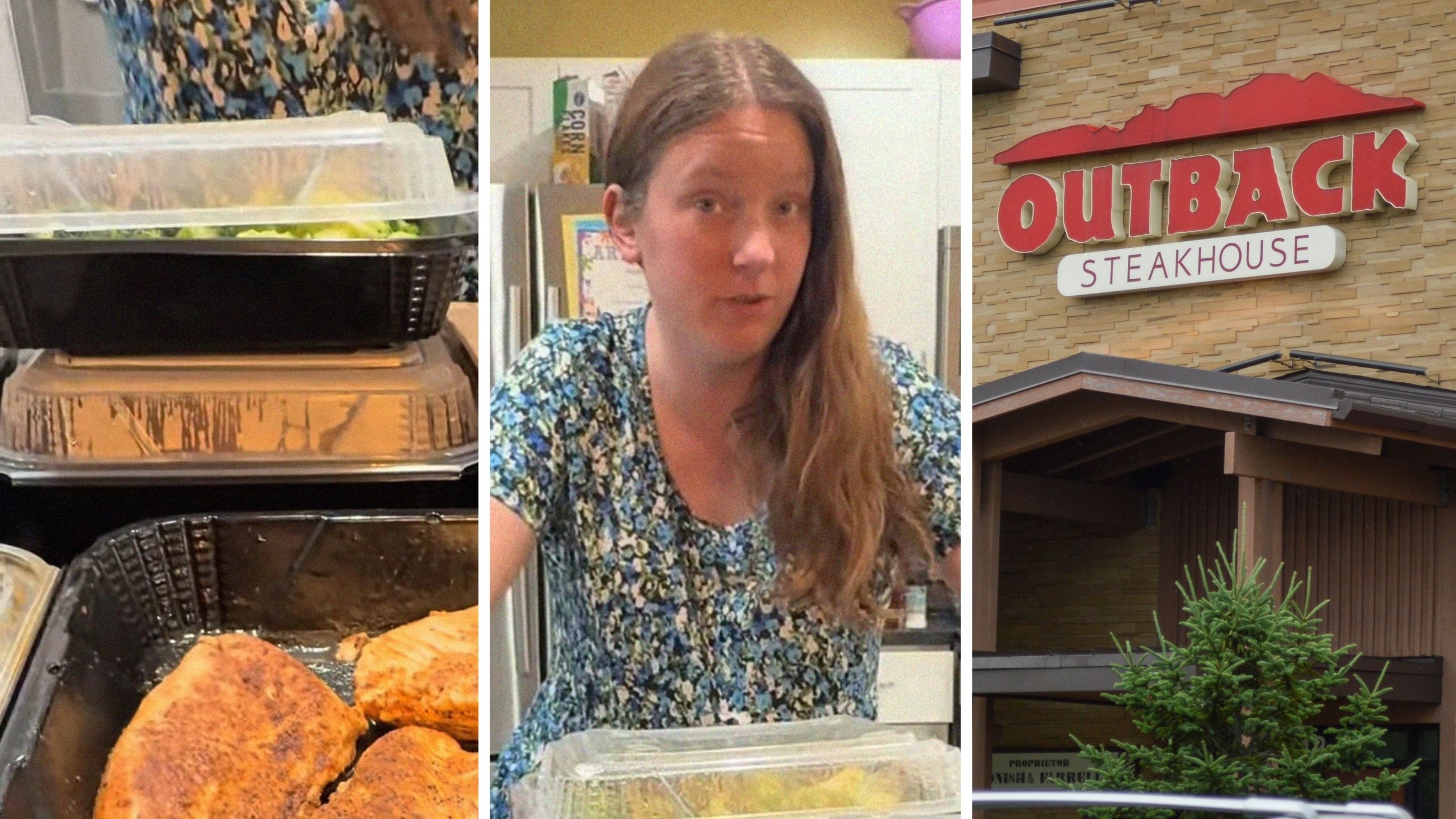
« Vous avez une enfant de sept ans qui demande un repas chez Outback Steakhouse pour son huitième anniversaire ? Moi oui », a déclaré la mère, debout devant son plan de travail de cuisine, face à des boîtes de plats à emporter d’Outback. « Nous voilà donc en train de commander pour 90 dollars de “Bloomin’ Bundles” d’Outback pour une enfant de sept ans. Qui va avoir huit ans. »
Pam a ensuite braqué sa caméra sur l’enfant en question, qui souriait, assise en face de sa mère de l’autre côté du plan de travail. Pam a de nouveau tourné la caméra vers la mère, qui a commencé à détailler le contenu de ses achats Outback à ses spectateurs.
« Bon, on va commencer par les protéines, histoire que vous voyiez à quoi ça ressemble », a déclaré la mère. Elle a ouvert chaque boîte au fur et à mesure qu’elle les mentionnait. « On a quatre filets. On se fait un petit festin ce soir. Elle ne mangera pas forcément du steak, elle prendra du poulet. »
La voix de la petite fille retentit hors champ, accompagnée d’un petit rire, après qu’elle eut plaisanté : « Comment oses-tu ? » Pam et la mère ont également ri, et Pam a ajouté : « On plaisante, on plaisante. » La mère a confirmé : « Tu auras du steak. »
La mère a ensuite montré à ses spectateurs du poulet « bien assaisonné », quatre pommes de terre au four, deux « délicieuses » miche de pain, de la sauce, du brocoli, des frites et des couverts à emporter.
« Mais oui, ça fait 90 dollars », a conclu la mère. « Et joyeux anniversaire à elle ! »
Dans la section des commentaires de Pam, les internautes ont critiqué le ton et le choix des mots de la mère dans la vidéo. De nombreux commentateurs ont interprété l’attitude de la mère comme la preuve qu’elle traitait sa fille « comme un fardeau ».
« Elle voulait aller au Outback Steakhouse mais n’a pas eu de steak… bon », a écrit un internaute. Lorsqu’un internaute a répondu qu’« elle a littéralement dit qu’elle plaisantait », un autre a répliqué dans le même fil de discussion : « Le ton de la maman en disait long. Les enfants qui ont vécu ça savent exactement ce qu’elle voulait dire. »
« Ma mère est exactement comme ça ! », a commenté une personne. « Elle me donnait toujours l’impression d’être un fardeau pour elle. Tu dois revoir la façon dont tu parles d’elle et dont tu t’adresses à elle ! Je me sentais toujours mal quand quelqu’un faisait quelque chose pour moi. Comme si je ne le méritais pas. »
@grandmapamsgroceryfinds Dîner d’anniversaire pour mes 8 ans à l’Outback Steakhouse, repas en famille 8. Je ne mange pas de protéines. 90 $ #anniversaire #outback #repasdefamille #formulerepas #mangerdehors ♬ son original – Grandma Pam
La discussion sur le ton employé par la mère s’est poursuivie dans la section des commentaires. Certains internautes ont même fait le parallèle avec leurs propres expériences.
« Mes parents ajoutent deux zéros à notre âge, c’est notre budget d’anniversaire », a écrit un internaute. « Je pleurerais si on me traitait comme un fardeau pour 90 $. »
Pam a décidé de répondre à ce commentaire. Elle y a répondu à des centaines de commentaires critiques.
« J’ai publié cette photo pour montrer à quel point ce repas était bon marché », a écrit Pam. « Je ne comprends pas ce que tout le monde a du mal à saisir : 90 dollars pour nourrir six personnes. C’est une super affaire. Elle voulait manger à la maison parce qu’elle avait un entraînement de softball et qu’elle organisait sa fête à la patinoire le lendemain avec 15 de ses amis ; tout s’est donc très bien passé pour son anniversaire. Je vous remercie pour vos commentaires. »
Mais les gens n’étaient pas d’accord. Plusieurs commentateurs ont reproché à Pam de ne pas envisager la possibilité que cette réaction générale du public puisse révéler un problème plus profond : « une énorme dose de sarcasme passif-agressif ».
« Personnellement, si je recevais une avalanche de commentaires sur la façon dont je m’adresse à mon enfant, je ferais le point plutôt que de me mettre sur la défensive », a déclaré un internaute. « Il y aurait clairement quelque chose qui m’échappe. Mais peut-être que ce n’est que moi, et je suis capable d’admettre quand j’ai tort. »
De nombreux internautes ont confié qu’une « grossièreté » similaire dont ils avaient été victimes dans leur enfance les avait conduits à « couper tout contact » avec l’un de leurs parents, voire les deux.
La thérapeute Alexandra Solomon a déclaré à YourTango que la rupture de tout contact avec ses parents pouvait être « non seulement un choix intelligent, mais aussi un choix sûr » qui privilégie le bien-être de l’enfant. Selon BuzzFeed, les raisons qui poussent les enfants à rompre tout contact vont de la violence physique subie de la part de leurs parents à un comportement narcissique. Chaque situation est toutefois différente et doit être traitée en conséquence. Un moment devenu viral ne donne pas nécessairement une vision complète du comportement global d’une famille.
Buzz News a contacté Outback Steakhouse par e-mail et Pam via un commentaire sur TikTok.
There is a nonzero chance that Olive Garden’s famous unlimited breadsticks have permanently rewired many people’s brains. Now, it can be hard to dine at other big-chain restaurants and accept that the proffered bread is sacrilegiously finite.
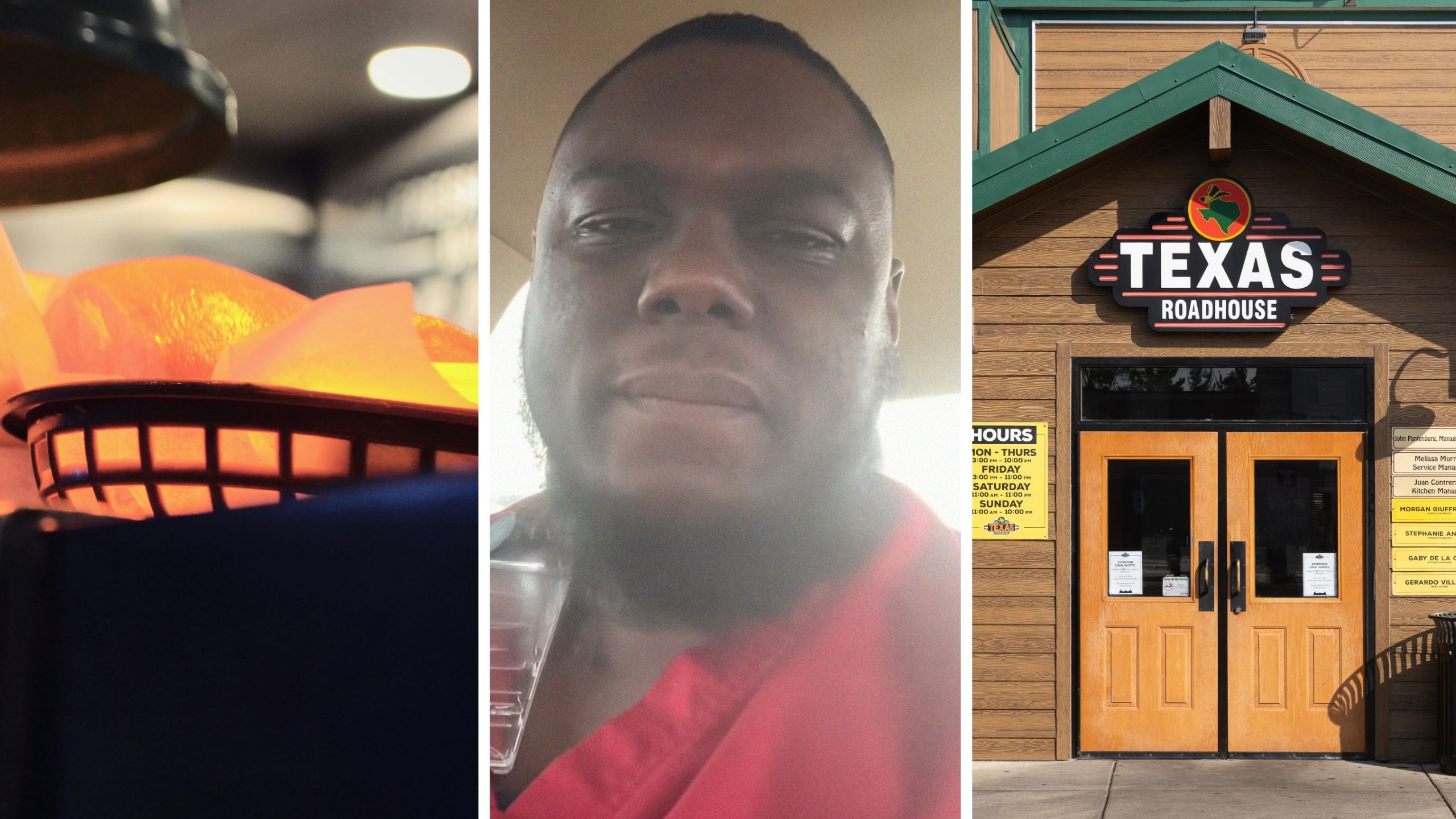
One man is currently going viral for experiencing such an outrage when dining at a Texas Roadhouse, which had smaller offerings.
Content creator Kevone (@kulk3030) shared a video addressing Texas Roadhouse regarding their cuisine. The video has since accumulated more than 888,000 views.
“Texas Roadhouse, I need y’all to get it the [expletive] together, ‘cause I’m tired of y’all being socially unaware,” Kevone said. “I’m 6 [feet, 2 inches], 300-plus pounds … I’m half the size of an adult gorilla, and y’all gonna sit me down at the table and just give me four rolls? And not even enough butter to spread across the communion cracker?”
Kevone then aired his grievances with the food service at Texas Roadhouse.
“So then I inhale that [expletive] before you even ask me what I want to drink, and then Courtney, or whatever other white girl name you can think of [goes] … ‘Would you like some more bread?’” Kevone said. “What the [expletive] do you think I came here for? Because it … sure ain’t the meat y’all be cooking.”
Kevone asserted that Texas Roadhouse’s meats left much to be desired, as exemplified by the “punk [expletive] bottle of steak sauce” that waiters leave on the tables.
“If you need sauce, you ain’t cooking some [expletive] right,” Kevone said. “That old middle school-cafeteria-frozen-Tyson-food-[expletive]-meat y’all be cooking? Don’t nobody want that [expletive].”
Kevone concluded his video with one final bit of critique, this time directed at the “lonely” bag of peanuts left in a “raggedy-[expletive] bucket” at his table.
“Who the [expletive] you know goes to a restaurant and be like, ‘Nah, I don’t want none of your entrees, I want to bust them nuts?’” Kevone said. “If y’all don’t start me off with a dozen rolls and instead of putting them punk-[expletive] peanuts in that bucket, fill that [expletive] up with some butter, and quit playing in my [expletive] face.”
@kulk3030 Texas Roadhouse
Kevone’s commenters were torn under his video, with many commiserating alongside him. Some viewers joked that it sounded like his “first mistake was going to Texas Roadhouse.”
“I’m 37 weeks pregnant, went to order some rolls after my last baby appointment and they were OUT, SOLD OUT,” one commenter wrote. “Literally said they were unavailable for their rolls. How do you run out????”
“They need to give you bottomless rolls when you sit down, not just 4,” another commented. “That’s a crime.”
“I always say if you take longhorns food and pair it with Texas roadhouse bread you got some,” a third commenter wrote.
Moreover, multiple Texas Roadhouse employees flocked to Kevone’s comment to defend their workplace.
“We cut our meat every single day,” said one viewer who self-identified as an employee of 10 years. “Everything is made in house from scratch. We are one of the only few scratch kitchen steakhouses!!”
“As a texas roadhouse server, i usually always bring more bread with drinks,” another commented. “I can usually tell when they need more bread lol.”
“When i worked at texas roadhouse we are taught to bring one when we sit u,” a third shared. “I had a table of 4 middle aged dudes who asked how many i can give them before being charged. I said ‘i wont charge u but if u tip me 20% ill make ur dreams come true’ this man reaches in his wallet pulls out a 20 … Each man ate 15 rolls. PLUS steaks. Best table i ever had.”
While Texas Roadhouse’s bread rolls are complimentary, the number of rolls served per table appears to vary based on location and availability.
Buzz News has reached out to Texas Roadhouse via email and Kevone via TikTok comment.

Une fusillade mortelle impliquant des agents de l’ICE (Immigration and Customs Enforcement) à Biddeford, dans le Maine, a renforcé la pression sur l’agence, puisqu’il s’agit du deuxième incident mortel impliquant du personnel de l’ICE en moins d’une semaine. Cet incident, qui s’est produit dans la matinée du 13 juillet, survient dans un contexte de critiques croissantes à l’égard des tactiques d’intervention de l’agence, suite à des opérations mortelles menées plus tôt cette année, notamment deux décès très médiatisés dans le Minnesota qui avaient déclenché des manifestations à l’échelle nationale et un tollé politique. Selon les autorités, plusieurs agences d’État et fédérales se sont chargées d’enquêter sur la fusillade du Maine, tandis que les organisations de défense des immigrés et les élus exigent des explications sur les circonstances qui ont conduit à une nouvelle perte de vie lors d’une opération de l’ICE. La succession rapide d’affrontements mortels a relancé le débat sur le recours à la force par l’agence et sur l’adéquation des mesures de contrôle existantes.
D’après les premières informations communiquées par les autorités, l’affrontement a débuté vers 7 h 20, heure locale, lorsque des agents de l’ICE vêtus d’un équipement tactique se sont approchés d’une berline blanche à un carrefour de Biddeford. Des témoins ont décrit une scène chaotique qui a rapidement dégénéré en violence. Un habitant de la région a rapporté avoir vu un SUV banalisé des forces de l’ordre tenter de percuter la berline avant que les agents n’encerclent le véhicule. Le témoin a indiqué que les agents avaient ensuite sorti de la voiture un homme qui semblait souffrir d’une grave blessure à la tête et qu’on pouvait l’entendre dire : « J’ai essayé de m’arrêter ». L’organisation de défense des droits des immigrés Project Relief a confirmé par la suite que la personne tuée était un jeune membre de sa communauté. Les autorités ont également confirmé que les agents de l’ICE directement impliqués dans l’incident n’étaient pas équipés de caméras corporelles, ce qui signifie que les enquêteurs ne disposent d’aucun enregistrement vidéo officiel capturant les instants qui ont immédiatement précédé la fusillade mortelle.

La fusillade de Biddeford s’est produite quelques jours seulement après une autre opération meurtrière de l’ICE à Houston, au Texas, qui avait suscité une vive polémique. Dans cette affaire, Lorenzo Salgado Araujo, un ouvrier du bâtiment mexicain âgé de 52 ans, avait été abattu lors de ce que les autorités avaient initialement décrit comme un contrôle routier ciblé. Des informations internes ont par la suite révélé qu’Araujo n’était pas la cible visée par l’opération et que les agents avaient interpellé par erreur son véhicule de travail après avoir cru qu’un de ses passagers ressemblait à un suspect qu’ils tentaient de localiser. Les circonstances de cette fusillade ont rapidement donné lieu à des versions contradictoires. Le département de la Sécurité intérieure a déclaré que M. Araujo avait tenté de percuter un agent avec son véhicule, tandis que les avocats représentant sa famille ont mis en avant des images de vidéosurveillance qui, selon eux, montrent un agent passant la main par la vitre d’un véhicule à l’arrêt avant de tirer à travers l’habitacle, touchant M. Araujo. Ces versions contradictoires ont alimenté les demandes d’enquêtes indépendantes sur ces deux incidents et ont intensifié l’inquiétude du public concernant les pratiques de l’ICE en matière d’application de la loi.
« Une personne a été tuée. L’ICE était impliqué. La police d’État et le ministère de la Sécurité publique sont désormais sur place pour recueillir des informations et s’attendent à ce que le FBI mène également une enquête. »
– Ryan Fecteau, président de la Chambre des représentants du Maine
Les autorités fédérales et d’État ont depuis ouvert plusieurs enquêtes sur la fusillade de Biddeford, alors que les questions continuent de s’accumuler quant aux circonstances qui ont conduit à cet affrontement mortel. Le FBI, la police d’État du Maine et le bureau du procureur général du Maine ont tous pris part à l’enquête, tandis que les responsables locaux indiquent qu’ils attendent des informations supplémentaires avant de tirer des conclusions. Le maire de Biddeford, Martin Grohman, a confirmé que les responsables municipaux coordonnaient leurs efforts avec les autorités de l’État, mais a souligné que l’enquête serait menée de manière indépendante. Le président de la Chambre des représentants du Maine, Ryan Fecteau, a également reconnu le caractère limité des informations disponibles peu après la fusillade, écrivant sur les réseaux sociaux : « Une personne a été tuée. L’ICE était impliqué. La police d’État et le département de la Sécurité publique sont désormais sur place pour recueillir des informations et s’attendent à ce que le FBI mène également une enquête. Ce sont les informations dont je dispose pour l’instant. Je vous tiendrai informés dès que j’en saurai davantage. » Sa déclaration a souligné à la fois la gravité de l’incident et l’incertitude entourant le déroulement exact de l’opération.

Cette fusillade a également suscité une condamnation politique immédiate de la part d’élus et d’associations de défense des immigrés, dont beaucoup affirment que cet incident reflète des préoccupations plus générales concernant les tactiques d’intervention de plus en plus agressives de l’ICE. La députée du Maine Chellie Pingree a publiquement remis en question la présence d’agents fédéraux de l’immigration dans l’État, en demandant : « Pourquoi êtes-vous dans le Maine ? » Le candidat au Sénat de l’État, Troy Jackson, est allé encore plus loin, qualifiant l’ICE d’« agence hors-la-loi » et appelant à sa suppression. Les organisations de défense des droits des immigrés se sont fait l’écho de ces préoccupations tout en exigeant davantage de transparence, en particulier après que les autorités ont confirmé que les agents de l’ICE impliqués ne portaient pas de caméras corporelles. L’absence de preuves vidéo est devenue un point central de la critique, les défenseurs des droits des immigrés faisant valoir que l’absence d’images pourrait compliquer les efforts visant à reconstituer entièrement les événements ayant conduit à la fusillade et à déterminer si le recours à la force meurtrière était justifié.

L’enquête de Biddeford se déroule désormais dans un contexte d’attention nationale croissante portée aux opérations de contrôle de l’ICE, à la suite de plusieurs affrontements mortels survenus cette année. Les défenseurs des droits civiques ont mis en avant non seulement la récente fusillade de Houston, mais aussi des décès antérieurs survenus dans le Minnesota, qui ont alimenté des manifestations, des controverses politiques et de nouveaux appels en faveur d’un renforcement de la surveillance fédérale des contrôles d’immigration. Les partisans d’une plus grande responsabilisation font valoir que la succession d’incidents mortels a intensifié les inquiétudes du public concernant les tactiques opérationnelles, la transparence et le recours à la force par l’agence lors de ses interventions sur le terrain. Dans le même temps, les enquêteurs fédéraux continuent de recueillir des témoignages, des preuves médico-légales et d’autres éléments qui permettront de déterminer exactement ce qui s’est passé à Biddeford. Alors que ces enquêtes parallèles avancent, cette dernière fusillade mortelle devrait exercer une pression supplémentaire sur les autorités fédérales pour qu’elles répondent aux questions de plus en plus nombreuses concernant les politiques, la formation et les procédures opérationnelles de l’ICE, alors que l’agence traverse l’une des périodes les plus scrutées de ces dernières années.

Every day, people wake up and decide to share footage from their personal lives on the internet. Every day, the internet decides to weigh in. While this often occurs with couples content, every now and then a family video will go viral and stir up some controversy.
One such video is currently making the rounds for showcasing a very particular kind of mother-daughter dynamic. And people aren’t fans.
Culinary content creator Grandma Pam (@grandmapamsgroceryfinds) posted a video of what appears to be a family discussion regarding her granddaughter’s birthday wishes. The video has accumulated more than 2.9 million views.
“You have a seven-year-old who asks for Outback Steakhouse for their eighth birthday? I do,” the mother said, standing at her kitchen counter in front of Outback takeout boxes. “So here we are ordering $90 worth of Outback Bloomin’ Bundles for a seven-year-old. Turning eight.”
Pam then panned her camera to the child in question, who was smiling and seated across from her mother on the other side of the counter. Pam turned the camera back to the mother, who began breaking down the contents of her Outback haul to her viewers.
“Alright, so we’re going to start with our proteins just so you guys know what it all looks like,” the mother said. She opened each box of food as she mentioned it. “We got four of the fillets. We’re a little bougie tonight. She’s not necessarily getting steak, she’ll have some chicken.”
The little girl’s voice came offscreen with a giggle after she joked, “How dare you?” Pam and the mother also laughed, and Pam said, “We’re kidding, we’re kidding.” The mother affirmed, “You get steak.”
The mother then showed her viewers some “heavily seasoned” chicken, four baked potatoes, two “delicious” loaves of bread, some dressing, broccoli, French fries, and takeout cutlery.
“But yeah, this is $90,” the mother finished. “And happy birthday to her!”
In Pam’s comment section, viewers derided the mom’s tone and word choice in the video. Many commenters interpreted the mother’s demeanor as evidence of her treating her daughter “like a burden.”
“She wanted outback steakhouse but doesn’t get steak… okay,” wrote one viewer. When a viewer responded that “she literally said she was joking,” another viewer replied in the same thread, “Mom’s tone said it all. Kids who lived this life know exactly what she meant.”
“My mom is exactly like this!” one person commented. “Always making me feel like i was an inconvenience for her. You need to reevaluate the way you speak about and to her! I always felt bad when anyone did anything for me. Like I didn’t deserve it.”
@grandmapamsgroceryfinds 8th birthday dinner outback steakhouse family meal 8 I don’t protein $90 #birthday #outback #familymeals #mealdeal #eatingout ♬ original sound – Grandma Pam
The comment section continued discussing the mother’s tone. Some viewers even compared it to their own experiences.
“My parents add two zeros to the age we turn, that’s our birthday budget,” one viewer wrote. “I’d cry if I was treated like a burden over $90.”
Pam decided to reply to this comment. There, she addressed hundreds of critical comments.
“I was posting this meal to let people know how cheap the meal was,” Pam wrote. “I don’t know what part everybody doesn’t understand $90 to feed six people. That’s a great deal. She wanted to eat at home because she had softball and she had her party at the skating rink the next day with 15 of her friends so everything went great for her birthday. I appreciate you commenting.”
But people weren’t having it. Multiple commenters accused Pam of not considering the possibility that the widespread public reaction might point to a deeper issue of “a huge heaping side of passive aggressive sarcasm.”
“Personally, if I had a flood of comments about how I was talking to my child, I’d re-evaluate instead of getting defensive,” one commenter said. “Clearly there’d be something I’m missing. But maybe that’s just me and I can admit when I’m wrong.”
Multiple viewers shared that similar “rudeness” they’d experienced as children had led them to go “no contact” with one or both parents.
Therapist Dr. Alexandra Solomon told YourTango that going no-contact from parents can be “not only an intelligent choice but a safe one” that prioritizes the wellness of a child. Reasons for children going no-contact range from experiencing physical parental abuse to narcissistic behavior, according to BuzzFeed. Every situation is different, however, and should be treated accordingly. A viral moment doesn’t necessarily give the full context regarding a family’s overall behavior.
Buzz News has reached out to Outback Steakhouse via email and Pam via TikTok comment.
Donald Trump is turning back the clock on his talking points, and Greenland is back in his sights. Clearly, the fight over Greenland is far from over as the US president has made a new slew of statements regarding the Danish territory. After nearly six months of silence from Trump on Greenland, Europeans are once again worrying about sovereignty as Donald Trump has revived his ambition to annex Greenland. Speaking in Ankara, Turkey, to attend the annual summit of NATO leaders, on July 12, Trump stated once again that he believes Greenland (and the world) would be better off if the country were under the control of the United States.
Trump revived the issue shortly after arriving in Ankara, where NATO leaders had hoped to focus discussions on defence spending, Ukraine, and security in the Middle East. Instead, the president returned to one of his most controversial foreign policy ambitions, arguing Denmark had failed to properly develop or defend Greenland despite its strategic importance. The following day, Trump doubled down, saying Greenland was important to the United States but « not important for Denmark » while criticizing NATO’s handling of the issue. The remarks immediately dominated headlines across Europe, and have now overshadowed much of the alliance’s planned agenda.
“[Greenland] should be controlled by the United States, not by Denmark.”
-Donald Trump
The comments reopened a dispute that nearly triggered one of the biggest political crises in NATO’s history earlier in 2026. In January, Trump threatened tariffs against several European countries in an effort to pressure Denmark into giving up control of Greenland. The threats sparked emergency meetings among European Union leaders and fears of a transatlantic trade conflict. The standoff ended only after NATO Secretary-General Mark Rutte negotiated what officials have described as a ‘framework agreement’ to strengthen Arctic security while allowing both sides to step back from further escalation. Since then, European leaders have believed the issue has largely been resolved.
According to sources in the media, though, negotiations never truly stopped. Denmark, Greenland, and the White House have continued holding quiet discussions over future security arrangements on the Arctic island, which remains governed by a 1951 defence agreement with the United States. According to previous reporting, Washington is seeking permanent military guarantees and greater influence over future investment decisions on the island. Danish officials reportedly believe those proposals would undermine Greenland’s autonomy. Those talks have yet to produce an agreement acceptable to all three governments.
Greenland has become increasingly important because of its location and natural resources. As Arctic sea ice continues to retreat due to climate change, new shipping routes are becoming accessible. Additionally, previously unreachable deposits of rare earth minerals and other critical resources have attracted growing international attention. The United States already operates Pituffik Space Base in northwestern Greenland under an existing defence agreement, giving Washington a significant military presence in the region. European analysts argue that the arrangement already provides the security cooperation Trump says the United States requires, making calls for outright control of the island difficult to justify.
European leaders have responded cautiously, attempting to defend Denmark without escalating tensions with Washington. Danish Prime Minister Mette Frederiksen reiterated that Greenland remains part of the Kingdom of Denmark and emphasized that Greenlanders have repeatedly rejected becoming part of the United States. The European Commission echoed that position, saying territorial integrity, sovereignty and internationally recognized borders remain fundamental principles of international law. Brussels also reaffirmed its support for Denmark and Greenland while continuing work on an updated Arctic strategy aimed at strengthening Europe’s presence in the region.
The US position is, unfortunately, very clear on this topic. But our position is as clear as it has been all through: Greenland is not for sale. I hope all allies will respect the Greenlandic people’s right to self-determination,
-Danish Prime Minister Mette Frederiksen
For NATO, the timing is particularly sensitive. The alliance entered this year’s summit hoping to showcase record defence spending commitments and greater unity in response to growing security threats from Russia and China. Instead, Trump’s renewed focus on Greenland once again placed internal divisions at the centre of international attention. While no immediate policy changes have followed his comments, European leaders now find themselves revisiting an issue many hoped had been settled. With diplomatic negotiations continuing and Trump’s position unchanged, officials increasingly believe the dispute over Greenland is likely to remain one of the most persistent sources of tension between the United States and its closest allies.