Catégories
Uncategorized

Warner Bros. Discovery Turns Down Paramount’s Hostile Bid for Control of HBO and CNN
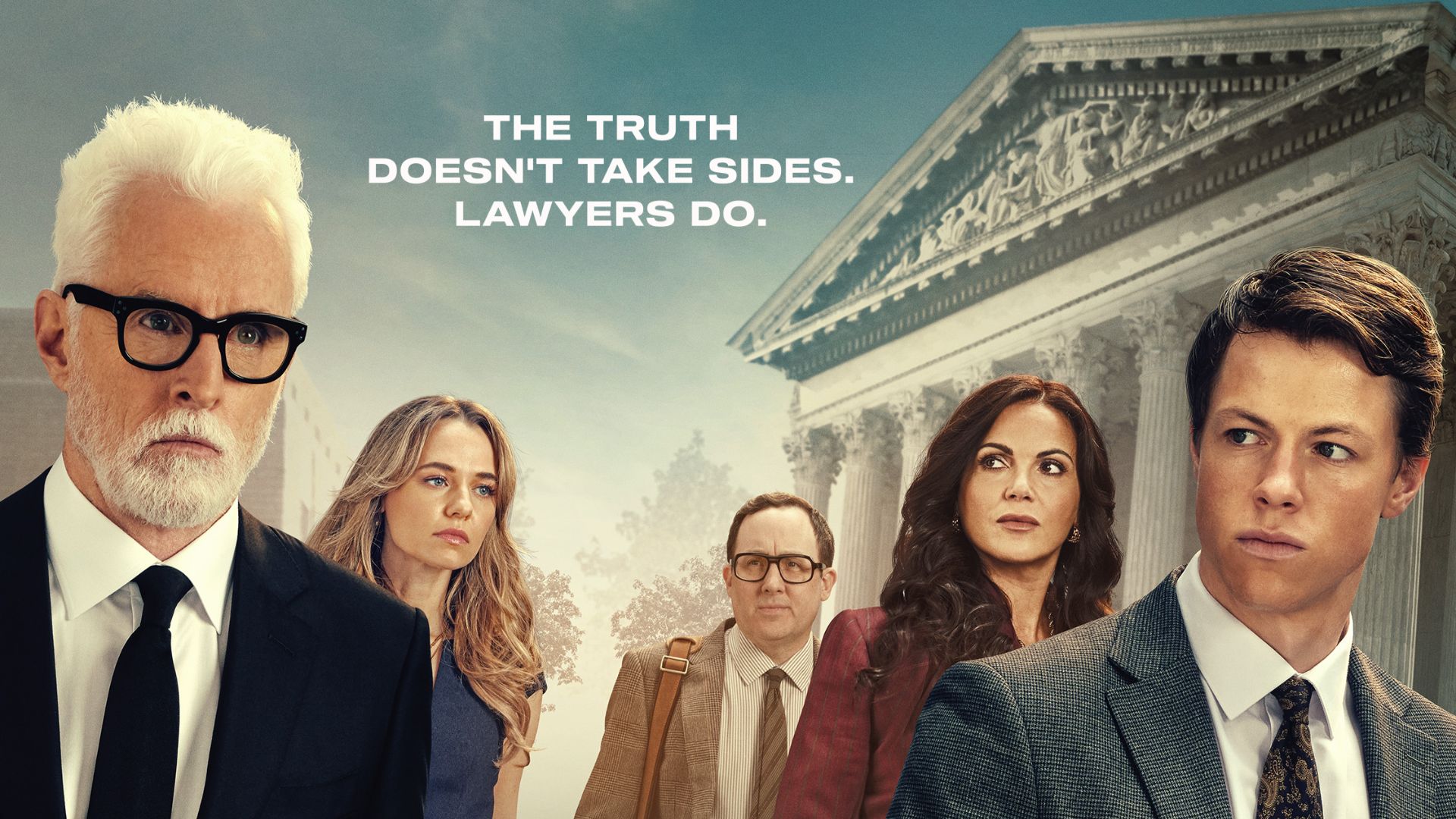
Paramount’s bid for Warner Bros., HBO and CNN has been firmly rejected, with the Warner Bros. Discovery board urging shareholders to disregard the proposal. According to CNN, the board said in a letter to investors that Paramount’s offer — presented as a counter to an existing agreement under which Netflix would acquire Warner Bros. and HBO, but not CNN — was «inadequate» and less attractive than the Netflix deal already on the table. The board warned that Paramount’s proposal involved «an extraordinary amount of incremental debt», a structure it said would place shareholders at «more risk» and significantly weaken the company’s financial position, reinforcing its recommendation to support the Netflix-backed transaction instead.
Getty Images

In early December 2025, Netflix and Warner Bros. Discovery reached an agreement under which Netflix would acquire Warner’s film and television businesses, including HBO and the HBO Max streaming service, in a deal valued at roughly $72 billion in cash and stock, or about $82.7 billion including debt, with completion expected in 2026 pending regulatory approval. Just three days later, on December 8, Paramount Skydance, led by chief executive David Ellison, launched a surprise hostile counteroffer for Warner Bros. Discovery as a whole, proposing to buy the entire company for $30 per share in cash, an enterprise valuation of about $108.4 billion that would have included all cable and television assets, unlike Netflix’s more targeted bid. Paramount’s proposal was backed by significant external financing, including support from sovereign wealth funds in Saudi Arabia, Qatar and the United Arab Emirates, as well as equity from Affinity Partners, the private-equity firm led by Jared Kushner, Donald Trump’s son-in-law, a detail disclosed in regulatory filings that drew particular scrutiny. Warner Bros. Discovery’s board, however, repeatedly rejected Paramount’s overtures, arguing that the Netflix agreement offered superior value and lower execution risk, while warning that Paramount’s bid relied on a heavily debt-dependent structure that would expose shareholders to greater financial risk.

Getty Images

Donald Trump has publicly weighed in on Netflix’s proposed acquisition of Warner Bros. Discovery, raising concerns about the scale and influence of the combined company. Speaking to reporters in December, Trump said the deal «could be a problem» because of Netflix’s market position, while stressing that it would be subject to regulatory review. Asked directly about his own role in that process, Trump made clear that he intended to take part personally, saying «I’ll be involved in that decision», a statement that signaled heightened scrutiny of the transaction under his presidency and suggested that the fate of the deal could ultimately rest with his administration’s assessment of its competitive impact.

Getty Images
Catégories
Uncategorized

U.S. Seizes 2 Tankers, 1 Is Now Claimed by Russia

Hours after announcing on his Truth Social account that Venezuela would be turning over «between 30 and 50 MILLION Barrels of High Quality, Sanctioned Oil, to the United States of America», the Trump administration seized two oil tankers. One of the vessels, the M/T Sophia, was in the Caribbean Sea and was described by the Department of Homeland Security as a stateless, sanctioned “dark fleet” motor tanker. A second vessel, the M/V Bella 1, was also intercepted, according to U.S. European Command, after the United States had attempted to stop it weeks earlier but it escaped and continued north, passing along the UK coast. In a further escalation, Russia has since claimed ownership of the second tanker, adding an international dimension to the operation carried out in the immediate aftermath of the U.S. move against Venezuela.

Getty Images

U.S. Southern Command detailed the seizure of the M/T Sophia in a statement published on X, describing a coordinated early-morning operation involving multiple federal agencies. «In a pre-dawn action this morning, the Department of War, in coordination with the Department of Homeland Security, apprehended a stateless, sanctioned dark fleet motor tanker without incident», the command said, adding that the vessel «was operating in international waters and conducting illicit activities in the Caribbean Sea». According to the statement, the U.S. Coast Guard is escorting the Sophia to the United States «for final disposition». Framing the action as part of a broader regional campaign, Southern Command said the interdiction was carried out under «Operation Southern Spear» and reaffirmed that it was «unwavering in its mission to crush illicit activity in the Western Hemisphere» and would «defend our Homeland and restore security and strength across the Americas».

CaptureX/USEuropeanCommand X/USSouthernCommand

U.S. European Command detailed the seizure of the M/V Bella 1 in a statement posted on X, confirming that the vessel is the same tanker now claimed by Russia and outlining a pursuit that unfolded over several weeks. «The @TheJusticeDept & @DHSgov, in coordination with the @DeptofWar, today announced the seizure of the M/V Bella 1 for violations of U.S. sanctions», the command said, adding that «the vessel was seized in the North Atlantic pursuant to a warrant issued by a U.S. federal court after being tracked by USCGC Munro». According to CNN, the tanker had previously evaded an earlier U.S. interception attempt, continuing its voyage north and drawing heightened scrutiny as it moved through strategically sensitive waters. Following the seizure, Russian officials asserted that the Bella 1 was a Russian vessel, a claim that Washington has rejected, framing the case as a sanctions enforcement action backed by a federal court order rather than a dispute over sovereignty, and marking a further escalation in tensions surrounding U.S. efforts to police illicit oil shipments.

Getty Images

In the days following the military operation that led to the capture of Nicolás Maduro, Donald Trump used his Truth Social account to announce a major shift in U.S.–Venezuela energy relations, writing «I am pleased to announce that the Interim Authorities in Venezuela will be turning over between 30 and 50 MILLION Barrels of High Quality, Sanctioned Oil, to the United States of America». He added that «This Oil will be sold at its Market Price, and that money will be controlled by me, as President of the United States of America, to ensure it is used to benefit the people of Venezuela and the United States!», and said he had asked Energy Secretary Chris Wright to execute the plan immediately. Trump specified that the oil would be transported by storage ships and delivered directly to unloading docks in the United States, framing the move as part of Washington’s broader effort to assert control over Venezuelan oil flows in the aftermath of the intervention.

Getty Images

Les compagnies pétrolières seraient «peu intéressées» par le Venezuela après l’attaque de Trump

Trump a publiquement insisté sur le fait que les entreprises américaines mèneraient l’effort de restauration de l’industrie pétrolière du Venezuela, déclarant : « Nous allons demander à nos très grandes compagnies pétrolières américaines, les plus grandes du monde, d’aller sur place, de dépenser des milliards de dollars, de réparer l’infrastructure gravement endommagée – l’infrastructure pétrolière – et de commencer à gagner de l’argent pour le pays ». Pourtant, les dirigeants et les personnalités du secteur n’ont guère manifesté l’enthousiasme exprimé par le président.

U.S. Oil Majors Show «Pretty Low» Appetite for Venezuela After Trump’s Push

Trump has publicly insisted that U.S. firms would lead the effort to restore Venezuela’s oil industry, declaring «We’re going to have our very large United States oil companies, the biggest anywhere in the world, go in, spend billions of dollars, fix the badly broken infrastructure — the oil infrastructure — and start making money for the country». Yet executives and industry figures have shown little of the enthusiasm expressed by the president.

Maduro pourrait-il s’en sortir à son procès?

Longue, complexe et politique. Voilà comment s’annonce l’affaire pénale contre Nicolás Maduro. Entre la question de l’immunité d’un chef d’État, des preuves classifiées, des témoins à risque ainsi que des enjeux de sécurité nationale et de politique étrangère, la défense de M. Maduro pourrait faire dérailler la procédure avant même qu’un procès n’ait lieu, rapporte CNN. Cela dit, plusieurs anciens procureurs ont indiqué au média américain que le ministère de la Justice n’aurait inculpé et capturé Maduro que s’il pensait disposer d’un dossier suffisamment solide.

TikTok échappe à l’interdiction américaine

Après plusieurs mois de tractations, TikTok a signé un accord permettant la création d’une coentreprise américaine afin d’éviter son interdiction aux États-Unis.

European Leaders Caution Trump That Greenland Falls Under NATO Protection

As European leaders gathered in Paris for talks with a U.S. envoy on the Ukraine peace process, the focus of the meeting shifted sharply to Donald Trump’s renewed threats against a NATO ally and his rhetoric surrounding a potential U.S. takeover of Greenland.

L’UE accorde un prêt historique de 90Md€ à l’Ukraine

Réunis en sommet à Bruxelles, les dirigeants européens ont signé un prêt sans précédent de 90 milliards d’euros à l’Ukraine au cours des deux prochaines années. Les 27 États membres ont opté pour un prêt classique, sans intérêt pour l’Ukraine, financé par la dette commune de l’UE. Cette entente découle de plusieurs heures de négociations ardues, les pays n’arrivant pas à trouver un compromis sur le recours aux avoirs russes gelés en Europe.

Catégories
Uncategorized

Maduros Nike-Outfit geht viral

Die Festnahme von Nicolás Maduro, einer zentralen und höchst umstrittenen Figur in der lateinamerikanischen Politik, ging schnell um die Welt. Doch neben dem politischen Ereignis an sich erregte ein unerwartetes Detail die Aufmerksamkeit der Öffentlichkeit: die Kleidung, die der Mann bei seiner Festnahme trug.

Ein Bild, das das Internet explodieren lässt

Am 3. Januar 2026 war es US-Präsident Donald Trump selbst, der die Medien erneut anheizte, indem er ein Foto von Maduro kurz nach seiner Festnahme teilte. Das Bild, das ohne Bildunterschrift veröffentlicht wurde, löste sofort Millionen von Reaktionen aus.

Auf dem Foto ist Maduro in einem überraschend unauffälligen Outfit zu sehen: einem grauen Nike Tech Anzug, der weit entfernt ist von den offiziellen Anzügen und dem politischen Prunk, mit dem er in Verbindung gebracht wurde. Dieser Kontrast zwischen dem dramatischen Hintergrund der Verhaftung und dem Streetwear-Look reichte aus, um ein virales Phänomen auszulösen.

Das Nike-Outfit in Frage gestellt

Das getragene Ensemble besteht aus zwei Teilen, die Liebhabern der urbanen Mode wohlbekannt sind:

Wer ist Nicolás Maduro?

Nicolás Maduro ist der ehemalige Präsident von Venezuela, Nachfolger von Hugo Chávez und seit über einem Jahrzehnt an der Macht. Sein Regime war von schweren Korruptionsvorwürfen, Menschenrechtsverletzungen und einer schweren Wirtschaftskrise geprägt, die das Land in eine tiefe Instabilität stürzte. Als polarisierende Figur auf der internationalen Bühne war er seit mehreren Jahren Gegenstand von Mandaten und diplomatischem Druck.

Wenn Politik auf Mode trifft

In den Stunden nach Trumps Veröffentlichung stieg die Suche nach diesem Nike-Outfit sprunghaft an. In den sozialen Netzwerken häuften sich ironische Kommentare, Memes und Analysen, wobei einige sogar darauf hinwiesen, dass das Outfit für einen historischen Moment dieser Größenordnung fast schon „zu normal” wirkte.

Innerhalb weniger Klicks wurde ein einfaches Jogging-Outfit zum Mittelpunkt einer weltweiten Konversation, die Politik, Popkultur und Konsum miteinander verband.

Catégories
Uncategorized

Chrystia Freeland quitte… pour le gouvernement ukrainien

L’ancienne vice-première ministre du Canada et députée libérale de longue date, Chrystia Freeland, a déclaré qu’elle quitterait le Parlement dans les prochaines semaines pour accepter un poste de conseillère en développement économique auprès du président ukrainien Volodymyr Zelensky. Selon le Premier ministre canadien Mark Carney, ce poste est une étape naturelle pour Freeland, qui a démissionné de son poste de ministre des Transports et du Commerce intérieur pour devenir l’envoyée spéciale du Canada en Ukraine. Peu après, Freeland a annoncé qu’elle ne se présenterait pas aux prochaines élections. Freeland a remercié les Canadiens dans un message publié sur Twitter : « Je tiens à remercier mes électeurs pour la confiance qu’ils m’ont accordée pendant des années. Je suis très reconnaissante d’avoir été votre représentante. »

Il semble que 2026 sera une année de changement pour Freeland, après l’échec de sa candidature à la direction du parti libéral en 2025. Freeland, libérale de longue date, n’a obtenu que 8 % des voix après le départ de Justin Trudeau de son poste de Premier ministre le 6 janvier 2025. Chrystia Freeland avait de grands espoirs pour l’élection à la direction du parti libéral, étant le visage le plus familier sur le bulletin de vote, mais elle a été balayée par Mark Carney, qui a dominé l’élection, remportant 86 % des votes disponibles. Freeland n’était apparemment pas satisfaite de sa nomination au sein du gouvernement de Carney et a donc démissionné de son poste de ministre des Transports et du Commerce intérieur pour devenir l’envoyée spéciale du Canada en Ukraine.

Selon des sources anonymes rapportées par CBC et CTV,  Freeland s’est vu proposer le rôle par Zelensky le 22 décembre et a informé le premier ministre Carney de sa démission le 24 décembre. Il s’agirait d’un poste à temps partiel et non rémunéré, dans le cadre duquel Zelensky nommerait Freeland pour mettre en place un conseil consultatif international sur la reconstruction de l’Ukraine. Dans un message publié sur X, Carney a remercié Freeland pour son travail et l’a qualifiée de « particulièrement qualifiée pour ce nouveau rôle important », tout en la remerciant pour les services qu’elle a rendus au Parlement.

Pourquoi l’Ukraine ?

Ce changement de rôle marque un tournant important dans la carrière de Freeland, qui reste l’un des visages les plus reconnaissables du Parti libéral ; mais cette reconnaissance n’a pas conduit au succès politique pour Freeland, qui semble avoir atteint un plafond au sein du caucus. Au cours des trois dernières années, Freeland n’a jamais réussi à gagner la confiance des membres du parti ou des électeurs. Au cours des quatre dernières années, Freeland s’est attiré les foudres des influenceurs conservateurs sur les réseaux sociaux, en grande partie à cause de sa relation avec l’ancien premier ministre Justin Trudeau, qui a fait face à des chiffres d’approbation catastrophiques avant d’être contraint à la démission par le caucus libéral. En 2024, un sondage Léger a révélé que seulement 20 % des électeurs libéraux seraient satisfaits de voir Chrystia Freeland occuper le poste de premier ministre, ce qui remet en question son avenir au sein du Parlement.

Freeland a tenté de prendre ses distances avec Justin Trudeau lorsque les sondages ont montré que sa cote de popularité était en chute libre, en démissionnant de son poste de vice-premier ministre dans une lettre très critique. Malheureusement pour Freeland, les Canadiens ont vu dans cette démission un effort désespéré pour sauver sa carrière politique, et non une prise de position contre son allié de longue date, Trudeau. Freeland étant confrontée à une horde d’électeurs critiques, il est logique qu’elle se tourne vers l’Ukraine, d’autant plus qu’elle est d’origine ukrainienne et qu’elle a vécu à la fois en Ukraine et en Russie au cours de ses vingt années de journalisme. Désormais, Freeland travaillera directement sous les ordres du président ukrainien Volodymyr Zelensky – bien qu’à un poste non rémunéré – et renouera avec ses racines ukrainiennes.

Au cours de sa décennie au gouvernement, Freeland a été ministre du Commerce international, des Affaires étrangères, des Affaires intergouvernementales, des Finances, des Transports, du Commerce intérieur et vice-première ministre. Chrystia Freeland a été élue pour la première fois en 2013 et a auparavant travaillé comme journaliste pour le Financial Times, le Globe and Mail et Reuters.