Poll: Our readers' top 13 cocktail bars in Montreal!

For several years now, Montreal has established itself as a must-visit destination for cocktail enthusiasts. From hidden speakeasies to ultra-trendy bars and more intimate spots, the city is brimming with places where mixology is elevated to an art form. To guide you through this vibrant scene, we asked our readers to share their favorite spots. The result: a curated selection of spots where creativity, atmosphere, and expertise come together to offer unique experiences, one drink at a time.

Catégories
Uncategorized

Melania Trump crée le choc avec sa sortie sur Jeffrey Epstein

La Première dame Melania Trump a fait une apparition rare et inattendue à la Maison Blanche cette semaine, où elle a prononcé une déclaration surprise qui a rapidement retenu l’attention en raison de son sujet. Plutôt que d’aborder les tensions géopolitiques actuelles ou la politique intérieure, elle s’est concentrée sur les rumeurs persistantes la liant à Jeffrey Epstein, le financier déchu dont l’affaire est restée un sujet majeur dans les médias et le discours politique au cours de l’année écoulée.

La décision d’aborder cette question publiquement a été une surprise, d’autant plus que la couverture médiatique s’était largement tournée vers les actions militaires américaines en Iran. Dans ses propos, Melania Trump a directement confronté ce qu’elle a qualifié de fausses rumeurs, donnant le ton d’une réfutation énergique et personnelle.

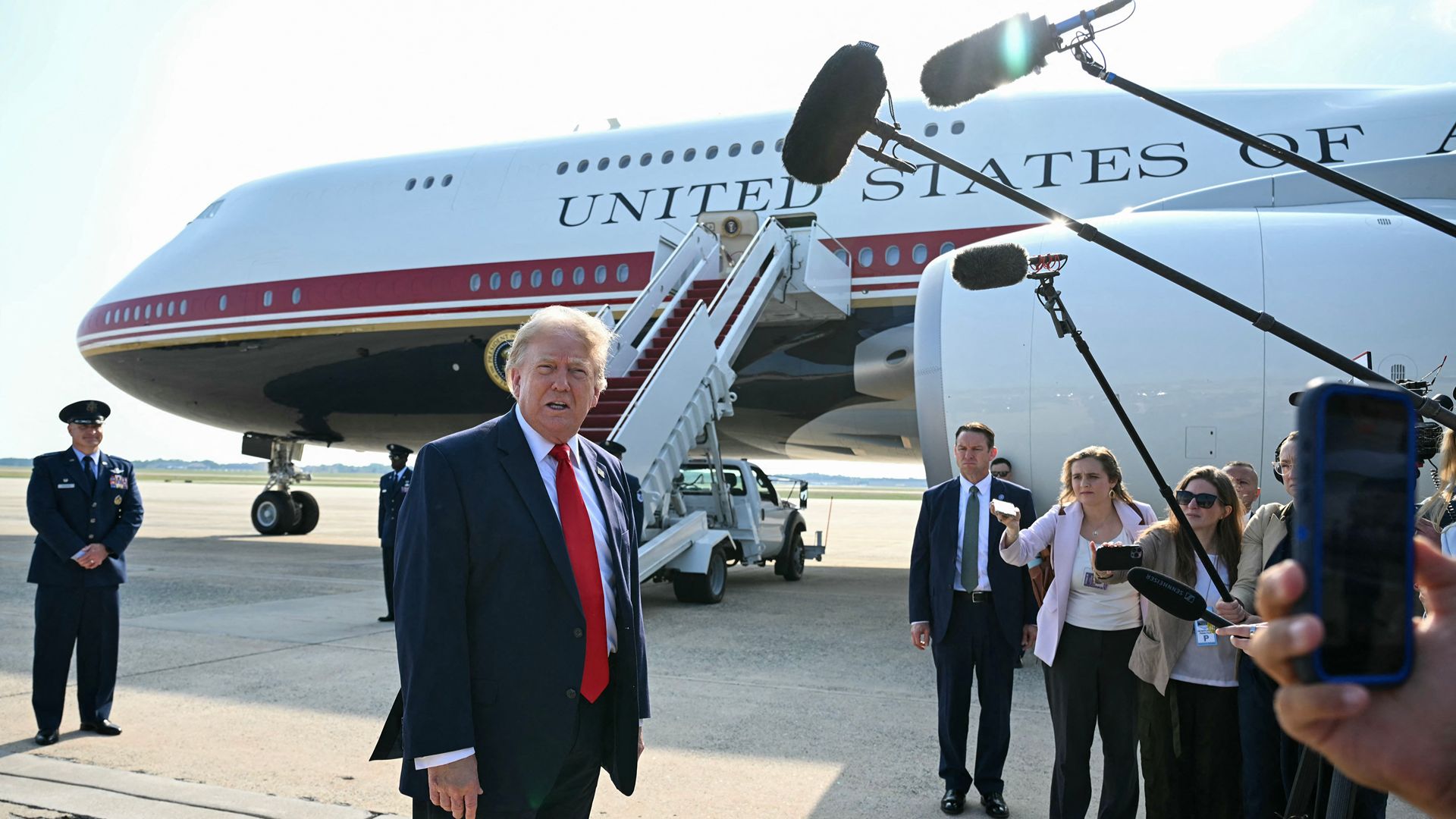
Getty Images

Au cours de sa déclaration, la Première dame a fermement nié tout lien personnel avec Epstein, soulignant qu’elle souhaitait tracer une ligne claire entre elle-même et cette controverse.

Elle a déclaré :

« Les mensonges qui me lient au déshonoré Jeffrey Epstein doivent cesser aujourd’hui. » Ce commentaire a marqué l’une de ses interventions publiques les plus directes sur le sujet. Elle a qualifié ces allégations de sans fondement et de préjudiciables, insistant sur le fait qu’elles donnaient une image fausse de son passé et de son rôle au sein des cercles sociaux de l’époque. Ses propos ont souligné une volonté délibérée de se distancier du scandale Epstein au sens large, qui continue d’impliquer des personnalités de premier plan des années après sa mort.

« Ma réponse par e-mail à Maxwell ne peut être qualifiée que de simple correspondance informelle. Ma réponse polie à son e-mail n’est rien de plus qu’une note insignifiante. »

– Melania Trump, Première dame des États-Unis

Melania Trump a également abordé la nature de sa proximité passée, ainsi que celle de Donald Trump, avec Epstein, la qualifiant d’accidentelle plutôt que personnelle.

Elle a expliqué :

« Donald et moi étions invités de temps à autre aux mêmes soirées qu’Epstein, car il est courant que les cercles sociaux se recoupent à New York et à Palm Beach. » Cette déclaration visait à replacer dans son contexte toute association perçue au sein de l’environnement social des cercles d’élite de cette époque. Elle a ajouté des précisions supplémentaires, déclarant :

« Je n’ai jamais été amie avec Epstein, je ne suis pas une victime d’Epstein. Ce n’est pas Epstein qui m’a présentée à Donald Trump. »

Ces remarques visaient à contrer les allégations persistantes concernant ses liens avec Epstein et la connaissance antérieure que son mari avait de lui.

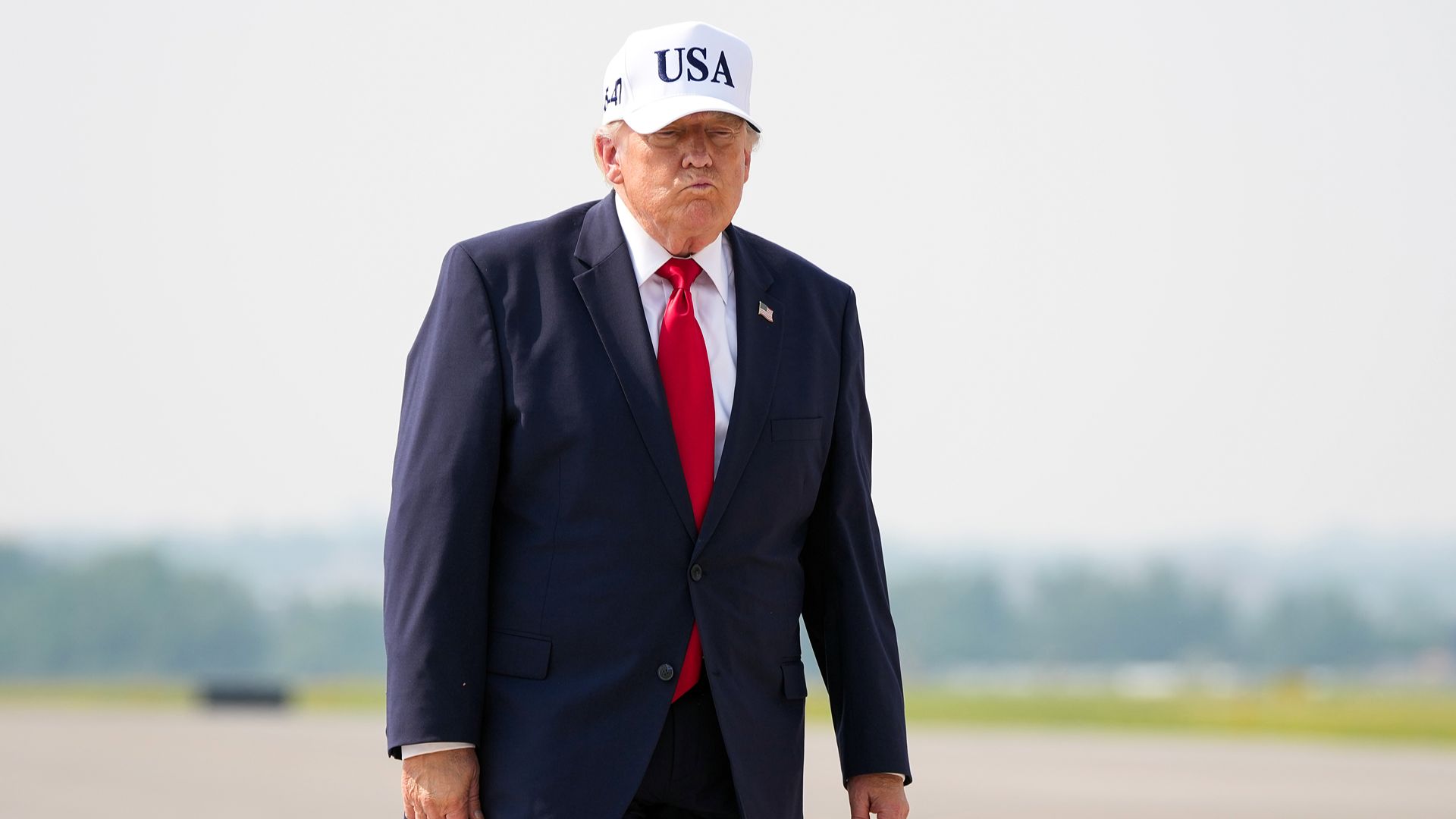
Getty Images

Les commentaires de la Première dame s’inscrivent dans le contexte des liens passés avérés entre Donald Trump et Epstein, qui remontent aux années 1990 et au début des années 2000, avant que leur relation ne prenne fin, selon certaines sources. Bien que Trump ait précédemment déclaré s’être éloigné d’Epstein bien avant que les démêlés judiciaires de ce dernier ne soient rendus publics, la question reste un sujet de controverse. L’intervention de Melania Trump semble destinée à dissocier son histoire personnelle de ce passé. En soulignant l’absence de relation directe, elle a cherché à renforcer la distinction entre proximité sociale et implication personnelle.

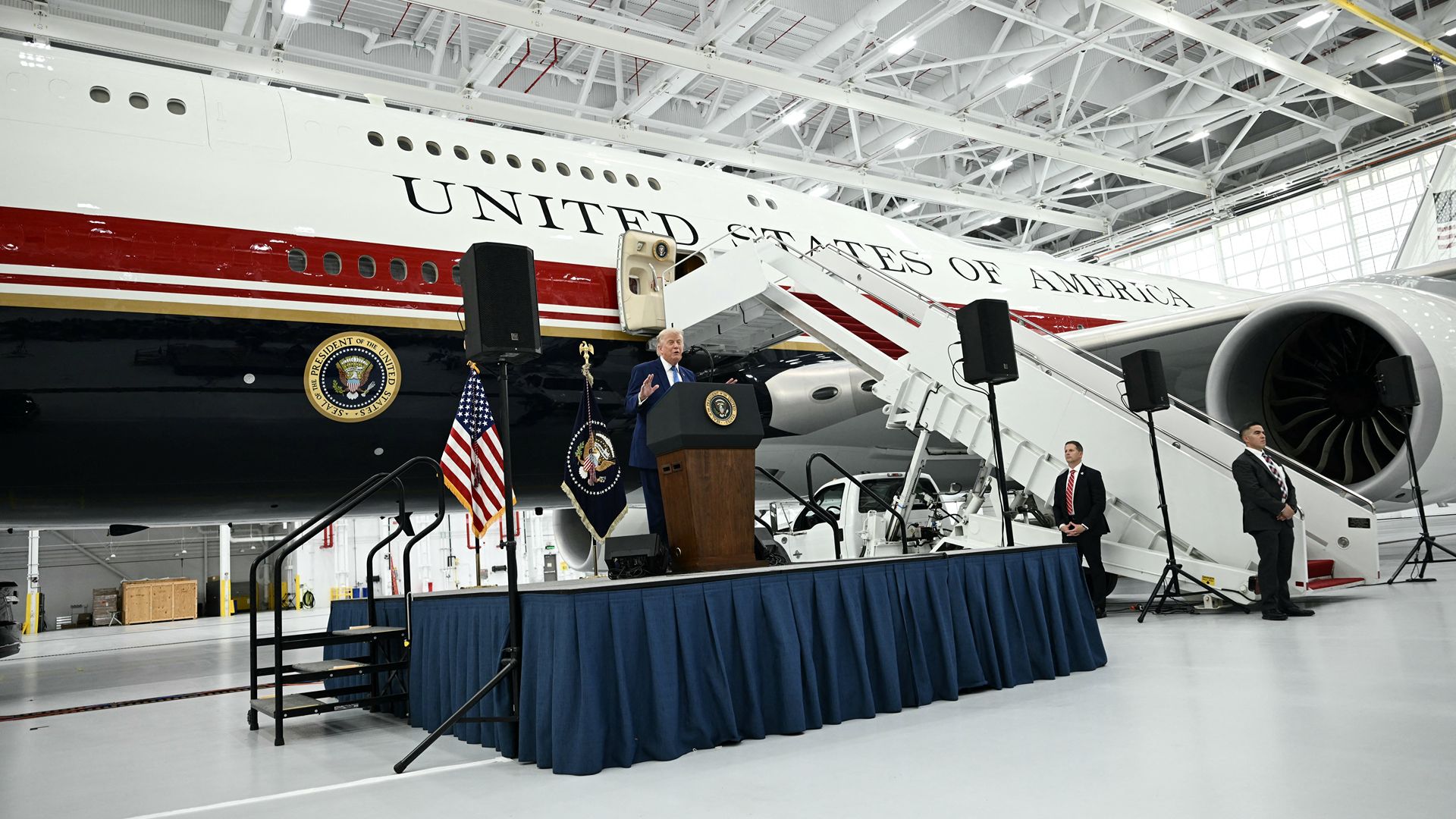
Getty Images

Dans ses propos, Melania Trump a également fait référence à des échanges d’e-mails avec Ghislaine Maxwell, associée de longue date et coaccusée d’Epstein, qui ont été cités dans les médias. Évoquant ces communications, elle a cité un message :

« Joli article sur JE dans le NY Mag. Tu es superbe sur la photo. »

Elle a ensuite donné son interprétation de cet échange, déclarant :

« Ma réponse par e-mail à Maxwell ne peut être qualifiée que de simple correspondance informelle. Ma réponse polie à son e-mail n’est rien de plus qu’une note anodine. »

Cette explication visait à minimiser l’importance de cette interaction et à la présenter comme une communication sociale courante plutôt que comme la preuve d’un lien plus profond.

« Je n’ai jamais été amie avec Epstein, je ne suis pas une victime d’Epstein. Ce n’est pas Epstein qui m’a présentée à Donald Trump. »

– Melania Trump, Première dame des États-Unis

Le moment choisi pour la déclaration publique de Melania Trump a suscité des interrogations parmi les observateurs, car elle intervient à un moment où l’affaire Epstein avait largement disparu des gros titres, l’attention se concentrant davantage sur les développements internationaux, notamment les actions américaines concernant l’Iran. Sa décision d’aborder la question maintenant a donné lieu à des spéculations sur ses motivations sous-jacentes, bien qu’aucune explication officielle n’ait été fournie.

Ces propos marquent néanmoins un moment important dans son rôle public, puisqu’elle a pris l’initiative de répondre directement aux allégations et d’affirmer sa position sur une affaire qui continue d’avoir des implications politiques et réputationnelles.

Getty Images
Catégories
Uncategorized

Melania Trump shocks as she demands an end to the «lies» about her and the «disgraceful Jeffrey Epstein»

First Lady Melania Trump made a rare and unexpected appearance at the White House this week, delivering a surprise statement that quickly drew attention for its subject matter. Rather than addressing ongoing geopolitical tensions or domestic policy, she focused on longstanding rumors linking her to Jeffrey Epstein, the disgraced financier whose case has remained a major subject in media and political discourse over the past year. The decision to address the issue publicly came as a surprise, particularly as media coverage had largely shifted toward U.S. military actions in Iran. In her remarks, Melania Trump directly confronted what she described as false narratives, setting the tone for a forceful and personal rebuttal.

Getty Images

During her statement, the First Lady firmly denied any personal connection to Epstein, emphasizing that she wanted to draw a clear line between herself and the controversy. She stated: «The lies linking me with the disgraceful Jeffrey Epstein need to end today.» The comment marked one of her most direct public interventions on the topic. She framed the allegations as baseless and damaging, insisting that they misrepresented her past and her role within social circles at the time. Her remarks underscored a deliberate effort to distance herself from the broader Epstein scandal, which has continued to implicate high-profile figures years after his death.

«My email reply to Maxwell cannot be categorized as anything more than casual correspondence. My polite reply to her email doesn’t amount to anything more than a trivial note.»

-U.S. First Lady, Melania Trump

Melania Trump also addressed the nature of her and Donald Trump’s past proximity to Epstein, characterizing it as incidental rather than personal. She explained: «Donald and I were invited to the same parties as Epstein from time to time, since overlapping in social circles is common in New York City and Palm Beach.» The statement sought to contextualize any perceived association within the social environment of elite circles during that period. She added further clarification, stating: «I have never been friends with Epstein, I am not Epstein’s victim. Epstein did not introduce me to Donald Trump.» These remarks aimed to counter persistent claims about her connection to both Epstein and her husband’s earlier acquaintance with him.

Getty Images

The First Lady’s comments come against the backdrop of Donald Trump’s documented past association with Epstein, which dates back to the 1990s and early 2000s, before their relationship reportedly ended. While Trump has previously stated that he distanced himself from Epstein well before the latter’s legal troubles became public, the issue has remained a point of scrutiny. Melania Trump’s intervention appears designed to separate her personal narrative from that history. By emphasizing a lack of direct relationship, she sought to reinforce the distinction between social proximity and personal involvement.

Getty Images

In her remarks, Melania Trump also referenced email exchanges with Ghislaine Maxwell, Epstein’s longtime associate and co-defendant, which have been cited in media reports. Addressing those communications, she quoted one message: «Nice story about JE in NY mag. You look great on the picture.» She then provided her interpretation of the exchange, stating: «My email reply to Maxwell cannot be categorized as anything more than casual correspondence. My polite reply to her email doesn’t amount to anything more than a trivial note.» The explanation was intended to downplay the significance of the interaction and frame it as routine social communication rather than evidence of a deeper connection.

«I have never been friends with Epstein, I am not Epstein’s victim. Epstein did not introduce me to Donald Trump.»

-U.S. First Lady, Melania Trump

The timing of Melania Trump’s public statement has raised questions among observers, as it comes at a moment when the Epstein case had largely receded from headlines amid heightened focus on international developments, including U.S. actions involving Iran. Her decision to address the issue now has prompted speculation about underlying motivations, though no official explanation was provided. The remarks nevertheless mark a notable moment in her public role, as she stepped forward to directly confront allegations and assert her position in a matter that continues to carry political and reputational implications.

Getty Images
Catégories
Uncategorized

«Low IQ, stupid people, nasty, losers, crazy and NUT JOBS»: Trump Rages at Carlson, Kelly, Owens, Jones and MTG

Donald Trump launched a sweeping public attack against several high-profile conservative figures in a lengthy Truth Social post, targeting Tucker Carlson, Megyn Kelly, Candace Owens, Alex Jones and former Representative Marjorie Taylor Greene in a message that exposed deepening fractures within the broader MAGA movement. The post, shared amid ongoing tensions over Iran policy, accused the group of undermining his leadership and opposing his stance on preventing Tehran from acquiring nuclear weapons. Trump wrote: «I know why Tucker Carlson, Megyn Kelly, Candace Owens, and Alex Jones have all been fighting me for years… Because they have one thing in common, Low IQs.» The remarks mark one of the most aggressive public rebukes of former allies during his current political cycle.

Getty Images

Trump’s criticism of Tucker Carlson was among the most personal, revisiting long-standing grievances while questioning the former Fox News host’s credibility and influence. In his post, Trump wrote: «Hand Flailing Fools like Tucker Carlson, who couldn’t even finish College, he was a broken man when he got fired from Fox, and he’s never been the same — Perhaps he should see a good psychiatrist!» Carlson has recently taken a more critical stance on U.S. foreign policy, particularly regarding escalation with Iran, warning against deeper military involvement and questioning the strategic direction of Trump’s approach, positions that appear to have intensified the feud between the two figures.

Getty Images

Megyn Kelly was also singled out in Trump’s message, with the president referencing past tensions that date back nearly a decade. He wrote: «Or Megyn Kelly, who nastily asked me the now famous, “Only Rosie O’Donnell,” question». The comment refers to a widely publicized exchange during the 2015 Republican primary debates. More recently, Kelly has criticized Trump’s rhetoric and decision-making on foreign policy matters, particularly in relation to Iran, arguing that messaging and escalation risks could undermine broader political stability, contributing to renewed friction between the two.

«Or “Crazy” Candace Owens, who accuses the Highly Respected First Lady of France of being a man, when she is not, and will hopefully win lots of money in the ongoing lawsuit.»

-U.S. President, Donald Trump on Truth Social

Candace Owens faced some of the harshest language in the post, as Trump attacked her credibility and referenced a recent controversy involving comments about France’s first lady. He wrote: «Or “Crazy” Candace Owens, who accuses the Highly Respected First Lady of France of being a man, when she is not, and will hopefully win lots of money in the ongoing lawsuit.» Owens has in recent weeks criticized aspects of Trump’s foreign policy positioning, including his posture toward Iran, aligning with a segment of the MAGA base that opposes expanded international conflict, a stance that appears to have put her at odds with the president.

Getty Images

Trump also targeted Alex Jones, referencing the Infowars founder’s legal and financial troubles while dismissing his influence. In the post, he wrote: «Or Bankrupt Alex Jones, who says some of the dumbest things, and lost his entire fortune, as he should have, for his horrendous attack on the families of the Sandy Hook shooting victims, ridiculously claiming it was a hoax.» Jones, who has previously supported Trump, has recently echoed criticism of U.S. involvement abroad and questioned the administration’s approach to Iran, reflecting a broader shift among some right-wing media figures.

Getty Images

«I know why Tucker Carlson, Megyn Kelly, Candace Owens, and Alex Jones have all been fighting me for years… Because they have one thing in common, Low IQs.»

-U.S. President, Donald Trump on Truth Social

The message concluded with a broader denunciation of those he described as disloyal figures within the movement, including a jab at Marjorie Taylor Greene. Trump wrote: «These so-called “pundits” are LOSERS, and they always will be!» and later added: «just like Marjorie “Traitor” Brown». Greene has recently voiced opposition to deeper foreign military engagement and emphasized an “America First” approach, warning against policies that could lead to prolonged conflict. The public exchange highlights a growing divide within Trump’s political base, as disagreements over foreign policy, particularly regarding Iran, continue to surface among figures who were once closely aligned.

Getty Images
Catégories
Uncategorized

MAGA se révolte contre Trump sur Truth Social

La frustration grandissante au sein de la base politique de Donald Trump s’est propagée sur Truth Social, où une vague de réactions indignées a suivi les récentes publications du président concernant l’escalade des tensions avec l’Iran.

Des partisans de longue date, notamment des utilisateurs se décrivant comme ayant voté plusieurs fois pour Trump, ont ouvertement critiqué le ton et le fond de ses messages. Beaucoup ont accusé le président d’agir d’une manière qu’ils jugent « faible », « imprudente » et « excessive », reflétant un rare moment de division visible au sein du mouvement MAGA.

La controverse s’est intensifiée après une publication particulièrement incendiaire, qui semble avoir marqué un tournant dans la manière dont certains partisans interagissent publiquement avec Trump.

Getty Images

Ce message, partagé directement sur Truth Social, disait : « Mardi sera à la fois le Jour de la Centrale Électrique et le Jour du Pont, tout en un, en Iran. Il n’y aura rien de tel !!! Ouvrez ce foutu de détroit, bande de dingues, ou vous vivrez en enfer – VOUS VERREZ BIEN ! Loué soit Allah. Le président DONALD J. TRUMP ».

Ce message, mêlant menaces, sarcasme et expressions religieuses, a rapidement suscité des critiques, même de la part de fidèles partisans. Pour de nombreux utilisateurs, le ton était jugé excessif et en décalage avec la retenue qu’ils attendent d’un président en exercice, en particulier dans le contexte d’une situation internationale instable.

« Vous êtes allé trop loin, Monsieur. »

– Un utilisateur en colère de Truth Social

Dans les sections de commentaires qui ont suivi, les réactions ont été immédiates et souvent formulées en termes très durs. Certains utilisateurs ont exprimé leur inquiétude quant à une escalade, tandis que d’autres ont remis en question le jugement qui sous-tendait ce message. Parmi les réponses mises en avant dans les médias, un utilisateur a qualifié le message de « vulgaire et de mauvais goût », tandis qu’un autre a écrit qu’il s’agissait d’« un reflet pathétique et triste de votre personnalité ».

D’autres ont directement demandé si Trump avait personnellement approuvé cette déclaration, en demandant « avez-vous réellement écrit ou approuvé ce message ? ». Un autre partisan a lancé cette mise en garde : « Vous êtes allé trop loin, Monsieur. » Ces réactions illustrent un niveau de dissidence publique rarement observé au sein de la base en ligne fidèle à Trump.

Getty Images

La levée de boucliers ne s’est pas limitée aux utilisateurs anonymes. Plusieurs personnalités de premier plan au sein de l’écosystème conservateur et aligné sur le mouvement MAGA ont également exprimé leur inquiétude quant à l’approche de Trump envers l’Iran. Tucker Carlson, qui reste influent parmi les partisans de Trump, a critiqué cette rhétorique, la qualifiant de « ignoble à tous les niveaux ».

Ses remarques ont marqué un changement de ton notable par rapport à ses précédentes prises de position, qui reflétaient un alignement total. De même, d’autres commentateurs conservateurs et personnalités des médias ont commencé à remettre en question l’orientation stratégique des messages de l’administration alors que les tensions dans la région continuent d’évoluer.

Mardi sera à la fois la Journée des centrales électriques et la Journée des ponts en Iran. Il n’y aura rien de tel !!! Ouvrez ce putain de détroit, bande de fous furieux, ou vous vivrez en enfer – VOUS VERREZ BIEN ! Loué soit Allah. Le président DONALD J. TRUMP. »

– Donald Trump, président des États-Unis, sur Truth Social

Marjorie Taylor Greene, l’une des alliées les plus en vue de Trump au Congrès, a également fait part de ses inquiétudes concernant l’engagement militaire à l’étranger. Sans attaquer directement Trump, elle a réitéré son opposition à une implication plus profonde dans les conflits outre-mer, mettant en garde contre des politiques susceptibles de mener à une guerre prolongée. Sa position reflète un courant plus large au sein du mouvement MAGA qui privilégie les questions intérieures par rapport à l’intervention internationale.

Ce revirement a créé des tensions visibles, certains partisans interprétant les récents développements comme une contradiction avec les principes de l’« America First » qui ont contribué à définir l’ascension politique de Trump.

Getty Images

La convergence des réactions négatives en ligne et des critiques émanant d’alliés de premier plan met en évidence un moment d’incertitude au sein de la coalition politique de Trump. Bien que l’administration n’ait pas modifié sa position publique sur l’Iran, la réaction de sa base souligne la sensibilité qui entoure l’escalade militaire.

La situation continue d’évoluer alors que les tensions géopolitiques persistent, mais les réactions sur Truth Social suggèrent que même parmi ses partisans les plus fidèles, il y a des limites à ce que la rhétorique et la politique peuvent aller sans déclencher de dissidence.

Getty Images
Catégories
Uncategorized

La Russie espionnerait les Britanniques depuis un moment

Le gouvernement britannique a publiquement accusé la Russie d’avoir mené une mission de surveillance prolongée contre des infrastructures critiques dans l’Atlantique Nord, affirmant que trois sous-marins russes avaient opéré pendant plus d’un mois à proximité de gazoducs sous-marins et de câbles de télécommunications avant d’être contraints de se retirer sous la surveillance étroite des Britanniques et de leurs alliés.

Le ministre de la Défense, John Healey, a déclaré que la Royal Navy et la Royal Air Force avaient suivi ces navires tout au long de l’opération, qui impliquait un sous-marin d’attaque et deux sous-marins spécialisés en eaux profondes liés à l’appareil de renseignement sous-marin russe.

Selon Healey, l’objectif était de faire clairement comprendre que la mission n’était pas passée inaperçue. Il a déclaré :

« Nos forces armées ne leur ont laissé aucun doute sur le fait qu’ils étaient surveillés, que leurs mouvements n’étaient pas secrets, comme le prévoyait le président Poutine. »

Les responsables britanniques ont indiqué qu’aucun dommage n’avait finalement été constaté, mais ont décrit l’opération comme une démonstration flagrante de la vulnérabilité persistante des infrastructures sous-marines européennes.

Getty Images

Healey a profité de cet épisode pour adresser un avertissement direct à Moscou, affirmant que le Royaume-Uni avait désormais l’intention de s’exprimer plus ouvertement sur l’activité maritime russe autour des réseaux sous-marins vitaux.

Lors d’une conférence de presse et dans des déclarations parlementaires antérieures concernant des incidents similaires, il a présenté l’opération sous-marine comme s’inscrivant dans un schéma russe plus large visant les câbles, les pipelines et autres infrastructures utilisées pour les communications, l’énergie et la résilience militaire.

Il a déclaré :

« Je fais cette déclaration pour dénoncer cette activité russe. Et au président Poutine, je dis : nous vous voyons. Nous voyons vos activités au-dessus de nos câbles et de nos pipelines. »

Dans une déclaration à la Chambre des communes en janvier, après un autre incident impliquant le navire espion russe Yantar, il a utilisé des termes presque identiques, déclarant :

« Nous vous voyons. Nous savons ce que vous faites. Et nous n’hésiterons pas à prendre des mesures énergiques pour protéger ce pays. » La position britannique est que Moscou teste l’Occident en restant en deçà du seuil d’un conflit ouvert tout en conservant une dénégation plausible.

« Personne ne croit que ces câbles aient été coupés accidentellement. »

– Boris Pistorius, ministre allemand de la Défense

Cette dernière accusation n’est pas apparue de manière isolée. Les responsables britanniques avaient déjà tiré la sonnette d’alarme en janvier après que le Yantar, un navire russe que Londres a qualifié de navire espion, est entré dans la zone économique exclusive du Royaume-Uni et a été observé en train de rôder au-dessus d’infrastructures sous-marines critiques. Healey a déclaré aux députés que la Royal Navy avait déployé le HMS Somerset et le HMS Tyne pour surveiller le navire, et a ajouté qu’il avait même autorisé un sous-marin de la Royal Navy à faire surface près de celui-ci à titre de mesure dissuasive. Il a décrit le Yantar comme « un navire espion russe utilisé pour recueillir des renseignements et cartographier les infrastructures sous-marines critiques du Royaume-Uni ». Il a également indiqué que le navire avait été détecté au-dessus d’infrastructures sous-marines en novembre et que la Grande-Bretagne avait modifié ses règles d’engagement pour permettre à ses navires de guerre de le suivre de plus près. Pour Londres, l’opération sous-marine d’un mois révélée cette semaine s’inscrit dans ce même schéma : cartographier, sonder et exercer des pressions sur les systèmes sous-marins qui relient l’Europe.

Getty Images

Partout en Europe, une série d’incidents touchant les câbles au cours des derniers mois a exacerbé ce sentiment de vulnérabilité, même si tous les cas n’ont pas été attribués de manière concluante à la Russie. Le 18 novembre 2024, deux câbles de télécommunications sous-marins ont été sectionnés en mer Baltique : la liaison C-Lion1 entre la Finlande et l’Allemagne et la liaison BCS East-West Interlink entre la Lituanie et la Suède. La Finlande et l’Allemagne ont déclaré dans un communiqué commun :

« Le fait qu’un tel incident suscite immédiatement des soupçons de sabotage en dit long sur l’instabilité de notre époque. » Le communiqué ajoutait : « Notre sécurité européenne est menacée non seulement par la guerre d’agression menée par la Russie contre l’Ukraine, mais aussi par la guerre hybride menée par des acteurs malveillants. »

Le ministre allemand de la Défense, Boris Pistorius, est allé plus loin en déclarant :

« Personne ne croit que ces câbles aient été coupés accidentellement » et « Nous devons supposer, sans en avoir encore la certitude, qu’il s’agit d’un sabotage. » Les enquêteurs ont par la suite concentré leur attention sur le navire battant pavillon chinois Yi Peng 3, bien que les médias aient souligné que l’attribution définitive de la responsabilité restait en suspens.

Getty Images

Un deuxième incident majeur s’est produit le jour de Noël 2024, lorsque le câble électrique Estlink 2 reliant la Finlande à l’Estonie a été endommagé, ainsi que quatre câbles de télécommunications dans le golfe de Finlande. Les autorités finlandaises ont saisi le navire Eagle S, battant pavillon des Îles Cook, que les responsables occidentaux et les médias ont décrit comme faisant partie de la flotte fantôme russe, et les enquêteurs ont affirmé que le navire avait traîné son ancre sur des dizaines de kilomètres au fond de la mer. Healey a évoqué cet incident au Parlement, déclarant : « De nombreux analystes estiment que cela a été causé par un navire de la flotte fantôme russe. » L’OTAN a réagi en lançant l’opération Baltic Sentry en janvier 2025 afin de renforcer la protection des infrastructures sous-marines critiques dans la région. Le secrétaire général Mark Rutte a déclaré que cette nouvelle mission « renforcerait la présence militaire de l’OTAN en mer Baltique et améliorerait la capacité des Alliés à répondre aux actes de déstabilisation ». La Finlande a par la suite engagé des poursuites contre le capitaine et deux officiers de l’Eagle S, bien que l’affaire judiciaire se soit enlisée dans des conflits de compétence, soulignant à quel point il peut être difficile de transformer des soupçons en preuves devant un tribunal.

« Je fais cette déclaration pour dénoncer cette activité russe. Et au président Poutine, je dis : nous vous voyons. Nous voyons vos activités au-dessus de nos câbles et de nos pipelines. »

– John Healey, ministre britannique de la Défense

Ce qui rend l’accusation britannique particulièrement sensible, c’est qu’elle intervient alors que les gouvernements de l’OTAN avertissent depuis des mois que la campagne de la Russie contre l’Europe ne se limite pas au champ de bataille en Ukraine. Le récit de Londres concernant une mission sous-marine d’un mois près de pipelines et de lignes de télécommunications suggère que le conflit s’est étendu bien au-delà de la ligne de flottaison, jusqu’aux câbles qui transportent des données financières, le trafic Internet, les communications militaires et les liaisons énergétiques. Des responsables britanniques et norvégiens ont déclaré que ces sous-marins étaient liés au GUGI, la Direction générale russe de la recherche en eaux profondes, une unité depuis longtemps associée, dans les cercles de sécurité occidentaux, à la reconnaissance des fonds marins. Bien que les responsables britanniques n’aient pas affirmé que les sous-marins avaient réussi à couper ou à endommager des infrastructures, l’annonce de Healey visait avant tout à dissuader : la Grande-Bretagne voulait que Moscou sache qu’elle avait été vue, suivie et démasquée. En ce sens, le message était autant politique que militaire, et il reflétait une tendance européenne plus large à dénoncer les activités russes que les responsables estiment ne plus pouvoir être considérées comme de simples mouvements navals de routine.

Getty Images
Catégories
Uncategorized

UK Accuses Russia of Month-Long Spying on Cable Pipelines and Telecom Lines

The British government has publicly accused Russia of carrying out a prolonged surveillance mission against critical infrastructure in the North Atlantic, saying three Russian submarines spent more than a month operating around undersea pipelines and telecommunications cables before being forced away under close British and allied monitoring. Defence Secretary John Healey said the Royal Navy and Royal Air Force tracked the vessels throughout the operation, which involved one attack submarine and two specialist deep-sea submarines linked to Russia’s underwater intelligence apparatus. According to Healey, the objective was to make clear that the mission had not gone unnoticed. He said: «Our armed forces left them in no doubt that they were being monitored, that their movements were not covert, as President Putin planned.» British officials said no damage was ultimately recorded, but described the operation as a stark demonstration of how exposed Europe’s underwater infrastructure remains.

Getty Images

Healey used the episode to deliver a direct warning to Moscow, arguing that the United Kingdom now intends to speak more openly about Russian maritime activity around vital seabed networks. During a press conference and in earlier parliamentary remarks about similar incidents, he framed the submarine operation as part of a wider Russian pattern targeting cables, pipelines and other infrastructure used for communications, energy and military resilience. He said: «I’m making the statement to call out this Russian activity. And to President Putin, I say we see you. We see your activity over our cables and our pipelines.» In a House of Commons statement in January, after a separate episode involving the Russian spy ship Yantar, he used nearly identical language, declaring: «We see you. We know what you are doing. And we will not shy away from robust action to protect this country.» The British position is that Moscow is testing the West below the threshold of open conflict while preserving plausible deniability.

«No one believes that these cables were cut accidentally.»

-German Defence Minister, Boris Pistorius

The latest accusation did not emerge in isolation. British officials had already raised the alarm in January after the Yantar, a Russian vessel that London described as a spy ship, entered the UK Exclusive Economic Zone and was observed loitering over critical undersea infrastructure. Healey told lawmakers that the Royal Navy had deployed HMS Somerset and HMS Tyne to monitor the ship, and said he had even authorized a Royal Navy submarine to surface near it as a deterrent. He described Yantar as «a Russian spy ship used for gathering intelligence and mapping the UK’s critical underwater infrastructure.» He also said the vessel had been detected over undersea infrastructure in November and that Britain changed its rules of engagement to allow its warships to track the ship more closely. For London, the month-long submarine operation disclosed this week fits into that same pattern: mapping, probing and pressuring the underwater systems that keep Europe connected.

Getty Images

Across Europe, a series of cable incidents over recent months has sharpened that sense of vulnerability, even if not every case has been conclusively pinned on Russia. On Nov. 18, 2024, two undersea telecommunications cables were severed in the Baltic Sea: the C-Lion1 link between Finland and Germany and the BCS East-West Interlink between Lithuania and Sweden. Finland and Germany said in a joint statement: «The fact that such an incident immediately raises suspicions of intentional damage speaks volumes about the volatility of our times.» The statement added: «Our European security is not only under threat from Russia‘s war of aggression against Ukraine, but also from hybrid warfare by malicious actors.» German Defence Minister Boris Pistorius went further, saying: «No one believes that these cables were cut accidentally» and «We have to assume, without knowing it yet, that it is sabotage.» Investigators later focused attention on the Chinese-flagged Yi Peng 3, though public reporting has stressed that final attribution remains unresolved.

Getty Images

A second major case followed on Christmas Day 2024, when the Estlink 2 power cable between Finland and Estonia was damaged alongside four telecommunications cables in the Gulf of Finland. Finnish authorities seized the Cook Islands-flagged Eagle S, which Western officials and media outlets have described as part of Russia’s shadow fleet, and investigators alleged the vessel dragged its anchor for dozens of miles across the seabed. Healey referred to that incident in Parliament, saying: «Many analysts believe this was caused by a vessel in Russia’s Shadow Fleet.» NATO reacted by launching Baltic Sentry in January 2025 to strengthen protection of critical undersea infrastructure in the region. Secretary General Mark Rutte said the new mission would «enhance NATO’s military presence in the Baltic Sea and improve Allies’ ability to respond to destabilizing acts.» Finland later filed charges against the captain and two officers of Eagle S, though the legal case became entangled in jurisdictional disputes, underscoring how difficult it can be to convert suspicion into courtroom proof.

«I’m making the statement to call out this Russian activity. And to President Putin, I say we see you. We see your activity over our cables and our pipelines.»

-UK Defence Secretary, John Healey

What makes the British accusation especially sensitive is that it comes as NATO governments have been warning for months that Russia’s campaign against Europe is not confined to the battlefield in Ukraine. London’s account of a month-long submarine mission near pipelines and telecom lines suggests the contest has extended deep below the waterline, into the cables that carry financial data, internet traffic, military communications and energy links. British and Norwegian officials said the submarines were linked to GUGI, Russia’s Main Directorate of Deep Sea Research, a unit long associated in Western security circles with seabed reconnaissance. While British officials have not alleged that the submarines succeeded in cutting or damaging infrastructure, the point of Healey’s announcement was deterrence: Britain wanted Moscow to know it had been seen, tracked and exposed. In that sense, the message was as political as it was military, and it reflected a broader European shift toward naming Russian activity that officials say can no longer be dismissed as routine naval movement.

Getty Images
Catégories
Uncategorized

Angry Trump supporters rage on Truth Social

Growing frustration within Donald Trump’s political base has spilled onto Truth Social, where a wave of angry reactions has followed the president’s recent posts about escalating tensions with Iran. Longtime supporters, including users who describe themselves as multiple-time Trump voters, have openly criticized the tone and substance of his messaging. Many accused the president of acting in ways they consider «weak», «reckless», and «too far», reflecting a rare moment of visible division within the MAGA movement. The backlash intensified after one particularly inflammatory post, which appeared to mark a turning point in how some supporters publicly engage with Trump.

Getty Images

That post, shared directly on Truth Social, read: «Tuesday will be Power Plant Day, and Bridge Day, all wrapped up in one, in Iran. There will be nothing like it!!! Open the Fuckin’ Strait, you crazy bastards, or you’ll be living in Hell – JUST WATCH! Praise be to Allah. President DONALD J. TRUMP». The message, combining threats, sarcasm and religious phrasing, quickly drew criticism even from loyal followers. For many users, the tone was seen as excessive and out of step with the restraint they expect from a sitting president, particularly in the context of a volatile international situation.

«You took this one too far Sir.»

-An angry Truth Social user

In the comment sections that followed, reactions were immediate and often sharply worded. Some users expressed concern about escalation, while others questioned the judgment behind the post. Among the responses highlighted in media reports, one user described the message as «tacky and tasteless», while another wrote that it was «a pathetic and sad reflection on you». Others directly questioned whether Trump had personally approved the statement, asking «did you actually write or approve that post». A separate supporter warned: «you took this one too far Sir.» These reactions illustrate a level of public dissent rarely seen within Trump’s core online base.

Getty Images

The backlash has not been limited to anonymous users. Several high-profile figures within the broader conservative and MAGA-aligned ecosystem have also voiced concern about Trump’s approach to Iran. Tucker Carlson, who has remained influential among Trump supporters, criticized the rhetoric, calling it «vile on every level». His remarks signaled a notable break in tone from previous periods of strong alignment. Similarly, other conservative commentators and media figures have begun to question the strategic direction of the administration’s messaging as tensions in the region continue to evolve.

Tuesday will be Power Plant Day, and Bridge Day, all wrapped up in one, in Iran. There will be nothing like it!!! Open the Fuckin’ Strait, you crazy bastards, or you’ll be living in Hell – JUST WATCH! Praise be to Allah. President DONALD J. TRUMP.»

-U.S. President, Donald Trump on Truth Social

Marjorie Taylor Greene, one of Trump’s most visible allies in Congress, has also raised concerns about foreign military engagement. While not directly attacking Trump, she has reiterated her opposition to deeper involvement in overseas conflicts, warning against policies that could lead to prolonged war. Her position reflects a broader current within the MAGA movement that prioritizes domestic issues over international intervention. This shift has created visible friction, as some supporters interpret recent developments as contradicting the “America First” principles that helped define Trump’s political rise.

Getty Images

The convergence of online backlash and criticism from prominent allies highlights a moment of uncertainty within Trump’s political coalition. While the administration has not altered its public stance on Iran, the reaction from its base underscores the sensitivity surrounding military escalation. The situation continues to evolve as geopolitical tensions persist, but the response on Truth Social suggests that even among his most loyal supporters, there are limits to how far rhetoric and policy can go without triggering dissent.

Getty Images
Catégories
Uncategorized

Trump Wants Military Draft For Young Men This Year

The Trump administration has confirmed that a new automatic military registration process for American men aged 18 to 25 will be implemented by the end of 2026, marking a structural shift in how the Selective Service System operates. The change follows legislation signed into law by Donald Trump in December 2025 as part of the National Defense Authorization Act for fiscal year 2026. According to federal authorities, the objective is to modernize the system by removing the requirement for individuals to register themselves. Officials describe the reform as a way to «streamline the existing self-registration process» by relying instead on government data integration.

Getty Images

Under the new framework, eligible men will no longer need to manually submit their information through the Selective Service System. Instead, federal agencies will automatically transfer relevant data, effectively enrolling individuals into the database without direct action on their part. The Selective Service System has indicated that this shift «transfers responsibility for registration from individual men to SSS through integration with federal data sources», signaling a broader administrative overhaul. The implementation is scheduled to take effect one year after the law’s enactment, placing the rollout timeline firmly at the end of 2026.

Getty Images

Despite the administrative nature of the reform, the announcement has reignited public discussion about the possibility of a military draft in the United States. The country has not enforced conscription since 1973, during the Vietnam War, when compulsory service became a defining and controversial aspect of the conflict. Since then, registration has remained mandatory for most men aged 18 to 25, but no active draft has been carried out. The distinction between registration and actual conscription remains central, yet the policy shift has amplified concerns among segments of the population already attentive to geopolitical tensions.

It has been, and it will continue to be, and President Trump wisely does not remove options off of the table. I know a lot of politicians like to do that quickly, but the president, as commander in chief, wants to continue to assess the success of this military operation. It’s not part of the current plan right now, but the president, again, wisely keeps his options on the table.»

-White House Press Secretary Karoline Leavitt

Those concerns have been fueled in part by the evolving situation involving Iran, where military escalation and ceasefire negotiations have drawn attention to the potential for a broader conflict. While the United States has primarily engaged through aerial operations, the prospect of deeper involvement has led to renewed scrutiny of military preparedness mechanisms. The automatic registration system, though administrative, has been interpreted by some observers as part of a broader readiness posture. This perception has circulated widely, particularly across social media, where distinctions between registration and an active draft are often blurred.

Getty Images

The issue was directly addressed during a televised interview on Fox News on March 8, when host Maria Bartiromo questioned White House Press Secretary Karoline Leavitt about public fears. She asked: «Mothers out there are worried that we’re going to have a draft — that they’re going to see their sons and daughters get involved in this. What do you want to say about the president’s plans for troops on the ground? As we know, it’s been largely an air campaign up until now.» The question reflected growing anxiety among families regarding the potential human cost of military escalation.

«Mothers out there are worried that we’re going to have a draft — that they’re going to see their sons and daughters get involved in this. What do you want to say about the president’s plans for troops on the ground? As we know, it’s been largely an air campaign up until now.»

-Fox News host, Maria Bartiromo

In response, Leavitt emphasized that no immediate draft is planned while maintaining strategic flexibility. She stated: «It has been, and it will continue to be, and President Trump wisely does not remove options off of the table. I know a lot of politicians like to do that quickly, but the president, as commander in chief, wants to continue to assess the success of this military operation. It’s not part of the current plan right now, but the president, again, wisely keeps his options on the table.» Her remarks underscored the administration’s position that while structural changes to registration are underway, any decision regarding a draft remains contingent on future developments.

Getty Images

7 Reasons to Keep Buying iPhones and 7 Reasons to Escape the Apple Rabbit Hole

Consumers love iPhones, and celebrities flock to the Apple Store whenever a limited-edition model is available. The phones have an iconic design, known by everyone, and they offer many terrific features. However, is it worth it to keep buying new iPhones with every product release?