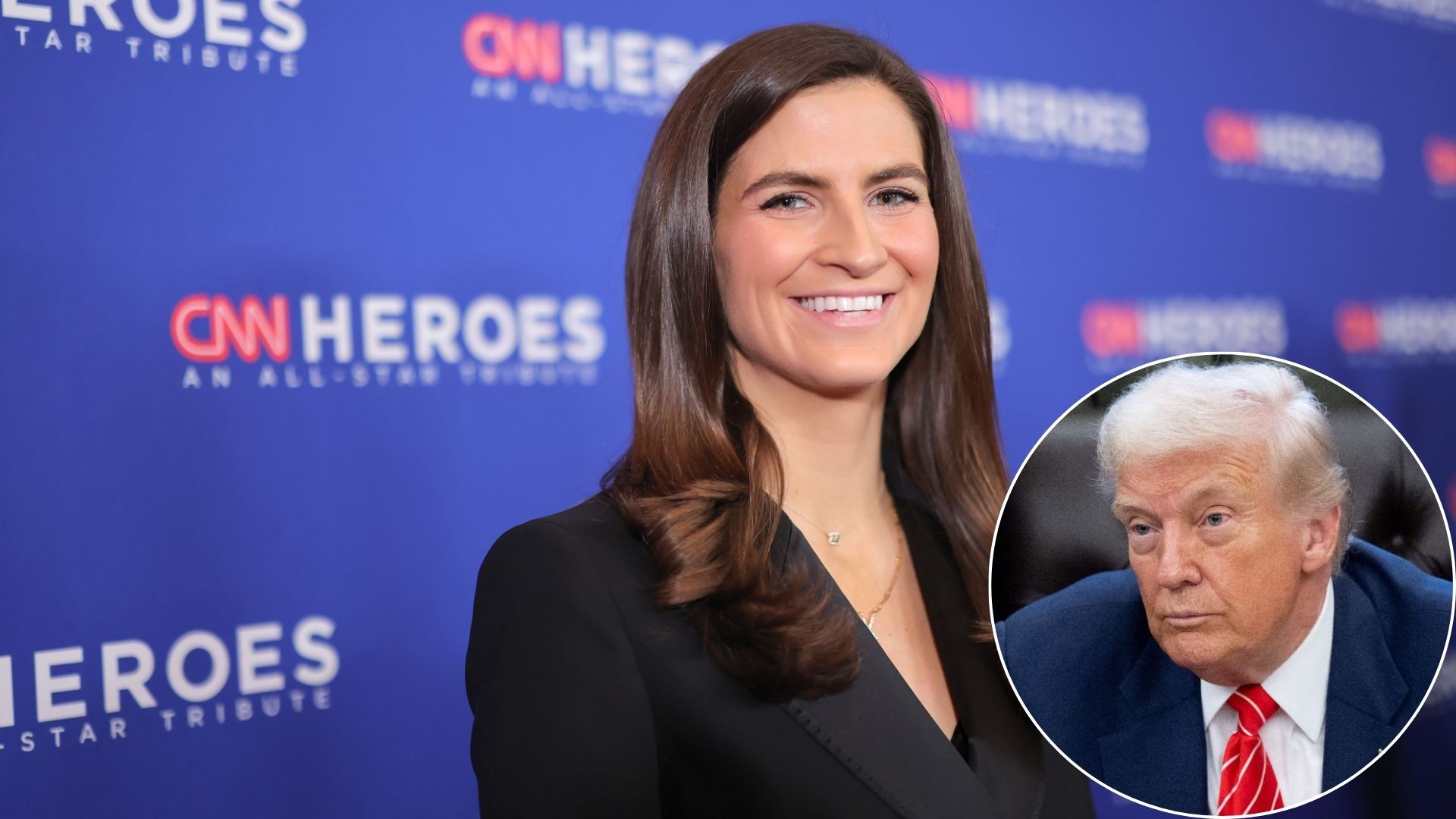
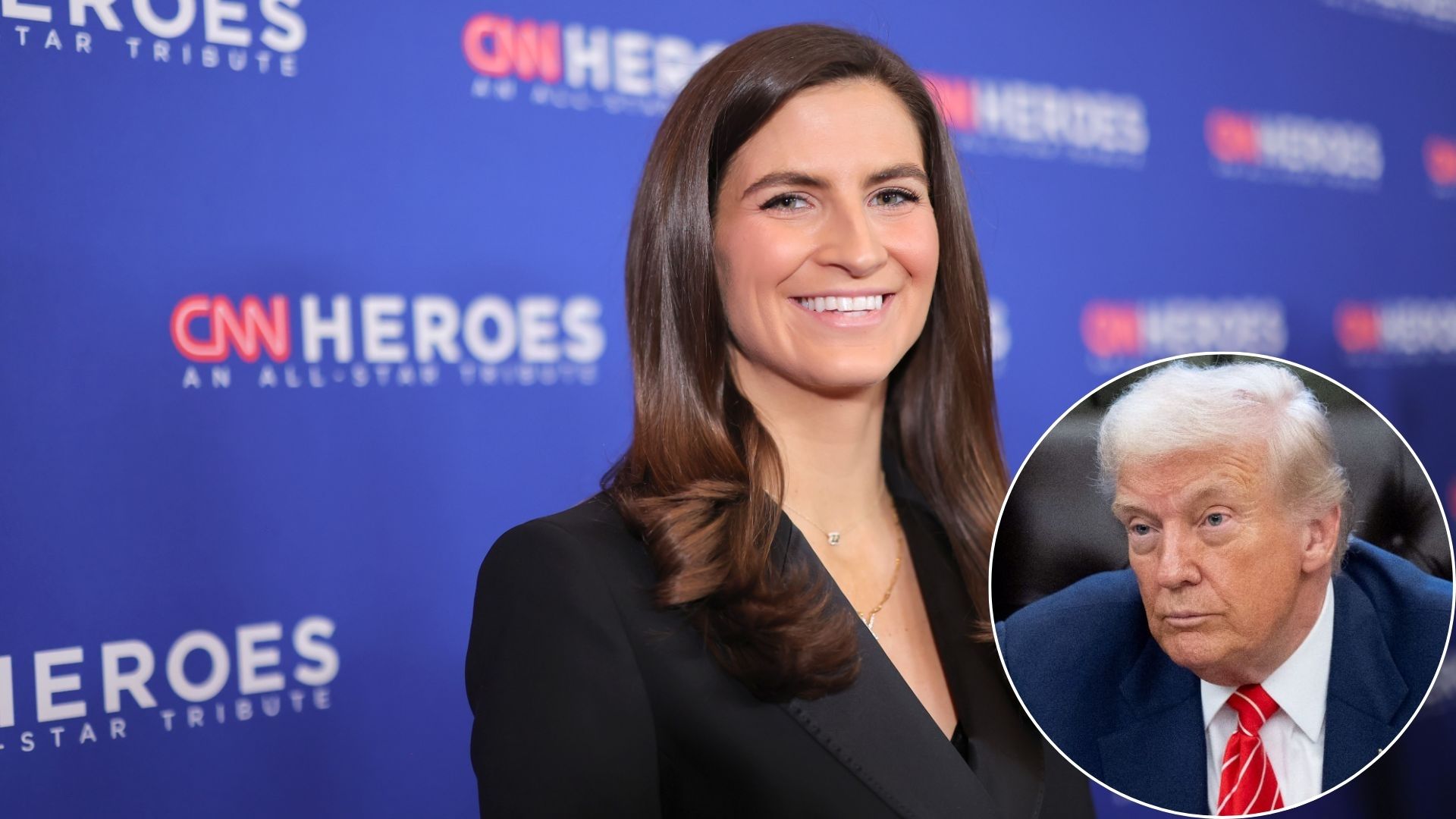
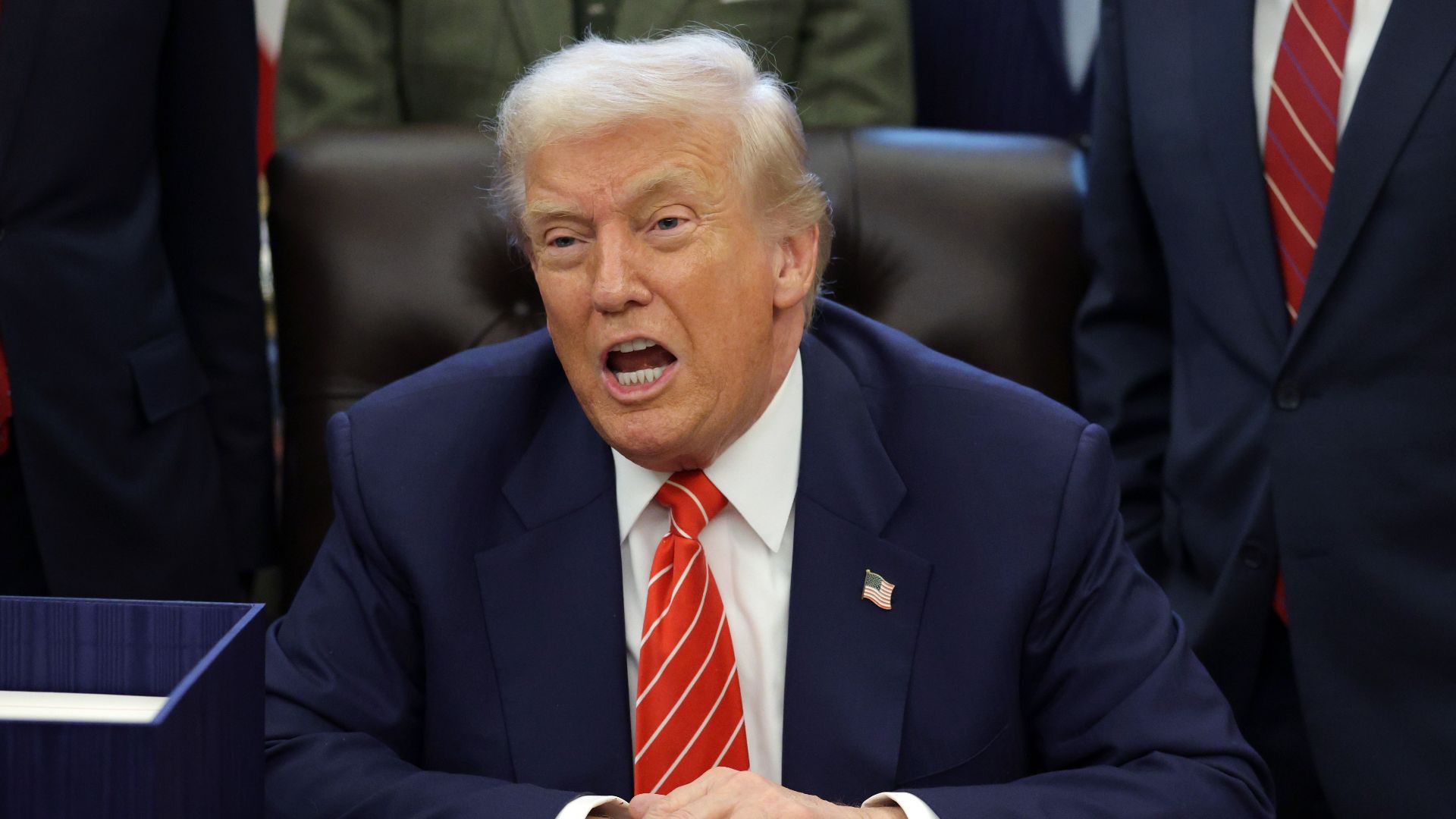
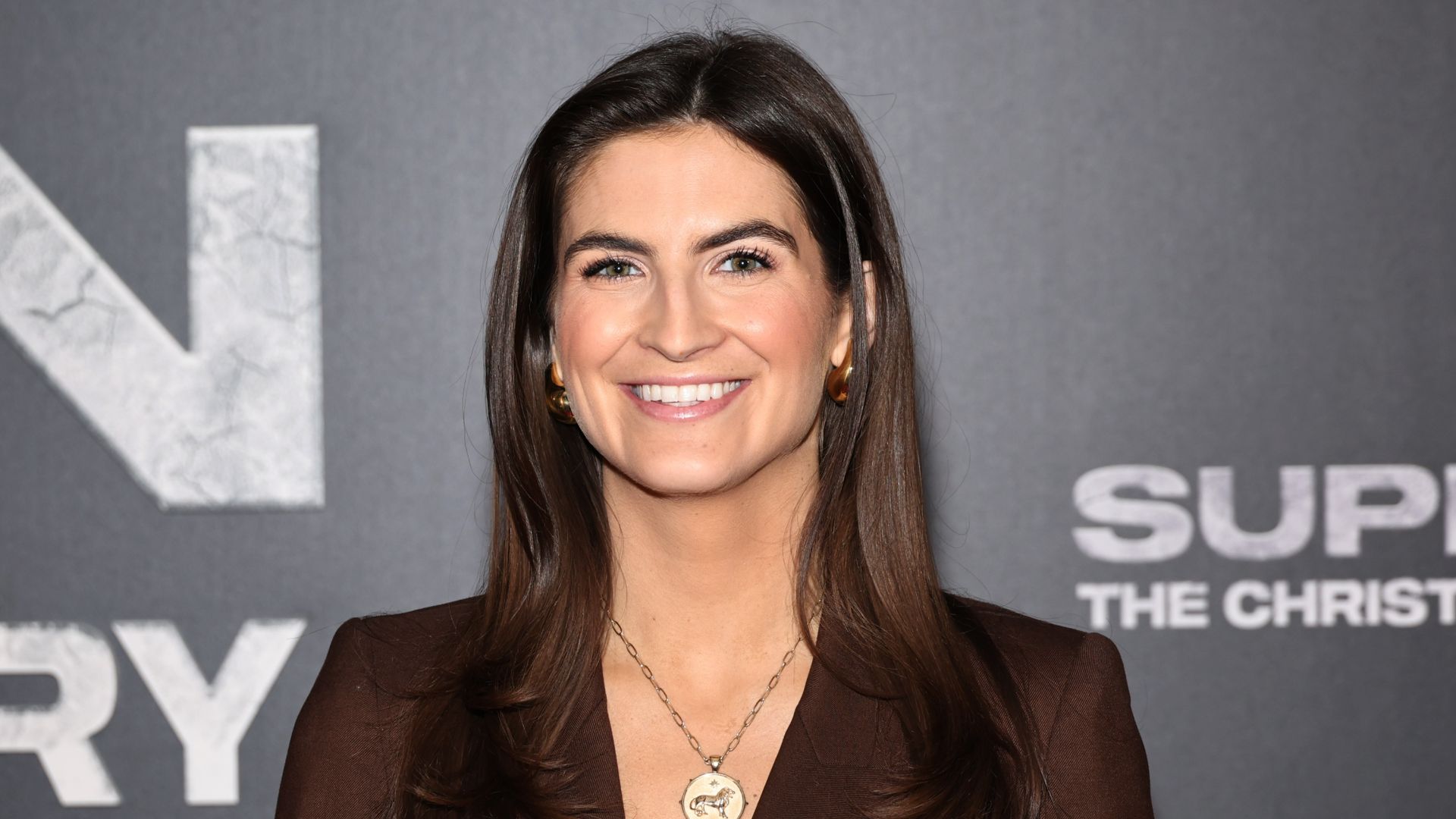
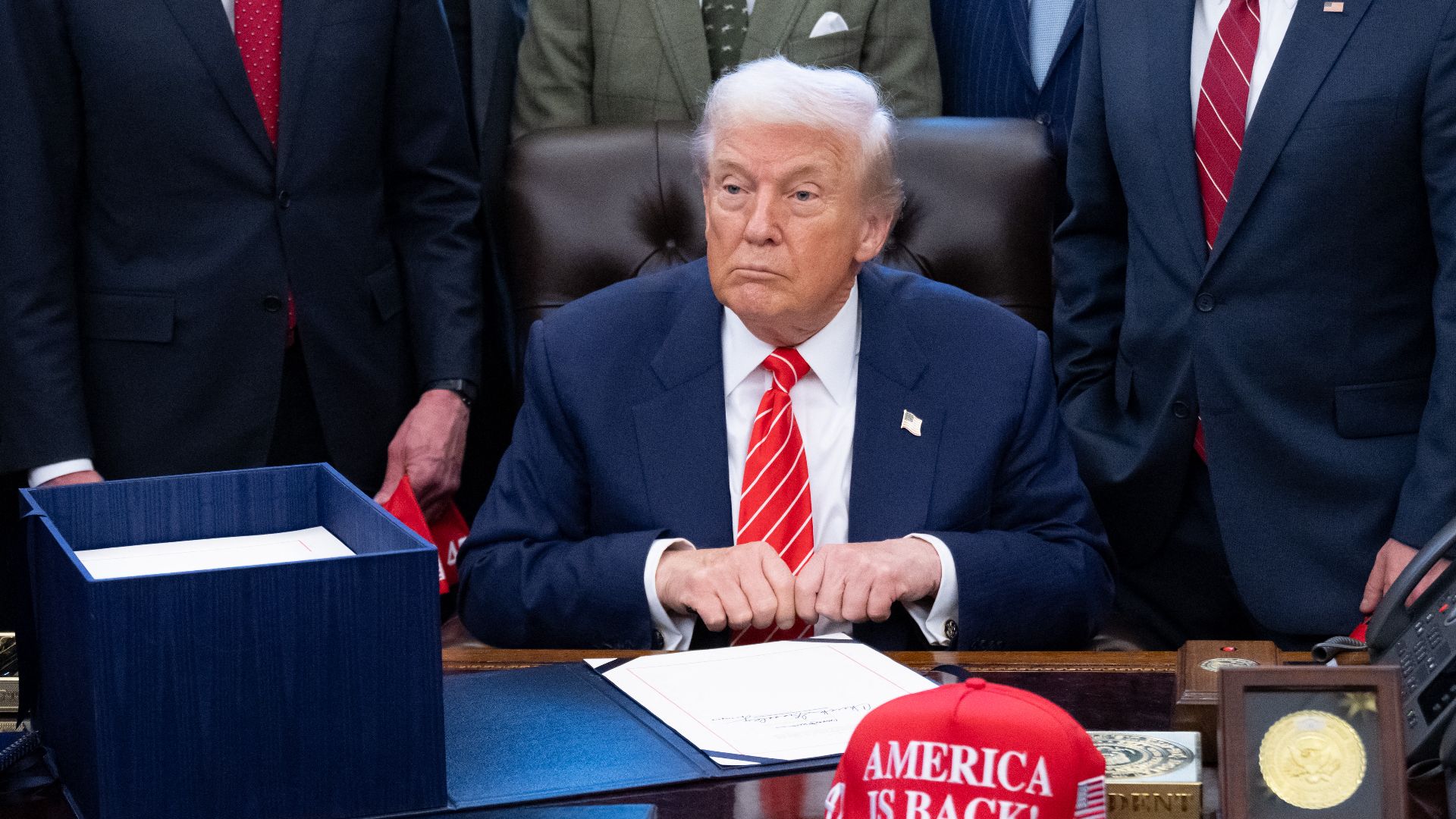
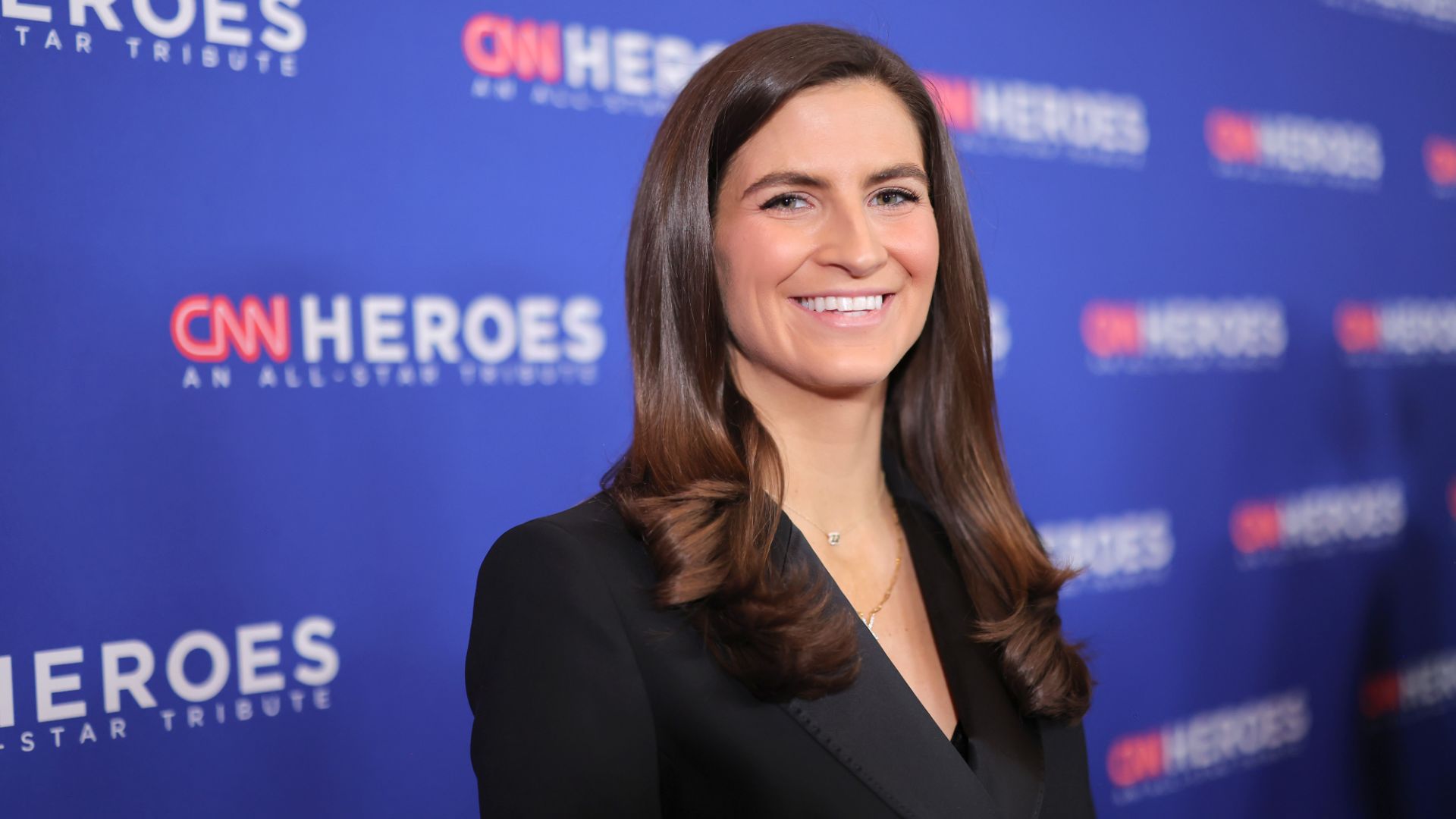
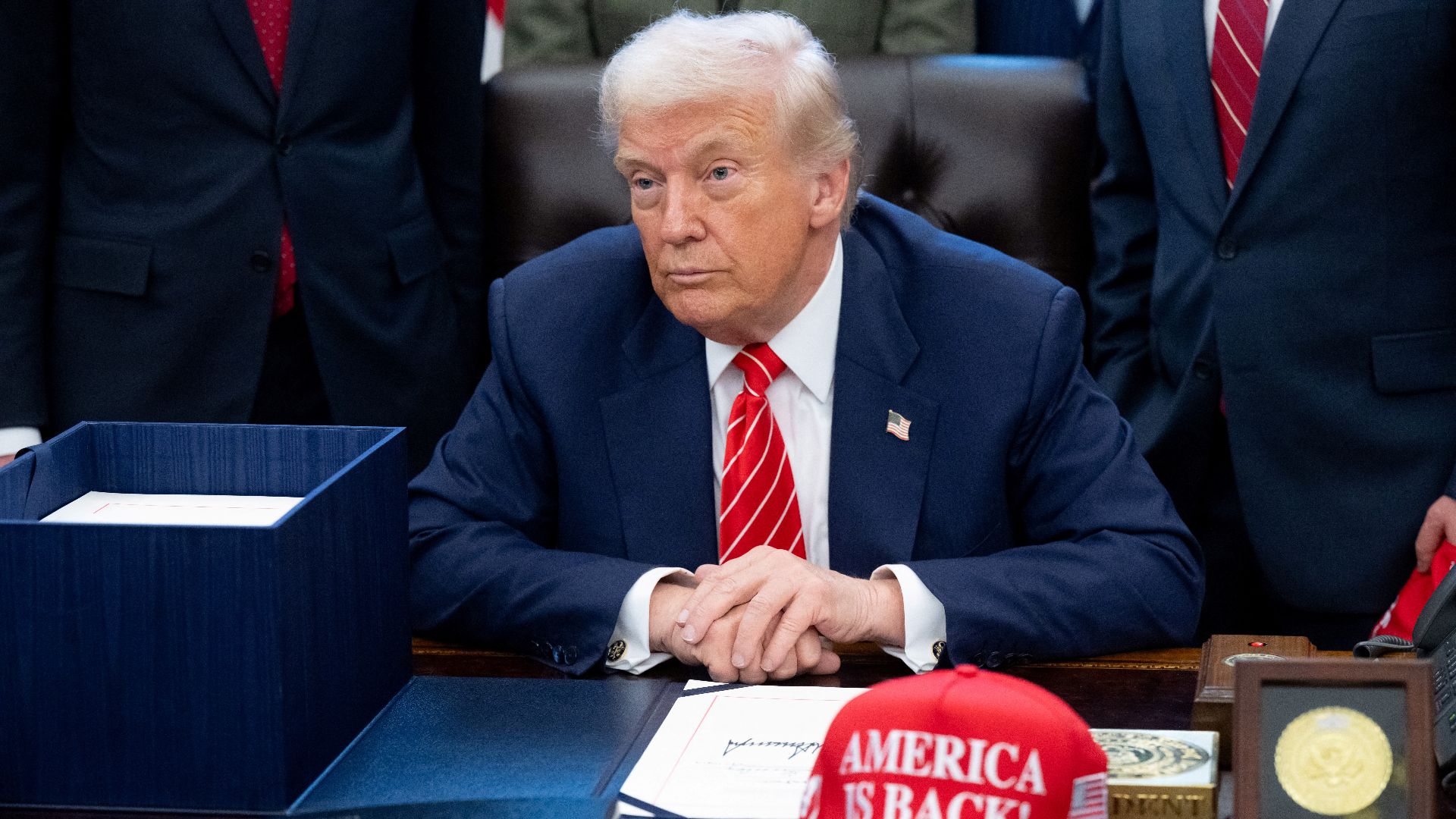
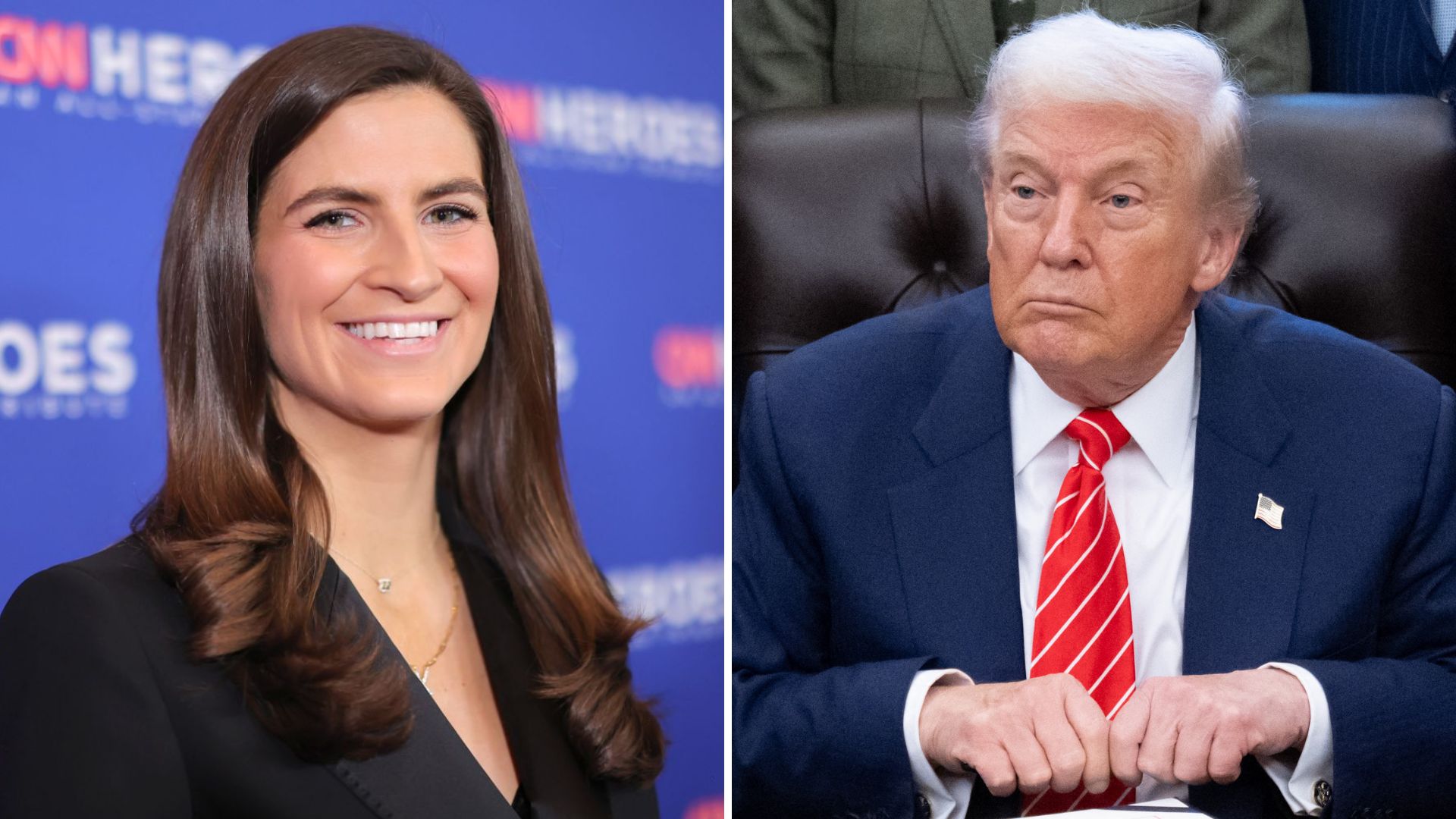
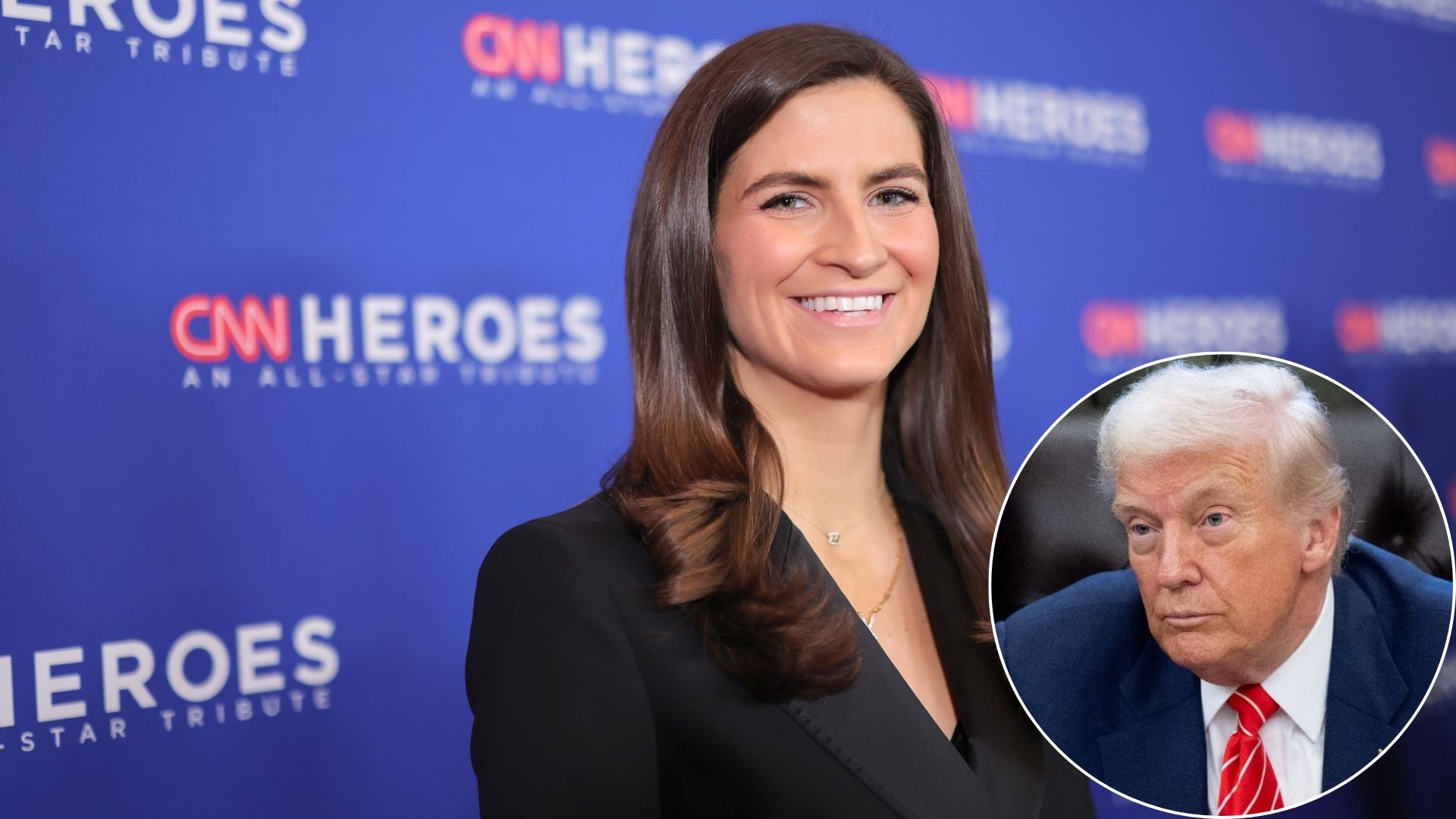
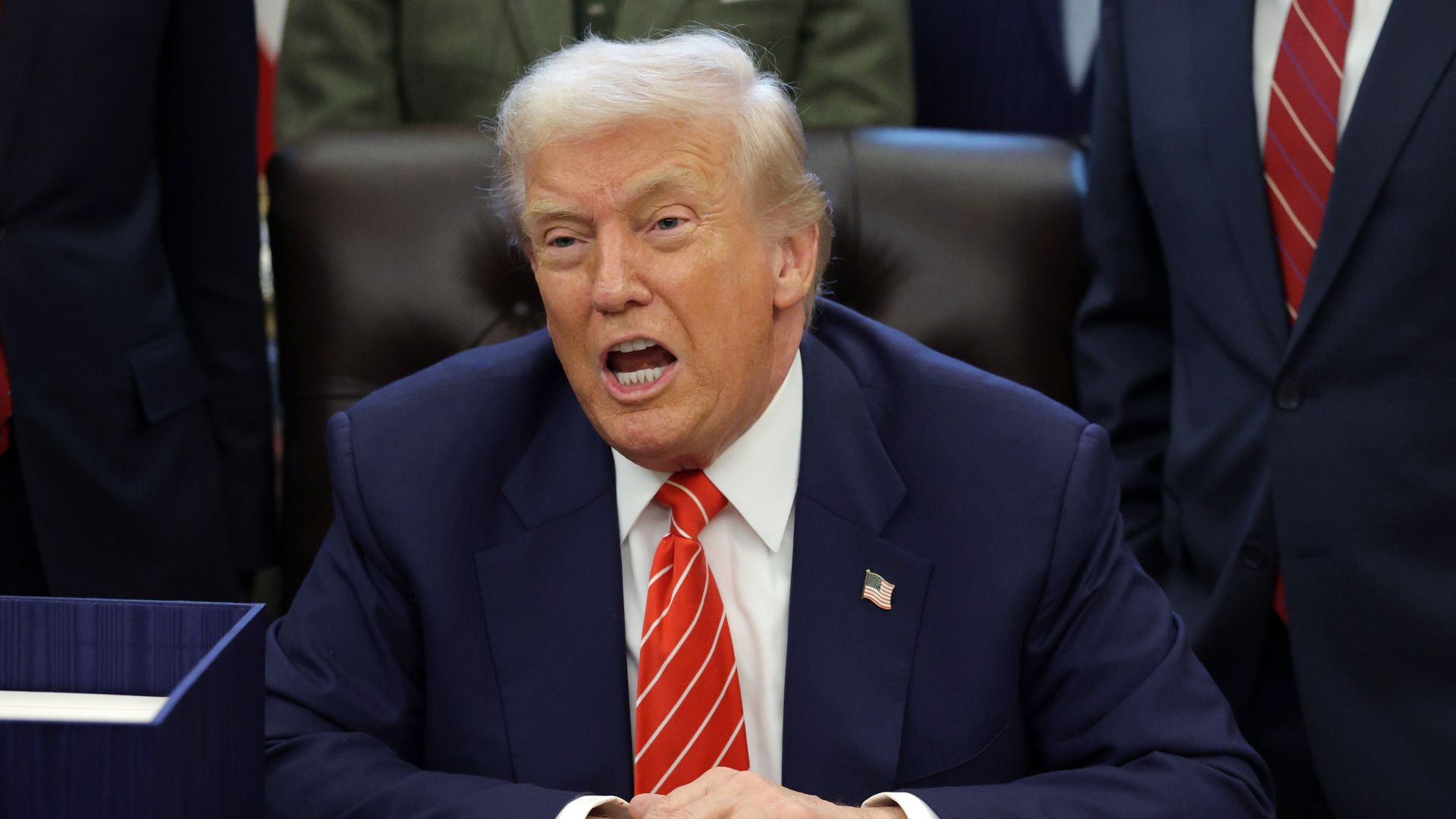
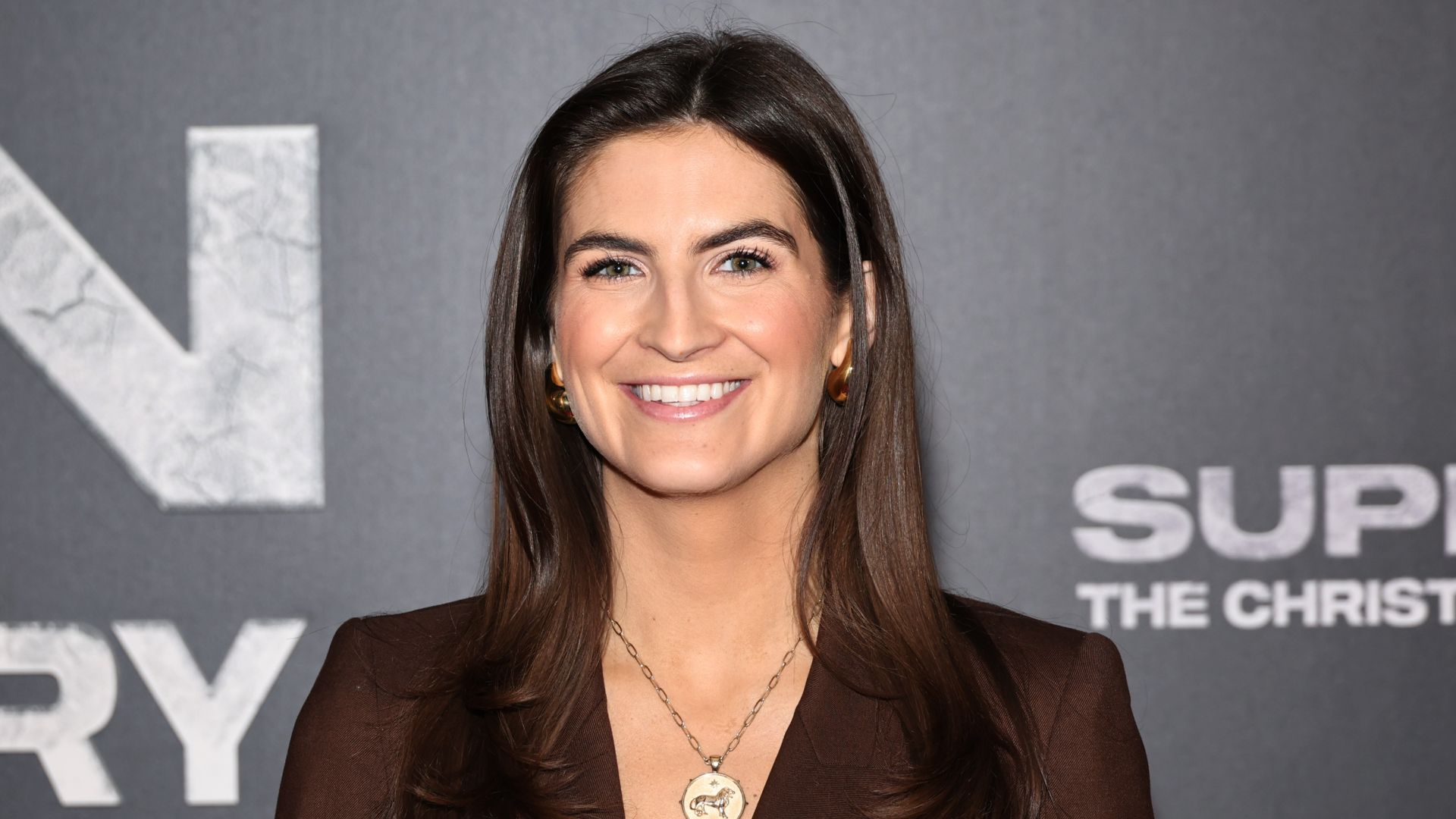
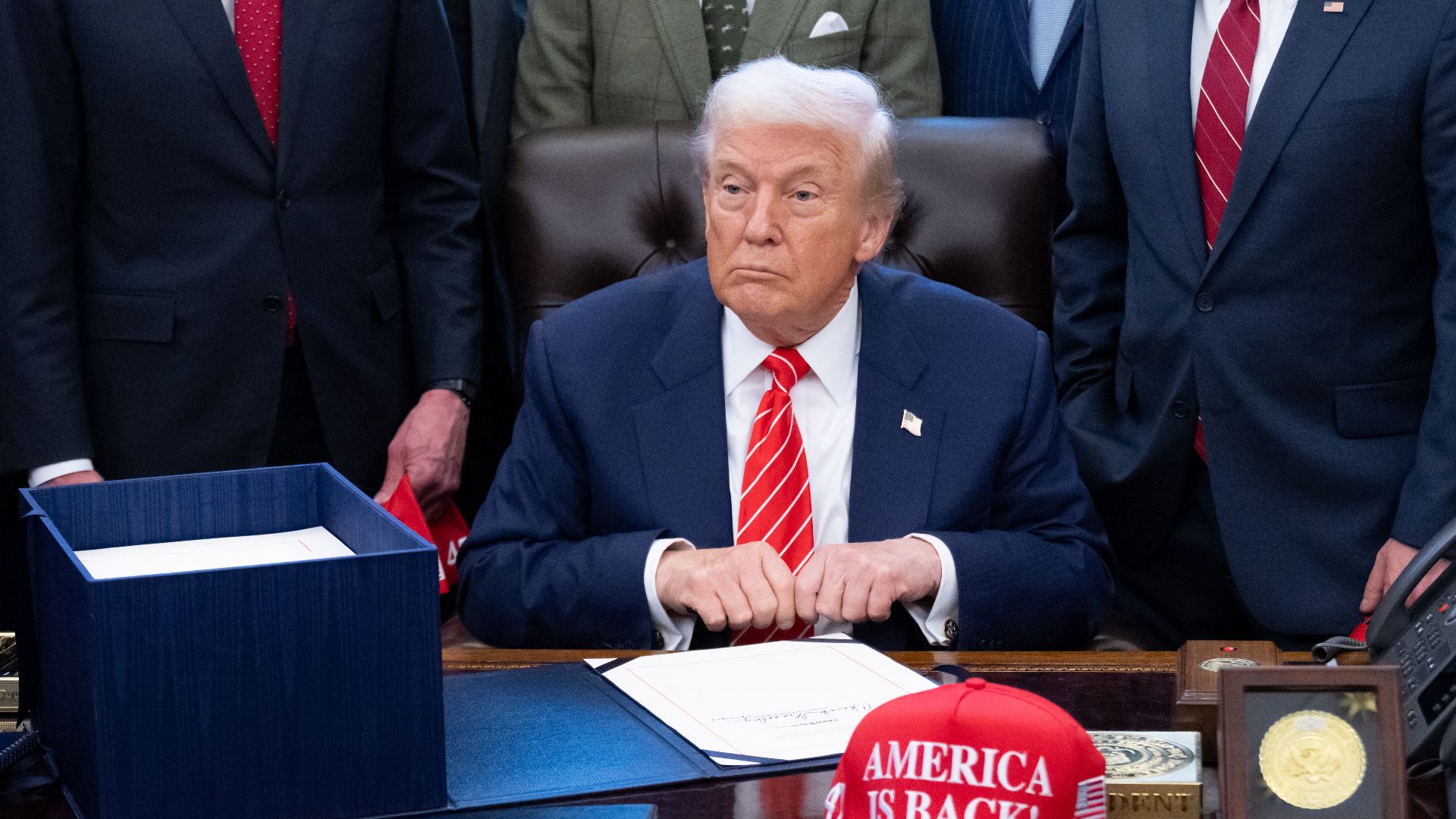
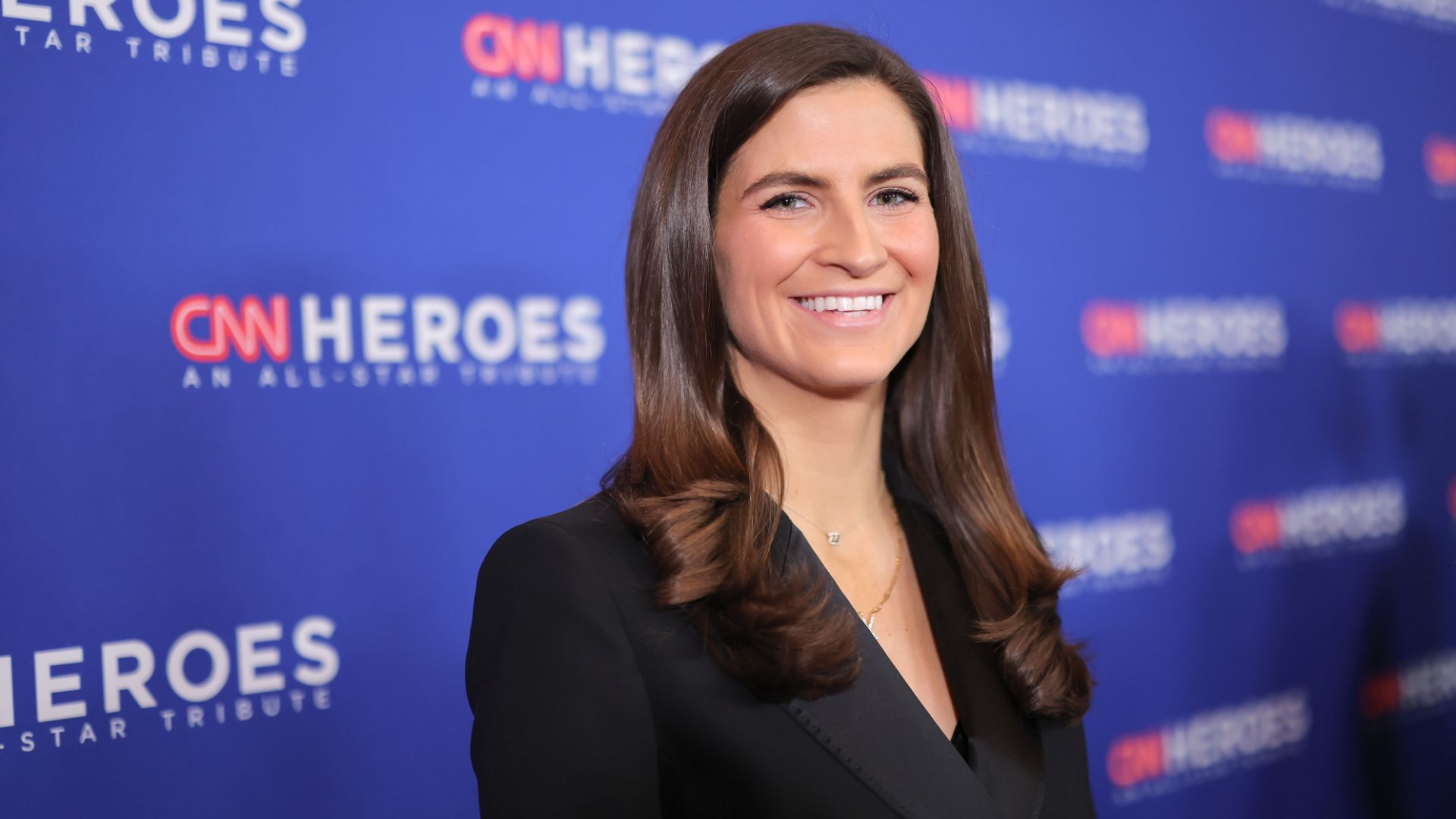
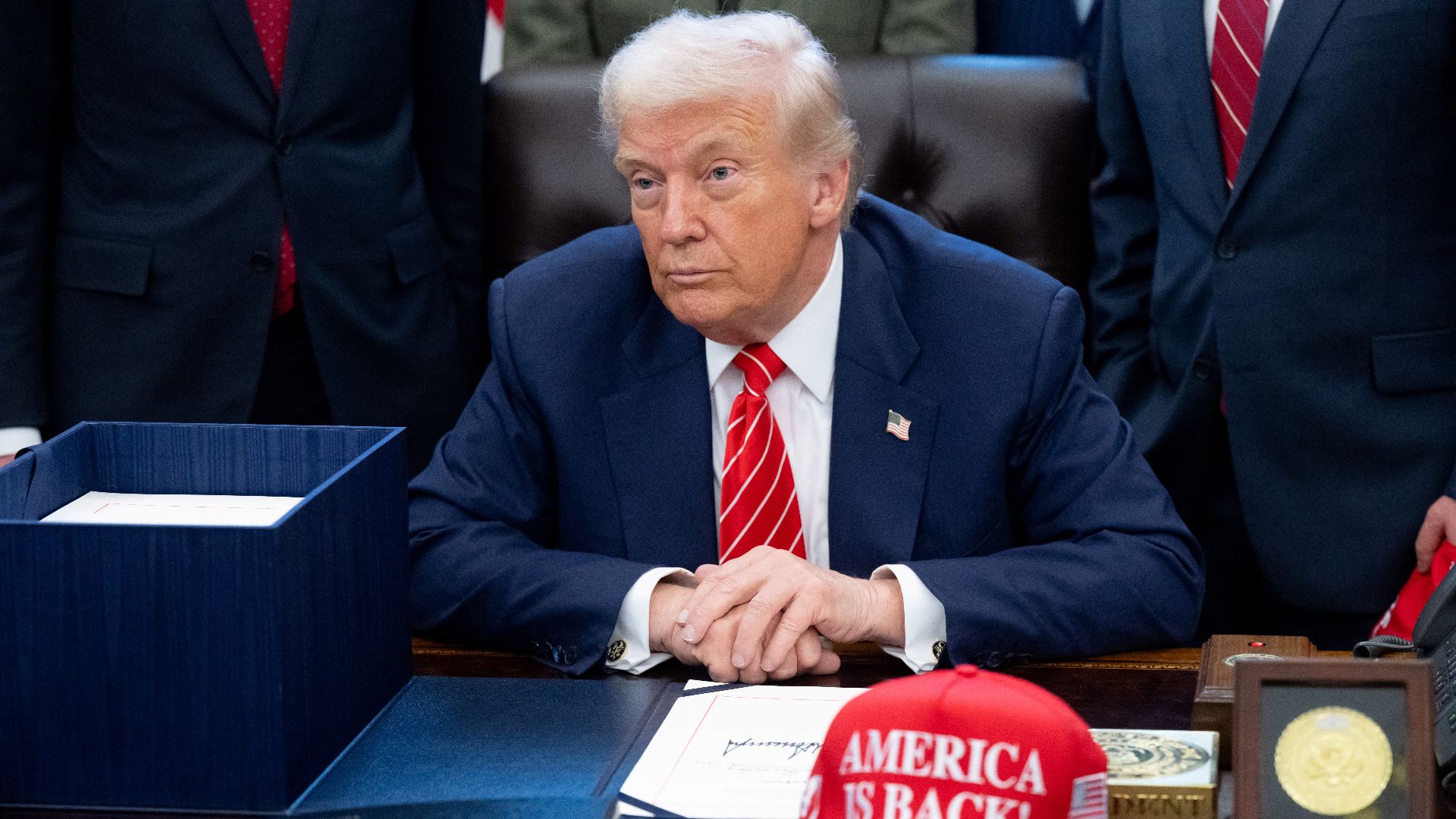
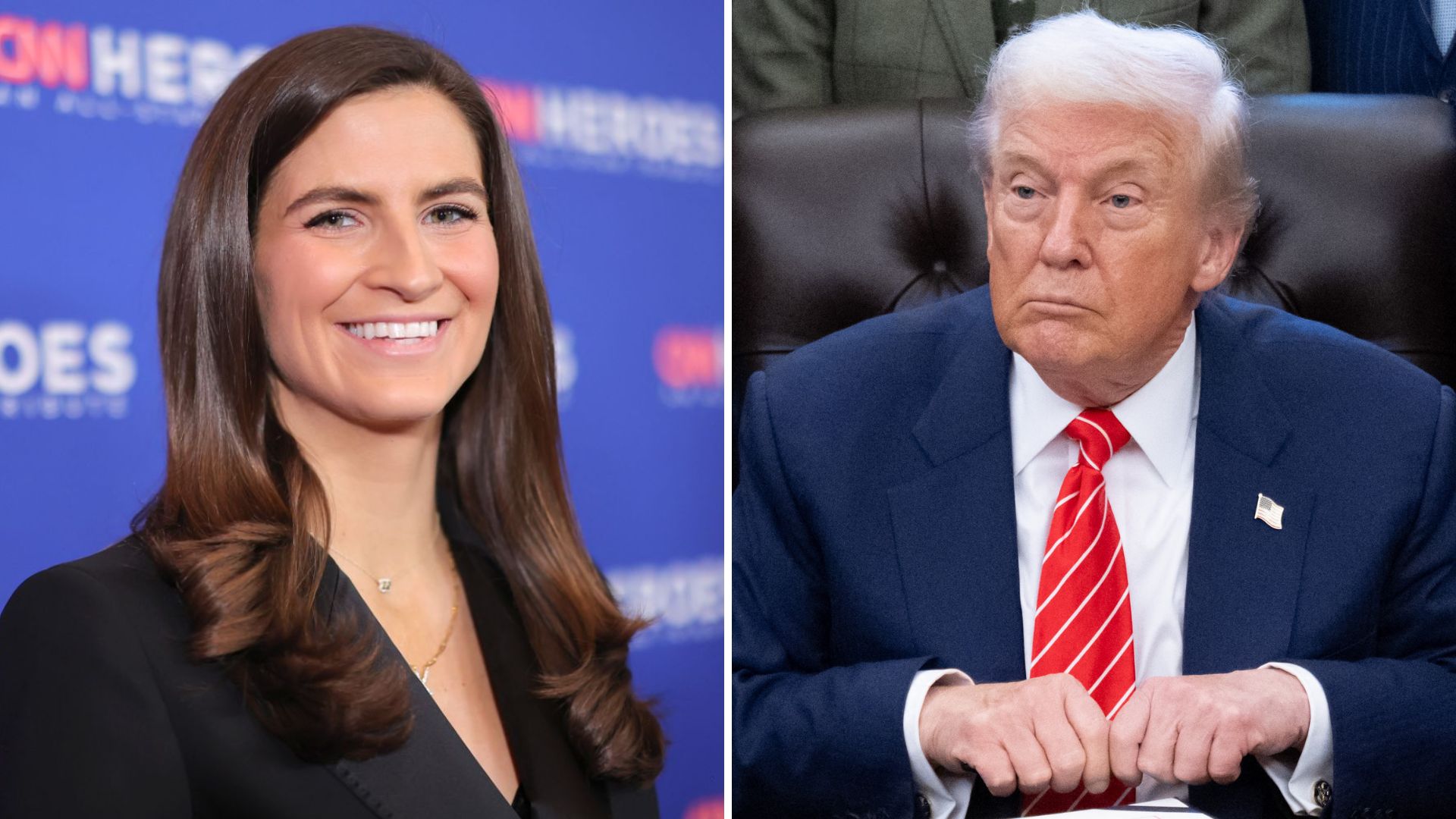
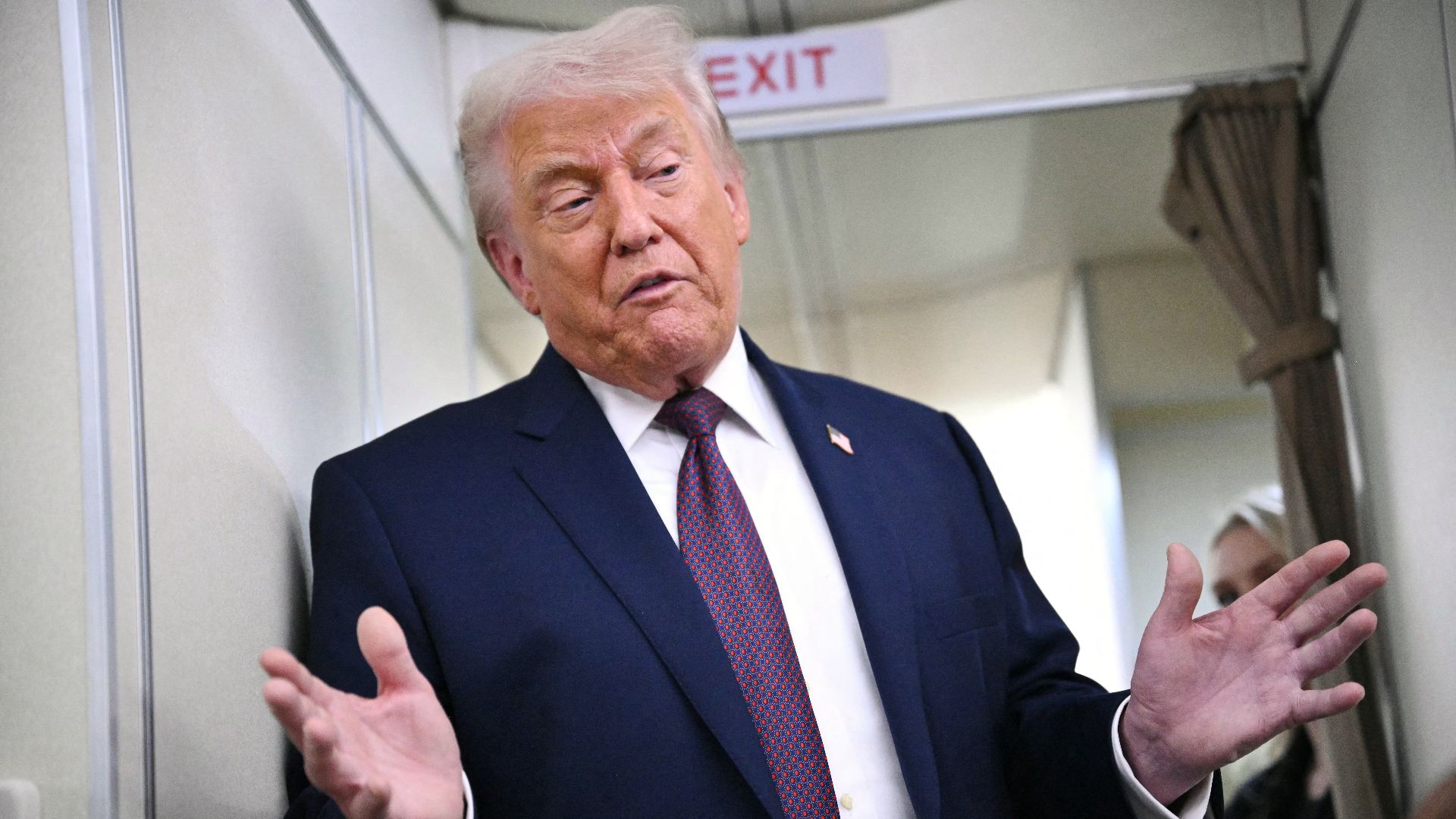
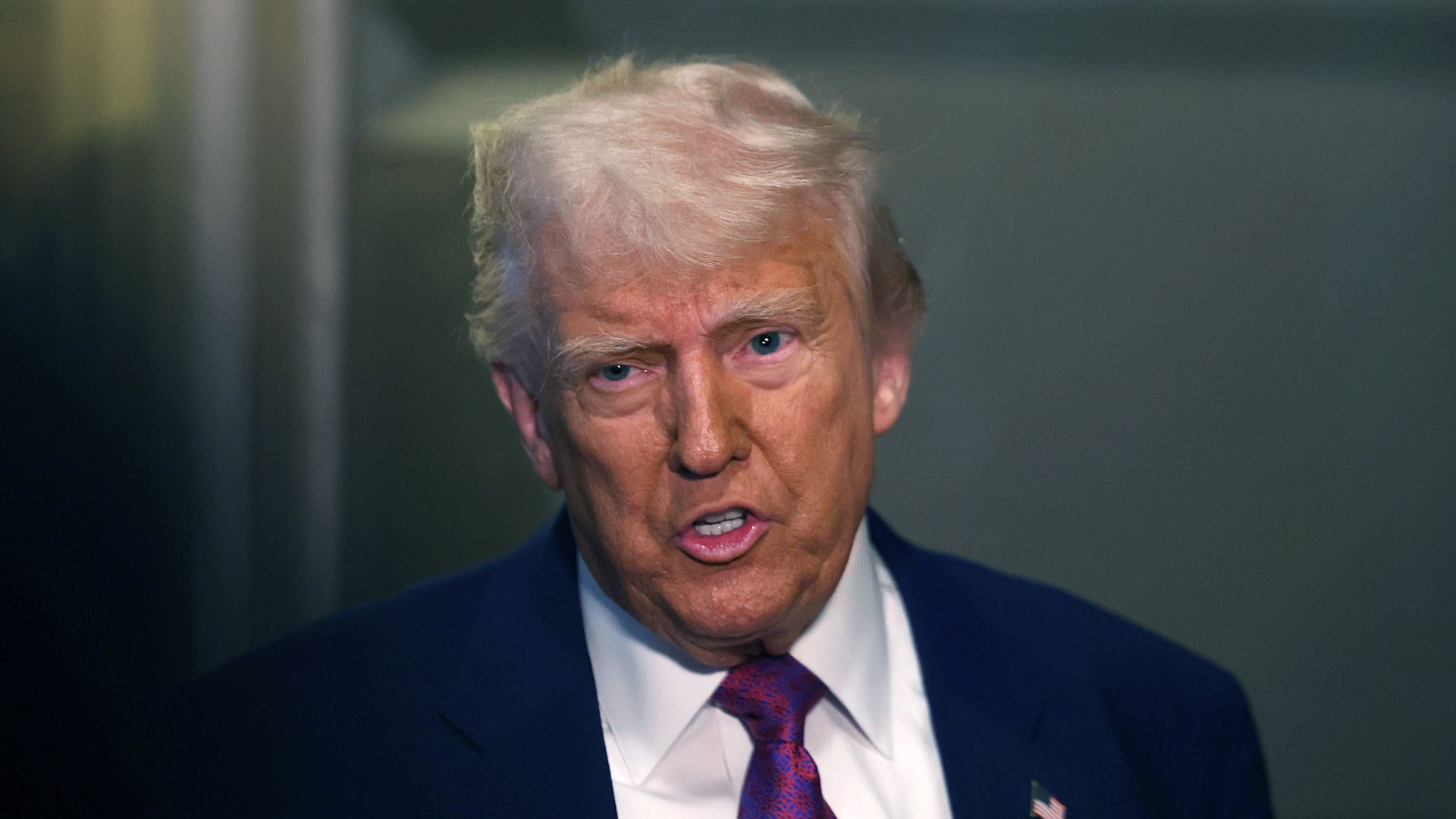
Le président Donald Trump s’en est pris à la journaliste de CNN Kaitlan Collins lors d’une apparition dans le Bureau ovale après qu’elle ait tenté de lui poser des questions sur les survivantes du délinquant sexuel condamné Jeffrey Epstein et sur les récentes expurgations dans les dossiers du ministère de la Justice.
L’interrompant au milieu de sa question, Trump a qualifié Collins de « pire journaliste » et a accusé CNN de malhonnêteté et de mauvaises audiences, avant de critiquer à plusieurs reprises son attitude, lui reprochant de ne pas sourire. Au lieu de répondre aux préoccupations des survivantes, Trump a détourné la conversation vers lui-même, insistant sur le fait qu’il était temps de passer à autre chose que les dossiers Epstein et affirmant qu’ils ne révélaient rien de compromettant à son sujet.
Cette confrontation, filmée par les caméras, a mis en évidence les réponses de plus en plus agressives de Trump aux questions sur Epstein et sa tendance générale à attaquer les femmes journalistes qui le remettent publiquement en question.
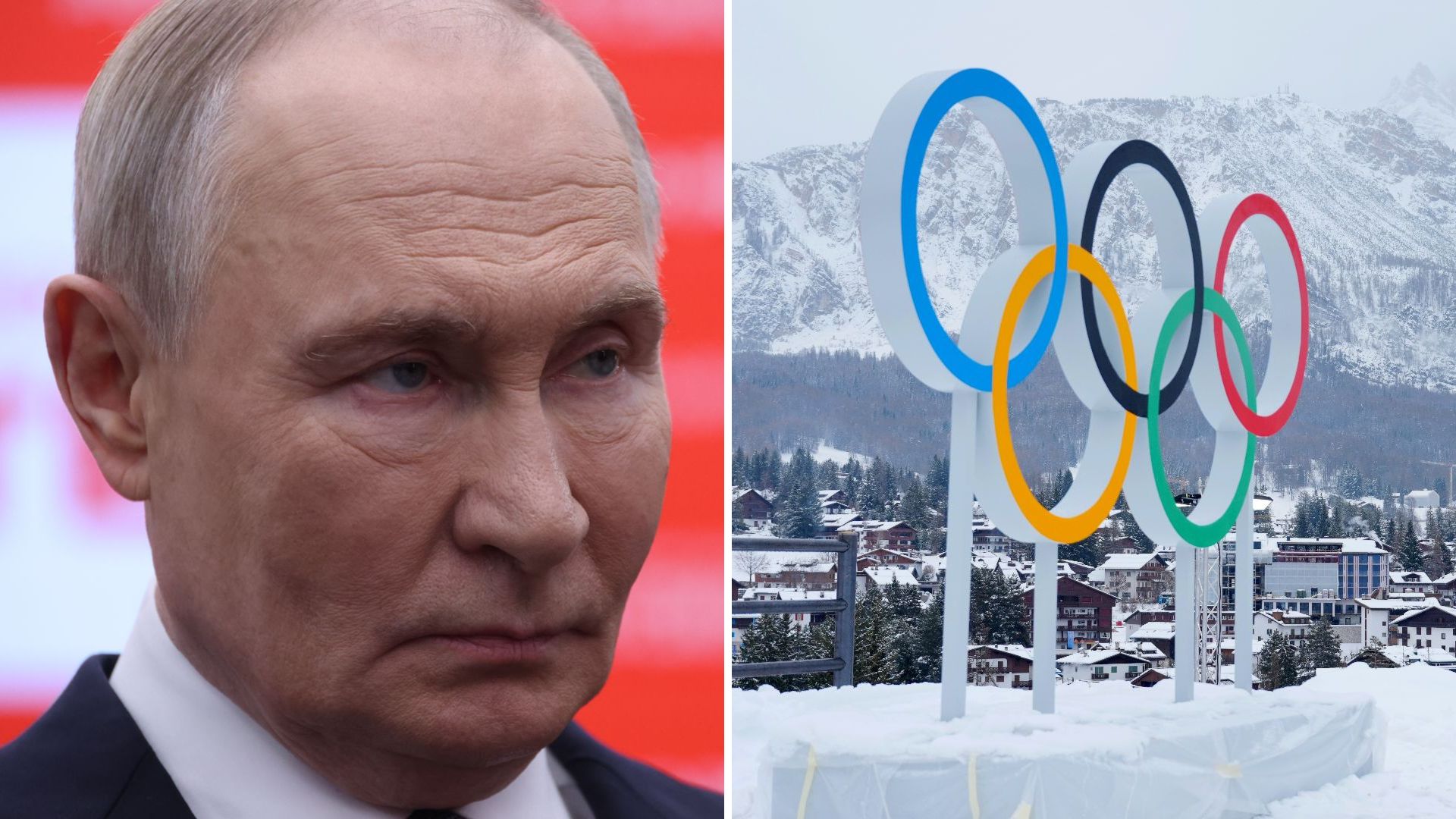
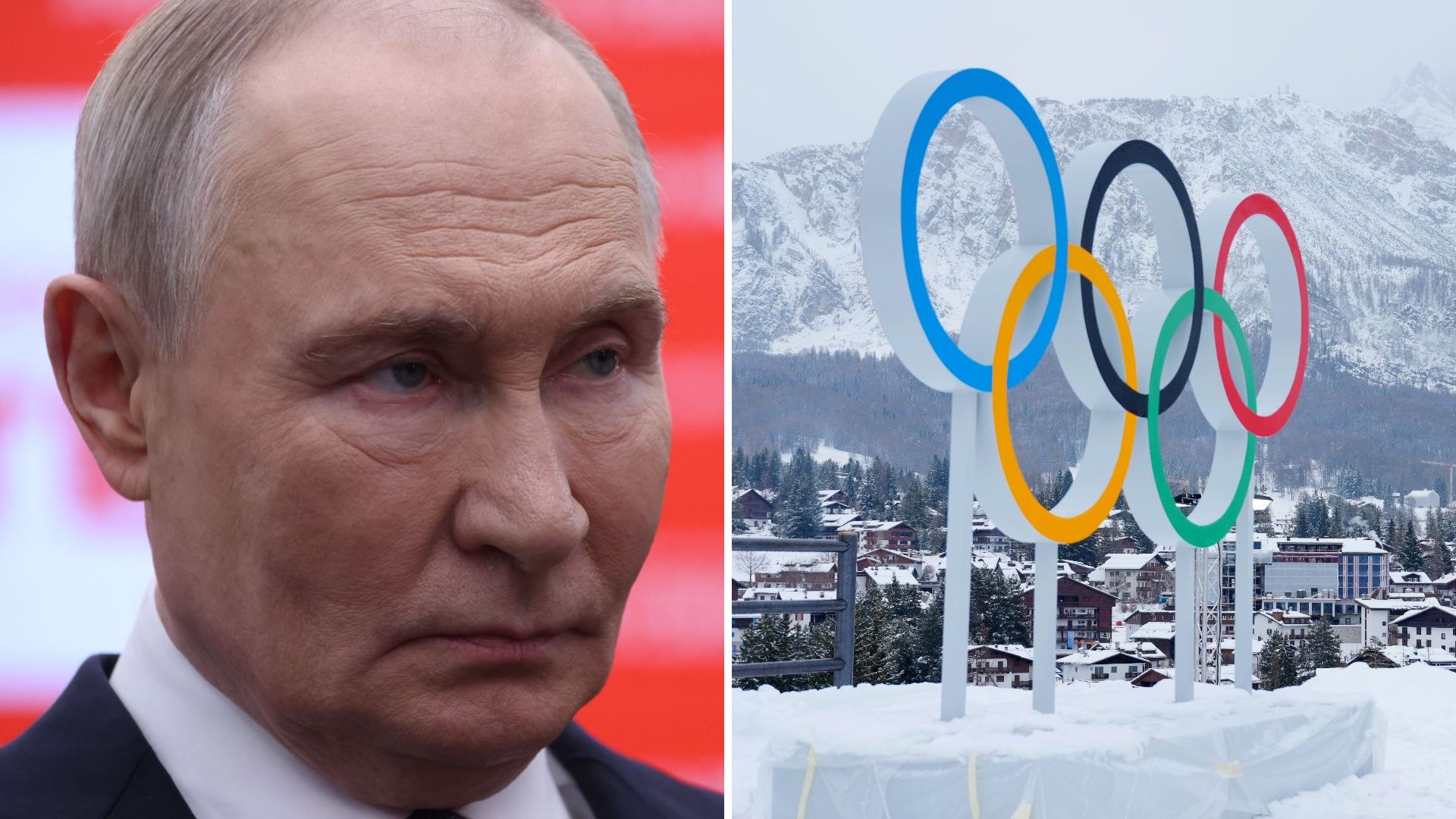
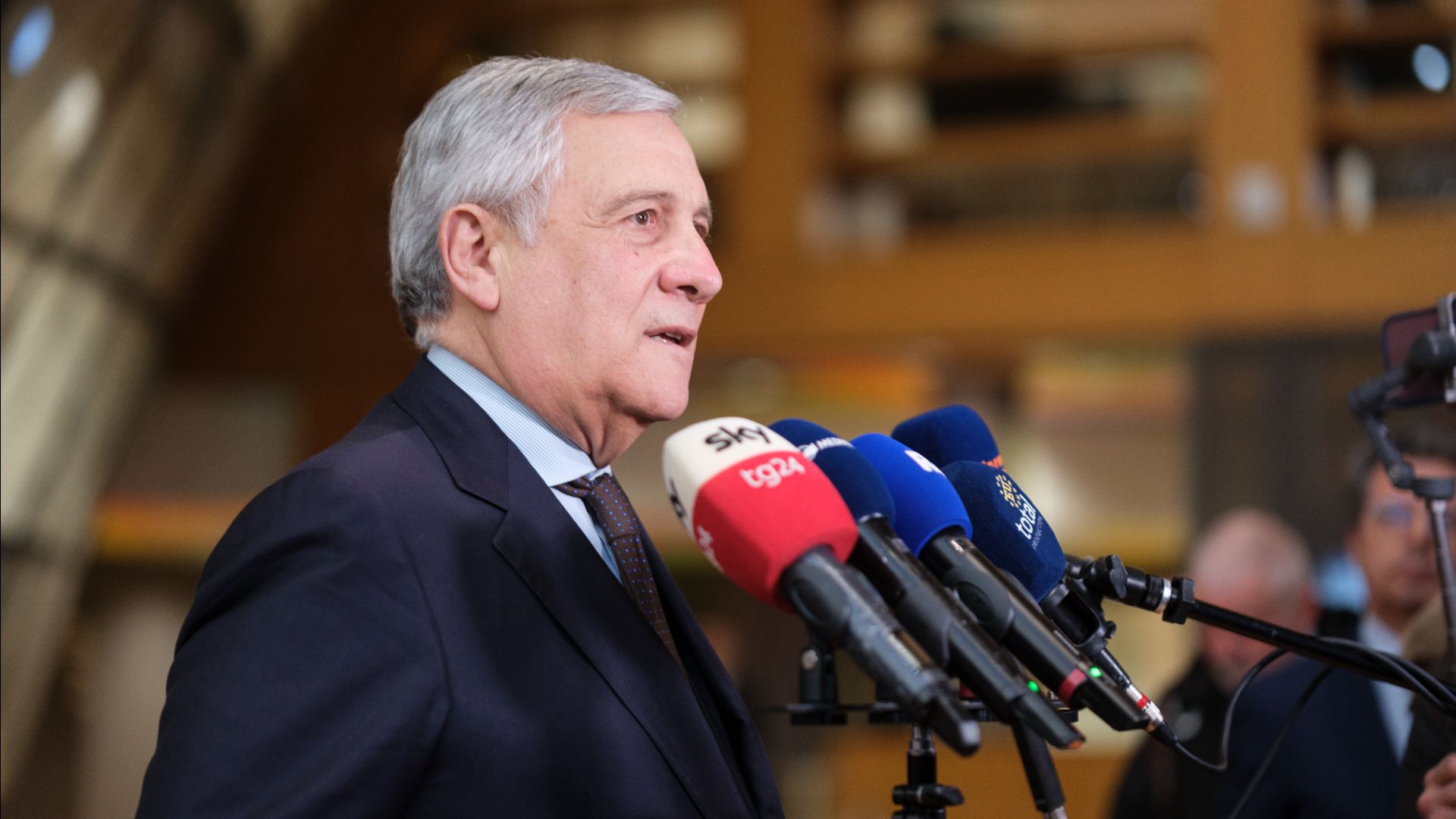
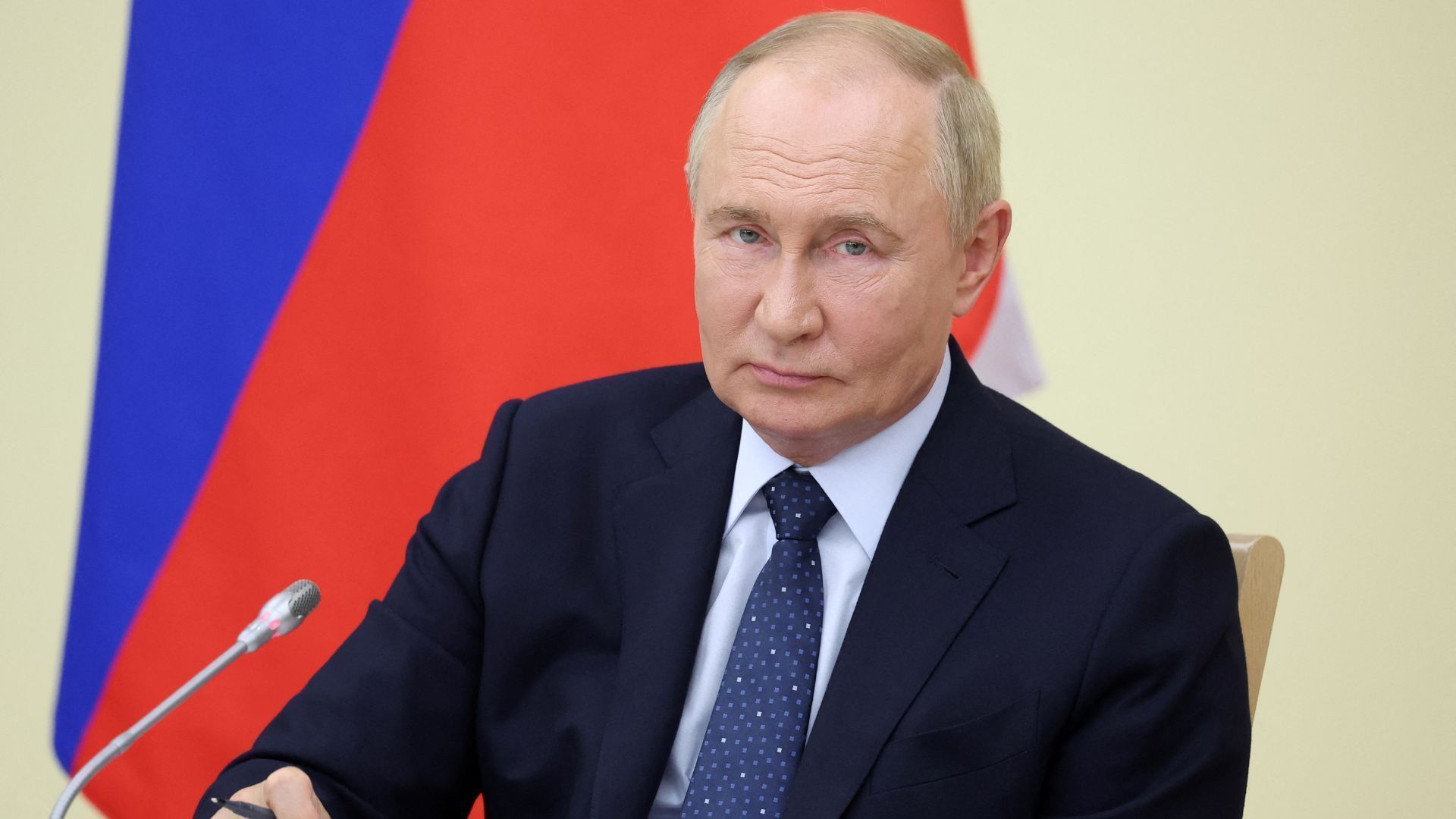
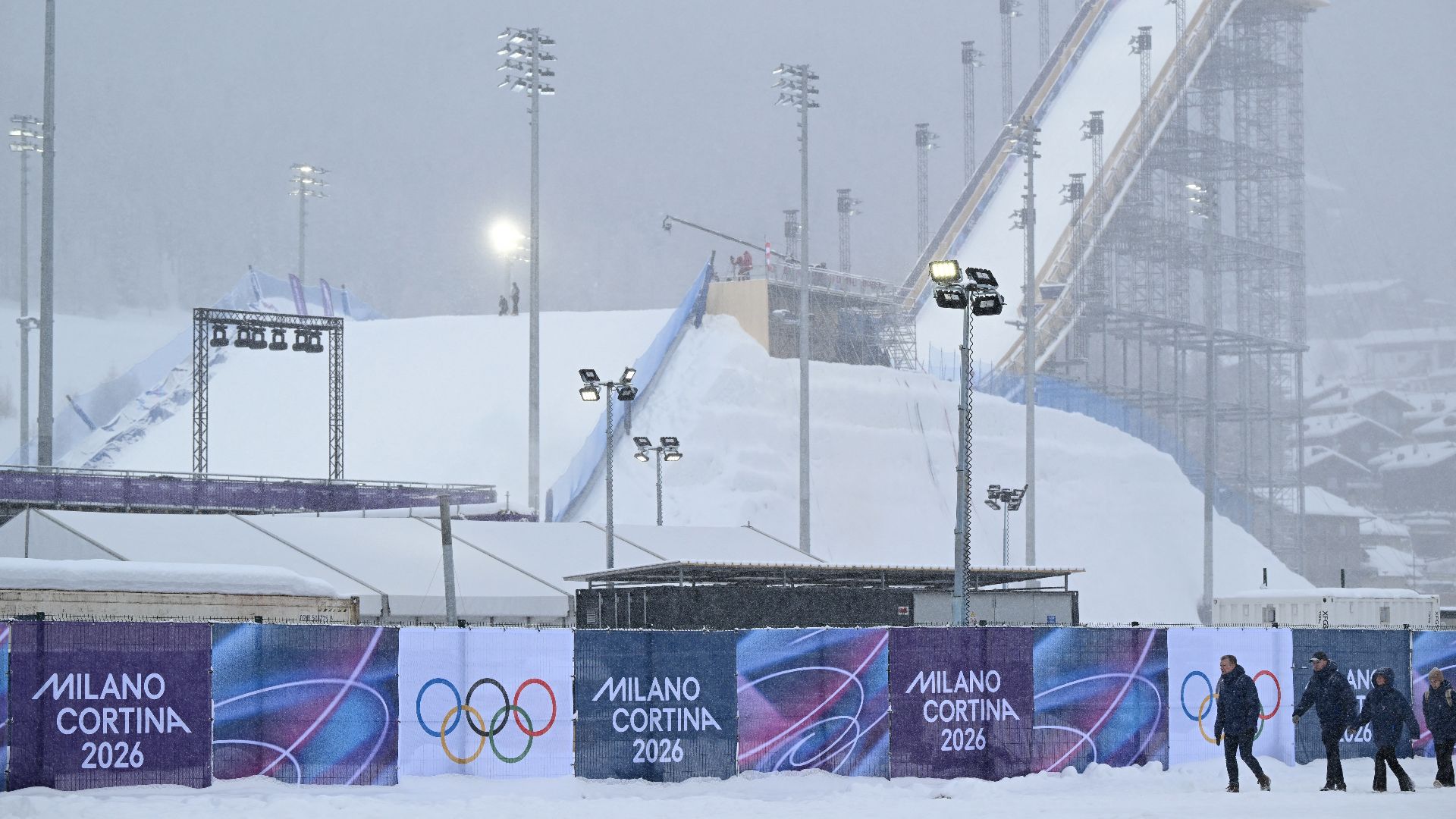
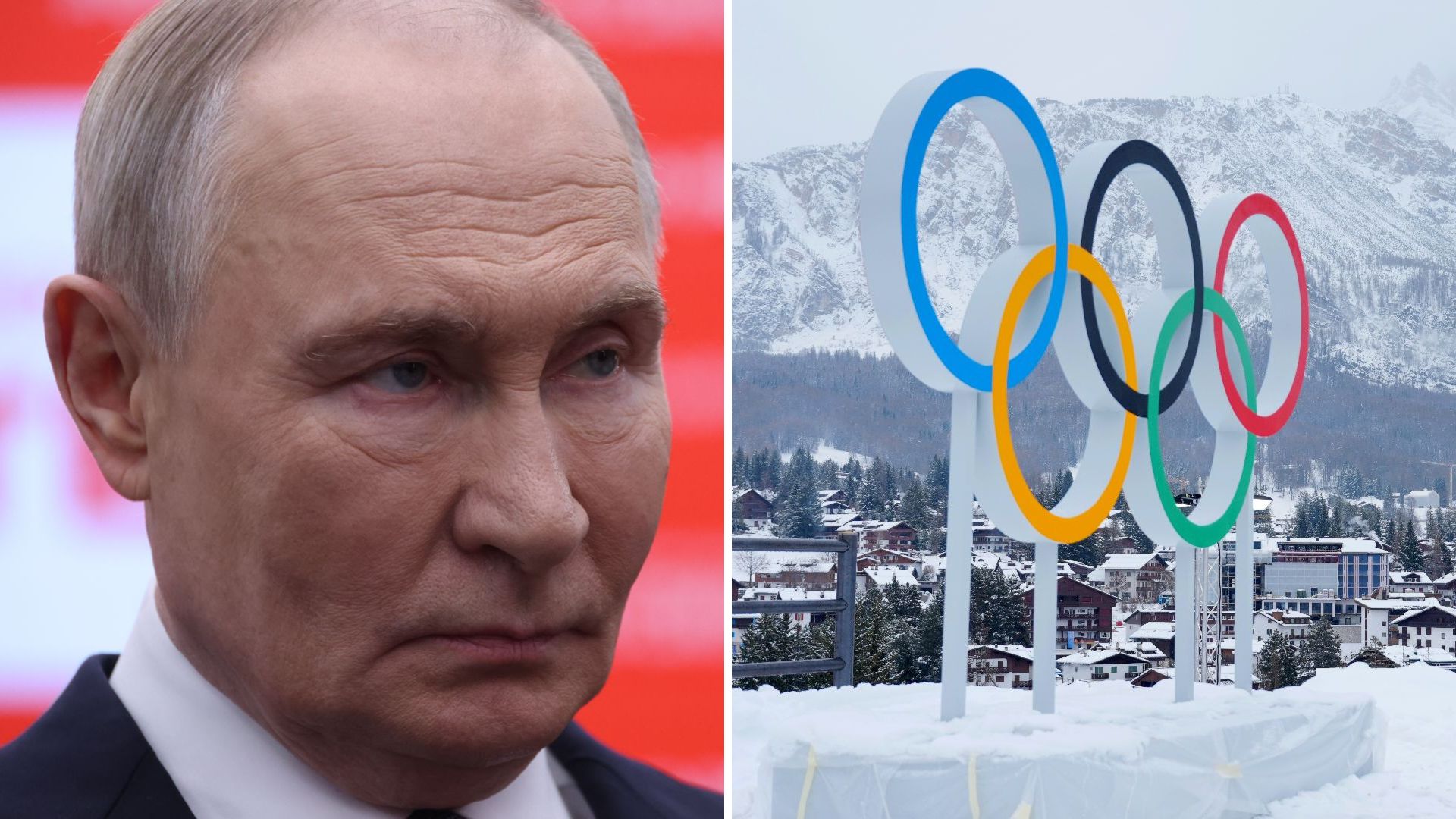
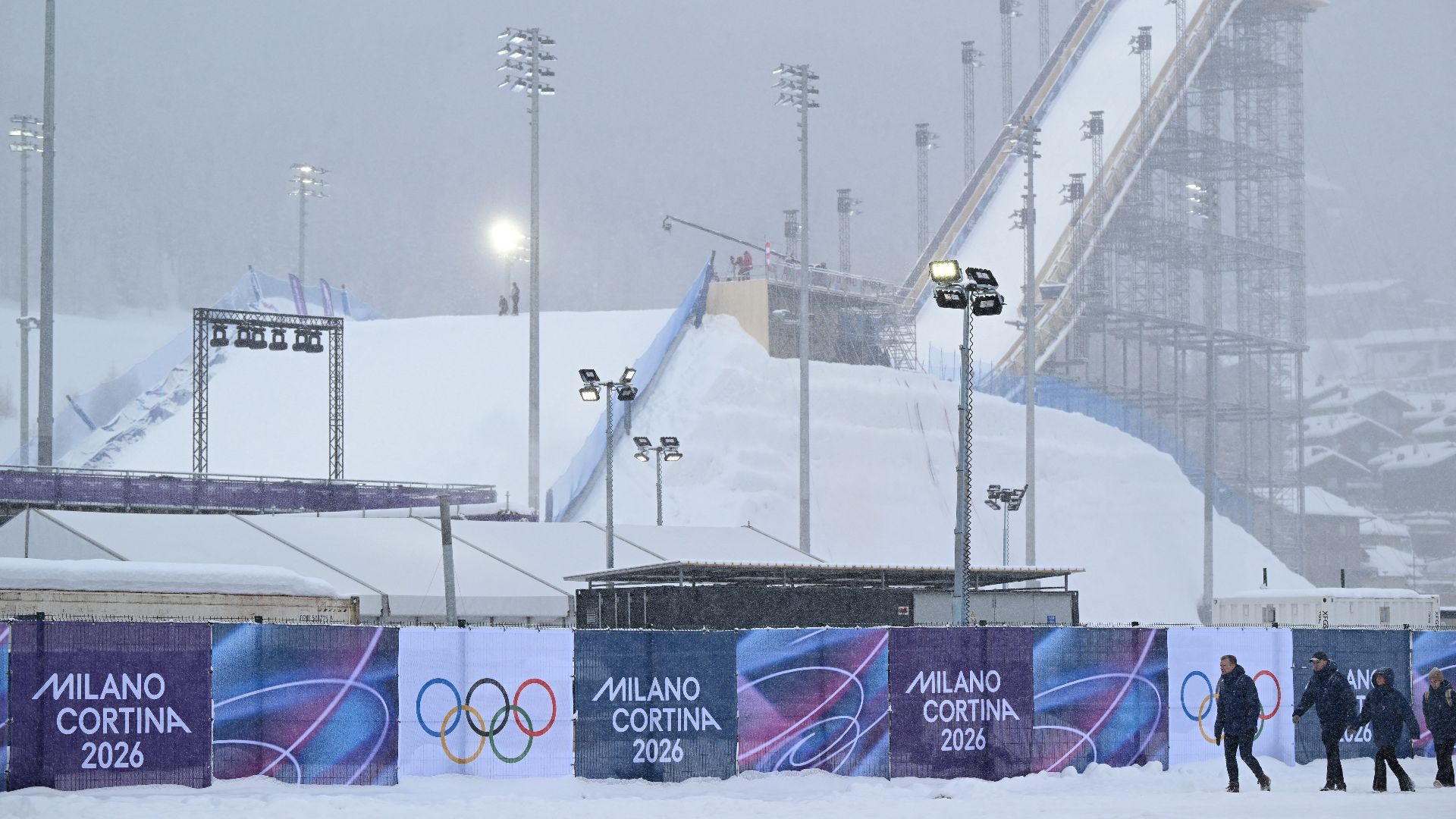
L’Italie affirme avoir stoppé une série de cyberattaques « d’origine russe » visant les infrastructures gouvernementales et les systèmes liés aux Jeux olympiques, à l’ouverture des Jeux d’hiver.
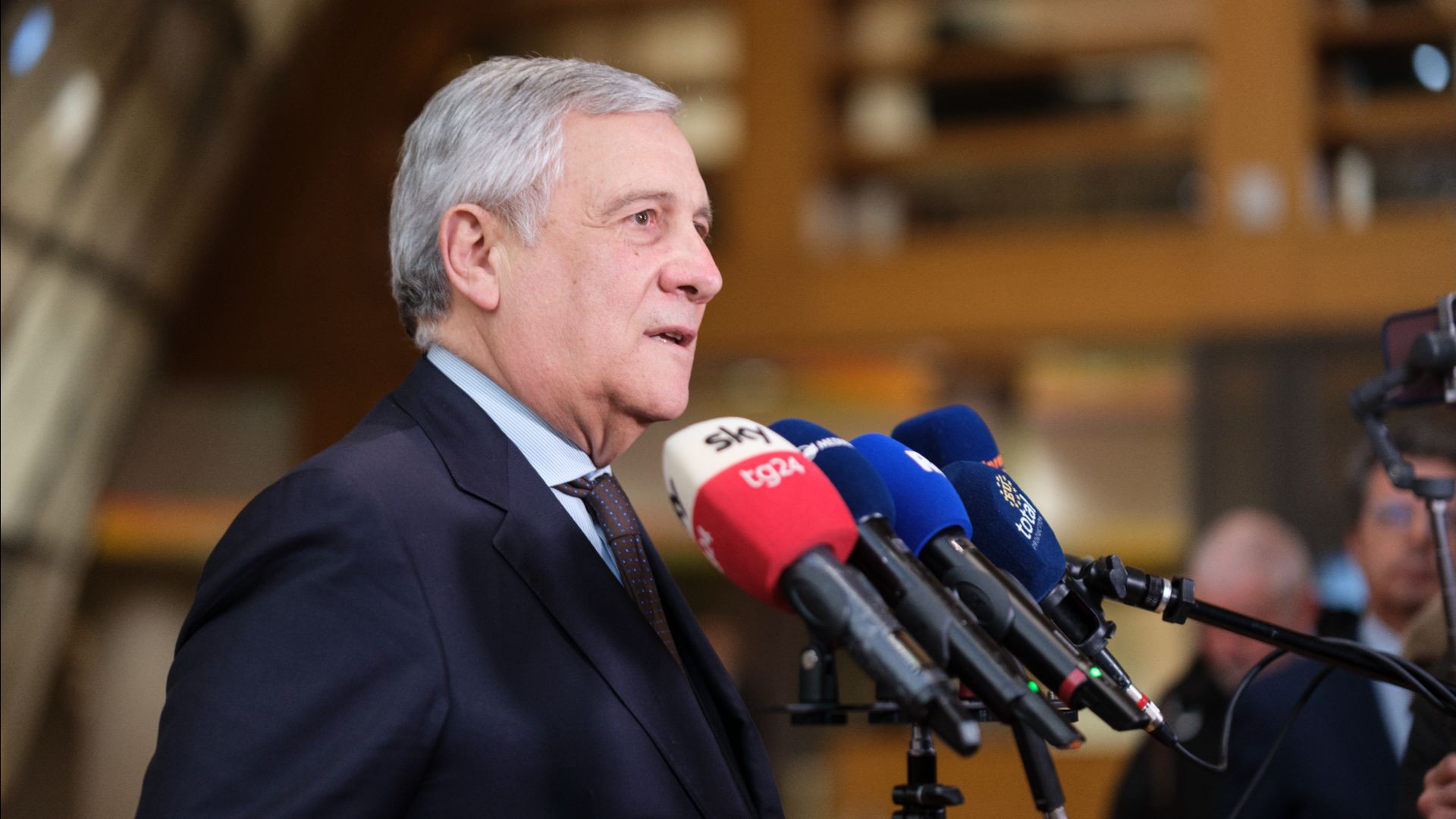
Le ministre des Affaires étrangères, Antonio Tajani, a déclaré que les services de cybersécurité italiens avaient bloqué plusieurs attaques numériques visant le ministère des Affaires étrangères, notamment une ambassade à Washington, ainsi que des sites web olympiques et des hôtels à Cortina d’Ampezzo, affirmant :
« Nous avons empêché une série de cyberattaques contre les sites du ministère des Affaires étrangères. » Ces incidents surviennent dans un contexte de tensions accrues entre la Russie et l’Europe à la suite de la guerre en Ukraine et d’un regain d’attention sur le rôle de la Russie dans le sport international. À l’approche des Jeux olympiques, ces attaques soulignent les inquiétudes croissantes quant au fait que les événements sportifs mondiaux sont devenus des cibles privilégiées pour les confrontations géopolitiques et cybernétiques.
Italy says it has stopped a series of cyberattacks of «Russian origin» targeting government infrastructure and Olympic-related systems just days before the opening of the Winter Games. Foreign Minister Antonio Tajani said Italian cybersecurity services blocked multiple digital assaults aimed at the foreign ministry, including an embassy in Washington, as well as Olympic websites and hotels in Cortina d’Ampezzo, stating: «We prevented a series of cyberattacks against foreign ministry sites.» The incidents come amid heightened tensions between Russia and Europe following the war in Ukraine and renewed scrutiny of Russia’s role in international sport. As the Olympics approach, the attacks underscore growing concerns that global sporting events have become prime targets for geopolitical and cyber confrontation.
President Donald Trump lashed out at CNN reporter Kaitlan Collins during an Oval Office appearance after she attempted to ask about survivors of convicted sex offender Jeffrey Epstein and recent redactions in Justice Department files. Cutting her off mid-question, Trump called Collins «the worst reporter» and accused CNN of dishonesty and low ratings, before repeatedly criticizing her demeanor for not smiling. Rather than address survivors’ concerns, Trump redirected the exchange toward himself, insisting it was time to move on from the Epstein files and claiming they revealed nothing damaging about him. The confrontation, caught on camera, highlighted Trump’s increasingly aggressive responses to questions about Epstein and his broader pattern of attacking women journalists who challenge him publicly.
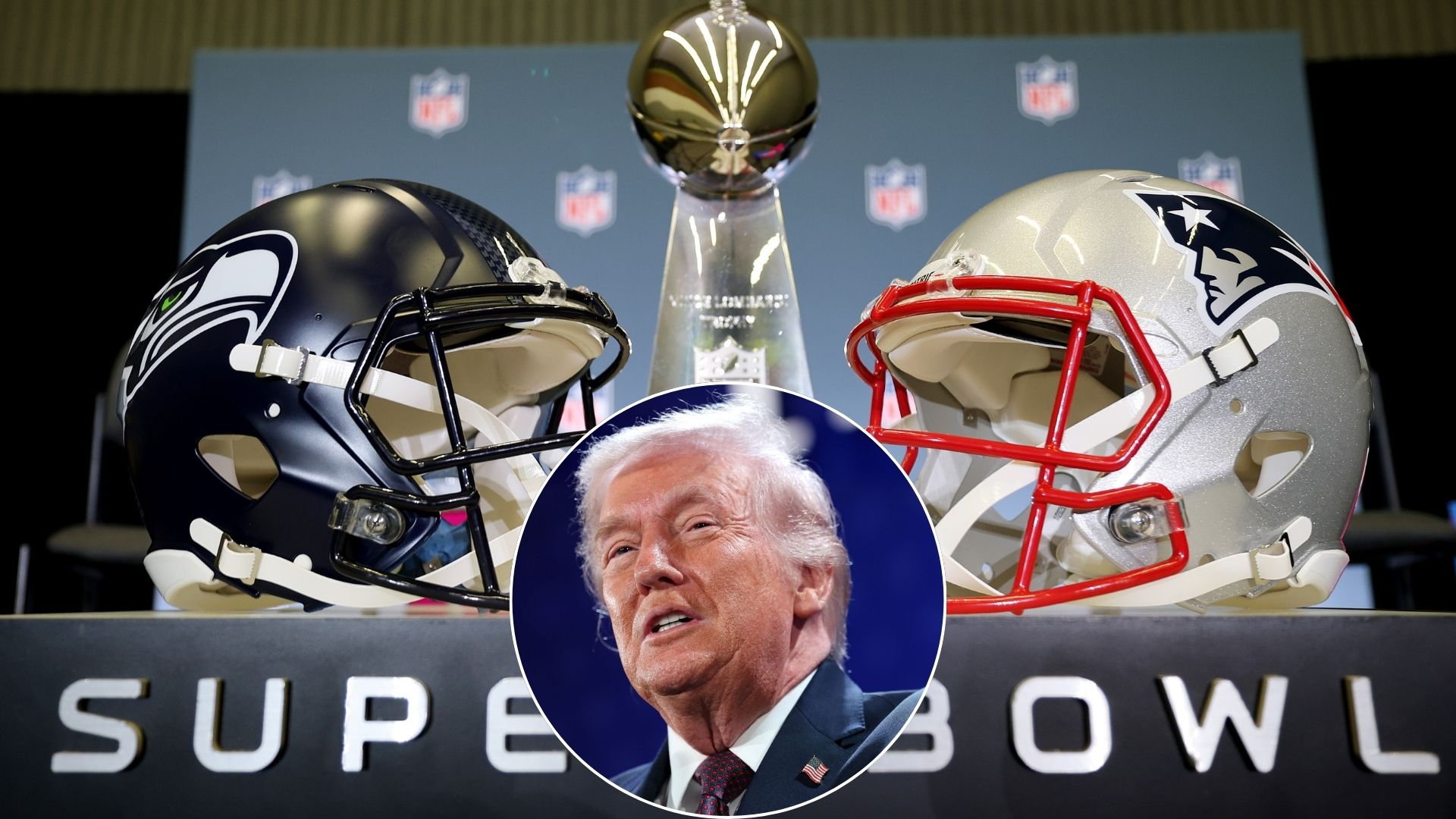
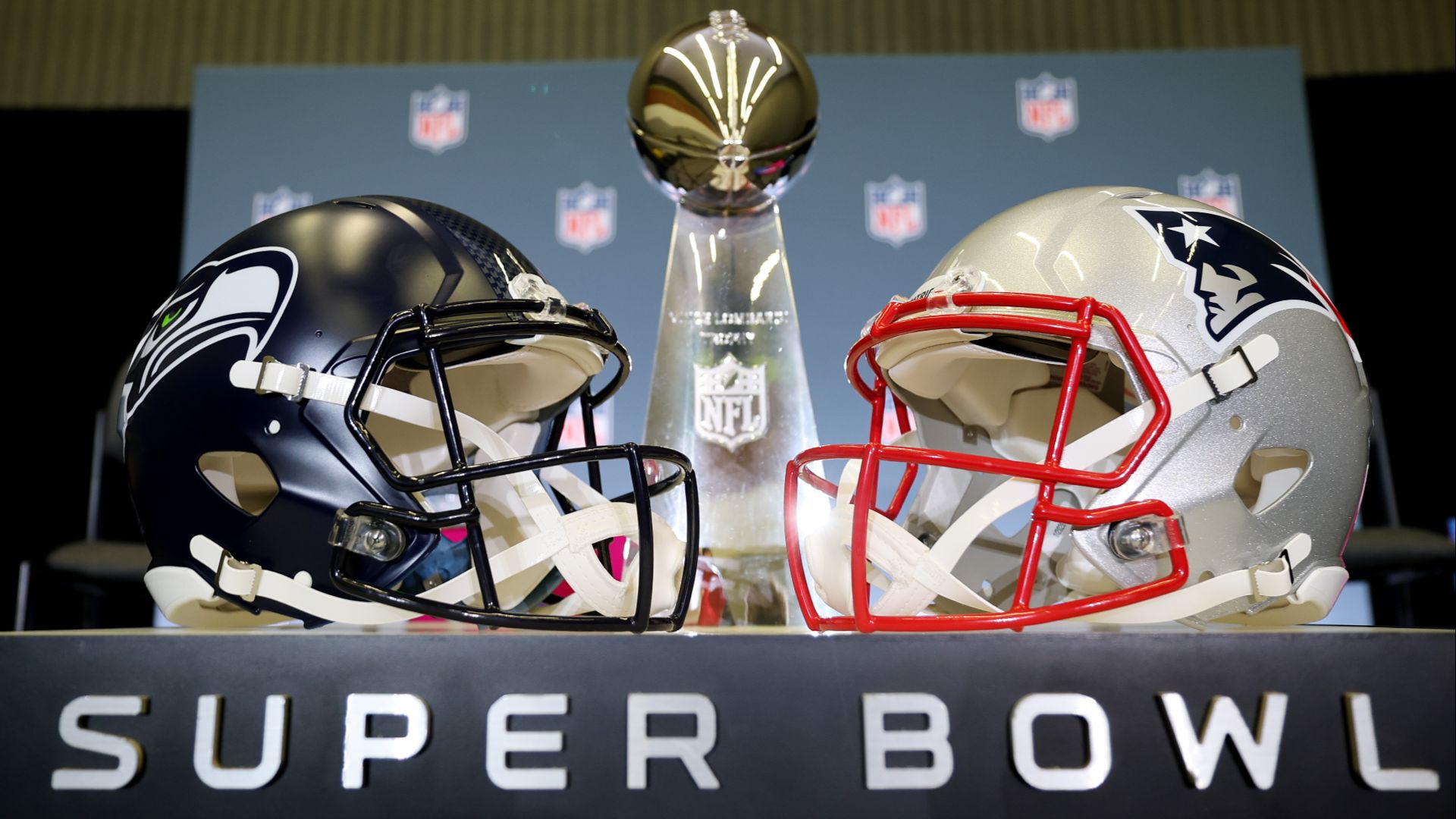
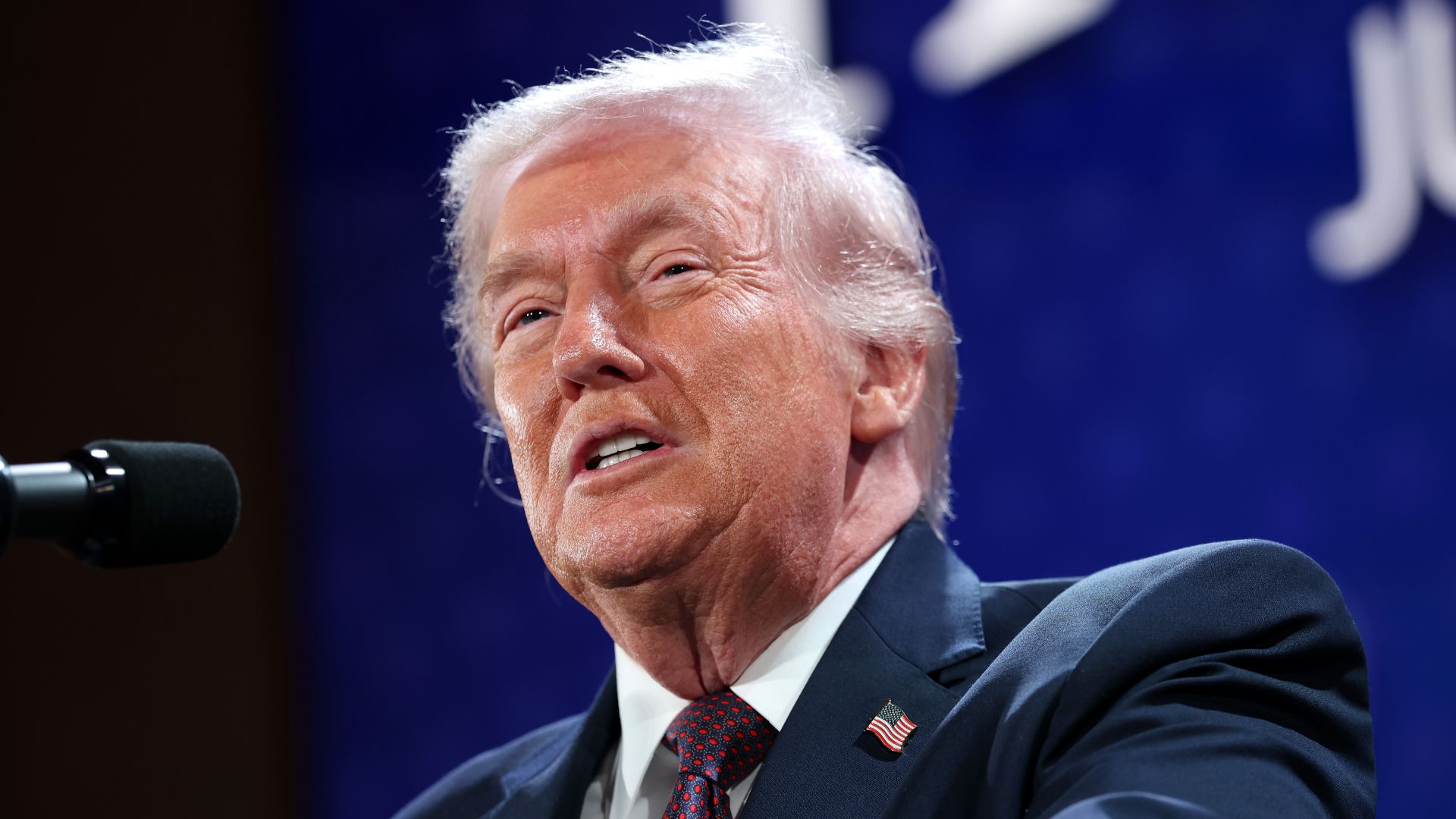
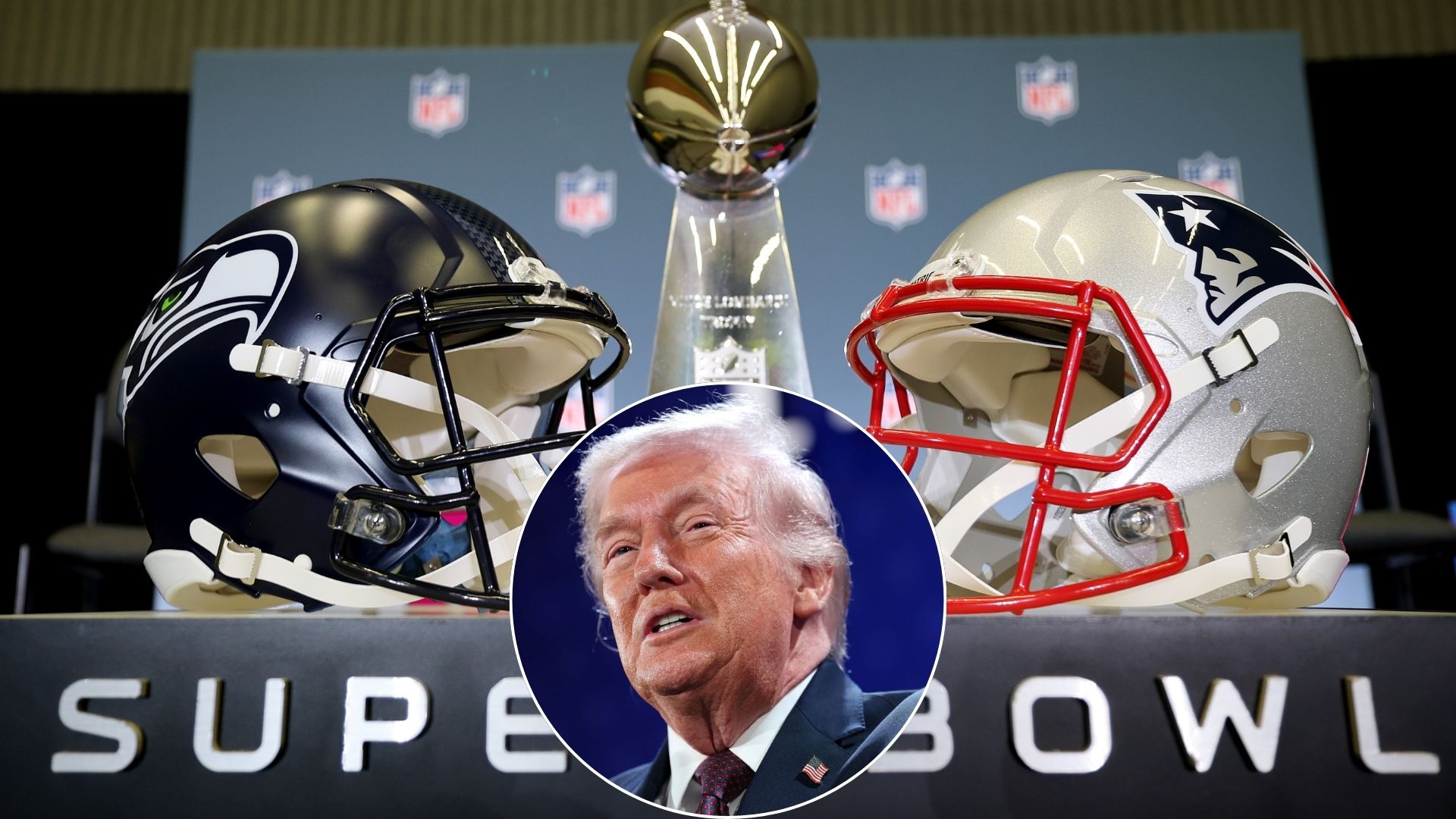
Le président Donald Trump n’assistera pas au Super Bowl LX le dimanche 8 février au Levi’s Stadium de Santa Clara, en Californie, où les New England Patriots et les Seattle Seahawks s’affronteront pour le championnat de la NFL.
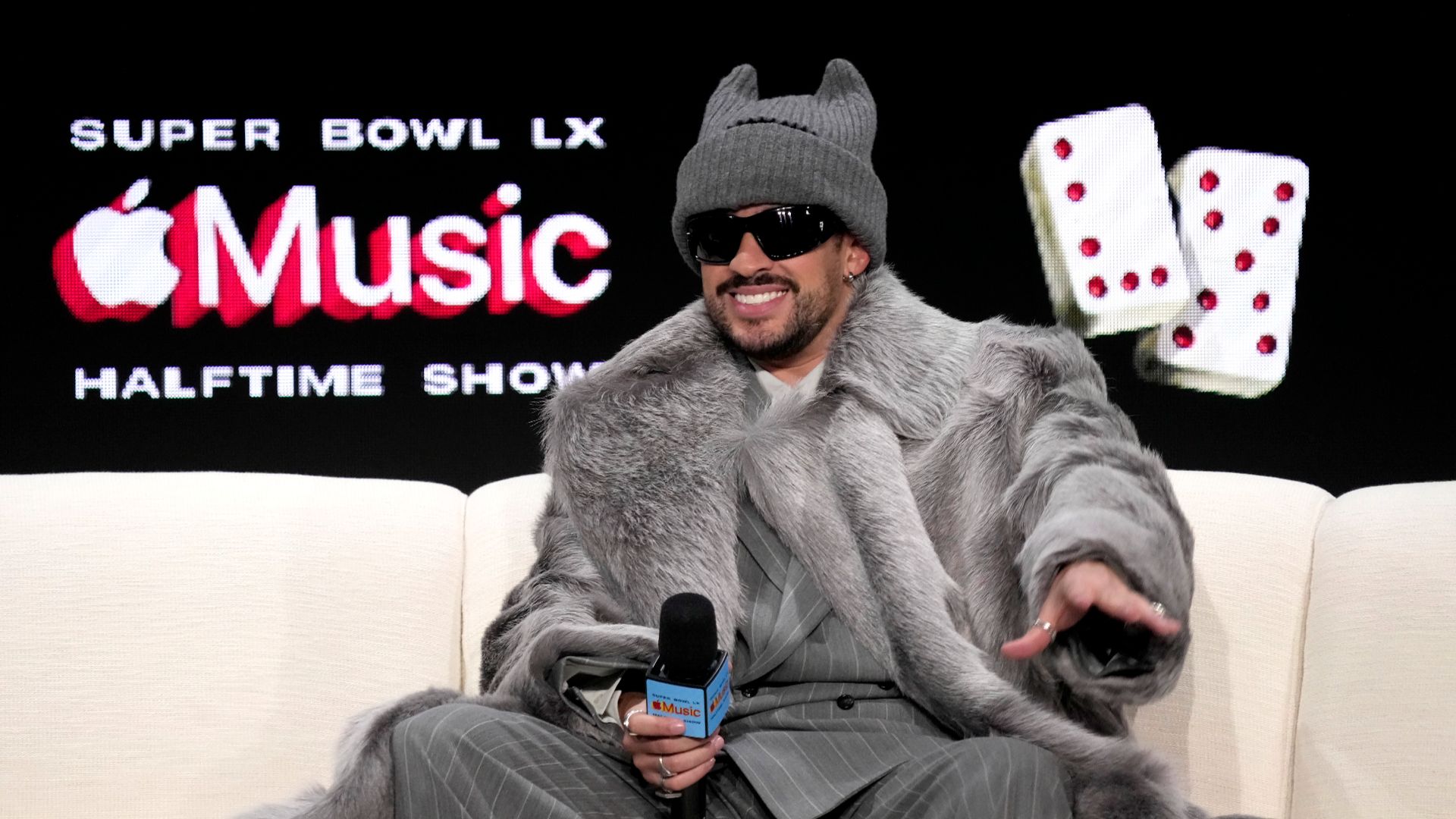
Le match, dont le coup d’envoi est prévu à 18h30 (heure de l’Est), devrait attirer l’une des plus grandes audiences télévisées de l’année et s’annonce déjà comme un événement culturel aussi important qu’un événement sportif. Au programme des divertissements de cette année, la superstar portoricaine Bad Bunny en tête d’affiche du spectacle de la mi-temps et Green Day en concert lors de la cérémonie d’ouverture, deux artistes qui sont devenus des figures politiques controversées au cours des semaines précédant le match.
La décision de ne pas assister à l’événement a attiré l’attention nationale, car Trump a fait des événements sportifs de grande envergure un élément visible de ses apparitions publiques tout au long de sa présidence et de son second mandat, les utilisant comme des tribunes pour exercer son influence et s’adresser à un large public.
Getty Images
Trump a donné des explications publiques pour justifier son absence au Super Bowl, mêlant des préoccupations logistiques à des critiques sur le choix des artistes. Lorsqu’il s’est entretenu avec le New York Post au sujet de sa décision, il a en partie justifié son absence par la distance, déclarant au journal que le trajet jusqu’à Santa Clara était tout simplement trop long. Trump a déclaré :
« C’est tout simplement trop loin. J’irais bien. J’ai reçu un excellent accueil pour le Super Bowl. Ils m’apprécient. »
Il a ajouté : « J’irais si, vous savez, c’était un peu plus court. »
Dans la même interview, il a vivement critiqué le choix de Bad Bunny et Green Day, déclarant :
« Je suis contre eux. Je pense que c’est un choix terrible. Tout ce que cela fait, c’est semer la haine. C’est terrible. »
Ses commentaires ont mis en cause la programmation artistique, même s’il a insisté sur le fait que les artistes n’étaient pas la seule raison de son absence au match.
« Le président Trump travaille dur pour le peuple américain. S’il assistait au Super Bowl, il serait chaleureusement accueilli, car l’Amérique sait qu’il a fait plus pour aider ce pays que n’importe quel autre président dans l’histoire. »
– Davis Ingle, porte-parole de la Maison Blanche
Les reportages de The Independent et d’autres médias ont souligné que les collaborateurs internes de la Maison Blanche auraient pu avoir des inquiétudes plus profondes quant à la façon dont Trump serait accueilli par la foule au Levi’s Stadium. Des sources informées sur la question ont déclaré que les conseillers craignaient que le président ne soit accueilli par des huées bruyantes pendant l’événement, ce qui pourrait être largement diffusé sur les réseaux sociaux et dominer la couverture médiatique grand public.
Selon The Independent, les conseillers pensaient que la foule « allait probablement le huer agressivement » et ils ont « discrètement conclu » qu’il y avait de fortes chances qu’il soit hué « très fort ». Cette crainte d’une réaction négative survient alors que l’administration fait face à des protestations et à des critiques concernant ses politiques d’immigration strictes et ses récentes mesures controversées dans plusieurs villes des États-Unis.
Getty Images
La Maison-Blanche a publiquement réfuté les affirmations selon lesquelles la décision de Trump aurait été motivée par la crainte d’une foule hostile, publiant des déclarations pour souligner qu’il bénéficie d’un large soutien et qu’il serait bien accueilli lors de tels événements. Le porte-parole de la Maison Blanche, Davis Ingle, a déclaré :
« Le président Trump travaille dur pour le peuple américain. S’il assistait au Super Bowl, il serait chaleureusement accueilli, car l’Amérique sait qu’il a fait plus pour aider ce pays que n’importe quel autre président dans l’histoire. » Le message de l’administration visait à contrer les rumeurs concernant la réaction négative du public et à présenter l’absence de Trump comme n’ayant aucun rapport avec le sentiment de la foule, même si les critiques ont souligné le moment choisi pour l’annonce et les divisions politiques liées à la programmation artistique de l’événement.
« C’est trop loin. Je le ferais. J’ai reçu un excellent accueil pour le Super Bowl. Ils m’apprécient. »
– Le président Donald Trump
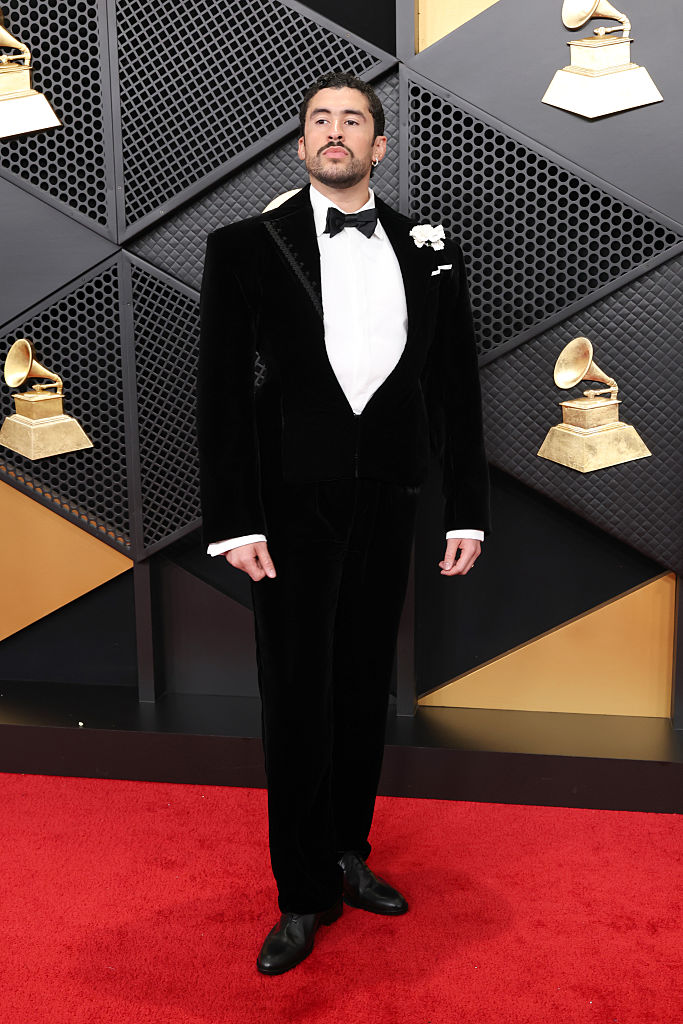
Le climat politique actuel a amplifié la controverse autour de l’absence de Trump, en particulier en ce qui concerne les questions d’immigration et les critiques publiques des artistes eux-mêmes. Bad Bunny, né Benito Antonio Martínez Ocasio, qui sera la tête d’affiche du spectacle de la mi-temps, s’est exprimé ouvertement sur l’application des lois sur l’immigration et a utilisé sa plateforme pour dénoncer ce qu’il considère comme des injustices. Lors des Grammy Awards 2026, Bad Bunny a déclaré :
« La seule chose qui soit plus puissante que la haine, c’est l’amour. Alors, s’il vous plaît, nous devons être différents. Si nous nous battons, nous devons le faire avec amour », dans le contexte de son opposition aux pratiques de l’Immigration and Customs Enforcement (ICE, service américain chargé de l’immigration et des douanes).
Sa performance au Super Bowl est considérée comme un événement culturel marquant, car il est le premier artiste principalement hispanophone à être la tête d’affiche du spectacle de la mi-temps, mais elle a également suscité des réactions négatives de la part de certains commentateurs et groupes conservateurs qui considèrent son engagement et sa musique comme politiquement chargés.
Getty Images
Les discussions sur la sécurité ont également fait partie des débats qui ont précédé le Super Bowl LX. Des commentaires antérieurs de responsables de la sécurité intérieure laissaient entrevoir une éventuelle opération de contrôle de l’immigration lors de l’événement, mais la NFL a cherché à apaiser ces inquiétudes. La responsable de la sécurité de la NFL, Cathy Lanier, a assuré aux journalistes qu’« aucune opération de contrôle de l’immigration ou de l’ICE n’est prévue lors du Super Bowl ou de tout autre événement lié au Super Bowl », soulignant que si plusieurs agences fédérales, étatiques et locales contribueraient à la sécurité, « cela n’inclut pas l’ICE ».
L’absence de Trump contraste fortement avec son habitude d’assister à des événements sportifs majeurs pour se faire voir, notamment sa présence au Super Bowl LIX en 2025 à la Nouvelle-Orléans, où il est devenu le premier président américain en exercice à assister au championnat de la NFL, et sa présence fréquente à d’autres événements prestigieux tels que les courses NASCAR et les championnats universitaires de football américain.
President Donald Trump will not attend Super Bowl LX on Sunday, February 8, at Levi’s Stadium in Santa Clara, California, where the New England Patriots and Seattle Seahawks will meet for the NFL championship. The game, scheduled for a 6:30 p.m. Eastern kickoff, is expected to attract one of the largest television audiences of the year and is already shaping up as a cultural flashpoint as much as a sporting event. This year’s entertainment lineup includes Puerto Rican superstar Bad Bunny headlining the halftime show and Green Day performing at the opening ceremony, both of which have become political lightning rods in the weeks leading up to the game. The decision not to attend has drawn national attention because Trump has made high-profile sports events a visible element of his public appearances throughout his presidency and second term, using them as platforms to project influence and engage with broad audiences.
Getty Images
Trump has offered public explanations for skipping the Super Bowl that mix logistical concerns with criticism of the entertainment choices. When speaking to the New York Post about his decision, he framed the absence in part as a matter of distance, telling the outlet that the trip to Santa Clara was simply too long. Trump said:
«It’s just too far away. I would. I’ve gotten great hands for the Super Bowl. They like me.»
He added: «I would go if, you know, it was a little bit shorter.» In the same interview, he sharply criticized the choice of Bad Bunny and Green Day, saying: «I’m anti-them. I think it’s a terrible choice. All it does is sow hatred. Terrible.»
His comments placed blame on the entertainment lineup even as he insisted the performers were not the sole reason for his absence from the game.
«President Trump is working hard on behalf of the American people. If he did attend the Super Bowl, he would receive a warm welcome because America knows he has done more to help this country than any other president in history.»
-White House spokesperson, Davis Ingle
Reporting from The Independent and other outlets has underscored that internal White House aides may have had deeper concerns about how Trump would be received by the crowd at Levi’s Stadium. Sources briefed on the matter said advisers were worried the president could be met with loud boos during the event, something that could be widely circulated on social media and dominate mainstream news coverage. According to The Independent, aides believed the crowd would «likely aggressively boo him,» and they «quietly determined» there was a high likelihood he could be booed «big league.» That fear of negative reaction comes as the administration faces protests and criticism over its hard-line immigration policies and recent controversial enforcement actions in cities across the United States.
Getty Images
The White House has publicly pushed back on characterizations that Trump’s decision was driven by fear of a hostile crowd, issuing statements to emphasize that he retains broad support and would be welcomed at such events. White House spokesperson Davis Ingle said: «President Trump is working hard on behalf of the American people. If he did attend the Super Bowl, he would receive a warm welcome because America knows he has done more to help this country than any other president in history.» The administration’s message sought to counter narratives about unpopular public reaction and frame Trump’s absence as unrelated to crowd sentiment, even as critics pointed to the timing of the reporting and political divisions tied to the event’s entertainment lineup.
«It’s just too far away. I would. I’ve gotten great hands for the Super Bowl. They like me.»
-President, Donald Trump
The surrounding political climate has amplified the controversy over Trump’s absence, particularly with regard to immigration issues and public criticism from performers themselves. Bad Bunny, born Benito Antonio Martínez Ocasio, who will headline the halftime show, has been vocal about immigration enforcement and used his platform to call out perceived injustices. At the 2026 Grammy Awards, Bad Bunny declared: «The only thing that’s more powerful than hate is love. So please we need to be different. If we fight, we have to do it with love,» in the context of addressing his opposition to Immigration and Customs Enforcement practices. His performance at the Super Bowl is seen as a cultural milestone as the first primarily Spanish-language artist to headline the halftime show, but it has also drawn backlash from some conservative commentators and groups who view his advocacy and music as politically charged.
Getty Images
Security discussions have also become part of the narrative leading up to Super Bowl LX. Earlier comments from Homeland Security officials suggested potential immigration enforcement activity at the event, but the NFL has sought to quell those concerns. NFL chief security officer Cathy Lanier assured reporters that «there are no known, no planned ICE or immigration enforcement operations that are scheduled at the Super Bowl or any of the Super Bowl-related events,» stressing that while multiple federal, state, and local agencies would assist with safety, «it does not include ICE.» Trump’s absence marks a sharp contrast with his own history of attending major sporting events for visibility, including his appearance at Super Bowl LIX in 2025 in New Orleans, where he became the first sitting U.S. president to attend the NFL championship game, and his frequent presence at other marquee events such as NASCAR races and college football championships.
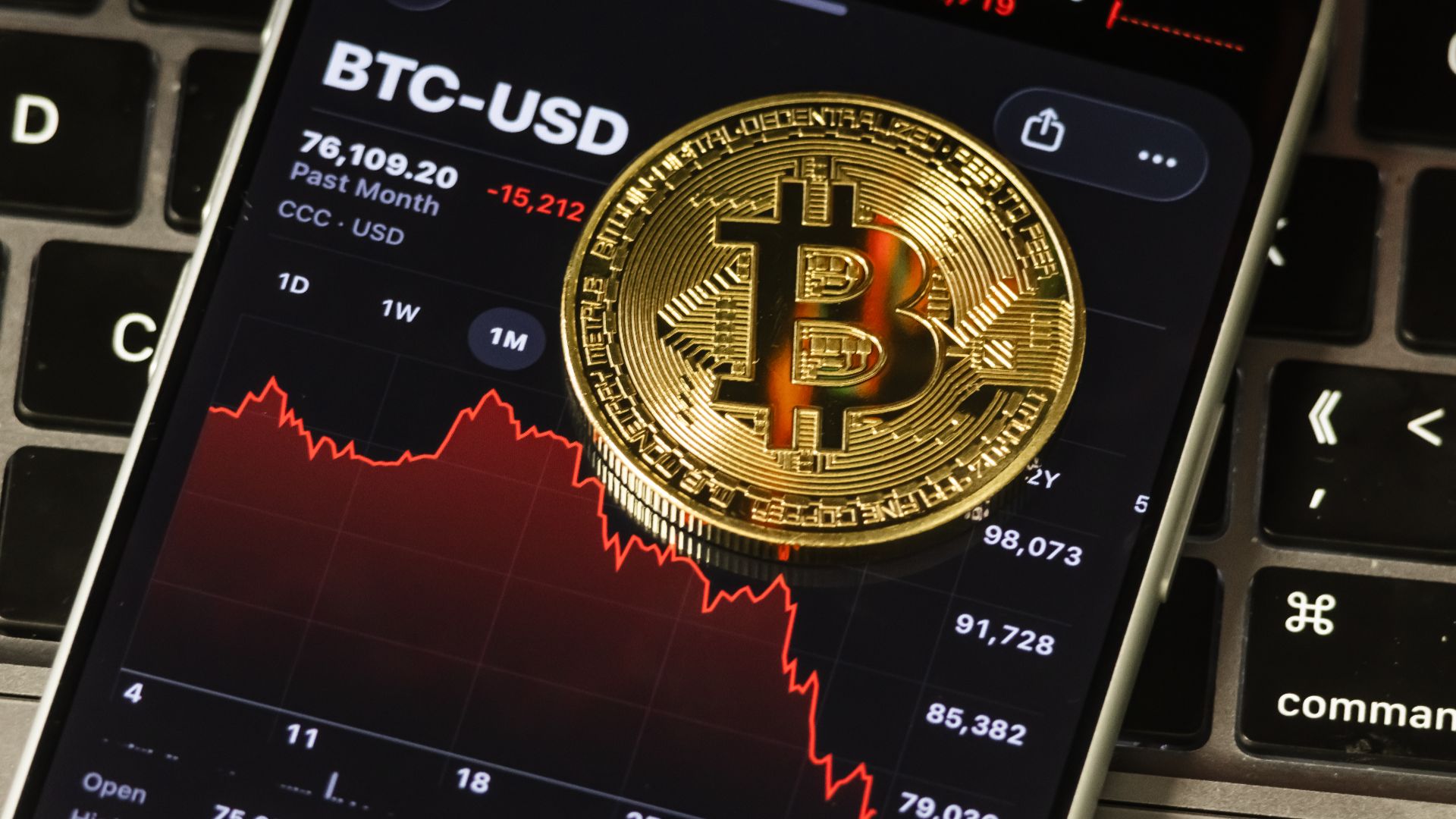
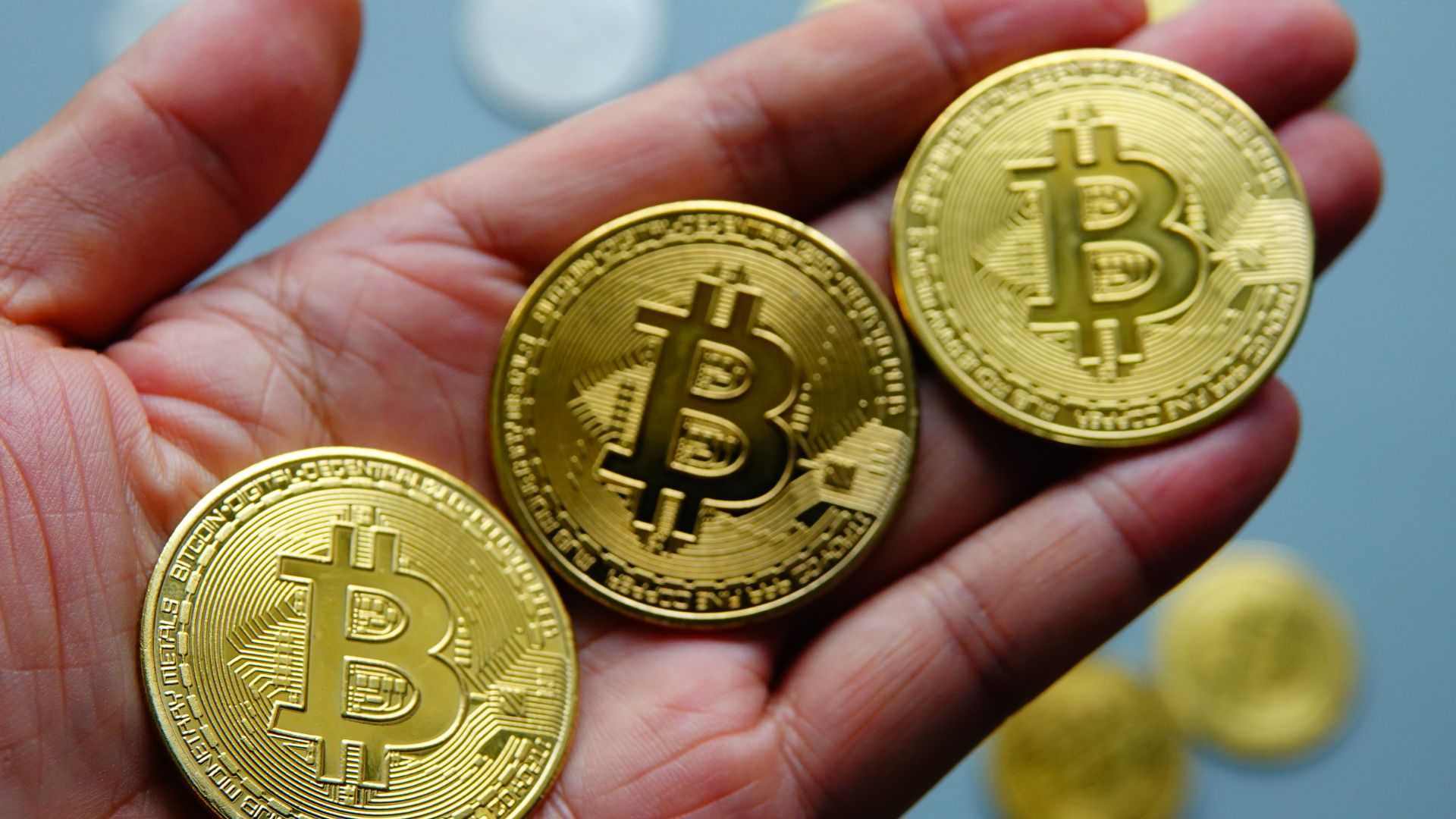
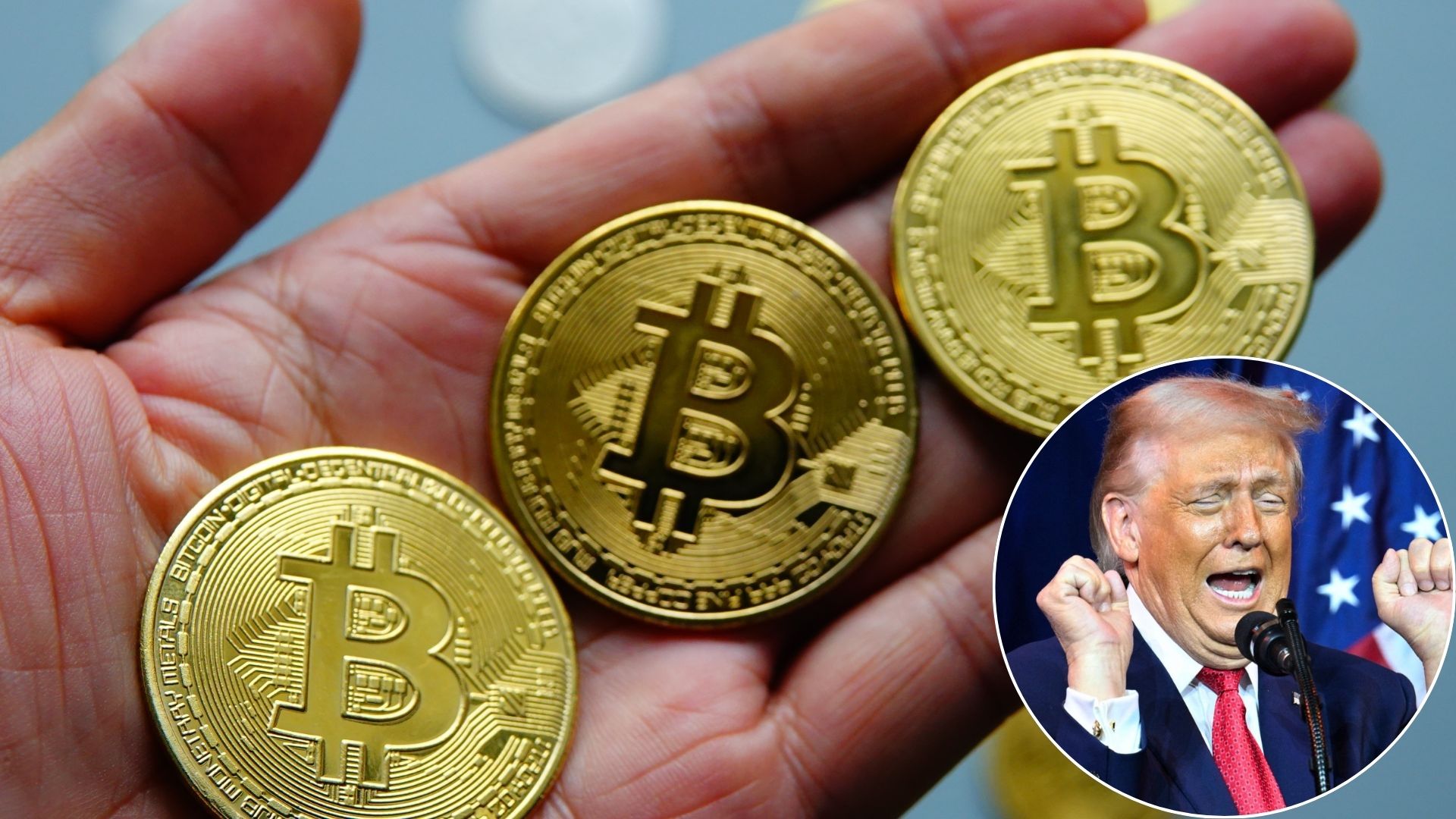
Le prix du Bitcoin a fortement chuté par rapport à ses niveaux records d’octobre 2025, perdant environ 44 % de sa valeur par rapport à son pic proche de 126 000 dollars.
Cette baisse a ramené la cryptomonnaie la plus répandue au monde à son plus bas niveau en environ 15 mois, passant sous la barre des 70 000 dollars début février et brièvement sous les 67 000 dollars lors de certaines séances de bourse, son plus bas niveau depuis avant la réélection de Donald Trump. Cette forte chute a effacé la quasi-totalité des gains accumulés dans l’anticipation favorable aux cryptomonnaies qui a suivi les élections de 2024. La chute du Bitcoin coïncide avec une vente massive plus large des actifs à risque et un regain d’intérêt des investisseurs pour les valeurs refuges telles que l’or, qui a fortement rebondi au cours de la même période.
Les analystes notent que l’ampleur même de la baisse reflète à la fois l’aversion systématique pour le risque et la profonde volatilité structurelle inhérente aux actifs numériques, où le sentiment peut rapidement basculer en fonction des données macroéconomiques, des nouvelles réglementaires et des tensions financières mondiales.
Getty Images
De nombreux acteurs du marché ont interprété la récente chute du Bitcoin comme un rappel de la volatilité persistante de cet actif, une caractéristique longtemps discutée par les analystes et les investisseurs. Si les partisans des cryptomonnaies ont parfois présenté le Bitcoin comme de « l’or numérique », la divergence récente entre la performance du Bitcoin et celle des valeurs refuges traditionnelles a remis en question cette thèse.
Alors que l’or a bondi et conservé la confiance relative des investisseurs dans des marchés turbulents, le Bitcoin a subi une pression vendeuse soutenue, alimentée en partie par des liquidations et un intérêt spéculatif en baisse.
Michael Burry, observateur de longue date du marché, connu pour avoir prédit la crise financière de 2008, a écrit sur son Substack qu’il estime qu’il n’y a « aucune raison organique pour que le Bitcoin ralentisse ou arrête sa descente », soulignant le profond scepticisme de certains investisseurs de renom quant à la résilience de la cryptomonnaie en tant que réserve de valeur en période de peur systémique.
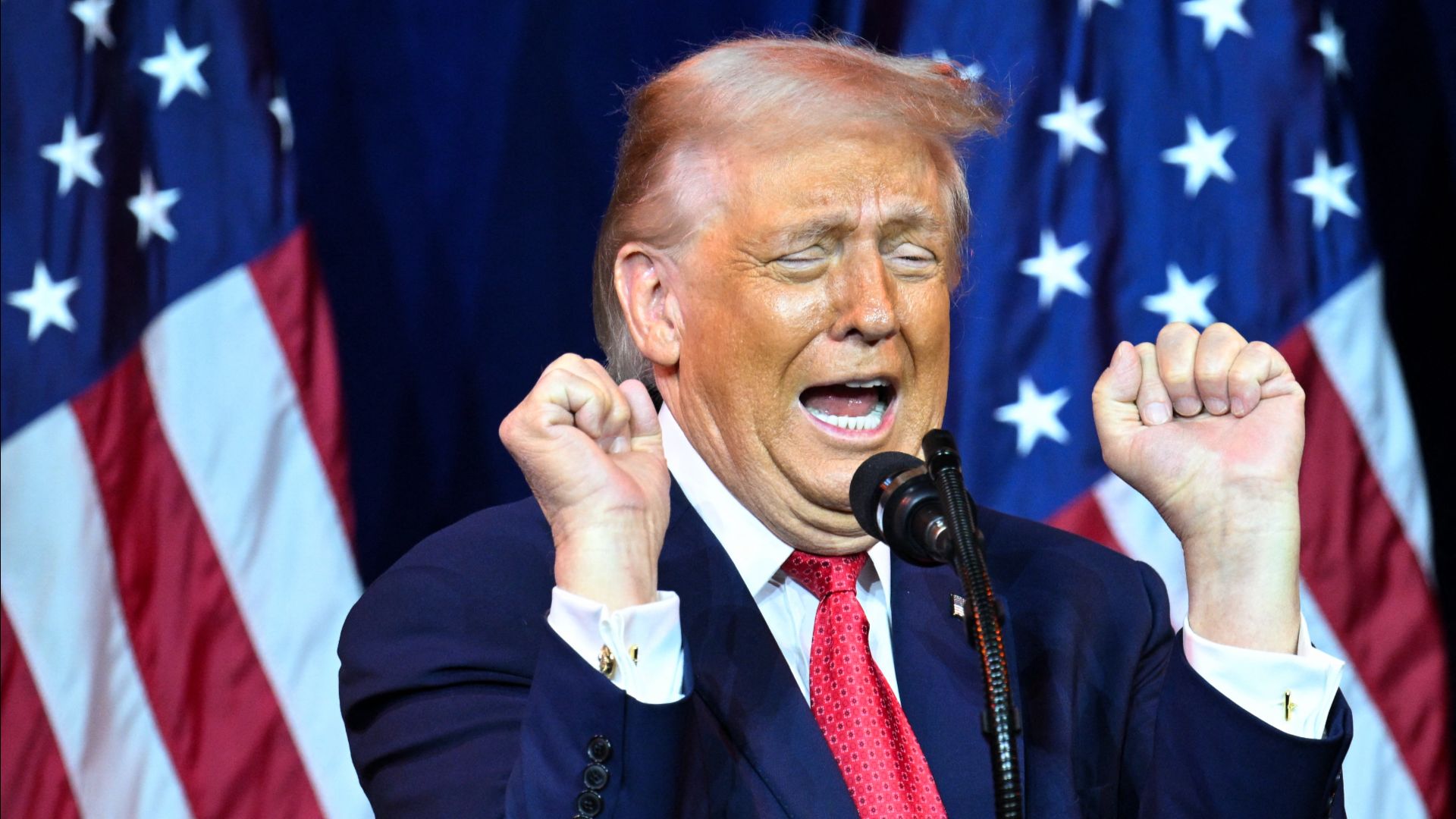
«Ensemble, nous ferons des États-Unis la superpuissance incontestée du Bitcoin et la capitale mondiale de la cryptomonnaie.»
-Donald Trump
Les économistes et les stratèges avertissent que la structure même des marchés du Bitcoin amplifie la volatilité, en particulier lorsque les signaux macroéconomiques poussent les investisseurs vers ou loin des actifs à risque. Le déclin du Bitcoin s’est produit parallèlement à une pression plus générale sur les valeurs technologiques, aux inquiétudes concernant la politique de la Réserve fédérale et à l’incertitude géopolitique, autant de facteurs qui peuvent accroître le comportement d’aversion au risque chez les investisseurs institutionnels et individuels.
Un stratège d’une grande société d’investissement a récemment fait remarquer que les flux de capitaux ont tendance à se tourner vers les valeurs refuges traditionnelles lorsque les indicateurs de peur grimpent, ce qui rend le Bitcoin vulnérable à des ventes massives plus importantes que celles des actions ou des matières premières conventionnelles. En outre, la faible liquidité et le fort effet de levier du trading de cryptomonnaies peuvent exacerber les fluctuations de prix, ce qui signifie qu’une fois que le sentiment devient négatif, le Bitcoin peut baisser rapidement sans rencontrer beaucoup de résistance jusqu’à ce que de nouveaux niveaux de soutien soient trouvés.
Getty Images
Le recul du Bitcoin a effacé une grande partie de ce qui avait été surnommé le «rallye Trump», une période où l’optimisme entourant l’adoption des cryptomonnaies sous la présidence de Donald Trump avait contribué à pousser les prix vers des sommets historiques. Au début de son mandat, Trump a activement changé sa position vis-à-vis des actifs numériques, s’éloignant nettement de son scepticisme antérieur.
Dans le cadre d’une initiative exécutive plus large au début de l’année 2025, Trump a signé un décret établissant une réserve stratégique de bitcoins et un stock d’actifs numériques américains, destinés à traiter les bitcoins et autres cryptomonnaies saisies comme des actifs de réserve à long terme détenus par le gouvernement fédéral. Cette mesure a été considérée comme une valorisation du statut des cryptomonnaies, la fiche d’information de la Maison Blanche soulignant que cette politique visait à positionner les États-Unis comme un leader en matière de stratégie d’actifs numériques.
«Aucune raison organique ne justifie que le Bitcoin ralentisse ou arrête sa descente.»
-Michael Burry, l’investisseur de The Big Short
Trump a également fixé publiquement un objectif ambitieux pour le paysage américain des cryptomonnaies, déclarant aux participants d’un sommet sur les actifs numériques que son administration ferait des États-Unis la « superpuissance du Bitcoin » et « la capitale mondiale des cryptomonnaies », présentant les actifs numériques comme essentiels à l’innovation technologique et à la compétitivité financière :
« Ensemble, nous ferons des États-Unis la superpuissance incontestée du Bitcoin et la capitale mondiale de la cryptomonnaie. »
Les critiques ont toutefois souligné que les marchés n’ont pas soutenu la reprise après cette annonce, illustrant les limites du soutien politique dans la lutte contre la volatilité. Parmi les autres aspects du programme de Trump en matière de cryptomonnaies, citons l’appel à des cadres réglementaires plus clairs et la dissolution des unités chargées de l’application de la loi, ce qui a allégé la pression sur les principales bourses et encouragé la participation des institutions. Néanmoins, la forte baisse souligne la question persistante de savoir si l’enthousiasme politique peut compenser les forces fondamentales du marché lorsque les investisseurs réévaluent leur exposition au risque.
Getty Images
Alors que le Bitcoin se situe près de son prix le plus bas depuis plus d’un an et que les indicateurs de volatilité restent élevés, de nombreux investisseurs et analystes évaluent à la fois le potentiel à long terme et la prudence à court terme. Certains stratèges affirment que les niveaux bas actuels pourraient attirer de nouveaux acheteurs qui considèrent le Bitcoin comme sous-évalué par rapport aux tendances d’adoption à long terme, mais ils soulignent que la clarté réglementaire et la stabilité macroéconomique seront essentielles à tout rebond durable. D’autres avertissent que sans catalyseurs clairs pour restaurer la confiance, le Bitcoin pourrait continuer à stagner ou tester de nouveaux niveaux de soutien, en particulier si les marchés dans leur ensemble restent nerveux. La juxtaposition des politiques pro-crypto de Trump et de la chute spectaculaire des prix illustre la complexité des actifs numériques en tant que discours politique et instrument financier, et met en évidence pourquoi la volatilité reste au cœur de l’histoire du Bitcoin.
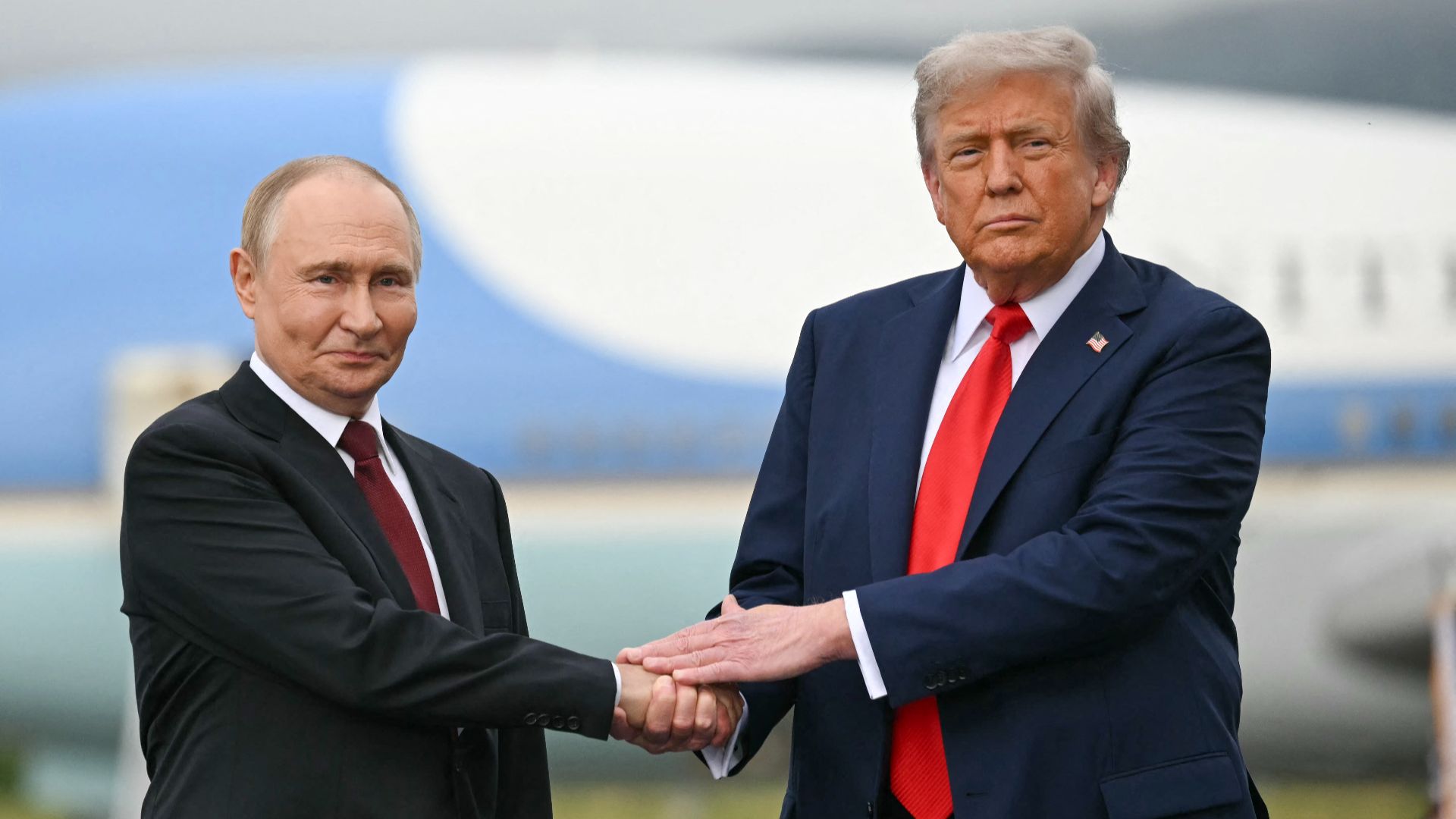
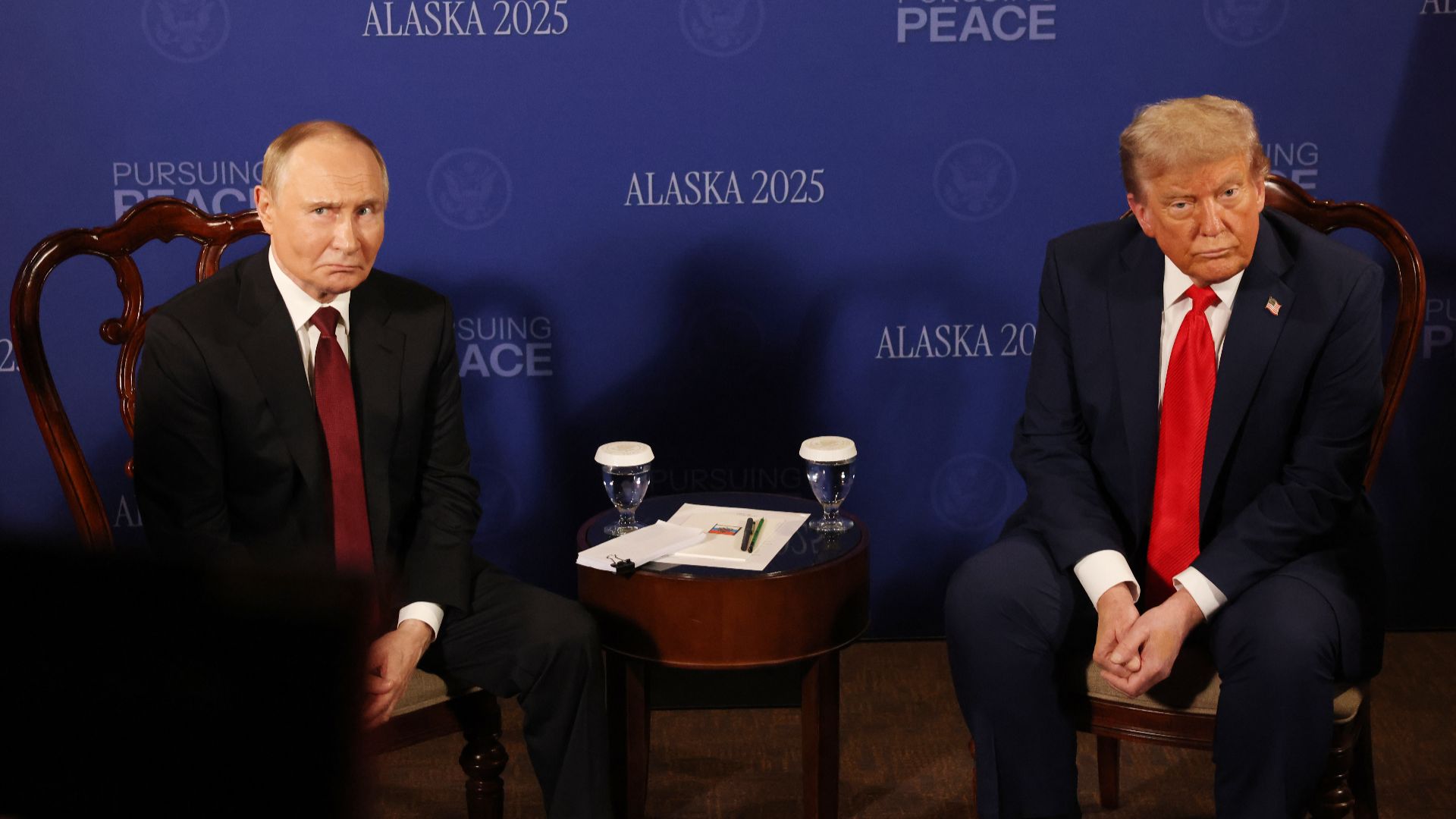
The New Strategic Arms Reduction Treaty, known as New START, expired on February 5, leaving the United States and Russia without a binding nuclear arms control agreement for the first time in decades. The treaty had been the last remaining framework limiting the two countries’ strategic nuclear arsenals.
New START set caps on deployed warheads and delivery systems and created a system of inspections and data exchanges designed to reduce uncertainty between the world’s two largest nuclear powers. Its expiration has raised concerns among diplomats and arms control experts about what happens when both sides are no longer constrained by legally enforceable limits. The end of the treaty also removes a structured channel for transparency, at a time when tensions between Washington and Moscow remain high and global security risks are intensifying.
Getty Images
New START was signed in Prague on April 8, 2010, during the presidency of Barack Obama, and at a time when Dmitry Medvedev was serving as Russia’s president. It entered into force on February 5, 2011, after ratification by both countries. The agreement limited each side to 1,550 deployed strategic nuclear warheads and 700 deployed delivery systems, including intercontinental ballistic missiles, submarine-launched ballistic missiles, and heavy bombers. The treaty also established verification measures, including inspections and regular exchanges of data, which arms control officials considered central to maintaining stability. For years, it served as a key symbol of post–Cold War diplomacy and remained one of the few areas where Washington and Moscow maintained formal cooperation despite broader geopolitical disputes.
Getty Images
In the years before its expiration, the treaty’s functioning was already weakened. On-site inspections were suspended in 2020 during the COVID-19 pandemic and were never fully restored. Russia later announced in 2023 that it would suspend participation in certain treaty obligations, though it indicated it would continue respecting some of the numerical limits. Even with these setbacks, New START remained in force and was widely seen as the final barrier preventing an open-ended nuclear competition. Its collapse follows years of deteriorating relations, including the war in Ukraine and the breakdown of other arms control agreements. Analysts say that without a replacement treaty, both countries lose an important stabilizing mechanism that helped reduce miscalculations and provided predictable rules for nuclear deployments.
Getty Images
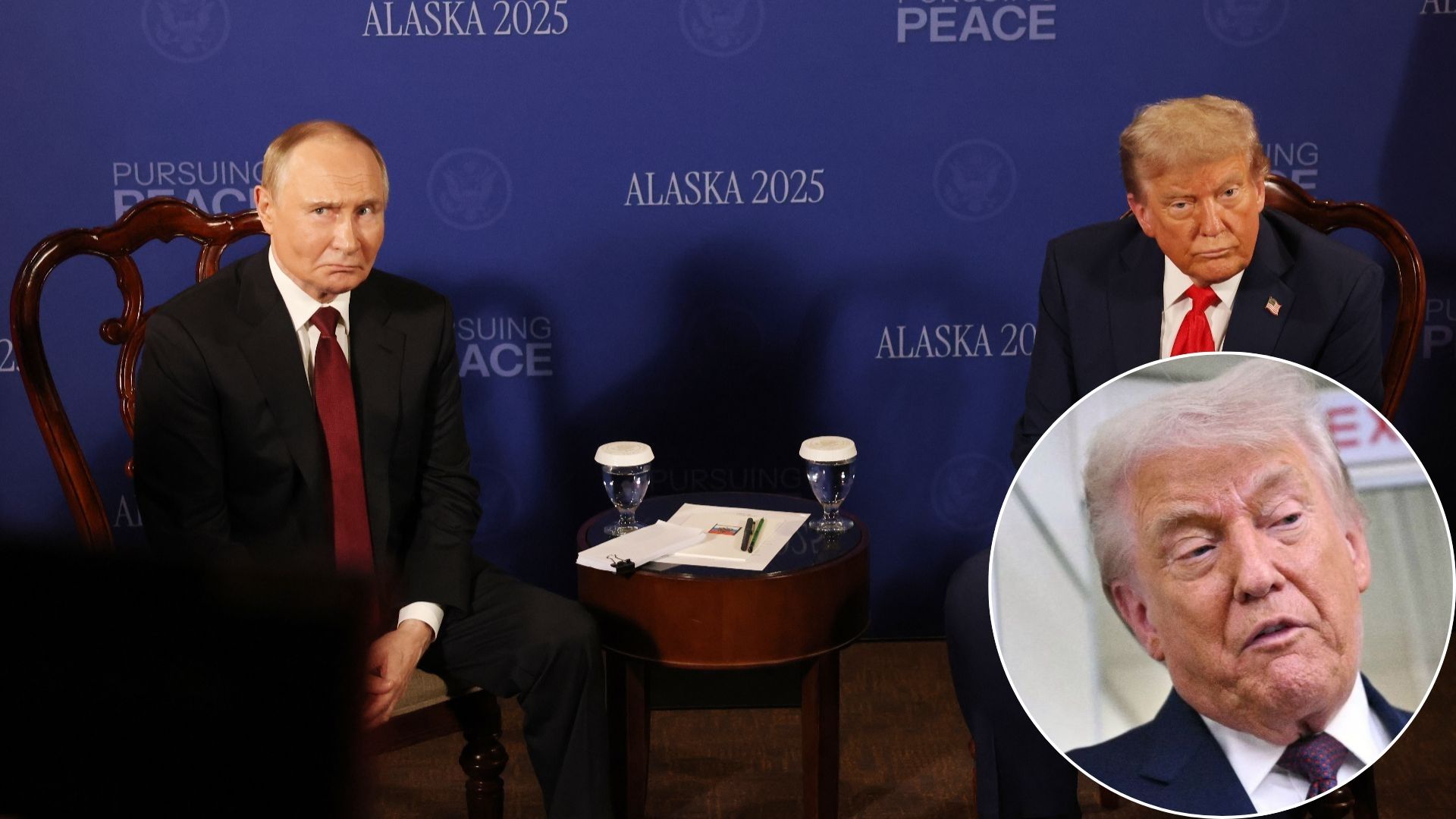
Trump’s decision to let the treaty expire has become a major focus of international concern. Trump had repeatedly argued that the agreement should not simply be extended and insisted that any new arrangement should include China. In comments reported in recent coverage, Trump said:
«If it expires, it expires. We’ll just do a better agreement,» framing the end of New START as an opportunity to negotiate a broader deal. Arms control advocates warned that this approach risked leaving a dangerous gap if no alternative agreement was secured. China has rejected joining a trilateral treaty, saying its nuclear forces are far smaller than those of the United States and Russia. Critics of Trump’s position argue that demanding a broader agreement without securing an interim extension created a situation where the treaty expired without a replacement, increasing uncertainty at a critical moment.
Getty Images
The fears surrounding the treaty’s expiration center on both capability and trust. Without New START’s binding limits, the United States and Russia are now free to expand the number of deployed strategic warheads and delivery systems beyond the treaty’s caps.
Experts warn that both sides could respond to uncertainty by “uploading” additional warheads onto existing missiles, a move that could rapidly increase deployed arsenals without requiring entirely new weapons. The absence of inspections and detailed data exchanges also reduces transparency, making it harder for each side to verify the other’s nuclear posture. This can encourage worst-case assumptions, raising the risk of miscalculation during crises. Arms control groups have warned that the world is entering a period where nuclear stability could be based more on suspicion than structured verification.
«If it expires, it expires. We’ll just do a better agreement.»
-President, Donald Trump
International leaders have described the expiration as a major setback for global security. United Nations Secretary-General António Guterres warned that the treaty’s end represents a “grave moment for international peace and security” and that the risk of nuclear escalation is increasing. The treaty’s collapse also raises broader concerns about the future of the global nonproliferation system, since New START was often cited as evidence that nuclear powers were still committed to restraint.
Without a successor agreement, experts say the likelihood of a renewed arms race grows, and future negotiations may become even more difficult as trust continues to erode. With no treaty in place, Washington and Moscow now face the challenge of managing their nuclear rivalry without the guardrails that have shaped strategic stability for more than half a century.
Bitcoin’s price has dropped sharply from its record highs in October 2025, losing approximately 44 % of its value from the peak near $126,000. The decline has brought the world’s most widely held cryptocurrency to its lowest levels in roughly 15 months, dipping below $70,000 in early February and briefly below $67,000 in some trading sessions—the lowest since before Donald Trump’s re-election. This steep slide erased nearly all of the gains built up under the pro-crypto anticipation that followed the 2024 election. Bitcoin’s plunge coincides with a broader sell-off in risk assets and renewed investor preference for safe havens like gold, which has rallied sharply over the same period. Analysts note that the sheer scale of the drop reflects both systematic risk aversion and deep structural volatility inherent to digital assets, where sentiment can pivot quickly on macroeconomic data, regulatory news, and global financial stress.
Getty Images
Many market participants have interpreted Bitcoin’s recent slide as a reminder of the asset’s persistent volatility, a trait long discussed by analysts and investors alike. While crypto proponents sometimes held out the narrative of Bitcoin as “digital gold,” the recent divergence between Bitcoin’s performance and traditional safe havens has challenged that thesis. Where gold has surged and retained relative investor trust in turbulent markets, Bitcoin instead has suffered sustained selling pressure, partly fueled by liquidation events and shrinking speculative interest.
Long-time market watcher Michael Burry, known for his role in predicting the 2008 financial crisis, wrote on his Substack that he believes there is «no organic use case reason for Bitcoin to slow or stop its descent,» underscoring deep skepticism among some high-profile investors about the cryptocurrency’s resilience as a store of value in moments of systemic fear.
«Together we will make America the undisputed Bitcoin superpower and the crypto capital of the world.»
-Donald Trump
Economists and strategists warn that the structure of Bitcoin markets itself amplifies volatility, especially when macroeconomic signals push investors toward or away from risk assets. Bitcoin’s decline has occurred alongside broader pressure on technology stocks, concerns about Federal Reserve policy, and geopolitical uncertainty, all of which can increase risk-off behavior among institutional and individual investors. A strategist at a major investment firm recently noted that capital flows tend to rotate toward traditional safe havens when fear gauges climb, leaving Bitcoin vulnerable to sell-offs that are deeper than those in equities or conventional commodities. In addition, thin liquidity and heavy leverage in crypto trading can exacerbate price moves, meaning that once sentiment turns negative, Bitcoin can decline rapidly with little resistance until new support levels are found.
Getty Images
Bitcoin’s downturn has erased much of what had been dubbed the “Trump rally,” a period when optimism around cryptocurrency adoption under Donald Trump’s presidency helped push prices to historic highs. Early in his term, Trump actively shifted his stance toward digital assets, a marked departure from his previous skepticism. As part of a broader executive push in early 2025, Trump signed an order establishing a Strategic Bitcoin Reserve and a U.S. Digital Asset Stockpile, designed to treat Bitcoin and other seized crypto holdings as long-term reserve assets held by the federal government. That move was seen as elevating cryptocurrency’s status, with the White House fact sheet noting that the policy aimed to position the United States as a leader in digital asset strategy.
«No organic use case reason for Bitcoin to slow or stop its descent.»
-Michael Burry, the Big Short investor
Trump also publicly set an ambitious goal for the U.S. cryptocurrency landscape, telling attendees at a digital asset summit that his administration would make America the “Bitcoin superpower” and “the crypto capital of the world,” framing digital assets as central to technological innovation and financial competitiveness:
«Together we will make America the undisputed Bitcoin superpower and the crypto capital of the world.»
Critics, however, have pointed out that markets did not sustain a rally following the announcement, illustrating the limits of policy endorsement in countering volatility. Other aspects of Trump’s crypto agenda included calls for clearer regulatory frameworks and the disbanding of enforcement units, which removed some pressure on major exchanges and encouraged institutional involvement. Nonetheless, the stark downturn underscores the persistent question of whether policy enthusiasm can offset fundamental market forces when investors reassess risk exposure.
Getty Images
As Bitcoin sits near its lowest price in over a year and volatility indicators remain elevated, many investors and analysts are weighing both long-term potential and short-term caution. Some strategists argue that current lows could attract new buyers who view Bitcoin as undervalued relative to long-term adoption trends, but they emphasize that regulatory clarity and macroeconomic stability will be critical to any sustained rebound. Others caution that without clear catalysts to restore confidence, Bitcoin may continue to languish or test new support levels, especially if broader markets remain jittery. The juxtaposition of Trump’s pro-crypto policies with a dramatic price slide illustrates the complexity of digital assets as both a political narrative and a financial instrument, and highlights why volatility remains at the core of the Bitcoin story.
La décision d’une société liée aux Émirats arabes unis d’acquérir une participation de 49 % dans World Liberty Financial, la société de cryptomonnaie de la famille Trump, quelques jours avant la deuxième investiture du président Donald Trump, a suscité de vives critiques de la part des législateurs démocrates et d’anciens responsables américains.
D’une valeur d’environ 500 millions de dollars, cette transaction a suscité l’inquiétude quant à la prise de participation importante par des investisseurs liés à un gouvernement étranger dans une entreprise liée à la famille d’un président en exercice. Les détracteurs affirment que le moment et l’ampleur de l’investissement brouillent la frontière entre fonction publique et gain privé, qualifiant cette transaction d’« inédite dans la politique américaine moderne ».
La sénatrice Elizabeth Warren a condamné cette transaction comme étant « de la corruption, pure et simple », exhortant le Congrès à examiner de près ce que les opposants décrivent comme les implications croissantes de Trump dans le domaine des cryptomonnaies.