Catégories
Uncategorized

Un homme trouve un chiot d’une race inconnue abandonné dans une épicerie. Il lui donne un shampoing Hartz: «J’utilise une formule vétérinaire de Walmart»

Un homme a trouvé un chien mystérieux devant une épicerie. Il a ensuite publié une vidéo sur ce chien et demandé de quelle race il s’agissait, ce qui a déclenché une vague de commentaires mettant en garde sa famille contre le shampoing pour chiens Hartz.

« Je ne sais pas trop de quelle race est ce chiot, mais il est vraiment mignon. C’est une petite femelle. Elle est toute blanche, de la tête aux pattes. Blanche. Mais quelqu’un peut-il nous dire de quelle race elle est ? », a déclaré Safamily (@lasora.fan19 sur TikTok). La publication initiale de la famille a été vue plus de 851 000 fois, tandis qu’une mise à jour a été vue plus de 25 000 fois.

Au début, le compte de la famille semblait s’inquiéter de la race du chien, mais les commentateurs les ont rapidement avertis qu’ils devaient emmener le chien chez un vétérinaire. Selon eux, il y avait des problèmes plus graves que la race du chiot, notamment l’utilisation du shampoing Hartz et l’absence de nouvelles concernant l’état de santé du chiot.

Les internautes expriment leurs inquiétudes

Safamily, qui gère un compte TikTok familial avec sa femme, a recueilli un petit chiot blanc devant son épicerie locale. Le chien était assis sur les genoux d’un membre de la famille — Sarah —, tandis que le TikToker racontait comment il l’avait trouvé.

Safamily a déclaré : « On l’avait mis dehors parce qu’il n’arrêtait pas de suivre les gens à l’intérieur [de l’épicerie], mais je n’ai aucune idée de ce que c’est. On lui a donc préparé de la nourriture et de l’eau pour notre chien, au cas où il aurait faim. Et Sarah n’arrête pas d’essayer de l’habiller avec des robes et… des tutus, et de lui apporter des jouets pour qu’il s’amuse. »

La famille semblait s’être attachée au chien, qu’elle a baptisé Emily. Les internautes ont toutefois exprimé leur inquiétude quant à l’état de santé de l’animal. Dans la vidéo, la tête du chiot pendait visiblement vers la jambe de Sarah. De nombreux commentateurs ont remarqué que le chien semblait malade.

« Elle est très malade. Emmenez-la chez le vétérinaire dès que possible », a déclaré un spectateur.

Un autre a déclaré que le chien était « un croisement de pitbull malade », faisant référence à la question posée plus tôt par la famille au sujet de la race du chien.

Absence de nouvelles

Du 19 mai, date à laquelle la famille a initialement publié une vidéo sur le chien, au 21 mai, la famille n’a publié aucune mise à jour concernant le chiot sur TikTok. Elle a publié d’autres contenus, mais les internautes ont exprimé de nouvelles inquiétudes quant au bien-être du chien.

« Hé ! On veut des nouvelles du chiot, même si elles sont tristes », a déclaré un commentateur.

Un autre spectateur a ajouté : « L’absence de nouvelles du chiot me confirme que tous ceux qui ont laissé des commentaires avaient raison. »

Finalement, Safamily a publié une autre vidéo sur le chien. Ils ont rebaptisé l’animal Helen au lieu d’Emily et l’avaient lavée avec un shampoing Hartz Groomer’s Best Puppy Shampoo. Ils donnaient également au chien un vermifuge et avaient appris qu’elle souffrait d’une infection oculaire, qu’ils traitaient.

Le fait de laver la chienne a fini par créer un autre problème pour les commentateurs.

Les internautes s’expriment sur le shampoing Hartz

Plusieurs spectateurs ont dit à Safamily que l’utilisation du shampoing Hartz pouvait être une décision fatale.

« Renseignez-vous sur le shampoing pour chien Hartz… il n’est pas bon du tout », a déclaré un spectateur.

Un autre a ajouté : « Faites attention avec Hartz ! »

Le shampoing Hartz contient de la phénothrine, un composant chimique qui, selon Vet Advises, « a été associé à divers problèmes de santé chez les chiens ». Il peut provoquer des irritations cutanées et des réactions allergiques, pouvant dans de rares cas entraîner des vomissements et des convulsions. D’autres ingrédients nocifs, tels que les parabènes, contiennent des substances cancérigènes susceptibles de provoquer le cancer.

Les allégations selon lesquelles le shampoing Hartz aurait directement tué les animaux de compagnie d’autres personnes sont toutefois largement infondées. Un rapport de Best Pet Facts a révélé que la plupart des preuves selon lesquelles le shampoing aurait tué des animaux proviennent de « témoignages anecdotiques » et d’« interprétations erronées des données ». La publication a indiqué que « bien que certains incidents de réactions indésirables aux produits Hartz aient été signalés, ceux-ci sont rares et souvent attribués à une mauvaise utilisation ou à des sensibilités individuelles ».

Les internautes recommandent des alternatives

Les commentateurs ont proposé quelques recommandations de produits alternatifs, compte tenu notamment de la mauvaise réputation de Hartz.

« N’utilisez jamais Hartz, j’utilise la gamme Veterinary Formula de Walmart, qui fonctionne bien », a déclaré un internaute. Le shampooing Veterinary Formula Clinical Care Flea & Tick est sans parabènes, ce qui contredit certaines allégations virales concernant Hartz.

Un autre commentateur a recommandé le liquide vaisselle Dawn, bien que cette marque ne permette pas d’empêcher ou d’éliminer complètement les puces et les tiques.

Quoi qu’il en soit, les internautes étaient heureux de voir que la chienne allait mieux et que la famille traitait ses problèmes de santé.

« Merci d’avoir fait un travail formidable pour elle, de lui avoir procuré des médicaments, de lui avoir donné de l’amour et de l’avoir adoptée pour qu’elle ait un beau foyer pour le reste de sa vie », a déclaré un spectateur.

Buzz News a contacté Safamily via un message privé et un commentaire sur TikTok, ainsi que Hartz par e-mail. Cet article sera mis à jour si l’une des parties répond.

@lasora.fan19

Aidez-nous, s’il vous plaît !
♬ son original – Safamily

Catégories
Uncategorized

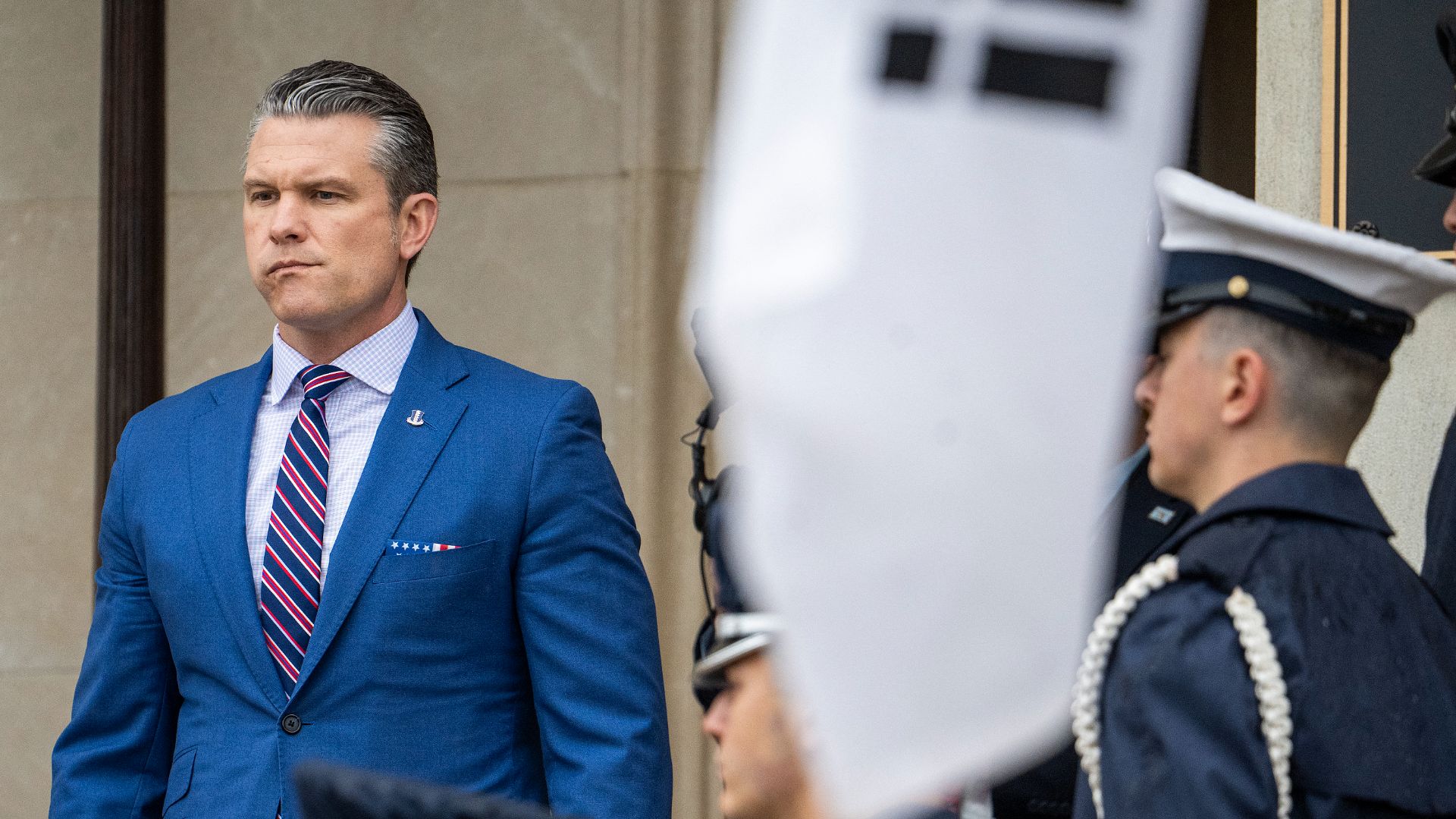
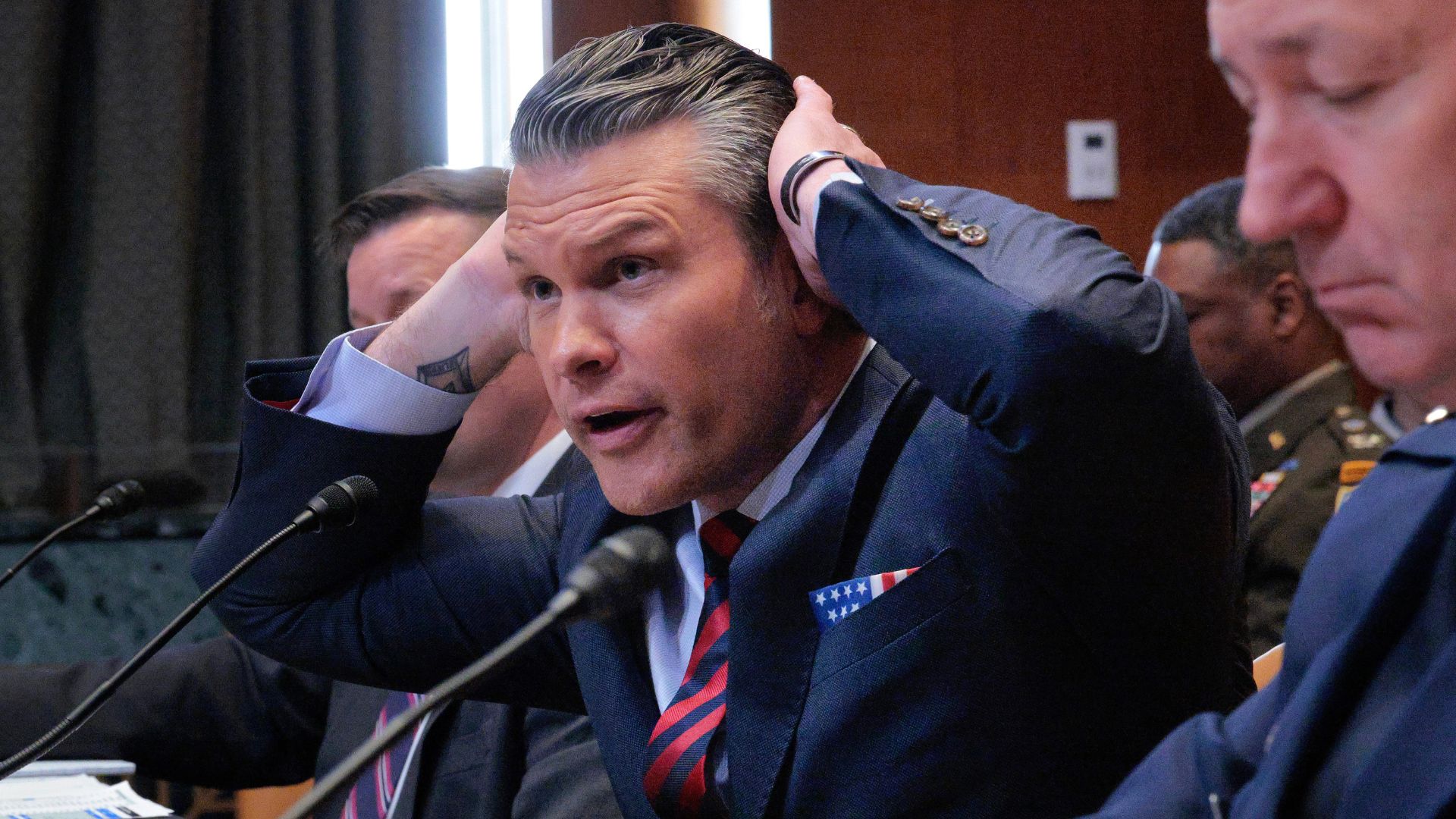
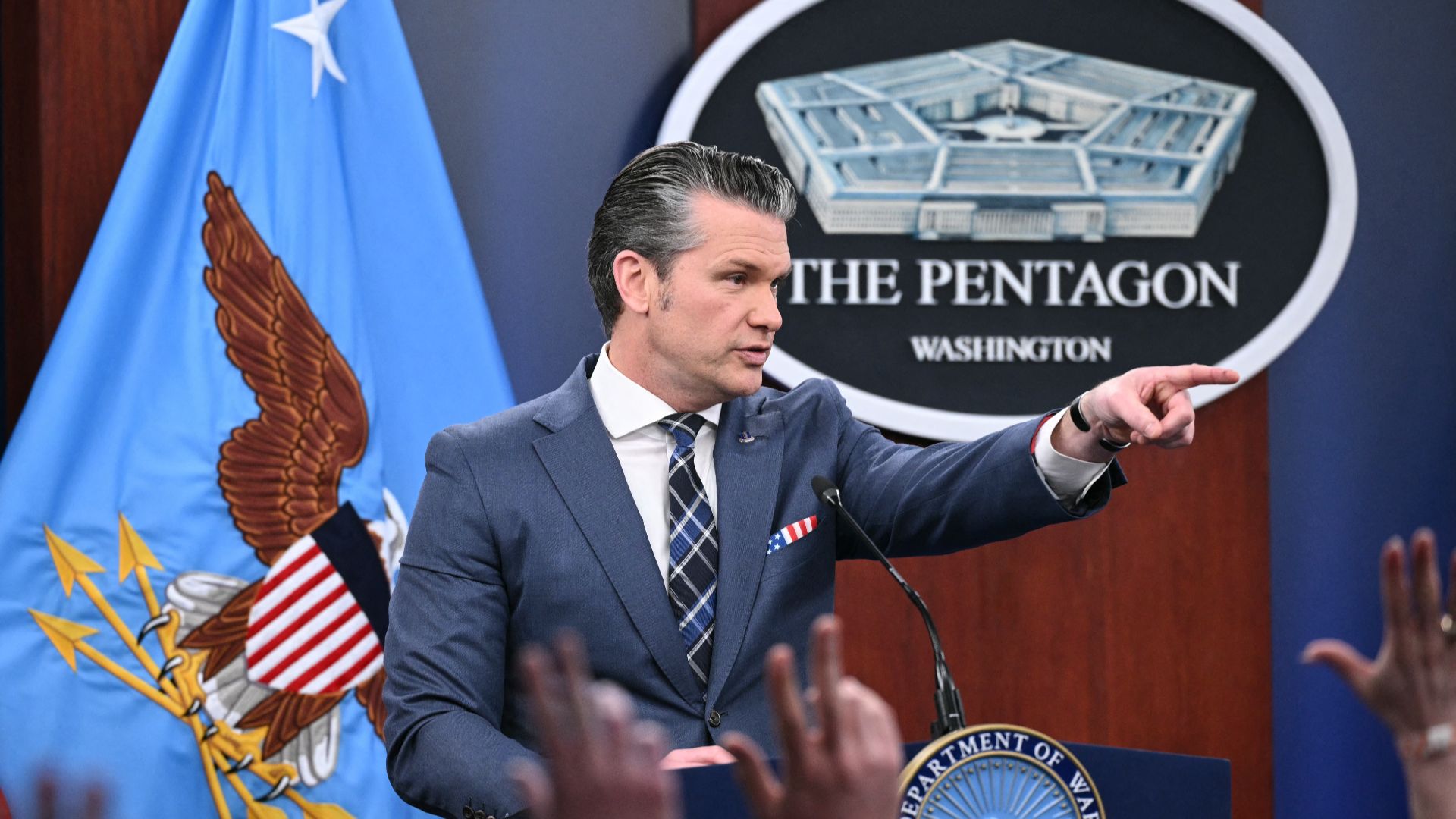
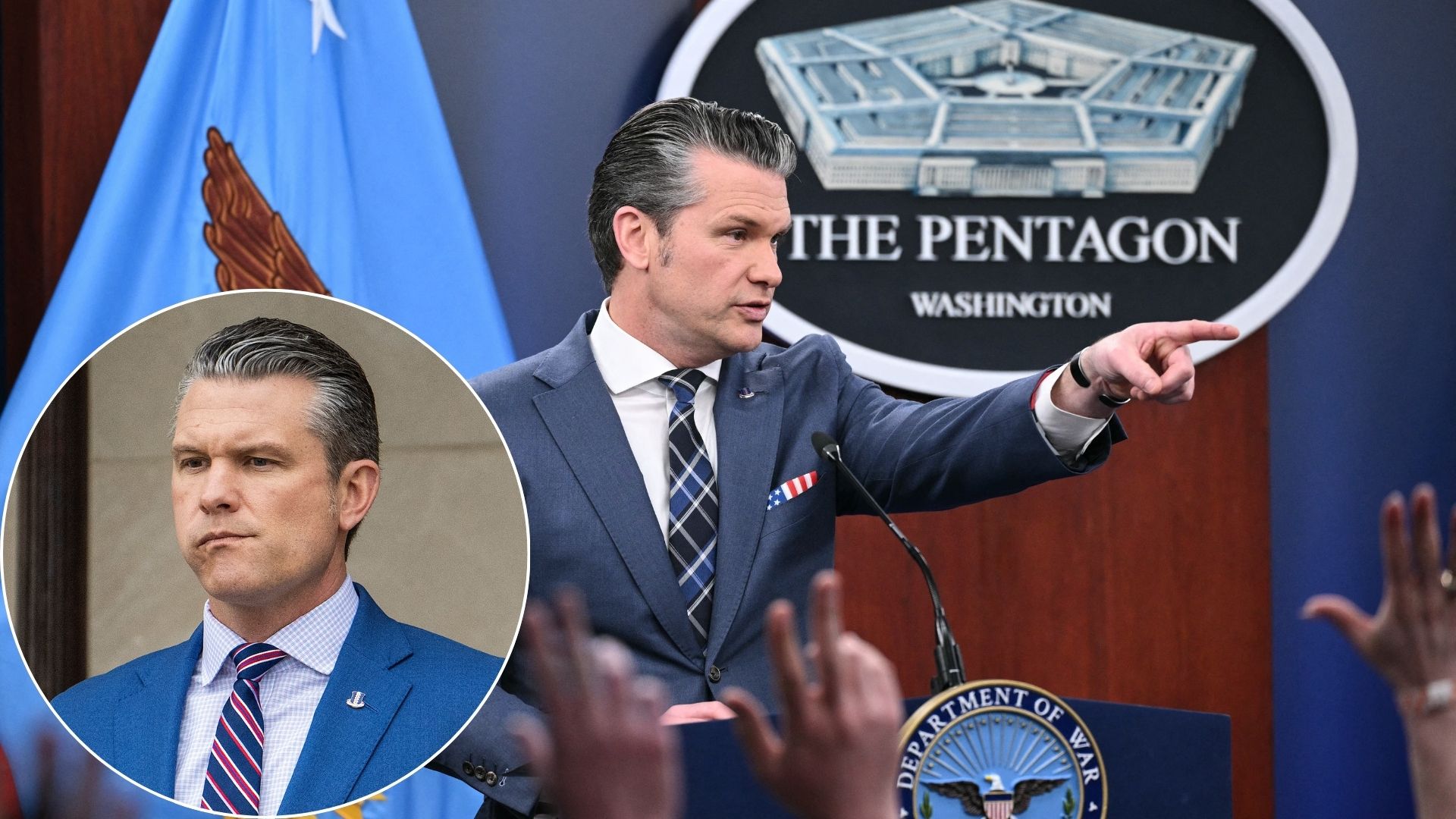
Defense Secretary Pete Hegseth Cuts Off Media Access to Pentagon Press Offices

Defense Secretary Pete Hegseth has moved to further restrict journalists working inside the Pentagon, escalating a months-long conflict between the Department of Defense and major news organizations over transparency, access and First Amendment protections. The latest measure follows an earlier policy requiring reporters to be accompanied by official escorts while moving through the building, a change that prompted legal action from The New York Times. For decades, accredited Pentagon correspondents were granted access to press offices, hallways and designated workspaces while maintaining regular contact with Defense Department spokespeople and officials. Under Hegseth’s leadership, however, those long-established arrangements have been steadily dismantled. The new decision bars journalists from entering the Pentagon Press Office itself, representing one of the most significant restrictions on media access at the military headquarters in recent history.

The Pentagon justified the decision by redesignating the press office as a Sensitive Compartmented Information Facility, or SCIF, an area reserved for the handling of highly classified information. Acting Pentagon Press Secretary Joel Valdez argued that the move was necessary because speechwriters supporting senior Pentagon leadership now occupy the space. In a public statement, Valdez said: «This is the most transparent war department in history. No amount of spin from the Fake News media will change that.» He further explained that «The Pentagon Press Office has been redesignated as a Sensitive Compartmented Information Facility due to speechwriters from the Office of the Secretary of War sharing the facility.» According to Valdez, journalists would no longer be permitted to enter because «These speechwriters routinely handle classified material.» The explanation was immediately challenged by press freedom advocates who viewed the measure as another effort to isolate reporters from officials.

«The ‘press’ does not run the Pentagon, the people do. The press is no longer allowed to roam the halls of a secure facility. Wear a badge and follow the rules, or go home.»

-U.S. Press Secretary, Pete Hegseth

The decision is part of a broader transformation of media operations inside the Pentagon since Hegseth took office. Reporters historically worked from the Pentagon’s Correspondents’ Corridor, a dedicated area that allowed journalists from major news organizations to maintain permanent workspaces and develop relationships with military officials. Critics argue that the gradual elimination of these arrangements has severely limited the ability of reporters to gather information independently. Several major outlets, including The New York Times, CNN and NBC News, have previously lost dedicated office space inside the building as the Pentagon reshuffled workspace assignments. The changes sparked accusations that the department was favoring outlets perceived as friendly to the administration while reducing opportunities for more critical organizations to maintain a daily presence within the nation’s military headquarters.

Getty Images

Earlier restrictions introduced by the Pentagon generated immediate legal challenges. In October, the department implemented a policy allowing officials to designate journalists as security risks and revoke their credentials. Hegseth defended the measure publicly, stating: «The ‘press’ does not run the Pentagon, the people do. The press is no longer allowed to roam the halls of a secure facility. Wear a badge and follow the rules, or go home.» The New York Times responded with a federal lawsuit alleging violations of the First and Fifth Amendments. In March, a federal judge ruled against the Pentagon and restored access that had been removed under the policy. The decision was widely interpreted as a significant victory for press freedom advocates who argued that the government cannot arbitrarily restrict access based on viewpoint or coverage.

Getty Images

The court ruling, however, did not end the dispute. The Pentagon subsequently introduced new procedures that critics say achieved many of the same objectives through different means. Journalists were required to travel throughout the building with official escorts, preventing them from conducting spontaneous interviews or developing informal relationships with sources. Media organizations argued that such encounters are a fundamental part of reporting on national security and defense policy. The New York Times filed another lawsuit challenging the escort requirement, claiming that it effectively circumvented the earlier court ruling. Press advocates contend that while the Pentagon formally complied with the judge’s order, it simultaneously erected new bureaucratic barriers that significantly reduced reporters’ ability to gather information and hold government officials accountable.

«These speechwriters routinely handle classified material.»

-Acting Pentagon Press Secretary Joel Valdez

The latest closure of the Pentagon Press Office to journalists is expected to intensify the ongoing legal and political battle over transparency at the Department of Defense. Supporters of the administration maintain that stricter controls are necessary to protect classified information and maintain security within one of the world’s most sensitive government facilities. Critics counter that the cumulative effect of the restrictions—including credential threats, escort requirements, workspace removals and now the loss of access to the press office itself—has fundamentally altered the relationship between the Pentagon and the press corps. With multiple legal challenges continuing and media organizations warning of unprecedented restrictions, the conflict between Hegseth’s Pentagon and the journalists assigned to cover it remains far from resolved.

Getty Images
Catégories
Uncategorized

«Backroom» entre dans l’histoire avec un premier week-end en salles explosif

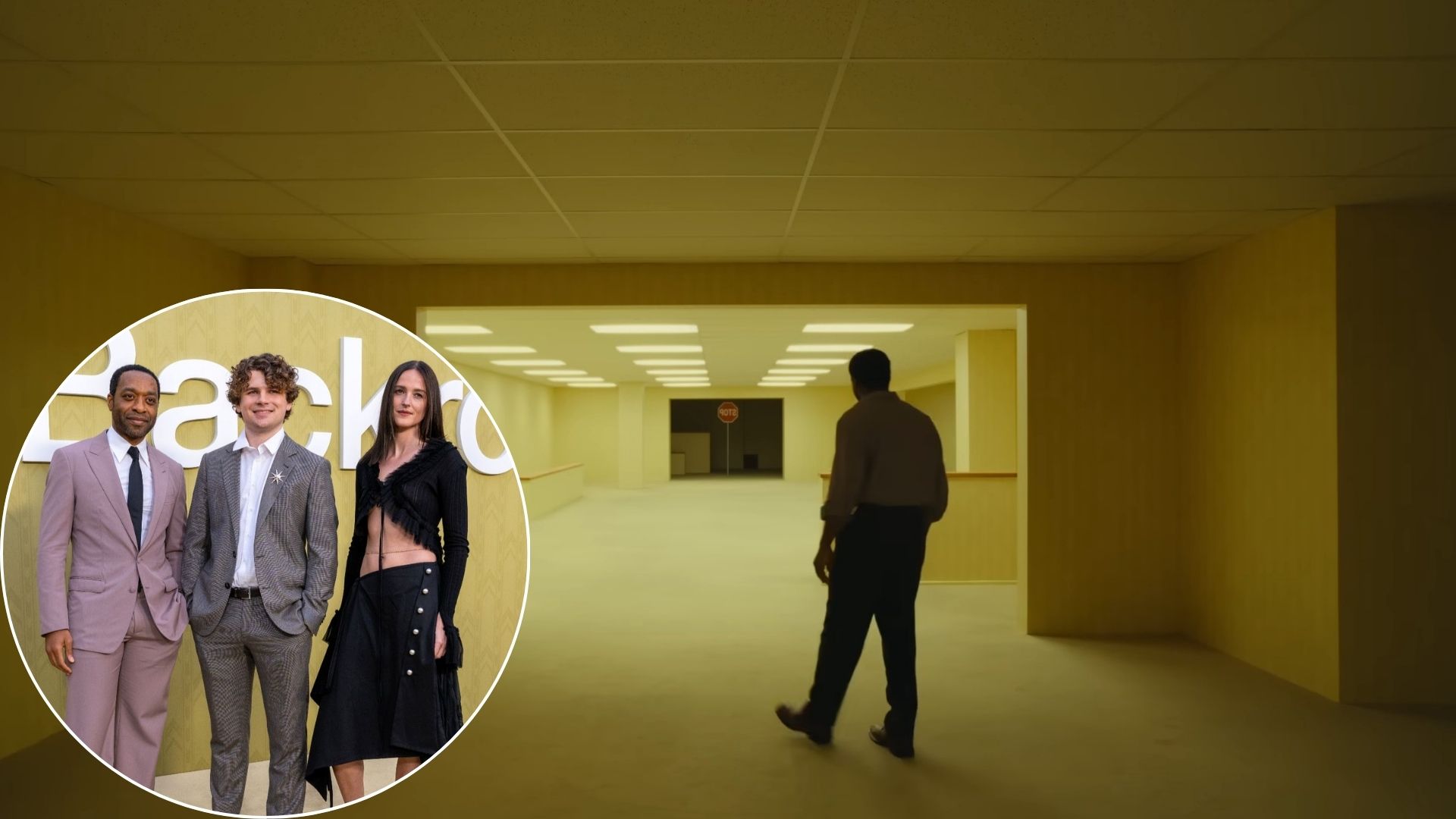
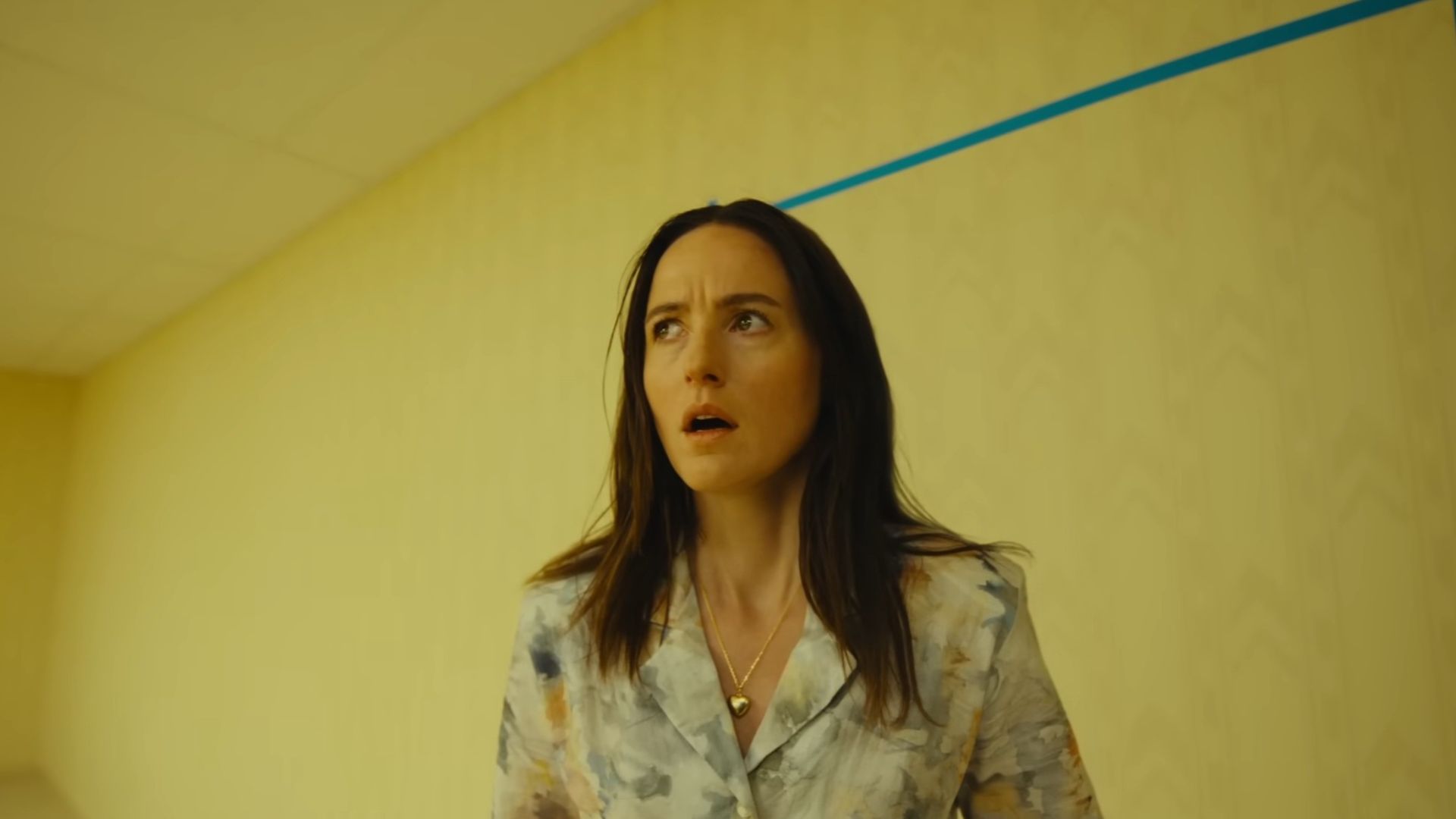
« Backroom » a réalisé l’un des débuts au box-office les plus spectaculaires de l’histoire récente d’Hollywood, établissant un nouveau record pour A24 lors de son premier week-end d’exploitation avec 81,4 millions de dollars aux États-Unis et 118 millions de dollars dans le monde. Produit pour un budget estimé à seulement 10 millions de dollars, le film a non seulement dépassé « Civil War » d’Alex Garland pour devenir le plus gros succès de lancement de l’histoire du studio, mais il a également établi le record du meilleur week-end d’ouverture jamais enregistré pour un film d’horreur original. Cette performance remarquable a instantanément transformé un projet d’horreur au budget modeste en l’un des lancements en salles les plus rentables de 2026. Pour A24, un studio longtemps associé à des drames prestigieux et à des films indépendants acclamés par la critique, ce succès représente une étape commerciale décisive que peu d’analystes du secteur avaient prédite il y a encore quelques mois.

L’ampleur de cette réussite est d’autant plus impressionnante lorsqu’on la compare au précédent record détenu par A24. Avant Backroom, Civil War détenait le record du meilleur week-end d’ouverture du studio, avec 25,7 millions de dollars de recettes nationales en avril 2024. Backroom a plus que triplé ce chiffre, générant plus de huit fois son budget de production total rien qu’avec les ventes de billets nationales au cours de ses trois premiers jours en salles. Avec 118 millions de dollars de recettes mondiales dès le premier week-end, le film a rapporté près de douze fois son budget déclaré avant même la fin de ce premier week-end. De telles performances sont généralement réservées aux grandes franchises dont le budget de production dépasse les 150 millions de dollars. Au contraire, Backroom a accompli cet exploit avec un budget que l’on qualifierait de modeste, même selon les standards du cinéma d’horreur indépendant, consolidant ainsi son statut de l’une des plus grandes surprises de l’année.

CaptureA24

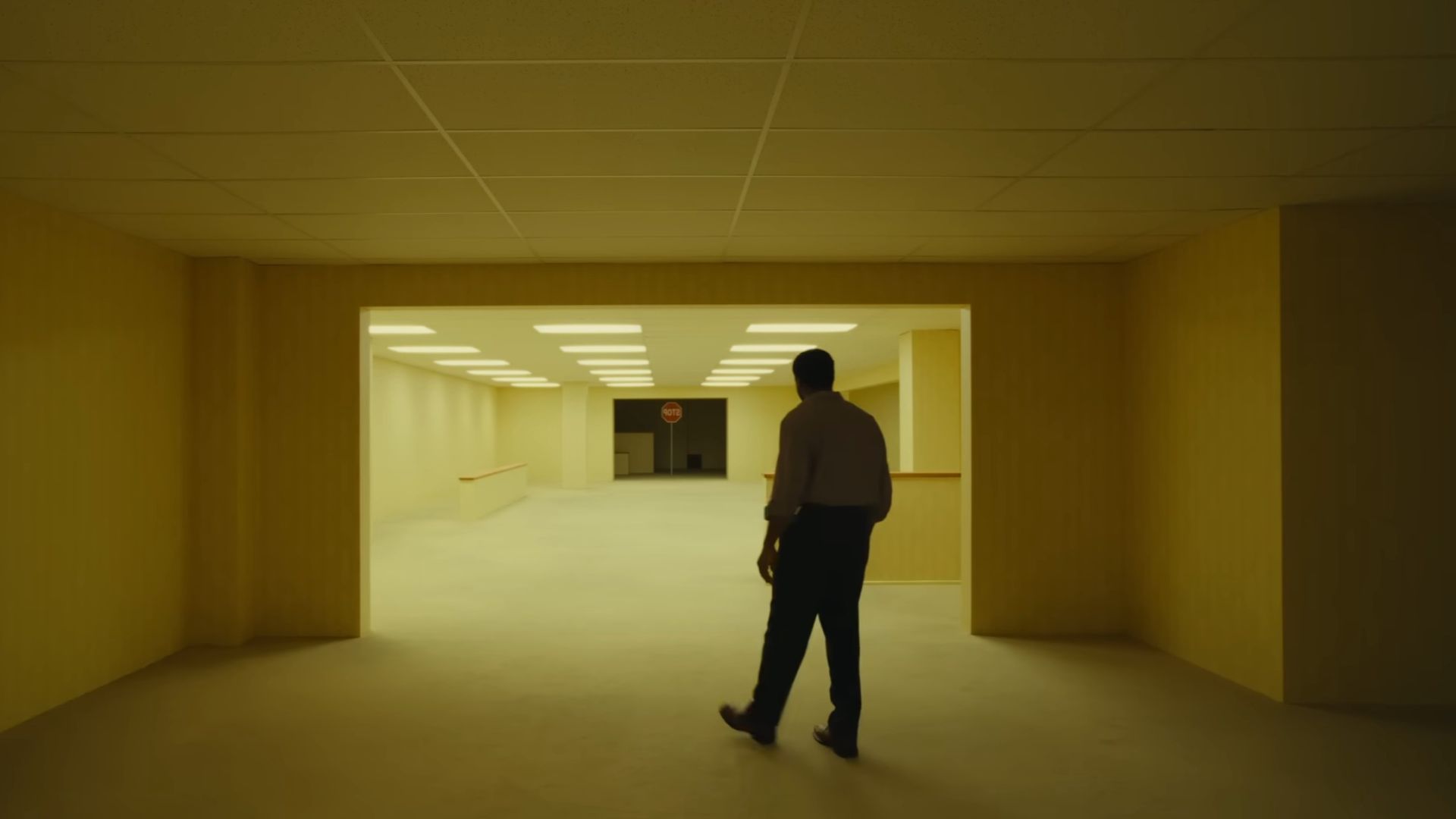
Les origines du film rendent son succès encore plus extraordinaire. The Backrooms a commencé comme une légende urbaine sur Internet et un creepypasta autour d’un concept inquiétant : un labyrinthe sans fin de bureaux vides éclairés par des néons vacillants, recouverts d’une moquette jaune humide et semblant déconnectés de la réalité. Ces images troublantes se sont rapidement répandues en ligne et ont inspiré d’innombrables théories, histoires et créations de fans. Le phénomène a atteint un nouveau niveau de popularité lorsque le créateur YouTube Kane Parsons, connu en ligne sous le nom de Kane Pixels, a publié une série de courts métrages très réalistes de type « found footage » basés sur ce concept. Présentées dans un style rétro inspiré des cassettes VHS, ces vidéos ont accumulé des dizaines de millions de vues et convaincu de nombreux spectateurs que les images semblaient d’un réalisme troublant. La combinaison d’espaces liminaires, d’horreur analogique et de traditions mystérieuses a transformé The Backrooms, d’une simple curiosité du web, en l’une des franchises d’horreur les plus reconnaissables nées entièrement en ligne.

Le phénomène viral

La popularité de la franchise a continué de croître grâce aux jeux vidéo, aux films de fans et aux communautés en ligne avant d’attirer finalement l’attention d’Hollywood. Contrairement à de nombreux blockbusters modernes basés sur des franchises littéraires ou de bandes dessinées bien établies, Backrooms s’est construit presque entièrement à partir de la culture Internet participative. Ce succès en ligne semble s’être directement traduit en ventes de billets. Le jeune public familier avec la mythologie s’est rendu en masse au cinéma, tandis que les cinéphiles grand public ont été attirés par la curiosité suscitée par ce phénomène viral. La sortie du film démontre le pouvoir croissant de la propriété intellectuelle native d’Internet sur le marché cinématographique. Les studios cherchent de plus en plus à adapter des concepts en ligne à succès, mais peu de projets ont atteint le niveau de réussite commerciale que Backroom a connu lors de son week-end d’ouverture. Les résultats du film pourraient encourager de nouveaux investissements dans les histoires et les créateurs nés du numérique.

Getty Images

Ce lancement record place également Backroom parmi les plus gros succès au box-office de 2026. The Super Mario Galaxy Movie, d’Universal, reste le plus gros succès national de l’année avec 131,7 millions de dollars, tandis que Michael, de Lionsgate, a surpris l’industrie avec un démarrage à 97,2 millions de dollars. Star Wars: The Mandalorian and Grogu, de Disney, a démarré avec 81,6 millions de dollars, devançant de justesse les 81,4 millions de dollars de Backroom lors de son lancement aux États-Unis. De son côté, The Devil Wears Prada 2 a généré 76,7 millions de dollars lors de son premier week-end. Le fait que Backroom soit en concurrence avec des marques mondialement reconnues telles que Mario et Star Wars souligne l’ampleur de son exploit. Contrairement à ces franchises, ce film d’horreur est sorti en salles sans bénéficier d’une notoriété de plusieurs décennies, s’appuyant plutôt sur une communauté de fans sur Internet, un marketing efficace et l’enthousiasme du bouche-à-oreille pour alimenter son succès.

CaptureA24

Au-delà de la réécriture des records d’A24, Backroom pourrait également redéfinir la manière dont les studios évaluent les risques et la rentabilité. Hollywood s’appuie de plus en plus sur des films de franchise coûteux pour garantir des retours au box-office, mais Backroom démontre que des concepts originaux peuvent encore percer lorsqu’ils sont soutenus par un public passionné. Produit pour seulement 10 millions de dollars, le film a généré près de douze fois son budget de production à l’échelle mondiale rien que lors de son week-end d’ouverture, ce qui en fait l’un des lancements les plus rentables par rapport à son coût de mémoire récente. Les analystes du secteur vont désormais suivre de près l’évolution du film pour voir s’il parvient à maintenir son élan tout au long de son exploitation en salles et s’il pourrait battre d’autres records d’A24. Quel que soit le résultat final au box-office, Backroom s’est déjà assuré une place dans l’histoire du cinéma en transformant une légende bizarre d’Internet en un phénomène mondial au cinéma et en réalisant le meilleur week-end d’ouverture jamais enregistré par A24.

Catégories
Uncategorized

Putin Warned Ukraine War Is on an ‘Unaffordable’ Path After $28 Billion Budget Overrun

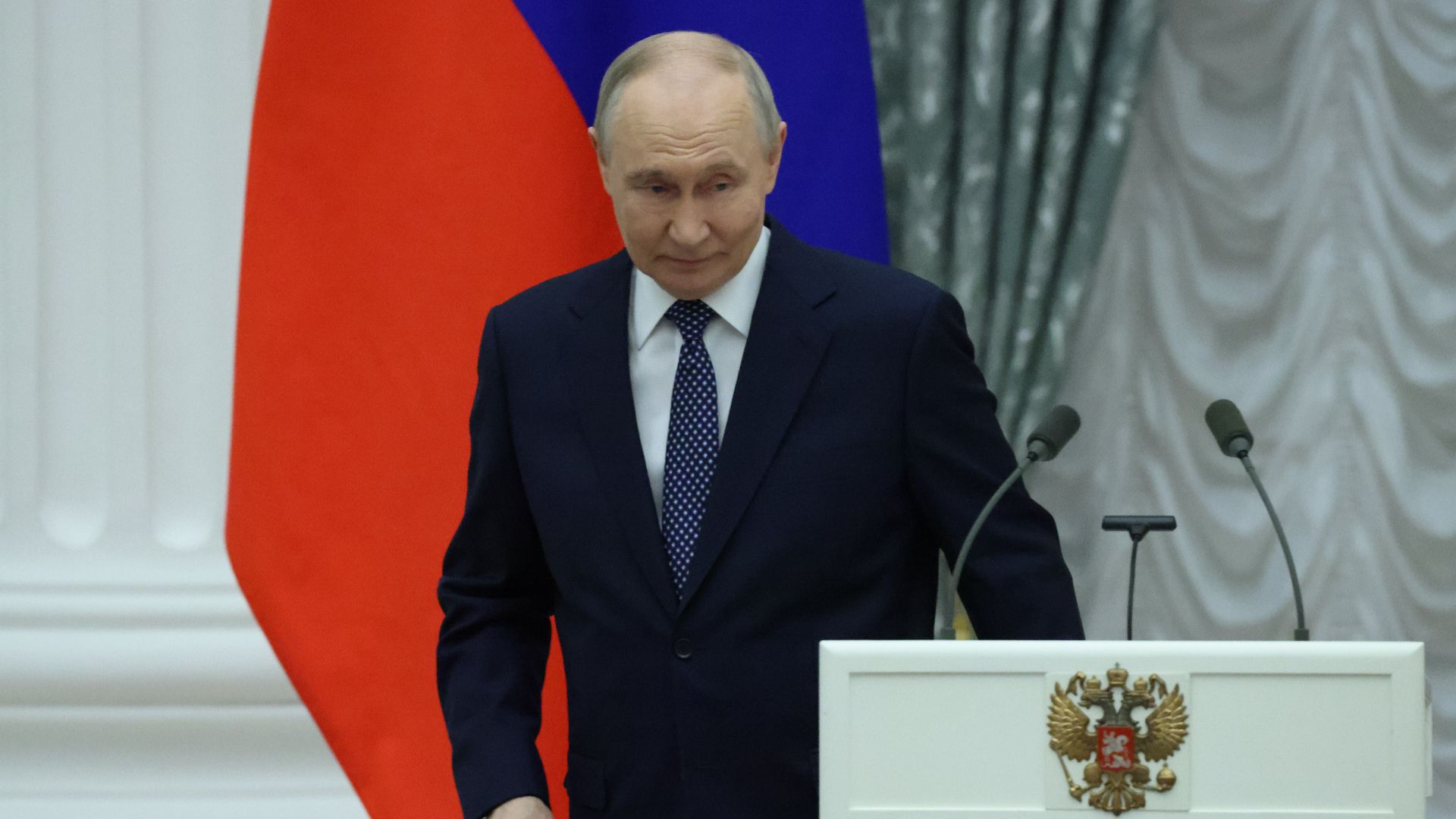
A rare warning has emerged from inside Russia’s economic establishment as Bloomberg reports that senior officials in both the Finance Ministry and the Central Bank are increasingly alarmed by the mounting cost of Vladimir Putin’s war in Ukraine. According to the report, officials have expressed deep concern over the «current level of projected defense expenditure» after military spending exceeded earlier plans by more than 2 trillion rubles, roughly $28 billion, this year alone. Those concerns reportedly intensified in recent months as policymakers warned that the current trajectory risks widening «the government’s budget deficit» at a time when Russia is already grappling with slowing growth, weaker energy revenues and growing pressure on public finances. The warning is notable because public criticism of wartime spending from senior Russian economic officials remains exceptionally rare more than four years into the conflict.

The concerns come as Russia’s fiscal situation continues to deteriorate faster than expected. According to the Financial Times, the federal budget deficit reached 5.9 trillion rubles during the first four months of 2026, significantly exceeding the Kremlin’s original full-year projection of 3.8 trillion rubles. The rapid deterioration has forced officials to reassess spending assumptions that were based on higher energy revenues and more favorable economic conditions. Russia’s wartime economy has so far avoided a full-scale financial crisis thanks to record defense spending, extensive state intervention and continued exports of oil and gas. However, economists increasingly warn that the model is generating dangerous imbalances. Inflation remains elevated, interest rates remain among the highest levels seen in years and labor shortages continue to affect multiple sectors of the economy as military recruitment and defense production absorb hundreds of thousands of workers. The result is an economy that appears increasingly dependent on war-related spending to sustain growth.

Getty Images

The financial concerns inside Moscow are emerging at the same time that Ukraine is reporting its most significant battlefield successes since 2023. Ukrainian President Volodymyr Zelensky recently announced that Ukrainian forces have recaptured approximately 590 square kilometers of territory since the beginning of the year. Presenting the advances as evidence that Kyiv has regained momentum, Zelensky declared: «Indeed, Ukraine’s positions are stronger now than in previous years. Since the beginning of the year, 590 square kilometers of our territory have been liberated and brought under our control. The trend is certainly not in the occupier’s favor.» Ukrainian officials say the gains include pushing Russian troops north of Kupiansk, forcing withdrawals from parts of the border regions near Kharkiv and Sumy and eliminating several positions Moscow had hoped to transform into buffer zones. The territorial gains represent one of the most significant reversals for Russian forces in recent years.

The disruption of thousands of illicit Starlink satellite terminals

Military analysts say the battlefield situation illustrates how dramatically the conflict has evolved since Russia launched its full-scale invasion in 2022. The rapid armored advances that characterized the opening months of the war have largely given way to a grinding conflict dominated by drones, artillery strikes, electronic warfare and missile attacks against infrastructure. One factor reportedly contributing to Ukraine’s recent gains was the disruption of thousands of illicit Starlink satellite terminals allegedly used by Russian forces. According to U.S. intelligence assessments cited in recent reporting, the loss of those terminals significantly weakened Russian battlefield communications, drone coordination and command-and-control capabilities across multiple sectors. Ukrainian units quickly exploited those weaknesses, launching successful counterattacks in areas where Russian forces had previously maintained the advantage. The episode highlighted how modern communications networks have become as strategically important as tanks and artillery in determining battlefield outcomes.

Getty Images

The growing economic burden also comes amid staggering estimates regarding the human and material cost of the war. According to figures released by Ukraine’s Armed Forces, Russia has suffered more than 1.36 million troop losses since the beginning of the full-scale invasion, including hundreds of thousands of soldiers killed or wounded. Ukrainian military estimates further claim that Russia has lost nearly 12,000 tanks, more than 24,000 armored fighting vehicles and over 42,000 artillery systems. While those numbers cannot be independently verified and exceed some Western intelligence estimates, they nevertheless illustrate the enormous scale of resources Moscow has committed to sustaining its military campaign. Western analysts note that Russia has increasingly relied on costly infantry assaults, large signing bonuses for recruits and expanded defense production to maintain operational tempo, all of which place additional pressure on an already strained budget.

A reality that has become increasingly difficult to ignore

For now, there is little indication that Putin intends to scale back military operations despite the warnings coming from within Russia’s economic institutions. The Kremlin continues to prioritize defense spending even as social programs and civilian sectors face growing budgetary pressure. Yet the emergence of concern from senior officials in the Finance Ministry and Central Bank underscores a reality that has become increasingly difficult to ignore: the longer the war continues, the greater the financial burden on the Russian state. With the deficit already far exceeding annual projections, military expenditures running trillions of rubles above expectations and Ukraine beginning to regain territory on key sections of the front, some of Russia’s top economic officials appear to be signaling that the current path may be becoming increasingly difficult to sustain. Whether those warnings ultimately influence Kremlin decision-making remains uncertain, but they represent one of the clearest signs yet of growing anxiety inside Russia’s financial leadership.

Getty Images
Catégories
Uncategorized

Backroom Makes A24 History With $81.4M Domestic and $118M Global Opening, Passing Civil War

Backroom has delivered one of the most shocking box office debuts in modern Hollywood history, setting a new A24 opening weekend record with $81.4 million domestically and $118 million worldwide. Produced for a reported budget of just $10 million, the film not only surpassed Alex Garland’s Civil War to become the studio’s biggest debut ever, but also established the largest opening weekend ever recorded for an original horror movie. The remarkable performance instantly transformed a modestly budgeted horror project into one of the most profitable theatrical launches of 2026. For A24, a studio long associated with prestige dramas and critically acclaimed independent films, the success represents a defining commercial milestone that few industry analysts predicted even a few months ago.

The scale of the achievement becomes even more impressive when compared with A24’s previous record holder. Before Backroom, Civil War stood as the studio’s most successful opening weekend after launching with $25.7 million domestically in April 2024. Backroom more than tripled that figure, generating over eight times its entire production budget from domestic ticket sales alone during its first three days in theaters. The worldwide opening of $118 million means the film earned nearly twelve times its reported budget before completing its first weekend. Such performances are typically reserved for major franchise films carrying production budgets exceeding $150 million. Instead, Backroom accomplished the feat with a budget that would be considered modest even by independent horror standards, further cementing its status as one of the year’s biggest surprises.

CaptureA24

The film’s origins make its success even more extraordinary. The Backrooms began as an internet urban legend and creepypasta centered around a disturbing concept: an endless maze of empty office rooms illuminated by flickering fluorescent lights, covered in damp yellow carpeting and seemingly disconnected from reality. The unsettling imagery spread rapidly online and inspired countless theories, stories and fan creations. The phenomenon reached a new level of popularity when YouTube creator Kane Parsons, known online as Kane Pixels, released a series of highly realistic found-footage short films based on the concept. Presented through a retro VHS-style aesthetic, the videos accumulated tens of millions of views and convinced many viewers that the footage felt unnervingly authentic. The combination of liminal spaces, analog horror and mysterious lore transformed The Backrooms from an internet curiosity into one of the most recognizable horror properties born entirely online.

The viral phenomenon

The franchise’s popularity continued expanding through video games, fan films and online communities before eventually attracting Hollywood’s attention. Unlike many modern blockbusters based on established literary or comic book franchises, Backroom was built almost entirely through grassroots internet culture. That online following appears to have translated directly into ticket sales. Younger audiences familiar with the mythology turned out in large numbers, while mainstream moviegoers were drawn by curiosity surrounding the viral phenomenon. The film’s release demonstrates the growing power of internet-native intellectual property in the theatrical marketplace. Studios have increasingly searched for ways to adapt successful online concepts, but few projects have achieved the level of commercial success that Backroom delivered during its opening weekend. The film’s performance may encourage further investments in digital-born stories and creators.

Getty Images

The record-breaking debut also places Backroom among the biggest box office launches of 2026. Universal’s The Super Mario Galaxy Movie remains the year’s largest domestic opener with $131.7 million, while Lionsgate’s Michael stunned the industry with a $97.2 million debut. Disney’s Star Wars: The Mandalorian and Grogu opened with $81.6 million, barely edging out Backroom’s $81.4 million domestic launch. Meanwhile, The Devil Wears Prada 2 generated $76.7 million during its opening frame. The fact that Backroom is competing with globally recognized brands such as Mario and Star Wars highlights the magnitude of its accomplishment. Unlike those franchises, the horror film entered theaters without decades of mainstream brand recognition, relying instead on internet fandom, strong marketing and word-of-mouth enthusiasm to fuel its success.

CaptureA24

Beyond rewriting A24’s record books, Backroom may also reshape how studios evaluate risk and profitability. Hollywood has increasingly relied on expensive franchise films to guarantee box office returns, yet Backroom demonstrates that original concepts can still break through when supported by passionate audiences. Produced for only $10 million, the movie generated nearly twelve times its production budget worldwide during its opening weekend alone, making it one of the most profitable launches relative to cost in recent memory. Industry analysts will now be watching closely to see whether the film can sustain momentum throughout its theatrical run and potentially challenge additional A24 records. Regardless of where its final box office total lands, Backroom has already secured a place in film history by transforming a bizarre internet legend into a global theatrical sensation and delivering the biggest opening weekend A24 has ever seen.

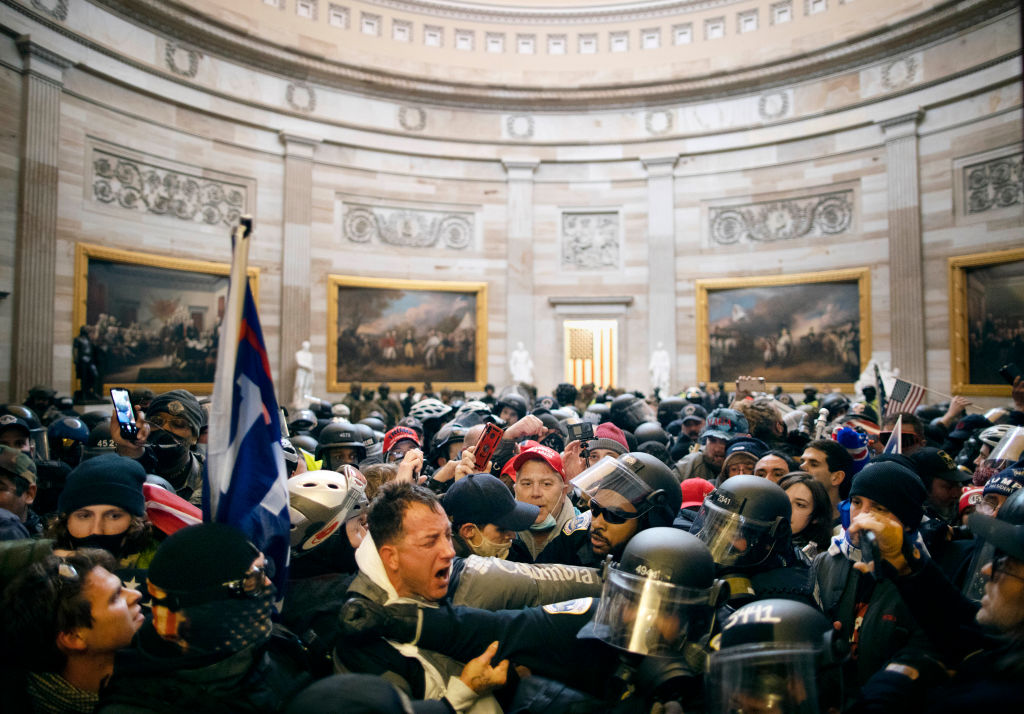
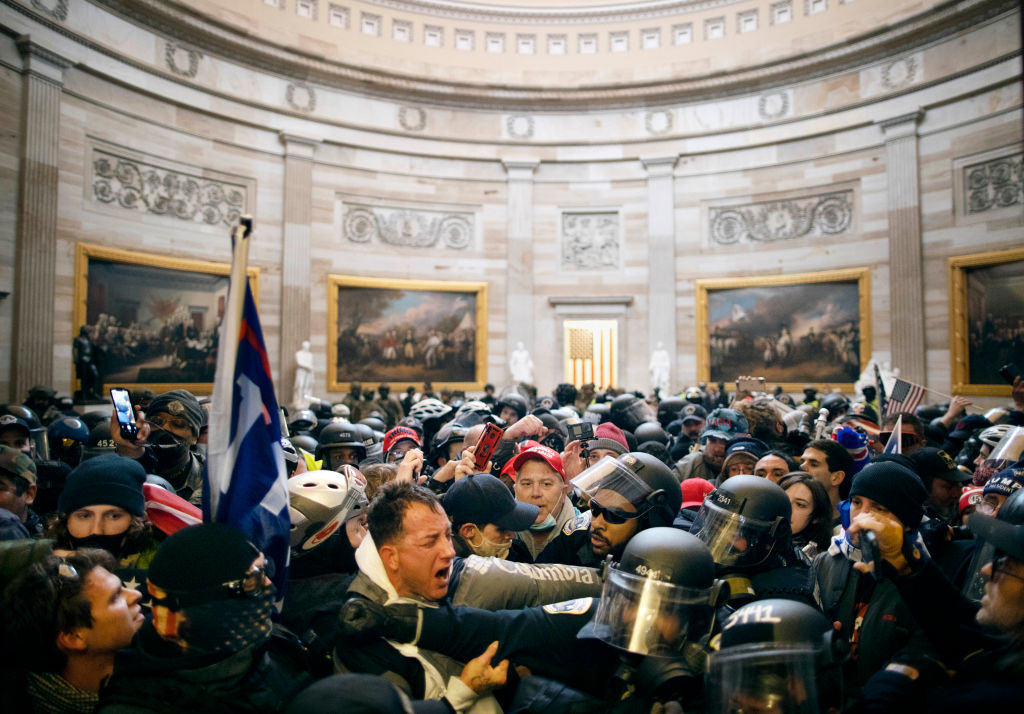
Des agents blessés lors de l’attaque du 6 janvier intentent un procès pour bloquer le fonds d’indemnisation de l’administration Trump

Deux policiers qui ont défendu le Capitole américain lors de l’attaque du 6 janvier ont déposé, le 20 mai, une plainte devant un tribunal fédéral afin de faire bloquer le nouveau « Fonds anti-instrumentalisation » controversé de l’administration Trump, doté de 1,7 milliard de dollars. L’ancien agent de la police du Capitole Harry Dunn et l’agent de la police métropolitaine Daniel Hodges affirment que ce fonds est inconstitutionnel et qu’il détourne illégalement l’argent des contribuables au profit de personnes affirmant avoir été prises pour cible par le gouvernement fédéral pour des raisons politiques. La plainte a été déposée devant le tribunal fédéral de Washington, D.C., quelques jours seulement après que le ministère de la Justice eut officiellement annoncé la création du fonds. Les détracteurs de cette initiative affirment qu’elle pourrait à terme permettre d’accorder une compensation financière aux émeutiers du 6 janvier ayant bénéficié d’une grâce ainsi qu’à d’autres alliés politiques du président Donald Trump.

Catégories
Uncategorized

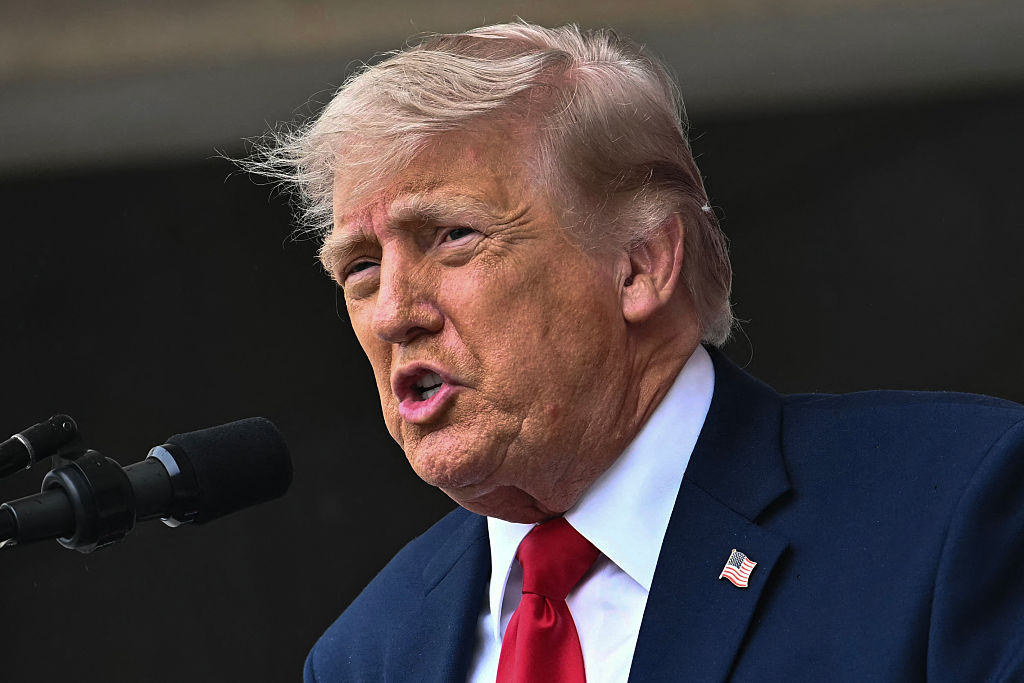
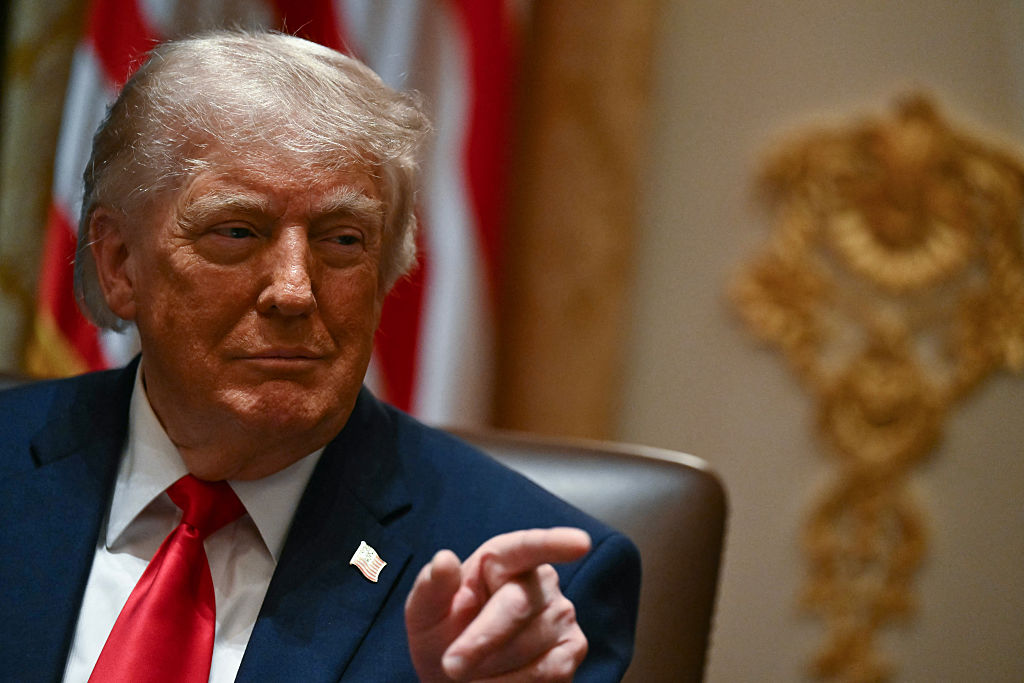
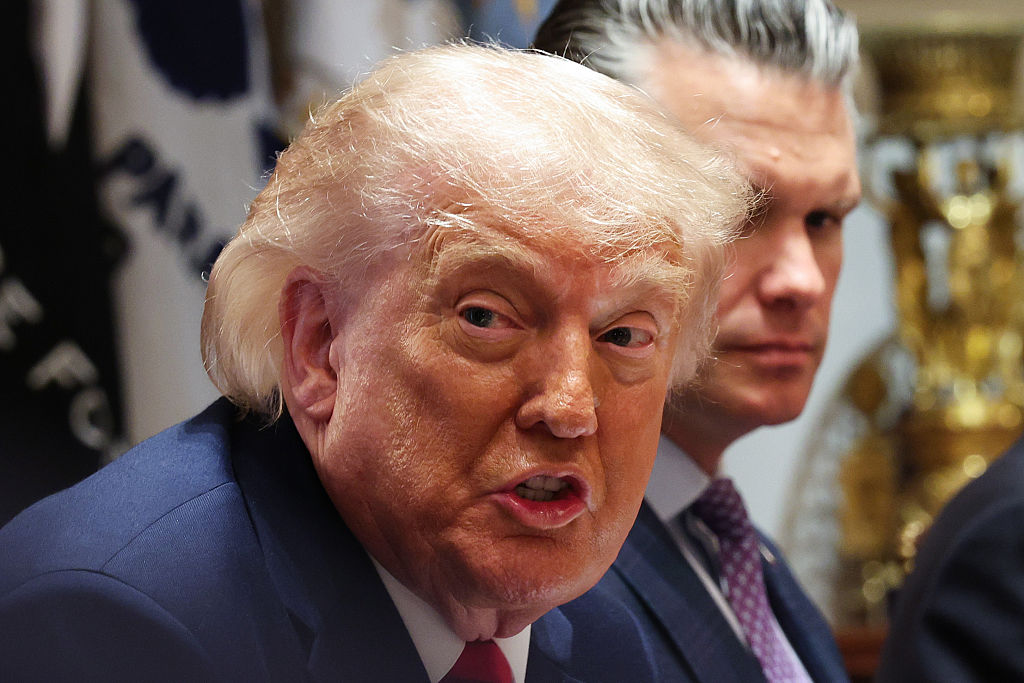
Trump Erupts as Performers Drop Out of Freedom 250 Celebration

Donald Trump unleashed a furious response on Truth Social after a growing number of musicians withdrew from the Freedom 250 celebration and its Great American State Fair concert series in Washington, D.C. The president lashed out at performers who backed away from the event after learning about its political connections, writing: «We should have a giant MAKE AMERICA GREAT AGAIN RALLY, for 250, instead of having overpriced singers,» before adding that they were artists «who nobody wants to hear,» whose music is «boring,» and «who do nothing but complain.» Trump then called for the concert series to be scrapped altogether, writing: «Cancel it, just like I canceled my involvement with the failing and unsafe to be in Kennedy Center.» His comments came as the event’s lineup continued to collapse amid controversy surrounding Freedom 250’s ties to his administration.

The backlash erupted almost immediately after the lineup for the Great American State Fair was announced. While performers had reportedly been told they were joining a nonpartisan patriotic celebration tied to the nation’s 250th anniversary, major media reports quickly revealed that Freedom 250 was a private initiative backed by the Trump administration rather than the official congressionally chartered America250 organization. The revelations sparked intense criticism across social media, where fans accused artists of participating in what many viewed as a political rally disguised as a national celebration. Several performers soon claimed they had not been informed about the event’s political affiliations when agreeing to appear. The controversy rapidly transformed what organizers envisioned as a major anniversary festival into a public relations crisis that overshadowed the event itself.

Getty Images

Among the first artists to publicly withdraw was Young MC, who announced on Facebook: «I HAVE INFORMED MY AGENTS THAT I WILL NOT BE PERFORMING AT THE FREEDOM 250 EVENT. The artists were never told about any political involvement with the event. And despite the claims by the organizers that the event is non-partisan, SPIN magazine describes it as Trump-backed». He added: «I hope to perform in D.C. in the near future at an event that is not so politically charged.» Country star Martina McBride released an even longer statement explaining that she had repeatedly asked organizers whether the event was political before agreeing to participate. «I was presented with an opportunity to perform at a nonpartisan event but that turned out to be misleading,» she wrote. McBride said she believed the concert was intended to celebrate «ALL 50 states» and bring Americans together through music, but concluded that «what we were told is, in fact, not what is happening.»

«I HAVE INFORMED MY AGENTS THAT I WILL NOT BE PERFORMING AT THE FREEDOM 250 EVENT. The artists were never told about any political involvement with the event. And despite the claims by the organizers that the event is non-partisan, SPIN magazine describes it as Trump-backed».

-Young MC on Facebook

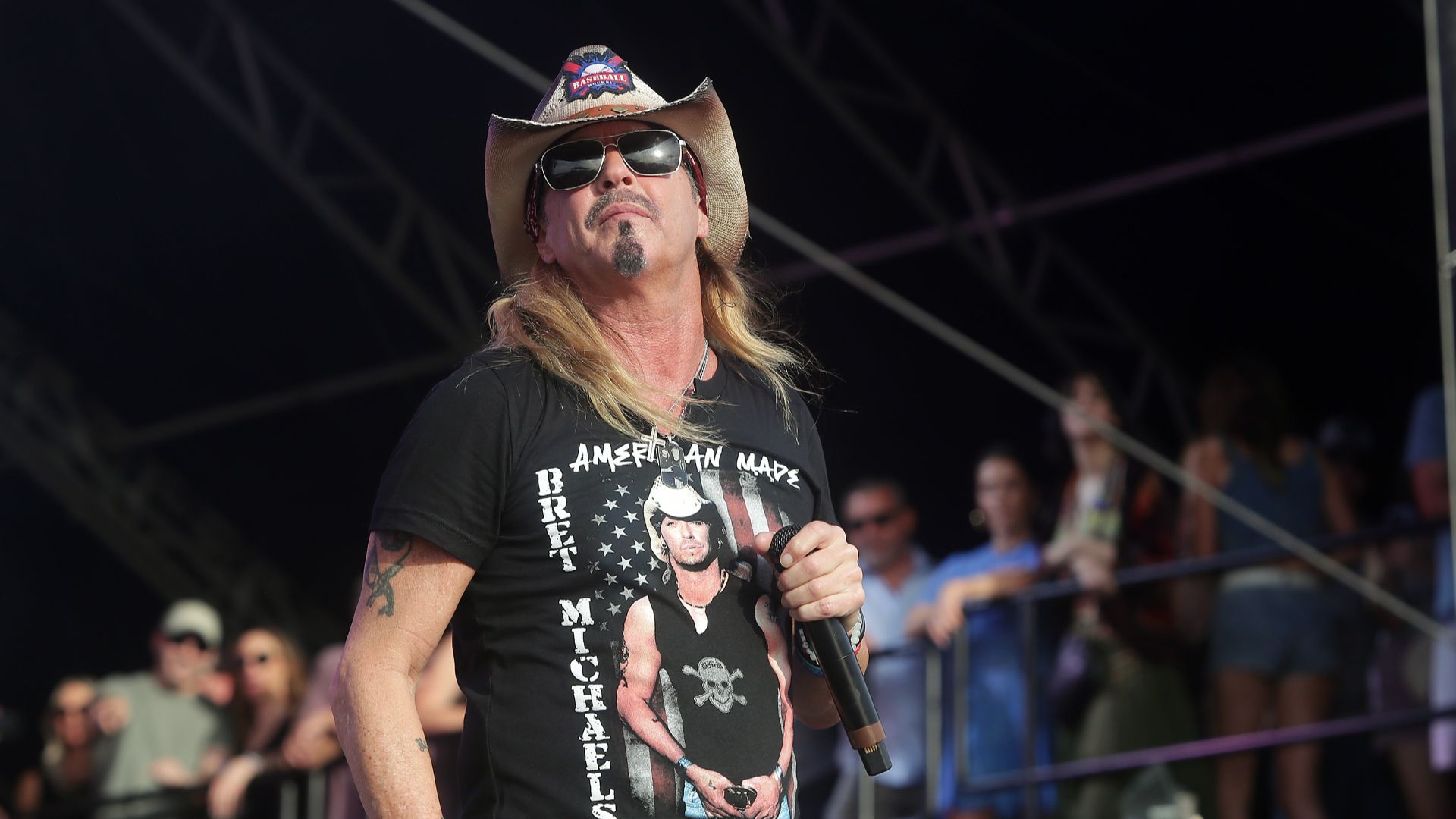
Poison frontman Bret Michaels echoed those concerns in a lengthy Instagram message announcing his departure. Michaels explained that the event had originally been presented as «a celebration of our country through music and a chance to honor our veterans, active military, first responders, teachers and hardworking Americans from all walks of life.» The rocker stressed that his performances have never been political, writing: «My shows have never been about politics. They’re about giving people a place to come together.» Michaels said he became increasingly uncomfortable after learning more about the event and cited safety concerns after receiving threats. «Unfortunately, what was presented to us as a celebration of our country has evolved into something much more divisive than what I agreed to be a part of,» he wrote. The Commodores also announced their withdrawal, stating: «Our music has always been our voice and we choose not to publicly affiliate with any single political party. We support the betterment of all Americans.» Meanwhile, Morris Day and The Time released a brief statement saying: «Contrary to rumor, Morris Day & The Time will not be performing at ‘The Great American State Fair.’»

Getty Images

The mass departures left organizers scrambling to preserve the lineup. Despite the growing controversy, several artists have publicly defended their decision to remain involved. Vanilla Ice dismissed criticism during an interview with TMZ, arguing: «Music is not political, man. It’s universal… I’m here to party with America.» Fab Morvan, the surviving face of Milli Vanilli, also stood by his appearance and told the Associated Press: «I am here to entertain and unite people, not divide them. Let’s celebrate life & music.» Freedom Williams of C+C Music Factory took perhaps the most controversial approach, posting a lengthy Instagram video in which he insisted he personally disapproved of Trump while defending his right to perform. Williams argued that artists should not be pressured into canceling appearances based on political assumptions and said public outrage would not dictate his decisions.

« We should have a giant MAKE AMERICA GREAT AGAIN RALLY, for 250, instead of having overpriced singers, who nobody wants to hear, whose music is boring, and yet who do nothing but complain. Cancel it, just like I canceled my involvement with the failing and unsafe to be in Kennedy Center.»

-U.S. President, Donald Trump, on Truth Social

Despite Trump’s demand that the concert series be canceled, Freedom 250 organizers continue to move forward with the event. The festival remains scheduled to run from June 25 through July 10 on Washington’s National Mall as part of broader celebrations marking America’s 250th anniversary. However, what was initially promoted as a unifying patriotic spectacle has become increasingly defined by political controversy, artist withdrawals and questions about transparency. Reports indicate that more than half of the original performers have now exited the lineup, leaving only a handful of major acts including Vanilla Ice, Flo Rida, Fab Morvan and Freedom Williams. Trump has since announced plans to headline the festivities himself with a major speech, further blurring the line between a national anniversary celebration and a political event.

Getty Images

La Coupe du Monde de la FIFA pourrait coûter jusqu’à 1 milliard de dollars aux Canadiens

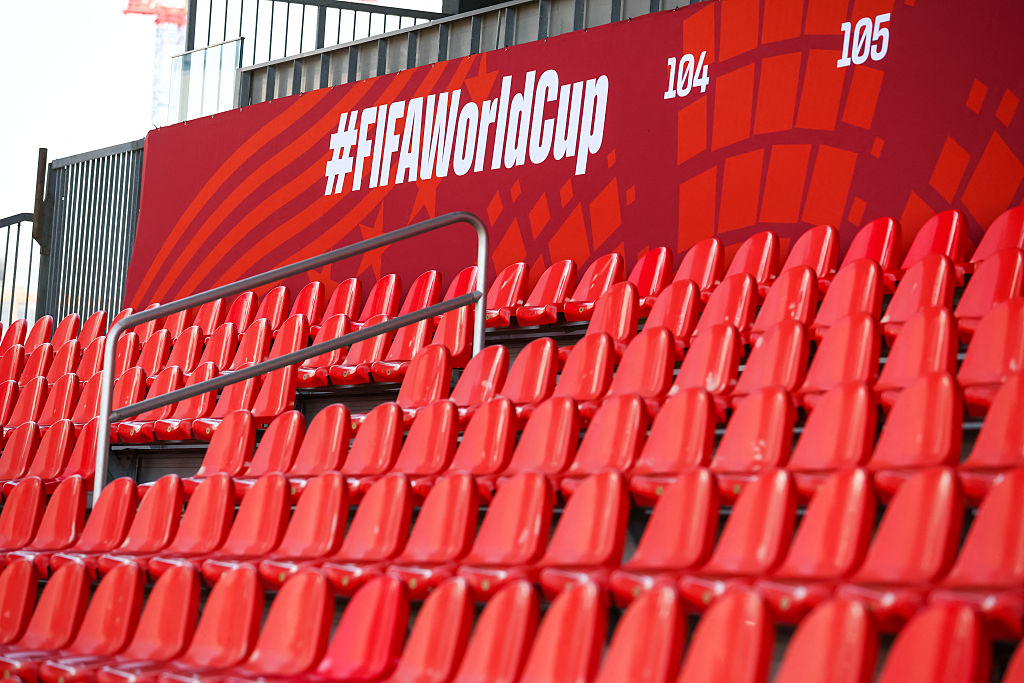
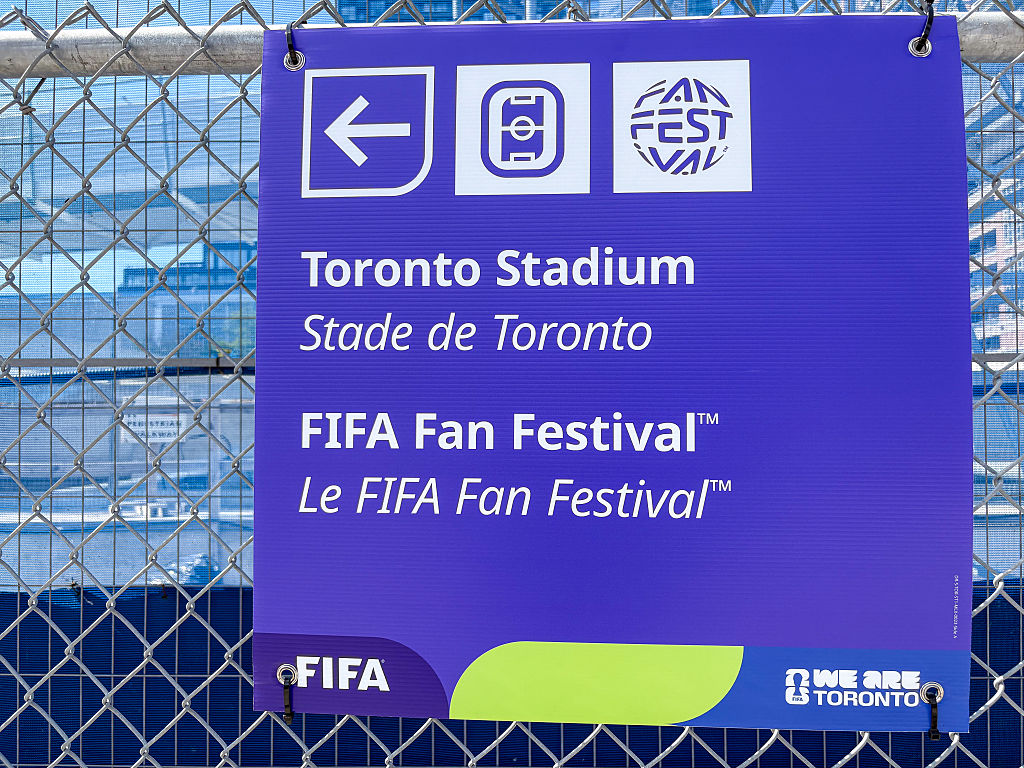
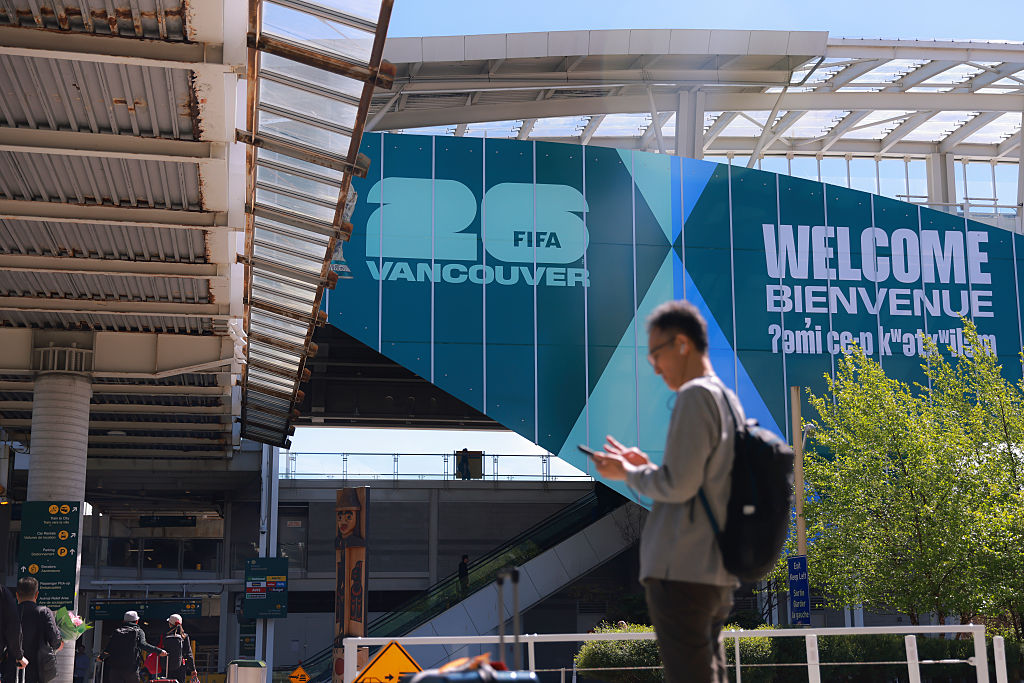
Selon un nouveau rapport publié le 20 mai par le directeur parlementaire du budget, l’organisation de la Coupe du monde de la FIFA 2026 par le Canada coûterait plus d’un milliard de dollars aux contribuables. Le rapport estime que l’ensemble des niveaux de gouvernement dépenseront environ 1,066 milliard de dollars pour accueillir 13 matchs à Toronto et à Vancouver lors du tournoi de l’été prochain. Sur ce total, le gouvernement fédéral à lui seul devrait contribuer à hauteur d’environ 473 millions de dollars. Le rapport calcule que chaque match organisé au Canada coûtera environ 82 millions de dollars aux contribuables, un chiffre que le contrôleur budgétaire juge globalement conforme aux niveaux de dépenses observés lors des précédentes Coupes du monde de la FIFA organisées à l’étranger. À 82 millions de dollars par match, ce tournoi est en fait le moins coûteux depuis celui de 2006 en Allemagne.

Officers injured during Jan. 6 attack sue to stop Trump administration’s compensation fund

Two police officers who defended the U.S. Capitol during the January 6 attack filed a federal lawsuit on May 20 seeking to block the Trump administration’s controversial new $1.7 billion “Anti-Weaponization Fund.” Former Capitol Police officer Harry Dunn and Metropolitan Police officer Daniel Hodges argue the fund is unconstitutional and illegally redirects taxpayer money toward individuals claiming they were politically targeted by the federal government. The lawsuit was filed in the Washington, D.C., federal court only days after the Department of Justice formally announced the creation of the fund. Critics argue the initiative could eventually provide financial compensation to pardoned January 6 rioters and other political allies of President Donald Trump.

FIFA World Cup Could Cost Canadians Up To $1 billion

Canada’s role in hosting the 2026 FIFA World Cup will reportedly cost taxpayers more than $1 billion, according to a new report released by the Parliamentary Budget Officer on May 20. The report estimates that all levels of government combined will spend approximately $1.066 billion to host 13 matches in Toronto and Vancouver during the tournament next summer. Of that total, the federal government alone is expected to contribute roughly $473 million. The report calculates that each match hosted in Canada will cost taxpayers approximately $82 million, a figure the budget watchdog says is generally consistent with spending levels seen during previous FIFA World Cups hosted internationally. At $82 million per game, this tournament is actually the least costly since the 2006 tournament in Germany.