Catégories
Uncategorized

U.S. Wants Ukraine’s Anti-Drone Tech It Rejected Last Year

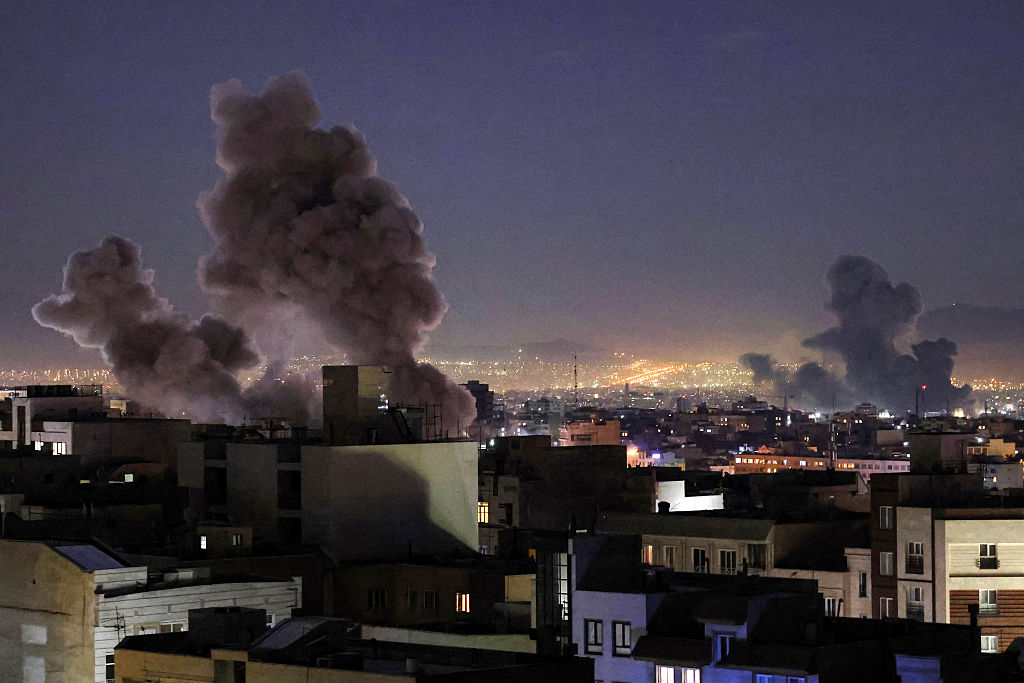
The United States is now urgently turning to Ukraine’s battlefield-tested anti-drone technology as Iranian drone attacks expand across the Middle East, marking a sharp shift in defense cooperation between Washington and Kyiv. Ukrainian officials confirmed that American forces requested assistance as Iranian-made Shahed drones targeted U.S. positions and regional allies.

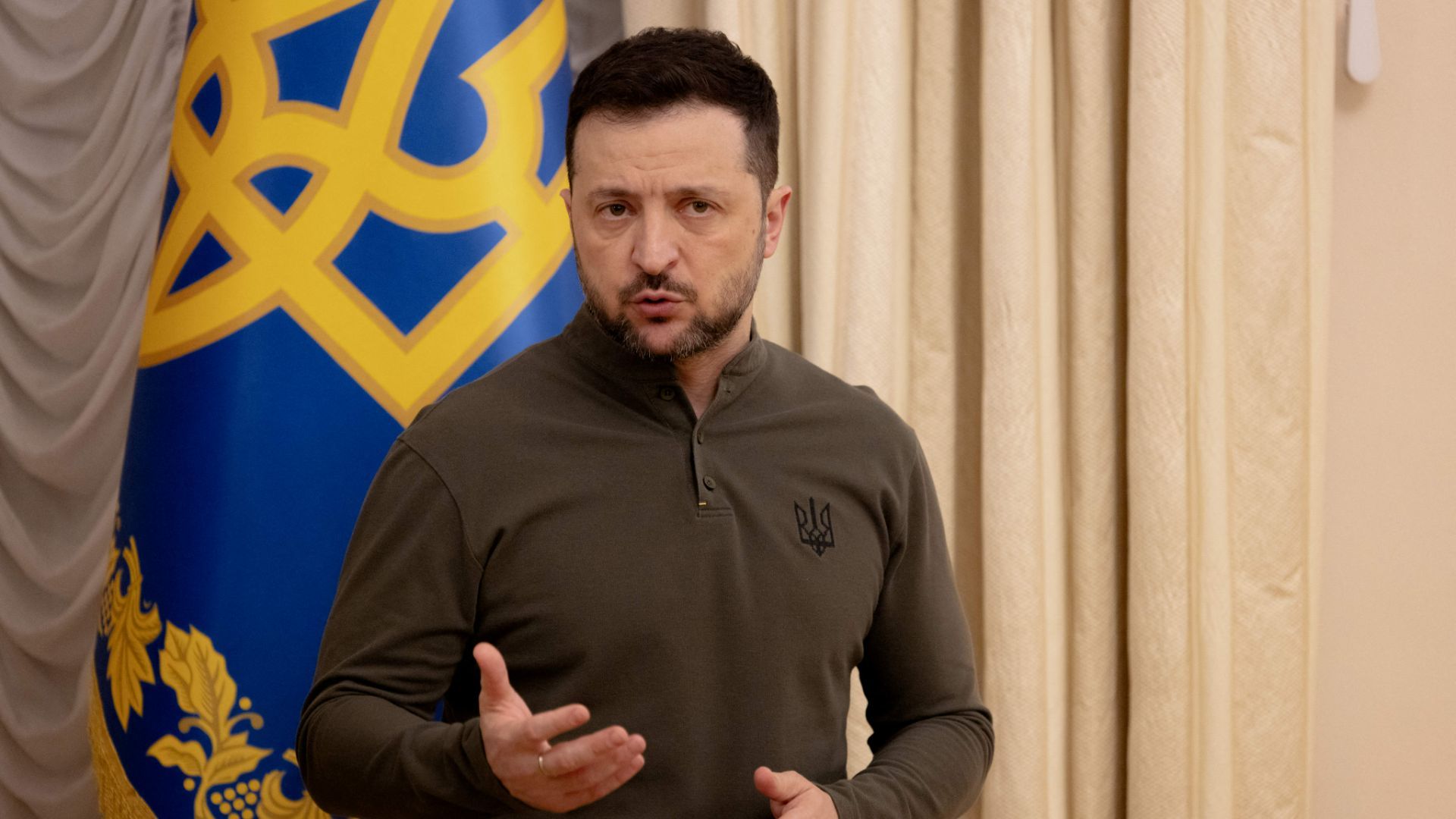
President Volodymyr Zelensky said Ukraine would help provide expertise and technology developed during its war with Russia, explaining that Kyiv has gained extensive experience countering the same Iranian-designed drones now threatening American forces. Zelensky said partners were reaching out for assistance, stating that «there have been requests from the American side» for help defending against Iranian drone attacks.

Getty Images

The technology at the center of the cooperation is part of a broader system Ukraine developed after facing thousands of Iranian-designed Shahed drones launched by Russian forces during the war. Ukrainian engineers created a network of countermeasures that includes interceptor drones, electronic warfare tools and mobile air-defense teams capable of detecting and destroying incoming drones before they reach their targets. Some systems rely on inexpensive interceptor drones designed specifically to hunt and destroy larger unmanned aircraft. One example is the Ukrainian “Sting” interceptor drone, a loitering munition built to chase down Shahed drones and destroy them in flight. The system was designed as a low-cost alternative to expensive missile defenses and can reach speeds exceeding 300 kilometers per hour.
Getty Images

Ukraine’s approach to drone defense has attracted global attention largely because of its cost and effectiveness. Iranian Shahed drones can overwhelm traditional air defenses by attacking in large numbers, forcing defenders to use expensive interceptor missiles that cost millions of dollars each. Ukrainian engineers instead focused on cheaper solutions, producing interceptor drones that can cost only a few thousand dollars while still destroying incoming targets. The experience has been shaped by years of combat: Ukraine has faced tens of thousands of Shahed drone attacks since 2022, forcing its military to refine a layered defense combining electronic warfare, ground-based weapons and autonomous interceptors designed to destroy drones before they reach populated areas.

«Ukraine will support the United States with protection against Iranian Shahed drones.»

-Ukraine President, Volodymyr Zelensky

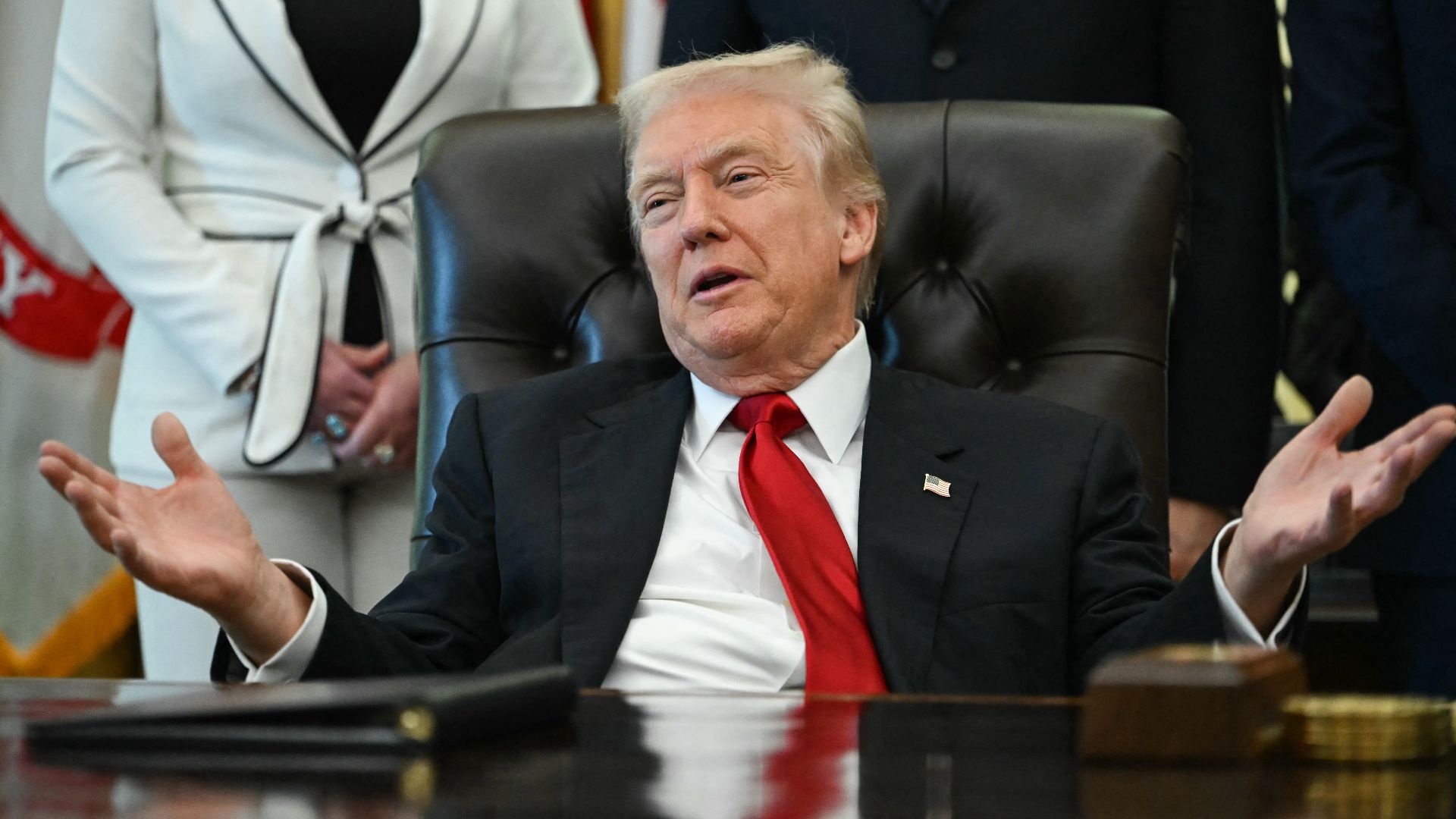
Despite the technology’s success, Ukrainian officials say the United States declined an earlier proposal to cooperate on the system months before the current crisis. According to reporting on the discussions, Ukrainian representatives presented the idea during a meeting between Zelensky and Donald Trump in August 2025, offering access to Ukraine’s combat-tested drone interception technology. Trump reportedly showed initial interest and instructed officials to examine the proposal, but the plan never moved forward. American officials later described the decision not to pursue the offer as a missed opportunity, especially after Iranian drone attacks intensified in the Middle East following the outbreak of the Iran war.
Getty Images

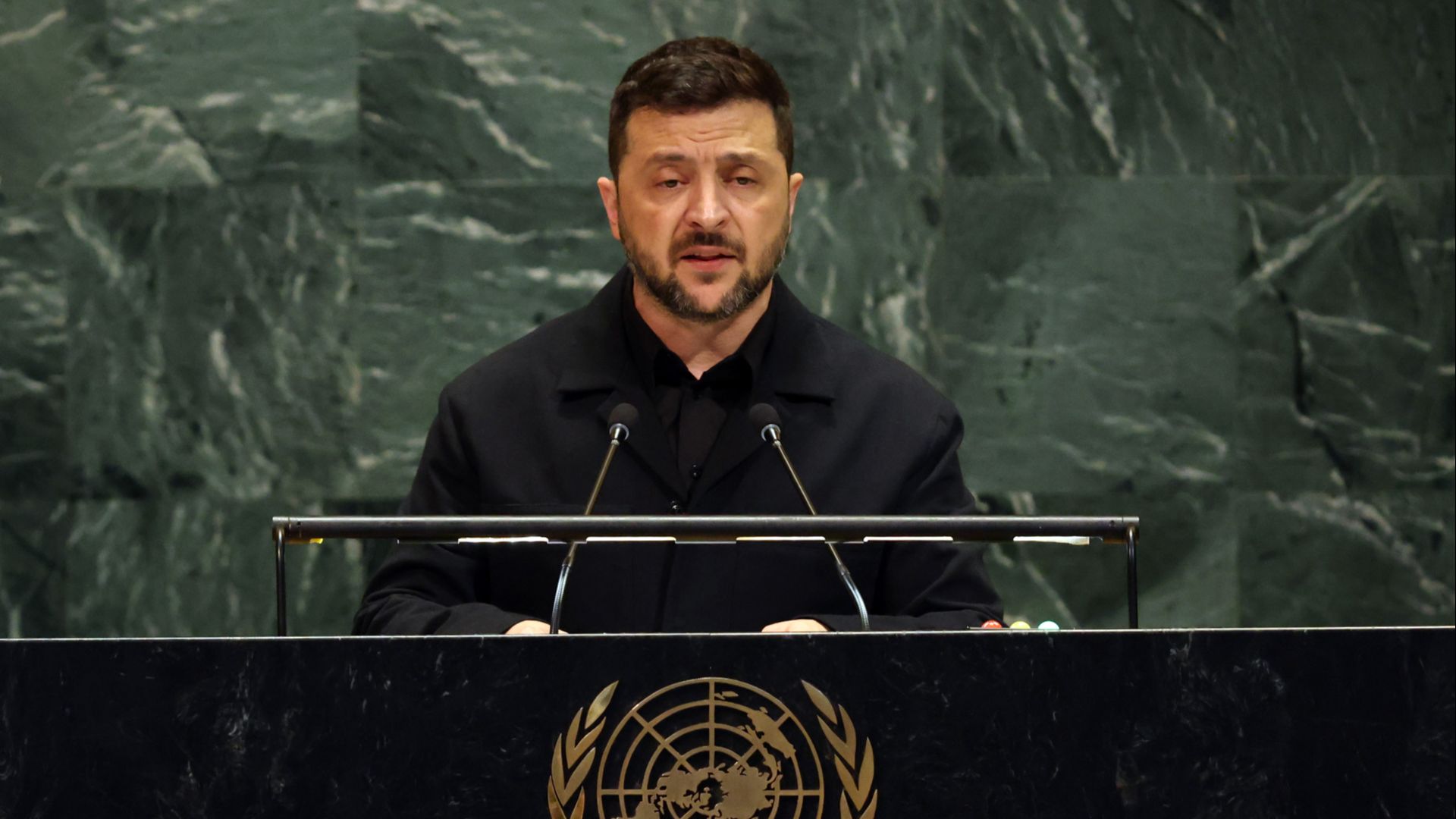
As the conflict escalated, Washington reversed course and sought Ukraine’s expertise directly. Ukrainian officials confirmed that Kyiv began sending specialists and interceptor technology to assist American forces in the region. Zelensky said Ukraine was prepared to share its experience defending against Iranian drones and help partners facing the same threat.

«Ukraine will support the United States with protection against Iranian Shahed drones», Zelensky said when announcing the cooperation. The Ukrainian leader added that Kyiv had already received requests from multiple countries interested in the technology and training developed during the war with Russia, highlighting how Ukraine’s battlefield innovations are now influencing global defense strategy.
Getty Images

The sudden interest in Ukrainian drone defenses illustrates how the war with Russia has transformed the country into a laboratory for modern warfare. Military planners across the United States and Europe are studying the tactics Ukraine developed after years of confronting large-scale drone attacks. Analysts say the shift toward low-cost interceptor drones could reshape air defense strategies, particularly as Iran and its allies increasingly rely on swarms of inexpensive unmanned aircraft. What began as a survival strategy on the Ukrainian battlefield is now becoming a model for countering drone warfare worldwide, as the United States moves to adopt the very technology it declined only months earlier.
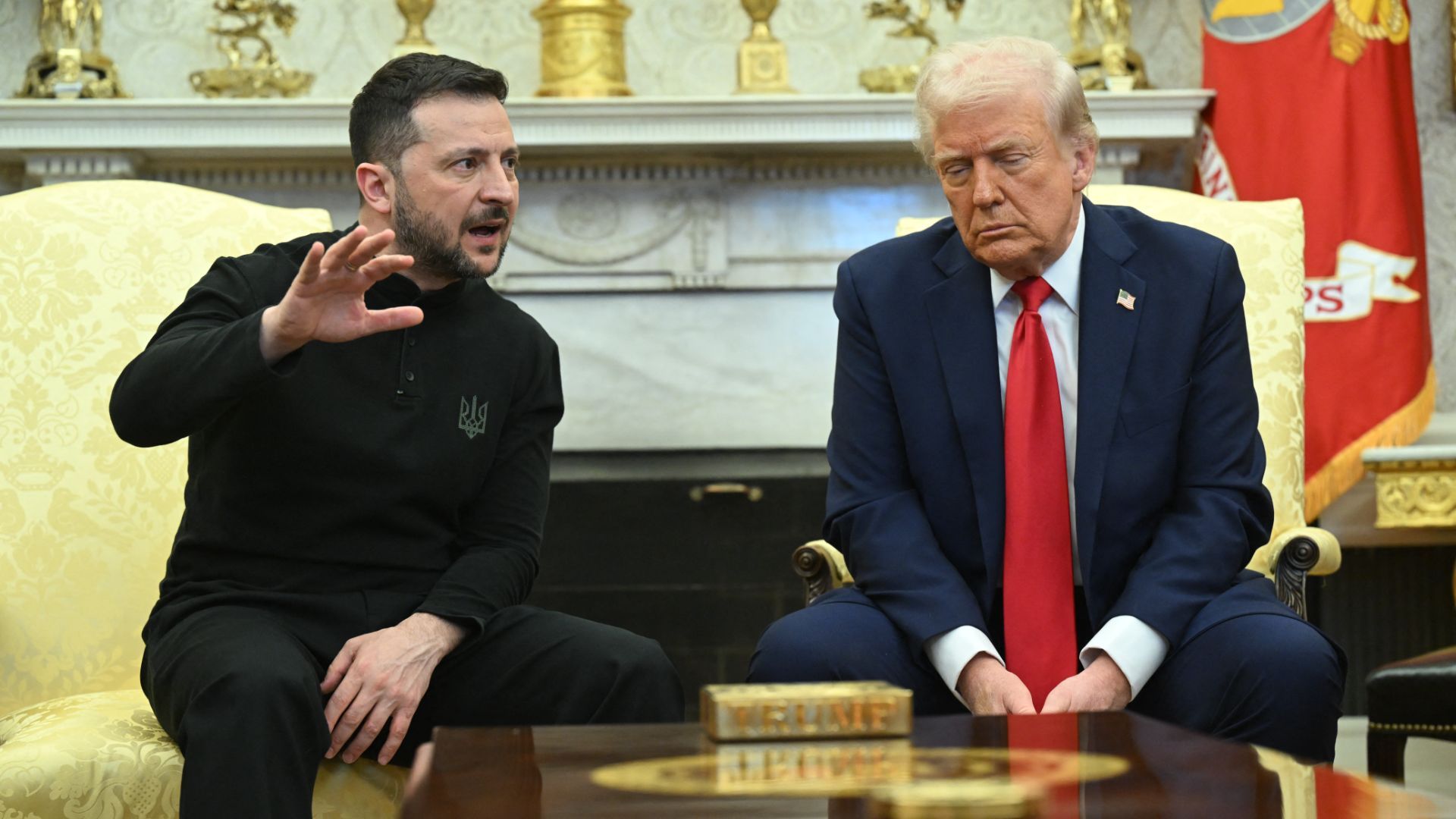

Getty Images
Catégories
Uncategorized

Trump and Anthropic CEO at War After «Dictator» Comment

A confrontation between Donald Trump and Anthropic CEO Dario Amodei moved into the spotlight after an internal memo written by the AI executive leaked publicly, revealing unusually direct criticism of the president and his administration. The message, shared internally with employees at the San Francisco-based artificial intelligence company, described what Amodei believed were the political motivations behind the administration’s hostility toward Anthropic.

In the memo, he wrote that «The real reasons the Trump administration does not like us is that we haven’t donated to Trump» and that the company had also refused to offer what he described as «dictator-style praise to Trump». The internal comments quickly circulated across technology and political media, placing the company and the White House at the center of a growing dispute over AI policy and military use of advanced models.

Getty Images

The memo leak revealed tensions that had been building between Anthropic and federal officials over how its AI systems could be used by the U.S. government, particularly within defense agencies.

Anthropic, which develops the Claude family of AI models, has publicly maintained restrictions on certain uses of its technology, including applications related to mass surveillance and fully autonomous weapons. According to reporting surrounding the dispute, the Department of Defense had pushed for fewer limitations on how the models could be deployed in military contexts. Anthropic’s refusal to loosen those guardrails contributed to a breakdown in cooperation that placed the company at odds with officials responsible for national security programs and technology procurement across multiple agencies.

«WE will decide the fate of our Country — NOT some out-of-control, Radical Left AI company».

-President, Donald Trump

Before the internal memo became public, Trump had already signaled a sharp break with the company through a lengthy post on Truth Social that condemned Anthropic and announced a federal phase-out of its technology. In the message, Trump wrote: «THE UNITED STATES OF AMERICA WILL NEVER ALLOW A RADICAL LEFT, WOKE COMPANY TO DICTATE HOW OUR GREAT MILITARY FIGHTS AND WINS WARS!» He accused the company of attempting to «STRONG-ARM the Department of War» and argued that its actions were «putting AMERICAN LIVES at risk, our Troops in danger, and our National Security in JEOPARDY».

The president then directed federal agencies to «IMMEDIATELY CEASE all use of Anthropic’s technology» while establishing «a Six Month phase out period» for departments already relying on the company’s tools.

Getty Images

The Truth Social statement framed the dispute as a question of authority over military decision-making and the role private technology firms should play in shaping national defense policy. Trump wrote that «That decision belongs to YOUR COMMANDER-IN-CHIEF, and the tremendous leaders I appoint to run our Military». He also warned the company to cooperate during the federal phase-out process, writing that Anthropic «better get their act together, and be helpful during this phase out period, or I will use the Full Power of the Presidency to make them comply, with major civil and criminal consequences to follow».

The message ended with a broader political warning, declaring that «WE will decide the fate of our Country — NOT some out-of-control, Radical Left AI company».

Getty Images

After the memo leaked, Amodei acknowledged the controversy surrounding his internal comments and sought to distance himself from the tone of the message. In public remarks reported in the days that followed, the Anthropic CEO said the internal note «does not reflect my careful or considered views» and apologized for the way it had been written.

The statement attempted to calm the situation without abandoning the company’s broader stance on AI safety. Anthropic continued to argue that it supports cooperation with national security agencies but maintains restrictions on certain uses of advanced AI systems that it believes could create significant risks if deployed without limits.

«The real reasons the Trump administration does not like us is that we haven’t donated to Trump.»

-Dario Amodei, internal memo to Anthropic staff

The conflict has now moved beyond public statements and into the courts. On March 9, Anthropic filed a lawsuit challenging the government’s decision to designate the company a national security «supply chain risk» and to remove its technology from federal agencies. The legal filing argues that the actions taken by the administration were unlawful and punitive toward a private company that refused to change its technology policies.

The lawsuit seeks to overturn the designation and block further government retaliation tied to defense contracting and federal procurement, turning the dispute between Trump and one of the world’s leading AI companies into a legal battle over the boundaries between political power, national security and the rapidly expanding influence of artificial intelligence.

Getty Images

How To Spot Fake Deals Like A Pro Shopper

Do you feel like the internet is throwing glittery bargains your way just to see if you’ll bite? Well, it’s happening everywhere. Scammers are experts at dressing up traps to look like steals, and they thrive on tricks that grab your curiosity. 

10 tendances qui valent la peine d’être suivies et 10 qui auront disparu d’ici l’année prochaine

Les tendances évoluent rapidement, mais elles ne méritent pas toutes le même niveau d’investissement. Certaines reflètent des changements durables dans la façon dont les gens vivent, travaillent et font leurs achats, tandis que d’autres reposent presque entièrement sur la nouveauté et l’engouement des réseaux sociaux. La différence apparaît généralement un an plus tard, lorsque certains achats sont toujours utiles et que d’autres semblent embarrassants. Prêter attention à la longévité, à la praticité et à la qualité permet de faire le tri. Cela rend également l’observation des tendances beaucoup moins coûteuse. Voici 10 tendances qui valent la peine d’être suivies et 10 qui auront disparu d’ici l’année prochaine.

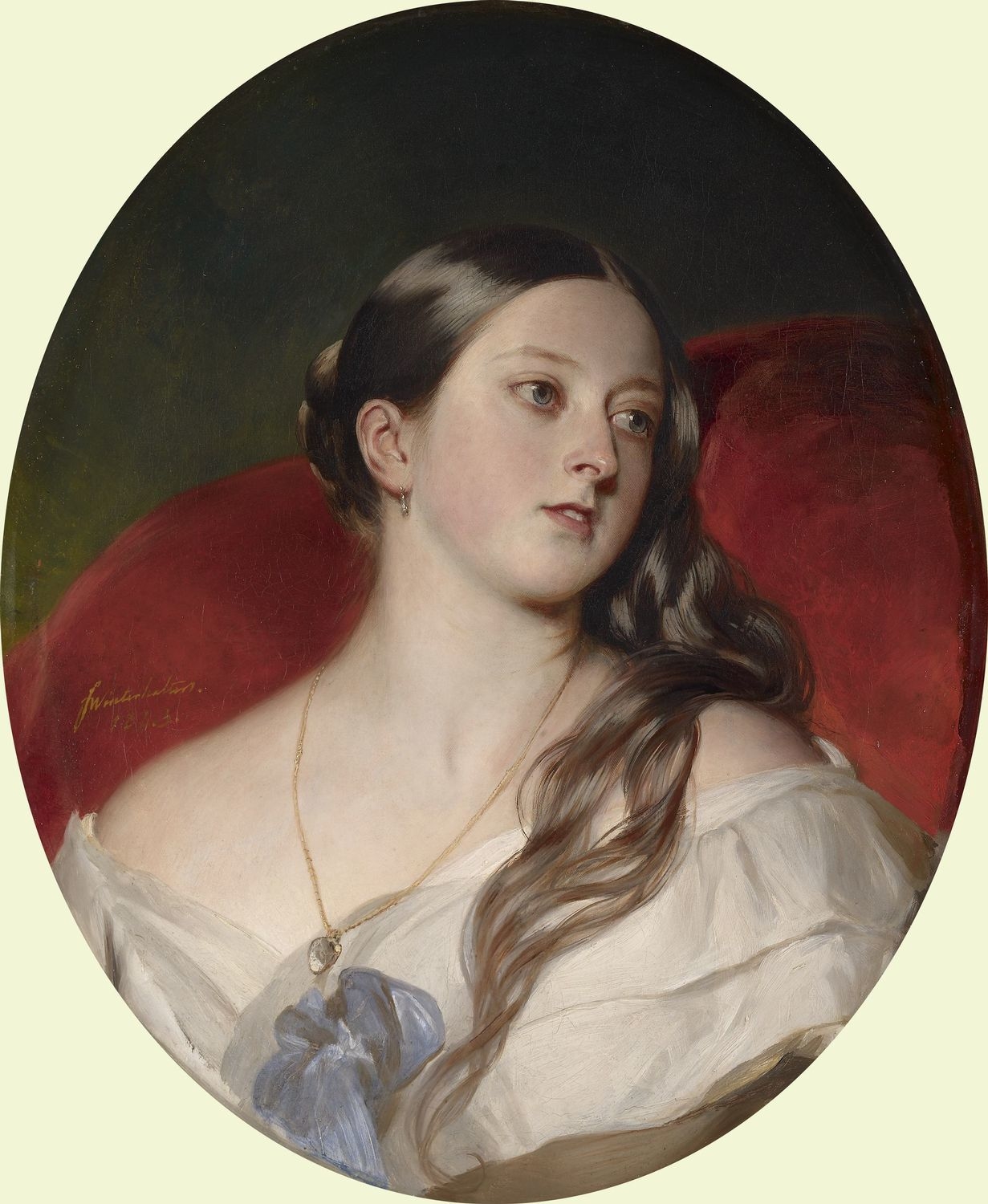
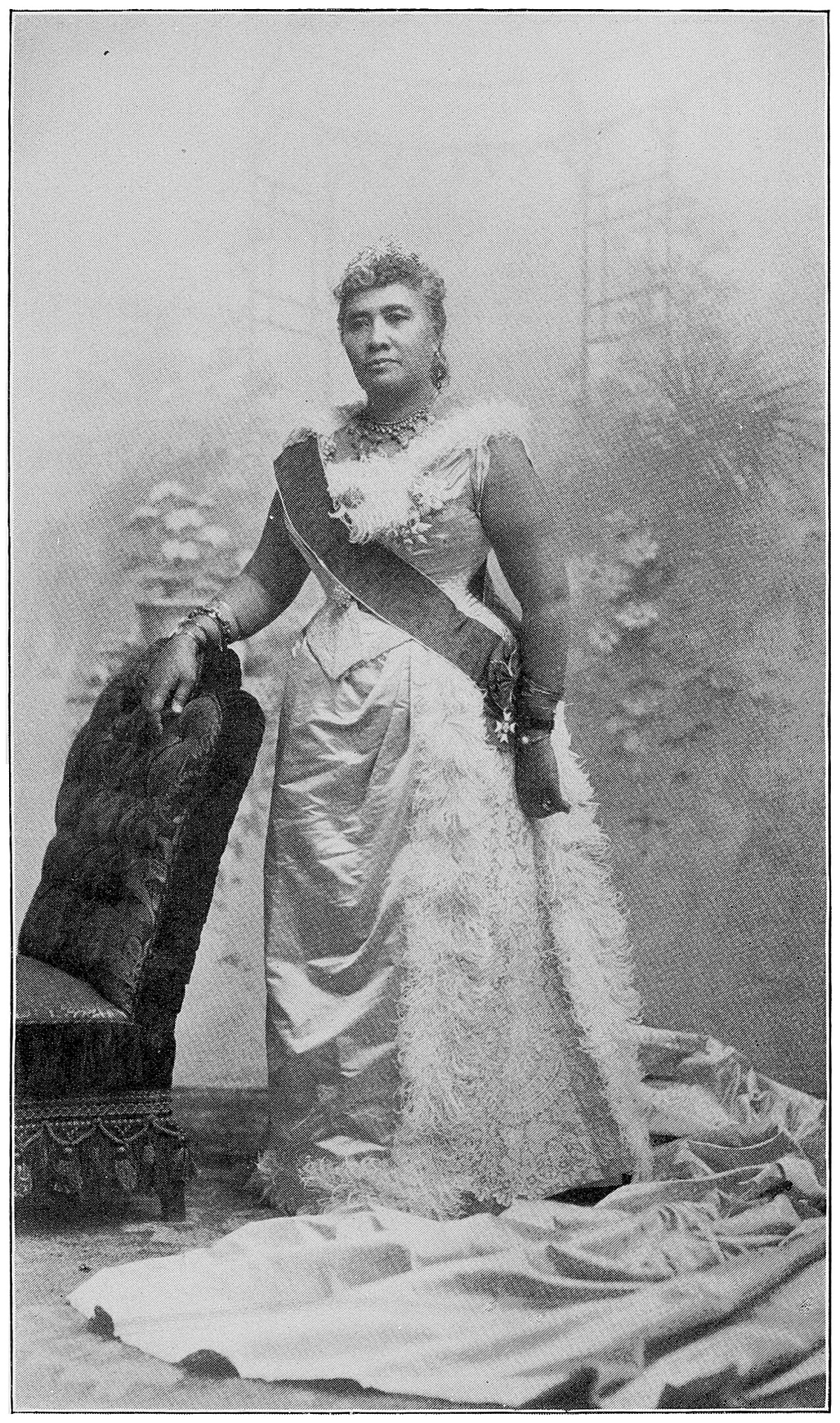
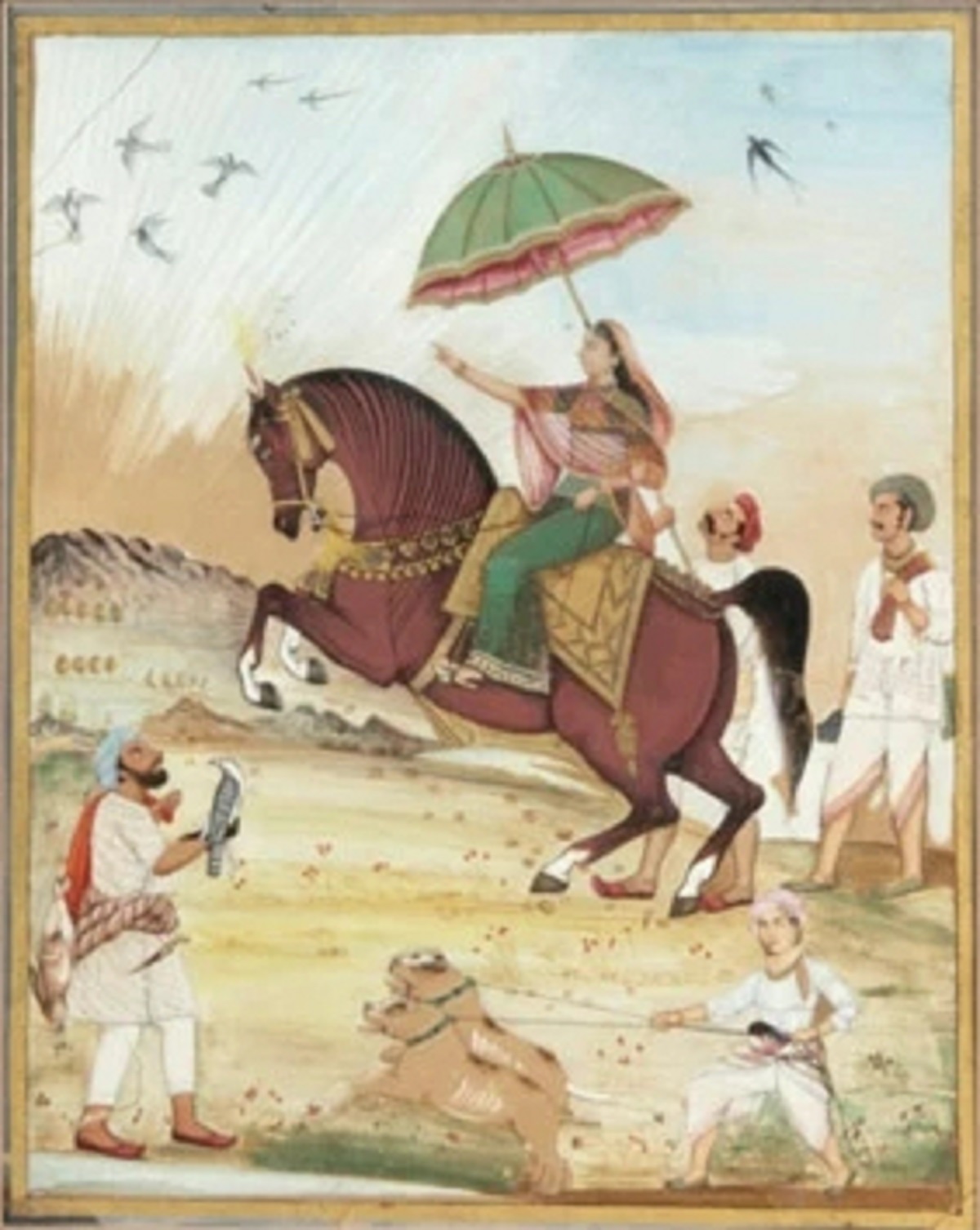
14 of the Most Powerful Female Rulers in History

“Formidable” is the first word that comes to mind when reflecting on these extraordinary female rulers. Most of them rose to power in eras and societies that insisted, loudly and consistently, that women were inherently inferior to men. Yet they challenged those beliefs at every turn, reshaping kingdoms, commanding armies, negotiating alliances, and leaving legacies that still echo today. Their authority was not always peaceful, nor was it ever easily granted; they seized it, defended it, and proved their critics wrong again and again.

6 endroits où bruncher à découvrir dans le quartier Hochelaga

Le quartier Hochelaga‑Maisonneuve est devenu au fil des années une destination incontournable pour les amateurs de brunch. Entre cafés de quartier chaleureux, petites pâtisseries artisanales et restaurants qui revisitent les classiques du déjeuner, il y a de quoi satisfaire toutes les envies — que ce soit pour un café rapide, un brunch gourmand entre amis ou une assiette réconfortante pour bien commencer la journée. Voici six adresses à découvrir pour savourer un bon déjeuner dans Hochelaga.

Catégories
Uncategorized

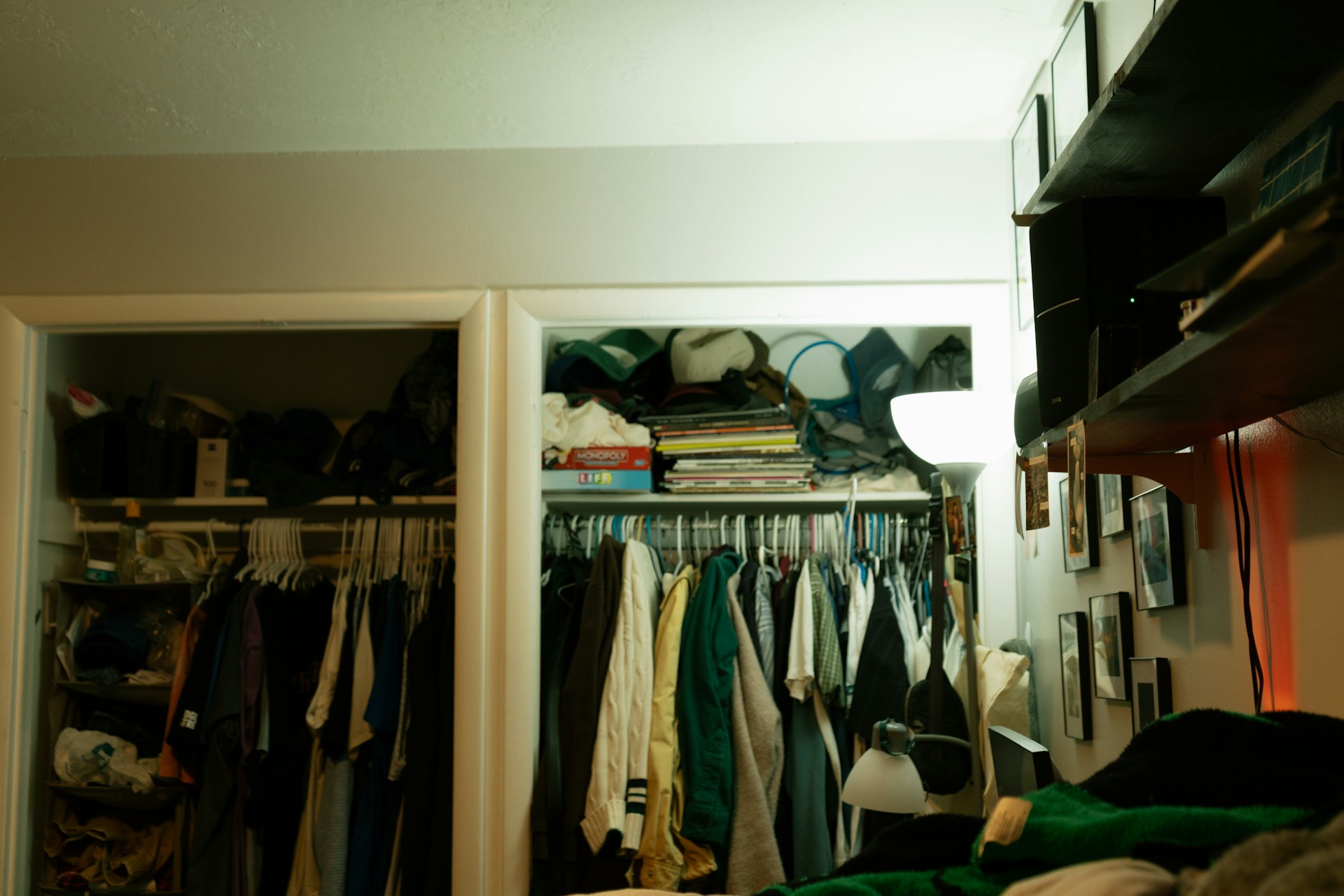
Fixing your wardrobe: common causes, diagnosis, and simple solutions to rediscover the joy of dressing up

Opening your closet and feeling empty, despite having full wardrobes, is a surprisingly common experience. Rather than blaming fashion or yourself, it is helpful to make an accurate diagnosis: certain obstacles come up repeatedly, but the good news is that they can be addressed. This article offers a structured overview of the most common causes and practical, accessible solutions to transform a wardrobe you don’t like into a space that reflects your personality and makes your daily life easier.

1) Understanding the causes

Several factors explain why people feel uncomfortable with their wardrobe. Among the most common are the accumulation of outdated clothes, items that no longer suit your body type, a mix of eras and styles with no common thread, impulse purchases, poor organization, and sometimes negative emotional attachments to certain clothes. Add to that changes in lifestyle (working from home, new activities), and you have the perfect recipe for daily frustration.

2) Make a simple diagnosis in 3 steps

  • Visualize: empty an area (a shelf or drawer) and really look at what you own. You will immediately see what you have too many of and what you are missing.
  • Question: for each item, ask yourself if it fits you, if you like it, if it suits your current lifestyle, and if you have worn it in the last 12 months.

3) Quick and practical solutions

  • Binary sorting: three piles are enough: keep, repair/alter, give away/sell. No need to hesitate indefinitely. Targeted alterations: a hem, a waist adjustment, or a shoulder alteration can breathe new life into an otherwise perfect item. Monthly capsule: select 30-40 items for the current month. Put the others away. This rotation helps you see what you have and renews your desires. Limit impulse purchases: institute a 48-72 hour rule for non-essential purchases and imagine three possible outfits before buying.
  • Add a few favorites: even a functional wardrobe needs pieces that bring you joy. Look for a color, cut, or accessory that excites you and keep it as a priority.

4) Organization and presentation

Good organization transforms the way you use your closet. Sorting by color and category, keeping seasonal items within reach, and using labeled boxes or identical hangers are simple but powerful steps. The goal is to make your options visible: what you see, you wear.

Wardrobe overview Fitted clothing Wardrobe storage

5) Reconcile emotions and clothing

Don’t neglect the emotional aspect: some clothes carry memories. If an item does you more harm than good, free up the space. Keeping a memory doesn’t require keeping its sartorial identity. A little sorting ritual can be liberating.

6) Evolve rather than revolutionize

You don’t need to replace everything. The most sustainable approach is gradual: one item at a time, one alteration or new accessory each season. Define three keywords for your current style, use them as a filter for your next purchases, and set a simple rule to avoid impulsive accumulation. Conclusion: Loving your wardrobe is possible if you start with an honest assessment and follow a few easy steps. With organization, targeted alterations, and thoughtful choices, you can make getting dressed enjoyable again. Take the time to really look at what you own, eliminate what brings you down, and introduce pieces that bring you joy. Little by little, your wardrobe will become an ally again, not a worry.

Catégories
Uncategorized

How to incorporate vintage items into a modern interior: practical guide and inspiration

Placing vintage objects in a modern interior is not just about accumulating old pieces: it’s about creating a dialogue between the past and the present, installing emotional landmarks and textures that warm up spaces that are sometimes too sleek. This practical guide takes you step by step through choosing, placing, and maintaining your finds, with concrete ideas and inspiring visuals. Why add vintage? Vintage objects bring three essential qualities: the patina of time, a visible history, and aesthetic uniqueness. A worn trunk, a patinated leather armchair, or a workshop lamp instantly tell a story about the space and its inhabitants. They avoid the showroom effect sometimes found in purely contemporary interiors and allow you to create a space that breathes and lives.

  • Prioritize quality and authenticity: choose objects with a solid structure and a natural patina rather than new copies that are too « decorative. »
  • Limit yourself to 3–5 strong elements: one centerpiece per room (armchair, sideboard, clock) is enough to set the tone.
  • Vary scales and materials: combine wood, leather, metal, and porcelain to enrich the sensory palette.

Examples of placement

Here are a few simple ideas that can be implemented immediately:

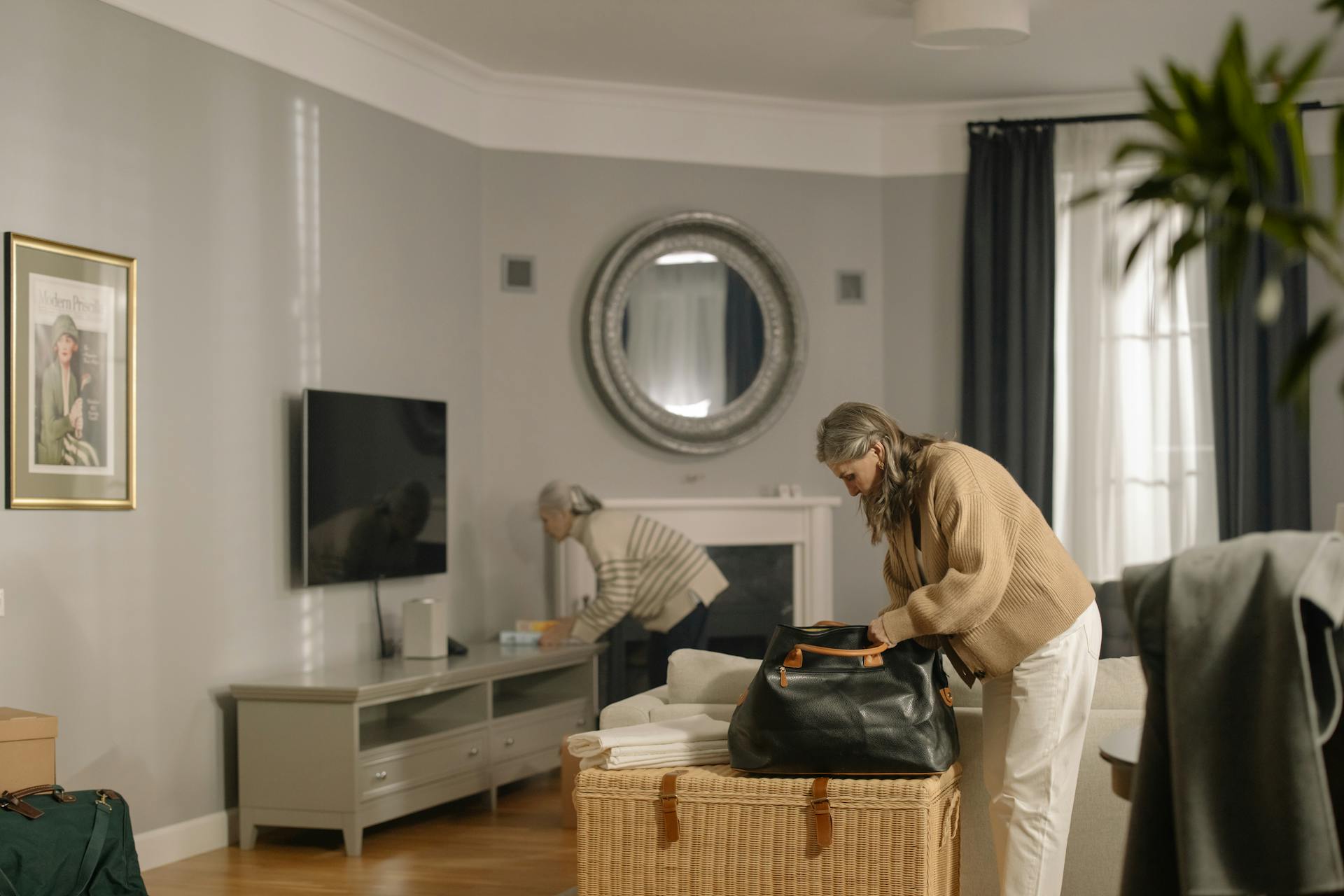
  • In the living room: a leather club chair (or a restored antique armchair) creates a welcoming reading corner; pair it with a Jieldé lamp for directional, sculptural lighting.
  • In the entryway: a travel trunk used as a low console table provides storage and temporary seating; it instantly gives a modern hallway character.

  • In the dining room: combine a contemporary table with antique porcelain as a centerpiece; the contrasts work very well.

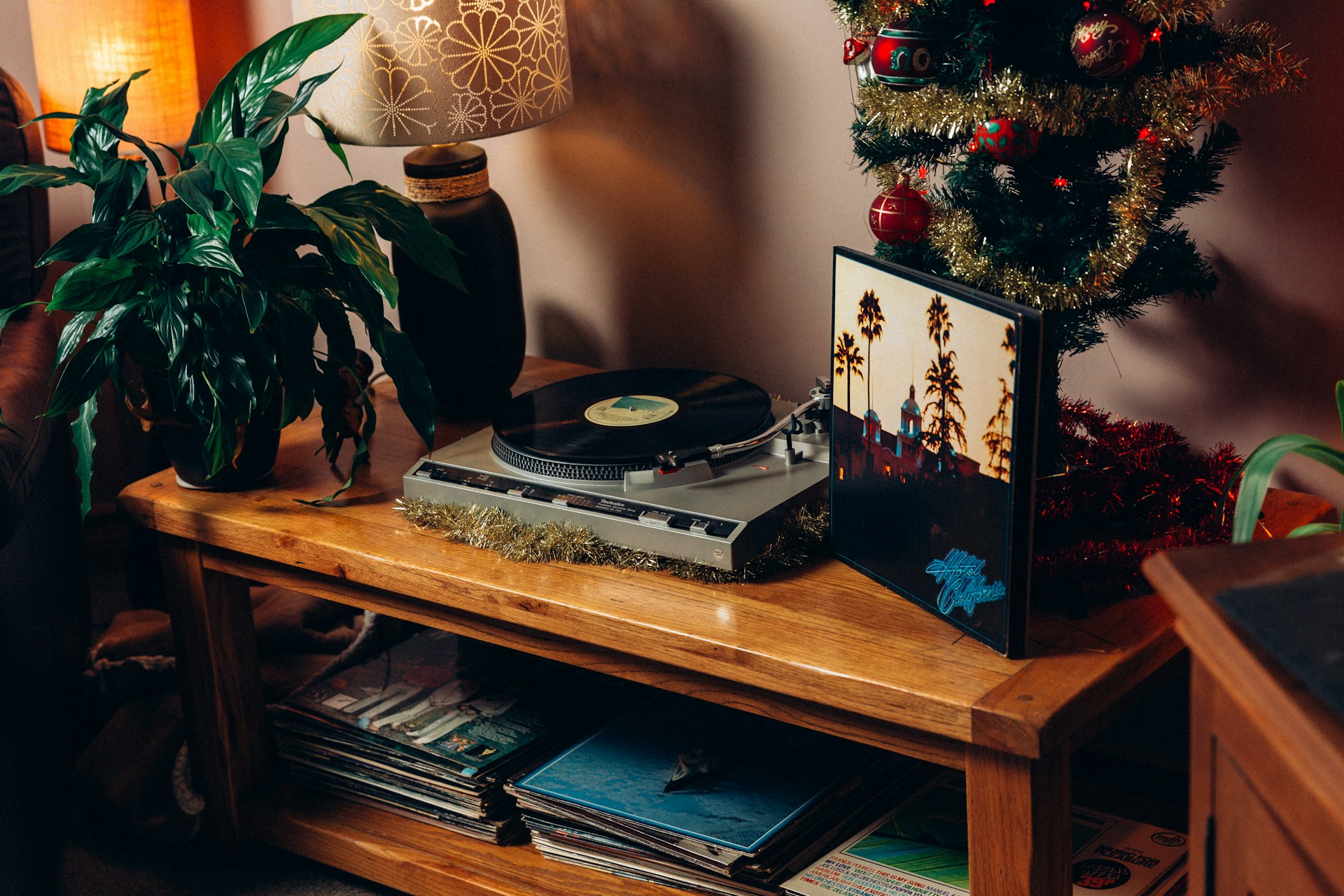
Antique travel trunk Vintage record player

Playing with contrasts without hitting a wrong note

Balance is achieved through the repetition of tones and the art of letting the space breathe. For example, if you have a large leather piece, balance it with light-colored elements around it (rugs, walls, tables) and limit other heavy pieces. Graphic objects such as a beautiful framed retro poster or an industrial clock can structure a neutral wall and serve as a visual anchor. Small items (film cameras, brass accessories) can be placed on shelves or consoles to add interest without overloading the space.4-21.jpg’ alt=’Leather club chair’ /> Industrial station clock

Care and restoration tips

Maintaining vintage pieces does not always require expertise: for leather, gentle cleaning and a suitable polish are sufficient; for wood, a natural polish or wax provides good protection. For metals, light polishing or accepting the patina will depend on the desired result: sometimes, controlled rust adds charm. If you are considering a major restoration, call in a professional to preserve the value and authenticity of the item. Where to hunt for bargains and what to bring back
Flea markets, garage sales, and even specialized online sales are excellent hunting grounds. Focus on the overall condition, structure, and originality of the piece rather than the price alone. A good vintage purchase is a piece that tells a story and fits easily into your everyday life.

In conclusion

Incorporating vintage into a modern interior means accepting a little imperfection in order to gain warmth and history. Make confident choices: one or two statement pieces per room, contrasting materials, and attention to scale are enough to create an interior that breathes and reflects your personality. Leave space for objects to take on meaning: the key is to create a balance between contemporary functionality and objects steeped in emotion.

Framed retro poster

Catégories
Uncategorized

Deadly attack in Abiemnom County: toll, context, and humanitarian emergency in South Sudan

Summary: In early March, a village in Abiemnom County, northern South Sudan, was hit by an attack that claimed the lives of many people. Local authorities report that at least 169 people have been buried in mass graves and fear that the death toll will rise as more bodies are discovered. This tragedy is part of a long-standing ethnic and political conflict between the Dinka and Nuer tribes, which has severely weakened the young state of South Sudan.

Village razed in South Sudan

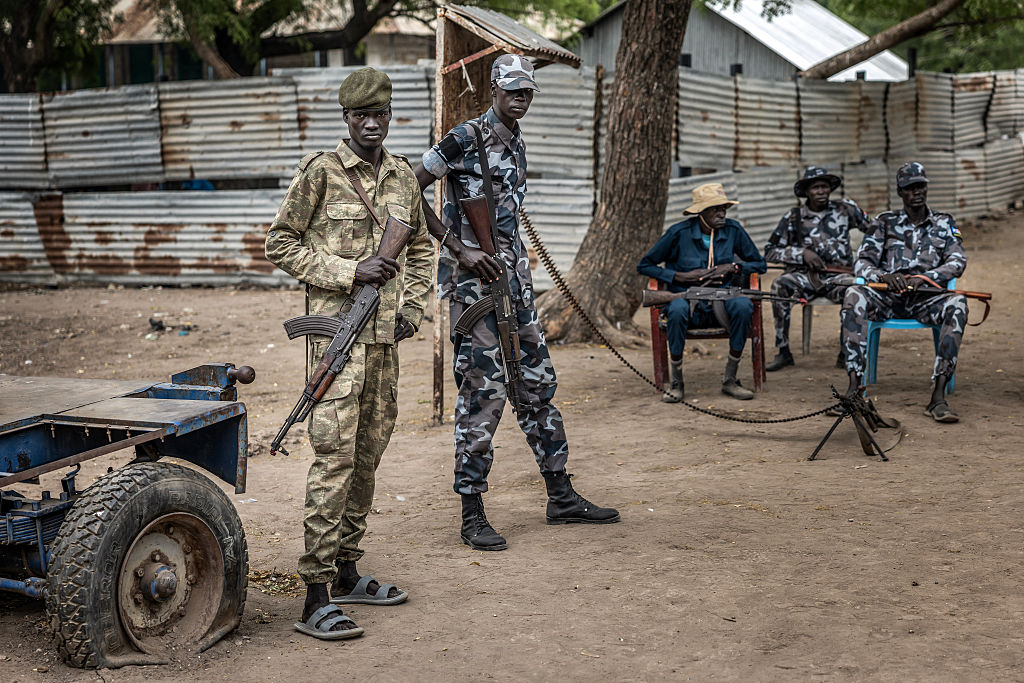
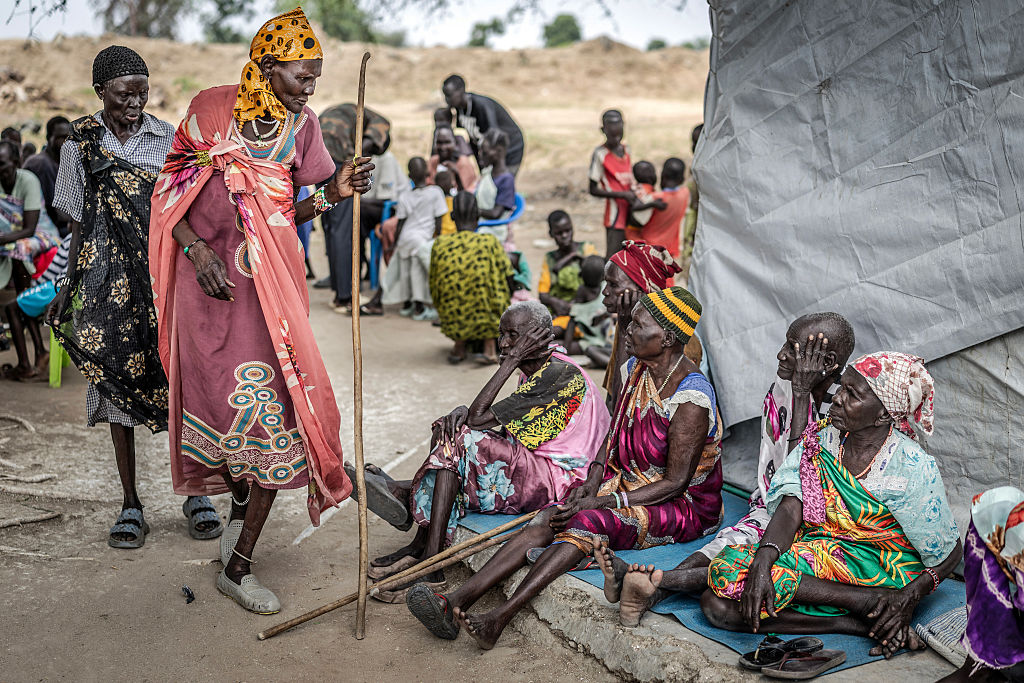
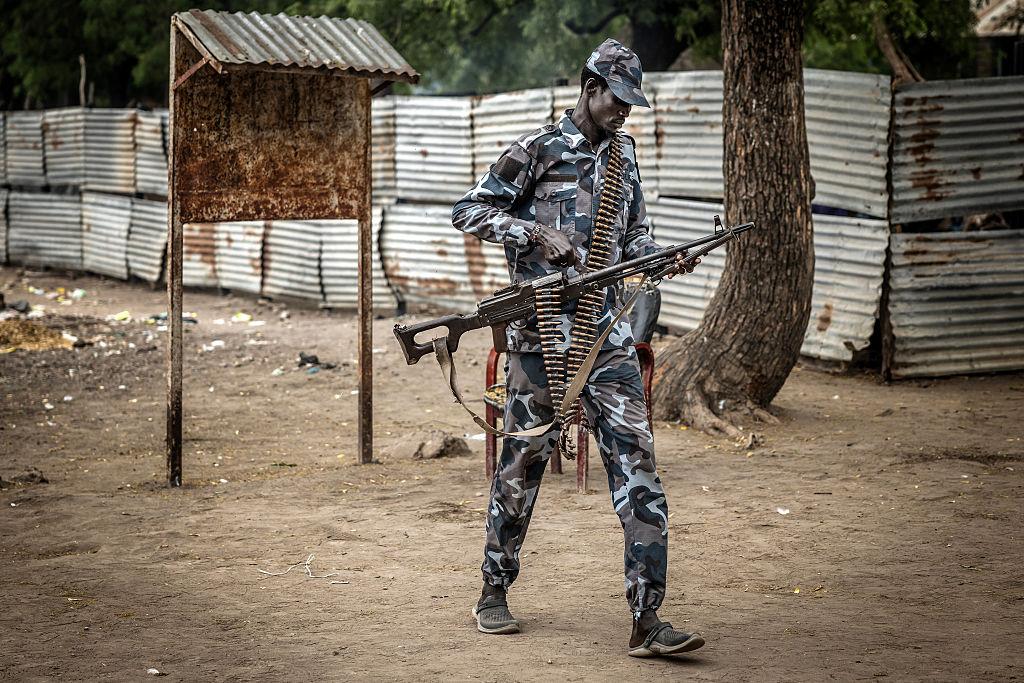
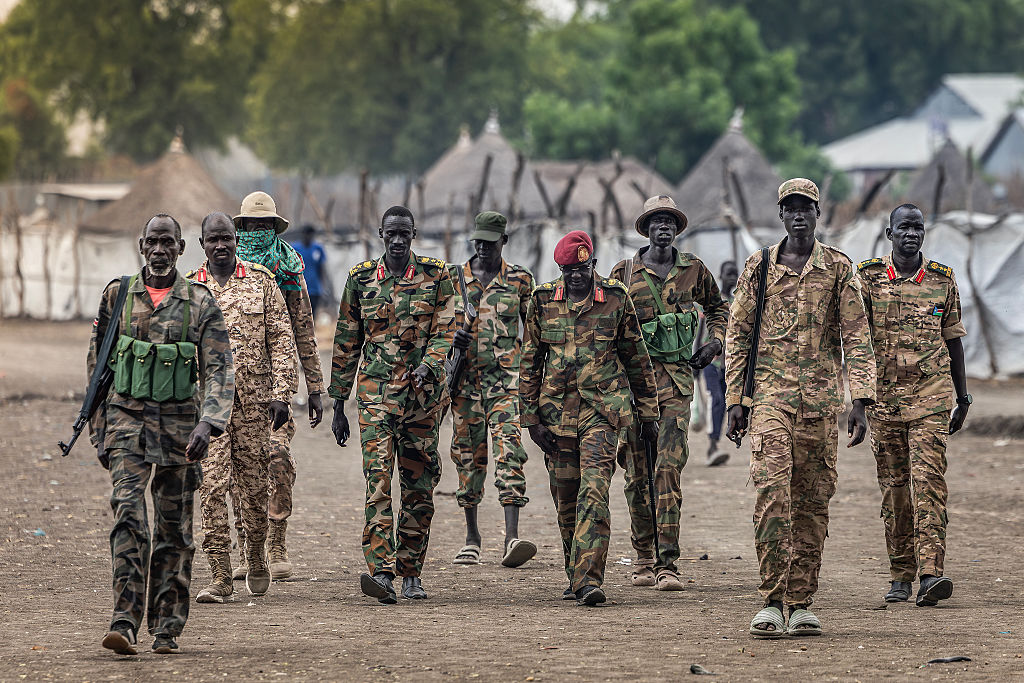
Initial reports indicate that the attack took place early in the morning of March 1 in a village inhabited mainly by Dinka people, near the border with Sudan. Authorities and local witnesses describe burned houses, civilians killed—including women, children, and the elderly—and traumatized survivors. Several bodies were quickly buried in mass graves on March 3, according to health authorities in the Ruweng region.

Burials of victims

What we know and what remains to be confirmed: the figures released by the authorities indicate that 169 people have been buried, but the official number could change. Officials attribute the attack to fighters linked to the Nuer community, while the area targeted was populated by Dinka. These accusations come amid inter-community tensions and cycles of retaliation that have already caused waves of violence in the country since its independence.

Medical personnel missing

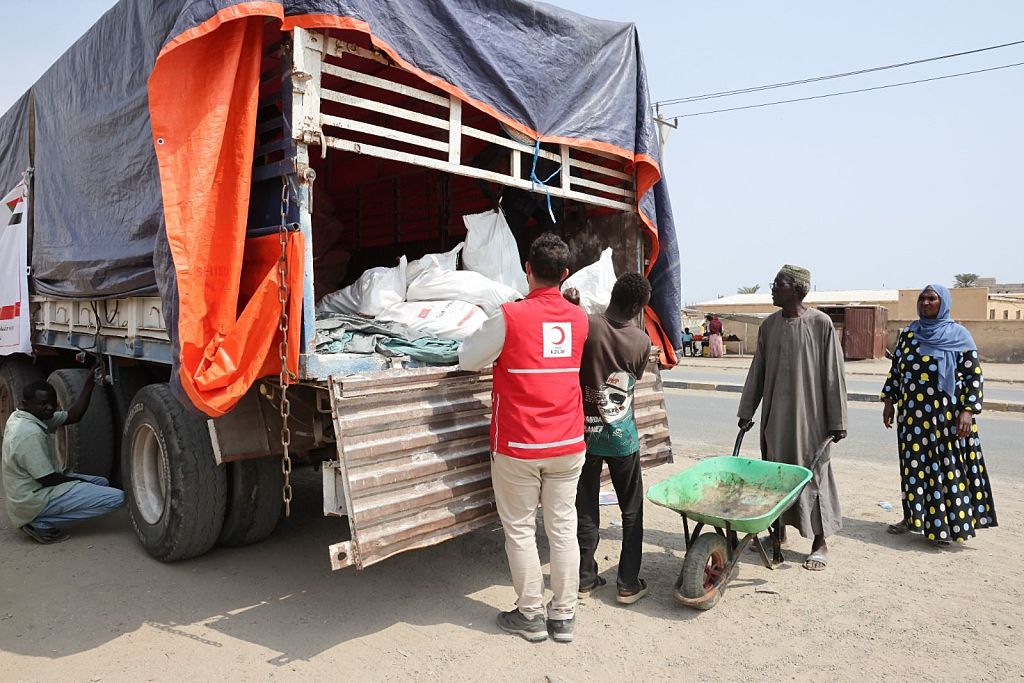
Humanitarian consequences: This attack comes at a time when health services and humanitarian actors are already weakened. Doctors Without Borders (MSF) reported that staff were missing after an airstrike targeted one of its facilities, further limiting the ability to treat the wounded and respond to the needs of displaced populations. Attacks on medical infrastructure compromise access to care and exacerbate an already deep humanitarian crisis. Displacement: Survivors often flee to safer areas, bringing with them trauma and needs for food, water, and shelter.

  • Health: The loss of infrastructure and lack of medical personnel make it difficult to treat the wounded and infectious diseases.
  • Security: Ongoing insecurity complicates the delivery of aid and the protection of civilians.
  • History of the conflict in South Sudan

    Political and historical context: South Sudan, which became independent in 2011, was quickly plagued by internal power struggles. In 2013, clashes between supporters of President Salva Kiir (mostly Dinka) and those of Vice President Riek Machar (mostly Nuer) escalated into an ethnic civil war. Since then, despite peace agreements and attempts at reconciliation, violence has continued to flare up. Raids to steal cattle, attacks on villages, and cycles of retaliation have left the population exhausted and vulnerable.

    UN warning

    The United Nations has repeatedly warned of the risk of genocide when violence has escalated in the past. Today, the UN and international NGOs continue to monitor the situation and call for increased protection of civilians and independent investigations into attacks attributed to armed groups.

    What should we demand and what responses should we expect?: Faced with a tragedy of this magnitude, the response must be twofold: on the one hand, urgent humanitarian action to care for survivors and prevent further losses; on the other hand, political and judicial measures to shed light on responsibilities and strengthen the protection of populations.

    • Strengthen humanitarian access and secure corridors for the delivery of food, medicine, and shelter.
    • Launch an independent and transparent investigation into the attack and reported human rights violations.
    • Protect humanitarian personnel and medical infrastructure to ensure continuity of care.
    • Relaunch a national political dialogue, with the mediation of regional and international actors, to reduce inter-community tensions.

    We remain attentive to developments in the situation and to further confirmation from the authorities and organizations on the ground. In the meantime, the humanitarian priority is clear: protect civilians, treat the wounded, and support displaced populations who are now bearing the brunt of a new tragedy in South Sudan. Local sources and humanitarian organizations, official statements, and testimonies gathered on the ground.

    Catégories
    Uncategorized

    Analyse : les accusations de la Russie selon lesquelles Washington et Tel‑Aviv auraient provoqué l’Iran

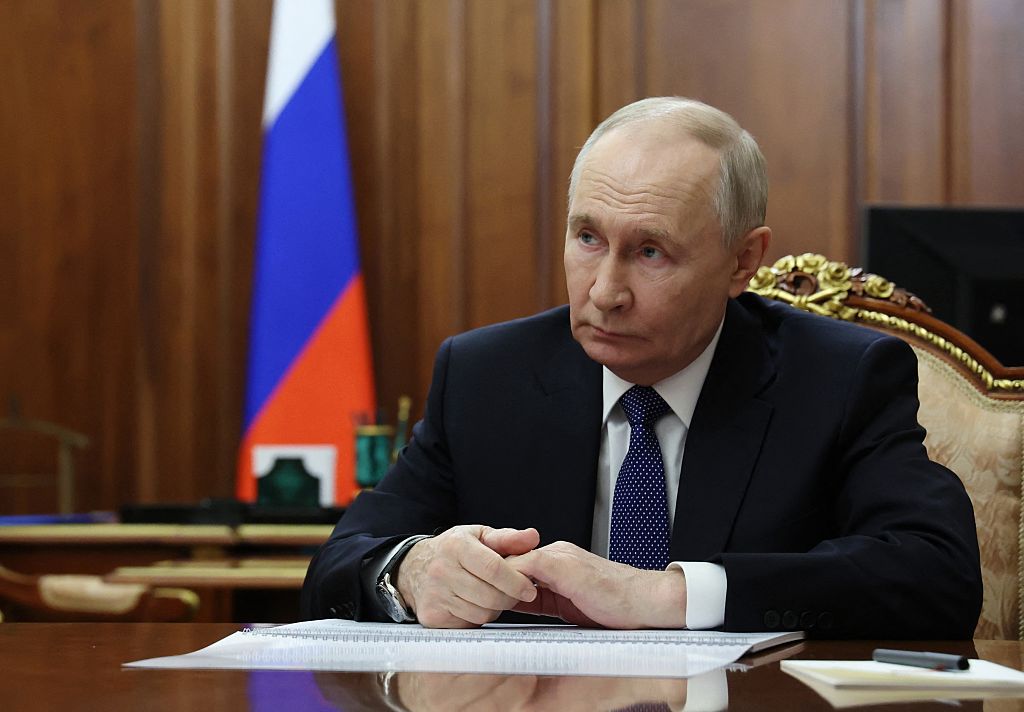
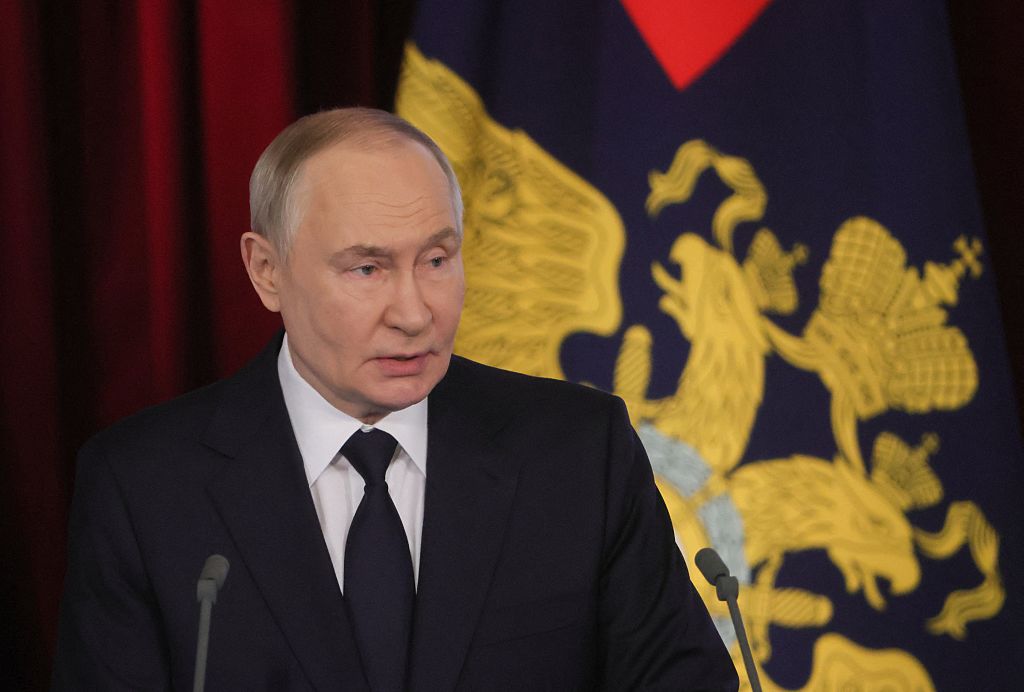
    Le discours du président russe Vladimir Poutine accusant les États‑Unis et Israël d’avoir « délibérément provoqué » l’Iran marque une nouvelle étape rhétorique dans une crise qui s’est rapidement transformée en confrontation régionale. Pour comprendre ce que signifie cette accusation, il est utile de replacer les affirmations dans leur contexte géopolitique, d’examiner les intérêts stratégiques des différents acteurs et d’évaluer les implications possibles pour la stabilité du Moyen‑Orient.

    Contexte et faits récents

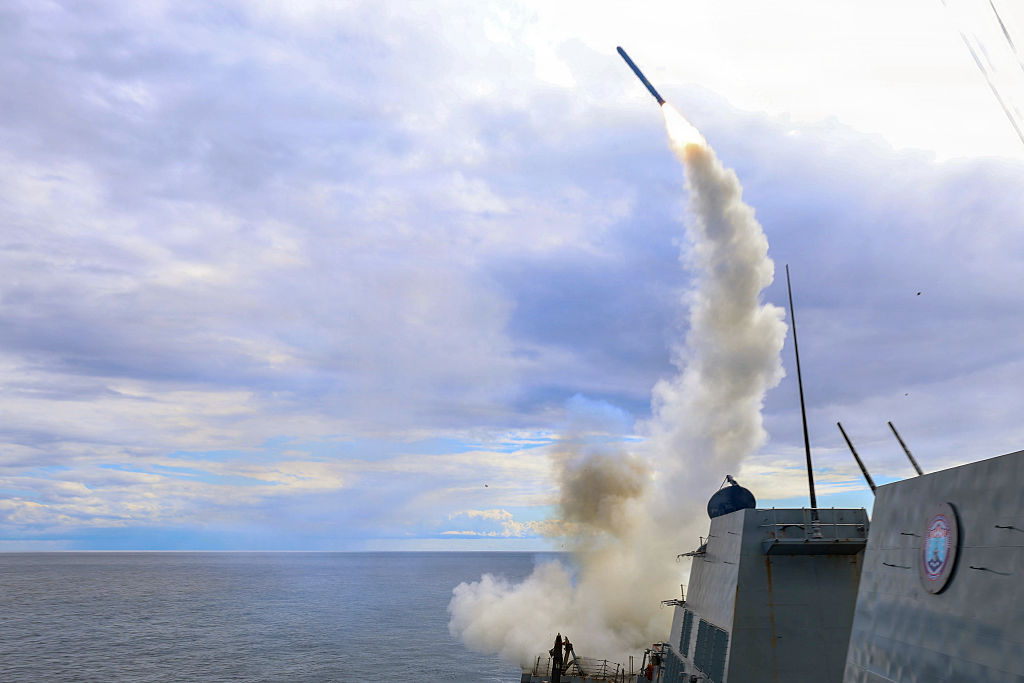
    Selon les éléments rapportés, Washington et Tel‑Aviv ont mené des opérations offensives en Iran, qui ont déclenché des représailles iraniennes visant des installations militaires américaines et israéliennes réparties dans la région. Poutine affirme que ces actions ont été conçues pour pousser l’Iran à riposter, tout en évitant une attaque directe sur le sol américain — une logique qui, si elle était avérée, viserait à internationaliser le conflit sans franchir le seuil d’une guerre déclarée.

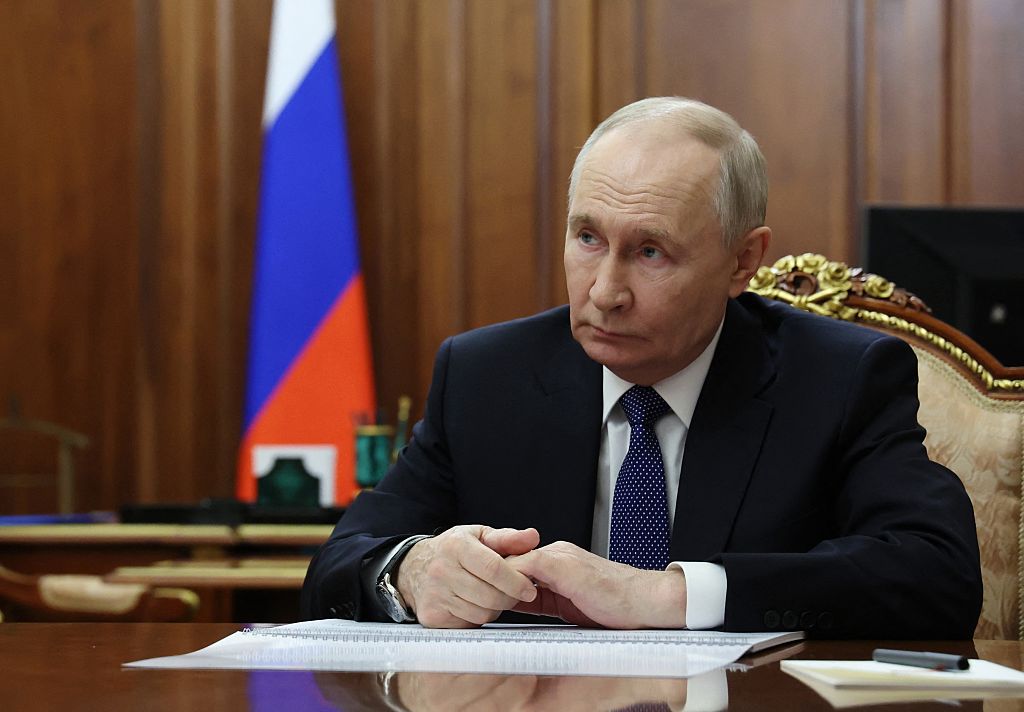
    Poutine accuse les États-Unis

    Pourquoi cette stratégie serait choisie ?

    Plusieurs raisons peuvent expliquer ce type de calcul : maintenir une pression militaire contre un adversaire sans déclencher une riposte totale, mobiliser des alliés régionaux et internationaux en invoquant la légitime défense, ou encore forcer un réalignement politique à l’intérieur d’un pays ciblé. Dans la pratique, des frappes sur des bases à l’étranger exposent les forces américaines à des risques et offrent à l’agresseur des cibles « acceptables » du point de vue de la provocation sans franchir une ligne rouge territoriale.

    Installations militaires

    Conséquences humanitaires et militaires

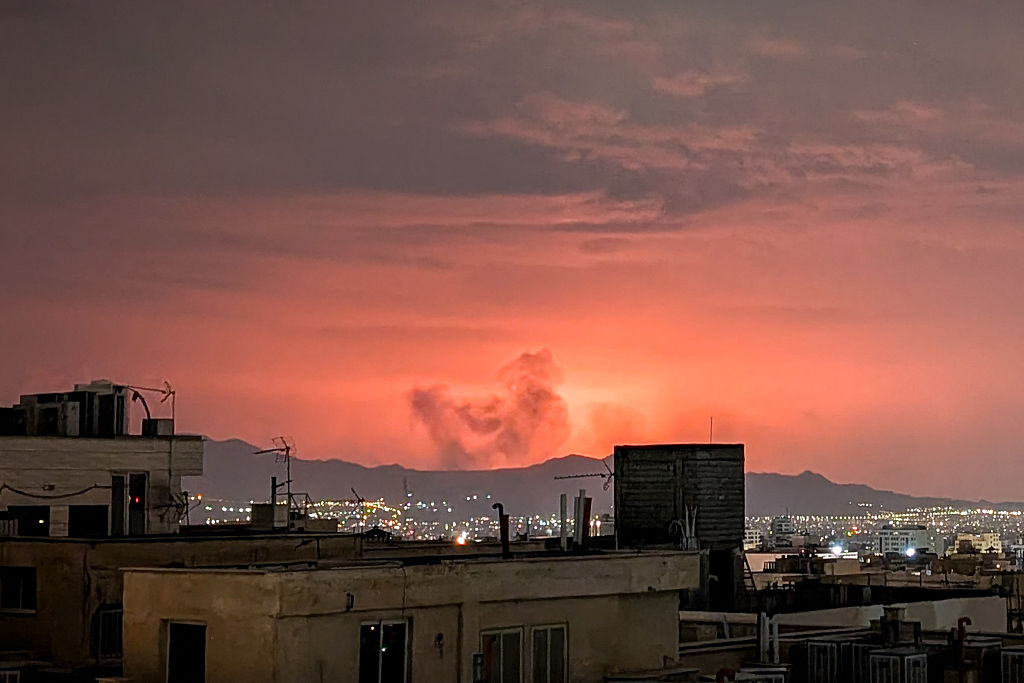
    Les frappes et les représailles ont déjà eu un coût humain et infrastructurel important : des victimes civiles, des écoles et des infrastructures détruites, et un accroissement des tensions dans des pays voisins qui se retrouvent entraînés dans le cycle de violence. Les récits évoquent des dizaines voire des centaines de civils tués lors de frappes touchant des zones peuplées, ce qui alimente la condamnation internationale et accroît le risque d’escalade incontrôlée.

    Conséquences pour les civils

    Enjeux politiques et stratégiques

    • Pour les États‑Unis : maintenir un engagement militaire tout en évitant une déclaration de guerre formelle qui obligerait des décisions politiques et législatives lourdes.
    • Pour Israël : neutraliser ce qu’il perçoit comme une menace à sa sécurité tout en mobilisant un soutien international pour ses opérations.
    • Pour l’Iran : répondre militairement afin de préserver sa crédibilité régionale et dissuader de nouvelles attaques, tout en mesurant le risque d’une riposte massive.
    • Pour la Russie : dénoncer les actions occidentales permet de renforcer sa position diplomatique et d’accroître son influence auprès des pays opposés aux interventions occidentales.

    Attaques et représailles

    Impacts économiques et régionaux

    La guerre a également des répercussions économiques mondiales : hausse des prix de l’énergie, volatilité des marchés financiers et perturbations des routes commerciales. Les pays du Golfe, le Liban et d’autres États limitrophes se retrouvent pris dans un engrenage qui menace autant la sécurité que la croissance économique locale.

    Frappes et conséquences

    Que retenir et que surveiller ?

    • Les accusations de Poutine reflètent à la fois des analyses géopolitiques et des intérêts stratégiques russes : elles contribuent à polariser le débat international.
    • La nature et l’ampleur des frappes futures dépendront de décisions politiques à Washington, Tel‑Aviv et Téhéran, ainsi que des réactions d’alliés régionaux.
    • Les efforts diplomatiques — y compris au sein des Nations unies et entre puissances influentes — seront déterminants pour éviter une escalade généralisée.

    En somme, l’accusation portée par Moscou doit être examinée à la lumière des intérêts et des stratégies des différents protagonistes. Qu’il s’agisse d’une provocation délibérée ou d’une escalade involontaire, la priorité pour la communauté internationale reste d’atténuer l’impact humanitaire et de trouver des voies diplomatiques permettant de réduire les tensions. Rester informé, suivre les communiqués officiels et surveiller les mouvements diplomatiques sera essentiel pour comprendre l’évolution d’un dossier qui pourrait remodeler durablement la stabilité régionale.

    Région et marchés

    Photos: Getty Images