




 BIG Admin
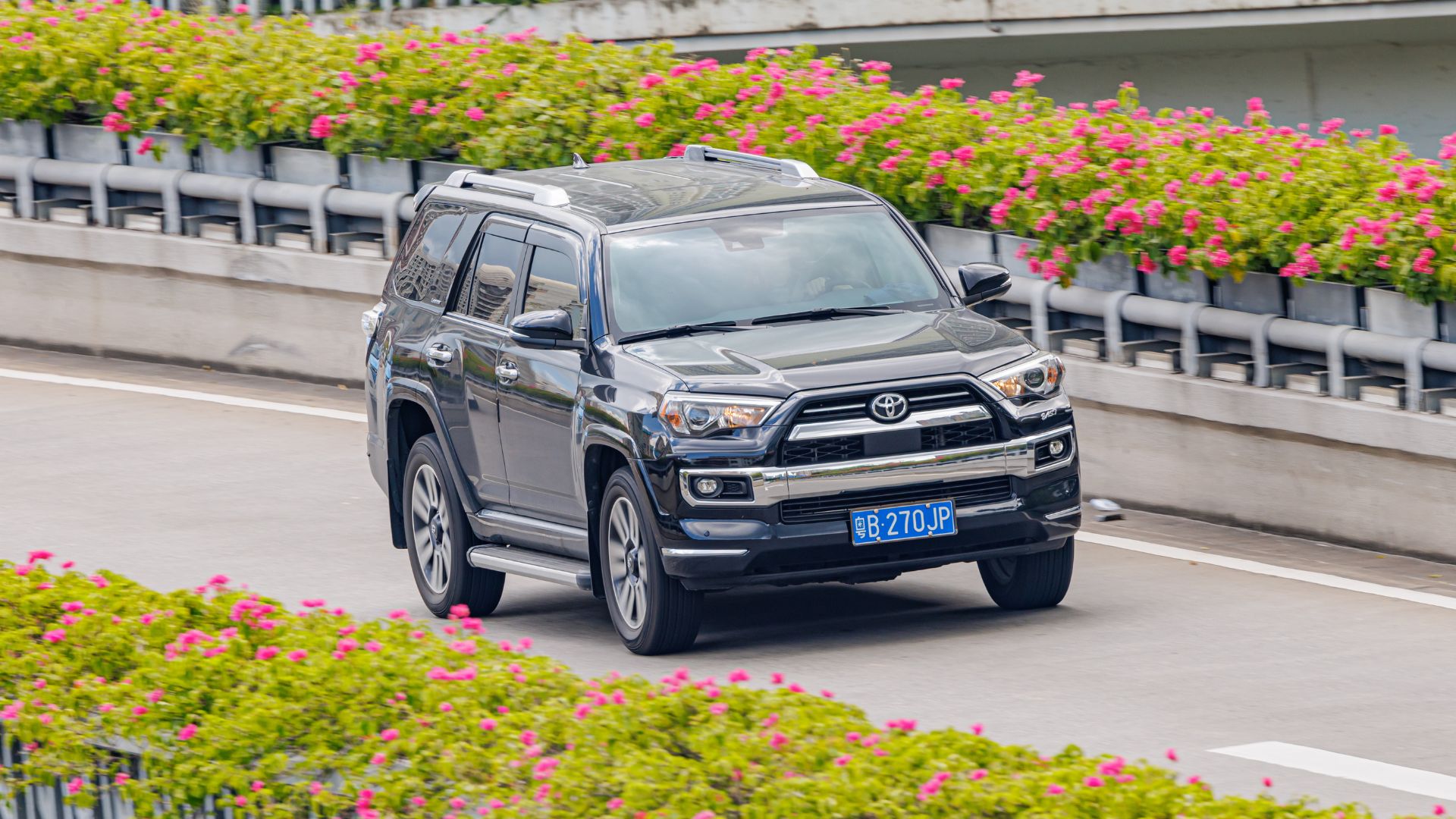
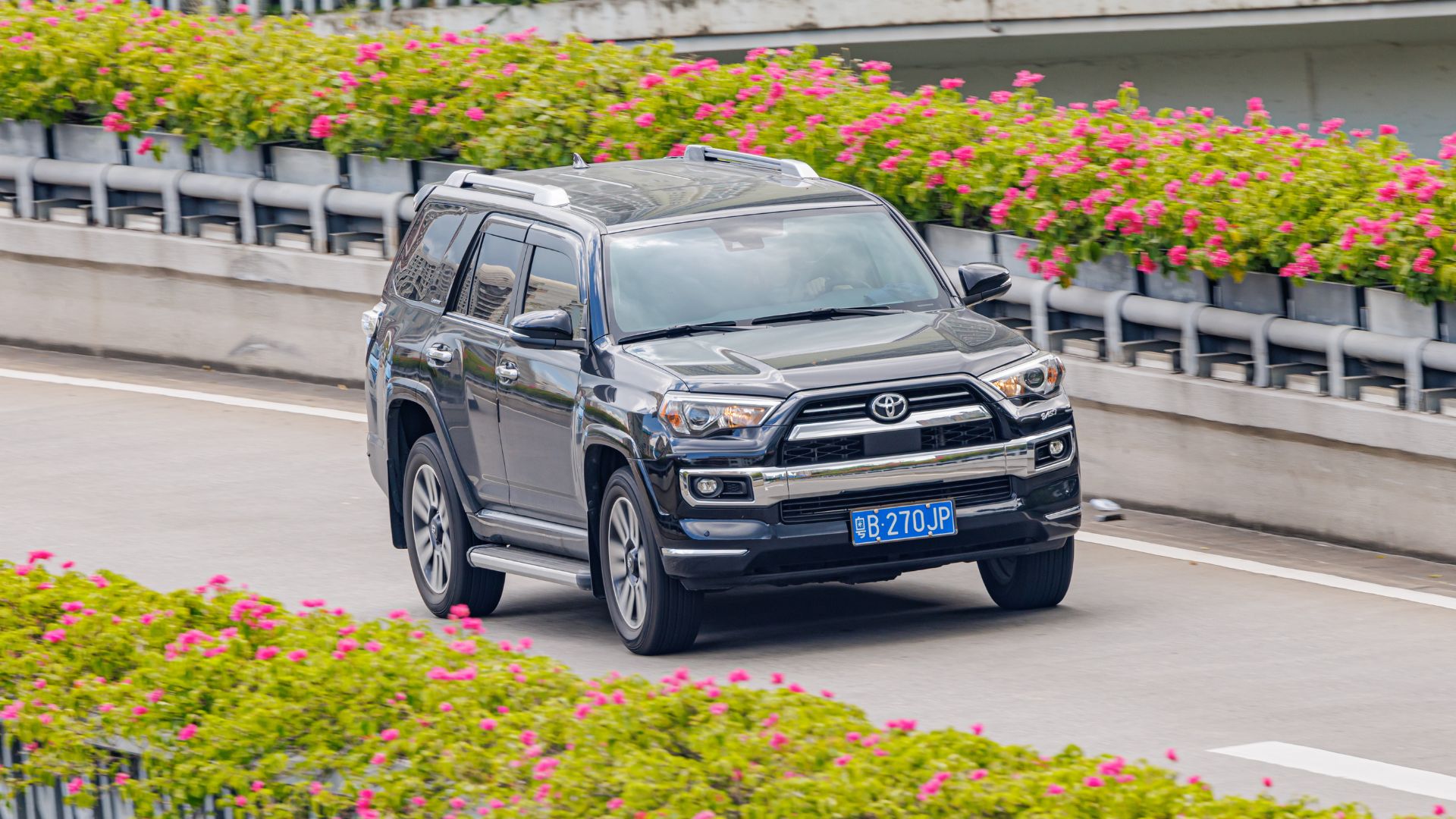
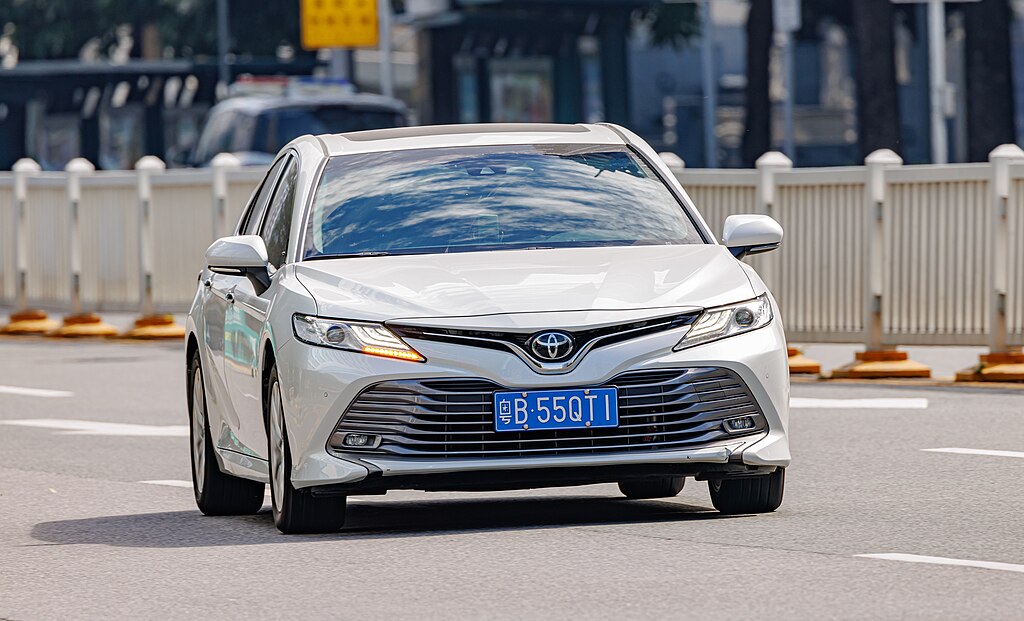
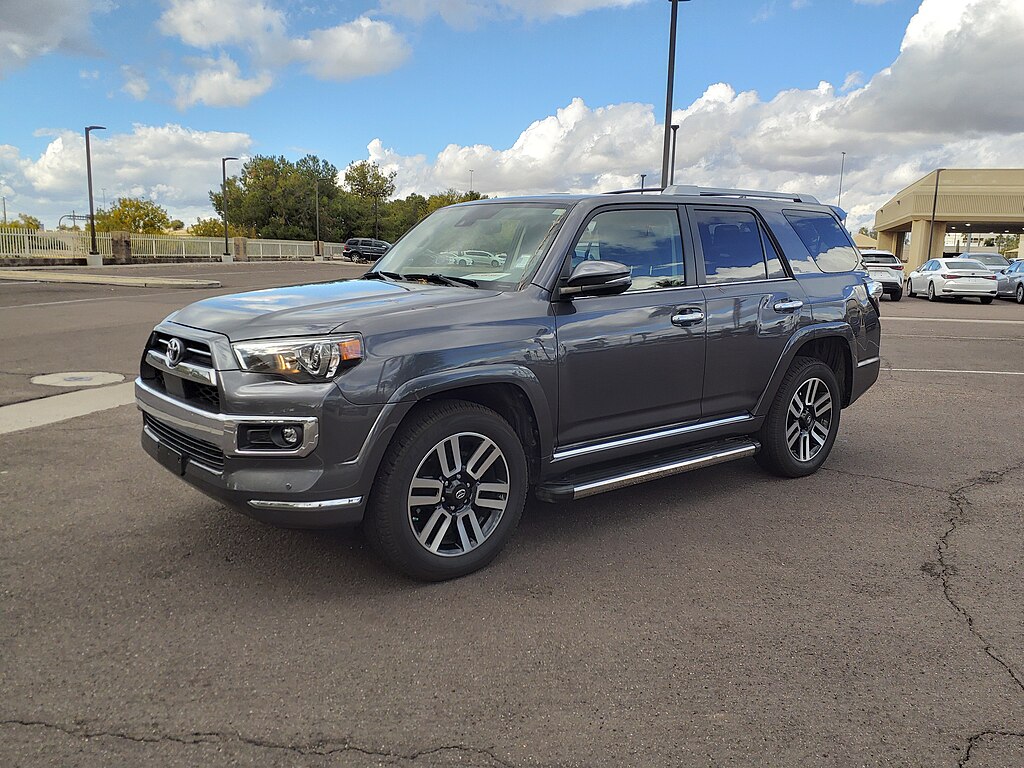
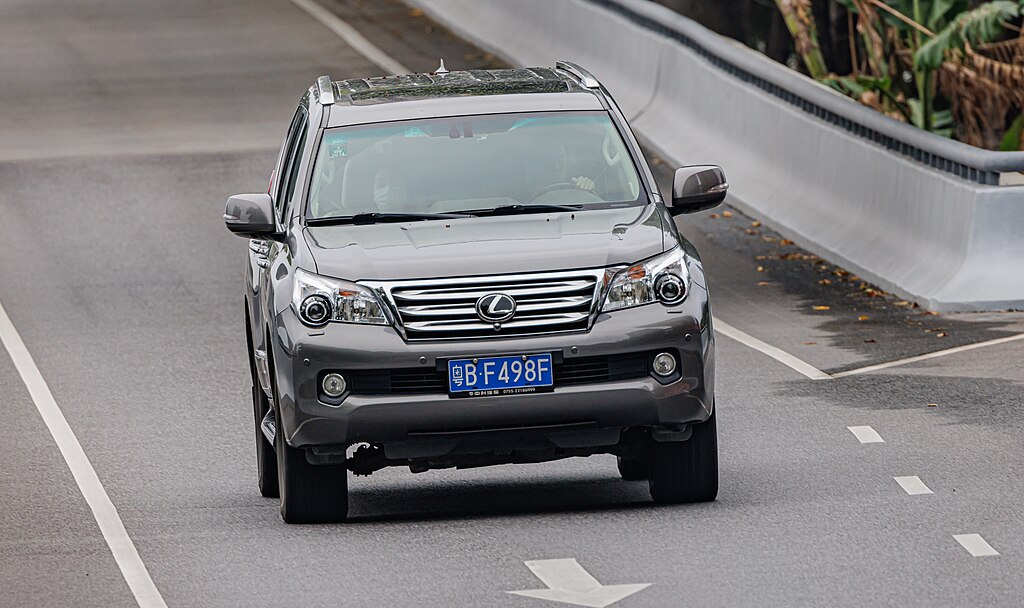
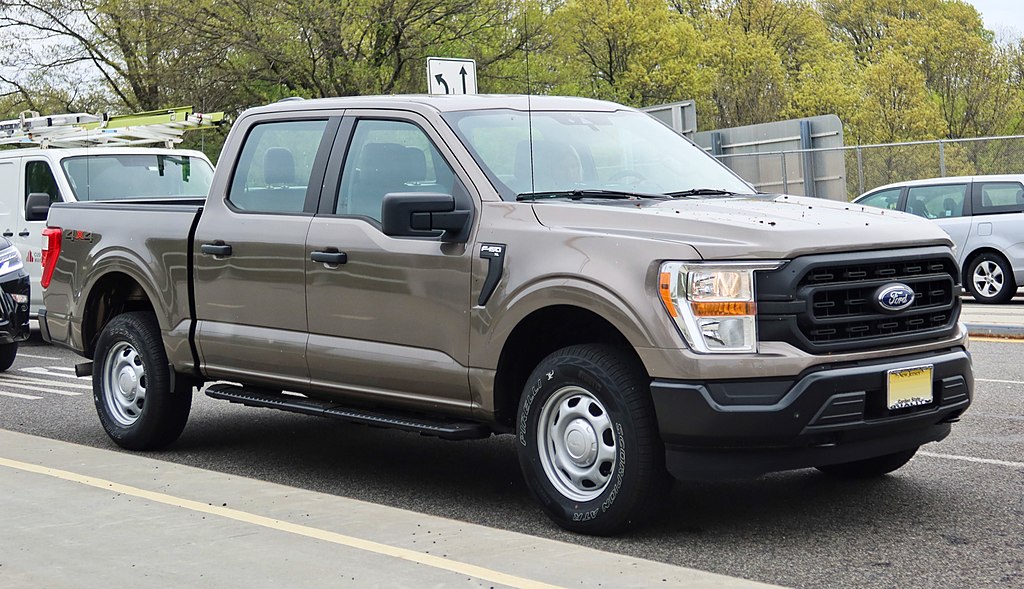
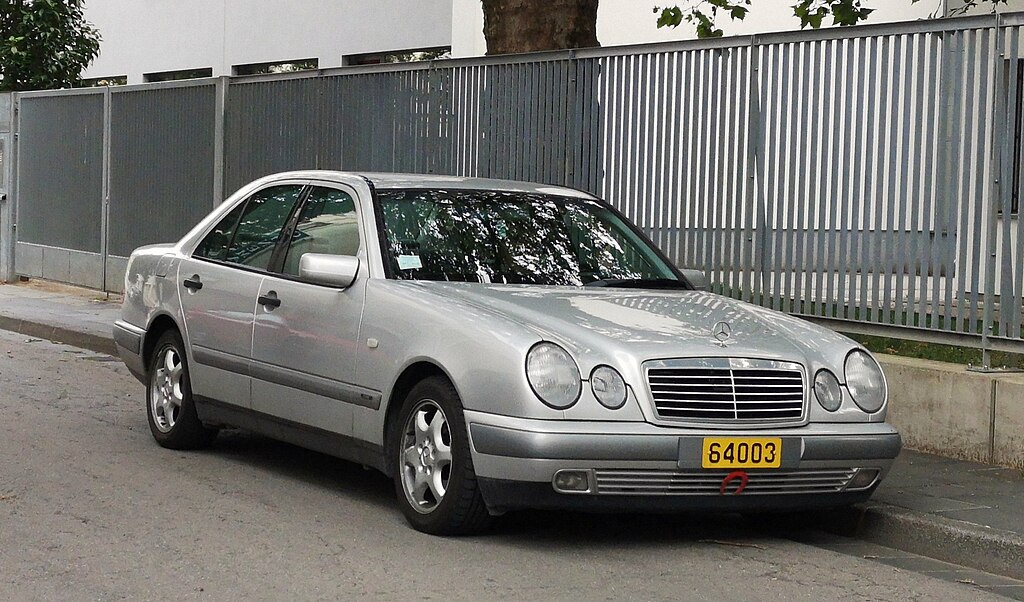
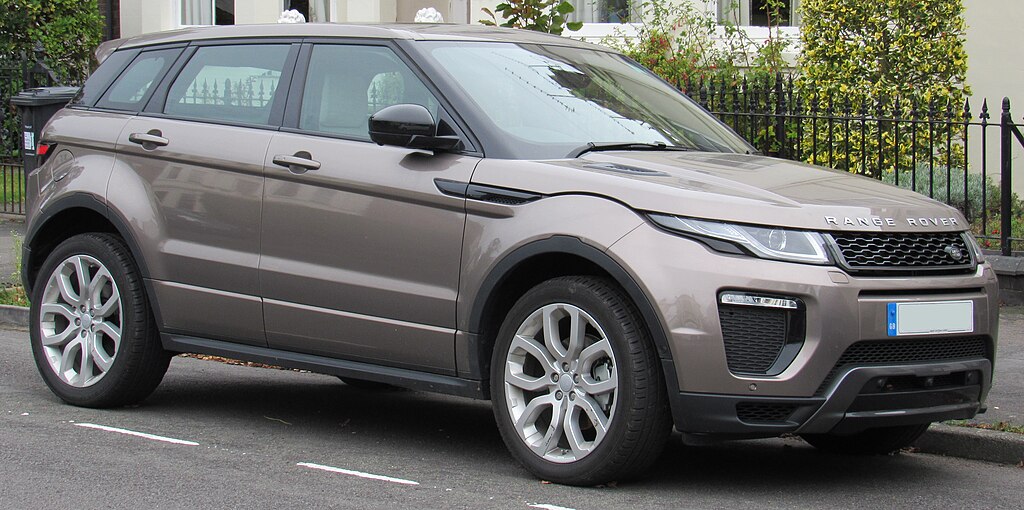
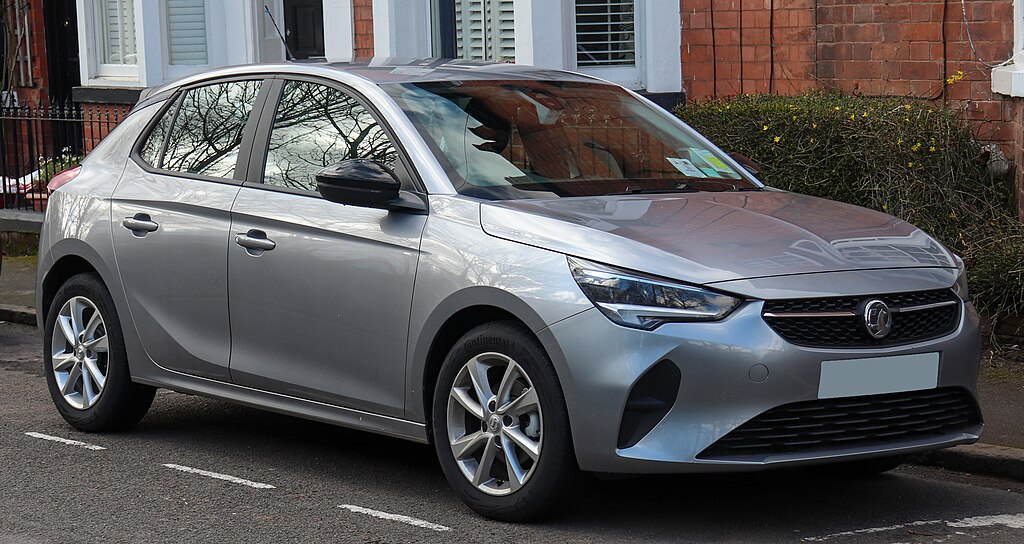
Autos erzählen Geschichten durch ihre Zuverlässigkeit. Die besten unter ihnen werden zu Familienlegenden, die von Generation zu Generation weitergegeben werden und auch nach 20 Jahren noch schnurren. Diese mechanischen Wunderwerke verdienen sich ihren Platz in den Einfahrten dank ihrer Zuverlässigkeit, ihrer beeindruckenden Kilometerleistung und ihrer einfachen Wartung. Einige Modelle sind zu Vorbildern für Autokäufer geworden, die eher für ihre Reparaturrechnungen als für ihre Leistung bekannt sind. Die Automobilwelt ist klar in diese beiden Lager gespalten, wodurch es eindeutige Gewinner und Fahrzeuge gibt, die man um jeden Preis meiden sollte. Hier sind die sieben zuverlässigsten Autos aller Zeiten sowie die sieben problematischsten Fahrzeuge.



The Plateau-Mont-Royal neighborhood is a playground for sweet tooths: small artisan shops, French patisseries, and specialty coffee shops line the bustling streets. Whether you’re looking for the perfect croissant, a melt-in-your-mouth kouign-amann, or a specialty coffee accompanied by homemade cake, this guide will help you find the neighborhood’s must-visit spots and plan a flawless gourmet stroll.

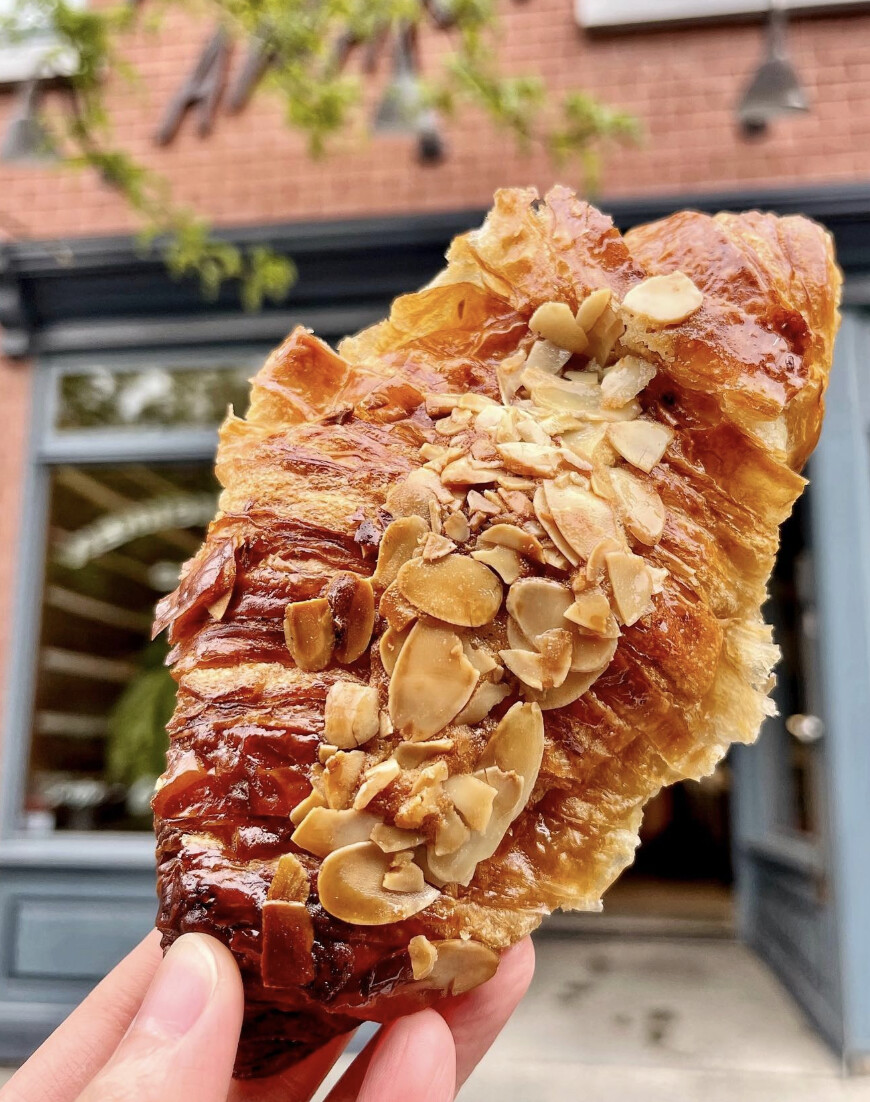
Boulangerie Guillaume — 2110 Mont-Royal Street East. A sure bet for breakfast: golden pastries, flaky croissants, and traditional breads. Locals flock here in the morning to pick up freshly baked goods. Don’t miss their pain au chocolat and ask for advice on bread or yeast doughs according to your preferences.
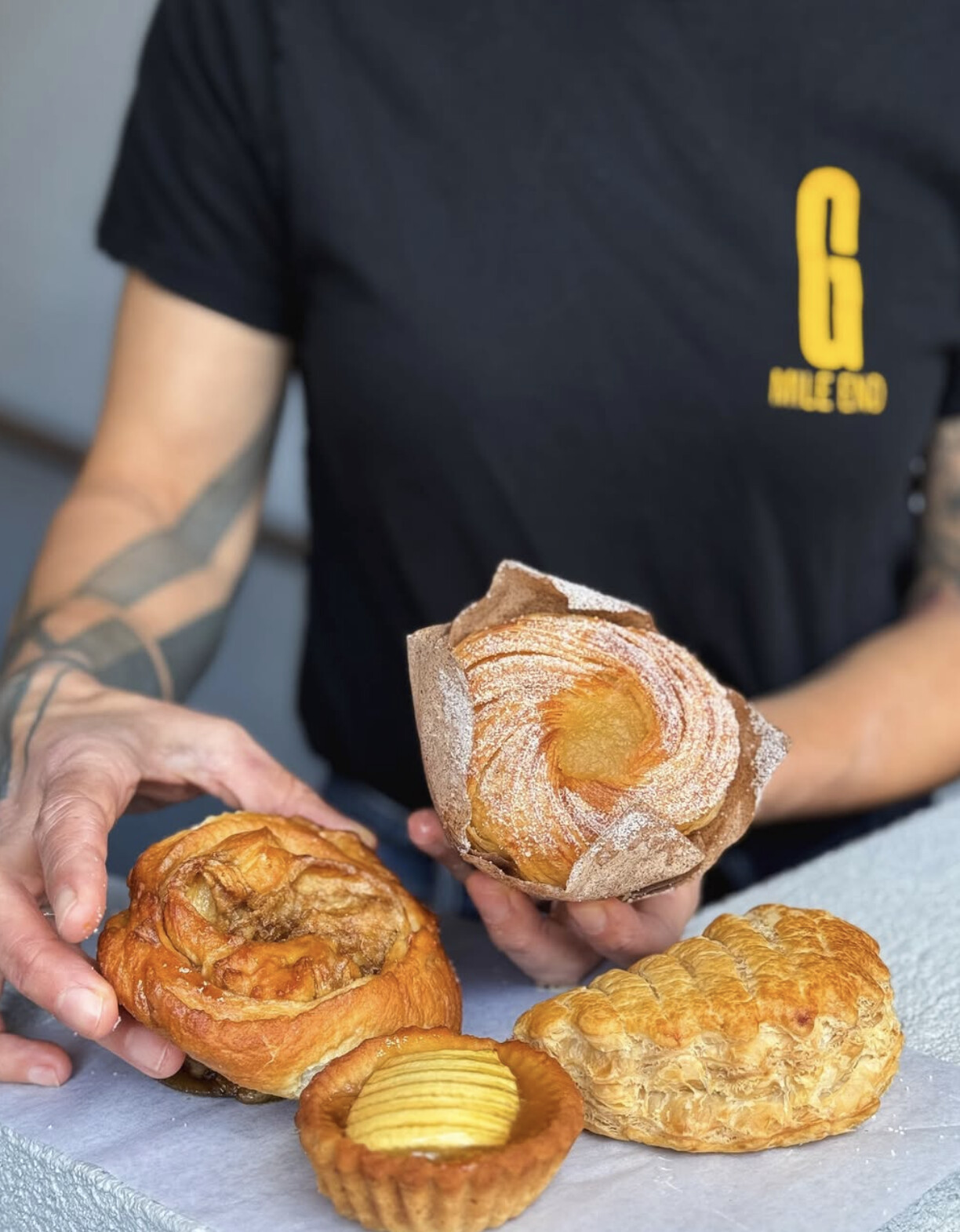
Le Petit Dépanneur — 170 Rachel Street East. More than just a coffee shop and convenience store, this place offers creative pastries and homemade desserts that are often seasonal: pies, brownies, and other treats made with fresh ingredients. The atmosphere is relaxed, ideal for a break between visits or for coffee on the terrace when the weather permits.

Mamie Clafoutis — 4088 Saint-Denis Street. A charming French patisserie offering classic treats such as clafoutis, tarts, and cakes made according to traditional recipes. It’s the perfect place for afternoon tea accompanied by generous, comforting pastries, with an atmosphere reminiscent of European tea rooms.

Café Neve — 2301 Saint-Laurent Boulevard (on the edge of the Plateau). Renowned for its specialty coffees, Café Neve also offers simple but perfectly executed desserts: cakes of the day, pastries, and small treats that change with the seasons. The bright space is ideal for working or enjoying a long coffee accompanied by a well-chosen pastry.

La Fabrique — 1924A Saint-Denis Street. A friendly pastry shop and café offering cakes, pastries, and original creations. La Fabrique focuses on high-quality ingredients and seasonal flavors, often offering surprising and indulgent options. Ideal for a sweet brunch with friends or for picking up a dessert to share.

Café Myriade — 1439 Mackay Street (Plateau border). A Montreal landmark for specialty coffee, Myriade also offers homemade pastries and cakes that pair perfectly with their espressos. The professional and relaxed atmosphere makes it a favorite spot for coffee lovers who are also looking for a quality treat to complement their drink.

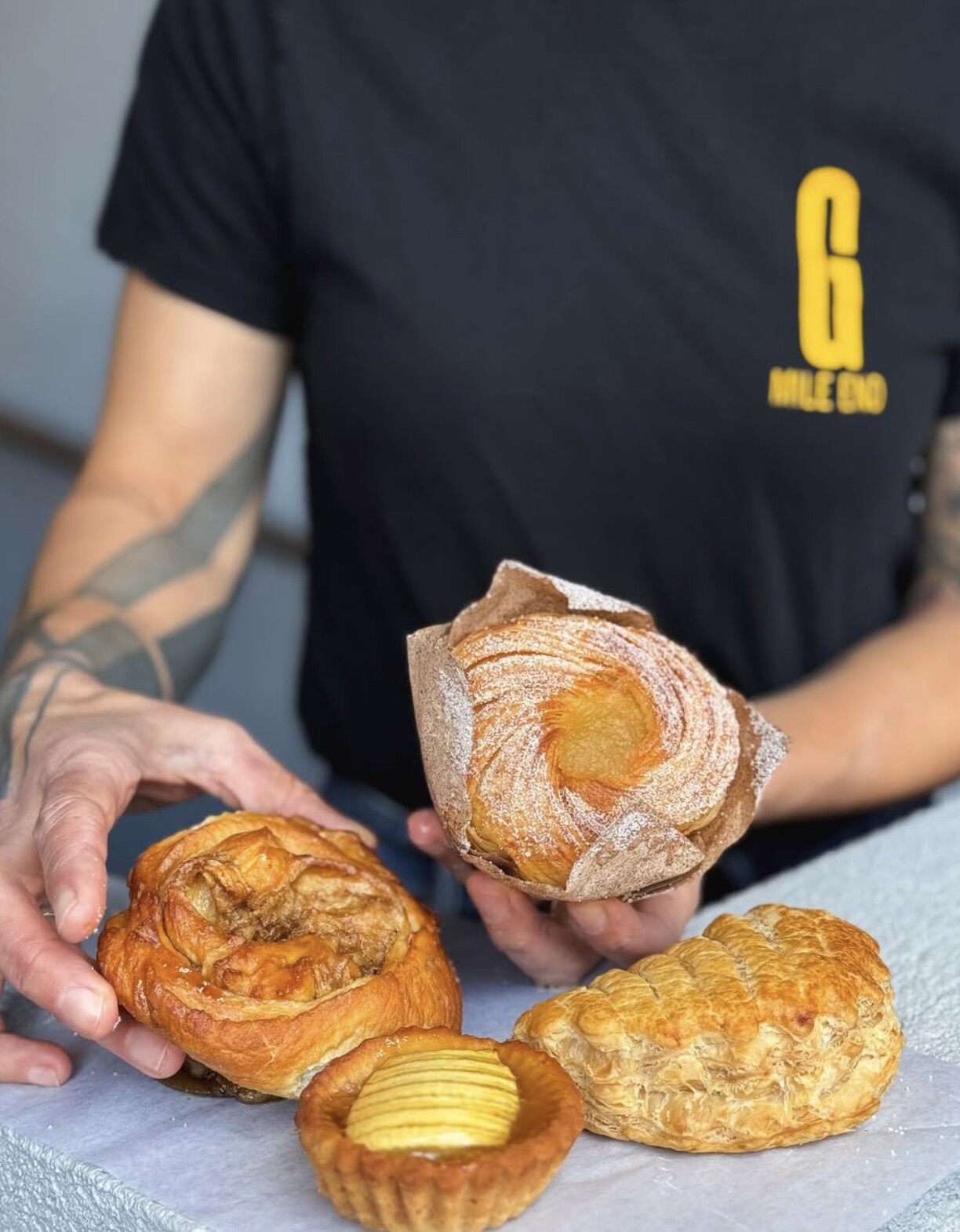
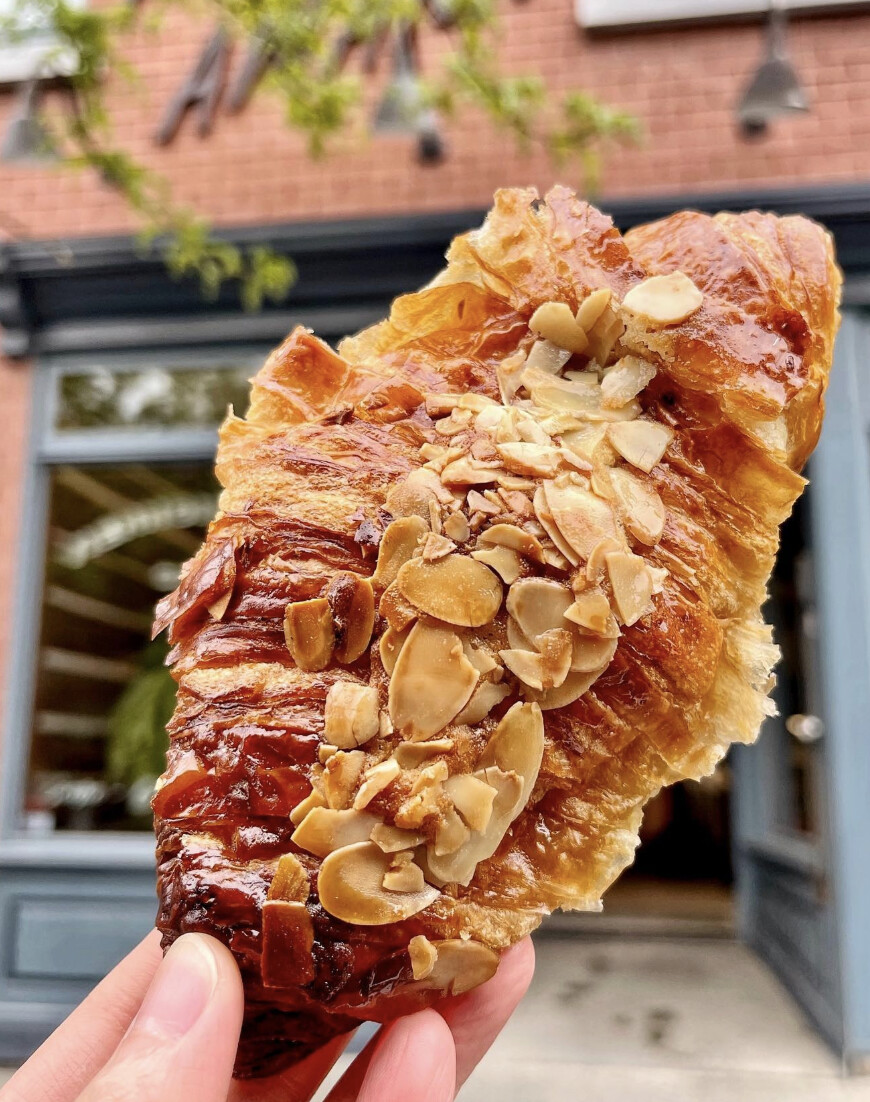
Au Kouign-Amann — 316 Mont-Royal Avenue East. Specializing in kouign-amann and French pastries, this bakery attracts customers with its buttery, caramelized products, including croissants and brioches made on site. Perfect for a sweet break to take away or enjoy on the spot after a stroll through the neighborhood.
Practical tips to make the most of your gourmet tour:
Whether you live in the Plateau or are just visiting, these places offer a great range of expertise: from French tradition to modern creations, there’s something for everyone. Don’t hesitate to venture outside the most touristy areas to discover gems loved by locals—often the best surprises are those found around a street corner.
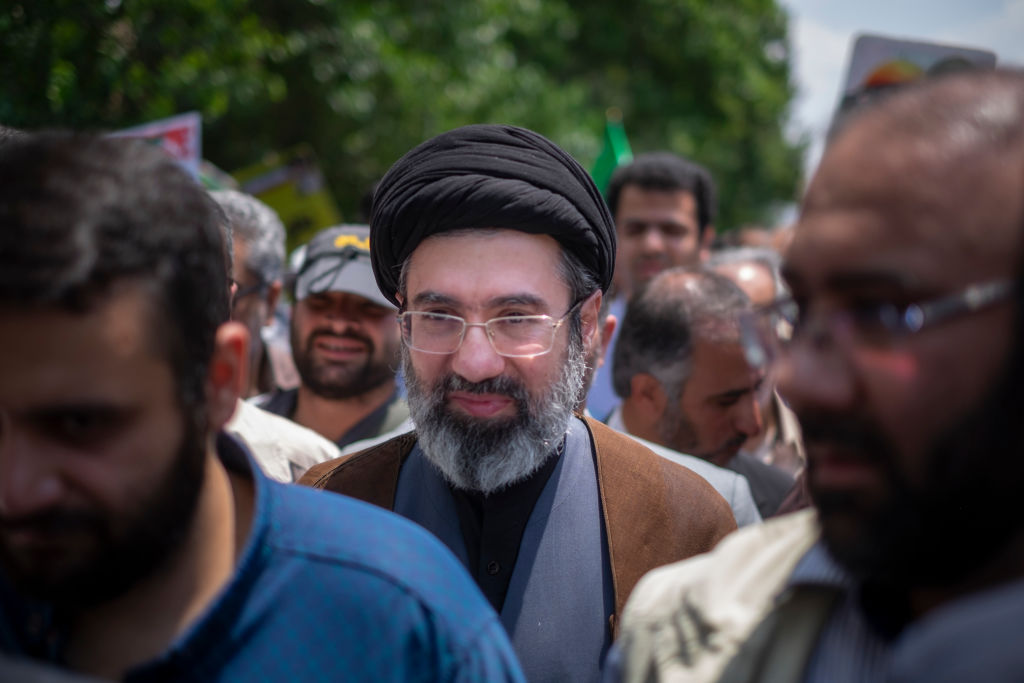
Iran has chosen a successor to the slain Ayatollah Ali Khamenei: his son, Mojtaba Khamenei. Iranian state media reported the selection on March 9.
Mojtaba Khamenei has not yet held an official government office and has never given a public speech or televised interview. Only a handful of photographs exist publicly of Mojtaba Khamenei. That being said, a WikiLeaks release from the late 2000’s claims Mojtaba has long been an influential figure in Iranian Parliament, calling him a forceful figure in the cabinet.
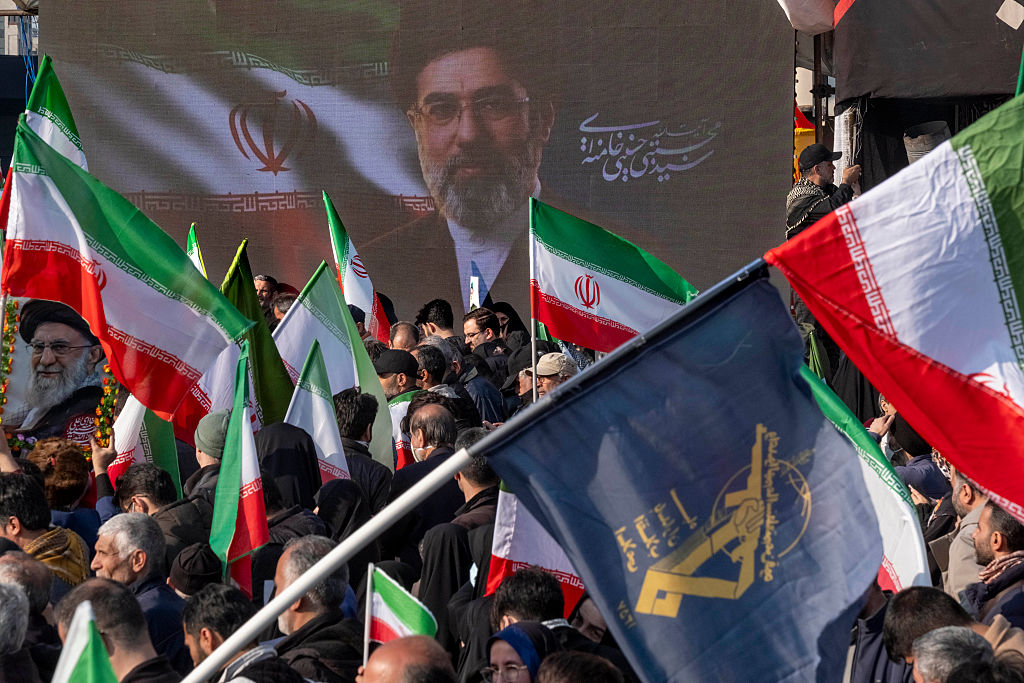
“The Ministry of Foreign Affairs and all diplomats of the Islamic Republic of Iran, declare their allegiance to the third Supreme Leader of the Islamic Revolution, renew their covenant with the Supreme Leader and the great nation of Iran.”
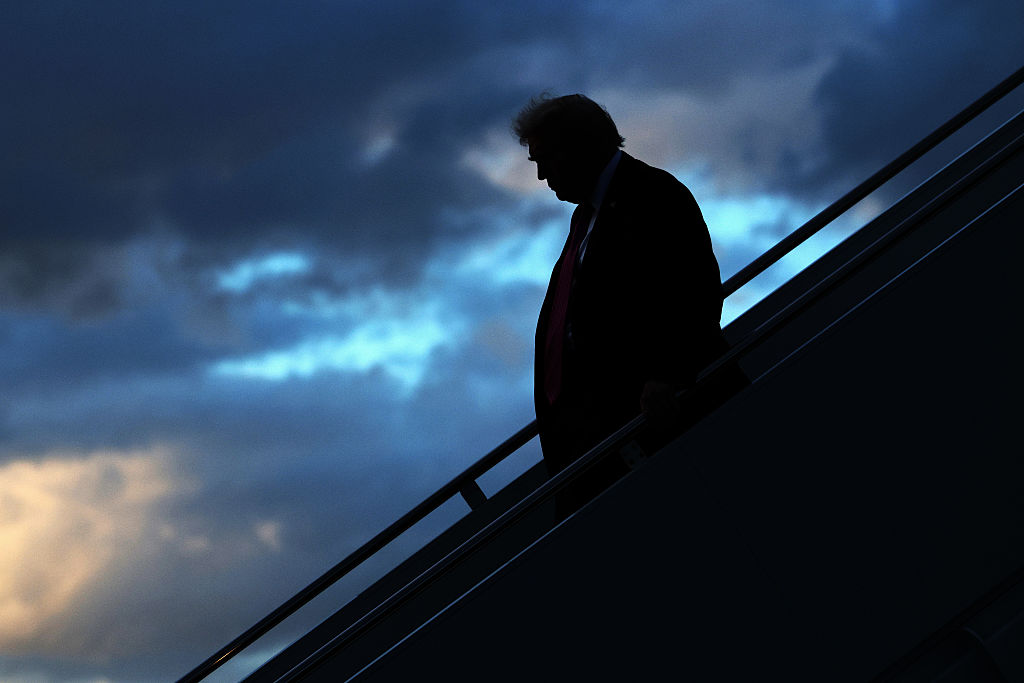
There are a handful of potential problems with the selection of Mojtaba Khamenei from a variety of parties. For Trump, it’s unclear whether the selection completes his directives. Trump reportedly told FOX News that he’s unhappy with the new selection, and Trump explicitly said We don’t want another Khamenei’. Whether he meant that literally or not is ambiguous, but Iran has quite literally selected another Khamenei to lead the country. For most Iranians, the selection represents more of the same behaviour from the far-right government. What makes the selection interesting is that Iranian Principlists may also take issue with it. The Islamic Republic’s ideology, when it was founded in 1979, promised selections based on religious meritocracy. Iranian Supreme Leaders are supposed to be elder, Islamic religious leaders. Instead, Iran has selected its next leader based on a system of hereditary succession.
Born on September 8, 1969, in the city of Mashhad, Mojtaba is the second-eldest of Ali Khamenei’s six children. Mojtaba was educated in Tehran and joined the military after secondary school at 17. Mojtaba served multiple stints in the Iranian military during the Iran-Iraq War. The war lasted from 1980 to 1988. The United States and its Western allies supported Iraq during the war, which began with an Iraqi invasion of Iran. Mojtaba attended seminary school at age 30, but he remains only a mid-level cleric in the church, something that will also work against him in the eyes of Principlists.
Media outlets and Iranian officials began referring to Mojtaba as ‘Ayatollah’ after the announcement. Ayatollah is a senior position in the clergy, but Mojtaba has not earned it. This exception was also made for his father, Ali Khamenei, when he rose to power in 1989.
While Mojtaba has largely kept a low profile, this is not the first time his name has been entrenched in Iranian politics. During Iran’s 2005 presidential election, Mojtaba Khamenei’s name came into circulation after the victory of Mahmoud Ahmadinejad, a populist hardliner. Mojtaba was accused of interfering in the election of reformist candidate Mehdi Karroubi. Mojtaba was accused of interfering in the vote using his influence in the Islamic Revolutionary Guard Corps (IRGC) and the Basij militia. According to Karroubi’s letter to Mojtaba, he organized money to be circulated to religious groups in order to help Ahmadinejad win.
Four years later, Mojtaba faced the same accusation. Ahmadinejad was re-elected in 2009, and the election triggered mass protests across the country, known as the Green Movement. Some protesters chanted slogans opposing the idea that Mojtaba could succeed his father as Iran’s supreme leader. Then-deputy interior minister Mostafa Tajzadeh was imprisoned for seven years following the riots. Tajzadeh claimed his imprisonment was at the wish of Mojtaba Khamenei.
On February 28, 2026, the US government and Israel undertook a joint operation in Iran, with the US subsequently declaring it was at war with the country. The attacks triggered retaliatory strikes from Iran, targeting US and Israeli military bases across the Middle East. According to Donald Trump, there is no timeline for this war, and the US will continue its operations in the country until it sees a significant regime change, as well as an end to Iran’s supposed nuclear program.
US and Israeli strikes killed Iran’s Supreme Leader, Ali Khamenei, on Day One of the war, completing Trump’s supposed goal. Khamenei has been using deadly violence against civilian protesters in Tehran, and his killing has been the only positive piece of Donald Trump’s illegal intervention. Donald Trump changed his reasoning for attacking Iran after Khamenei’s death, instead claiming he attacked Iran because he had certain information that Iran was going to attack Israel and the United States. Israel calls the strategy ‘forward defence’.
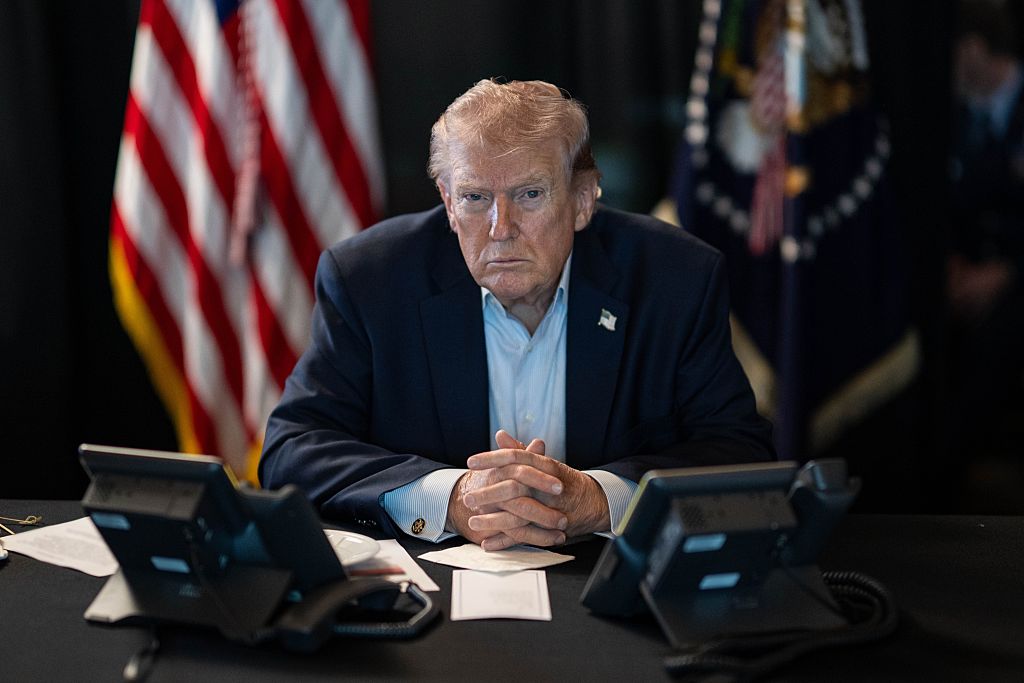
Now Lebanon and the rest of the Gulf countries have been sucked into the conflict. Iran has struck US infrastructure in nine different nations, and the Lebanese-based, Iranian-funded group Hezbollah has announced it’s ready for open war with Israel. With experts expecting Mojtaba Khamenei to continue in his father’s footsteps as a hardline, tyrannical leader, Donald Trump’s war on Iran is far from over.
In fact, he even described the nomination as a «big mistake»…
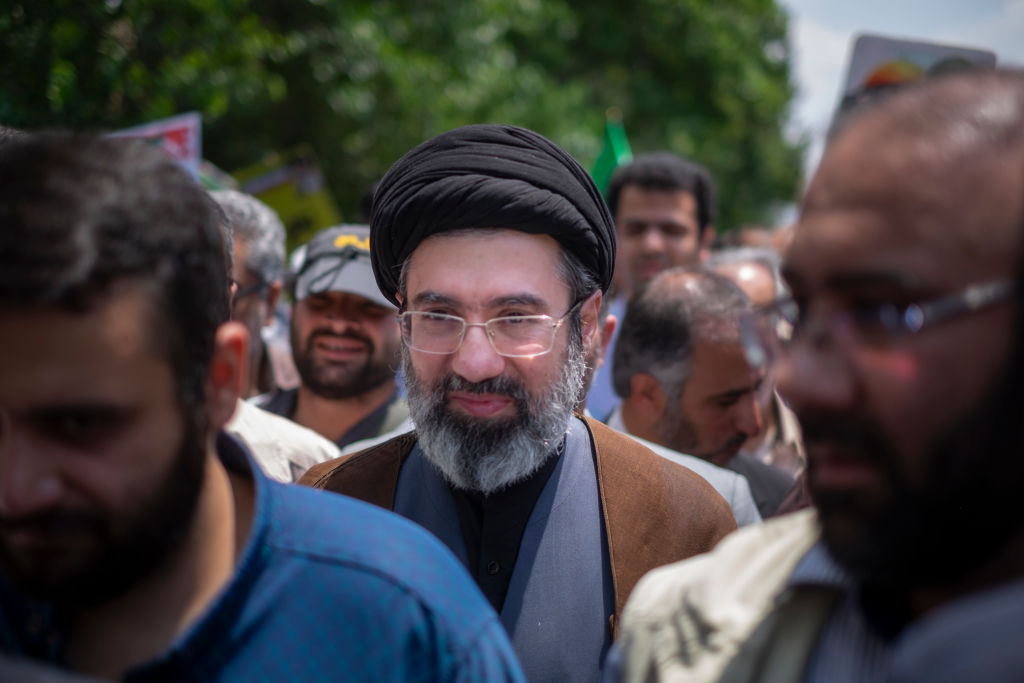
L’Iran a choisi le successeur de l’ayatollah Ali Khamenei, assassiné : son fils, Mojtaba Khamenei. Les médias d’État iraniens ont annoncé cette nomination le 9 mars.
Mojtaba Khamenei n’a encore jamais occupé de fonction officielle au sein du gouvernement et n’a jamais prononcé de discours public ni donné d’interview télévisée. Il n’existe qu’une poignée de photos publiques de Mojtaba Khamenei. Cela dit, une publication de WikiLeaks datant de la fin des années 2000 affirme que Mojtaba est depuis longtemps une figure influente au sein du Parlement iranien, le qualifiant de personnalité influente au sein du cabinet.
« Le ministère des Affaires étrangères et tous les diplomates de la République islamique d’Iran déclarent leur allégeance au troisième Guide suprême de la révolution islamique et renouvellent leur alliance avec le Guide suprême et la grande nation iranienne. »
La sélection de Mojtaba Khamenei soulève plusieurs problèmes potentiels pour diverses parties. Pour Trump, il n’est pas certain que cette sélection réponde à ses directives. Trump aurait déclaré à FOX News qu’il n’était pas satisfait de ce nouveau choix, et il a explicitement déclaré : « Nous ne voulons pas d’un autre Khamenei ». Il est difficile de savoir s’il l’a dit littéralement ou non, mais l’Iran a littéralement choisi un autre Khamenei pour diriger le pays. Pour la plupart des Iraniens, ce choix représente une continuation du comportement du gouvernement d’extrême droite. Ce qui rend ce choix intéressant, c’est que les principistes iraniens pourraient également le contester. Lors de sa fondation en 1979, l’idéologie de la République islamique promettait des sélections basées sur la méritocratie religieuse. Les guides suprêmes iraniens sont censés être des chefs religieux islamiques âgés. Au lieu de cela, l’Iran a sélectionné son prochain dirigeant sur la base d’un système de succession héréditaire.
Né le 8 septembre 1969 dans la ville de Mashhad, Mojtaba est le deuxième des six enfants d’Ali Khamenei. Mojtaba a fait ses études à Téhéran et s’est engagé dans l’armée après ses études secondaires, à l’âge de 17 ans. Mojtaba a servi à plusieurs reprises dans l’armée iranienne pendant la guerre Iran-Irak. La guerre a duré de 1980 à 1988. Les États-Unis et leurs alliés occidentaux ont soutenu l’Irak pendant la guerre, qui a commencé par l’invasion de l’Iran par l’Irak. Mojtaba a fréquenté le séminaire à l’âge de 30 ans, mais il n’est toujours qu’un ecclésiastique de niveau intermédiaire dans l’Église, ce qui jouera également en sa défaveur aux yeux des principistes.
Les médias et les responsables iraniens ont commencé à appeler Mojtaba « ayatollah » après l’annonce. L’ayatollah est un poste élevé dans la hiérarchie religieuse, mais Mojtaba ne l’a pas mérité. Cette exception avait également été faite pour son père, Ali Khamenei, lorsqu’il est arrivé au pouvoir en 1989.
Bien que Mojtaba ait largement fait profil bas, ce n’est pas la première fois que son nom est associé à la politique iranienne. Lors de l’élection présidentielle iranienne de 2005, le nom de Mojtaba Khamenei a commencé à circuler après la victoire de Mahmoud Ahmadinejad, un populiste radical. Mojtaba a été accusé d’avoir interféré dans l’élection du candidat réformiste Mehdi Karroubi. Mojtaba a été accusé d’avoir influencé le vote en utilisant son influence au sein du Corps des gardiens de la révolution islamique (CGRI) et de la milice Basij. Selon la lettre adressée par Karroubi à Mojtaba, ce dernier aurait organisé la distribution d’argent à des groupes religieux afin d’aider Ahmadinejad à remporter l’élection. Quatre ans plus tard, Mojtaba a fait l’objet de la même accusation. Ahmadinejad a été réélu en 2009, et l’élection a déclenché des manifestations de masse dans tout le pays, connues sous le nom de Mouvement vert. Certains manifestants ont scandé des slogans s’opposant à l’idée que Mojtaba puisse succéder à son père en tant que guide suprême de l’Iran. Le vice-ministre de l’Intérieur de l’époque, Mostafa Tajzadeh, a été emprisonné pendant sept ans à la suite des émeutes. Tajzadeh a affirmé que son emprisonnement était le souhait de Mojtaba Khamenei.
Le 28 février 2026, le gouvernement américain et Israël ont mené une opération conjointe en Iran, les États-Unis déclarant par la suite qu’ils étaient en guerre avec ce pays. Les attaques ont déclenché des représailles de la part de l’Iran, qui a pris pour cible des bases militaires américaines et israéliennes à travers le Moyen-Orient. Selon Donald Trump, cette guerre n’a pas de calendrier précis et les États-Unis poursuivront leurs opérations dans le pays jusqu’à ce qu’ils constatent un changement de régime significatif et la fin du programme nucléaire présumé de l’Iran.
Les frappes américaines et israéliennes ont tué le guide suprême iranien, Ali Khamenei, dès le premier jour de la guerre, accomplissant ainsi l’objectif supposé de Trump. Khamenei a recouru à une violence meurtrière contre les manifestants civils à Téhéran, et son assassinat a été le seul élément positif de l’intervention illégale de Donald Trump. Donald Trump a changé son raisonnement pour attaquer l’Iran après la mort de Khamenei, affirmant à la place qu’il avait attaqué l’Iran parce qu’il disposait d’informations certaines selon lesquelles l’Iran allait attaquer Israël et les États-Unis. Israël appelle cette stratégie « défense avancée ».
Aujourd’hui, le Liban et les autres pays du Golfe ont été entraînés dans le conflit. L’Iran a frappé des infrastructures américaines dans neuf pays différents, et le Hezbollah, groupe basé au Liban et financé par l’Iran, a annoncé qu’il était prêt à entrer en guerre ouverte contre Israël. Les experts s’attendant à ce que Mojtaba Khamenei suive les traces de son père en tant que dirigeant tyrannique et intransigeant, la guerre de Donald Trump contre l’Iran est loin d’être terminée.
En fait, il a même qualifié cette nomination de « grave erreur »…
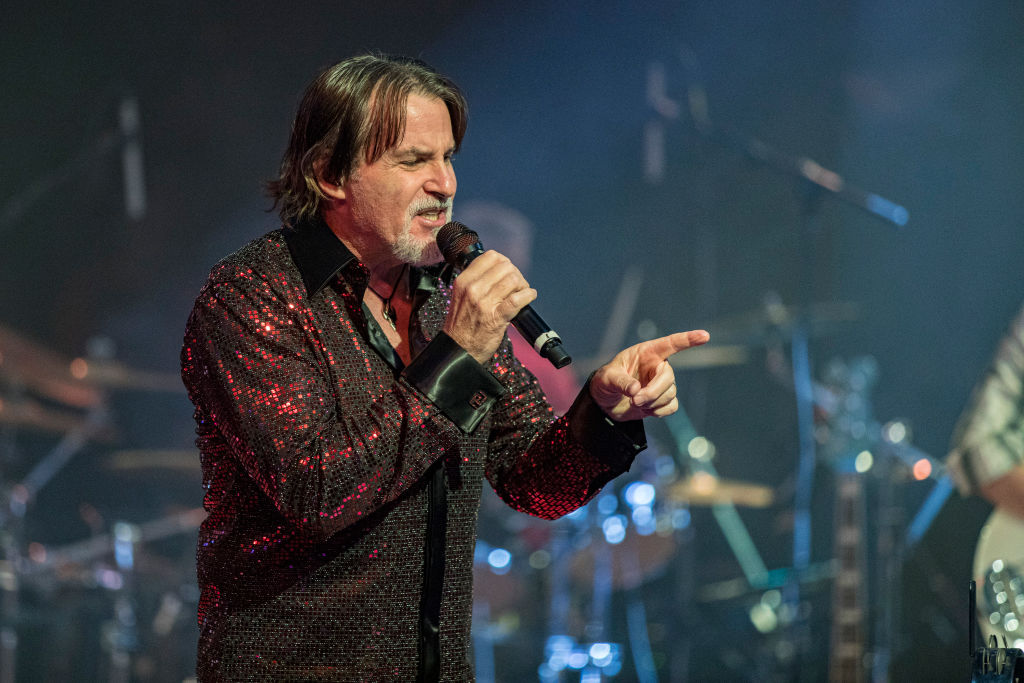
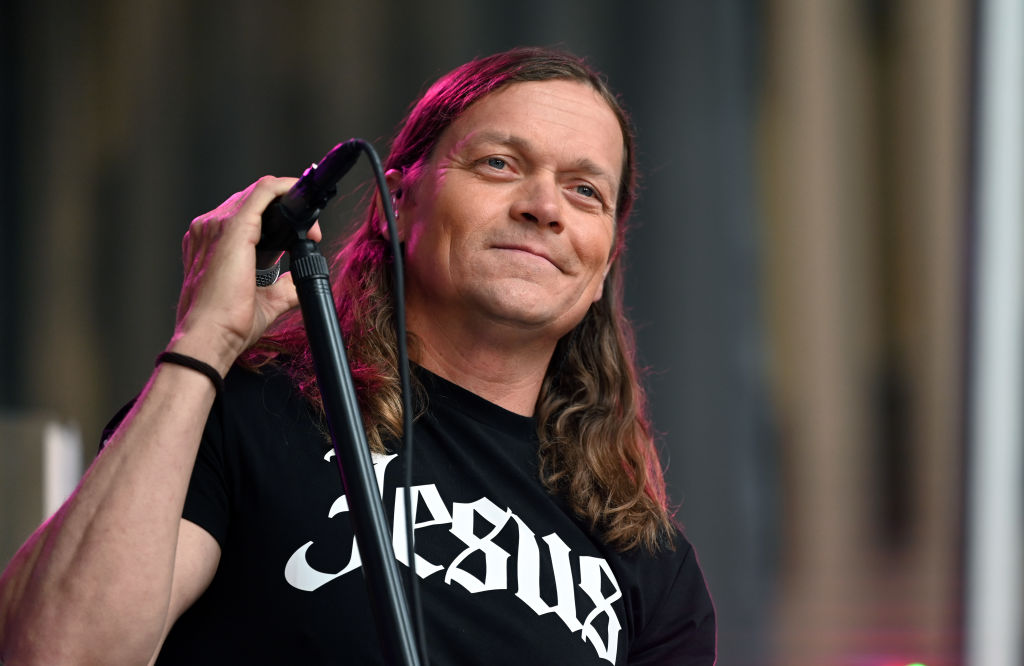
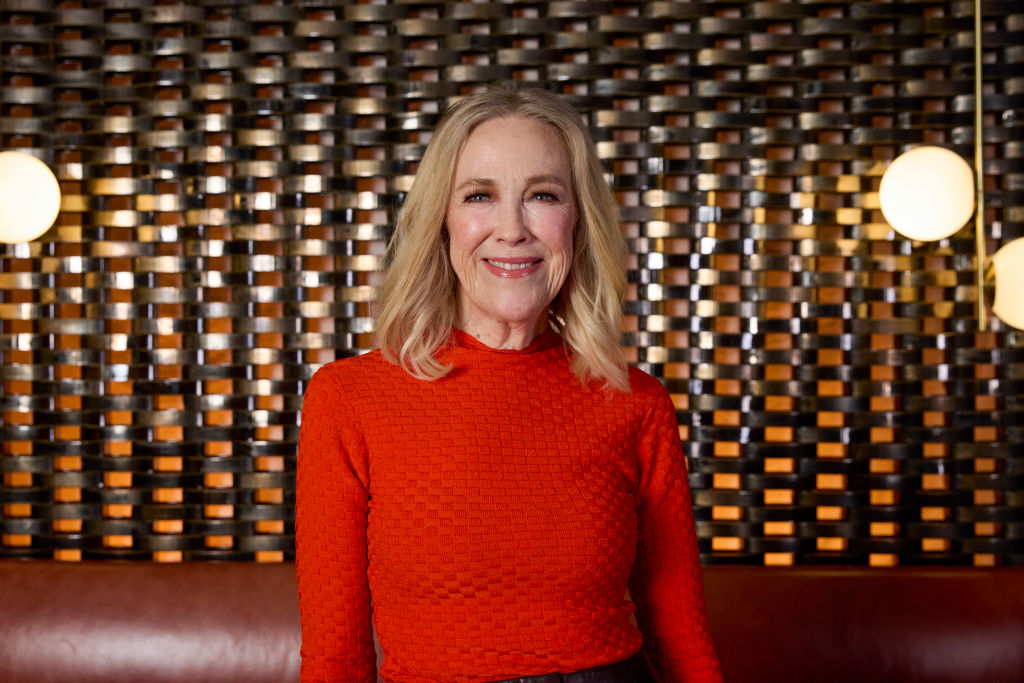
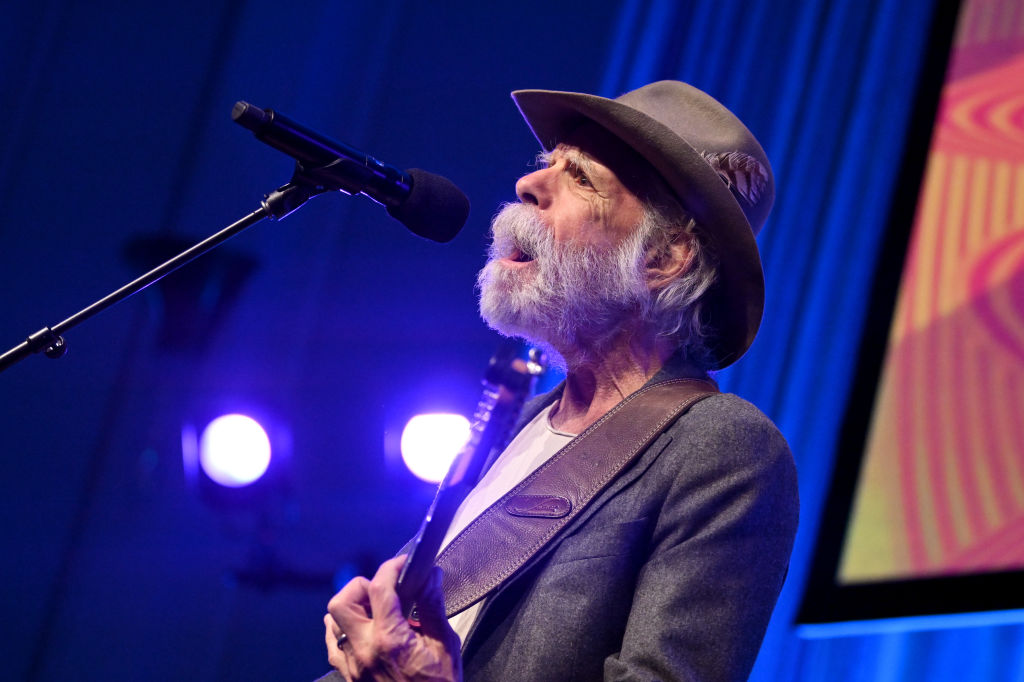
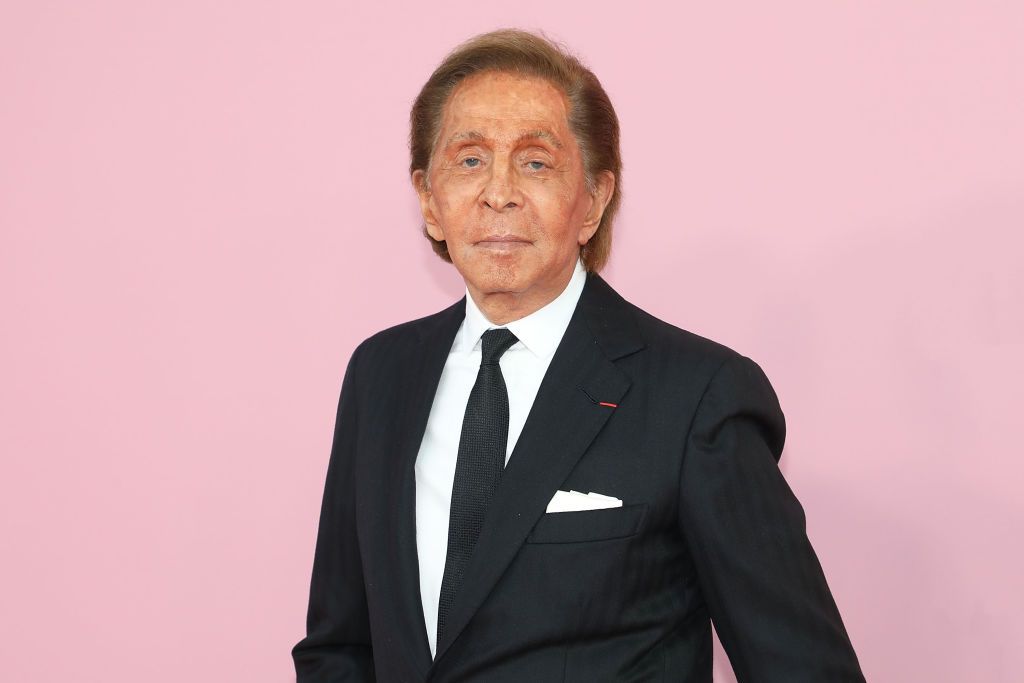
L’année 2026 a été marquée par la disparition de nombreuses personnalités qui ont laissé une empreinte durable sur notre société. Artistes, créateurs, figures publiques, penseurs ou athlètes, chacun et chacune a contribué, à sa manière, à façonner notre époque et notre imaginaire collectif. Ce projet In memoriam rend hommage à celles et ceux qui nous ont quittés au cours de l’année. À travers ces souvenirs, nous prenons un moment pour nous rappeler leur influence, célébrer leur apport et honorer des vies qui continueront de résonner bien au-delà de leur absence.
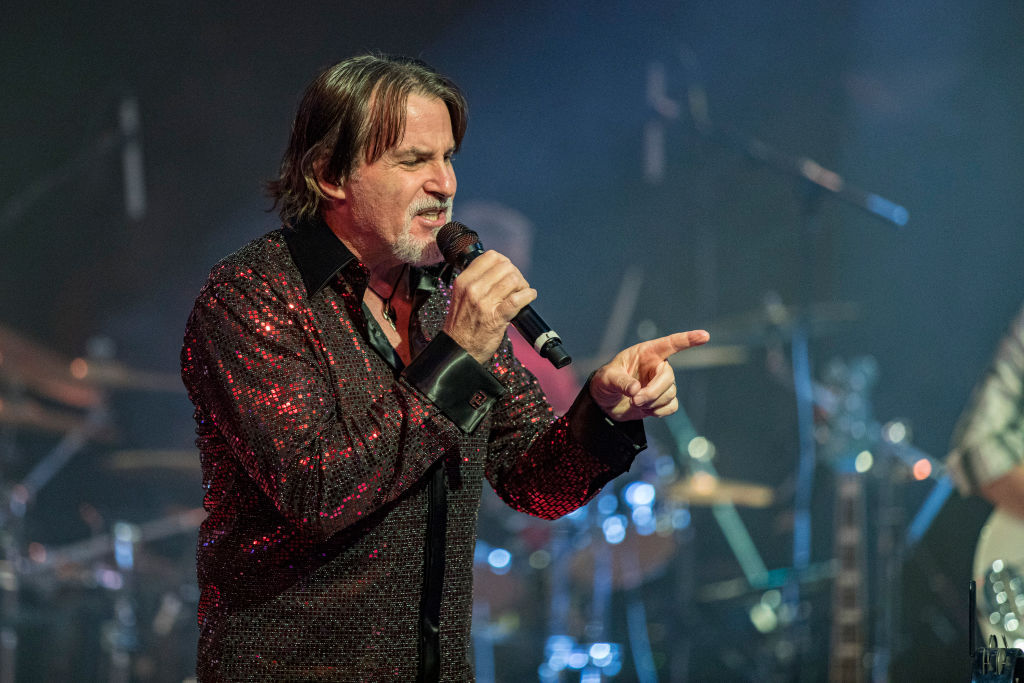
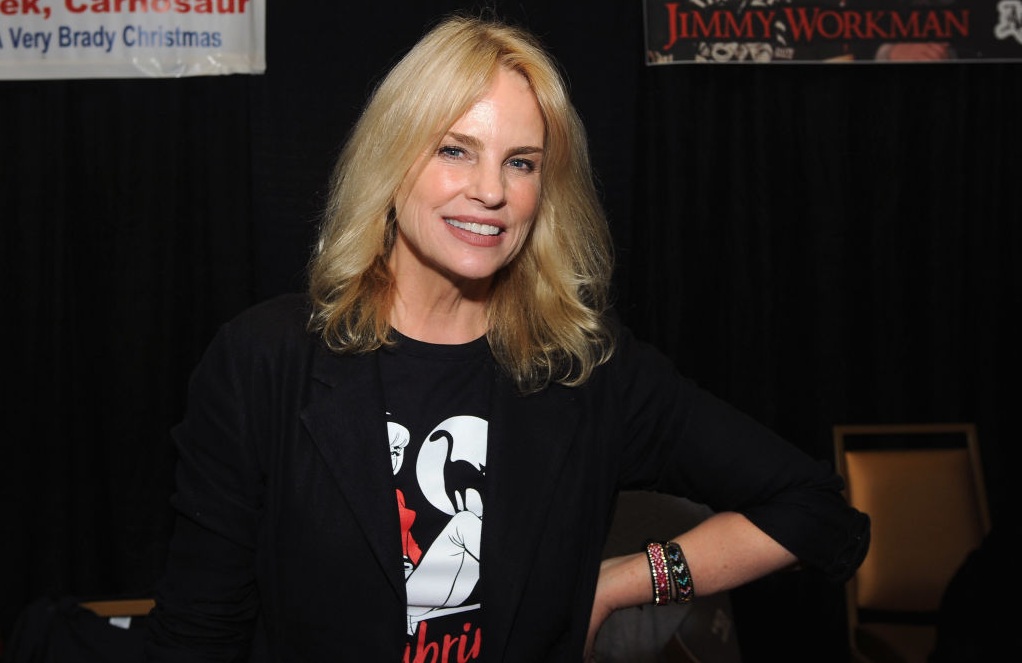
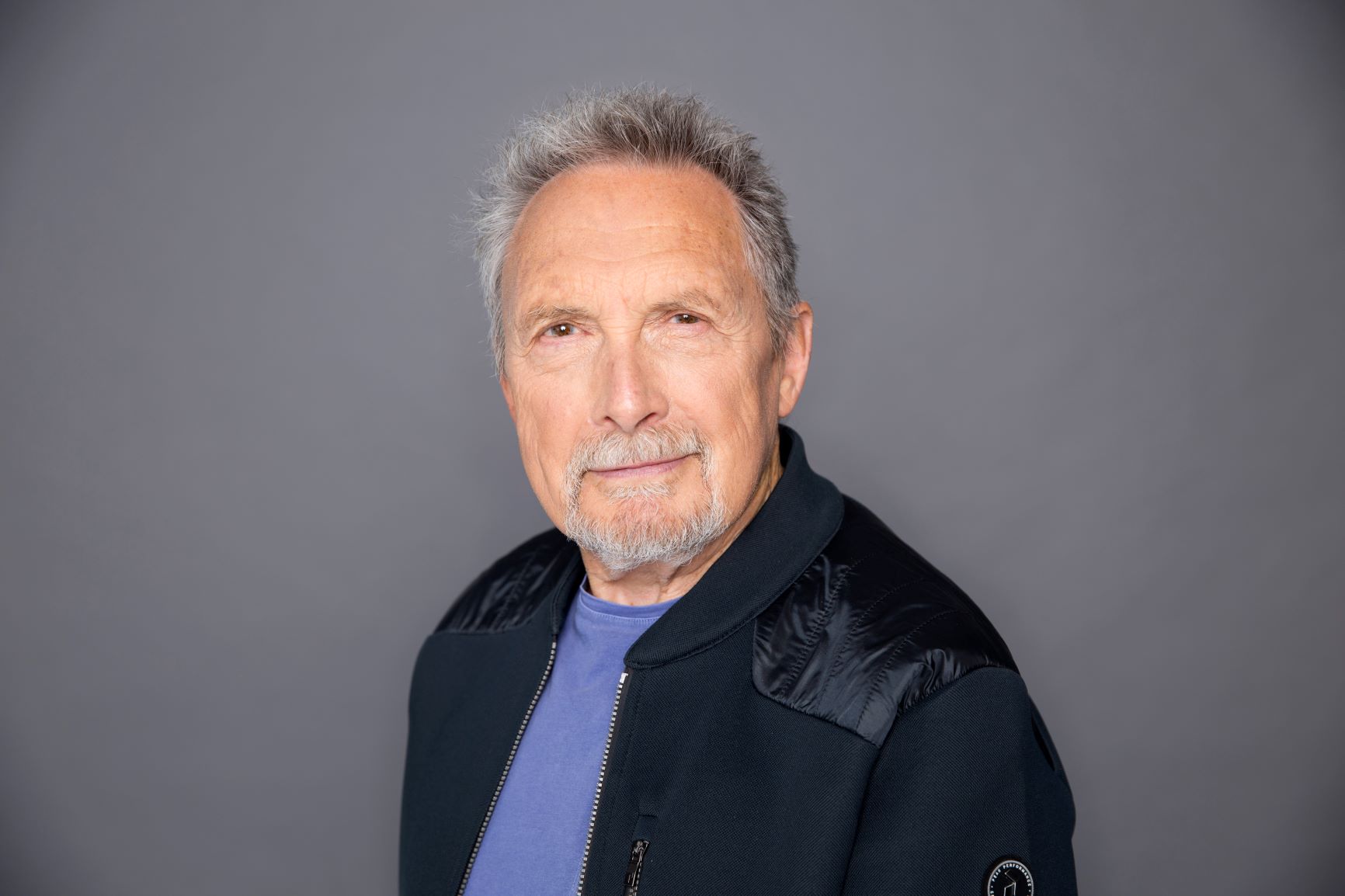

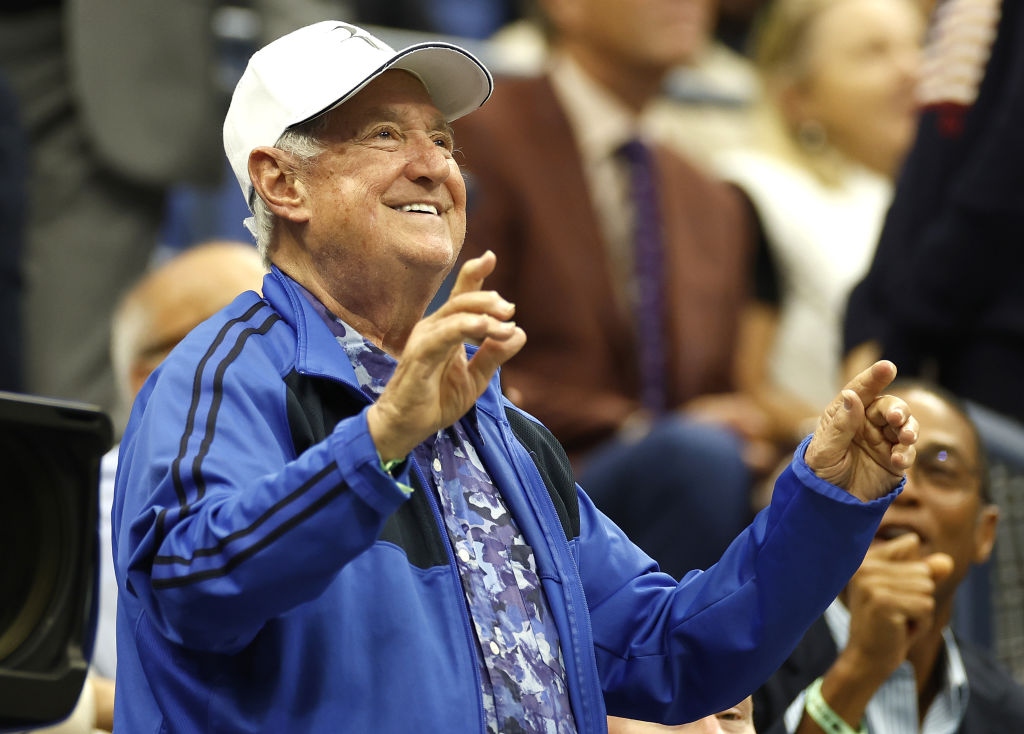
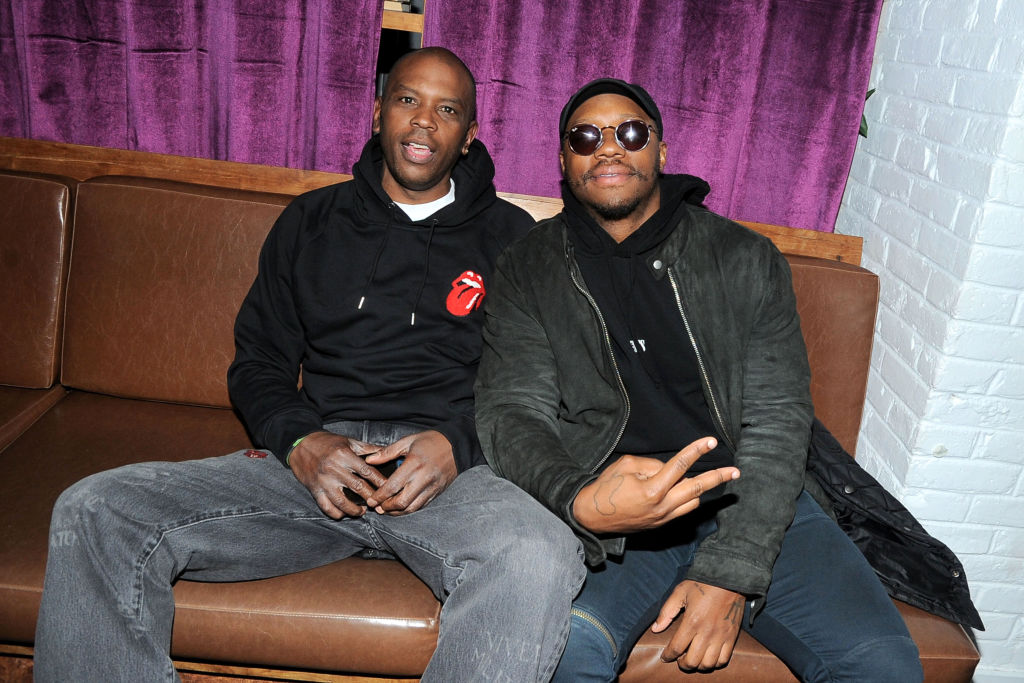
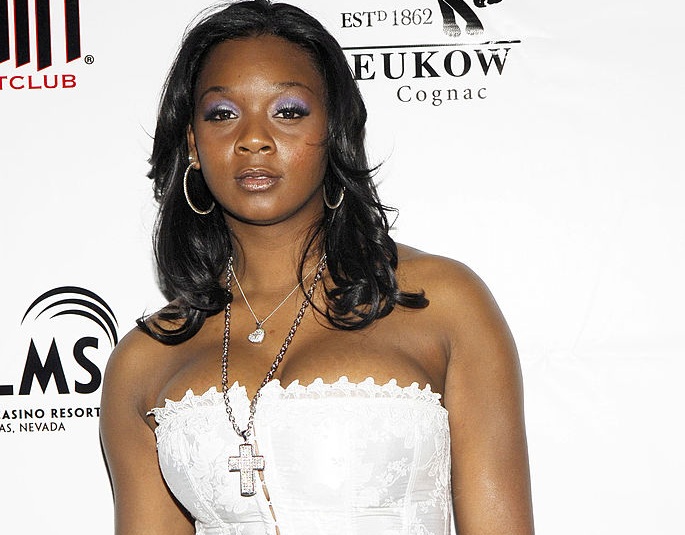
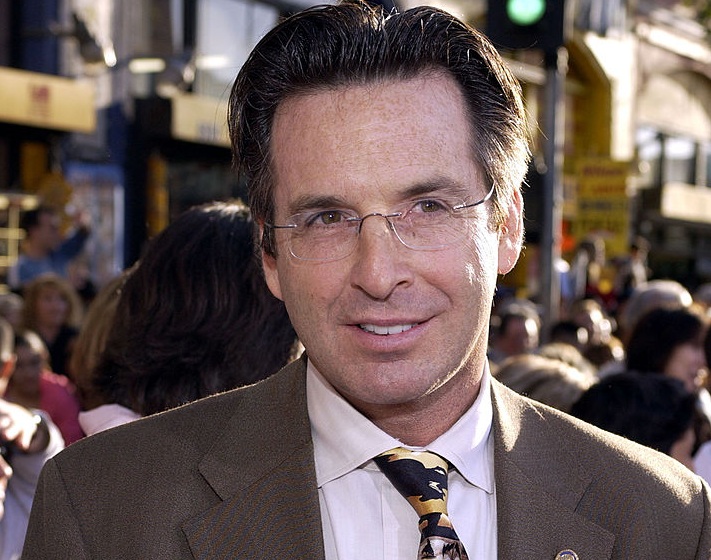
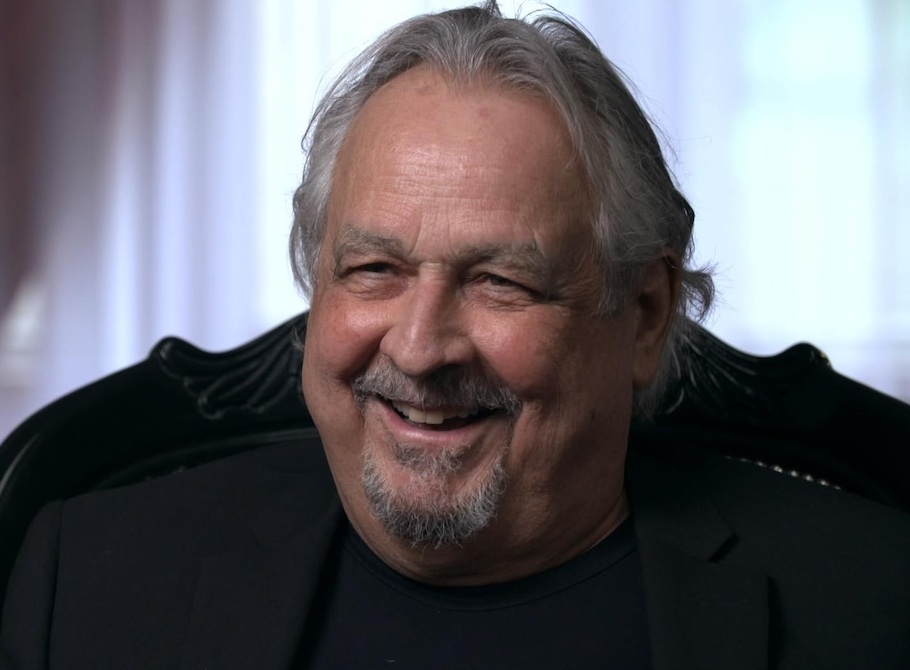
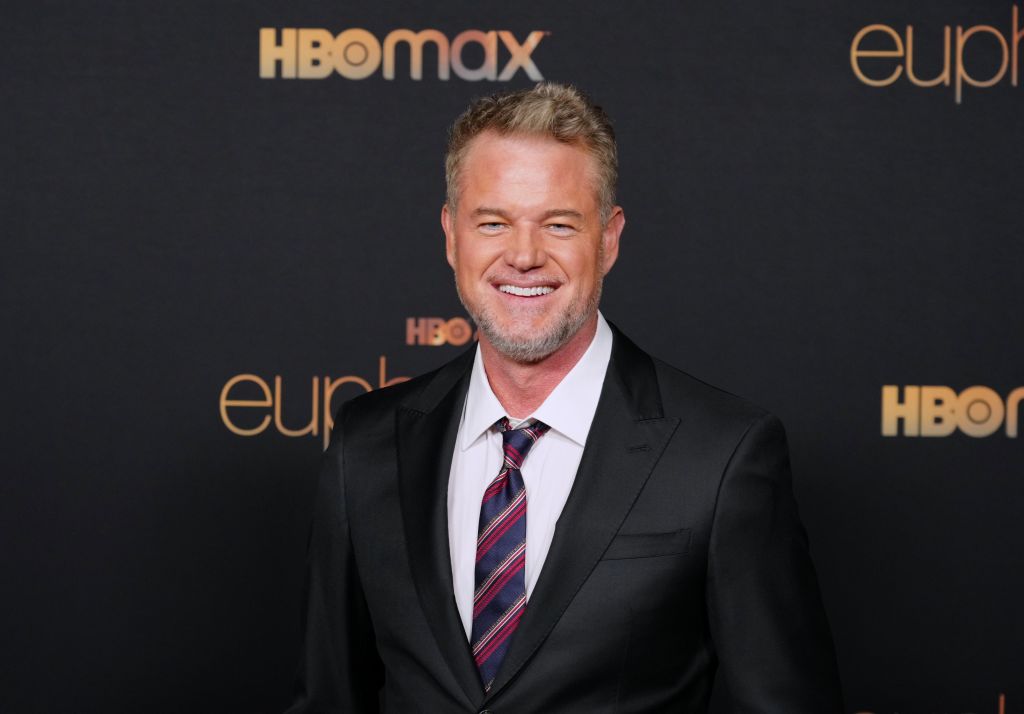
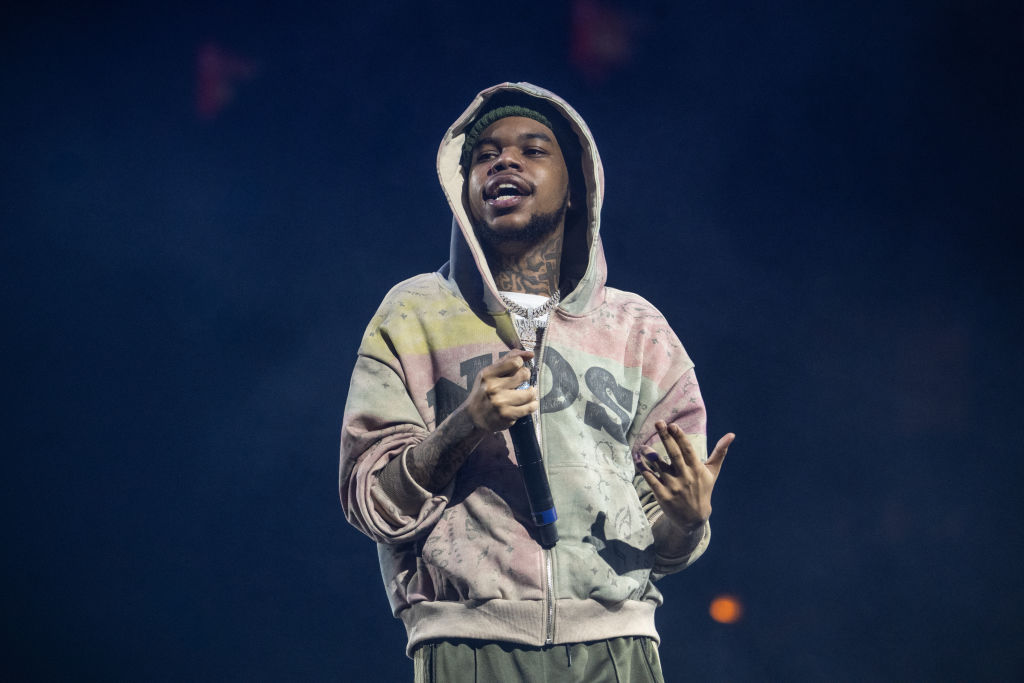
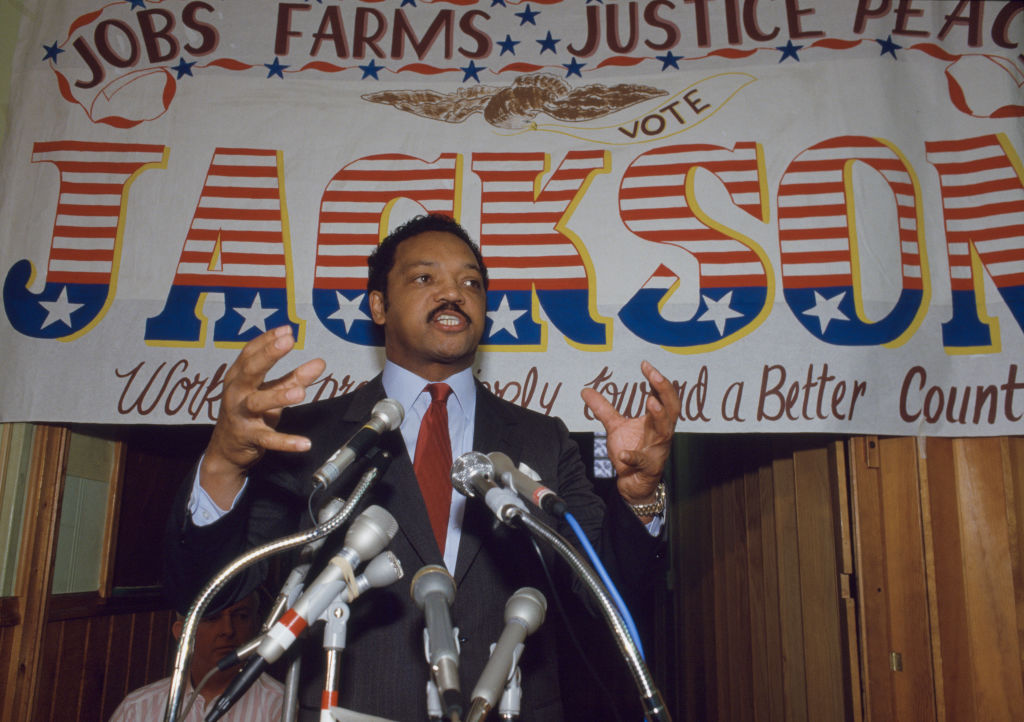
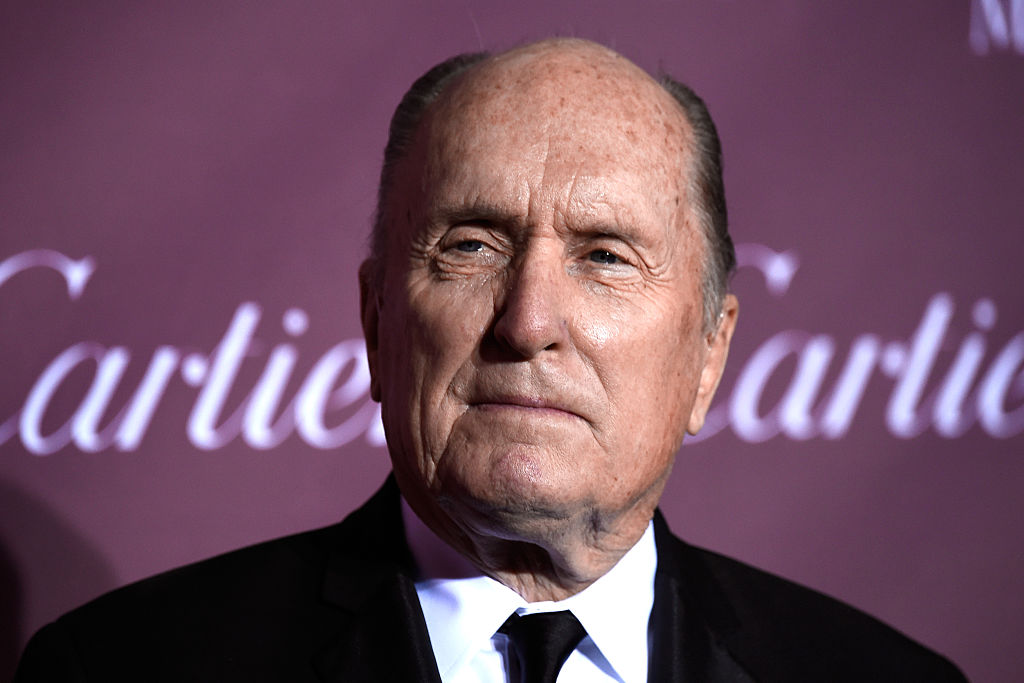
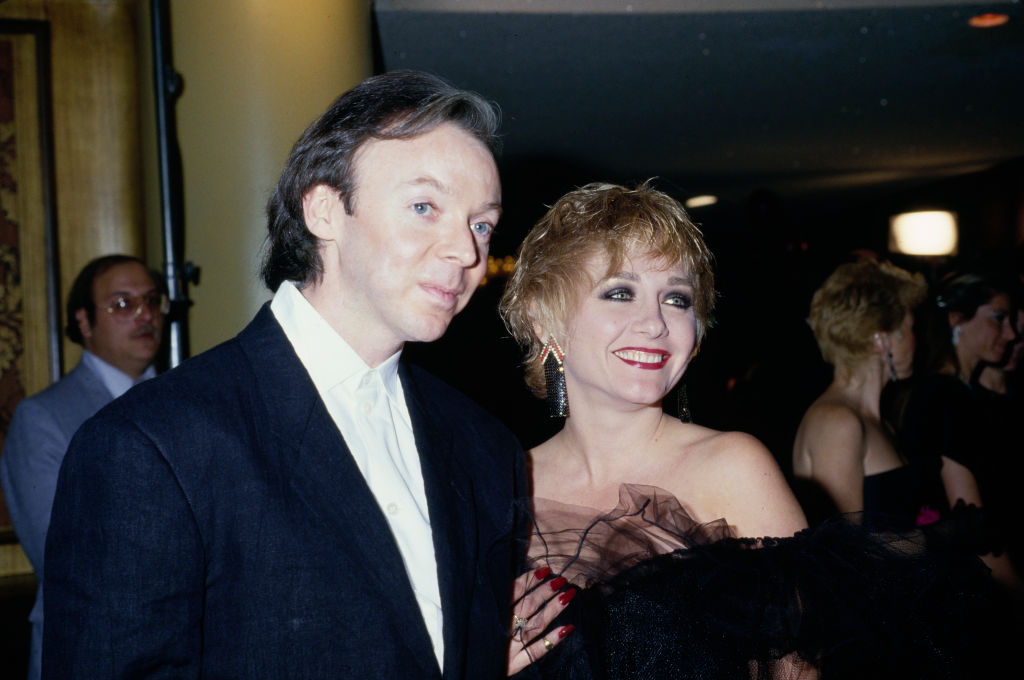

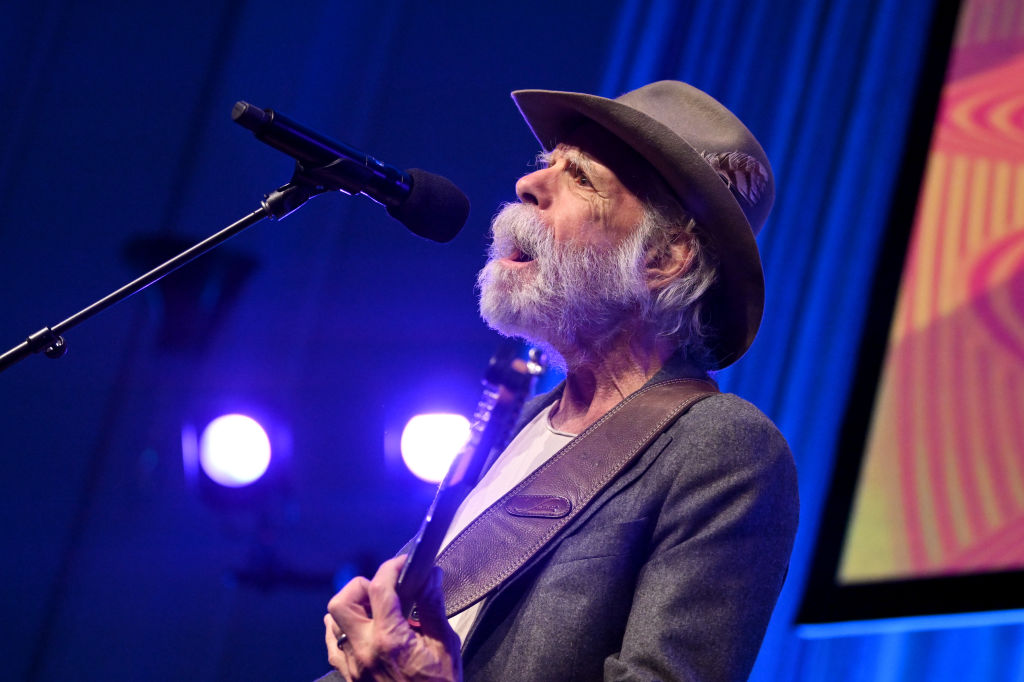
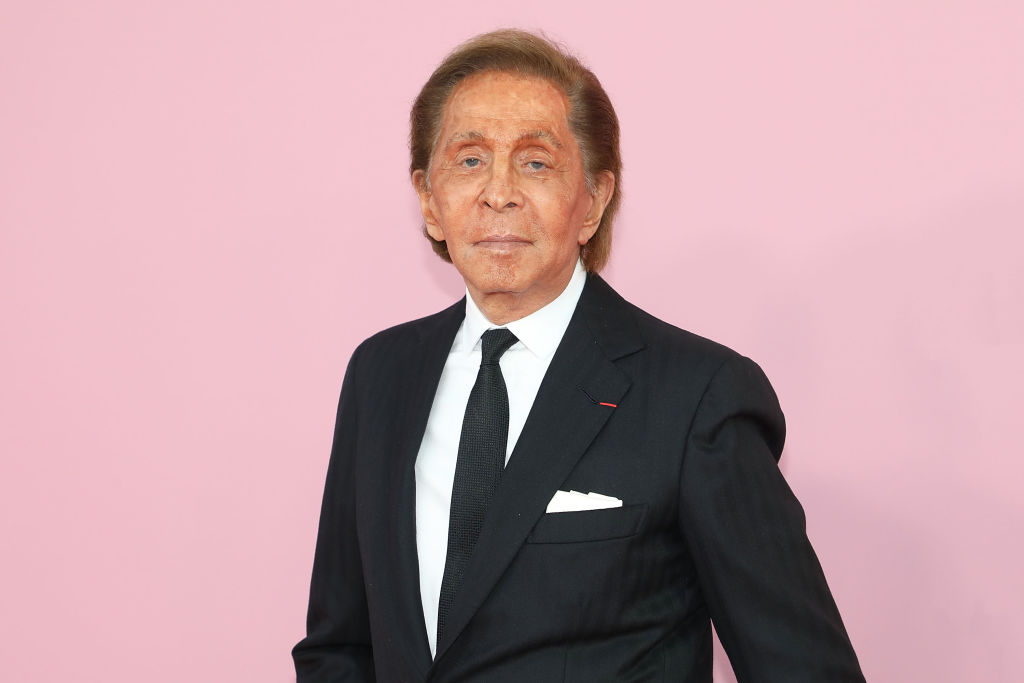
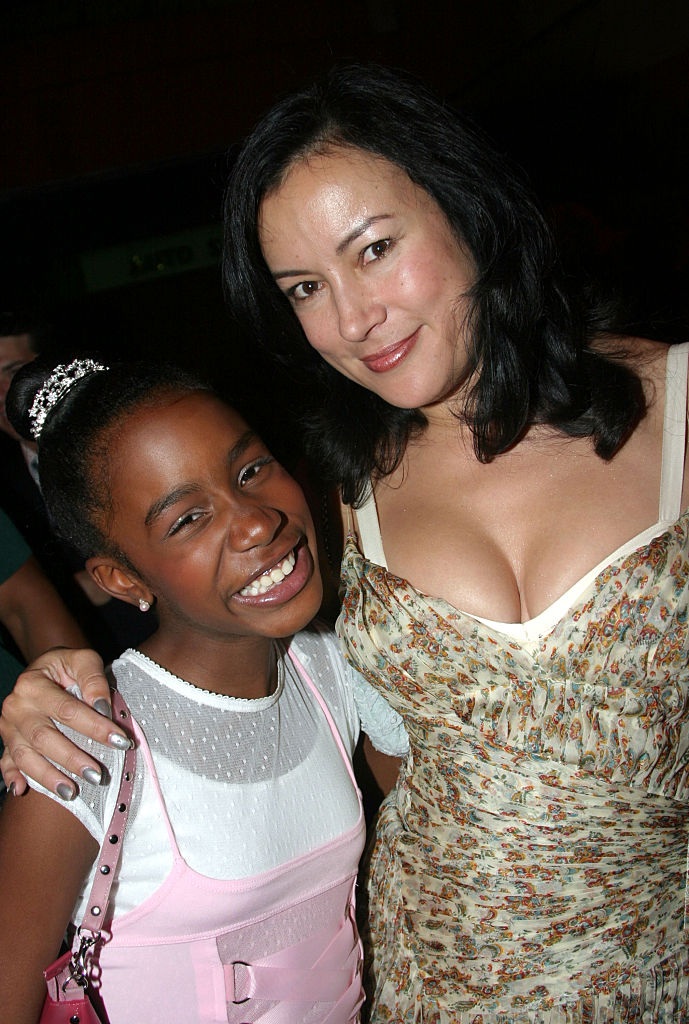
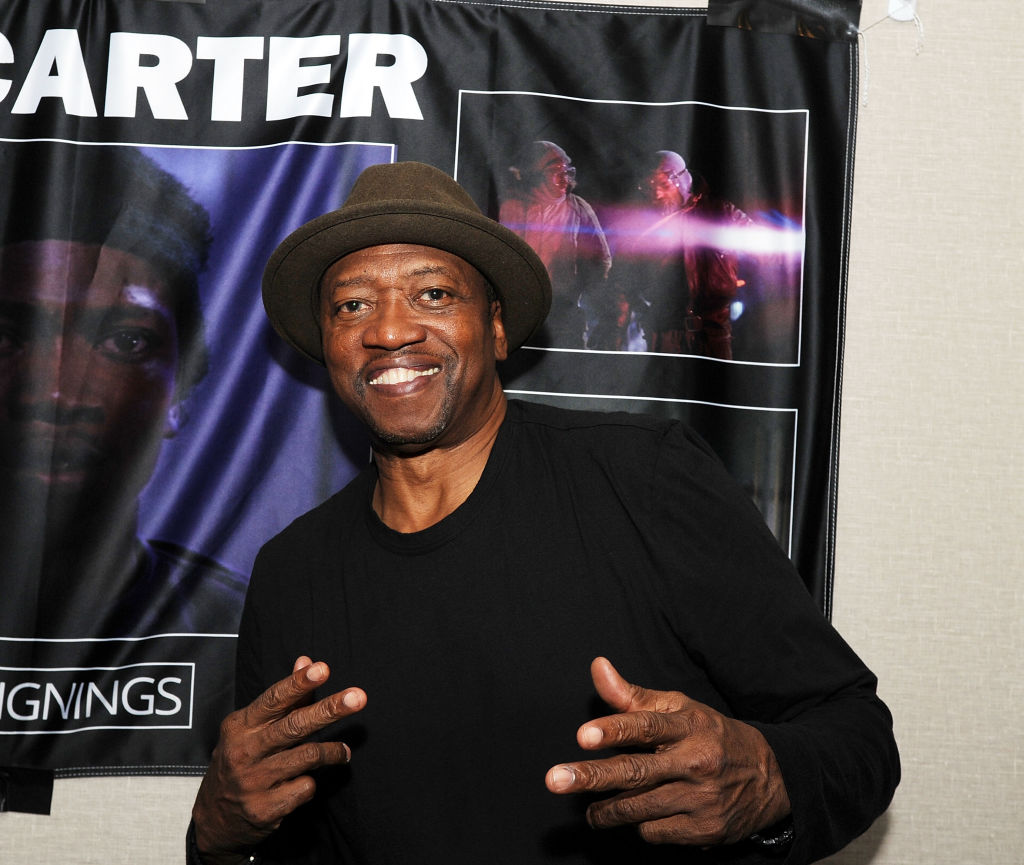
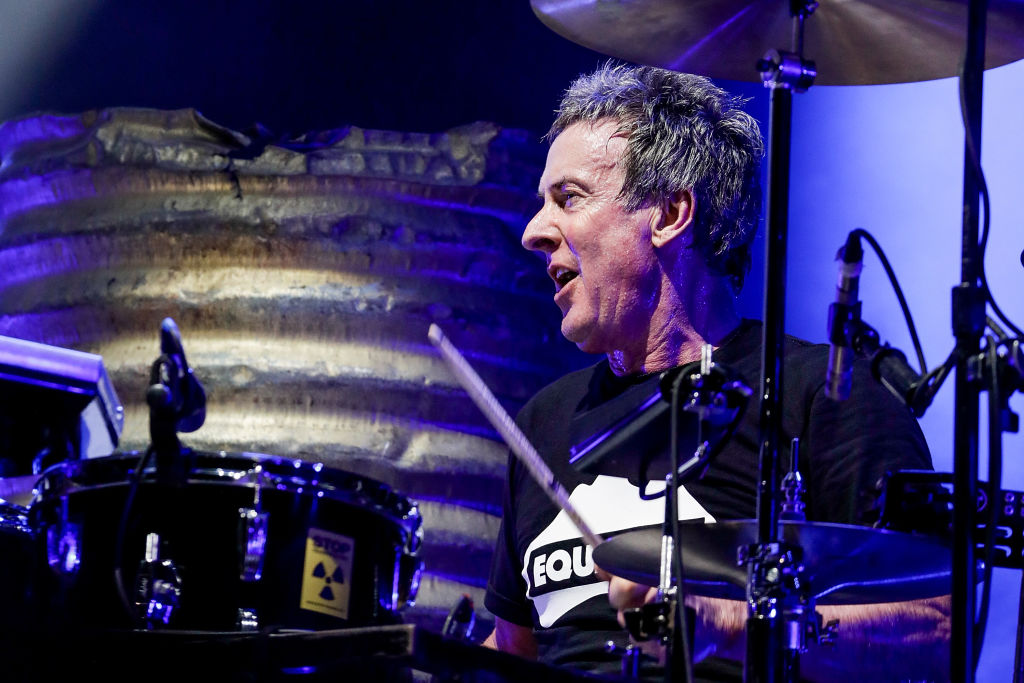

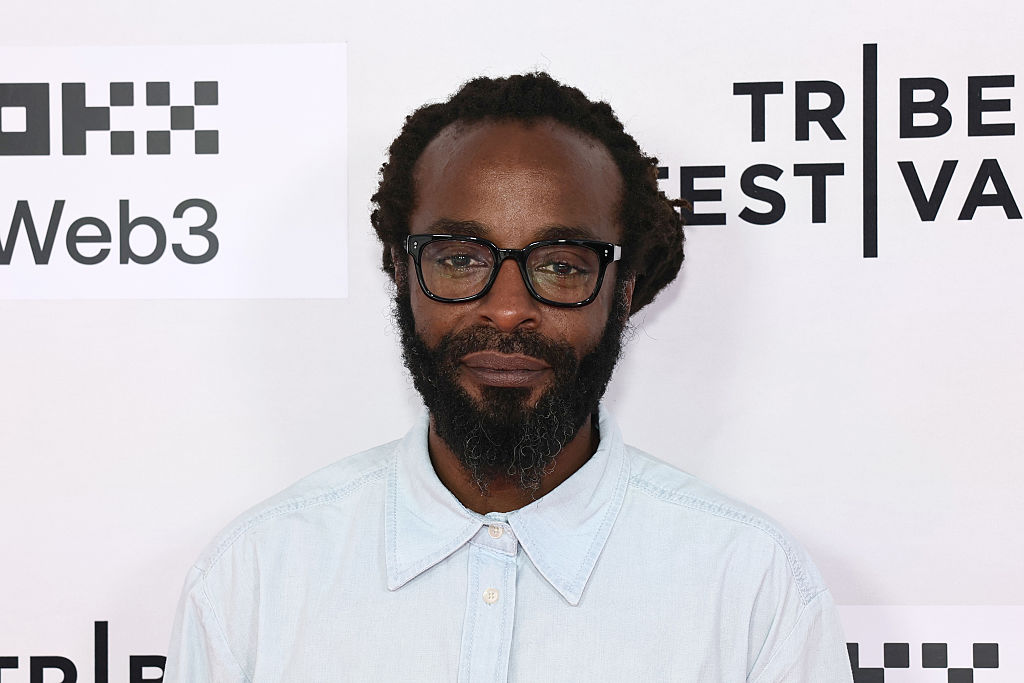
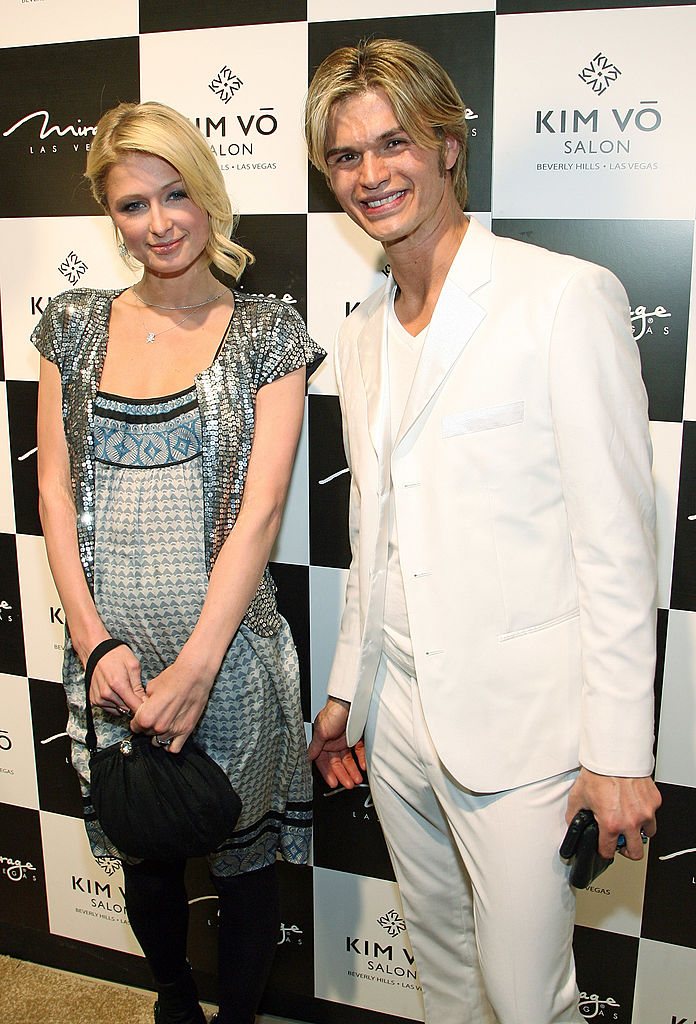
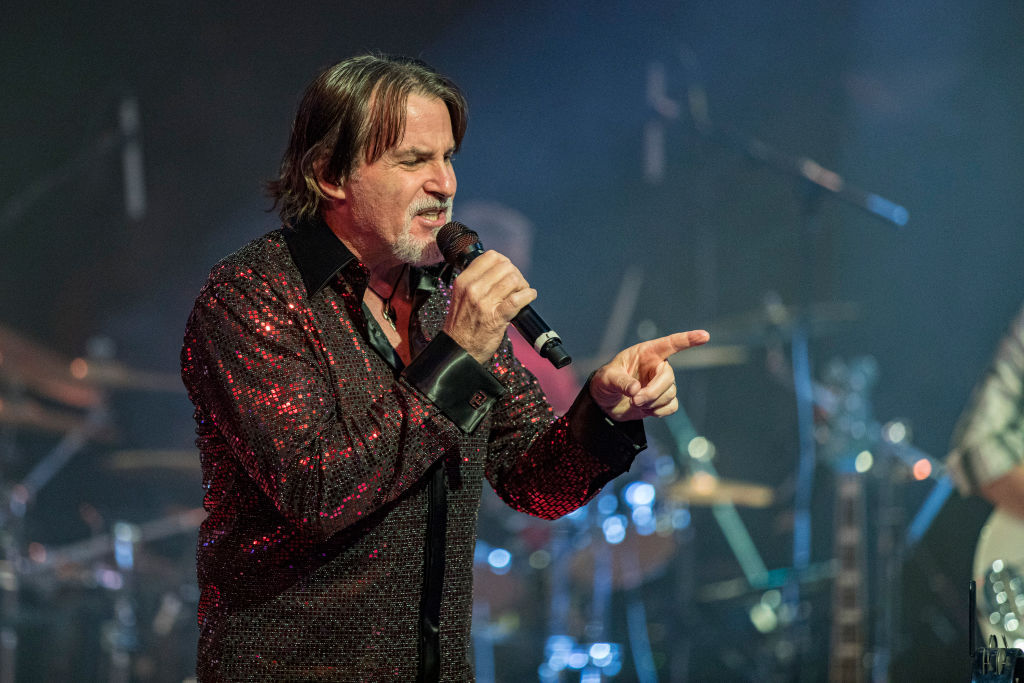
The year 2026 was marked by the passing of many personalities who left a lasting mark on our society. Artists, creators, public figures, thinkers, and athletes—each and every one contributed in their own way to shaping our era and our collective imagination. This In Memoriam project pays tribute to those who left us during the year. Through these memories, we take a moment to remember their influence, celebrate their contributions, and honor lives that will continue to resonate long after their passing.




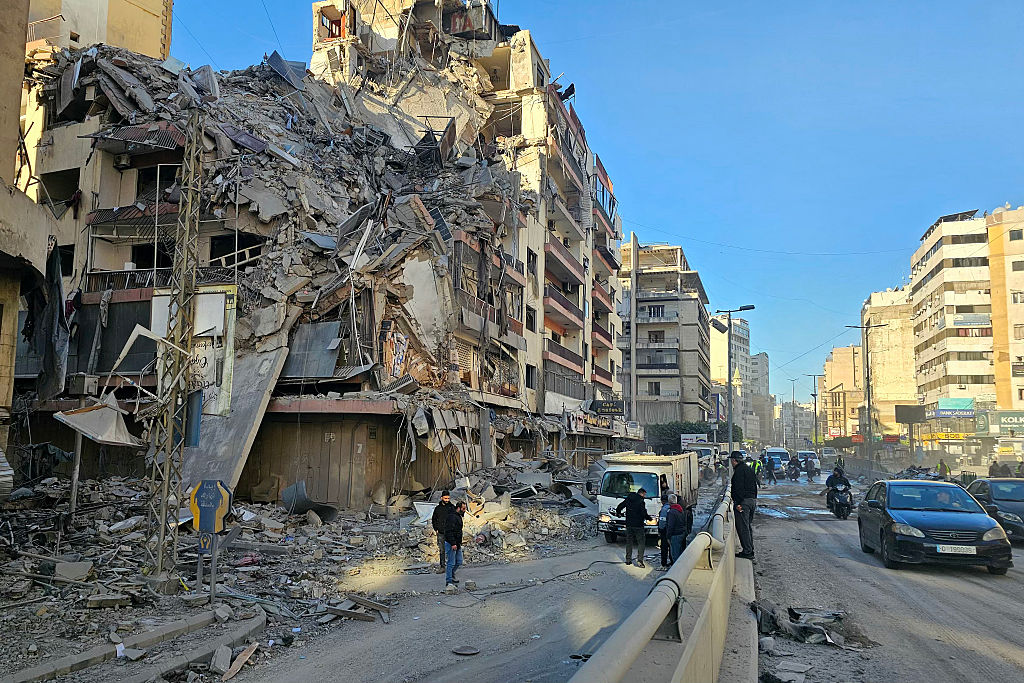
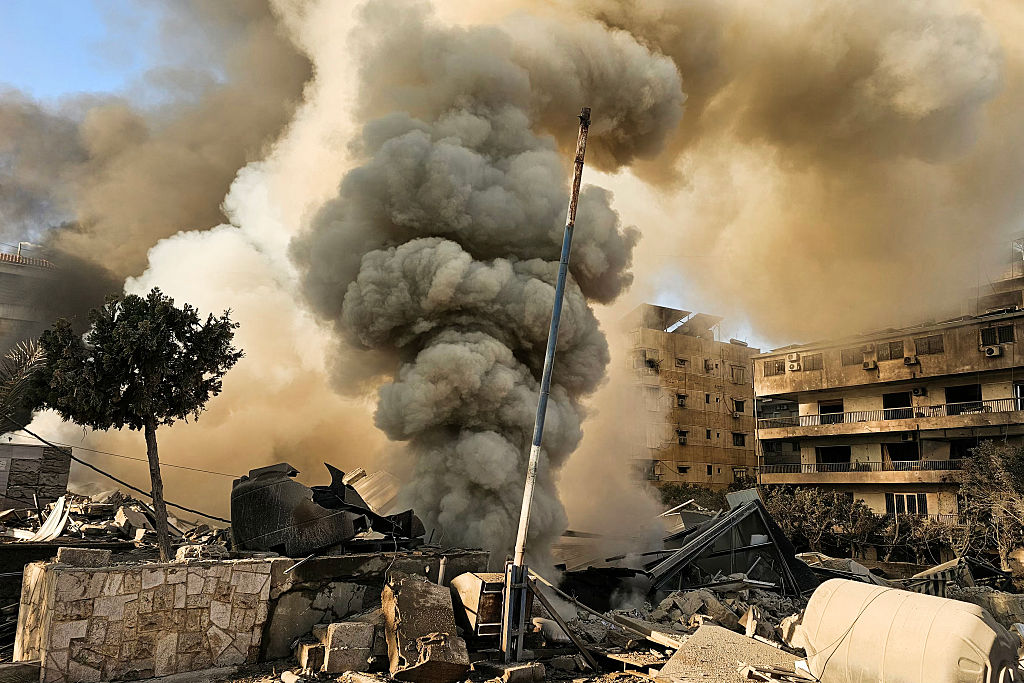
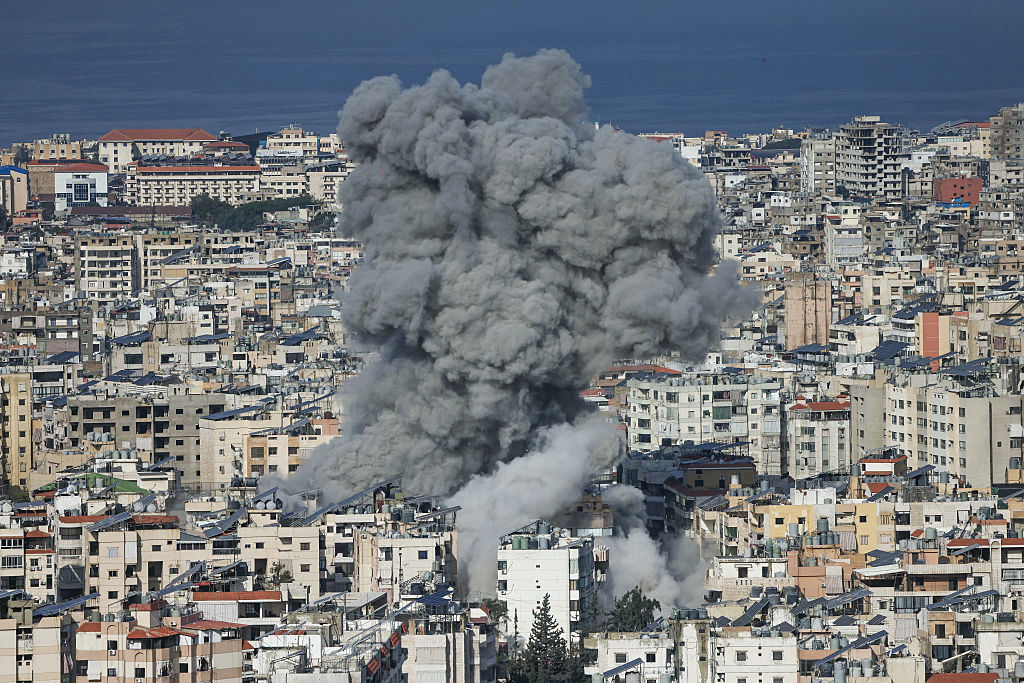
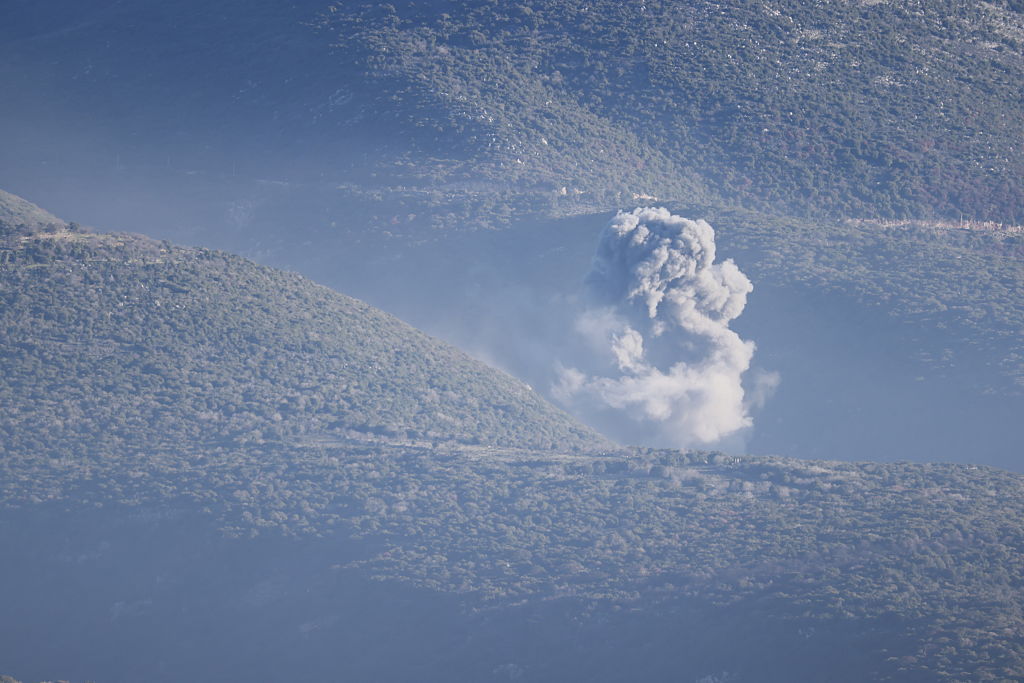
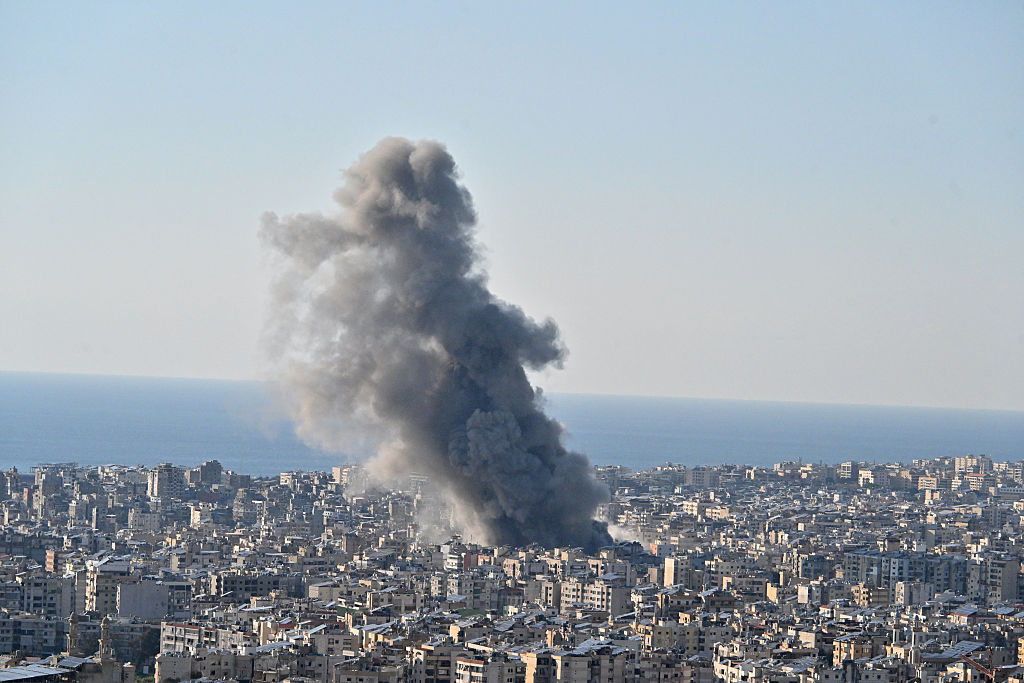
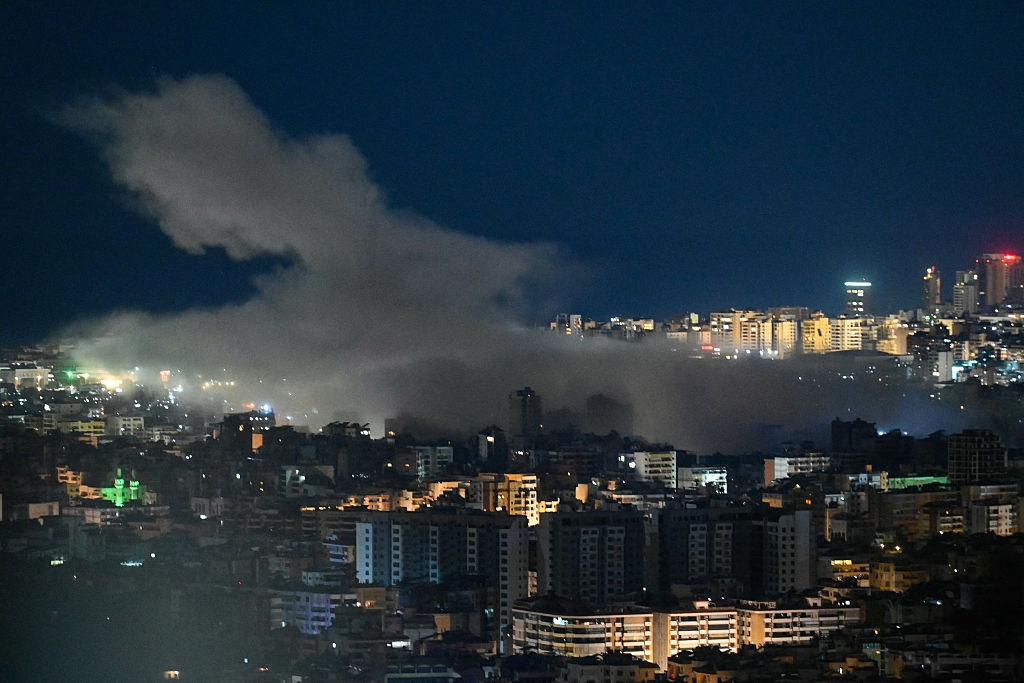
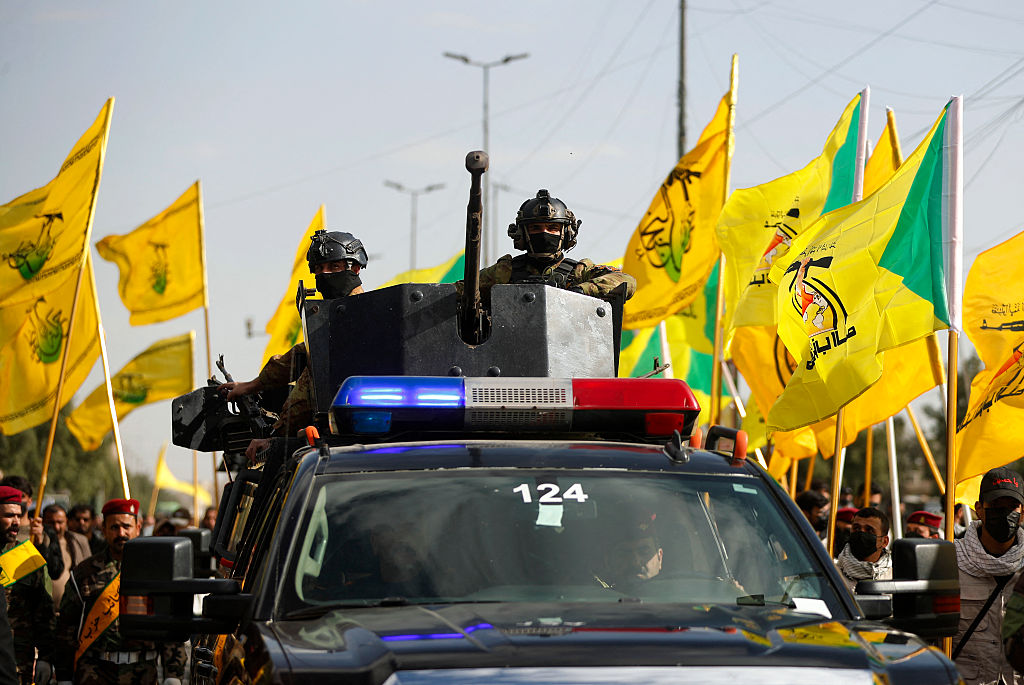
Après deux jours de bombardements incessants par Israël et les États-Unis, plus de 30 000 personnes ont été déplacées au Liban au 3 mars 2026. Israël poursuit ses actions militaires contre le Hezbollah, un groupe militant basé au Liban et financé par l’Iran. Ce groupe reçoit des fonds, des armes et une formation de la part de l’Iran et agit depuis longtemps comme une organisation paramilitaire étrangère soutenant l’ancien guide suprême iranien Ali Khamenei. Le Hezbollah a lancé des roquettes sur Israël le 1er mars, et le Liban en paie les conséquences, Israël bombardant le pays sans relâche depuis lors.
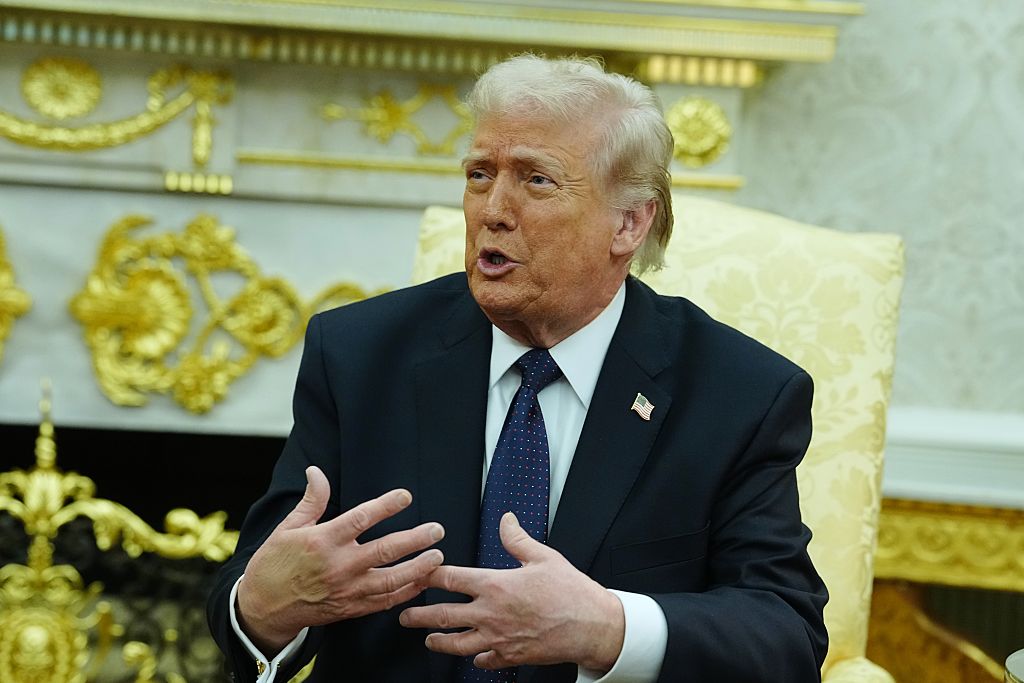
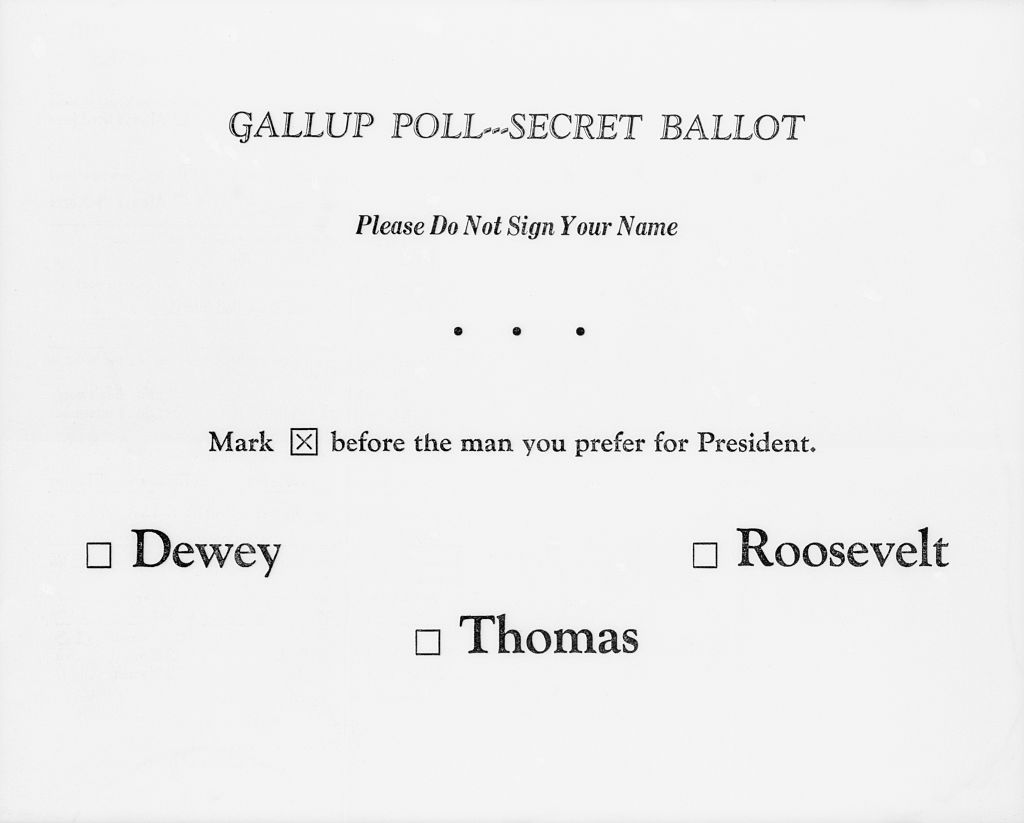
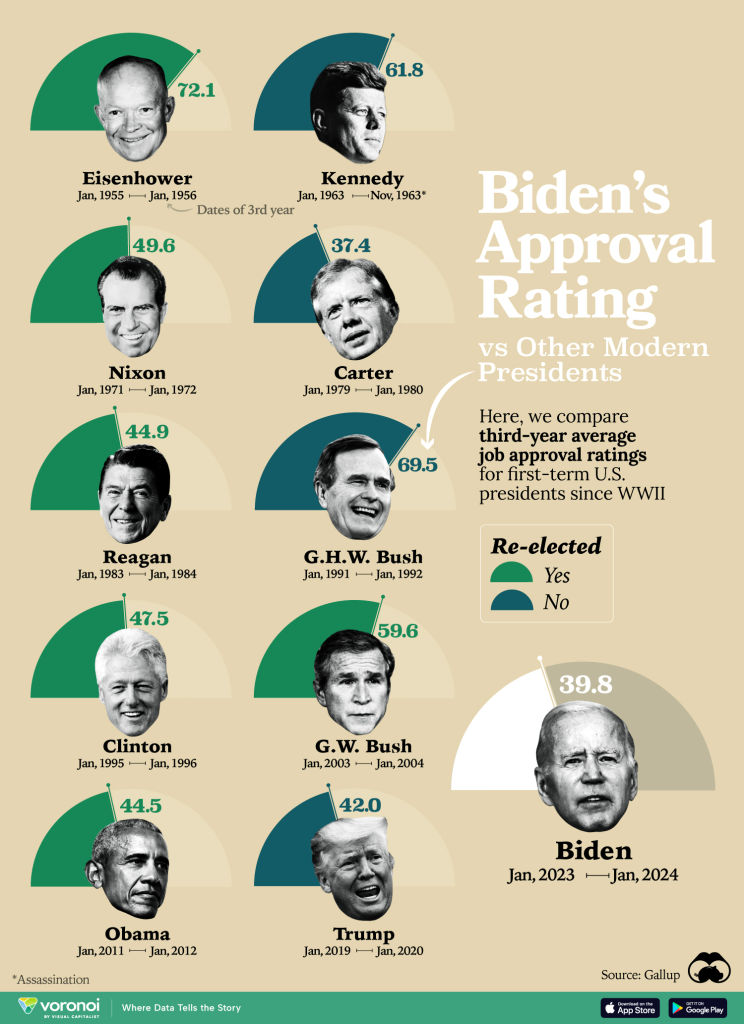
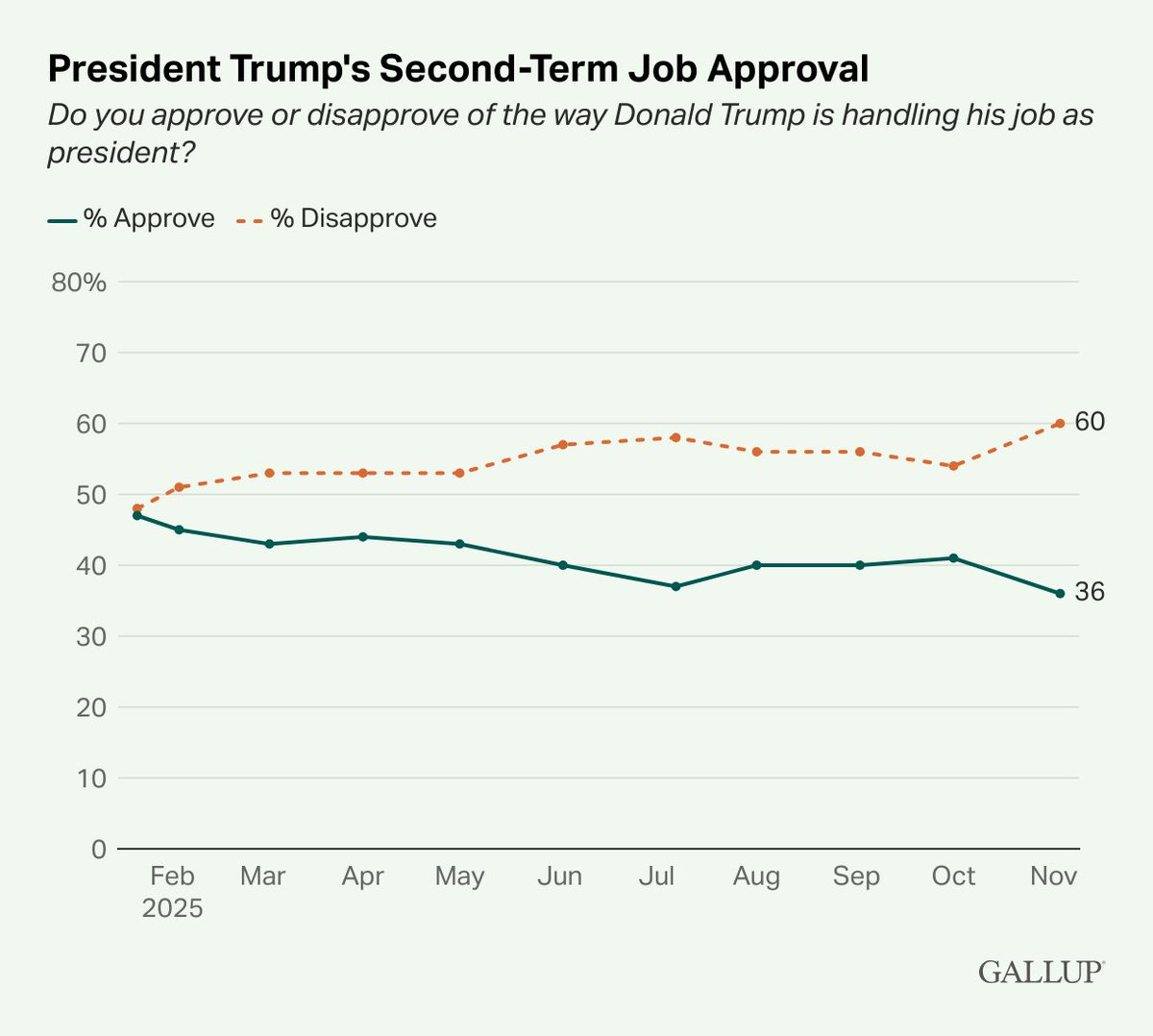
L’un des instituts d’analyse les plus réputés et les plus connus, Gallup, a annoncé qu’il allait cesser de publier son sondage sur la cote de popularité du président après 88 ans passés à informer les électeurs américains. Alors que Gallup a montré que la cote de popularité de Donald Trump s’était effondrée au cours des 12 derniers mois, l’entreprise affirme que le président n’a rien à voir avec cette décision et que ce changement s’inscrit dans le cadre d’un effort plus large visant à aligner le travail de Gallup sur sa nouvelle mission. Fondée en 1935, Gallup a son siège à Washington, D.C. et suit les taux de popularité des présidents depuis 1935.